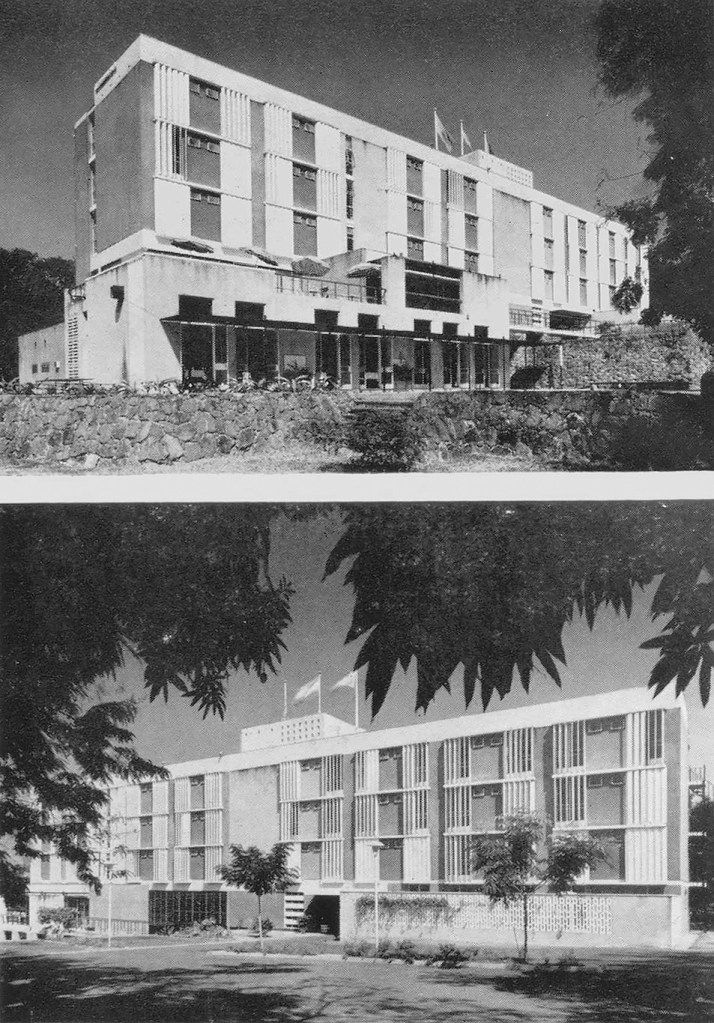
Source: “Paramount Hotel, Freetown,” The West African Builder and Architect, vol. 2, no. 4, July/Augst 1962. Original copyright holder unknown
Abstract:This article examines the planning of the Paramount Hotel in Sierra Leone, completed to the designs of James Cubitt & Partners in 1961, during Sierra Leone’s transition from colonial rule to independence. This paper demonstrates that the hotel was conceived of as a neocolonial instrument planned and funded by the British government’s Colonial Development Corporation to support the continued operation of British capital in a post-imperial world. At the same time, tourist-based development was a central component of economic planning in the immediate post-independence years for Sierra Leone’s political class. This paper therefore reveals that the luxury hotel played a central, if unstable, role in planning for economic futures during the ends of empire in Sierra Leone.
We’ve just returned from a Liverpool School of Architecture BA3 field trip to Ghana. 17 students from the AHUWA studio visited Accra, Kumasi, Cape Coast, and Aburi. We’ll be setting a theoretical design project at the former Kingsway Stores site on Accra’s High Street. Students will be using the site to test climatically appropriate design solutions, naturally cooled interiors, and how a new botanical research station, exhibition, and garden could be reimagined in the historic core of Accra.
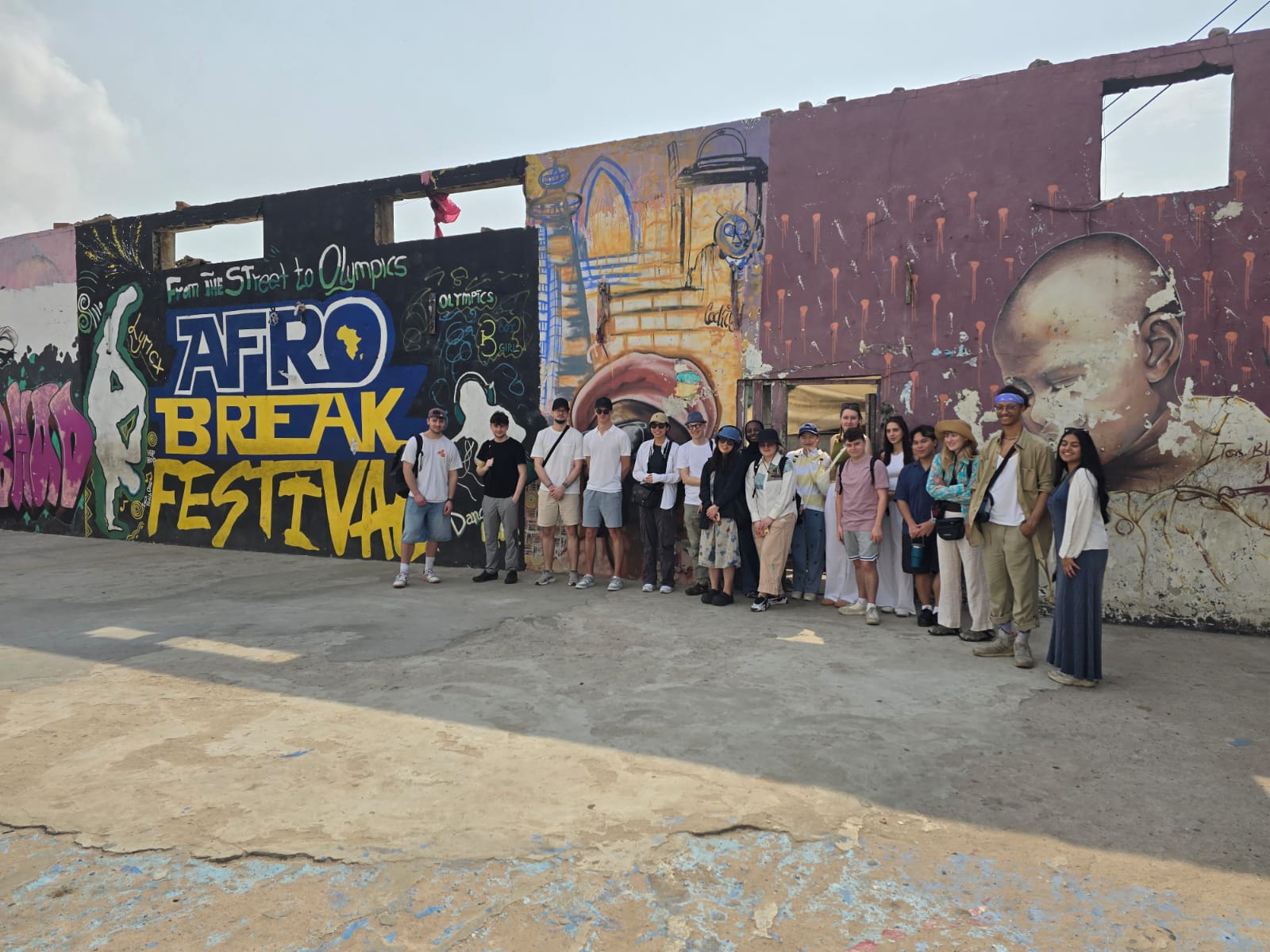
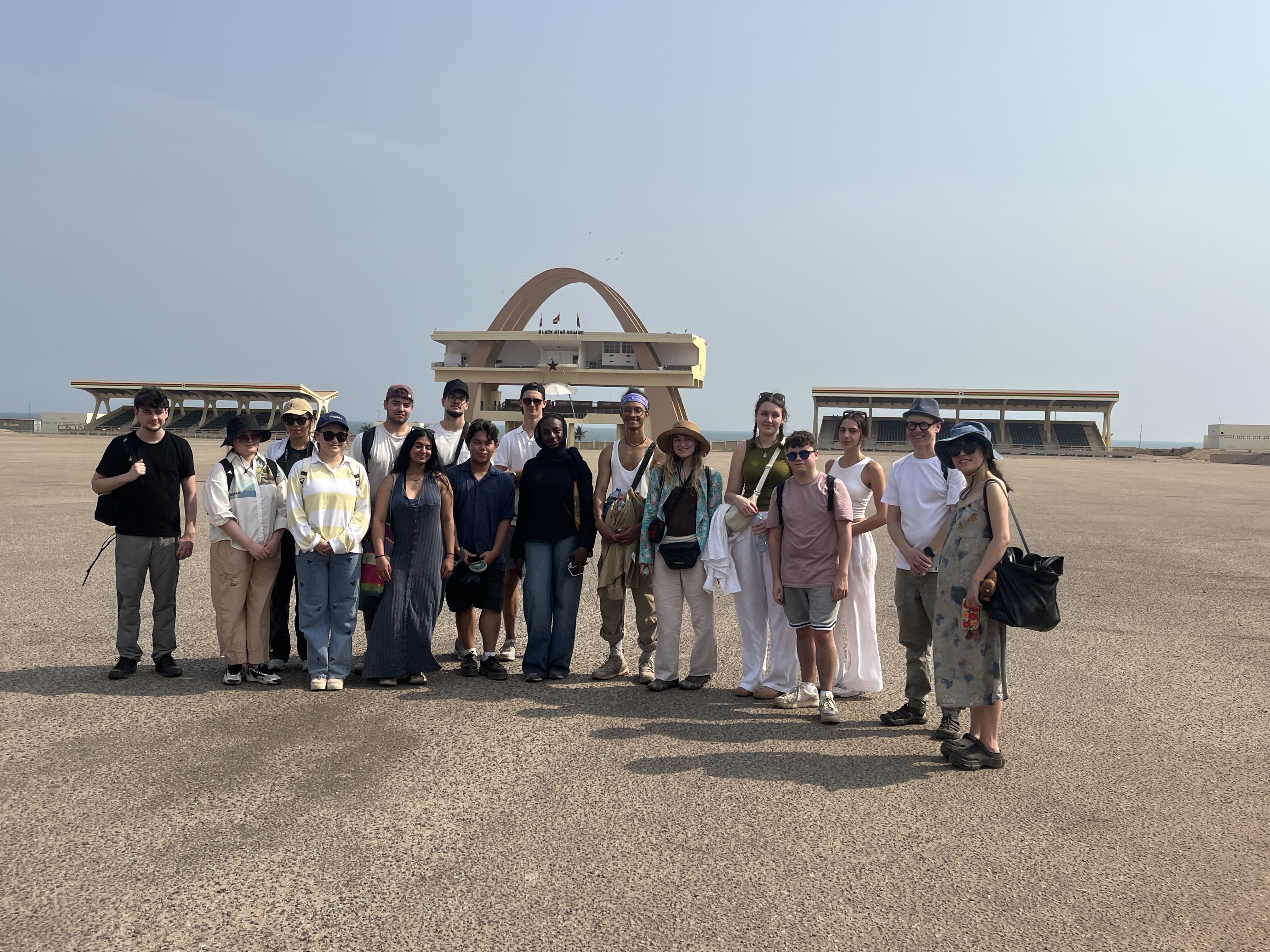
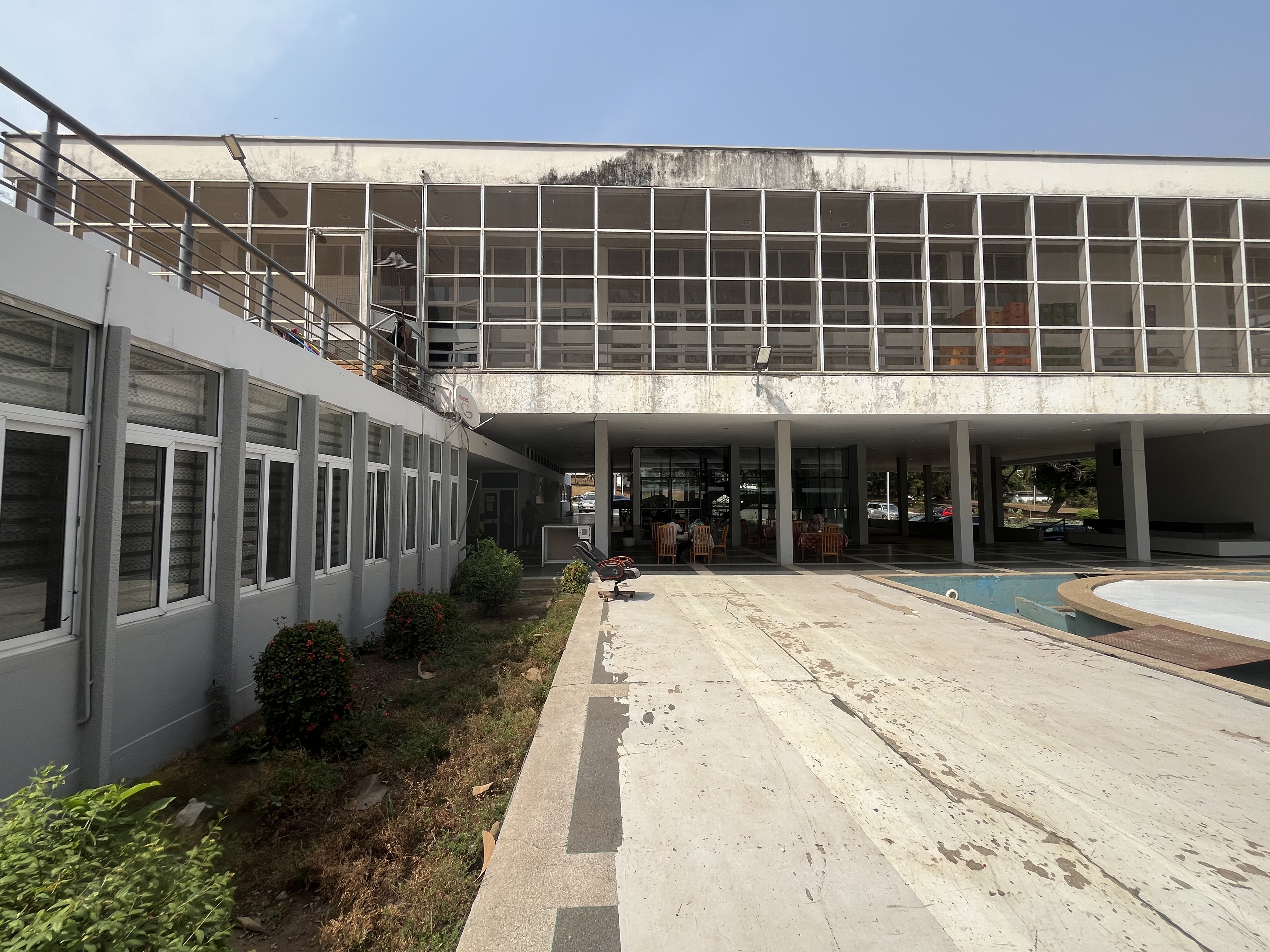
We visited Jamestown, the Padmore Library, Accra Library, Black Star Square and various streets and buildings around central Accra.
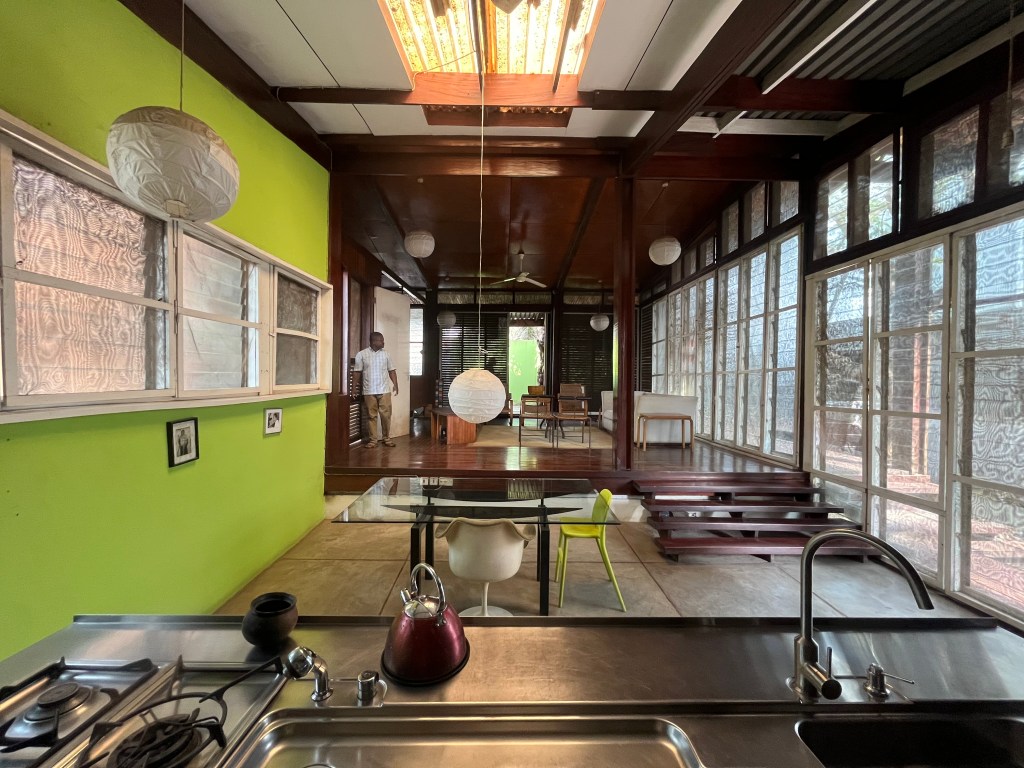
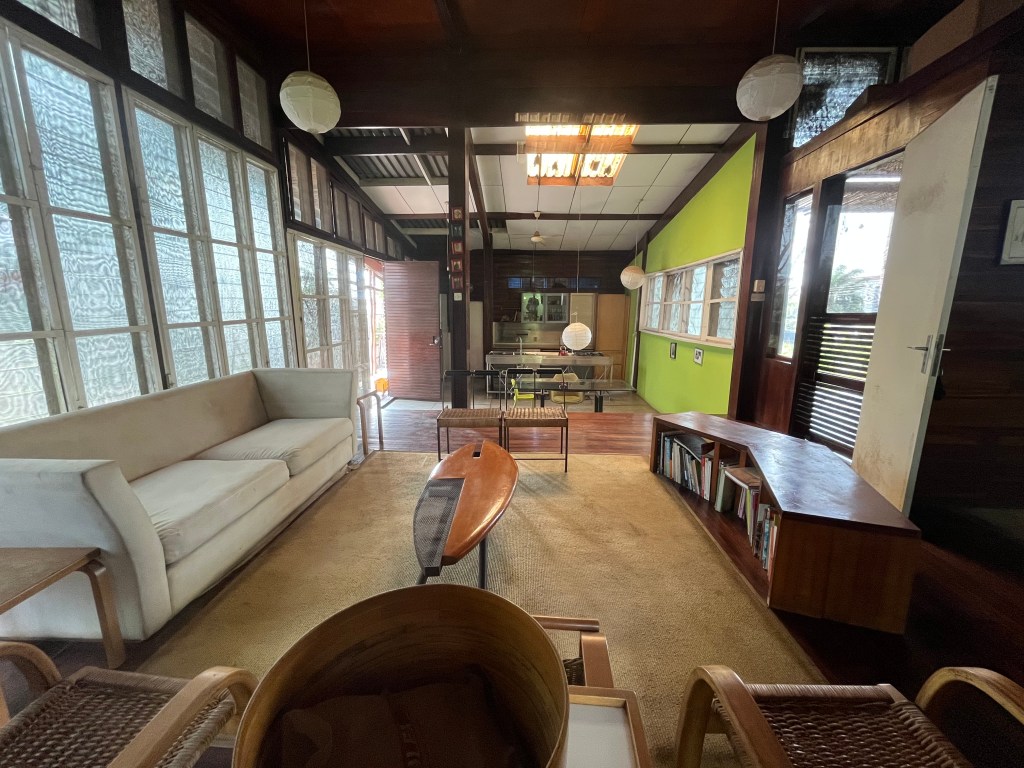
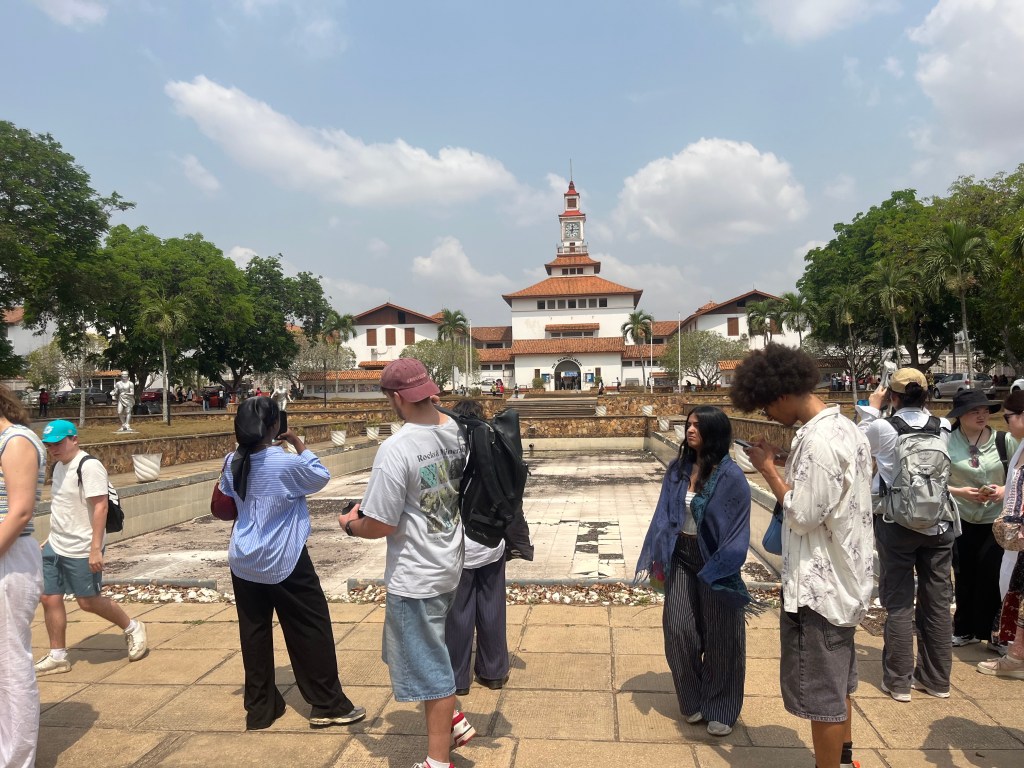
Joe Addo kindly gave us permission to visit his home in Medina, and from there we went to the University of Ghana.
In Kumasi we visited the KNUST campus as well as the Ejisu Besease Shrine – an early 19thC shrine and one of the few surviving Asanti traditional buildings (now all UNESCO heritage sites).
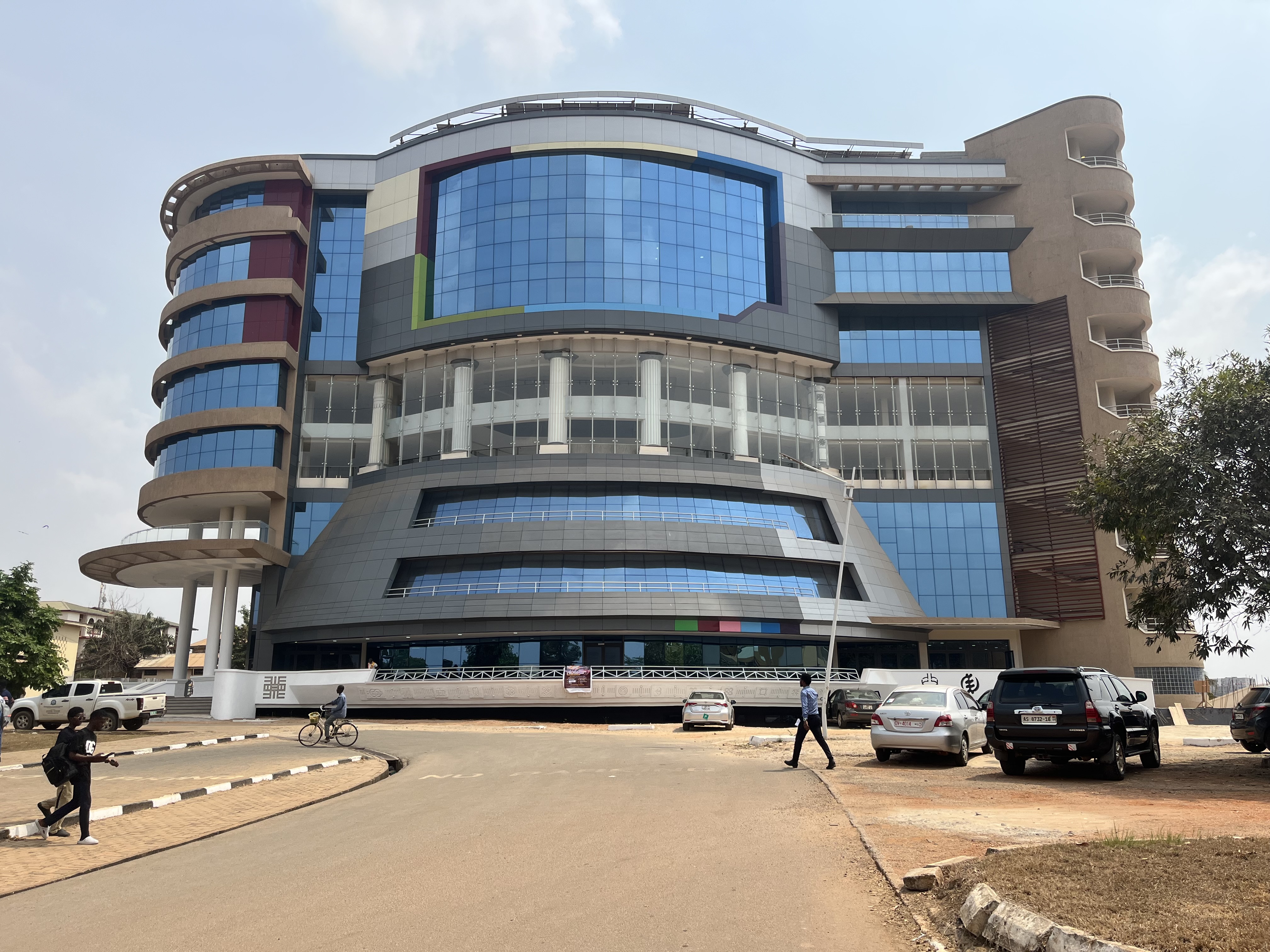
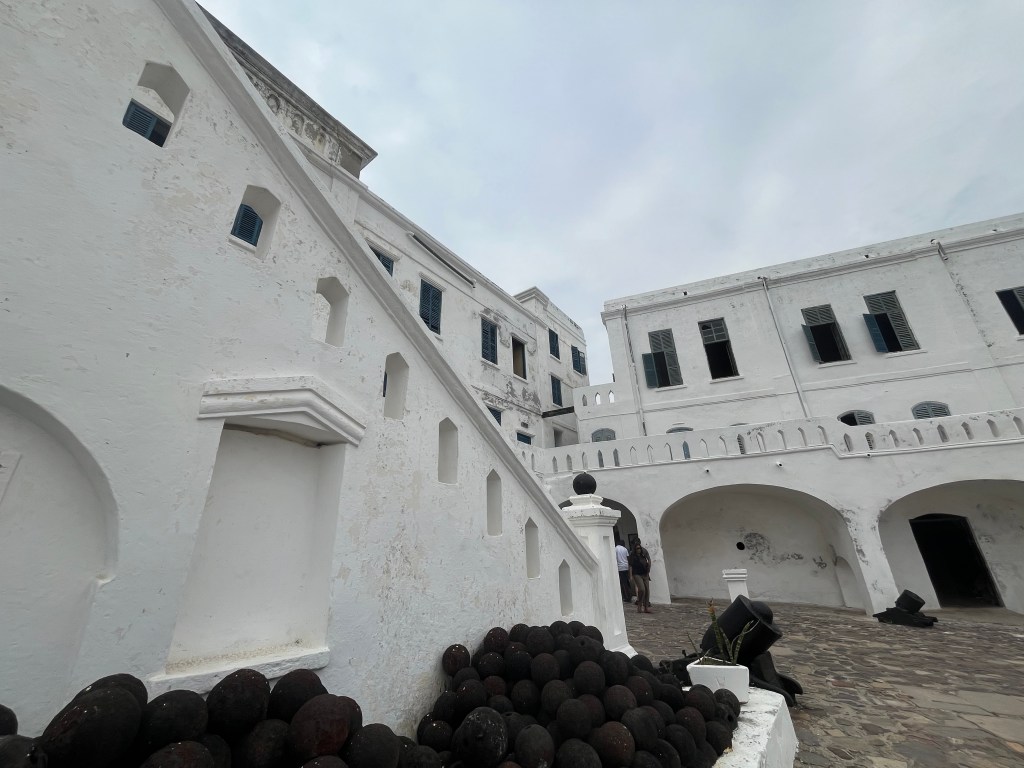
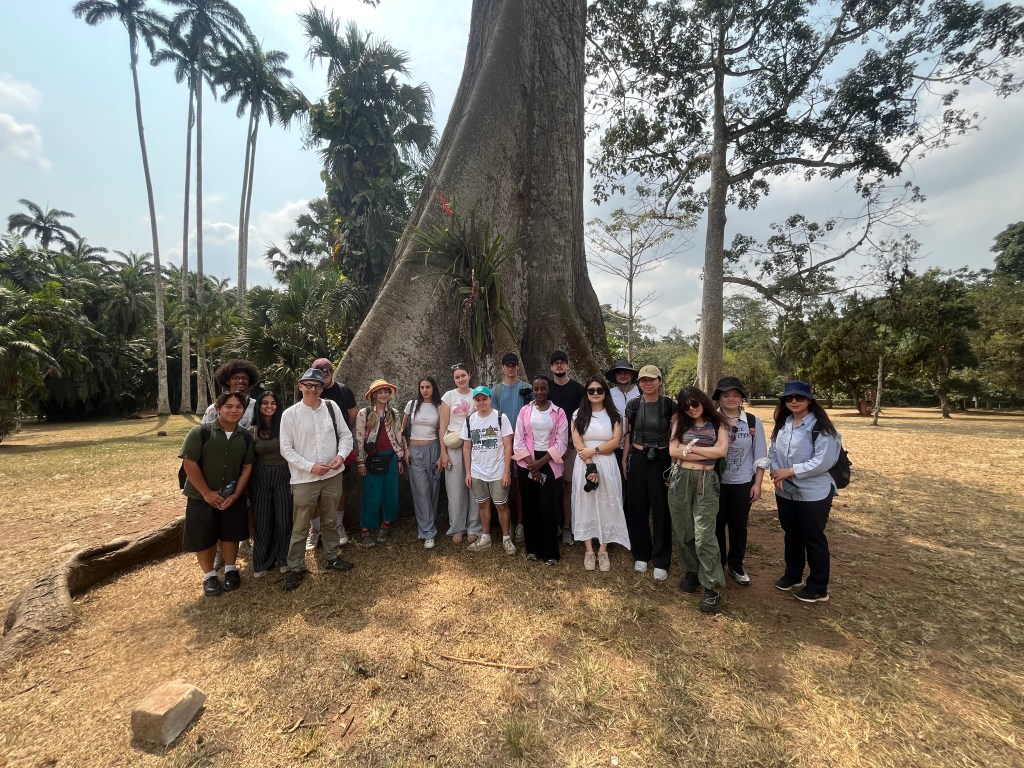
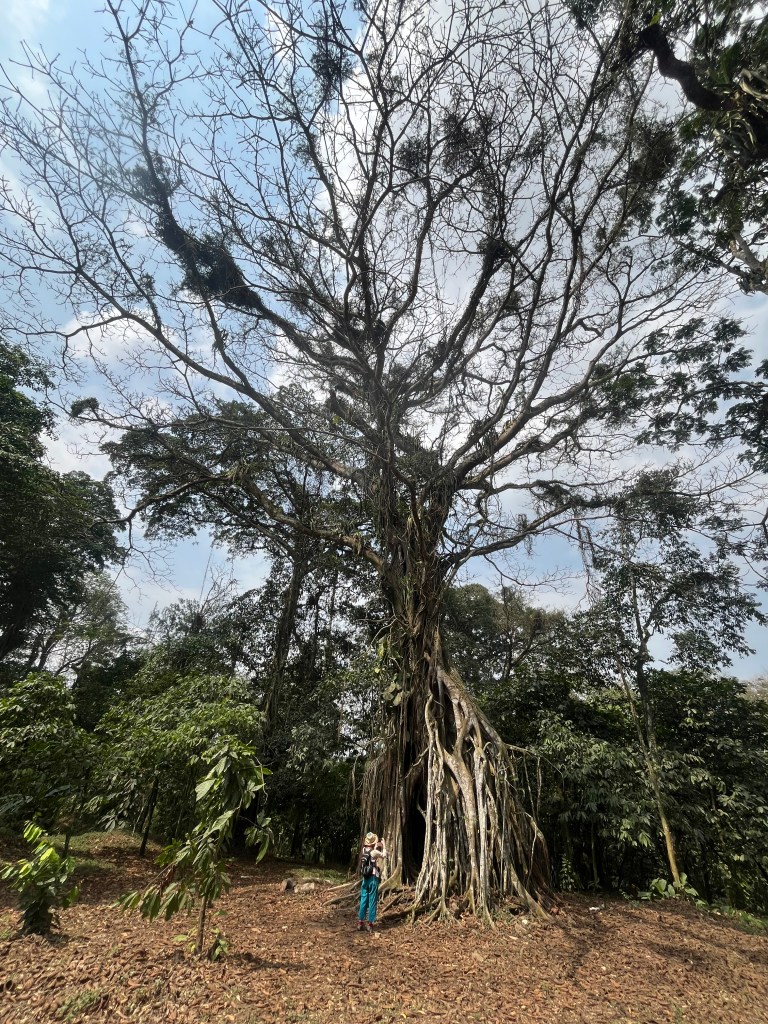
The large new build with the white columns behind the glazing is going to be the new arts and architecture building on campus. It sits at the end of the road axis leading to the library and great hall. It’s not finished yet and we couldn’t visit the interior. From there we went to the Kumasi Cultural Centre to see the Nickson and Borys designed Asanti Regional Library before heading to Adum and central Kumasi. We travelled by bus to from Kumasi to Cape Coast where we visited the Cape Coast castle – with an excellent tour of its disturbing and poignant history. We returned along the coast road back to Accra to continue our buildings visits there and to the Botanical Gardens at Aburi.
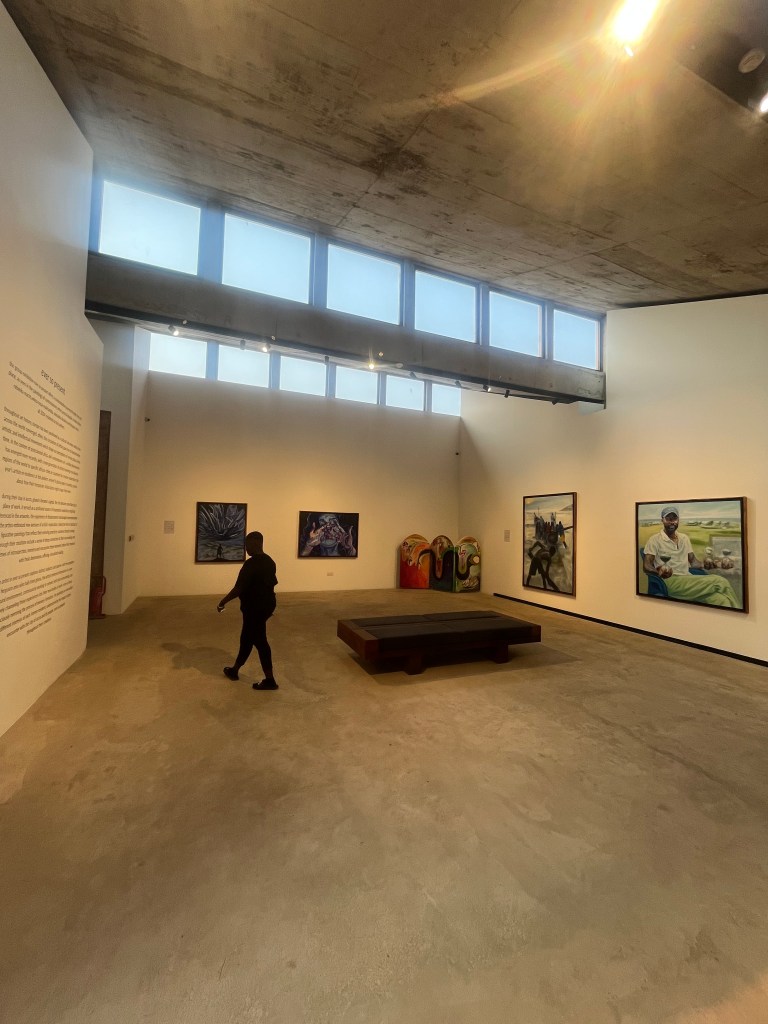
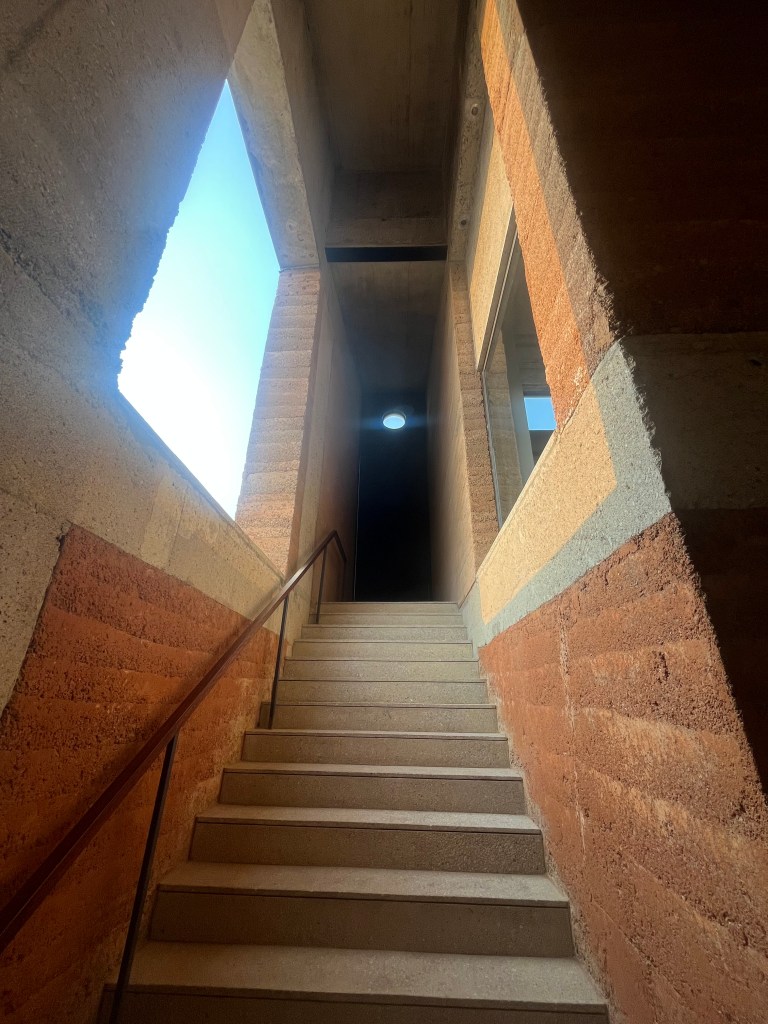
We visited the dot atelier new artist studios and gallery spaces designed by Adjaye Associates too. A 3-storey rammed earth building with concrete frame and distinctive saw-tooth roof above the gallery. The clerestory windows set within the roof are north-facing. The vertical circulation has large openings offering views out over the suburb and allowing the sea-breeze to circulate through the building. A metal flashing detail was being retrofitted below the exposed concrete floor and the pisé – the mud was being eroded at that point and required some additional protection. It’s a fascinating structure and clearly an experimental project that requires fine-tuning and testing.
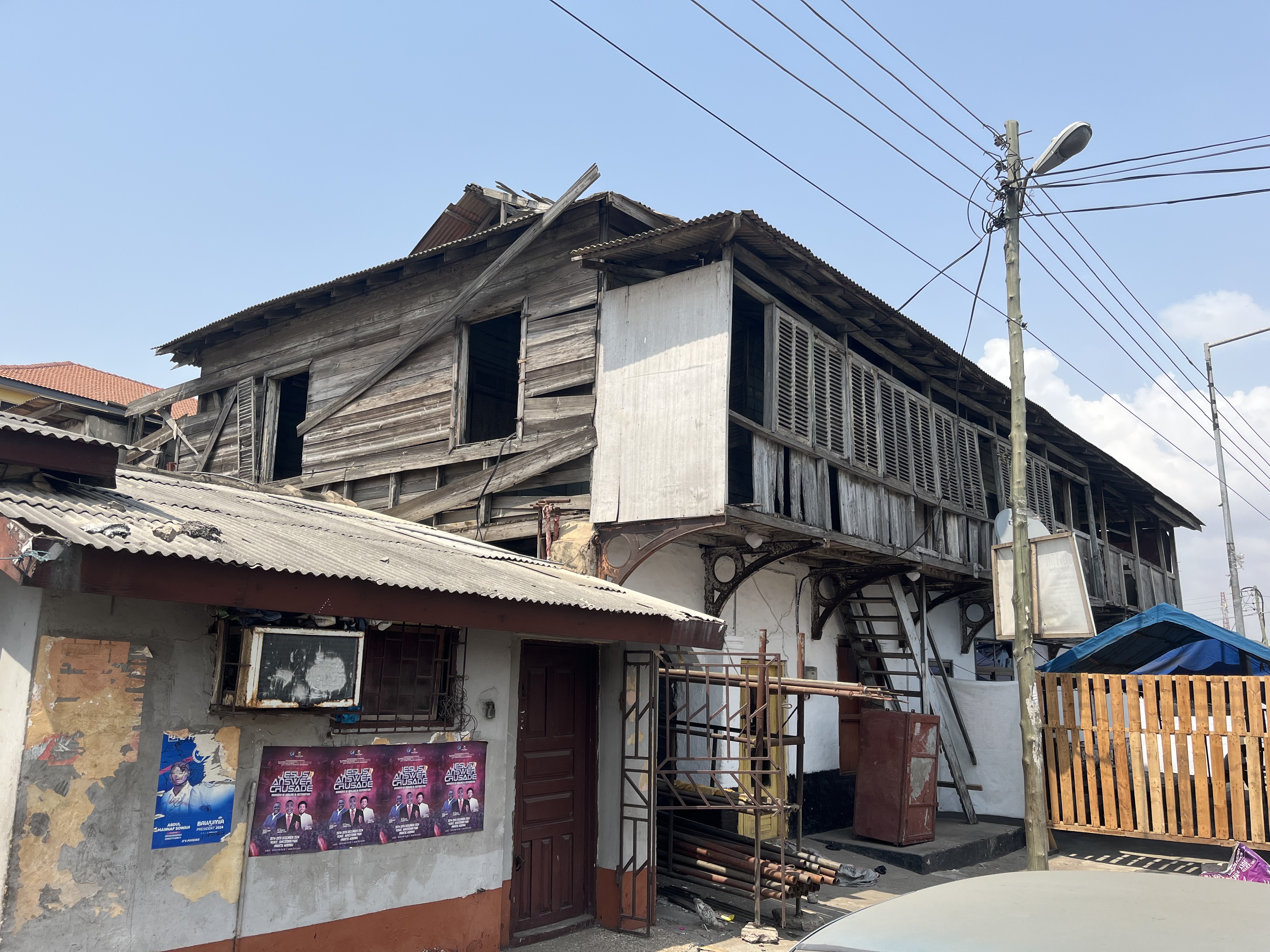
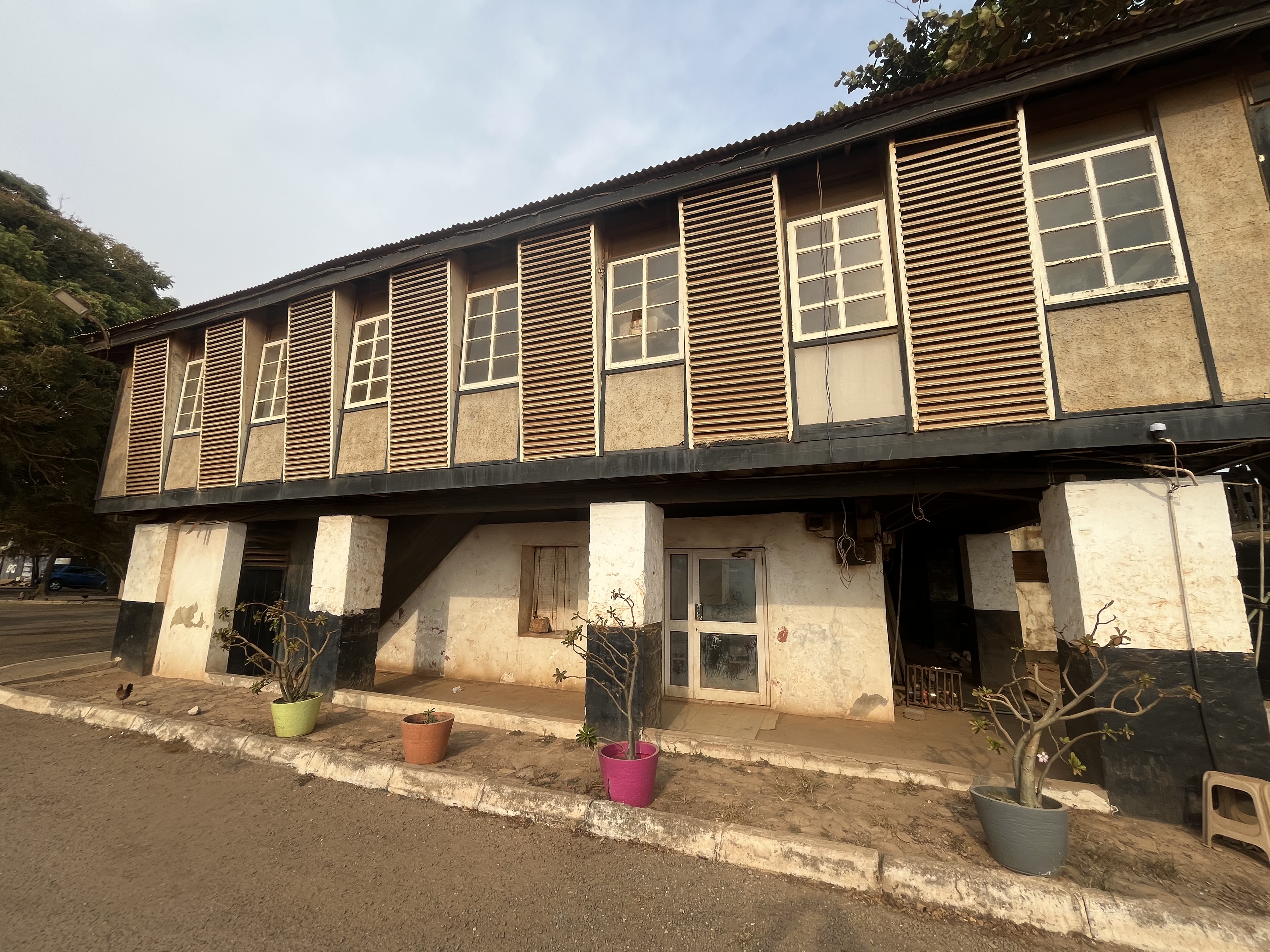
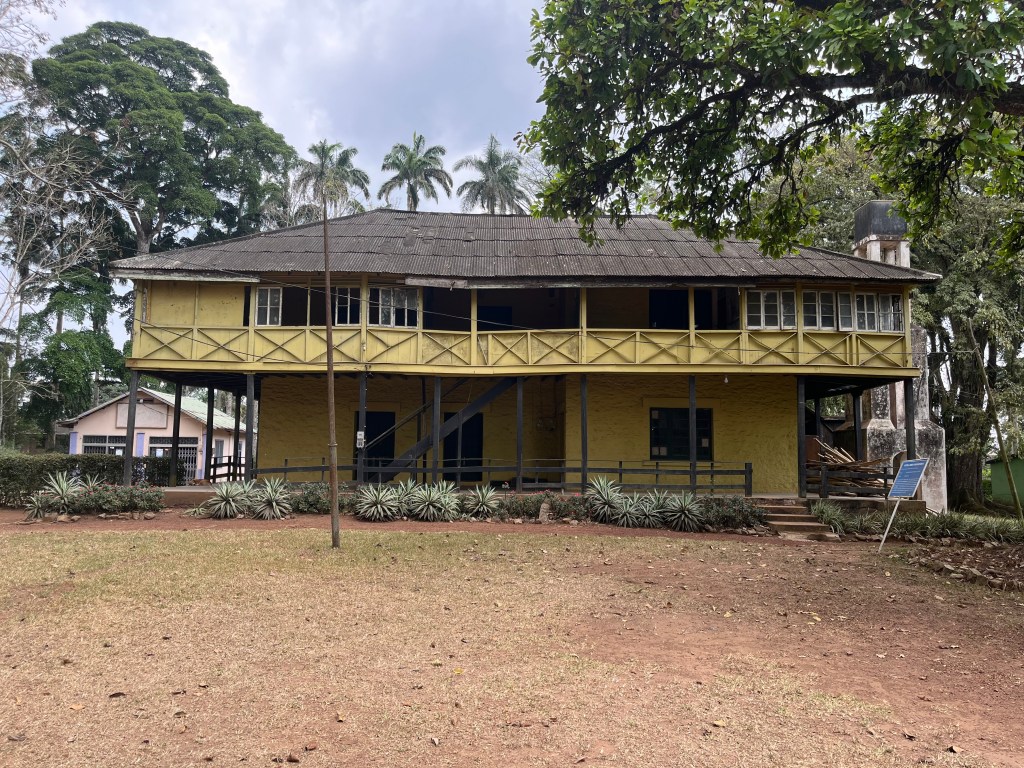
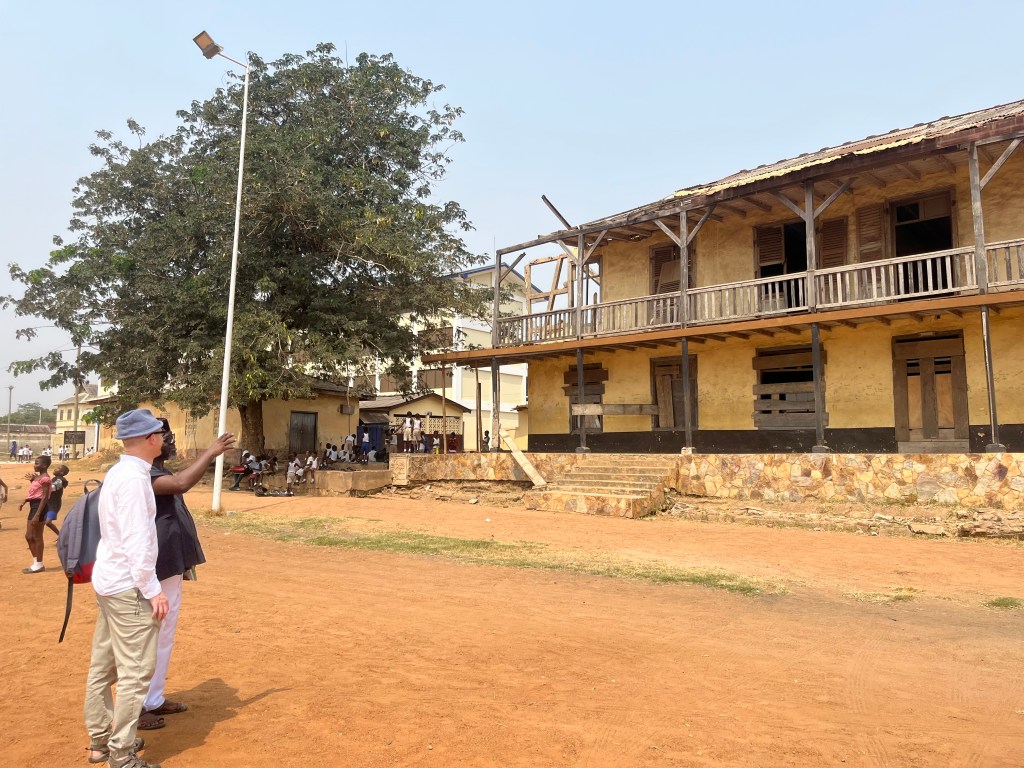
I gave a talk on some of our research and studies of Accra’s heritage structure for the Ghana Institute of Architects and Centre for Architecture and Arts Heritage. Architect David Kojo Derban kindly organised the event – and is pursuing an important mission to preserve, list, and celebrate the heritage structures and spaces within Ghana. David kindly showed us a project he’s been tasked with restoring. It’s the Osu Salem Presbyterian Middle Boys Boarding School – founded by the Basel Mission of Switzerland in 1843. The timber frames, shutters, windows, and verandahs were all pre-fabricated in Germany and then imported. The wattle and daub walls were infilled using local adobe, stones, and plaster. The school is now severely dilapidated and in urgent need of repair. It may not survive the next rain season.























 Transnational Architecture Group