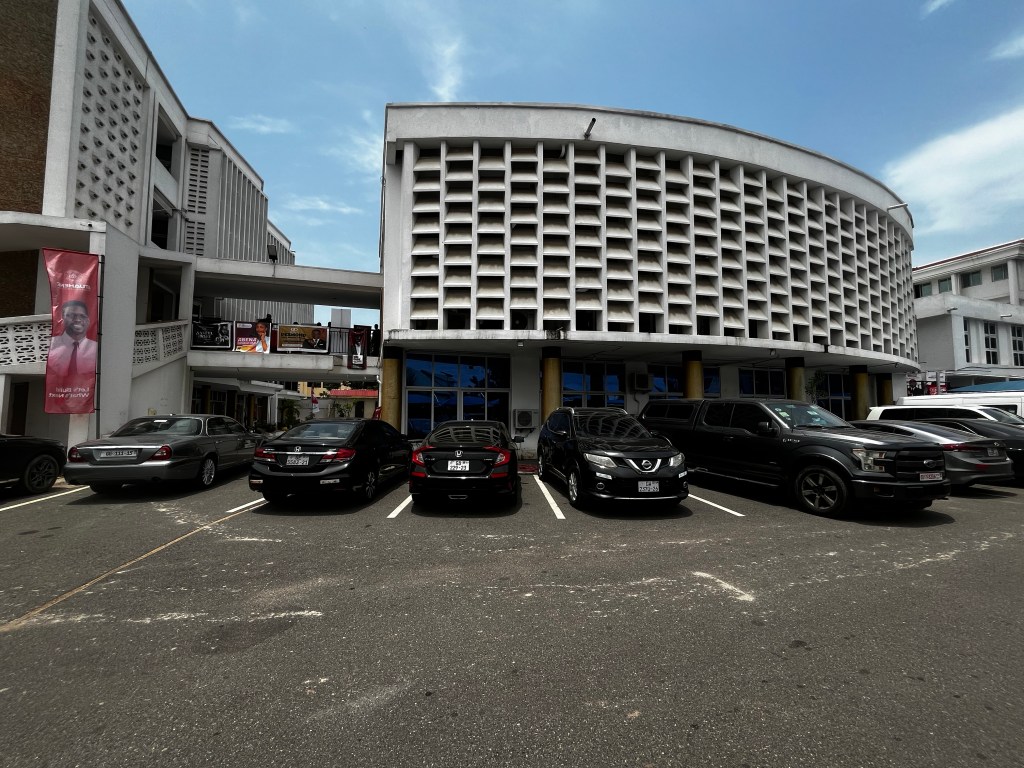
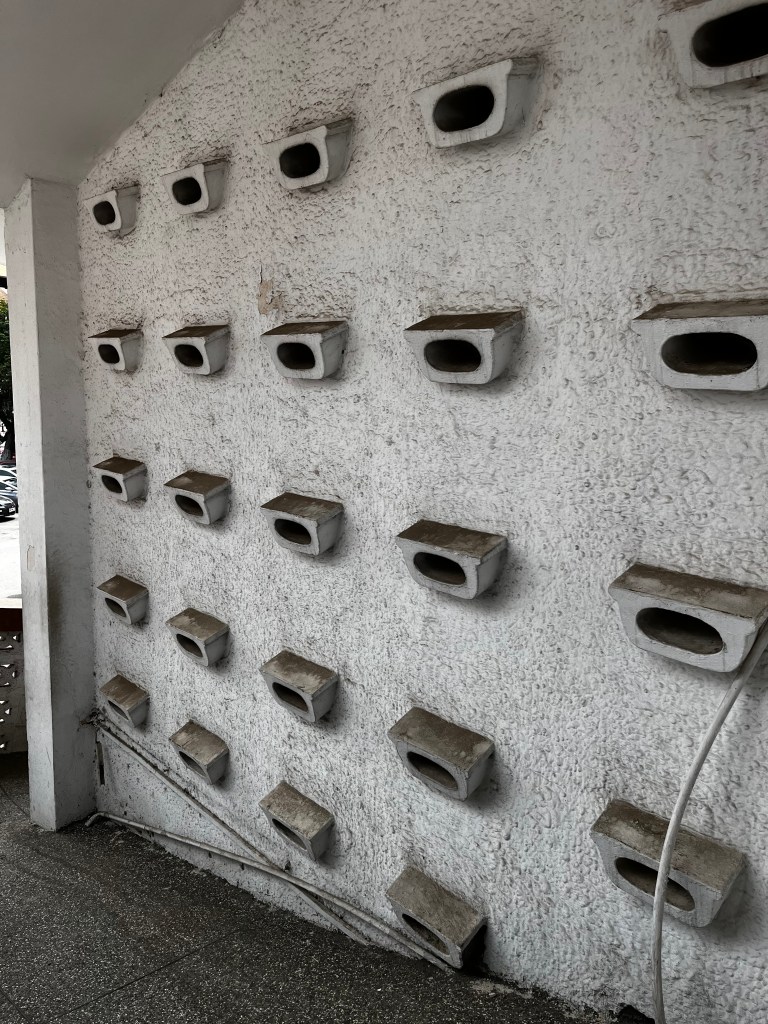
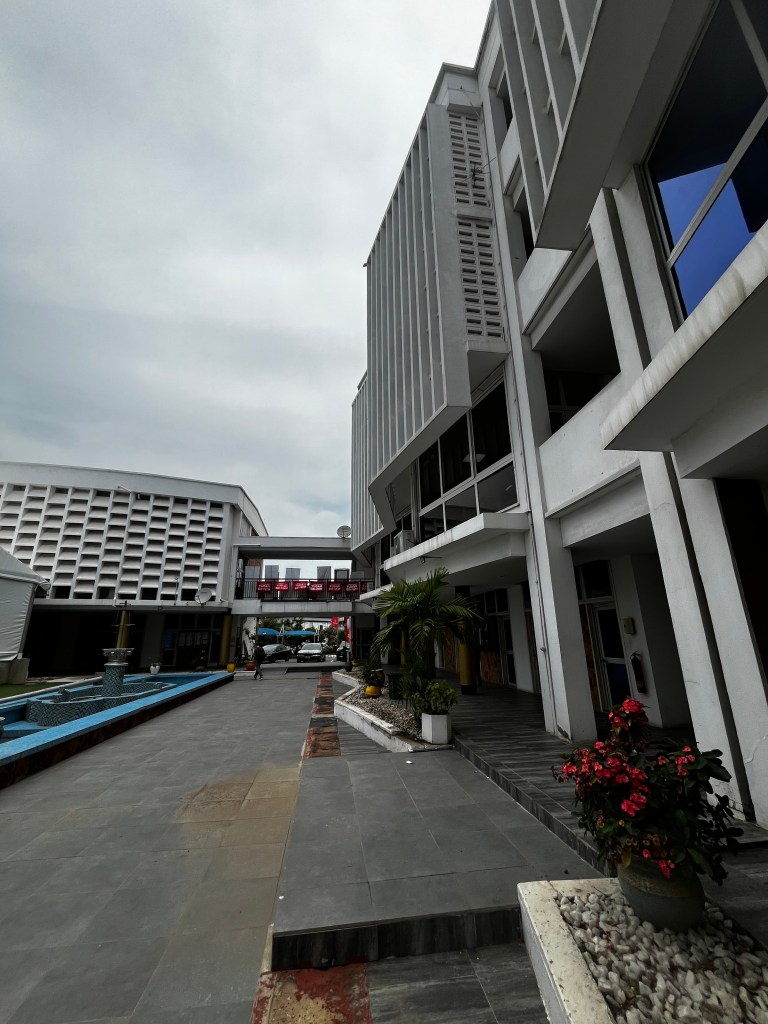
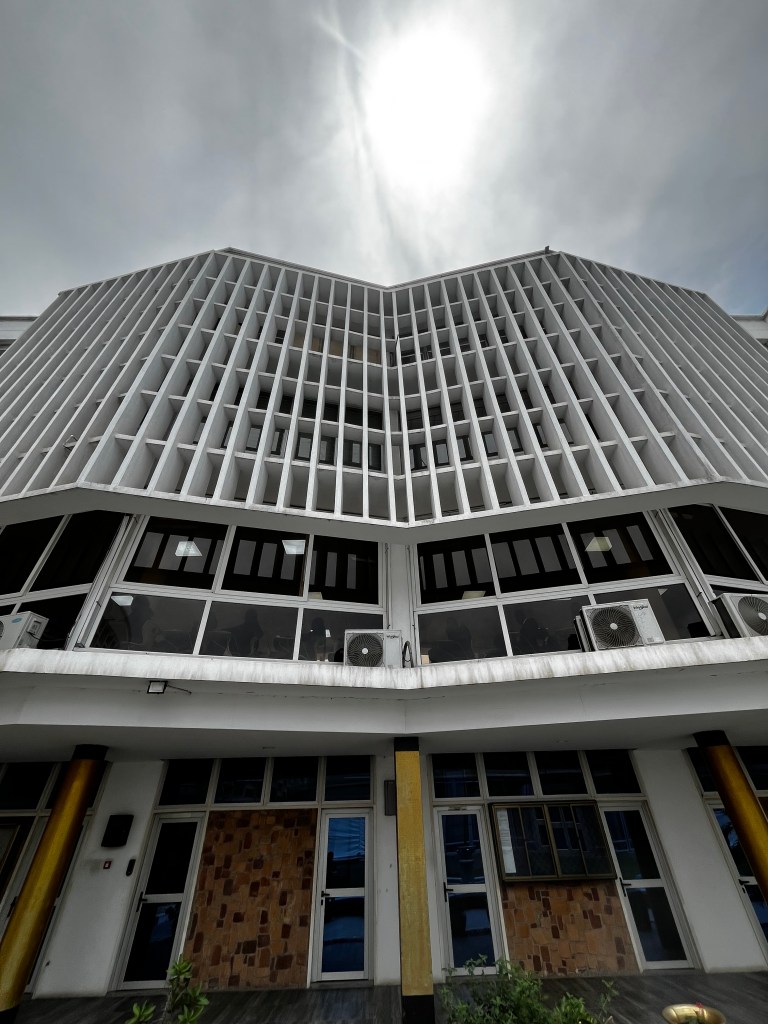
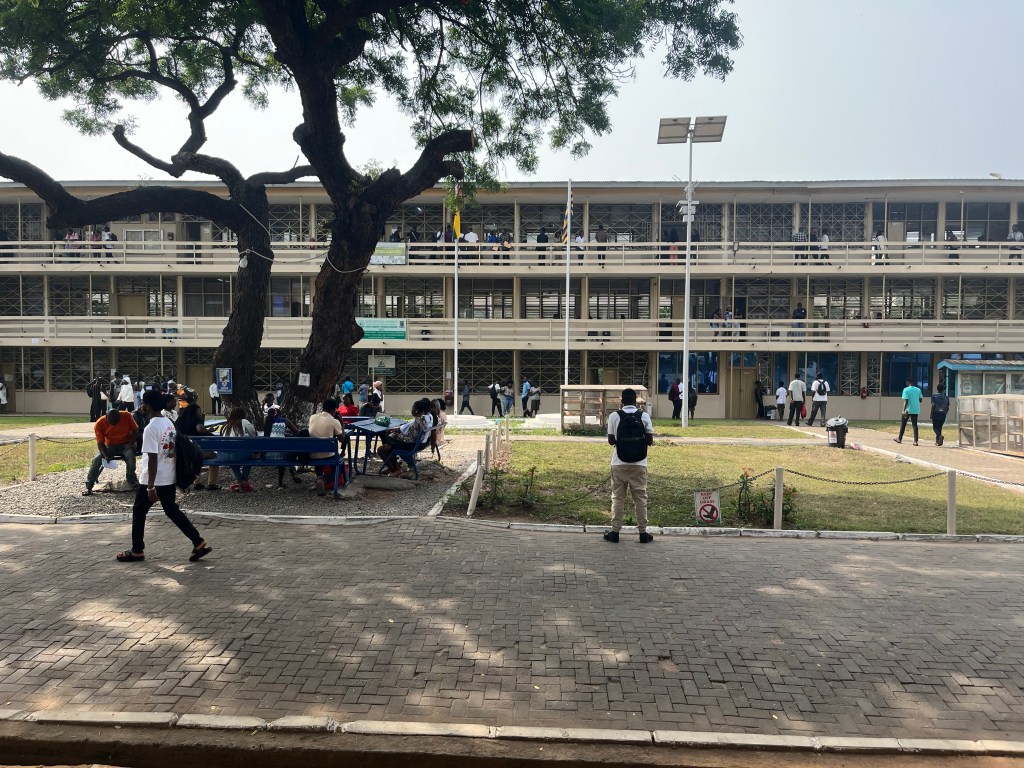
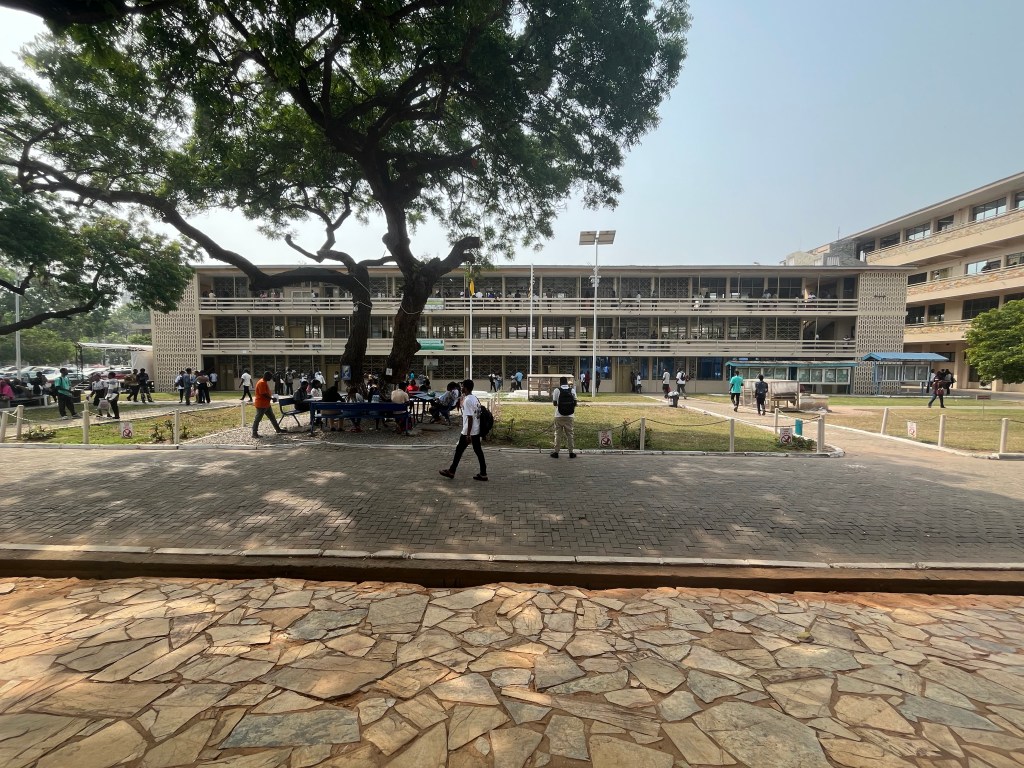
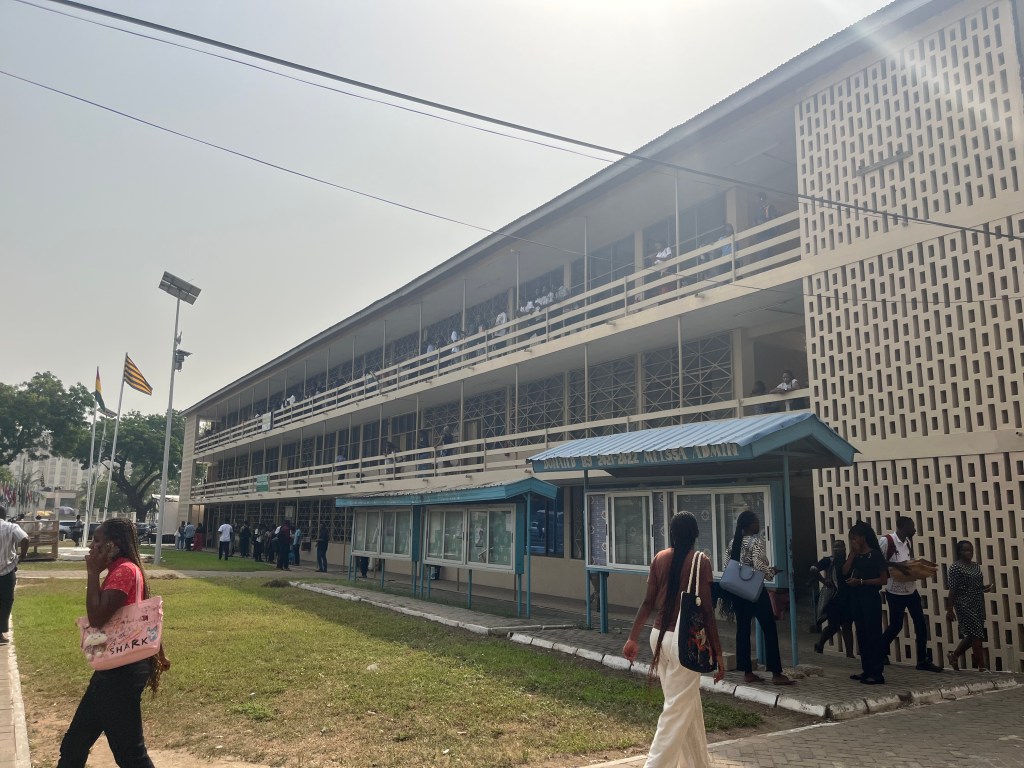
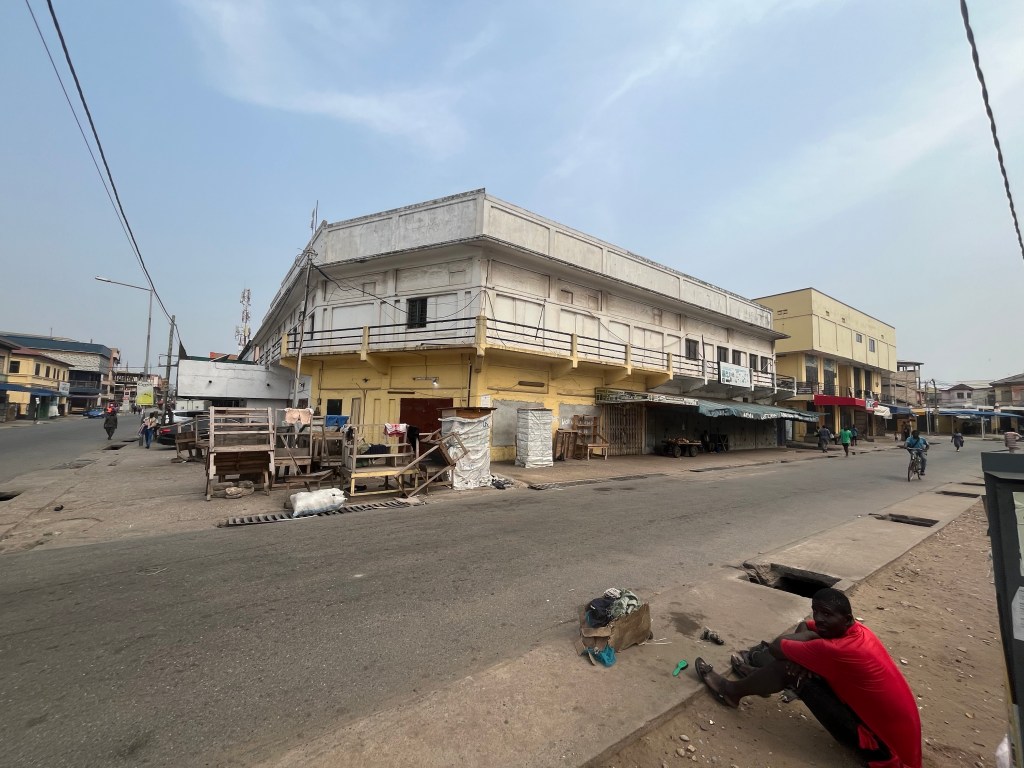
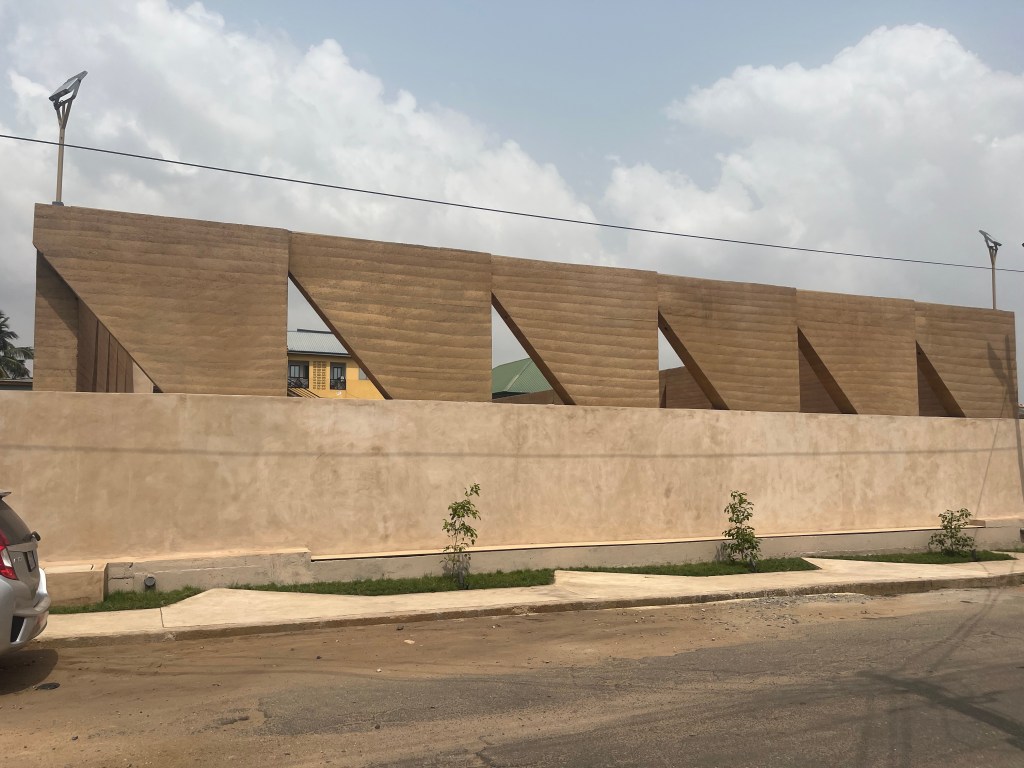
The African Architectural and Urban History Network (AFRAUHN), in collaboration with the Department of Architecture at the University of Nairobi, invites proposals for papers about emerging discourses and themes in African architectural and urban practices for a major international conference being held at the University of Nairobi from 8th September – 10th September 2026.
Details here https://www.afrauhn.org/
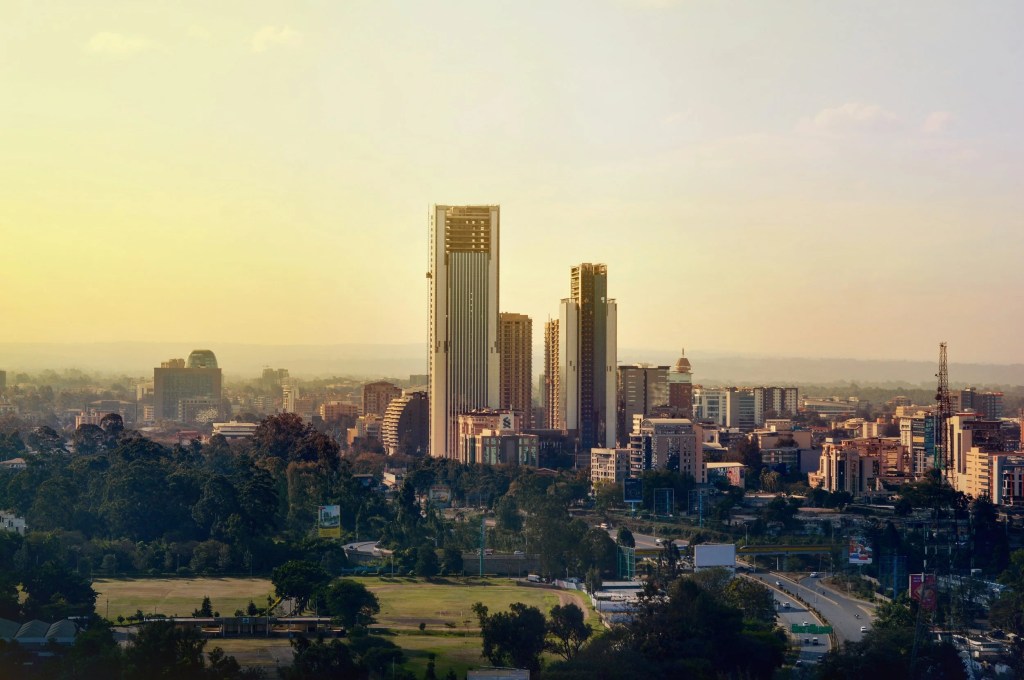
It will be the second AFRAUHN bi-annual conference, the first having taken place at the Wits School of Architecture and Planning in South Africa in July 2024. Recognizing that discourses about African architecture and urban planning are more complex than the bifurcated ‘traditional’/‘colonial’ or ‘African’/‘Western’ models which still tend to dominate the research, writing, environmental design and spatial design practices in the continent, this conference instead welcomes contributions that critically examine the status quo(s) of these models and disciplines – be that in terms of academic, practice, national institutions or regulatory bodies, or as are imagined by policy-makers in forms of urban development which are then disseminated to the public.
This second AFRAUHN bi-annual conference is organized to coincide with the inaugural Pan-African Biennale of Architecture, curated by Omar Degan and team, and which is also being held in September 2026 in Nairobi, Kenya
TUESDAY, 8th SEPTEMBER 2026: CONFERENCE DAY 1
INTRODUCTION: 09.30–10.00 – Prof Nnamdi Elleh, AFRAUHN
SESSION 1: 10.00–12.30 – Reclaiming Regional Identity in Kenyan Architecture [4 papers x 20minutes each]
Chair: Prof Robert Rukwaro
This session explores the intellectual and philosophical foundations of Kenyan architectural identity through the lens of vernacular knowledge systems, material intelligence, and spatial order. The presentation argues that traditional architecture in Kenya is not merely heritage to be preserved, but a living epistemic framework capable of informing contemporary design practice. Indigenous construction logics across Kenya’s diverse communities, ecological adaptation strategies, and collective spatial memory are examined as repositories of theory rather than cultural artefacts.
The discussion interrogates the tension between global architectural visibility and regional authenticity within the Kenyan context. If international planning and design models and homogenised aesthetics have shaped much of contemporary built production in Nairobi and other urban centres, what would it mean to design from within Kenyan ontologies rather than around them? How can architectural historiography and design research reposition Kenyan spatial traditions as generative rather than derivative?
Given that this platform seeks to advance scholarly and professional debate on Kenyan architectural identity, we welcome papers from researchers, practitioners, and emerging scholars working on vernacular knowledge, regional historiography, climatic adaptation, material culture, and contemporary reinterpretations of indigenous spatial systems. Papers may engage historical case studies, theoretical reflections, built work, or methodological innovations. As this convening includes significant time for dialogue and exchange, participants interested in contributing to the discussion are strongly encouraged to take part.
Lunch: 12:30–14:00
SESSION 2: 14.00–16.30 – Architectural Education in Africa: When the Curriculum Leans Towards a Eurocentric Body of Knowledge [4 papers x 20minutes each]
Chair: Arch. Erastus Abonyo
This discussion critically examines the structural imbalance in architectural education in Africa, where curricular frameworks often privilege Euro-American canons while local knowledge systems remain marginalised. The presentation interrogates how epistemic hierarchies are reproduced through studio culture, citation practices, accreditation standards, and benchmarking systems, questioning how legitimacy in architectural scholarship is constructed within African institutions.
The conversation explores the professional and intellectual consequences of this imbalance. How can architectural education in African prepare students for contexts defined by informality, hybrid land regimes, climate vulnerability, and postcolonial spatial inequality characteristic of African cities and towns? In what ways can indigenous material intelligence, oral archives, and community spatial governance be integrated as methodological frameworks rather than aesthetic references?
This convening especially welcomes papers that reflect upon the following pedagogical and methodological questions:
• How have architectural curricula in Africa been shaped by inherited colonial academic models, and what remains structurally embedded?
• What knowledge systems and epistemologies construct ideas of “architecture” within African institutions, and what forms of knowledge are excluded?
• How do accreditation standards, benchmarking systems, and global validation mechanisms influence curricular design and research priorities?
• In what ways can studio culture, critique language, and research training be recalibrated to centre African socio-spatial realities?
Contributions that critically engage these questions—through empirical research, curriculum analysis, policy review, or pedagogical experimentation—are particularly encouraged.
Coffee/tea break: 16.30–17.00
CONFERENCE KEYNOTE LECTURE:19.00
OMAR DEGAN, Curating the Pan-African Biennale of Architecture: From Fragility to Resilience
Respondent: Prof Nnamdi Elleh
WEDNESDAY, 9th SEPTEMBER 2026: CONFERENCE DAY 2
SESSION 3: 10.00–12.30 – Writing African Architectural History? [4 papers x 20minutes each]
Chair: Prof Ola Uduku
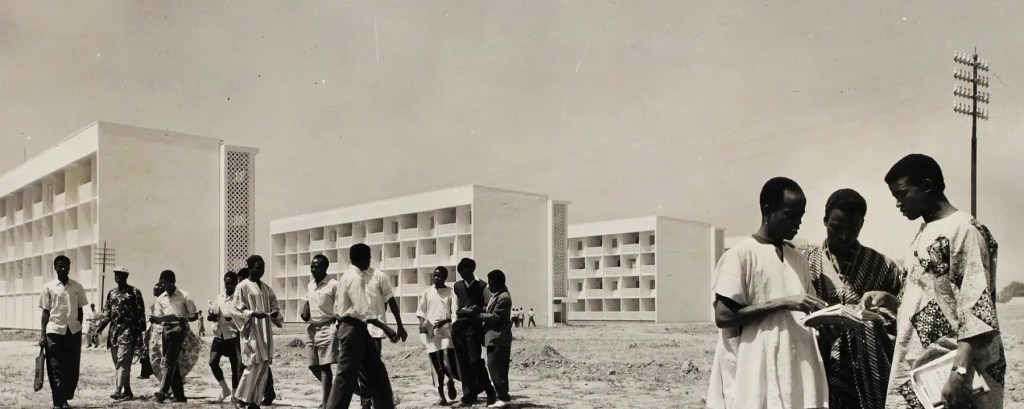
This session will provide a forum for discussion amongst early career researchers involved in the recently concluded and British Academy-funded ‘Writing Campus Modernisms’ project. This project engaged a number of academic institutions and scholars/students across Africa in the creation of an open-source working collection of fiches documenting campus design in three African countries: Ghana, Nigeria and Rwanda. Whilst the personal experiences of each speaker will be the focus of the four contributions, the challenges, connections and opportunities that this project produced will form the background to the discussion which the speakers will deliver.
Given that this panel is framed around the reflections of Early Career Researchers who were involved in the ‘Writing Campus Modernisms’ research project – with four such ECR presenters already identified – we welcome a maximum of two further short paper contributions from Africa-based ECRs with experience related to research writing focused specifically on post-Second World War campus architecture in Africa. As this session also includes a significant slot for audience participation and discussion, we thus welcome all participants who are interested in contributing to take part.
Lunch: 12:30–14:00
SESSION 4: 14.00–16.30 – Shifting the Ground for Thinking the Historiographies of African Architecture and Urbanism [4 papers x 20minutes each]
Chair: Prof Ikem Okoye
Does the Africa-focused historian’s familiar distrust of the archive and its orientation extend to the built environments that form a structural, symbolic, and representational knowledge apparatus? Should it? An archive implies more than a physical repository of knowledge; it also reflects a value system. Histories of built environments intervene in both. They provide tangible and knowledge-related custodianship of documentary records that confer the legitimacy of governing bodies, and they also suggest alternate archival evidence and forms of authority.
This session invites papers, especially from early-career scholars, addressing any of these issues and or questions. The aim is to bring together senior scholars and those yet at the beginning of their professional careers as architectural or art historians and/or architectural or art critics, to create a discussion in a dialogical format.
Coffee/tea break: 16.30–17.00
Plenary Discussion: 17.00–18.30
This session will include short presentations and a roundtable discussion among some specially invited speakers from among the participants who are presenting their work in the Pan-African Biennale of Architecture at the same time as the AFRAUHN conference. The session will then lead into the main keynote lecture.
Chair: Prof Ola Uduku
Conference dinner: 20.30–22.00
THURSDAY, 10th SEPTEMBER 2026: CONFERENCE DAY 3
SESSION 5: 10.00–12.30 – What happened to Tropical Architecture? [4 papers x 20 minutes each]
Chair: Prof Nnamdi Elleh
What happened to tropical architecture that is adapted to the regional climates of Africa?
In Africa’s cities, we live, socialize and work in large buildings. Each day, these buildings are confronted with needs for heating, cooling, dust protection, daylighting, maintenance etc to provide conducive environments that function well for users. The cadence of life in these large African buildings suggests there is nothing nostalgic in questioning what happened to the concept of tropical architecture? We acknowledge the work of architects like Francis Kere and Nina Maritz in providing natural cooling, daylighting, and an appropriate use of materials and construction technology.
However, in cities as diverse as Cape Town, Abidjan, Cairo, Djibouti, Luanda or Casablanca, the bourgeoning African built environment is increasingly dominated by high- and medium-rise crystalline structures that are sealed as if built in a climate zone that fluctuates seasonally between extreme cold and heat. In a period when sustainable environmental design is a buzzword, it is baffling that architects still design structures which need artificial heating/cooling.
This session welcomes papers that explore how clients and designers can become re-sensitized to by taking advantage of natural African environments.
Lunch: 12.30–14.00
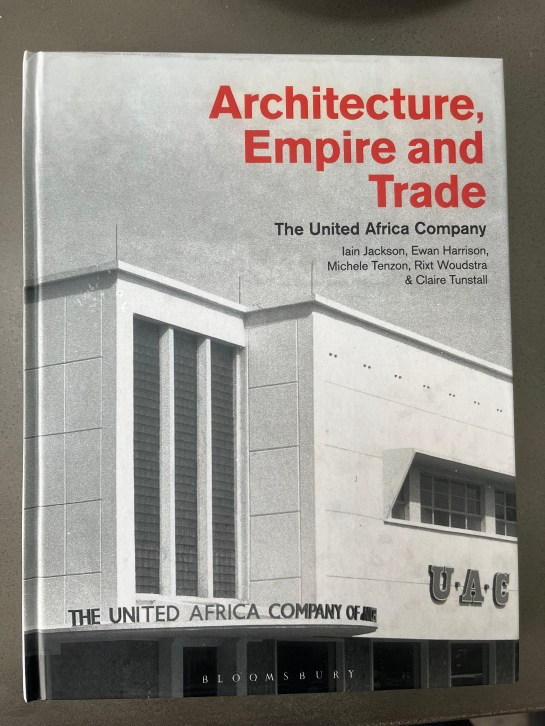
SESSION 6: 14.00–16.30 – Constructing Coloniality: Nodes of Imperialism and the East African Built Environment [4 papers x 20 minutes each]
Chair: Prof Eva Branscome
This session focuses on the coloniality of architecture and heritage of East Africa in relation to the diverse empires and trading networks which historically connected that region to peoples across the Arabian Sea and on associated islands in the Indian Ocean, as well as to Europe and the Indian subcontinent or further afield. The aim is to reassess East Africa’s built environment in wake of those former colonial systems.
Building types can include yet are not limited to the following:domestic environments; landscapes and agricultural production; urban environments such as streets, squares and gardens; factories and other sites of industrial production; sites of assembly, leisure and entertainment; places of worship; buildings for colonial administration; commercial infrastructure such as ports, waterways and railways; heritage sites and current conservation practices.
The session especially welcomes papers which reflect upon the following historiographical and methodological questions:
- How have the professions, disciplines and discourses of architecture, design and heritage been shaped by and participated in imperialism, coloniality and racism?
- What are the knowledge systems and epistemologies that construct ideas of ‘architecture’ and ‘heritage’, and what is excluded and why?
- How do financial systems, supply chains and concepts of tenure and relations to the land shape the production of built environments?
- How does the coloniality of architecture and built heritage relate to histories of extractivism and energy use?
Tea break: 16.30–17.00
SESSION 7: 17.00–18.00 – Design Research in African Architectural and Urban History [2 speakers x 20 minutes each]
Chair: Prof Murray Fraser
This final session offers a forum for those involved in designing for the African built environment to discuss the kinds of design research that they are engaged upon as a component of their built or unbuilt work. Particularly welcome are those proposals for presentations by up-and-coming architects/architectural practices who are currently designing innovative and anticipatory projects for villages, towns or cities on the African continent.
AFRAUHN FUTURE STEPS: 18.00–18.30
Discussion about future plans for the AFRAUHN research network.
FRIDAY, 11th SEPTEMBER 2026
TRAVEL TO MOMBASA
Conference participants/attendees are also invited to take the train to Mombasa for a specially organised architectural and urban tour of that coastal city. Early registration is required from those wanting to take part in this tour. Costs for this will be confirmed in due course.
Supporting institutions
- Pan-African Biennale of Architecture
- Architectural Association of Kenya
- Campus Innovation Laboratory (CIL),University of Witwatersrand, South Africa
- Department of Art History, University of Delaware, USA
- Liverpool School of Architecture, University of Liverpool, UK
- The Bartlett School of Architecture, University College London, UK.
Scientific Committee
Professor Irene Appeaning Addo, University of Ghana, Legon (Ghana)
George Arrabu Ndege, President of the Architectural Association of Kenya
Professor Eva Branscome, University College London (UK)
Dr Warebi Brisibe, Rivers State University of Science and Technology (Nigeria)
Professor Marshall Brown, Princeton University (USA)
Omar Degan, Pan-African Biennale of Architecture
Professor Nnamdi Elleh, University of Witwatersrand (South Africa)
Professor Murray Fraser, University College London (UK)
Prof Julia Gallagher, King’s College London (UK)
Jacqueline Khairu, Chairperson – Architects’ Chapter, Architectural Association of Kenya
Dr Linda Nkatha Gichuyia, University of Nairobi (Kenya)
Professor Ikem Stanley Okoye, University of Delaware (USA)
Prof Robert Rukwaro, University of Nairobi (Kenya)
Dr Anooradha Siddiqi, Barnard College, Columbia University (USA)
Professor Ola Uduku, University of Liverpool (UK)