Executive Summary
This report presents findings from a comprehensive survey of 48 archives, collections, and repositories across Northwest England that contain significant West African historical material (1880-1980). We should have an interactive map of the archive locations published here shortly….
Here is a list of the archives consulted and key information for each collection/location/repository:
The research reveals a substantial but under-explored archival landscape that offers exceptional opportunities for advancing historical research into West Africa and its relationship with Northwest England. The collections span diverse themes including colonial administration, trade networks, missionary activities, healthcare, urban development, and cultural exchange, providing rich source material for interdisciplinary research projects.
Research Scope and Methodology
Geographic and Temporal Parameters
The survey focused on historical West African material from former British colonies including Ghana, Gambia, Sierra Leone, and Nigeria, with additional consideration of materials from Congo, Cameroon, Senegal, Mali, and Niger. The temporal scope encompasses the period 1880-1980, capturing the late colonial period through to early post-independence developments.
Thematic Categories
Research materials were categorised across key themes:
- History and heritage studies
- Urban design and city planning
- Public health and medical history
- Architecture and built environment
- Trade and commercial networks
- Religious and missionary activities
- Colonial administration
Collection Assessment Framework
Each archive was evaluated using a systematic approach that assessed:
- Type and format of materials (books, photographs, manuscripts, ephemera, artifacts)
- Primary thematic focus
- Volume and extent of holdings
- Accessibility and research potential
- Relevance rating (1-5 star system that reflected how useful the archive would be to our research interests in the built environment and history)
Key Findings: Archive Landscape and Research Potential
Distribution and Scale
The survey identified 48 archives across Northwest England, primarily concentrated in the Merseyside region but extending to Manchester, Lancaster, and Chester. Seven archives achieved the highest relevance rating (5 stars), each containing over 20 linear metres of diverse West African materials spanning multiple themes and formats.
Material Types and Research Applications
The collections encompass diverse formats offering multiple research approaches:
Documentary Sources:
- Colonial administrative records
- Trade and shipping documentation
- Medical and health records
- Urban planning documents
- Personal correspondence and diaries
Visual Materials:
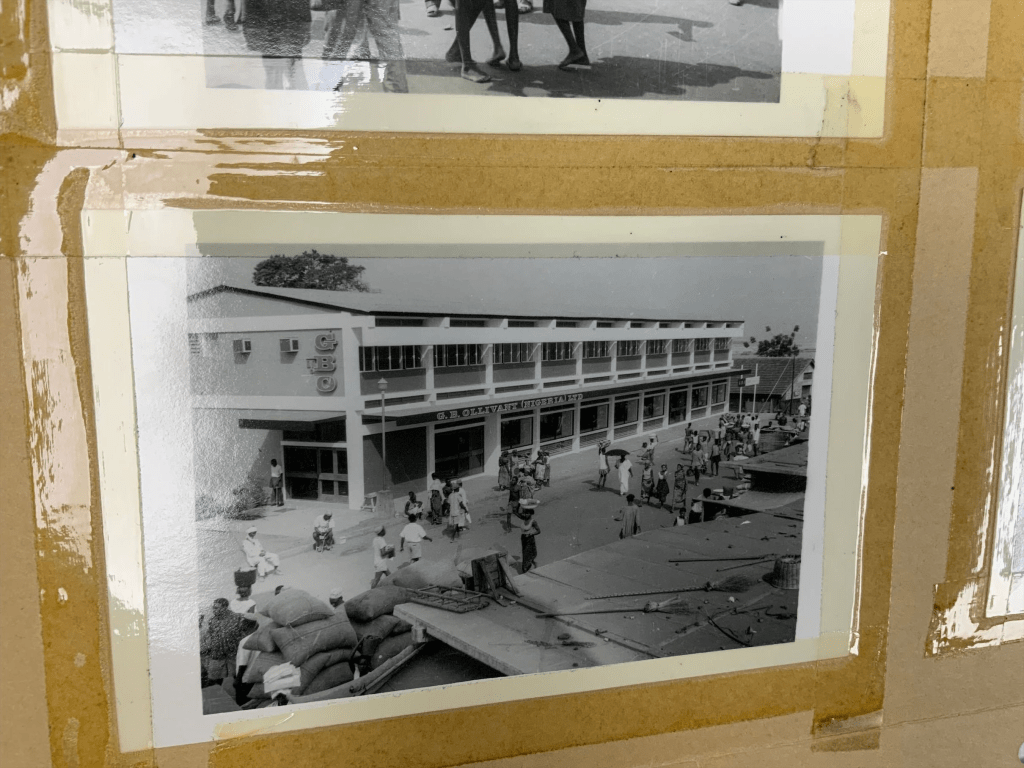
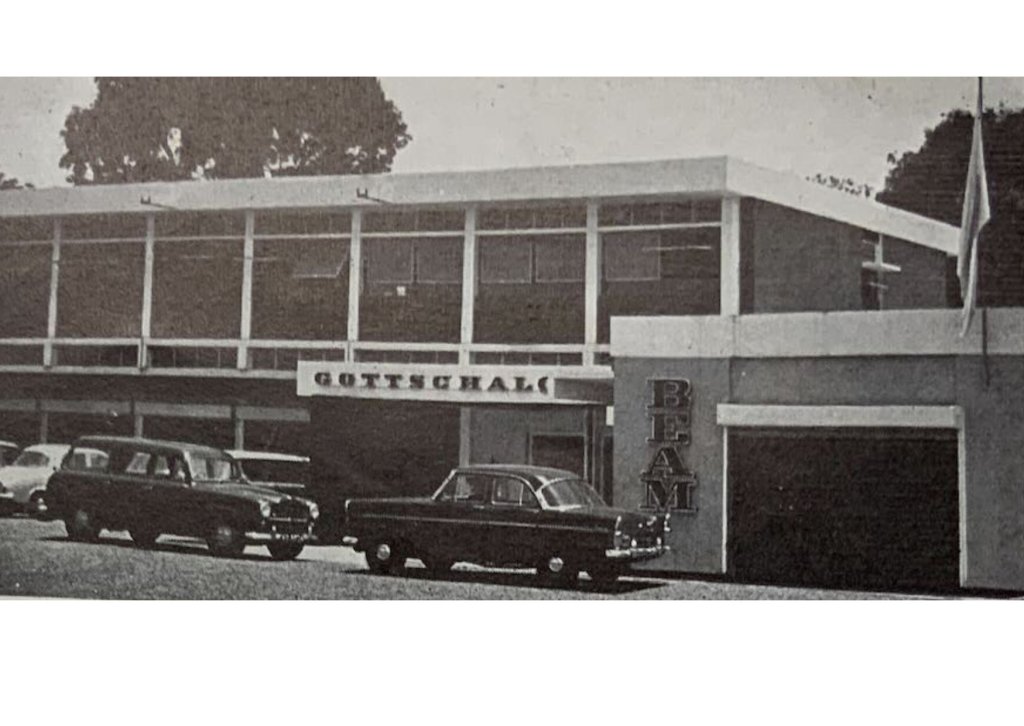
- Photographs documenting colonial life, urban development, and cultural practices
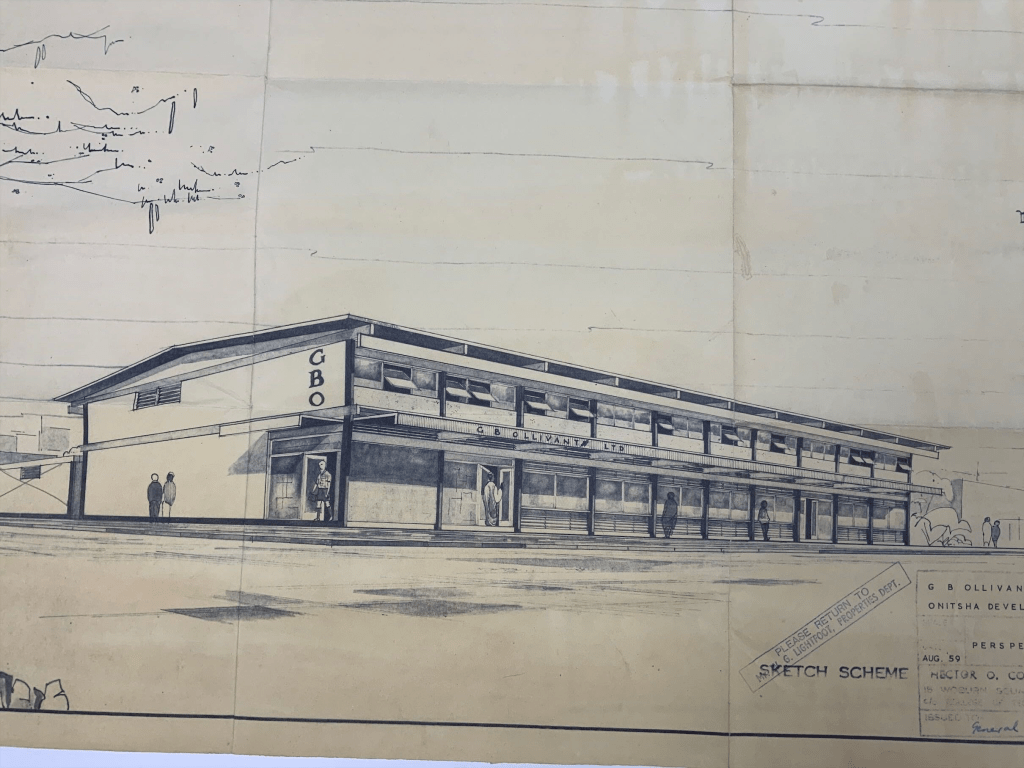
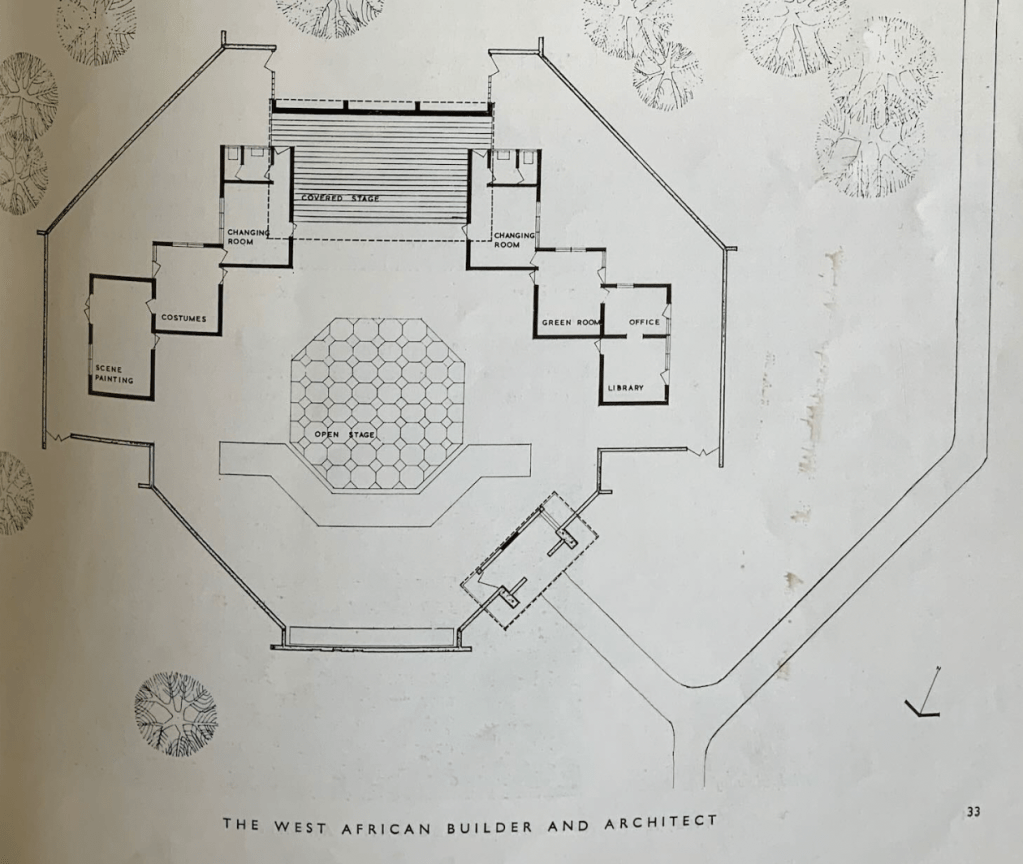
- Architectural drawings and city plans
- Maps and surveys
- Artistic representations
Material Culture:
- Artifacts and objects
- Textiles and decorative arts
- Ceramics and sculptures
- Models and architectural elements
Corporate Archives: Exceptional Research Resources
Unilever and United Africa Company Archives: The Unilever archives, particularly the United Africa Company (UAC) collection, represent one of the most comprehensive corporate archives relating to West African economic history. UAC, established in 1929 through the merger of the Royal Niger Company and the African and Eastern Trade Corporation, became the largest trading company in West Africa. The archives contain:
- Extensive Trading Records: Documentation of palm oil, cocoa, groundnut, and timber trades spanning decades
- Infrastructure Development: Records of store construction, transport networks, and commercial facilities across West Africa
- Labour and Employment: Personnel records, training programs, and workforce development initiatives
- Technology Transfer: Documentation of agricultural techniques, processing methods, and industrial development
- Local Partnerships: Records of relationships with African traders, suppliers, and business partners
- Post-Independence Adaptation: Materials documenting corporate strategy during decolonization and nationalist movements
These materials offer unique insights into corporate colonialism, the mechanics of extractive economies, and the complex negotiations between European capital and African societies. The collection provides essential source material for understanding how global commodity chains operated at ground level and their impact on local communities.
Barclays Bank Archive: The Barclays collection contains extensive documentation of banking operations across West Africa, including:
- Colonial Banking Development: Records of branch establishment, credit systems, and monetary policy
- Financial Networks: Documentation of money transfers, currency exchange, and international finance
- Agricultural Finance: Materials on crop financing, seasonal credit, and agricultural development programs
- Commercial Lending: Records of business loans, trade financing, and commercial development
- Post-Colonial Banking: Materials documenting the transition to independence and continued financial relationships
The banking records provide crucial insights into how financial systems shaped economic development, facilitated trade networks, and influenced social relations across West Africa. These materials are particularly valuable for understanding the mechanics of colonial extraction and the evolution of financial institutions in post-colonial Africa.
Thematic Strengths for Research Development
Urban Development and Planning: The Archives contain substantial materials on colonial urban development, infrastructure projects, and city planning initiatives. These sources offer opportunities to examine how European urban planning concepts were implemented in West African contexts and their lasting impact on contemporary cities.
Medical and Public Health History: Rich documentation of colonial health initiatives, medical practices, and public health campaigns provides foundation for research into the history of medicine in West Africa, disease management, and the development of healthcare infrastructure.
Commercial and Trade Networks: Extensive shipping, banking, and commercial records illuminate the economic relationships between Northwest England and West Africa, offering insights into trade networks, commodity flows, and economic development patterns. Of particular significance are the Unilever archives (including the United Africa Company records) and the Barclays Bank archive, which contain unparalleled documentation of corporate operations, trading networks, and financial systems that shaped West African economic development throughout the colonial and post-colonial periods.
Religious and Cultural Exchange: Missionary records, religious materials, and cultural documentation provide resources for examining religious transformation, cultural exchange, and the complex dynamics of colonial encounter.
Colonial Administration: Administrative records and governance documents enable research into colonial policy implementation, administrative structures, and the mechanics of imperial control.
Research Opportunities and Applications
Interdisciplinary Research Potential
The diversity of materials supports multiple disciplinary approaches:
Historical Research:
- Comparative studies of colonial administration across West African territories
- Economic history of trans-Atlantic trade networks
- Social history of colonial encounters and cultural exchange
Urban Studies:
- Evolution of colonial cities and urban planning
- Infrastructure development and its contemporary implications
- Architectural history and building practices
Medical History:
- Development of tropical medicine
- Public health initiatives and their outcomes
- Medical knowledge transfer and adaptation
Cultural Studies:
- Missionary activities and religious transformation
- Cultural exchange and hybrid practices
- Art, material culture, and aesthetic transformation
Collaborative Research Framework
The geographic concentration of archives creates opportunities for:
Multi-Archive Projects: Researchers can access complementary materials across institutions, enabling comprehensive studies that draw on diverse source types and perspectives.
Network Building: The established archive network provides foundation for collaborative research initiatives, shared resources, and coordinated access to materials. The University of Liverpool and AHUWA are particularly well-positioned to serve as coordinating institutions/centres for multi-archive research projects, leveraging their expertise in West African studies and established international partnerships.
Digital Humanities Applications: The variety of materials (textual, visual, material) offers opportunities for digital humanities projects, including digitization initiatives, database development, and online exhibitions. The University of Liverpool’s digital humanities infrastructure and AHUWA’s focus on accessibility make this an ideal location for developing innovative digital approaches to archival research.
Strategic Recommendations for Research Development
Institutional Research Capacity: University of Liverpool and AHUWA
University of Liverpool Research Infrastructure: The University of Liverpool is exceptionally well-positioned to capitalise on this rich archival landscape. As a leading institution in historical research with strong connections to West African studies, the university offers:
- Established Research Expertise: Faculty with specialized knowledge in African history, colonial studies, and economic history
- Interdisciplinary Capabilities: Departments spanning History, Geography, Politics, Development Studies, and Business that can support multifaceted research approaches
- Digital Humanities Infrastructure: Technical resources for digitisation projects, database development, and online exhibitions
- Graduate Research Programs: Capacity for training new researchers in archival methods and West African historical research
- International Partnerships: Existing relationships with West African universities and research institutions
AHUWA Research Centre: The Architecture, Heritage, and Urbanism in Western Africa (AHUWA) research centre provides a specialized institutional framework for maximising the research potential of these archival collections. AHUWA’s mission and expertise make it ideally suited to:
- Coordinate Multi-Archive Projects: Develop comprehensive research initiatives that draw on materials from multiple archives
- Foster Collaborative Research: Facilitate partnerships between UK and West African researchers
- Support Community Engagement: Connect archival research with contemporary West African communities
- Promote Policy Relevance: Ensure research contributes to contemporary development and policy discussions
- Develop Digital Platforms: Create online resources that make archival materials accessible to global researchers
The combination of Liverpool’s institutional resources and AHUWA’s specialised focus creates an unparalleled opportunity for developing the research potential of Northwest England’s West African archives.
Priority Research Areas
1. Comparative Colonial Studies The archives support comparative research across different West African territories, examining variations in colonial policy, administration, and outcomes.
2. Economic History Networks Trade and commercial records enable mapping of economic relationships, commodity flows, and the development of trans-Atlantic commercial networks. The Unilever/UAC and Barclays archives are particularly valuable for examining corporate colonialism, financial systems, and the evolution of global commodity chains. These collections support research into topics such as:
- The role of European corporations in shaping West African economies
- Banking and financial networks in colonial and post-colonial Africa
- Labour relations and industrial development
- Technology transfer and agricultural modernization
- Corporate responses to decolonization and African nationalism
3. Urban Development Studies Planning documents and architectural materials provide foundation for examining colonial urban development and its contemporary implications.
4. Medical and Public Health History Healthcare records offer opportunities to examine the development of tropical medicine, public health initiatives, and medical knowledge transfer.
Methodological Approaches
Cross-Archive Analysis: Researchers should develop strategies for working across multiple archives to build comprehensive pictures of historical processes and relationships. The corporate archives (Unilever/UAC and Barclays) can be particularly productive when analysed in conjunction with government records, missionary materials, and local documentation.
Digital Integration: Consider developing digital platforms that integrate materials from multiple archives, enabling new forms of analysis and presentation. The University of Liverpool’s technical capabilities and AHUWA’s research focus provide ideal foundations for such initiatives.
Community Engagement: Explore opportunities for community-based research that connects archival materials with contemporary West African communities in Northwest England. AHUWA’s community engagement expertise and Liverpool’s diverse population create opportunities for participatory research approaches.
Future Research Directions
Emerging Themes
The archive survey suggests several promising research directions:
1. Infrastructure and Development: Examining colonial infrastructure projects and their long-term implications for contemporary development challenges.
2. Knowledge Transfer: Investigating how knowledge, practices, and technologies moved between West Africa and Northwest England.
3. Cultural Networks: Exploring the cultural connections and exchanges that developed through colonial relationships.
4. Corporate Colonialism and Business History: The Unilever/UAC and Barclays archives provide exceptional opportunities for examining the role of European corporations in shaping West African development, including studies of extractive economies, corporate-state relations, and business adaptation to decolonization.
5. Post-Colonial Continuities: Examining how colonial-era relationships evolved in the post-independence period, with particular attention to ongoing corporate and financial connections.
Methodological Innovation
The archives offer opportunities for methodological innovation in:
- Digital humanities applications
- Multi-sited archival research
- Community-based research approaches
- Interdisciplinary collaboration
Conclusion
The West African archival materials in Northwest England represent a significant and underutilised resource for historical research. The diversity of collections, spanning multiple themes and formats, provides foundation for innovative research projects that can advance understanding of West African history, colonial relationships, and their contemporary implications. The exceptional corporate archives, particularly the Unilever/UAC and Barclays collections, offer unique insights into the mechanics of colonial economies and corporate power in Africa.
The established network of 48 archives, combined with the research capacity of the University of Liverpool and the specialized expertise of AHUWA, offers exceptional opportunities for collaborative research, comparative studies, and interdisciplinary projects. With seven archives containing substantial holdings and many others providing specialized materials, researchers have access to comprehensive source bases for addressing complex historical questions about corporate colonialism, financial systems, and economic development.
The University of Liverpool’s institutional strengths and AHUWA’s focused mission create an ideal environment for developing the research potential of these collections. Their combined expertise in West African studies, digital humanities, and community engagement provides the foundation for innovative methodological approaches and collaborative research initiatives that can significantly advance historical understanding.
Moving forward, the research community should prioritize developing collaborative frameworks that maximise the potential of these collections, with particular attention to the corporate archives that offer unique insights into the mechanics of colonial extraction and economic development. The foundations established through this survey, combined with Liverpool’s institutional capacity and AHUWA’s specialised focus, provide the groundwork for a new generation of research that can significantly advance historical understanding of West Africa and its relationship with Northwest England.








 Transnational Architecture Group