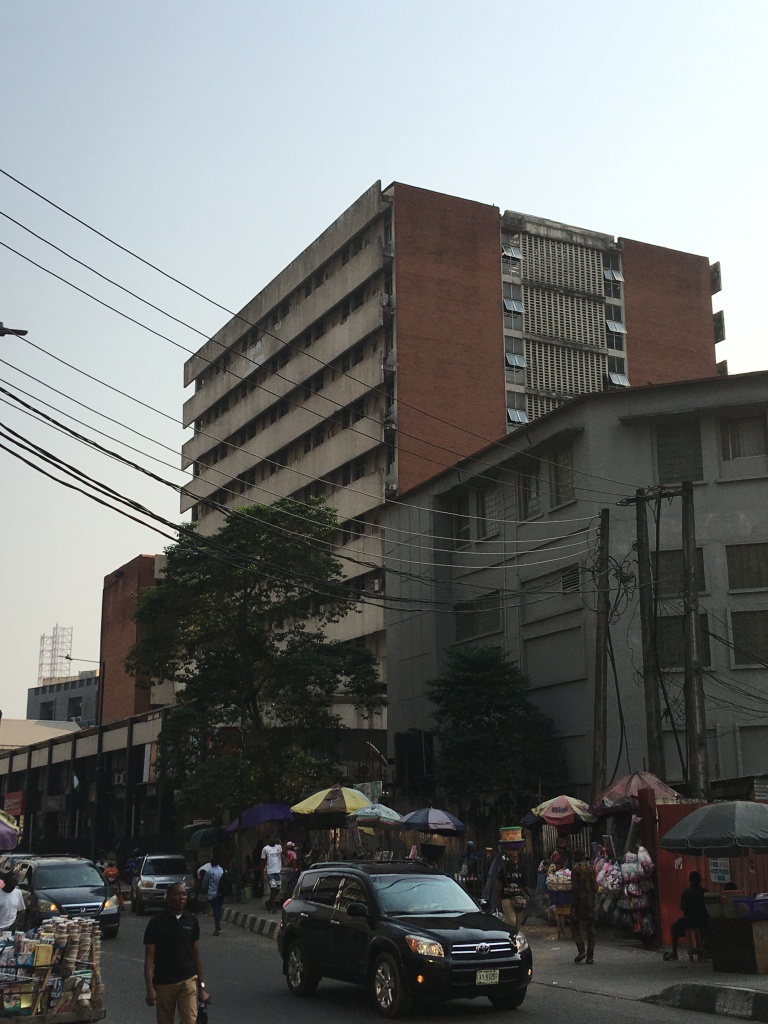
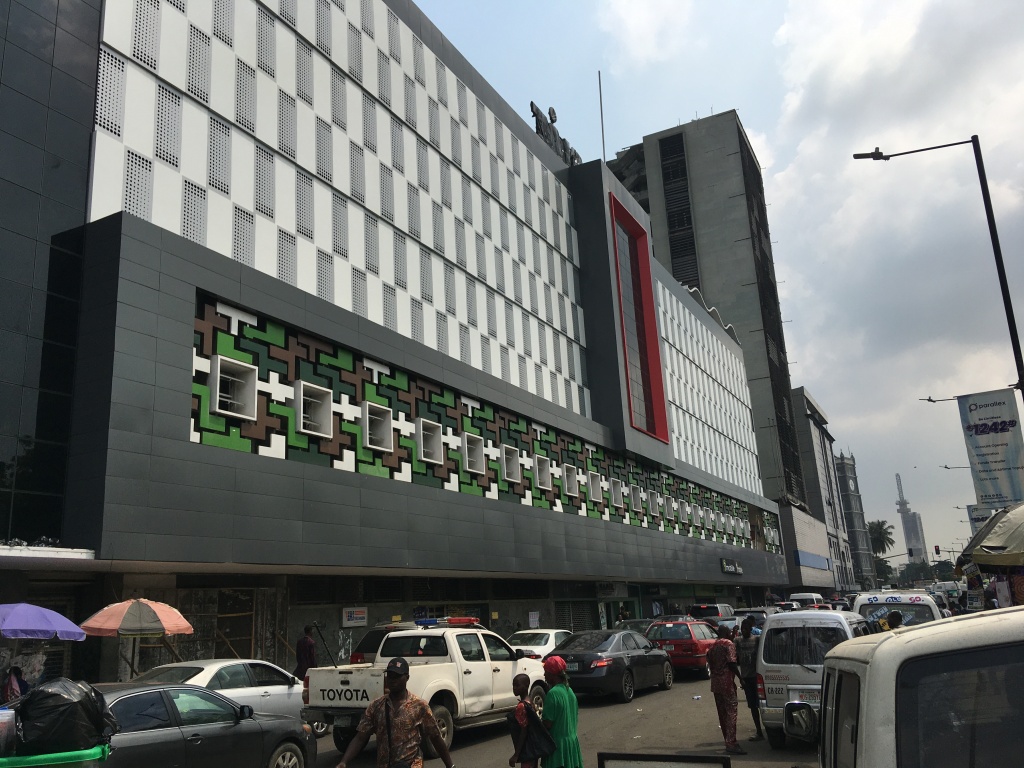
Elder Dempster by James Cubitt – heavily modified with the new glazed facade.
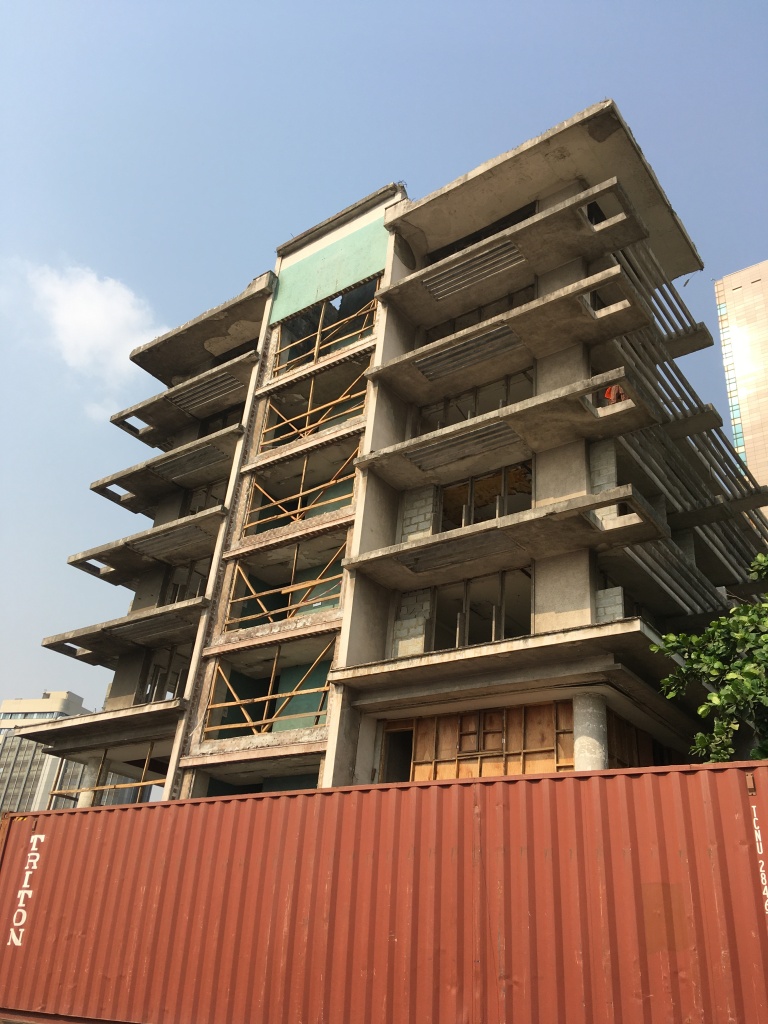
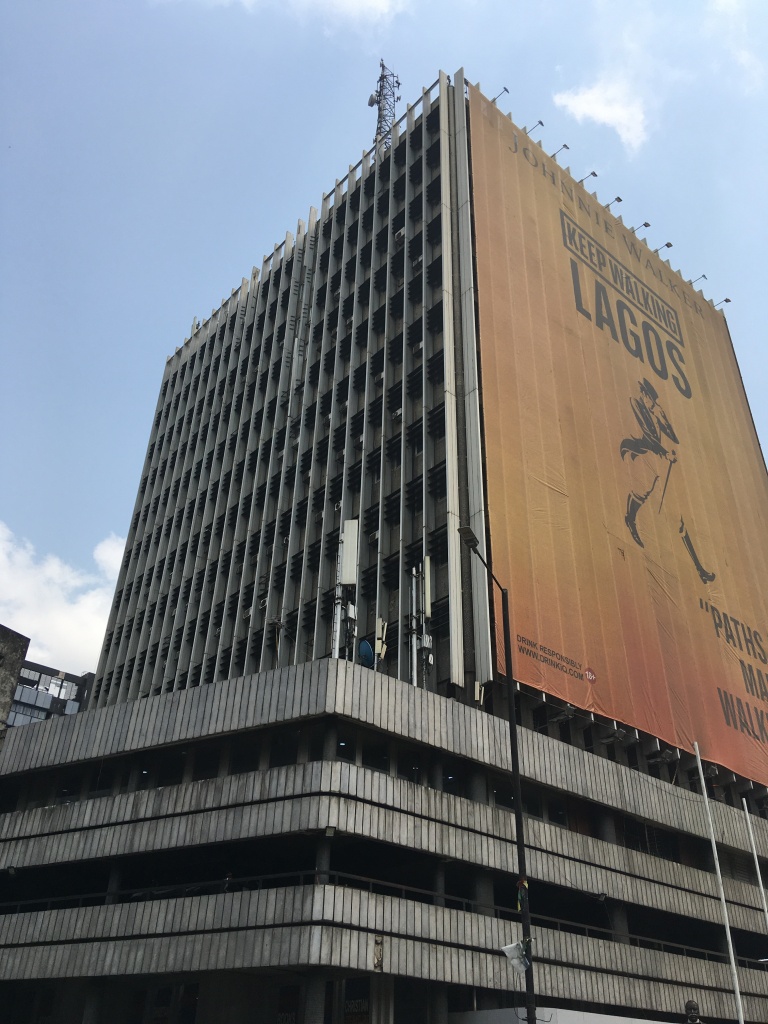
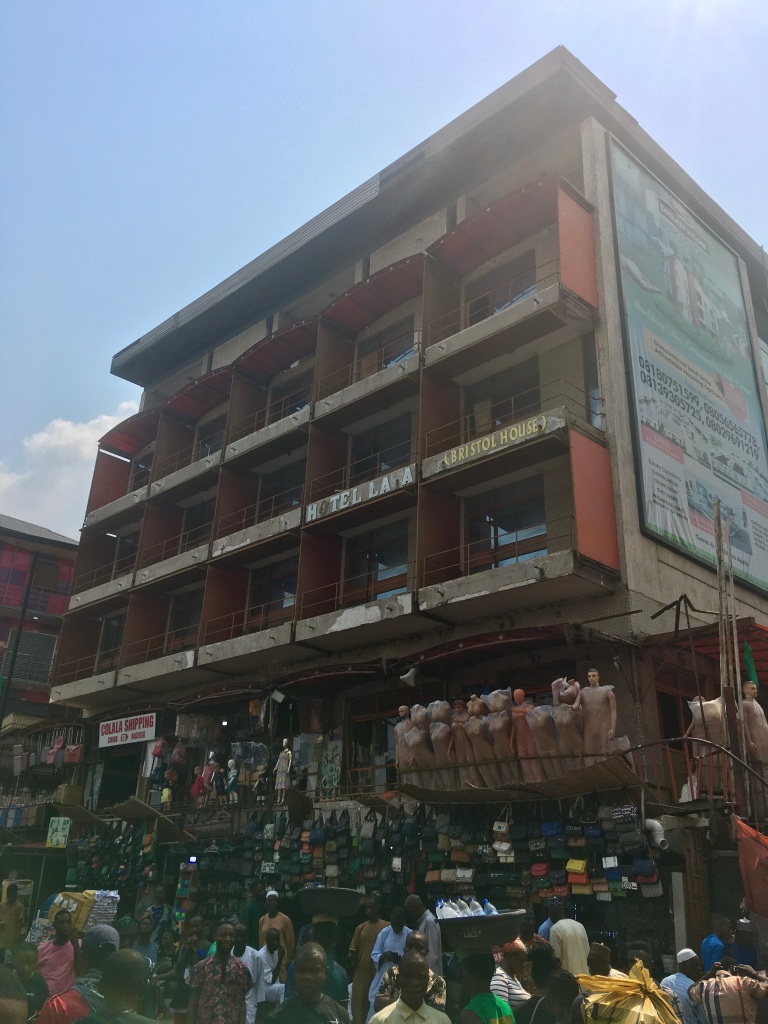
Bristol Hotel by Godwin and Hopwood
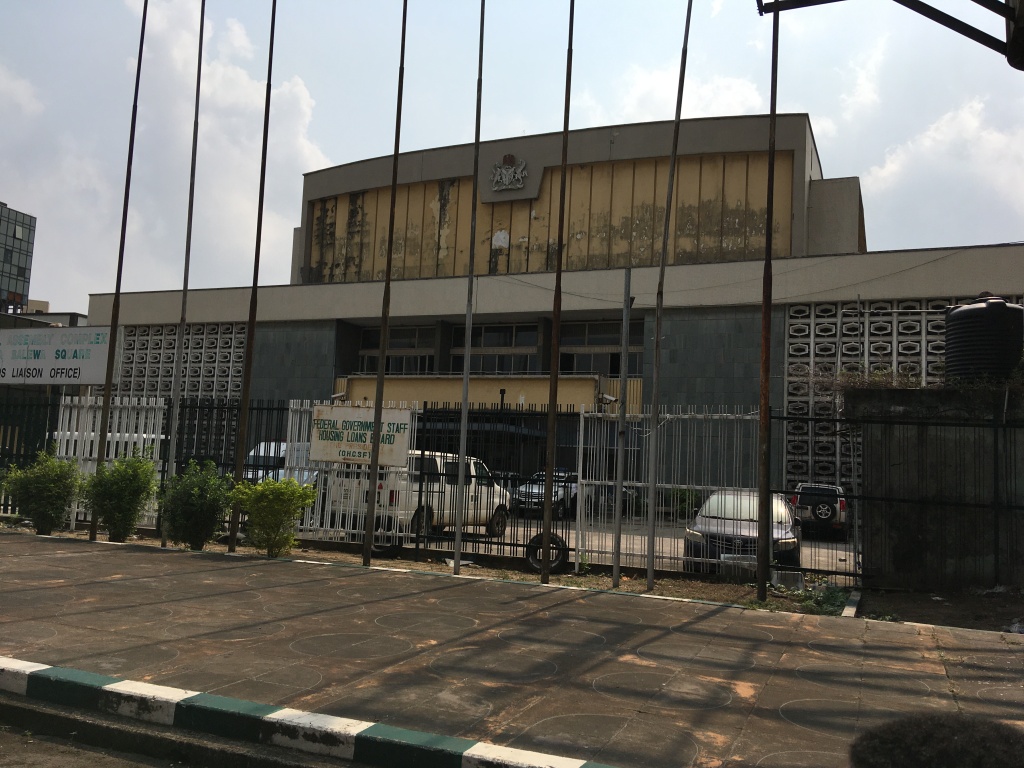
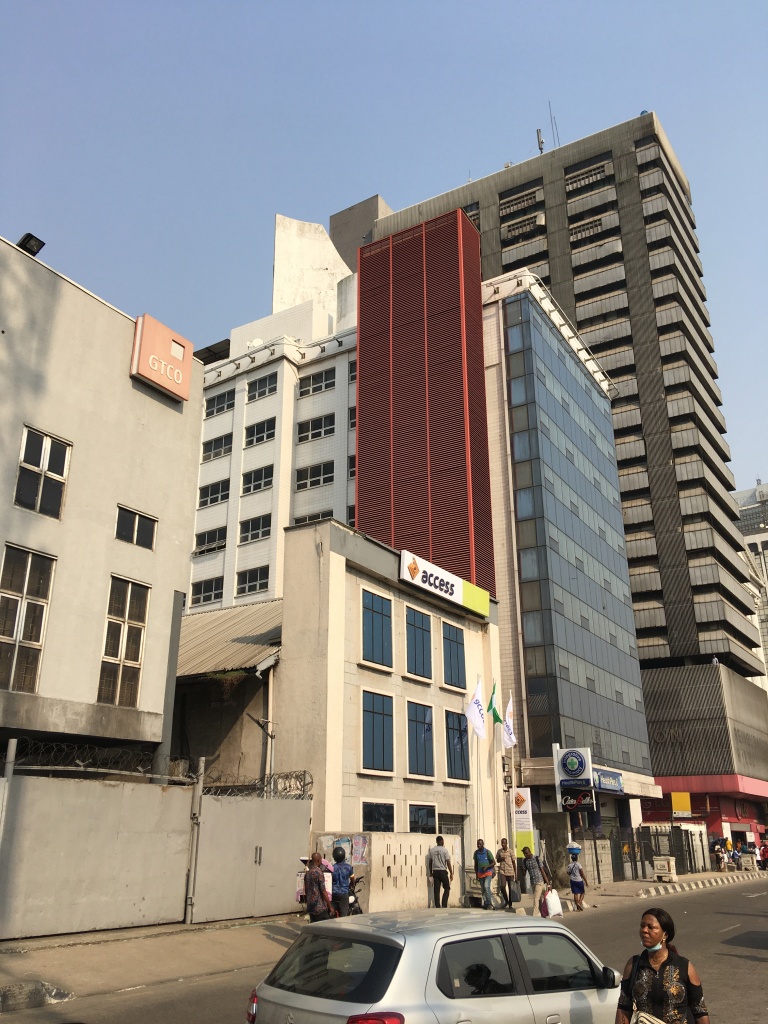
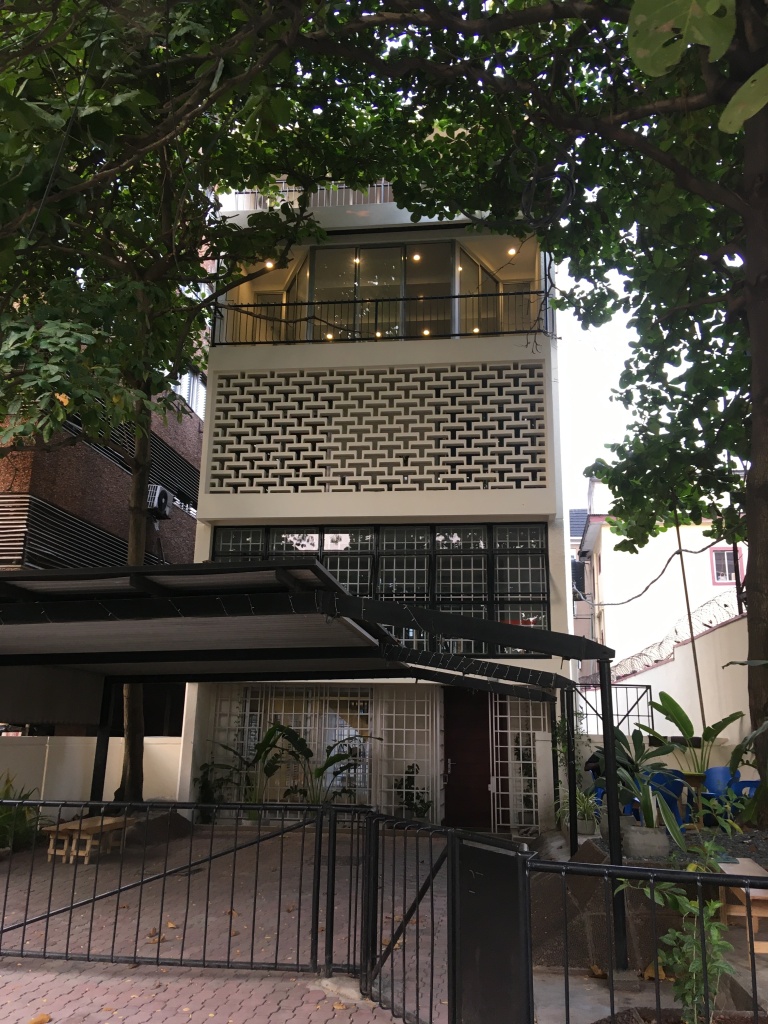
Godwin and Hopwood Residence, Godwin and Hopwood
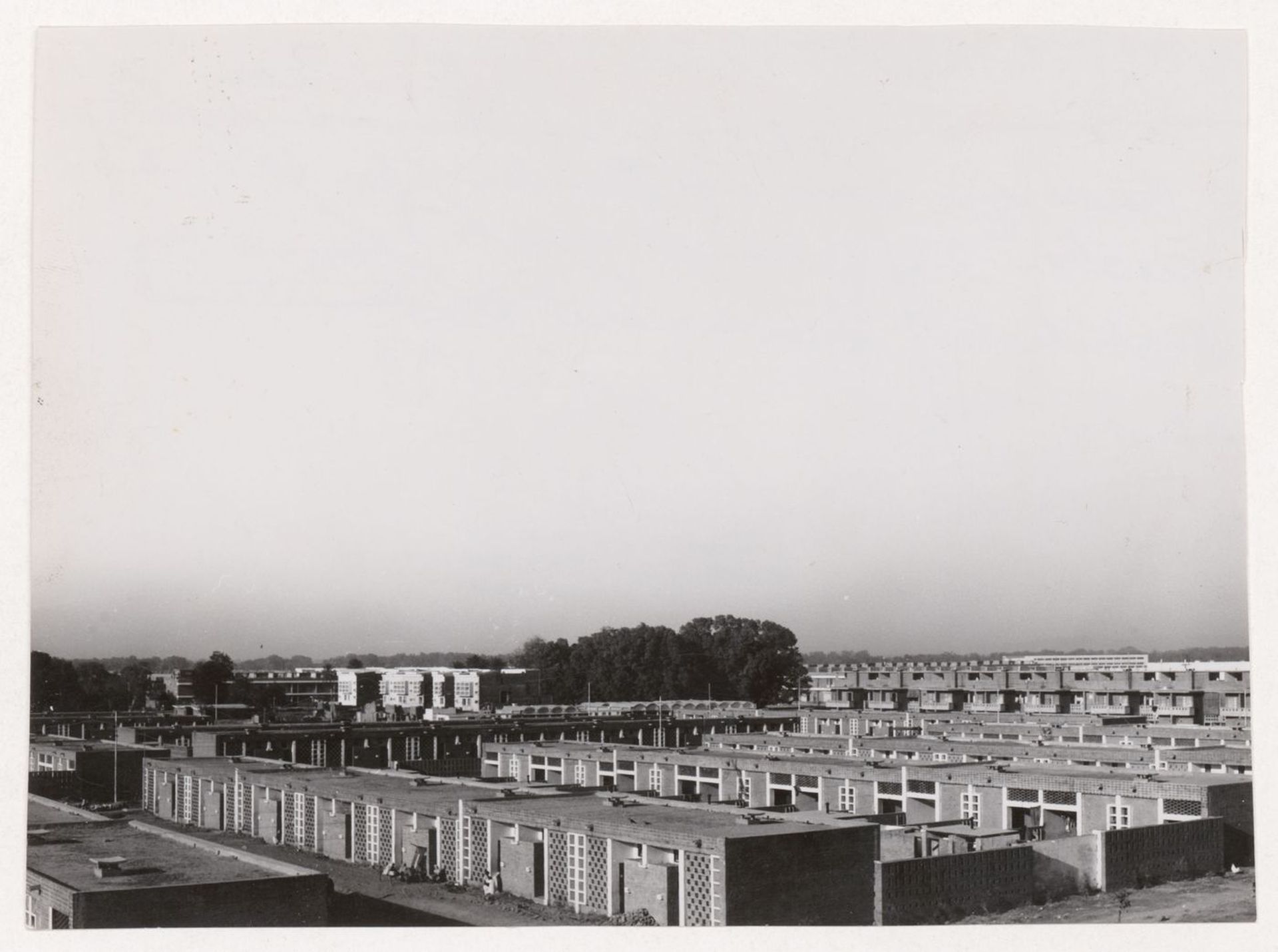
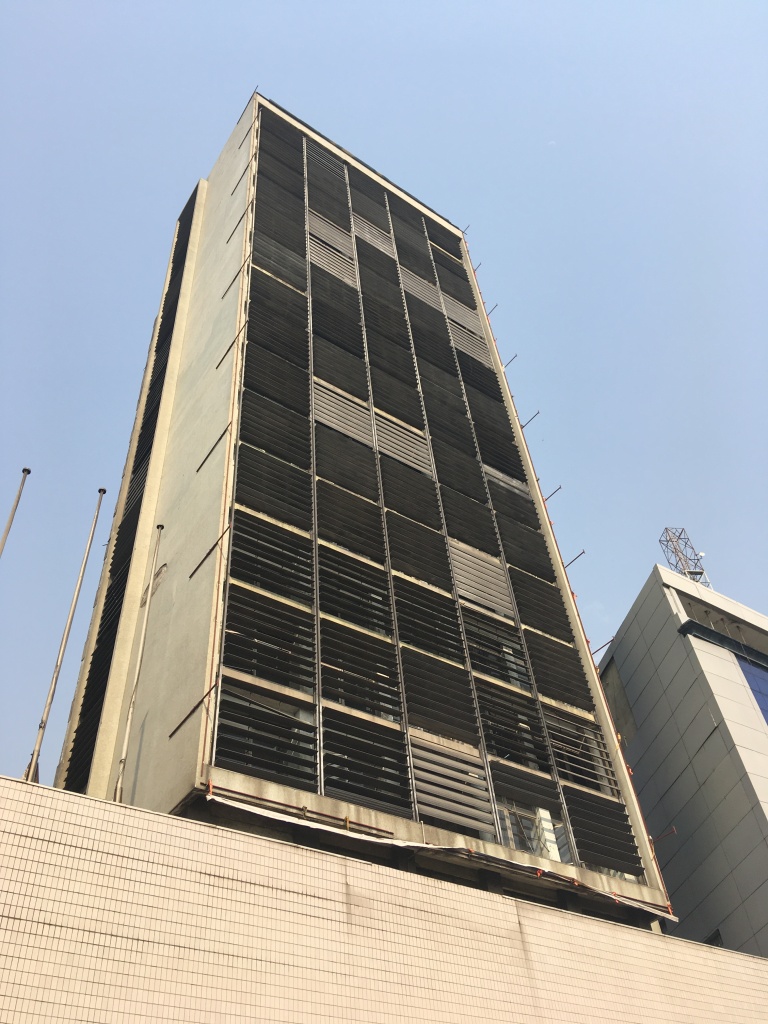
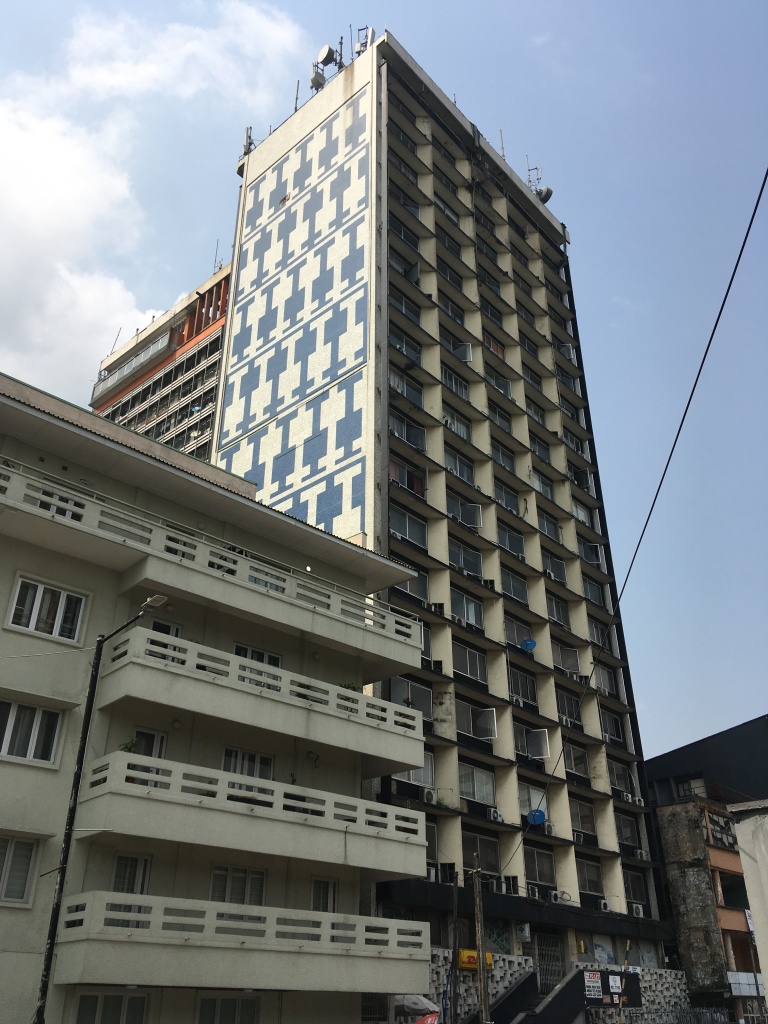
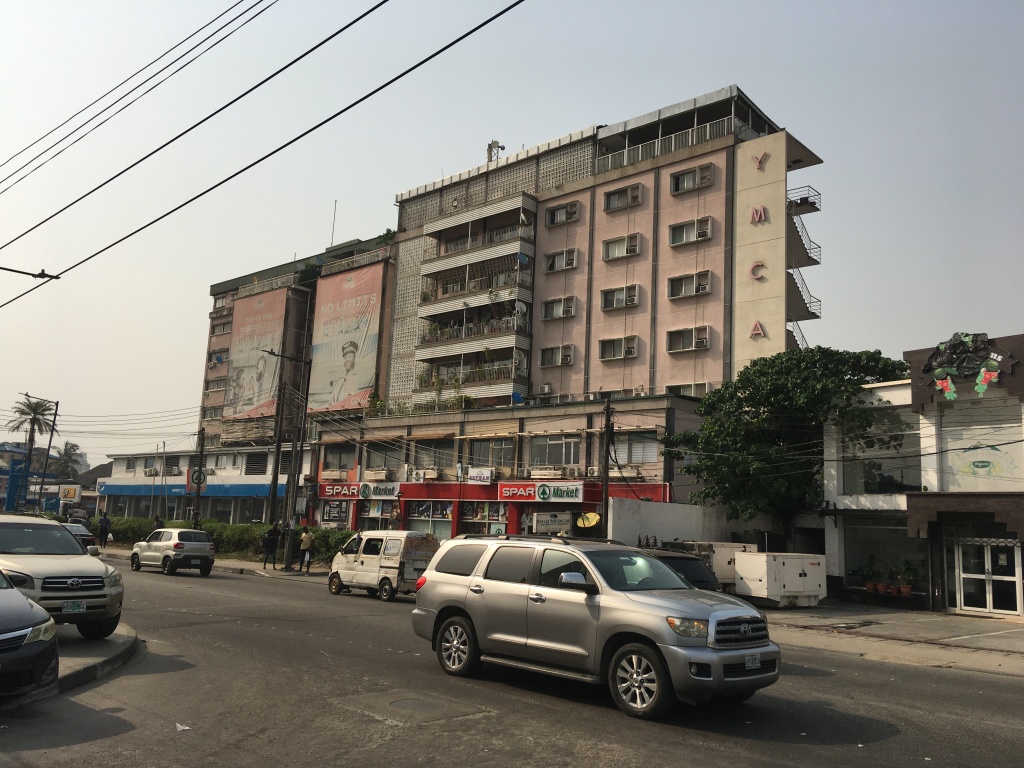
YMCA – slender single room deep plan, exposed staircase at the gable with concrete wrapping around. Commercial retail units at the base, pavilion and garden at the roof. Cracking scheme – but who is the architect?
This is the first article in a series that considers reflections on the value of interpretation in combination with the technical practice of cataloguing, authored by CCA staff and invited scholars and introduced by Martien de Vletter. Here, we examine changing terminology. CCA cataloguer Jennifer Préfontaine considers context and the use of the term “peon” in cataloguing the Pierre Jeanneret fonds, and Michele Tenzon, Ewan Harrison, Iain Jackson, Claire Tunstall, and Rixt Woudstra sift through reworkings that were made in the development of the United Africa Company archives.
The Importance of Context
Jennifer Préfontaine weighs meaning and intent when cataloguing archival materials
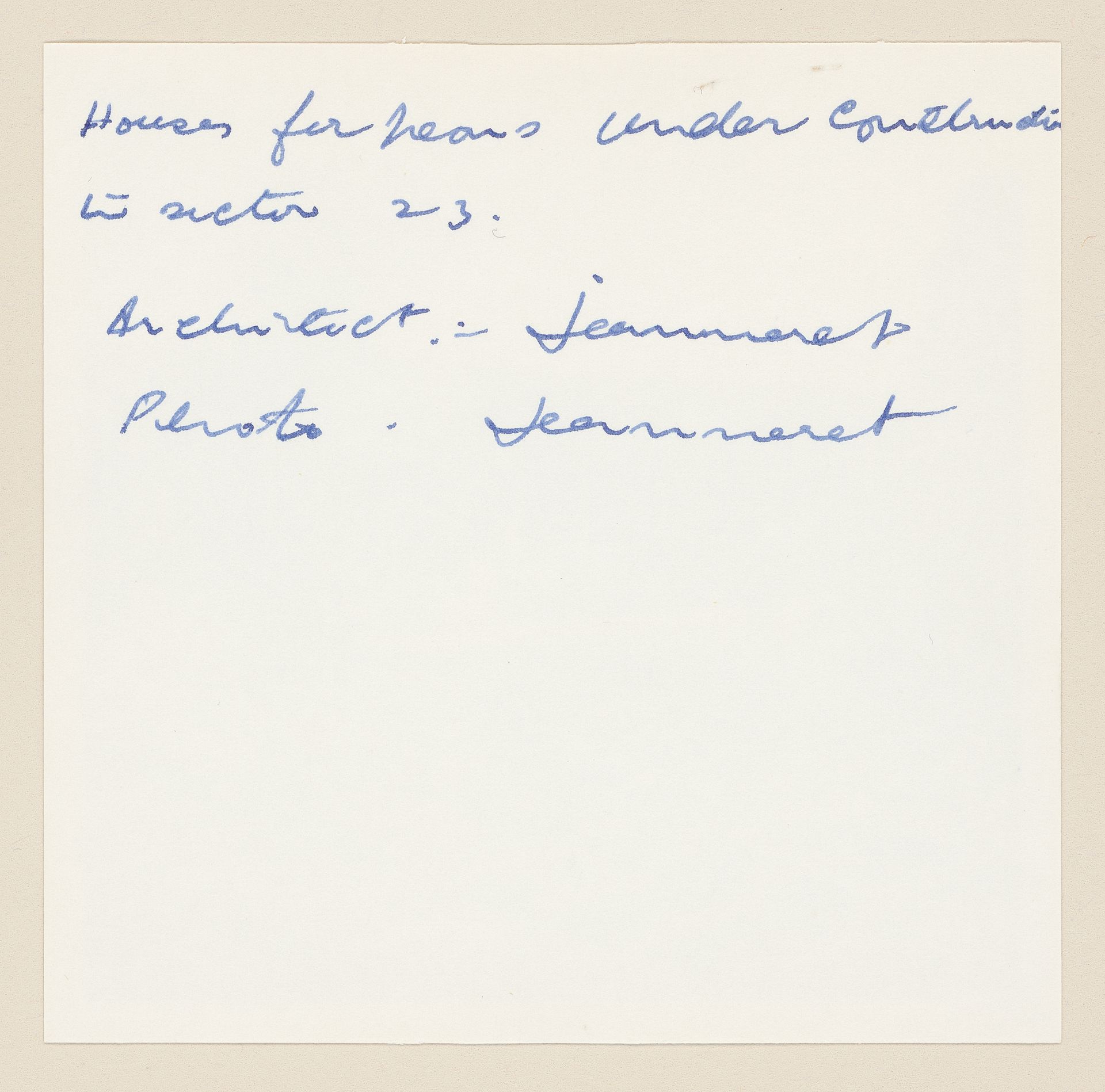
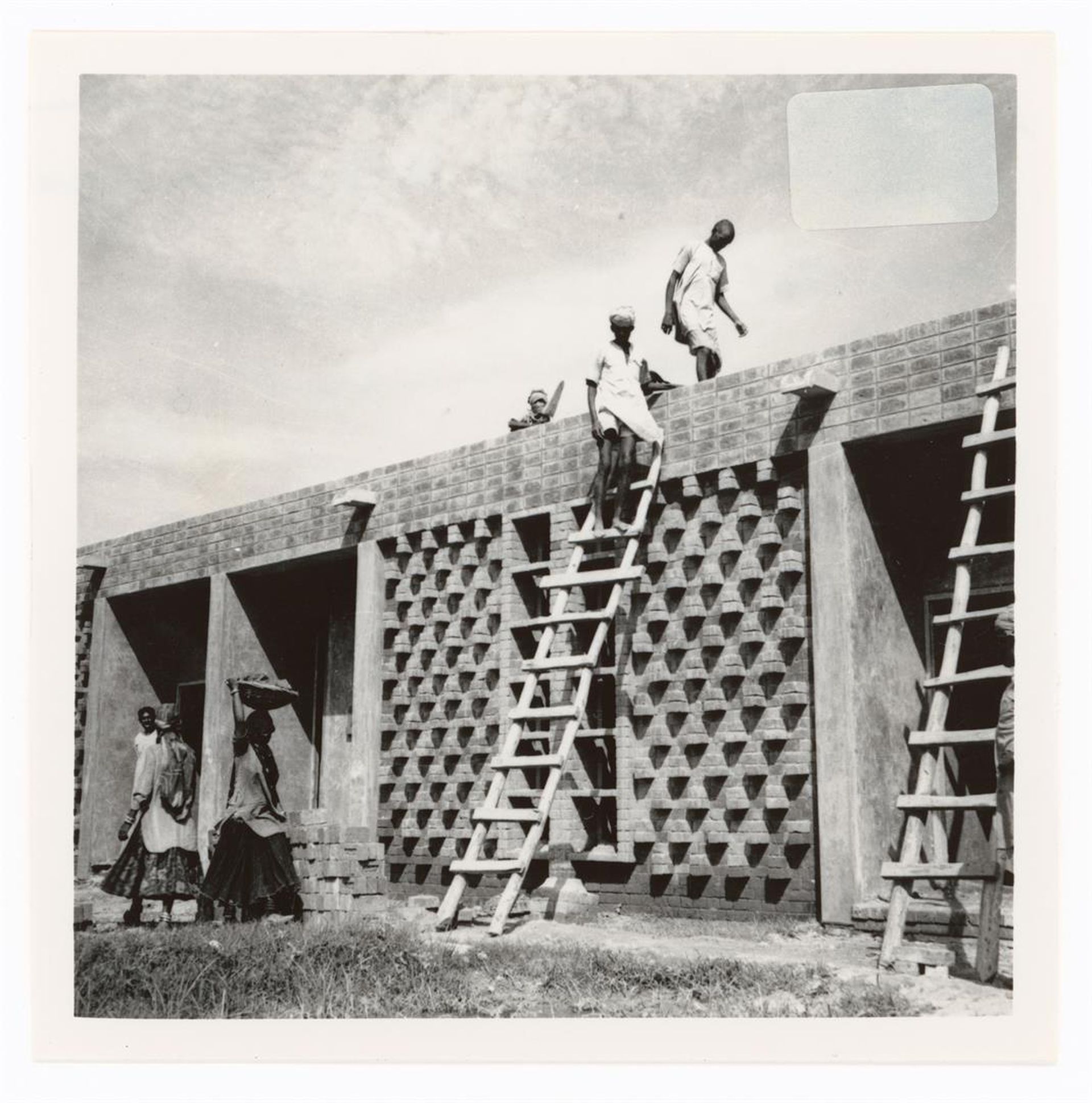
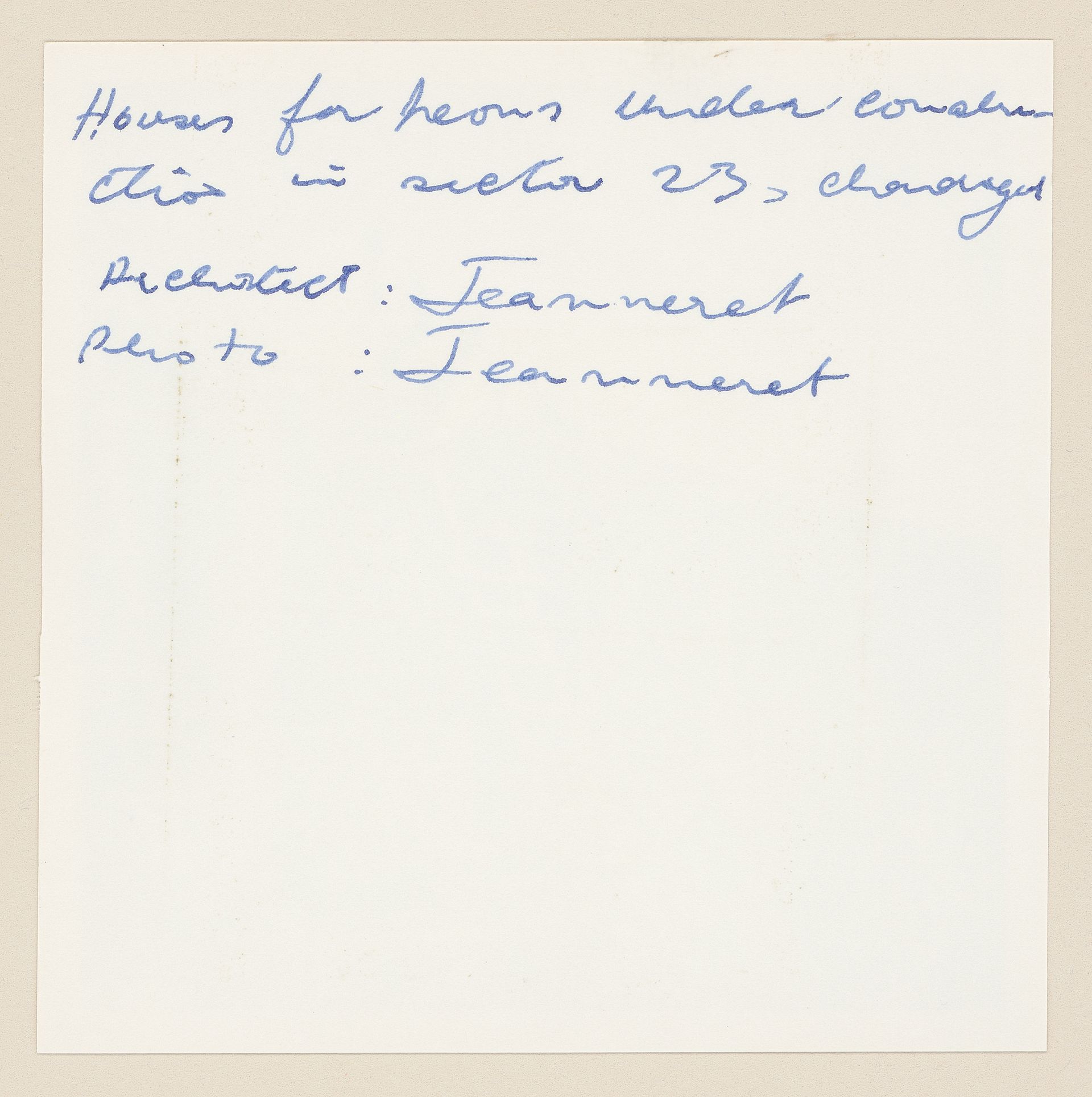
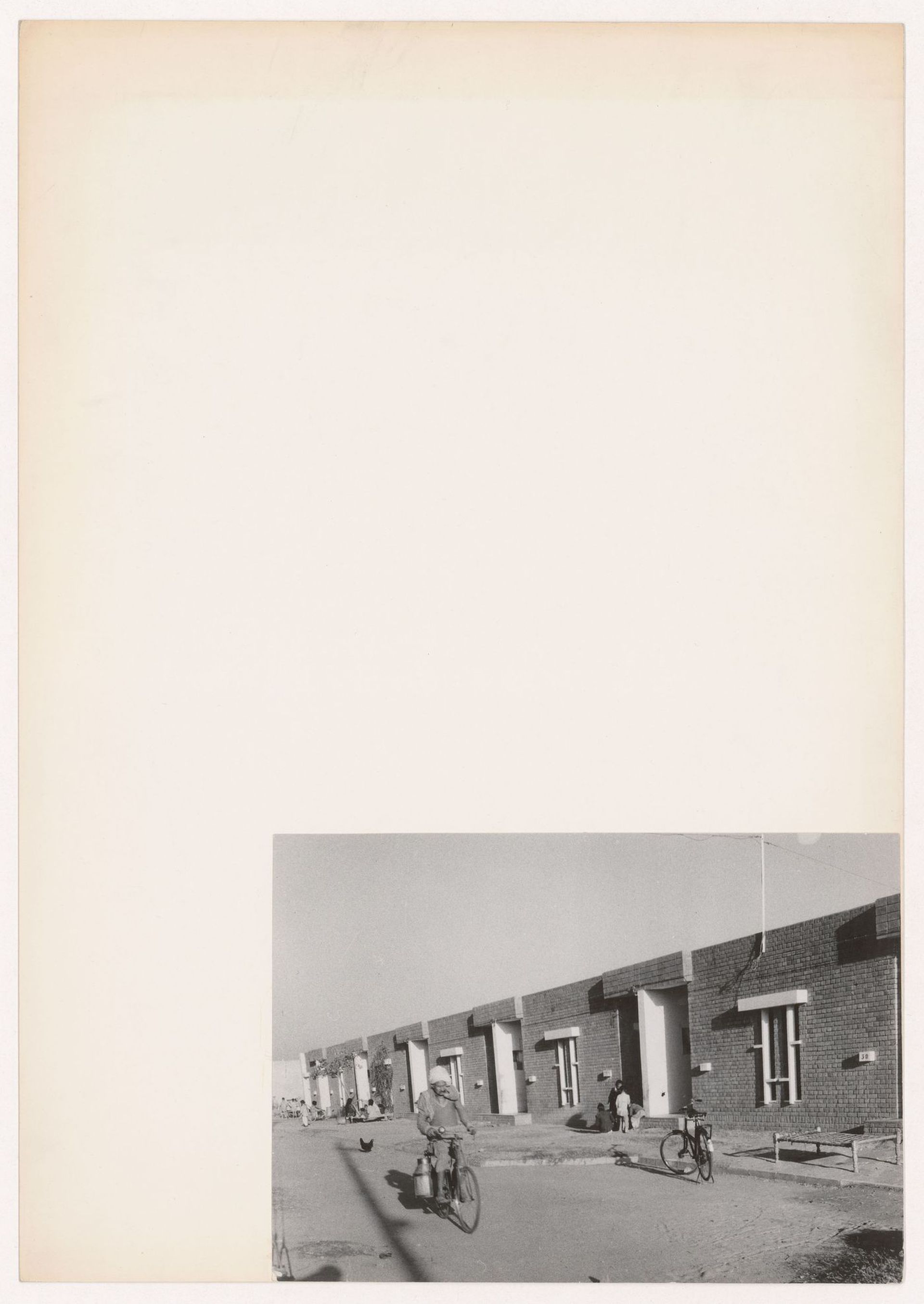
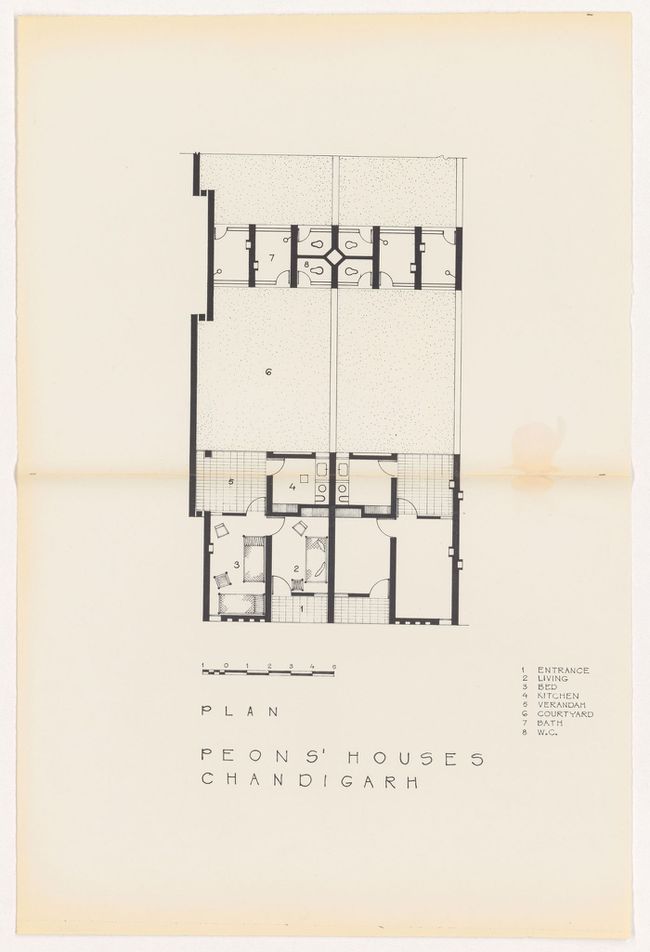
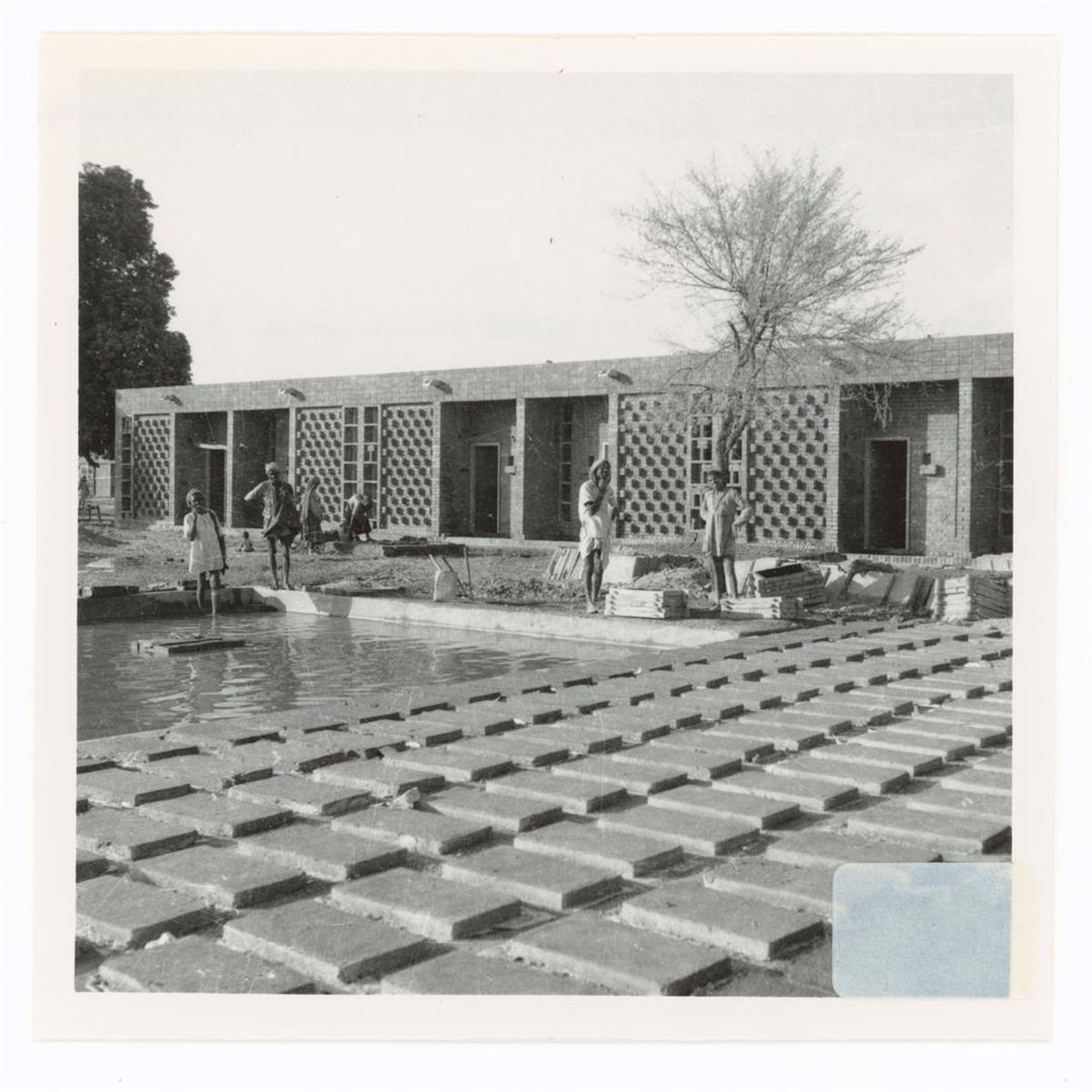
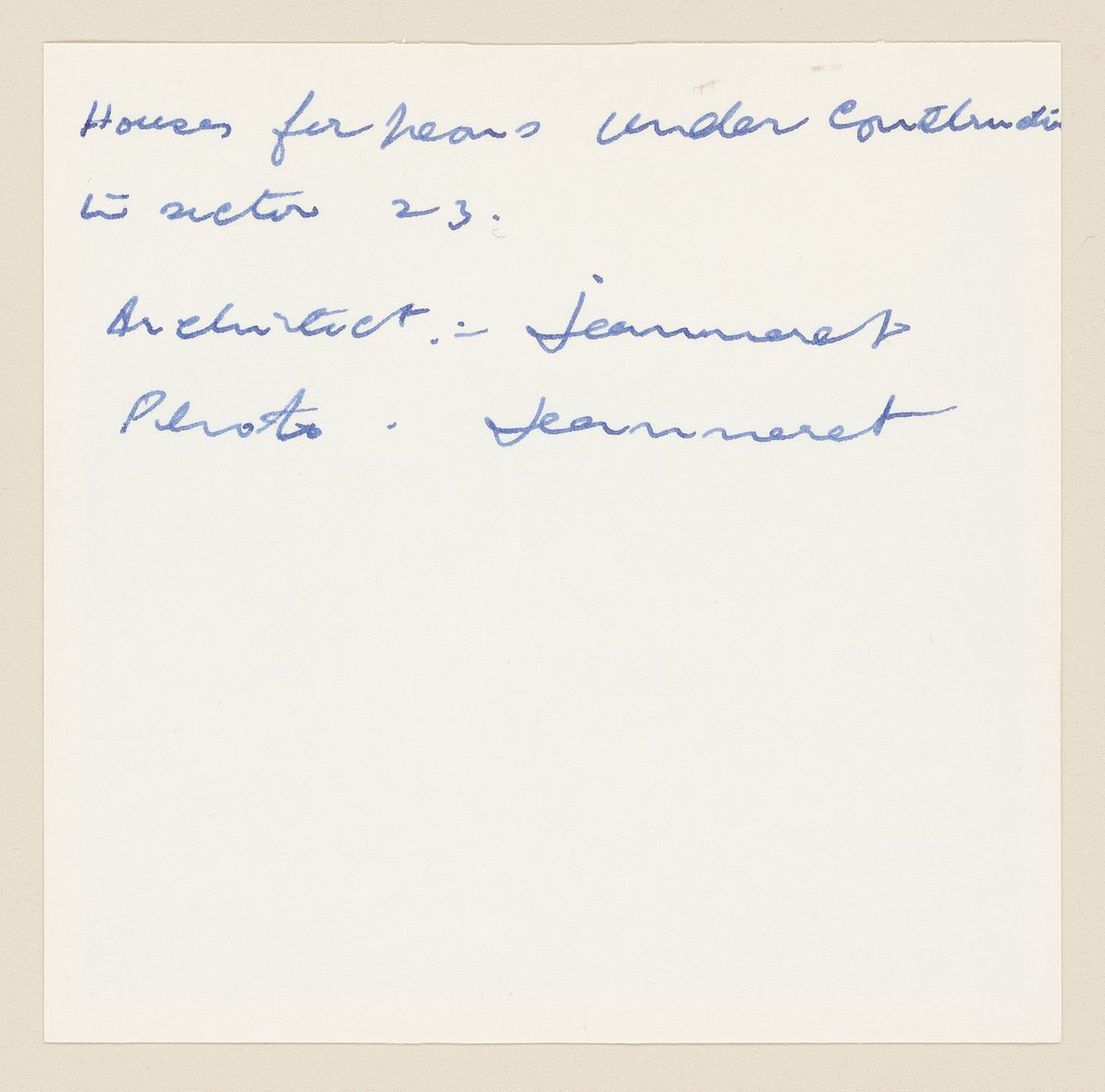
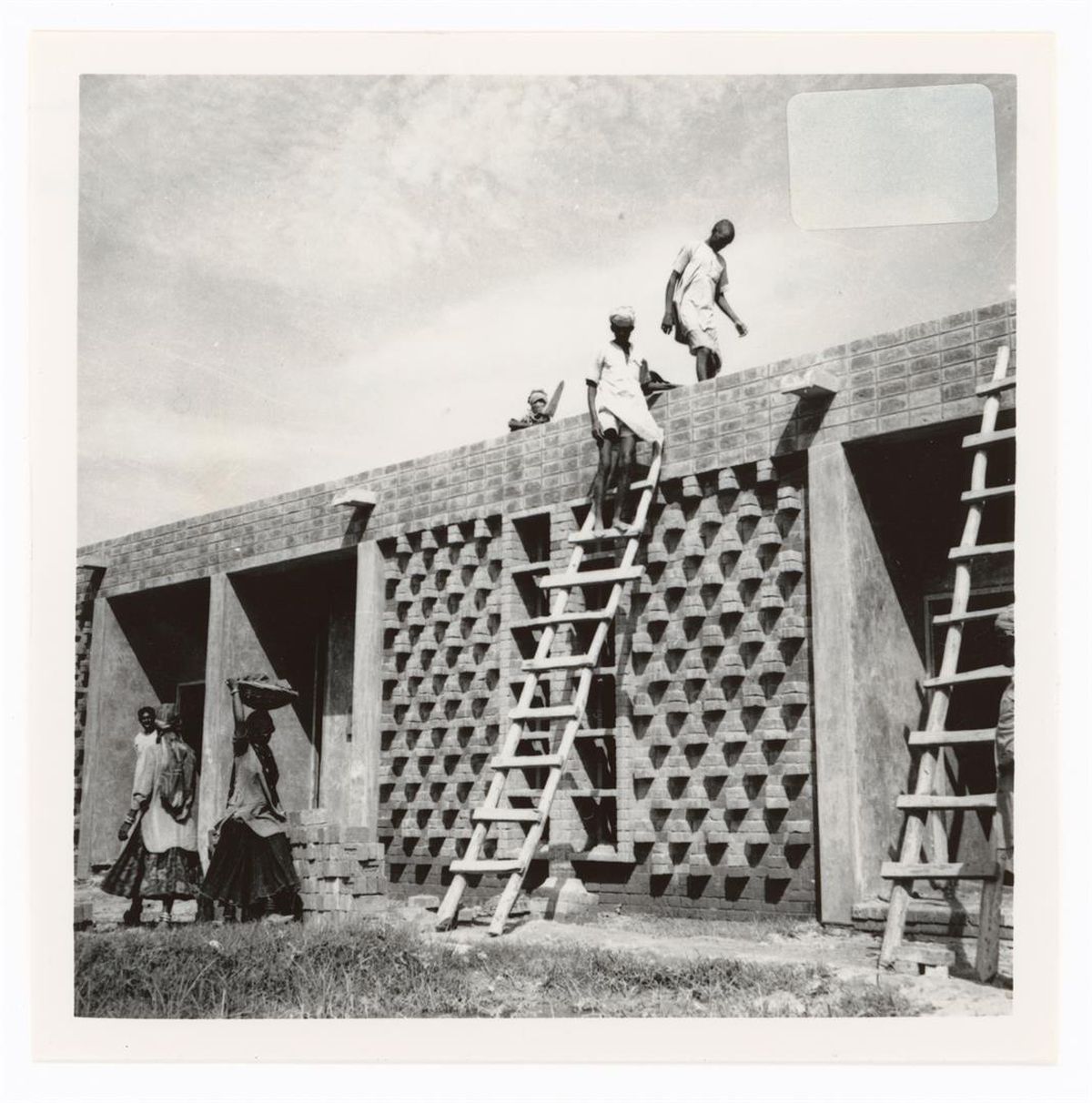
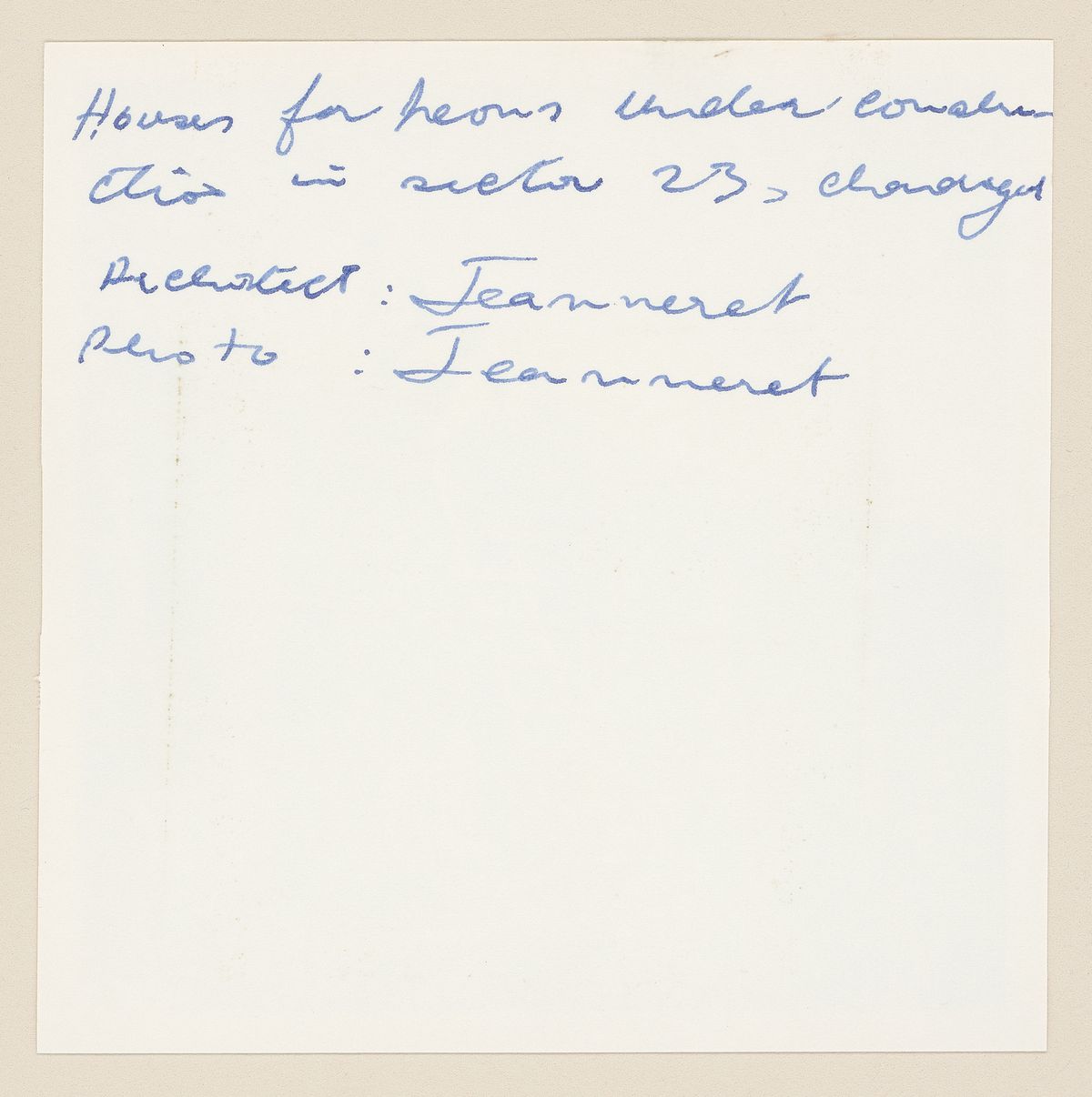
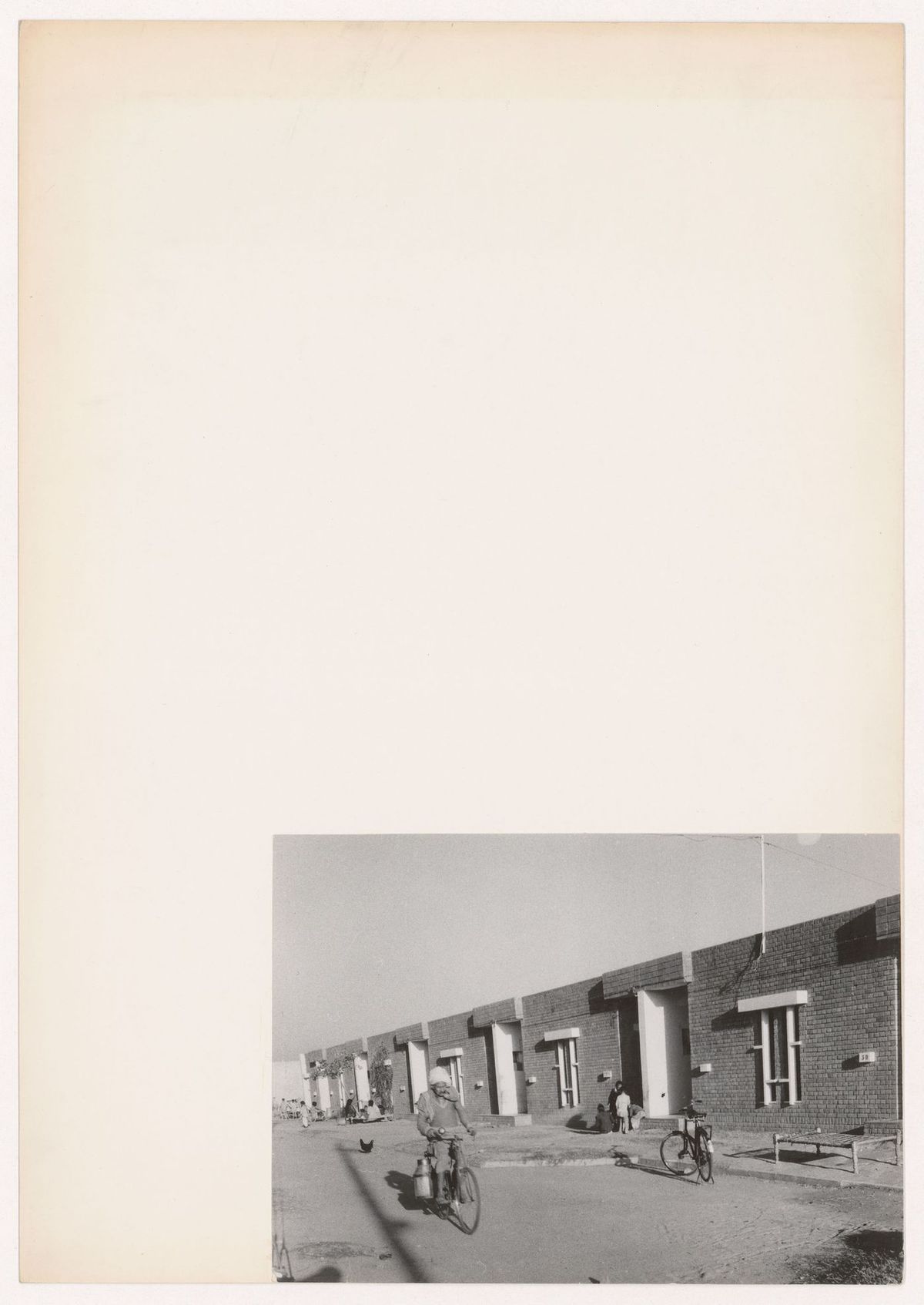
During Sangeeta Bagga’s Find and Tell residency in June 2019, we—the cataloguers at the CCA—came across material using a word with which we were uncertain. A plan drawing, held in the Pierre Jeanneret fonds that Bagga was studying, labels “Peons’ Houses” as the title of a project in Chandigarh, from 1952.1 From definitions found in print and online dictionaries, we felt that “peon” could be understood as harmful in some contexts but neutral in others. A word can have different meanings, different geographies, and even different histories, in particular colonial histories. In cataloguing work, the choice of vocabulary has important implications in how researchers access and understand information. We needed to consider, is there a problem with the use of the word “peon” when identifying people?
We learned that the word “peon” has different meanings and origins depending on where and when the term is used. Among other definitions, it means a labourer or a non-specialized worker.2 In Latin America, especially in Mexico, a “peon” has additionally come to denote a labourer that has an obligation to work for their employer until their debt was paid off.3 This type of “labor practice”4 has served as the basis of what would become known as “peonage” in the period after the abolition of enslavement in the United States, where many African American freedmen and freedwomen with limited options were forced and bound into this system that maintained an involuntary servitude.56 It seems within this American context that the use of this word in cataloguing should be reassessed. However, comparatively, in South Asian countries, particularly in India and Sri Lanka, the word “peon,” brought by the Portuguese, historically meant a foot soldier or a police officer.7 These days, it refers, in an Indian context, to a messenger or attendant, especially in an office,8 designating the entry-level position in governmental and non-governmental organizations.910
Considering that the materials from the Pierre Jeanneret fonds that include the word “peon” in their descriptions are related to Chandigarh, would it be acceptable to use the term despite the negative connotation it bears in another context, especially the American one? Shall we use a different term, or keep this “contentious” word with the possible addition of a contextual note?
As the CCA is an international institution located in North America, we wonder if it is preferable to remove a word that is potentially harmful from our descriptions, even if it remains in use and seemingly appropriate in other cultural contexts. What about the research behaviour of our users? Experts on Chandigarh, particularly on Le Corbusier and Pierre Jeanneret’s works, might be expecting the word “peon” and search for it in our catalogue. In order to understand the use of this term within the framework of the study of Indian architecture and society, we decided to reach out to experts of this field of research.
For Dr. Sangeeta Bagga,11 Principal at Chandigarh College of Architecture, Vikram Bhatt,12 author of Blueprint for a hack, Resorts of the Raj, and After the masters, and Dr. Vikramāditya Prakāsh,13 author of Chandigarh’s Le Corbusier and One Continuous Line, and editor of Rethinking Global Modernism, the word “peon” is an appropriate term used to designate an entry-level position at government levels in India. However, they point out that private corporations do not generally use the term anymore. Bhatt mentions that an equivalent word is “chaprasi,” and there might be other equivalent terms in other regions of India. Bagga argues that, although “office boy” is the term currently used in the private sector, “peon” still describes a position that allows people to work in dignity in a non-technical job, and people in India do not necessarily associate the word with a colonial background. It was institutionalized under the British period, but it still is in use today, without any negative connotations. Both Bhatt and Prakāsh acknowledge that while the term is still in use, it is not a word used in everyday conversation. To them, it could carry derogatory implications, depending on how it is used.
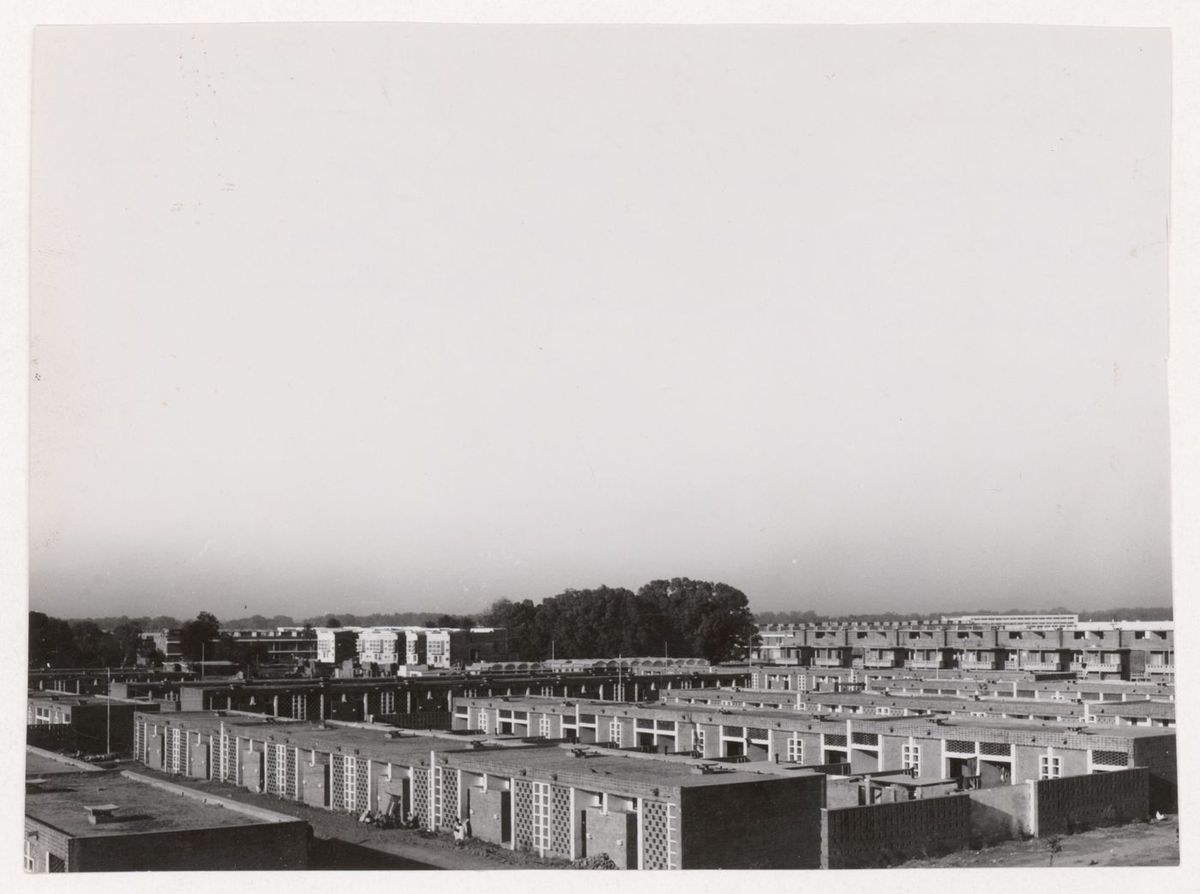
Bagga and Bhatt also mention that Chandigarh is a city that was laid down to a precise hierarchy initially with thirteen types of government housing in which the “peons” were at the lowest end.14 Bagga adds that with Jane Drew and Pierre Jeanneret’s work, it was the first time that the “peons” had planned housing accommodations.15 She underlines that the architectural drawings and other materials attest to this nomenclature; this type of housing was specifically called “peons’ houses,” as is depicted in the plan’s title. If the word is absent from the description, how would a researcher find it?
We might not be able to dissociate the use of the word from the context in which it appears. Prakāsh recommends keeping the term with respect to the Pierre Jeanneret fonds, noting that there is not a “right” interpretation of a word, certainly not based on an “original” meaning. For Bhatt, for as long as there have been contacts between the Western and Eastern worlds, languages have mutually influenced each other. With this in mind, Bhatt said that he would not be hesitant to use this word, but cataloguers should certainly recognize the different contexts in which it is used.
From these discussions, it seems apparent that the word “peon” carries different weights and meanings based on its context. All three experts recommend that we continue to use “peon” in our descriptions as part of the title field, and that we should add, if relevant, a contextual note explaining the word. As we recognize the importance of examining the changing meaning of words over time and context, especially when they are used in relation to how you refer to people directly, processes like this one, will help us set guidelines for more mindful descriptive work.
We would like to thank Sangeeta Bagga, Vikram Bhatt, and Vikramāditya Prakāsh for sharing their thoughts on this topic.
Reworking, Recaptioning, Moving Beyond
Michele Tenzon, Ewan Harrison, Iain Jackson, Claire Tunstall and Rixt Woudstra examine the Archives of the United Africa Company.
The Unilever Archives in Port Sunlight, United Kingdom, host a vast collection of items documenting the United Africa Company (UAC). A wholly owned subsidiary of Unilever, the UAC was a vast trading and manufacturing empire that itself in turn owned and managed numerous subsidiaries ranging from retail, textiles, timber, and raw material extraction mainly, but not exclusively in the British West African colonies. The scale of the UAC venture throughout the late nineteenth and twentieth century, the company’s role in colonial exploitation, as well as its economic and political manoeuvring into the post-Independence period, render its archive both a problematic and rich repository to catalogue and analyse. Archives have been the subject of a body of theoretical writing from post-colonial perspectives. This has framed the archive as both a locus of power and a technology of domination in and of itself. As the archive of the largest British business in West Africa, and one deeply implicated in the colonial patterns of resource and capital extraction in the region, the UAC archive can equally be theorised in this way. Yet, the UAC archive is also punctuated by moments of hesitancy, contestation, and challenges to the UAC’s attempted hegemony.
The UAC produced an archive as a by-product of the everyday transactions of business in the African colonies: its reports, board minutes, marketing plans, press releases, and ledgers have subsequently been ordered, catalogued, and cared for by a team of curators and archivists. But the UAC also pursued archival impulses of its own: UAC staff collected maps, African artworks and ephemera, personal correspondence and memoirs, as well as taking, collating and cataloguing thousands of photographs between 1880 and 1980. This impulse to collect and catalogue the African world around it shows the UAC’s attempts to impose an archival logic on the diverse, even unwieldy, business empire that it controlled, or attempted to control.
For architectural historians, the photographic collection is of particular interest with its bias towards recording buildings, places, people, and special events. The vast amount of visual material was produced by employees working for different subsidiary companies, each with their own objectives, vantage points, and outlooks. The contributors and content are also diverse in their geographical reach and emphasis, with records spanning vast tracts of the African continent, as well as smaller forays into the Middle East, India, and the Americas. Overall, and in coherence with the nature of a corporation which was indeed multiple, internally diverse, and geographically spread out, the collection appears as a corpus of interrelated but distinct archives each with their own provenance, consistency, detail, and granularity of data.
Considerable effort and expense were devoted to producing and presenting this photographic material. Each subsidiary produced its own documentary evidence by developing a visual record or compendium of their businesses that sat alongside the accounting records and lists. In providing sound evidence that business activity was taking place, the photographic medium was particularly useful to the parent company. Taken with a specific agenda and focus, the photographs were processed and printed before being selected to feature in specially produced albums and often accompanied by printed captions or handwritten comments. In many cases, the photographs became a surrogate for travel as many of the directors and business managers had never visited Africa and had no first-hand conception of what their business interests and assets looked like.
The images demonstrated that stores had been built, that goods were properly stocked on the shelfs and that everything was ‘as promised’. It provided reassurance for owners and shareholders, but also became a form of advertisement as is reflected by the careful organisation of these documents in the archive’s Public Relations folders. Through the photographs, distance and geographical separation seemed less important as the visual evidence which they offered ultimately delivered a sense of proximity by bringing a particular version of Africa back to the European shareholders. Photographs were meant to create a familiarity which could justify the company’s overseas presence and show that a colonial territory was ripe for development, therefore reassuring investors as well as European staff.
Because of the peculiar role of the photographic documentation for UAC’s activities, the forms of their collecting, defining, and claiming, offers a vantage point from which we can see how the company viewed, perceived, and chose to record the African social and physical environment. The image library was not fixed – it was added over time, revisited and modified. Titles were remade, notes were added, reflecting not only the transformation of the built environment, such as the extension or refurbishment of the company’s premises, or the acquisition or selling of properties, but also the shifting political situation after elections, riots, or strikes and the resulting legitimacy challenges that the company faced.
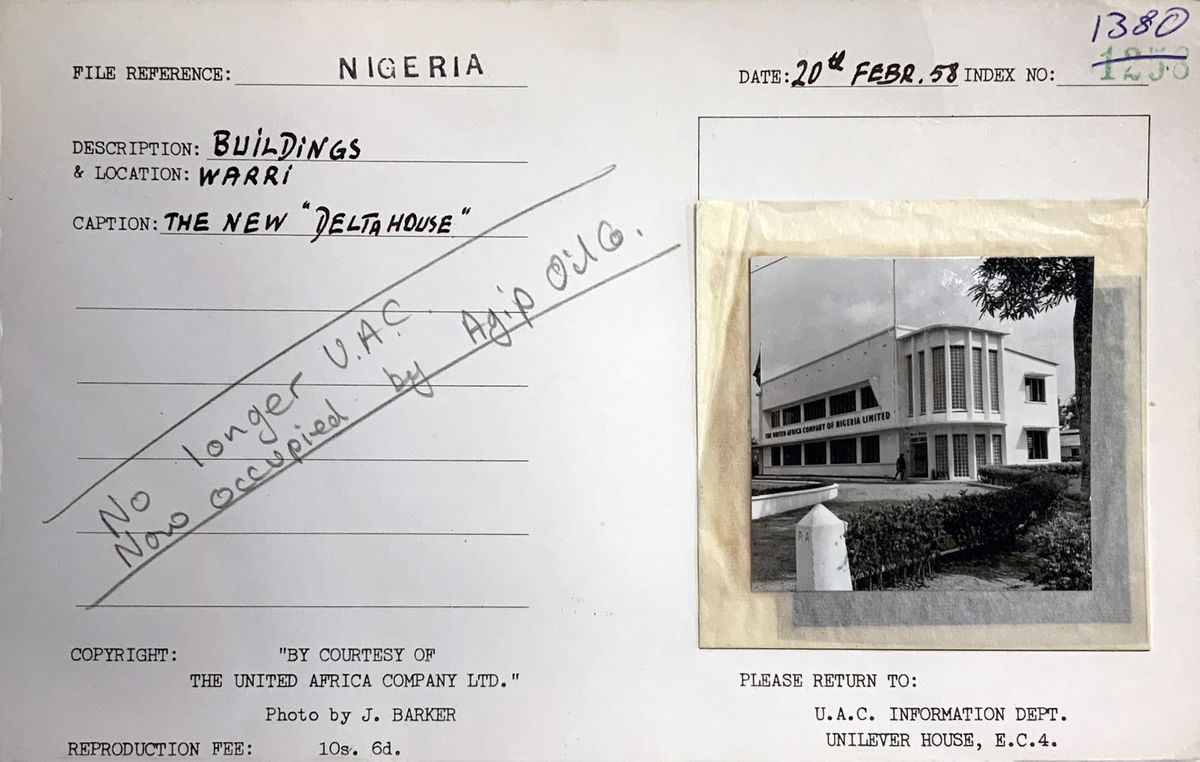
Such reworking of the archive is especially evident in those sections of the archive in which photographs have been selected and mounted onto cards, as a compiled photography library arranged first by country, then by themes. This collection was compiled to assist the production of marketing reports, company magazines, newsletters, press releases, and advertisements. The production of these publications and public relations material required the finest images and a cataloguing system allowing them to be quickly located. The notes written on the cards indicate that the UAC staff exercised a control towards what was deemed appropriate and suitable for the company’s image.
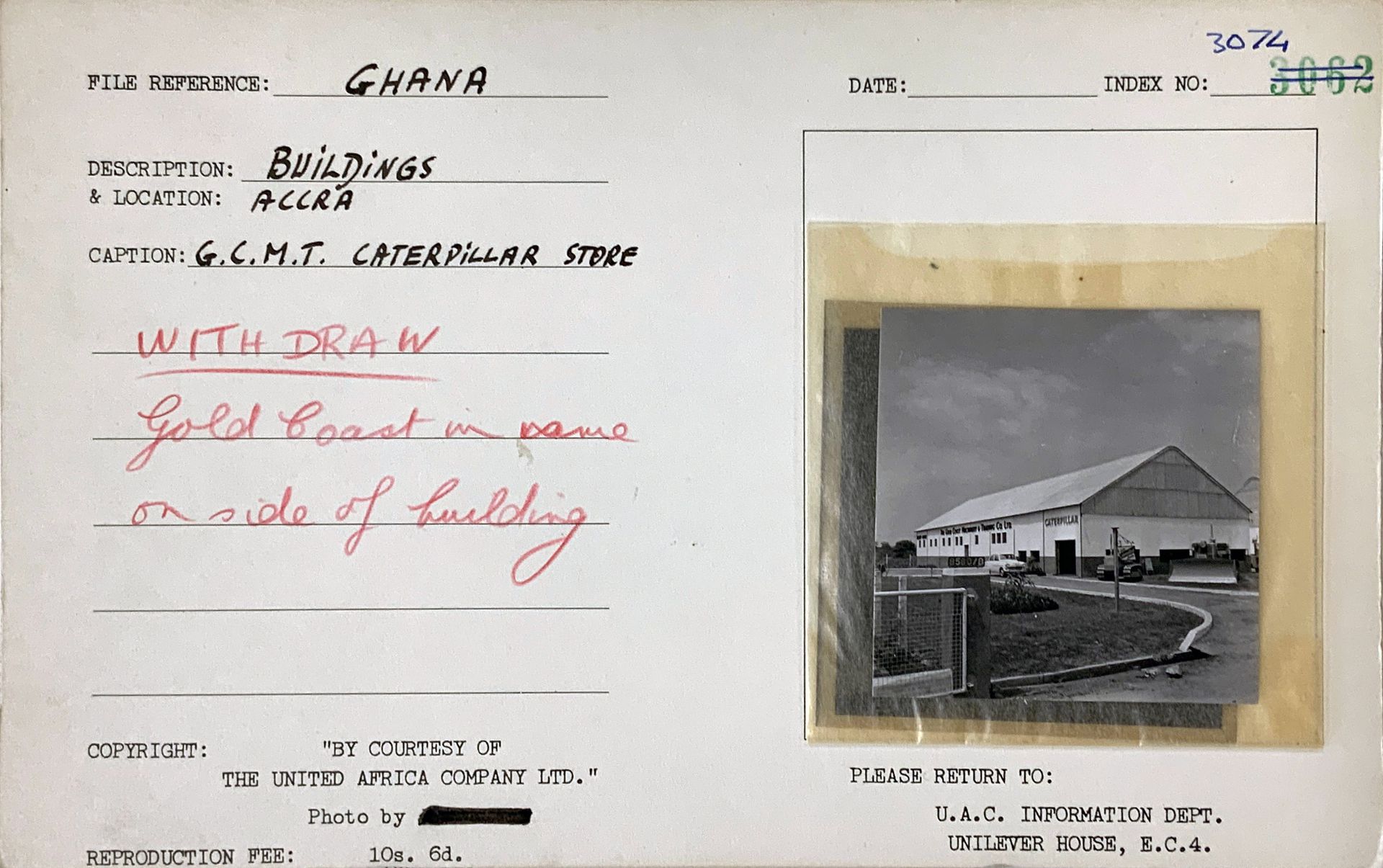
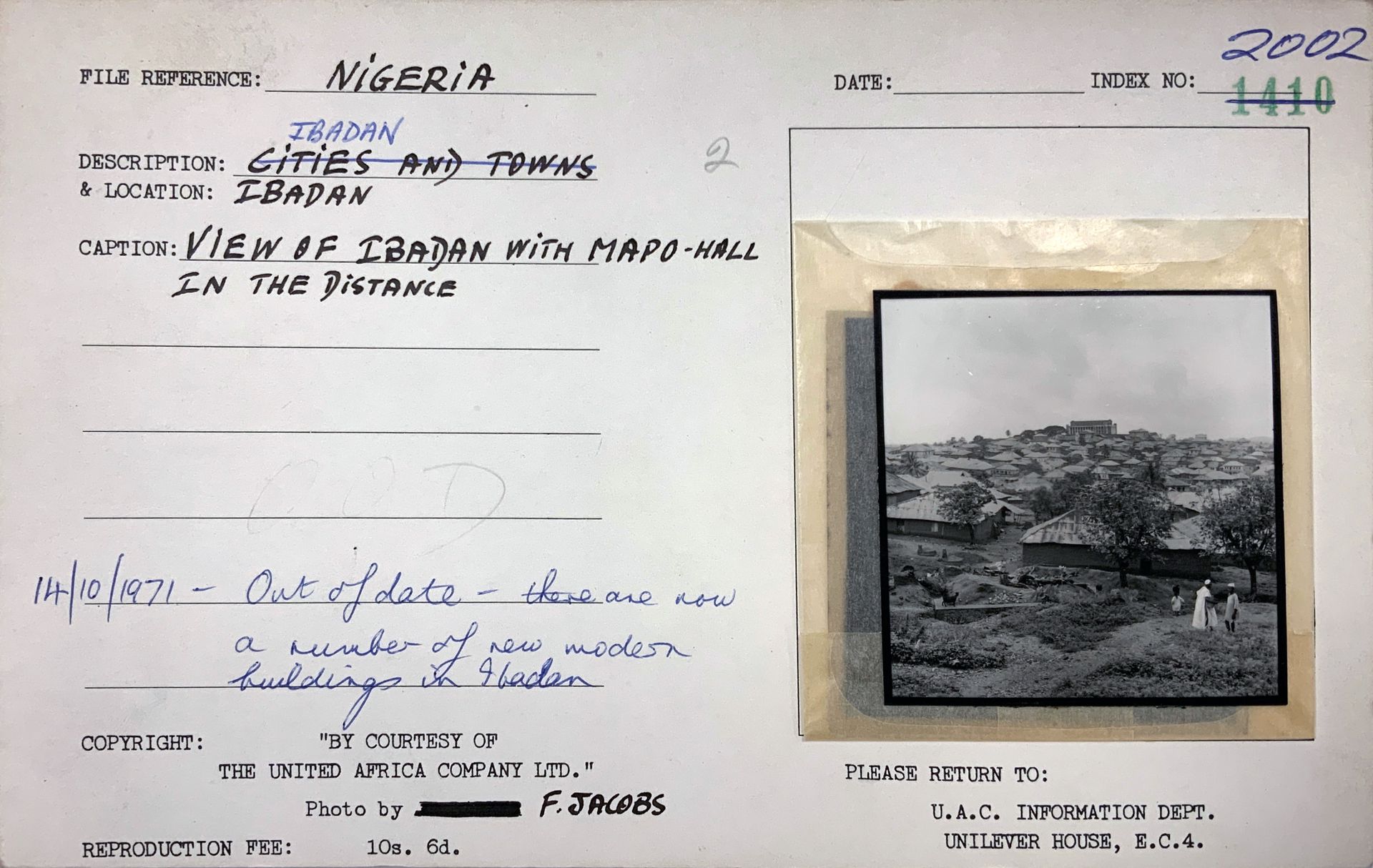
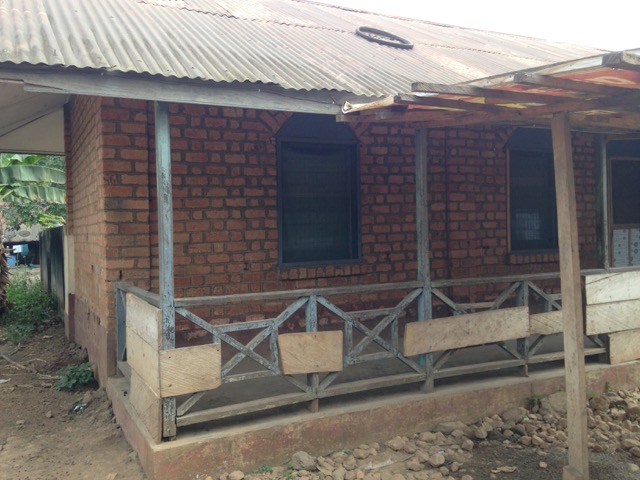
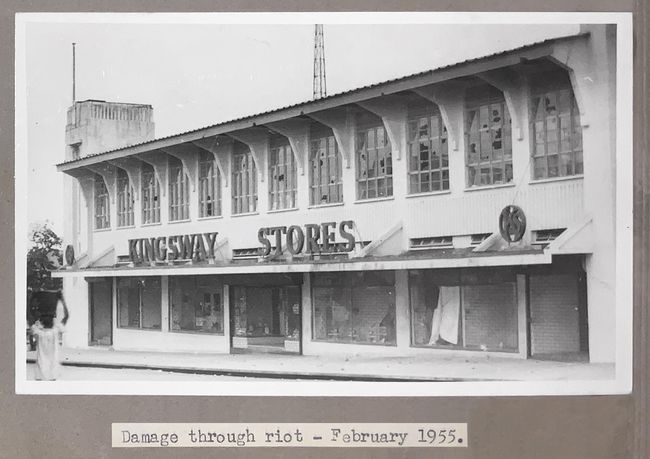
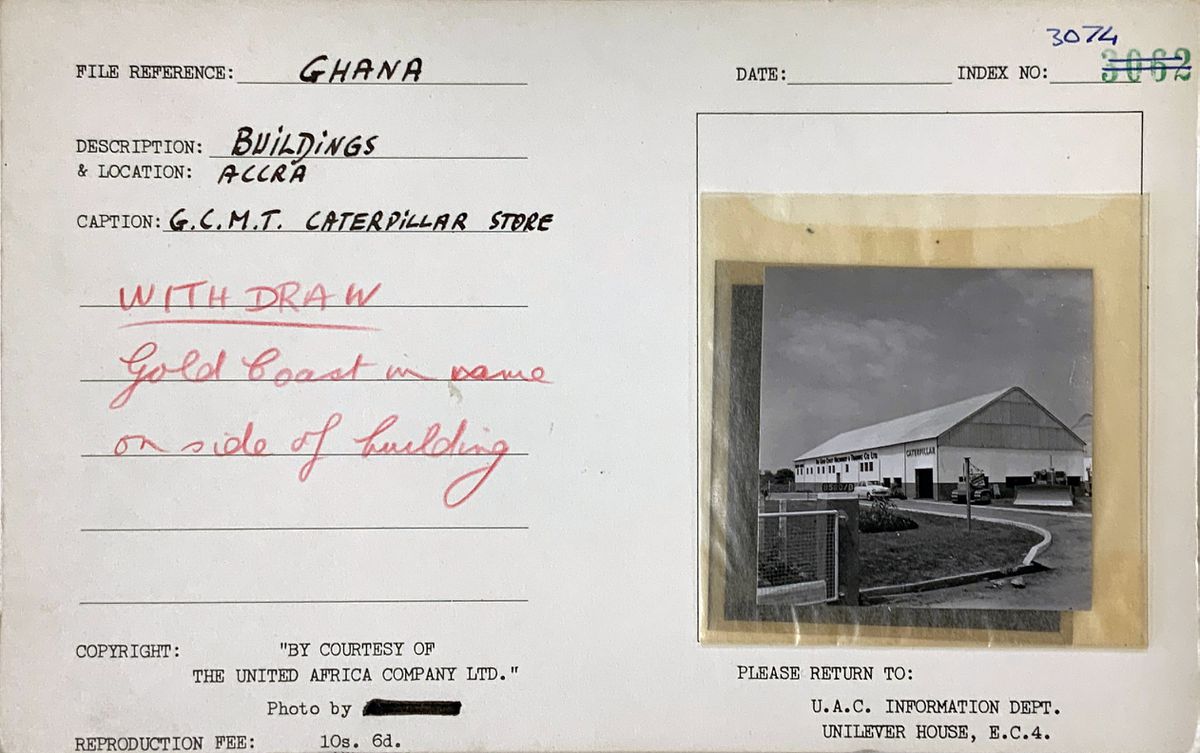
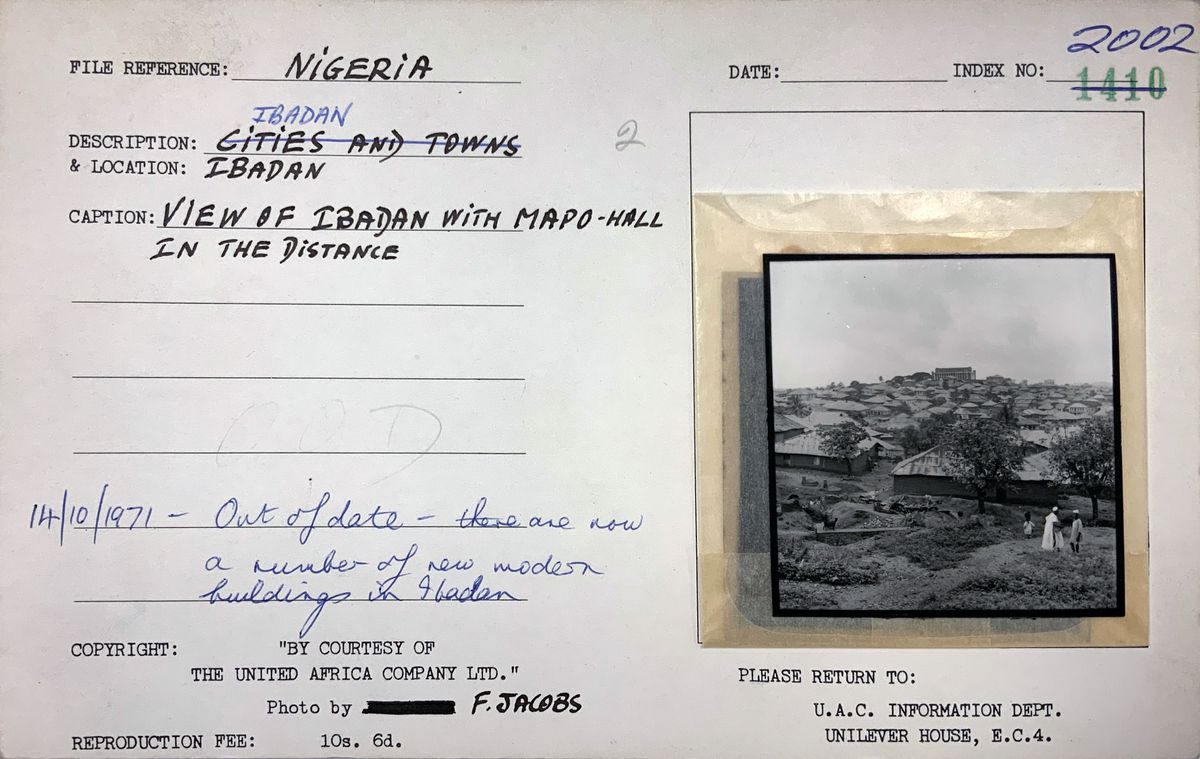
On some of these cards the captions were edited replacing terms which were perceived as outdated or inappropriate. Hence, an image described as “Native workers” was subsequently crossed out and replaced with “African workers”, before being relabelled again as “Employees”. In other instances, “African huts” was replaced by “African homes”, and “European Housing” was renamed “Management Housing” to reflect the Africanisation process of the 1950s – the recruitment and promotion of African staff within the company – which the UAC had embraced as a strategy to repair its legitimacy during the decolonisation phase. Some other images, instead, were marked as ‘to-be-withdrawn’ because the signage of shops of factories employed colonial toponyms which, after independence and for obvious reasons, had become offensive for African audiences. Whereas an image of Ibadan showing a district of low-rise houses built with adobe bricks was deemed no longer usable as it probably conveyed an unwanted sense of precariousness to the public and especially to potential investors.
We don’t know who exactly was making these decisions and how frequently the images were reassessed and relabelled. Unlike the archiving process where archivists generate titles, here they formed part of an image library. However, the fact that the photographs, rather than being re-mounted onto new cards were instead amended by striking through older labels, suggests that perhaps this context was considered valuable, if outdated. Nonetheless, letting this meta-analysis of the archive and its shifting cataloguing and labelling strategy to emerge, required challenging the traditional way in which archives are experienced.
Moving beyond the catalogue
We rarely get to see the archive in the way that one can peruse the books of a library. Instead, we experience it with no direct access to the stores and therefore no opportunity to examine the collection in person. In most cases, files are brought to the researcher after consulting a catalogue, making requests and completing slips and are examined one file at a time. While there are obvious reasons for such restrictions which aim at ensuring the integrity and safety of the material, the necessity of surveillance imposes an examination of the material in extremely compartmentalised or limited ways.
In our research project ‘The Architecture of the United Africa Company: Building Mercantile West Africa’ we have questioned this approach and attempted a different procedure that granted the research team access to the archival storage spaces. ‘Open access’ to the collection has been granted to the research team which has enabled browsing and the ability to quickly sample a box or file without even removing it from its location in the storeroom. The research team has been given extensive training in basic archive procedures, manual handling and health and safety. Retrieval slips were still completed and utilised, but the physical act of obtaining the files and accessing the store rooms was granted to the research team enabling the archive team to focus on their day to day work. The ability to compare boxes, view multiple files, or simply randomly ‘dip’ into boxes has enabled a far greater appreciation of the entire UAC collection, has accelerated our ability to ‘get through the material’, and also reduced the labour for the archives team. Viewing all the photograph albums on the shelves and to see how one album compares in size and scale to the others as well as the ability to visualise the files and their arrangement has helped us to understand the business structure in ways that would not have been possible otherwise.
This procedure, which was made possible by the prolonged collaboration between the academic team and the archive’s management team, has enabled a different working method to emerge. If the re-captioning of UAC’s photographic collection testifies how European capitalism coped with political change and pragmatically adapted itself to the shifting paradigms in the decolonisation phase, acknowledging such additional layers require ‘moving beyond’ the catalogue. The stratification of meanings and orientations which took the form of an almost curatorial approach to the cataloguing of the photographs reveals the biases and the shifting sensitivities of the actors involved in the production and management of the archive. However, such a critical interpretation of descriptive practices requires questioning the traditional interface between archivist and researchers, ultimately allowing engagement with the archive as a complete and stratified entity.
Notes
1 The term “peon” is also found on other material from the Pierre Jeanneret fonds.
2 The word has several meanings across times, languages, and cultures. Not all of them will be covered in this text. It also refers to the pawn in a chess game and to a low unit in some strategy computer games, for example.
3 William Wirt Howe, “The Peonage Cases,” Columbia Law Review 4, No. 4 (April 1904): 279.
4 Pete Daniel, “The Metamorphosis of Slavery, 1865-1900,” The Journal of American History 66, No. 1 (June 1979): 89.
5 Daniel, “The Metamorphosis of Slavery,” 1979.
6 Peonage is not exclusive to the United States. Various forms of “peonage” have existed or still exist across the world.
7 Collins English Dictionary, s.v. “peon,” accessed November 15, 2021, https://www.collinsdictionary.com/dictionary/english. Webster’s Third New International Dictionary of the English Language, Unabridged (1981), s.v. “peon.”
11 Dr. Sangeeta Bagga, Zoom meeting, November 19, 2021.
12 Vikram Bhatt, Zoom meeting, November 25, 2021.
13 Dr. Vikramāditya Prakāsh, Email exchanges, November 2021.
14 At the request of Jane Beverly Drew, one of the three architects with Pierre Jeanneret and Edwin Maxwell Fry responsible for the design of most of the government housing, an additional fourteenth type, known as “cheap houses,” was designed by Drew for, the previously unaccounted for, government employees who were earning the lowest-wage. Kiran Joshi, Documenting Chandigarh: The Indian Architecture of Pierre Jeanneret, Edwin Maxwell Fry, Jane Beverly Drew (Ahmedabad, India: Mapin Publishing Pvt Ltd.; Chandigarh, India: Chandigarh College of Architecture, 1999), Volume 1, 43. Sarbjit Bahga and Surinder Bahga, Le Corbusier and Pierre Jeanneret: Footprints on the Sands of Indian Architecture (New Delhi, India: Galgotia Publishing Company, 2000), 131.
15 Bagga also adds that this new housing typology for the “peons” continues to this day, with the same purpose, function, and responsibility of roles.
Dr Christopher Turner co-curator of the exhibition watching film featuring Ola Uduku
Press Cuttings:
“La Biennale di Venezia and the V&A present Tropical Modernism: Architecture and Power in West Africa. Organised in collaboration with the Architectural Association (AA), London, and Kwame Nkrumah University of Science and Technology (KNUST), Kumasi, this presentation at the Biennale Architettura 2023 critically reflects on the imperial history of Tropical Modernism through an analysis of the work of the Department of Tropical Architecture and a dozen key projects. It explores the ways in which this distinctive architectural style was initially developed and employed as a tool to support colonial rule before being adapted by West African architects to promote the excitement and possibilities of the period that followed Ghana becoming the first sub-Saharan African country to gain independence in 1957.
Curated by Dr Christopher Turner (V&A) with Nana Biamah-Ofosu and Bushra Mohamed (AA), the Venice presentation in the Applied Arts Pavilion is centred around a multi-channel film installation featuring interviews with surviving protagonists and footage of remaining buildings. Responding to the theme of the 18th International Architecture Exhibition conceived by Director Lesley Lokko, who writes ‘Africa is the laboratory of the future’ in her curatorial statement for the Biennale Architettura 2023, the presentation also lays the groundwork for a larger exhibition scheduled to take place at the V&A in London in 2024.”
Inês Nunes is a PhD student at University of Coimbra, Portugal and is investigating, “The Social Within the Tropical: Jane Drew and Minnette de Silva designing an inclusive modernism in the tropics”. Here’s an update on a recent visit to the RIBA archive.
“My dearest, darling Jane”: unfolding Fry and Drew Papers
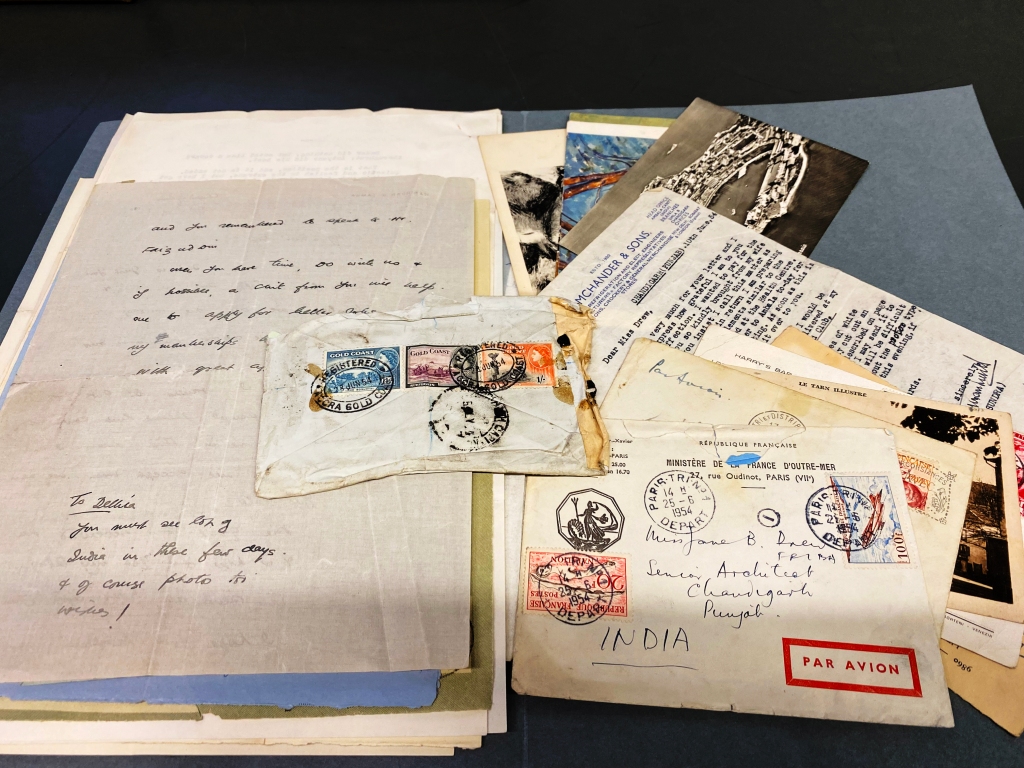
In a conversational tone, Maxwell Fry addresses Jane Drew from the ‘remote’ mid-1940s Accra. “Darling Max”, she replicates. Their correspondence, a lively itinerary from West Africa, India, Iran, or Mauritius, belongs to a treasure chest named Fry and Drew Papers. It is accessible, along with unrivaled archival material, in the RIBA Architecture Study Rooms of the Victoria & Albert Museum(London).
Love notes handwritten on hotel letterheads, diaries displaying candid reflections about life, and memoirs manuscripted on paper bags are entangled with professional-wise material. Included are lectures and articles revealing narratives about architecture, extraordinarily illustrated with colourful drawings or sharp pencil sketches. Both are complemented by miscellaneous data: postcards, press cuttings, administrative files, address books… The characters gain life in every opened box. Their voices echo through calligraphies, signatures, ideas.
In its uniqueness, Fry and Drew Papers are an overwhelming resource regarding the life and work of both architects and an efficient record of the dynamic of their global scope partnership. Even so, it excels. Flexible and embracing enough to accommodate diverse interests and aims, unpublished personal letters, diaries, and autobiographies provide captivating details to any enthusiast – for instance, Fry’s diary was only made accessible in 2021. Furthermore, the archive is a source of knowledge about British historiography and significant architectural thematics: the MARS Group, the Modern Movement, Tropical Architecture, and Chandigarh are noteworthy.
Overall, the research was a privilege and the expectations were exceeded. My deep gratitude to Dr. Shireen Mahdavi for supporting this endeavour. The wealth of these primary sources allows an experience that couldn’t have been more rewarding. By immersing in Fry and Drew’s universe, how inspiring becomes their lifetime of respect and companionship, the robustness of their practice, and the profound vow to “produce towns and housing that will be loved, lived in and cared for” (Drew, F&D/27/2).
Have a look at the latest article from Design233 on Community Centers in Ghana, including the Accra Community Centre (paid for by the UAC) and Tarkwa Community Center (paid for by the Manganese Mining Company) – both designed by Fry and Drew. In addition to these modernist works the more formal and classically inspired centre at Kyebi is discussed – this centre is more of a mystery… We know it was funded by the Consolidated African Selection Trust (CAST)- but who designed it, and why did CAST commission such a lavish project?
Accra Community Center PlanTarkwa Community Center articleKyebi Community Center
The 1951 victory for Kwame Nkrumah’s Convention People’sParty resulted in some major shifts in the procurement of new infrastructure and housing. For the electorate, housing was one of the most important issues and Nkrumah’s government was quick to recognize this potency.
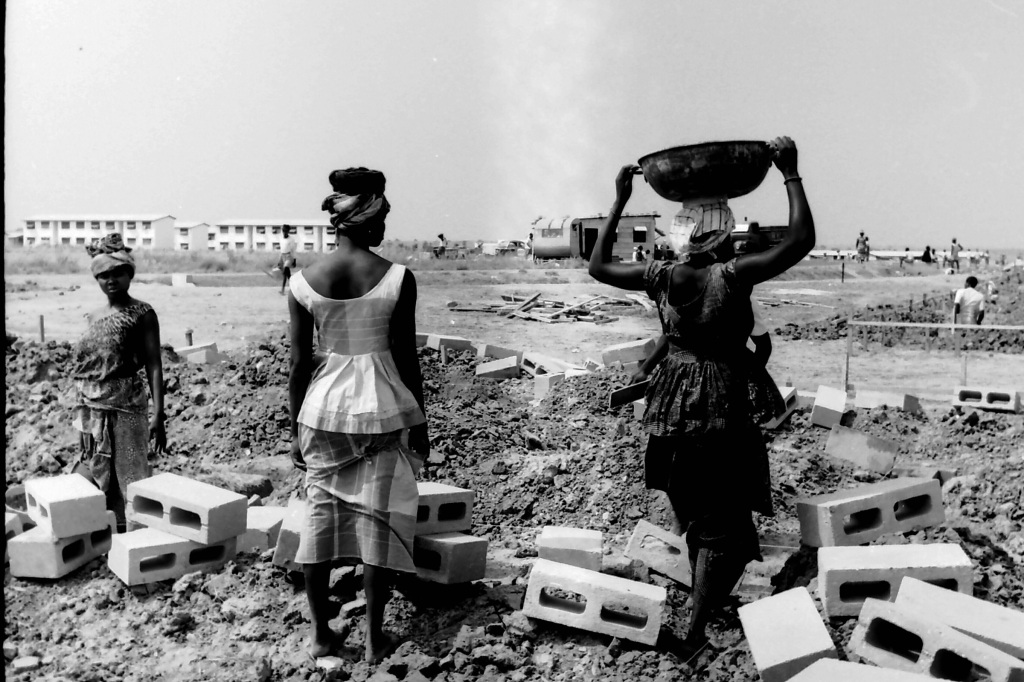
His plan, announced in 1952, was to build a new port city, complete with innovative and improved housing at the highest standards. Located only 18 miles from the centre of Accra, the new city of Tema would demonstrate Nkrumah’s commitment to industrial development and that Ghana was at the centre of a pan-African vision.
Tema under construction: female labour force transporting blocks and cement
Tema was part of a wider industrialization project that included a new aluminum smelting plant and hydroelectric power station on the Volta River. It was a major project involving international financial backing and set out the major ambition Nkrumah had for the nation during the advent of independence. For such a major project, very little is known about the first team of architects and planners responsible for the execution and delivery.
Crucibles, Vectors, Catalysts: Envisioning the Modern City
Hosted online across two days in March 2021, the Hyundai Tate Research Centre: Transnational and Liverpool School of Architecture’s “Crucibles, Vectors, Catalysts: Envisioning the Modern City” seminar investigated 20th century identities for postcolonial and post-independence cityscapes in Africa, South Asia and the Middle East.
Convened by Iain Jackson, Professor at the Liverpool School of Architecture, Clara Kim, the Daskalopoulos Senior Curator for International Art at Tate Modern and Nabila Abdel Nabi, Curator for International Art at Tate Modern; the seminar explored stories from these ‘highly charged moment[s] in the history of city making or shaping’.[1]
The seminar specifically positions cities as incubators for the generation of national identity and for ‘Modernity’. However, were individual cities sufficient for such grand objectives, or were they more isolated and fragmented sites for local, yet innovative gestures? Presenters demonstrated examples where both centralised urban contexts (including major urban planning initiatives and more piecemeal developments) and wider networks proved valuable in creating or indeed reasserting national and regional identities.
The destructive process of creating mid-century urban environments defined many global contexts. Whether in response to the need for new national identities in postcolonial contexts, reconstruction and housing following the devastating effects of war and a baby boom or strategies to address perceived ‘blight’ and urban flight, urban renewal, with its top-down, Bauhausian, car-focused, and federally funded backbone epitomised Modernity.
Some cities benefitted from a relatively early reconsideration of the blank slate approach to city planning. Lukasz Stanek described how Miastoprojekt, a Krakow-based state planning office of designers envisioned the future of post-revolutionary Baghdad through their experiences with reconstructing historic Warsaw after the Second World War.[2]
Using architectural and design services as a politically and financially motivated form of state aid during the Cold War, the Miastoprojekt plans rejected key aspects of Baghdad’s first modern city plan, including the demolition of the city’s Ottoman era historic and vernacular architecture, and tripling the size of the city at a local level without consideration for expansion through regional developments.[3]
Miastroprojekt’s legacy continued beyond the Baghdad planning commissions through design work and education with Polish and Czechoslovakian architects teaching Polish perspectives of Modernism in Iraqi universities. By the 1990s, with the fall of communism, Polish designers reversed Miastroprojekt’s strategy and were thinking Warsaw through Baghdad to revitalise their cities.
Big plans were not constrained to single urban environments. Fahran Karim’s ‘archaeology of the future’ presentation explored the role of a foreign designer in creating Pakistani nationalism; Greek architect and planner Constantinos Doxiaidis. Karim asks, “How do you represent a country without a past. Fractured geographically into East and West wings… 1000 miles of India between it?”[4]
Doxiaidis preferred stark Modernism, justified through statistical analysis and designed without classical Islamic aesthetic details. He utilised plan forms, practical details and building types that he believed (or presented) to be essentially Islamic.[5] Doxiaidis planned refugee settlements and Islamabad to include ’gossip squares’, souks, Dochala huts and central mosques.
Despite conducting ethnographic fieldwork and survey (aerial photography), Doxiaidis imported his understanding of Islamic community planning and architecture from his research in the middle east and projected the needs and traditions of widely dispersed refugees on narrow local contexts. Unsurprisingly, the communities adapted or removed many of Doxiaidis’ design features or simply did not use the spaces created for them, preferring to adapt their homes or build vernacular sites suited to their cultural preferences instead. While in practice, many of these adaptations and rejections were practical, Doxiadis’ technical expertise and foreign perspective failed to deliver built environments that suited and sustained the needs and preferences of Pakistan’s new citizens.[6]
Considering what was happening between East and West Pakistan, Ram Rahman shared a richly illustrated and personal view of the cultural and political context for his father Habib Rahman’s contributions to the ‘Nehruvian post-independence renaissance of Delhi.’
Habib Rahman, a young MIT-trained Bauhausian architect, was recruited by Nehru to work in Delhi, where he organised an international low-cost housing exhibition in 1954, including plans and a model for his own design for low-cost housing. Rahman’s house design was reproduced across India 100,000’s of times to address a critical housing shortage.
Rahman was a prolific designer and his work, including the World Health Organisation headquarters building of 1963 (demolished) and later designs for three monumental tombs epitomised Indian modernity.
Professional training and architectural education were key vectors for transnational exchange and development in postcolonial contexts. However, as Patrick Zamarian described in his presentation, the development of the Department of Tropical Architecture (DTA) at the Architectural Association (AA) in London was related as much to the independent administrative structure of the AA and its struggling economic position in the 1950’s as it was to meeting the challenges of Modern design in foreign contexts.
Zamarian recognised the problematic and homogenizing term ‘Tropical Architecture’ and then described the global networks of designers, patrons and educators who delivered training for a generation of British and international students, with a curriculum based on technological solutions for climatic design and a Modern design aesthetic that disregarded local aesthetic and cultural traditions.[7]
When the department visited Ghana, “these ideas for Tropical Architecture fell apart. [The curriculum] shifted from a generic science-based approach to a local and sensitive one, focused increasingly on housing, planning and eventually sustainable development.”[8]
Ola Uduku’s exploration of Modernist Lagos focused on the cumulative impacts of the DTA trained architects, engineers and Italian contractors who contributed to the rapid development of the marina district for independent Nigeria’s first capital city.[9] Although Lagos benefitted from major infrastructure improvements, the architecture described in Uduku’s presentation was piecemeal and demonstrated the evolution and intensification of development for the district from colonial centre to financial district.
Examples include Maxwell Fry and Jane Drew’s Co-operative Bank Lagos (1959) and the Architects Co-Partnership’s Bristol Hotel.[10] A Lagos building that encapsulated the international design collaborations for the time is the James Cubbitt and Partners’ Elder Dempster Lines building (1961), which introduced sleek modern lines, natural cross-ventilation, engineering innovations (pile foundations) contributed by Ove Arup and a distinctive funnel-shaped top structure alongside a notable collection of Nigerian artworks in the lobby. Nigerian designs for the time include Oluwole Olumuyiwa’s Crusader House (1955) and elegant villas outside Lagos by Obi Obembe Associates.
In other contexts, a national approach to recreating identity was accomplished through the redevelopment of pilgrimage networks and tourist destinations, including hotels and museums.
Talinn Grigor introduced the Society for National Heritage (SNH) and the role of the Shah’r in asserting the hegemony of the ruling class and Iranian elite (and recreating national identity) through the demolition and reconstruction of over 40 historic mausoleums to encourage secular and cultural tourism.[11] Examples include the mausoleums of Ferdawsi (1934) in Tus and Hafiz (1938) in Shiraz. Grigor argues that these new Modern mausoleums were integral to the creation of an aspirational middle-class culture in Iran, becoming a network for national tourism that remains today.
The Shah’r and the tremendous wealth generated by the Iranian oil industry funded the design and construction of avant-garde Modern environments and later more traditionally inspired art and architectural contexts, culminating in the uniquely Iranian expression of modernism inspired by traditional wind towers for the Tehran Museum of Contemporary Art (Kamran Diba, 1977).[12]
Lahbib el Moumni and Imad Dahmani’s presentation on post-independence Moroccan architecture included a second example of state-sponsored activities to promote tourism with Modern architecture. This was developed through hotels constructed outside urban centres in the country’s dramatic landscapes. Examples of exquisite and richly contextual forms from architects Abdeslem Faraoui and Patrice de Mazieres include the Hotel Les Gorges du Dadès (1974) and Hotel at Taliouine (1971-72) were shared, both to demonstrate the value of these sites and to explore the challenges of engaging communities with their recent past.[13]
The expressive and contextual Modernism of Morocco was certainly not isolated for post-colonial contexts. Amin Alsaden’s presentation demonstrates how urban renewal programmes in Baghdad in the 1950s created a sense of cultural and heritage loss, which predicated a culturally specific interpretation of Modern art and architecture for the city. He focused particularly on the work of architect Rifat Chadirji who merged globalism and regionalism in his designs.[14]
Alsaden described Rifat’s earliest buildings as somewhat derivative but noted that through the 1960’s his designs evolved to incorporate traditional shapes and plan forms, marrying social needs to social forms, and incorporating the narrow round arch form, in both elevation and plan.
Anna Tostoes’ presentation on the work of Amâncio (Pancho) Guedes in Mozambican cities clearly demonstrates how the architect’s designs coupled global technical, aesthetic, and cultural movements for the time with traditional and vernacular forms to create unique buildings for Maputo which continue to engage with local communities, including the Saipal Bakery (1954), Smiling Lion Building (1954-55) and the Abreu Santos and Rocha Building (1953-56).[15]
These Guedes landmarks remain relevant to 21st century contexts, but many other postcolonial buildings have been heavily altered or demolished. In my experience as a built heritage professional, architecture of the recent past, whether in postcolonial contexts, Europe, or the Americas is especially vulnerable to inappropriate alterations and loss.
Coupled with the experimental, academic, inefficient and sometimes foreign or dehumanising aspects of mid-century Modern architecture and urban renewal, it can be difficult ‘to love’ and costly to restore for sustainable 21st century purposes. Outside losses from the traumatic impact of military conflict or political maneuvering, it comes as no surprise that the architecture that has sustained and remains relevant to local communities is the architecture that originally engaged with its local context and traditions.
These landmark buildings need champions like Mémoire des Architectes Modernes Marocain’s (MAMMA) and DoCoMoMo to promote their value against ever greater development pressures. “Crucibles, Vectors and Catalysts” moved the discussion forward, but there are clearly collaborative opportunities for research and advocacy to be progressed.
Heather McGrath Alcock is PhD researcher at University of Liverpool’s School of Architecture studying the global development of planned company towns. Heather returned to academia after twenty years as a built heritage practitioner based in New York City and later London and the Wirral. Heather had the opportunity to work on landmarks of the Modern movement, including the United Nations Headquarters in Manhattan, a thematic survey of mid-century modern houses in New Canaan, Connecticut started by “the Harvard Five”, and the former Pan American Building at 200 Park Avenue, Manhattan.
References
Daechsel, Markus. 2011. ‘Seeing like an expert, failing like a state? Interpreting the fate of a satellite town in early post-colonial Pakistan.’ in Marcel Maussen, Veit Bader and Annelies Moors (eds.), Colonial and Post-Colonial Governance of Islam (Amsterdam University Press).
Talinn, Grigor. 2004. ‘Recultivating “Good Taste”: The Early Pahlavi Modernists and Their Society for National Heritage’, Iranian Studies, 37: 17-45.
Uduku, Ola. 2006. ‘Modernist architecture and ‘the tropical’ in West Africa: The tropical architecture movement in West Africa, 1948–1970’, Habitat International, 30: 396-411.
[1] Jackson, Ian. “Introductory remarks for Crucibles session” from “Crucibles, Vectors, Catalysts: Envisioning the Modern City”. Online. 2nd March 2021.
[2] In his presentation, “Rupture, Transition and Continuity in Baghdad’s Master Plans: From Minoprio to Miastoprojekt” on 2nd March 2021, Stanek noted that the Iraqi coup which toppled the monarchy in 1958 instigated a new era of collaboration with Eastern European architects and planners; networks established to “compete with and confront Western European and American hegemony to establish a new independent Iraq through its capital city Baghdad.”
[3] Baghdad’s first modern city plan was completed in 1956 by the British architect and town planner Sir Charles Anthony Minoprio, Hugh Spencley and Peter Macfarlane for the country’s Western aligned Hashemite monarchy.
[4] Karim, Fahran. “Archaeology of the Future: Constantinos Doxiaidis in East and West Pakistan”, from Crucibles, Vectors, Catalysts: Envisioning the Modern City seminar, Session 2, Vectors; 2nd March 2021.
[5] Ibid. According to Fahran Karim, Doxiaidis’ patron Ayub Khan “subscribed to a social theory of development but weakened democracy to validate his authoritarian rule because he felt that the poor, uneducated [masses] couldn’t participate in democracy.”
[6] According to Markus Daechsel in his 2011 contribution ‘Seeing Like an Expert, Failing Like a State?
Interpreting the Fate of a Satellite Town in Early Post-Colonial Pakistan’, in Colonial and Post-Colonial Governance of Islam, ed. by Marcel Maussen, Veit Bader and Annelies Moors (Amsterdam University Press, 2011), p 159-160, there were many problems associated with the rapid and uneven development of the refugee settlements (lack of basic services (running water, electricity, sewers) and infrastructure (storm sewers), unfinished civil engineering works and the relatively poor refugee communities could not afford rents for the shop spaces, so were not used.
[7] Including Michael Pattrick, Director of the AA in the 1950’s who saw the new department as a way to improve the Association’s finances and academic standing, to Maxwell Fry who supervised the first few years of the department and then culminating in Otto H. Königsberger’s (1908 – 1999) leadership. From Zamarian, Patrick. “Global Perspectives and Private Concerns: The AA’s Department of Tropical Architecture”, from Crucibles, Vectors, Catalysts: Envisioning the Modern City. Online. 2nd March 2021.
[9] Lagos was the original capital city for independent Nigeria. However, it is now the capital of Lagos State since the Nigerian capital city moved to Abuja in 1991.
[10] Ola Uduku, ‘Modernist Architecture and ‘the Tropical’ in West Africa: The Tropical Architecture Movement in West Africa, 1948–1970’, Habitat International, 30 (2006), 399.
[11] In ‘Recultivating “Good Taste”: The Early Pahlavi Modernists and Their Society for National Heritage’, Iranian Studies (2004), Talinn Grigor noted that “For the modernists, therefore, the control over the physical and conceptual “heritage” enabled them to erase the immediate past to construct the “progressive” future. Destruction of building-as-representation [traditional sites of religious pilgrimage] proved central to the construction of the pending utopian future. Architecture was imperative to the success of the [Society for National Heritage] SNH’s modernizing agenda.”
[12] The Museum opened months before the revolution started which saw the monarchy overthrown and exiled from the country.
[13] While more ancient histories and built heritage are preserved and underpin 21st century cultural identity in Morocco, the architecture of the mid-twentieth century has been over-looked, inappropriately altered or destroyed. Mémoire des Architectes Modernes Marocain (MAMMA) was created in 2016 by young architects concerned with the loss of these sites.
[14] Alsaden noted in his 9th March 2021 presentation “Syntheses Across Disciplines: Rifat Chadirji and Art-Architecture Liaisons in Modern Baghdad” for Crucibles, Vectors and Catalysts: Envisioning the Modern City, Chadirji was part of the elite bohemian culture of Baghdad, which included artists and architects who were educated in Europe and America. Against the backdrop of political turmoil, they created a vibrant, creative society that embraced Modernism ‘as an act of rebellion against the legacy of British architects who had used Neo-classical designs with orientalist tropes’.
[15] Tostoes, Ana. “Correspondences, Transfers and Memory: Maputo’s ’Age of Concrete’”, from Crucible, Vectors, Catalysts: Envisioning the Modern City seminar, Session 2, Vectors; 2nd March 2021.
Here are the recordings from the Crucibles, Vectors, Catalysts: Envisioning The Modern City, event from 2nd and 9th March 2021. Thank you to all of our excellent speakers, and for the interesting questions and discussions.
PROGRAMME: Session 1: Crucibles, 15:00-16:30 (UTC) Building the Modern City: Expressions of Identity, Change and Power, Moderated by Iain Jackson
This panel will explore state-sponsored programmes, planned cities and masterplans in cities such as Lagos, Tehran and Baghdad. It will examine architecture as expressions of nationalism and nationalist political agendas as well as its relationship to big business, corporations and mercantile ventures.
Rupture, Transition and Continuity in Baghdad’s Master Plans: From Minoprio to Miastoprojekt
Session 2: Vectors, 17:00-18:30 (UTC) Connecting the Modern City: Networks, Alliances and Knowledge Production; Moderated by Clara Kim
This panel will explore the practice of modern architecture through colonial-postcolonial networks and geopolitical alliances. It will explore cities in Mozambique within the context of other Lusophone countries, post-Partition East & West Pakistan, as well as the dissemination of knowledge and technical expertise through pedagogy.
Correspondences, Transfers and Memory: Maputo’s “Age of Concrete”
Farhan Karim (University of Kansas)
Archaeology of the Future: Constantinos Doxiaidis in East and West Pakistan
Patrick Zamarian (University of Liverpool)
Global Perspectives and Private Concerns: The AA’s Department of Tropical Architecture
TUESDAY 9 MARCH Session 3: Catalysts, 15:00-16:30
Fragments of the Modern City: Memories, Echoes and Whispers Moderated by Osei Bonsu
This panel will explore the collaborations, connections and entanglements that developed between art and architecture during a dynamic period of building in Morocco, India and Iraq. It will examine the legacy and afterlives of these projects through the investigation of under-recognised figures and narratives in art and architecture.
Speakers:
Lahbib el Moumni & Imad Dahmani (founders of MAMMA, Mémoire des Architectes Modernes Marocain)
Initiatives toward saving modern heritage of Morocco
Ram Rahman (Photographer/Curator)
Building Modern Delhi, The Nehruvian Post-Independence Renaissance
Amin Alsaden (Independent Scholar)
Syntheses Across Disciplines: Rifat Chadirji and Art-Architecture Liaisons in Modern Baghdad
Explore modern cities and architectural production in the blurred era of the independence and postcolonial period
Join us for three sessions which will bring together scholars, researchers and curators to explore architectural production in the blurred era of independence to the post-colonial period of the mid-20th century, focussing on cities in Africa, Middle East and South Asia.
Whether driven by socialist agendas (Nehruvian in India and Nkrumah in Ghana), monarchies (Pahlavis in Iran and Hashemite in Iraq), quasi colonial protectorates, or pan-continental aspirations, architecture (and especially Modernism) was a key apparatus for nation-building, for re-imagining identities and a means to project and invent a new image of the future. The seminar seeks to explore the use of architecture as both physical infrastructure and symbolic expression, as well as its vulnerability to the vicissitudes of changing politics and policies of the times.
The role of cities as crucibles, vectors and catalysts for developing new expressions of identity, change and power is key. Cities in this period saw the emergence of schools of thought, dynasties and collaborations were formed, networks and ideas were shared and publications were disseminated. While the desire of a newly independent nation was often to consolidate a single national collective identity, it was through the urban centres that strands of coherent, yet often multiple identities were formed. The role of figures such as Rifat Chadirji, Mohamed Makiya, Jane Drew and Maxwell Fry were important as they often operated within multiple cities and cross-cultural contexts that spanned the colonial to postcolonial divide.
These urban centres were either newly built, or they were remade and reimagined through city infrastructure, government buildings, universities, cultural institutions and national monuments. Architecture schools, state sponsored projects and external agencies feed into the discussion and warrant further exploration. The seminar explores the transnational connections, diverse political agendas and complex allegiances which informed architectural development in this period.
Seminar convenors:
Iain Jackson, Professor of Architecture and Research Director, Liverpool School of Architecture
Clara Kim, The Daskalopoulos Senior Curator, International Art, Tate Modern
Nabila Abdel Nabi, Curator, International Art, Tate Modern
PROGRAMME TUESDAY 2 MARCH
Session 1: Crucibles, 15:00-16:30 (UTC)
Building the Modern City: Expressions of Identity, Change and Power
Moderated by Iain Jackson
This panel will explore state-sponsored programmes, planned cities and masterplans in cities such as Lagos, Tehran and Baghdad. It will examine architecture as expressions of nationalism and nationalist political agendas as well as its relationship to big business, corporations and mercantile ventures.
Rupture, Transition and Continuity in Baghdad’s Master Plans: From Minoprio to Miastoprojekt
Session 2: Vectors, 17:00-18:30 (UTC)
Connecting the Modern City: Networks, Alliances and Knowledge Production
Moderated by Clara Kim
This panel will explore the practice of modern architecture through colonial-postcolonial networks and geopolitical alliances. It will explore cities in Mozambique within the context of other Lusophone countries, post-Partition East & West Pakistan, as well as the dissemination of knowledge and technical expertise through pedagogy.
Correspondences, Transfers and Memory: Maputo’s “Age of Concrete”
Fahran Karim (University of Kansas)
Archaeology of the Future: Constantinos Doxiaidis in East and West Pakistan
Patrick Zamarian (University of Liverpool)
Global Perspectives and Private Concerns: The AA’s Department of Tropical Architecture
TUESDAY 9 MARCH
Session 3: Catalysts, 15:00-16:30 (UTC)
Fragments of the Modern City: Memories, Echoes and Whispers
Moderated by Nabila Abdel Nabi
This panel will explore the collaborations, connections and entanglements that developed between art and architecture during a dynamic period of building in Morocco, India and Iraq. It will examine the legacy and afterlives of these projects through the investigation of under-recognised figures and narratives in art and architecture.
Speakers:
Lahbib el Moumni & Imad Dahmani (founders of MAMMA, Mémoire des Architectes Modernes Marocain)
Initiatives toward saving modern heritage of Morocco
Ram Rahman (Photographer/Curator)
Building Modern Delhi, The Nehruvian Post-Independence Renaissance
Amin Alsaden (Independent Scholar)
Syntheses Across Disciplines: Rifat Chadirji and Art-Architecture Liaisons in Modern Baghdad
Thank you to Prof. Ola Uduku of Manchester School of Architecture for reviewing the ‘Sharing Stories from Jamestown’ exhibition. The exhibition has been extended to run until the end of June 2019. Below I’ve uploaded a 360 degree panoramic view – you can ‘click and drag’ the film to have a look around….
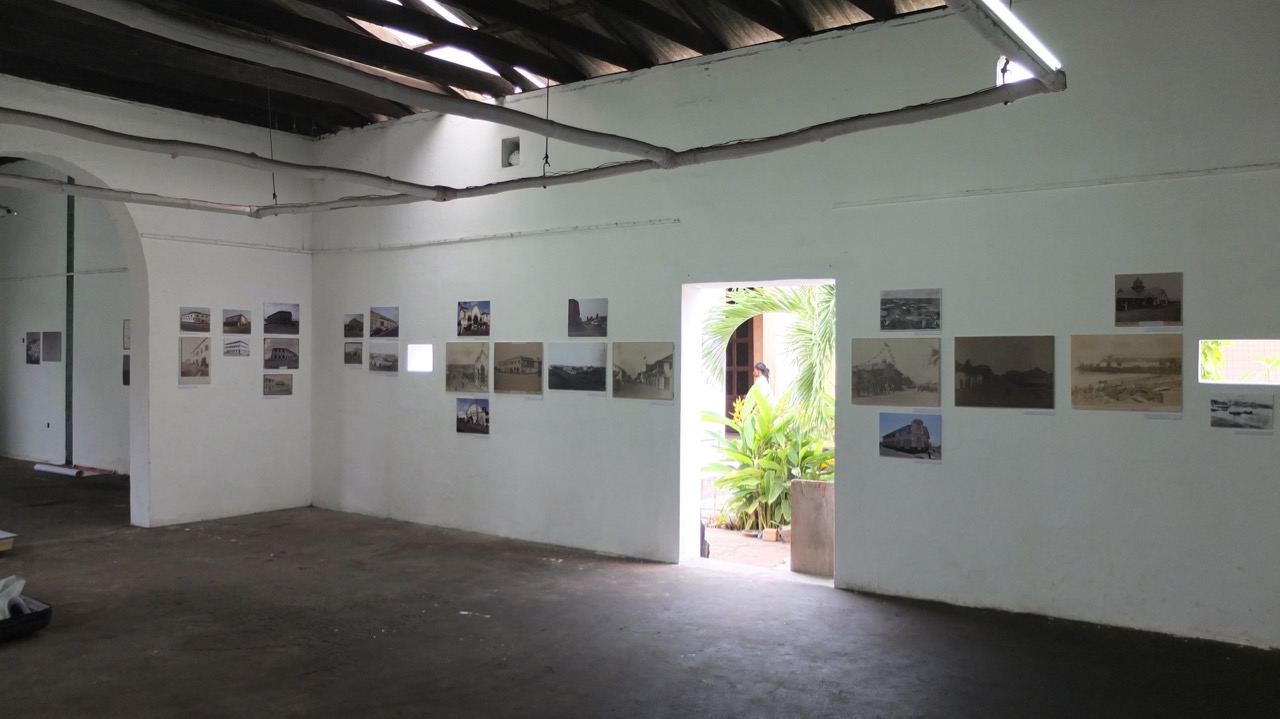
Iain Jackson’s exhibition co-curated by Allotey Konuah-Bruce and Joe Addo opened to great acclaim on Saturday evening at the Jamestown Café, venue, near Ussher Fort. Curiously the café it was confirmed by local elders who attended the opening is accurately in Usshertown; the exhibition launch providing a great forum for these questions to be aired and for detailed discussions to be had.
Historic photographs and maps of ‘old’
Jamestown buildings have been placed next to those which show their age,
condition and use, in ‘contemporary’ Jamestown have been displayed in the lower
gallery of the Jamestown Café, which itself features in the exhibition as Tarquah
house, the dwelling and warehouse of one of Jamestown’s wealthy local
merchants, who had originally had it built. The exhibition represents a true
joint collaboration between Iain Jackson and Allotey Konuah-Bruce who have formed a close and productive working relationship as they have spent the…













 Transnational Architecture Group