Archive

Global Architecture

Lagos Workshop Reflections
Lagos Writing Workshop

Context

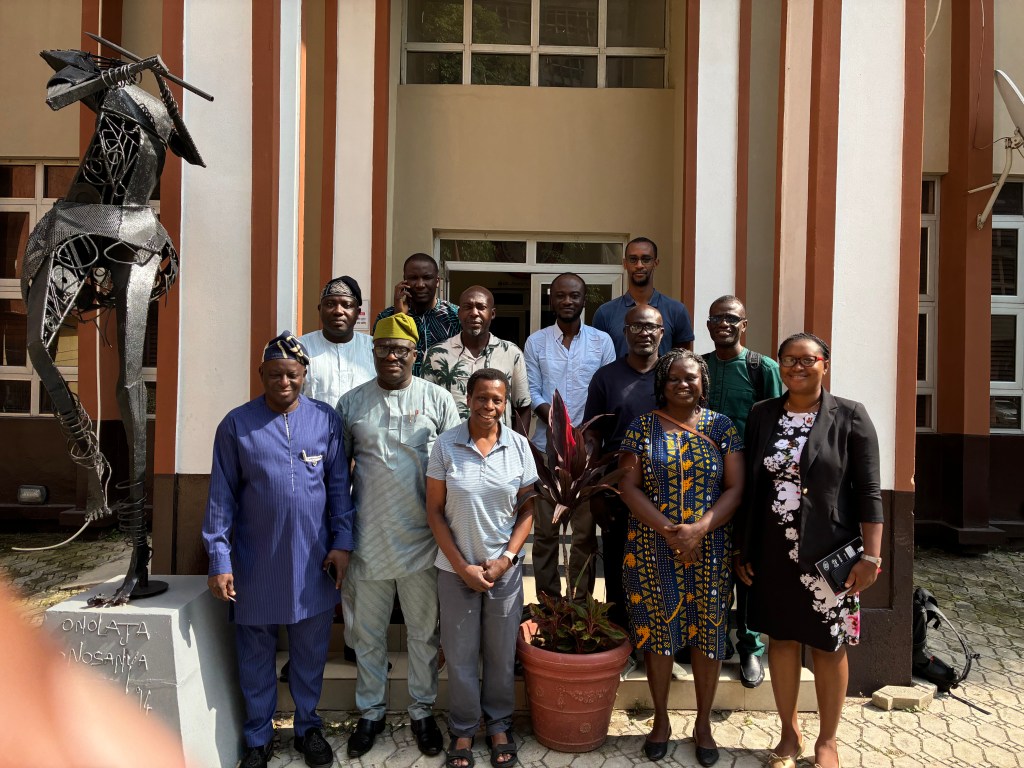
This document summarises the collective reflections from the Lagos Writing Workshop.

During the event, participating Early Career Researchers (ECRs) shared insights from

previous experiences organising student writing workshops in architecture. Discussions

included how to strengthen the pedagogical impact of these workshops, optimise cohort

composition, improve documentation and archiving, explore effective workshop models,

expand publishing and dissemination efforts, and establish robust logistical structures for the

long-term.

Based on these reflections, participants discussed how they might transform the workshop

series into a platform tentatively called the African Architecture History and Theory Network.

Such a platform would advance scholarship on the African built environment through various

events and opportunities for writing. It would involve academics and practitioners, on and off

the continent, who work on the history and theory of its built environment.

1. Pedagogical Impact and Institutional Uptake

A recurring theme in our conversations was the importance of tracing the workshop’s longer-

term impact. There were questions about the journeys of previous participants: Where are

they now? How many found their way into academia, and how many continued in

professional practice? More importantly, in what concrete ways did the workshop influence

their teaching, research, or approach to design and writing? This kind of follow-up could

strengthen the workshop’s role as a bridge to academic careers – if we so desired – and guide

how future editions are shaped to meet participants’ realities.

The discussion also brought up a common challenge: in many African universities, research

and writing are introduced into the curriculum only in their later stages. By that time,

valuable opportunities for skill development may have been lost. While institutional reforms

can be slow, participants identified opportunities for immediate action through informal

initiatives, such as integrating writing exercises into existing classes, establishing peer-review

groups, or mentoring students outside formal structures.

Participants emphasised the need to view the curriculum as a living and continuously

developing document that, even within the same framework, approached the material with

creativity in its delivery. This flexibility could open space for richer, more engaging writing,

teaching and development.

There was also a call to clarify the type of writing to prioritise: academic, creative, or a blend

of the two? Clearer goals would help ensure that teaching and mentoring efforts are aligned.

Finally, the group identified an opportunity for deeper institutional support: inviting

academics to serve as visiting scholars in specific schools, funded to spend extended periods

(perhaps a semester or more) and to help embed a writing community of practice more firmly

within an architecture department.

2. Cohort Composition and Interdisciplinarity

We reflected on how different compositions of workshop participant cohorts, such as single-

discipline or interdisciplinary, or those from a single institution or multiple institutions, shape

the workshop experience. Past multidisciplinary groups, comprising participants from various

universities, were seen as especially enriching, bringing fresh perspectives to both

discussions and writing. In particular, pairing architects with participants from other fields

interested in writing about buildings, as in the Accra workshops, proved valuable.

When it comes to larger participant numbers, colleagues suggested experimenting with group

essay writing. Under such conditions, each group member could contribute a section, as a

way to sustain engagement and produce richer outputs. This may require more work up front

to set it up effectively. Yet it promises to yield good results in the long run.

Another critical question was whether we had, in the past, assumed too much about

participants’ writing ability during the selection stages. In earlier workshops, many were

chosen because they could already write well. Moving forward, requesting writing samples

could help establish a baseline. Where needed, we can offer resources and strategies to help

beginners build foundational skills, as well as targeted support for advanced writers. At the

highest level, we recognised the importance of a clear framework to support and challenge

experienced writers to produce polished, high-quality outputs.

Participants also pointed out the importance of cohort size, which would shape the structure

of the workshops. Smaller groups allow for more intensive work, while larger groups may

benefit from group or collaborative approaches. But much of this needs to be discussed

alongside issues such as the number of ECR mentors available and the duration of the

workshops, and all these depend on funding.

3. ORGANISATION: Documentation, Archiving, and Knowledge Management

Lagos workshop participants also discussed the need for a more systematic approach to

capturing, storing, and sharing the knowledge generated through the workshops. This

includes establishing clear protocols for cloud storage and file sharing. These should ideally

be set up before each workshop to ensure that all forms of output are preserved and

maintained. The frameworks should provide for the archiving of materials in multiple

formats, including audio and video recordings of workshop discussions, lectures, participant

feedback, and organisers’ reflections.

We also acknowledged the central role that archival materials and comparative building

analysis can play in fostering architectural research and writing, as well as the barriers to

accessing architectural records across institutions and countries. Whilst some university

libraries may have useful records, there still exists a need to establish direct contact with

architects or their families, in case they have passed away, to explore how we might collect

and store their archives. Copyright issues emerged as a key consideration. If architectural

drawings or other archival content are to be published online, it is essential to secure the

necessary permissions from rights holders.

There was also discussion about the platform through which archived materials might be

made accessible online. Should this be a standalone website dedicated exclusively to the

workshop series, giving it a clear identity and independent visibility? Or should it be

integrated into the digital infrastructure of an existing institution, potentially offering greater

3long-term stability, technical support, and credibility? Each option carries implications for

accessibility, branding, and sustainability. We need to consider this alongside questions of

funding, audience reach, and alignment with the workshop’s broader objectives.

Finally, participants emphasised that robust archiving is just as much about accessibility as it

is about accuracy. To ensure that stored knowledge remains reliable, we discussed the

potential for an independent peer-review mechanism for workshop essays and other materials

generated. Such a system would help maintain the archive’s long-term value as both a

teaching resource and a research asset.

4. Workshop Models and Formats

We reflected on the range of workshop models used to date, from those focused on individual

essays to those built around group writing, and from standalone events to workshops

embedded within larger programmes. Each format offers distinct advantages: individual

writing allows for deeper personal engagement with a topic, while group essays can foster

collaboration, distribute workload, and produce richer, multi-voiced outputs.

Lessons from initiatives such as the Shared Heritage Fellowship suggest that embedding

workshops within broader collaborative frameworks can create valuable opportunities for

networking, resource sharing, and sustained engagement. Well-structured collaborations can

also open doors to funding streams that might otherwise be inaccessible.

Potential partners identified included:

· The Canadian Centre for Architecture (CCA), which holds relevant archives and could

host African scholars for on-site archival work as part of a workshop.

· The Museum of Modern Art (MoMA) in the United States.

· The Architecture and Design Centre in Rwanda by MASS Design Group.

· The African Futures Institute (AFI); and

· The African Architectural and Urban History Network (AFRAUHN).

Reaching out to such institutions could create new possibilities for co-organised workshops,

access to specialised collections, and cross-continental exchanges.

5. Publishing, Toolkits, and Knowledge Dissemination

We discussed the value of consolidating the insights, methods, and resources developed

through the workshop series into outputs that extend beyond the immediate cohort. Joint

publications, whether in the form of edited volumes, special journal issues, or curated online

essays, could serve both as a record of the intellectual work undertaken and as a meaningful

contribution to the broader discourse in architecture.

Platforms for such outputs could include academic journals such as Architectural Research

QuarterlyJournal of Architectural Education, and The Journal of the Society of

Architectural Historians.

Conferences such as the Society of Architectural Historians (SAH) Annual Conference, the

African Architecture Matters Forum, and the African Studies Conferences could serve as

opportunities to present findings, build networks, and position the workshops’ outputs within

both African and global conversations on architecture and heritage. Such outputs could feed

back into architectural curricula, enriching reading lists for history and theory courses and

influencing teaching practice within departments.

In parallel, the creation of practical manuals or toolkits – which draws on our collective

experience in workshop design, pedagogical strategies, and partnership building – could

support future workshops as well as other educators and institutions interested in running

similar initiatives. Toolkits could be tailored for a broader readership, including practitioners,

students, and cultural institutions, and made accessible in multiple formats: print, digital, and

ideally, open-access.

Finally, there was strong interest in forming a dedicated working group or network to develop

and promote research, teaching, and dialogue on African architectural history and theory.

Participants believed this would provide a sustained platform for collaboration and visibility

in this field. A suggested name is the African Architecture History and Theory Research

Network (AAHT), which would have a base (a writing hub) at each participating university.

These AAHT writing hubs could be dedicated to providing year-round support for student

members who develop essays for publication and who could serve as a pool to draw from for

future workshops.

6. Planning, Logistics, and Long-Term Structuring

We discussed the need for more robust logistical and planning frameworks to support the

consistent delivery of successful workshops while reducing the need to reinvent processes

each year.

For transnational events, this includes building capacity for virtual and hybrid formats to

support collaboration across countries and institutions. For in-person gatherings, challenges

such as visa applications must be addressed early. A practical step would be to send accepted

participants a checklist of required preparations immediately upon selection, to avoid delays

caused by unforeseen administrative issues.

Clear decisions will be needed regarding the frequency of workshops (e.g., annual or bi-

annual). This, in turn, will determine how much time will be required for planning. This

means formalising the workshop series as an event centred on writing and text production

about the African built environment. This will be based on a standing document outlining our

core values, mission, and vision, supported by a strategic committee responsible for

oversight, continuity, and long-term direction.

To streamline coordination, we proposed appointing an administrative lead – possibly an

intern based at the host institution – to handle logistical tasks, allowing academics to focus on

the programme’s intellectual and pedagogical components.

Alongside the list of potential collaborators, a standing register of funding and grant

opportunities would help guide application timelines and planning priorities. Planning

frameworks should also account for different funding conditions, with adaptable approaches

for both funded and unfunded workshops.

Finally, we explored strategies to expand the series to other university campuses, beginning

by consolidating our presence in key locations, such as Uganda, before extending it to new

sites. This phased approach could help ensure depth and sustainability in our growth, building

strong local networks before scaling further.

China’s Two Tropical Architectures: Climatic Regimes, Socialist Reconstruction, and Global Maoism in Guangzhou and Dar es Salaam, 1955-76, by Sun Zhijian, National University of Singapore, supervised by Prof Jiat-Hwee Chang.

Abstract:

In the contexts of decolonization and the Cold War, the tropical world became a contested arena with fierce competition among various old and new donors in the name of development aid, of which the infrastructural construction constituted the backbone. In the past decade, a growing body of literature on postcolonial tropical architecture has challenged current accounts weighed towards the built environment produced by either the former metropolitan powers or the Soviet-bloc, by shedding new light on the role of a third category of emerging aid donors, especially socialist China. Following the Sino-Soviet Split (1960), the Chinese attempted to promote an alternative socialist development path in newly-independent African states to that proposed by their Soviet-allied rivals. However, despite the allegedly age-old Sino-African solidarity, as latecomers in the unfamiliar tropics, the Chinese struggled against many challenges, among which the most crucial was the hot-and-humid climate as well as building problems it caused. This process almost coincided with their domestic socialist reconstruction through coping with the scorching heat and humidity in subtropical Guangdong under the Great Leap Forward (1958-62) and subsequent revolutions.

Based on archival materials from China, Tanzania and the UK, this thesis is a transnational history of China’s two tropical architectures in relation to both domestic politics and global geo-politics in the mid-to-late 20th century, i.e. China’s overseas architectural aid in decolonizing Dar es Salaam, Tanzania under Nyerere’s Ujamaa socialism, which was the largest sub-Saharan African recipient of China’s assistance in the Cold War, and China’s domestic subtropical modern architecture in Maoist Guangzhou, which has long been the stronghold of China’s subtropical knowledge production. Through case studies of sample projects of industrial and agricultural infrastructures in Guangzhou and Dar es Salaam, it answers two overarching questions: Since China’s two tropical architectures took place concurrently, were there any transnational interactions between their knowledge production and practice? (If so, how did they happen?) How did the Chinese socio-cultural construction of the tropics give rise to a distinctively “anti-imperialist” mechanism of tropical architecture from that of the West and socialist North? 

Moving beyond traditional architectural historiography relying primarily on stylistic analysis, it draws on theories of “techno-political regimes” and “critical temperature studies” to develop the notion of “climatic regimes” to capture the interdependence between tropical architecture’s climatic management and the exercise of socio-political power. As the socio-technical arrangements of an interlinked body of climatic knowledge, thermal comfort norms, sanitary discourses, urban typologies and architectural expertise transcending Cold-War rivalries, climatic regimes render intelligible a certain set of climatic parameters, trigger remedial strategies dealing with environmental concerns and normalize people’s thermal sensation for certain political goals. It argues that China’s two tropical architectures were not only concurrent, but more importantly, were co-constitutive with each other through a highly-centralized bureaucratic network of socialist state-run institutions rather than the genius of certain individuals, in which not only architects and planners, but also building physicists, meteorologists, physiologists, ventilating engineers and technocratic Party cadres were all active mediators of global flows of resources and expertise. Divergent from the Soviet-bloc’s climatic regimes paying particular attention to former colonial thermal segregations of mass housing in Africa, the Chinese endeavors driven by the Sino-Tanzanian common appetite for rapid industrialization and self-reliance under the principle of “Production First, Livelihood Second” resulted in the uneven distribution of climatic considerations between industrial and non-industrial spaces in the work-unit typologies both within and beyond China. By revealing how the Chinese tropicality worked from within and vice versa, it contributes to existing literature on the histories of both modern Chinese architecture’s transnational influence and global tropical architecture, as well as recent scholarly attention to thermal comfort in the built environment against the Anthropogenic climate change.

As Hardly Found: Art and Tropical Architecture centres artists and artworks that have so far been overlooked by histories of ‘tropical architecture’. In this collection of essays, historians, artists and archivists address works of art connected to epicentres of teaching and practice within the movement – focusing on the Department of Tropical Architecture at the Architectural Association and its collaborators such as Kwame Nkrumah University of Science and Technology – which emerged in the mid-20th century alongside anticolonial struggles that dismantled the British Empire.

Here, authors use creative, critical and speculative methods to inhabit the gaps in archives of tropical architecture, highlighting artworks in Nigeria, Ghana, India, Indonesia, Singapore, Costa Rica, Cuba and the UK. Their contributions trace connections within a network of relations between art and architecture; one which recentres the rich and diverse forms of environmental knowledge, social values and material cultures contributed by artists working in these contexts.

We are delighted to welcome the editor, Albert Brenchat-Aguilar, and the team from AA Publications, who will give a short introduction to the book. A small installation will accompany, food and refreshments will be provided.

More info here: https://www.aaschool.ac.uk/publicprogramme/whatson/as-hardly-found

Book contents:

  1. Foreword by Ingrid Schroder
  2. As Hardly Found by Albert Brenchat Aguilar
  1. Bea Gassman de Sousa, Pencils and Ink: Ben Enwonwu’s Boy Reading
  2. karî’kachä seid’ou, A Silent Witness: J C Okyere’s Lonely Woman
  3. Juliana Yat Shun KeiThe Unspeakable and the Unspoken: Theo Crosby’s Graphic Communication in Architectural Design
  4. Mark CrinsonThe Frontiers of Architecture: Eduardo Paolozzi’s Man with a Camera
  5. Kennii Ekundayo, Ecological Synthesis: Bruce Onobrakpeya’s Eketeke and Erhevbuye and Tree in a Landscape
  6. Ben Highmore, Flesh Feeling: Magda Cordell’s No 8
  7. Hannah Le Roux and Pedro Guedes, Zebra Attack: Pancho Guedes’s The ‘Buedes’ Mural 
  8. Pepe Menendez, Following (Foot)Prints: Tony Évora’s Poster for OSPAAAL
  9. Vandana BawejaCounter-Narratives of Tropicality: Asiru Olatunde’s Aluminium Repoussé Panels 
  10. Joleen Loh, Multi-Directionalities: The photographs of Kim Lim
  11. Adedoyin Teriba, Ever-Changing Nature-Cultures: Demas Nwoko’s Crafts Men at Work
  12. Albert Brenchat-Aguilar, Artemis Morgan, Çağla Kazanlı, Mina Gürsel Tabanlıoğlu, and Yiru Wang, Climate Anti-Determinism: Avinash Chandra’s Fire
  13. Rachel LeeWhere Are the Beautiful Moments? Homi J Bhabha’s Dove Sono i Belli Momenti?
  14. Lena Naumann, Forms of Significance: Susanne Wenger and the New Sacred Artists
  15. Antoni Malinowski, Hello, Shelagh: Shelagh Wakely’s KNUST Occasional Report cover
  16. Shirley Surya, Where Rivers Meet, a Dome: I Ketut Tagen’s Untitled (Bale, Bunder, Windhu, Anne, Bali, Ubud, Campuan)
  17. Courage Dzidula Kpodo, A Stranger Form: Kwaku bonsu’s Postcard of Prempeh II Sculpture
  18. Ikem OkoyeTesserae and Sovereignty at Risk: Yusuf Grillo’s Lagos City Hall Murals
  19. Zhijian Sun and Wei Weiting, Experts and Amateurs: Khoo Sui Hoe’s Children of the Sun
  20. Natalia Solano Meza, Experiments in Dissent: Felo García’s 20 Años de Pintura 
  21. Iain Jackson, Claire Tunstall, and Helen Unsworth, Something Unsettling and Subversive: Erhabor Emokpae’s Mural for the United Africa Company                               
  1. Epilogue by Bernard Akoi-Jackson (KNUST, Kumasi), A set of Artistic Speculations on Imperatives that are Structural and Systemic          
  2. Epilogues on Fiction: by Ella Adu, Mariana Castillo Deball, Ato Jackson, Debbie Meniru    
  3. Epilogue by Priya Basil, Archive Fever

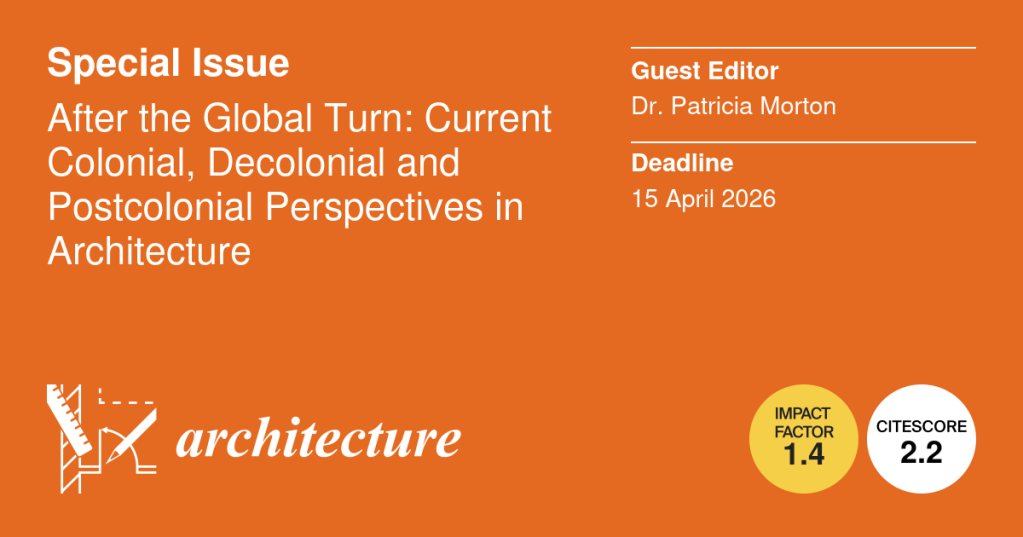
After the Global Turn: Current Colonial, Decolonial and Postcolonial Perspectives in Architecture

What is the status of postcolonial and decolonial discourse in architecture?

How has the “global turn” in architectural discourse evolved from histories of contact, conquest and colonization?

Forty years ago, the influential essays of “‘Race,’ Writing and Difference” appeared in Critical Inquiry (Gates, 1985, 1986). Essays by Edward Said, Homi Bhabha, Gayatri Chakravorty Spivak, Hazel Carby, Jacques Derrida, Abdul R. JanMohamed, and others created new critical models that interrogated how difference had been inscribed as “race” and explored the complex interactions of race, writing and difference, which influenced architectural history and theory for several decades.

That same year, Spiro Kostof’s textbook A History of Architecture (1985) spurred a “global turn” in architecture that has complicated the field’s canon. The new global discourse seeks to understand contemporary globalization as manifested in the built environment, exemplified by the foundation of the Global Architectural History Teaching Collaborative (GAHTC) and the publication of multiple volumes on global architecture.

The global turn has attempted to close the dichotomies of East and West, North and South imposed by earlier colonial and postcolonial theories, such as Edward Said’s formulation of Orientalism as the Occident’s “other” (Said, 1978). Perspectives from the “Global South” have emerged as important correctives to the hegemony of Northern Hemisphere-centered scholarship and practice. What has resulted from this “turn” has been ambiguous, however, as it often focuses on architects from the Global North operating in the Global South or developments modeled after Western architecture and urban design, without a concomitant innovation in truly global approaches and subject matter.

This Special Issue aims to explore the field’s development from colonial, decolonial and postcolonial theory to the global turn and beyond. We encourage papers that take innovative approaches to the colonial, postcolonial, decolonial and global in architecture, including such topics as:

  • Transnational connections and flows in excess of political boundaries;
  • Decentered models of global architecture;
  • Race and architecture;
  • Feminist, subaltern and minor perspectives on architecture,
  • Empire and decolonization;
  • Migration;
  • Indigenous architecture;
  • Informal architecture;
  • Landscapes of extraction and dispossession;
  • Modernization and development;
  • Other perspectives.

More info here https://www.mdpi.com/journal/architecture/special_issues/126537KTMW

References

Critical Inquiry: Autumn 1985 (vol. 12, no. 1) and Autumn 1986 (vol. 13, no. 1); Henry Louis Gates, ed. “Race,” Writing, and Difference. Chicago: University of Chicago Press, 1986.

Global Architectural History Teaching Collaborative https://www.gahtc.org/.

Kostof, Spiro. A History of Architecture: Settings and Rituals. New York: Oxford University Press, 1985.

Said, Edward. Orientalism: Western Representations of the Orient. London: Routledge & Kegan Paul, 1978.

Dr. Patricia Morton
Guest Editor

Executive Summary

This report presents findings from a comprehensive survey of 48 archives, collections, and repositories across Northwest England that contain significant West African historical material (1880-1980). We should have an interactive map of the archive locations published here shortly….

Here is a list of the archives consulted and key information for each collection/location/repository:

The research reveals a substantial but under-explored archival landscape that offers exceptional opportunities for advancing historical research into West Africa and its relationship with Northwest England. The collections span diverse themes including colonial administration, trade networks, missionary activities, healthcare, urban development, and cultural exchange, providing rich source material for interdisciplinary research projects.

Research Scope and Methodology

Geographic and Temporal Parameters

The survey focused on historical West African material from former British colonies including Ghana, Gambia, Sierra Leone, and Nigeria, with additional consideration of materials from Congo, Cameroon, Senegal, Mali, and Niger. The temporal scope encompasses the period 1880-1980, capturing the late colonial period through to early post-independence developments.

Thematic Categories

Research materials were categorised across key themes:

  • History and heritage studies
  • Urban design and city planning
  • Public health and medical history
  • Architecture and built environment
  • Trade and commercial networks
  • Religious and missionary activities
  • Colonial administration

Collection Assessment Framework

Each archive was evaluated using a systematic approach that assessed:

  • Type and format of materials (books, photographs, manuscripts, ephemera, artifacts)
  • Primary thematic focus
  • Volume and extent of holdings
  • Accessibility and research potential
  • Relevance rating (1-5 star system that reflected how useful the archive would be to our research interests in the built environment and history)

Key Findings: Archive Landscape and Research Potential

Distribution and Scale

The survey identified 48 archives across Northwest England, primarily concentrated in the Merseyside region but extending to Manchester, Lancaster, and Chester. Seven archives achieved the highest relevance rating (5 stars), each containing over 20 linear metres of diverse West African materials spanning multiple themes and formats.

Material Types and Research Applications

The collections encompass diverse formats offering multiple research approaches:

Documentary Sources:

  • Colonial administrative records
  • Trade and shipping documentation
  • Medical and health records
  • Urban planning documents
  • Personal correspondence and diaries

Visual Materials:

  • Photographs documenting colonial life, urban development, and cultural practices
  • Architectural drawings and city plans
  • Maps and surveys
  • Artistic representations

Material Culture:

  • Artifacts and objects
  • Textiles and decorative arts
  • Ceramics and sculptures
  • Models and architectural elements

Corporate Archives: Exceptional Research Resources

Unilever and United Africa Company Archives: The Unilever archives, particularly the United Africa Company (UAC) collection, represent one of the most comprehensive corporate archives relating to West African economic history. UAC, established in 1929 through the merger of the Royal Niger Company and the African and Eastern Trade Corporation, became the largest trading company in West Africa. The archives contain:

  • Extensive Trading Records: Documentation of palm oil, cocoa, groundnut, and timber trades spanning decades
  • Infrastructure Development: Records of store construction, transport networks, and commercial facilities across West Africa
  • Labour and Employment: Personnel records, training programs, and workforce development initiatives
  • Technology Transfer: Documentation of agricultural techniques, processing methods, and industrial development
  • Local Partnerships: Records of relationships with African traders, suppliers, and business partners
  • Post-Independence Adaptation: Materials documenting corporate strategy during decolonization and nationalist movements

These materials offer unique insights into corporate colonialism, the mechanics of extractive economies, and the complex negotiations between European capital and African societies. The collection provides essential source material for understanding how global commodity chains operated at ground level and their impact on local communities.

Barclays Bank Archive: The Barclays collection contains extensive documentation of banking operations across West Africa, including:

  • Colonial Banking Development: Records of branch establishment, credit systems, and monetary policy
  • Financial Networks: Documentation of money transfers, currency exchange, and international finance
  • Agricultural Finance: Materials on crop financing, seasonal credit, and agricultural development programs
  • Commercial Lending: Records of business loans, trade financing, and commercial development
  • Post-Colonial Banking: Materials documenting the transition to independence and continued financial relationships

The banking records provide crucial insights into how financial systems shaped economic development, facilitated trade networks, and influenced social relations across West Africa. These materials are particularly valuable for understanding the mechanics of colonial extraction and the evolution of financial institutions in post-colonial Africa.

Thematic Strengths for Research Development

Urban Development and Planning: The Archives contain substantial materials on colonial urban development, infrastructure projects, and city planning initiatives. These sources offer opportunities to examine how European urban planning concepts were implemented in West African contexts and their lasting impact on contemporary cities.

Medical and Public Health History: Rich documentation of colonial health initiatives, medical practices, and public health campaigns provides foundation for research into the history of medicine in West Africa, disease management, and the development of healthcare infrastructure.

Commercial and Trade Networks: Extensive shipping, banking, and commercial records illuminate the economic relationships between Northwest England and West Africa, offering insights into trade networks, commodity flows, and economic development patterns. Of particular significance are the Unilever archives (including the United Africa Company records) and the Barclays Bank archive, which contain unparalleled documentation of corporate operations, trading networks, and financial systems that shaped West African economic development throughout the colonial and post-colonial periods.

Religious and Cultural Exchange: Missionary records, religious materials, and cultural documentation provide resources for examining religious transformation, cultural exchange, and the complex dynamics of colonial encounter.

Colonial Administration: Administrative records and governance documents enable research into colonial policy implementation, administrative structures, and the mechanics of imperial control.

Research Opportunities and Applications

Interdisciplinary Research Potential

The diversity of materials supports multiple disciplinary approaches:

Historical Research:

  • Comparative studies of colonial administration across West African territories
  • Economic history of trans-Atlantic trade networks
  • Social history of colonial encounters and cultural exchange

Urban Studies:

  • Evolution of colonial cities and urban planning
  • Infrastructure development and its contemporary implications
  • Architectural history and building practices

Medical History:

  • Development of tropical medicine
  • Public health initiatives and their outcomes
  • Medical knowledge transfer and adaptation

Cultural Studies:

  • Missionary activities and religious transformation
  • Cultural exchange and hybrid practices
  • Art, material culture, and aesthetic transformation

Collaborative Research Framework

The geographic concentration of archives creates opportunities for:

Multi-Archive Projects: Researchers can access complementary materials across institutions, enabling comprehensive studies that draw on diverse source types and perspectives.

Network Building: The established archive network provides foundation for collaborative research initiatives, shared resources, and coordinated access to materials. The University of Liverpool and AHUWA are particularly well-positioned to serve as coordinating institutions/centres for multi-archive research projects, leveraging their expertise in West African studies and established international partnerships.

Digital Humanities Applications: The variety of materials (textual, visual, material) offers opportunities for digital humanities projects, including digitization initiatives, database development, and online exhibitions. The University of Liverpool’s digital humanities infrastructure and AHUWA’s focus on accessibility make this an ideal location for developing innovative digital approaches to archival research.

Strategic Recommendations for Research Development

Institutional Research Capacity: University of Liverpool and AHUWA

University of Liverpool Research Infrastructure: The University of Liverpool is exceptionally well-positioned to capitalise on this rich archival landscape. As a leading institution in historical research with strong connections to West African studies, the university offers:

  • Established Research Expertise: Faculty with specialized knowledge in African history, colonial studies, and economic history
  • Interdisciplinary Capabilities: Departments spanning History, Geography, Politics, Development Studies, and Business that can support multifaceted research approaches
  • Digital Humanities Infrastructure: Technical resources for digitisation projects, database development, and online exhibitions
  • Graduate Research Programs: Capacity for training new researchers in archival methods and West African historical research
  • International Partnerships: Existing relationships with West African universities and research institutions

AHUWA Research Centre: The Architecture, Heritage, and Urbanism in Western Africa (AHUWA) research centre provides a specialized institutional framework for maximising the research potential of these archival collections. AHUWA’s mission and expertise make it ideally suited to:

  • Coordinate Multi-Archive Projects: Develop comprehensive research initiatives that draw on materials from multiple archives
  • Foster Collaborative Research: Facilitate partnerships between UK and West African researchers
  • Support Community Engagement: Connect archival research with contemporary West African communities
  • Promote Policy Relevance: Ensure research contributes to contemporary development and policy discussions
  • Develop Digital Platforms: Create online resources that make archival materials accessible to global researchers

The combination of Liverpool’s institutional resources and AHUWA’s specialised focus creates an unparalleled opportunity for developing the research potential of Northwest England’s West African archives.

Priority Research Areas

1. Comparative Colonial Studies The archives support comparative research across different West African territories, examining variations in colonial policy, administration, and outcomes.

2. Economic History Networks Trade and commercial records enable mapping of economic relationships, commodity flows, and the development of trans-Atlantic commercial networks. The Unilever/UAC and Barclays archives are particularly valuable for examining corporate colonialism, financial systems, and the evolution of global commodity chains. These collections support research into topics such as:

  • The role of European corporations in shaping West African economies
  • Banking and financial networks in colonial and post-colonial Africa
  • Labour relations and industrial development
  • Technology transfer and agricultural modernization
  • Corporate responses to decolonization and African nationalism

3. Urban Development Studies Planning documents and architectural materials provide foundation for examining colonial urban development and its contemporary implications.

4. Medical and Public Health History Healthcare records offer opportunities to examine the development of tropical medicine, public health initiatives, and medical knowledge transfer.

Methodological Approaches

Cross-Archive Analysis: Researchers should develop strategies for working across multiple archives to build comprehensive pictures of historical processes and relationships. The corporate archives (Unilever/UAC and Barclays) can be particularly productive when analysed in conjunction with government records, missionary materials, and local documentation.

Digital Integration: Consider developing digital platforms that integrate materials from multiple archives, enabling new forms of analysis and presentation. The University of Liverpool’s technical capabilities and AHUWA’s research focus provide ideal foundations for such initiatives.

Community Engagement: Explore opportunities for community-based research that connects archival materials with contemporary West African communities in Northwest England. AHUWA’s community engagement expertise and Liverpool’s diverse population create opportunities for participatory research approaches.

Future Research Directions

Emerging Themes

The archive survey suggests several promising research directions:

1. Infrastructure and Development: Examining colonial infrastructure projects and their long-term implications for contemporary development challenges.

2. Knowledge Transfer: Investigating how knowledge, practices, and technologies moved between West Africa and Northwest England.

3. Cultural Networks: Exploring the cultural connections and exchanges that developed through colonial relationships.

4. Corporate Colonialism and Business History: The Unilever/UAC and Barclays archives provide exceptional opportunities for examining the role of European corporations in shaping West African development, including studies of extractive economies, corporate-state relations, and business adaptation to decolonization.

5. Post-Colonial Continuities: Examining how colonial-era relationships evolved in the post-independence period, with particular attention to ongoing corporate and financial connections.

Methodological Innovation

The archives offer opportunities for methodological innovation in:

  • Digital humanities applications
  • Multi-sited archival research
  • Community-based research approaches
  • Interdisciplinary collaboration

Conclusion

The West African archival materials in Northwest England represent a significant and underutilised resource for historical research. The diversity of collections, spanning multiple themes and formats, provides foundation for innovative research projects that can advance understanding of West African history, colonial relationships, and their contemporary implications. The exceptional corporate archives, particularly the Unilever/UAC and Barclays collections, offer unique insights into the mechanics of colonial economies and corporate power in Africa.

The established network of 48 archives, combined with the research capacity of the University of Liverpool and the specialized expertise of AHUWA, offers exceptional opportunities for collaborative research, comparative studies, and interdisciplinary projects. With seven archives containing substantial holdings and many others providing specialized materials, researchers have access to comprehensive source bases for addressing complex historical questions about corporate colonialism, financial systems, and economic development.

The University of Liverpool’s institutional strengths and AHUWA’s focused mission create an ideal environment for developing the research potential of these collections. Their combined expertise in West African studies, digital humanities, and community engagement provides the foundation for innovative methodological approaches and collaborative research initiatives that can significantly advance historical understanding.

Moving forward, the research community should prioritize developing collaborative frameworks that maximise the potential of these collections, with particular attention to the corporate archives that offer unique insights into the mechanics of colonial extraction and economic development. The foundations established through this survey, combined with Liverpool’s institutional capacity and AHUWA’s specialised focus, provide the groundwork for a new generation of research that can significantly advance historical understanding of West Africa and its relationship with Northwest England.

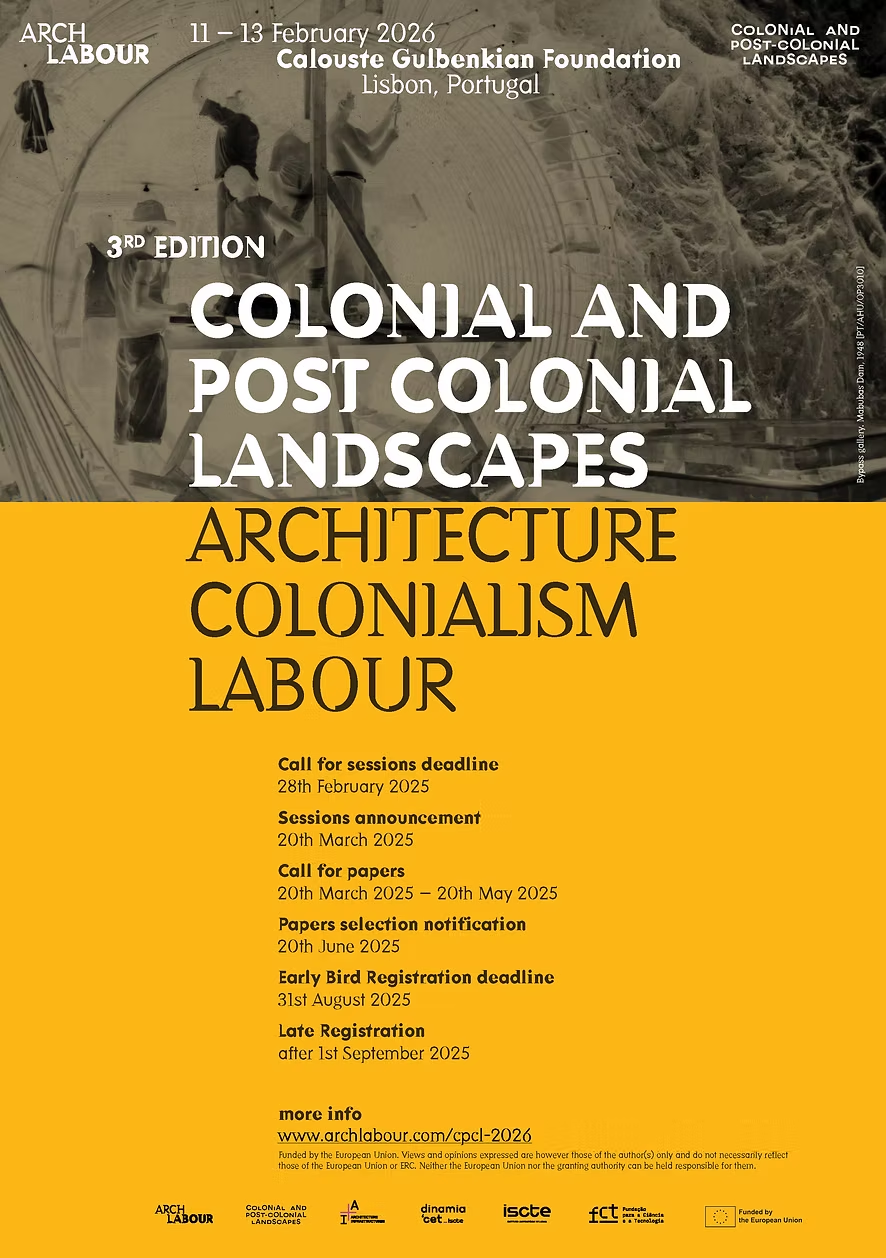
11-13 February 2026
Fundação Calouste Gulbenkian, Lisbon

After questioning Architecture, Cities and Infrastructure (2019) and Architecture, Colonialism and War (2023), the third edition of the Colonial and Post-colonial Landscapes Congress (2026) will intersect the topics of Architecture, Colonialism and Labour.: https://www.archlabour.com/cpcl-2026

Although a common topic in colonial historiography, the influence of large-scale labor on the creation of built environments—including the design, construction, and maintenance of infrastructure, buildings and landscapes—has not been fully explored in the context of colonial architecture. The topic has significant implications not only for the description of past societies, but especially for the comprehension and support of present-day communities with colonial pasts and their relationship to the production of space. Connecting architecture and labor in these contexts offers a promising avenue for addressing some of the challenges encountered by postcolonial societies. These include the relationship with “Western” construction technologies and materials, scarcity of traditional building systems and their undervalued insights on climate adaptation and sustainable solutions, and persistent racial and gender inequalities in public works labor environments.

This congress welcomes contributions from diverse geographical, disciplinary, and chronological backgrounds to promote a wide and tough-provoking debate, crossing the history of colonial architecture, labour and social history and construction technology.

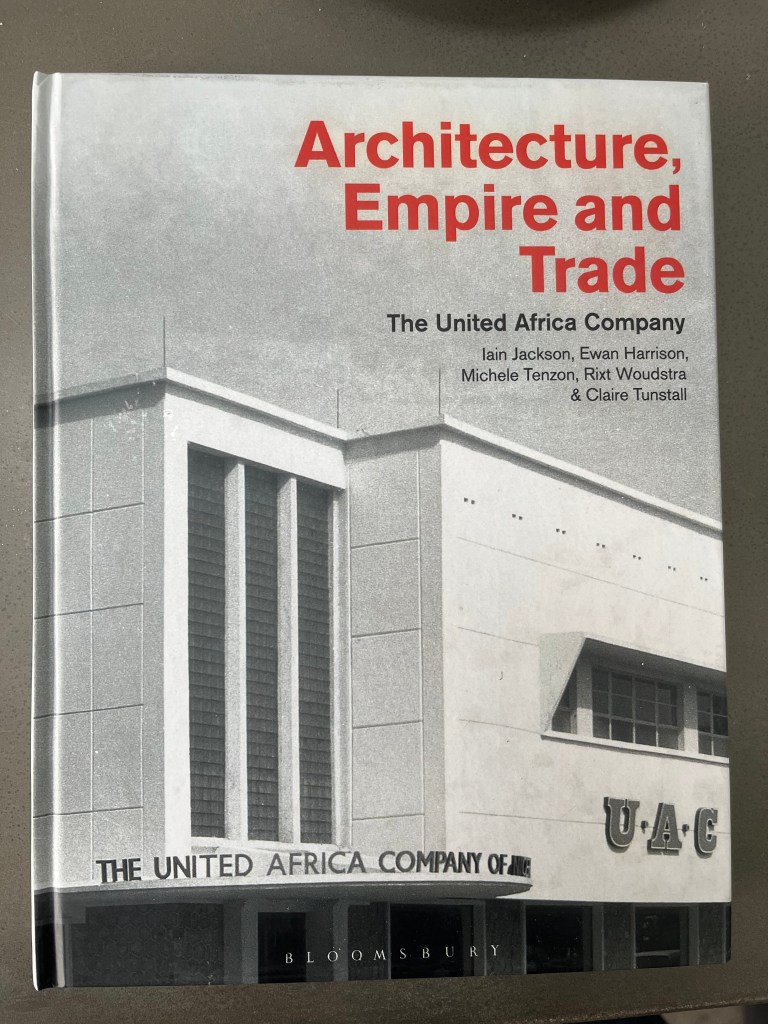
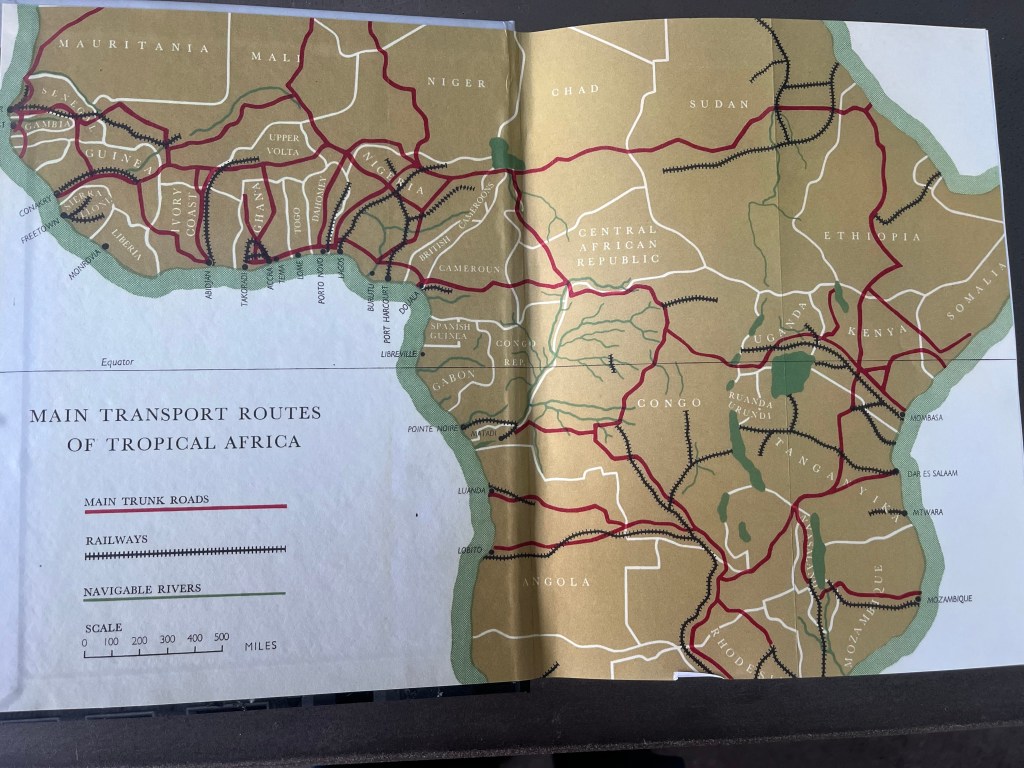
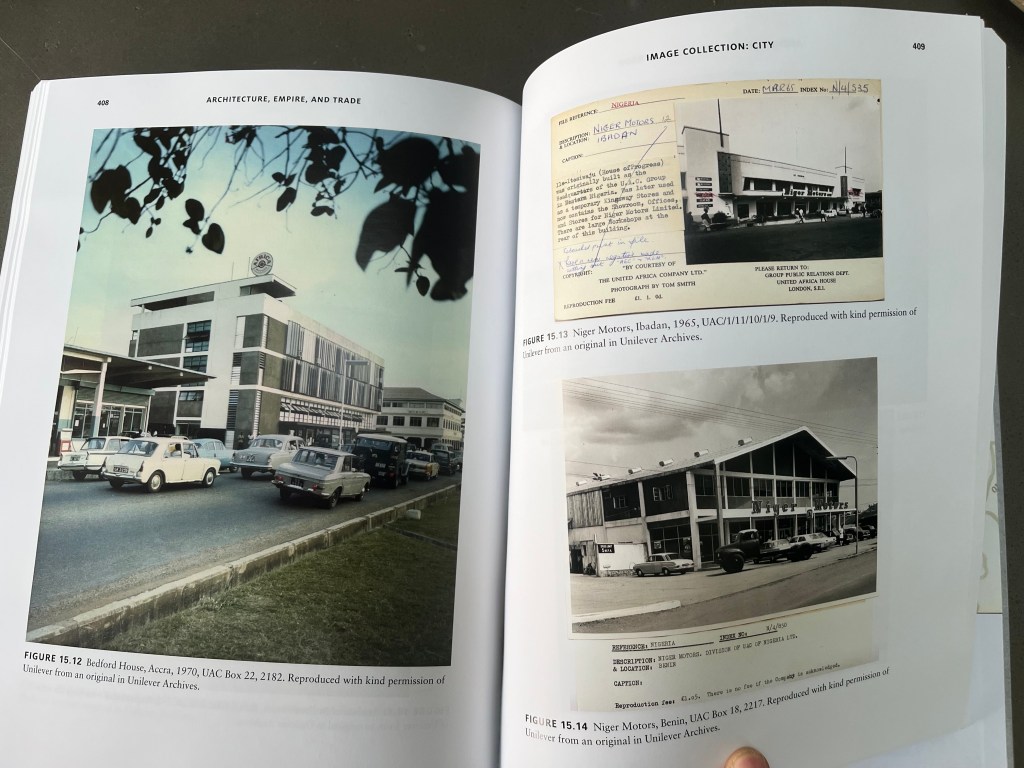
Our monograph Architecture, Empire, and Trade: The United Africa Company has just been published with Bloomsbury. We’re delighted to finally share our findings with you on the architecture of Western and Central Africa. The work begins with an critique of the archive and the UAC collections, before examining the Royal Niger Company, the development of Burutu and Lagos; the Lever’s concessions in Congo, the timber townships of Samreboi and Sapele; real estate and construction, the Kingsway Stores, and much more.

In addition to the main chapters the monograph includes specially commissioned essays from ‘responders’ as well as a series of photographic essays using previously unpublished images from the superb Unilever archives.

You can read the entire book here – it’s all open access: https://www.bloomsburycollections.com/monograph?docid=b-9781350411340

Thank you to Ewan Harrison, Michele Tenzon, Rixt Woudstra, Claire Tunstall, and our excellent responders for all their hard work and contributions.

Spaces for Health and Healing in Africa

Symposium 16 – 17 April 

Liverpool School of Architecture 

Liverpool School of Architecture, at the University of Liverpool and the Program in the History of Science, Medicine, and Technology of the Johns Hopkins University invite proposals for a hybrid symposium to be held in Liverpool from the 17-18 April 2025.  

Pathology Labs, Korle Bu Hospital, Accra, c1958

We welcome presentations that explore various settings for health and healing, such as shrines, sacred healing huts, and herbal ‘apothecaries’ and other spaces for indigenous medicine and healing practices; ‘basic’ health care infrastructure incorporating dispensaries, clinics, and hospitals  developed for early missionary and colonial medicine; post-independence medical centres. We are also interested in papers examining the use of healthcare ‘vectors’ such as barefoot doctors, travelling midwives and paramedics and their spread of health care practices such as vaccinations, and childhood nutrition programmes in urban and rural areas. 

We are interested in the settings for full range of medical specialisms from paediatrics to psychiatry and also more contemporary physical design responses to contemporary pandemics such as Ebola and Covid. Evidence and records of mixtures of indigenous and western healthcare practices in some community settings and the emergence and involvement of teaching hospitals in healthcare planning is also of interest.  

Other possible topics include the role of military hospitals, colonial and modern, and contemporary healthcare infrastructure and provisions for displaced persons and refugees.  We encourage interdisciplinary approaches–history of medicine, medical anthropology and sociology, oral history, among others. 

Our area of interest is the African continent, from the ‘MEANA’ countries of the maghreb, north of the Sahara, to all countries South of the Kalahari and East and West of the Sahara. Health and healing facilities on islands in proximity to main continental mass such as Zanzibar, Mauritius, Fernando Po and Cape Verde are also of unique interest. 

We are seeking to publish selected outputs from the symposium in a volume currently under negotiation with the publisher. We welcome abstracts (500 words max) and short CVs (1page) Please also indicate whether you intend to deliver your paper in person or online. For more information please contact  Ola Uduku o.uduku@liverpool.ac.uk or Bill Leslie, swleslie@jhu.edu

Ghosts, Gifts and The Red Clay Revolution
By Iain Jackson and Martin Wallace

Ibrahim Mahama is a man on a mission. An artist whose raison d’etre is both to provoke questions about Ghana’s colonial past and to inspire actions towards a more positive, equitable future. Hot on the heels of his Purple Hibiscus work at the Barbican, ‘Songs about Roses’ opened in Edinburgh’s Fruitmarket on 13th July 2024.

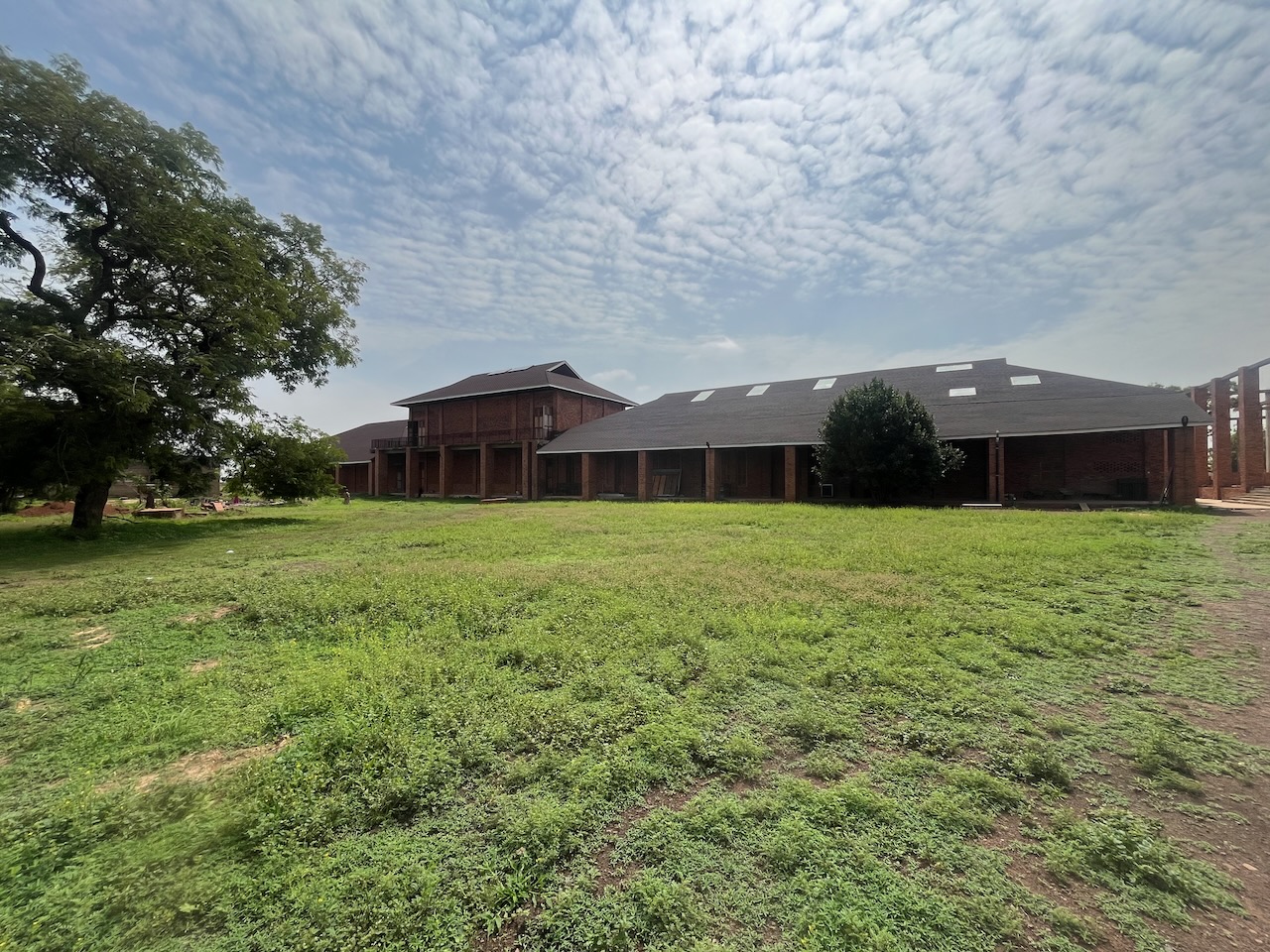
But in some ways, these and his other international shows are just the tip of the iceberg because the main event is on the outskirts of Tamale, northern Ghana, where Mahama was born. In July he showed us around and shared the thinking behind the immense project.

Red Clay: Studio, Archive, Gallery, School: Tamale, Ghana

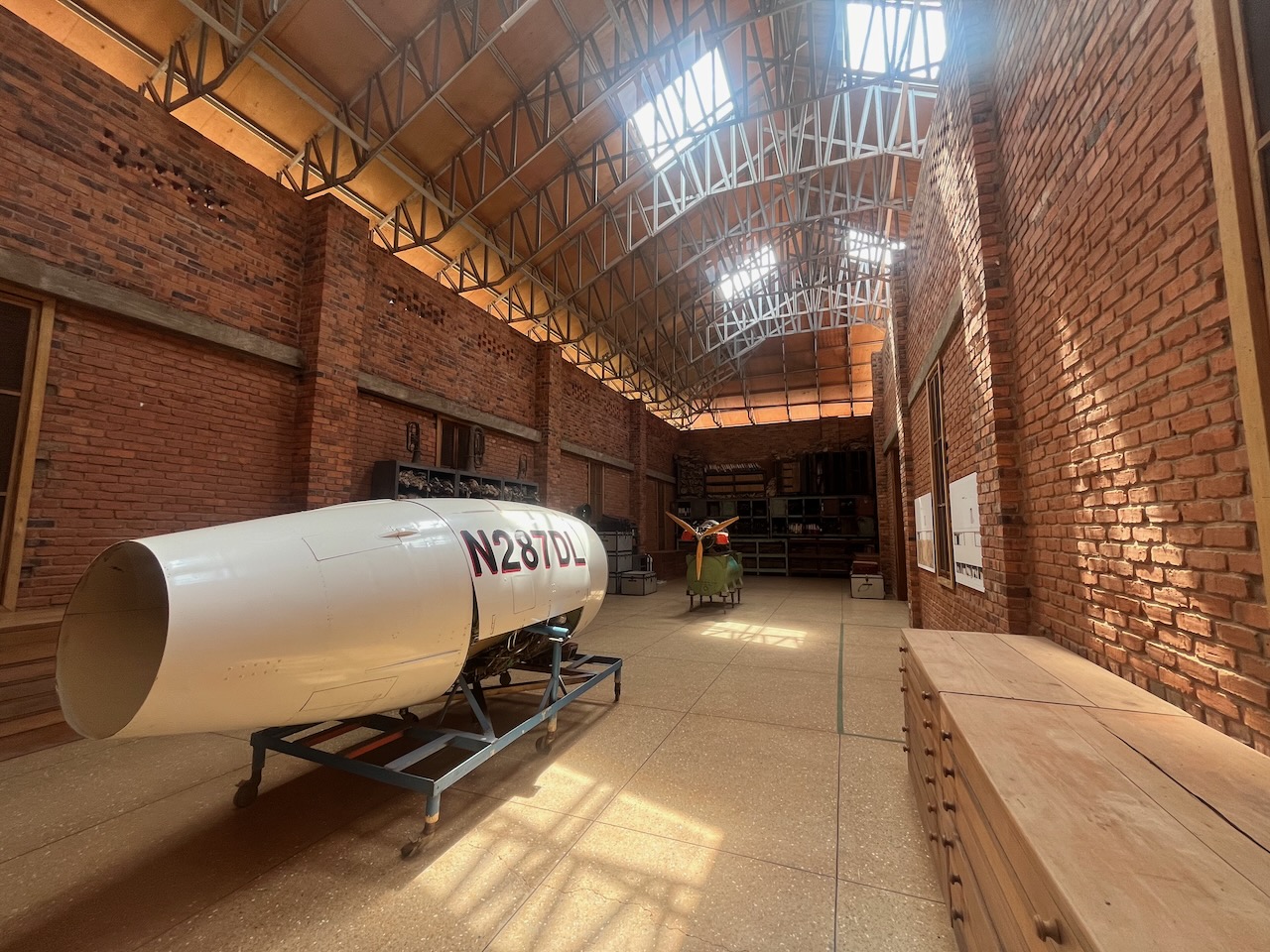
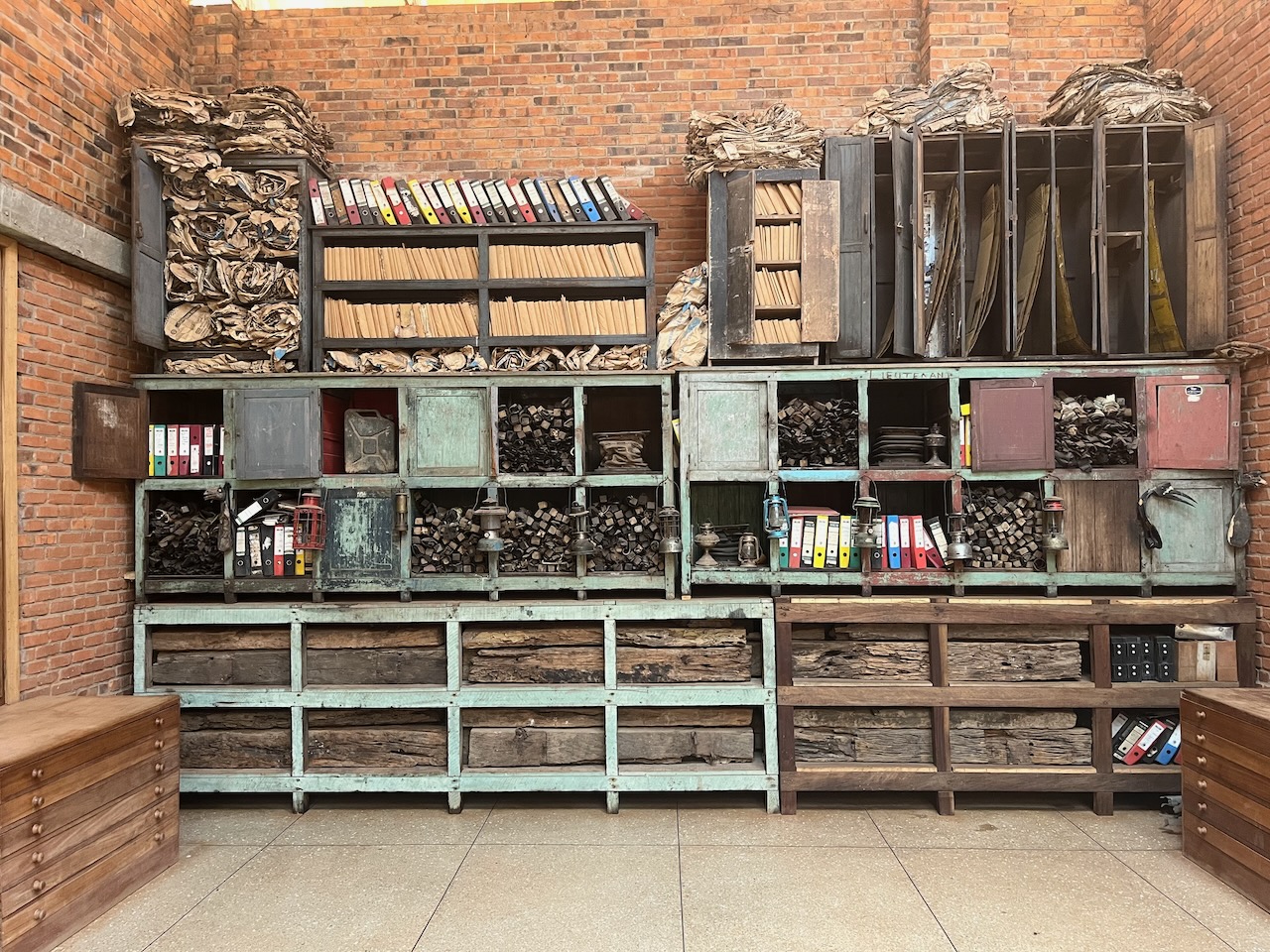
For the past 9 years, Mahama has used the proceeds of his international career to build art ‘infrastructure’ in Tamale from the ground up. He has created a huge studio-gallery-archive complex called Red Clay. It’s here that much of his work returns after it’s been exhibited around the world, put on display in vast colonnaded hand-made brick structures with polished terrazzo floors. When he’s not working elsewhere, he lives on site. This is an artist’s studio with a difference. Open to the public; there is no entrance fee. It is a gift.

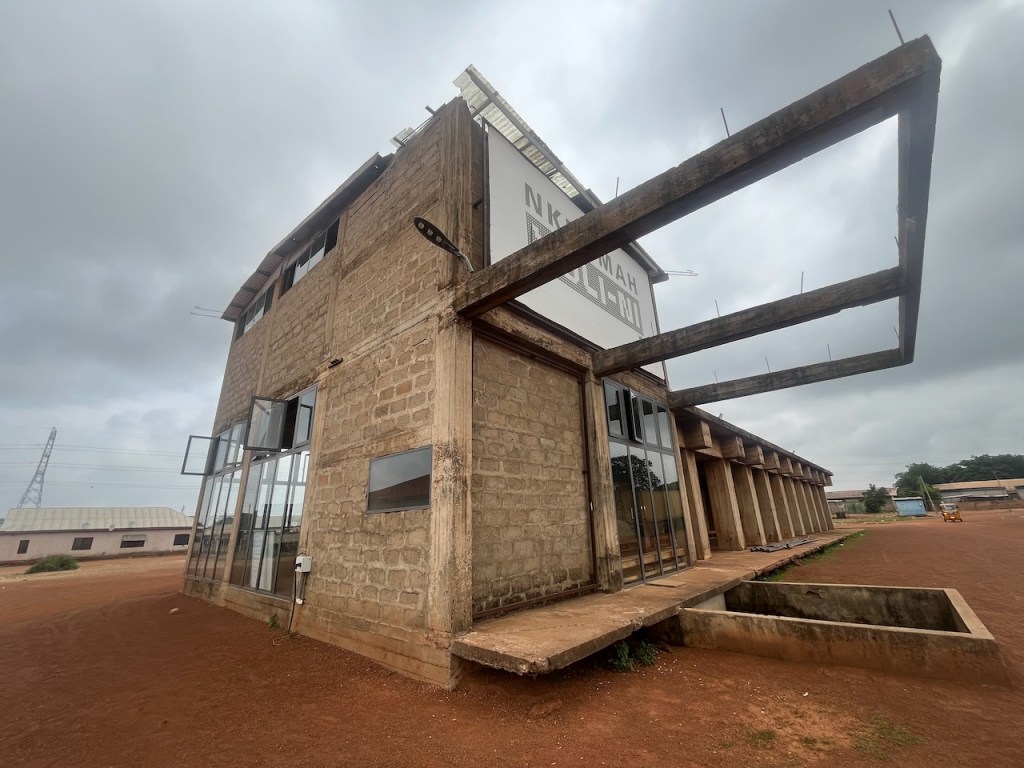
Recognising the economic precarity of the vast majority of Ghanaians, Mahama ‘wants the people of Tamale to be able to experience this art, and the best art made by others too.’ An exhibition on James Barnor’s photography is currently on show. ‘Even if they could’, Mahama asks, ‘why should they have to travel to the Serpentine to experience this art?’ A full retrospective of Barnor’s work is on show in SCCA, a sister institution built by Mahama on the other side of Tamale. It is another, large-scale, free-access space dedicated to platforming under-appreciated Ghanaian artists of the past. A disused concrete silo structure has also been acquired by Mahama in Tamale. Left abandoned and unfinished following the 1966 coup it became a ruin before it was even finished. Mahama has renamed it Nkrumah Volini and uses it to discuss the political shifts in Ghana’s history as well as showing films and installations.

While Red Clay draws international visitors each week, the vast majority of its patrons are local people, some bringing picnics to the only free public space in Tamale. Busloads of children from schools in neighbouring villages are allowed to touch and explore these vast installations. The big idea here isn’t about art per se but to use objects and their material histories (their ‘ghosts’) as an invitation to ask questions and begin to imagine future possibilities. It’s about demystifying technology, sparking curiosity, and encouraging a desire to pursue visions through creative problem solving.

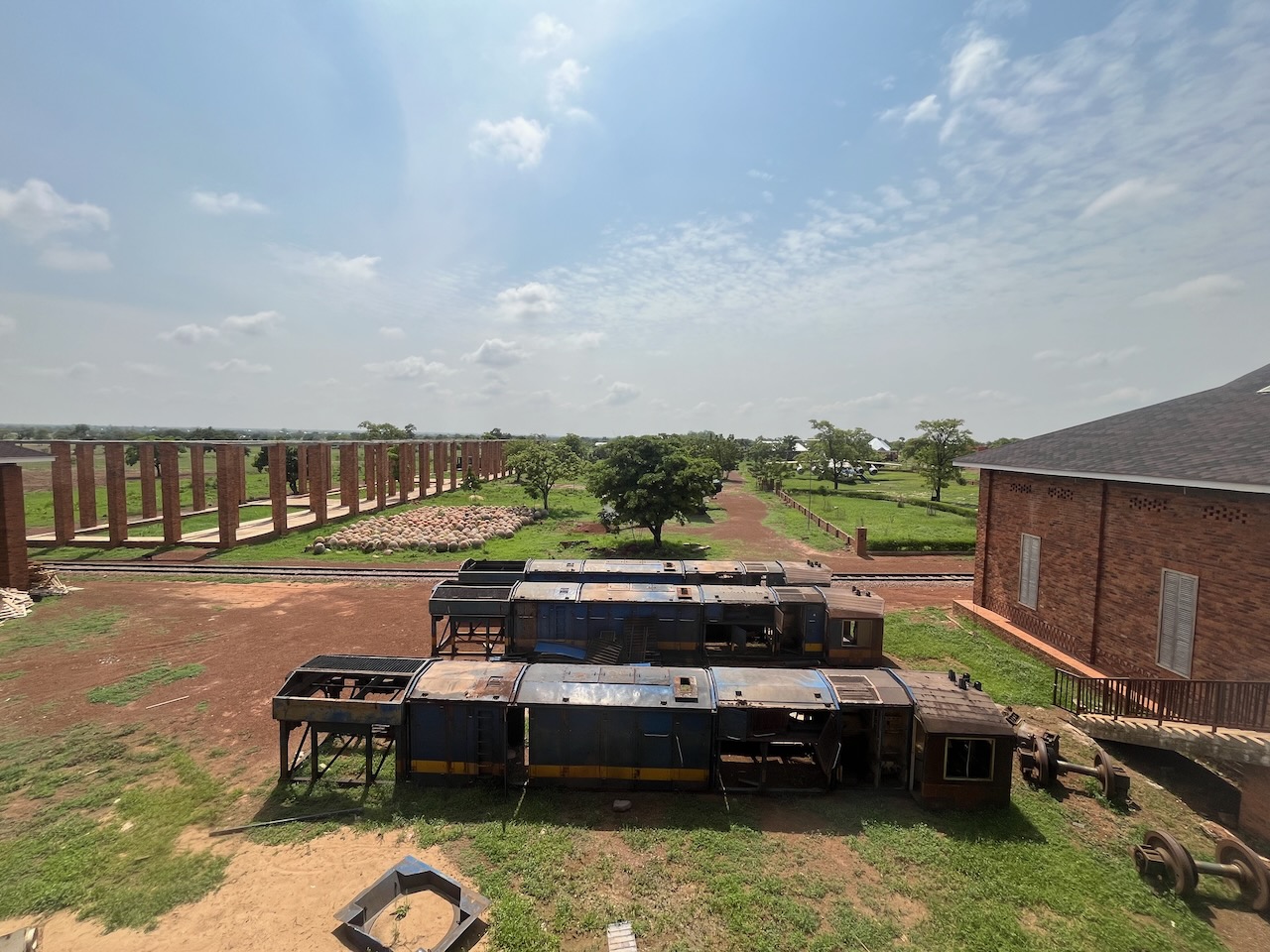
This invitation is backed up by educational opportunities. Classes for building PCs and coding are delivered in one of the seven aeroplanes Mahama has brought to this rural savannah, creating something of a surreal transport hub where the journeys are cerebral rather than physical. He also imported old trains from Germany that are in the process of being converted into accommodation for visiting artists (including the one used by Queen Elizabeth II when she visited Ghana in 1961).

When the railways were built in Ghana they did not extend into the northern territories, and many local visitors have never encountered a train before. Leading us through the now gutted carriages, Mahama reminds us about the immense amount of labour involved in making the colonial railways. He speculates on how many tonnes of resources and produce machines like these helped to extract during the colonial period. His work operates on these differing layers – at once an engaging and accessible spectacle that evokes traces of the histories of industry and technological innovation, whilst also critically examining the deployment and impact of these machines.

Informal tours of Red Clay are delivered by a series of local ambassadors employed by Mahama. They make the ideas at play accessible to local visitors in their own language, Dagbani. It’s a place where children and families are welcome. Letting people see processes rather than only the finished art pieces is also part of the offer. When the trains and planes were transported across country on flatbed lorries, Mahama documented their conspicuous journeys and the quizzical, joyous public response; bold, large-scale action that provokes excitement and a sense of ambition.

In one of the giant red-brick rooms, preparations for a New York show at White Cube in September are underway. A team of local women dip their brushes into the same black ink sometimes used to create semi-permanent eyeliner. But here they graffiti names and words agreed with Mahama across rough reclaimed leather panels that have been ripped from the floors of the train carriages as part of the refurb. Nothing is wasted. The humdrum is defamiliarized and ghosts within materials are encouraged to tell their tales.

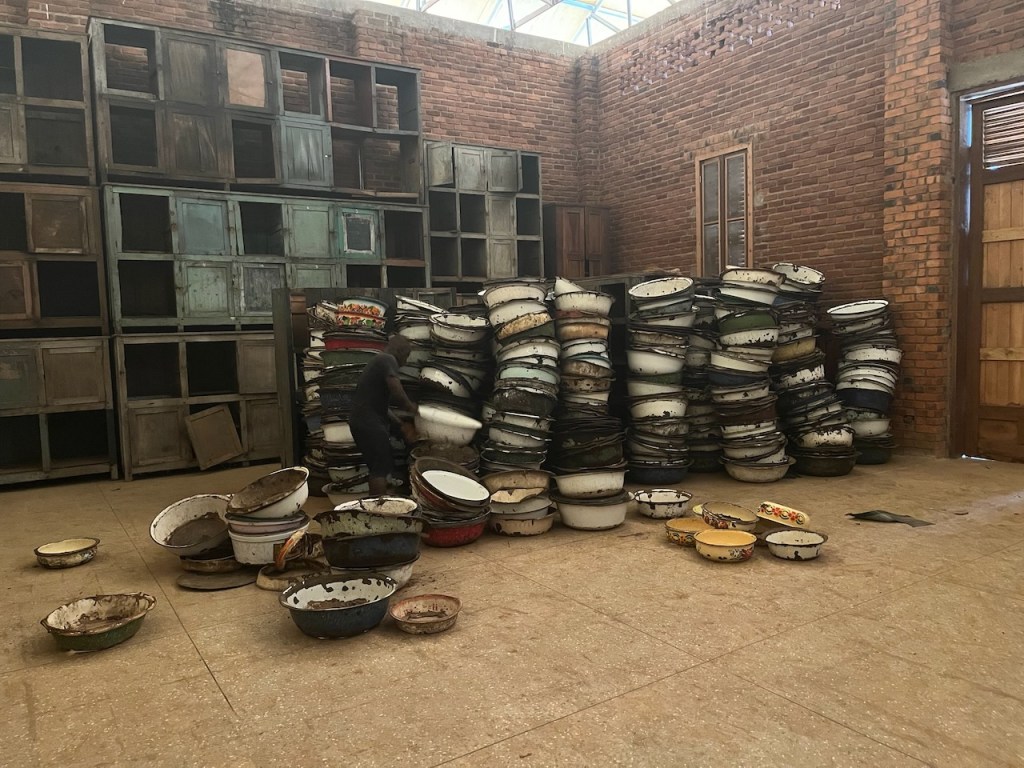
In another brick-built hanger, women have walked from miles around to swap their tired, old enamelled bowls for shiny, new aluminium ones. Mahama wants the old ones as an index of the thousands of hours labour their battered frames represent. He has exchanged about 1500 and plans to balance a diesel locomotive on the old bowls, echoing the usual way in which the bowls are carried on the head to transport all manner of produce around every village and town.

In one of the huge gallery spaces lit by towering windows is a piece first shown at White Cube Bermondsey 2019-21 entitled, ‘Capital Corpses’. Rows of gnarled desks salvaged from schools are mounted with old sewing machines facing a wall of blackboards replete with chalk lessons. When the machines are started by remote control, the clatter is at first startling and then uncanny; a room full of invisible operators burst into life, summoned to an unknown task. The school desks conjure an idea of children as future factory fodder. Like so much of Mahama’s work, he counterpoints a certain nostalgia and appreciation of familiar historic objects with an acknowledgement of the stark horror that these things, machines and regimes inflicted.

Mahama and his team have achieved a lot in Tamale over the last 9 years but much remains to be done to complete his revolutionary vision and unlock the full emancipatory potential of art. But he’s clearly in this for the long haul, determined to explore Ghana’s complex colonial history and to speculate about its possible futures. Red Clay is a place where these ghosts of past and future mingle in powerful ways and invite us to play.

Gifted buildings are potent mechanisms of geopolitical reshuffling, premised on an uneven power relation between giver and receiver. How do such exchanges shape cities in transition?

Frances Richard: You have been working for several years on ideas of the architectural gift, and have realized this research in a number of projects. To cite a few: an exhibition you’ve co-organized with Damjan Kokalevski called “The Gift: Stories of Generosity and Violence in Architecture” recently opened at the Architectural Museum in Munich. In 2022, you were convener for a conference at the British Academy titled “The Gift of Architecture: Spaces of Global Socialism and Their Afterlives.” And your 2020 monograph Architecture in Global Socialism: Eastern Europe, West Africa, and the Middle East in the Cold War explores issues of international largesse and exchange — what you call “socialist worldmaking.”

Housing project for Libya, designed by Romproiect (Romania), 1980s. The design and construction of buildings such as this were typically subject to barter agreements. [Arhivele Naţionale ale României, f. Romproiect, 7288]

A focus on architectural gift-giving affords new ways of thinking about the worldwide processes triggered by capitalist industrialization and colonial exploitation.

Would you talk about the parameters and findings of this research? What is the architectural gift, as exemplified in what kinds of sites? Why has the inquiry followed the trajectories it has?

Łukasz Stanek: Architectural gift-giving is embedded in a long tradition of imperial and religious donations of buildings. But my collaborators and I have been interested in its relationship to modern urbanism; in how a focus on architectural gift-giving affords new ways of thinking about the worldwide processes triggered by capitalist industrialization and colonial exploitation since the 18th century. In my book, the temporal frame is more restricted: I studied Cold War collaborations — often unequal — between architects, planners, and construction companies from socialist countries in Eastern Europe, and their counterparts in West Africa and the Middle East. The movement of labor, blueprints, and construction materials and technologies across these geographies shaped cities such as Accra, Lagos, Baghdad, Abu Dhabi, Kuwait City, and many others, from the 1950s to the 1980s. Gifted buildings were among the most visible interventions by means of which the Soviet Union, China, and other socialist countries both supported the newly independent countries, and hoped to achieve political leverage and economic gains. To cite a few examples: the National Assembly Building in Conakry, a Chinese gift to Guinea; the Kikwajuni housing district in Zanzibar, an East German gift; or the House of Culture and Youth Theatre Complex in Darkhan, a Soviet gift to Mongolia.

The conversation continues at https://placesjournal.org/article/the-architectural-gift/