Amongst the palms and mango trees is a K6 telephone box and the ruins of former trading stores and warehouses overlooking the quayside. This is Bonthe, a small town on the island of Sherbro located just off the West African Guinea coast. The remote tropical location is six hours drive from Sierra Leone’s Freetown and 45 minutes speedboat through a maze of mangrove lined coastline.


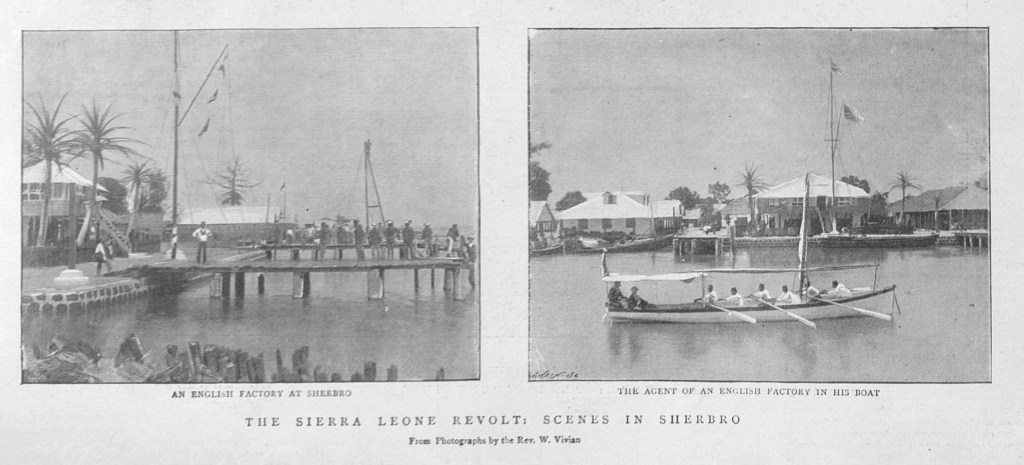
Bonthe was once a major trading post rivalling the port of Freetown. Conveniently located at the mouth of the Sherbro River it was perfectly positioned for trade. Along with the many other islands in the estuary it was initially a slaving post, occupied by Portuguese, French, and British slavers. After emancipation in 1807 the island was used to supress the now illicit trade, and also became a place for returning Krio – former slaves from the Caribbean, Canada and UK.

The Island stretches about 30 miles long with Bonthe its largest settlement. Set out on a grid plan like Freetown, but on a much smaller scale, the town rapidly became a place for trade, especially after a treaty was formed with the British in 1861, and around 4500 people lived there by the 1890s.

The linear harbour overlooking the river was once lined with trading houses, merchant stores, and warehouses, offering the latest goods and merchandise from Europe. Cast-iron standpipes imported from Liverpool tapped into the fresh water supply and by the early 20thC street lighting and power was available.
Behind the trading stores grew a community of Krio houses – many adopting features from the Americas blended with European style bungalows. The active missionary population competed for converts and a vast array of churches catered for nearly every flavour of Christian denomination.


Whilst the tropical island and profitable trading created something of a paradisical, if remote setting, it wasn’t always a utopian settlement. In 1895 five African agents of Paterson Zochonis were killed in a period of unrest that started as protest to a poll tax known as the ‘hut tax’. The violence quickly spread exposing the lack of security on the island and the difficulty in defending the tributaries and mangrove lined swamps. 13 people were hanged there in 1898 after the murder of several American missionaries following ongoing conflict.

Conditions were eventually restored to calm and the bustling trade of exporting raw materials from the interior mainland and the import of manufactured goods from Britain continued. The old premises of Paterson Zochonis still survives, with the company name proudly stated above the store’s portico. Patterson Zochonis set up shop here in 1884, and their trading empire spread across West Africa.
The origin of the firm dates to the 1870s when George Henry Paterson (from Scotland) worked with George Basil Zochonis (from Greece) at Fisher and Randall in Freetown. There’s still a Fisher Street in Freetown, just around the corner PZ roundabout – named after the firm. They initially traded calico and wax cotton prints from Manchester before moving into soap after the Second World War. A soap factory was acquired by the firm in Nigeria and by 1975 they’d bought out Cussons (and their famous Imperial Leather soap brand).
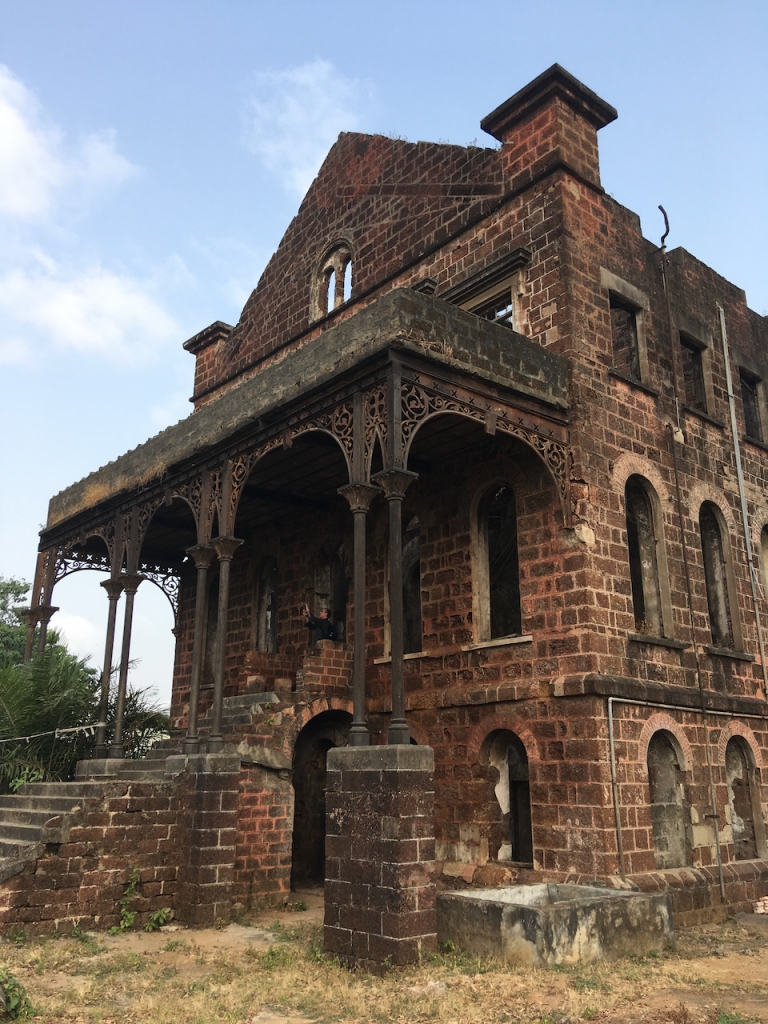
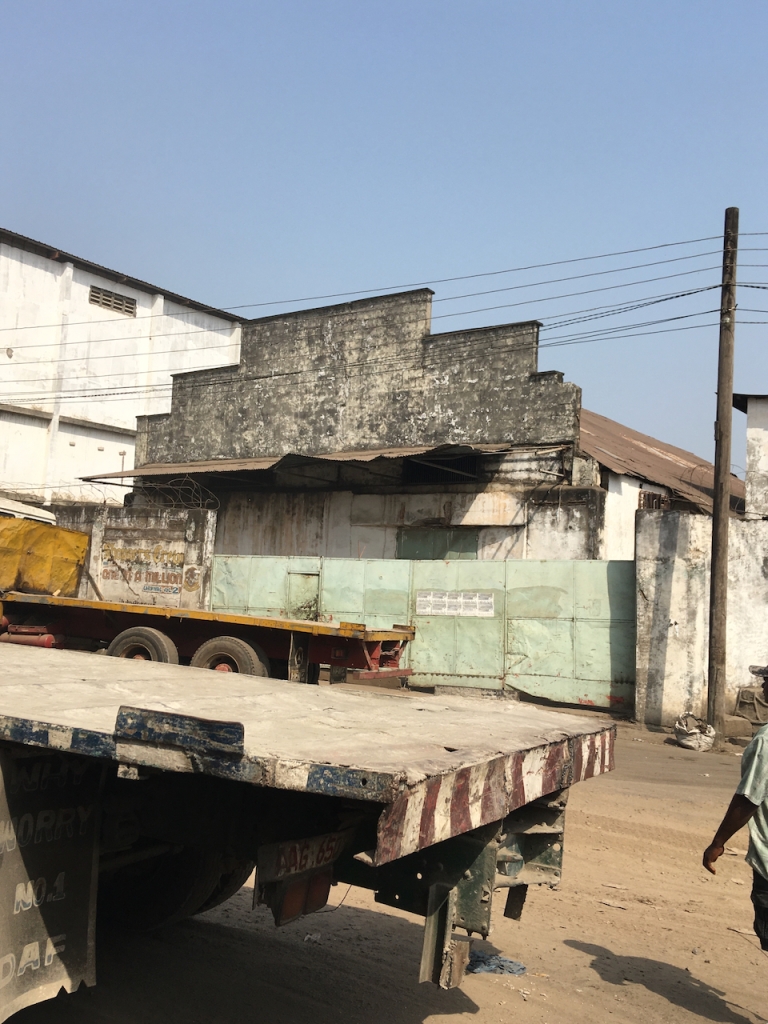
Other rival trading firms such as the United Africa Company and CFAO also set up businesses at Bonthe, building large stores along the waterfront and housing behind. There’s also the ubiquitous colonial clocktower and unearthed canons littered about the place, although most of the trading stores are now dilapidated shells being reclaimed by the tropical flora and humid climate.
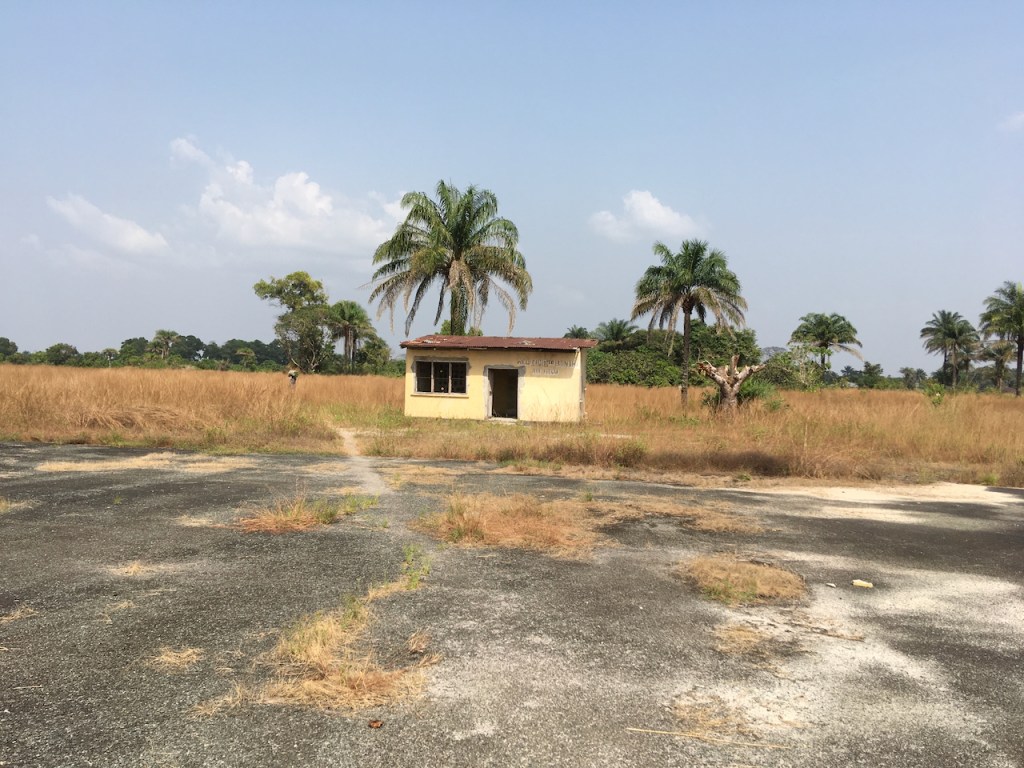
A landing strip was built here by the Allies during Second World War – complete with its own miniature terminal building – but the silting up of the river and the construction of new harbour facilities at the Queen Elizabeth II Dock in Freetown had a severe impact on the future prospects at Sherbro Island. There was a period of high-end holiday resorts catering for international visitors with a focus on nature lovers, birdwatchers, and fishing fanatics. A helicopter service even conveyed tourists to the Island from Freetown until about 2008.
Now it’s very much an overlooked backwater, but there are attempts to reverse its fortunes.
A new power plant is being built to restore mains power to the island and a few guest houses continue to give a warm welcome to all visitors. It’s a fascinating and beautiful place with such a rich history.
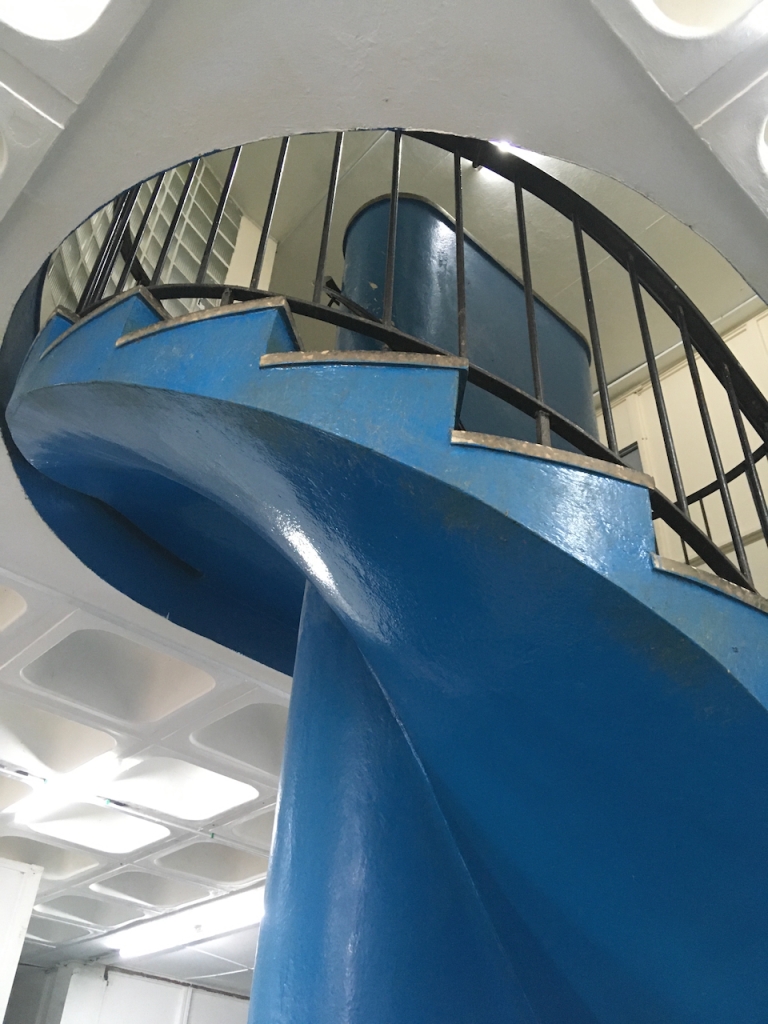
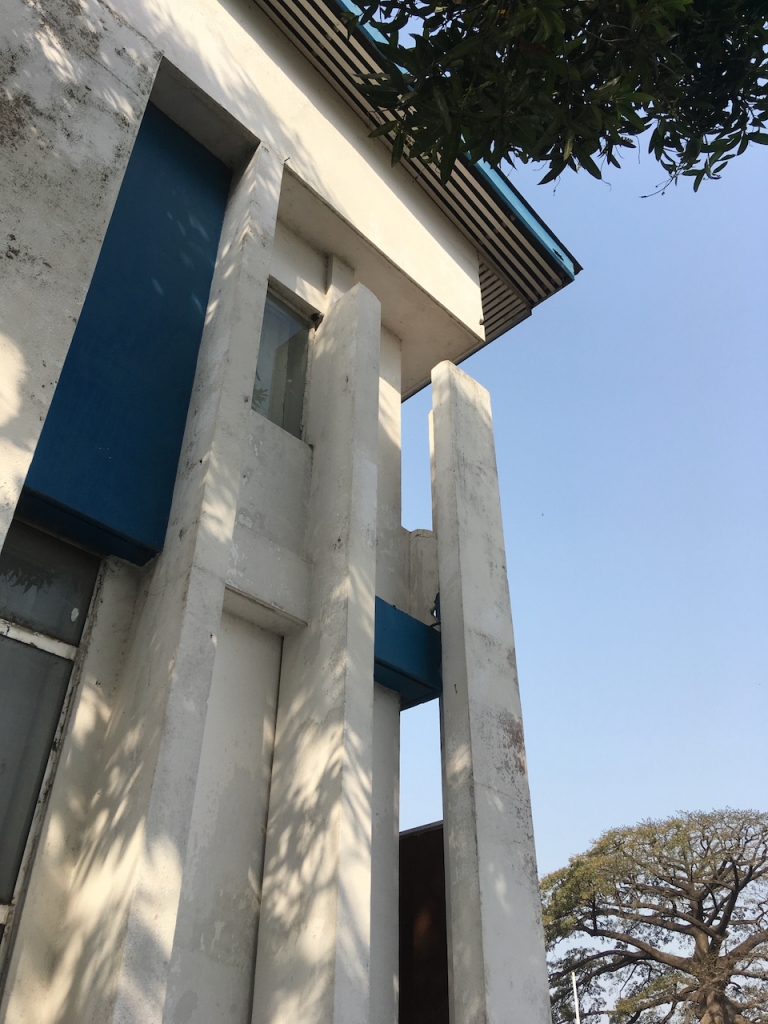
We’ve photographed most of the major structures that survive in Bonthe and will continue to investigate the archival material to uncover more of its past.











 Transnational Architecture Group