Archive

United Africa Company

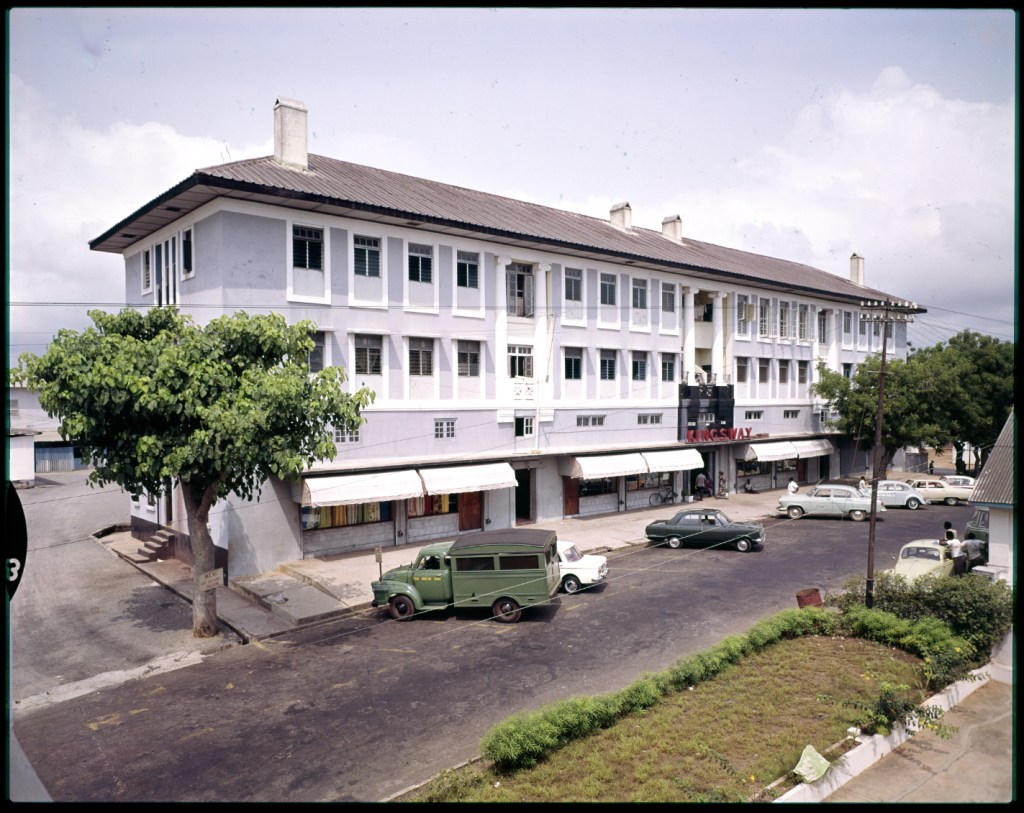
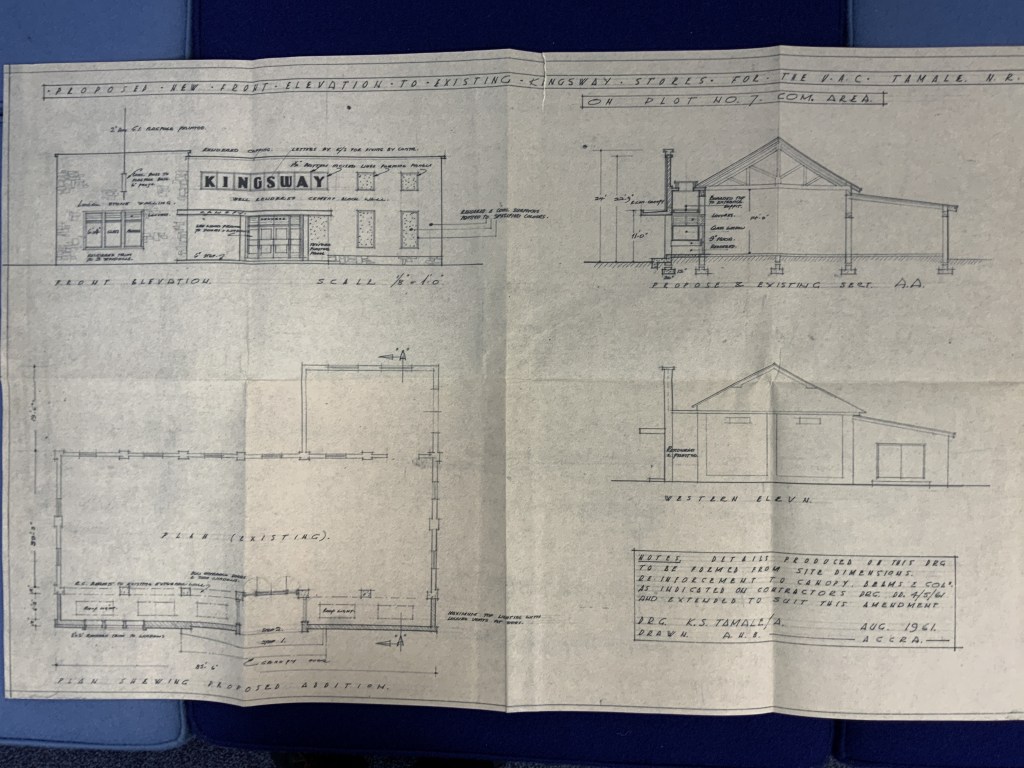
We came across a drawing for Kingsway Stores in Tamale, dated August 1961 (Unilever Archive ref: UAC/2/10/B3/4/3/5/1). The architect is currently unknown – only their initials are stated, “A U B” . The layout is typical of the Kingsways found in smaller cities from this period, catering more as a supermarket than a department store. But the exterior, with its rubble-stone wall, flagpole, and cantilevered concrete canopy above the entrance follows a design pattern found elsewhere, such as the Kingsway Jos, Nigeria.

UAC/2/10/B3/4/3/5/1, Tamale Kingsway plans, 1961. Reproduced with permission from the original in the Unilever Archives.
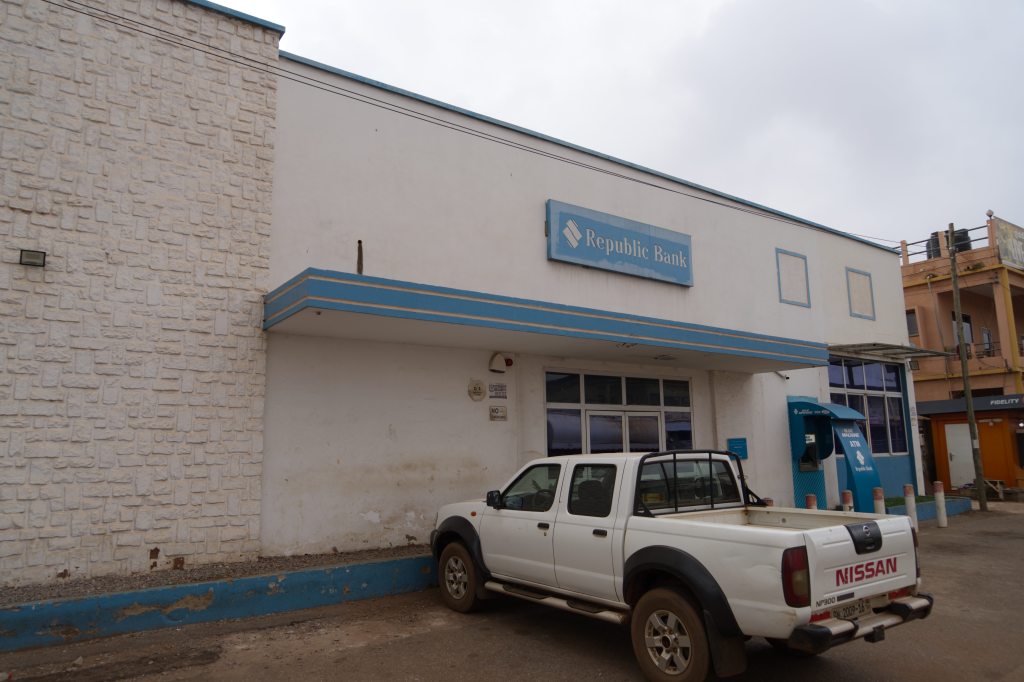
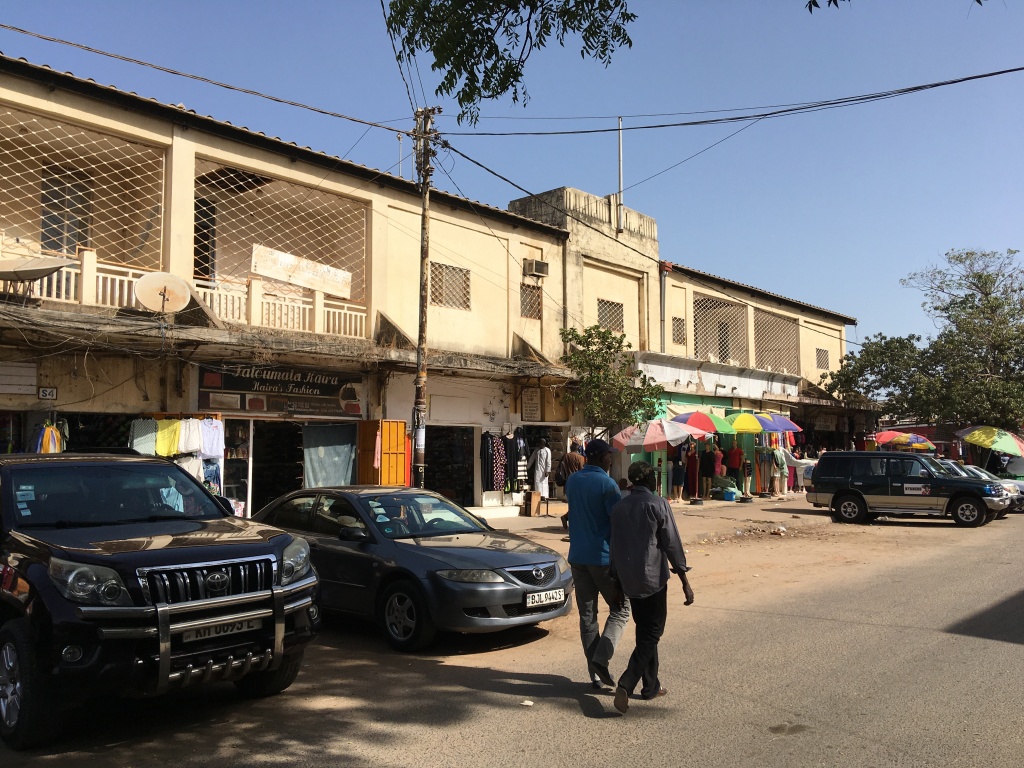
Kingsway Tamale 2024, Photo by Martin Wallace

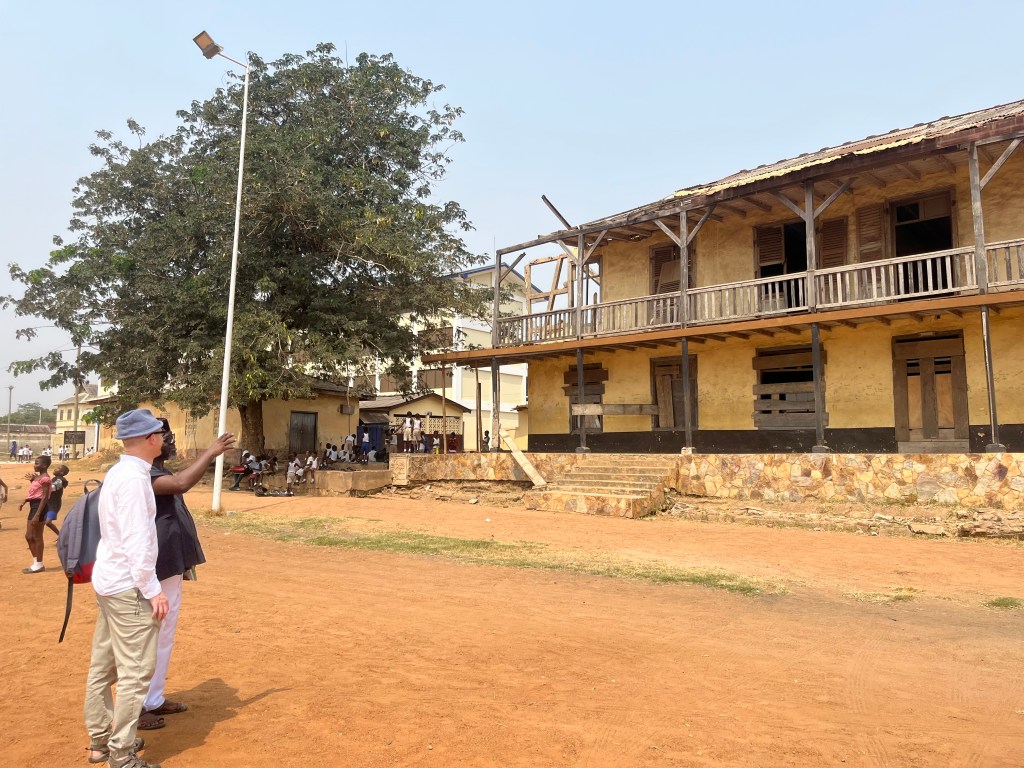
We were eager to find out if the Tamale store could still be found and began searching the city centre to see if it had survived. A number of late colonial and early independence era commercial structures can still be found, along with some innovative banking and office spaces built in the 1970s. We were able to locate the Kingsway – now a bank – with its distinctive stonework and the flagpole base still visible.

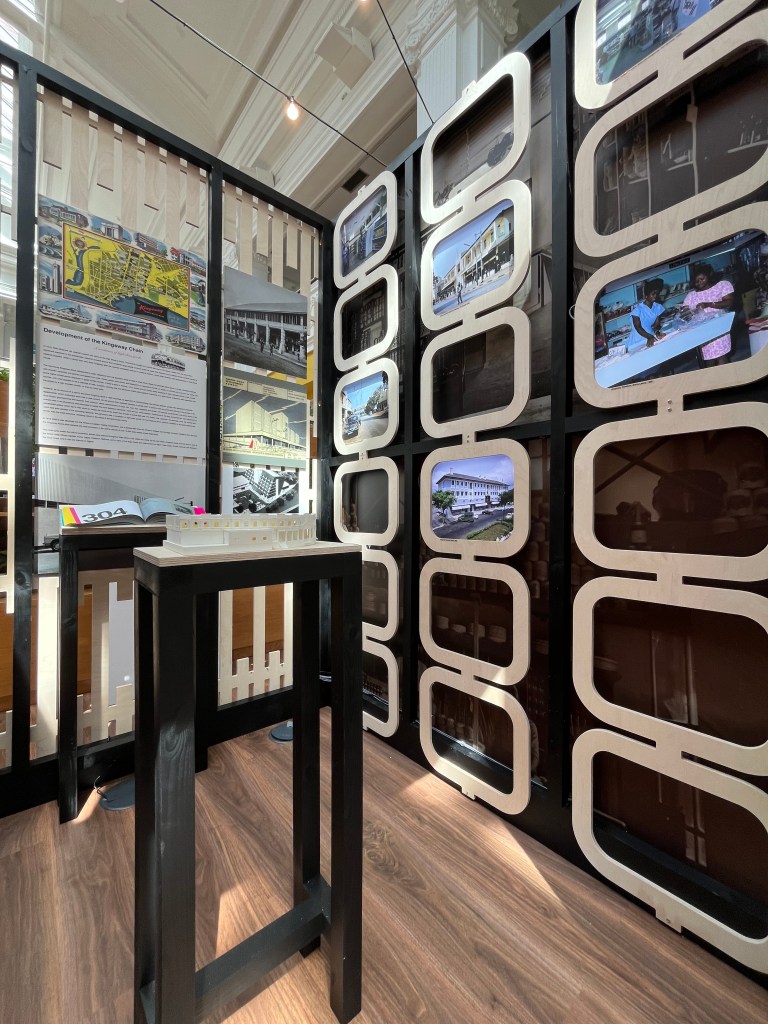
This week we installed our new exhibition: Shopping Emporiums of West Africa: The Kingsway Stores, at Lever House, Port Sunlight.

Following on from our research project into the architecture of the United Africa Company we’ve curated an exhibition that focuses on the department stores and their contribution to design, urban development and retail throughout the 20thC.

The exhibition has been co-curated with archivist Claire Tunstall, and developed from the research undertaken during the last 4 years with Ewan Harrison, Rixt Woudstra, Paul Robinson, and Michele Tenzon.

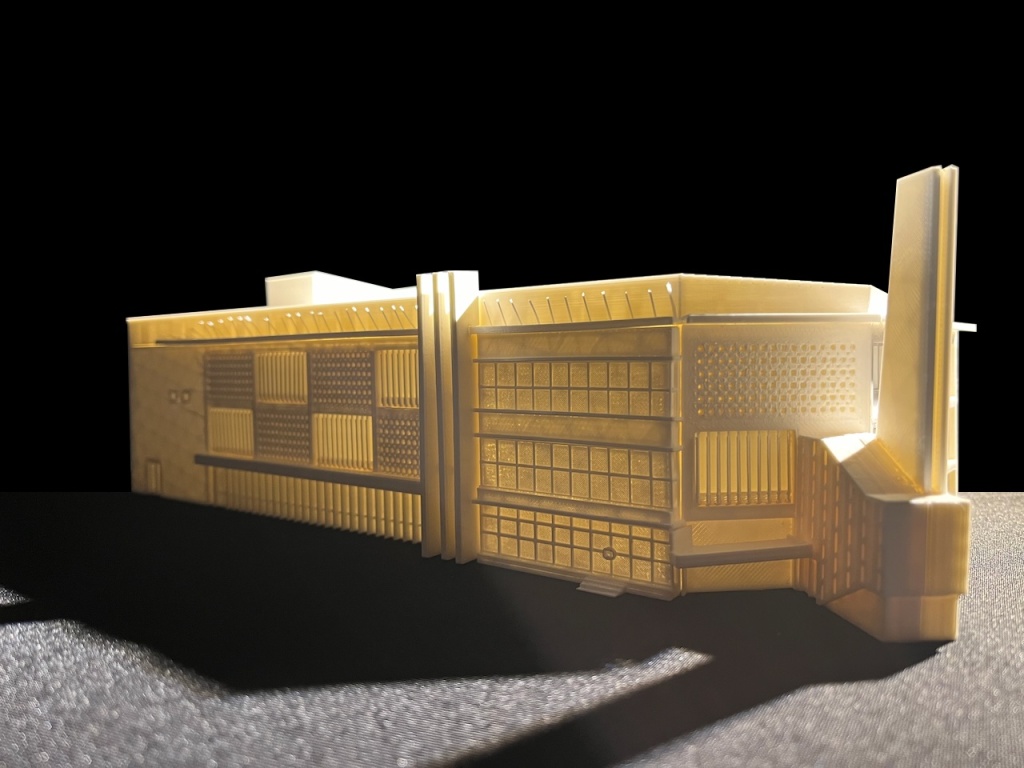
The exhibition includes images from the Unilever Archive arranged across two freestanding pavilions along with archival films, and a set of newly commissioned 3D printed models beautifully crafted by Liverpool School of Architecture students. The pavilions were fabricated using CNC routers with the expert help of LSA’s technicians.

The catalogue is available here. This is just the start – the next step is to tour the exhibition from their current home in Port Sunlight to Birkenhead, Liverpool, Accra, and Lagos.

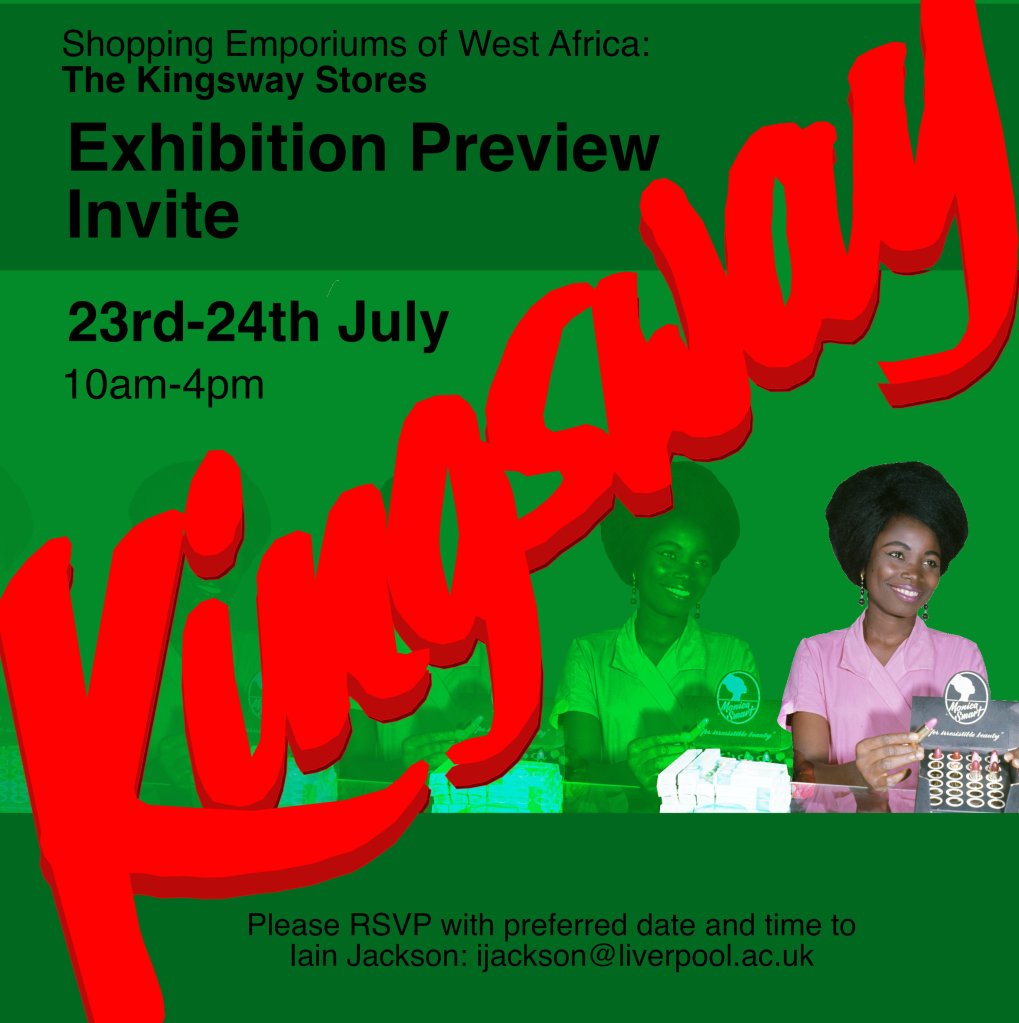
We’d like to invite readers of TAG blog to our new exhibition preview, Shopping Emporiums of West Africa: The Kingsway Stores. The preview runs from 23rd – 24th July 2024 between 10am-4pm at Lever House in Port Sunlight CH62 4UY. 

Please RSVP with a preferred date and time to ijackson@liverpool.ac.uk [walk-ins are not possible – so please let us know beforehand!]. The exhibition catalogue PDF will be available here shortly.

The exhibition will display previously unseen Unilever archival material from the 1920s-1960s, as well as a series of specially commissioned architectural models of the boutiques from Ghana, Nigeria, Sierra Leone, and Gambia.

3d printed model of Kingsway Apapa, Nigeria, by Mohadeseh Kani.

During the past 3 years we’ve been researching the architecture of the United Africa Company, and this exhibition focuses on one of their subsidiary companies, The Kingsway Stores. These shops provided some of the premiere retail environments of the time selling a wide array of imported goods from tinned food and distilled beverages through to the latest fashion, typewriters, bicycles, motorcars, and much more. 

The stores were located at prime sites and became drivers for further real estate development whilst their architecture sought to demonstrate how ‘fine buildings enrich a nation’. The opening of a new Kingsway Store reflected a sense of modernity and success for a city  – and politicians from the colonial, as well as independence period, were eager to associate with the stores. The political independence of Nigeria and Ghana saw a new array of emporiums opening as a commitment to the new regimes, as well as to capitalise on the independence euphoria and economic boom.

This exhibition tells this story through two specially fabricated pop-up pavilions. Hundreds of photographs, two films, maps, and models will be on display. After Lever House the exhibition will travel to Birkenhead, Liverpool, Accra, and Lagos….We do hope you can join us for the preview.


Iain Jackson – University of Liverpool, School of Architecture
Claire Tunstall – Unilever Archives and Records Management

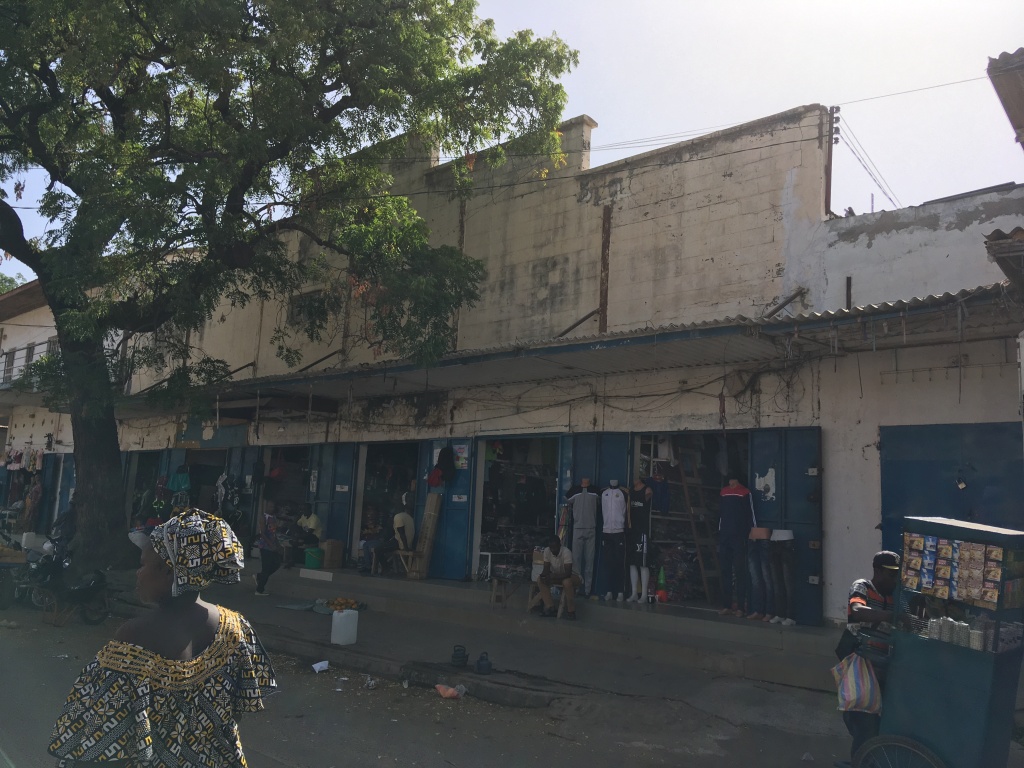
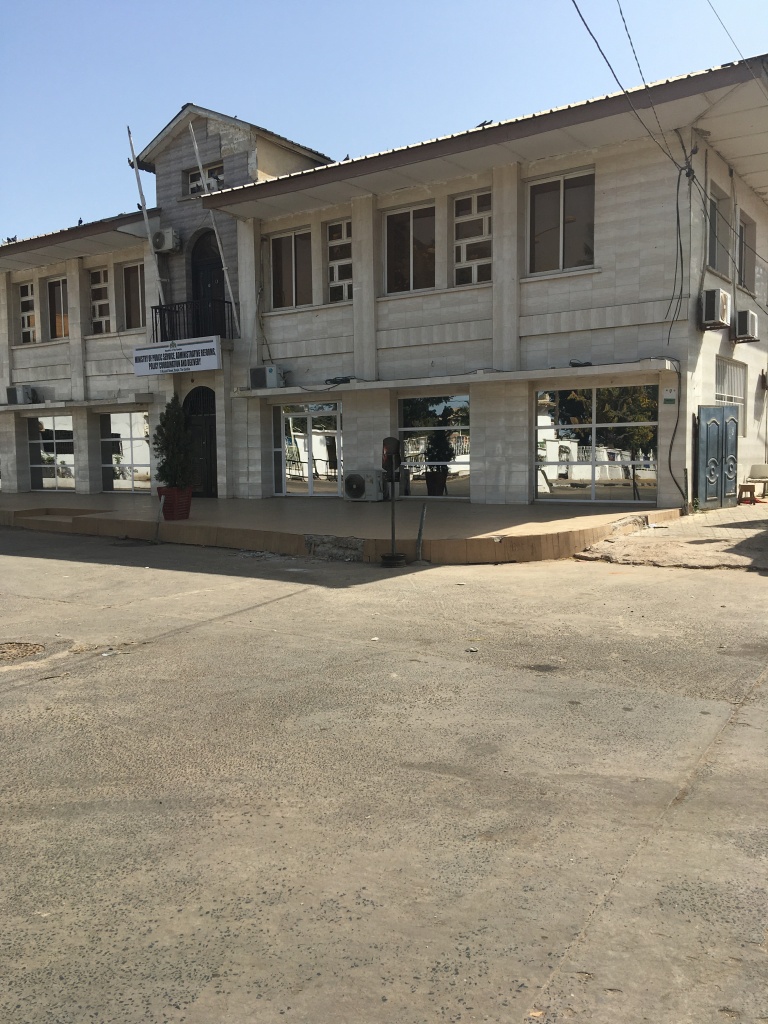
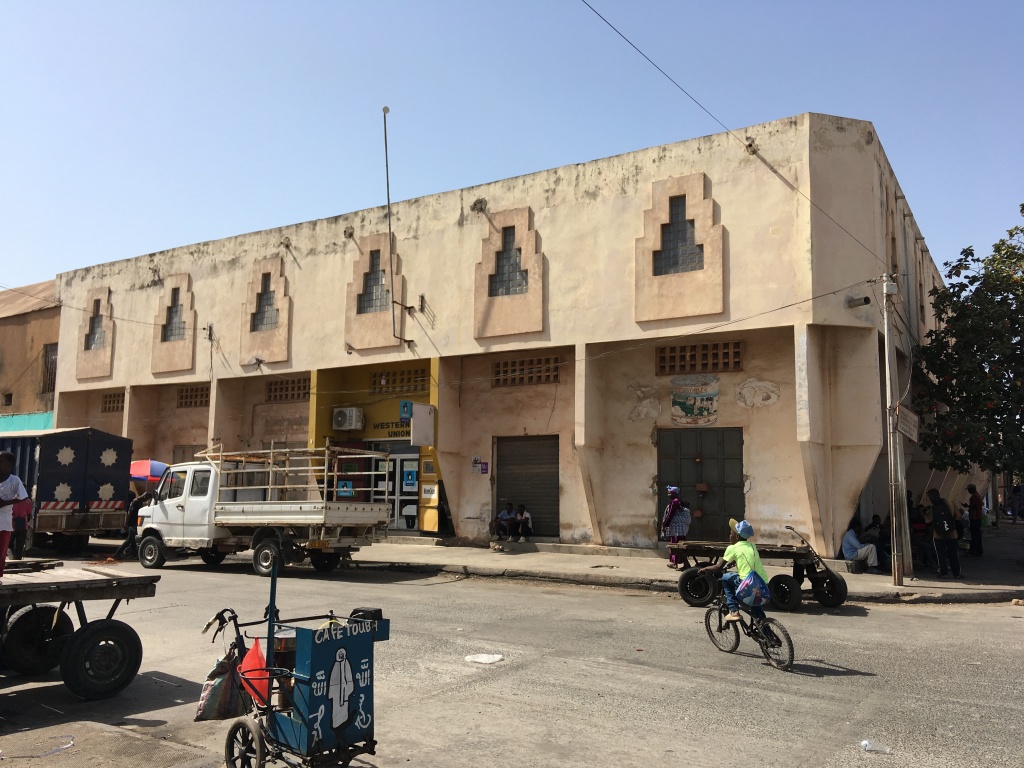
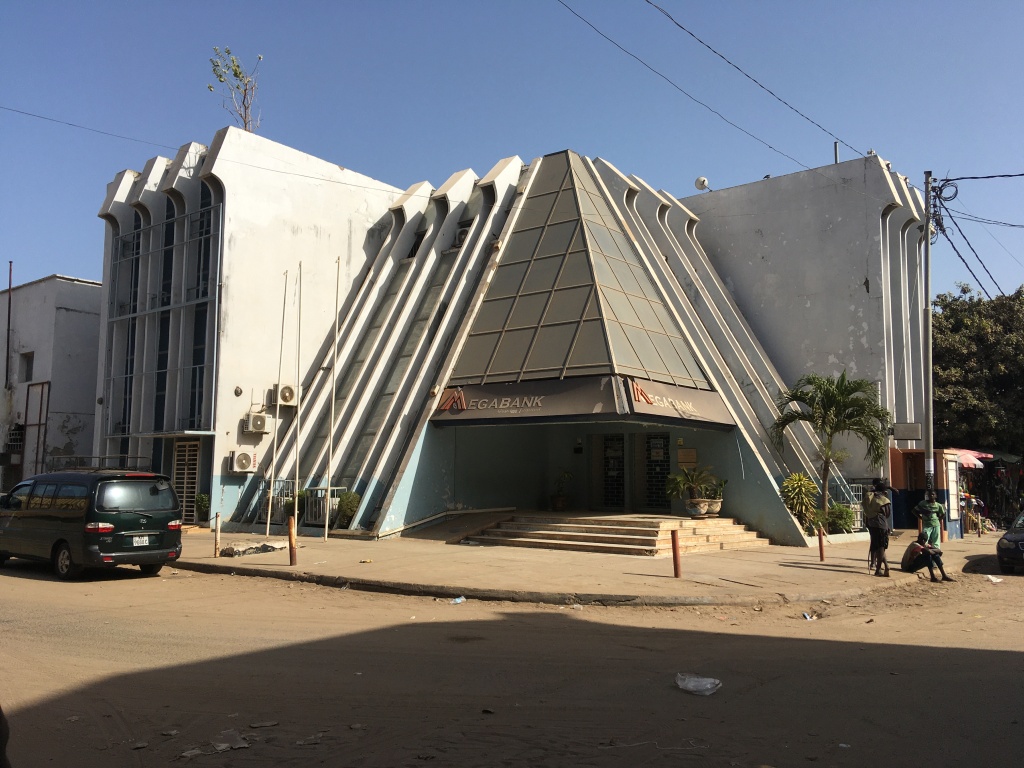
As part of the Architecture of the United Africa Project I wanted to visit Banjul to investigate if there was any surviving buildings remaining from the UAC era. There was surprisingly little material in the UAC archive relating to the town and wider country – and we knew that the business focused its efforts elsewhere in West Africa. Despite this – there was a Kingsway Store, Palm Line Offices, and possibly several other European trading companies operating merchant stores, warehousing, wholesaling, and produce export businesses.

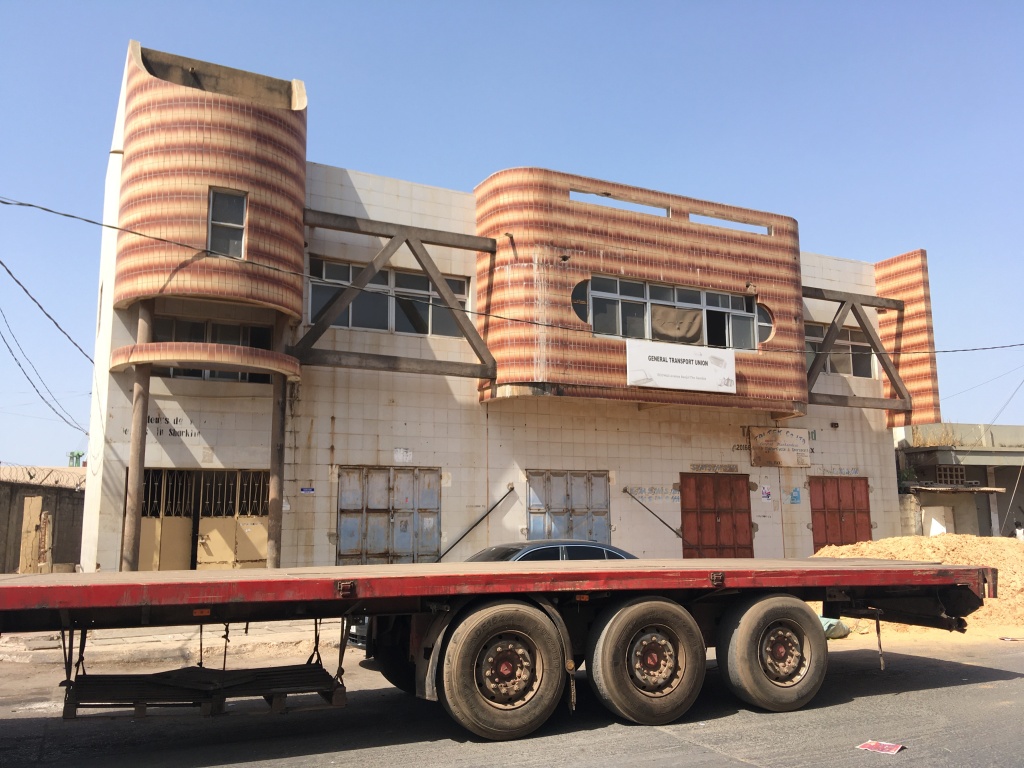
Banjul is a compact capital and we were able to quickly locate the old trading spots located around the Albert Market area. Here there are many traders importing fabric and textiles from China and India and it remains a thriving port. The Kingsway Stores and associated wholesaling lockups are still there, along with a series of other colonial period structures. Some of the older trading villas are now complete ruins and urgent documentation is required if rehabilitation isn’t possible.

Old Trading Store now ruined and overgrown

There are a number of Modern structures that we couldn’t identify, and some experimental architecture amongst the more restrained trading stores. There’s clearly a need for a mapping and documentation project to list and identify the history of these structures.

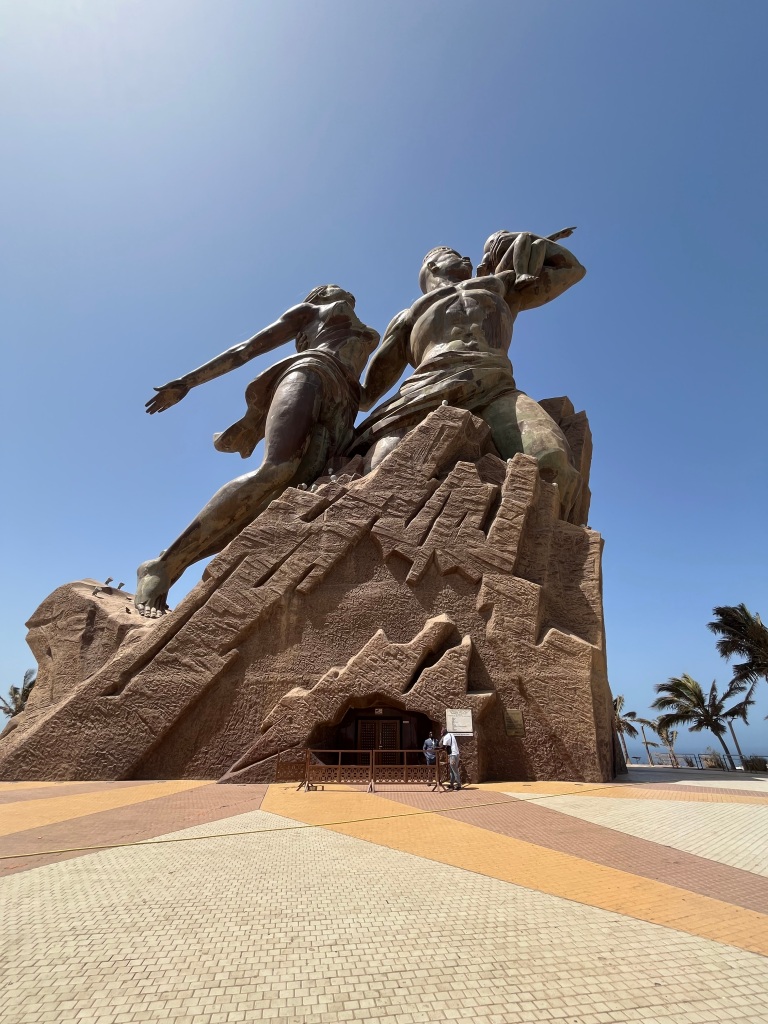
One of the highlights was the number of banking offices, including a design by Pierre Goudiaby (b 1947), the Senegalise architect responsible for Gambia’s airport, the National Theatre in Dakar, and the gigantic 49m tall African Renaissance Monument, also in Dakar.

Central Ibadan

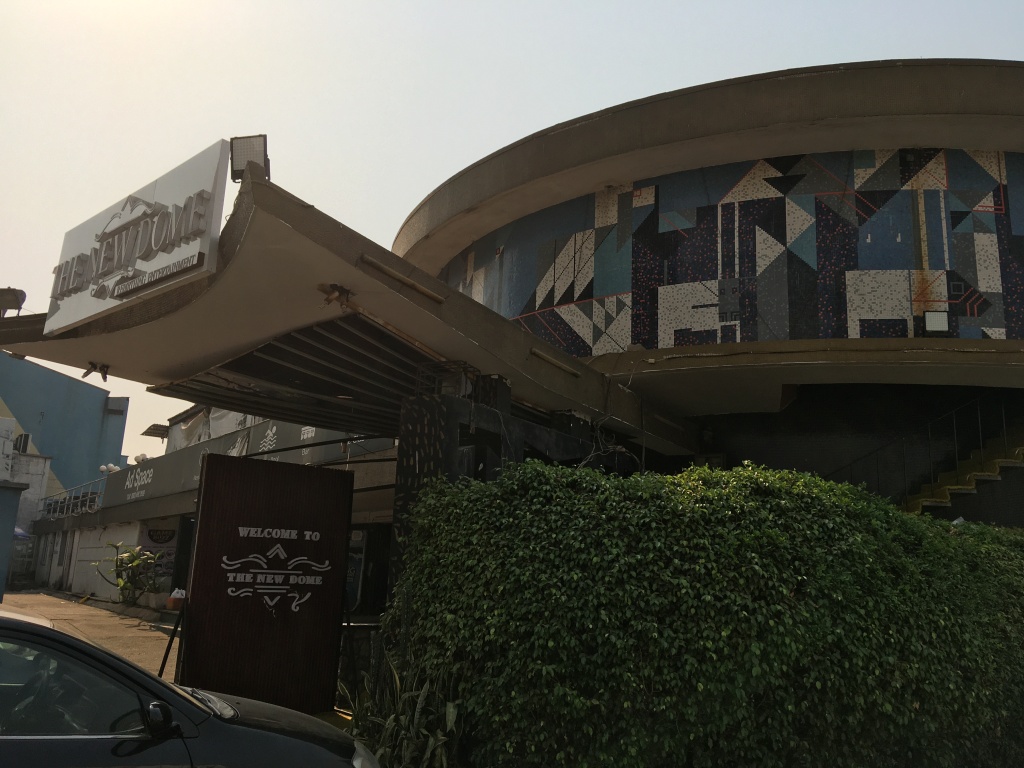
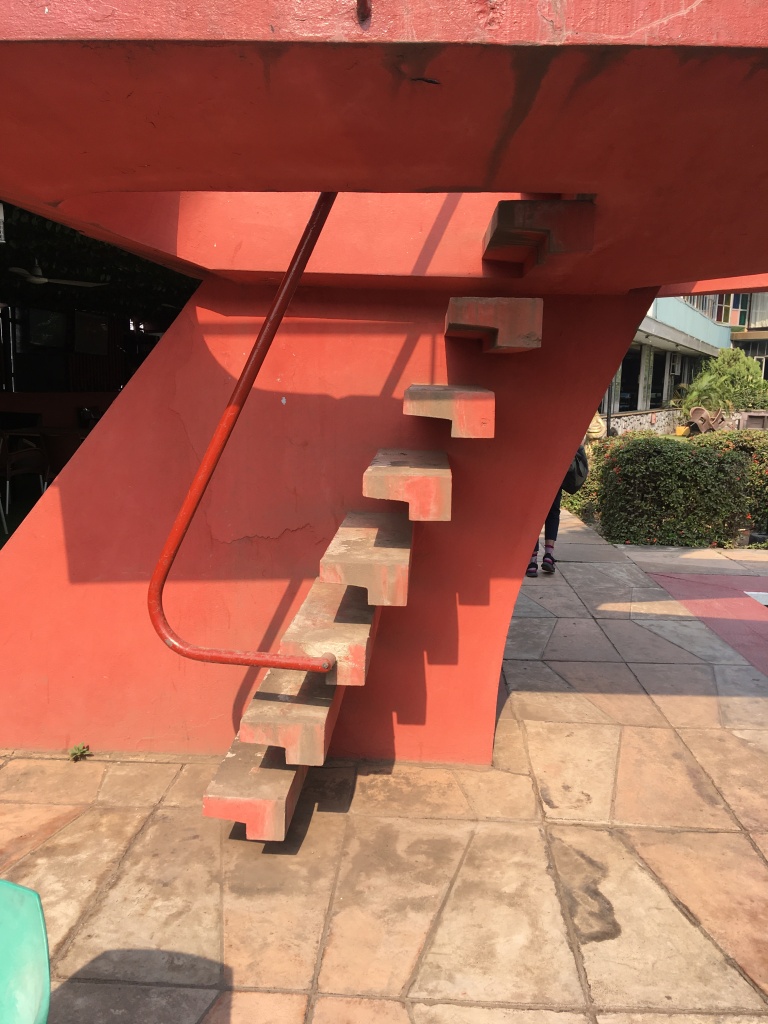
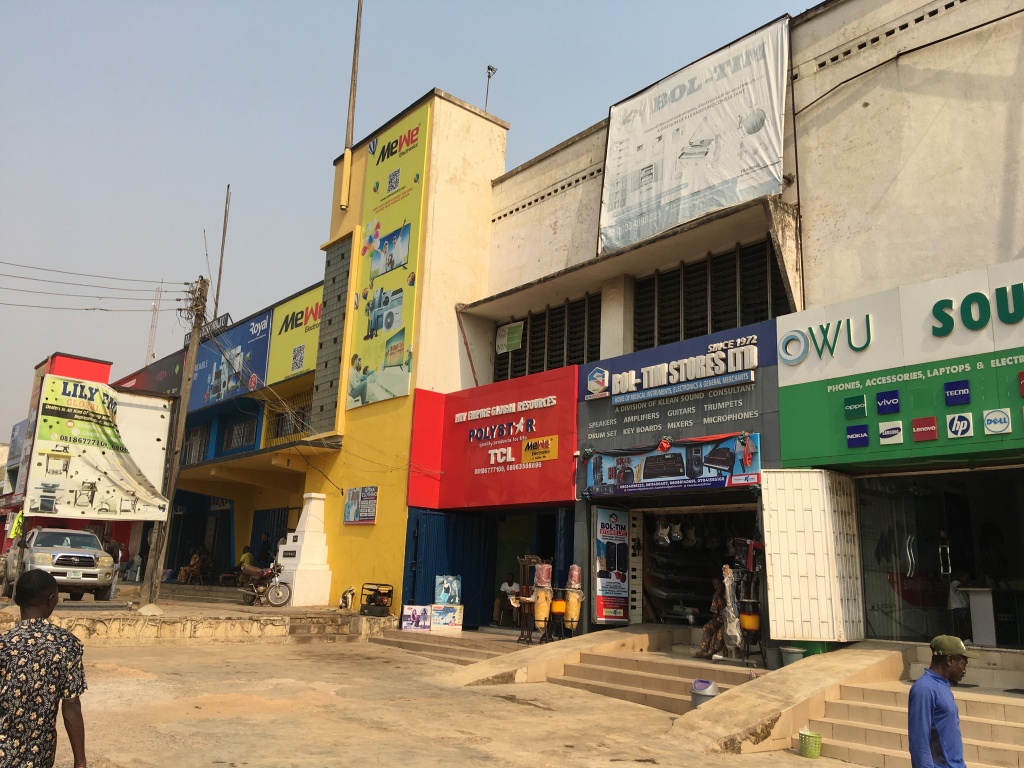
In the shadow of the 26 storey Cocoa House (Africa’s tallest structure at one point – 1964-65 , architect?, contractor Cappa and D’Alberto) is a small, much more interesting, circular building clad in mosaic and topped with a dome. The splayed cantilevered entrance leads to a swimming pool with beautiful concrete diving boards and viewing gallery. The circular building is now a night-club.

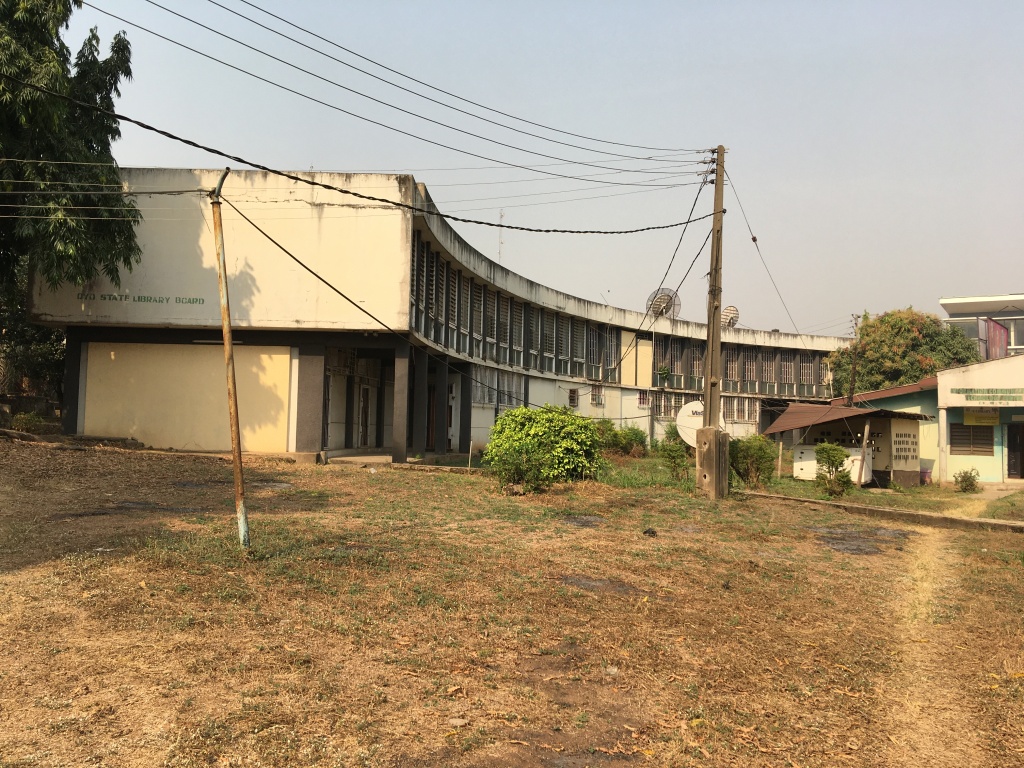
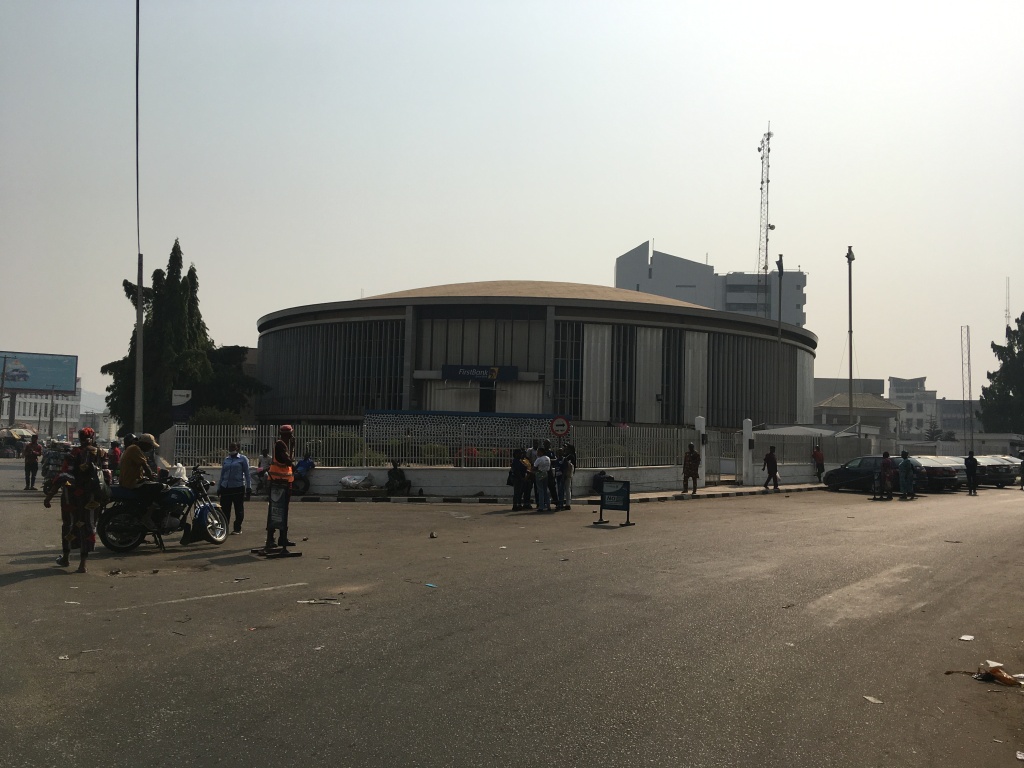
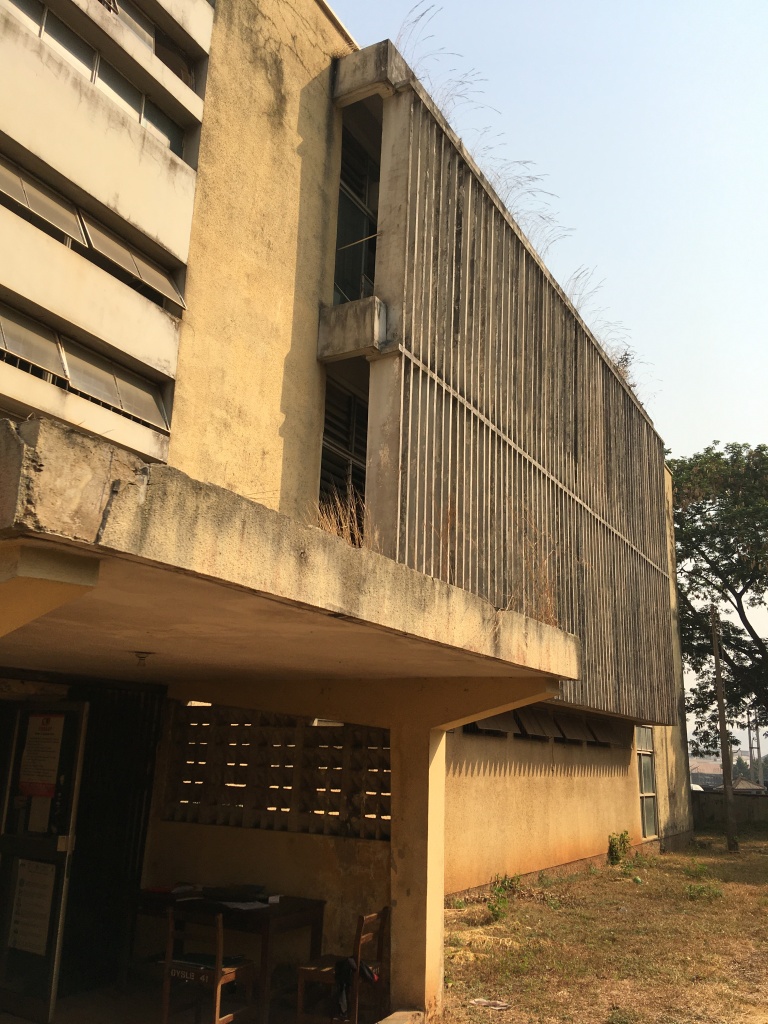
From here we visited the library complex and another domed building with vertical brise-soleil used by FirstBank. We continued to Fry and Drew’s Co-operative bank tower with its associated set of structures set behind, including the Obisesan Hall (similar to Trenchard Hall in its outline but lacking the expensive materials and finish) and a series of shops and flats. It’s an interesting grouping of projects covering a city block and bringing together office, assembly, retail, and residential spaces into a mixed use constellation.

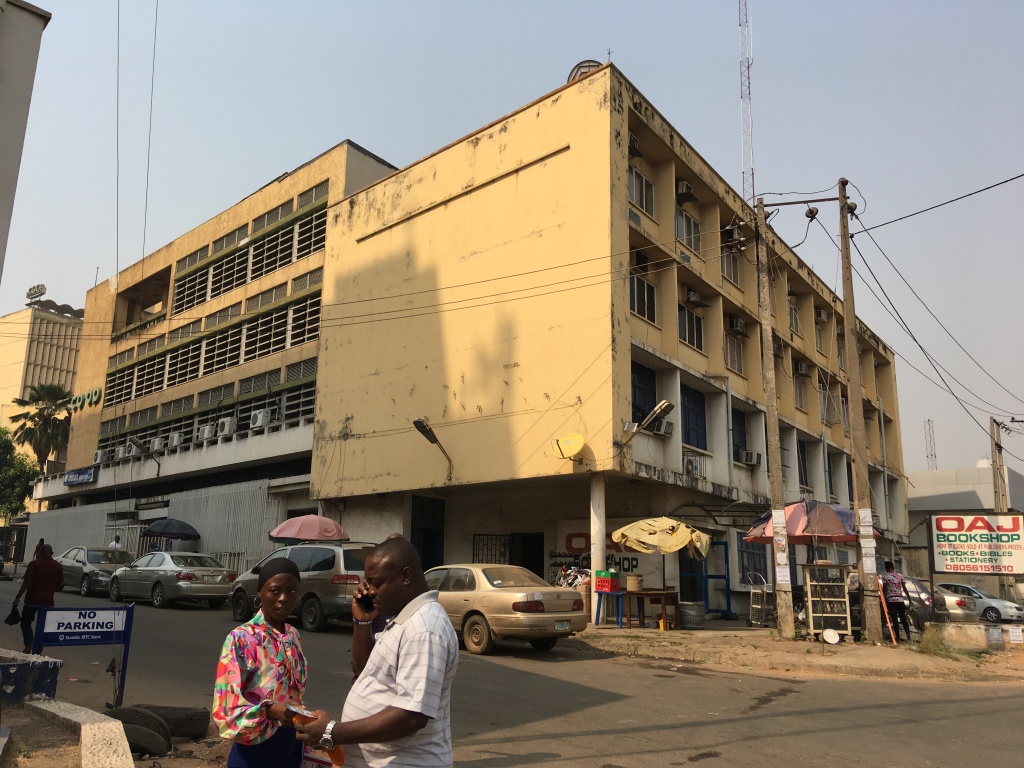
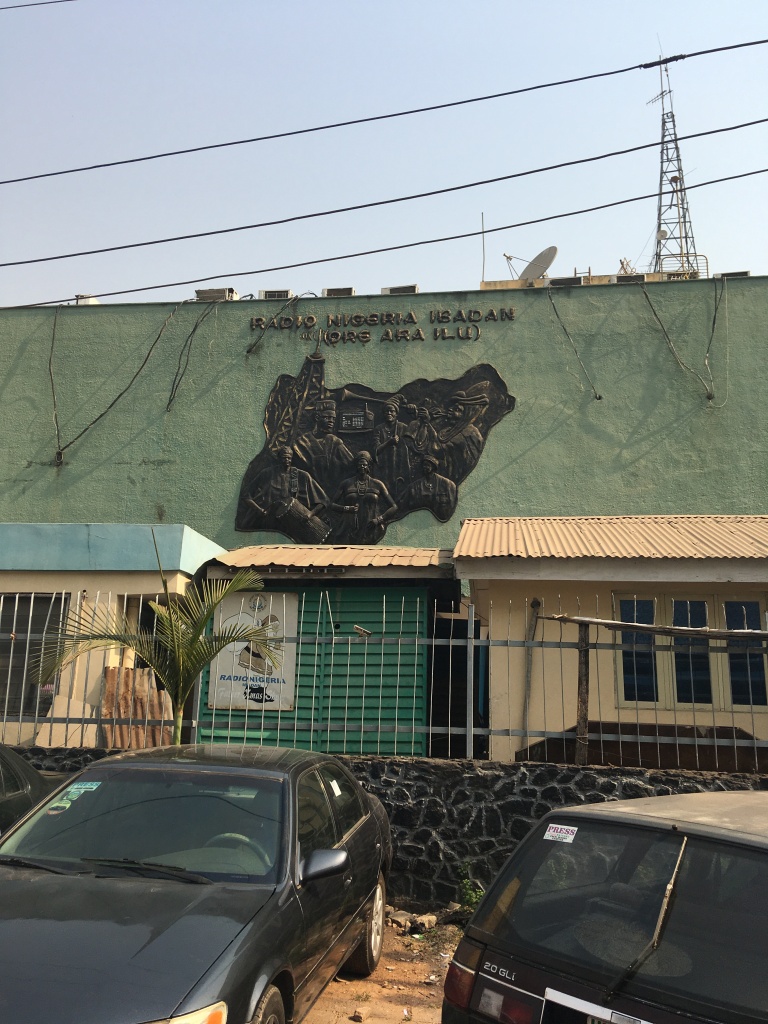
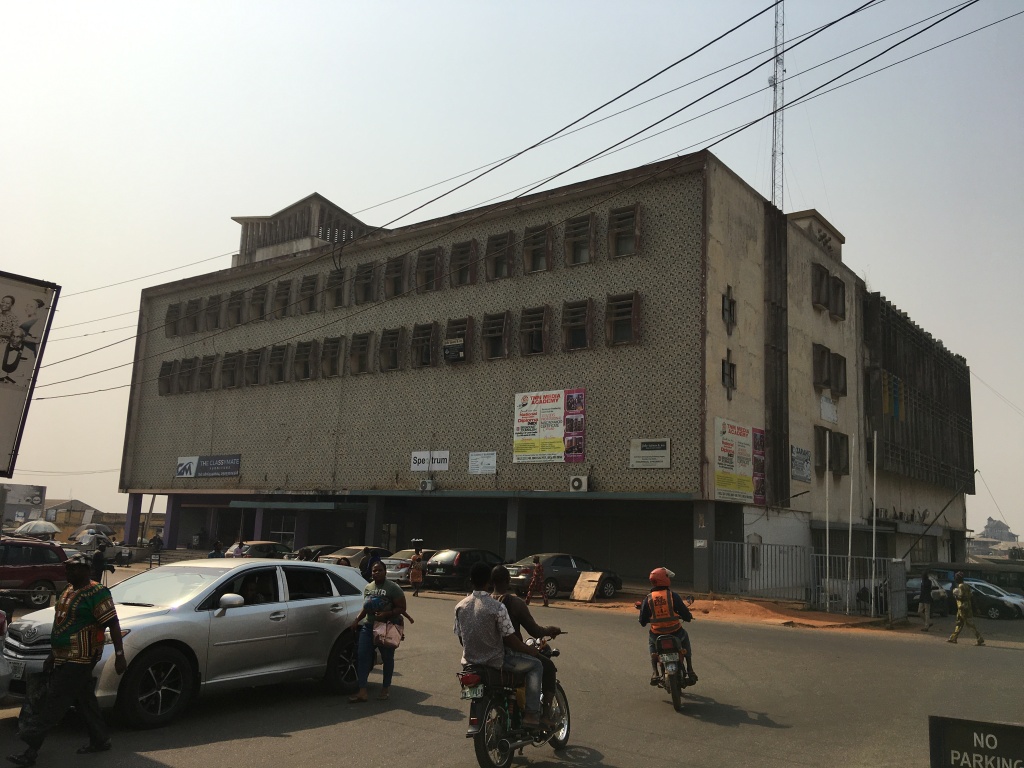
Opposite is Design Group’s Finance House (now Aje House) with the concave mosaic above the entrance. The Nigerian Broadcasting house is also here, again clad in the distinctive blue tessellating tiles that are a key feature of Ibadan’s modernist structures. The Kingsway store (by T P Bennett, 1960) has a distinctive tower competing for attention as Ibadan’s architecture increased its scale and storey heights during the post-independence boom. Each façade of the store is given a different treatment – the tricolour mosaic façade responds to the Broadcasting House opposite and whilst the east and west facing facades are treated with vast brise soleil built on rubble walling. It’s a major project, and once the largest store in the city fitted out with fine materials. Part of the building is still occupied, but it’s dilapidated and suffering from years of neglect. 

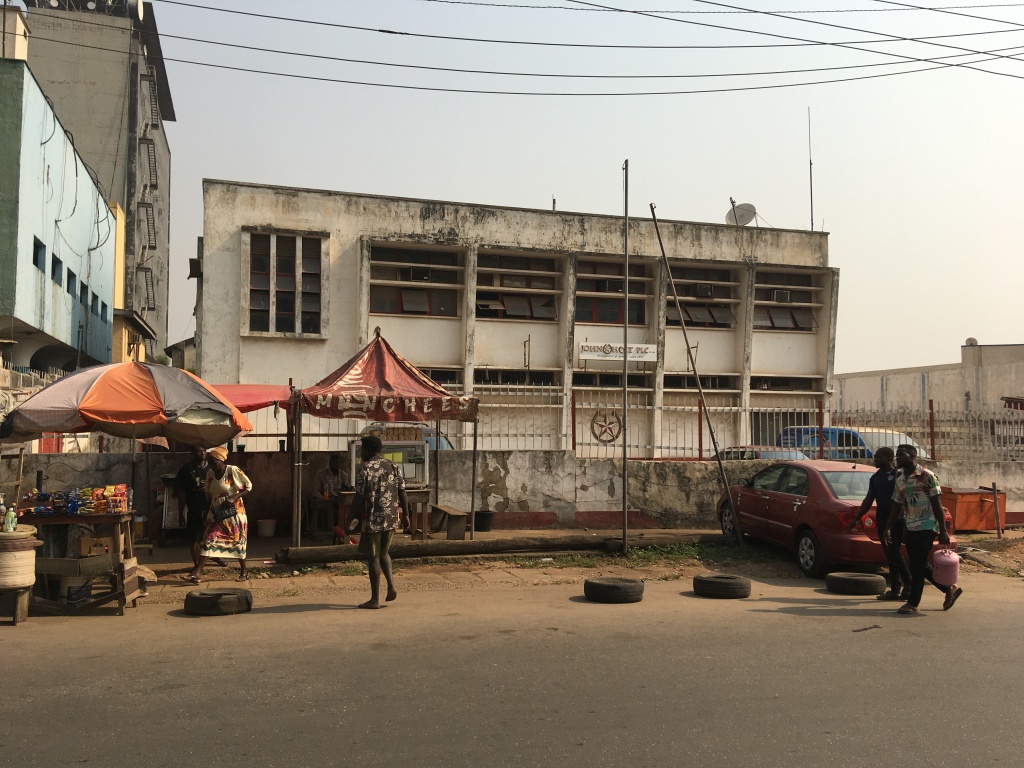
John Holts offices sits opposite and the United Africa Company offices is also amongst this mercantile cluster, with its distinctive symmetrical ‘deco’ façade and projecting canopies could be a late James Lomax-Simpson project?

We couldn’t visit Ibadan without calling at the modernist campus at University of Ibadan. We visited Trenchard Hall and the administrative block, as well as Kenneth Dike Library. As well as these Fry and Drew classics we revisited the small Chapel of the Resurrection designed by ecclesiastical architect George Pace (1915–75).

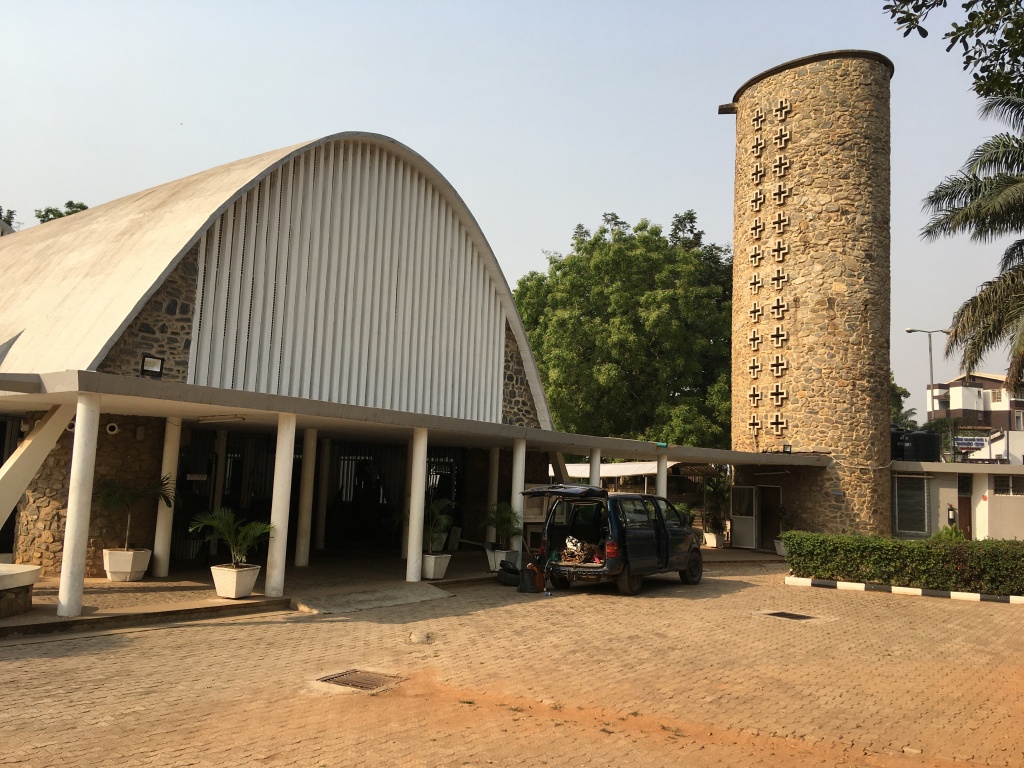
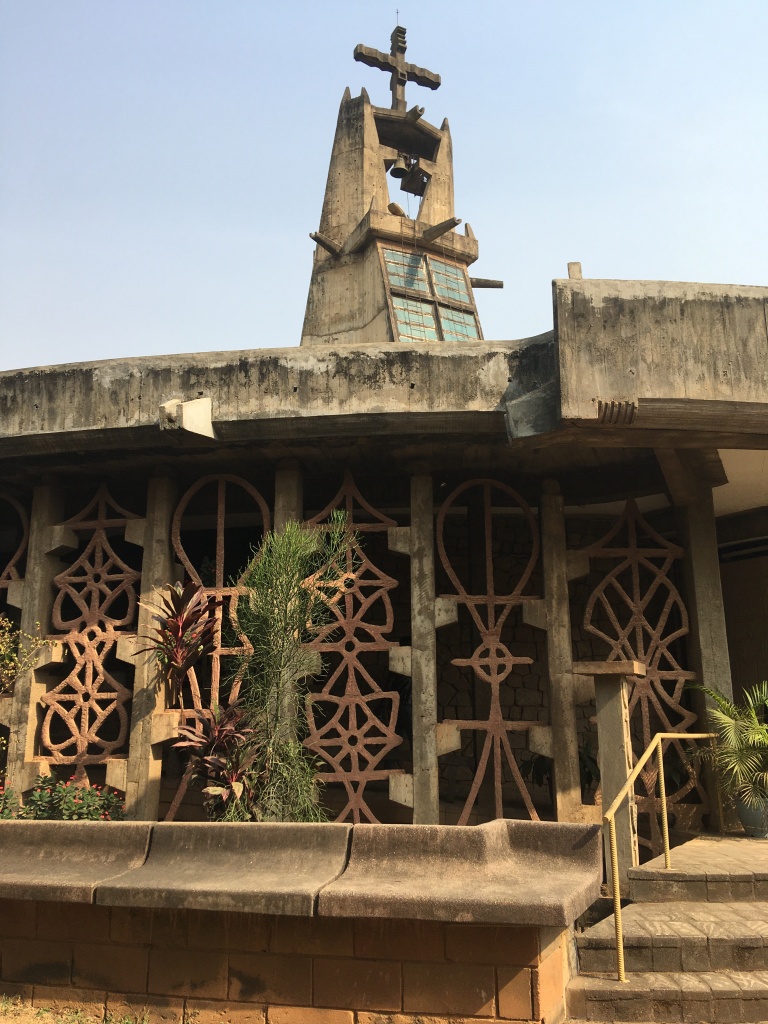
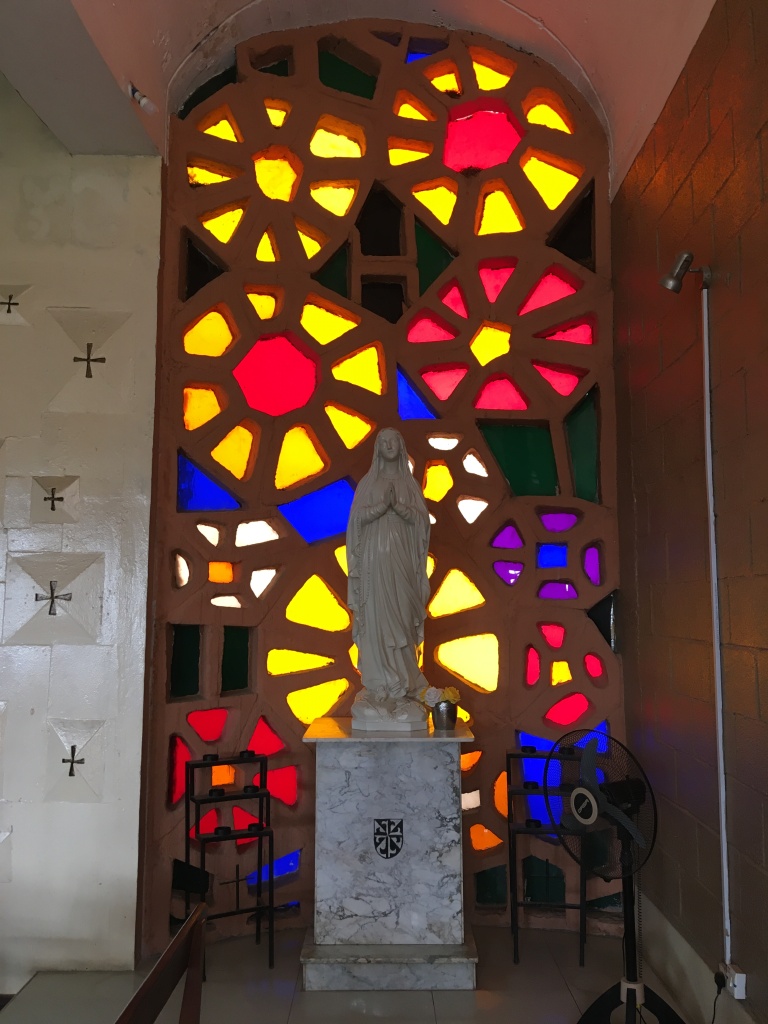
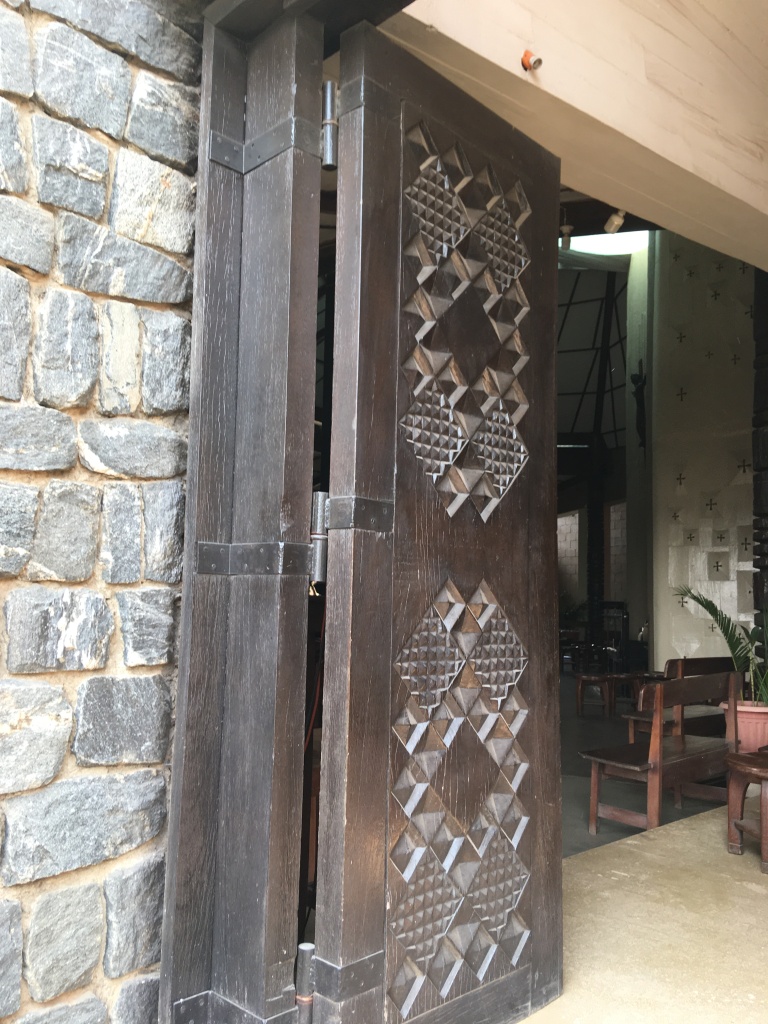
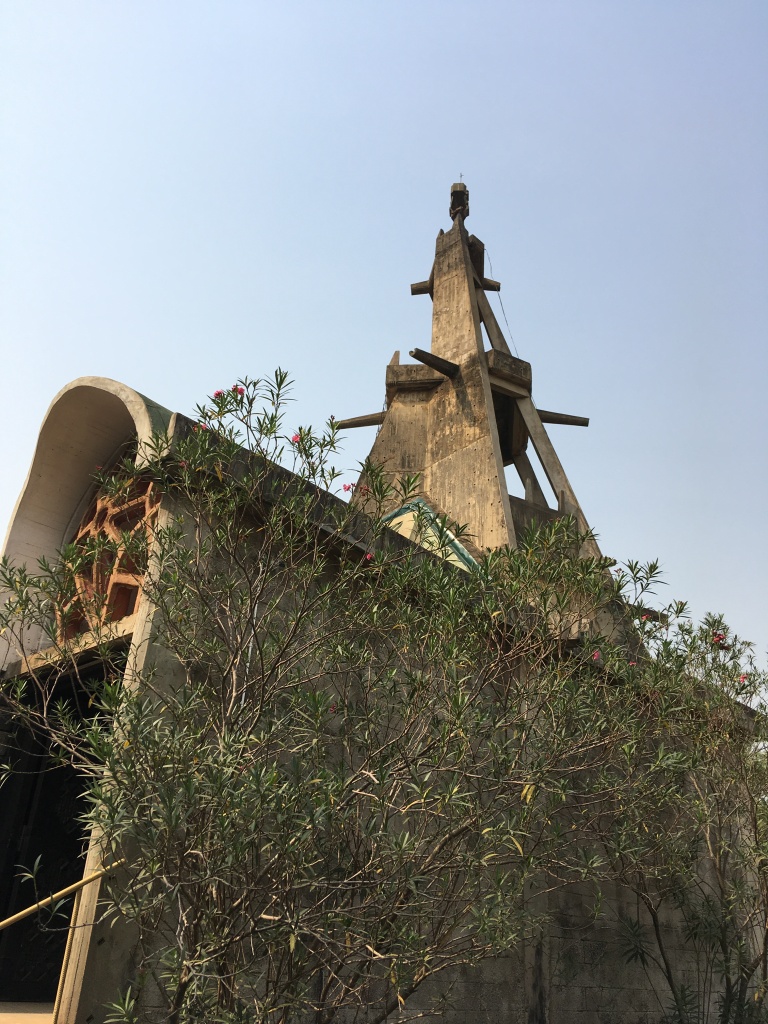
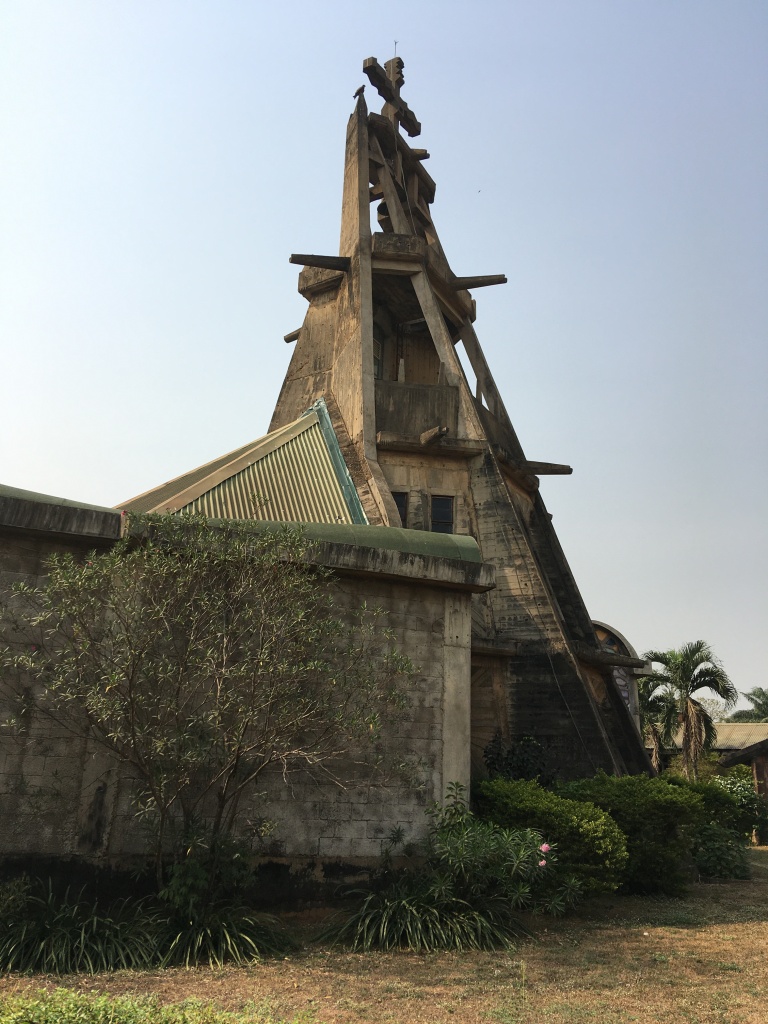
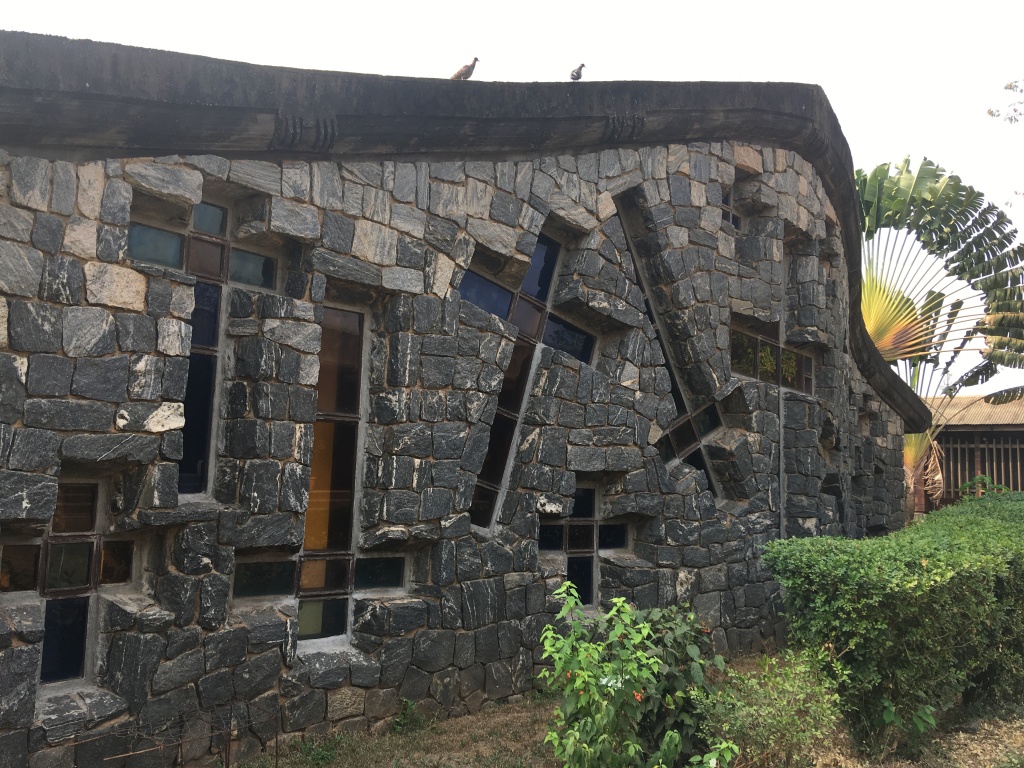
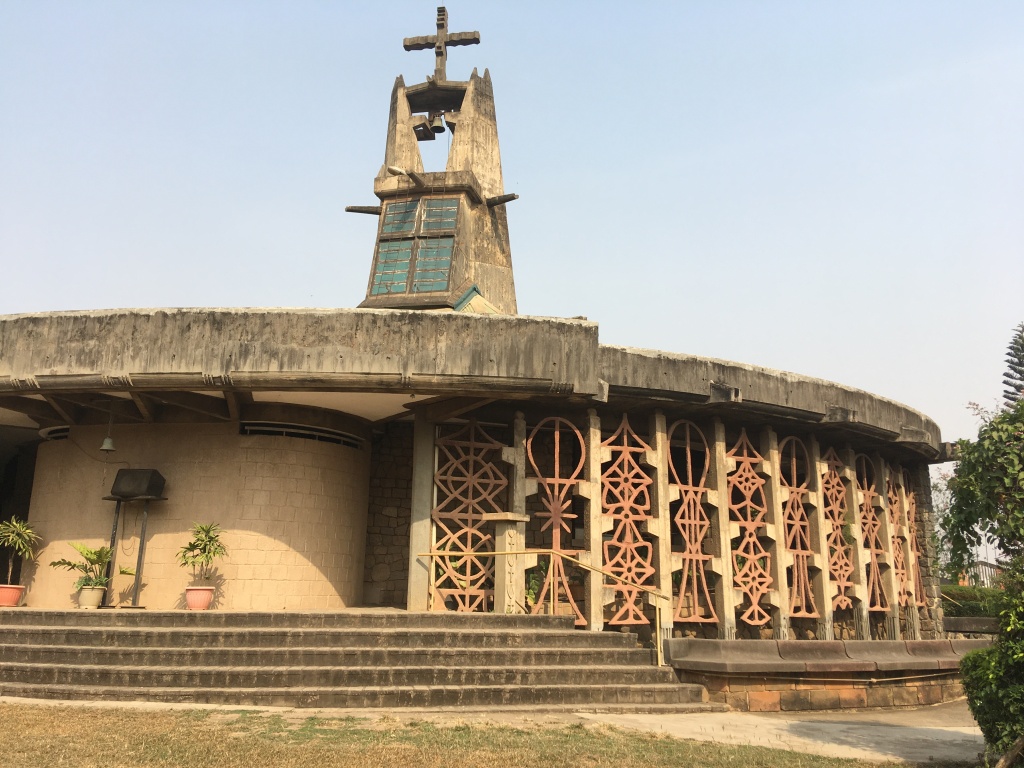
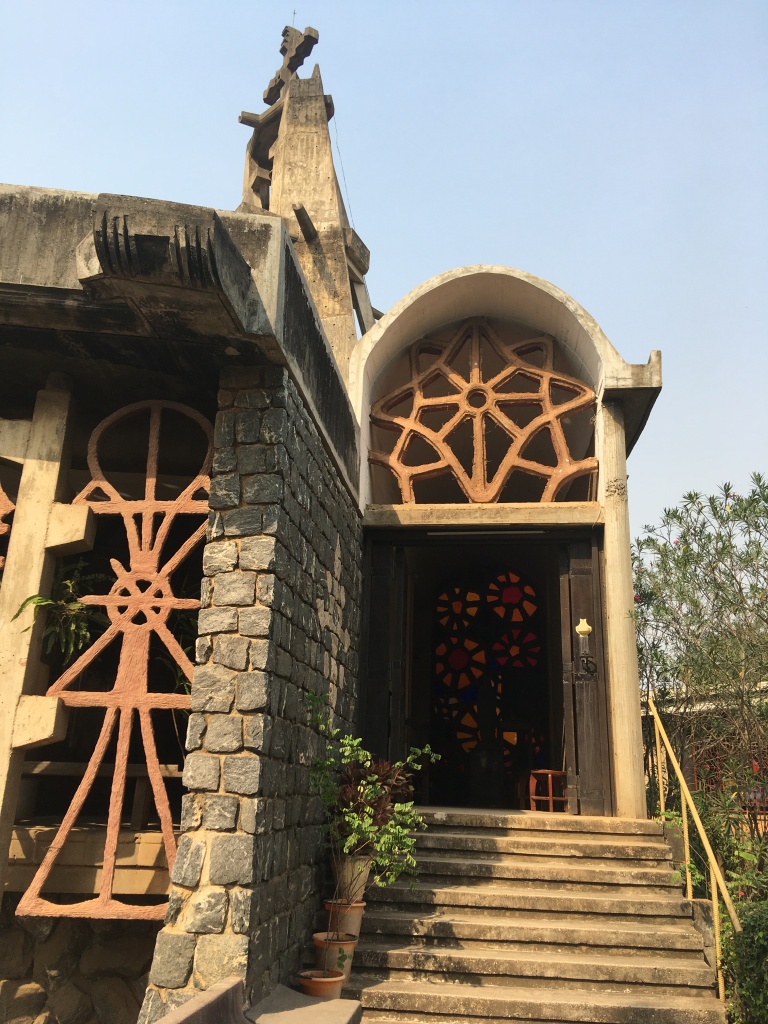
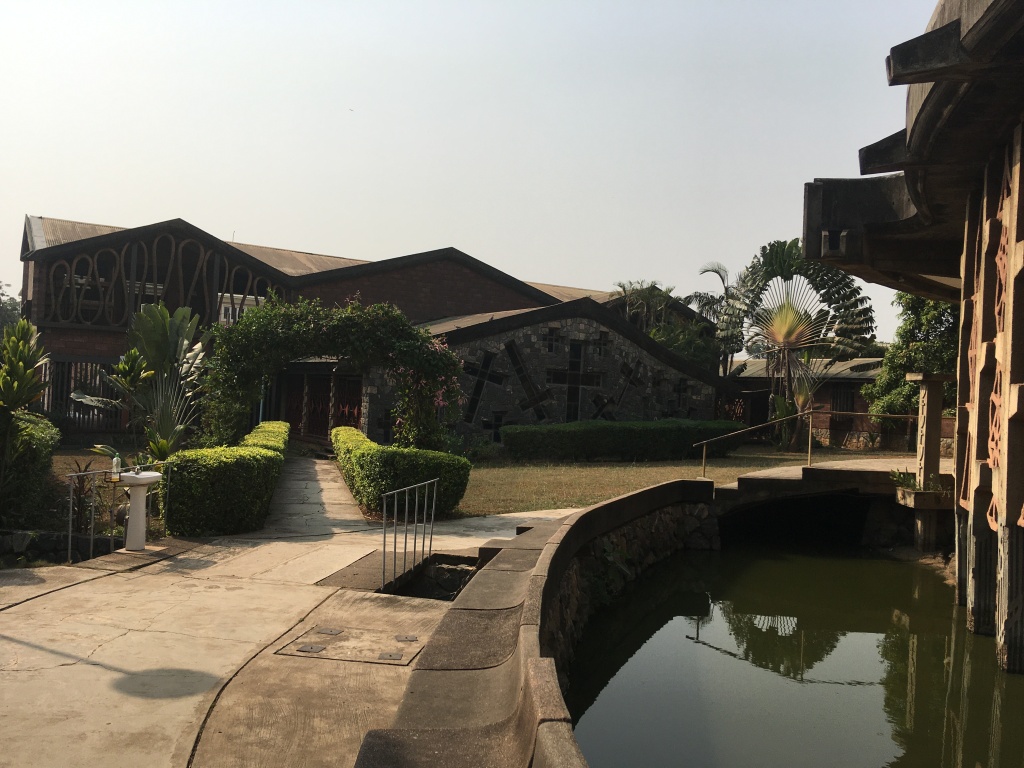
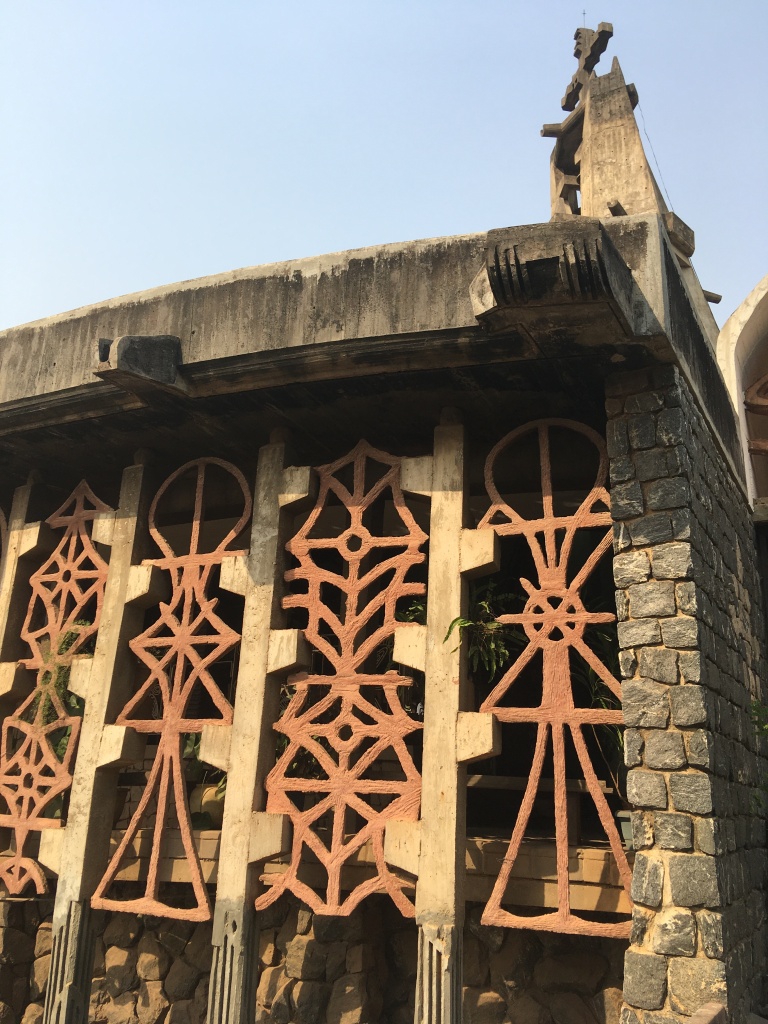
Off campus it was a real privilege to finally visit the Dominican Chapel by Demas Nwoko (b1935)- winner of the Venice Bienalle Golden Lion Award 2023. This tribute was long overdue for this visionary polymath artist. His work is difficult to describe, but easy to understand and enjoy. Architecture is Nwoko’s medium. He uses architecture (i.e. space, light, volume, materials, procession) as others sculpt clay or apply paint.

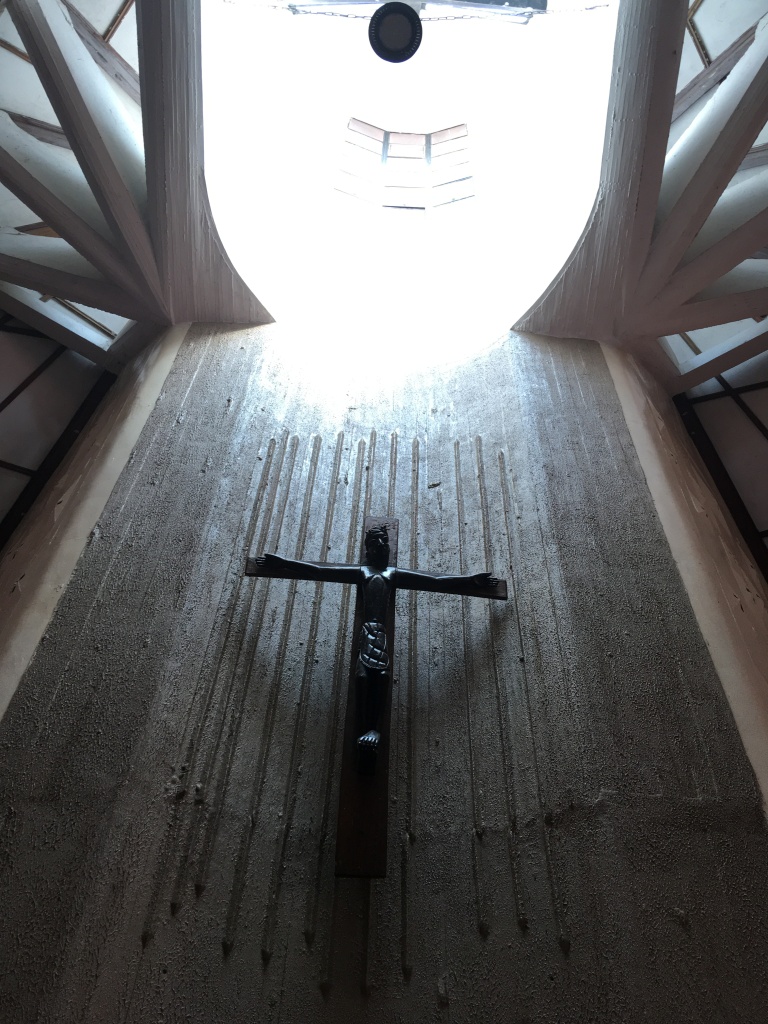
The chapel has various layers – each element works as a distinct component whilst adding to the whole. I particularly enjoyed the loggia at the back of the chapel, as well as the flow of light down from the steeple onto the alter below. It’s quirky and full of whimsey, but there are no gimmicks or affected gestures – it’s a beautiful chapel and a joyful place.

Niger House by James Lomax-Simpson. Designed for the Niger Company after they were bought out in 1920 by Lever Brothers. Lever wanted to consolidate their various offices and retail units in Lagos into a central location overlooking the Marina. The only good site available was owned by Trading Association of Nigeria. To obtain the site Lever purchased the entire company and Lomax-Simpson designed the new building there. It had a retail space on the ground floor with staff lounges and accommodation above. It wasn’t to Lever’s taste and he complained about it having a ‘town hall’ feel.

New windows have been punched through the portico and an additional storey added. In the same district of Lagos is Wilberforce House, built for Manchester cotton traders G B Ollivant. The United Africa Company was formed by the merger of Niger Company and African and Eastern, and they went on to purchase G B Ollivant in 1933.

Wilberforce House was constructed by Taylor Woodrow West Africa (and the UAC had a 50% stake in this business too).

Perhaps the most well-known UAC owned business was Kingsway Stores. They had branches across West Africa. The Lagos branch filled an entire city block and was originally designed as a store and office for the African and Eastern Trading Corporation. The Deco style portico was added later.

Central Lagos- quick picture show before (Nigeria Magazine 1962) and after (Jan 2024):

Western House by Nickson and Borys

Niger House for UAC by Watkins Grey

Book shop House Godwin Hopwood

Elder Dempster by James Cubitt – heavily modified with the new glazed facade.

Bristol Hotel by Godwin and Hopwood

Godwin and Hopwood Residence, Godwin and Hopwood

YMCA – slender single room deep plan, exposed staircase at the gable with concrete wrapping around. Commercial retail units at the base, pavilion and garden at the roof. Cracking scheme – but who is the architect?

Erhabor Ogieva Emokpae (1934-1984) and the timber carving at Unilever

The largest item in the Unilever archive at Port Sunlight is a carved timber mural by the Nigerian artist Emokpae. Stretching to over 4m x4.5m and made up of 35 individual panels, it depicts the story of palm oil harvesting and the production of palm oil.

The panels also show William Lever visiting Africa and his famous Sunlight soap brand. It’s a vast piece of history and story telling revealing that behind ever bar of Sunlight soap was a vast system of extraction, production, logistics, and international trade stemming from Western Africa. The work was commissioned for the refurbishment of Unilever House in London in 1979. As well as being an influential and important artist Emokpae was a Creative Design Director for the design agency Lintas (also one of Unilever’s subsidiary companies).

I produced a measured drawing of the carving to help me to study it more carefully and because it’s almost impossible to photograph the original work in a single frame whilst capturing the detail. Together with Unilever’s Global Head of Art, Archives, and Records Management Claire Tunstall, we began discussing using the drawing to produce an animation that would help to explain part of the work and also make it more accessible. We shared our ideas with the agency Stone and Glow and commissioned them to develop an animation based on our text, keyframes, and artistic direction. We’re delighted to be able to share this with you here and hope you enjoy it:

Have a look here for Claire’s article : https://www.archives-unilever.com/discover/stories/bringing-our-collections-to-life .

I wanted to know more about Emokpae’s work and found some fascinating material in the Nigeria Magazines. Emokpae had worked on some major projects in Lagos and I’ve been eager to view them ever since. At the National Theatre (designed and constructed by the Bulgarian Techno Exporstroy in 1976) Emokpae was commissioned to produce the friezes that wrap around the lower parapet of the theatre as well as a series of mosaic murals at the entrances.

He also won a competition to design a concrete installation at the Nigerian Institute of International Affairs – a significant building designed by Design Group. Here Emokpae’s ‘The Art of Understanding’ is composed of a large concrete mural with mosaic backing. The project also featured in Nigeria Magazine no.96 1968 with an extended article written by Alan Vaughan-Richards.

We’ve written a short article on Emokpae too that will feature in the forthcoming https://www.aaschool.ac.uk/publicprogramme/whatson/as-hardly-found-in-the-art-of-tropical-architecture publication in 2024.

The AHUWA-Unilever Sponsored African Archives Collaborative Research Project 

Two days were spent on Merseyside at the Unilever Archive and then at the University of Liverpool with senior research historian colleagues from the Universities of Ghana and Lagos in Western Africa. Professor Sam Ntewusu, head of the Institute of African Studies at the University of Ghana, and Professor Ayo Olukoju, of the Institute of African and Diaspora Studies at the University of Lagos.

Iain Jackson, Ola Uduku, Ayo Olukoju, Claire Tunstall, Sam Ntewusu at Unilever, Port Sunlight

The objective of the visit was to visit and introduce Profs Olukoju and Ntewusu to the Unilever archive collection at Port Sunlight, particularly its subsidiary the United Africa Company’ (UAC)’s extensive holdings on Western Africa covering its various business interests in the region. The symposium which took place the next day involved presentations by Profs Olukoju and Ntewusu on the state of archives and archival research in West Africa, which was attended by Merseyside researchers and PhD students.


Professors Olukoju and Ntewusu at Unilever, Port Sunlight with bust of William Lever

The two-day visit also enabled discussions to be had about future collaborations at various levels, research, knowledge exchange capacity building at Masters degree level, and forms of impact for institutions in Western Africa and also the the UK and NW England in particular. Our thanks to all who contributed to the symposium. Particularly Claire Tunstall, and her team at the Unilever Archives, Dr Abraham Ng’an’ga of the Andrew Walls Centre, Liverpool Hope University, Alex Buchanan, Archival Studies, University of Liverpool History Department, Suzie Goligher, Afrograph Ltd, and all other individual and institutional contributors to the symposium. 

MoU signed by the University of Liverpool’s APVC for the Faculty of Humanities Professor Fiona Beveridge, and received by Professor Olukoju, on behalf of the University of Lagos

The visit also coincided with the finalised signing off of the Memorandum of Understanding which has now been established between the University of Liverpool and the University of Lagos. The formal MoU, was signed by the University of Liverpool’s APVC for the Faculty of Humanities Professor Fiona Beveridge, and received by Professor Olukoju, on behalf of the University of Lagos

Ola Uduku

THE AFRICAN ARCHIVAL EXPERIENCE 

CHALLENGES IN ARCHIVAL CURATION AND ARCHIVAL-BASED RESEARCH WORK IN WEST AFRICA 

12.30pm Tuesday 11th July 2023

Room G.04 Liverpool School of Architecture Building, Abercromby Square, Liverpool

Zoom Link: Contact ijackson@liverpool.ac.uk for the link

Abstract:

We are delighted to be able to host Professor Ayo Olukoju (Institute of African and Diaspora studies, University of Lagos) and Professor Sam Ntewusu (Institute of African Studies University of Ghana) who are visiting the University of Liverpool and also the Unilever Archives to explore the possibilities of future collaborative research and teaching activities across our institutions and others in NW England.

Both Professors are historians who have worked with archival sources in their research in West Africa. They have generously agreed to share, through this seminar, the challenges and issues with working with archival material and sources from a West African perspective and also some of the hopes they have for future collaborations.

Do join us to hear their views and also join the conversation – how do we make the most of archives in the 21st century in different locations and places? Importantly do we need to decolonise the archive, and if so how?  

All Welcome: 

A sandwich lunch will be provided at Room G.04

Professor Ola Uduku

Co-director AHUWA Research Centre 

Hosted by the AHUWA Research centre  in association with Unilever Archives, School of History and Institutes of African Studies and African Diaspora Studies  at the University of Ghana, and the University of Lagos