Archive

Tag Archives: architecture

As Hardly Found: Art and Tropical Architecture centres artists and artworks that have so far been overlooked by histories of ‘tropical architecture’. In this collection of essays, historians, artists and archivists address works of art connected to epicentres of teaching and practice within the movement – focusing on the Department of Tropical Architecture at the Architectural Association and its collaborators such as Kwame Nkrumah University of Science and Technology – which emerged in the mid-20th century alongside anticolonial struggles that dismantled the British Empire.

Here, authors use creative, critical and speculative methods to inhabit the gaps in archives of tropical architecture, highlighting artworks in Nigeria, Ghana, India, Indonesia, Singapore, Costa Rica, Cuba and the UK. Their contributions trace connections within a network of relations between art and architecture; one which recentres the rich and diverse forms of environmental knowledge, social values and material cultures contributed by artists working in these contexts.

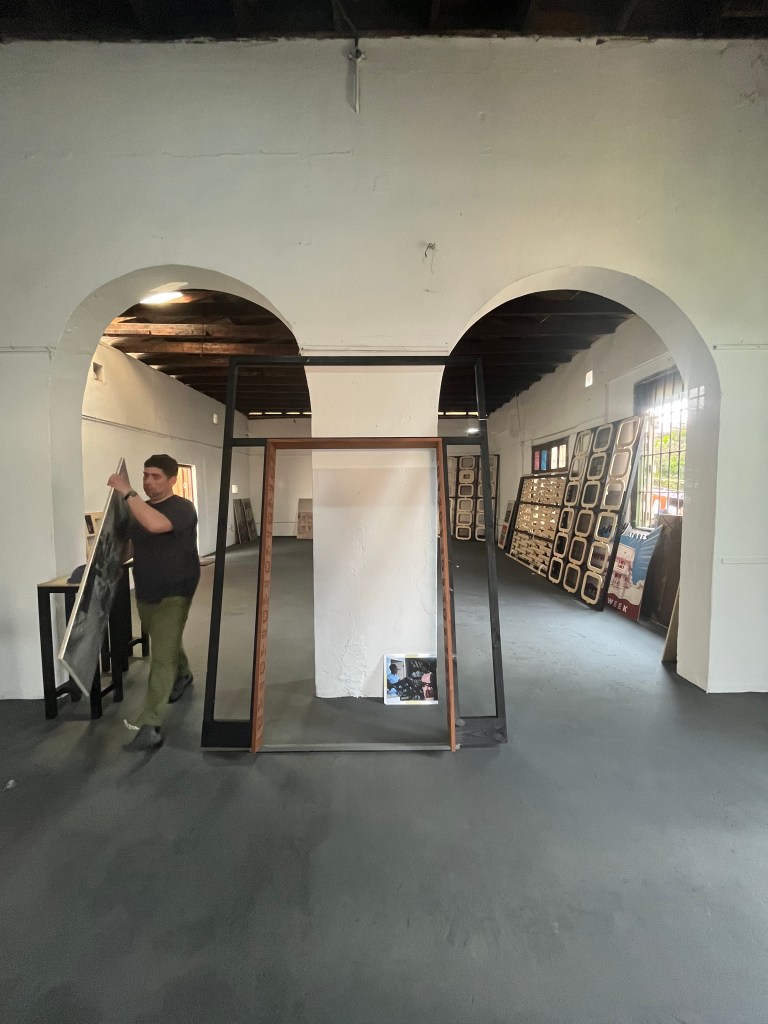
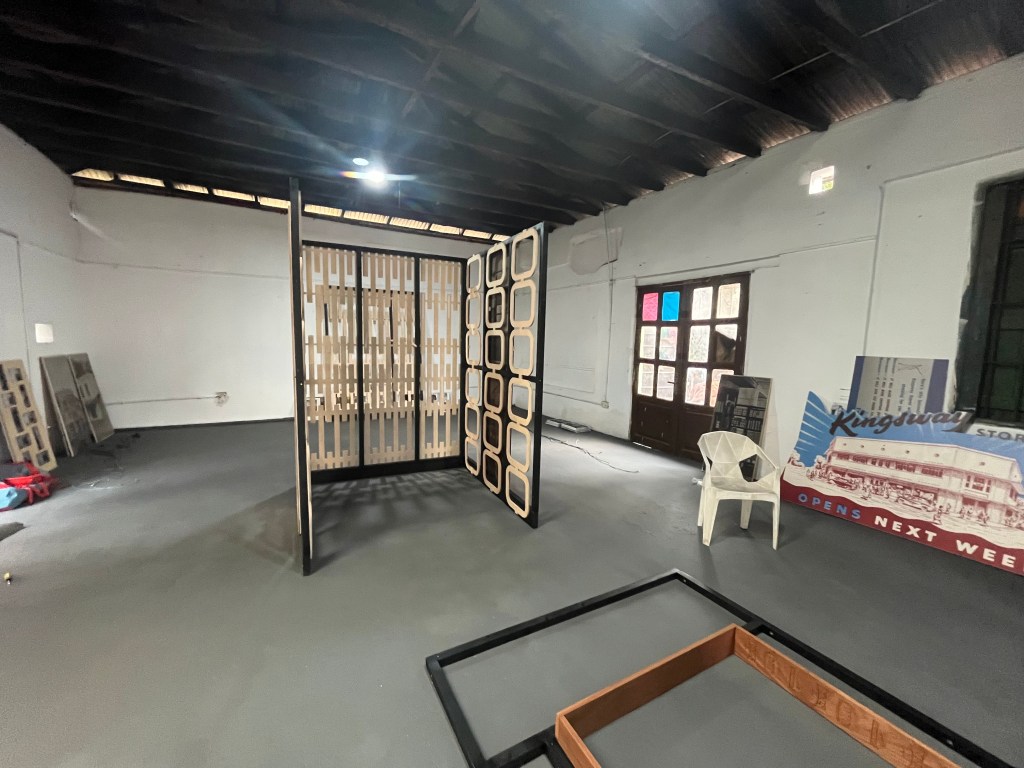
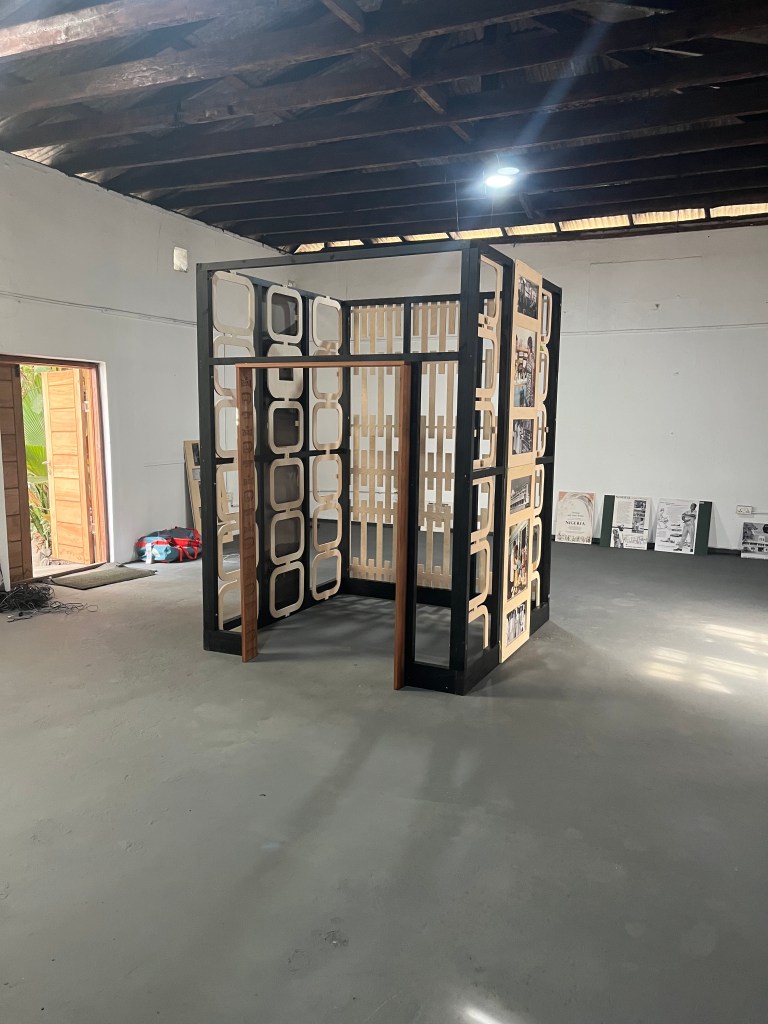
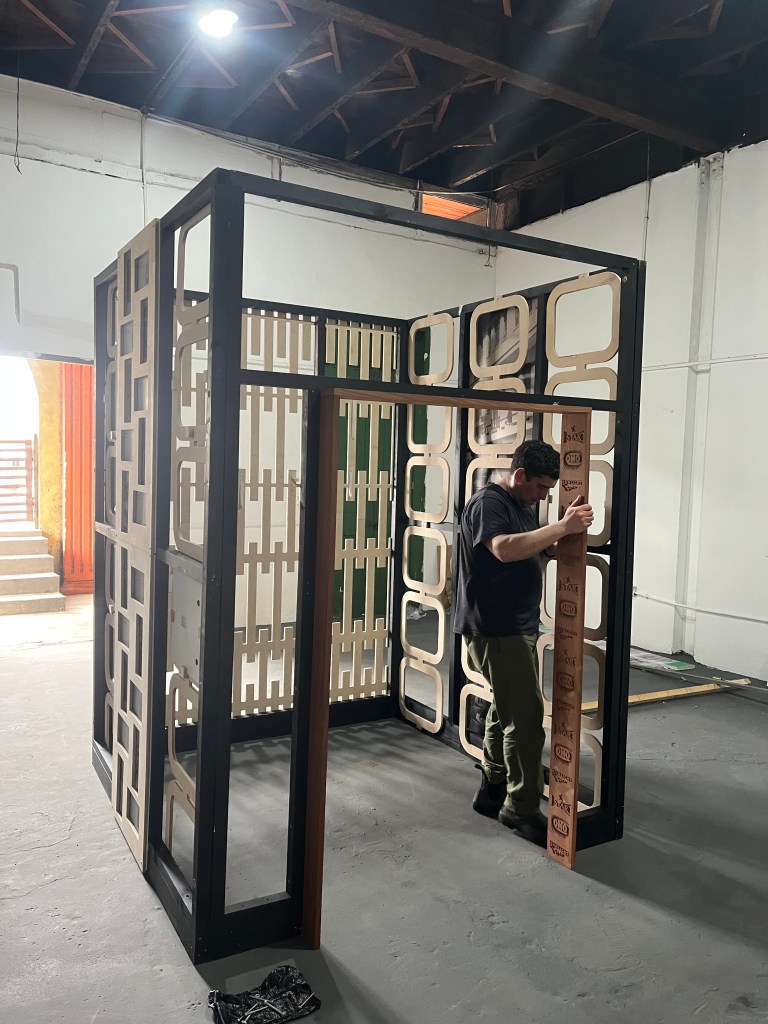
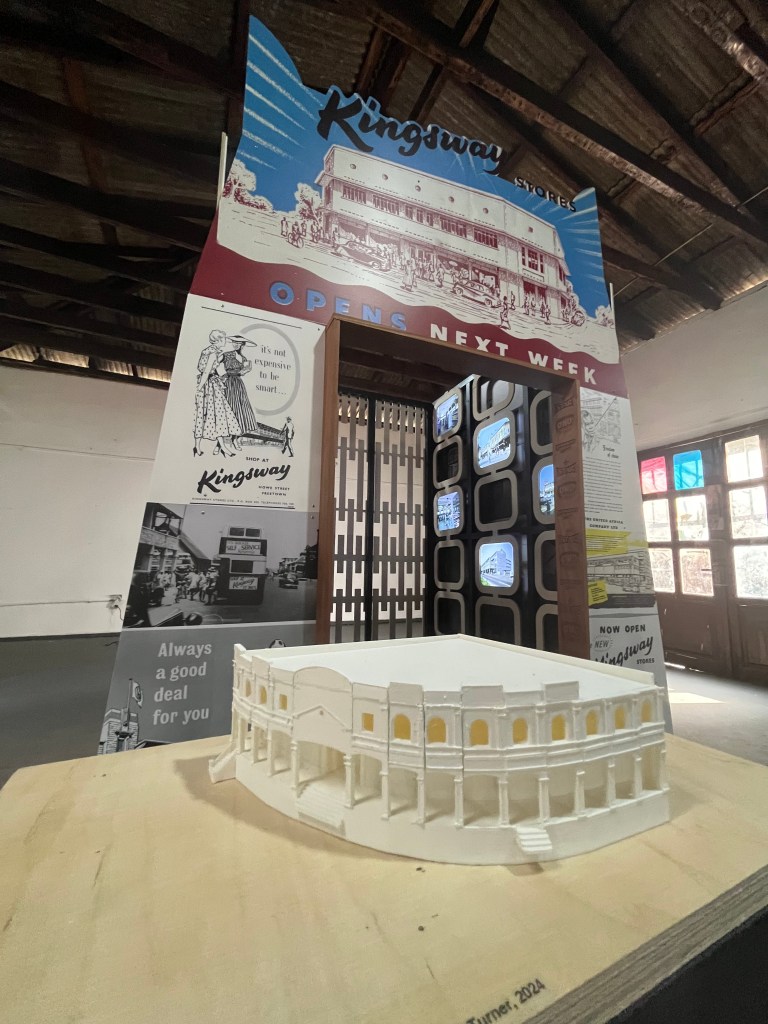
We are delighted to welcome the editor, Albert Brenchat-Aguilar, and the team from AA Publications, who will give a short introduction to the book. A small installation will accompany, food and refreshments will be provided.

More info here: https://www.aaschool.ac.uk/publicprogramme/whatson/as-hardly-found

Book contents:

  1. Foreword by Ingrid Schroder
  2. As Hardly Found by Albert Brenchat Aguilar
  1. Bea Gassman de Sousa, Pencils and Ink: Ben Enwonwu’s Boy Reading
  2. karî’kachä seid’ou, A Silent Witness: J C Okyere’s Lonely Woman
  3. Juliana Yat Shun KeiThe Unspeakable and the Unspoken: Theo Crosby’s Graphic Communication in Architectural Design
  4. Mark CrinsonThe Frontiers of Architecture: Eduardo Paolozzi’s Man with a Camera
  5. Kennii Ekundayo, Ecological Synthesis: Bruce Onobrakpeya’s Eketeke and Erhevbuye and Tree in a Landscape
  6. Ben Highmore, Flesh Feeling: Magda Cordell’s No 8
  7. Hannah Le Roux and Pedro Guedes, Zebra Attack: Pancho Guedes’s The ‘Buedes’ Mural 
  8. Pepe Menendez, Following (Foot)Prints: Tony Évora’s Poster for OSPAAAL
  9. Vandana BawejaCounter-Narratives of Tropicality: Asiru Olatunde’s Aluminium Repoussé Panels 
  10. Joleen Loh, Multi-Directionalities: The photographs of Kim Lim
  11. Adedoyin Teriba, Ever-Changing Nature-Cultures: Demas Nwoko’s Crafts Men at Work
  12. Albert Brenchat-Aguilar, Artemis Morgan, Çağla Kazanlı, Mina Gürsel Tabanlıoğlu, and Yiru Wang, Climate Anti-Determinism: Avinash Chandra’s Fire
  13. Rachel LeeWhere Are the Beautiful Moments? Homi J Bhabha’s Dove Sono i Belli Momenti?
  14. Lena Naumann, Forms of Significance: Susanne Wenger and the New Sacred Artists
  15. Antoni Malinowski, Hello, Shelagh: Shelagh Wakely’s KNUST Occasional Report cover
  16. Shirley Surya, Where Rivers Meet, a Dome: I Ketut Tagen’s Untitled (Bale, Bunder, Windhu, Anne, Bali, Ubud, Campuan)
  17. Courage Dzidula Kpodo, A Stranger Form: Kwaku bonsu’s Postcard of Prempeh II Sculpture
  18. Ikem OkoyeTesserae and Sovereignty at Risk: Yusuf Grillo’s Lagos City Hall Murals
  19. Zhijian Sun and Wei Weiting, Experts and Amateurs: Khoo Sui Hoe’s Children of the Sun
  20. Natalia Solano Meza, Experiments in Dissent: Felo García’s 20 Años de Pintura 
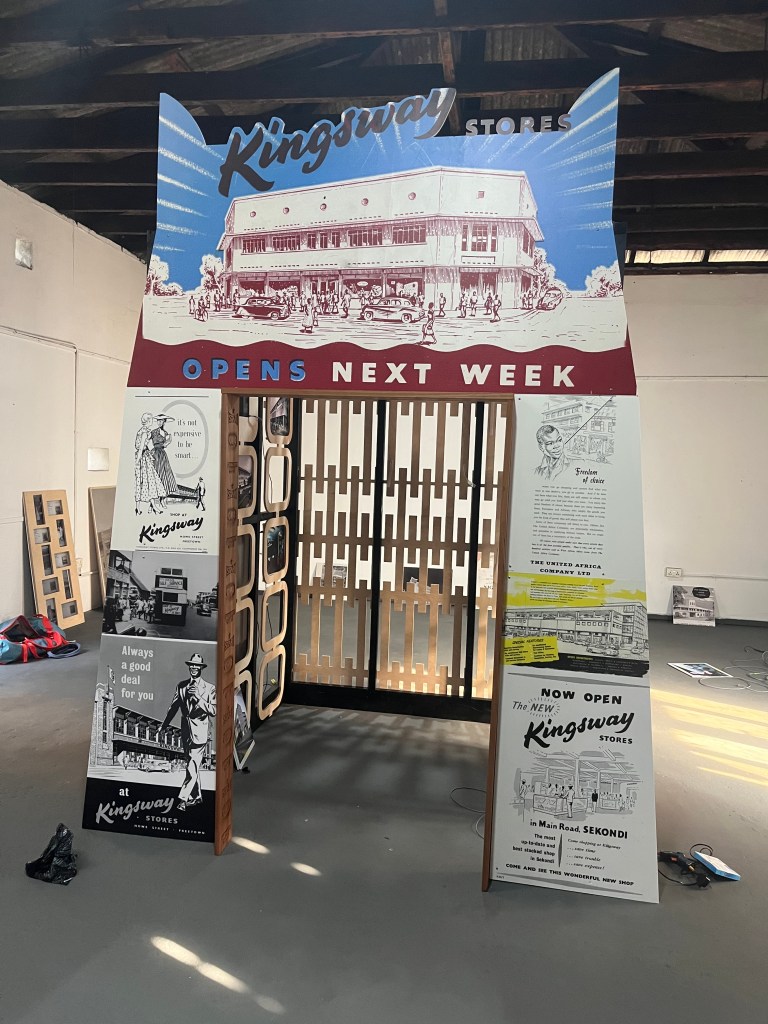
  21. Iain Jackson, Claire Tunstall, and Helen Unsworth, Something Unsettling and Subversive: Erhabor Emokpae’s Mural for the United Africa Company                               
  1. Epilogue by Bernard Akoi-Jackson (KNUST, Kumasi), A set of Artistic Speculations on Imperatives that are Structural and Systemic          
  2. Epilogues on Fiction: by Ella Adu, Mariana Castillo Deball, Ato Jackson, Debbie Meniru    
  3. Epilogue by Priya Basil, Archive Fever

Spaces for Health and Healing in Africa

Symposium 16 – 17 April 

Liverpool School of Architecture 

Liverpool School of Architecture, at the University of Liverpool and the Program in the History of Science, Medicine, and Technology of the Johns Hopkins University invite proposals for a hybrid symposium to be held in Liverpool from the 17-18 April 2025.  

Pathology Labs, Korle Bu Hospital, Accra, c1958

We welcome presentations that explore various settings for health and healing, such as shrines, sacred healing huts, and herbal ‘apothecaries’ and other spaces for indigenous medicine and healing practices; ‘basic’ health care infrastructure incorporating dispensaries, clinics, and hospitals  developed for early missionary and colonial medicine; post-independence medical centres. We are also interested in papers examining the use of healthcare ‘vectors’ such as barefoot doctors, travelling midwives and paramedics and their spread of health care practices such as vaccinations, and childhood nutrition programmes in urban and rural areas. 

We are interested in the settings for full range of medical specialisms from paediatrics to psychiatry and also more contemporary physical design responses to contemporary pandemics such as Ebola and Covid. Evidence and records of mixtures of indigenous and western healthcare practices in some community settings and the emergence and involvement of teaching hospitals in healthcare planning is also of interest.  

Other possible topics include the role of military hospitals, colonial and modern, and contemporary healthcare infrastructure and provisions for displaced persons and refugees.  We encourage interdisciplinary approaches–history of medicine, medical anthropology and sociology, oral history, among others. 

Our area of interest is the African continent, from the ‘MEANA’ countries of the maghreb, north of the Sahara, to all countries South of the Kalahari and East and West of the Sahara. Health and healing facilities on islands in proximity to main continental mass such as Zanzibar, Mauritius, Fernando Po and Cape Verde are also of unique interest. 

We are seeking to publish selected outputs from the symposium in a volume currently under negotiation with the publisher. We welcome abstracts (500 words max) and short CVs (1page) Please also indicate whether you intend to deliver your paper in person or online. For more information please contact  Ola Uduku o.uduku@liverpool.ac.uk or Bill Leslie, swleslie@jhu.edu

Stanek Ł. Hegemony by Adaptation: Decolonizing Ghana’s Construction Industry. Comparative Studies in Society and History. Published online 2024:1-34. Full paper available here: doi:10.1017/S0010417524000185

Soviet Uzbekistan Today (Through the Republican Press Pages). August. (Tashkent: The Uzbek Society of Friendship and Cultural Relations with Foreign Countries, 1963).

This paper discusses competing visions of the decolonization of Ghana’s economy during the first decade of the country’s independence from Britain (1957–1966), and the agency and horizon of choice available to the Ghanaian decision-makers in charge of implementing these visions. It focuses on Ghana’s construction industry, both as an important part of the national economy and as a condition for Ghana’s broader social and economic development in the context of colonial-era path-dependencies and Cold War competition. By taking the vantage point of mid-level administrators and professionals, the paper shows how they negotiated British and Soviet technological offers of construction materials, machinery, and design. In response to Soviet claims about the adaptability of their construction resources to Ghana’s local conditions, the practice of adaptation became for Ghanaian architects and administrators an opportunity to reflect on the needs, means, and objectives of Ghana’s construction industry, and on broader visions of Ghana’s economic and social development. Beyond the specific focus on the construction industry, this paper conceptualizes the centrality of adaptation in enforcing technological hegemony during the period of decolonization, and discusses African agency beyond the registers of extraction and resistance that have dominated scholarship on the global Cold War.

Ewan Harrison, Rixt Woudstra and Iain Jackson, “Accelerating Development: Taylor Woodrow and Arcon’s Prefabricated Steel Structures in Decolonizing West Africa”, ABE Journal [Online], 23 | 2024, Online since 01 October 2024, connection on 01 October 2024. URL: http://journals.openedition.org/abe/16130

Construction of the Sapele Sawmill, Nigeria, 1946. UAC 2/13/b/7/1, reproduced with permission from an original in the Unilever Archives, UAC 2/13/B/7/1.

In 1943, in the middle of World War II, the British architects Edric Neel (1914-1952), Raglan Squire (1912-2004), and Rodney Thomas (1902-1996) created Arcon (short for Architectural Consultants). Focused on applying factory mass production systems to the building industry, Arcon engaged in an unusual, yet close, partnership with the civil engineering contracting company Taylor Woodrow. While their first project became one of Britain’s most popular post-war “prefabs,” it is little known that in the years thereafter a similar structural steel system was widely marketed in Britain’s West African colonies, where it became one of the most frequently used prefabricated building designs. Through the support of Taylor Woodrow, which acted as the agent for Arcon’s worldwide implementation, the prefabrication system was utilized in a range of contexts: to build houses for British companies, to build schools and market halls for colonial governments, and, of most interest here, to build factories and warehouses for the United Africa Company (UAC), as part of the industrialization drive that accompanied decolonization in the 1950s. The UAC was part of Unilever, and one of the largest conglomerates of trading and manufacturing interests active across “British” West Africa. It entered a partnership with Taylor Woodrow to jointly market the Arcon system, thereby profiting from the erection of its own buildings, and the sale of the Arcon system of construction to colonial and subsequently, post-colonial governments across the region. Today, Arcon structures, often sizeable sheds clad with imported metal sheets or locally available timber, can still be found across Ghana, Nigeria, and Sierra Leone.

Full open access paper available here: http://journals.openedition.org/abe/16130

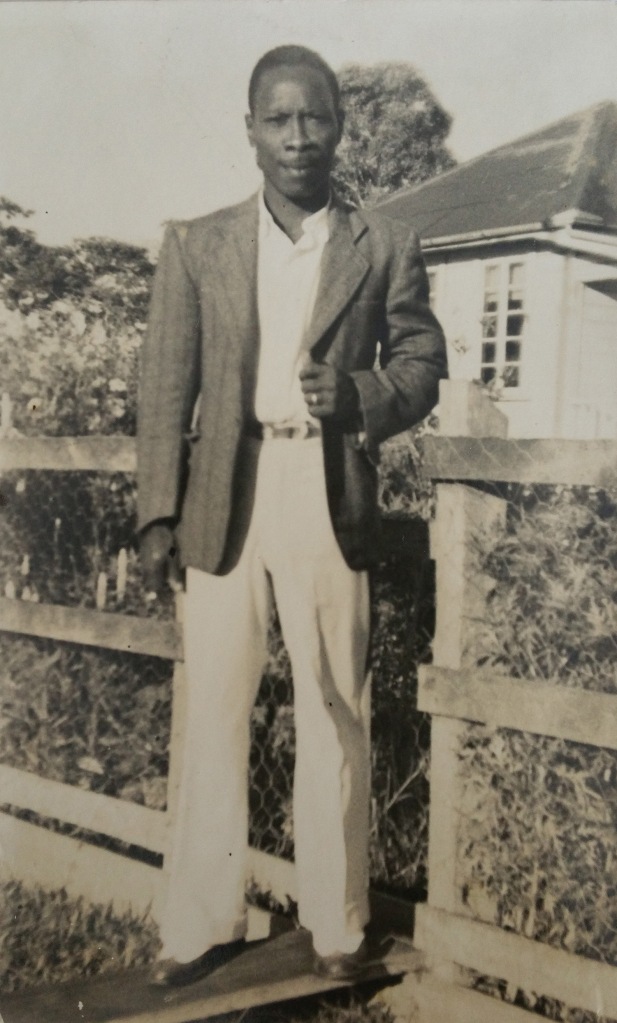
Charles Eric Wilkinson, late 1940s in British Guiana. Source: Michelle Joan Wilkinson.

My grandfather, Charles Eric Wilkinson, was a black architect-builder involved in major government-sponsored building and infrastructure projects in British Guiana from the 1930s to the 1970s. I place Wilkinson’s built work and its surviving archive of bookkeeping ledgers, letters, photographs, and architectural drawings in conversation with material from national archives in Guyana and England, adding oral histories from family members. White architects stationed in British Guiana and the Caribbean reported back to England about the “skilled craftsmen” (carpenters and building contractors) that they observed. Based on family lore and archives, I question the interactions between the supposed foreign “expert” architects and the local builders, seeking to document this period more accurately through architectural work that has remained in the shadows.

Wilkinson’s concrete house in the late 1950s, before he added a concrete fence and bridge from the front yard. Source: Michelle Joan Wilkinson.

The backdrop to my research is the rise of foreign-aided, self-help building schemes in British Guiana in 1954, the same year that Wilkinson endeavored to build a concrete house for his family. British and US architects were involved in British Guiana’s planning and housing development work. Howard Mackey, a Black American professor at Howard University, was on a team contributing to the self-help project. This period of Britain transitioning its so-called dependencies to self-sufficiencies provides an important context for understanding the role that black builders would play in shaping the built environment of the (independent) nation to come.

The full article is available here at Architecture Beyond Europe Journal : https://journals.openedition.org/abe/14943, full citation : Michelle Joan Wilkinson, “Shadow Work: Architecting While Black in British Guiana”, ABE Journal [Online], 21 | 2023, Online since 07 July 2023, connection on 13 April 2024. URL: http://journals.openedition.org/abe/14943; DOI: https://doi.org/10.4000/abe.14943

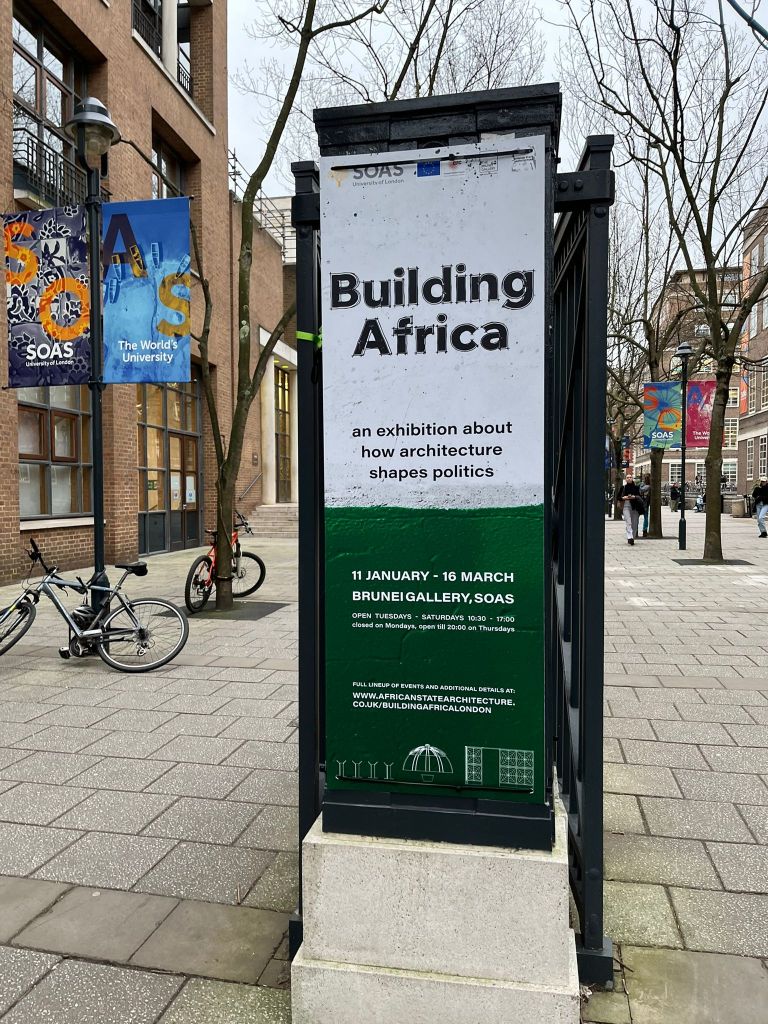
Building Africa Exhibition at SOAS 

The Building Africa Exhibition curated by Julia Gallagher and Kuukuwa Manful is currently showing at the Brunei Gallery SOAS until 16 March 2024. This is a smaller version of the exhibition which was first shown in Ethiopia as part of the State Architecture Research project at SOAS with Prof Gallagher as its director.

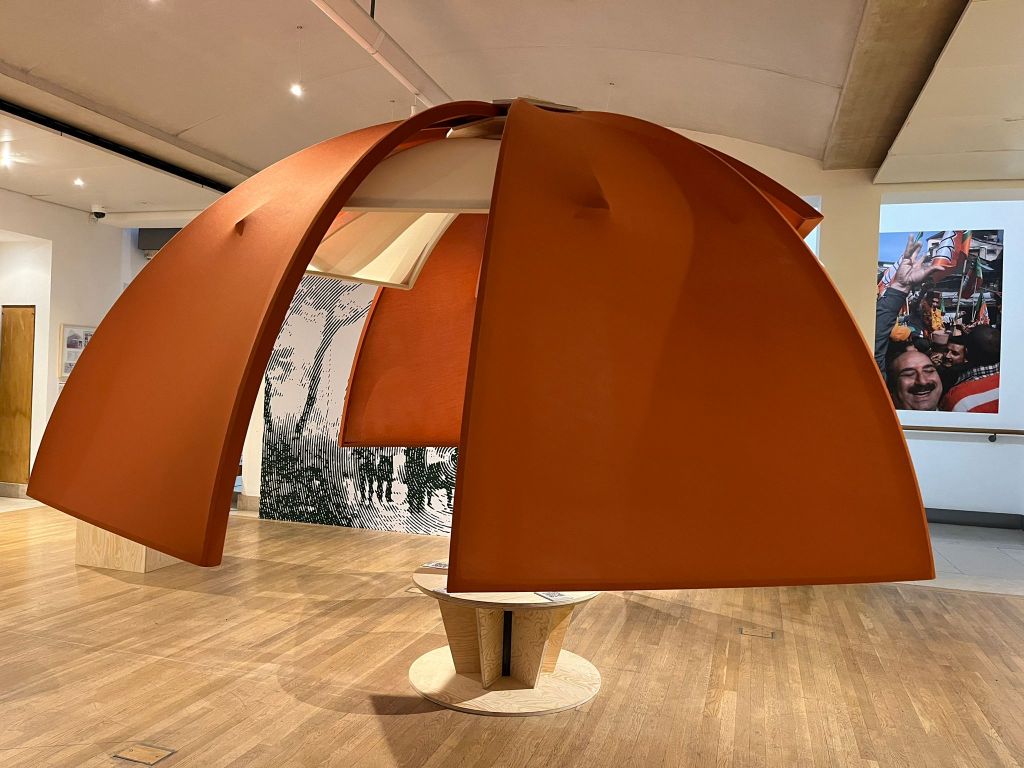
The SOAS exhibition is full of colour featuring, film, photography, a large-scale physical model-installation, publications and school uniforms and memorabilia.  Located in the main gallery space, sections deal with the school history of Ghana, ‘state-built architecture in several African countries, highlighted in the exhibition by images of Ghana’s alternating seats of power, (Osu Castle and State House), and the African Unity building constructed in Addis Ababa. A conceptual installation structure evoking African unity has also been produced by the work of a young Ethiopian architect , Nahom Teklu whose umbrella structure enables exhibition visitors view in VR the ‘state’ architecture of different parts of Africa, it also harks back to the idea of pan-African unity where the umbrella unites all states on the continent.

The exhibition’s thesis that buildings shape us, is made clear to viewer and particularly how the state’s involvement is central to this process of power, positioning, and identity,  particularly in Africa, from its colonial past to the now post-colonial  contemporary situated-ness in Africa’s modern cities to secondary schools in Ghana in which the schools shaped would be future leaders. This was both by the design of the schools within a colonial frame but also school uniforms, motos and other paraphernalia of educational engagement.

State built institutions such as seats of government (state house in the case of Ghana) or stadia (exemplified in the exhibition by the main stadium in Kinshasa) have a more mixed relationship where they both are sites of power, and international events (the Muhammed Ali – Frazier rumble in the jungle, Kinshasa stadium film footage is on show)  or symbols of African Unity  (shown through AU building in Addis Abeba, which often results in tensions of perceptions and strategic plans for future use as regimes and state actors change.

The exhibition also connects the viewer to the research which has underpinned it. This includes the 2023 book Building African Futures edited by Gallagher and Emmanuel Ofori-Sarpong, and Manful; and Manful’s thesis – and a number of papers members of the State Architecture project have published as reports and in peer reviewed journals.

Building Africa packs a dense amount of African state-built architectural history into a a viewable gallery which audiences are invited to view, engage with and critique, helpful post-it notes are provided for this process. The curators explain that this is an adjusted version of the larger 7 panel exhibition and of the conceptual architectural installation has had to be cut short to fit the gallery space. This does not detract from this well-planned and already publicly pleasing and well- received  exhibition.   

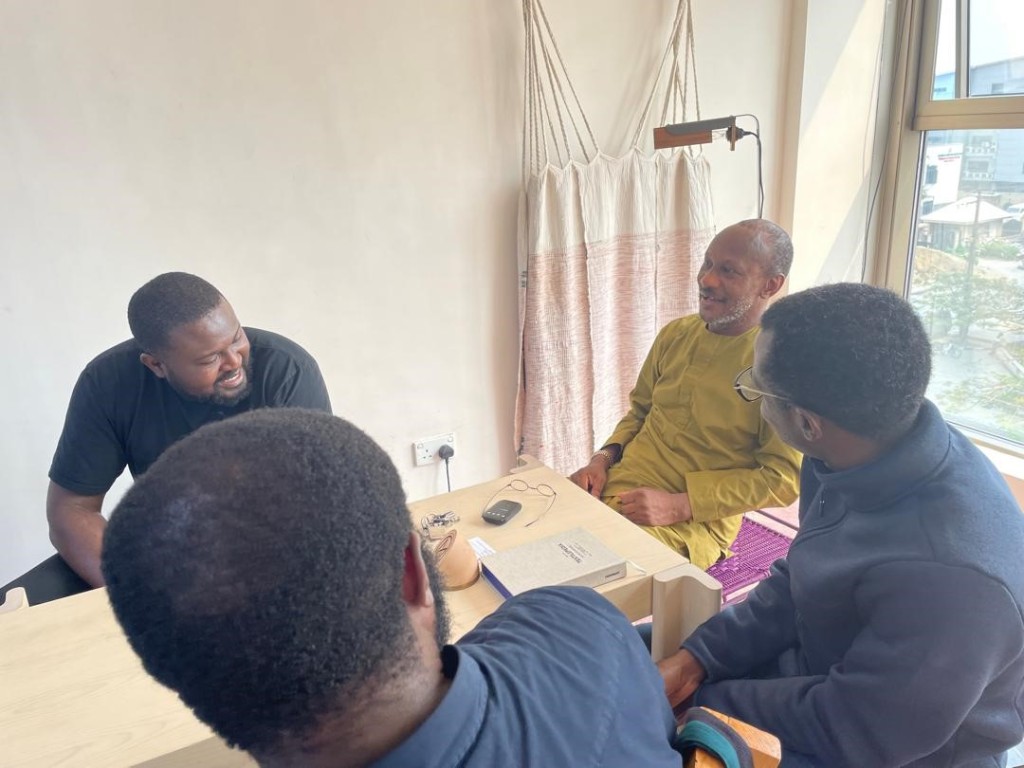
One day in January at Trocadero Square, Lekki, Lagos...  

On our last day in Nigeria we planned to meet Nifemi Marcus Bello, a remarkable Nigerian product designer who has had his work shown to great acclaim at the Sharjah Triennale. Joining us was Associate Prof Seyi Akerele who had just completed a Virtual Fellowship at the University of Liverpool with Ola Uduku.  

Seyi Akerele and Ade Shokunbi (photo O.Uduku)  

 It also seemed an ideal chance to meet up with some other creatives too, and we invited  Adeyemo Shokunbi to join us. Shokunbi is a fascinatingly creative architect, whose Abijo Mosque received the Abdullatif Al Fozan Award for Mosque Architecture for the fourth cycle 2020 – 2023.  Most recently Shokunbi has also made waves with his shipping container formed MAD (Make A Difference) Project at the University of Lagos and he will shortly be a taking up a Teaching Fellowship offered by the Obel Foundation in Denmark.  James Inedu George also made time to join the party. George was one of Joe Owuso-Addo’s ‘New Blood’ from the 2021 Venice Biennale. A phone call from Shokunbi summoned Chuka Ihonor – writer art curator, impresario and activator extraordinaire. 

Iain Jackson and Nifemi Marcus-Bello  (photo O.Uduku) 

The discussion which followed we felt lucky to have been allowed to listen in and occasionally contribute to. The key theme unsurprisingly was the dearth of the linking of academic teaching with the realities of practice. We heard tales of the assembled team, unsuccessful attempts at reaching out to the academy who either were disinterested or actively ignored these linkages. James Inedu-George was more direct in his criticism of relationships and links between practice and gown. 


L – R Nifemi Marcus-Bello, Ola Uduku and Ade Shokunbi (photo I. Jackson) 

The pre-eminence of the expatriate architect from South Africa,  and in particular SAOTA was expressed. It was felt that Nigerian’s found it difficult to feel pride in local architecture and creative practice. Wealthy clients garnered a sense of prestige by hiring architects from overseas.  It was a throwback to Demas Nwoko’s struggle for acceptance by the Nigerian architectural profession despite his clear brilliance as a creative designer whose roots were in his initial ABU architecture training.  Collaborative practice and design also needed a wakeup call as the discussion critiqued the ‘lone architect-creator’ syndrome where collaboration was actively discouraged and firms struggled to scale their enterprise to deliver large projects. 


Ade Shokunbi and  James Inedu-George (photo O.Uduku) 

With Chuka we’d like to ‘bring’  highlights of Sharjah Triennale to Nigeria. Nigerian creatives featured so strongly in this exhibition, and it seems appropriate to share this work with a Nigerian audience.  

Back clockwise, Nifemi Marcus-George, Chuka Ihonor, Seyi Akerele and James Inedu-George (Photo O.Uduku) 

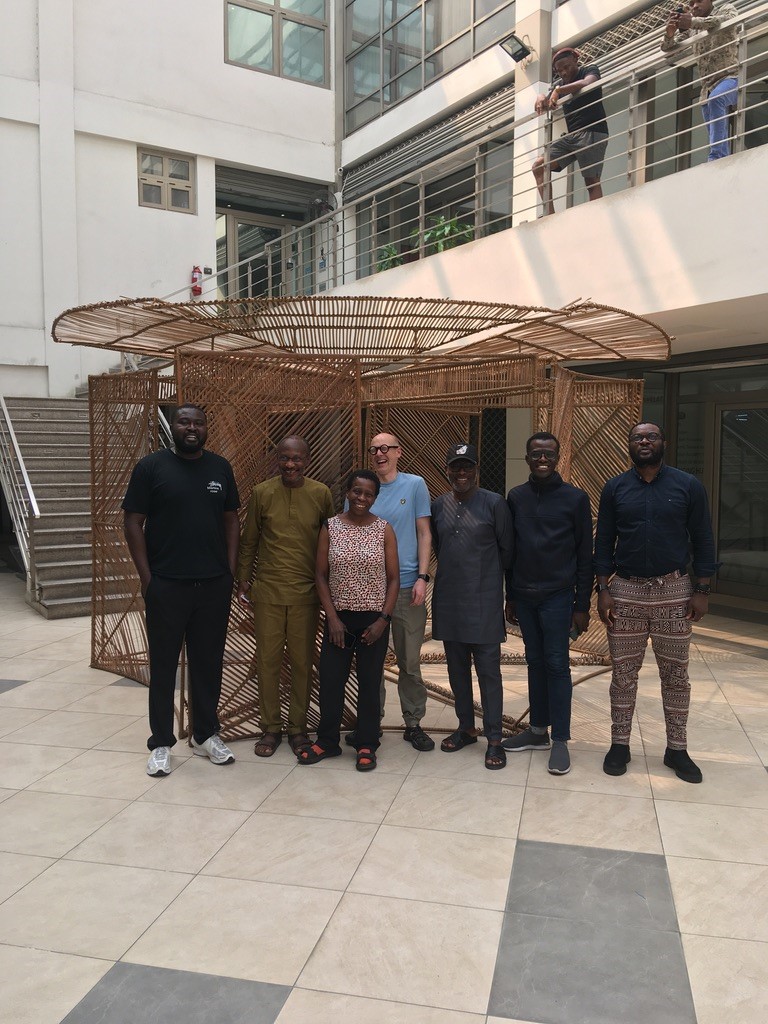
Something special happened at this informal and chance encounter. From this gathering of creatives, educators, authors, makers, and architects a refreshing and encouraging discussion flowed. We shouldn’t stop here. We would be honoured to host the next platform for what might be termed an African Creative Awakening, and present below what we might call the Trocadero Call to Action (TCA) in deference to this auspicious meeting at the Trocadero Square in Lekki – the place to have been on Thursday 18th January in Lekki, Lagos. 

The TCA Participants and Observers: 

L – R. Nifemi Marcus-Bello, Chuka Ihonor, Ola Uduku, Iain Jackson, Ade Shokunbi, Seyi Akerele and James Inedu-George  (Photo  Nifemi Marcus Bello Studios)  


  1. The future of Architectural Education in and around Western Africa 
  1. Practice Building and the process of commissioning, designing, and making architecture. 
  1. The purpose, shape, and expression of architecture within the Western African context, and how this is communicated and shared. 

Adefola Toye writes:

Referentially: Towards a Decentred Future (https://mohoa.org/events/referentiality-towards-a-decentred-future/ ) was a one-day public event at the Bartlett School of Architecture organized by MoHoA (The Modern Heritage of Anthropocene- (https://mohoa.org/ ) and sponsored by the AHRC.

The event interrogated approaches that challenged the mainstream colonial, nationalist and social-cultural frameworks in architecture, art and heritage management scholarship and practice. It included discussions, talks and activities with a diverse range of speakers whose creative production explore approaches free from referential relationship with inequitable power structures.

A research conversation moderated by Edward Denison, Ievgenia Gubkina, Emily Mann and Shahid Vawda comprised speakers from multidisciplinary fields of research and practice with case studies from Africa, Asia and Europe. The speakers included Leverhulme Early Career Research Fellow, Dr. Alistair Cartwright and PhD researcher, Adefola Toye – both from Liverpool School of Architecture. Each speaker discussed the limitations they encounter when engaging mainstream sources for scholarship and research-in-practice which erases the agency of populations under study. Furthermore, they shared how they addressed this using participatory action research, public engagement, multidisciplinary methods and utilising crowdsourced open-access archives.

1. Image 1 by Edward Denison

2. Alistair Cartwright Presenting, by Edward Denison

The session concluded with talks from African heritage organizations, including the Direction du Patrimoine Culturel du Sénégal, Swahilipot Hub, and the University of Cape Town. They discussed existing and future initiatives for sustainable and inclusive heritage management on the continent. These included exhibitions, training workshops, public engagement tailored to different age groups and professions, and collaboration with local and global heritage partners.

Afterwards, a student-centered lunchtime activity with architect Sumayya Vally and BSA design tutor Jhono Bennett, explored referentiality in architectural research and practice through co-production and drawings based on the participants insights and experiences.

Image 3 by Adefola Toye

The remainder of the event was spent in conversations with notable speakers in the fields of architecture, art and curatorial practice.

Nana Ocran, founder and Editor of the People’s Stories Project, hosted discussions with multidisciplinary artists Christopher Samuel and Valerie Asiimwe Amani. They explained how their creative works use archives materials to create awareness about the underrepresentation of people with disabilities and colonial subjects.

Performers Peter Brathwaite and Kenneth Olumuyiwa Tharp examine ‘Rediscovering Black Portraiture’s use of domestic material culture to reimagine the historical image of black subjects as well as professional engagement with diverse art and culture foundations in the UK.

Image 4 by Adefola Toye

Architect, Sumayya Vally, and curator, Ekow Eshun also discussed the event’s theme in relation to their recent works: Asiat-Darse Project (Belgium) & the Islamic Arts Biennale (Saudi Arabia), and In the Black Fantastic (UK) & The Time is Always Now: Artists Reframe the Black Figure respectively.

Tofa Jaxx and guitarist Leon King closed the evening with a musical performance.

Adefolatomiwa.Toye@liverpool.ac.uk

THE AFRICAN ARCHIVAL EXPERIENCE 

CHALLENGES IN ARCHIVAL CURATION AND ARCHIVAL-BASED RESEARCH WORK IN WEST AFRICA 

12.30pm Tuesday 11th July 2023

Room G.04 Liverpool School of Architecture Building, Abercromby Square, Liverpool

Zoom Link: Contact ijackson@liverpool.ac.uk for the link

Abstract:

We are delighted to be able to host Professor Ayo Olukoju (Institute of African and Diaspora studies, University of Lagos) and Professor Sam Ntewusu (Institute of African Studies University of Ghana) who are visiting the University of Liverpool and also the Unilever Archives to explore the possibilities of future collaborative research and teaching activities across our institutions and others in NW England.

Both Professors are historians who have worked with archival sources in their research in West Africa. They have generously agreed to share, through this seminar, the challenges and issues with working with archival material and sources from a West African perspective and also some of the hopes they have for future collaborations.

Do join us to hear their views and also join the conversation – how do we make the most of archives in the 21st century in different locations and places? Importantly do we need to decolonise the archive, and if so how?  

All Welcome: 

A sandwich lunch will be provided at Room G.04

Professor Ola Uduku

Co-director AHUWA Research Centre 

Hosted by the AHUWA Research centre  in association with Unilever Archives, School of History and Institutes of African Studies and African Diaspora Studies  at the University of Ghana, and the University of Lagos

The Transnational Architecture Group is 10 year’s old this year. Thank you for supporting the blog and to all of our excellent contributors over the years for enriching the content and generously sharing their work. We’d also like to thank the communities in the places in which we work, the archivists and librarians for making material available to us and sharing their expertise, our respective institutions for supporting our research, and to the research funders who make travel, time, and resources available to us.

The blog started as a means to share our work-in-progress ideas and to promote events – and that is still at the core of what we do. We continue to add updates from our ventures into the archives, travel reports, and to share interesting events and innovative papers. These small reports and updates have compounded into something of a large resource and repository, and we’re delighted so many people have been able to make good use of (and to correct and expand upon) our work and attempts at writing these histories.

To celebrate the 10 year anniversary we held a small gathering at the Liverpool School of Architecture on Wednesday 8th March, curated and organised by Dr Alistair Cartwright. Our speakers were all PhD students, post-doctoral researchers, and research associates at the school. You may watch the proceedings here:

https://stream.liv.ac.uk/fkzj2h9j

The speakers and titles of the presentations are below, with timings if you’d like to skip to a particular talk:

Rixt Woudstra, “Sapele and Samreboi: Building Company Towns in British West Africa” 5:25

Excy Hansda, “Indigenous Modernities in the Twentieth Century Architecture of Bombay” 20:00

Adefola Toye, “Tropical Modernism in Nigeria’s First Universities: Accessing Sources Beyond the Archives.” 37:00

Ewan Harrison, “Planning for Post/Neo Coloniality: the Paramount Hotel in Freetown” 1:11

Iain Jackson, “Erhabor Emokae and the curious case of the UAC Mural: tropical modernism and decorative arts” 1:31

Daneel Starr, “How and why has the vernacular architecture and intangible cultural heritage of the Akha people changed in the face of globalization: Using the village of A Lu Lao Zhai, Xishuangbanna (sipsongpanna) China, as a case study.” 1:50

Paul Robinson, “Freetown, the UAC and urban design” 2:20

Alistair Cartwright, “Ecologies of Vulnerability: Post-Cyclone Reconstruction in Mauritius, c. 1945” 2:35

We also heard an excellent paper from Razan Simbawa, “The Effects of Demolish-based Urban Regeneration on Displaced Residents in Jeddah, Saudi Arabia” – which cannot be shared on the video recording at the moment.

Thank you again to all of the speakers for their wonderful talks, presentations, and work-in-progress. There was such variety and richness in the topics and methods, and at the same time numerous connections and cross-overs between the work.

Please do get in touch if you’d like to know more, or to share your work on the blog.