As part of the Architecture of the United Africa Project I wanted to visit Banjul to investigate if there was any surviving buildings remaining from the UAC era. There was surprisingly little material in the UAC archive relating to the town and wider country – and we knew that the business focused its efforts elsewhere in West Africa. Despite this – there was a Kingsway Store, Palm Line Offices, and possibly several other European trading companies operating merchant stores, warehousing, wholesaling, and produce export businesses.
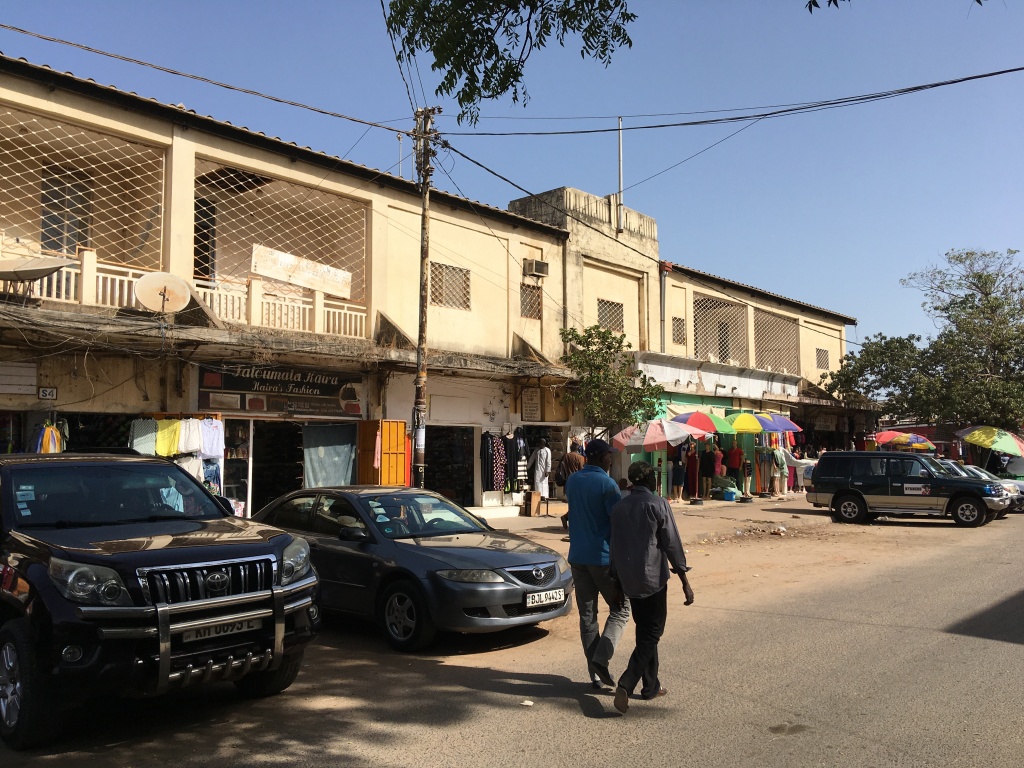
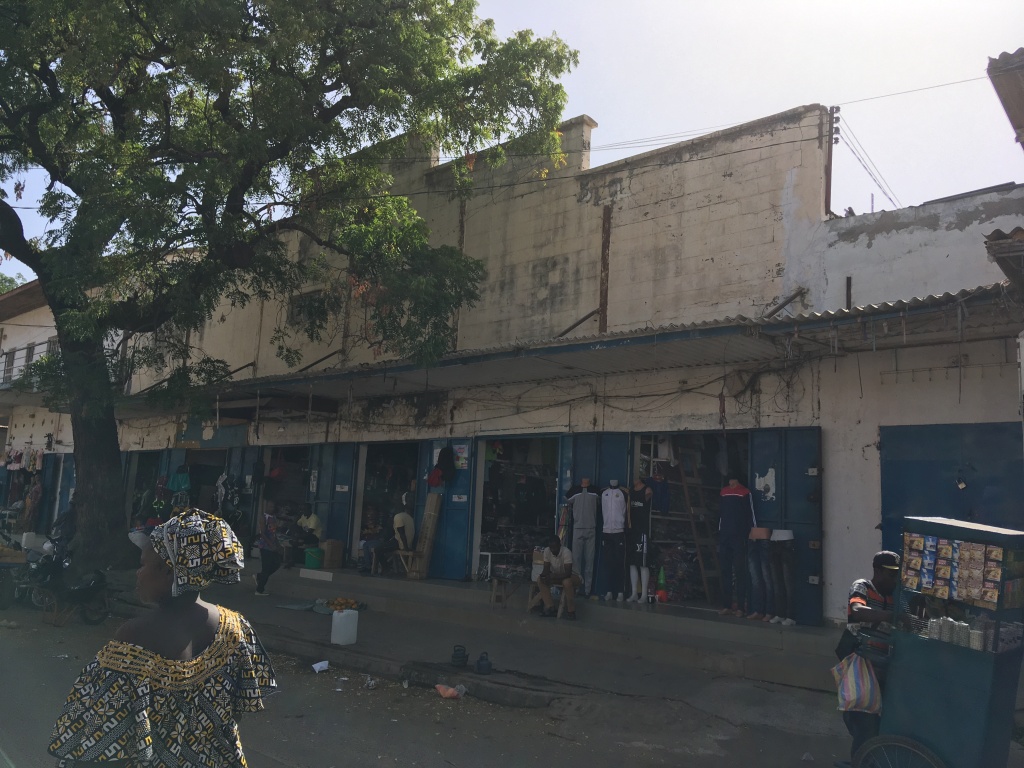

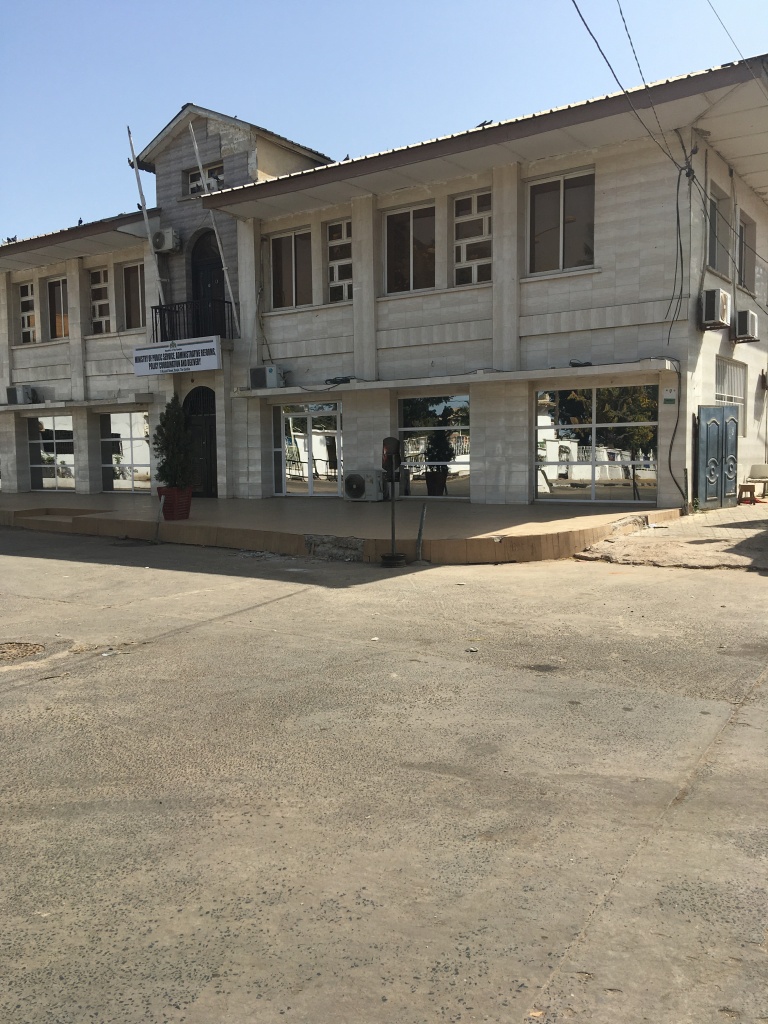


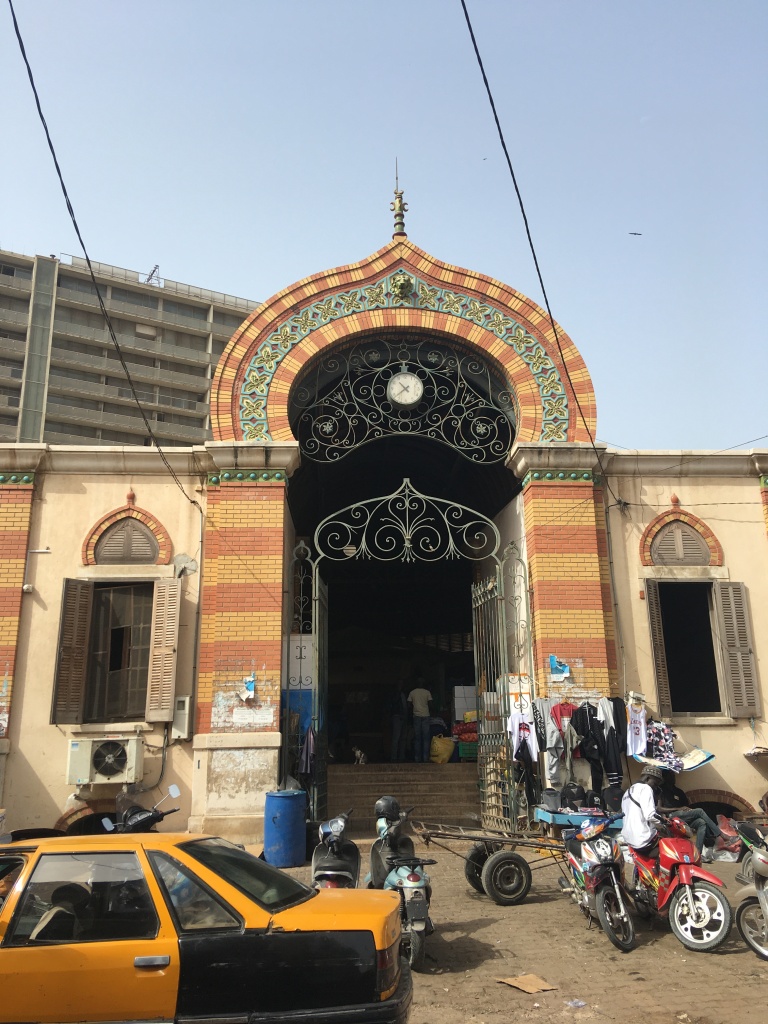
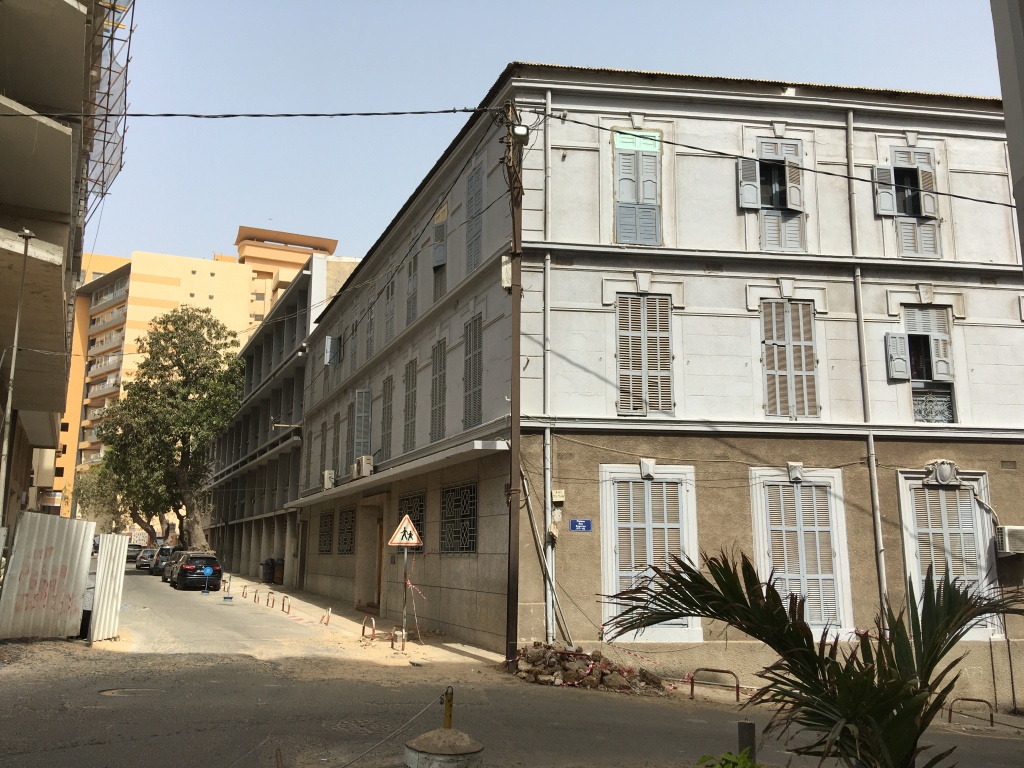
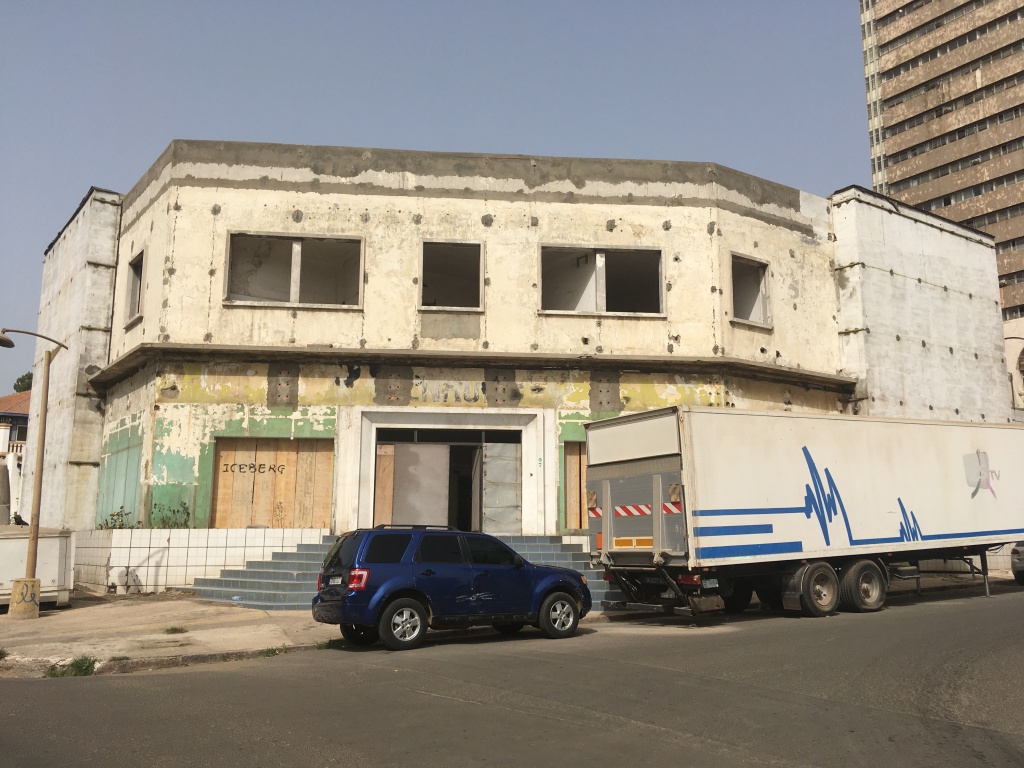
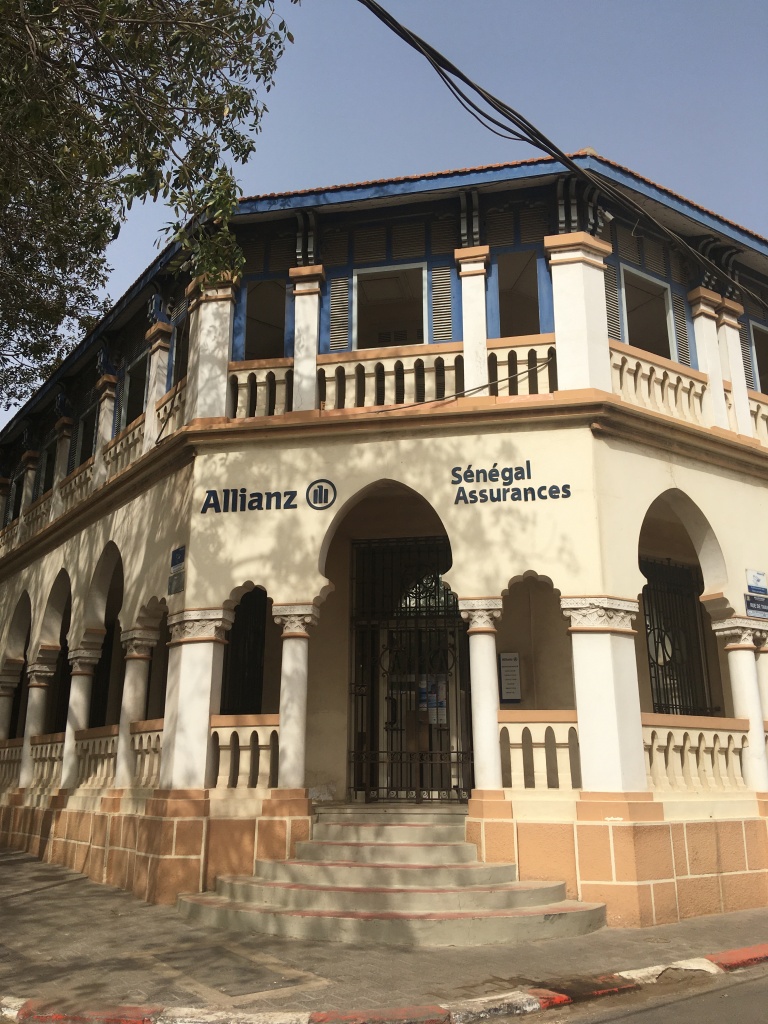
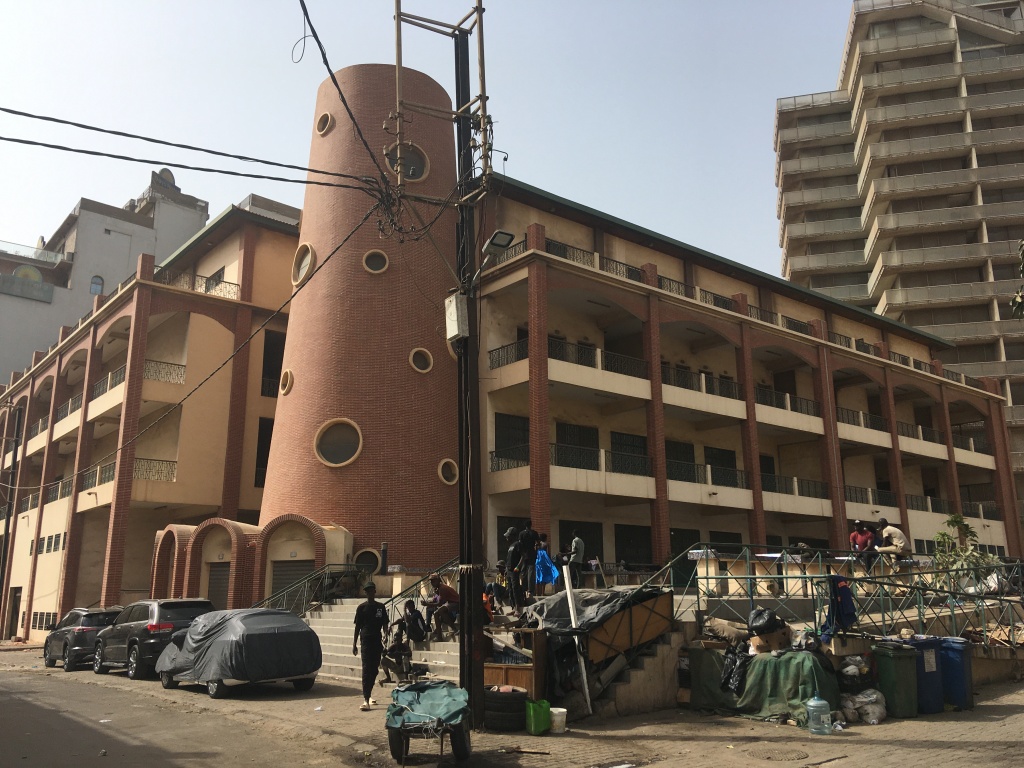
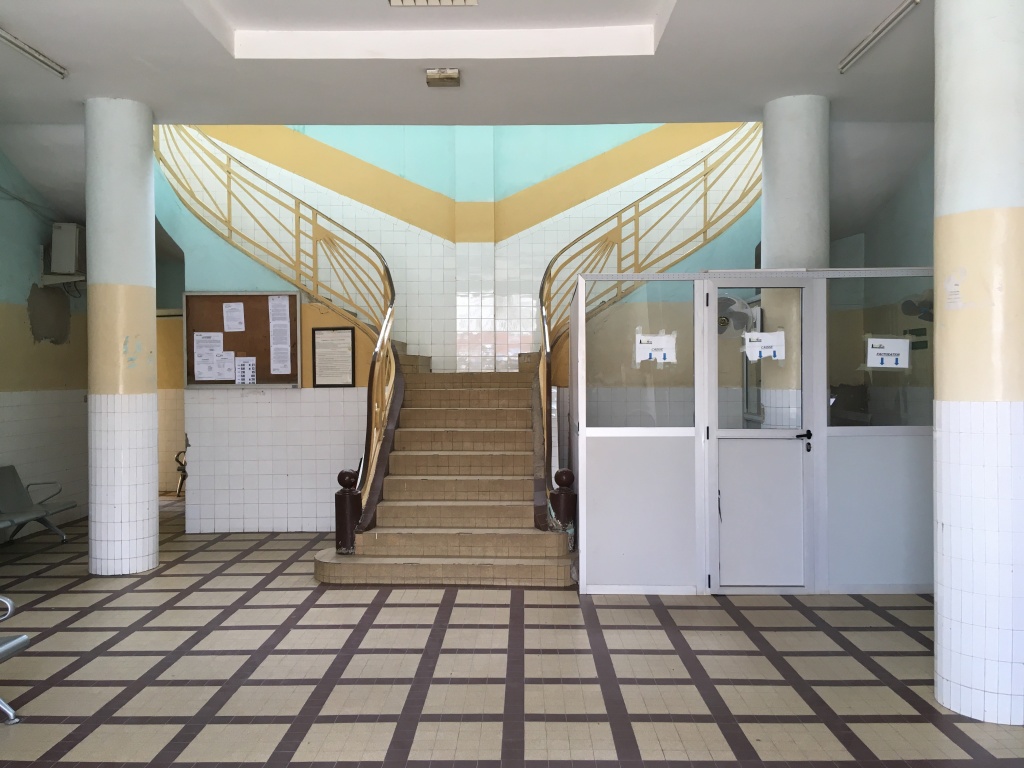
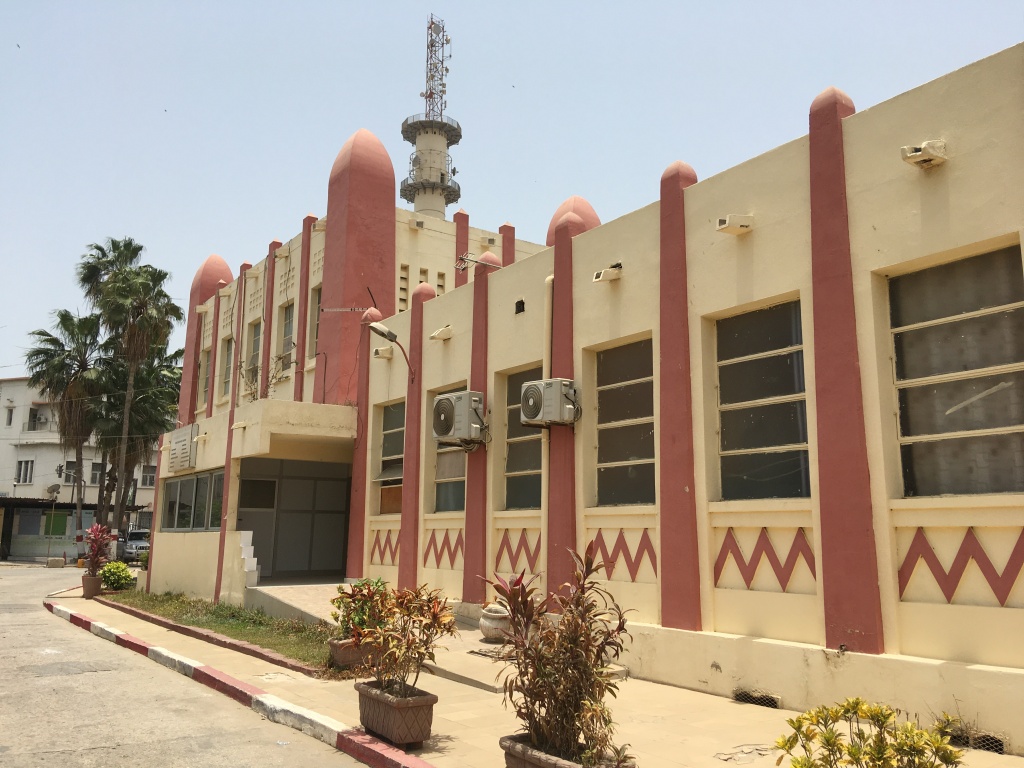
Banjul is a compact capital and we were able to quickly locate the old trading spots located around the Albert Market area. Here there are many traders importing fabric and textiles from China and India and it remains a thriving port. The Kingsway Stores and associated wholesaling lockups are still there, along with a series of other colonial period structures. Some of the older trading villas are now complete ruins and urgent documentation is required if rehabilitation isn’t possible.

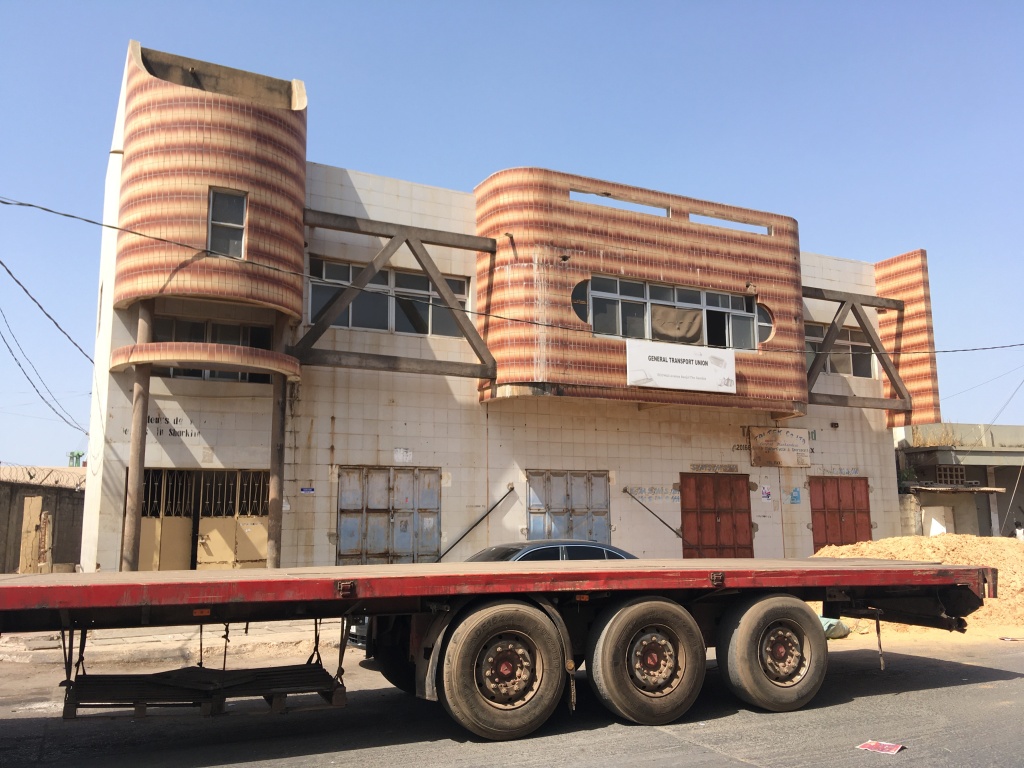
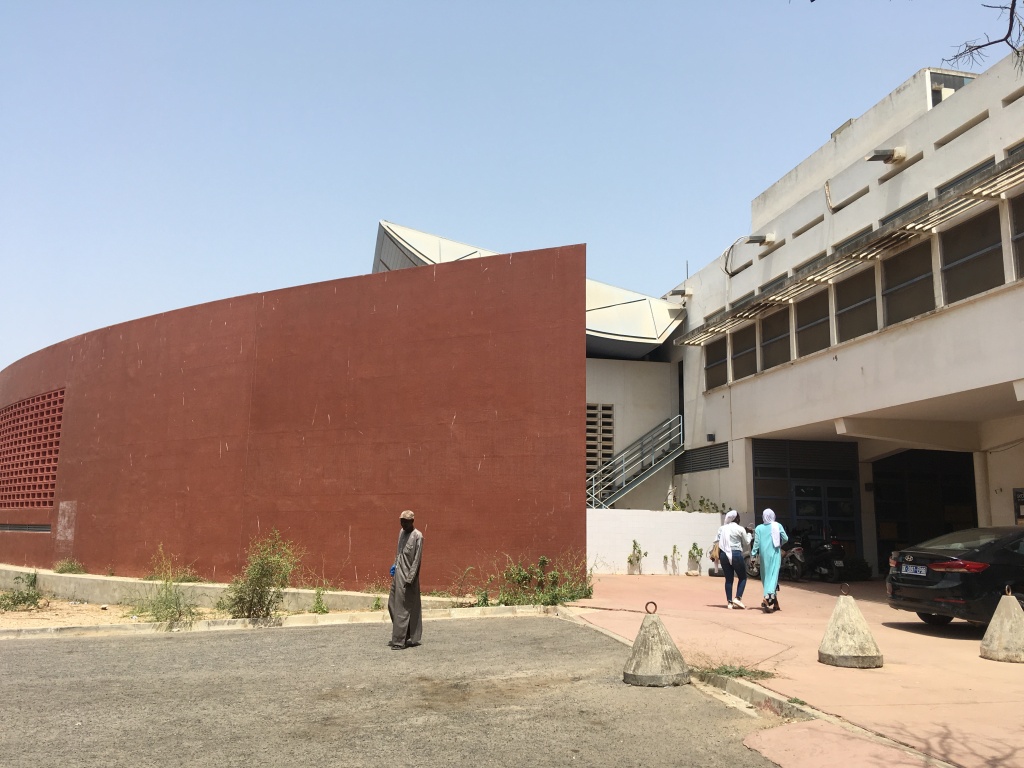
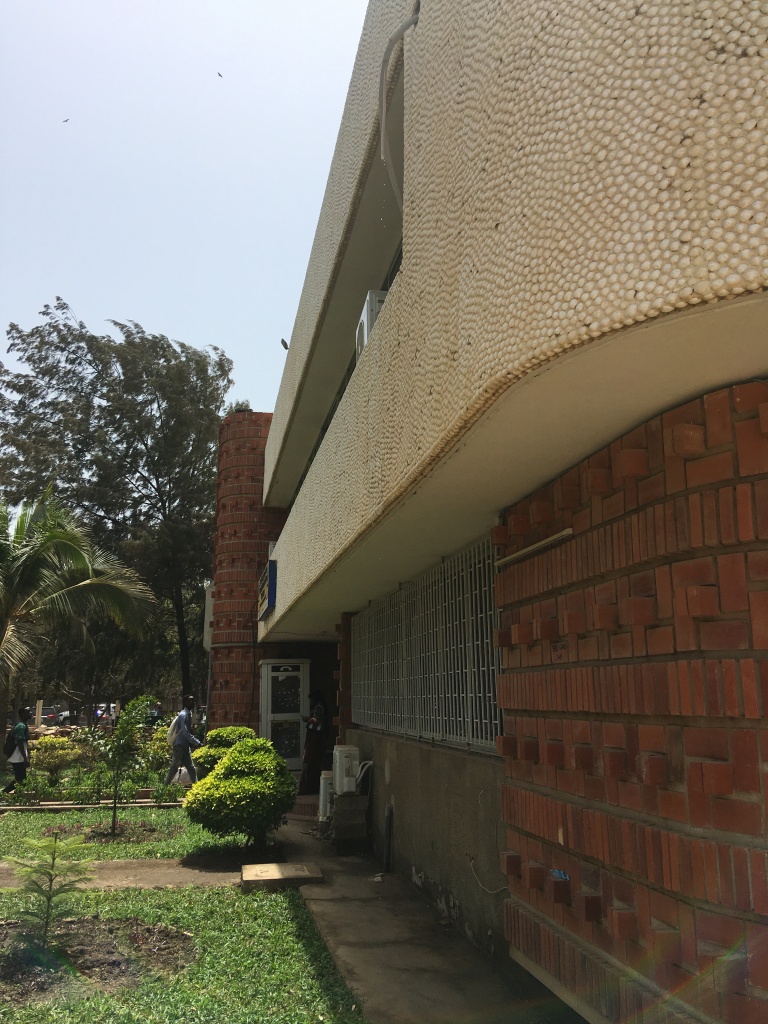
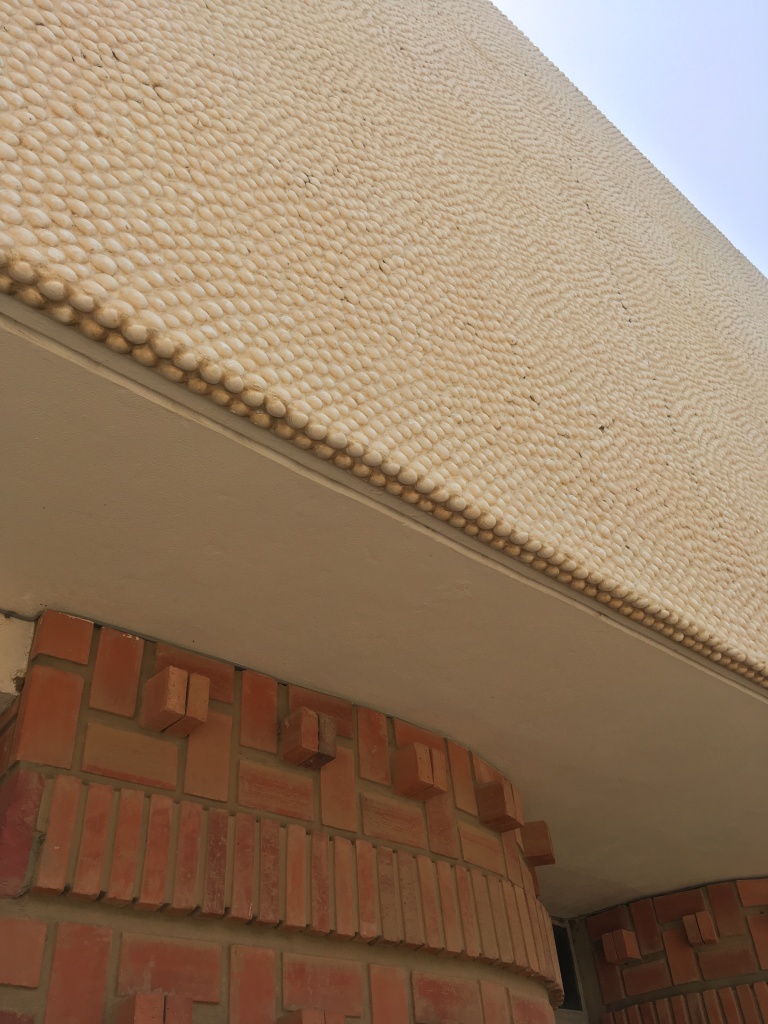
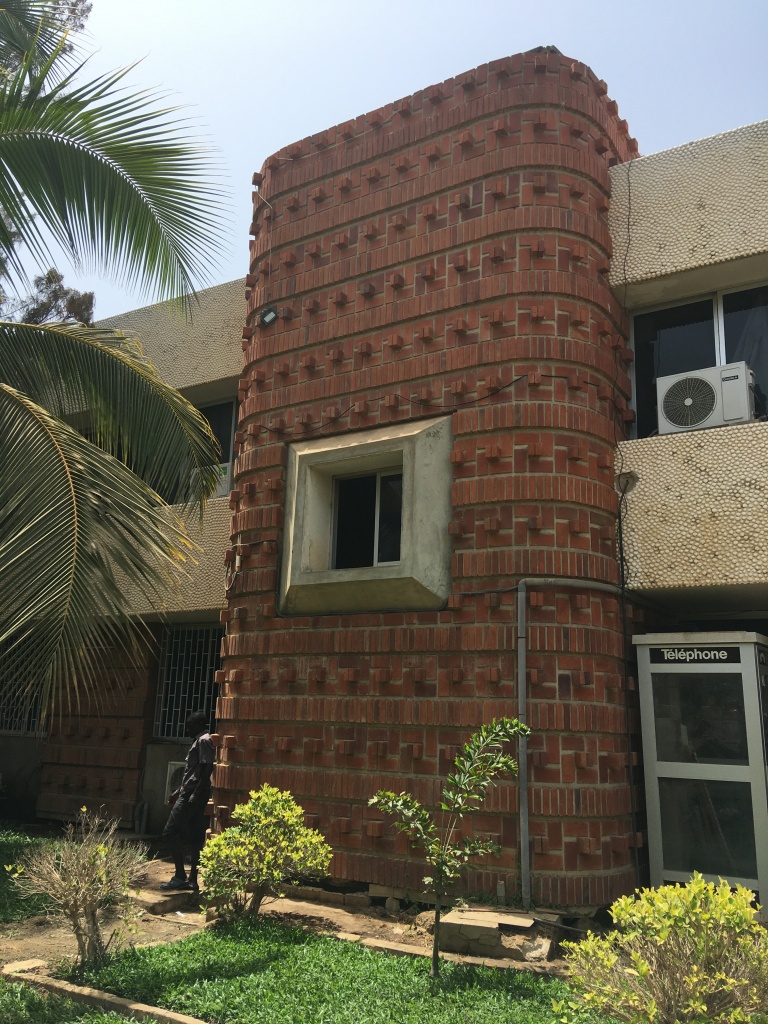
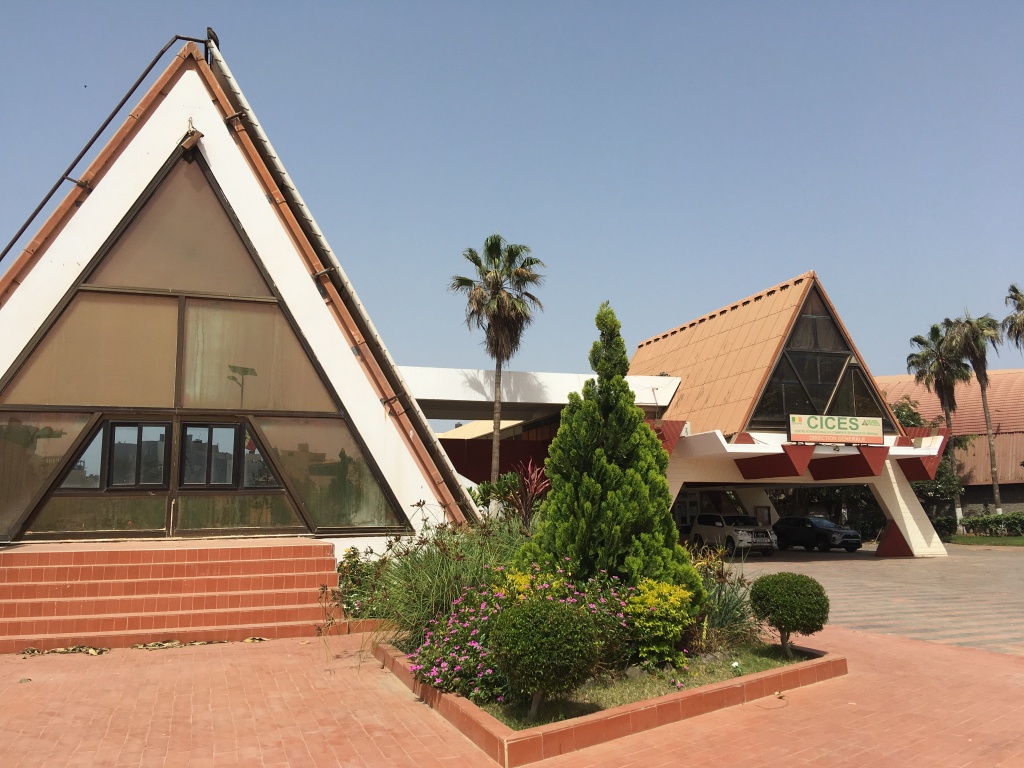
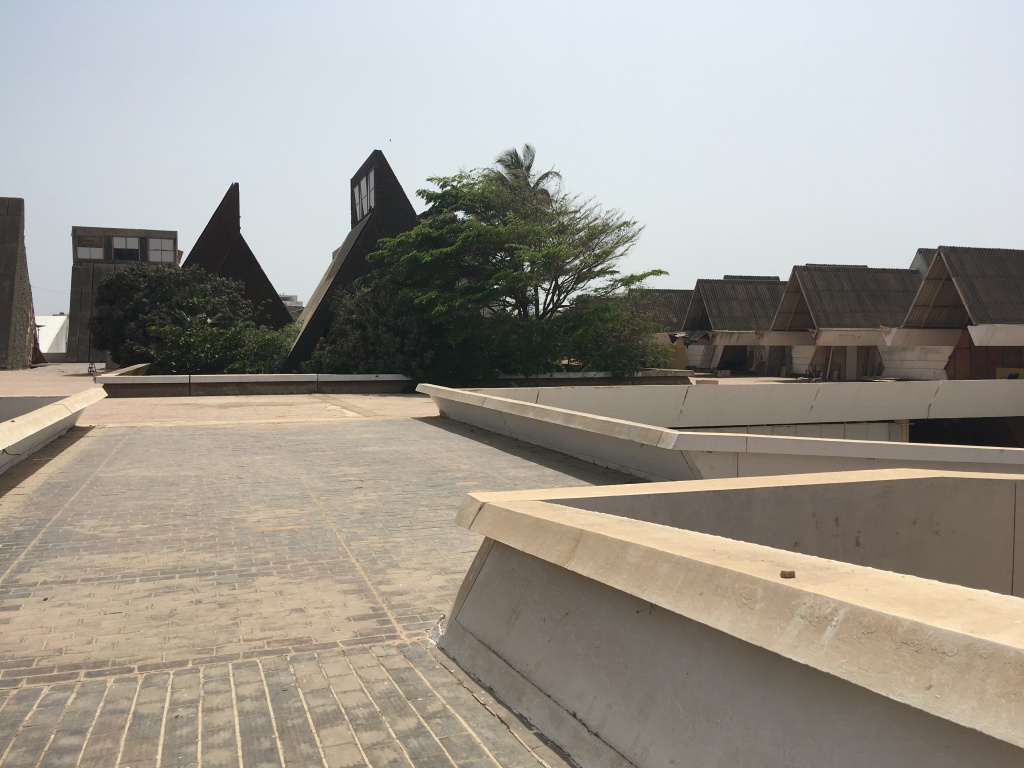
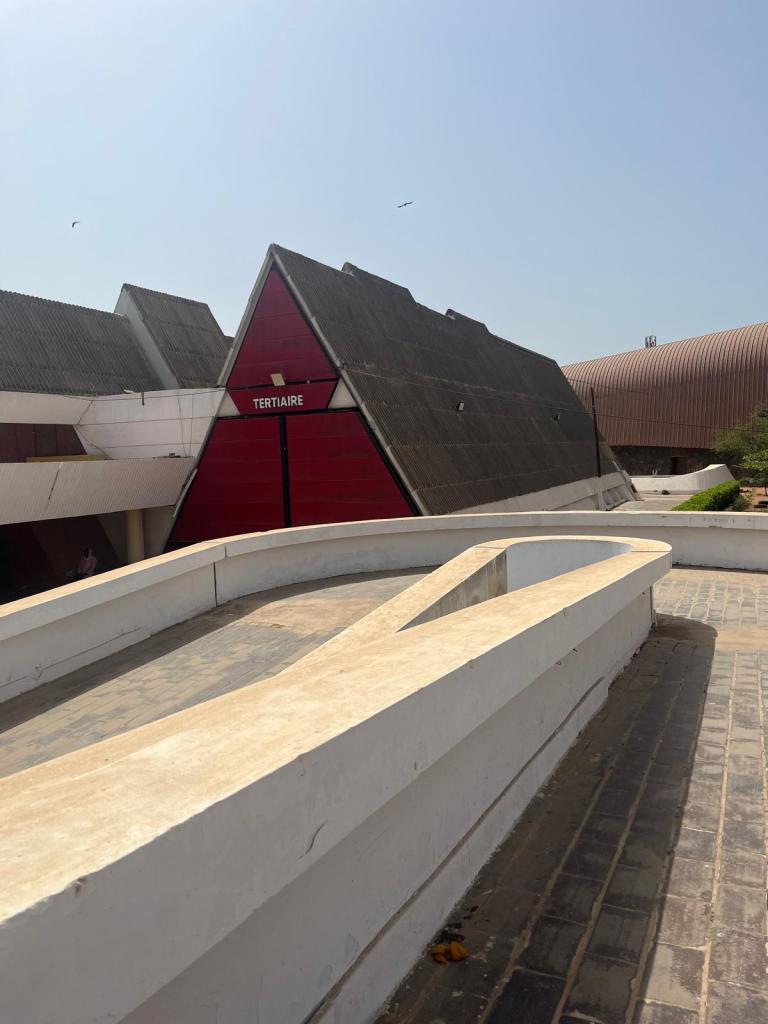
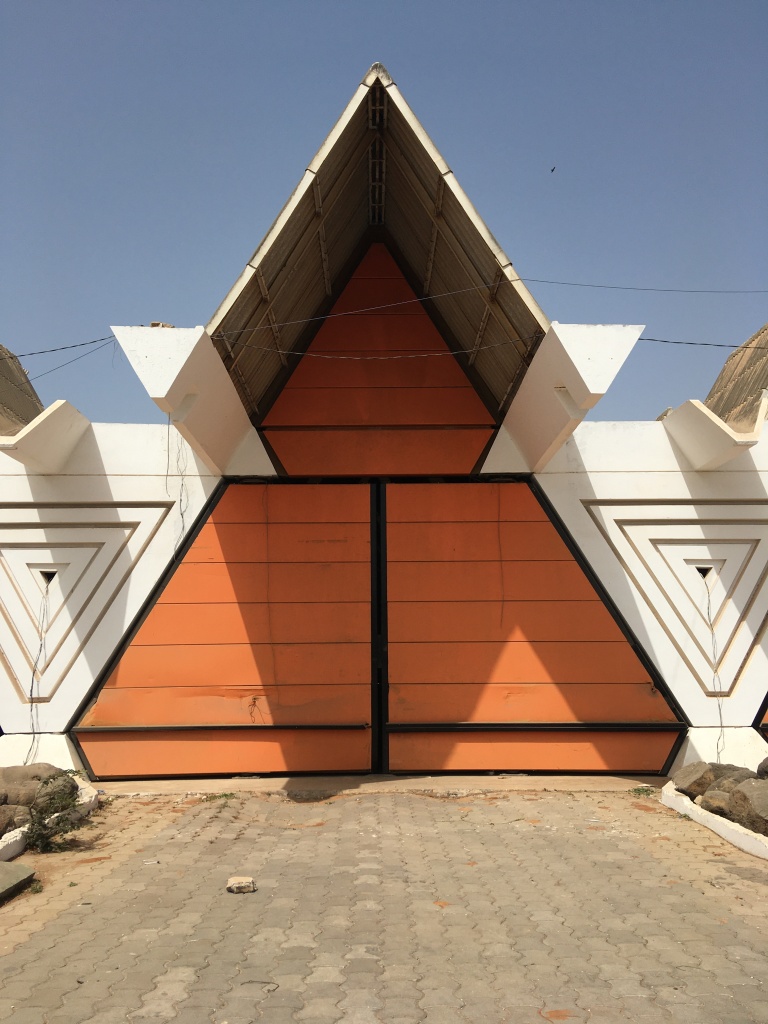
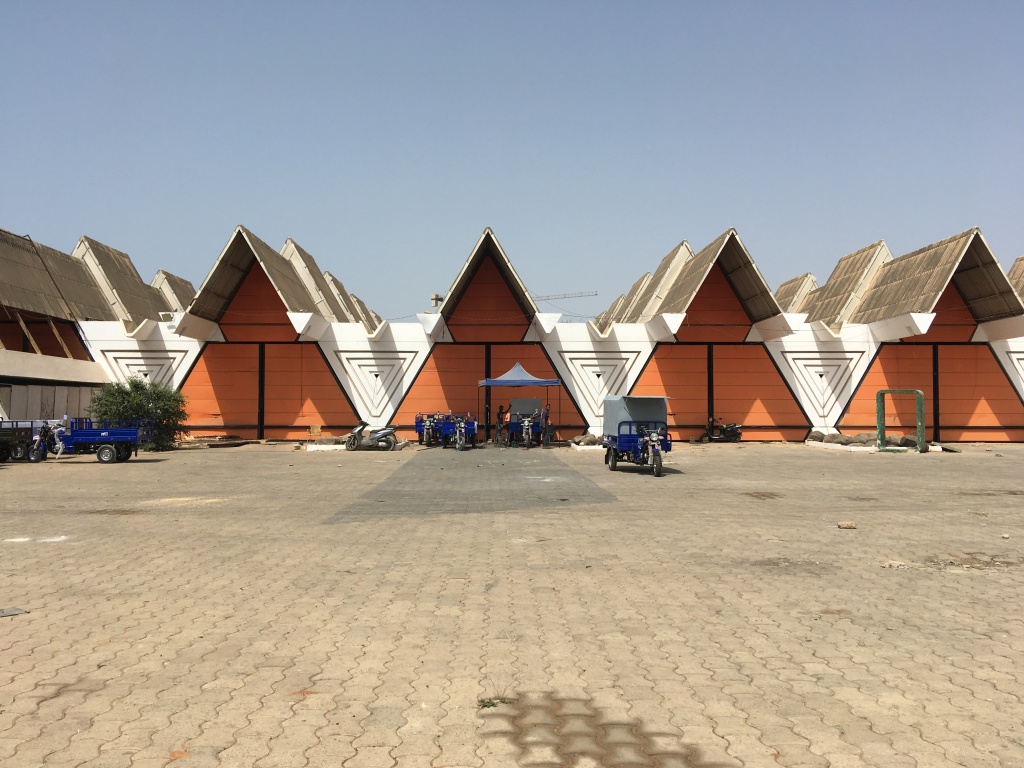
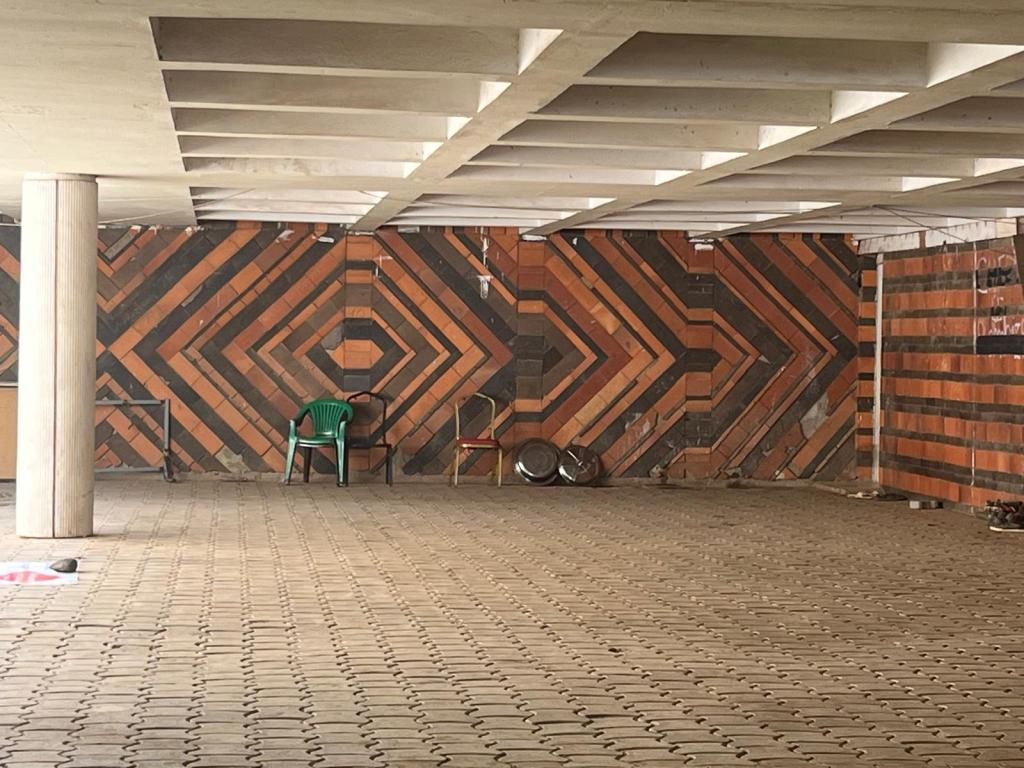
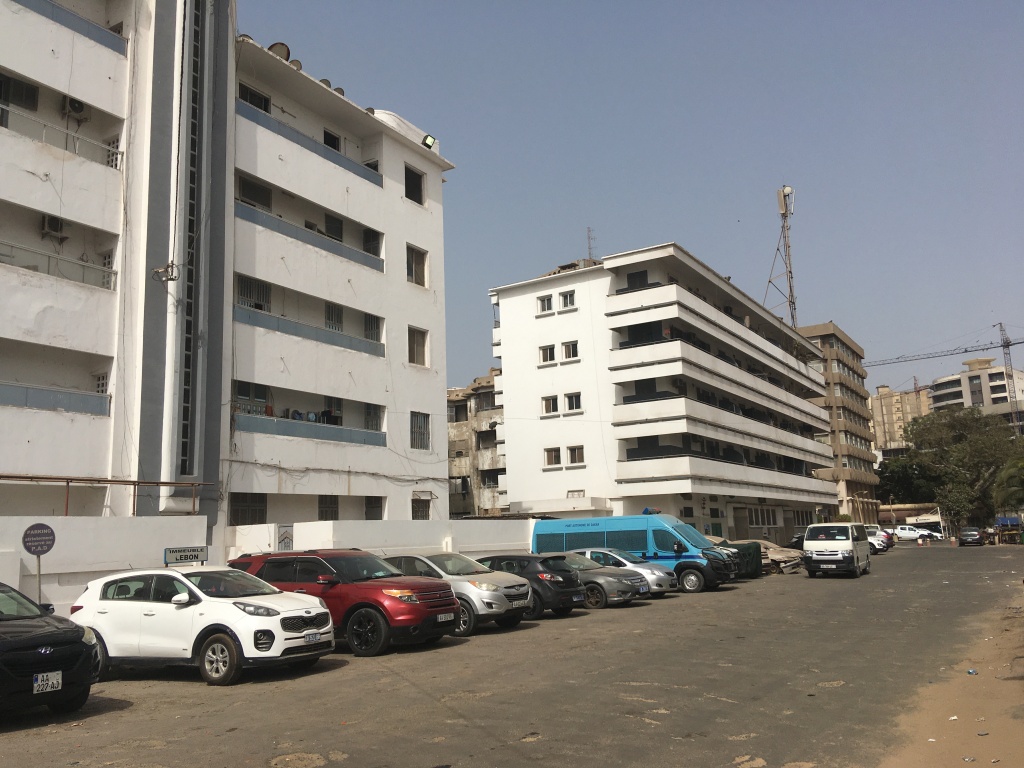
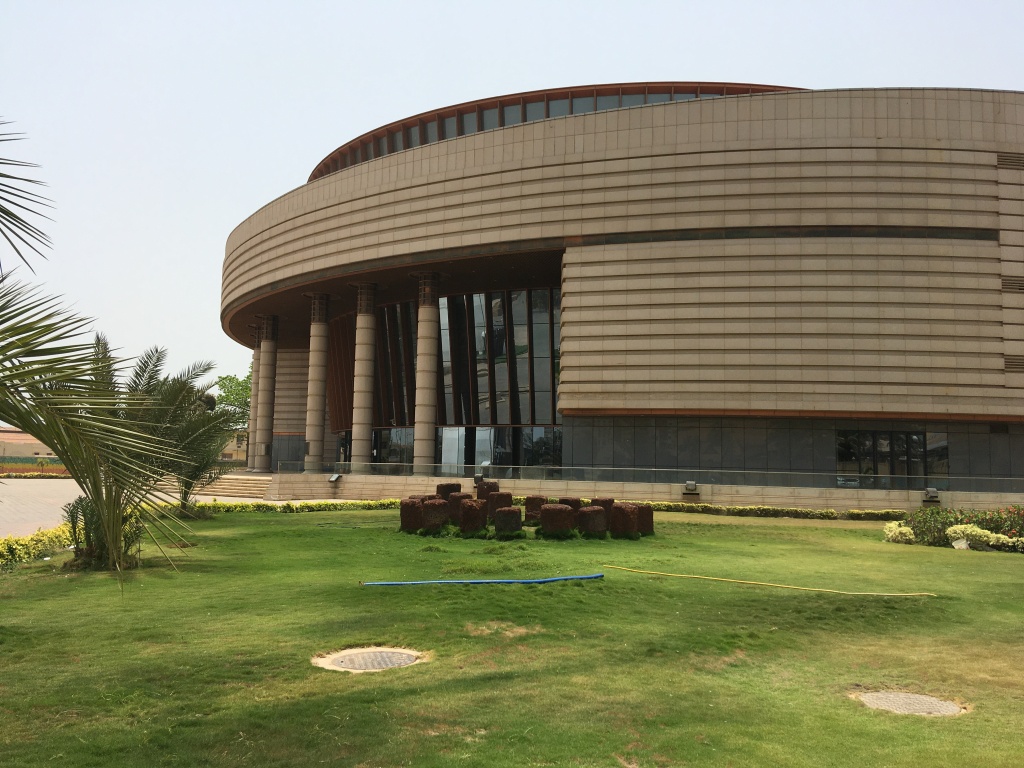
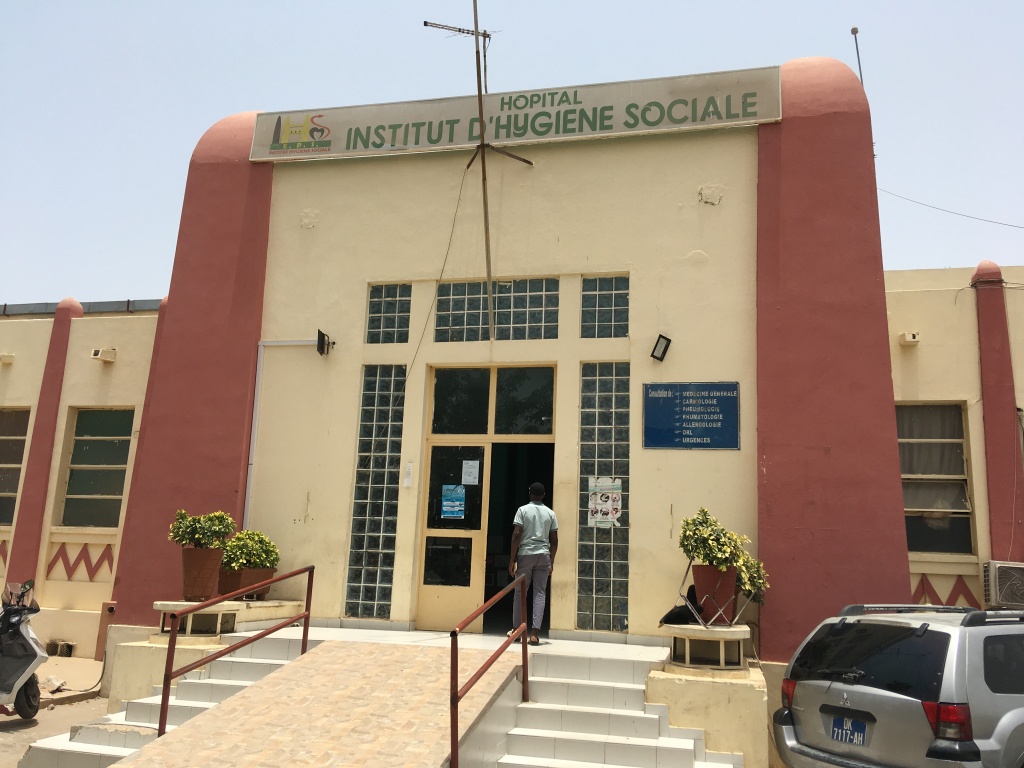
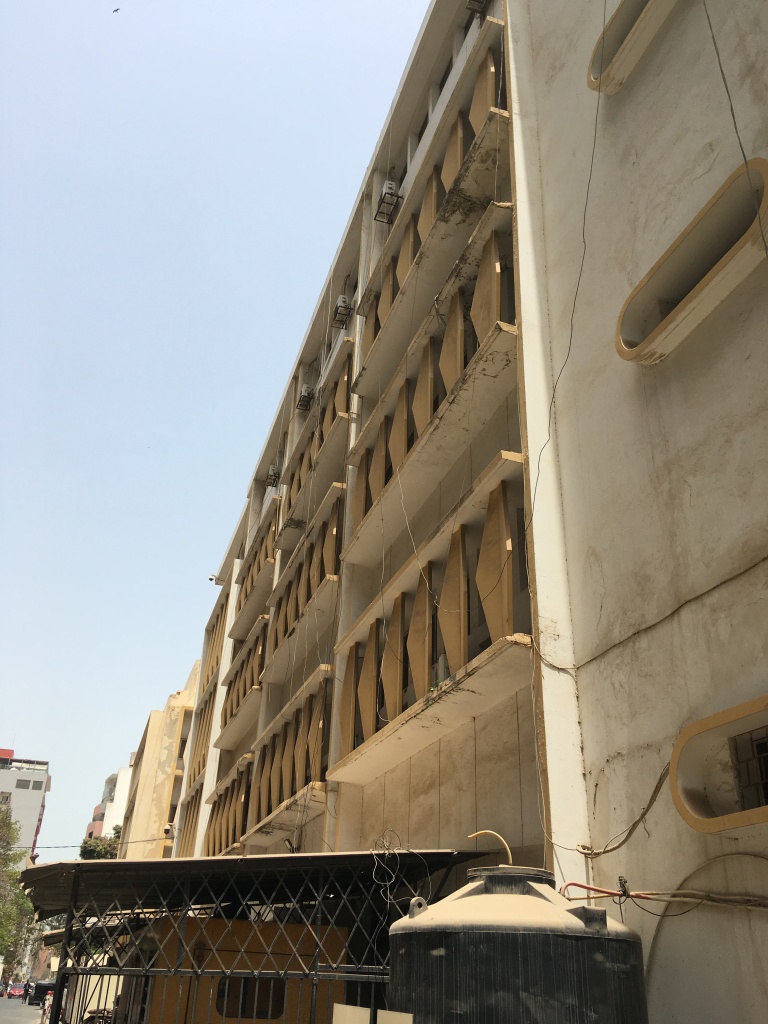
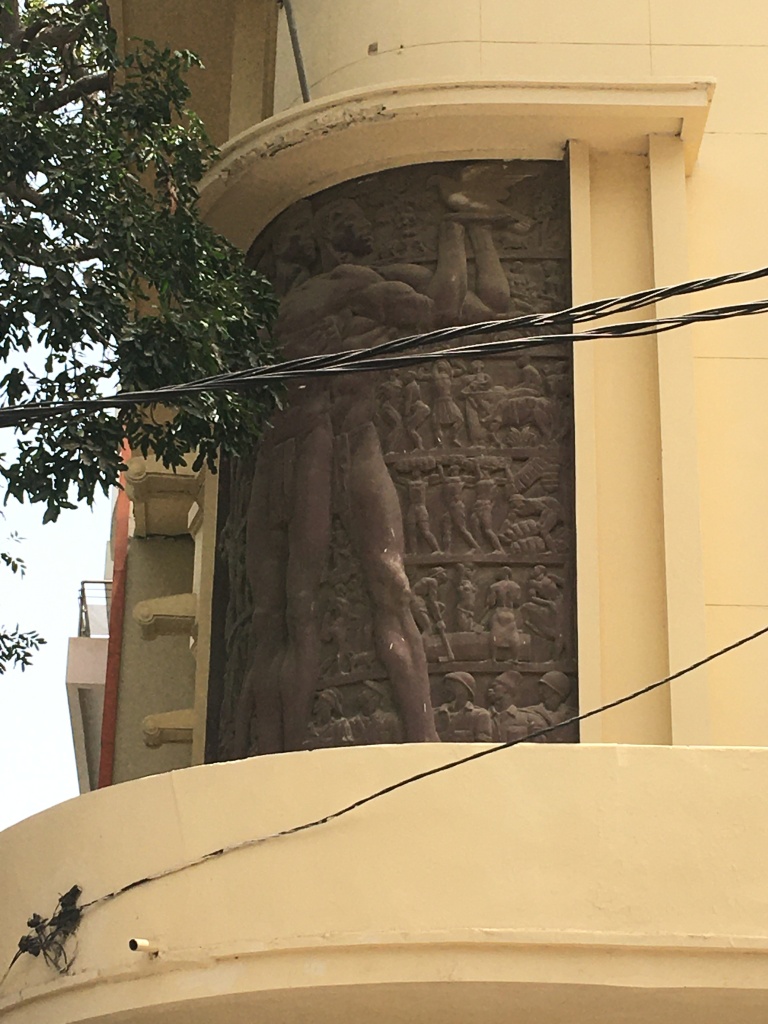
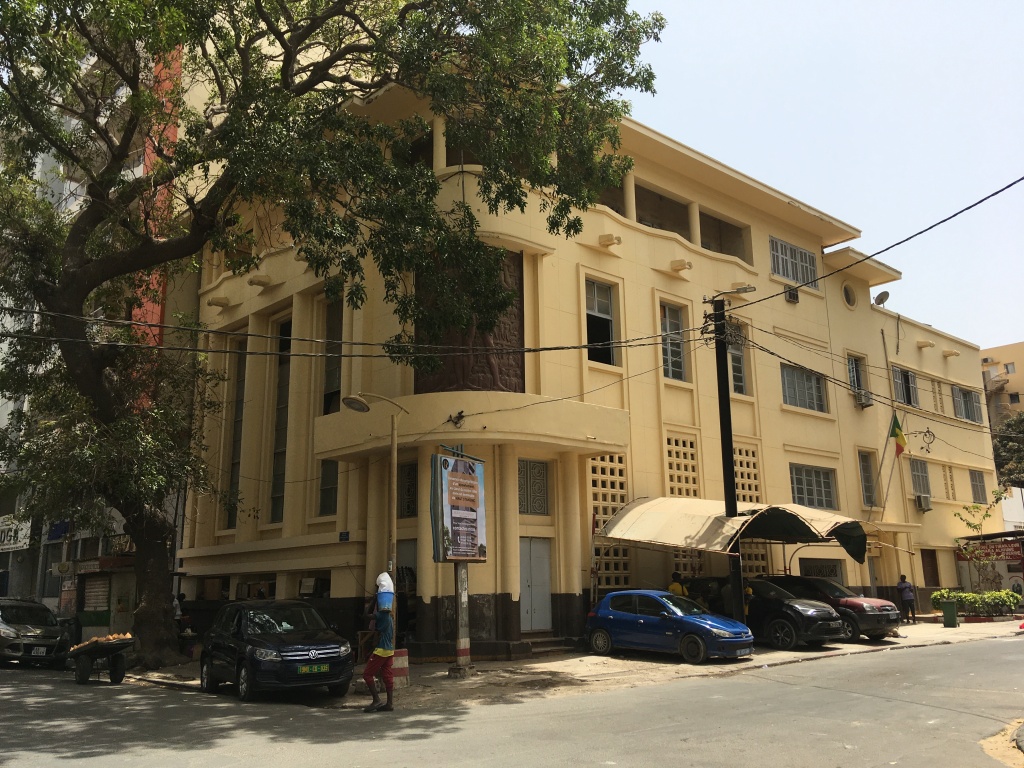
There are a number of Modern structures that we couldn’t identify, and some experimental architecture amongst the more restrained trading stores. There’s clearly a need for a mapping and documentation project to list and identify the history of these structures.
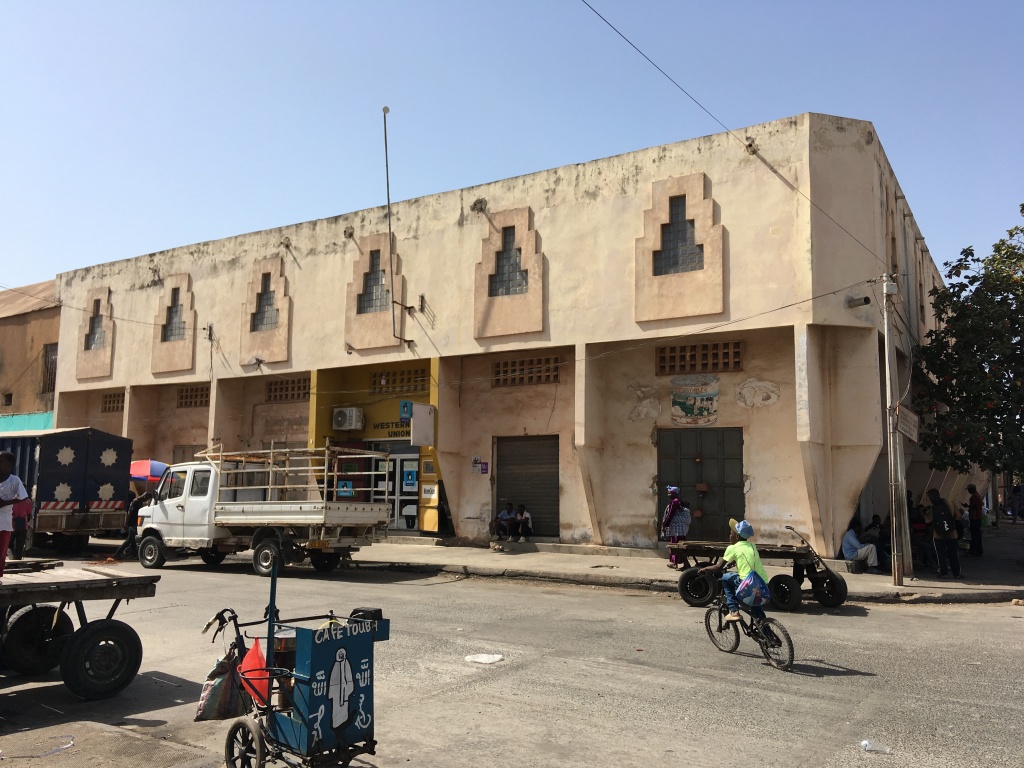


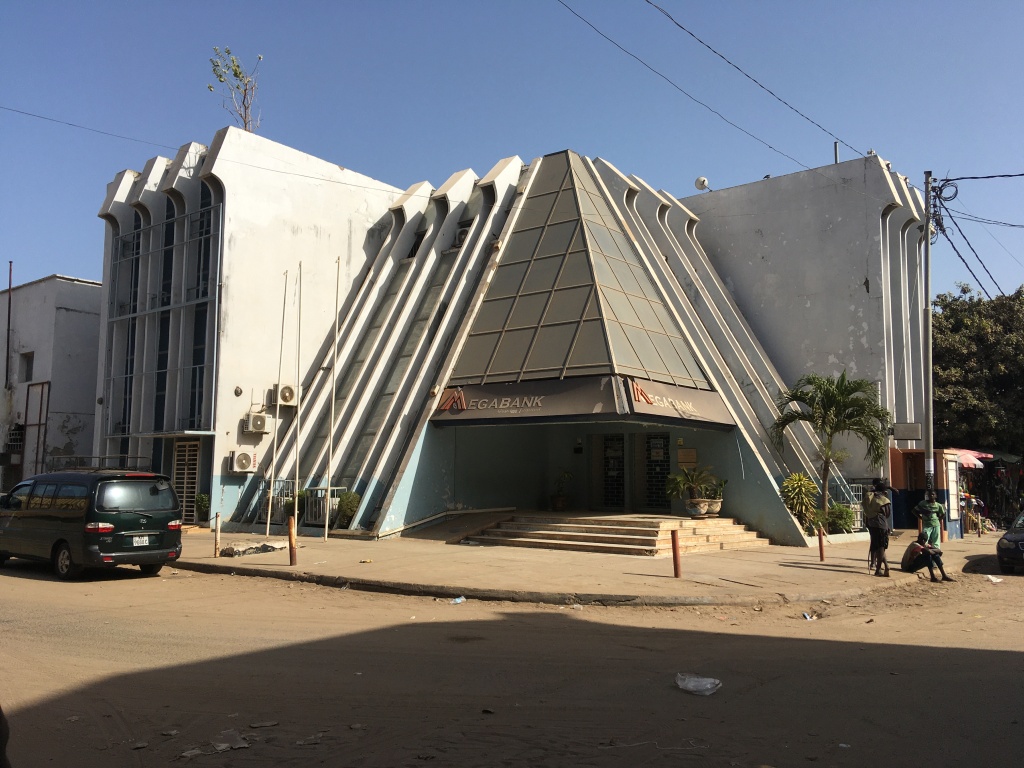
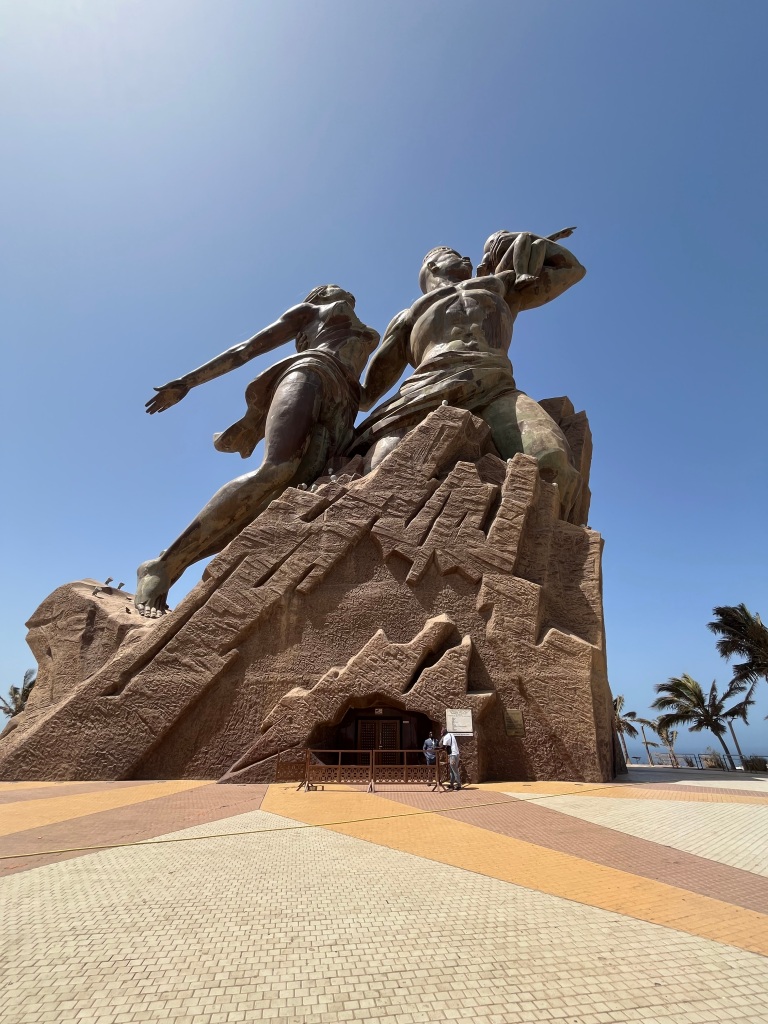
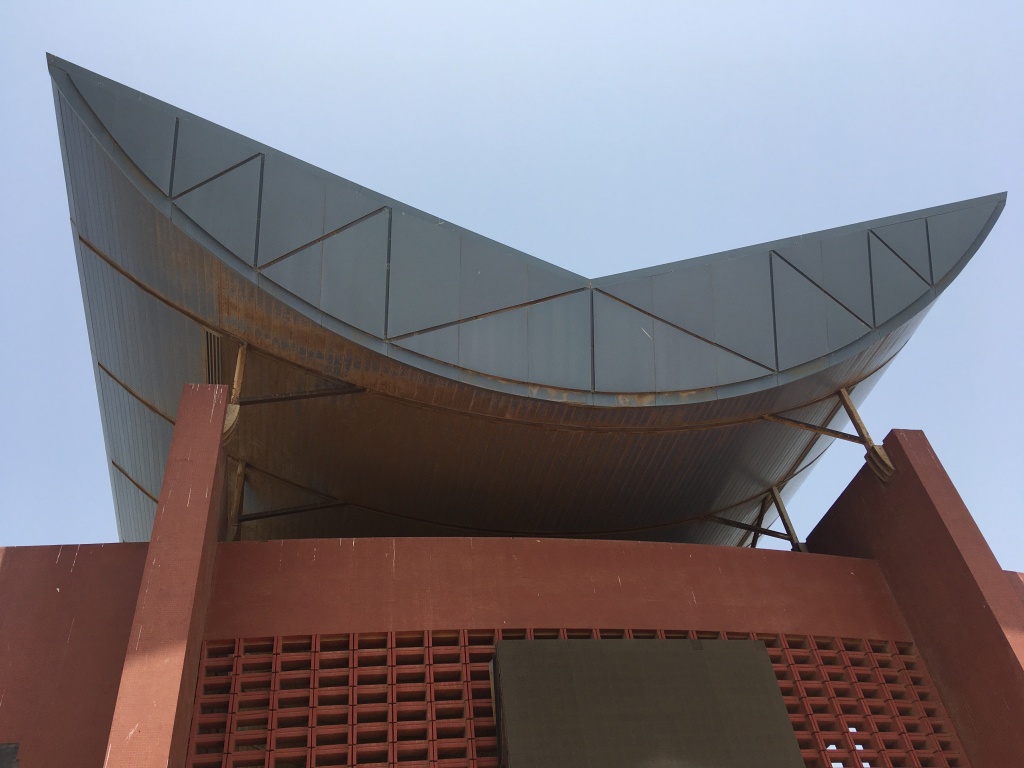
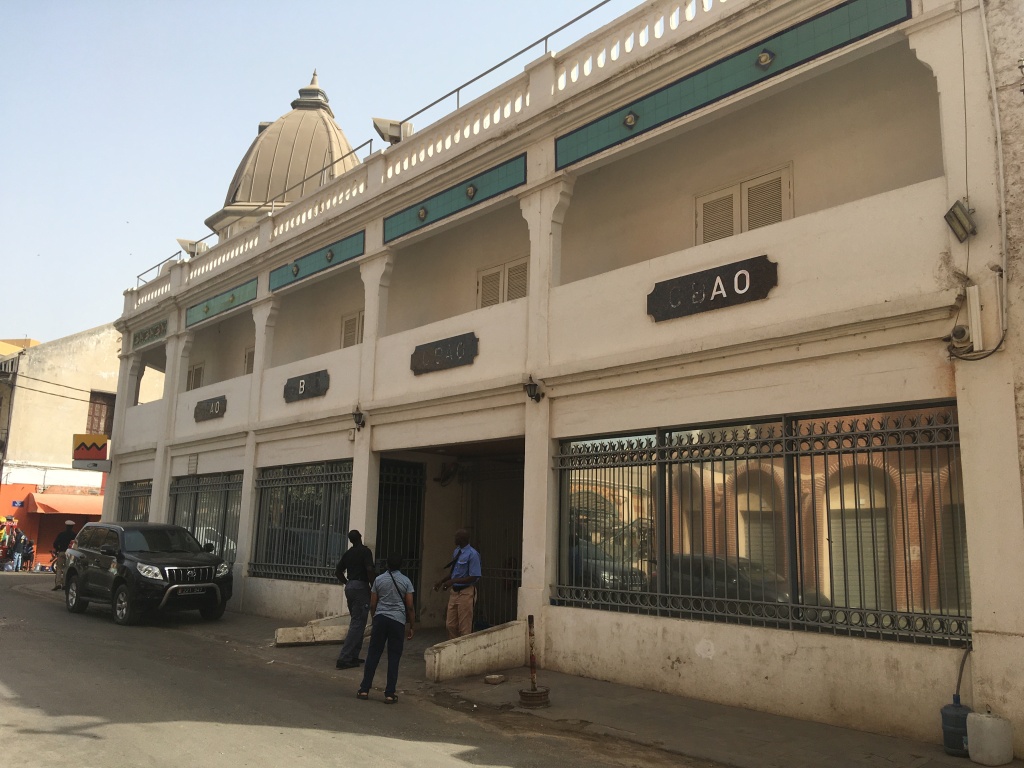
One of the highlights was the number of banking offices, including a design by Pierre Goudiaby (b 1947), the Senegalise architect responsible for Gambia’s airport, the National Theatre in Dakar, and the gigantic 49m tall African Renaissance Monument, also in Dakar.

























 Transnational Architecture Group