As Hardly Found: Art and Tropical Architecture centres artists and artworks that have so far been overlooked by histories of ‘tropical architecture’. In this collection of essays, historians, artists and archivists address works of art connected to epicentres of teaching and practice within the movement – focusing on the Department of Tropical Architecture at the Architectural Association and its collaborators such as Kwame Nkrumah University of Science and Technology – which emerged in the mid-20th century alongside anticolonial struggles that dismantled the British Empire.

Here, authors use creative, critical and speculative methods to inhabit the gaps in archives of tropical architecture, highlighting artworks in Nigeria, Ghana, India, Indonesia, Singapore, Costa Rica, Cuba and the UK. Their contributions trace connections within a network of relations between art and architecture; one which recentres the rich and diverse forms of environmental knowledge, social values and material cultures contributed by artists working in these contexts.
We are delighted to welcome the editor, Albert Brenchat-Aguilar, and the team from AA Publications, who will give a short introduction to the book. A small installation will accompany, food and refreshments will be provided.
More info here: https://www.aaschool.ac.uk/publicprogramme/whatson/as-hardly-found
Book contents:
- Foreword by Ingrid Schroder
- As Hardly Found by Albert Brenchat Aguilar
- Bea Gassman de Sousa, Pencils and Ink: Ben Enwonwu’s Boy Reading
- karî’kachä seid’ou, A Silent Witness: J C Okyere’s Lonely Woman
- Juliana Yat Shun Kei, The Unspeakable and the Unspoken: Theo Crosby’s Graphic Communication in Architectural Design
- Mark Crinson, The Frontiers of Architecture: Eduardo Paolozzi’s Man with a Camera
- Kennii Ekundayo, Ecological Synthesis: Bruce Onobrakpeya’s Eketeke and Erhevbuye and Tree in a Landscape
- Ben Highmore, Flesh Feeling: Magda Cordell’s No 8
- Hannah Le Roux and Pedro Guedes, Zebra Attack: Pancho Guedes’s The ‘Buedes’ Mural
- Pepe Menendez, Following (Foot)Prints: Tony Évora’s Poster for OSPAAAL
- Vandana Baweja, Counter-Narratives of Tropicality: Asiru Olatunde’s Aluminium Repoussé Panels
- Joleen Loh, Multi-Directionalities: The photographs of Kim Lim
- Adedoyin Teriba, Ever-Changing Nature-Cultures: Demas Nwoko’s Crafts Men at Work
- Albert Brenchat-Aguilar, Artemis Morgan, Çağla Kazanlı, Mina Gürsel Tabanlıoğlu, and Yiru Wang, Climate Anti-Determinism: Avinash Chandra’s Fire
- Rachel Lee, Where Are the Beautiful Moments? Homi J Bhabha’s Dove Sono i Belli Momenti?
- Lena Naumann, Forms of Significance: Susanne Wenger and the New Sacred Artists
- Antoni Malinowski, Hello, Shelagh: Shelagh Wakely’s KNUST Occasional Report cover
- Shirley Surya, Where Rivers Meet, a Dome: I Ketut Tagen’s Untitled (Bale, Bunder, Windhu, Anne, Bali, Ubud, Campuan)
- Courage Dzidula Kpodo, A Stranger Form: Kwaku bonsu’s Postcard of Prempeh II Sculpture
- Ikem Okoye, Tesserae and Sovereignty at Risk: Yusuf Grillo’s Lagos City Hall Murals
- Zhijian Sun and Wei Weiting, Experts and Amateurs: Khoo Sui Hoe’s Children of the Sun
- Natalia Solano Meza, Experiments in Dissent: Felo García’s 20 Años de Pintura
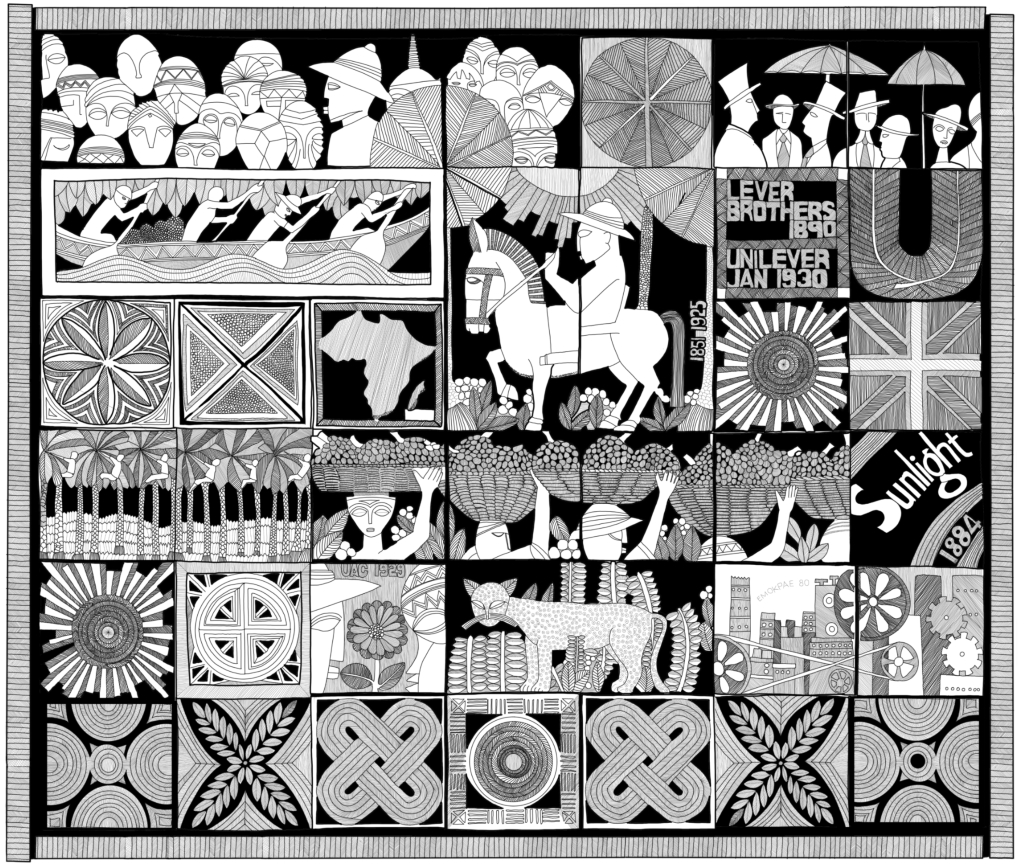
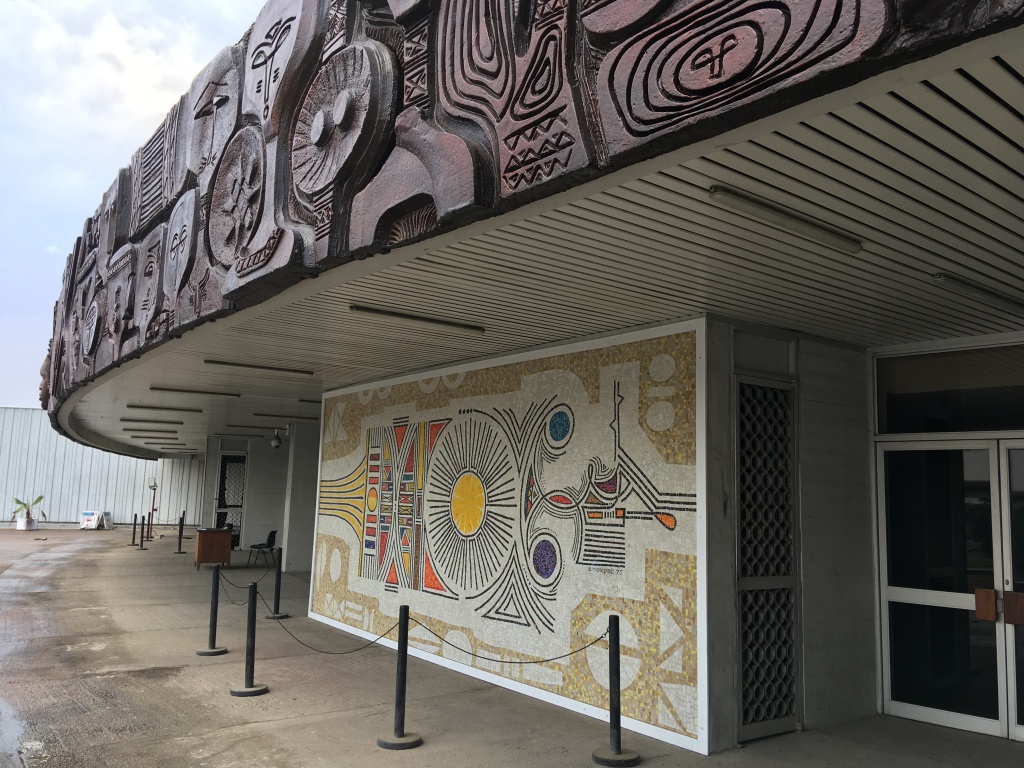
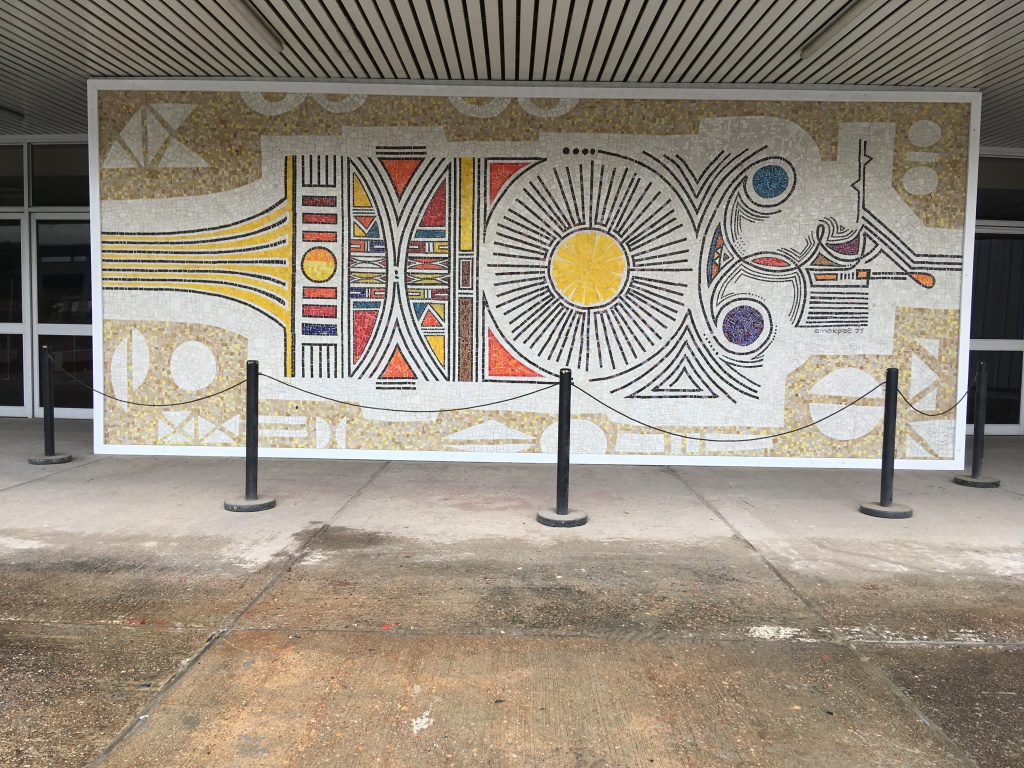
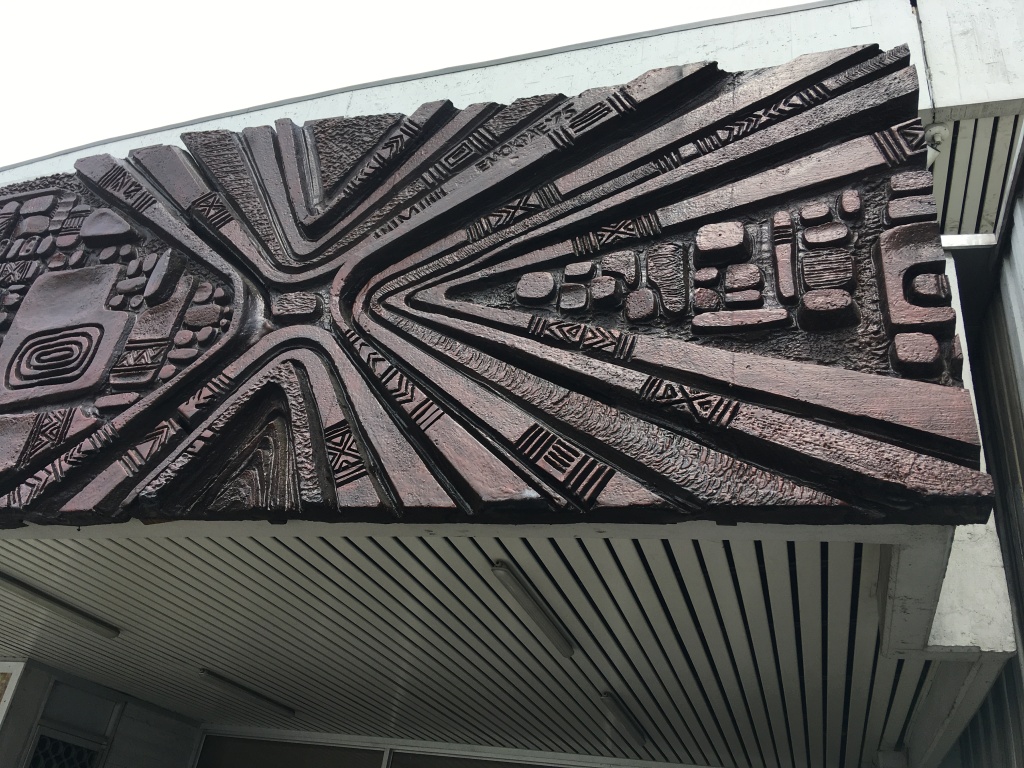
- Iain Jackson, Claire Tunstall, and Helen Unsworth, Something Unsettling and Subversive: Erhabor Emokpae’s Mural for the United Africa Company
- Epilogue by Bernard Akoi-Jackson (KNUST, Kumasi), A set of Artistic Speculations on Imperatives that are Structural and Systemic
- Epilogues on Fiction: by Ella Adu, Mariana Castillo Deball, Ato Jackson, Debbie Meniru
- Epilogue by Priya Basil, Archive Fever



 Transnational Architecture Group