Archive

Tag Archives: India

An Account of the Tamil Nadu State Archives in Chennai: Searching, Finding & Adapting

By Kunal Mathur, PhD candidate, University of Liverpool , K.Mathur2@liverpool.ac.uk

In July 2025, I did fieldwork for a PhD in Architectural History at the Tamil Nadu State Archives in Chennai (previously known as Madras), India. I spent the whole month at the archive asking for and receiving documents. I came prepared with research on the archive and its documents, and with the added advantages of being Indian and having friends living in the city, I felt fairly confident. Having visited the archives at the British Library and the Wellcome Library in London, navigating archives were now familiar to me, or so I thought.  My experience at the Tamil Nadu State Archives was anything but familiar. My preparations did help to an extent but for the most part, I had to figure things out for myself.

This article talks about the many hurdles I faced and how I overcame them. More often than not, I did not manage to overcome these hurdles and had to compromise or find alternate approaches.

My research follows the Madras General Hospital during a period of British rule in the country (1772-1862). All the documents I discuss will be restricted by the timeline stated but some of the hurdles I faced will apply to most students and academics. My hope is that my experiences at the Tamil Nadu State Archive will ultimately help others navigate the archives more productively.

Context

The Tamil Nadu State Archives, originally called the Madras Record Office, started in 1909. It houses government documents of the state and is a repository for historic documents of South India from the 17th century.
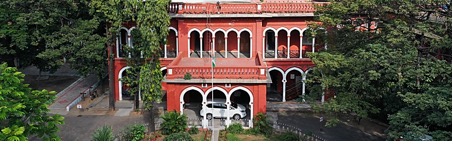
Figure 1: Tamil Nadu State Archives (Source: Archives Website)

The archive building is an impressive heritage structure constructed in the Indo-Saracenic style of architecture. During my visit in July 2025, restoration and renovation work was ongoing mainly in the interior spaces. The restoration of the facade had already been completed by then, only the scaffolding remained for the next few days of my visit.
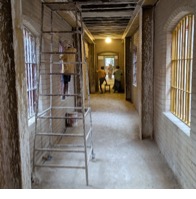
Figure 2: Interior Work Underway (Source: Self)

The Tamil Nadu Archives Library remains a separate building somewhat behind the archive itself. Accessing the library was especially tricky, as you had to go through the archive to get to the library building. Newcomers to the archive could easily miss spotting or even realising that a library exists there. On the recommendation of the archivists, I visited the library first, as it contained indexes and guides to help navigate archival records. These indexes were unfortunately almost completely outdated. Additionally, the library kept completed dissertations, rare publications, old books, and journals for students to skim for references and clues to the archival documents. While I did not find any reference that benefitted my research, the dissertations covered many topics pertaining to the state and country and should not be skipped.

As mentioned earlier, my research follows the architectural history of the Madras General Hospital (1772-1862) as it grew and adapted to the city. Hence, I will be discussing my experience navigating the collection, Records of the East India company from 1670 to 1857. This collection, referred to as stacks, is one of the nine collections available at the archive. I will not delve too deeply into the subcollections as I did not manage to look at all of them.

Finding the Documents

On entry, students and academics are led to the Research Reading Room where they must find documentation. They are directed to one of two desktop computers that have the necessary indexes of each collection.
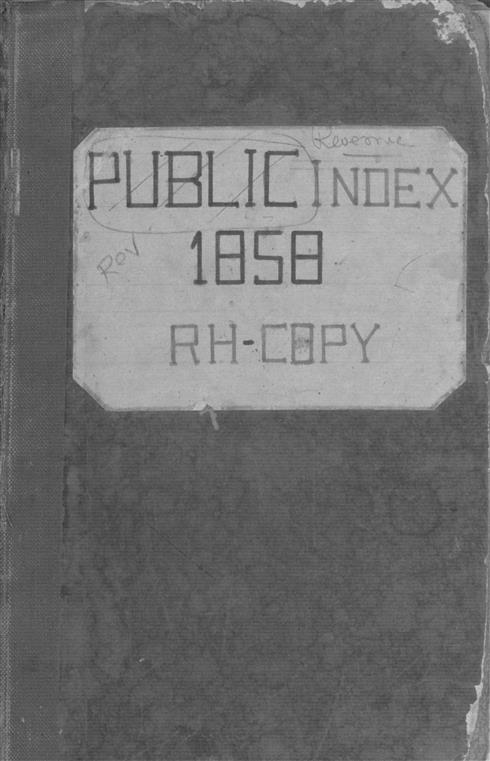
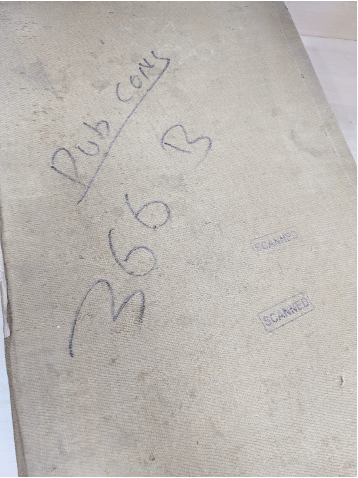
Figure 3: Sample of an Index (Source Archive’s Website)

The Desktop computers include a collection called ‘Press List’ (a great place to start) that serves as a variation of indexes for the collection on the East India Trading Company. The Press List is an invaluable source of information as it provides single sentence summaries or more of each communication, covering the period from 1750-1805. Discussions over a long period of time can be ascertained with reasonable detail through the Press List, serving as a source of information while being an index for other subcollections.

The Press List also serves as an index directing a researcher to a particular subcollection where details can be found. The subcollections for my research come under the Public and Military departments (for eg. Military Consultations or Public Consultations). A special serial/volume number is allotted to each document of the subcollections that can be retrieved from the S7 Catalogue (on the basis of the date). The documents cover a period of a few months to a year (varying as per collection and time period).
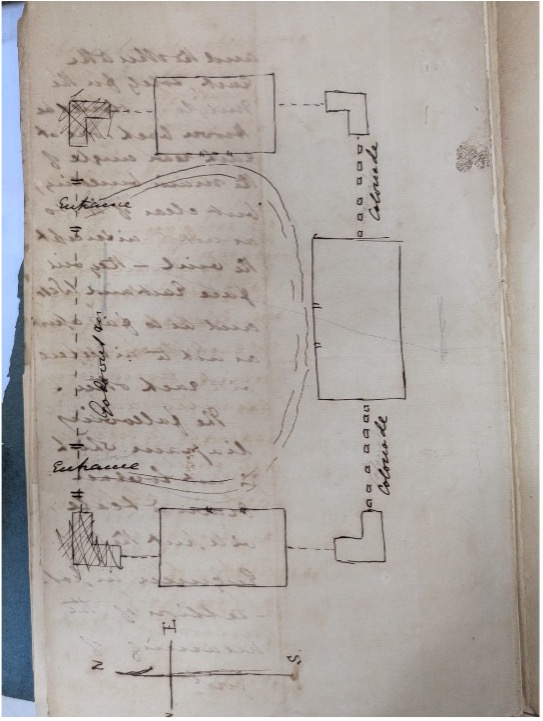
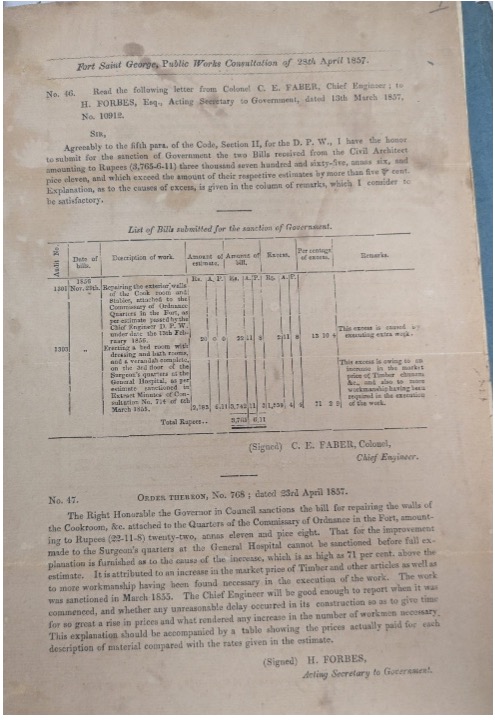
The Press List only covers the period up till 1805, leaving a large gap between 1806-1862. Some records of this later period are available through other indexes like the Public Works Department, Public department and the Military department, but they are too extensive to go through. The best way to find documents for this period would be to find dates through one’s own secondary research. The S7 Catalogue provides the necessary serial/volume number based on the date. For the documents after 1858, indexes like the Public Works Department, Public department and the Military department can be used to pinpoint the years and serial/volume number without the need for a catalogue.

After finding the date ranges and specific serial/volume numbers of documents, you will be allowed to submit a total of 10 document request per day. These requests are to be written down on a form and given to the archivists.

Challenges faced and Solutions Suggested

The archivists have difficulty in communicating in English, leading to miscommunications. Their common tongue, Tamil, is a regional language that is not known in most parts of India. The official language of the country, Hindi, is also not known to them, making it difficult for other Indians to communicate with them too. This poses a bigger problem in the initial phases when a researcher is trying to understand and navigate the archival collections. The best way to cope with this issue is to ask help from Tamil students in the research reading room. They can effectively translate for you, since most of them are fluent in English. 

The archivists have difficulty reading English too, often leading to the procurement of the wrong archival documents. They misread words but understand numbers. Writing clearly and in bold letters is a good way of dealing with the problem. Moreover, writing the dates in a numerical format (dd-mm-yy) removes any chance of misreading the dates.

Many of the documents are missing and cannot be retrieved. Public and Military documents between 1858-1947 have not been maintained or preserved. Most of them are not available. From my experience, even the documents that are found have missing drawings and sketches. The documents before 1858 are undergoing the process of preservation. Documents of the Public Department are mostly available, but the military ones are not all available.

In my experience, more than half of the documents requested are not found. The best course of action is to search other subcollections of the public or military during the same time period. Many topics one may not find in one subcollection, maybe found in another. In my experience, abstracts, letters to England, and letters from England (subcollections) are good sources of information, as many conversations are repeated in them.

Conclusion

The Tamil Nadu State Archives has a variety of documents, maps, letters, manuscripts and books worth exploring. The building itself is impressive, especially when compared to other archival buildings in India. Staff members and archivists are welcoming and helpful, making daily visits to the archives more enjoyable and worthwhile. Overcoming the communication barrier with the staff and archivists can be seen as a constant hinderance and a major drawback of the archive, but it can be overcome over time.

The real issue at the archive is the availability and condition of the archival documents. Working around this issue takes time and patience. An explanation for a missing document varies from one staff member to the other and can often be frustrating. Finding solutions to these problems takes a significant amount of time, as it usually involves looking at other indexes and subcollections. Ascertaining substitute documents in other subcollections requires logical reasoning and significant background knowledge on the time period and functioning government. While finding information at the Tamil Nadu State Archive does seem like solving a puzzle, researchers like me do end up finding enough material.

The Transnational Architecture Group is 10 year’s old this year. Thank you for supporting the blog and to all of our excellent contributors over the years for enriching the content and generously sharing their work. We’d also like to thank the communities in the places in which we work, the archivists and librarians for making material available to us and sharing their expertise, our respective institutions for supporting our research, and to the research funders who make travel, time, and resources available to us.

The blog started as a means to share our work-in-progress ideas and to promote events – and that is still at the core of what we do. We continue to add updates from our ventures into the archives, travel reports, and to share interesting events and innovative papers. These small reports and updates have compounded into something of a large resource and repository, and we’re delighted so many people have been able to make good use of (and to correct and expand upon) our work and attempts at writing these histories.

To celebrate the 10 year anniversary we held a small gathering at the Liverpool School of Architecture on Wednesday 8th March, curated and organised by Dr Alistair Cartwright. Our speakers were all PhD students, post-doctoral researchers, and research associates at the school. You may watch the proceedings here:

https://stream.liv.ac.uk/fkzj2h9j

The speakers and titles of the presentations are below, with timings if you’d like to skip to a particular talk:

Rixt Woudstra, “Sapele and Samreboi: Building Company Towns in British West Africa” 5:25

Excy Hansda, “Indigenous Modernities in the Twentieth Century Architecture of Bombay” 20:00

Adefola Toye, “Tropical Modernism in Nigeria’s First Universities: Accessing Sources Beyond the Archives.” 37:00

Ewan Harrison, “Planning for Post/Neo Coloniality: the Paramount Hotel in Freetown” 1:11

Iain Jackson, “Erhabor Emokae and the curious case of the UAC Mural: tropical modernism and decorative arts” 1:31

Daneel Starr, “How and why has the vernacular architecture and intangible cultural heritage of the Akha people changed in the face of globalization: Using the village of A Lu Lao Zhai, Xishuangbanna (sipsongpanna) China, as a case study.” 1:50

Paul Robinson, “Freetown, the UAC and urban design” 2:20

Alistair Cartwright, “Ecologies of Vulnerability: Post-Cyclone Reconstruction in Mauritius, c. 1945” 2:35

We also heard an excellent paper from Razan Simbawa, “The Effects of Demolish-based Urban Regeneration on Displaced Residents in Jeddah, Saudi Arabia” – which cannot be shared on the video recording at the moment.

Thank you again to all of the speakers for their wonderful talks, presentations, and work-in-progress. There was such variety and richness in the topics and methods, and at the same time numerous connections and cross-overs between the work.

Please do get in touch if you’d like to know more, or to share your work on the blog.

Inês Nunes is a PhD student at University of Coimbra, Portugal and is investigating, “The Social Within the Tropical: Jane Drew and Minnette de Silva designing an inclusive modernism in the tropics”. Here’s an update on a recent visit to the RIBA archive.

“My dearest, darling Jane”: unfolding Fry and Drew Papers

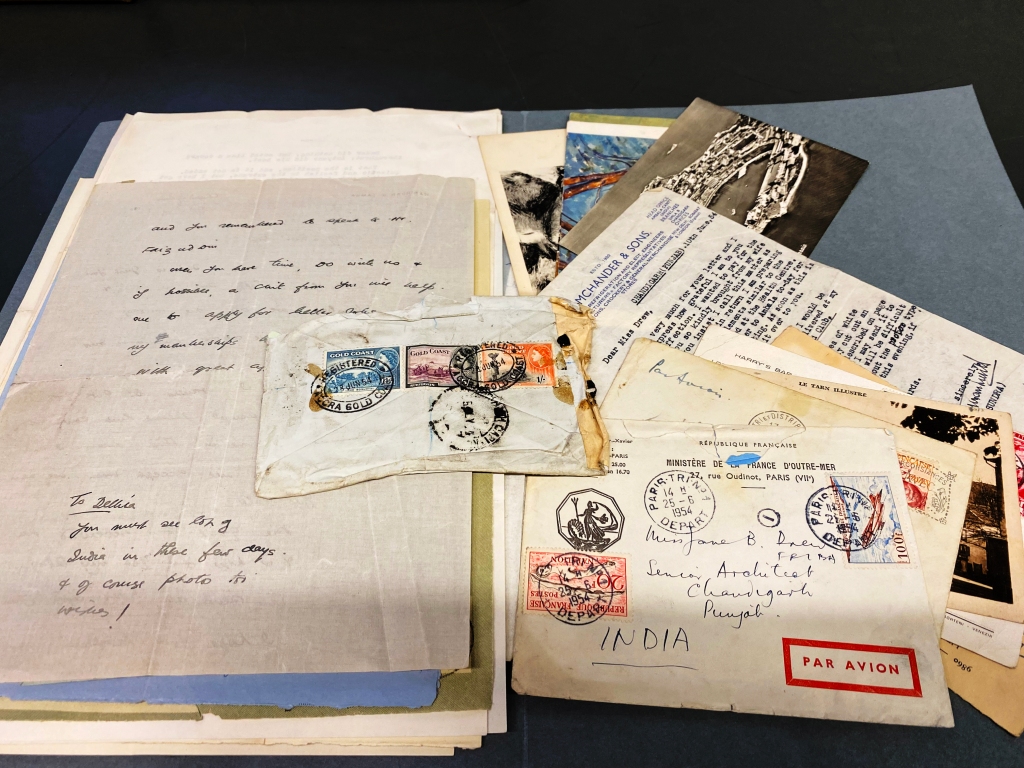
In a conversational tone, Maxwell Fry addresses Jane Drew from the ‘remote’ mid-1940s Accra. “Darling Max”, she replicates. Their correspondence, a lively itinerary from West Africa, India, Iran, or Mauritius, belongs to a treasure chest named Fry and Drew Papers. It is accessible, along with unrivaled archival material, in the RIBA Architecture Study Rooms of the Victoria & Albert Museum (London).

Love notes handwritten on hotel letterheads, diaries displaying candid reflections about life, and memoirs manuscripted on paper bags are entangled with professional-wise material. Included are lectures and articles revealing narratives about architecture, extraordinarily illustrated with colourful drawings or sharp pencil sketches. Both are complemented by miscellaneous data: postcards, press cuttings, administrative files, address books… The characters gain life in every opened box. Their voices echo through calligraphies, signatures, ideas.

In its uniqueness, Fry and Drew Papers are an overwhelming resource regarding the life and work of both architects and an efficient record of the dynamic of their global scope partnership. Even so, it excels. Flexible and embracing enough to accommodate diverse interests and aims, unpublished personal letters, diaries, and autobiographies provide captivating details to any enthusiast – for instance, Fry’s diary was only made accessible in 2021. Furthermore, the archive is a source of knowledge about British historiography and significant architectural thematics: the MARS Group, the Modern Movement, Tropical Architecture, and Chandigarh are noteworthy.

Overall, the research was a privilege and the expectations were exceeded. My deep gratitude to Dr. Shireen Mahdavi for supporting this endeavour. The wealth of these primary sources allows an experience that couldn’t have been more rewarding. By immersing in Fry and Drew’s universe, how inspiring becomes their lifetime of respect and companionship, the robustness of their practice, and the profound vow to “produce towns and housing that will be loved, lived in and cared for” (Drew, F&D/27/2).

This congress calls for papers that will examine the movement of people and things around and across the Indian Ocean Rim and reveal instances or patterns of transfer that may complicate assumed centre-periphery dynamics, or correspond more closely to the idea of South-South cooperation. It looks to engage new political framings like the Non-Aligned Movement (NAM) or the Group of 77 (G77) and the resulting New International Economic Order (NIEO) that would reconfigure the transfer of construction materials and labour, and consequently architectural knowledge, across this region. But it also hopes to discuss the potentialities for greater solidarity that emerged from broader philosophical notions of ‘neutralism’ ‘human dignity’ and ‘justice’ and how these have affected the ethics of construction in the Global South. Finally, it is expected that all these considerations will find a place in the discussion of migrant populations and their negotiations with these constructed political and cultural categories, living across and beyond them in a constant state of liminality. 

Abstracts (300 words) for proposed papers are invited to be submitted to camea@adelaide.edu.au by 20th June 2021. Congress will meet on 7th-9th November 2021.

Please see the attached Call for Papers for further details:

On behalf of co-convenors: Peter Scriver, Katharine Bartsch and Amit Srivastava

Rachel Lee, ‘Engaging the Archival Habitat: Architectural Knowledge and Otto Koenigsberger’s Effects
Comparative Studies of South Asia, Africa and the Middle East (2020) 40 (3): 526–540; https://doi.org/10.1215/1089201X-8747502

Drawing on experiences of researching India’s architectural history, this article explores the affect generated by architectural archives as a source of knowledge. It traces the affective life of the archives and practices of a singular historical figure: Otto Koenigsberger, the chief architect and town planner of the princely state Mysore, the architect of Jamshedpur (a.k.a. Tatanagar, the “Steel City,” India’s first planned industrial town), the first director of housing of the federal government of India, cofounder and director of the Department of Tropical Studies of the Architectural Association in London, and architecture and planning consultant at-large to the United Nations.

Arguing that the affective archive has disruptive historiographical potential, the article posits that it exists fundamentally beyond the architectural object and archival documents themselves, and indeed fully in discourse with its users. The article argues for a more expansive and inclusive understanding of what constitutes an archive, designating the “archival habitat” as a place of active scholarly engagement.

Tania Sengupta, “Papered spaces: clerical practices, materialities, and spatial cultures of provincial governance in Bengal, Colonial India, 1820s–1860s”, Journal of Architecture, vol 25, issue 2, 2020

British colonial governance in India was built upon global technologies of writing produced through European mercantile colonialism; the extraction of the embodied Mughal administrative knowledge from a Persianette (or Tamil-proficient, as in Southern India) Indian clerical class, and its materialisation into official paper-based forms, as shown by Christopher Bayly; and a scribal-clerical ‘habitus’ as described by Bhavani Raman. This research focuses on the architecture, spaces and material culture associated with the paper-bureaucracy of the colonial government of Bengal that Jon Wilson calls one of the world’s earliest modern states.

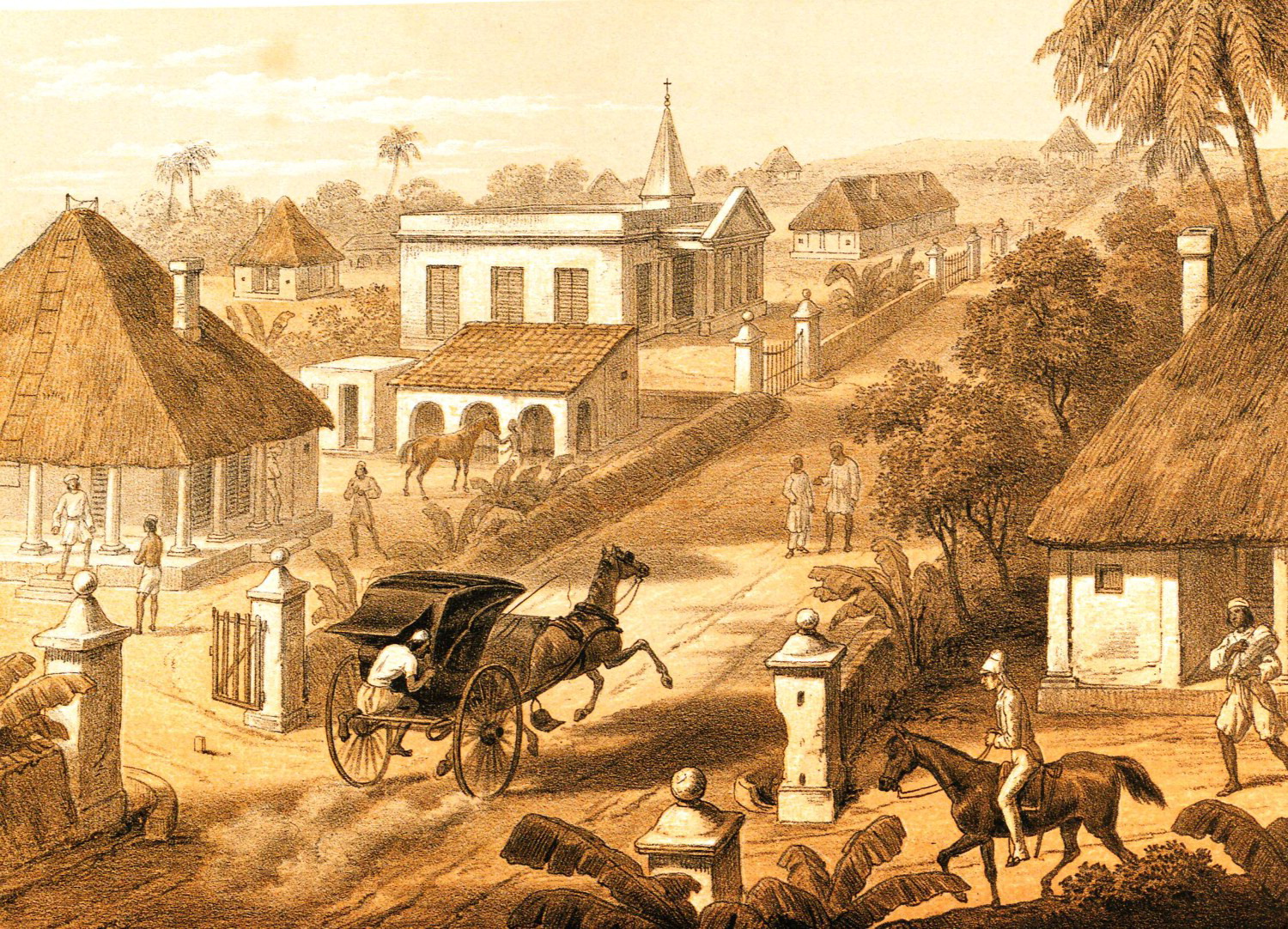
A provincial administrative town in colonial Bengal. George Francklin Atkinson, Our Station, Plate 1, lithograph, from Atkinson, Curry and Rice (On Forty Plates) Or the Ingredients of Social Life at Our Station in India (London: Day & Son, 1859), © British Library Board, 1264.e.16

A provincial administrative town in colonial Bengal. George Francklin Atkinson, Our Station, Plate 1, lithograph, from Atkinson, Curry and Rice (On Forty Plates) Or the Ingredients of Social Life at Our Station in India (London: Day & Son, 1859), © British Library Board, 1264.e.16

It argues that this paper-/ writing-oriented habitus also mandated a chain of materialities and spatialities (paper-records, furniture, spaces, and architectures of colonial governance). Focusing on the colonial cutcherry(office), the nerve-centre of Bengal’s zilla sadar (provincial administrative) towns, I analyse such ‘papered spaces’ as record rooms and clerical offices. The work is conceptualised around paper as a key agent of colonial governance, including the expanding spheres of its logic, which profoundly permeated the cutcherry’s material-spatial culture and experiential ‘lifeworld’. I also reflect on how colonial paper-practices intersected with other more immaterial and mobile circuits of knowledge and information spread over the town and country, and how such paper-governance was fed, for example, by spatial geographies of paper supply and printing. For the research, I combined extensive on-ground documentations of the material fabric of the buildings with archival research (governmental papers, period literature and art) in India, Bangladesh and Britain.


https://www.tandfonline.com/doi/full/10.1080/13602365.2020.1733861 

‘The architectural production of India’s everyday modernism: middle-class housing in Pune, 1960-1980’ in Architecture Beyond Europe Journal, no.16, 2019.

Sarah Melsens, Inge Bertels et Amit Srivastava

img-5

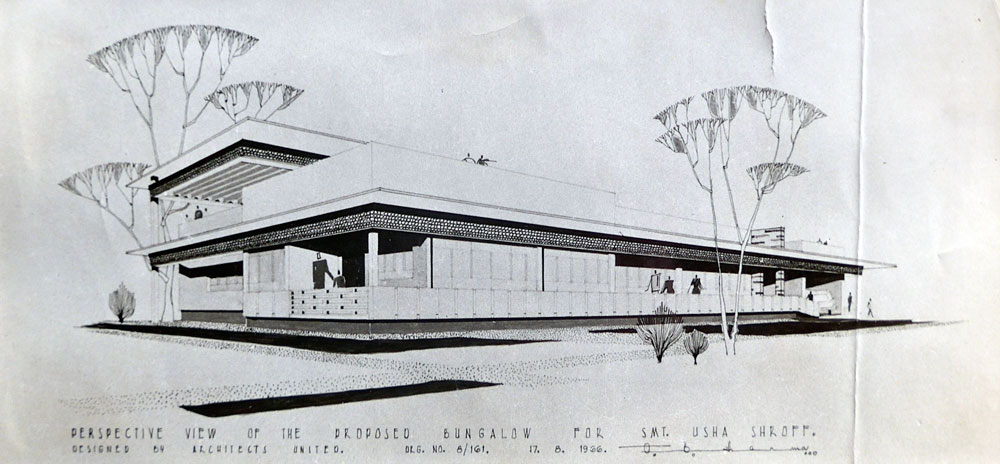
Architects United, Freestanding Bungalow for Mrs. Shroff, Pune, 1966

The large-scale appropriation of modernist architectural features in everyday housing projects in postcolonial India is remarkable. This article examines how regional architects adapted their engagement with architectural modernism to the evolving circumstances of architectural production within the context of the developing world. Drawing on Pierre Bourdieu’s “field theory”, it presents a detailed case study of two decades of residential work by Architects United, a medium-scale architectural practice founded in the Indian city of Pune in 1961. While the architects’ earliest projects demonstrated an opportunity and desire for architectural innovation, this approach became increasingly restricted as new patterns for housing provision emerged, resulting in a more subdued and hybrid form of modernist architecture. The paper makes use of the architects’ previously undisclosed archive and oral history to demonstrate that these architectural adaptations were the indirect result of governance practices and societal change, particularly the government’s stimulation of co-operative housing initiatives and the emergence of a postcolonial middle class with distinct housing expectations. As such, this “peripheral” case exposes some of the processes that have been overlooked in the rhetoric of Architectural Modernism as a Western import in India, which is primarily centered around the discussion of exceptional public building commissions by “global experts” or their Indian disciples. The paper further highlights the need to investigate the processes of architectural production, in addition to the built product itself, so that a pluralistic rather than romanticized understanding of architectural practice may emerge.

The full article is freely available here: https://doi.org/10.4000/abe.7011

Herbert Baker, New Delhi and the reception of the classical tradition

by Soumyen Bandyopadhyay, Sagar Chauhan, in The Routledge Handbook on the Reception of Classical Architecture: https://doi.org/10.4324/9781315171104 

This chapter assesses the work of the British architect Sir Herbert Baker (1862–1946) for the imperial capital of New Delhi, a role he shared with Sir Edwin Lutyens (1869–1944) very much as an equal partner over more than a decade. This assessment is undertaken in the context of the reception and rereading of the classical project and the wider classical tradition among not only the imperialists, but also the colonised in India.

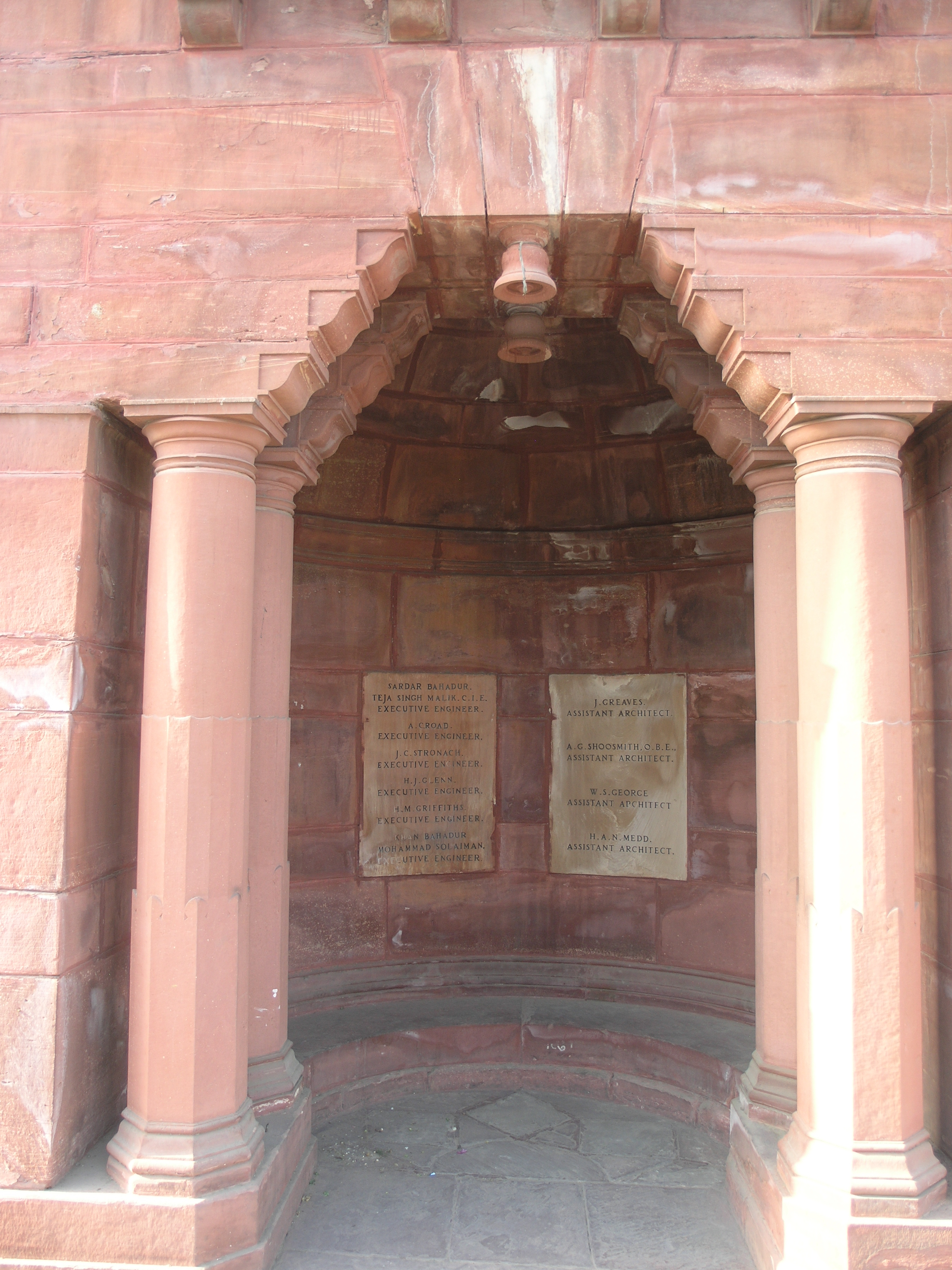
Herbert Baker: corbelled arch in New Delhi

corbelled arch in New Delhi

The reception of the classical tradition in India assumed a character distinct from other British colonies as a result of a long-standing history of interaction with the classical world, as well as the sheer immensity of its diverse historical, literary and material culture traditions. With the consolidation of the British Empire in India, European classical traditions assumed attributes and resonances they did not possess in Europe.

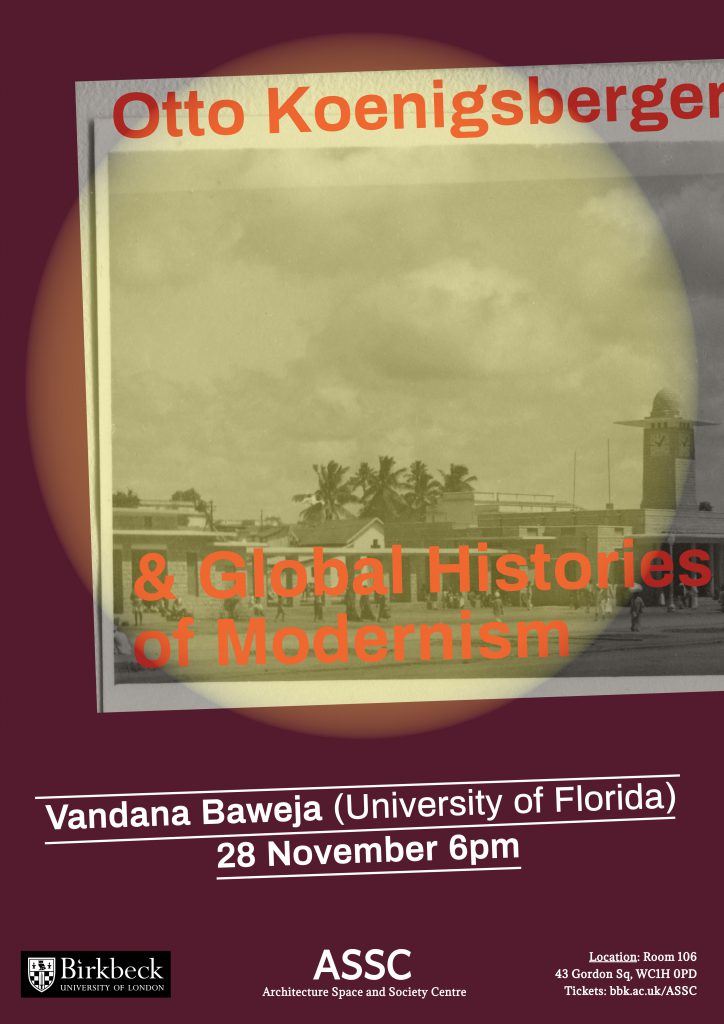
Otto Koenigsberger & Global Histories of Modernism by Vandana Baweja

Thursday 28 November 6pm – 7.30pm

Room 106 – Birkbeck School of Arts
43 Gordon Square, London WC1H 0PD

Koeningsberger_global_modernism_1-724x1024

Otto H. Koenigsberger (1908–1999) was a German émigré architect who worked as the state architect in princely Mysore in British India in the 1940s. Upon emigration to London in 1951, he subsequently became an educator of Tropical Architecture (1954–1971) at the Architectural Association School of Architecture.

This presentation by Vandana Baweja (University of Florida) examines how Koenigsberger’s career can illuminate “global” as a paradigm in modernist historiography.
Book Tickets (free)

‘I need 30 minutes to meditate before giving the lecture’ stated Balkrishna Doshi, ‘and a quiet room in which to do so, and, oh, some tea please’.

I’ve always been somewhat taken by this, my first (and only) meeting of Doshi. This was not the request of an architectural tyrant making petty demands, but an essential aligning of thoughts, removal of distraction, and focusing on how he might respond to the audience. It was a process he mirrored in his architectural work – bring forth a determined idea, eliminate any confusion and put the ‘audience’ or the ‘user’ at the centre. Doshi was in Liverpool to give a lecture to coincide with a Le Corbusier exhibition arranged as part of the European Capital of Culture year. The lecture covered parts of his biography such as his time with Le Corbusier in Paris (and surviving on a meagre subsistence) working on the monuments of Chandigarh, as well as his work with Louis Kahn at the Indian Institute of Management in Ahmadabad. Had his career ended there it would have been remarkable but he would go on to make significant advances in both formal and social aspects of architecture.

OLYMPUS DIGITAL CAMERA

Mill Owners Association Building by Le Corbusier

On 7th March Doshi was awarded the Pritzker Prize, the first Indian to receive the award, and we send our hearty congratulations.

Together with his studio he has designed well over 100 projects in the Gujarati city of Ahmedabad and many more throughout the rest of India. He has chosen to focus on India rather than developing an international portfolio of work, and he has contributed much to low-cost housing provision and town planning.

sangarth

Sangarth

Ahmadabad, with its wealthy merchant class, has proved an eager patron of architecture and the city is astonishing for its quantity of bold design. They readily embraced Corbusier’s work and he received three commissions in the city. Doshi’s own work emerged out of this context. He wasn’t a mimic or somehow bound by Le Corbusier – on the contrary, he developed his ideas further and pursued the playfulness that is rarely discussed in Corb’s later commissions.

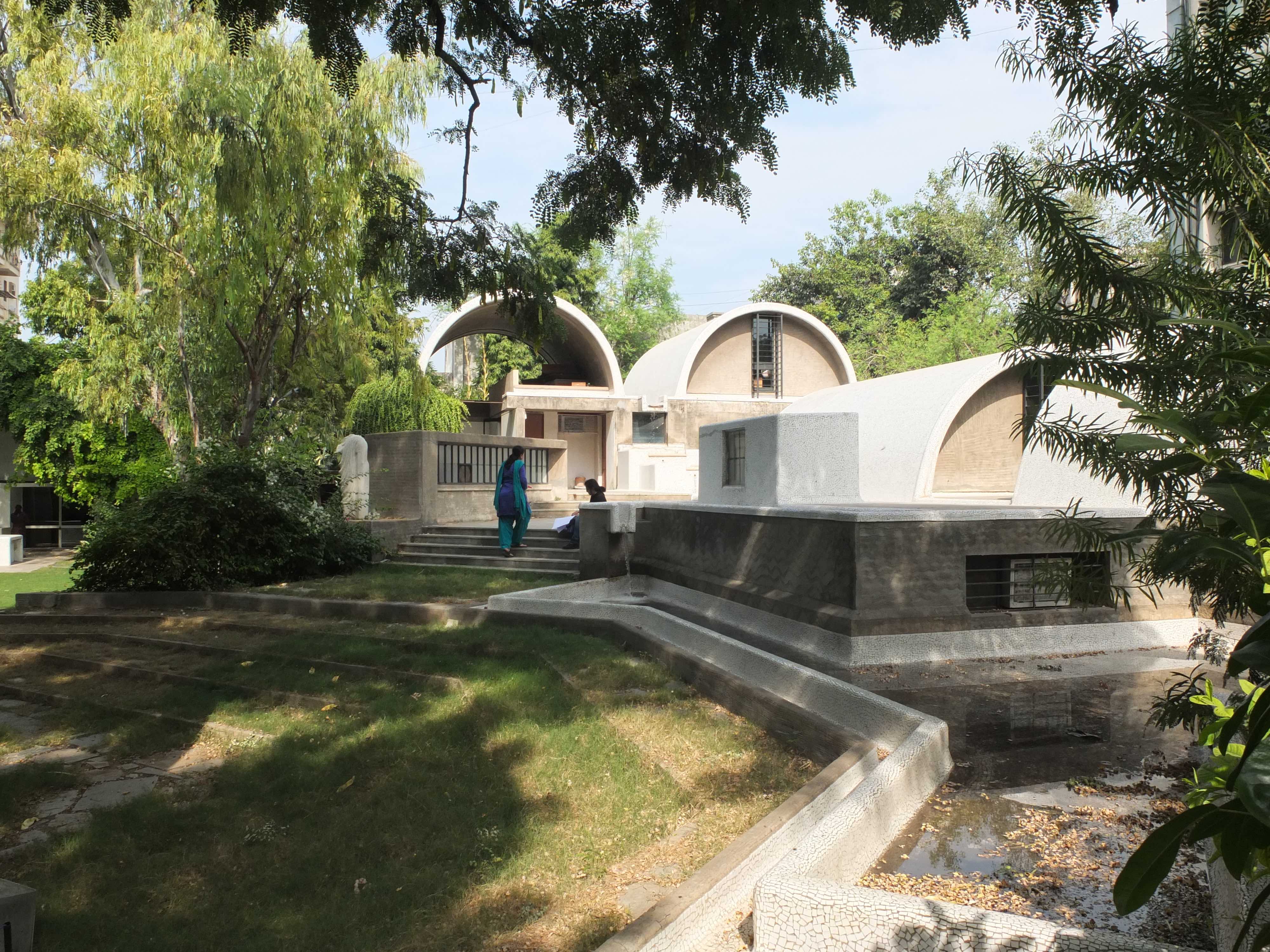
Working out of his self-built studios ‘Sangarth’ for the last 40 years, Doshi created a series of half-round concrete parasols clad with ceramic.  These vaulted spaces were quick to construct, eliminate complicated details and components, and offer flexible enclosures that can easily be extended. The vaults offer protection from the intense heat of the Gujarati summer as well as channeling the monsoon rains into a series of pools. The landscaping is equally important with large scale planting, shade trees, and a small amphitheatre carved out of the terrain. The campus is a lesson in how to design with care and beauty whilst minimising materials and maximising spatial impact.

CEPT1

CEPT

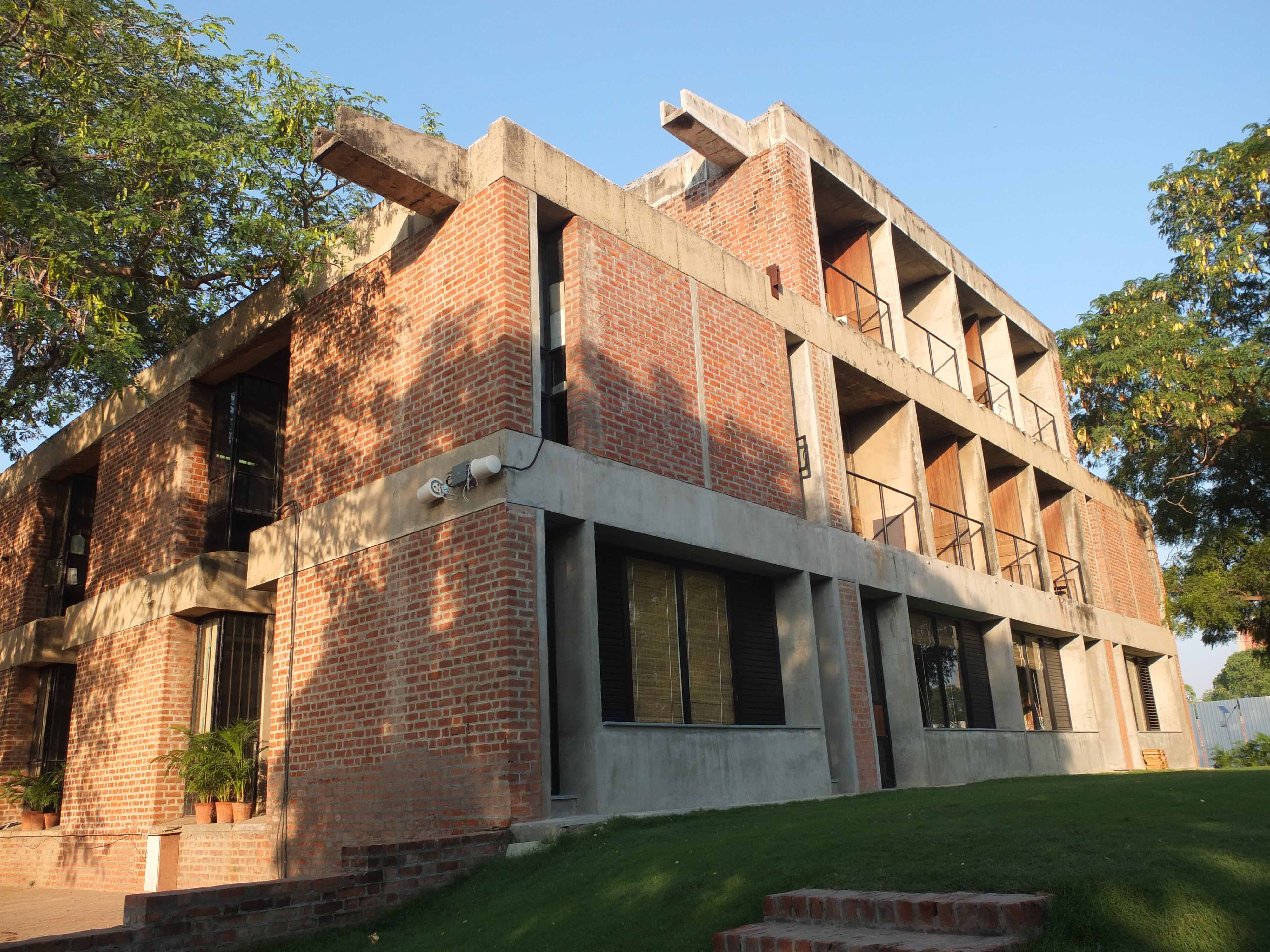
Although more sculpted and at a larger scale similar themes were explored at the Centre for Environment, Planning and Technology [CEPT].  Here there is an encouragement of procession and movement through the various structures and landscapes. Gathering spaces open up amongst the strong, yet simple brick masses. The climate here permits few enclosures and the building envelope is perforated and rarely defined. Wandering through the campus exposes the students to the work of others, and one stumbles upon critiques, exhibitions, models being tested, and class discussions. Circulation is no longer a corridor or a staircase. There are elements of Kahn’s IIM, but the CEPT campus is more compact, more urbane and less of a‘set piece’ than IIM – whilst both use the humble brick and deep shadowed reveals to great effect.

CEPT2

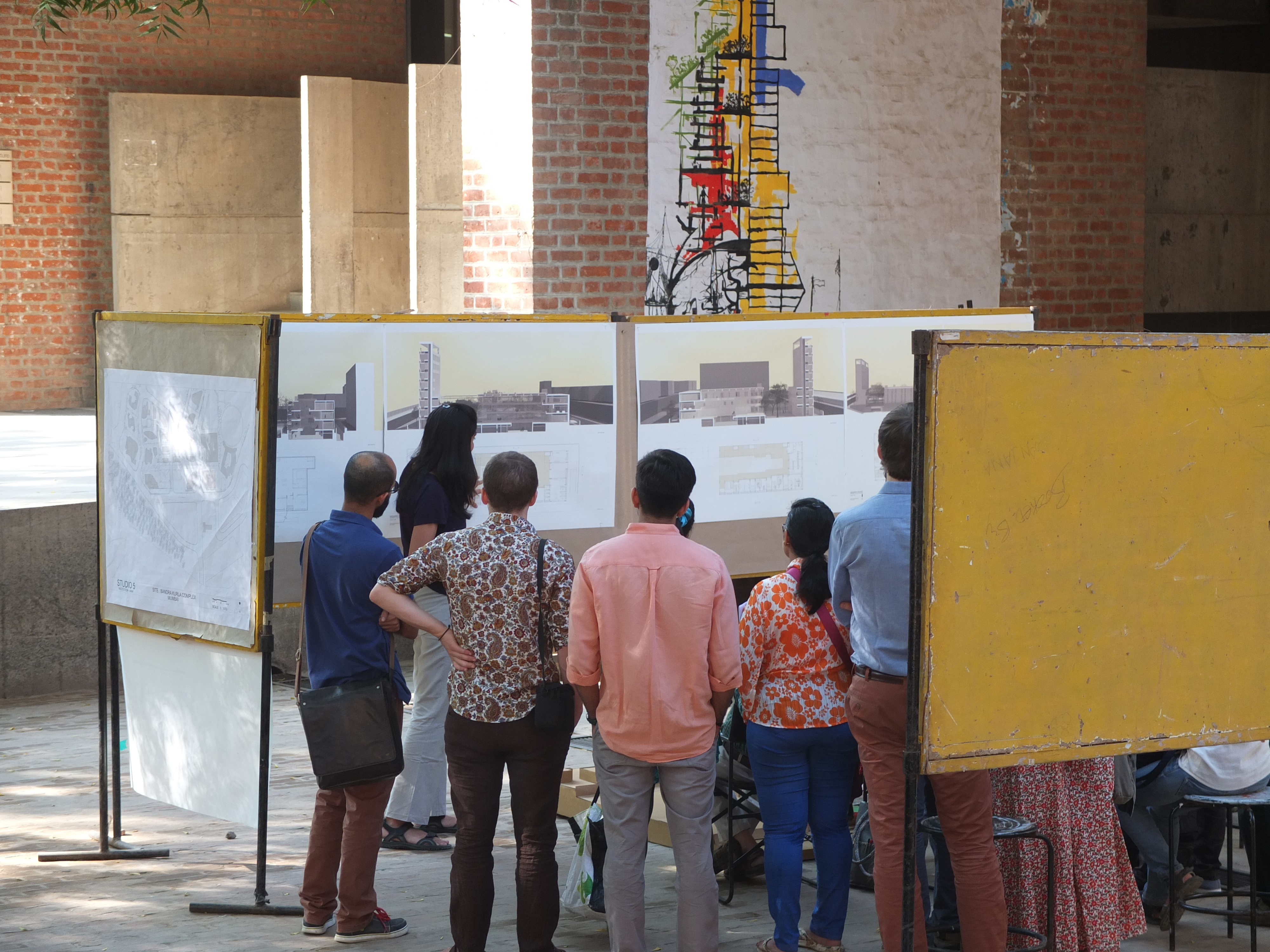
Critique at CEPT

There are of course many more projects that we could discuss (see William Curtis or James Steele’s monographs for more on the work), but two that immediately spring to mind are Premabhai Hall (1972) and the Tagore Theatre (1963-65).

premabhai1

Premabhai Theatre

Premabhai was a brave project, situated in the heart of old Ahmadabad’s Badra, a large public square lined with historical works and old city gates. The theatre seems to leap up and cantilever out over the square.  It confidently dominates the space, rewarded for its quirky form, and the blank gables acting as a foil to its ornate neighbours.

th-img-Hall.jpg

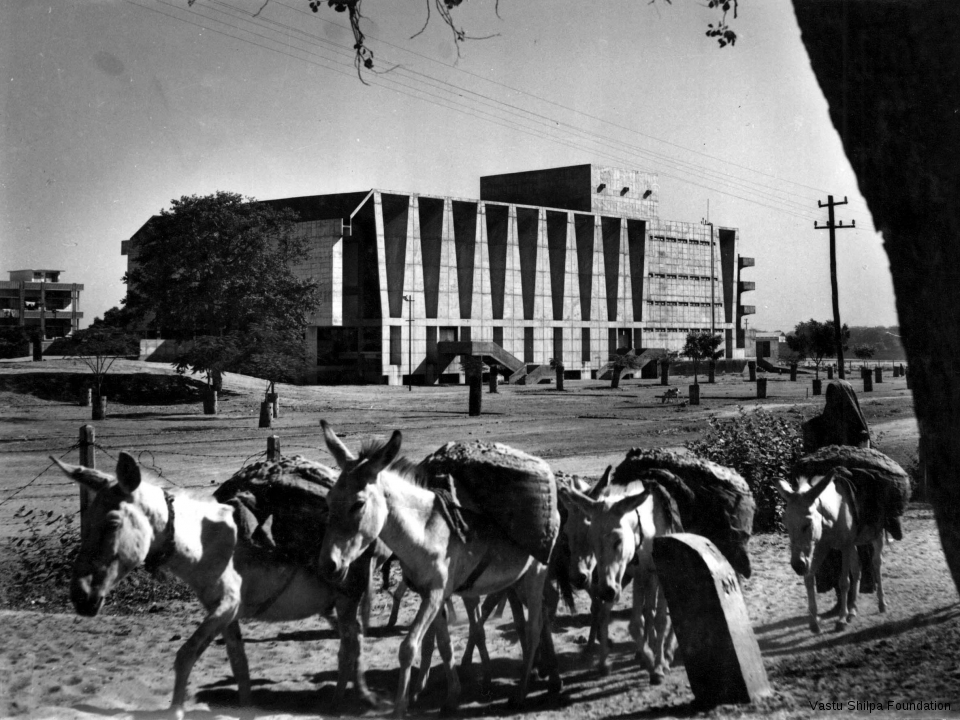
Tagore Theatre, Vastu Shilpa Foundation 1967

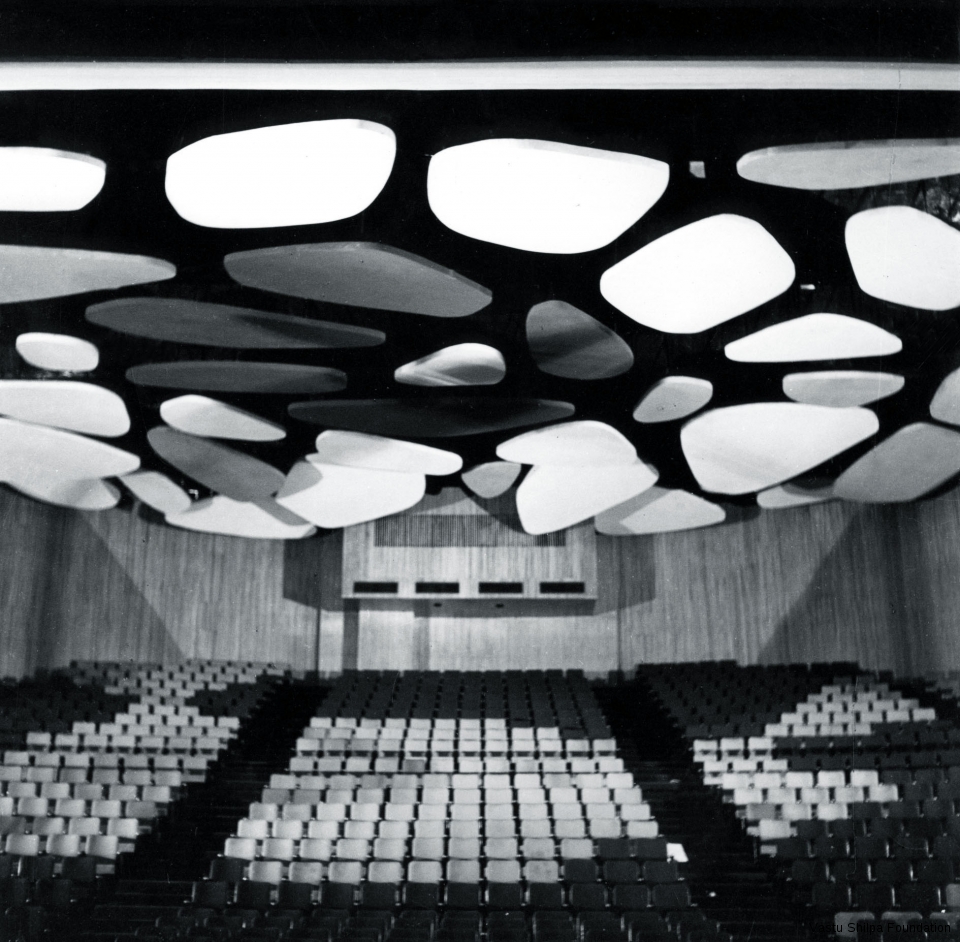
The Tagore Theatre is a rigid frame, folded plate structure, and achieves an impressive 33m span enabling the interior to remain free of columns (as well as containing all of the services). At first sight it appears too much  – the scale and lack of surrounding context makes for a foreboding approach. But the delicate folds of the concrete and precision casting seems to soften and give the theatre a more starched-fabric feel upon close contact – plus it’s impossible not to smile at the acoustic clouds that line the interior.

Inside the Tagore Theatre

Inside the Tagore Theatre, Vastu Shilpa Foundation, 1967