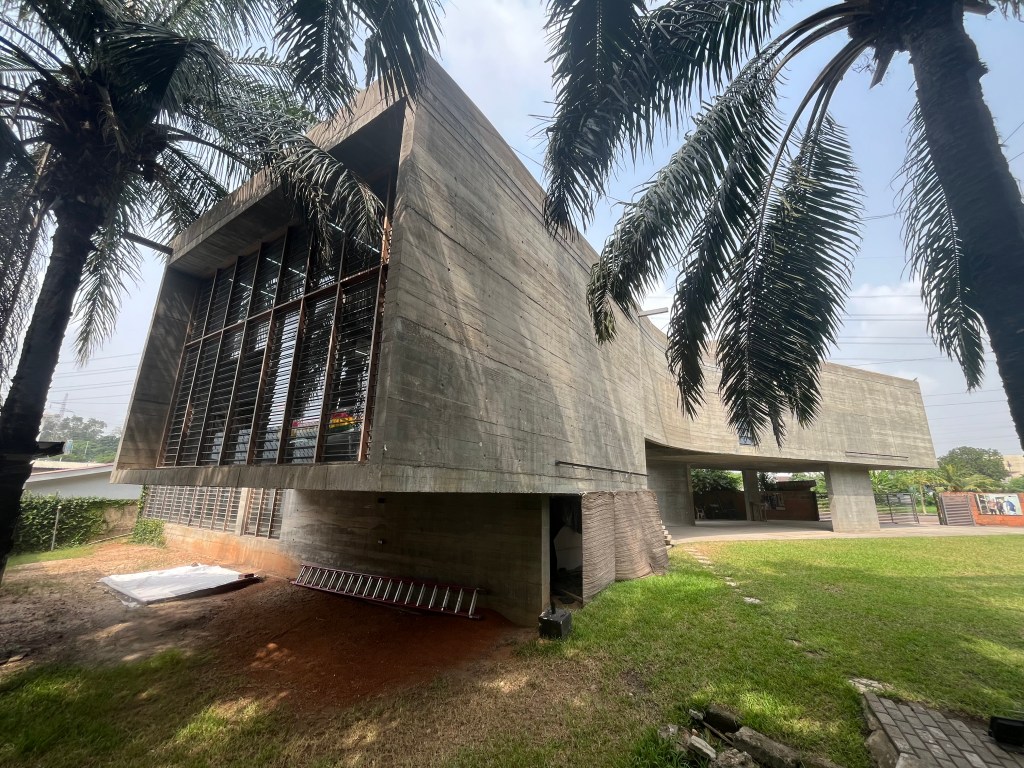
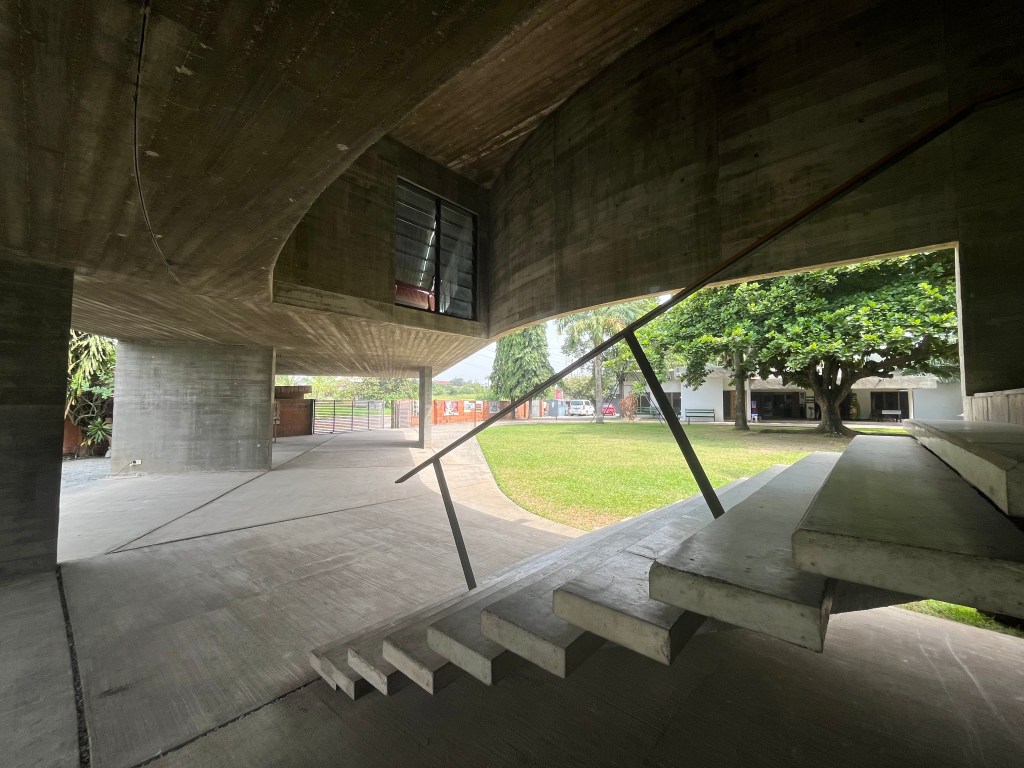
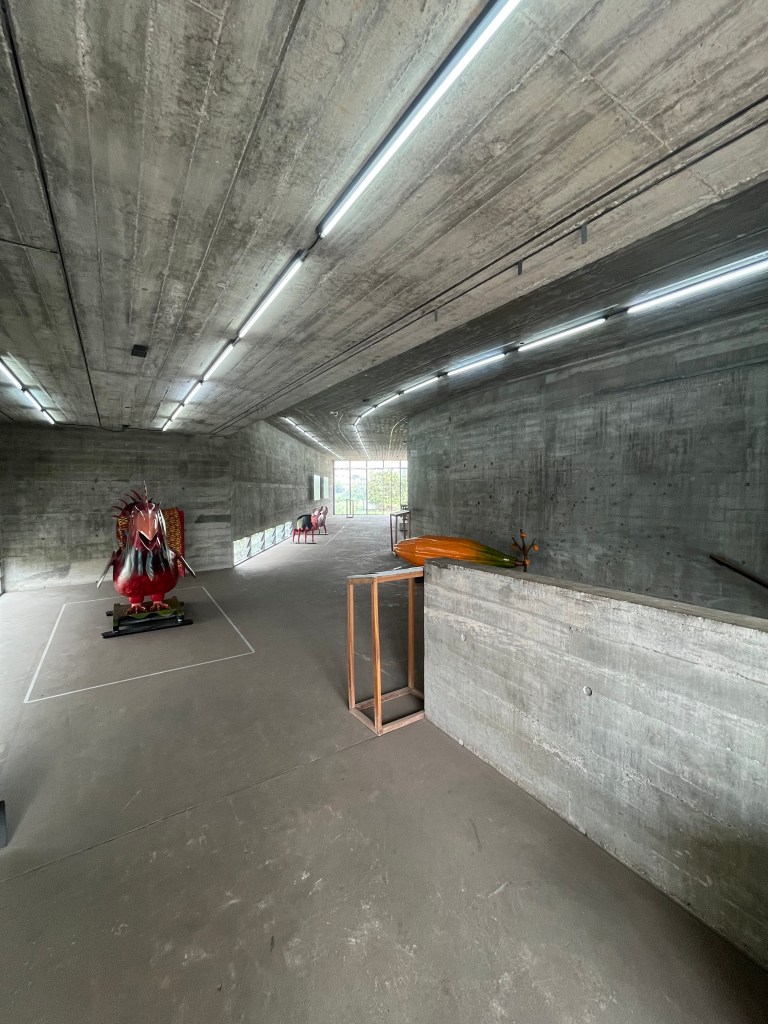
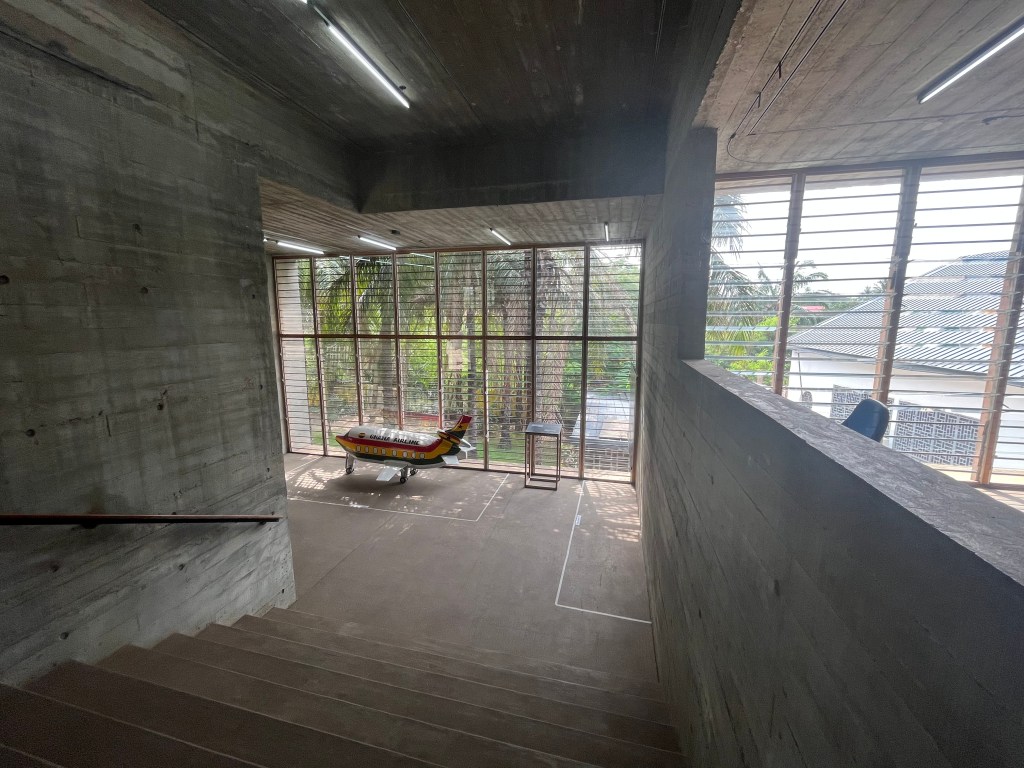
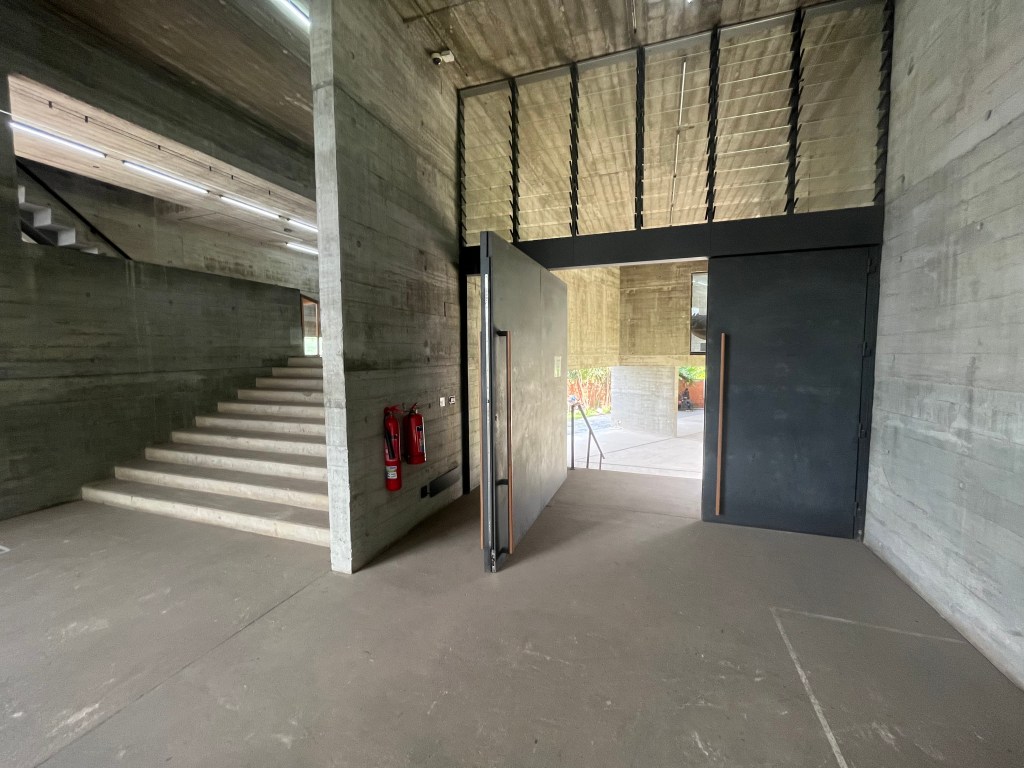
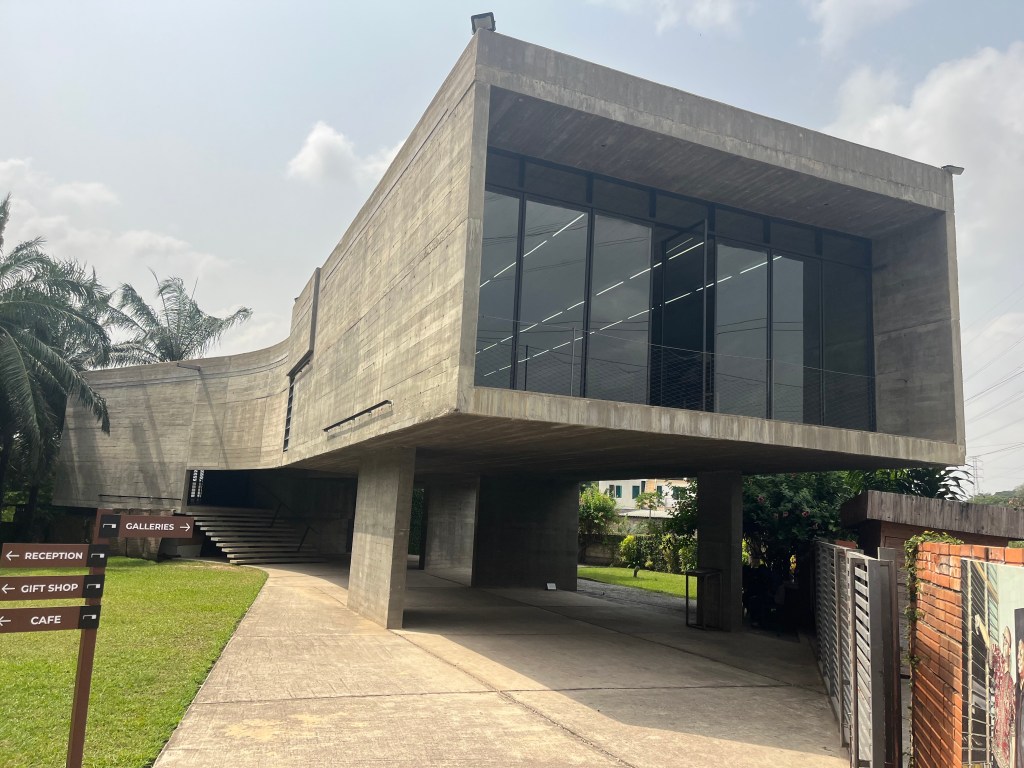
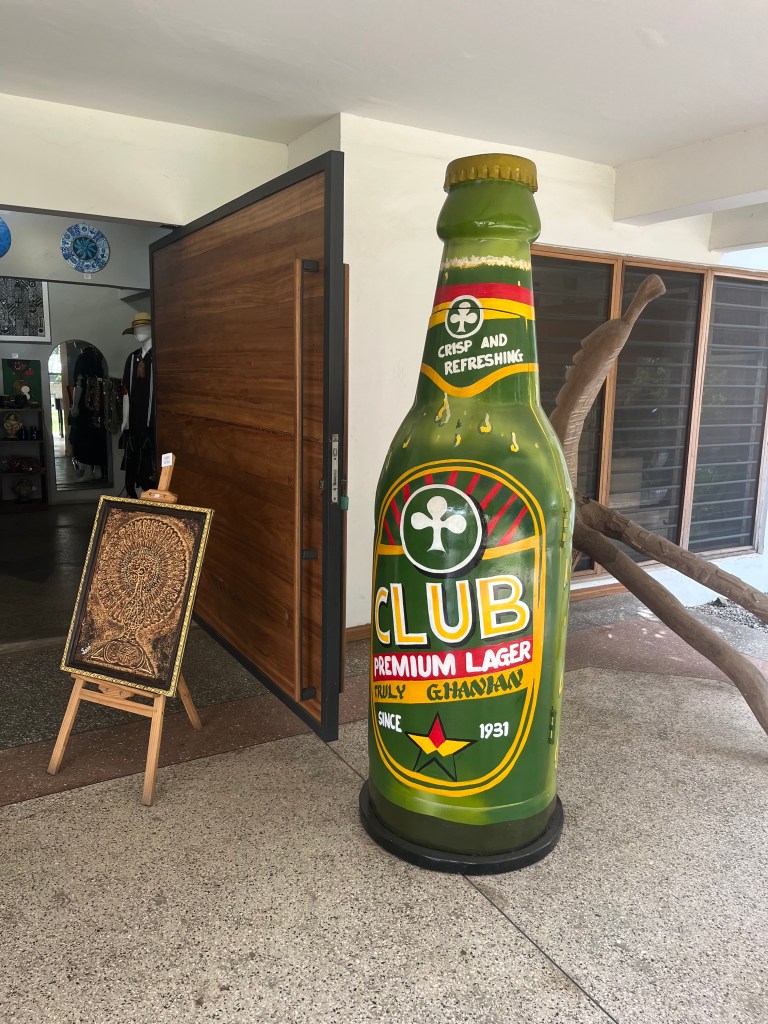
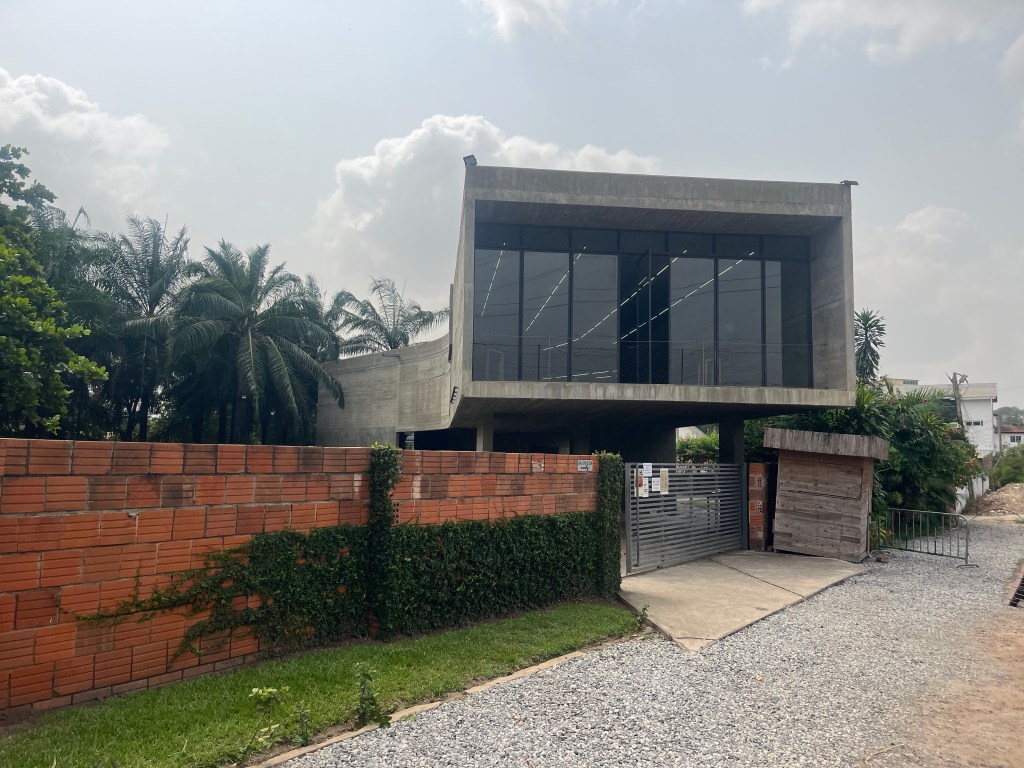
I finally visited the Nubuke_foundation today – a contemporary arts centre in East Legon, Accra . A very exciting structure that was fun to explore . I got there early and had the entire place to my self. Exclusively en situ concrete with the main gallery on piloti the space is lit from the large windows at either end of the linear structure. The shaded outside space under the gallery creates an exterior garden gallery (and cinema), and a carefully cast cantilevered staircase leads up the main entrance. The doors have the Le Corbusier inspired eccentric pivot, found frequently in Chandigarh, and there are certainly other motifs redeployed from the Modernist 5 points. It’s not derivative or cliched though – far from it. The building responds very well to the site and the vast -louvred window facades at each end offer fine views whilst being shaded from the concrete that projects beyond.
The campus was designed by Baerbel Mueller of http://www.nav-s.net/ and Foreign Affairs ([A]FA), Institute of Architecture, University of Applied Arts Vienna.
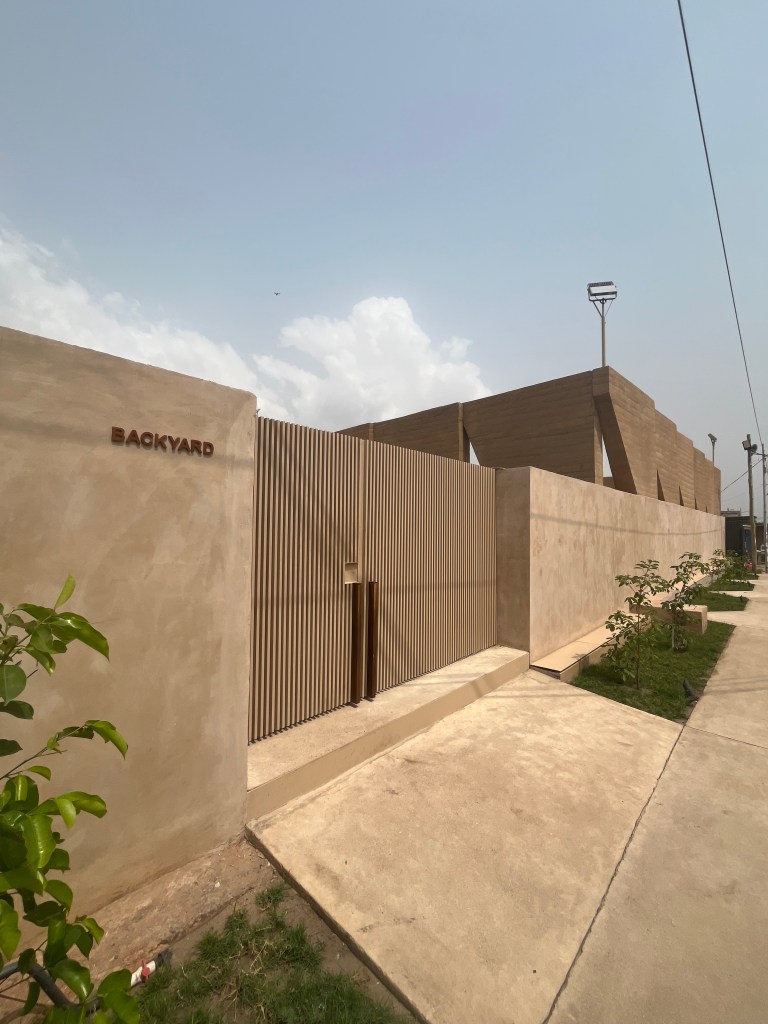
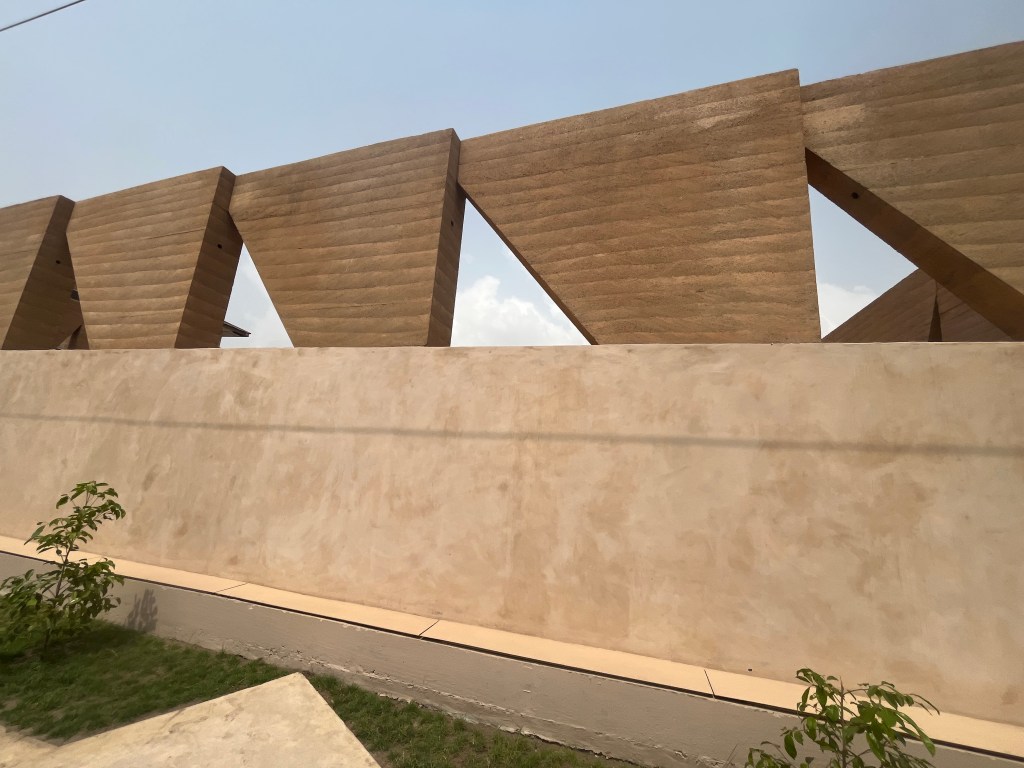
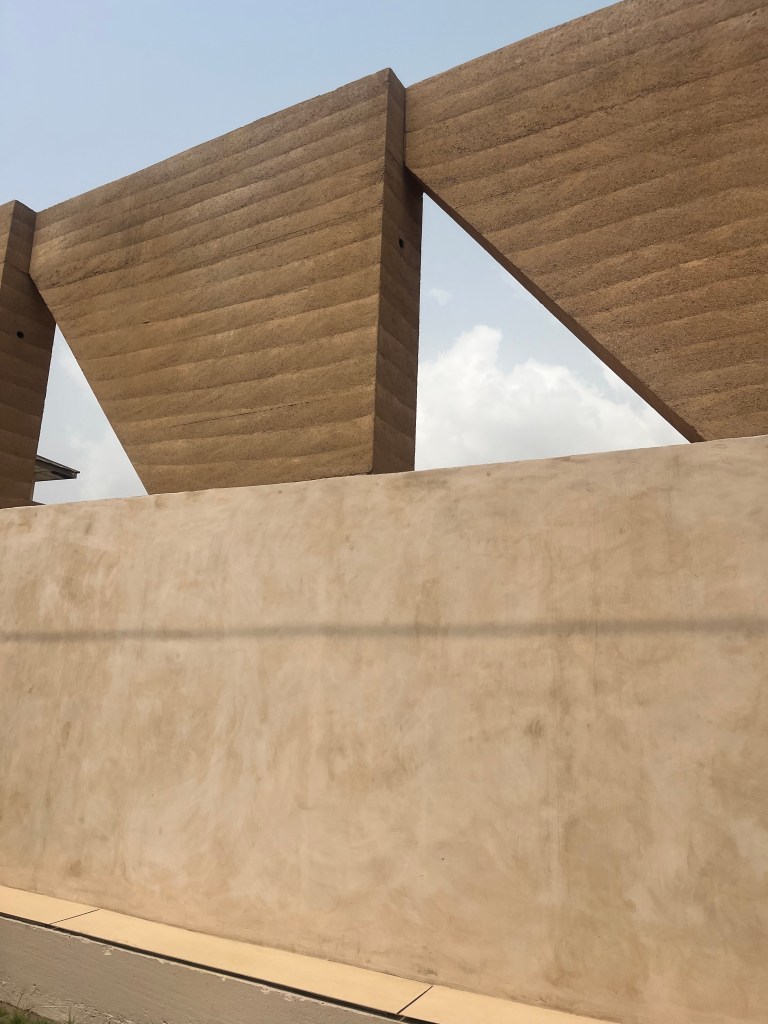
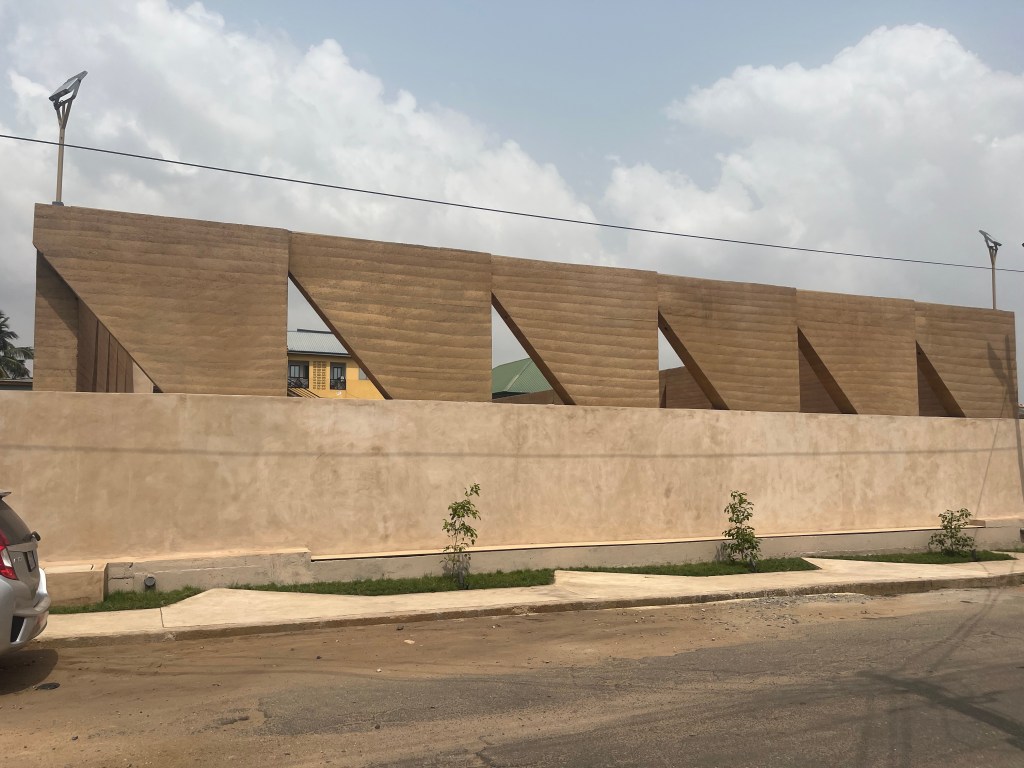
Elsewhere I had a less successful attempt to visit the Backyard Community Club – every time I visit it’s closed – but hopefully I’ll get full access soon. Designed by DeRoche Projects, it is the first project in Ghana using a precast rammed earth system. The modular precast elements provide shade whilst allowing cross ventilation. They also integrate cleverly into a bench for observers to watch the games. As well as tennis, there’s a kitchen garden and other gathering spaces for coaching and social events.
I’m intrigued by the precast panels and would like to learn more about the detailing. How was it possible to transport rammed earth – surely there’s a significant amount of cement in these panels to hold them together, and how is the top of the panels protected from the heavy rain? I’ll have to investigate further. Read more and see far better photos here: https://www.archdaily.com/1036713/backyard-community-club-deroche-projects. We saw at nearby Dot Atelier the flashing interventions being made around the windows to project the adobe ‘sandcrete’. I admire both buildings for experimenting and developing such uplifting and carefully designed spaces.
Ewan Harrison, Rixt Woudstra and Iain Jackson, “Accelerating Development: Taylor Woodrow and Arcon’s Prefabricated Steel Structures in Decolonizing West Africa”, ABE Journal [Online], 23 | 2024, Online since 01 October 2024, connection on 01 October 2024. URL: http://journals.openedition.org/abe/16130
Construction of the Sapele Sawmill, Nigeria, 1946. UAC 2/13/b/7/1, reproduced with permission from an original in the Unilever Archives, UAC 2/13/B/7/1.
In 1943, in the middle of World War II, the British architects Edric Neel (1914-1952), Raglan Squire (1912-2004), and Rodney Thomas (1902-1996) created Arcon (short for Architectural Consultants). Focused on applying factory mass production systems to the building industry, Arcon engaged in an unusual, yet close, partnership with the civil engineering contracting company Taylor Woodrow. While their first project became one of Britain’s most popular post-war “prefabs,” it is little known that in the years thereafter a similar structural steel system was widely marketed in Britain’s West African colonies, where it became one of the most frequently used prefabricated building designs. Through the support of Taylor Woodrow, which acted as the agent for Arcon’s worldwide implementation, the prefabrication system was utilized in a range of contexts: to build houses for British companies, to build schools and market halls for colonial governments, and, of most interest here, to build factories and warehouses for the United Africa Company (UAC), as part of the industrialization drive that accompanied decolonization in the 1950s. The UAC was part of Unilever, and one of the largest conglomerates of trading and manufacturing interests active across “British” West Africa. It entered a partnership with Taylor Woodrow to jointly market the Arcon system, thereby profiting from the erection of its own buildings, and the sale of the Arcon system of construction to colonial and subsequently, post-colonial governments across the region. Today, Arcon structures, often sizeable sheds clad with imported metal sheets or locally available timber, can still be found across Ghana, Nigeria, and Sierra Leone.
What kind of art is left behind by totalitarian regimes? A new free-to-readbook called Congo Style: From Belgian Art Nouveau to African Independence explores the visual culture, architecture and heritage sites of the country today known as the Democratic Republic of Congo (DRC). It does so by exploring two now-notorious regimes: King Leopold II of Belgium’s Congo Colony (1908-1960) and Mobutu Sese Seko’s totalitarian Zaire, established when he seized power in a military coup in 1965 after five years of political upheaval. We asked artist and visual culture scholar Ruth Sacks five questions about her book.
What did you set out to achieve?
Years ago, while I was in Belgium on an art residency, I became interested in the early modernist art nouveau movement (1890-1914). In architecture and art, this period is part of 20th century modernism, known for a minimal, clean aesthetic that’s influenced by new technologies and the advent of machines. Art nouveau is distinctive because it’s highly decorative, while still using the new building materials of iron and glass.
What interested me was the colonial nature of art nouveau. Art nouveau came with a very strong sense of defining newly formed (or unified) nation states in western Europe. It was the style used at world fairs. These were grand exhibitions showing off western countries’ scientific and cultural achievements, including the acquisition of colonies.
A colonial pavilion in the art nouveau style at the 1897 Brussels world fair in Belgium helped establish one of the names for Belgian art nouveau: “Style Congo”.
The style is distinctive for its curling, plant-like shapes and is a major tourist feature today. The years in which it was implanted in Brussels (about 1890-1905) directly coincided with the brutal Congo regime of Belgium’s King Leopold II.
Travelling to the DRC, I located actual art nouveau buildings from the early colonial period. But it was the state sites of the early Mobutu Sese Seko regime (1965 to 1975) that captured my attention. Like art nouveau, they are steeped in a sense of nationalism and aimed at impressing. For example, the Limete Tower (in use from 1974) on Boulevard Lumumba is a massive monument intended to be a museum celebrating national culture. A tower made up of a huge raw cement tube is topped by an organic floret shaped crown, with a curving walkway leading off from its rounded lower sections.
My experience of the capital city, Kinshasa, made me rethink what cities were and could be. Buildings like Limete Tower that were designed for very different infrastructures (far more ordered, European and US systems) have weathered in fascinating ways that are often related to extremely violent historic events.
I didn’t want to present a conventional study that only analyses the design of the architecture and its functionality. The book attempts to read sites like this within the particularities of their city, its streets, plants and histories.
What did you conclude about the Leopold period?
In Leopold II’s time, the king himself was cast as the villain of the “red rubber regime” in the Congo. The Belgian colonial regime under Leopold II committed atrocities connected to the rubber industry. (The 1897 Congo Pavilion was a pavilion within the Brussels World’s Fair dedicated to displaying how the Congo provided a lucrative and exotic resource to Belgium.)
Movements like the Congo Reform Association (mainly US and British) protested against horrific conditions, including torture and mutilation, that left at least a million Congolese people dead. A great deal of the focus was on Leopold II himself and his greed, which distracted attention away from the greater system of capitalist colonial expansion that was fully endorsed by Euro-American powers.
Famously, Leopold II never set foot in the Congo and neither did the art nouveau designers who fashioned buildings and exhibition pavilions relating to the Congo. I believe this distance from the realities of life in the Congo itself allowed for the fantastical forms that were created in Belgium.
What did you conclude about the Mobutu period?
Mobutu Sese Seko was widely maligned by the Euro-American press. What’s often ignored, to this day, is that he was put in place by Belgium and the US. He was painted as the villain of the African story, fulfilling the ultimate caricature of the African kleptocrat, yet he wouldn’t have come to power without the nature of the colonialism that came before him.
Belgian colonialism followed a logic of extractivism (removing natural resources to export them) that forced the Congolese economy to supply raw materials to the west (especially Belgium), which continues today.
Mobutu is considered corrupt in the Congo today and his military dictatorship was indeed brutal and controlled the Congolese people with fear. However, his commandeering of a cultural blooming in Kinshasa in the late 1960s and early 1970s was important. Instead of dismissing what he built as only the work of a dictator, my book draws out some of the complexity of this time and what it meant to celebrate African craft, art forms and traditional culture.
The process of appropriating Euro-American artistic ideas and architectural styles in order to celebrate Africanness, as an anti-colonial statement, still holds weight today. Many of Mobutu’s towering monuments are considered objects of pride in the city.
How does this live on today?
There is something to be gained from looking at what is left in the wake of tragically violent regimes and how their structures are treated within both their societies and their immediate surroundings. How material culture is made is as important as what is made. Reckoning with monuments and memorials, and considering how these are maintained in the city, can shed often unexpected insights into the ways histories are told.
My hope is that the book remains relevant as a sign there is value in picking apart material remains of regimes that aimed for total control, but never fully achieved it. The associations that build up around public spaces and exhibitions are not necessarily only to do with the circumstances of their making, but how these stories have been filtered over time. They can alienate people but they can also engender pride.
The extractivist attitudes I describe throughout the book, which see the Congo as a resource with bountiful raw natural materials, are still very much present in our day-to-day life. The cobalt in our smartphones, computers and electric cars is mined by labourers working in near slave conditions to feed our need for the latest technology. While Congo Style stays with historical examples in Kinshasa, the built material that follows colonial ecocide is the main topic.
We went to the Exhibition Preview at the V&A on Wednesday 20th February to see the opening of the Tropical Modernism exhibition – a full review is being prepared and we’ll share it shortly (currently under review elsewhere first…) – here’s just a few snaps from the evening…
It was an intriguing exhibition for TAG to visit – not least because most of the exhibits have already featured on this blog over the years. Perhaps the biggest privilege besides viewing all of the material was talking to Michael Hirst and discussing his work at Tema again. Some of Michael’s photographs are in the exhibition too. The first thing that stood out however, was the large queue to get in – it’s not often a private view has a long line outside…
Michael Hirst and his photographs of Tema from the late 1950s
Some of the other highlights include seeing the Buckminster Fuller geodesic dome restored and delicately hung from the ceiling. The last time we saw it was abandoned in the loft of a workshop at KNUST.
Buckminster Fuller Dome: in storage, KumasiDome restored and suspended from ceiling
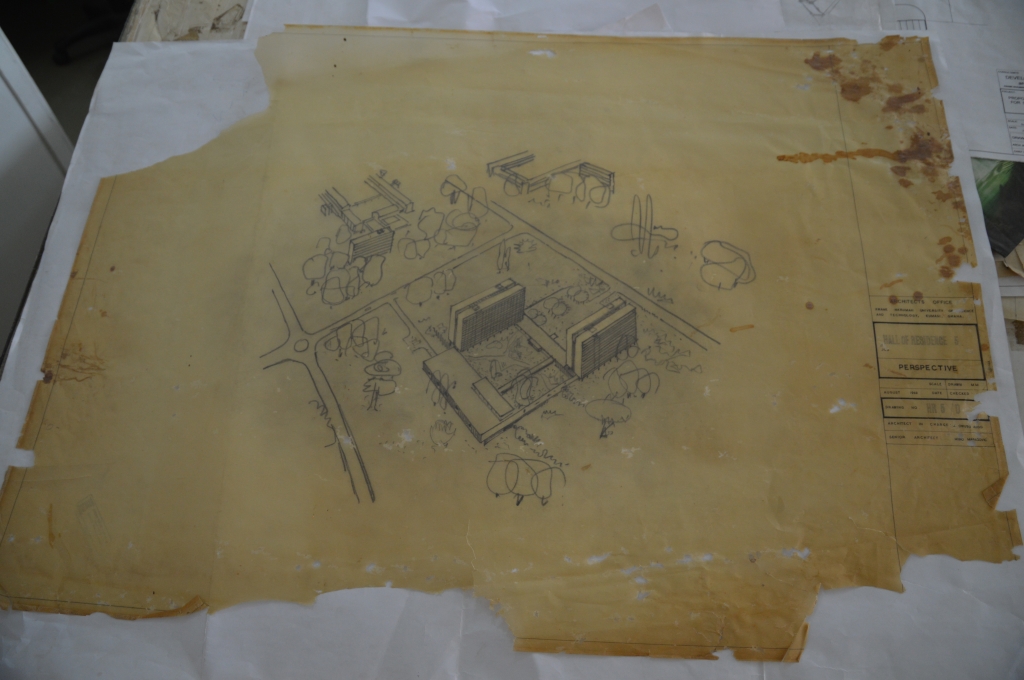
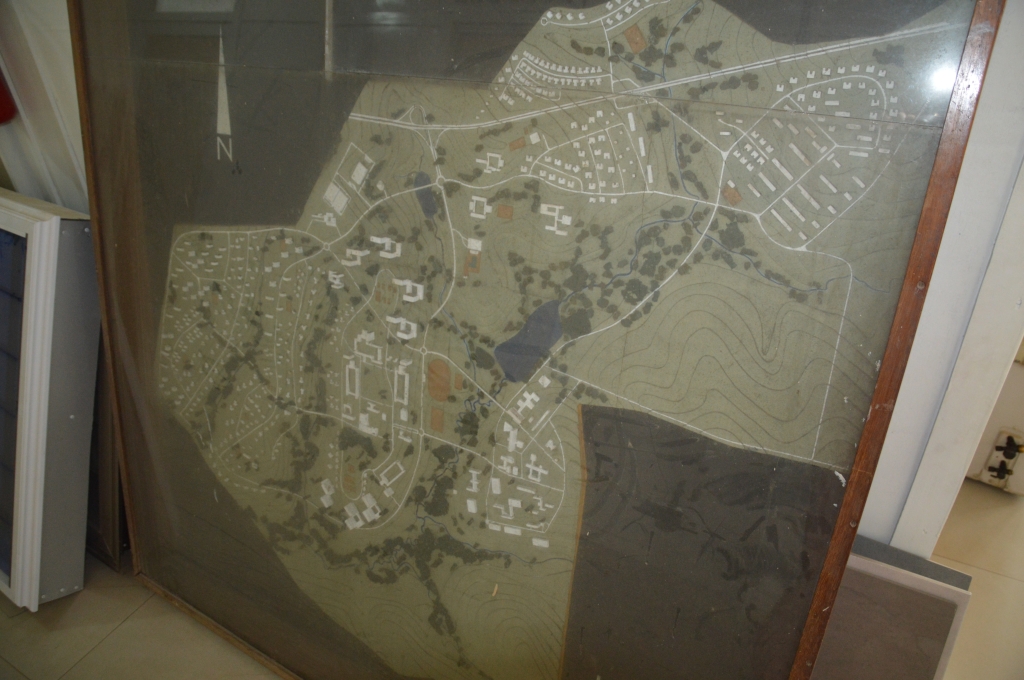
There’s also some delightful perspective drawings by John Owusu Addo in the exhibition and a model of KNUST campus too. It was such a relief to see that these drawings are now being cared for. We produced some digital copies in 2016 and 2018 and hoping the share the full set of the precious drawings here soon.
drawings in the archive at KNUSTModel of the KNUST campusJohn Owusu Addo drawing at the exhibitionRestored model exhibited at the V&A
About TAGOur model of the Accra Community Centre was included alongside several other models, including Giani Rattan Singh’s timber model of Corbusier’s Assembly Building in Chandigarh, and an outstanding model of the Pragati Maidan in Delhi, by architect Raj Rewal (and foolishly demolished in 2017).
Accra Community Centre model, by David Grant and Iain JacksonRattan Singh’s timber model of Corbusier’s Assembly Buildingmodel of the Pragati Maidan in Delhi
It was great to see some of Pierre Jeanneret‘s furniture on display alongside the unexpected inclusion of Nek Chand‘s sculptures. It’s a curious exhibition pulling together a range of projects around Ghana and India, with snippets from Nigeria and elsewhere.
Jeanneret Furniture and Chandigarh sectionSculptures from Nek Chand’s Rock Garden, Chandigarh
An exhibition that we’ve been very much looking forward to opens this week at the V&A Museum in London. We’ve got a few of our models on display at the exhibition, and have been involved behind the scenes. There’s a large contingent from the Transnational Architecture Group making their way to various opening events this week and you can expect a series of reviews and critiques here shortly.
There’s also an article out today by Oliver Wainwright in The Guardian that discusses the exhibition concept – and some of our favourite buildings.
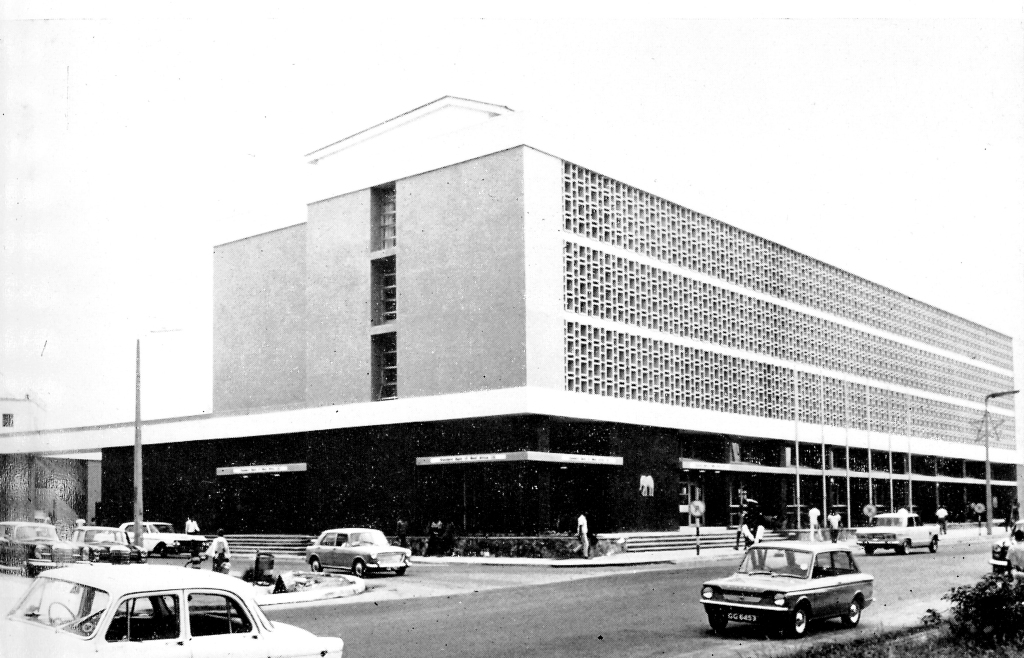
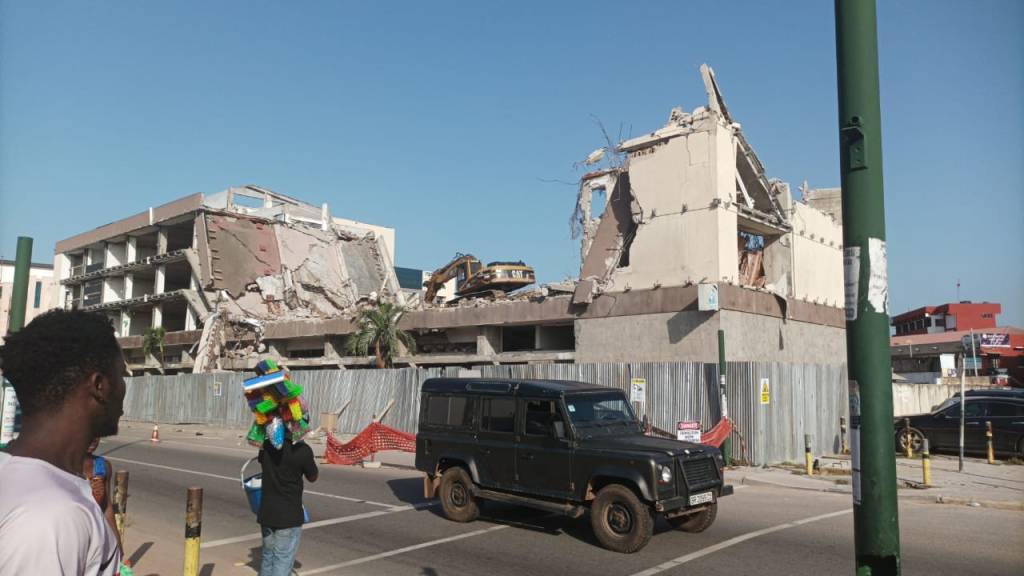
A few years ago we reported on our Keeping Cool project and included a photograph of the Standard Chartered Bank on Accra’s High Street. The bank had been refurbished, radically changing its passively cooled perforated facade to a sealed glass envelope relying on air-conditioning.
We’ve just received updates from Accra that the bank has now been demolished. No details have been released on what is to replace the bank.
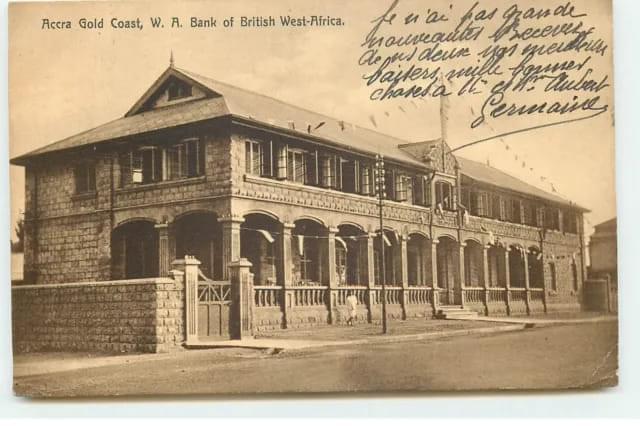
The same site has been used as a banking hall since the late 19th Century. Below are some of the photographs of the site revealing the continuity and change over the last century and the variety of architectural solutions deployed. Joe Addo kindly sent over some photographs of the shock demolition taking place earlier this month.
Accra High Street: Bank of British West Africa shown on the right hand side with the arched loggiaPostcard showing the Bank of British West Africa on the same site of Accra’s High Street, c1900Standard Chartered Bank with passively cooled facade. Architect? unknown, c.late 1950sStandard Chartered with new blue glass facade. Glimpse of Barclays bank on far left.July 2023: Standard Chartered bank being demolished [Courtesy of Joe Addo]
Dr Christopher Turner co-curator of the exhibition watching film featuring Ola Uduku
Press Cuttings:
“La Biennale di Venezia and the V&A present Tropical Modernism: Architecture and Power in West Africa. Organised in collaboration with the Architectural Association (AA), London, and Kwame Nkrumah University of Science and Technology (KNUST), Kumasi, this presentation at the Biennale Architettura 2023 critically reflects on the imperial history of Tropical Modernism through an analysis of the work of the Department of Tropical Architecture and a dozen key projects. It explores the ways in which this distinctive architectural style was initially developed and employed as a tool to support colonial rule before being adapted by West African architects to promote the excitement and possibilities of the period that followed Ghana becoming the first sub-Saharan African country to gain independence in 1957.
Curated by Dr Christopher Turner (V&A) with Nana Biamah-Ofosu and Bushra Mohamed (AA), the Venice presentation in the Applied Arts Pavilion is centred around a multi-channel film installation featuring interviews with surviving protagonists and footage of remaining buildings. Responding to the theme of the 18th International Architecture Exhibition conceived by Director Lesley Lokko, who writes ‘Africa is the laboratory of the future’ in her curatorial statement for the Biennale Architettura 2023, the presentation also lays the groundwork for a larger exhibition scheduled to take place at the V&A in London in 2024.”
Venice architecture biennale: how pioneering Ghanaian architects reckoned with tropical modernism by Kuukuwa Manful
Owusu Addo Residence by John Owusu Addo.
Kuukuwa Manful, CC BY-NC-NDKuukuwa Manful, SOAS, University of London
But as well as looking at the future of architecture on the continent, visitors will also be able to explore its history, through an exhibition at the Arsenale, entitled Tropical Modernism: Architecture and Power in West Africa.
Early 20th-century modernism in Europe saw architects using large expanses of unshaded glass and flat roofs. Practitioners in warmer, humid climates, such as in Africa and Asia, meanwhile, had to adapt their designs to withstand heavier rainfall and warmer temperatures. In late colonial Africa and during the independence era, this style became known as “tropical modernism” or “tropical architecture”.
In the African context, this is possibly the best researched and well-documented architectural movement. When people discuss it further afield, however, it is mostly through a white lens. The focus is on what European architects practising in these regions were doing – African architects of the same era are largely overlooked.
Putting Europe at the centre of African stories is a choice that echoes the very colonial histories it seeks to elucidate, where European architects operated as though the continent were a blank slate, devoid of pre-existing architecture worthy of note.
My research shows how architects in Ghana in particular aligned with, adapted, or rejected Western colonial ideas. They created modernist buildings that reflected their visions for their nation, their experiences and their global outlook.
Ghanaian expertise
John Owusu Addo, the first black head of department of Ghana’s first architecture school, and Samuel Opare Larbi, another prominent educator and architect, embodied what I term the dominant Ghanaian tropical modernism. Their practice was most similar to, and aligned with, the practice of the white British tropical modernists.
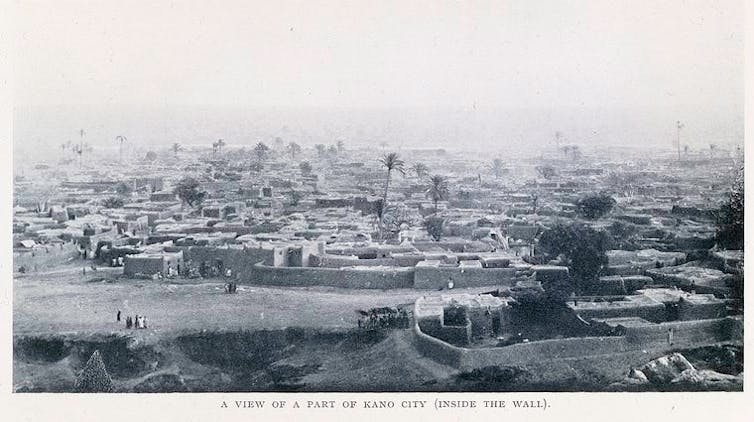
The former Department of Tropical Architecture was established at the Architectural Association (AA) in London in 1954 by the British wife and husband duo Jane Drew and Maxwell Fry, and James Cubbitt. Although Fry described the city of Kano, in present day Nigeria, as a “complete realisation of urban harmony”, he and Drew nonetheless declared having “invented” architecture in West Africa. Their work was coloured by the imperial, racist and sexist notions of the time.
Owusu Addo and Larbi both trained at the AA. They counted among their contemporaries the German architect Otto Koenisberger and the Australian-born British architect Kenneth Mackensie Scott. Although they faced racial discrimination in Europe and back home, their UK education put them in a position of relative privilege in Ghana.
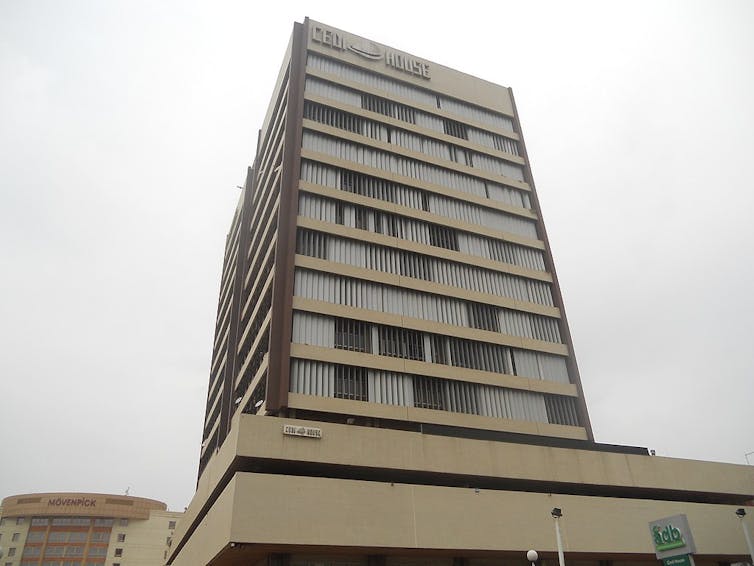
From the outside, many of the institutional and corporate buildings they designed, including Cedi House in Accra (a high-rise tower that now houses the Ghana Stock Exchange) featured elements of tropical modernism: solar shading devices, rhythmic facades, breeze blocks, cross ventilation and east-west orientation.
But it is in the interiors of their domestic architecture that their keen understanding of the people for whom they were designing becomes most apparent. When I interviewed Owusu Addo and Larbi in 2015, they recounted how they took Ghanaian societies into account. And they spoke of the pride they felt at being African architects.
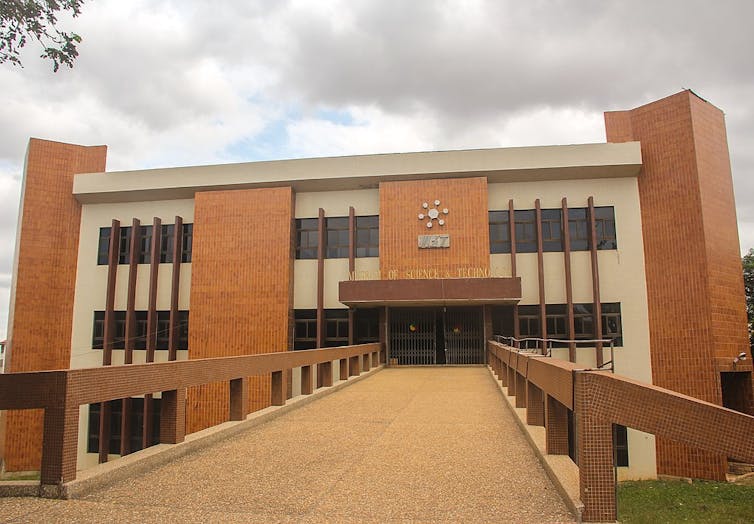
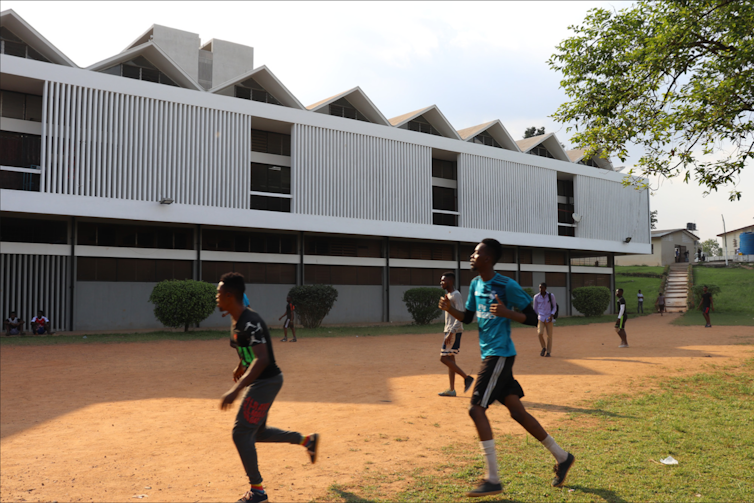
For the Unity Hall student accommodation at the Kwame Nkrumah University of Science and Technology, Owusu Addo created shaded outdoor space, with courtyards and verandas. As he put it: “Rarely do we stay in our rooms in the daytime. If in the daytime anyone was in the room, then he was sick.”
Unity Hall, Kwame Nkrumah University of Science and Technology, Kumasi.Łukasz Stanek, CC BY-NC-ND
Creative dissent
Other architects sought to establish an aesthetic that was visually distinct from European-driven tropical modernism. They accepted the climatic control and other technological and material aspects of the style. However, in the aesthetics they pursued, they were decidedly expressive.
Anyako-born architect Daniel Sydney Kpodo-Tay’s confidence was grounded in his centuries-long family history of building design and construction. Together with his anti-colonial politics and a desire for recognition, this informed an approach that the Ghana Institute of Architects termed “revolutionary”, upon his death in 2018.
Kpodo-Tay was fascinated by symbolism. His designs rejected ornamentation. Instead, he sought to make the buildings themselves sculptural. His projects that were built were often not as bold as his proposals – a compromise he put down to the limited finances and conservatism of clients in Ghana.
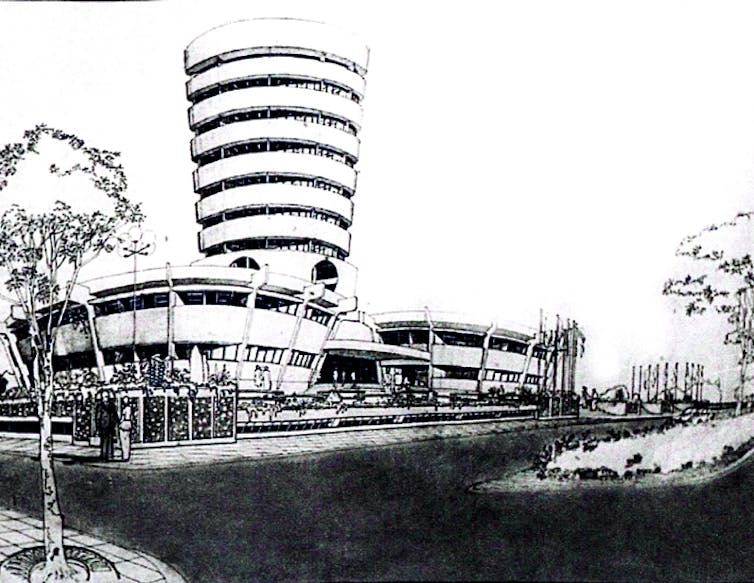
When a competition was held, in the late 1980s and early 1990s, to design the headquarters for the Economic Community of West African States organisation, Kpodo-Tay’s proposal drew on the form of a bowl as symbolic of communality and unity. His design for the complex, which was to house offices, a bank and a conference venue, featured bold inverted conical forms with internal spaces arrayed radially.
Daniel Sydney Kpodo-Tay’s proposal for the ECOWAS headquarters.Kuukuwa Manful, Author provided
Owusu Addo, Kpodo-Tay, and Larbi are not the only Ghanaian architects of their generations whose practice was informed by tropical modernism. Many stories are yet to be brought to light, especially those of the women.
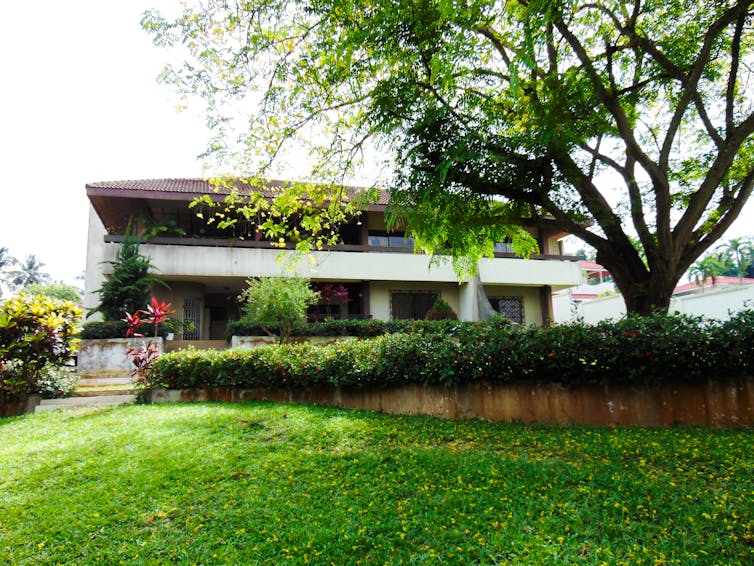
Only a few women were trained at the Kwame Nkrumah University of Science’s architecture school. Sexism in the industry saw some leave. But others, including the late Alero Olympio who designed Accra’s Kokrobitey Institute, struck out in bold new ways. These visionaries challenged the Euro-centric assumptions of what tropical modernism was, in particular through their use of materials.
As scholars, practitioners and visitors from around the world turn to architecture on the African continent, they must be careful not to treat it as a blank slate in the way previous generations did. Africans have been creating, studying, teaching, and documenting architecture in Africa since time immemorial. Their work matters.
This edited collection of essays and image-driven pieces by anthropologists, archaeologists, architects, and historians examines the legacies of African architecture from around the time of independence through examples from different countries. Drawing on ethnography, archival research, and careful observation of buildings, remains, and people, the case studies seek to connect the colonial and postcolonial origins of modernist architecture, the historical processes they underwent, and their present use and habitation, adaptation, and decay.
Deriving from a workshop in connection with the 2015 exhibition “Forms of Freedom” at the National Museum in Oslo and the Venice Biennale, the volume combines recent developments in architectural history, the anthropology of modernism and of material culture, and contemporary archaeology to move beyond the admiration or preservation of prized architectural “heritage” and to complicate the contemplation—or critique—of “ruins” and “ruination.”
Inês Nunes is a PhD student at University of Coimbra, Portugal and is investigating, “The Social Within the Tropical: Jane Drew and Minnette de Silva designing an inclusive modernism in the tropics”. Here’s an update on a recent visit to the RIBA archive.
“My dearest, darling Jane”: unfolding Fry and Drew Papers
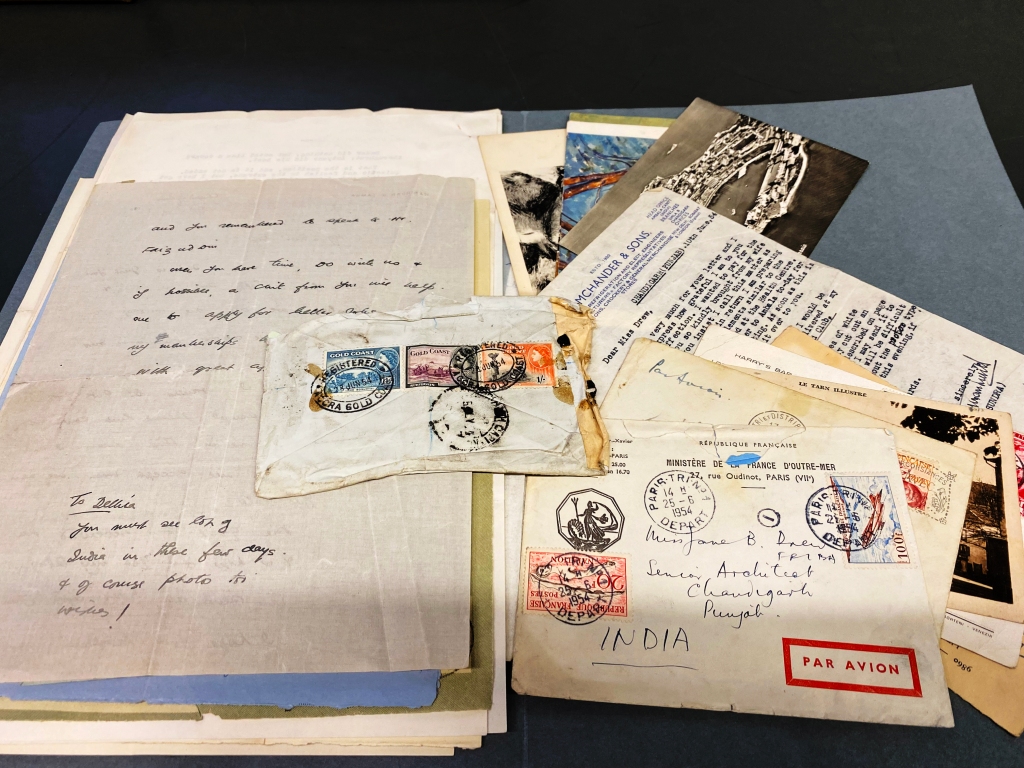
In a conversational tone, Maxwell Fry addresses Jane Drew from the ‘remote’ mid-1940s Accra. “Darling Max”, she replicates. Their correspondence, a lively itinerary from West Africa, India, Iran, or Mauritius, belongs to a treasure chest named Fry and Drew Papers. It is accessible, along with unrivaled archival material, in the RIBA Architecture Study Rooms of the Victoria & Albert Museum(London).
Love notes handwritten on hotel letterheads, diaries displaying candid reflections about life, and memoirs manuscripted on paper bags are entangled with professional-wise material. Included are lectures and articles revealing narratives about architecture, extraordinarily illustrated with colourful drawings or sharp pencil sketches. Both are complemented by miscellaneous data: postcards, press cuttings, administrative files, address books… The characters gain life in every opened box. Their voices echo through calligraphies, signatures, ideas.
In its uniqueness, Fry and Drew Papers are an overwhelming resource regarding the life and work of both architects and an efficient record of the dynamic of their global scope partnership. Even so, it excels. Flexible and embracing enough to accommodate diverse interests and aims, unpublished personal letters, diaries, and autobiographies provide captivating details to any enthusiast – for instance, Fry’s diary was only made accessible in 2021. Furthermore, the archive is a source of knowledge about British historiography and significant architectural thematics: the MARS Group, the Modern Movement, Tropical Architecture, and Chandigarh are noteworthy.
Overall, the research was a privilege and the expectations were exceeded. My deep gratitude to Dr. Shireen Mahdavi for supporting this endeavour. The wealth of these primary sources allows an experience that couldn’t have been more rewarding. By immersing in Fry and Drew’s universe, how inspiring becomes their lifetime of respect and companionship, the robustness of their practice, and the profound vow to “produce towns and housing that will be loved, lived in and cared for” (Drew, F&D/27/2).










 Transnational Architecture Group

