On an escarpment, 250m above the city of Freetown, is the small settlement of Hill Station. This was an exclusive resort built for the British colonial administrators and staff between 1902 and 1904. Modelled on the Indian hill stations (such as Simla) and the sanatorium at Aburi, Ghana, it aimed to provide cooler, more healthier abodes for the Colonists. Ronald Ross’s recent discoveries on mosquitoes and malaria also prompted the move away from the city, and the increasing desire for racially segregated housing and cordon sanitaires.

The houses were exported as kits from the UK ready to be assembled and clad on site. Hefty concrete bases are topped with steel frames that provide living accommodation at first floor level . Access is via a perpendicular staircase leading to a verandah. The raised bungalows catch the breeze and offer far reaching views over the forest, city, and ocean below. A club offered the only source of entertainment for the residents of this leafy, isolated, community.

How to access the Hill Station was solved by building a narrow gauge railway line from the city. It operated to suit the office hours of the government officials, and ran from 1904 until 1929 when it was replaced by road and bus service. Each day the officials would commute into town and return at the end of the day to their verandah’s and billiards at the Club House. It was an elaborate and hugely expensive experiment that benefited just a few dozen individuals. To build and maintain a railway through this challenging terrain was an immense task.


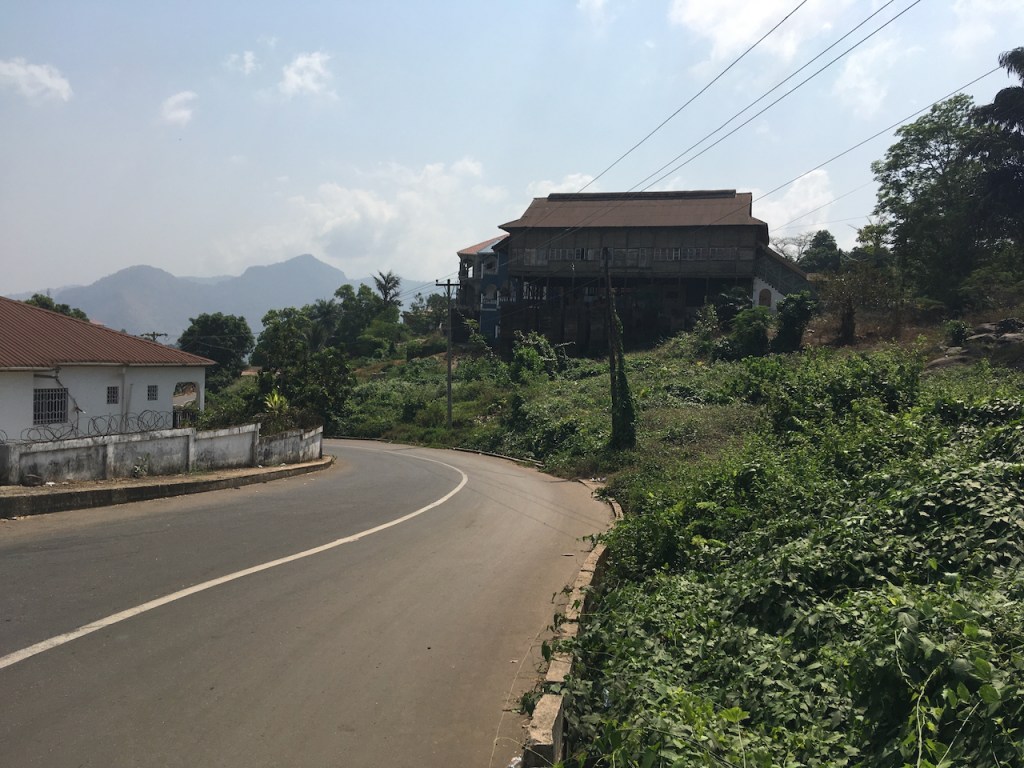

Today, just 12 of the original 24 two-storey houses survive, still occupied by civil servants and their families (and still without a piped water supply). Many of the houses are being modified and extended, and the large plots split-up and sold to facilitate new development.

 Transnational Architecture Group