Archive

Author Archives: jacksoniain

Bringing the Kingsway Stores Home: Our Exhibition Opens in Accra 15 Jan – Easter

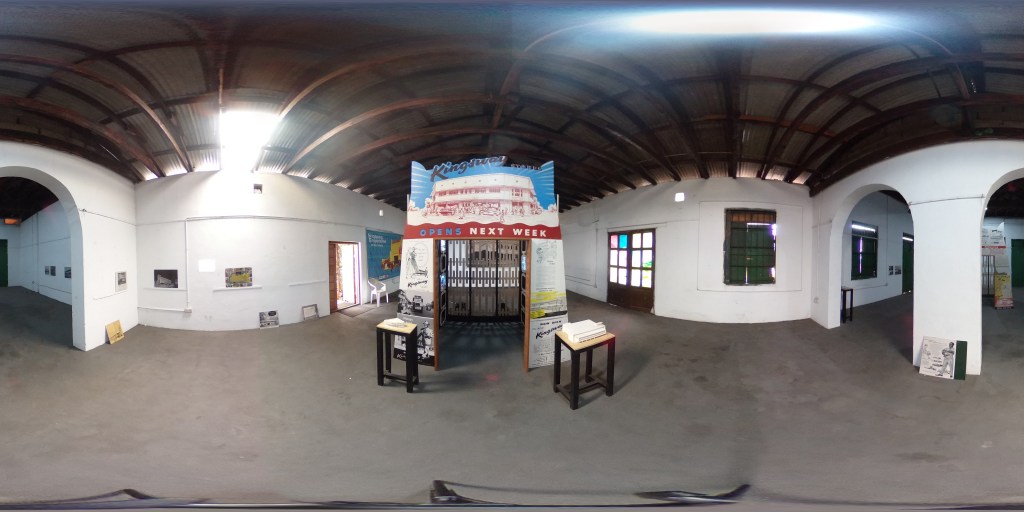
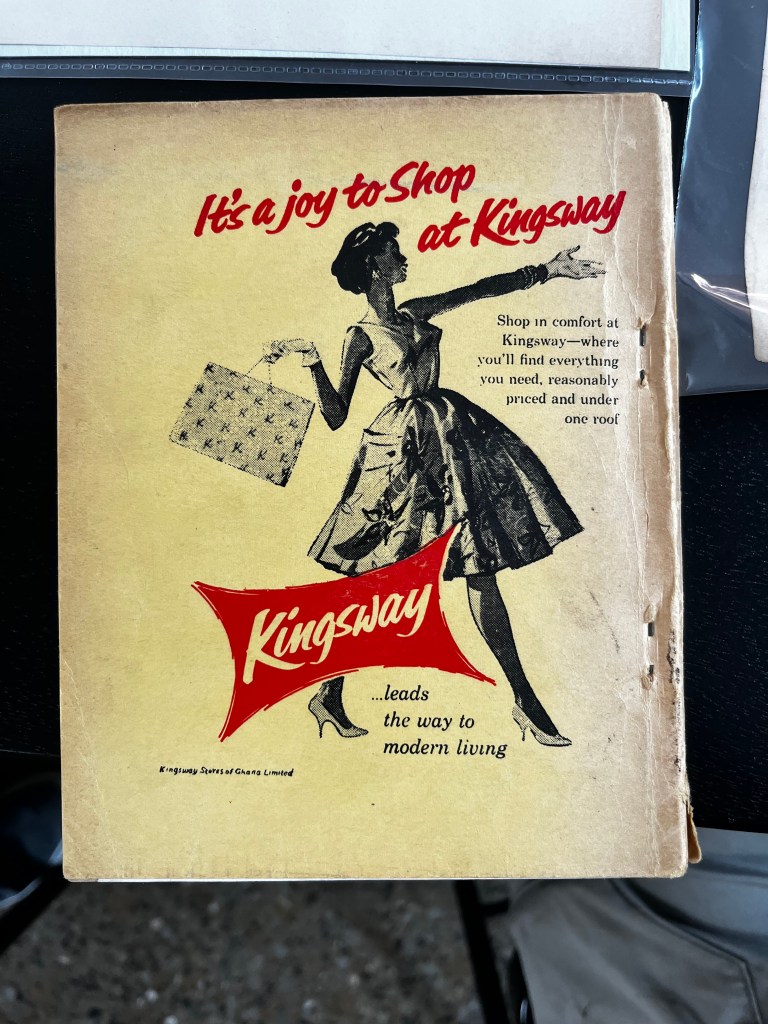
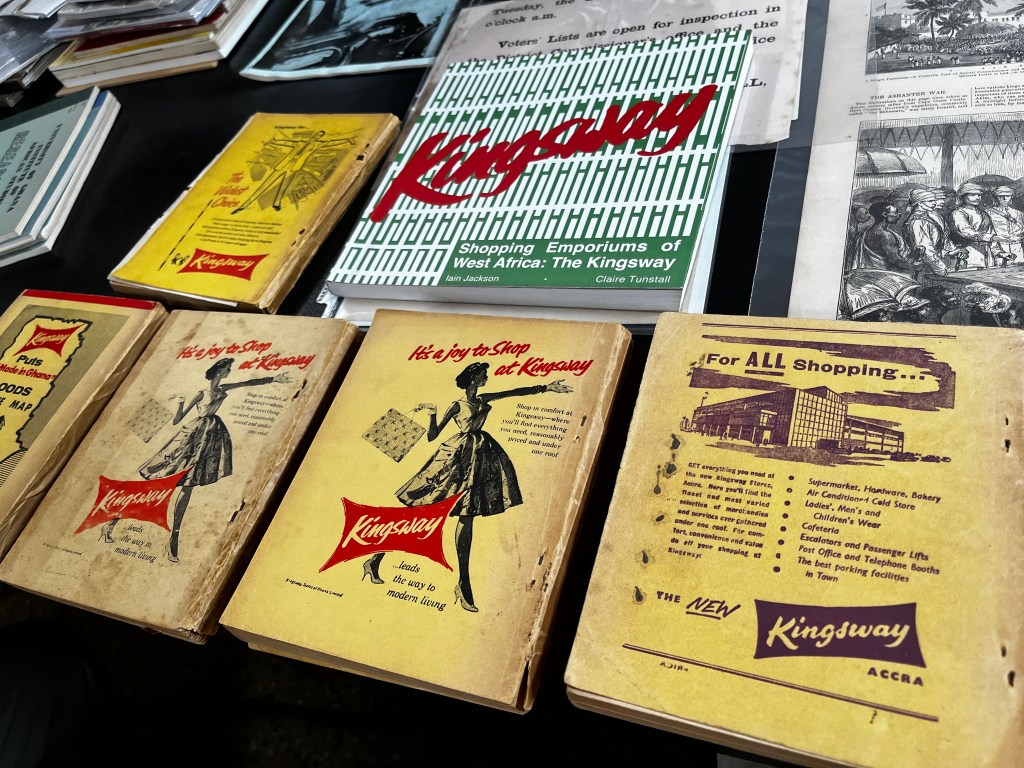
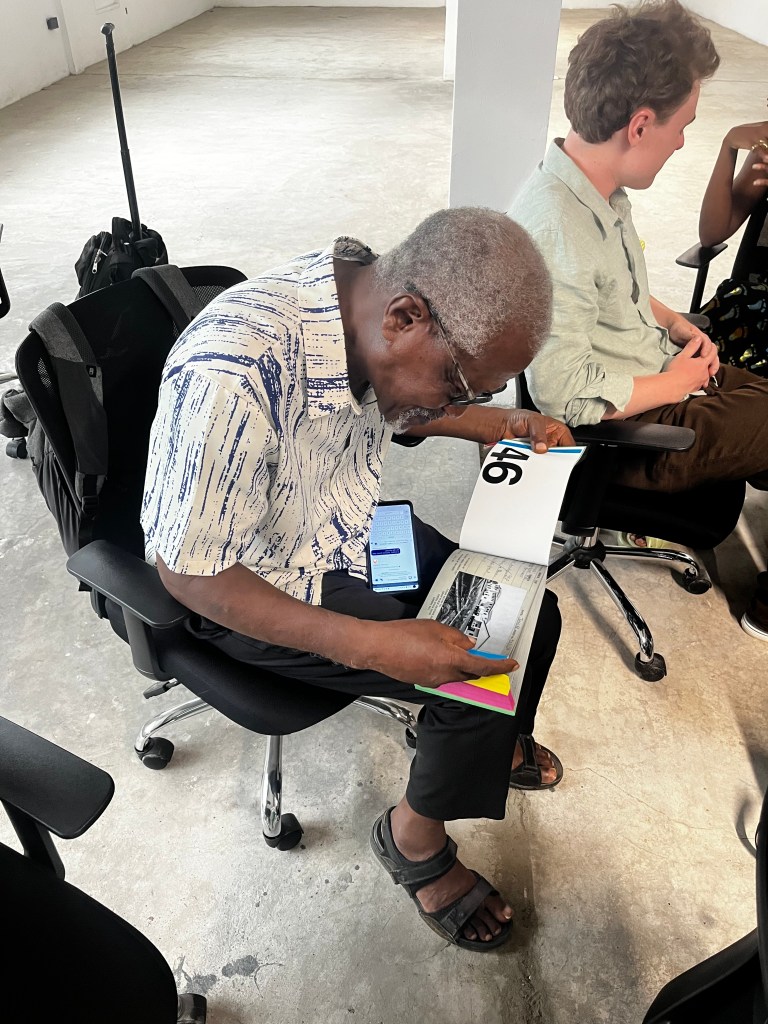
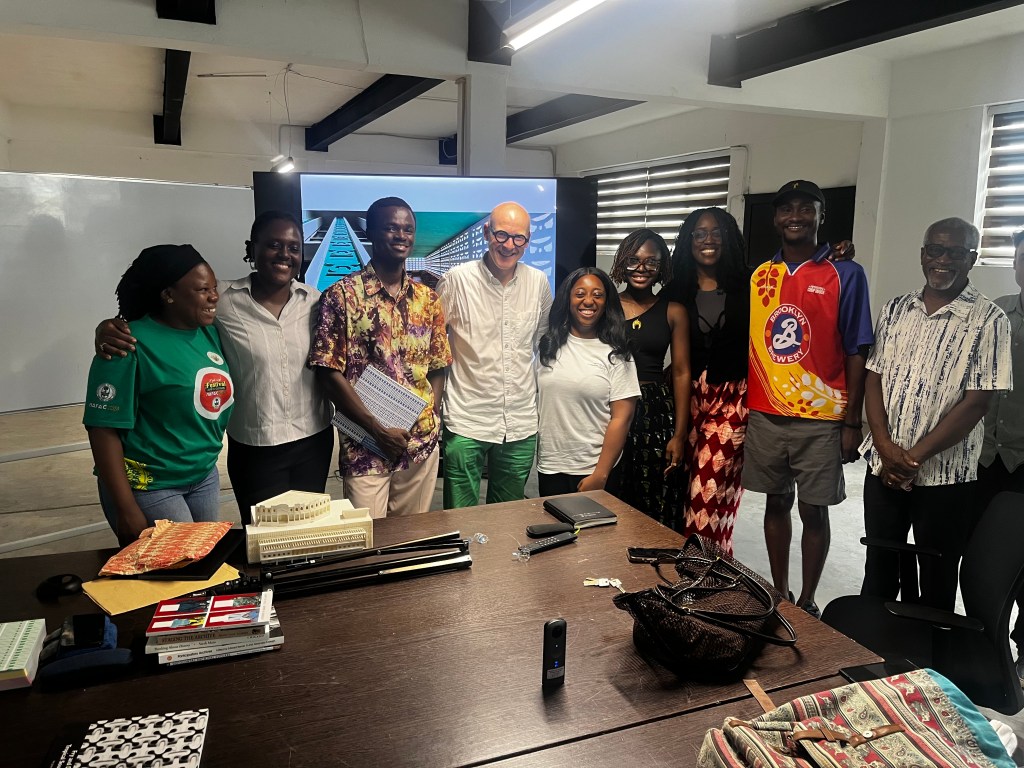
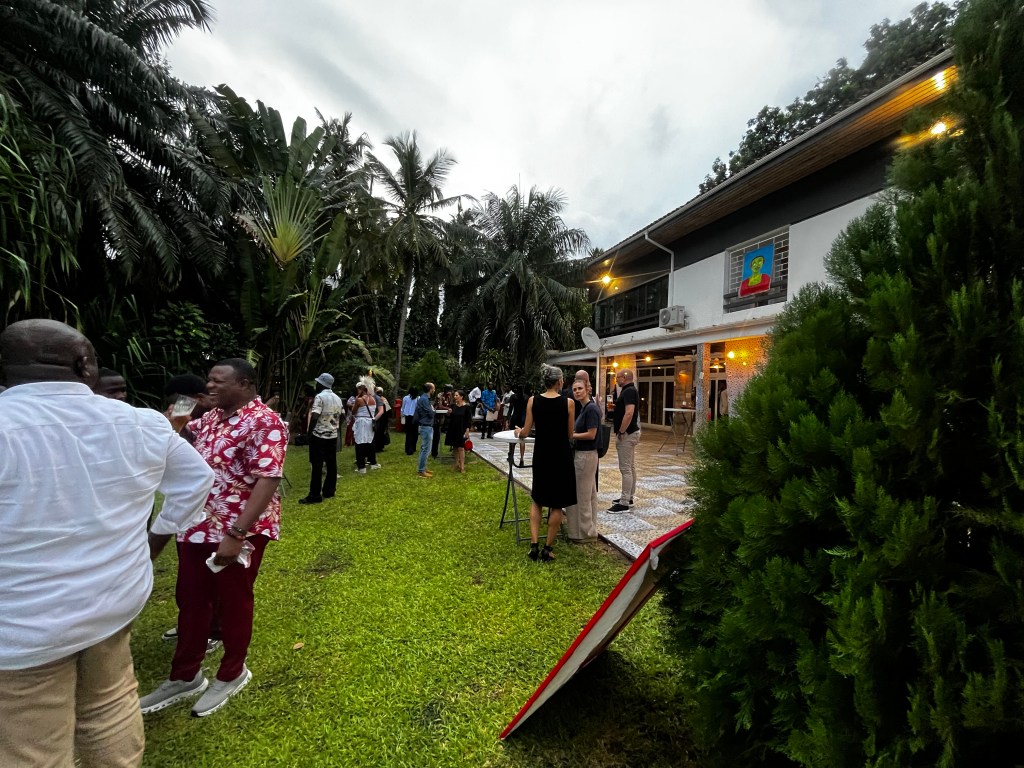
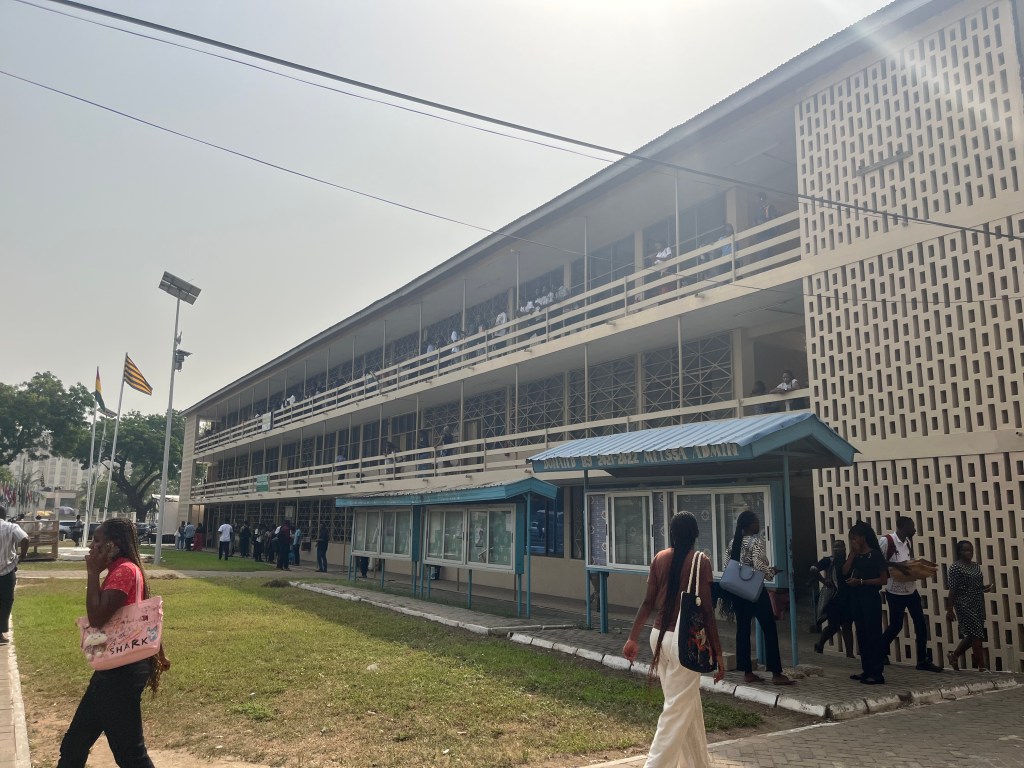
On 15th January, we celebrated the opening of “Shopping Emporiums of West Africa: The Kingsway Stores” at Jamestown Cafe and Gallery in Accra, marking a significant milestone in our ongoing research into the architectural and commercial legacy of the United Africa Company. The launch evening brought together an engaged audience including President of the Ghana Institute of Architects Tony Asare, Dr Abena Busia, and Ronnie Micallef, the incoming High Commissioner of Malta in Accra, for what proved to be a thought-provoking discussion about retail modernism, colonial commerce, and architectural heritage in West Africa. David Kojo Derban gave a wonderful opening talk to contextualise the exhibition, along with a wider welcome from cafe and gallery owner architect Joe Owusu Addo.

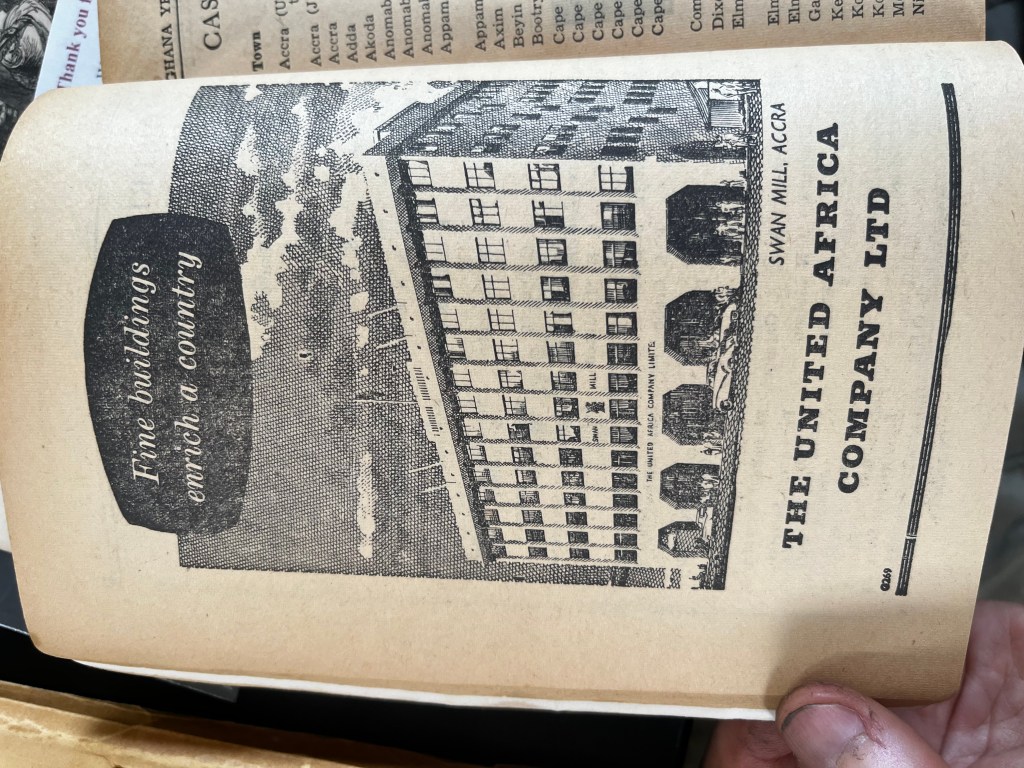
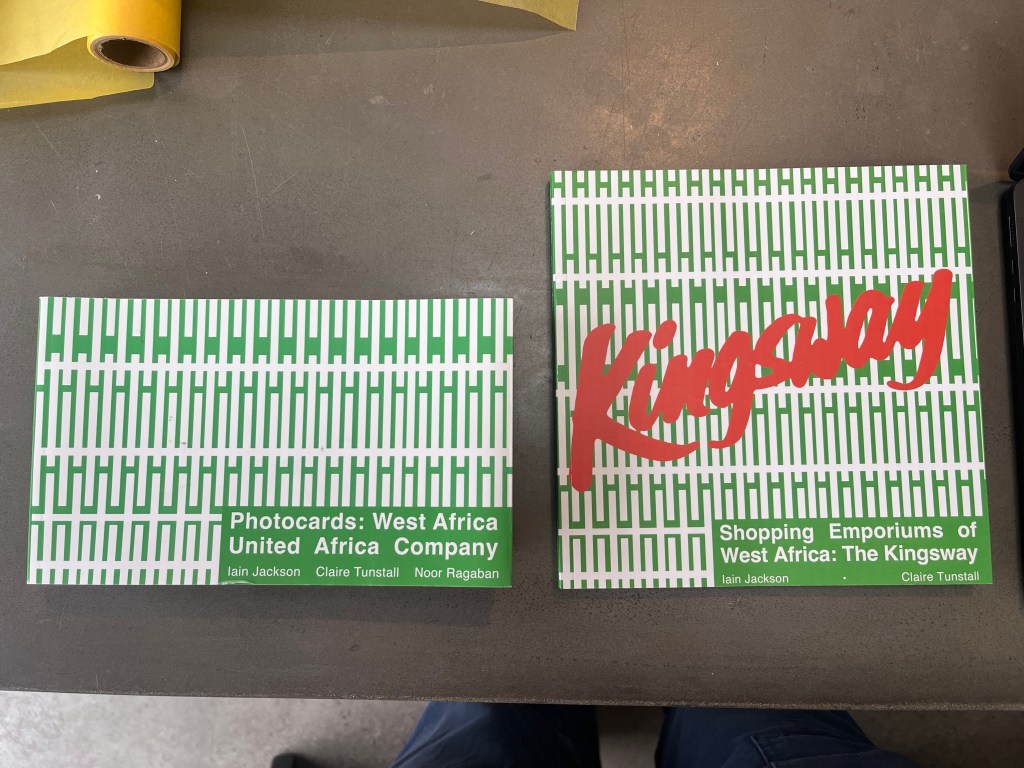
The exhibition represents the culmination of over 5 years of collaborative research examining the Kingsway department store chain, which operated across West Africa throughout much of the twentieth century. Working alongside Unilever archivist Claire Tunstall and colleagues Ewan Harrison, Rixt Woudstra, Paul Robinson, and Michele Tenzon, we’ve traced the fascinating story of these iconic shopping emporiums from their inception through the independence periods of West Africa and beyond.

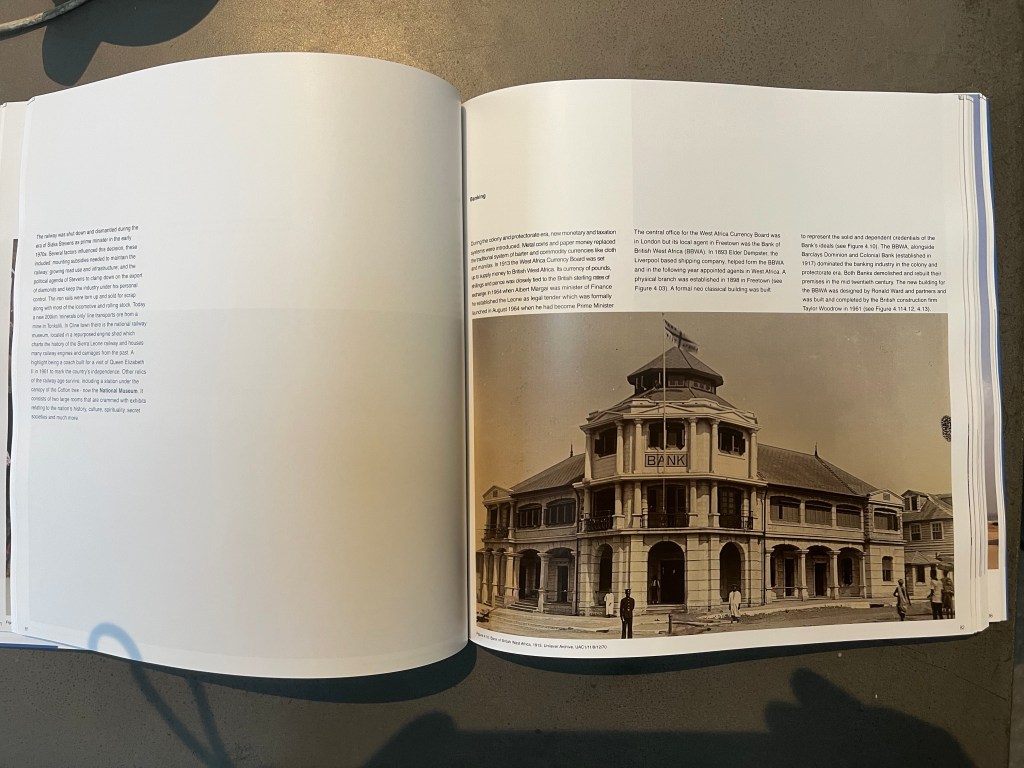
This work forms part of our broader investigation into the United Africa Company, published last year by Bloomsbury as “Architecture, Empire, Trade.” In our recent Journal of Design History article, co-authored with Ewan Harrison, Irene Appeaning Addo, and Oluwaseun Muraina, we wrote that “Kingsway responded to independence by instrumentalizing a particularly modernist domesticity through a series of didactic marketing efforts and the construction of boldly modernist new stores.” The article reveals how these stores weren’t simply places of commerce but architectural statements where “modernism is here revealed as complexly imbricated with colonial and neocolonial profit-seeking.”

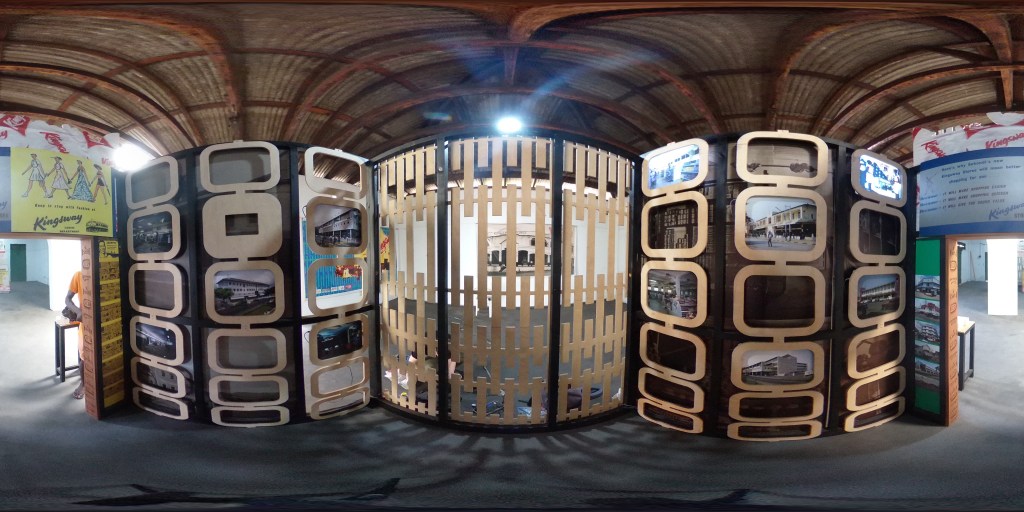
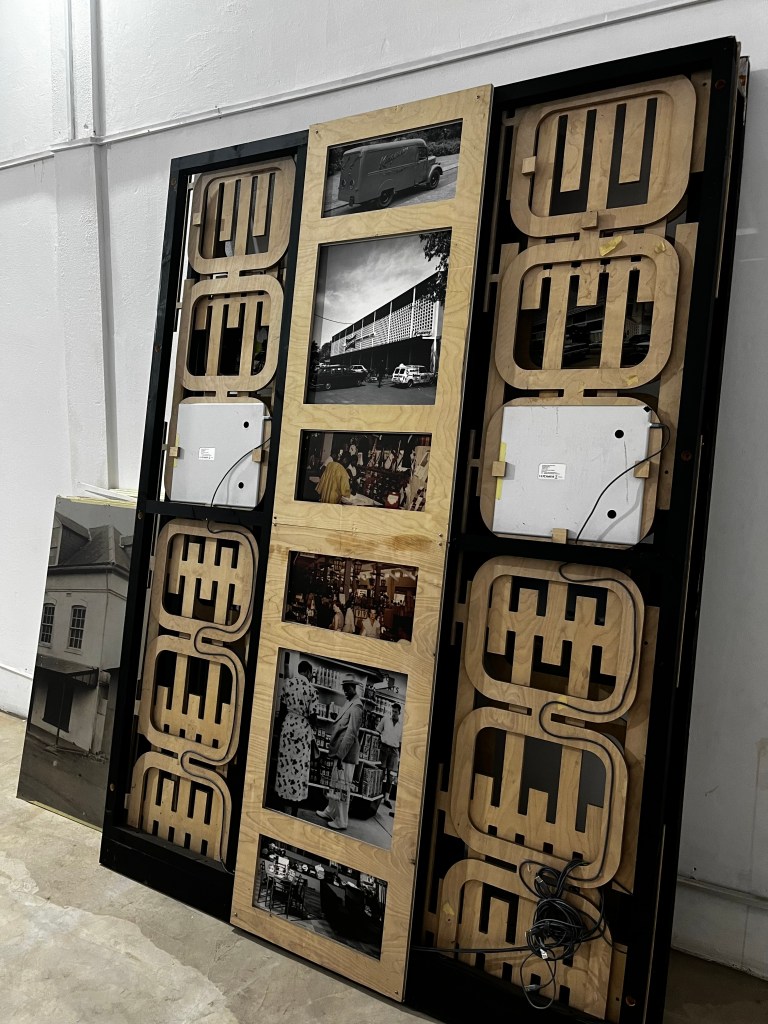
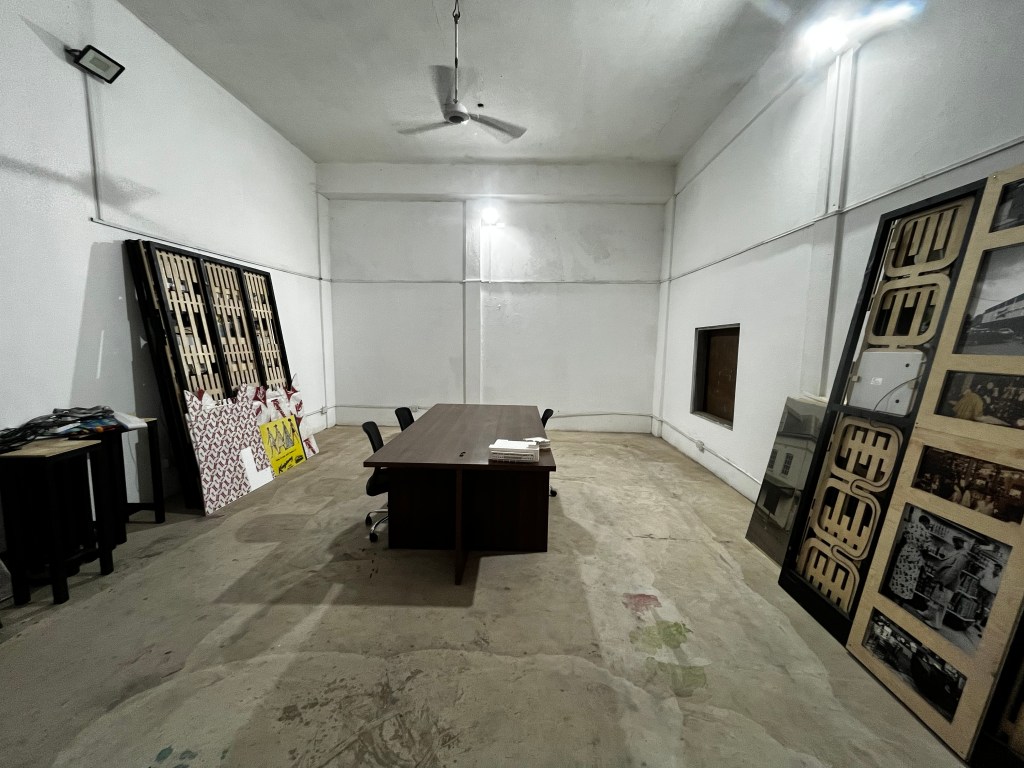
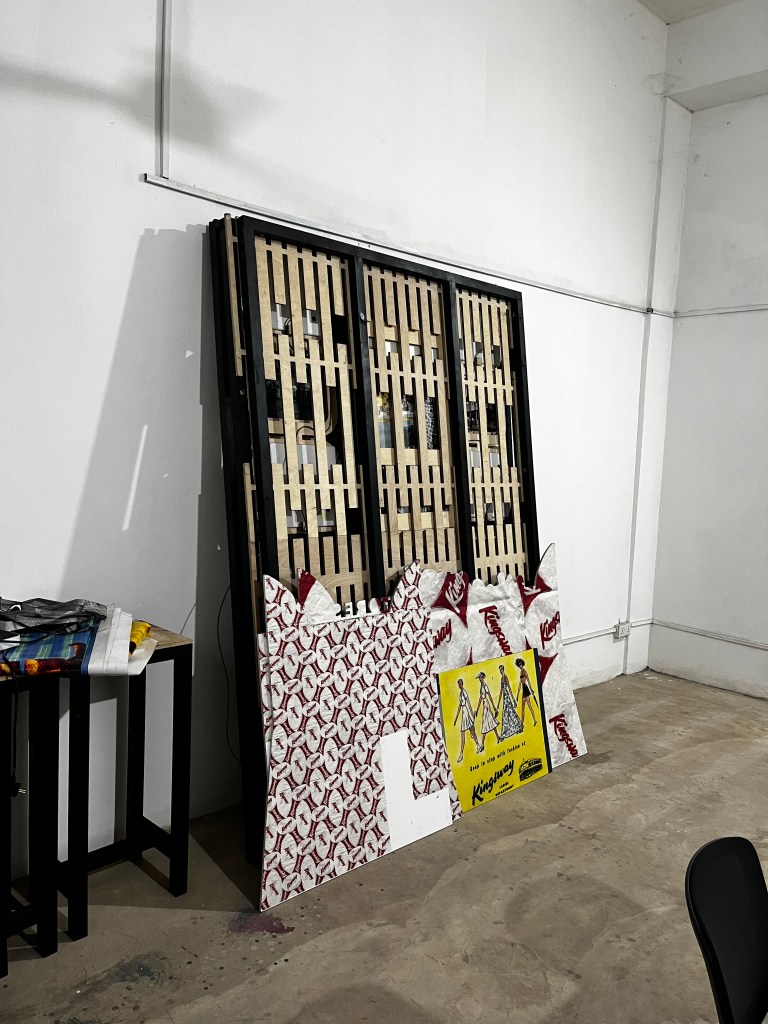
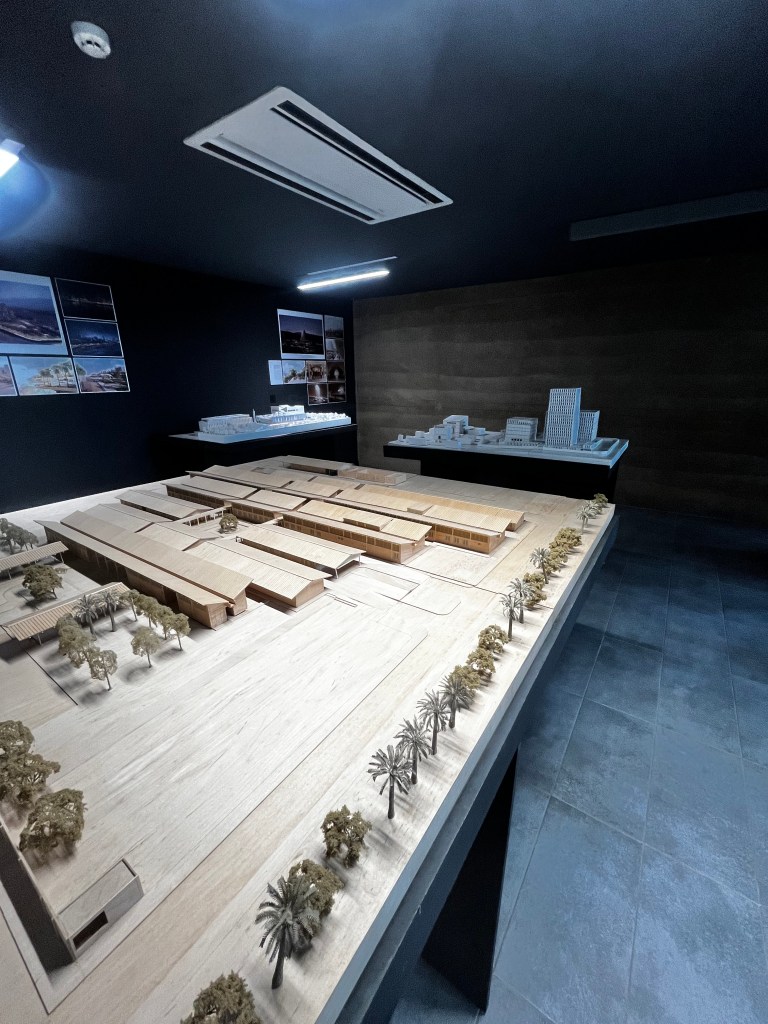
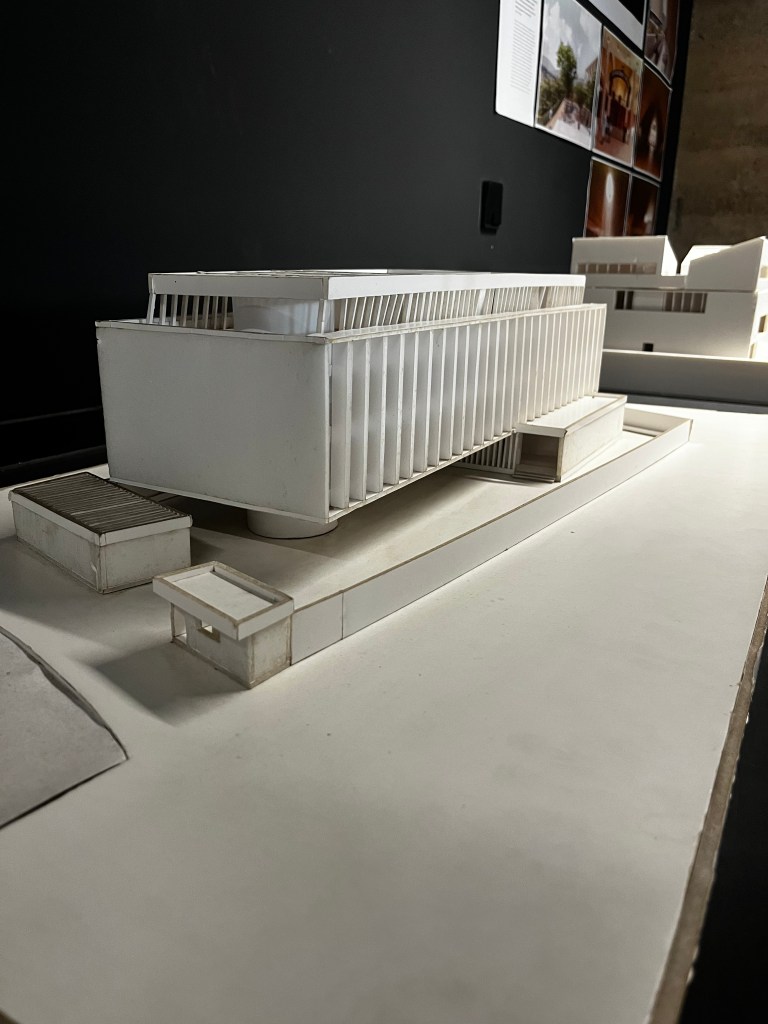
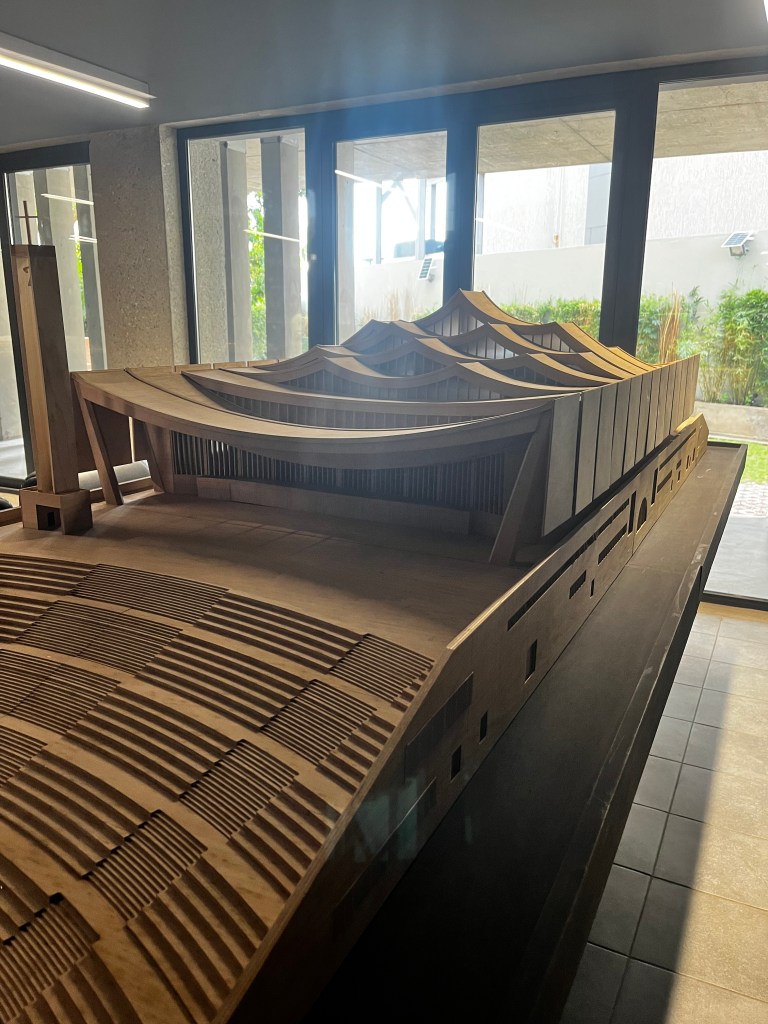
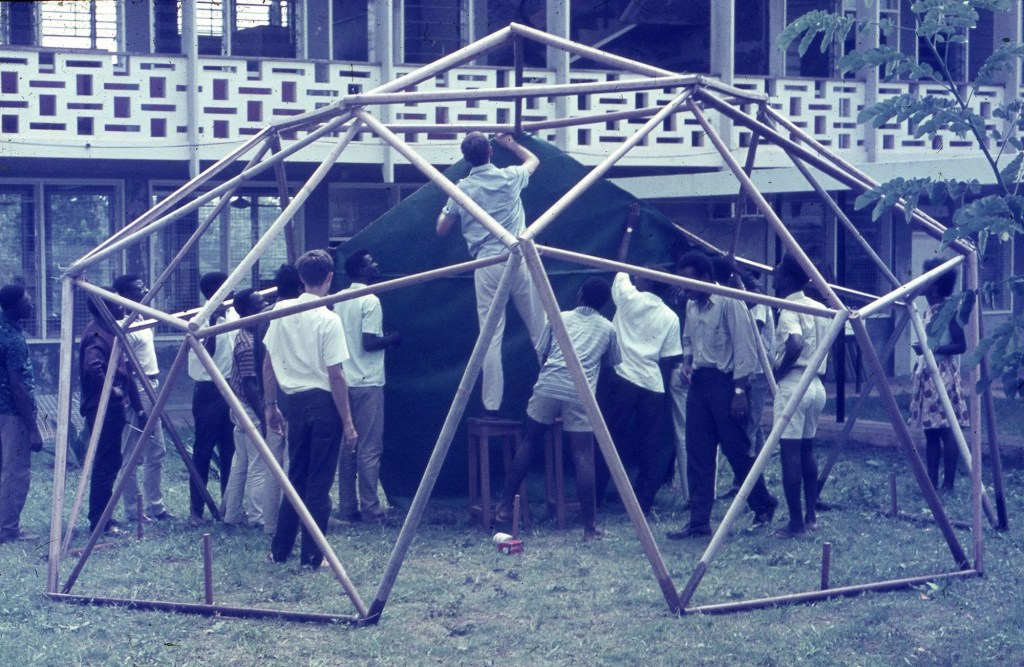
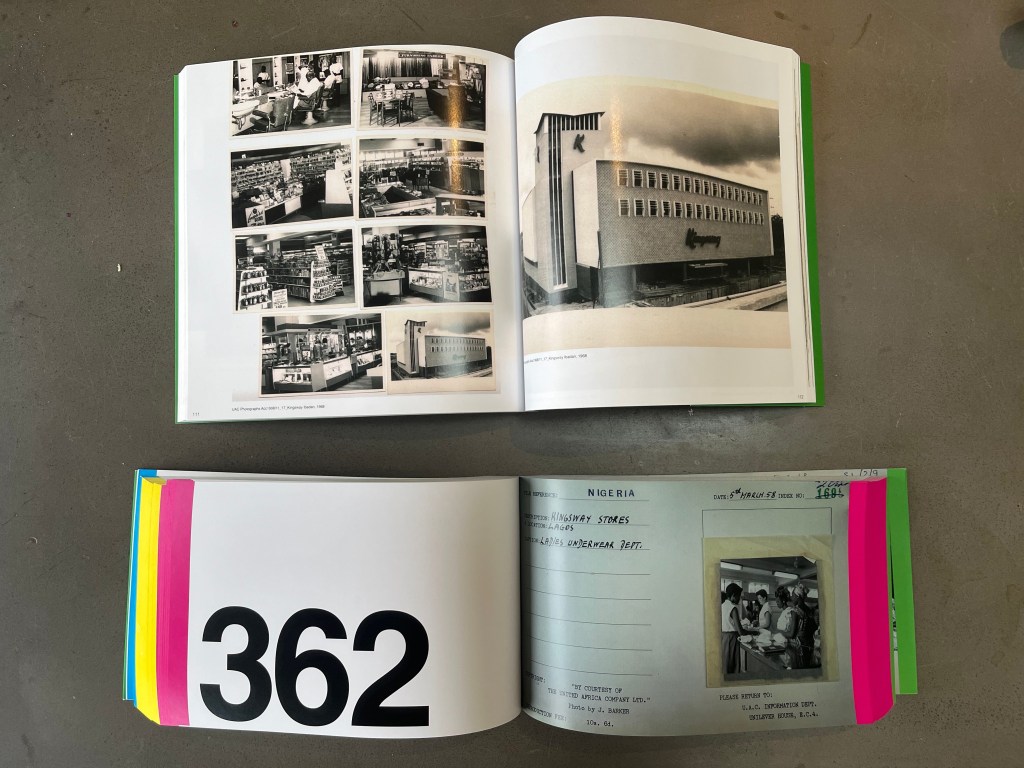
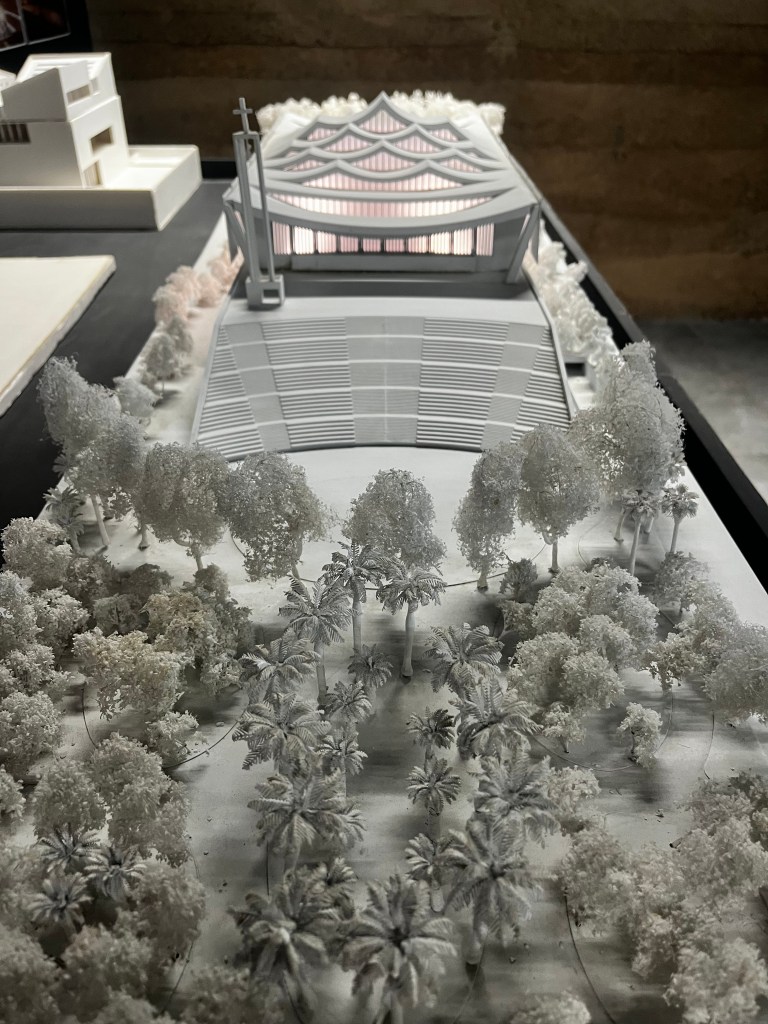
The exhibition itself has journeyed from Liverpool to Ghana, carefully packed and stored at Jamestown Cafe before being installed in early January. Two freestanding pavilions display archival photographs from the Unilever Archive, accompanied by newly commissioned 3D-printed models created by Liverpool School of Architecture students and archival films that bring the stores’ bustling atmosphere to life. The pavilions themselves, fabricated using CNC routers by our expert technical team at Liverpool lead by James Galliford, echo the modernist architectural language of the stores they document.
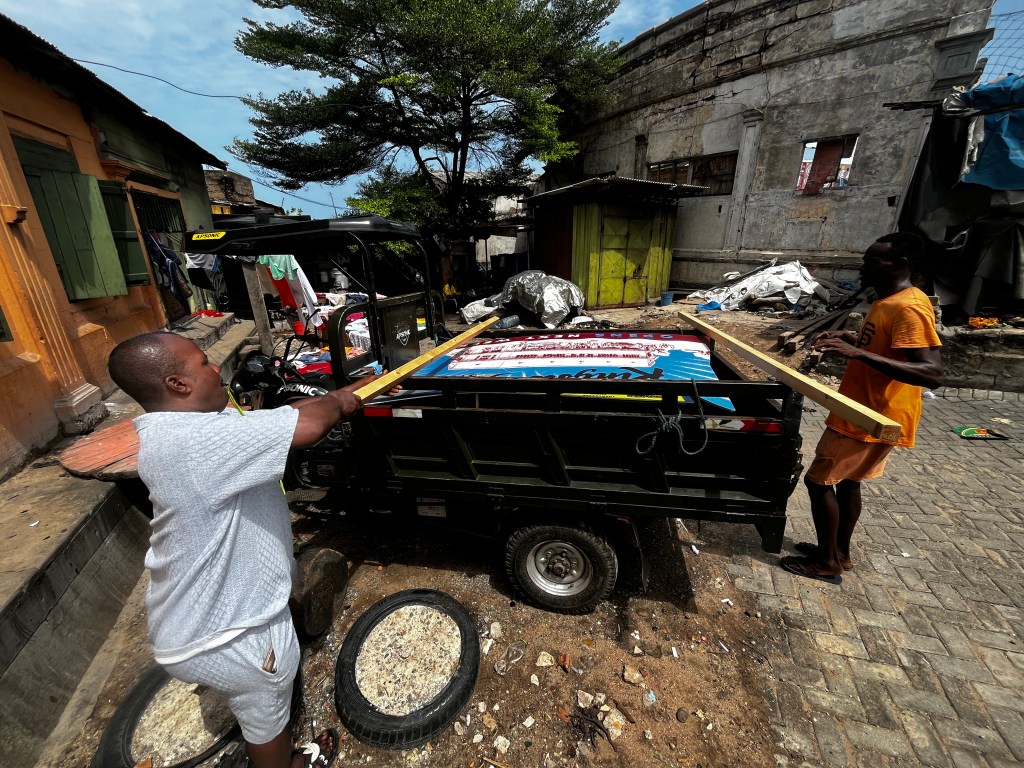
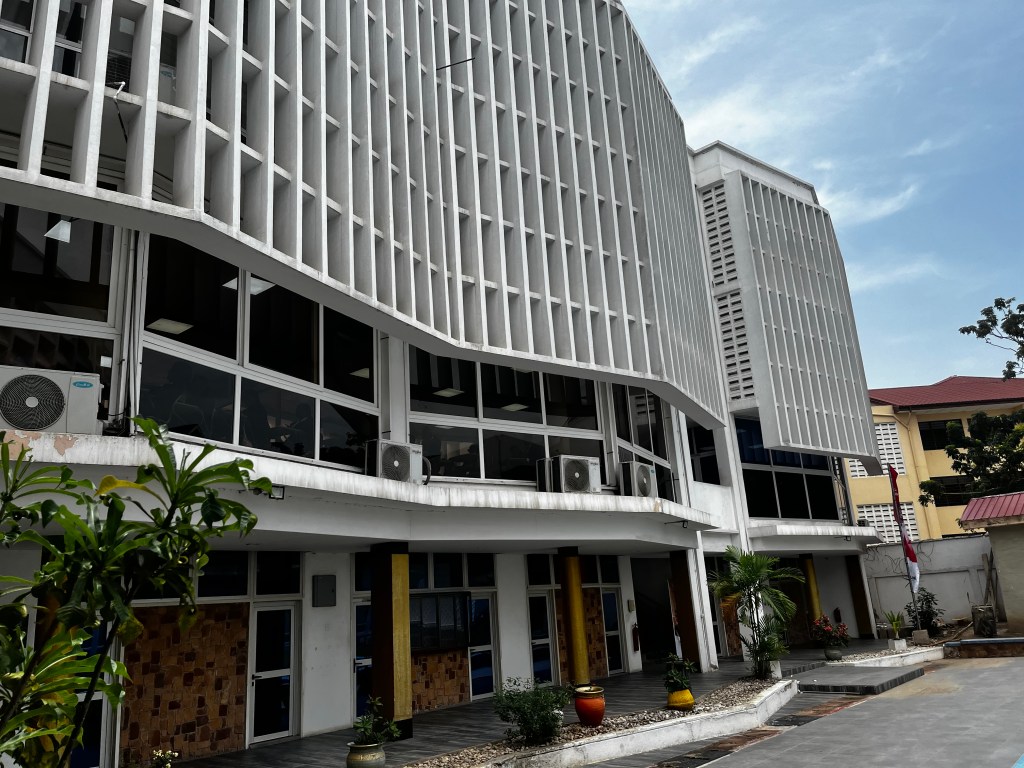
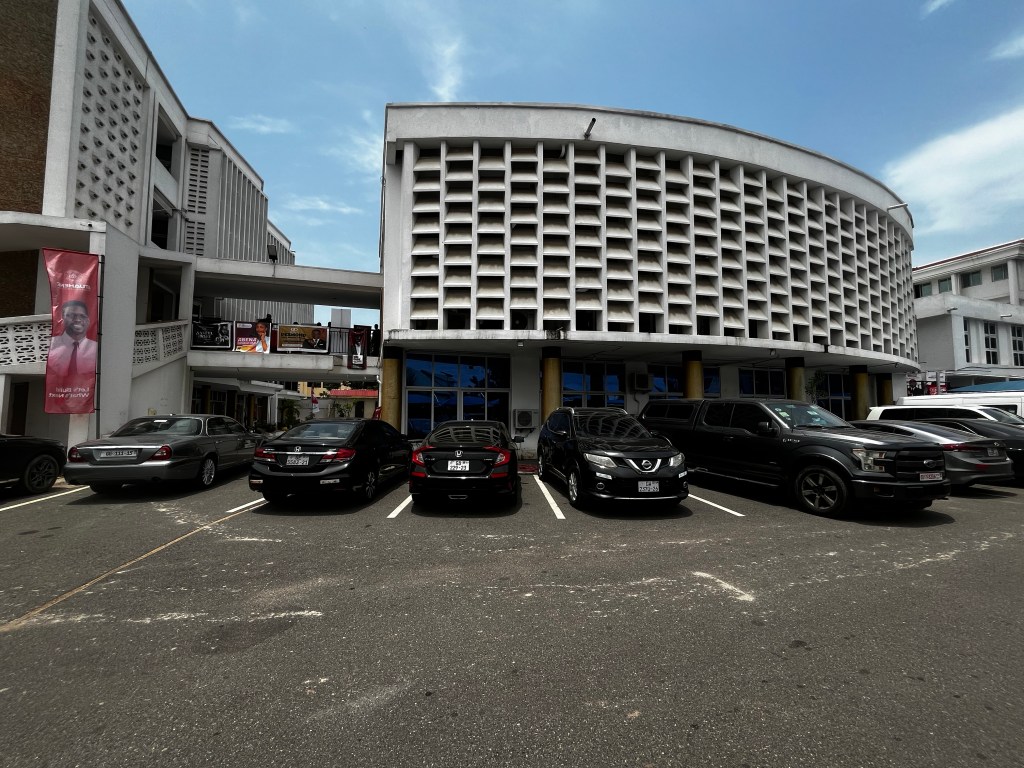
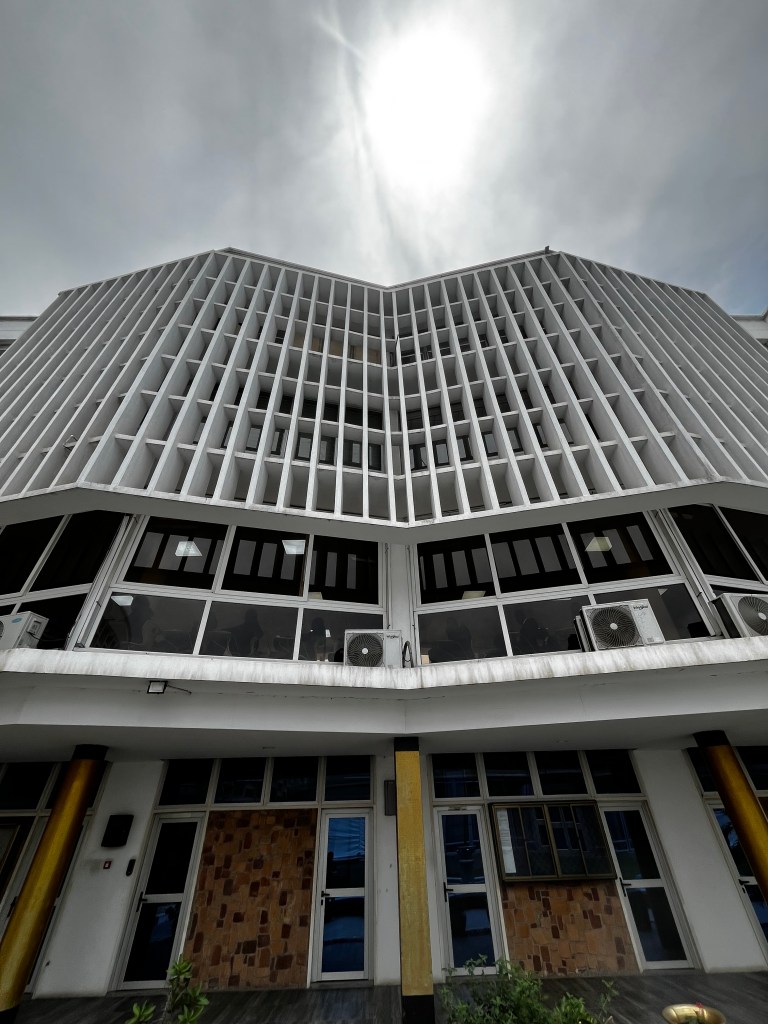
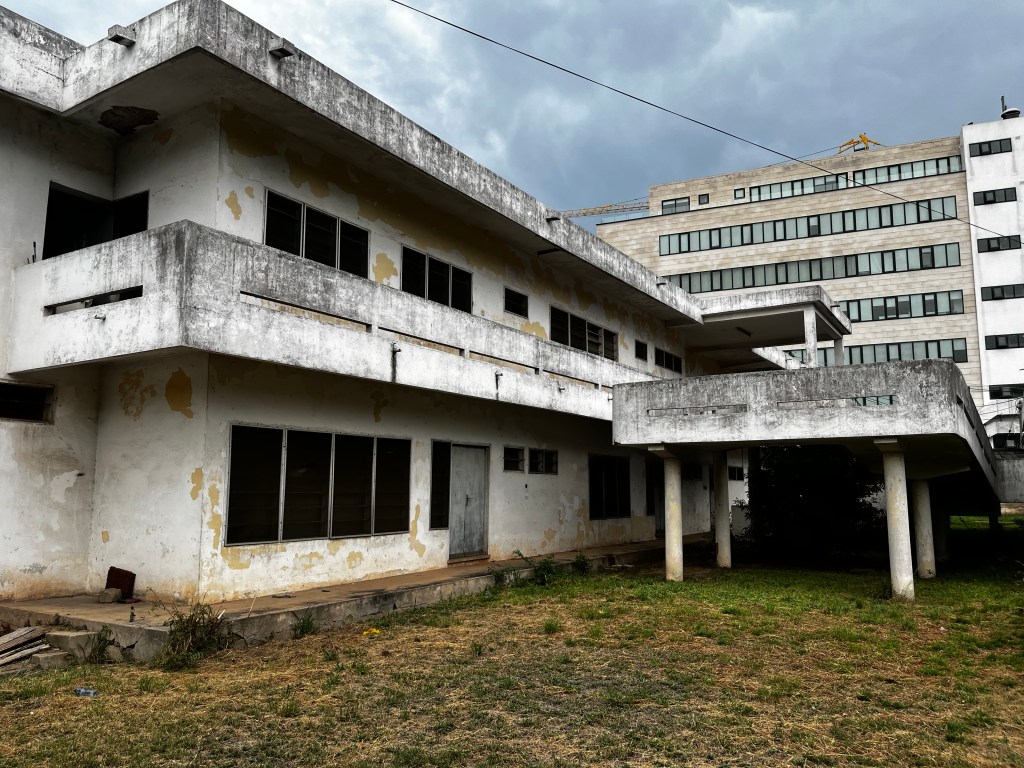
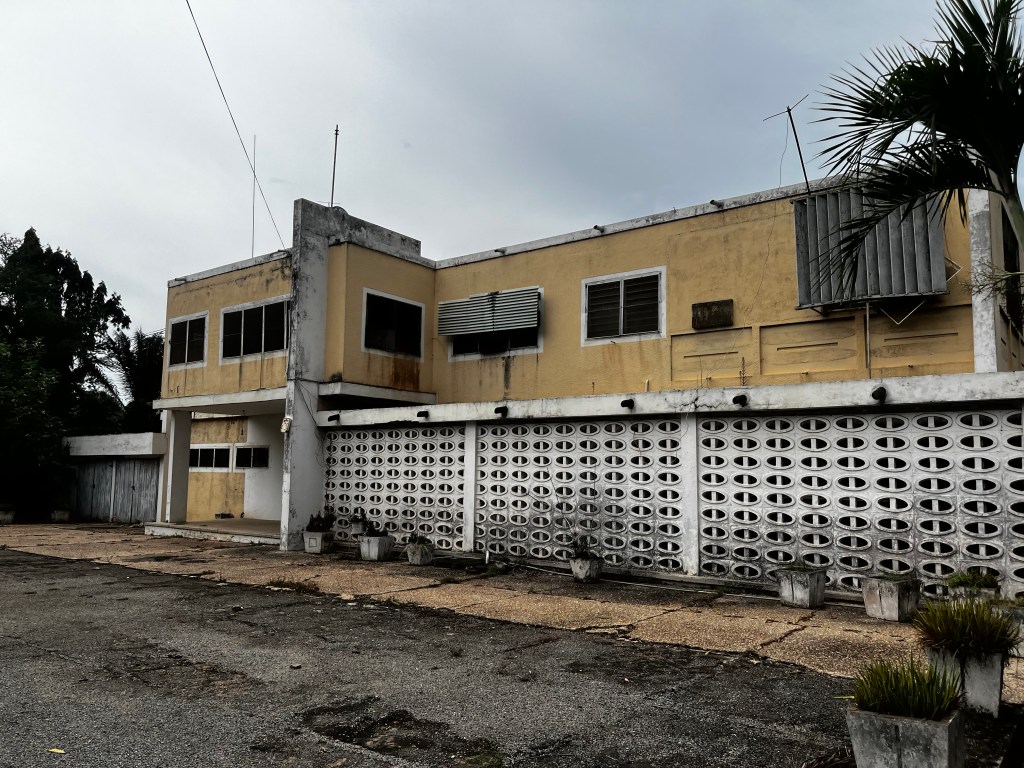
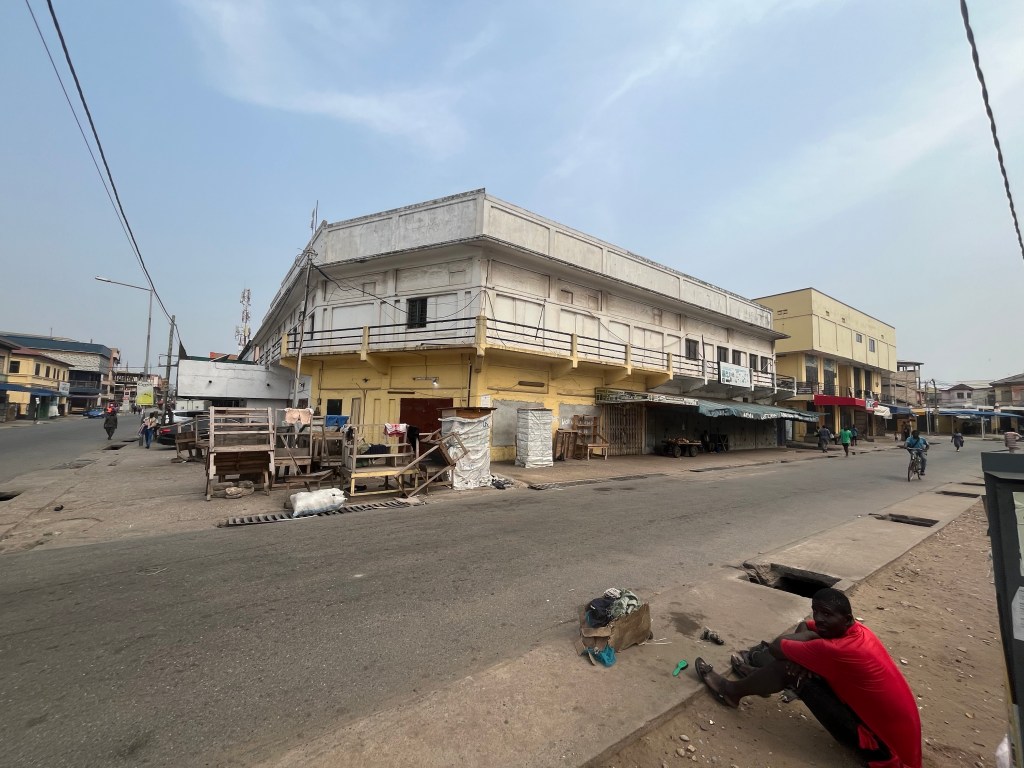
What makes presenting this exhibition in Accra particularly meaningful is the opportunity to share this research in the very city where the first Kingsway store stood. The ruins stand next door to the gallery – a poignant reminder of this commercial and architectural heritage. Through collaboration with Allotey Bruce Konuah, we’ve extended the exhibition beyond the gallery walls with vinyl street banners installed on both the gallery exterior, creating a dialogue between past and present. The banners also contain QR codes so visitors and passers-by can freely download the catalogue.

Our commitment to sharing this research extends beyond this single exhibition. We were interviewed on Asaase Radio morning show and it was great to share our work with a broader audience across Ghana. Following the exhibitions run in Accra through to Easter, we hope to tour the exhibition to other venues, continuing the conversation about how retail modernism, colonial commerce, and architectural heritage intersect. This exhibition reminds us that architecture is never merely about buildings; it’s about the economic, social, and political systems that produce them.

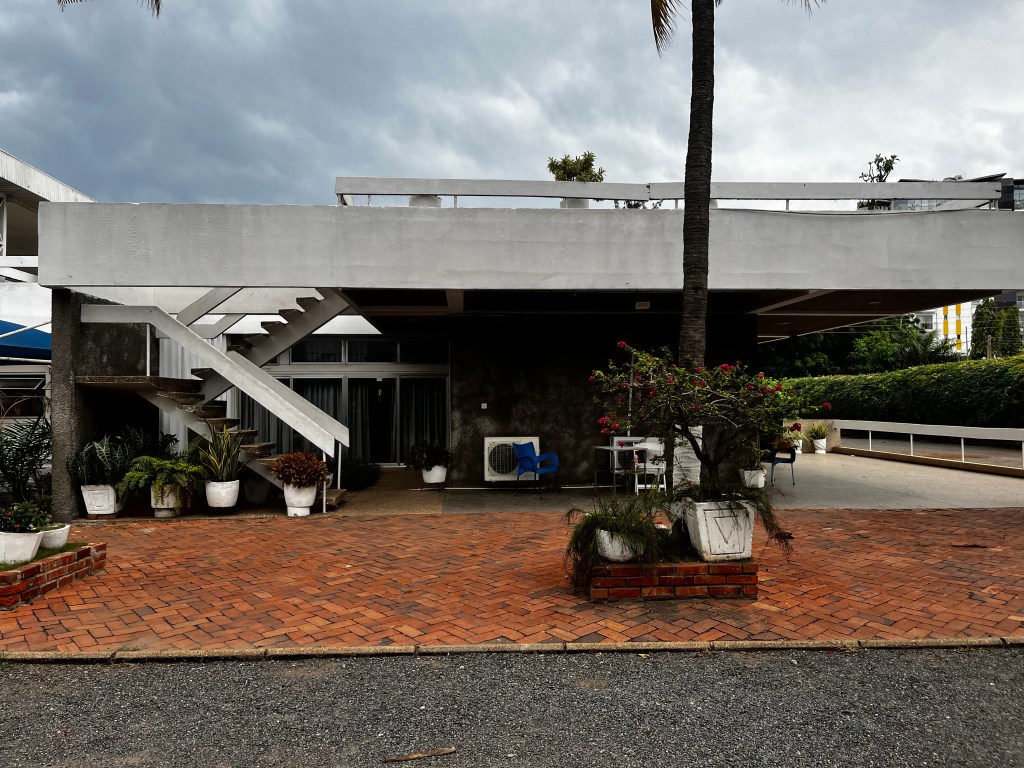
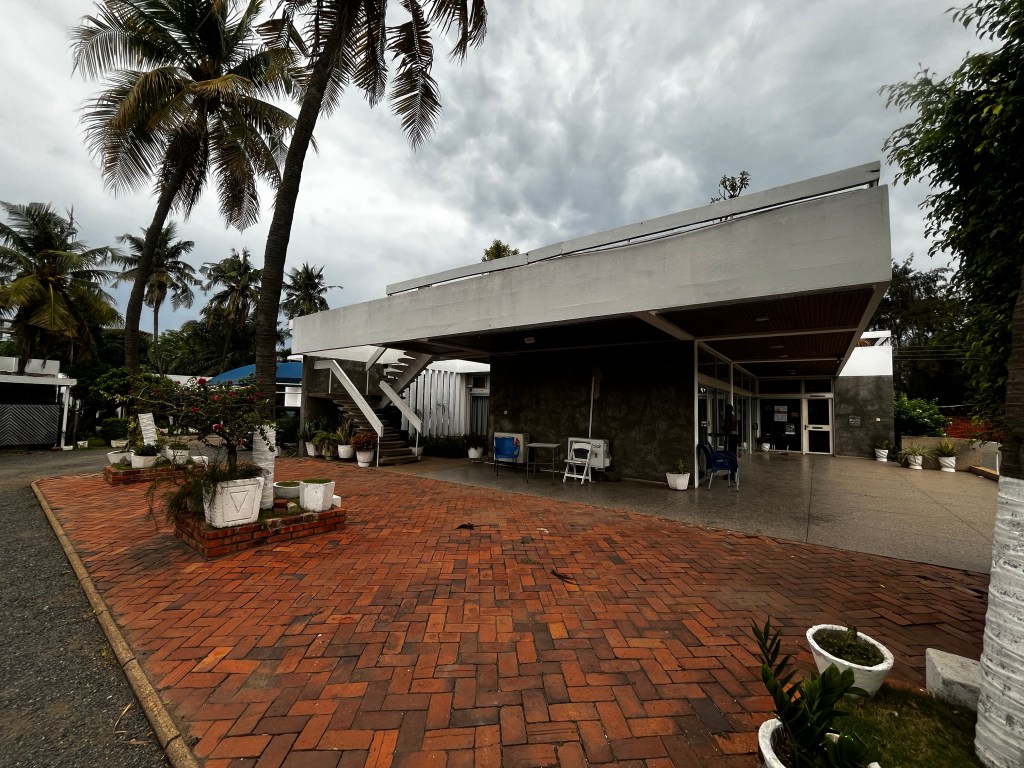
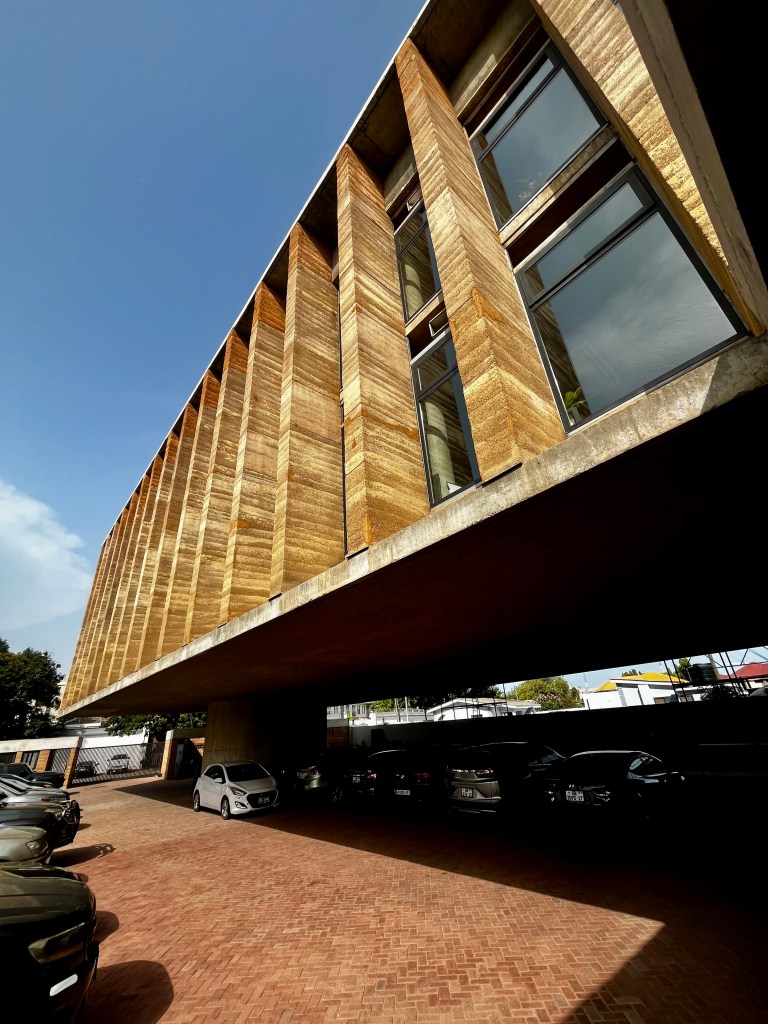
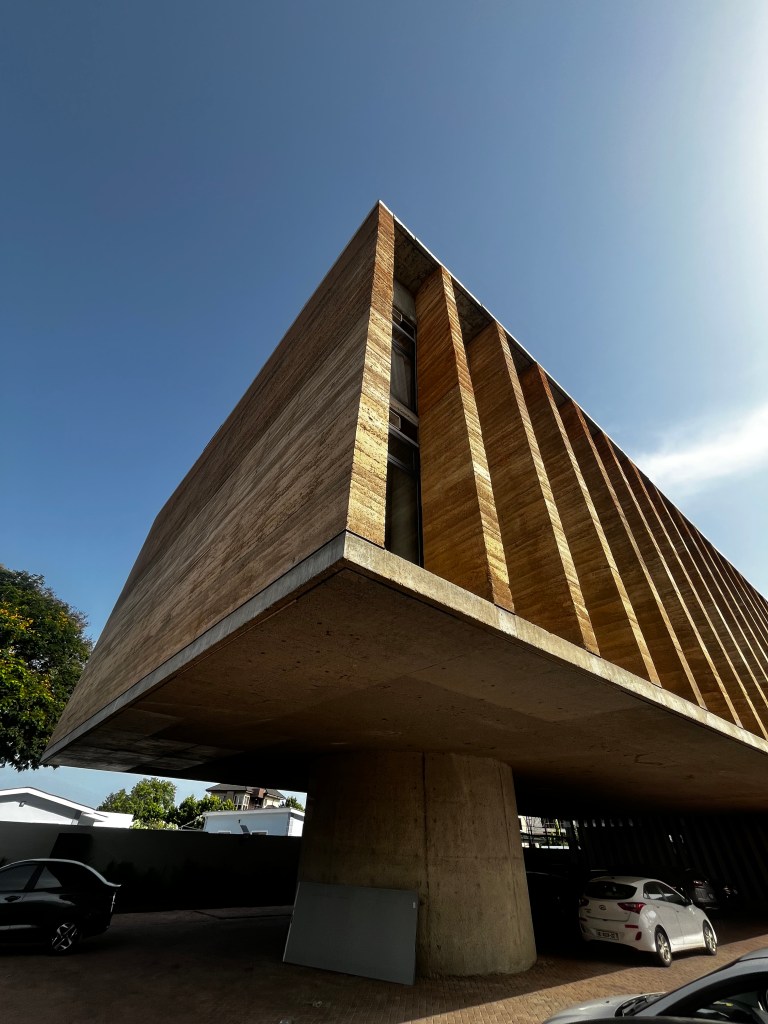
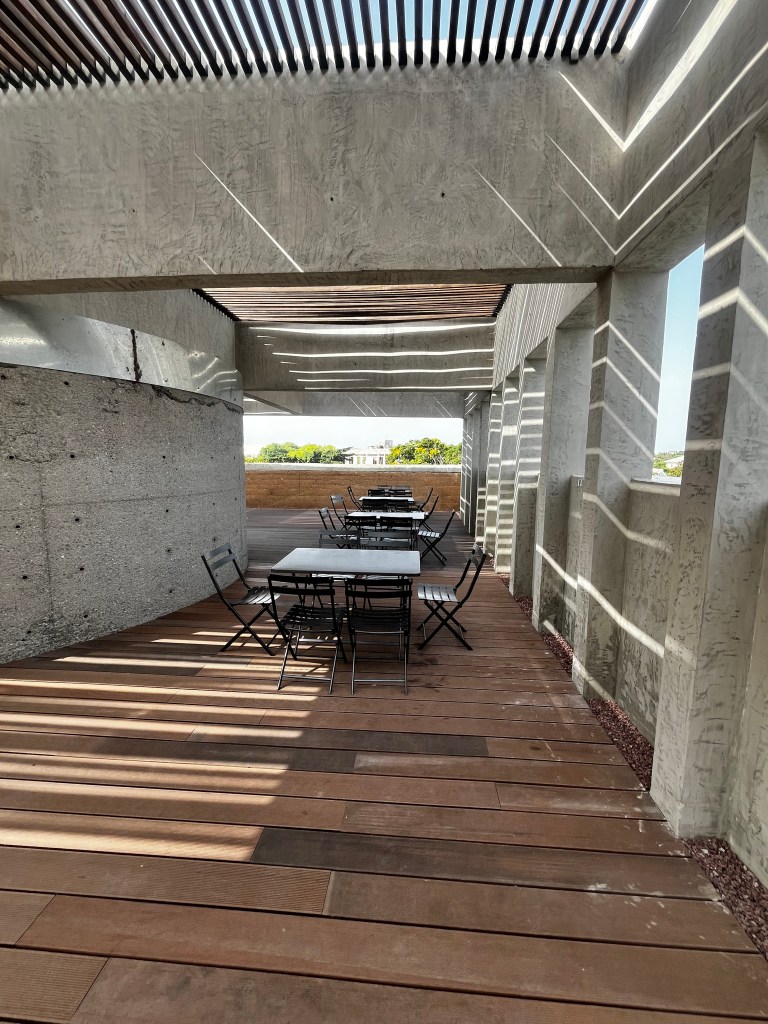
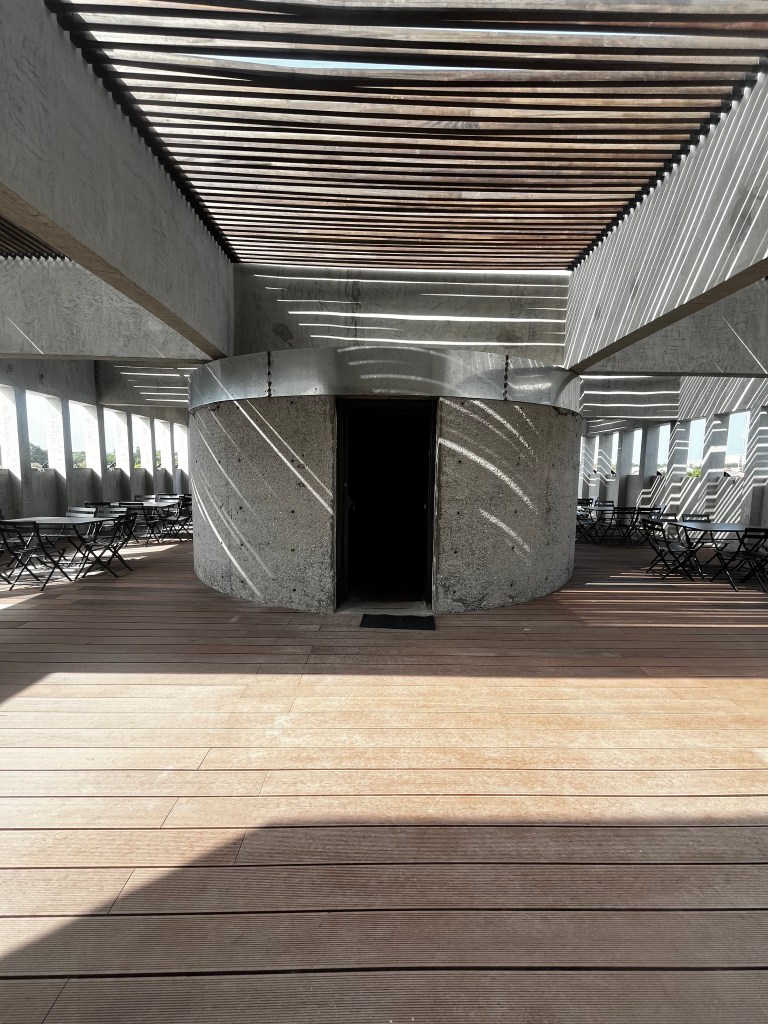
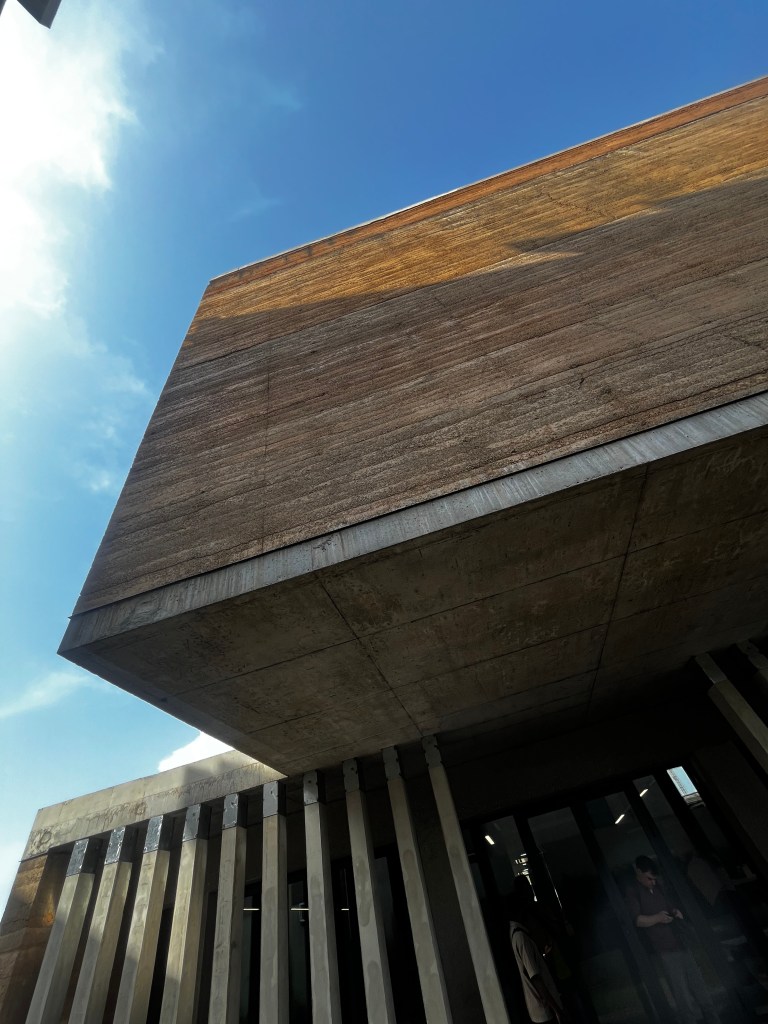
I finally visited the Nubuke_foundation today – a contemporary arts centre in East Legon, Accra . A very exciting structure that was fun to explore . I got there early and had the entire place to my self. Exclusively en situ concrete with the main gallery on piloti the space is lit from the large windows at either end of the linear structure. The shaded outside space under the gallery creates an exterior garden gallery (and cinema), and a carefully cast cantilevered staircase leads up the main entrance. The doors have the Le Corbusier inspired eccentric pivot, found frequently in Chandigarh, and there are certainly other motifs redeployed from the Modernist 5 points. It’s not derivative or cliched though – far from it. The building responds very well to the site and the vast -louvred window facades at each end offer fine views whilst being shaded from the concrete that projects beyond.

The campus was designed by Baerbel Mueller of http://www.nav-s.net/ and Foreign Affairs ([A]FA), Institute of Architecture, University of Applied Arts Vienna.

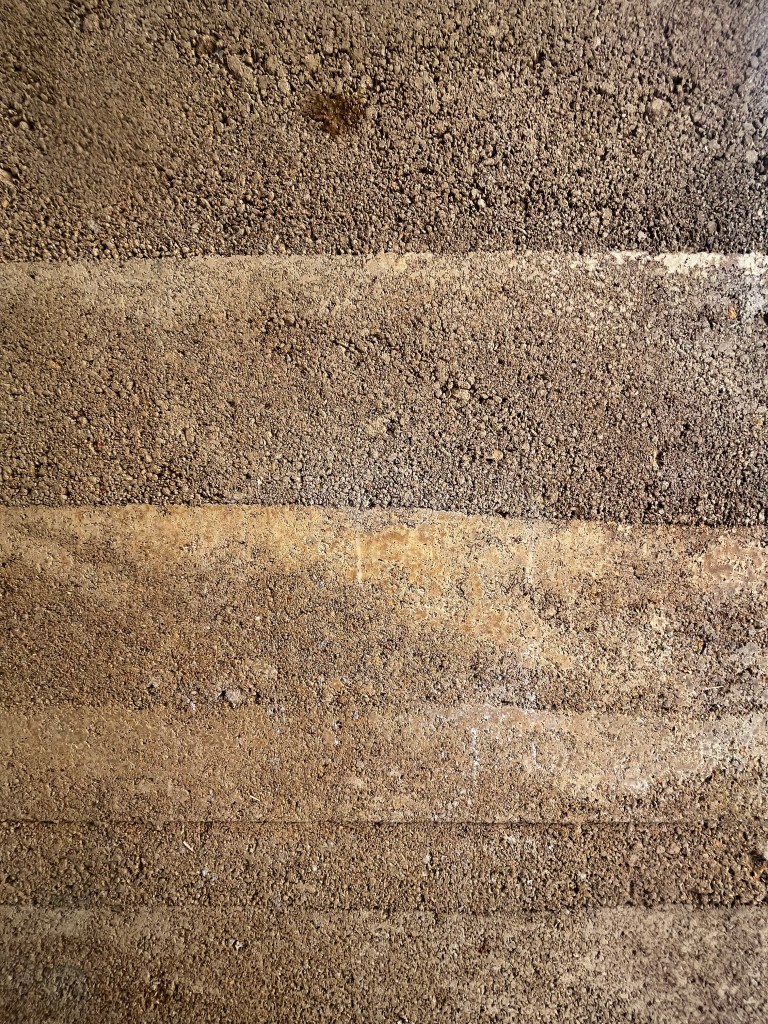
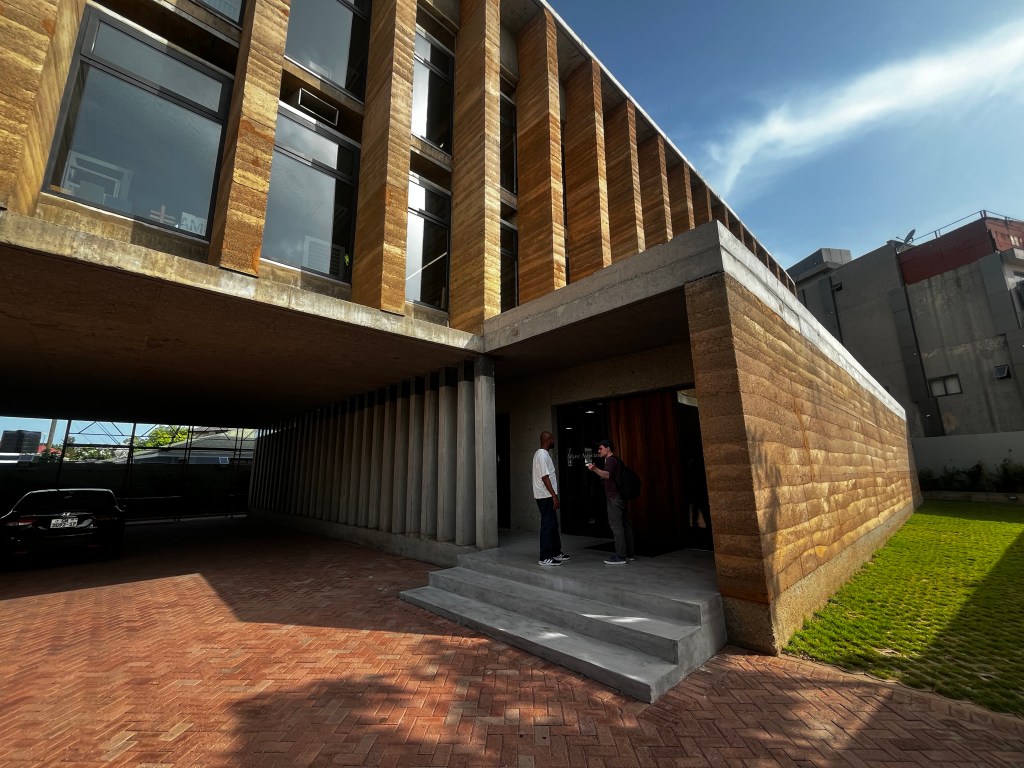
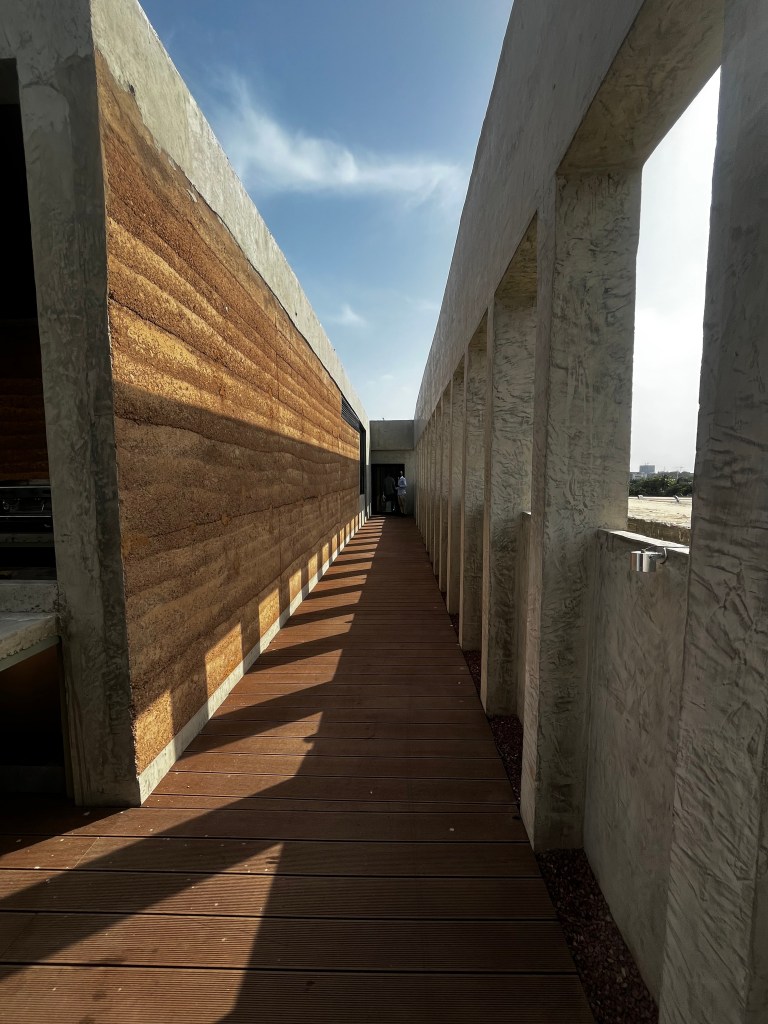
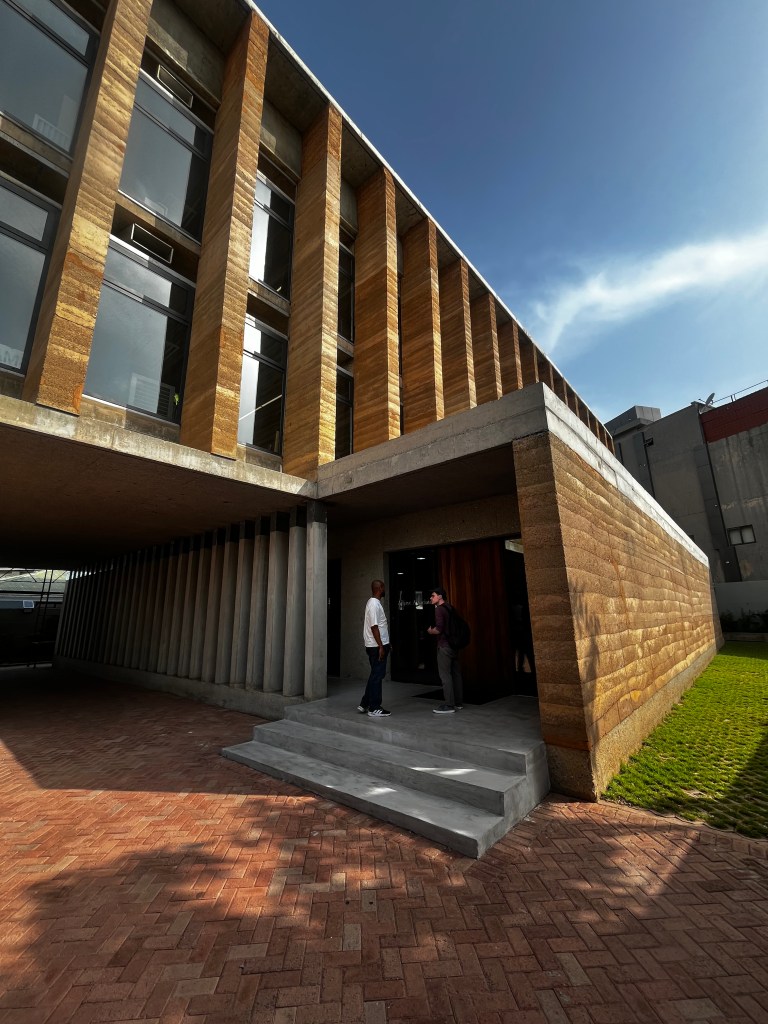
Elsewhere I had a less successful attempt to visit the Backyard Community Club – every time I visit it’s closed – but hopefully I’ll get full access soon. Designed by DeRoche Projects, it is the first project in Ghana using a precast rammed earth system. The modular precast elements provide shade whilst allowing cross ventilation. They also integrate cleverly into a bench for observers to watch the games. As well as tennis, there’s a kitchen garden and other gathering spaces for coaching and social events.

I’m intrigued by the precast panels and would like to learn more about the detailing. How was it possible to transport rammed earth – surely there’s a significant amount of cement in these panels to hold them together, and how is the top of the panels protected from the heavy rain? I’ll have to investigate further. Read more and see far better photos here: https://www.archdaily.com/1036713/backyard-community-club-deroche-projects. We saw at nearby Dot Atelier the flashing interventions being made around the windows to project the adobe ‘sandcrete’. I admire both buildings for experimenting and developing such uplifting and carefully designed spaces.

A few brief updates on Accra:

I revisited the PWD Junior Staff quarters in Osu. See https://transnationalarchitecture.group/2019/02/08/housing-in-accra-junior-staff-quarters-from-1961/ for a brief history of the estate. According to Michael Hirst who worked on Tema‘s Community 1 housing in the late 1950s, the Osu estate took it’s inspiration from their work. The houses are holding up well – it’s the landscaping that needs urgent attention.

The two major projects under construction in the city that we reported on in 2022 – Cathedral and Marine Drive have both stalled, and both projects are now under-review and reassessment – leaving behind faded hoardings and large vacant sites. At least the Community Centre and Ghana Club have some reprieve.

I also visited the Rex Cinema and Opera Cinema – both still looking excellent with their small scale intriguing entrance portals hiding their vast open-air screening areas.

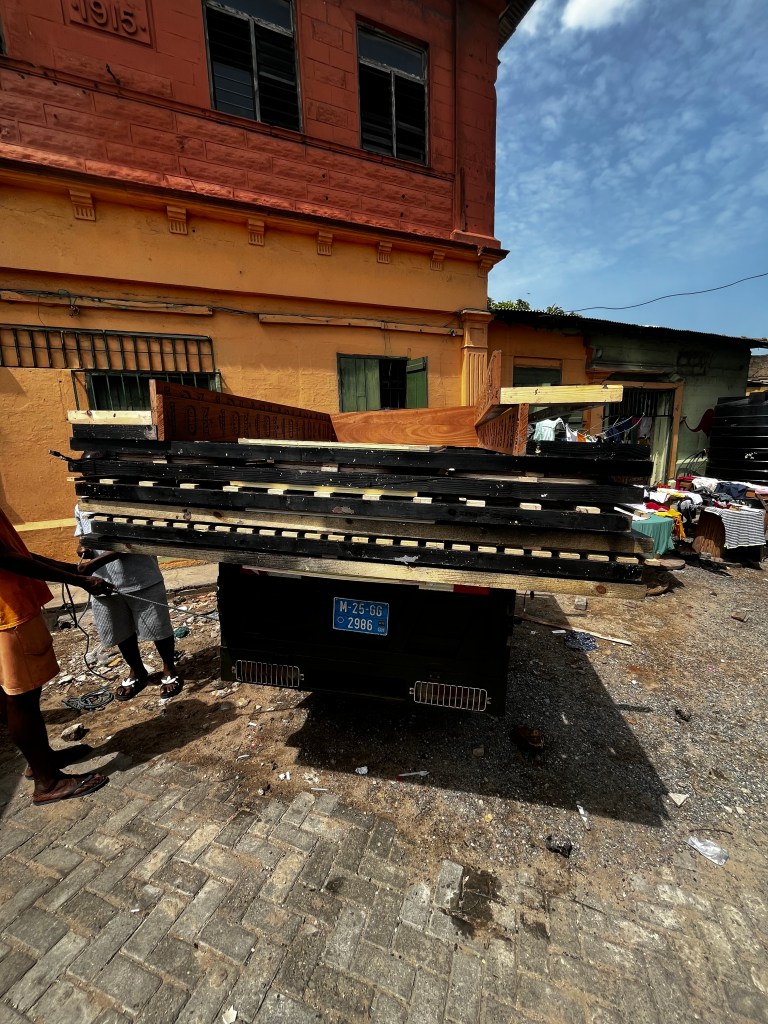
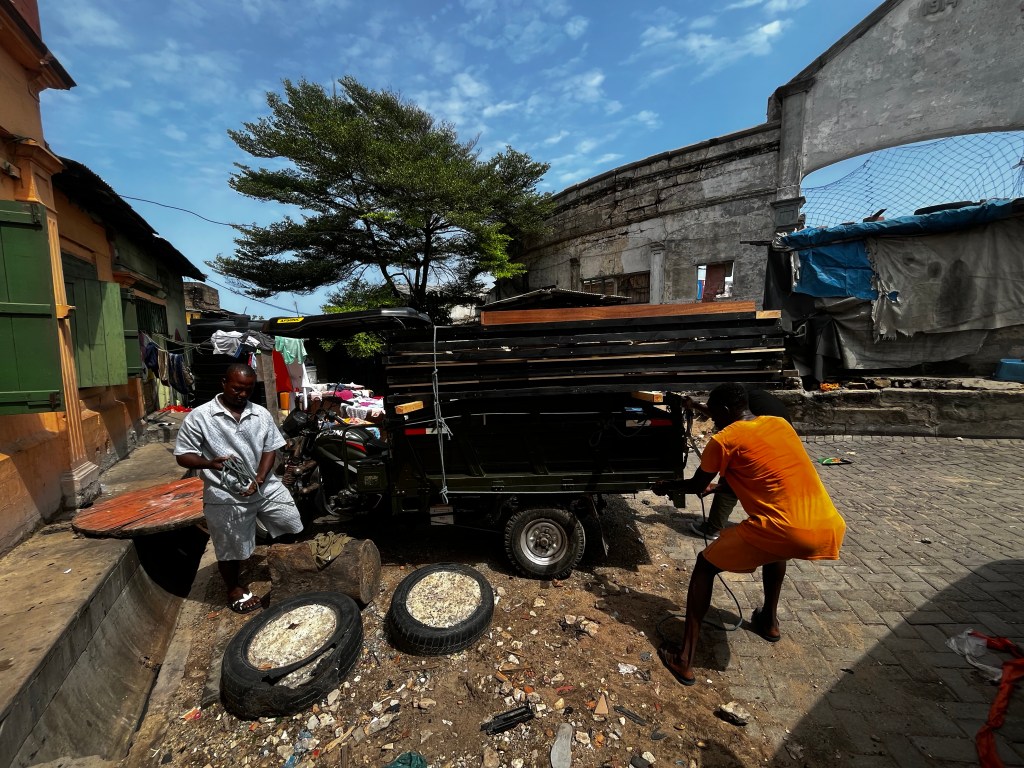
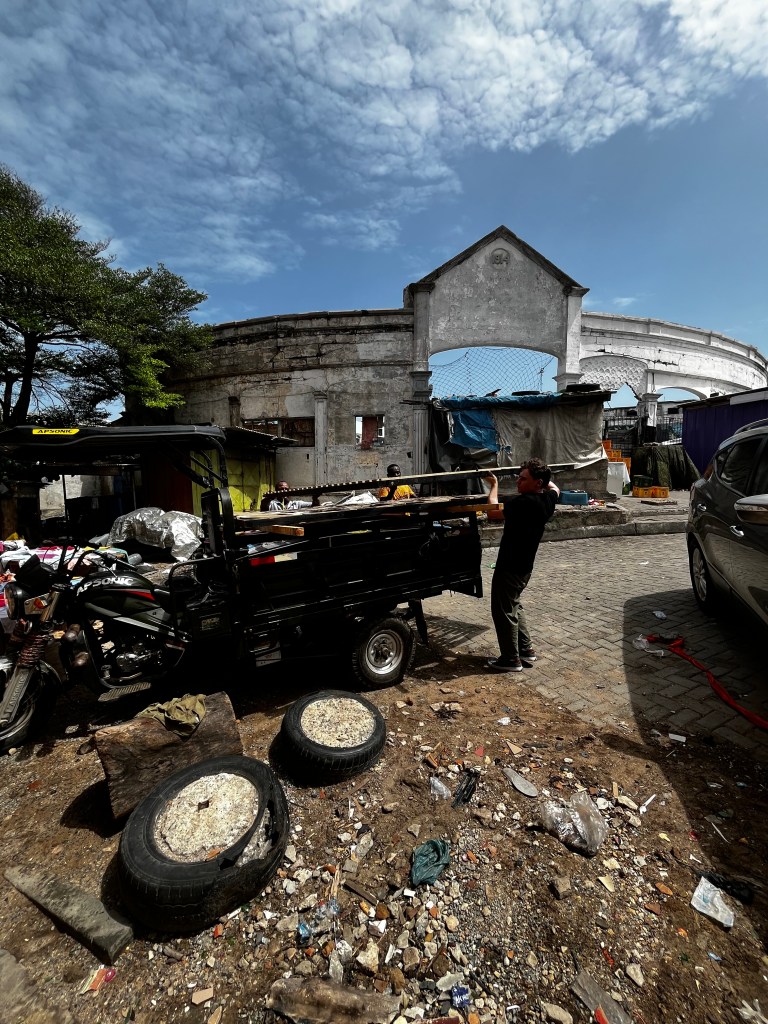
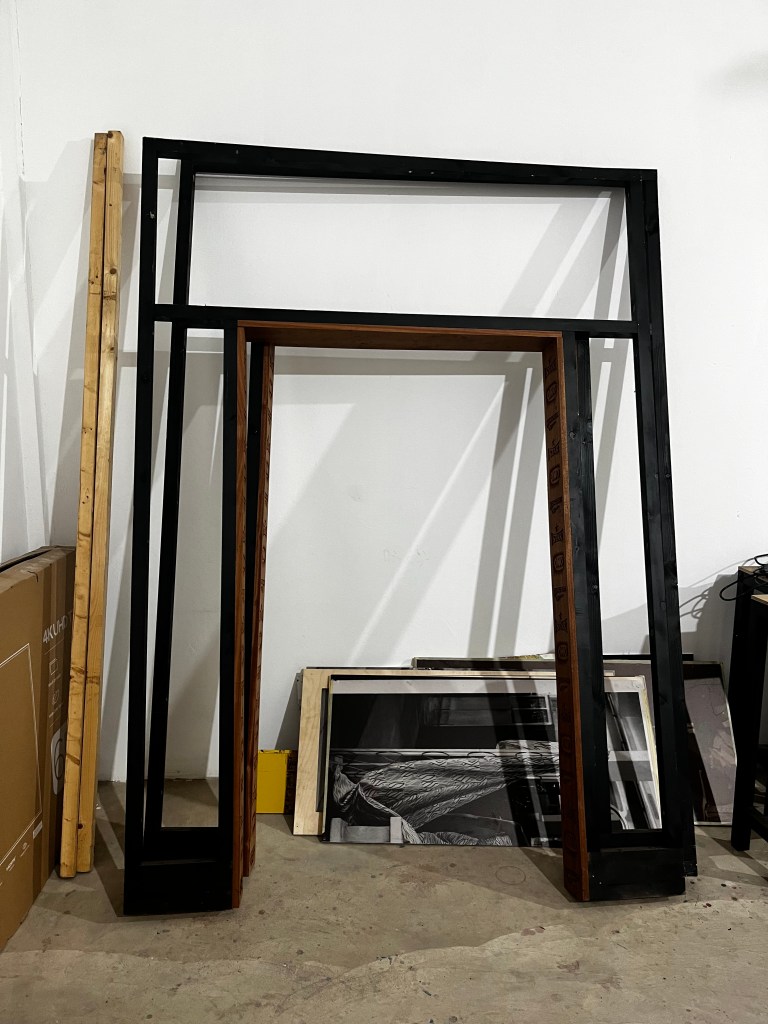
The Kingsway Exhibition has been sent to Accra and carefully stored at the Jamestown Cafe for a few months now. We were finally able to unpack the vast pallet on Friday morning and spent the weekend constructing the two pavilions and installing the light boxes and panels.

The exhibition is being extended and reimagined through a further collaboration with Allotey Bruce Konuah on a series of vinyl street banners that will be installed on the exterior walls of the gallery space, as well as on the old ruined Kingsway Stores portico located next door.

The opening night is 15th January and all welcome. The exhibition will remain until Easter before it moves on…

Thank you to James Galliford and the Liverpool School of Architecture Technical Team for their expertise on the fabrication and installation, and to Claire Tunstall and Unilever Archives team for all their help and support sourcing the images and visuals.

We’ll be setting up the Kingsway Stores exhibition at Jamestown Cafe and Gallery, Accra, this week. The two pavilions have made their way from Liverpool to Ghana and are ready for installation. The opening is on Thursday 15th January from 6pm – all very welcome. We’ll be based at the cafe from Friday 9th – so if you’re in the vicinity please call in. The exhibition will run until Easter and then we’ll tour it to other venues, with details to be confirmed.

We’ll document the installation and share further updates here, and on https://www.instagram.com/iaindjackson/ too.

November 8, 2025–April 12, 2026: Office Southeast in collaboration with Dana Salama

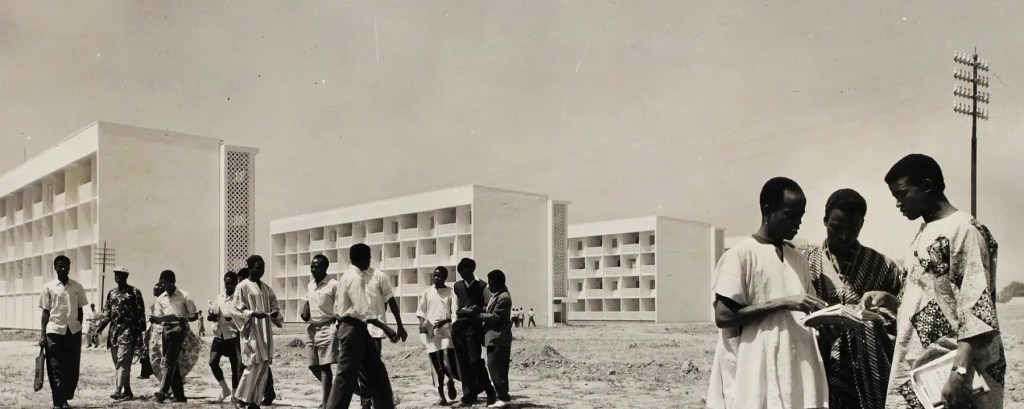
During the 1960s, Accra stood at the center of the anticolonial world. As the capital of Ghana—the first independent country in sub-Saharan Africa following European colonization—the city drew revolutionaries, intellectuals, and artists from across the continent and the Cold War divides. Ghana’s first leader, Kwame Nkrumah, envisioned Accra as a showcase of African statehood and invited architects to help shape its future.

Exhibition Photograph, courtesy of Łukasz Stanek, 2025.

Intersections traces the collaboration of two architects who responded to that call: Ghanaian Victor Adegbite (1925–2014) and Hungarian Charles Polónyi (1928–2002). Polónyi arrived in Accra as part of Eastern European technical assistance programs supporting Ghana’s transition to socialism. He worked for the Ghana National Construction Corporation (GNCC), where Adegbite—a Howard University graduate—served as chief architect. In their work at the GNCC they mobilized architectural resources from the socialist, capitalist, and non-aligned countries and designed buildings that responded to Ghana’s needs, means, and aspirations.

The exhibition centers on the housing projects designed by Adegbite and Polónyi, which embodied the many dimensions of independence—from representing a new elite to the state’s provision of housing for all social groups. By juxtaposing family archives from the United States and Hungary—preserved by the architects’ daughters—the exhibition both reconstructs and reenacts an encounter from sixty years ago. By recording how the buildings designed by Adegbite and Polónyi have been appropriated by their inhabitants, it shows how the architects’ work continues to impact Accra’s urban landscapes.

Curators: Michael Dziwornu and Łukasz Stanek, in collaboration with Dana Salama.

Values of Waste: Social and Material Histories of Bio-Based Construction 

Values of Waste will bring together architects, historians and activists to discuss how histories of labour and production can inform architectural uses of bio-based and waste materials. 

At a time when architects are increasingly re-evaluating the relationship between the built environment and materials like agro-industrial by-products, mineral tailings and discarded construction materials, this event will facilitate challenging interdisciplinary dialogues, posing questions such as:

• How are ‘natural’ and ‘waste’ materials valued, produced, and transformed?

• Do recycling efforts in architecture and related industries address or inadvertently conceal histories of labour exploitation, and what are the alternatives?

• What lessons can designers and building scientists working with natural and waste materials learn from history or contemporary grassroots experience, and vice versa?

• What new historical narratives might emerge from design experimentation? And what new possibilities in design and construction could result from archival and oral histories of labour and materiality?

It would be wonderful to see you there if you are able to attend for some or all of the day. Places are free but limited so please register on Eventbrite: https://www.eventbrite.co.uk/e/values-of-waste-tickets-1724185257519

Or RSVP to: 

alistair.cartwright@liverpool.ac.uk

Zamarian, Patrick. (2025). The Bombay School of Architecture and the Royal Institute of British Architects (1917–1948). Fabrications, 1–41. https://doi.org/10.1080/10331867.2025.2528267

 Technical Building, Sir J. J. School of Art, Bombay, 1909, designed by George Wittet and since 1926 home to the Bombay School of Architecture. Photographer unknown; from John Begg, Annual Report on Architectural Work in India 1909–1910 (Calcutta: Superintendent Government Printing, 1910).

In the early twentieth century, Bombay (now Mumbai) emerged as the largest and commercially most important city in what was then British India. With its rapid urban development offering opportunities for professional architects, the city produced the country’s first school of architecture, instituted in 1913 and, in terms of student numbers, soon among the largest such institutions in the British world. The Royal Institute of British Architects (RIBA) meanwhile claimed to promote and coordinate the training of architects across the British Empire. Using a broad range of archival records, government reports, and contemporary periodicals, this article traces the relations between the Bombay School of Architecture and the RIBA, which began during the First World War and ended following India’s independence. It argues that throughout this period the school was driven by its efforts to attain the RIBA’s “recognition,” which ultimately foundered on the RIBA’s intransigence. In contrast to its handling of schools in the settler colonies, the RIBA insisted on unrealistic metropolitan standards from the Bombay School. I therefore contend that the RIBA did not in fact pursue a coherent imperial policy; its lofty rhetoric notwithstanding, the RIBA’s role in coordinating architectural education beyond Great Britain remained limited.

General Post Office, Bombay, designed by John Begg and built between 1904 and 1913. Image from Report of the Civil and Military Works of the Public Works Department (General Branch), Bombay Presidency, for the Year 1909–1910 (Bombay: Government Central Press, 1910).

Full article available (creative commons) via the link above.

China’s Two Tropical Architectures: Climatic Regimes, Socialist Reconstruction, and Global Maoism in Guangzhou and Dar es Salaam, 1955-76, by Sun Zhijian, National University of Singapore, supervised by Prof Jiat-Hwee Chang.

Abstract:

In the contexts of decolonization and the Cold War, the tropical world became a contested arena with fierce competition among various old and new donors in the name of development aid, of which the infrastructural construction constituted the backbone. In the past decade, a growing body of literature on postcolonial tropical architecture has challenged current accounts weighed towards the built environment produced by either the former metropolitan powers or the Soviet-bloc, by shedding new light on the role of a third category of emerging aid donors, especially socialist China. Following the Sino-Soviet Split (1960), the Chinese attempted to promote an alternative socialist development path in newly-independent African states to that proposed by their Soviet-allied rivals. However, despite the allegedly age-old Sino-African solidarity, as latecomers in the unfamiliar tropics, the Chinese struggled against many challenges, among which the most crucial was the hot-and-humid climate as well as building problems it caused. This process almost coincided with their domestic socialist reconstruction through coping with the scorching heat and humidity in subtropical Guangdong under the Great Leap Forward (1958-62) and subsequent revolutions.

Based on archival materials from China, Tanzania and the UK, this thesis is a transnational history of China’s two tropical architectures in relation to both domestic politics and global geo-politics in the mid-to-late 20th century, i.e. China’s overseas architectural aid in decolonizing Dar es Salaam, Tanzania under Nyerere’s Ujamaa socialism, which was the largest sub-Saharan African recipient of China’s assistance in the Cold War, and China’s domestic subtropical modern architecture in Maoist Guangzhou, which has long been the stronghold of China’s subtropical knowledge production. Through case studies of sample projects of industrial and agricultural infrastructures in Guangzhou and Dar es Salaam, it answers two overarching questions: Since China’s two tropical architectures took place concurrently, were there any transnational interactions between their knowledge production and practice? (If so, how did they happen?) How did the Chinese socio-cultural construction of the tropics give rise to a distinctively “anti-imperialist” mechanism of tropical architecture from that of the West and socialist North? 

Moving beyond traditional architectural historiography relying primarily on stylistic analysis, it draws on theories of “techno-political regimes” and “critical temperature studies” to develop the notion of “climatic regimes” to capture the interdependence between tropical architecture’s climatic management and the exercise of socio-political power. As the socio-technical arrangements of an interlinked body of climatic knowledge, thermal comfort norms, sanitary discourses, urban typologies and architectural expertise transcending Cold-War rivalries, climatic regimes render intelligible a certain set of climatic parameters, trigger remedial strategies dealing with environmental concerns and normalize people’s thermal sensation for certain political goals. It argues that China’s two tropical architectures were not only concurrent, but more importantly, were co-constitutive with each other through a highly-centralized bureaucratic network of socialist state-run institutions rather than the genius of certain individuals, in which not only architects and planners, but also building physicists, meteorologists, physiologists, ventilating engineers and technocratic Party cadres were all active mediators of global flows of resources and expertise. Divergent from the Soviet-bloc’s climatic regimes paying particular attention to former colonial thermal segregations of mass housing in Africa, the Chinese endeavors driven by the Sino-Tanzanian common appetite for rapid industrialization and self-reliance under the principle of “Production First, Livelihood Second” resulted in the uneven distribution of climatic considerations between industrial and non-industrial spaces in the work-unit typologies both within and beyond China. By revealing how the Chinese tropicality worked from within and vice versa, it contributes to existing literature on the histories of both modern Chinese architecture’s transnational influence and global tropical architecture, as well as recent scholarly attention to thermal comfort in the built environment against the Anthropogenic climate change.

As Hardly Found: Art and Tropical Architecture centres artists and artworks that have so far been overlooked by histories of ‘tropical architecture’. In this collection of essays, historians, artists and archivists address works of art connected to epicentres of teaching and practice within the movement – focusing on the Department of Tropical Architecture at the Architectural Association and its collaborators such as Kwame Nkrumah University of Science and Technology – which emerged in the mid-20th century alongside anticolonial struggles that dismantled the British Empire.

Here, authors use creative, critical and speculative methods to inhabit the gaps in archives of tropical architecture, highlighting artworks in Nigeria, Ghana, India, Indonesia, Singapore, Costa Rica, Cuba and the UK. Their contributions trace connections within a network of relations between art and architecture; one which recentres the rich and diverse forms of environmental knowledge, social values and material cultures contributed by artists working in these contexts.

We are delighted to welcome the editor, Albert Brenchat-Aguilar, and the team from AA Publications, who will give a short introduction to the book. A small installation will accompany, food and refreshments will be provided.

More info here: https://www.aaschool.ac.uk/publicprogramme/whatson/as-hardly-found

Book contents:

  1. Foreword by Ingrid Schroder
  2. As Hardly Found by Albert Brenchat Aguilar
  1. Bea Gassman de Sousa, Pencils and Ink: Ben Enwonwu’s Boy Reading
  2. karî’kachä seid’ou, A Silent Witness: J C Okyere’s Lonely Woman
  3. Juliana Yat Shun KeiThe Unspeakable and the Unspoken: Theo Crosby’s Graphic Communication in Architectural Design
  4. Mark CrinsonThe Frontiers of Architecture: Eduardo Paolozzi’s Man with a Camera
  5. Kennii Ekundayo, Ecological Synthesis: Bruce Onobrakpeya’s Eketeke and Erhevbuye and Tree in a Landscape
  6. Ben Highmore, Flesh Feeling: Magda Cordell’s No 8
  7. Hannah Le Roux and Pedro Guedes, Zebra Attack: Pancho Guedes’s The ‘Buedes’ Mural 
  8. Pepe Menendez, Following (Foot)Prints: Tony Évora’s Poster for OSPAAAL
  9. Vandana BawejaCounter-Narratives of Tropicality: Asiru Olatunde’s Aluminium Repoussé Panels 
  10. Joleen Loh, Multi-Directionalities: The photographs of Kim Lim
  11. Adedoyin Teriba, Ever-Changing Nature-Cultures: Demas Nwoko’s Crafts Men at Work
  12. Albert Brenchat-Aguilar, Artemis Morgan, Çağla Kazanlı, Mina Gürsel Tabanlıoğlu, and Yiru Wang, Climate Anti-Determinism: Avinash Chandra’s Fire
  13. Rachel LeeWhere Are the Beautiful Moments? Homi J Bhabha’s Dove Sono i Belli Momenti?
  14. Lena Naumann, Forms of Significance: Susanne Wenger and the New Sacred Artists
  15. Antoni Malinowski, Hello, Shelagh: Shelagh Wakely’s KNUST Occasional Report cover
  16. Shirley Surya, Where Rivers Meet, a Dome: I Ketut Tagen’s Untitled (Bale, Bunder, Windhu, Anne, Bali, Ubud, Campuan)
  17. Courage Dzidula Kpodo, A Stranger Form: Kwaku bonsu’s Postcard of Prempeh II Sculpture
  18. Ikem OkoyeTesserae and Sovereignty at Risk: Yusuf Grillo’s Lagos City Hall Murals
  19. Zhijian Sun and Wei Weiting, Experts and Amateurs: Khoo Sui Hoe’s Children of the Sun
  20. Natalia Solano Meza, Experiments in Dissent: Felo García’s 20 Años de Pintura 
  21. Iain Jackson, Claire Tunstall, and Helen Unsworth, Something Unsettling and Subversive: Erhabor Emokpae’s Mural for the United Africa Company                               
  1. Epilogue by Bernard Akoi-Jackson (KNUST, Kumasi), A set of Artistic Speculations on Imperatives that are Structural and Systemic          
  2. Epilogues on Fiction: by Ella Adu, Mariana Castillo Deball, Ato Jackson, Debbie Meniru    
  3. Epilogue by Priya Basil, Archive Fever