Archive

Author Archives: olauduku

Lagos Workshop Reflections
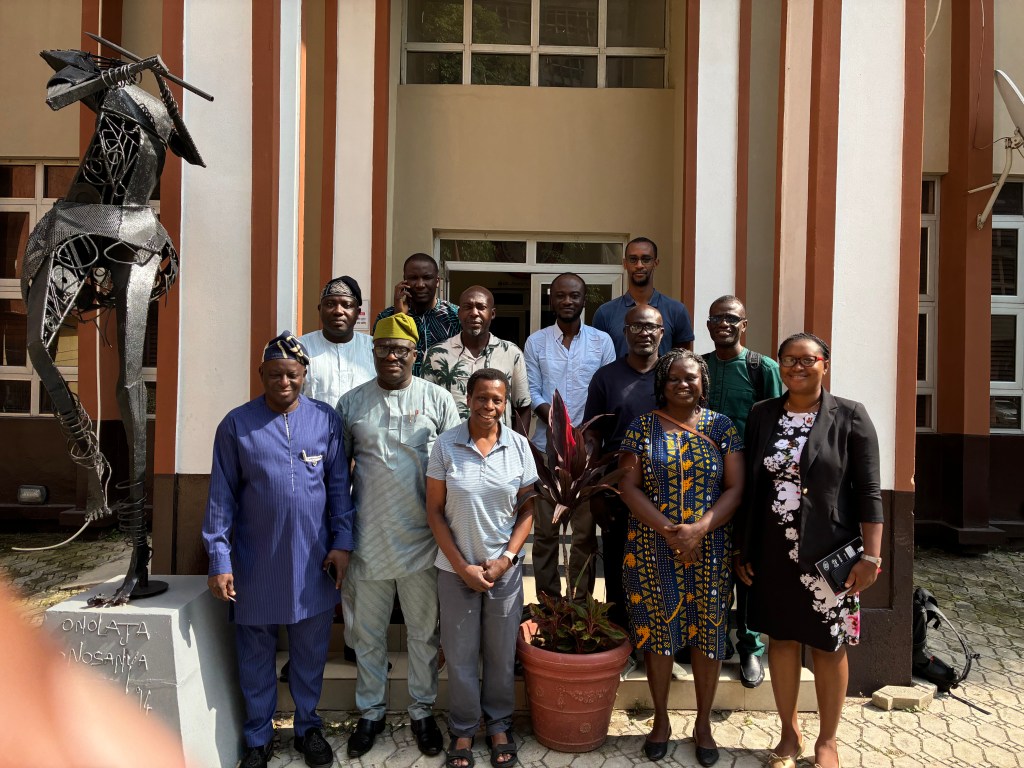
Lagos Writing Workshop

Context

This document summarises the collective reflections from the Lagos Writing Workshop.

During the event, participating Early Career Researchers (ECRs) shared insights from

previous experiences organising student writing workshops in architecture. Discussions

included how to strengthen the pedagogical impact of these workshops, optimise cohort

composition, improve documentation and archiving, explore effective workshop models,

expand publishing and dissemination efforts, and establish robust logistical structures for the

long-term.

Based on these reflections, participants discussed how they might transform the workshop

series into a platform tentatively called the African Architecture History and Theory Network.

Such a platform would advance scholarship on the African built environment through various

events and opportunities for writing. It would involve academics and practitioners, on and off

the continent, who work on the history and theory of its built environment.

1. Pedagogical Impact and Institutional Uptake

A recurring theme in our conversations was the importance of tracing the workshop’s longer-

term impact. There were questions about the journeys of previous participants: Where are

they now? How many found their way into academia, and how many continued in

professional practice? More importantly, in what concrete ways did the workshop influence

their teaching, research, or approach to design and writing? This kind of follow-up could

strengthen the workshop’s role as a bridge to academic careers – if we so desired – and guide

how future editions are shaped to meet participants’ realities.

The discussion also brought up a common challenge: in many African universities, research

and writing are introduced into the curriculum only in their later stages. By that time,

valuable opportunities for skill development may have been lost. While institutional reforms

can be slow, participants identified opportunities for immediate action through informal

initiatives, such as integrating writing exercises into existing classes, establishing peer-review

groups, or mentoring students outside formal structures.

Participants emphasised the need to view the curriculum as a living and continuously

developing document that, even within the same framework, approached the material with

creativity in its delivery. This flexibility could open space for richer, more engaging writing,

teaching and development.

There was also a call to clarify the type of writing to prioritise: academic, creative, or a blend

of the two? Clearer goals would help ensure that teaching and mentoring efforts are aligned.

Finally, the group identified an opportunity for deeper institutional support: inviting

academics to serve as visiting scholars in specific schools, funded to spend extended periods

(perhaps a semester or more) and to help embed a writing community of practice more firmly

within an architecture department.

2. Cohort Composition and Interdisciplinarity

We reflected on how different compositions of workshop participant cohorts, such as single-

discipline or interdisciplinary, or those from a single institution or multiple institutions, shape

the workshop experience. Past multidisciplinary groups, comprising participants from various

universities, were seen as especially enriching, bringing fresh perspectives to both

discussions and writing. In particular, pairing architects with participants from other fields

interested in writing about buildings, as in the Accra workshops, proved valuable.

When it comes to larger participant numbers, colleagues suggested experimenting with group

essay writing. Under such conditions, each group member could contribute a section, as a

way to sustain engagement and produce richer outputs. This may require more work up front

to set it up effectively. Yet it promises to yield good results in the long run.

Another critical question was whether we had, in the past, assumed too much about

participants’ writing ability during the selection stages. In earlier workshops, many were

chosen because they could already write well. Moving forward, requesting writing samples

could help establish a baseline. Where needed, we can offer resources and strategies to help

beginners build foundational skills, as well as targeted support for advanced writers. At the

highest level, we recognised the importance of a clear framework to support and challenge

experienced writers to produce polished, high-quality outputs.

Participants also pointed out the importance of cohort size, which would shape the structure

of the workshops. Smaller groups allow for more intensive work, while larger groups may

benefit from group or collaborative approaches. But much of this needs to be discussed

alongside issues such as the number of ECR mentors available and the duration of the

workshops, and all these depend on funding.

3. ORGANISATION: Documentation, Archiving, and Knowledge Management

Lagos workshop participants also discussed the need for a more systematic approach to

capturing, storing, and sharing the knowledge generated through the workshops. This

includes establishing clear protocols for cloud storage and file sharing. These should ideally

be set up before each workshop to ensure that all forms of output are preserved and

maintained. The frameworks should provide for the archiving of materials in multiple

formats, including audio and video recordings of workshop discussions, lectures, participant

feedback, and organisers’ reflections.

We also acknowledged the central role that archival materials and comparative building

analysis can play in fostering architectural research and writing, as well as the barriers to

accessing architectural records across institutions and countries. Whilst some university

libraries may have useful records, there still exists a need to establish direct contact with

architects or their families, in case they have passed away, to explore how we might collect

and store their archives. Copyright issues emerged as a key consideration. If architectural

drawings or other archival content are to be published online, it is essential to secure the

necessary permissions from rights holders.

There was also discussion about the platform through which archived materials might be

made accessible online. Should this be a standalone website dedicated exclusively to the

workshop series, giving it a clear identity and independent visibility? Or should it be

integrated into the digital infrastructure of an existing institution, potentially offering greater

3long-term stability, technical support, and credibility? Each option carries implications for

accessibility, branding, and sustainability. We need to consider this alongside questions of

funding, audience reach, and alignment with the workshop’s broader objectives.

Finally, participants emphasised that robust archiving is just as much about accessibility as it

is about accuracy. To ensure that stored knowledge remains reliable, we discussed the

potential for an independent peer-review mechanism for workshop essays and other materials

generated. Such a system would help maintain the archive’s long-term value as both a

teaching resource and a research asset.

4. Workshop Models and Formats

We reflected on the range of workshop models used to date, from those focused on individual

essays to those built around group writing, and from standalone events to workshops

embedded within larger programmes. Each format offers distinct advantages: individual

writing allows for deeper personal engagement with a topic, while group essays can foster

collaboration, distribute workload, and produce richer, multi-voiced outputs.

Lessons from initiatives such as the Shared Heritage Fellowship suggest that embedding

workshops within broader collaborative frameworks can create valuable opportunities for

networking, resource sharing, and sustained engagement. Well-structured collaborations can

also open doors to funding streams that might otherwise be inaccessible.

Potential partners identified included:

· The Canadian Centre for Architecture (CCA), which holds relevant archives and could

host African scholars for on-site archival work as part of a workshop.

· The Museum of Modern Art (MoMA) in the United States.

· The Architecture and Design Centre in Rwanda by MASS Design Group.

· The African Futures Institute (AFI); and

· The African Architectural and Urban History Network (AFRAUHN).

Reaching out to such institutions could create new possibilities for co-organised workshops,

access to specialised collections, and cross-continental exchanges.

5. Publishing, Toolkits, and Knowledge Dissemination

We discussed the value of consolidating the insights, methods, and resources developed

through the workshop series into outputs that extend beyond the immediate cohort. Joint

publications, whether in the form of edited volumes, special journal issues, or curated online

essays, could serve both as a record of the intellectual work undertaken and as a meaningful

contribution to the broader discourse in architecture.

Platforms for such outputs could include academic journals such as Architectural Research

QuarterlyJournal of Architectural Education, and The Journal of the Society of

Architectural Historians.

Conferences such as the Society of Architectural Historians (SAH) Annual Conference, the

African Architecture Matters Forum, and the African Studies Conferences could serve as

opportunities to present findings, build networks, and position the workshops’ outputs within

both African and global conversations on architecture and heritage. Such outputs could feed

back into architectural curricula, enriching reading lists for history and theory courses and

influencing teaching practice within departments.

In parallel, the creation of practical manuals or toolkits – which draws on our collective

experience in workshop design, pedagogical strategies, and partnership building – could

support future workshops as well as other educators and institutions interested in running

similar initiatives. Toolkits could be tailored for a broader readership, including practitioners,

students, and cultural institutions, and made accessible in multiple formats: print, digital, and

ideally, open-access.

Finally, there was strong interest in forming a dedicated working group or network to develop

and promote research, teaching, and dialogue on African architectural history and theory.

Participants believed this would provide a sustained platform for collaboration and visibility

in this field. A suggested name is the African Architecture History and Theory Research

Network (AAHT), which would have a base (a writing hub) at each participating university.

These AAHT writing hubs could be dedicated to providing year-round support for student

members who develop essays for publication and who could serve as a pool to draw from for

future workshops.

6. Planning, Logistics, and Long-Term Structuring

We discussed the need for more robust logistical and planning frameworks to support the

consistent delivery of successful workshops while reducing the need to reinvent processes

each year.

For transnational events, this includes building capacity for virtual and hybrid formats to

support collaboration across countries and institutions. For in-person gatherings, challenges

such as visa applications must be addressed early. A practical step would be to send accepted

participants a checklist of required preparations immediately upon selection, to avoid delays

caused by unforeseen administrative issues.

Clear decisions will be needed regarding the frequency of workshops (e.g., annual or bi-

annual). This, in turn, will determine how much time will be required for planning. This

means formalising the workshop series as an event centred on writing and text production

about the African built environment. This will be based on a standing document outlining our

core values, mission, and vision, supported by a strategic committee responsible for

oversight, continuity, and long-term direction.

To streamline coordination, we proposed appointing an administrative lead – possibly an

intern based at the host institution – to handle logistical tasks, allowing academics to focus on

the programme’s intellectual and pedagogical components.

Alongside the list of potential collaborators, a standing register of funding and grant

opportunities would help guide application timelines and planning priorities. Planning

frameworks should also account for different funding conditions, with adaptable approaches

for both funded and unfunded workshops.

Finally, we explored strategies to expand the series to other university campuses, beginning

by consolidating our presence in key locations, such as Uganda, before extending it to new

sites. This phased approach could help ensure depth and sustainability in our growth, building

strong local networks before scaling further.

Spaces for Health and Healing in Africa

Symposium 16 – 17 April 

Liverpool School of Architecture 

Liverpool School of Architecture, at the University of Liverpool and the Program in the History of Science, Medicine, and Technology of the Johns Hopkins University invite proposals for a hybrid symposium to be held in Liverpool from the 17-18 April 2025.  

Pathology Labs, Korle Bu Hospital, Accra, c1958

We welcome presentations that explore various settings for health and healing, such as shrines, sacred healing huts, and herbal ‘apothecaries’ and other spaces for indigenous medicine and healing practices; ‘basic’ health care infrastructure incorporating dispensaries, clinics, and hospitals  developed for early missionary and colonial medicine; post-independence medical centres. We are also interested in papers examining the use of healthcare ‘vectors’ such as barefoot doctors, travelling midwives and paramedics and their spread of health care practices such as vaccinations, and childhood nutrition programmes in urban and rural areas. 

We are interested in the settings for full range of medical specialisms from paediatrics to psychiatry and also more contemporary physical design responses to contemporary pandemics such as Ebola and Covid. Evidence and records of mixtures of indigenous and western healthcare practices in some community settings and the emergence and involvement of teaching hospitals in healthcare planning is also of interest.  

Other possible topics include the role of military hospitals, colonial and modern, and contemporary healthcare infrastructure and provisions for displaced persons and refugees.  We encourage interdisciplinary approaches–history of medicine, medical anthropology and sociology, oral history, among others. 

Our area of interest is the African continent, from the ‘MEANA’ countries of the maghreb, north of the Sahara, to all countries South of the Kalahari and East and West of the Sahara. Health and healing facilities on islands in proximity to main continental mass such as Zanzibar, Mauritius, Fernando Po and Cape Verde are also of unique interest. 

We are seeking to publish selected outputs from the symposium in a volume currently under negotiation with the publisher. We welcome abstracts (500 words max) and short CVs (1page) Please also indicate whether you intend to deliver your paper in person or online. For more information please contact  Ola Uduku o.uduku@liverpool.ac.uk or Bill Leslie, swleslie@jhu.edu

Visit of Head of School, Sierra Leone School of Architecture and Academic Colleague Dr Joe Ben Davies Engineering Alumna University of Liverpool

Joe Ben Davies, Ola Uduku, Ken Ndomahina at LSA

Professor Ola Uduku was delighted to welcome Ken Ndomahina, Head of the recently established Sierra Leone School of Architecture who was visiting Liverpool with his academic colleague Dr. Joe Ben Davies, an alumna of the University of Liverpool, School of Engineering.  A good discussion about what future Architecture teaching and research collaborations took place.  Key curriculum pillars, sustainable materials,  approaches to mass housing,  architectural history research were discussed. 

We agreed to the following; the sharing of the GAHTC digital lecture notes on the History of Tropical Architecture, LSA staff engaging in discussing and working with the Sierra Leone Architecture school to identify their future curriculum priorities and. Future  possibilities of support and collaboration at Masters and other PG degree levels, including possibilities for future joint research projects. 

We plan to stay in touch and consider possible future workshop possibilities, links to a possible future Masters in African urban heritage and planning, and Business School workshops on the economics and efficiencies of international teaching development .

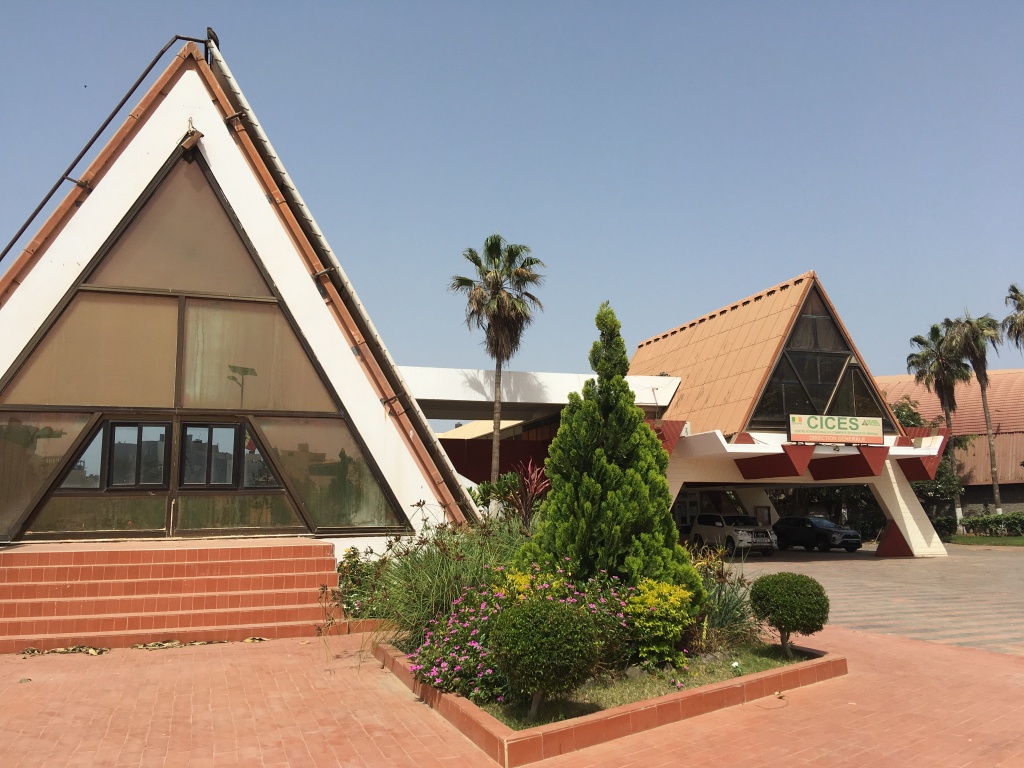
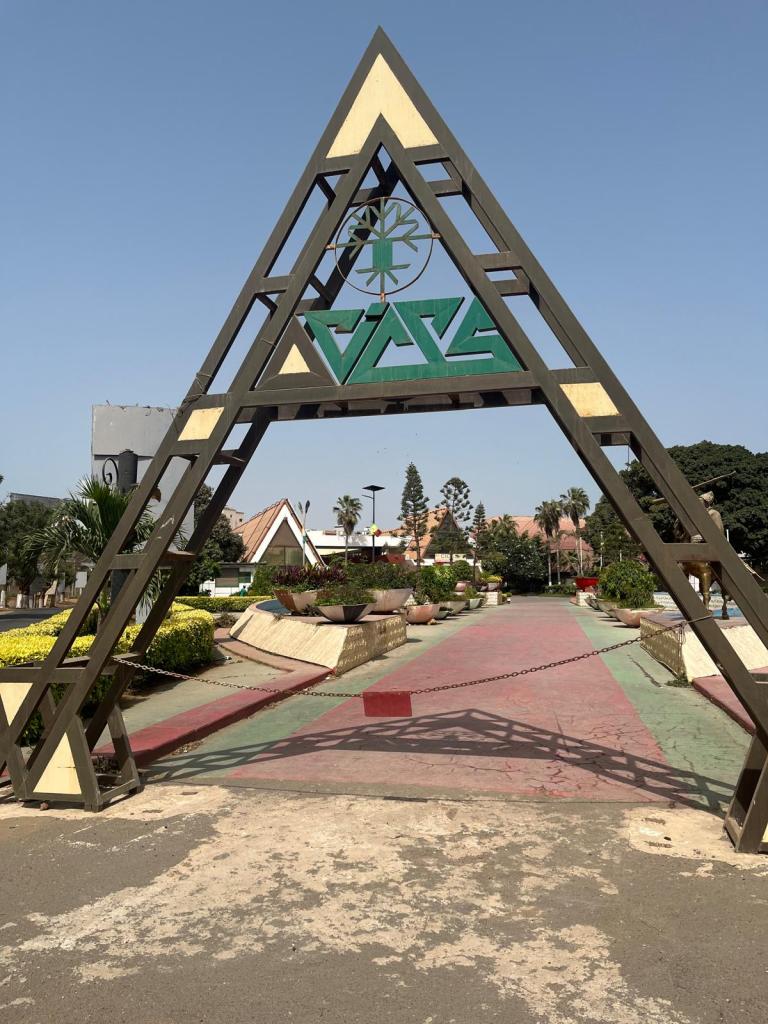
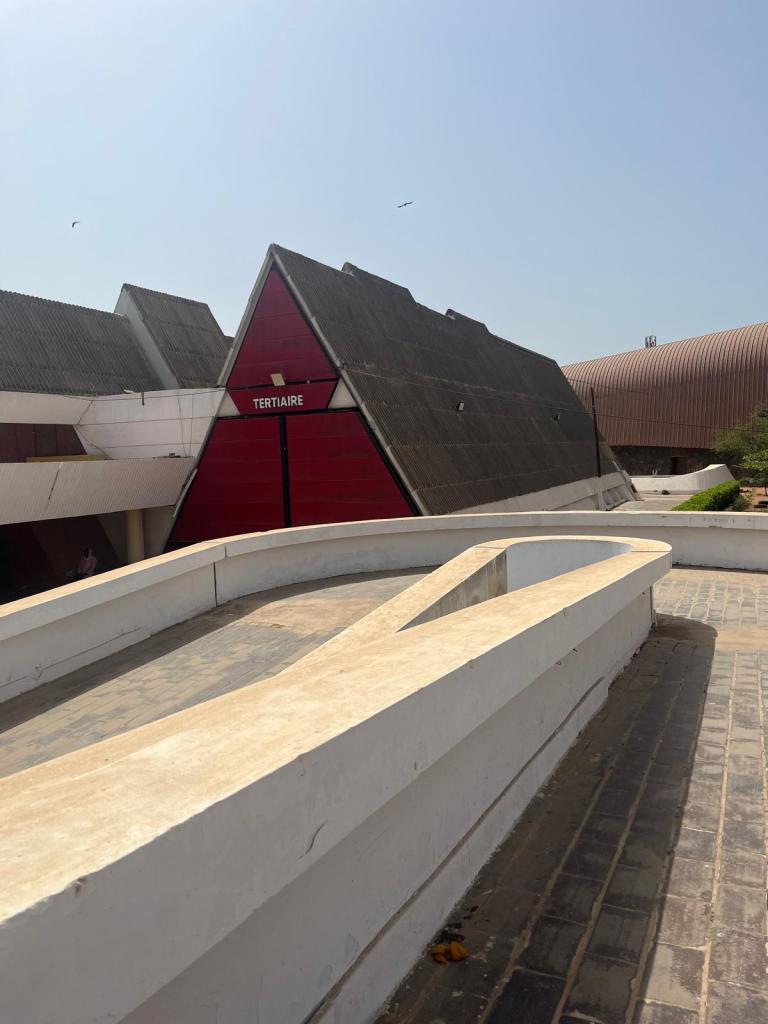
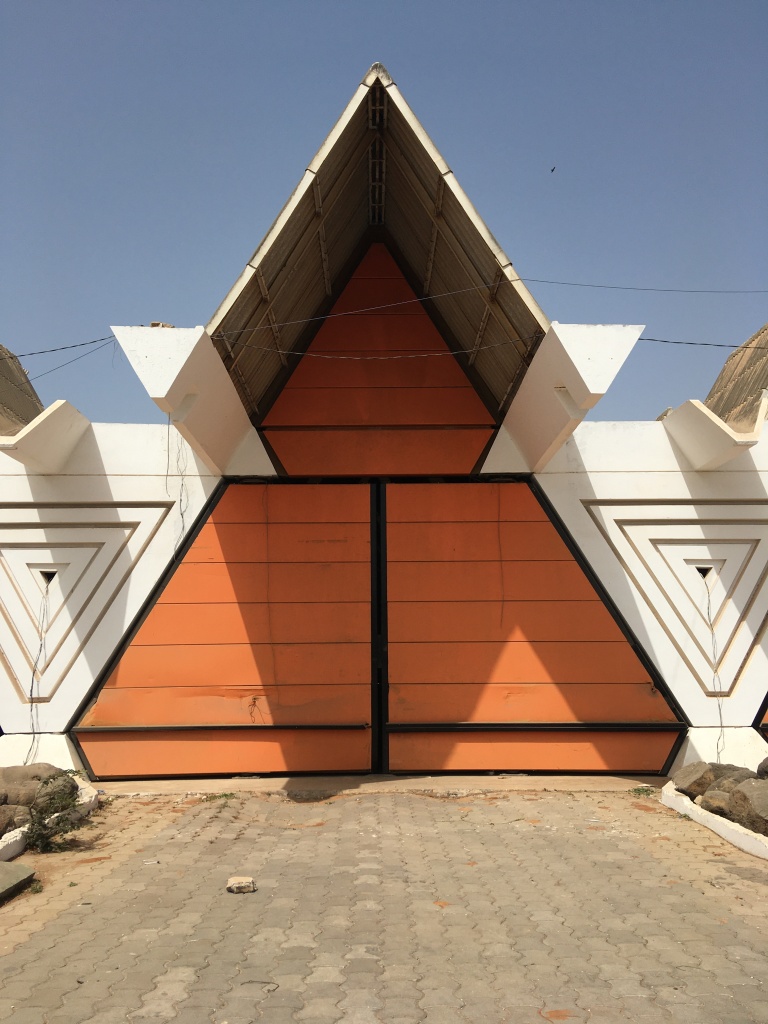
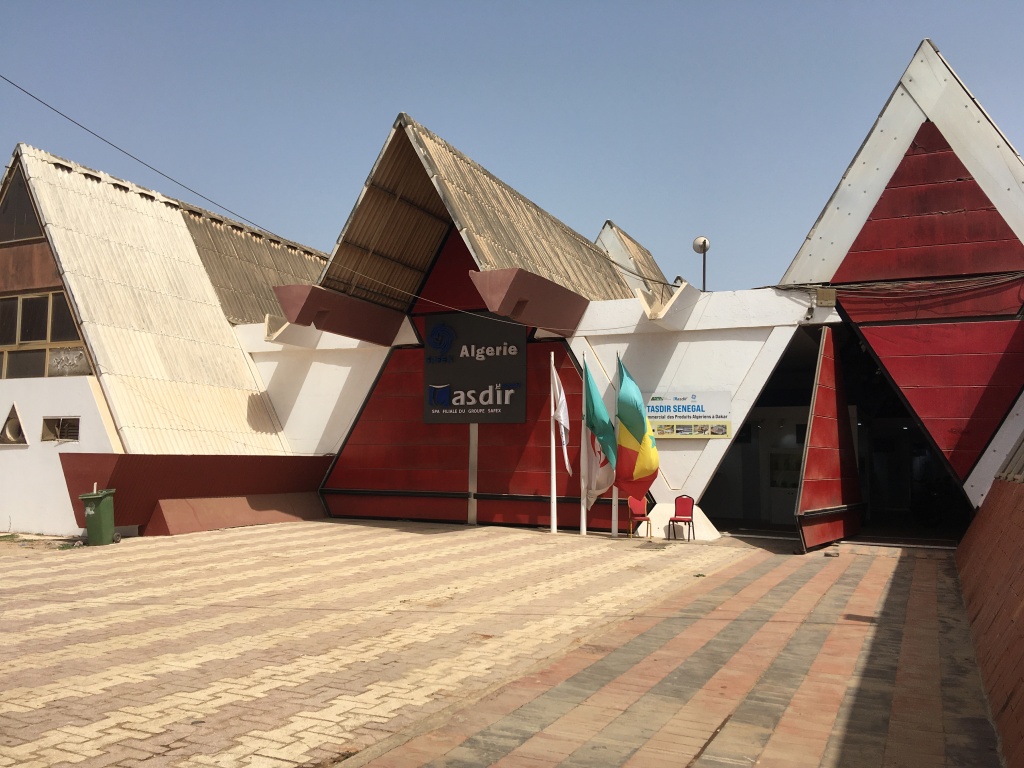
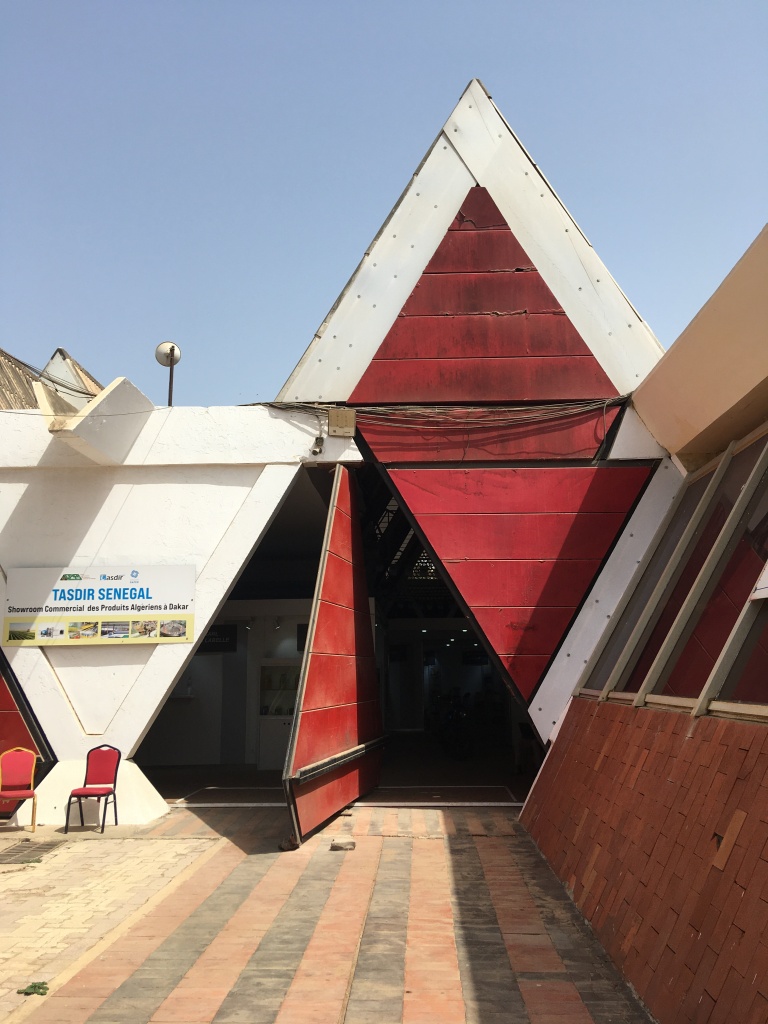
A visit to the international  conference centre in Dakar is a must for late ‘modern’ architecture aficionados. The approach sets the scene, as one passes through the triangular entrance gates.

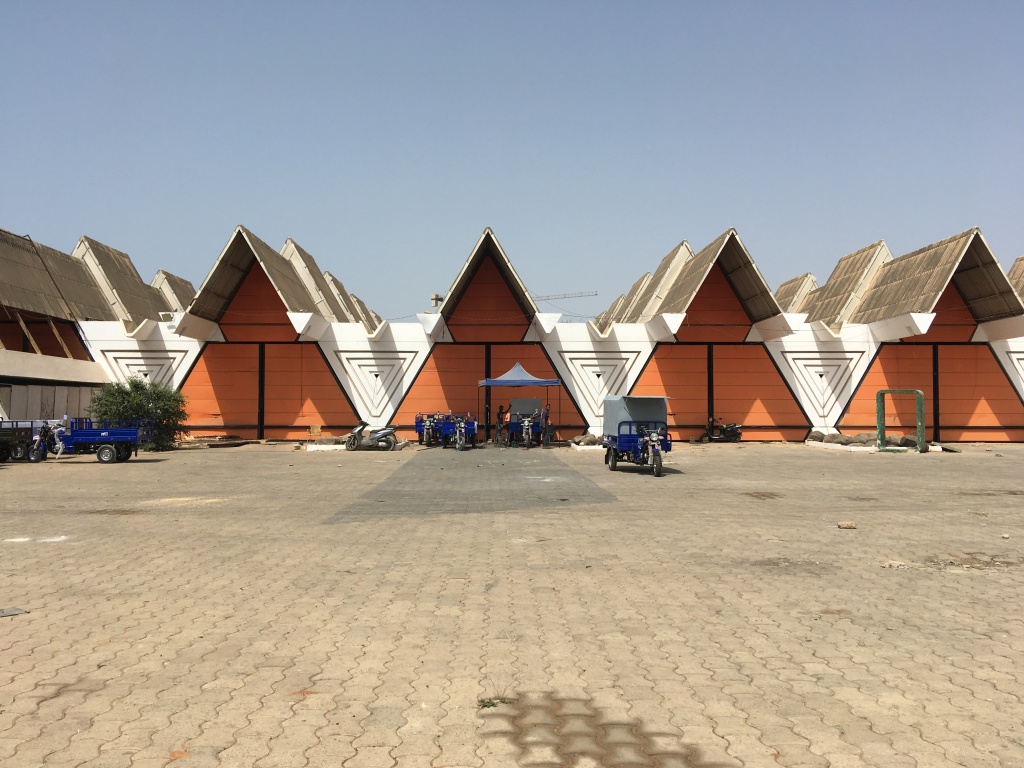
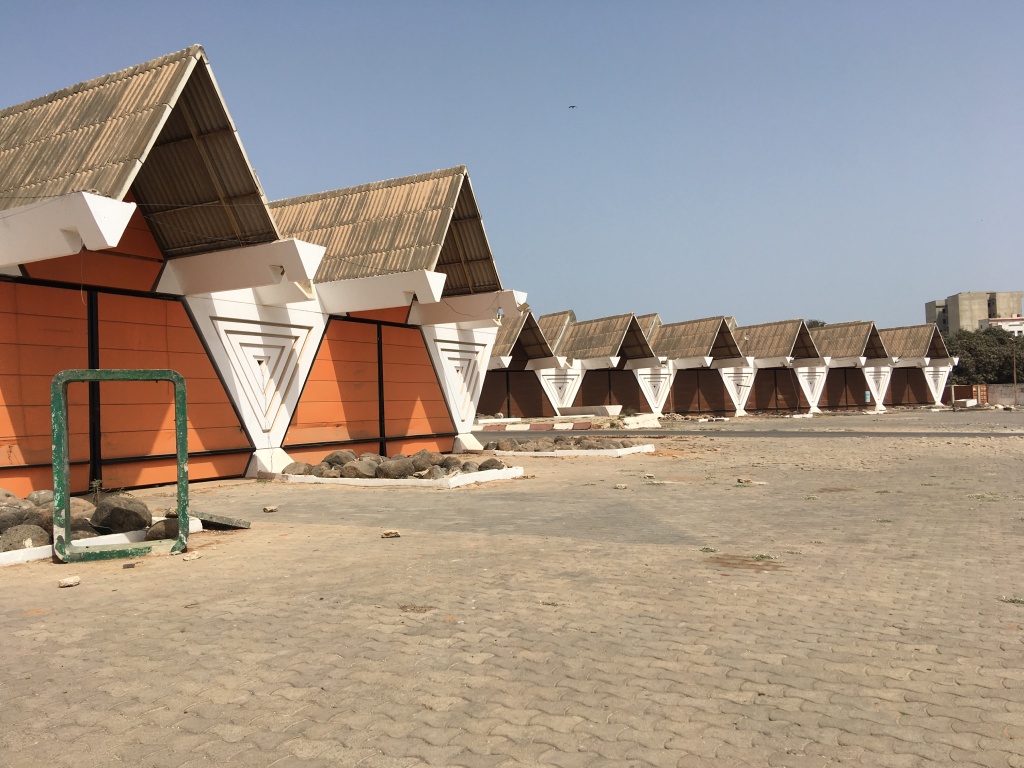
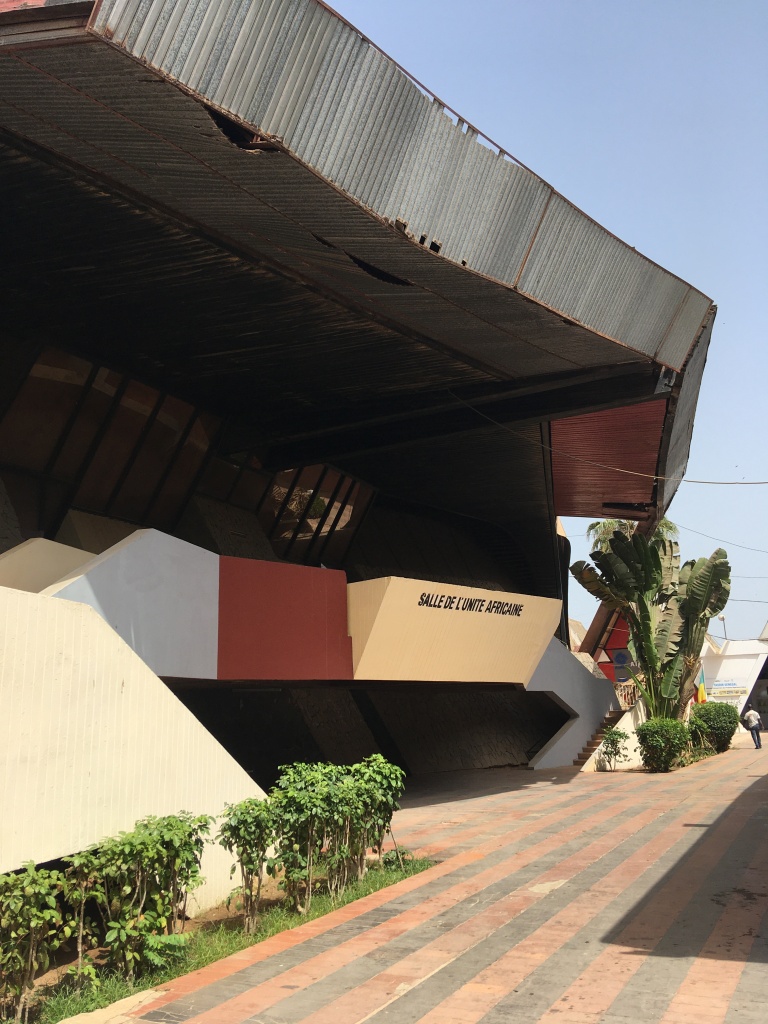
A creation of architect Fernand Bonamy designed and built following an architectural competition in 1974  its triangular programme is clear from the outset. This trade fair complex, which remains in working use, was designed to incorporate the triangle both in elevation and functional section. This has been a largely successful exercise in which the triangle is pre-eminent in all aspects of design. 

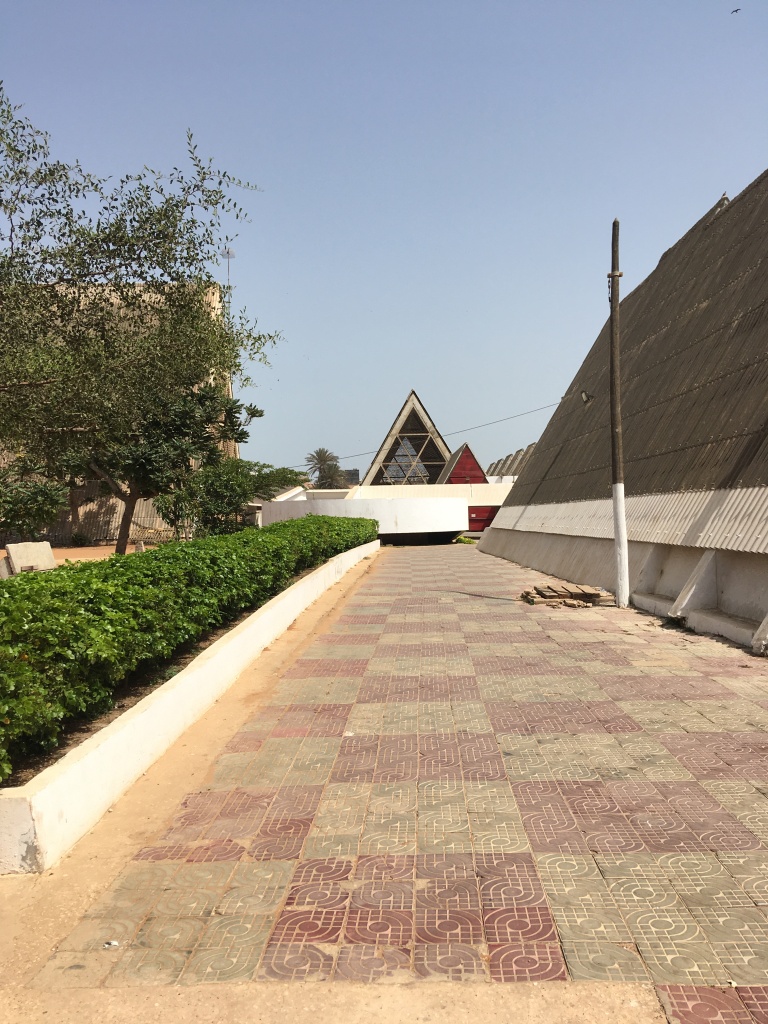
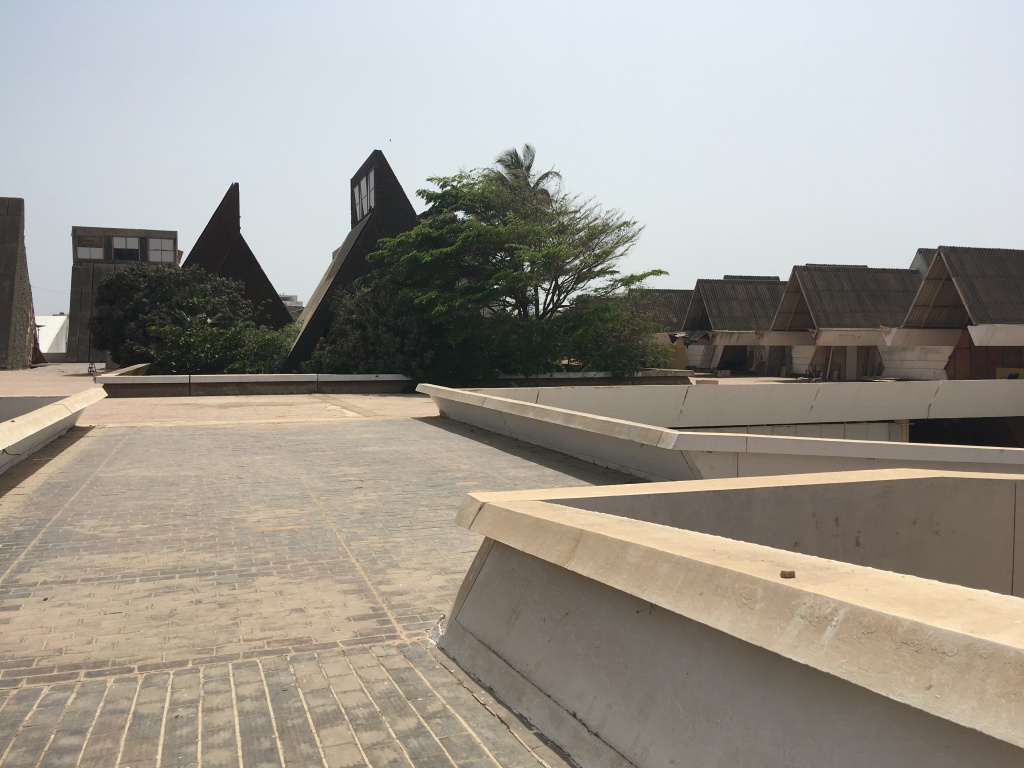
Walking around one feels the eerie nature of triangular space. Broken by long walkways with circular-cylindrical fulcrum points where the direction changes and the gradual slope continues upwards or downwards to the final traverse destination. 

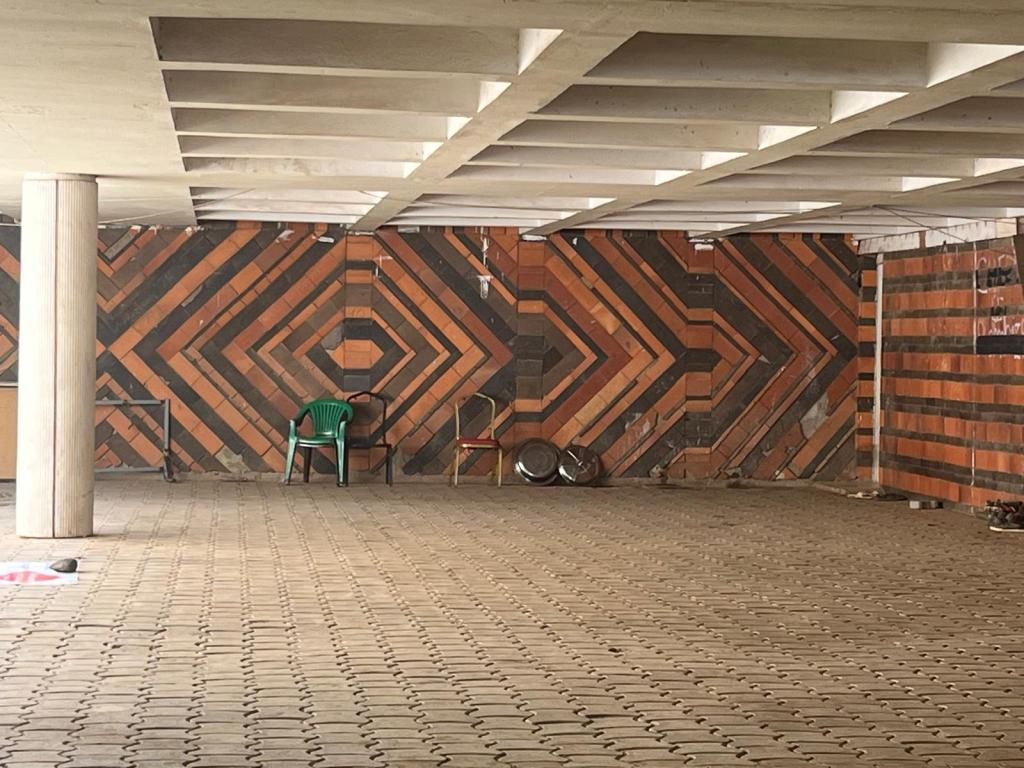
A series of exhibition pavilions are the centrepiece of this much recorded and photographed campus, whilst the main exhibition hall provides a glorious 70’s interior complete with psychedelic wall designs . The dogged following of the triangular programme does provide a coherent set of buildings – which also feel part of a giant Alice in Wonderland setting where the triangles are here there and everywhere. There are a few breaks as the HVAC external ductwork terminate in lozenge- and not triangular shaped flues . 

As we walked around, the campus was being prepared for yet another exhibition / expo. This helps highlight the ongoing use and  versatility of the exhibition space format, democratically giving each exhibitor the same space, shape and form to engage with, triangular in every way. 

As I walk away from triangular wonderland  I wonder what else this amazing set could support? A parkour and skate park for the suburban kids whose flats look down on the complex? A contained mini athletics course, it could certainly hold a 200m track circuit and many triangular spaces could provide storage for track and field equipment. Or could it indeed be a film set for the next James Bond Action or Hammer Horror movie – The return of the Triangles.

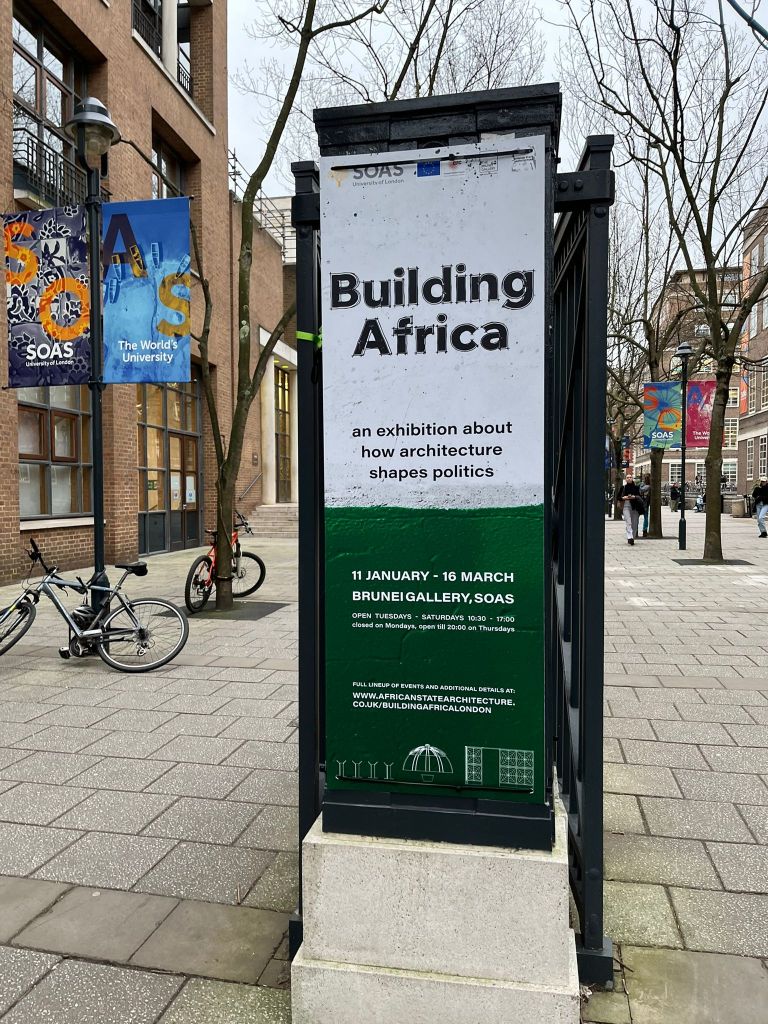
Building Africa Exhibition at SOAS 

The Building Africa Exhibition curated by Julia Gallagher and Kuukuwa Manful is currently showing at the Brunei Gallery SOAS until 16 March 2024. This is a smaller version of the exhibition which was first shown in Ethiopia as part of the State Architecture Research project at SOAS with Prof Gallagher as its director.

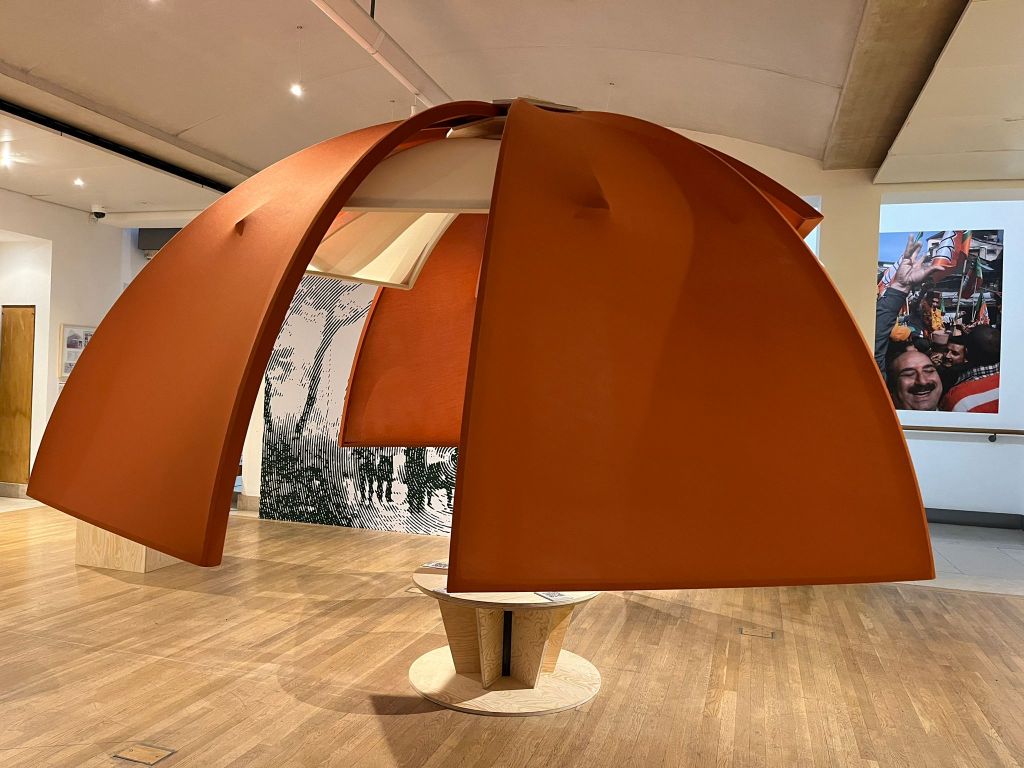
The SOAS exhibition is full of colour featuring, film, photography, a large-scale physical model-installation, publications and school uniforms and memorabilia.  Located in the main gallery space, sections deal with the school history of Ghana, ‘state-built architecture in several African countries, highlighted in the exhibition by images of Ghana’s alternating seats of power, (Osu Castle and State House), and the African Unity building constructed in Addis Ababa. A conceptual installation structure evoking African unity has also been produced by the work of a young Ethiopian architect , Nahom Teklu whose umbrella structure enables exhibition visitors view in VR the ‘state’ architecture of different parts of Africa, it also harks back to the idea of pan-African unity where the umbrella unites all states on the continent.

The exhibition’s thesis that buildings shape us, is made clear to viewer and particularly how the state’s involvement is central to this process of power, positioning, and identity,  particularly in Africa, from its colonial past to the now post-colonial  contemporary situated-ness in Africa’s modern cities to secondary schools in Ghana in which the schools shaped would be future leaders. This was both by the design of the schools within a colonial frame but also school uniforms, motos and other paraphernalia of educational engagement.

State built institutions such as seats of government (state house in the case of Ghana) or stadia (exemplified in the exhibition by the main stadium in Kinshasa) have a more mixed relationship where they both are sites of power, and international events (the Muhammed Ali – Frazier rumble in the jungle, Kinshasa stadium film footage is on show)  or symbols of African Unity  (shown through AU building in Addis Abeba, which often results in tensions of perceptions and strategic plans for future use as regimes and state actors change.

The exhibition also connects the viewer to the research which has underpinned it. This includes the 2023 book Building African Futures edited by Gallagher and Emmanuel Ofori-Sarpong, and Manful; and Manful’s thesis – and a number of papers members of the State Architecture project have published as reports and in peer reviewed journals.

Building Africa packs a dense amount of African state-built architectural history into a a viewable gallery which audiences are invited to view, engage with and critique, helpful post-it notes are provided for this process. The curators explain that this is an adjusted version of the larger 7 panel exhibition and of the conceptual architectural installation has had to be cut short to fit the gallery space. This does not detract from this well-planned and already publicly pleasing and well- received  exhibition.   

One day in January at Trocadero Square, Lekki, Lagos...  

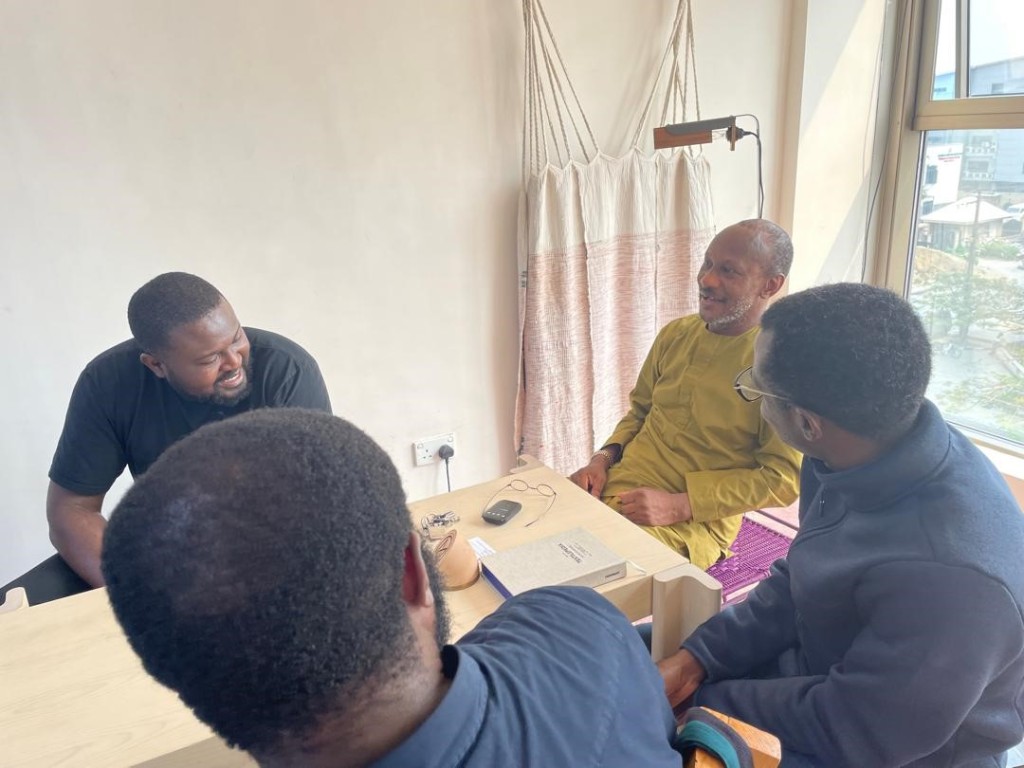
On our last day in Nigeria we planned to meet Nifemi Marcus Bello, a remarkable Nigerian product designer who has had his work shown to great acclaim at the Sharjah Triennale. Joining us was Associate Prof Seyi Akerele who had just completed a Virtual Fellowship at the University of Liverpool with Ola Uduku.  

Seyi Akerele and Ade Shokunbi (photo O.Uduku)  

 It also seemed an ideal chance to meet up with some other creatives too, and we invited  Adeyemo Shokunbi to join us. Shokunbi is a fascinatingly creative architect, whose Abijo Mosque received the Abdullatif Al Fozan Award for Mosque Architecture for the fourth cycle 2020 – 2023.  Most recently Shokunbi has also made waves with his shipping container formed MAD (Make A Difference) Project at the University of Lagos and he will shortly be a taking up a Teaching Fellowship offered by the Obel Foundation in Denmark.  James Inedu George also made time to join the party. George was one of Joe Owuso-Addo’s ‘New Blood’ from the 2021 Venice Biennale. A phone call from Shokunbi summoned Chuka Ihonor – writer art curator, impresario and activator extraordinaire. 

Iain Jackson and Nifemi Marcus-Bello  (photo O.Uduku) 

The discussion which followed we felt lucky to have been allowed to listen in and occasionally contribute to. The key theme unsurprisingly was the dearth of the linking of academic teaching with the realities of practice. We heard tales of the assembled team, unsuccessful attempts at reaching out to the academy who either were disinterested or actively ignored these linkages. James Inedu-George was more direct in his criticism of relationships and links between practice and gown. 


L – R Nifemi Marcus-Bello, Ola Uduku and Ade Shokunbi (photo I. Jackson) 

The pre-eminence of the expatriate architect from South Africa,  and in particular SAOTA was expressed. It was felt that Nigerian’s found it difficult to feel pride in local architecture and creative practice. Wealthy clients garnered a sense of prestige by hiring architects from overseas.  It was a throwback to Demas Nwoko’s struggle for acceptance by the Nigerian architectural profession despite his clear brilliance as a creative designer whose roots were in his initial ABU architecture training.  Collaborative practice and design also needed a wakeup call as the discussion critiqued the ‘lone architect-creator’ syndrome where collaboration was actively discouraged and firms struggled to scale their enterprise to deliver large projects. 


Ade Shokunbi and  James Inedu-George (photo O.Uduku) 

With Chuka we’d like to ‘bring’  highlights of Sharjah Triennale to Nigeria. Nigerian creatives featured so strongly in this exhibition, and it seems appropriate to share this work with a Nigerian audience.  

Back clockwise, Nifemi Marcus-George, Chuka Ihonor, Seyi Akerele and James Inedu-George (Photo O.Uduku) 

Something special happened at this informal and chance encounter. From this gathering of creatives, educators, authors, makers, and architects a refreshing and encouraging discussion flowed. We shouldn’t stop here. We would be honoured to host the next platform for what might be termed an African Creative Awakening, and present below what we might call the Trocadero Call to Action (TCA) in deference to this auspicious meeting at the Trocadero Square in Lekki – the place to have been on Thursday 18th January in Lekki, Lagos. 

The TCA Participants and Observers: 

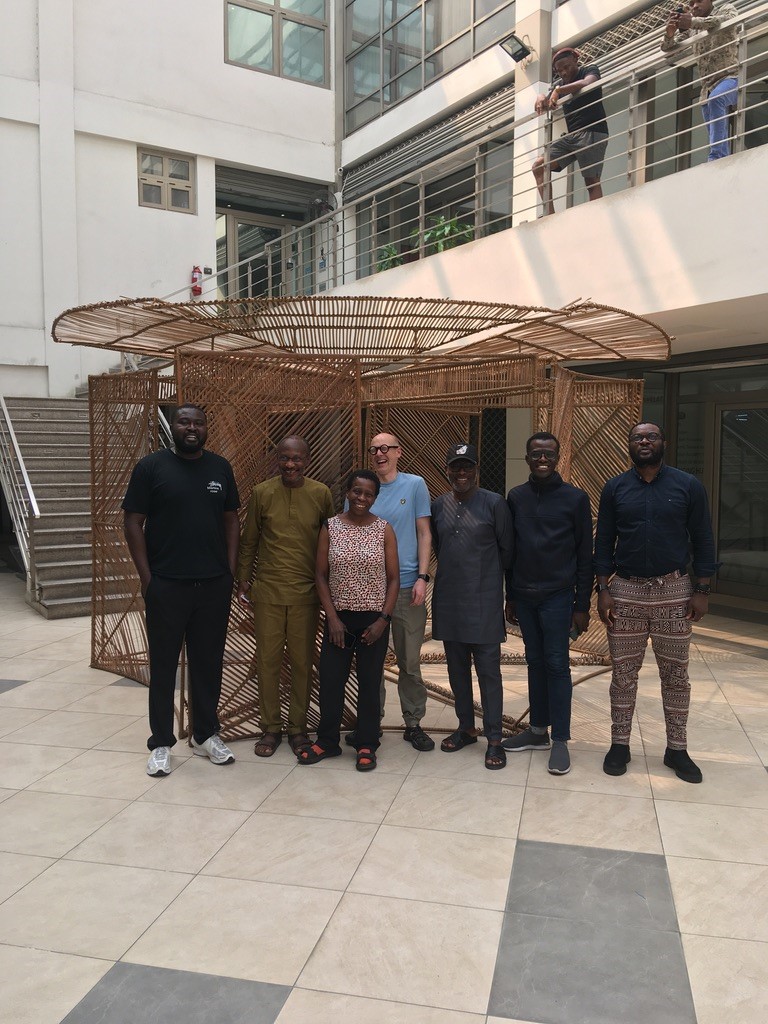
L – R. Nifemi Marcus-Bello, Chuka Ihonor, Ola Uduku, Iain Jackson, Ade Shokunbi, Seyi Akerele and James Inedu-George  (Photo  Nifemi Marcus Bello Studios)  


  1. The future of Architectural Education in and around Western Africa 
  1. Practice Building and the process of commissioning, designing, and making architecture. 
  1. The purpose, shape, and expression of architecture within the Western African context, and how this is communicated and shared. 

Venice Biennale and the IUAV August 2023

Venice 2023…

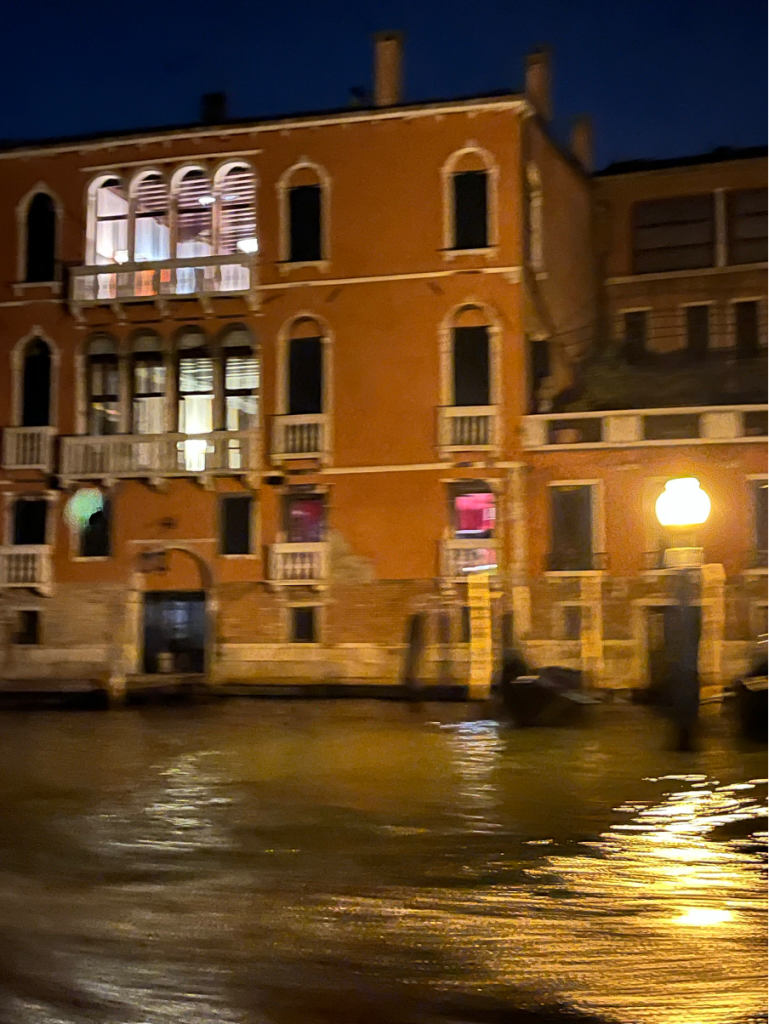
A visit to Venice to attend the inaugural AFRAHUAN session at the Teatro Piccolo at the Arsenale as part of the Carnivale Proceedings of the Venice Biennale proved an apt occasion to visit and view Venice in full exhibition and tourist mode.

Venice is indeed a city like no other. No cars, no bicycles, lots of passageways, canals, and tourists. One adjusts to this city of walkers, traders and tourists all jostling for space in alleyways that are literally not wide enough to swing a cat. The green canal water both enticing and goading the unwary walker to come to its banks.
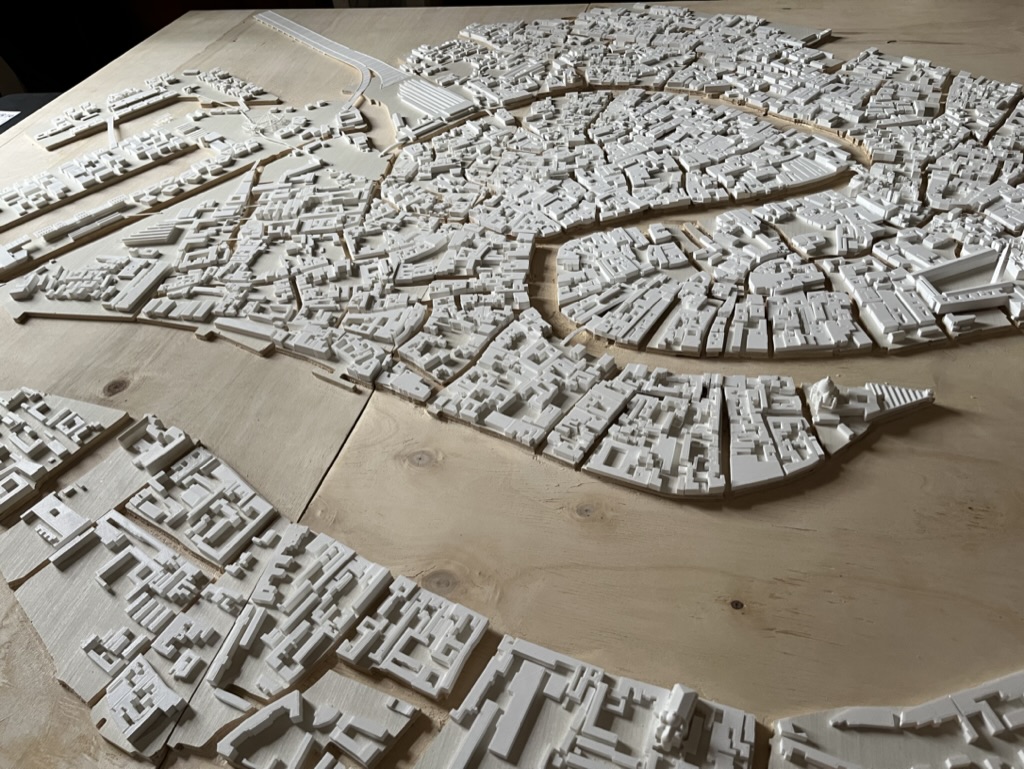
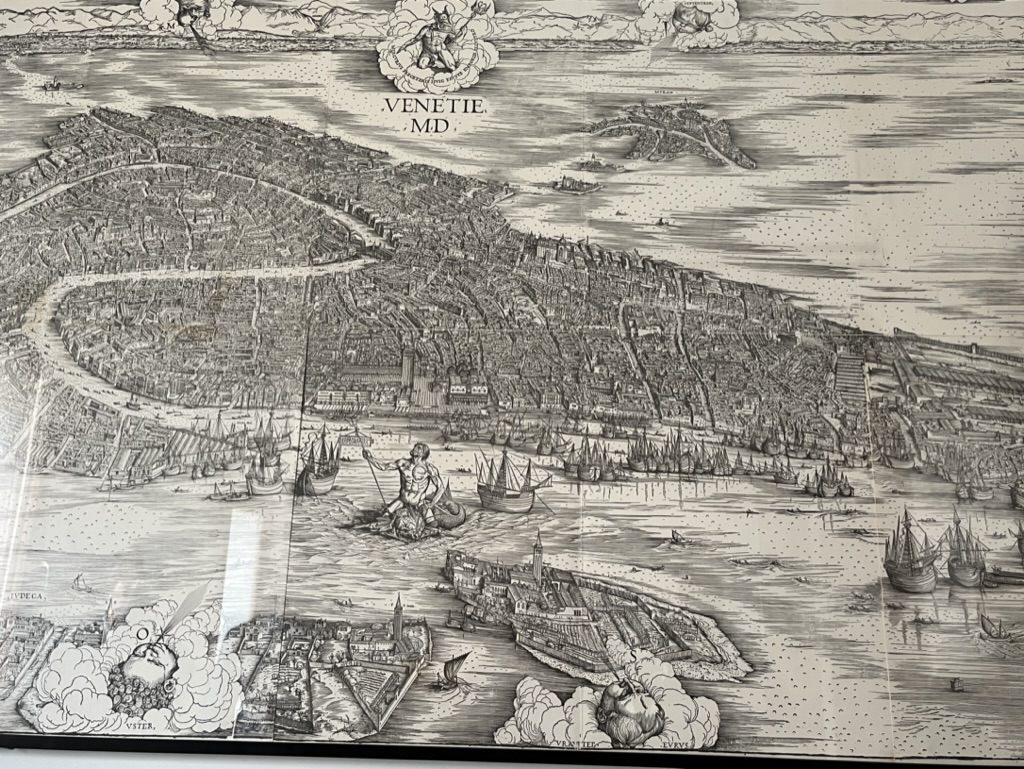
A walk to the Arsenale gave a better viewpoint of the wide vista of Venice as a series of islands with canals as fingers out to the grand canal. The adaptive reuse of various parts of this still living city is clear. The Arsenale itself remains the home of the Italian navy and a museum dedicated to the armed force still exists with the occasional boat dropping by.

The main part of the old Arsenale building however now has been occupied by the architecture biennale, this year curated by Lesley Lokko and involving your writer and a wide set of architects, writers and artistes with Africa focused research. The ‘carnivale’ exhibition is no mean feat, a work of immense dedication, creativity and focus. The curation is superb and content more than can be taken in at one go. One easily gets immersed in what it offers up with names one knows and has heard of contributing to this rich tapestry of art. Fortunately the accompanying catalogue means one can refer back to installations and events missed or glossed over in the viewing of the exhibition.

AFRAUHN AT THE CARNIVALE…

The African Architectural and Urban History Network (AFRAUHN) had its debut at a session at the Carnivale at the Biennale. Curator Lesley Lokko introduced our session which had two parts, the first involved speakers Ikem Okoye (Delaware, USA),  Kuukuwa Manful (Michigan University, USA) and Neal Shasore (London School of Architecture), with Ola Uduku (Liverpool University) chairing, where the session focused on a discussion on the remit of AFRAUHN which is to help encourage and advocate for Architectural Research in Africa, and support new generations of indigenous historians and researchers in Architectural History and urbanism. After Ikem Okoye’s introduction both Kuukuwa and Neal were able to discuss their different approaches to, and hopes for Africa-related Architectural Research.

The second session chaired by Huda Tayob (Unversity of Manchester) involved all speakers from the earlier session and also Murray Fraser (University College London). This session was a roundtable where the speakers responded to Huda Tayob’s questions which considered specific issues and challenges to scholarship in African Architectural History and its situatedness within the wider context of global research and challenging normative notions of historical research and scholarship.

The entire session was recorded and will be published by the Venice Architecture Biennale before the end of September 2023. Due to the events related to air traffic control problems in the UK unfortunately several of the invited AFRAUHN team were unable to attend the session, and others arrived late due to flight delays. It is hoped we will be able to include their recorded contributions to the final video output from the session.

IUAV (University of Venice)

On Wednesday, the day after the Carnivale discussion we were fortunate to reconvene at a meeting room at the IUAV (University of Venice), thanks to Dr Jacopo Galli, who has researched into African modernism and was involved in the curation of the exhibition Africa Big Change, in Milan and has worked with Manchester School of Architecture on the analysis of schools in West Africa. IUAV has sites across Venice, and we met at the C’a Tron campus, a Venetian villa owned by the wealthy Tron Family before being gifted to the State.  Post meeting tours took us to the Carlo Scarpa-influenced main campus of the IUAV, a repurposed convent which still has parts which are owned by the church. The campus also has a significant architectural library including book volumes and periodicals accessible and in regular use by its students.  

Unlike the exclusive arrival to the watery city a few days earlier, the trip back to the airport was by airport water taxi, which proved to be a bus trip stopping at many of the archipelago of islands which constitute Venice, including Murano, famous for its glass works and San Michael. Approaching Marco Polo Airport Venice by water seemed a very apt way to leave the city.

The AHUWA-Unilever Sponsored African Archives Collaborative Research Project 

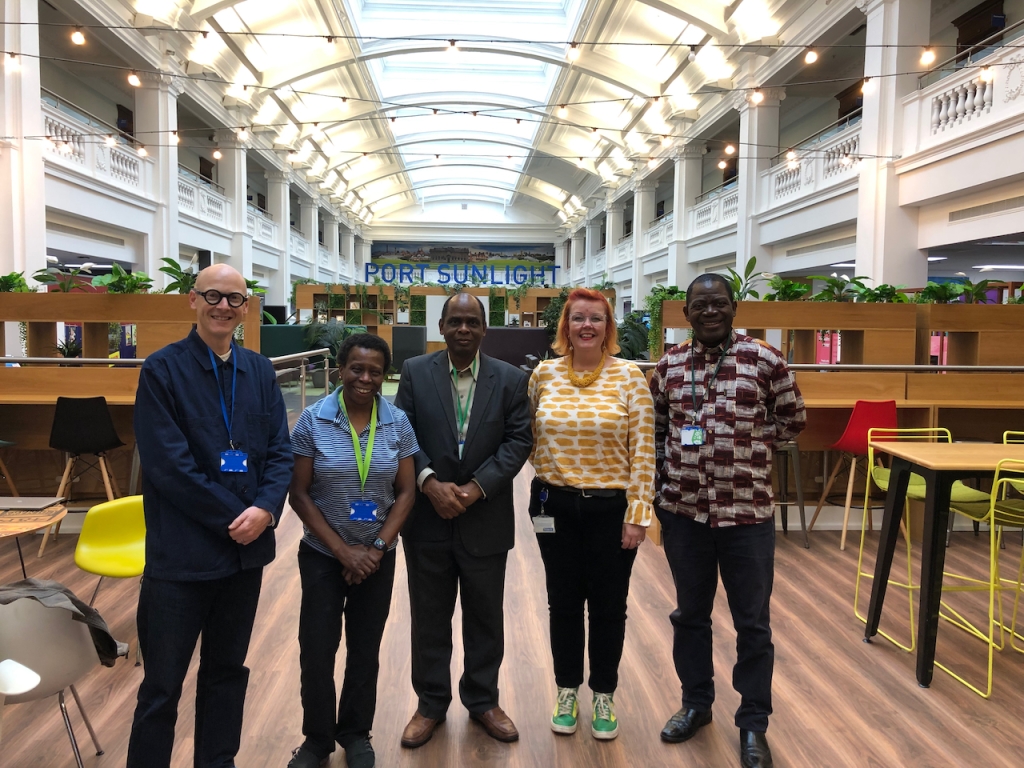
Two days were spent on Merseyside at the Unilever Archive and then at the University of Liverpool with senior research historian colleagues from the Universities of Ghana and Lagos in Western Africa. Professor Sam Ntewusu, head of the Institute of African Studies at the University of Ghana, and Professor Ayo Olukoju, of the Institute of African and Diaspora Studies at the University of Lagos.

Iain Jackson, Ola Uduku, Ayo Olukoju, Claire Tunstall, Sam Ntewusu at Unilever, Port Sunlight

The objective of the visit was to visit and introduce Profs Olukoju and Ntewusu to the Unilever archive collection at Port Sunlight, particularly its subsidiary the United Africa Company’ (UAC)’s extensive holdings on Western Africa covering its various business interests in the region. The symposium which took place the next day involved presentations by Profs Olukoju and Ntewusu on the state of archives and archival research in West Africa, which was attended by Merseyside researchers and PhD students.


Professors Olukoju and Ntewusu at Unilever, Port Sunlight with bust of William Lever

The two-day visit also enabled discussions to be had about future collaborations at various levels, research, knowledge exchange capacity building at Masters degree level, and forms of impact for institutions in Western Africa and also the the UK and NW England in particular. Our thanks to all who contributed to the symposium. Particularly Claire Tunstall, and her team at the Unilever Archives, Dr Abraham Ng’an’ga of the Andrew Walls Centre, Liverpool Hope University, Alex Buchanan, Archival Studies, University of Liverpool History Department, Suzie Goligher, Afrograph Ltd, and all other individual and institutional contributors to the symposium. 

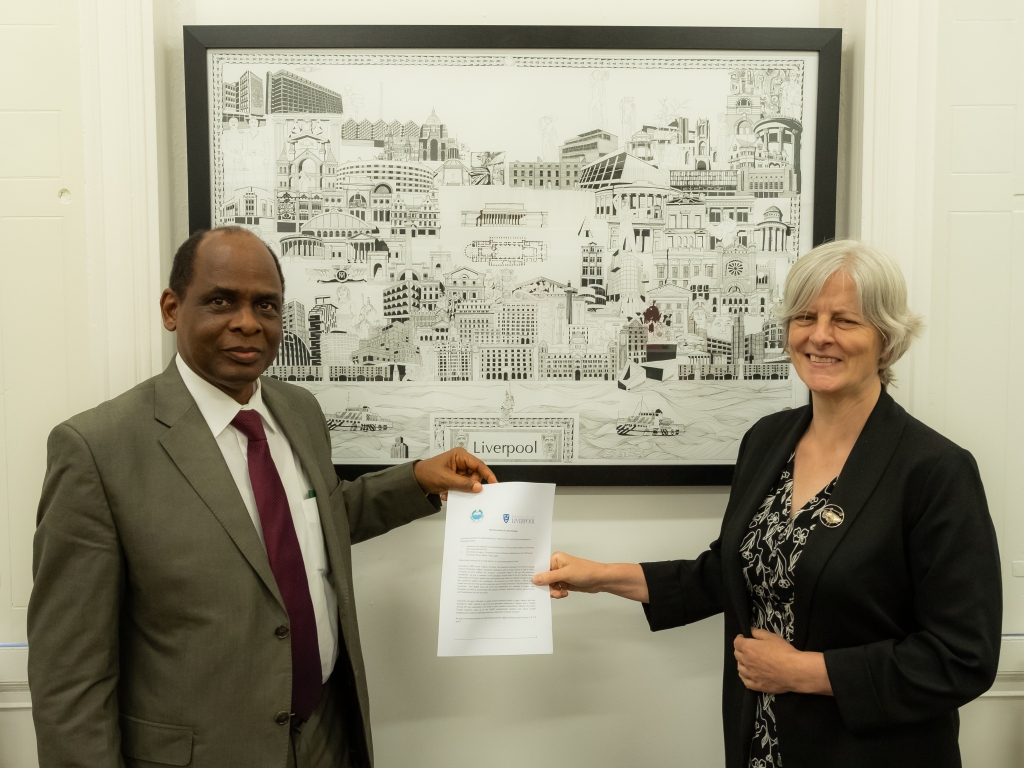
MoU signed by the University of Liverpool’s APVC for the Faculty of Humanities Professor Fiona Beveridge, and received by Professor Olukoju, on behalf of the University of Lagos

The visit also coincided with the finalised signing off of the Memorandum of Understanding which has now been established between the University of Liverpool and the University of Lagos. The formal MoU, was signed by the University of Liverpool’s APVC for the Faculty of Humanities Professor Fiona Beveridge, and received by Professor Olukoju, on behalf of the University of Lagos

Ola Uduku

Prof Ola Uduku is visiting Kigali in Rwanda as part of the Shared Heritage Project : https://sha.architectuul.com

Indeed the city of a million hills, the views, wherever one looks show the hilly topography as 360 degree panorama all around. This is an efficient, exceptionally clean and organised African city, words that rarely roll off the tongue in relation to the continent.

For Kigali this however is happily true. Approaching this city of 3 million from its friendly and speedy immigration formalities at its small airport, one meets with Kigali’s symbolic moniker, the lit up Kigali Conference centre globe, set on one of the city’s highest hills, it acts as a waymarker into Kigali city. 

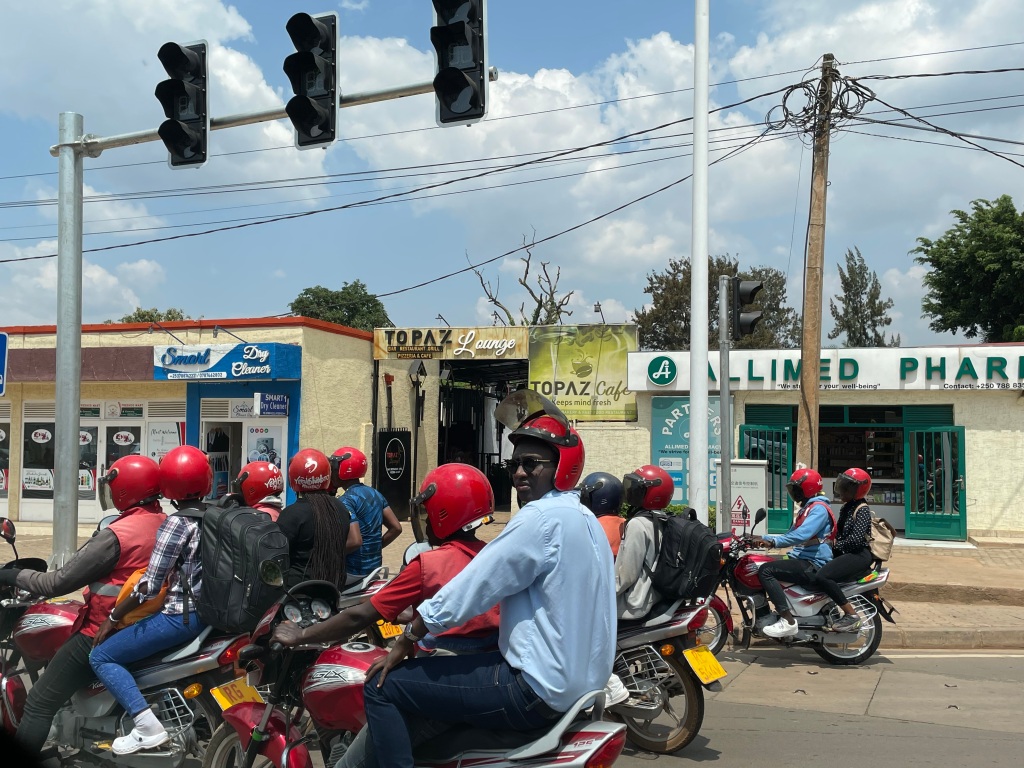
Unsurprising for a hilly city, poor drainage and standing water is not a problem, a usual feature in large urban areas of Africa. Kigali’s arteries are its well-designed and maintained, roads and its taxi and motorcycle public transport network. Yellow motorcycles, with red-helmeted drivers and their pillion passengers swarm the roads like bees, dodging in and out of traffic including the Yego taxicabs which are ubiquitous forms of transport for more well-off Kigalites. 

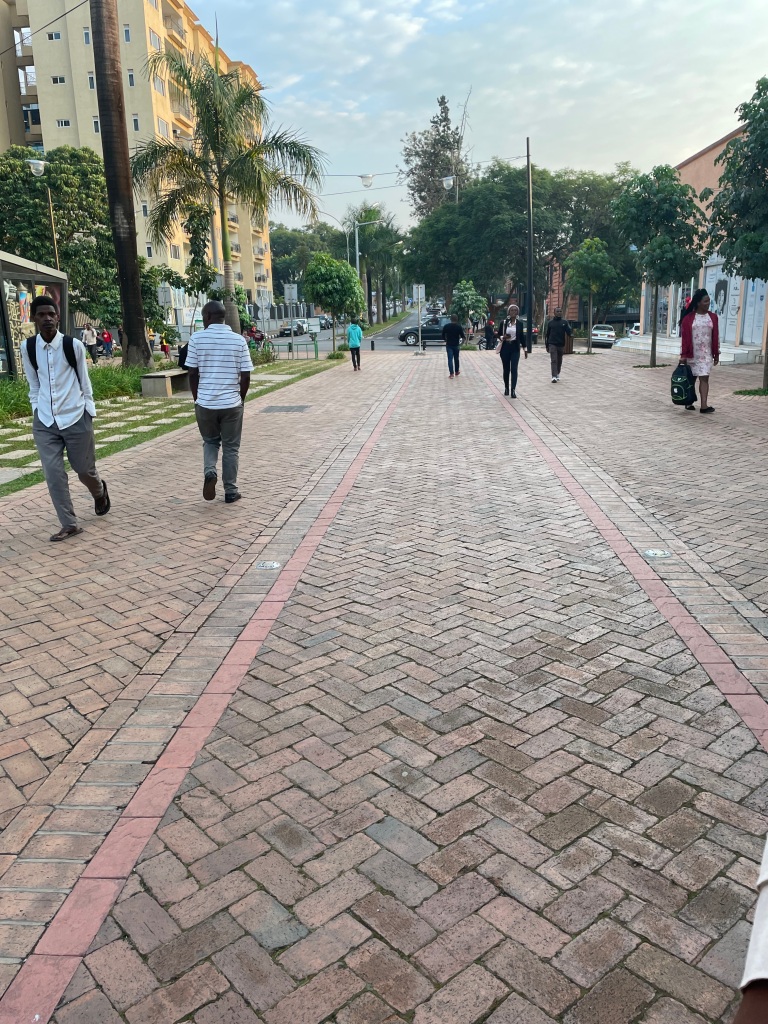
Meanwhile the roads are designed with both clearly marked out zebra crossings which drivers observe. This includes well-defined cycle lanes despite bicycles being rather rare, they have clearly been planned for. The central pedestrianised area also has had detailed attention to planting and urban infrastructure such as seating areas and shelters. This attention to city thoroughfares by Kigali’s planners gives the city its deserved moniker as Africa’s most well-planned city. 

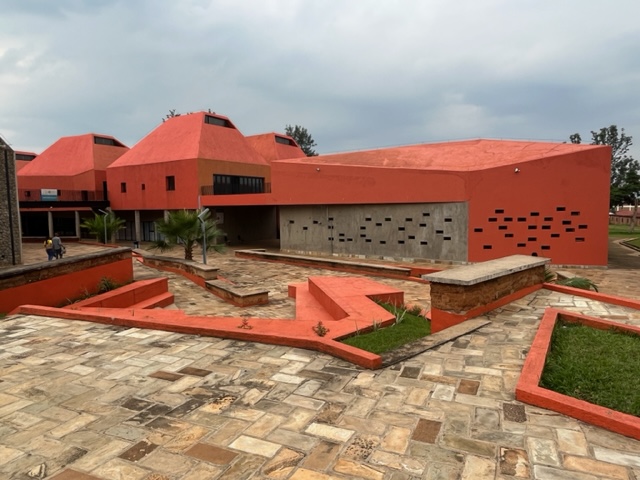
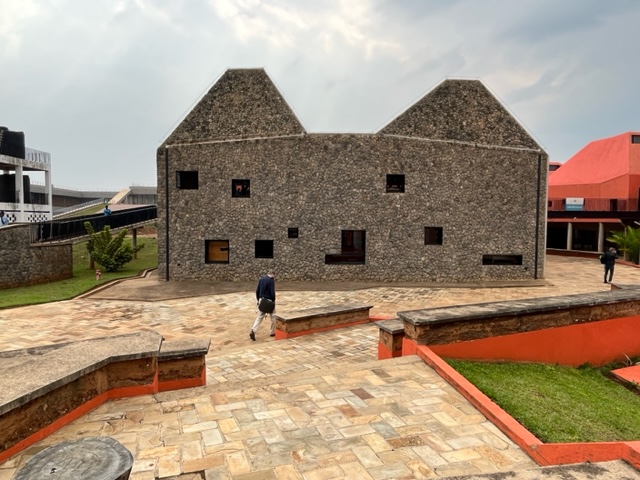
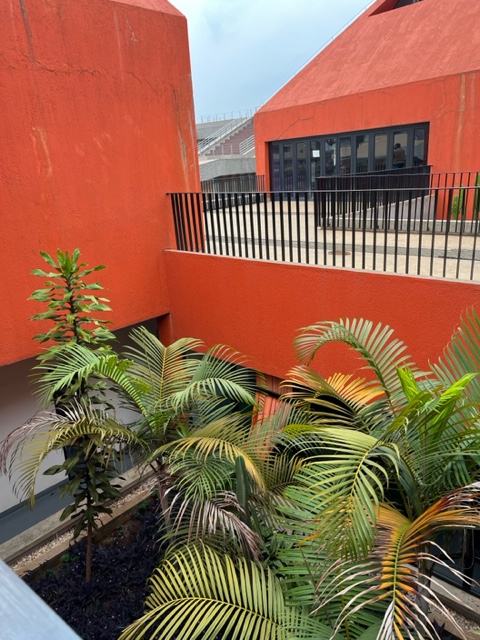
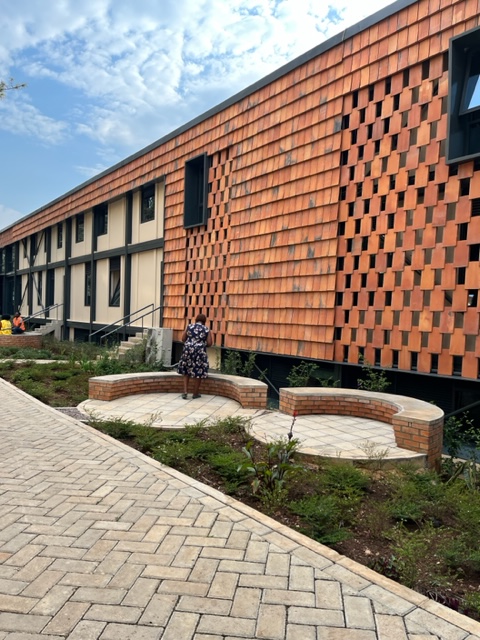
A visit to the University of Rwanda also gave an interesting view of the different architectural and design influences to be found in Rwanda. The striking Rwanda School of Architecture displayed its vibrant colours and materiality in its external form, whilst the volumetric flexibility of these spaces internally was demonstrated as we held successful if slightly challenged acoustically, talks and workshops,  concluding with an informal review session in two of these spaces.

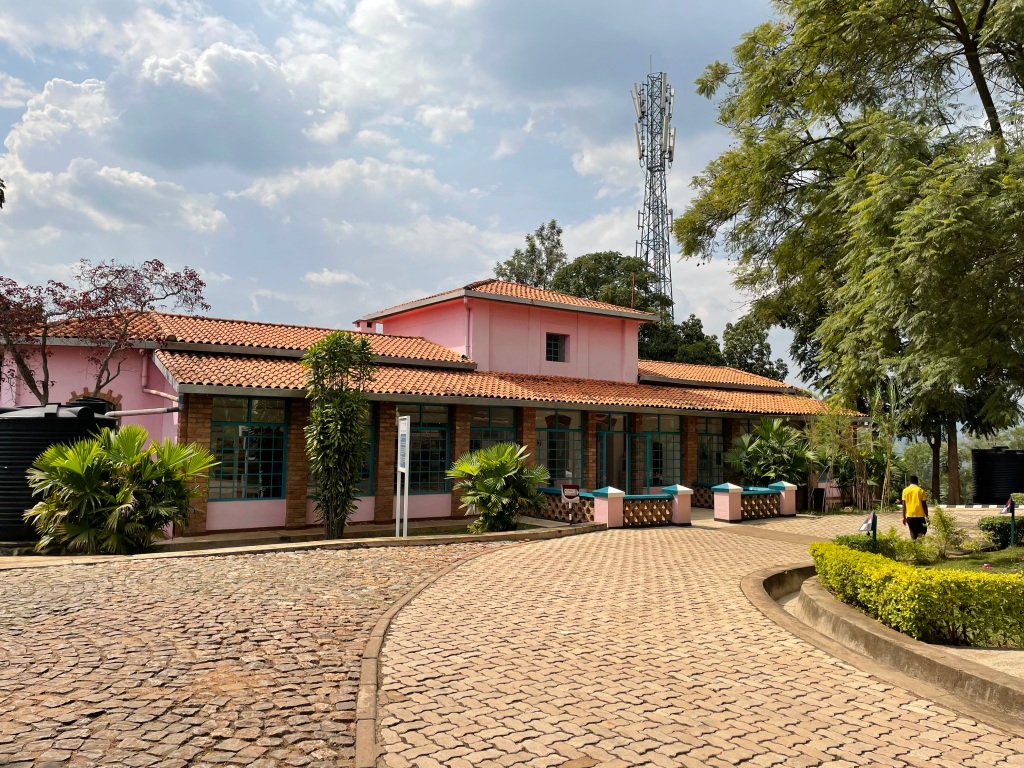
Central Kigali has a distinct historic colonial – mission informed central spine. A Catholic convent, a church, and a school complex delivering kindergarten and primary education feature on one axis. The characteristic use of locally made clay bricks and historical clay tiling give these buildings their historic identity.  Whilst the 20th century designed embassies of Belgium and France, with their national flags flying, dominate nearby.

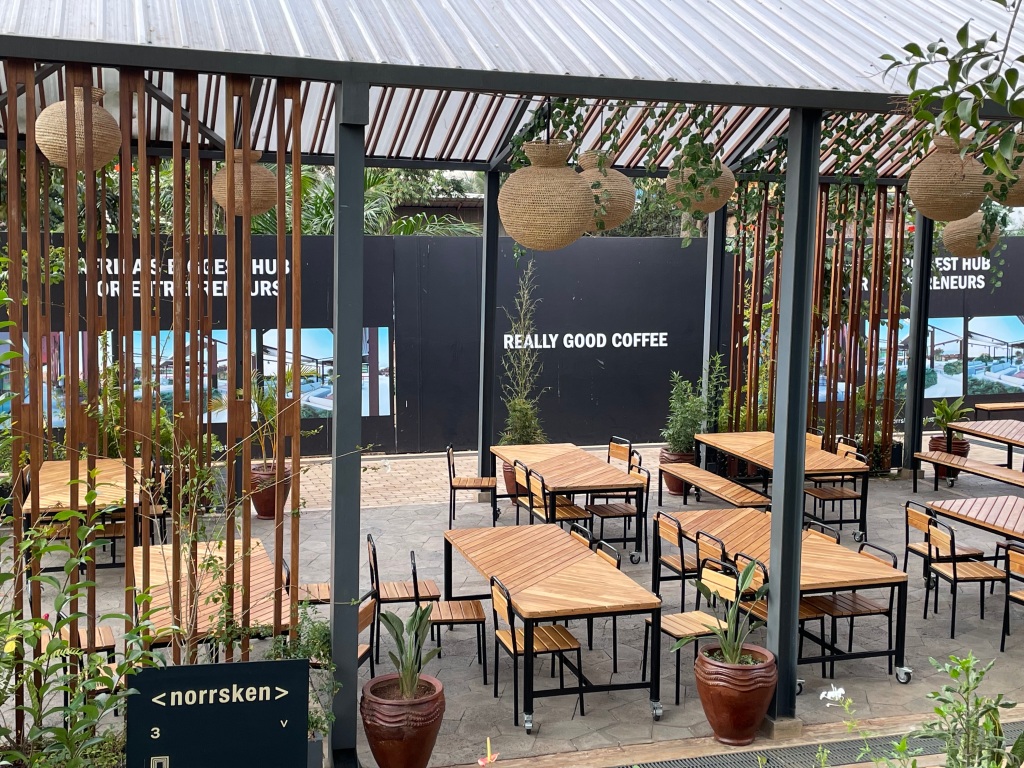
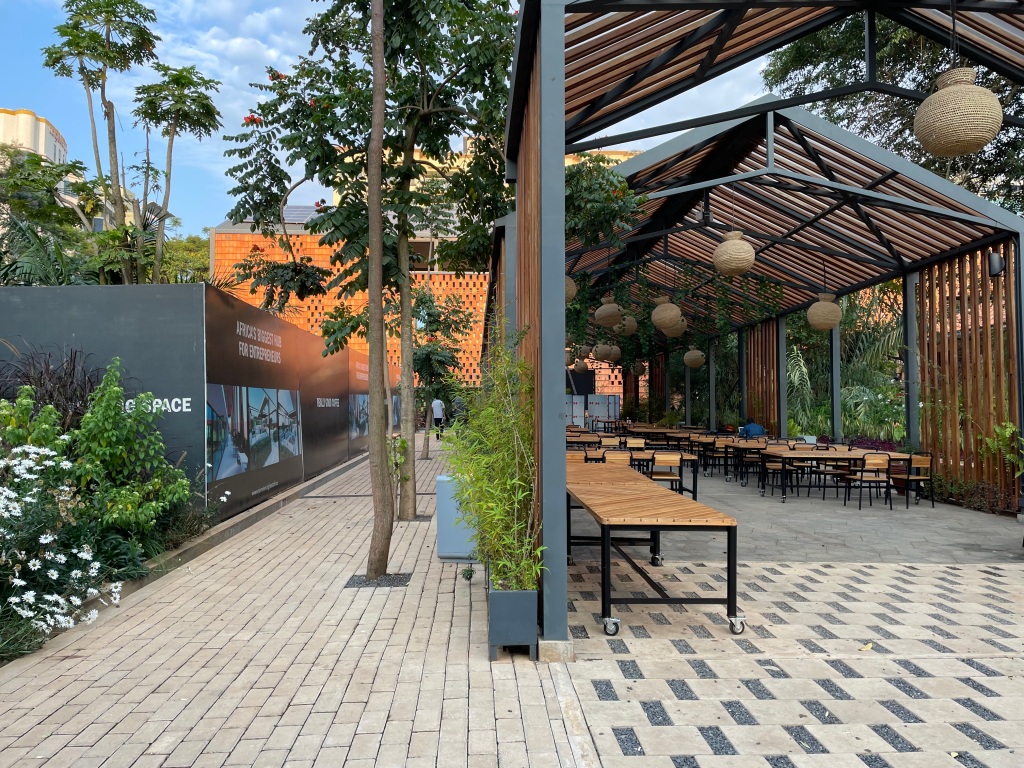
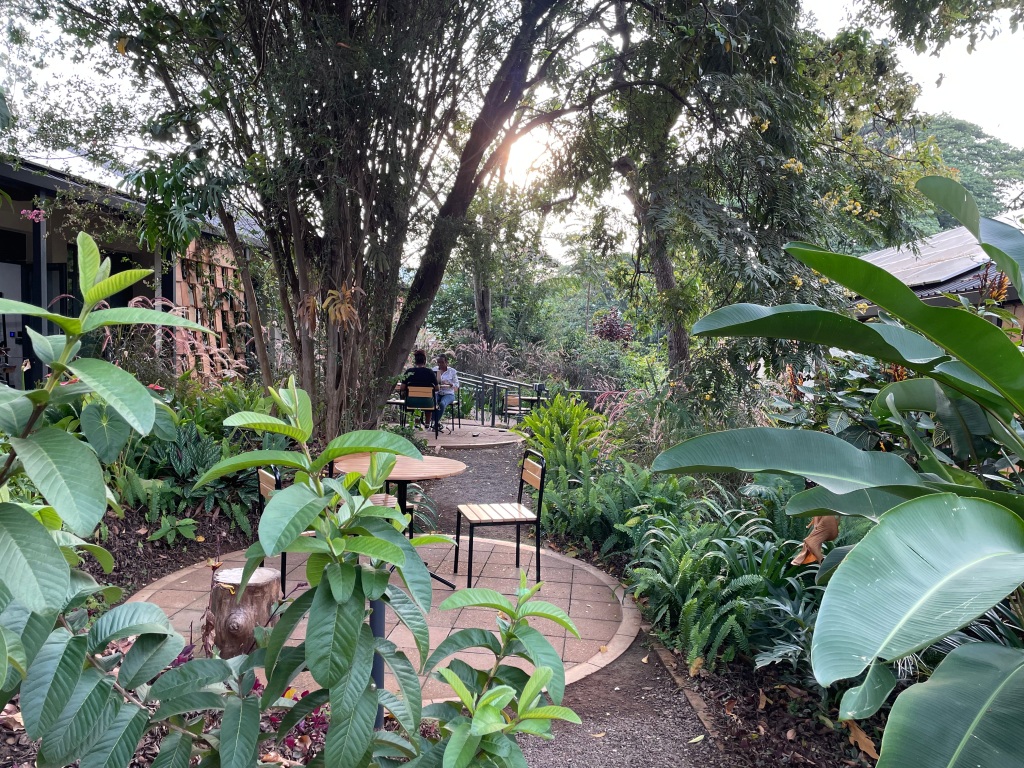
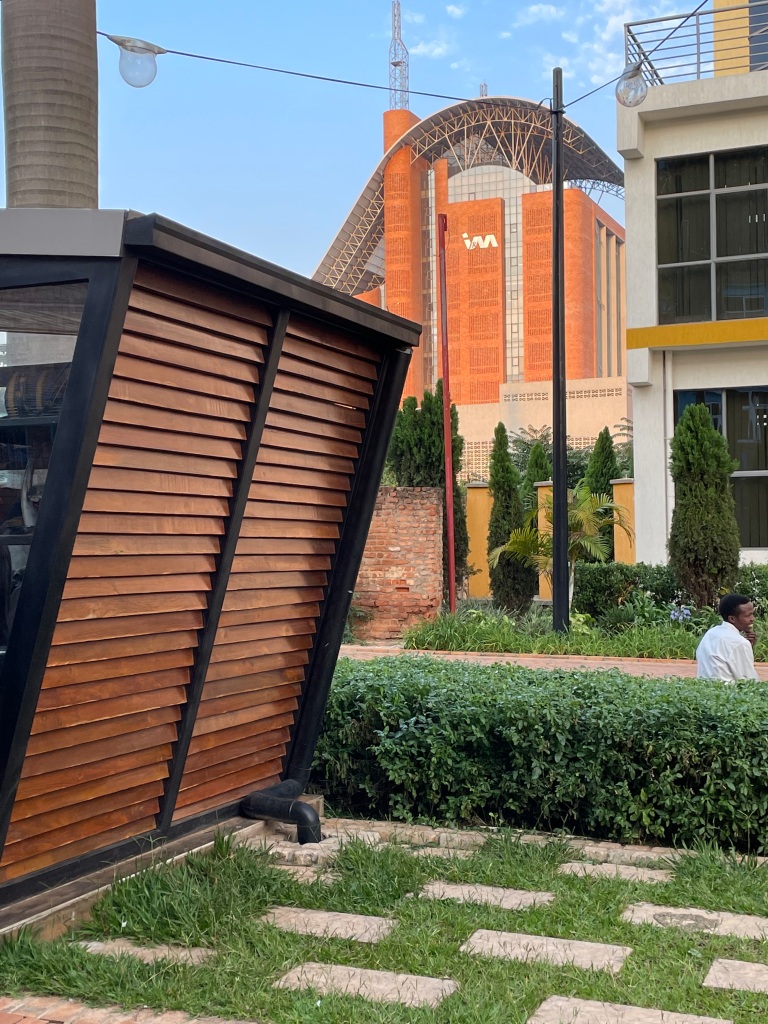
Colonial Kigali then blends into an interesting newly repurposed space, courtesy of MASS design. The old Belgian school in downtown Kigali has now become home for the first Norskka startup campus. Classrooms have been recreated as meetings spaces, and the brand new central entrance meeting space doubles as free to walk into café certainly serving the best coffee this side of Africa.

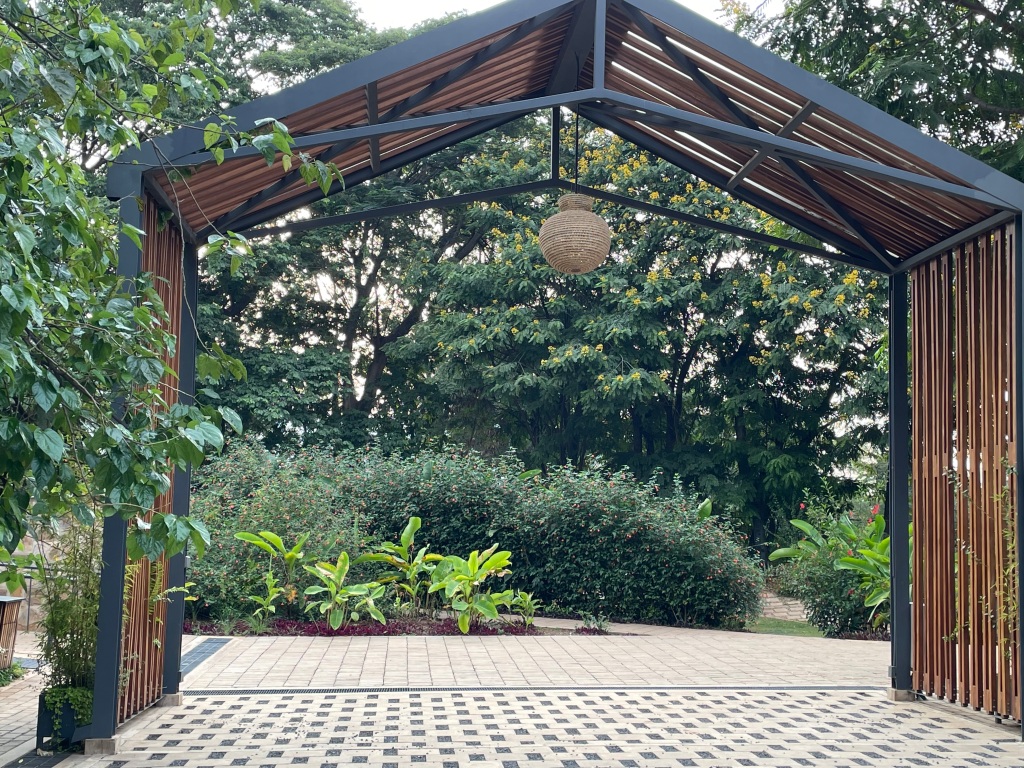
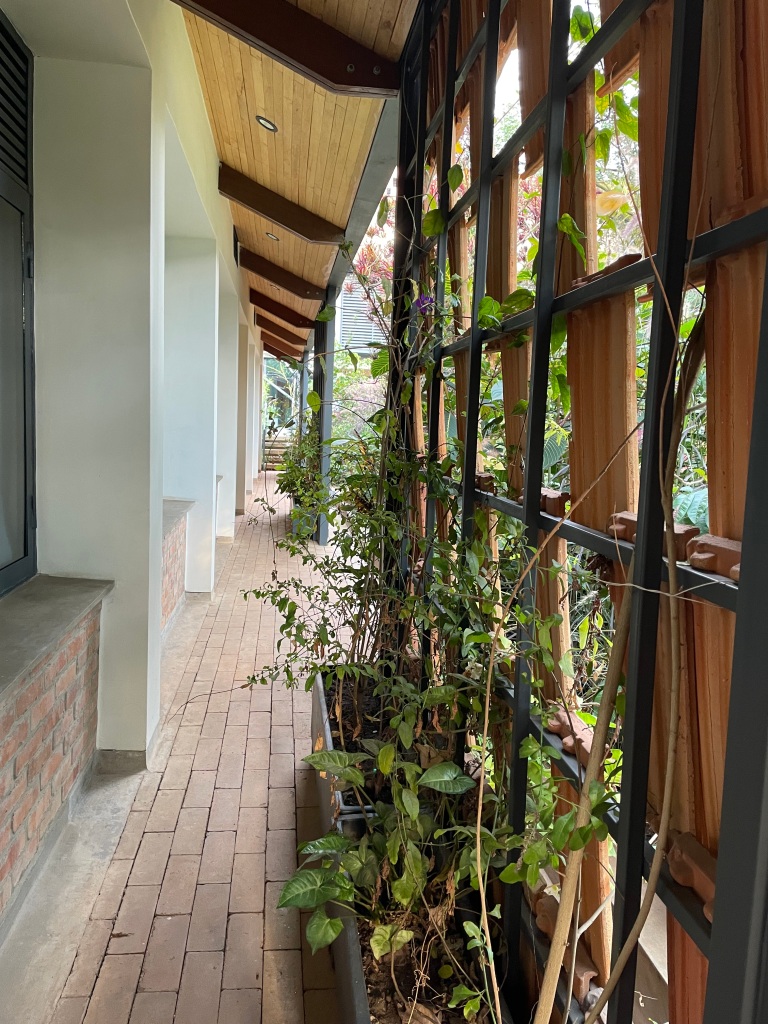
The MASS Design-landscape team collaboration in design has resulted in a totally new and climatologically excellent marriage of landscape with environment. A successful contemporary case study on how this can be achieved for all working in sub-tropical environments such as Kigali. The third and final phase of this development is just going on site involving a local Architecture practice this has got to be a project to watch.

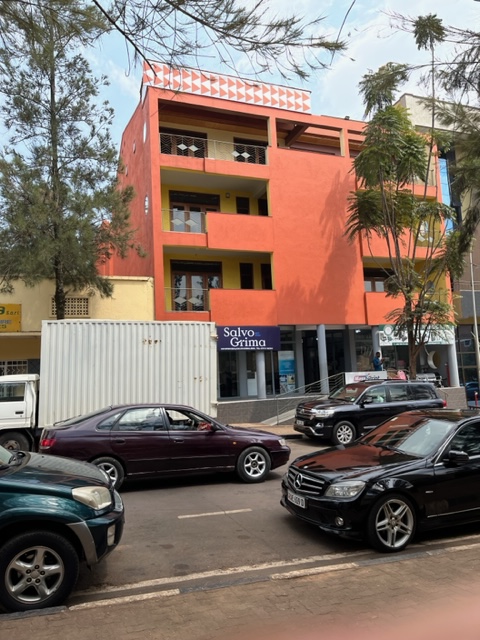
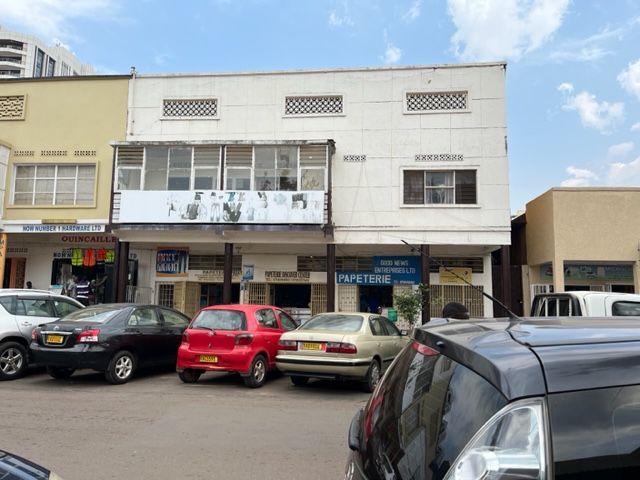
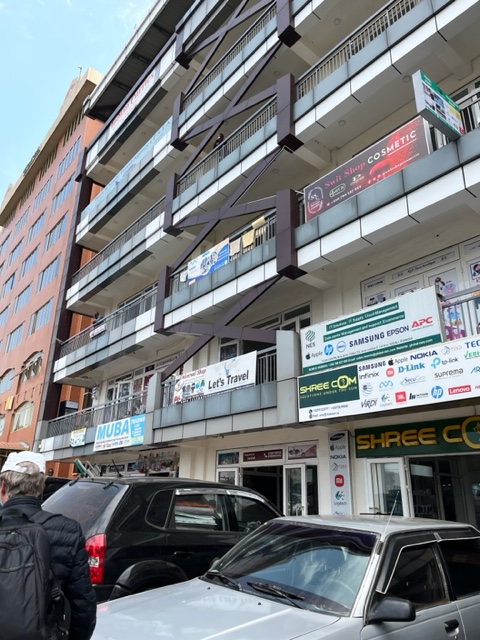
Downtown commercial Kigali, which formed the centre of the historic commercial town, comprises the usual mix of trading units, former mercantile company warehouses and post and telecommunications infrastructure. A pedestrian mall which features Kigali’s new post-modern banking office towers, connects to this downtown area.

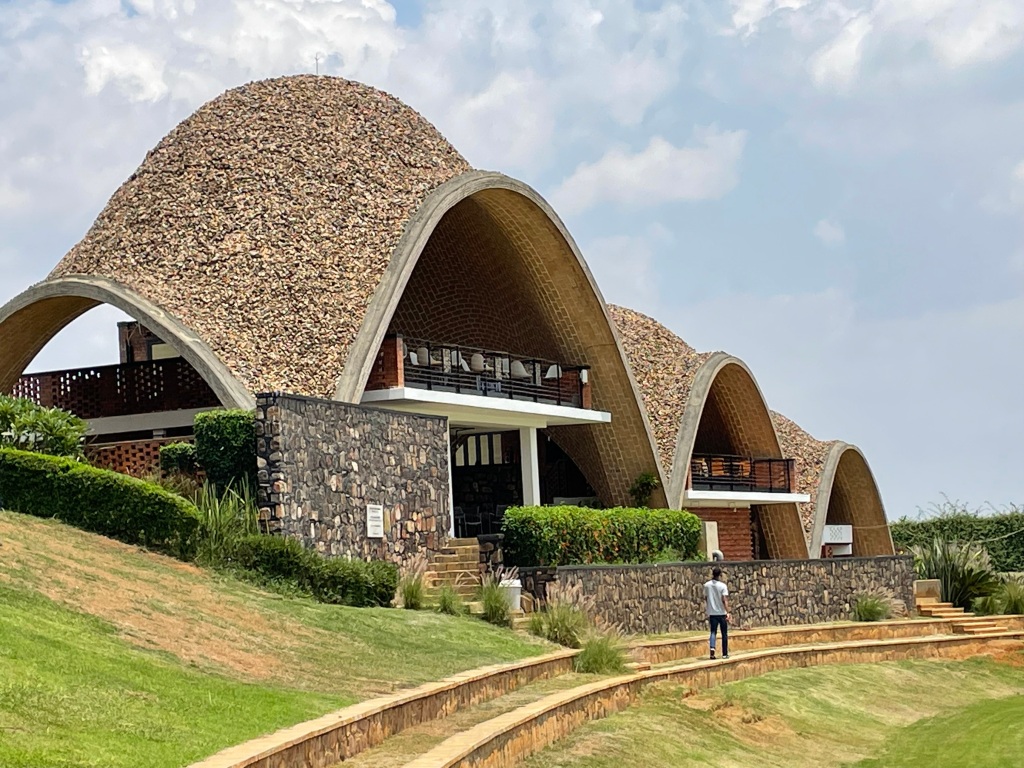
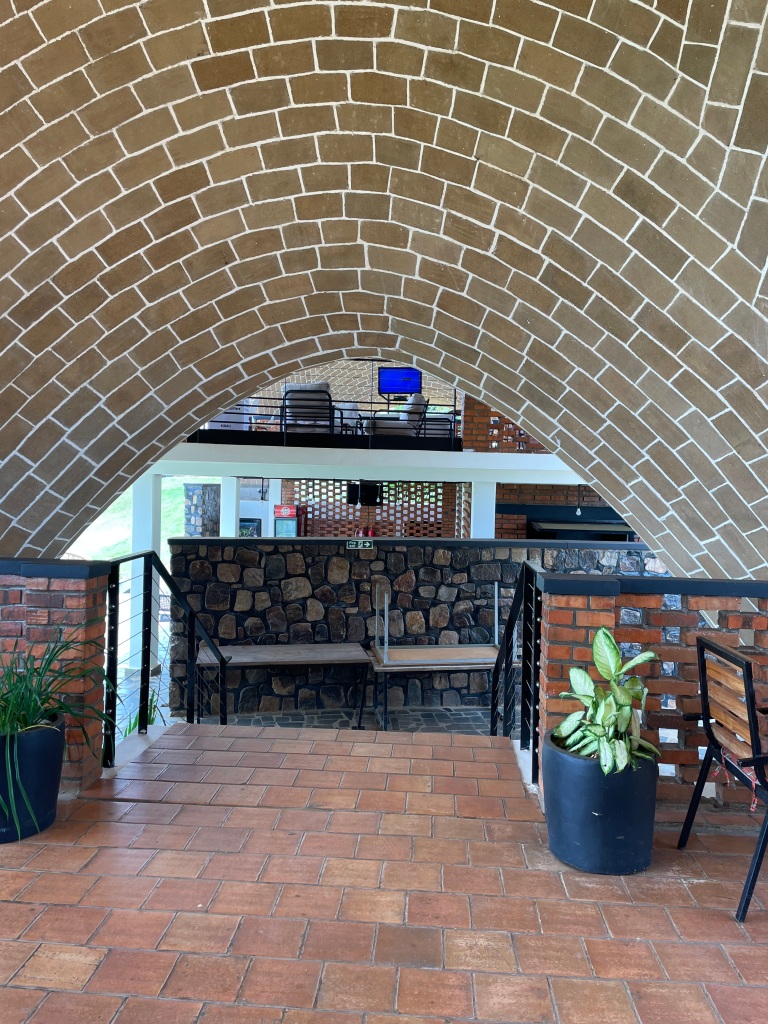
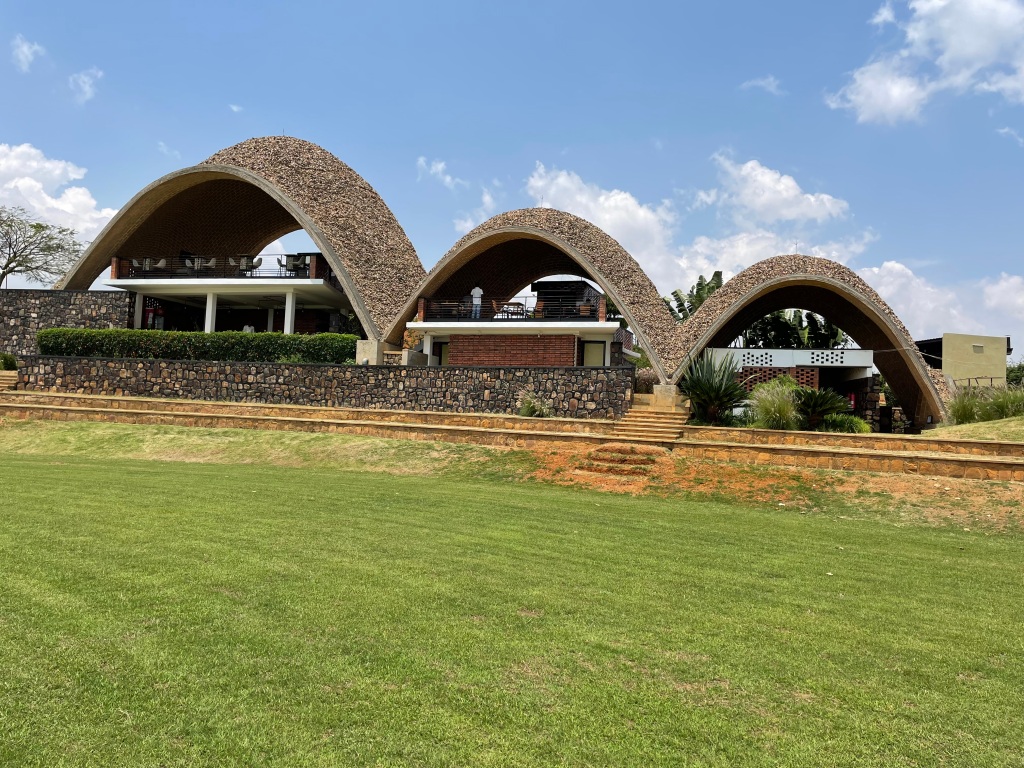
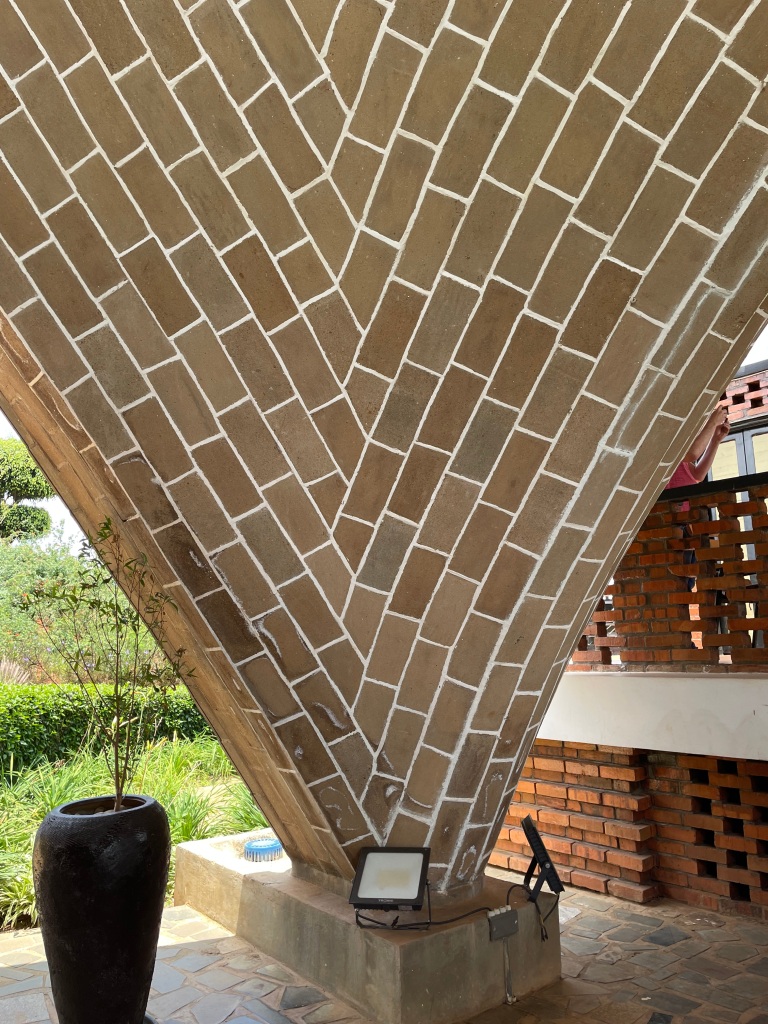
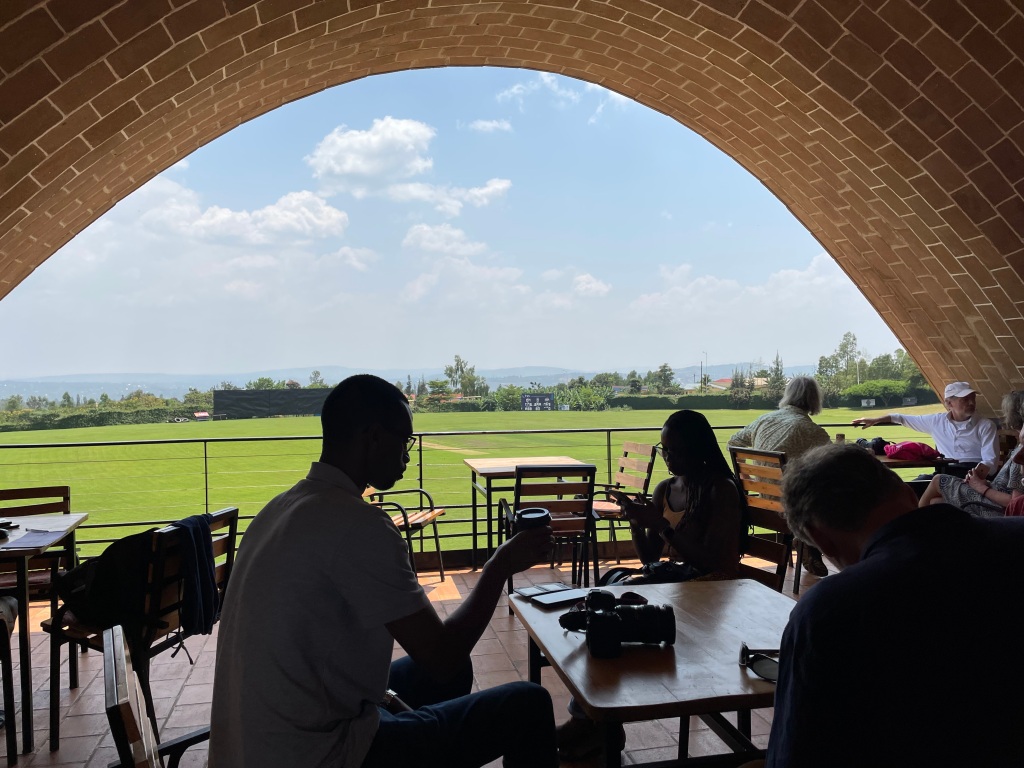
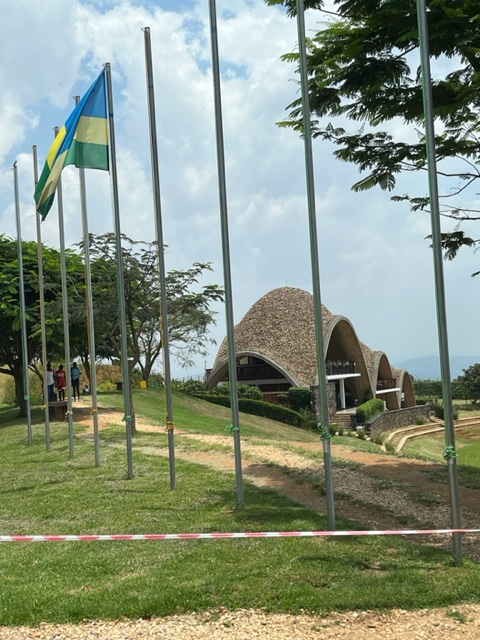
A visit to the Kigali Cricket Pavilion, the result of Peter Rich and Michael Ramage’s 2017 architecture-engineering collaboration, was pure visual joy to behold. The eight mile drive out of Kigali to find the pavilion was an adventure in itself as there were few signposts or digital map directions to follow. A well-judged turn off the main road, however resulted in an initial view of the structure. Built in 2017 it has weathered extremely well, with the quaternary arch form clearly expressed internally, and the local material cladding in superb condition. The three domes amply fulfil their basic programme of shelter and a viewing space for members of the Rwandan Cricket Association. 

At our visit we were also able to drink great Ugandan coffee and access fast internet access as we sat down to admire the structure and the pavilion view. Unfortunately, no games were being played nor was there any cricket practice on our Saturday trip out to the pavilion, however the grounds were in perfect condition and we were informed that the Rwanda girls cricket team had recently beat their Ugandan counterparts in a regional match, having a home pavilion like Kigali’s must be a source of inspiration for Kigali’s youth cricketers. 

Back into the leafy former colonial government suburbs of Kigali, only one hill away from Kigali’s commercial hub a visit to the Kandt house took us straight back to  colonial times,. This is the preserved home of Kigali’s first German governor now provides an extensive history of Kigali and Rwanda’s early mission and colonial history and heritage. A reptile zoo complete with crocodile was the bonus attraction to view.

Back into the leafy former colonial government suburbs of Kigali, only one hill away from Kigali’s commercial hub a visit to the Kandt house took us straight back to  colonial times,. This is the preserved home of Kigali’s first German governor now provides an extensive history of Kigali and Rwanda’s early mission and colonial history and heritage. A reptile zoo complete with crocodile was the bonus attraction to view.

No trip to Kigali, should omit a visit to the genocide museum, this is a deeply emotional and heart-breaking site, which comprises both burial grounds and a landscaped garden of remembrance and also the Genocide memorial now connected to a genocide archive which may be visited on week days. The landscaping of the memorial garden allows for quiet contemplation and reflection, whilst the museum, assisted by the Aegis Trust, to  the people of Rwanda tells the story of the 1994 genocide to the world, in the hope that we may all strive for peace and reconciliation.  It was masterplanned by John McAslan and partners, and completed in 2014. Kigali Genocide Memorial Amphitheatre in a circular void, by WALL Corporation / Selim Senin remains unbuilt, and is still work in progress.

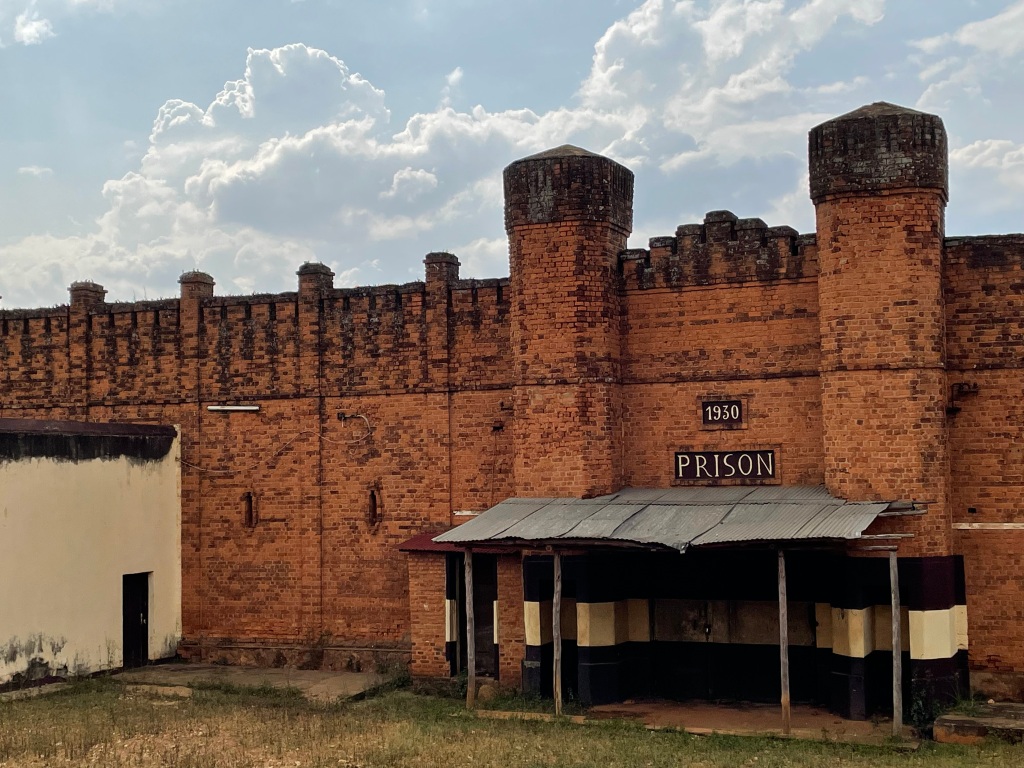
You might also catch a view of the remains of Rwanda’s central prison in Kigali, which is  on another hill nearby. It is a large colonial jail which unfortunately is scheduled for erasure if future plans are put in place. Currently however with some persistence you can get in and view the structure which only closed in the early 2010s.

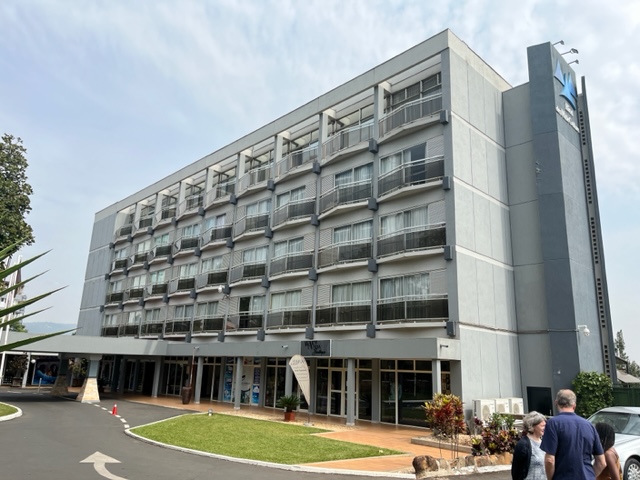
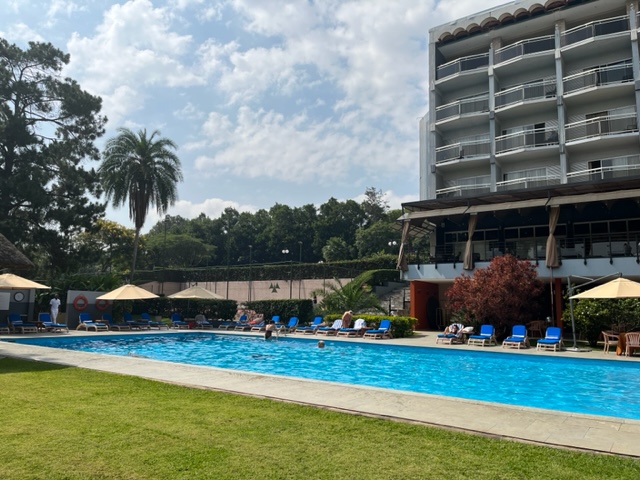
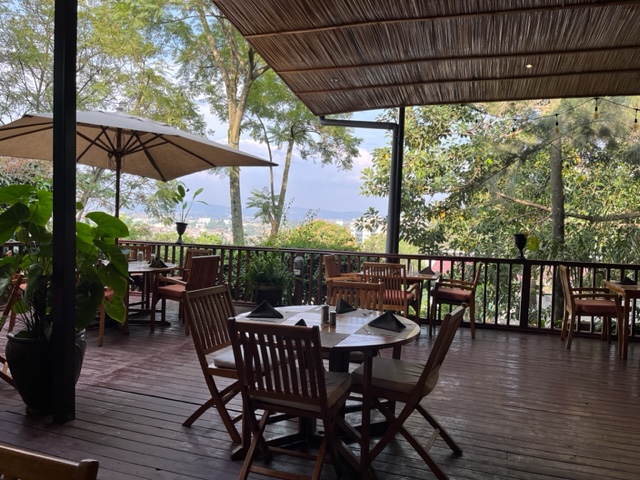
Finally, a visit to the now called ‘Hotel Milles Collines’, the true site of the Hotel Rwanda, takes one back to halcyon days of the modern intercontinental tropical hotel. Copies of this hotel style grace most of the globe’s tropical locations, with the swimming pool, bar area and tennis courts to view. This is a definite contrast to the boutique hotel we stayed in with its contemporary reinterpretation of space, complete with mosquito nets, and open-air dining.

A great way to end a trip would be to have dinner at Kigali’s latest dining venue, just opened in time for the Commonwealth Governors and Heads of state meeting (CHOGUM)  that took place in Kigali last autumn.  It’s fine dining, interior decoration, and panoramic view of this city of hills is a great way to conclude a trip.

As the posters across this city proclaim, “Visit Rwanda”!