Archive

Nigeria

One day in January at Trocadero Square, Lekki, Lagos...  

On our last day in Nigeria we planned to meet Nifemi Marcus Bello, a remarkable Nigerian product designer who has had his work shown to great acclaim at the Sharjah Triennale. Joining us was Associate Prof Seyi Akerele who had just completed a Virtual Fellowship at the University of Liverpool with Ola Uduku.  

Seyi Akerele and Ade Shokunbi (photo O.Uduku)  

 It also seemed an ideal chance to meet up with some other creatives too, and we invited  Adeyemo Shokunbi to join us. Shokunbi is a fascinatingly creative architect, whose Abijo Mosque received the Abdullatif Al Fozan Award for Mosque Architecture for the fourth cycle 2020 – 2023.  Most recently Shokunbi has also made waves with his shipping container formed MAD (Make A Difference) Project at the University of Lagos and he will shortly be a taking up a Teaching Fellowship offered by the Obel Foundation in Denmark.  James Inedu George also made time to join the party. George was one of Joe Owuso-Addo’s ‘New Blood’ from the 2021 Venice Biennale. A phone call from Shokunbi summoned Chuka Ihonor – writer art curator, impresario and activator extraordinaire. 

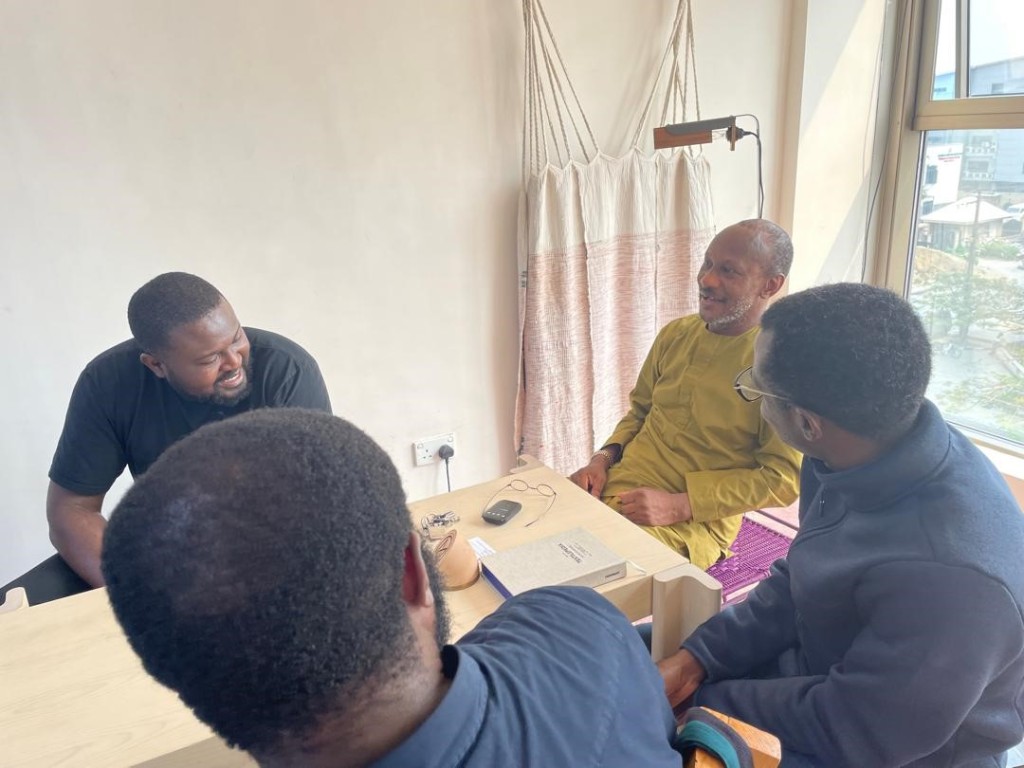
Iain Jackson and Nifemi Marcus-Bello  (photo O.Uduku) 

The discussion which followed we felt lucky to have been allowed to listen in and occasionally contribute to. The key theme unsurprisingly was the dearth of the linking of academic teaching with the realities of practice. We heard tales of the assembled team, unsuccessful attempts at reaching out to the academy who either were disinterested or actively ignored these linkages. James Inedu-George was more direct in his criticism of relationships and links between practice and gown. 


L – R Nifemi Marcus-Bello, Ola Uduku and Ade Shokunbi (photo I. Jackson) 

The pre-eminence of the expatriate architect from South Africa,  and in particular SAOTA was expressed. It was felt that Nigerian’s found it difficult to feel pride in local architecture and creative practice. Wealthy clients garnered a sense of prestige by hiring architects from overseas.  It was a throwback to Demas Nwoko’s struggle for acceptance by the Nigerian architectural profession despite his clear brilliance as a creative designer whose roots were in his initial ABU architecture training.  Collaborative practice and design also needed a wakeup call as the discussion critiqued the ‘lone architect-creator’ syndrome where collaboration was actively discouraged and firms struggled to scale their enterprise to deliver large projects. 


Ade Shokunbi and  James Inedu-George (photo O.Uduku) 

With Chuka we’d like to ‘bring’  highlights of Sharjah Triennale to Nigeria. Nigerian creatives featured so strongly in this exhibition, and it seems appropriate to share this work with a Nigerian audience.  

Back clockwise, Nifemi Marcus-George, Chuka Ihonor, Seyi Akerele and James Inedu-George (Photo O.Uduku) 

Something special happened at this informal and chance encounter. From this gathering of creatives, educators, authors, makers, and architects a refreshing and encouraging discussion flowed. We shouldn’t stop here. We would be honoured to host the next platform for what might be termed an African Creative Awakening, and present below what we might call the Trocadero Call to Action (TCA) in deference to this auspicious meeting at the Trocadero Square in Lekki – the place to have been on Thursday 18th January in Lekki, Lagos. 

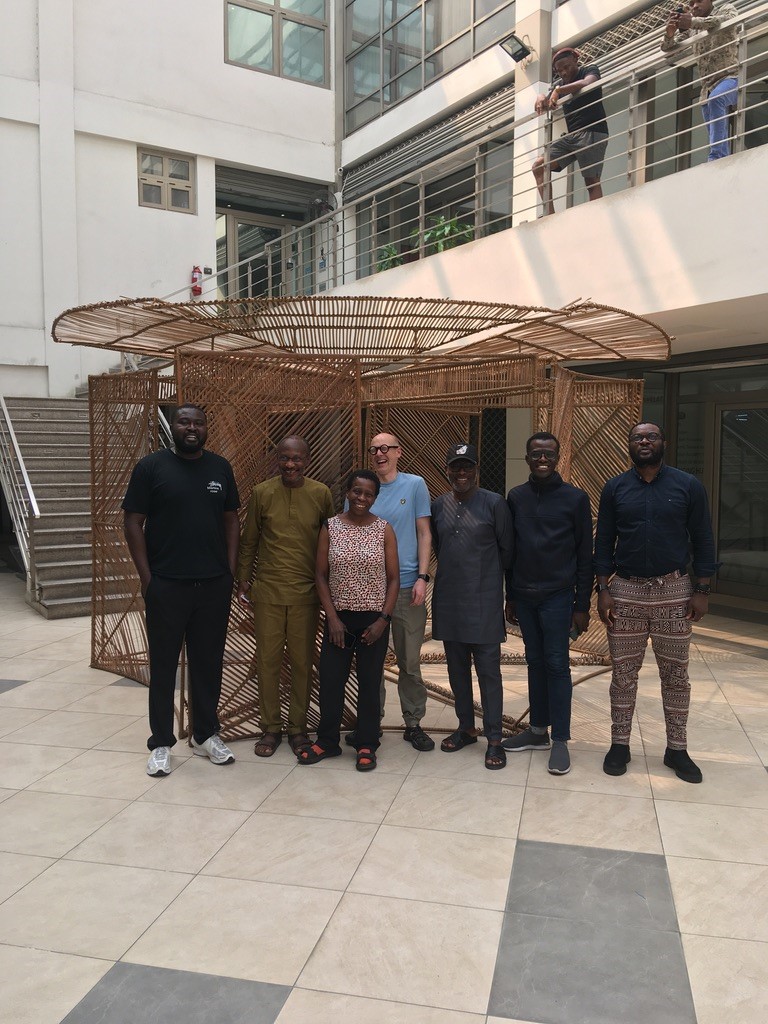
The TCA Participants and Observers: 

L – R. Nifemi Marcus-Bello, Chuka Ihonor, Ola Uduku, Iain Jackson, Ade Shokunbi, Seyi Akerele and James Inedu-George  (Photo  Nifemi Marcus Bello Studios)  


  1. The future of Architectural Education in and around Western Africa 
  1. Practice Building and the process of commissioning, designing, and making architecture. 
  1. The purpose, shape, and expression of architecture within the Western African context, and how this is communicated and shared. 

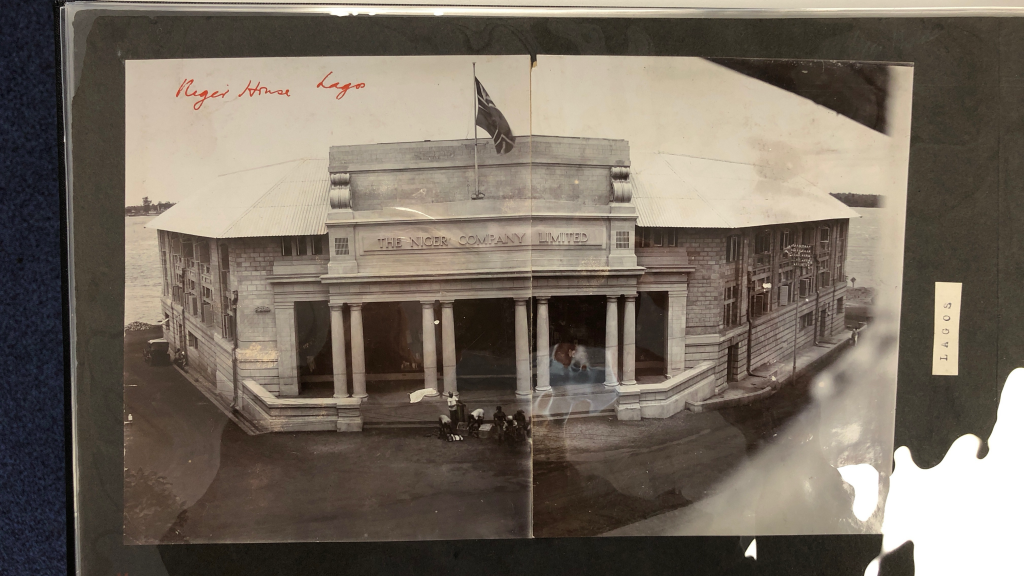
Niger House by James Lomax-Simpson. Designed for the Niger Company after they were bought out in 1920 by Lever Brothers. Lever wanted to consolidate their various offices and retail units in Lagos into a central location overlooking the Marina. The only good site available was owned by Trading Association of Nigeria. To obtain the site Lever purchased the entire company and Lomax-Simpson designed the new building there. It had a retail space on the ground floor with staff lounges and accommodation above. It wasn’t to Lever’s taste and he complained about it having a ‘town hall’ feel.

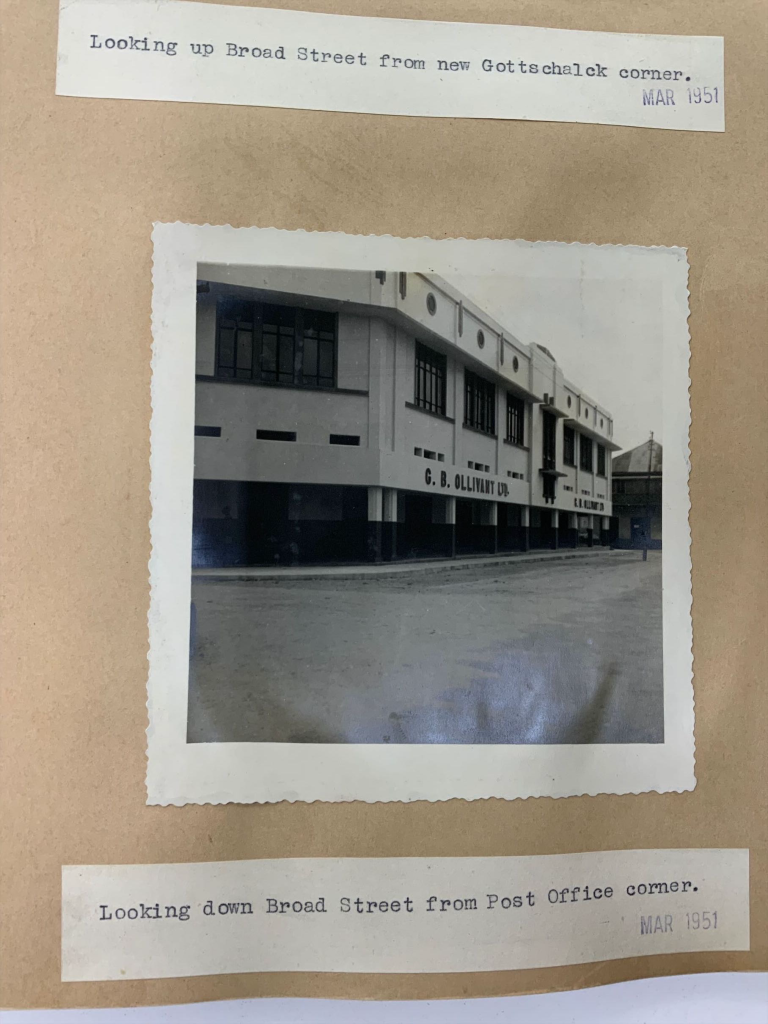
New windows have been punched through the portico and an additional storey added. In the same district of Lagos is Wilberforce House, built for Manchester cotton traders G B Ollivant. The United Africa Company was formed by the merger of Niger Company and African and Eastern, and they went on to purchase G B Ollivant in 1933.

Wilberforce House was constructed by Taylor Woodrow West Africa (and the UAC had a 50% stake in this business too).

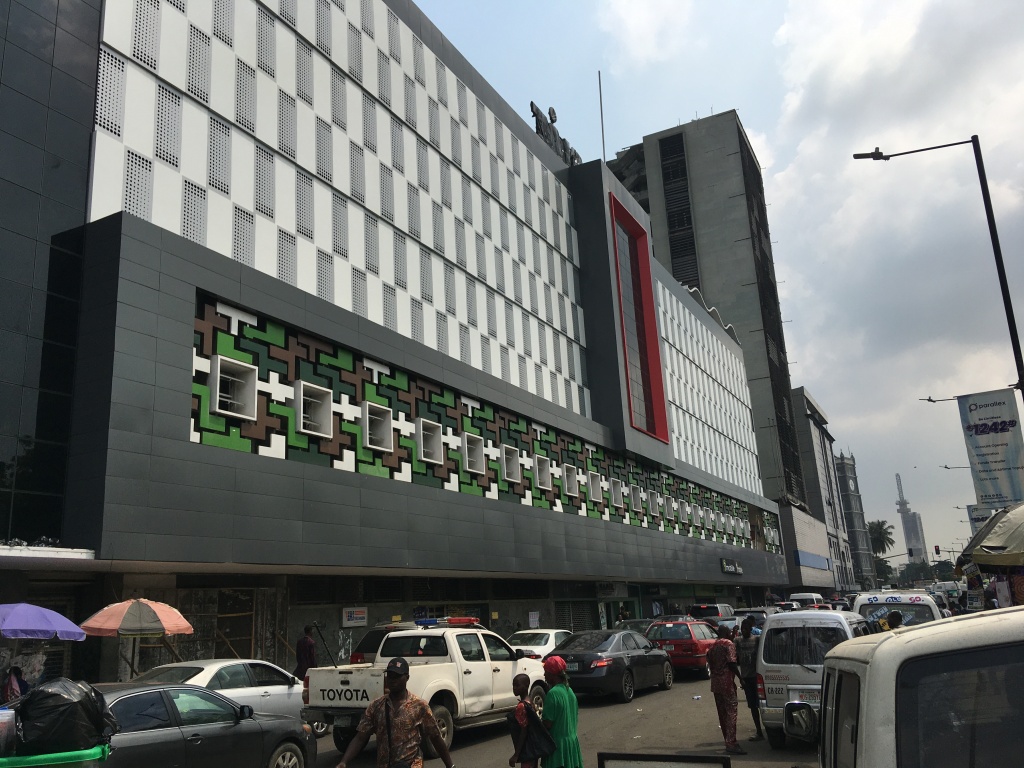
Perhaps the most well-known UAC owned business was Kingsway Stores. They had branches across West Africa. The Lagos branch filled an entire city block and was originally designed as a store and office for the African and Eastern Trading Corporation. The Deco style portico was added later.

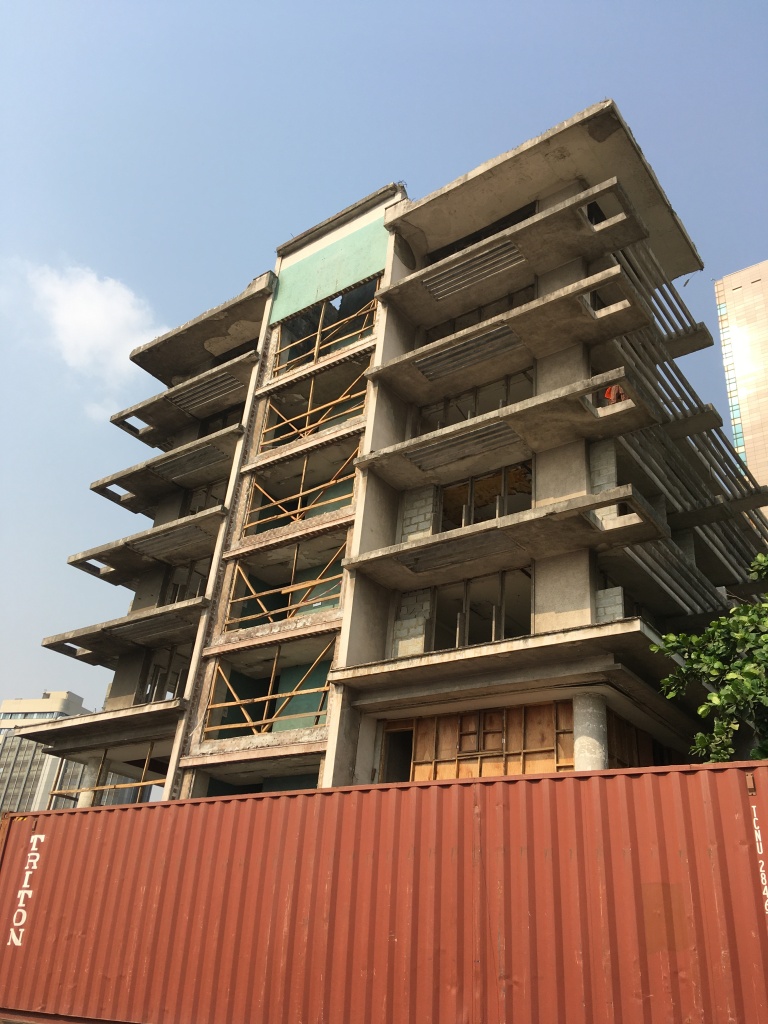
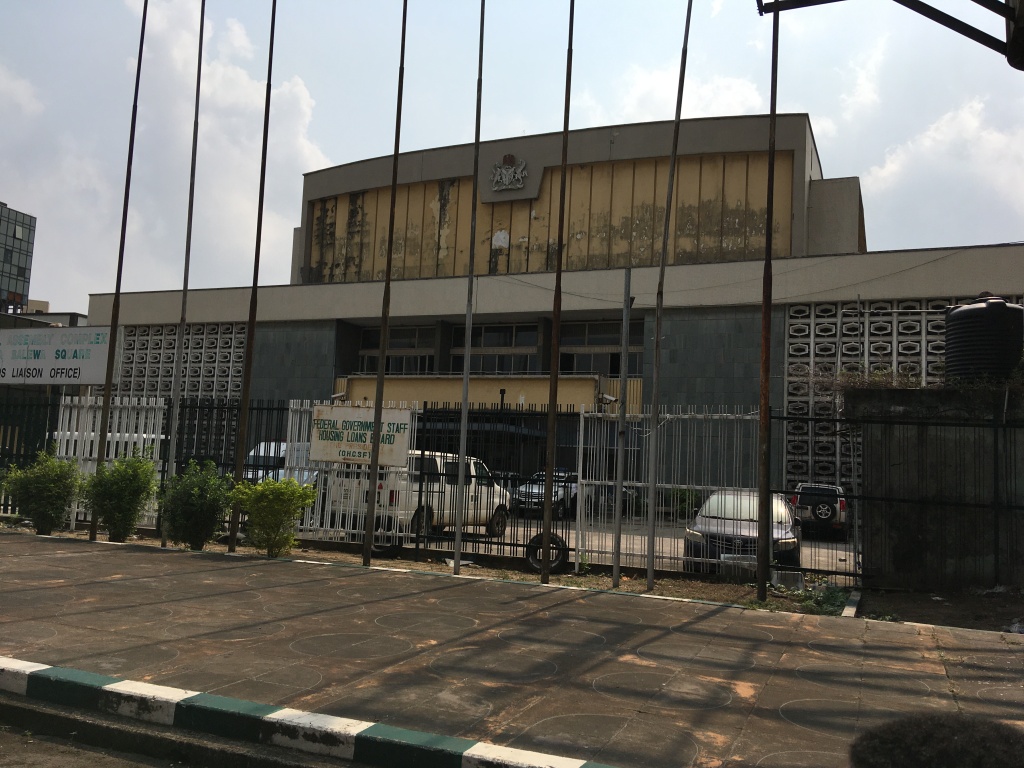
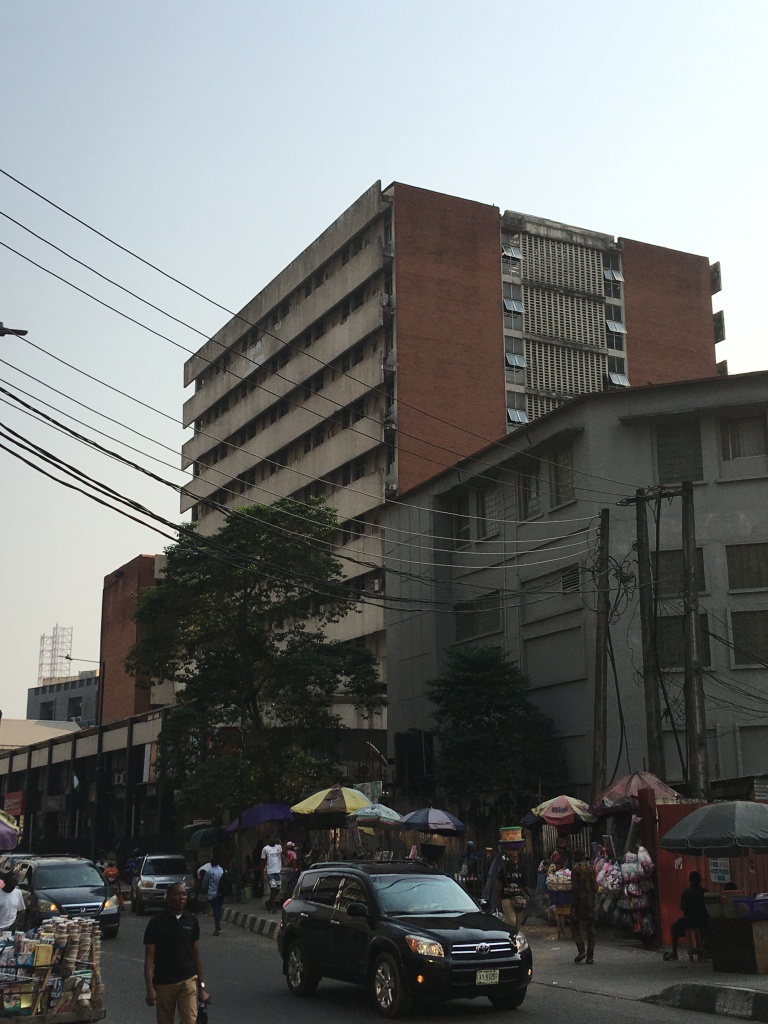
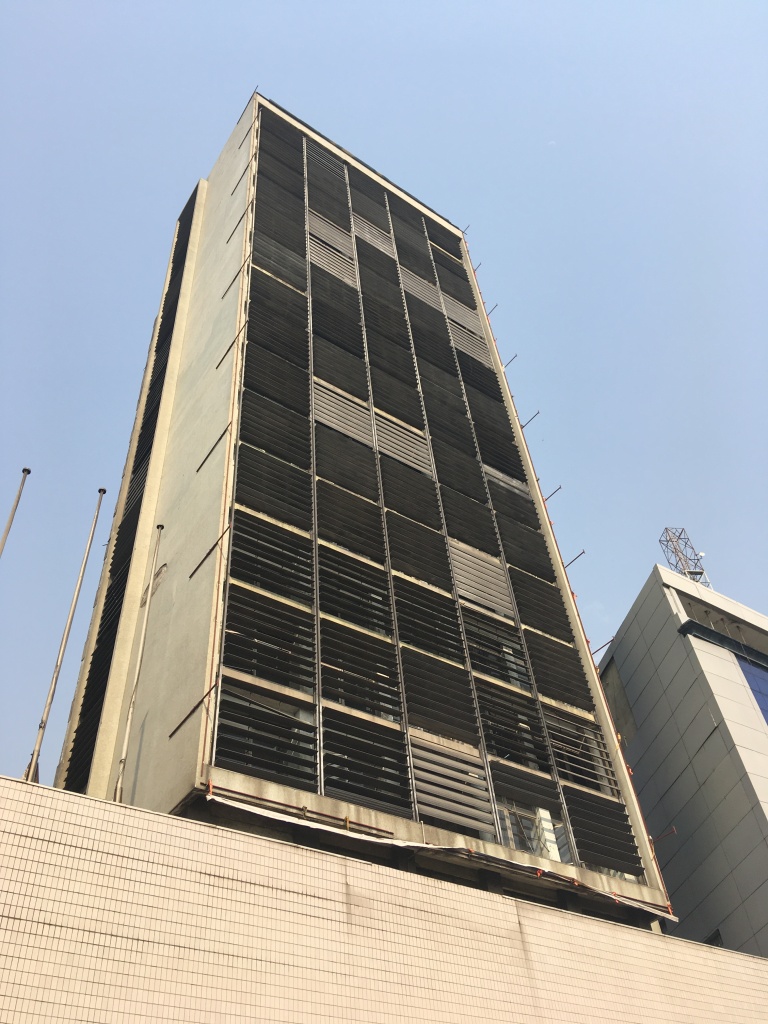
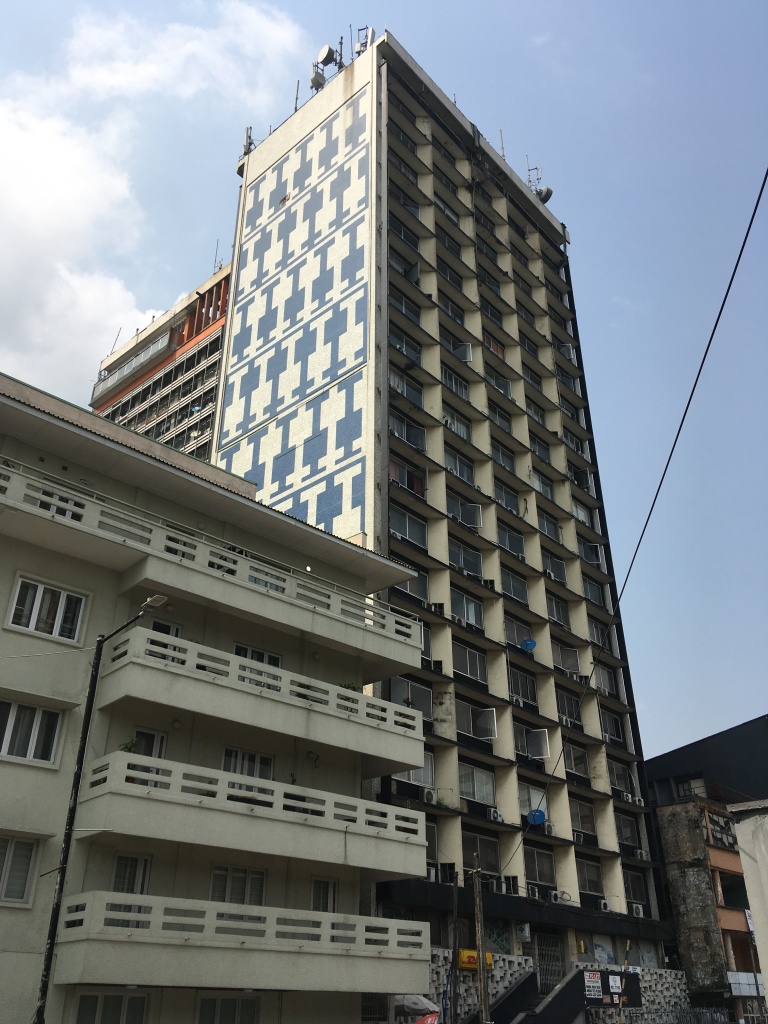
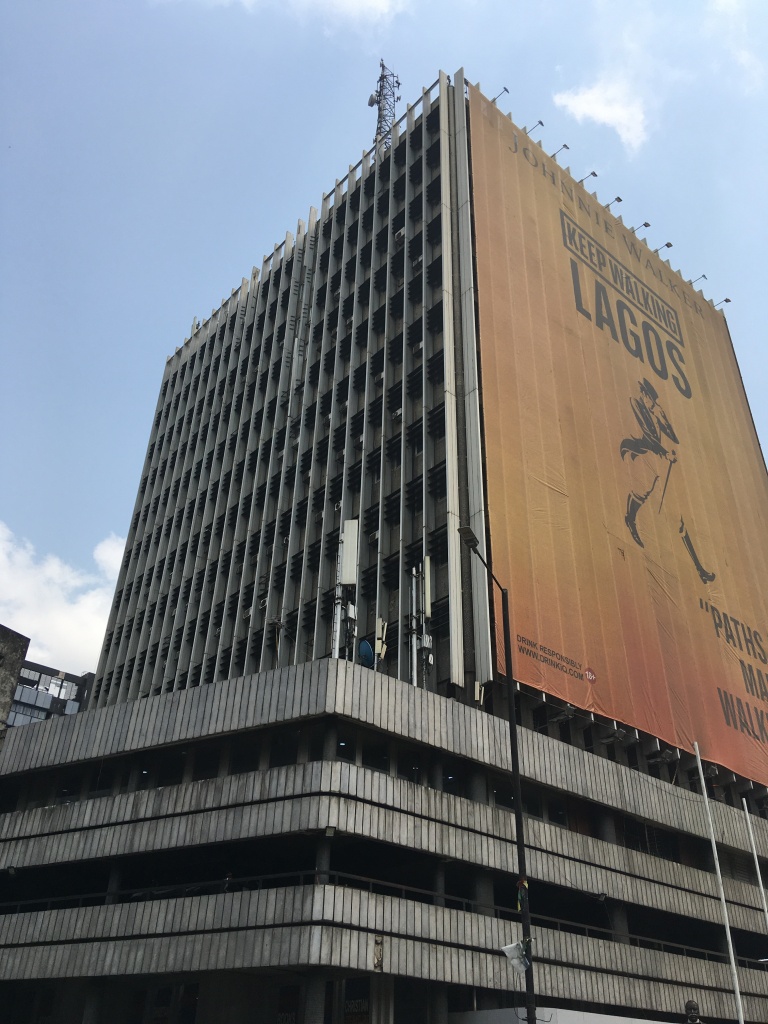
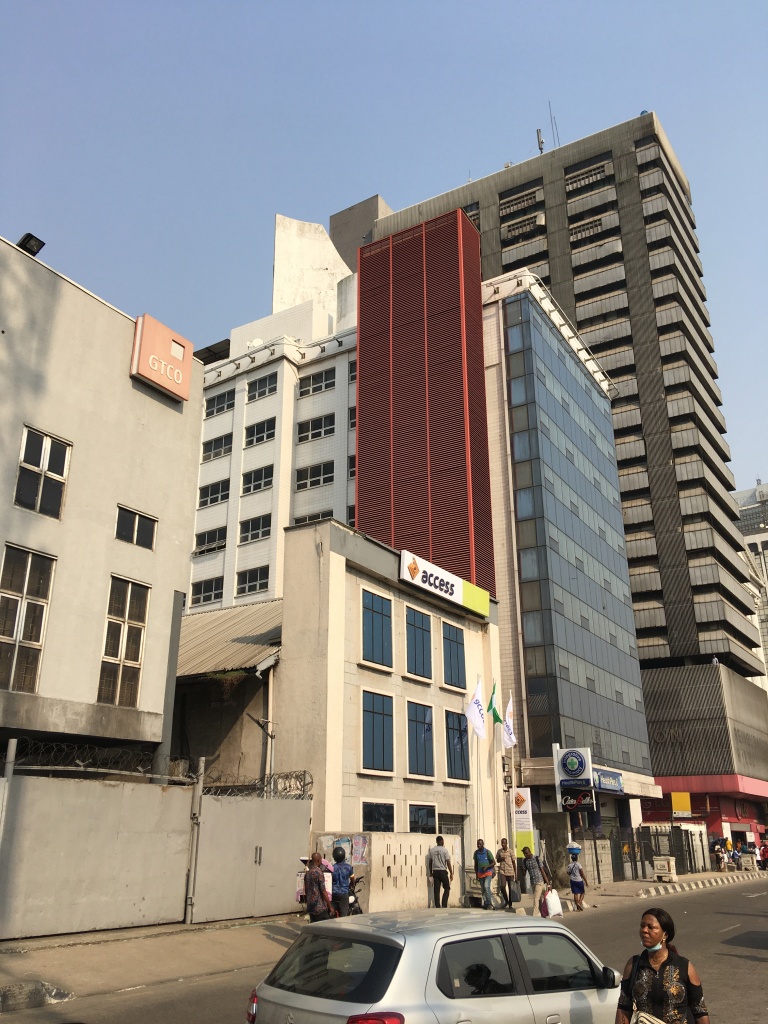
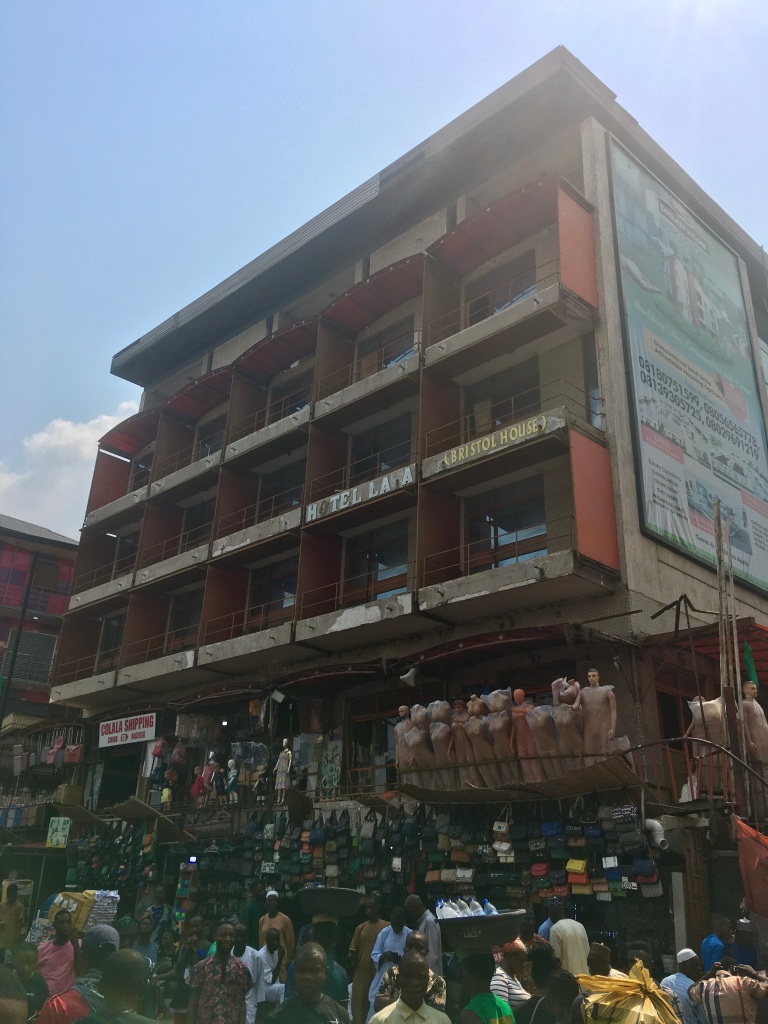
Central Lagos- quick picture show before (Nigeria Magazine 1962) and after (Jan 2024):

Western House by Nickson and Borys

Niger House for UAC by Watkins Grey

Book shop House Godwin Hopwood

Elder Dempster by James Cubitt – heavily modified with the new glazed facade.

Bristol Hotel by Godwin and Hopwood

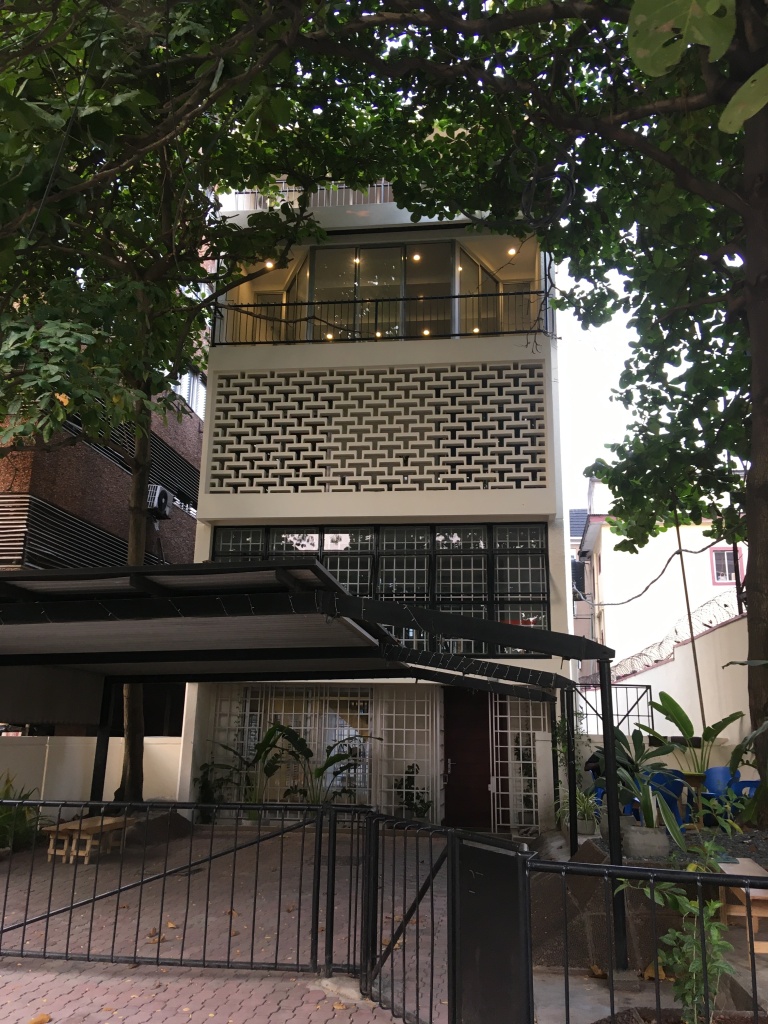
Godwin and Hopwood Residence, Godwin and Hopwood

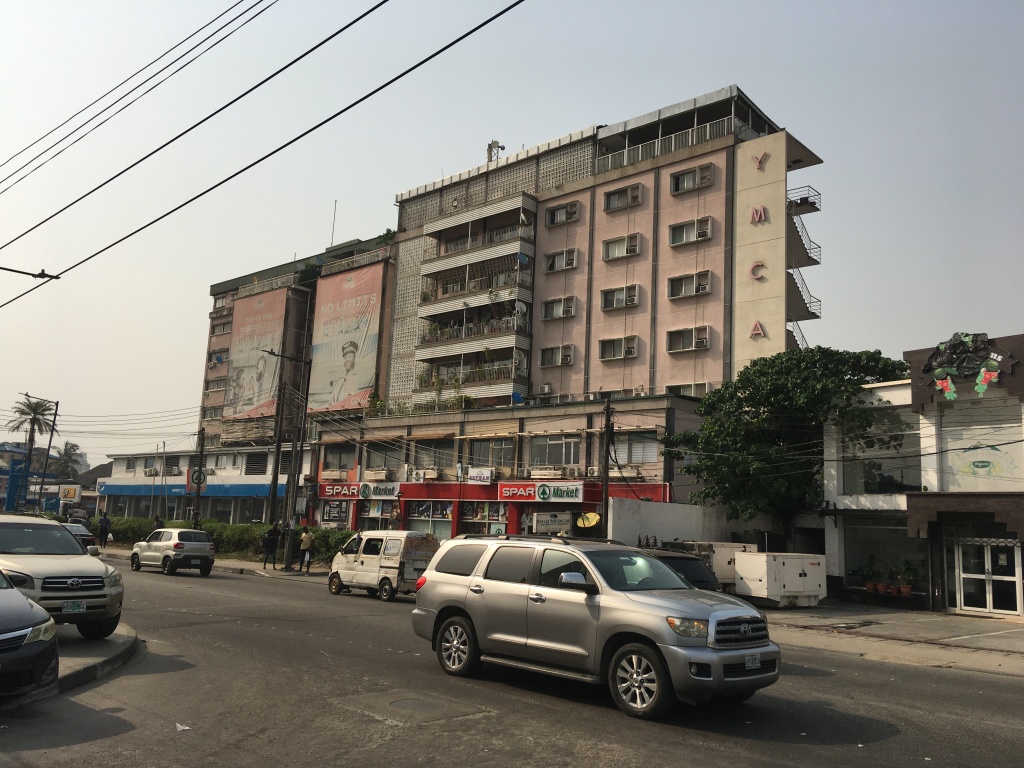
YMCA – slender single room deep plan, exposed staircase at the gable with concrete wrapping around. Commercial retail units at the base, pavilion and garden at the roof. Cracking scheme – but who is the architect?

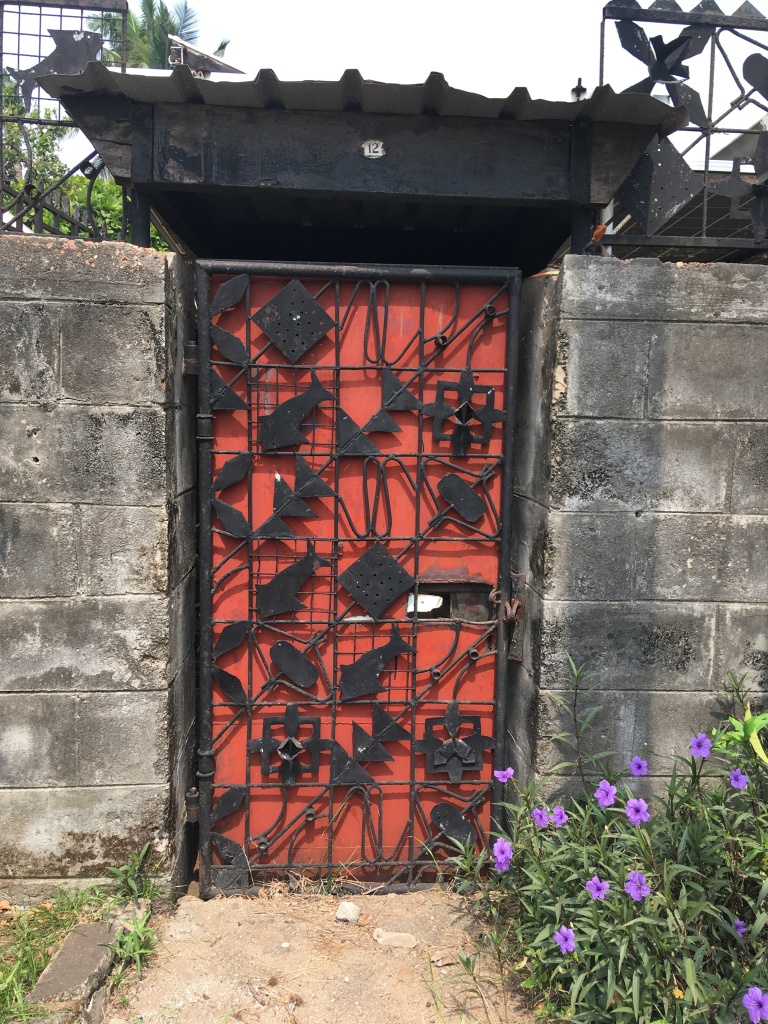
Alan Vaughan-Richards House

Alan Vaughan-Richards (1925–1989) studied at the AA and worked for Architects Co-Partnership in Nigeria before establishing his own practice in Lagos.  His house and studio in Ikoyi, Lagos has featured on the TAG blog before as part of the archiving and digitisation of Vaughan-Richards’ drawings undertaken by Ola Uduku, and further published here: https://www.taylorfrancis.com/chapters/edit/10.4324/9780429506765-16/alan-vaughan-richards-archive-ola-uduku .

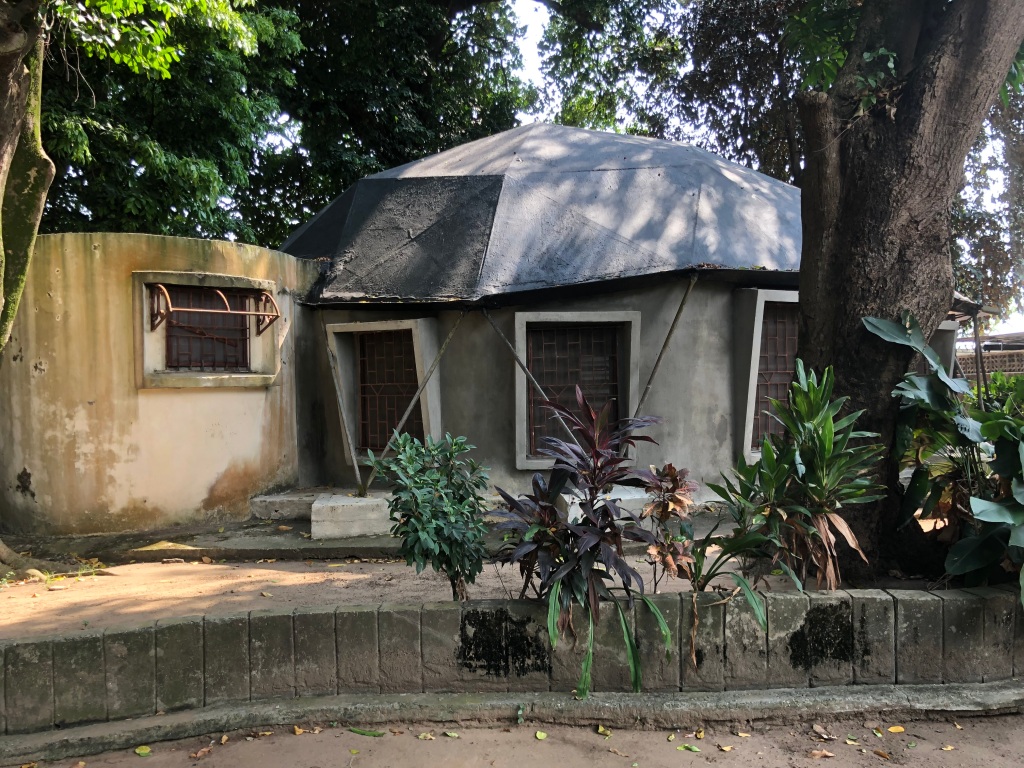
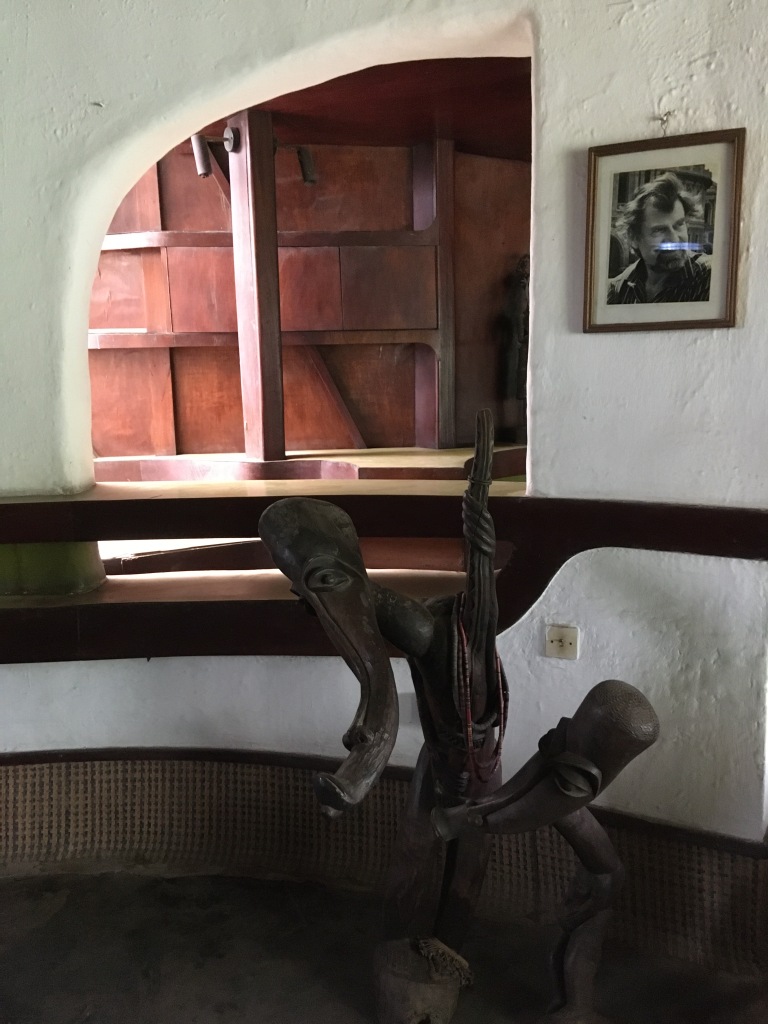
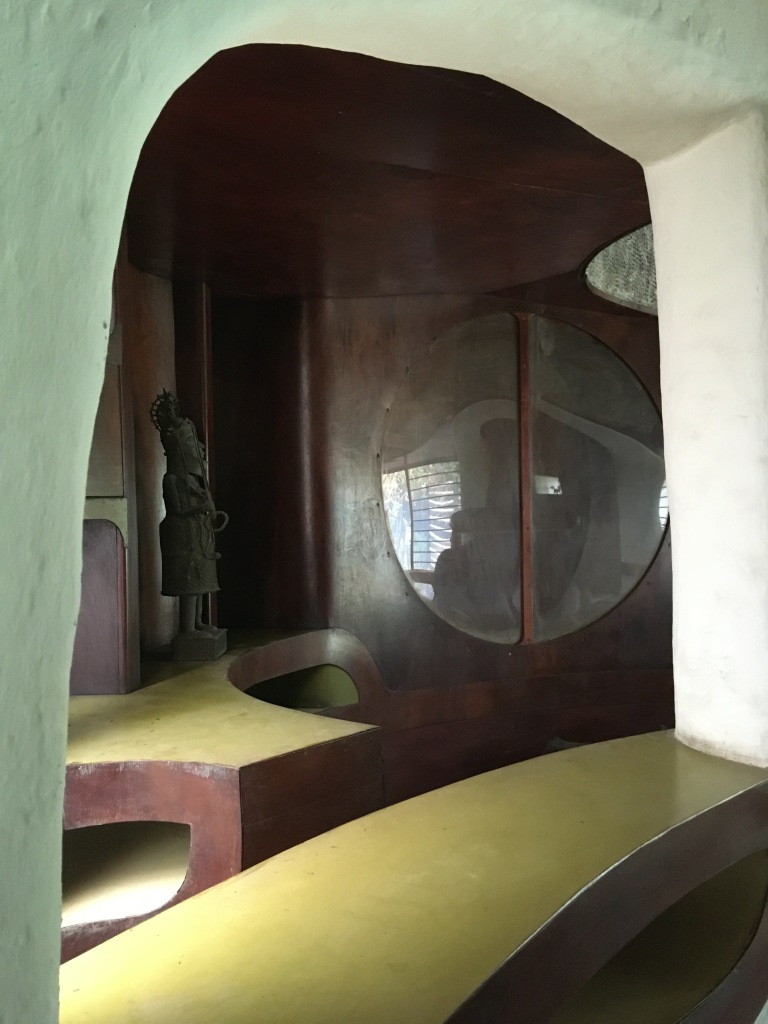
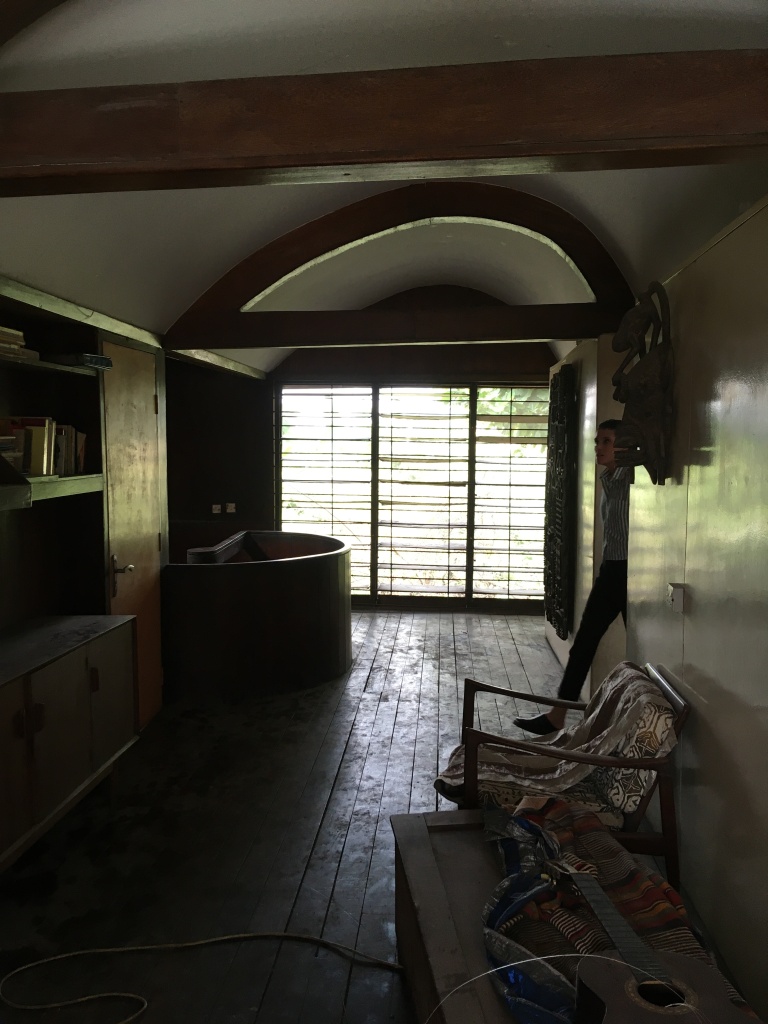
The house was originally planned as five interlocking circular rooms – responding to Yoruba housing forms. It contained a water feature, disco-lights, and a hardwood bar too. Set within the sweeping walls are built-in furniture, seating, storage and carefully curated spaces for art and sculpture. In section the light flows in from the roofscape, whilst also ventilating the passively cooled space. Vaughan-Richards collaborated with various artists and sculptors to produce door screens (one includes a carving of the house), furniture, and panels that feature in almost every space. A seating area cantilevers over the garden and once offered views over the lagoon beyond (now reclaimed land and gradually being built upon). The materials, natural ventilation, and careful positioning of the windows create delightful interiors with views out over the landscape and the giant trees that are home to African Greys. The house is a compact and modest scale with a refreshing lack of pretensions.  It was gradually extended by Vaughan-Richards to accommodate his growing family and a new floor was added above.

Outside the main property is a geodesic domed room providing additional visitor space and also used for exhibitions and events.

Vaughan-Richards designed many buildings across Nigeria. He really deserves a monograph dedicated to his important work. We also visited King JaJa hall at Unilag that was designed by Vaughan-Richards.

Thank you to Remi Vaughan-Richards for allowing us to visit the house and to Oluwaseyi Akerele for showing us JaJa and the campus.

UNILAG – The Central Core

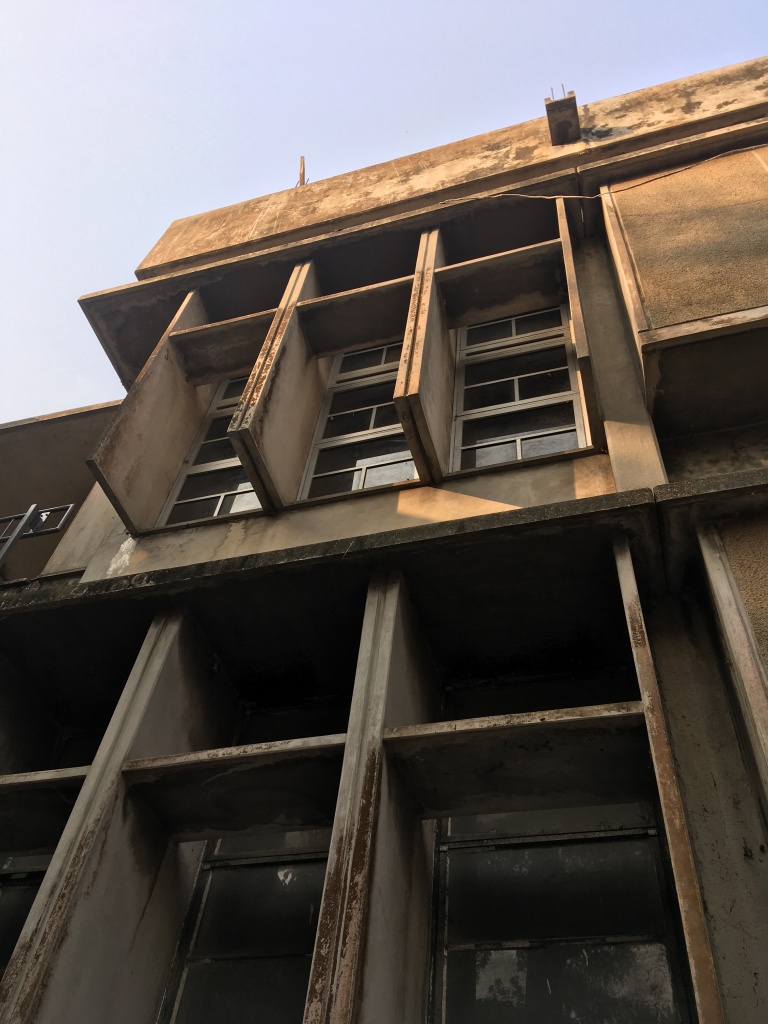
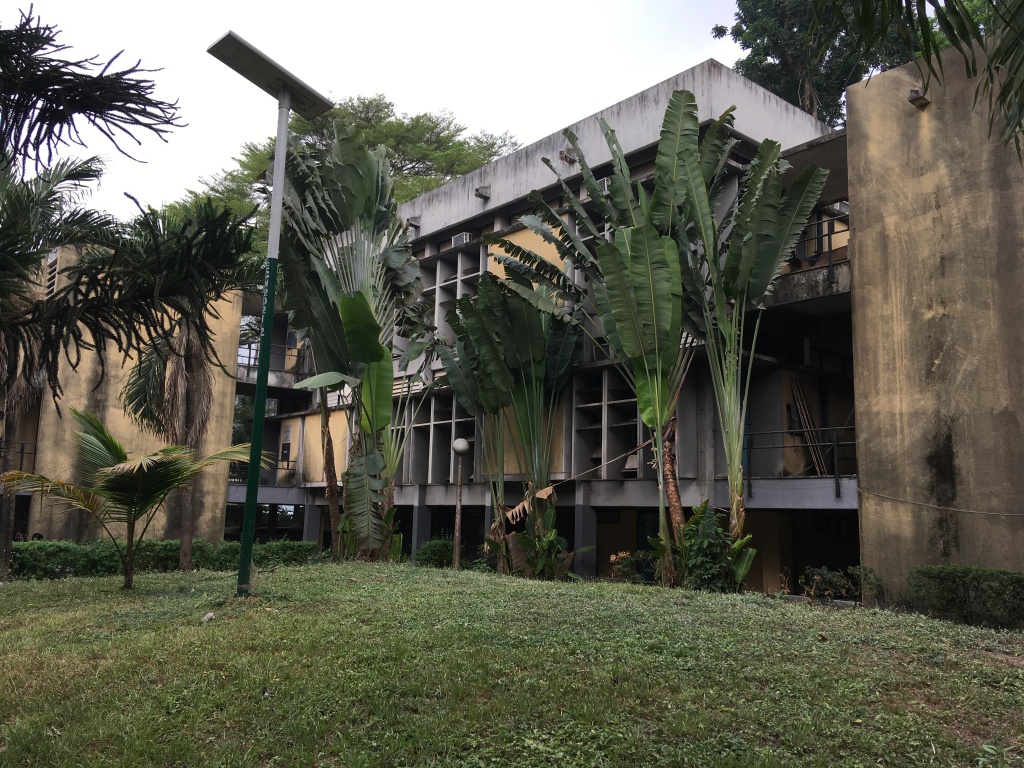
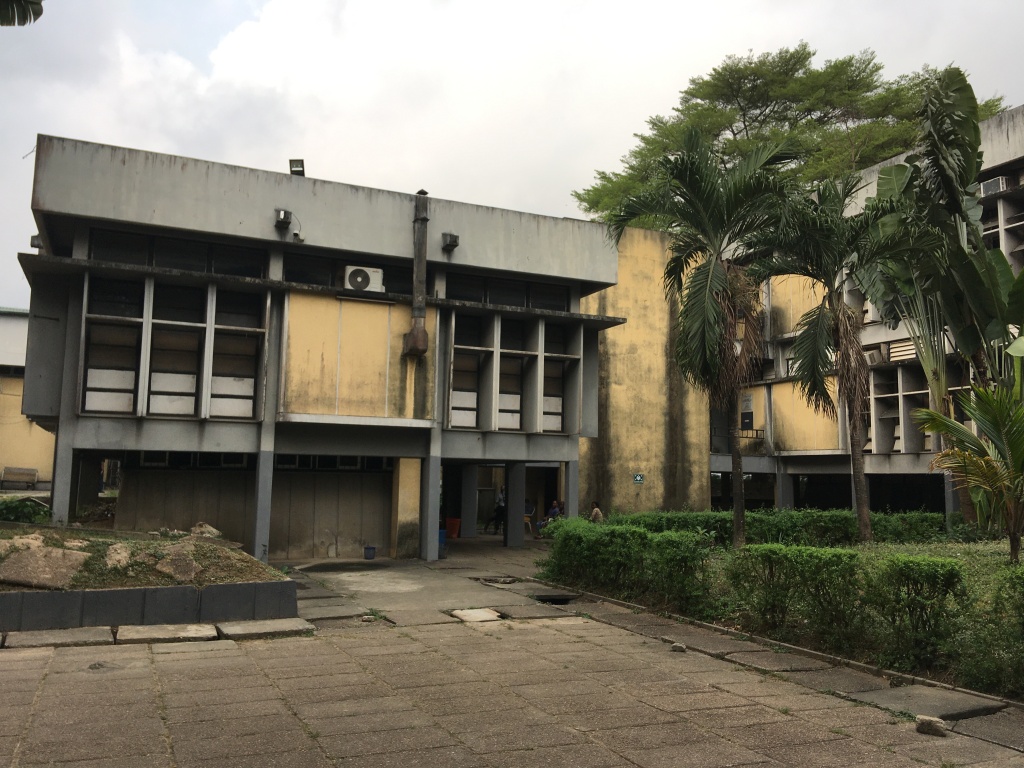
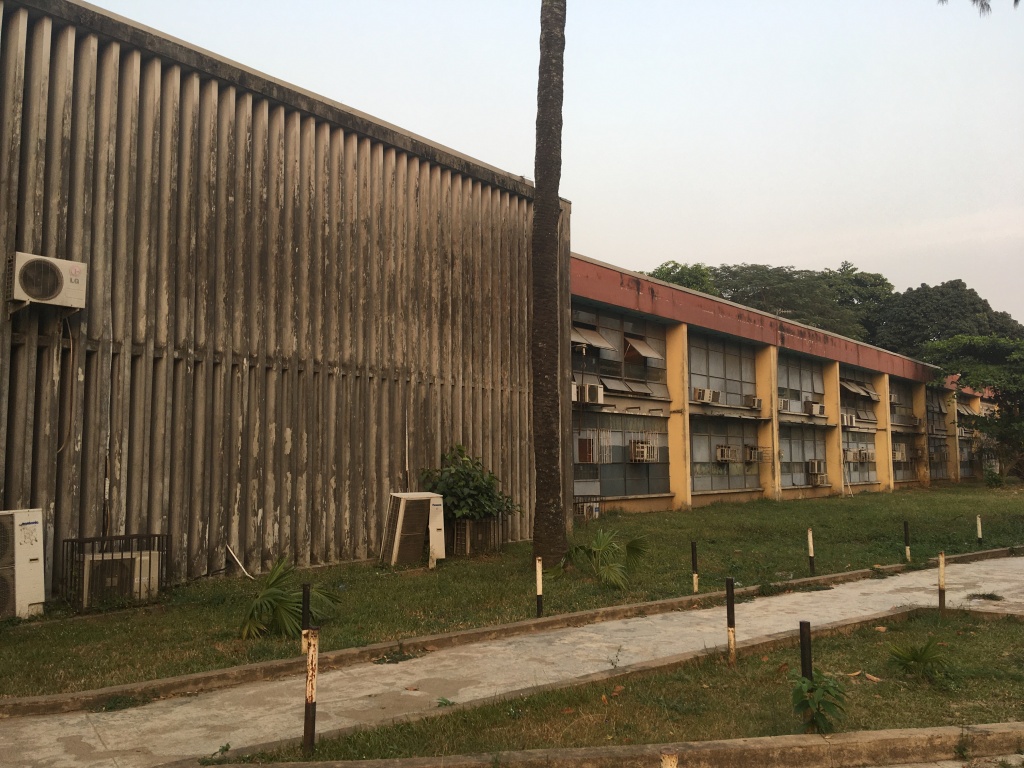
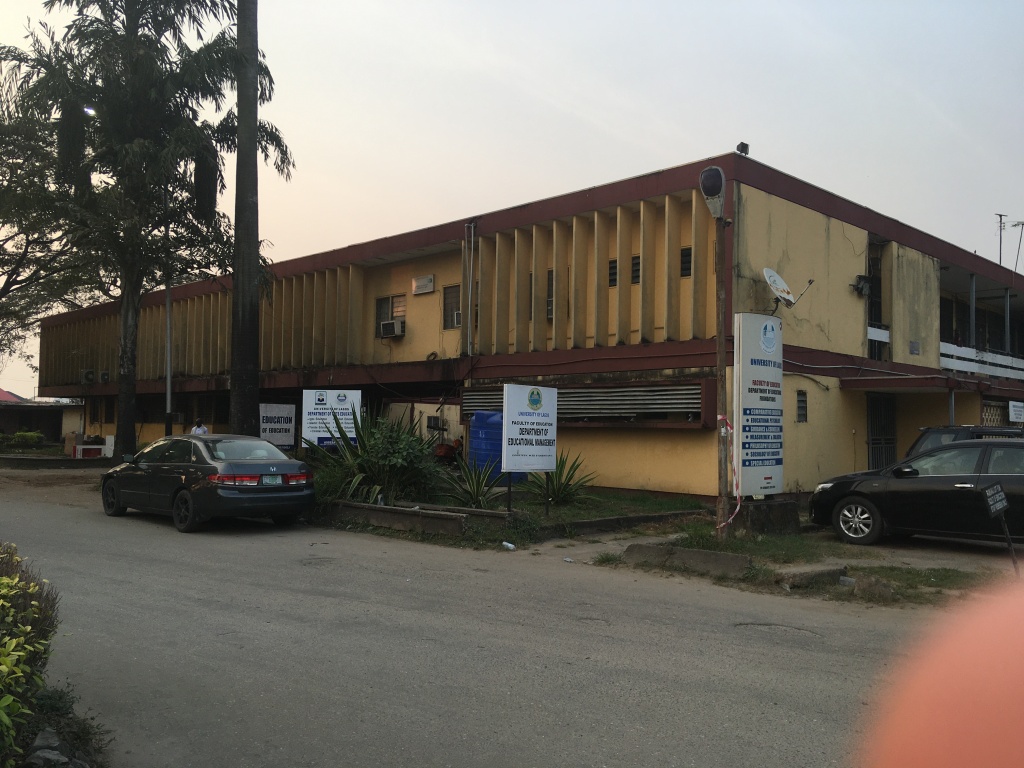
The University of Lagos, located in Akoka district of the city, was established in the early 1960s to provide a new centre of learning for the city. The campus and its significance is currently being researched  by Adefola Toye as part of her PhD investigation, and she’s recently published an introductory article in the latest Docomomo special edition too).

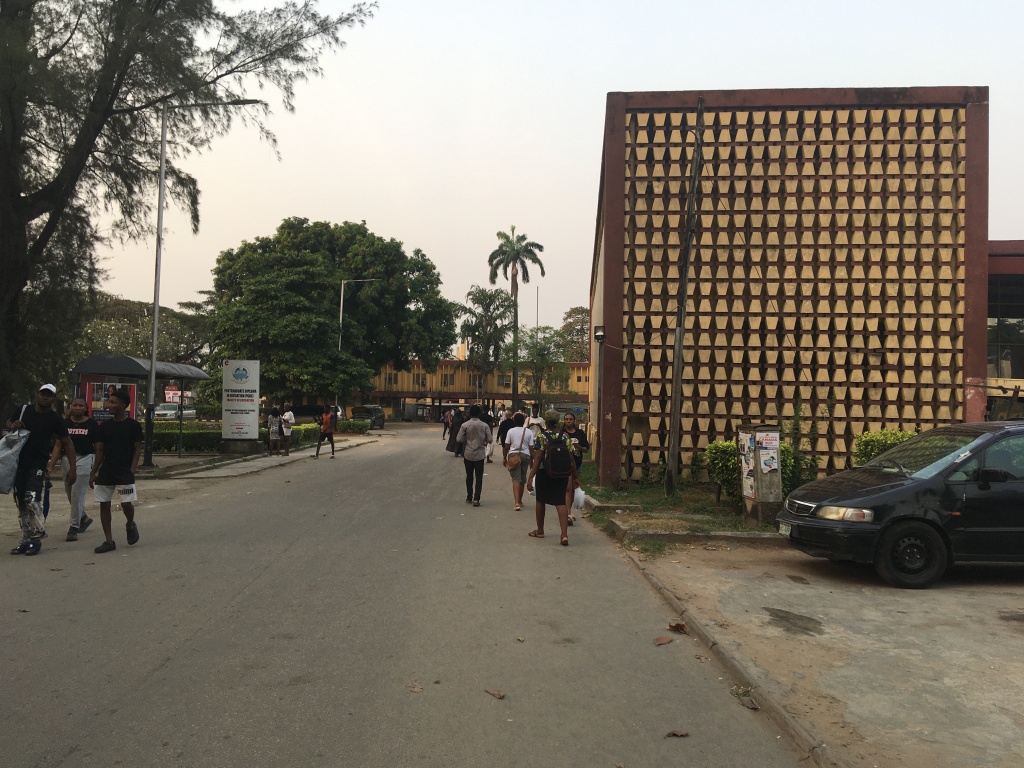
We spent the morning walking around the campus, and this was the first quality that resonated – it is walkable. It’s also more integrated into its urban context – rather than isolated on a remote hilltop like so many other universities in the region. Equally, there are tranquil elements and solitude, especially along the waterfront overlooking the lagoon. 

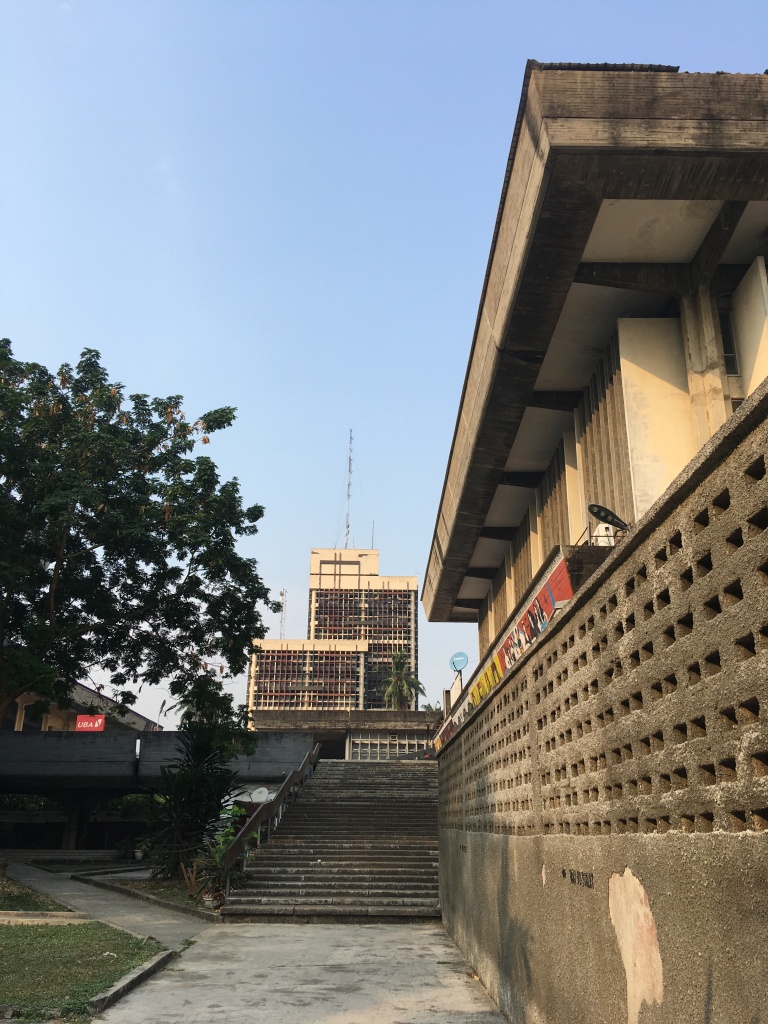
The central core is overlooked by Senate House tower and podiums designed by James Cubitt architects in the 1980s – all of the familiar brise soleil and double-skin façade motifs but extruded, layered, and clad in mosaic tiles. The brise soleil are actually hollow forms with a thin layer of cement and mosaic. There’s the classic Cubitt curved concrete motif (as seen on the Elder Dempster buildings in Lagos and Freetown).

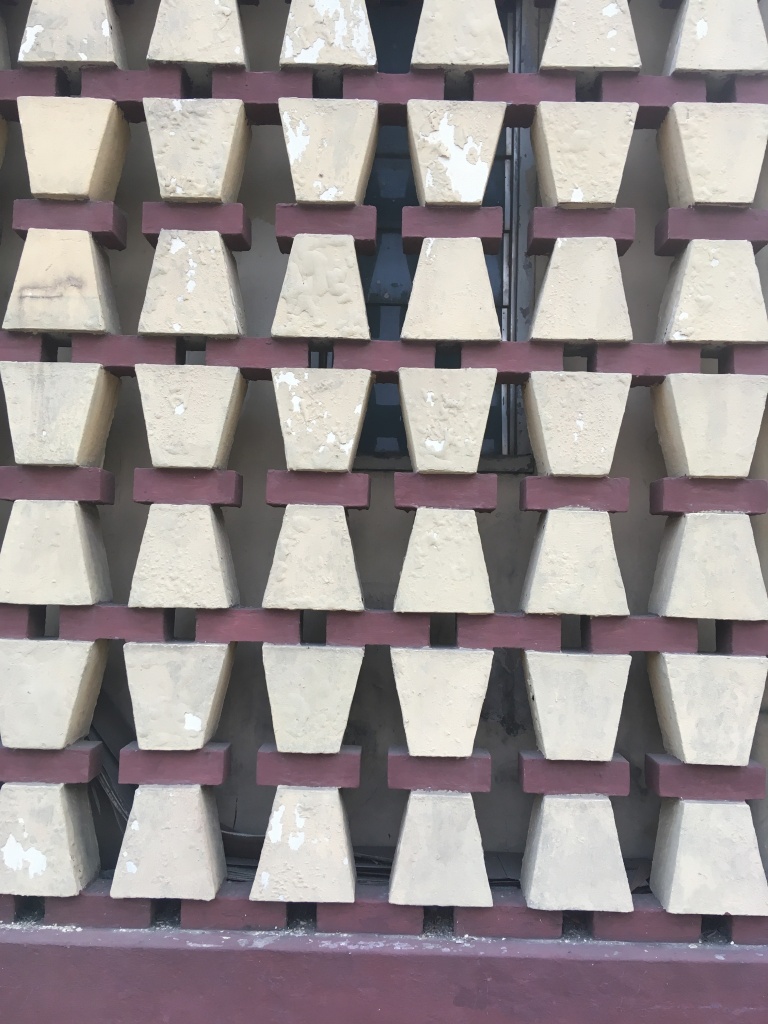
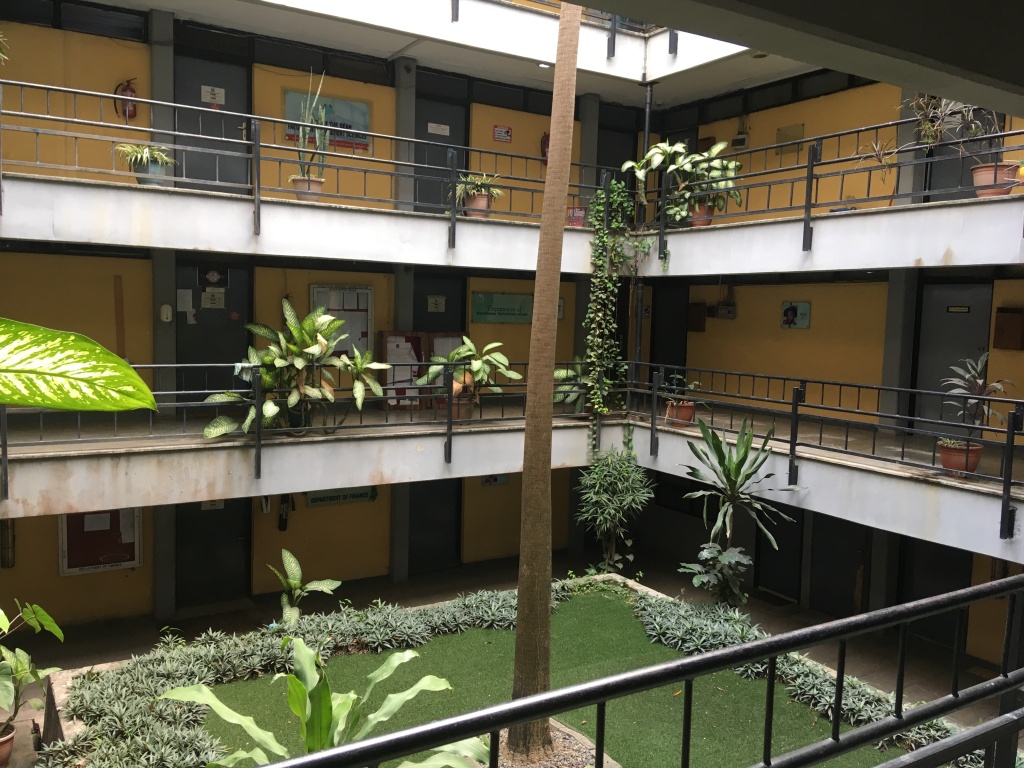
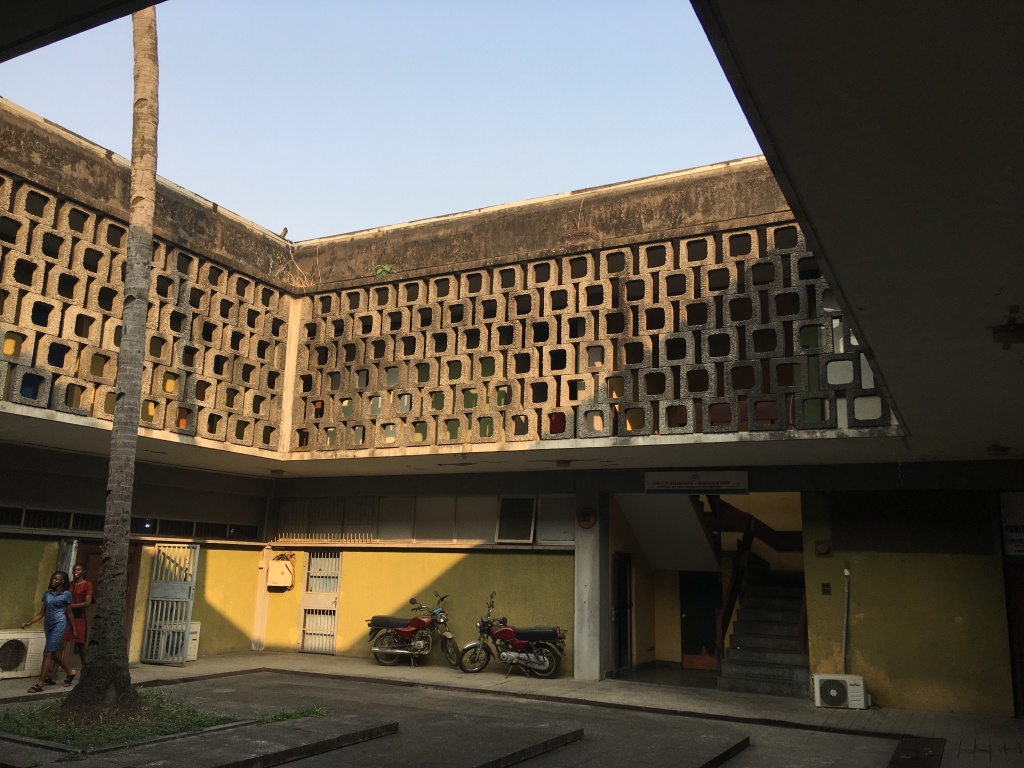
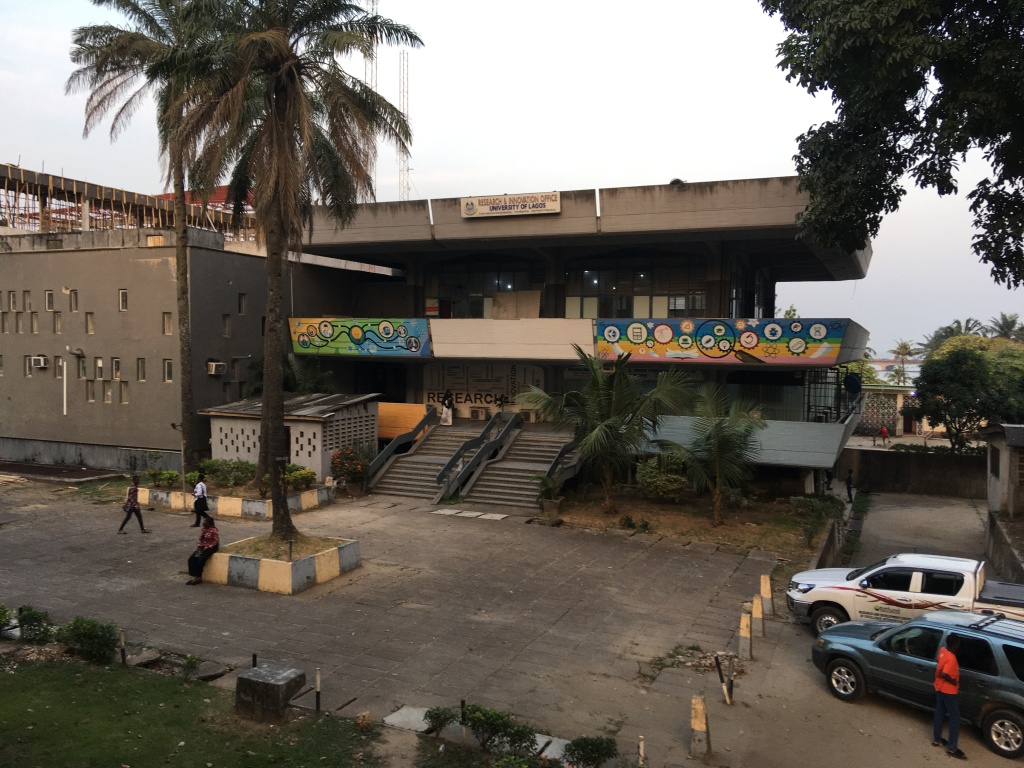
Senate House faces into the plaza-precinct of the university, and here the campus responds to the landscape – both reacting the gradient that leads to the lagoon beyond, and as a man-made series of platforms, routes, and under crofts. It’s a space that has been crafted to catch the lagoon breeze and designed for gatherings, ceremonies, performances, and spending time with friends. The core campus buildings, designed by American practice Robert S. McMillan Associates in the early 1960s, overlook and enclose the space, including the university library and council chamber drum. They’re not forming a street but more of a town square. The administrative buildings are also here, located within a protective shaded courtyard and solitary palm tree. The scale shifts from the large public space into a much more intimate enclosure. The concrete former is expressed on all these buildings to reveal the timber grain, expertly cast into projecting scooped forms, parapets, and balustrades. There’s a heavy, confident, solidity to the composition of the facades. The horizontal soffits of the roofscape frames the visas, respond to the multi-level precinct feel, and are adequately matched with the vertical window bays and concrete fins. The sombre materiality of the ubiquitous concrete is relieved with unexpected blasts of colour, such as the gold mosaic on the J F Ade Ajayi Auditorium.

Erhabor Ogieva Emokpae (1934-1984) and the timber carving at Unilever

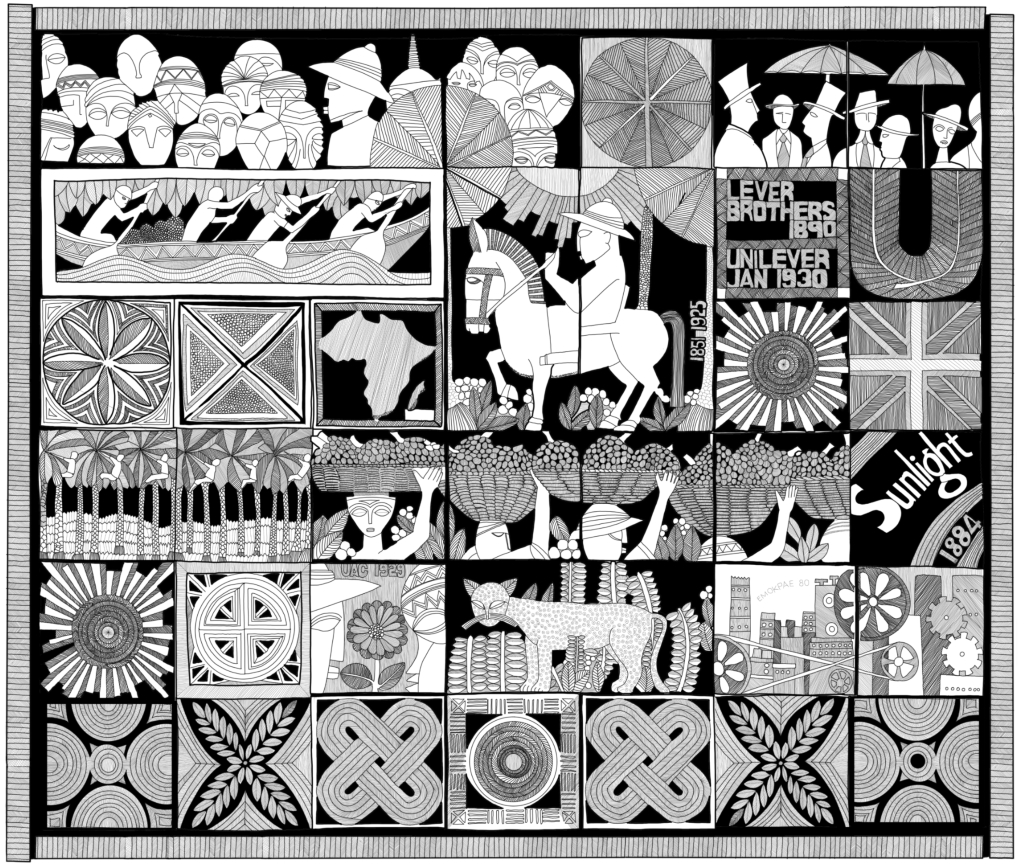
The largest item in the Unilever archive at Port Sunlight is a carved timber mural by the Nigerian artist Emokpae. Stretching to over 4m x4.5m and made up of 35 individual panels, it depicts the story of palm oil harvesting and the production of palm oil.

The panels also show William Lever visiting Africa and his famous Sunlight soap brand. It’s a vast piece of history and story telling revealing that behind ever bar of Sunlight soap was a vast system of extraction, production, logistics, and international trade stemming from Western Africa. The work was commissioned for the refurbishment of Unilever House in London in 1979. As well as being an influential and important artist Emokpae was a Creative Design Director for the design agency Lintas (also one of Unilever’s subsidiary companies).

I produced a measured drawing of the carving to help me to study it more carefully and because it’s almost impossible to photograph the original work in a single frame whilst capturing the detail. Together with Unilever’s Global Head of Art, Archives, and Records Management Claire Tunstall, we began discussing using the drawing to produce an animation that would help to explain part of the work and also make it more accessible. We shared our ideas with the agency Stone and Glow and commissioned them to develop an animation based on our text, keyframes, and artistic direction. We’re delighted to be able to share this with you here and hope you enjoy it:

Have a look here for Claire’s article : https://www.archives-unilever.com/discover/stories/bringing-our-collections-to-life .

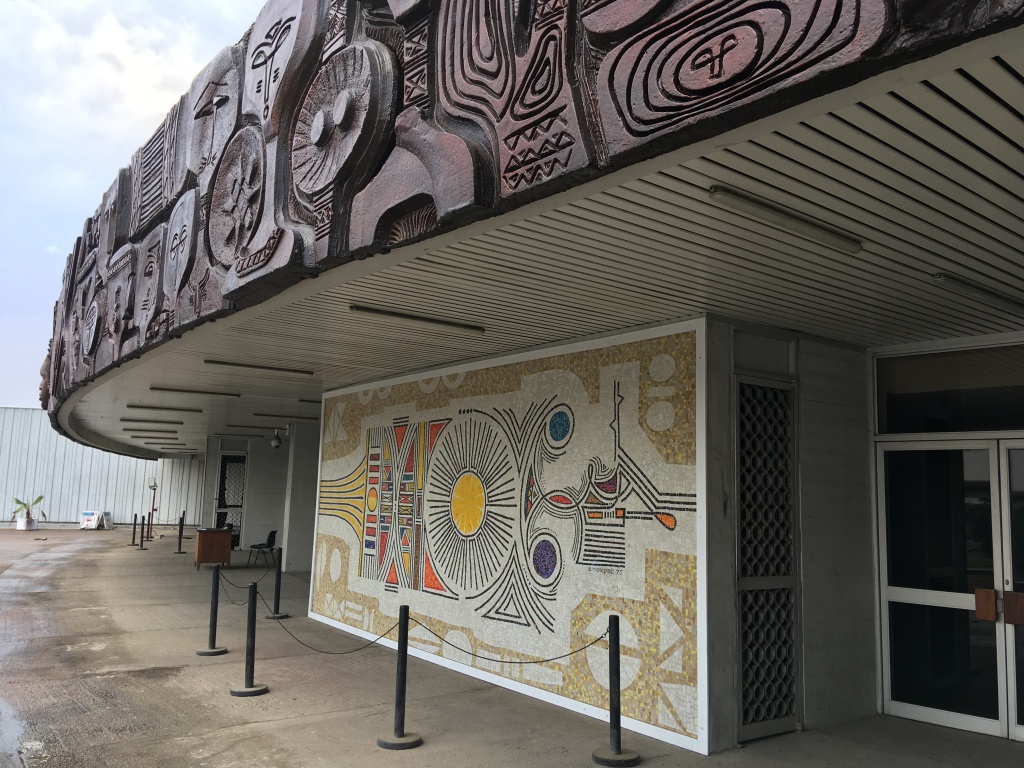
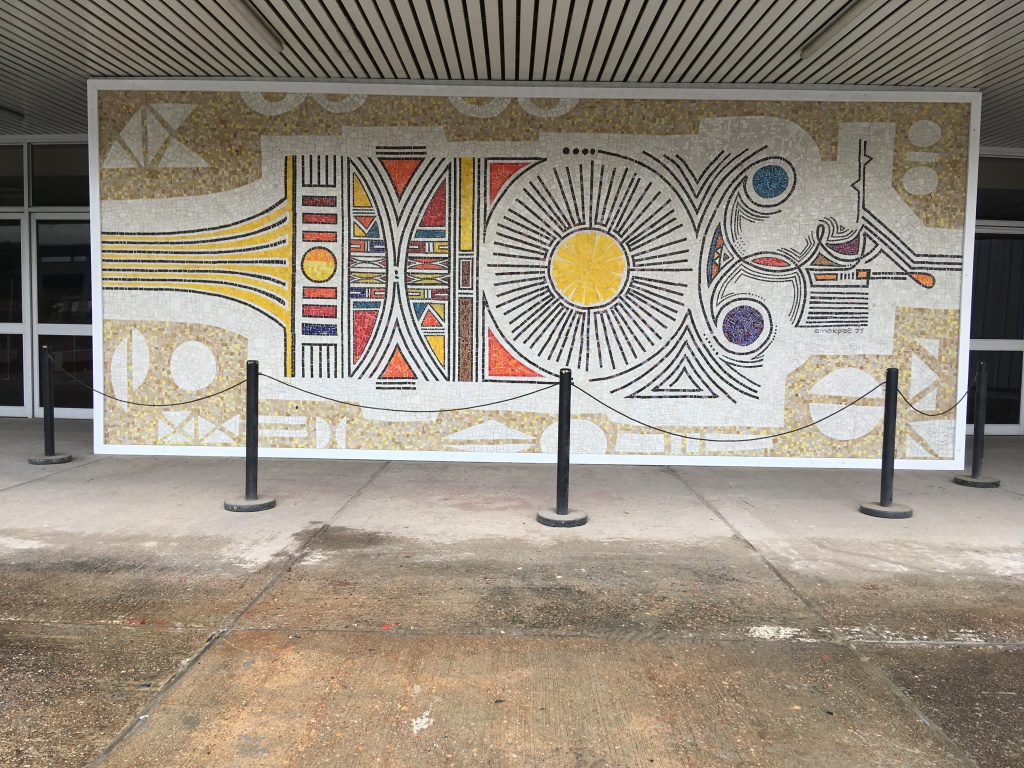
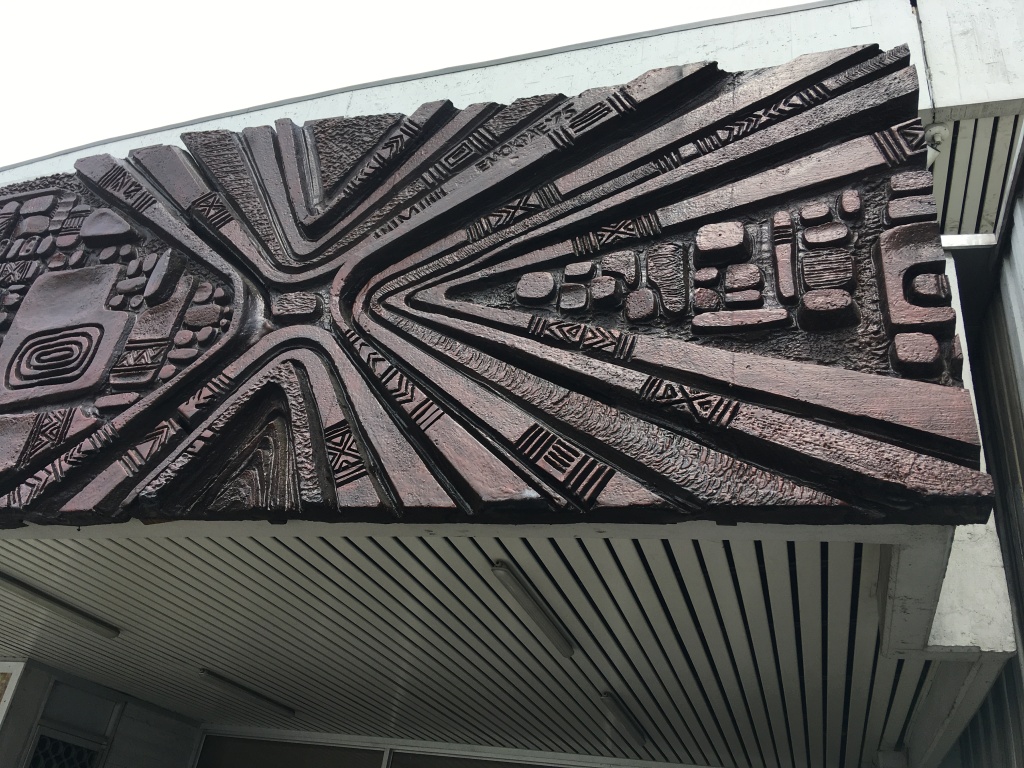
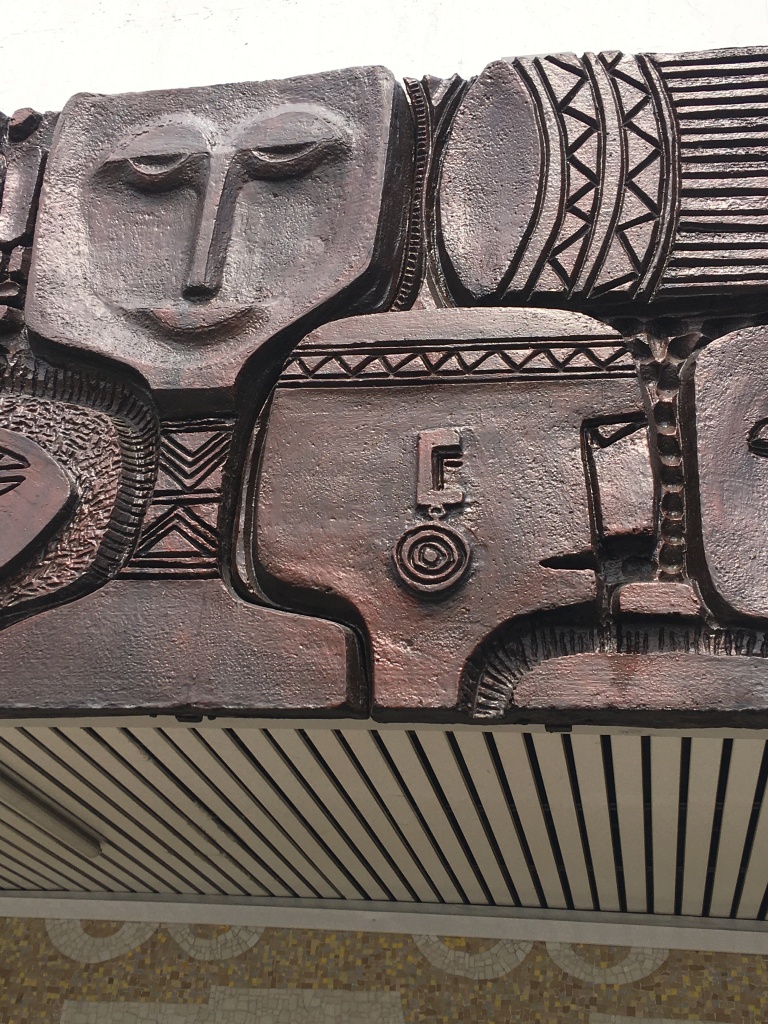
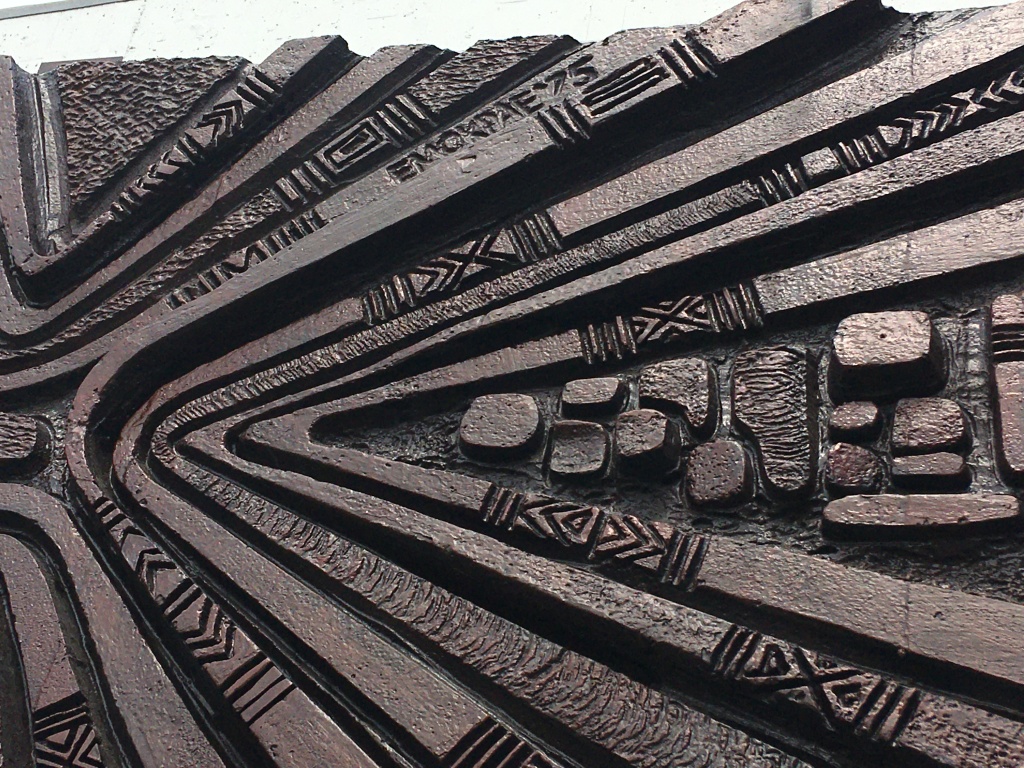
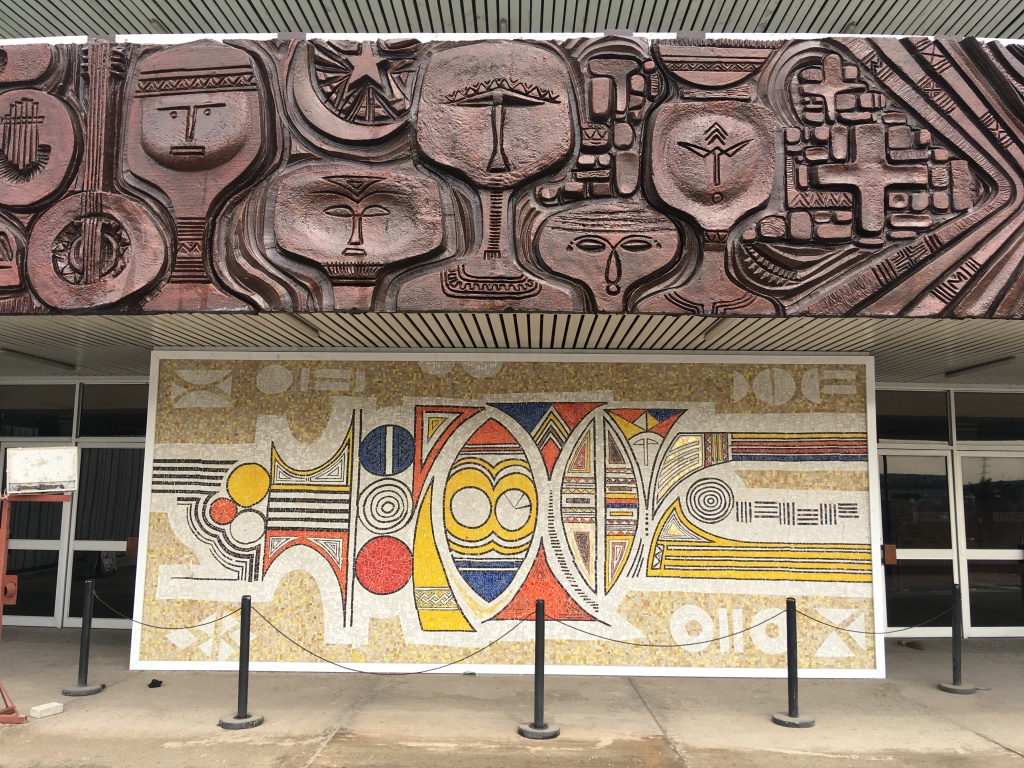
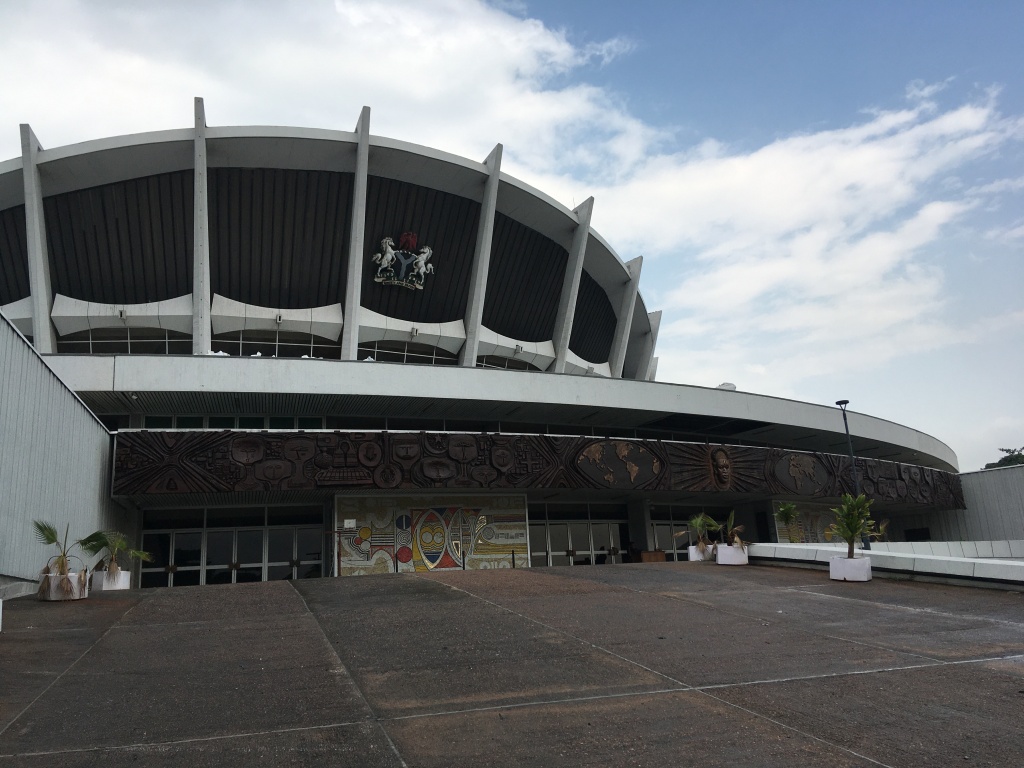
I wanted to know more about Emokpae’s work and found some fascinating material in the Nigeria Magazines. Emokpae had worked on some major projects in Lagos and I’ve been eager to view them ever since. At the National Theatre (designed and constructed by the Bulgarian Techno Exporstroy in 1976) Emokpae was commissioned to produce the friezes that wrap around the lower parapet of the theatre as well as a series of mosaic murals at the entrances.

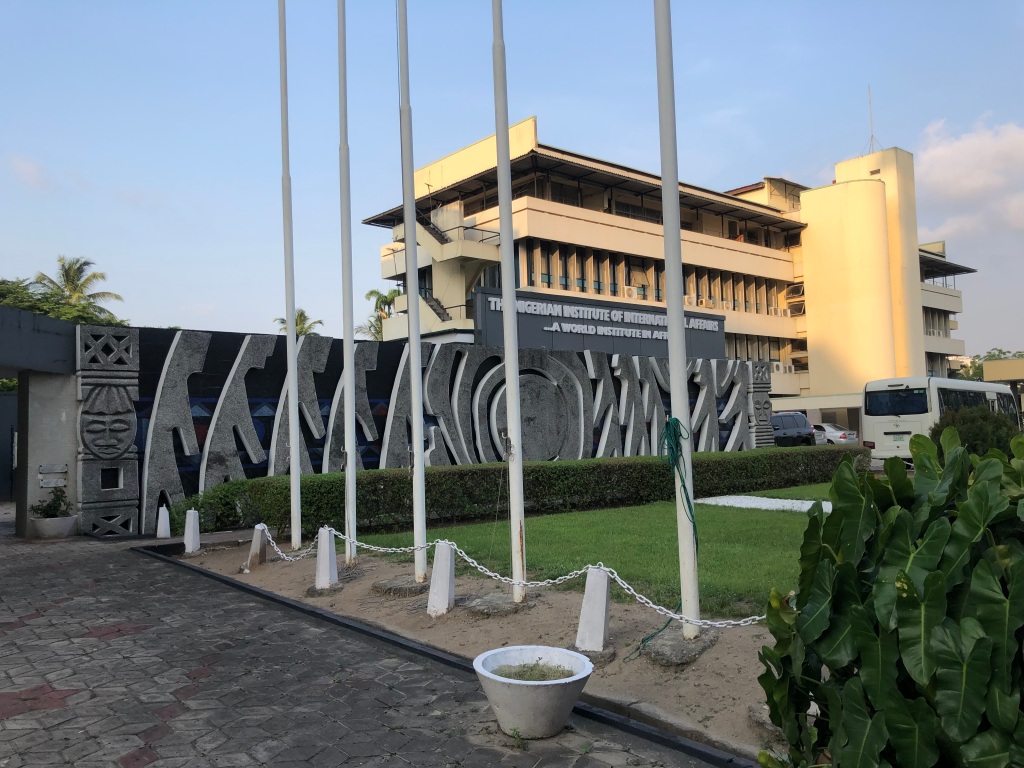
He also won a competition to design a concrete installation at the Nigerian Institute of International Affairs – a significant building designed by Design Group. Here Emokpae’s ‘The Art of Understanding’ is composed of a large concrete mural with mosaic backing. The project also featured in Nigeria Magazine no.96 1968 with an extended article written by Alan Vaughan-Richards.

We’ve written a short article on Emokpae too that will feature in the forthcoming https://www.aaschool.ac.uk/publicprogramme/whatson/as-hardly-found-in-the-art-of-tropical-architecture publication in 2024.

The AHUWA-Unilever Sponsored African Archives Collaborative Research Project 

Two days were spent on Merseyside at the Unilever Archive and then at the University of Liverpool with senior research historian colleagues from the Universities of Ghana and Lagos in Western Africa. Professor Sam Ntewusu, head of the Institute of African Studies at the University of Ghana, and Professor Ayo Olukoju, of the Institute of African and Diaspora Studies at the University of Lagos.

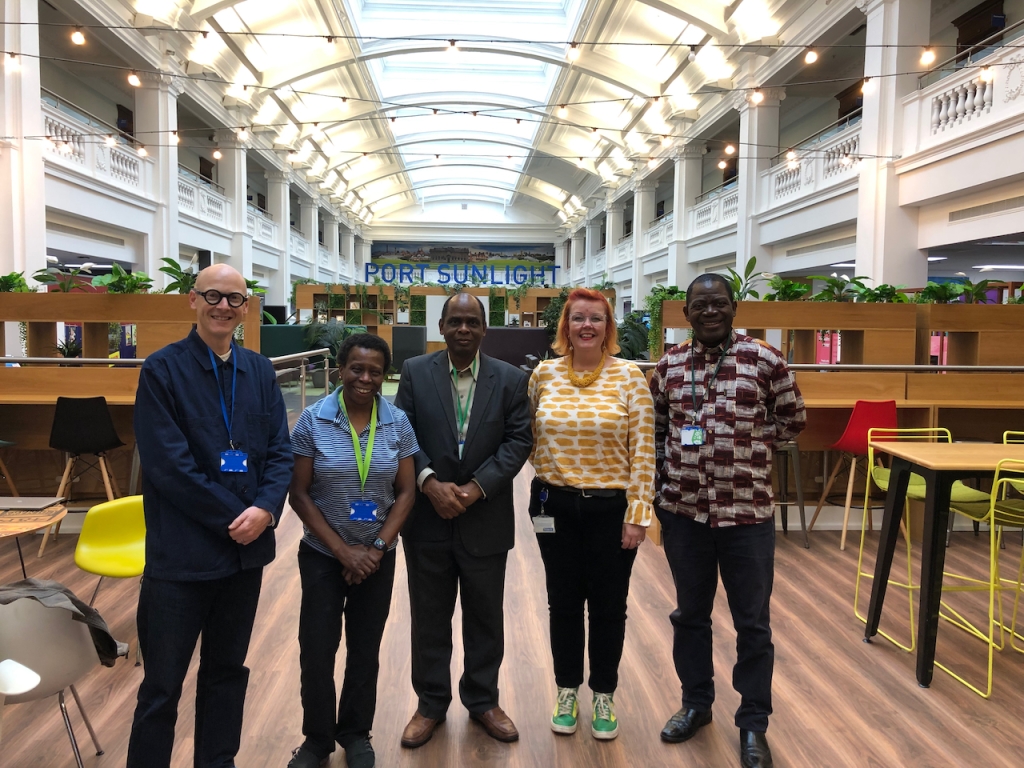
Iain Jackson, Ola Uduku, Ayo Olukoju, Claire Tunstall, Sam Ntewusu at Unilever, Port Sunlight

The objective of the visit was to visit and introduce Profs Olukoju and Ntewusu to the Unilever archive collection at Port Sunlight, particularly its subsidiary the United Africa Company’ (UAC)’s extensive holdings on Western Africa covering its various business interests in the region. The symposium which took place the next day involved presentations by Profs Olukoju and Ntewusu on the state of archives and archival research in West Africa, which was attended by Merseyside researchers and PhD students.


Professors Olukoju and Ntewusu at Unilever, Port Sunlight with bust of William Lever

The two-day visit also enabled discussions to be had about future collaborations at various levels, research, knowledge exchange capacity building at Masters degree level, and forms of impact for institutions in Western Africa and also the the UK and NW England in particular. Our thanks to all who contributed to the symposium. Particularly Claire Tunstall, and her team at the Unilever Archives, Dr Abraham Ng’an’ga of the Andrew Walls Centre, Liverpool Hope University, Alex Buchanan, Archival Studies, University of Liverpool History Department, Suzie Goligher, Afrograph Ltd, and all other individual and institutional contributors to the symposium. 

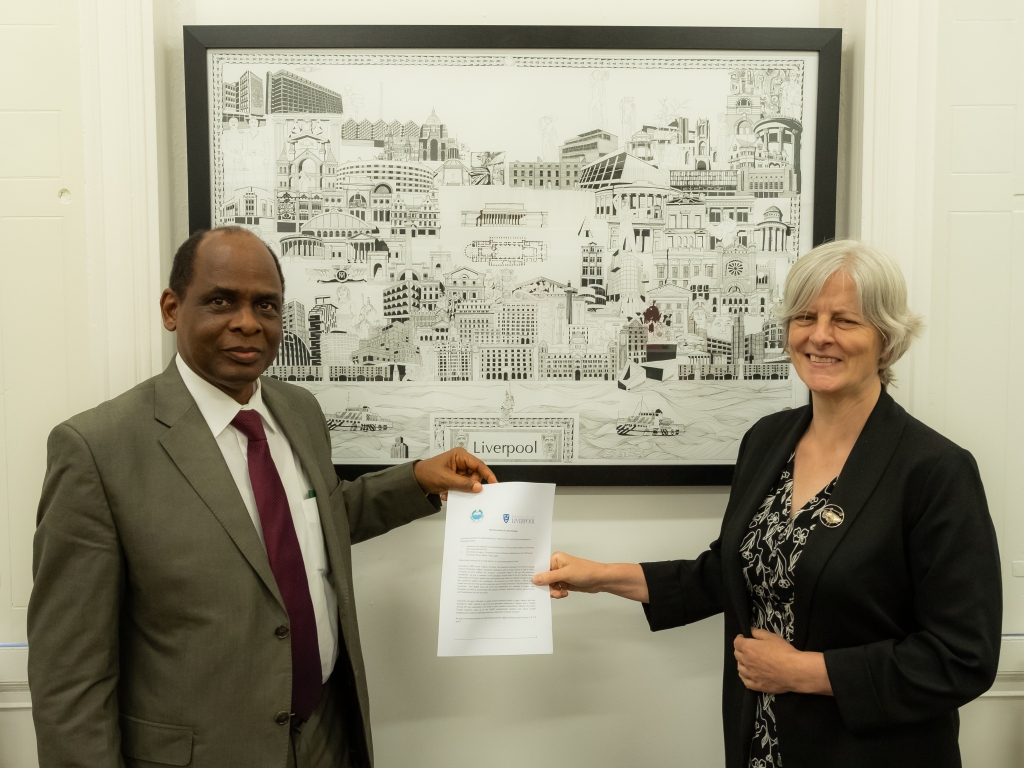
MoU signed by the University of Liverpool’s APVC for the Faculty of Humanities Professor Fiona Beveridge, and received by Professor Olukoju, on behalf of the University of Lagos

The visit also coincided with the finalised signing off of the Memorandum of Understanding which has now been established between the University of Liverpool and the University of Lagos. The formal MoU, was signed by the University of Liverpool’s APVC for the Faculty of Humanities Professor Fiona Beveridge, and received by Professor Olukoju, on behalf of the University of Lagos

Ola Uduku

Dr Christopher Turner co-curator of the exhibition watching film featuring Ola Uduku

Press Cuttings:

“La Biennale di Venezia and the V&A present Tropical Modernism: Architecture and Power in West Africa. Organised in collaboration with the Architectural Association (AA), London, and Kwame Nkrumah University of Science and Technology (KNUST), Kumasi, this presentation at the Biennale Architettura 2023 critically reflects on the imperial history of Tropical Modernism through an analysis of the work of the Department of Tropical Architecture and a dozen key projects. It explores the ways in which this distinctive architectural style was initially developed and employed as a tool to support colonial rule before being adapted by West African architects to promote the excitement and possibilities of the period that followed Ghana becoming the first sub-Saharan African country to gain independence in 1957.

Curated by Dr Christopher Turner (V&A) with Nana Biamah-Ofosu and Bushra Mohamed (AA), the Venice presentation in the Applied Arts Pavilion is centred around a multi-channel film installation featuring interviews with surviving protagonists and footage of remaining buildings. Responding to the theme of the 18th International Architecture Exhibition conceived by Director Lesley Lokko, who writes ‘Africa is the laboratory of the future’ in her curatorial statement for the Biennale Architettura 2023, the presentation also lays the groundwork for a larger exhibition scheduled to take place at the V&A in London in 2024.”
https://www.labiennale.org/en/architecture/2023/applied-arts-pavilion

Professor Henry Wellington being interviewed for the exhibition

V&A Museum

https://www.vam.ac.uk/articles/la-biennale-di-venezia-2023

AA

https://www.aaschool.ac.uk/news/aa-dip2-tutors-nana-biamah-ofosu-and-bushra-mohamed-curate-tropical-modernism-exhibition-at-the-venice-architecture-biennale-2023

Dwell

https://www.dwell.com/article/2023-venice-architecture-biennale-african-housing-designs-d93d743b

“Venice exhibition restores African architects to the story of Tropical Modernism”, Financial Times:

https://www.ft.com/content/5b5c1d86-6a53-4c42-9d15-d602231c0b1e

“This year’s Venice Architecture Biennale is brave, baffling, stimulating and essential”, Financial Times, https://www.ft.com/content/07014793-4753-40c5-8369-29db16295d75

Architects’ Journal, https://www.architectsjournal.co.uk/news/pick-of-the-pavilions-at-2023s-venice-biennale

Wallpaper*

https://www.wallpaper.com/architectture/v-and-a-s-tropical-modernism-venice-architecture-biennale-2023-italy

Tropical Modernism Exhibition at 2023 Venice Biennale

The Transnational Architecture Group is 10 year’s old this year. Thank you for supporting the blog and to all of our excellent contributors over the years for enriching the content and generously sharing their work. We’d also like to thank the communities in the places in which we work, the archivists and librarians for making material available to us and sharing their expertise, our respective institutions for supporting our research, and to the research funders who make travel, time, and resources available to us.
The blog started as a means to share our work-in-progress ideas and to promote events – and that is still at the core of what we do. We continue to add updates from our ventures into the archives, travel reports, and to share interesting events and innovative papers. These small reports and updates have compounded into something of a large resource and repository, and we’re delighted so many people have been able to make good use of (and to correct and expand upon) our work and attempts at writing these histories.

To celebrate the 10 year anniversary we held a small gathering at the Liverpool School of Architecture on Wednesday 8th March, curated and organised by Dr Alistair Cartwright. Our speakers were all PhD students, post-doctoral researchers, and research associates at the school. You may watch the proceedings here:

https://stream.liv.ac.uk/fkzj2h9j

The speakers and titles of the presentations are below, with timings if you’d like to skip to a particular talk:

Rixt Woudstra, “Sapele and Samreboi: Building Company Towns in British West Africa” 5:25

Excy Hansda, “Indigenous Modernities in the Twentieth Century Architecture of Bombay” 20:00

Adefola Toye, “Tropical Modernism in Nigeria’s First Universities: Accessing Sources Beyond the Archives.” 37:00

Ewan Harrison, “Planning for Post/Neo Coloniality: the Paramount Hotel in Freetown” 1:11

Iain Jackson, “Erhabor Emokae and the curious case of the UAC Mural: tropical modernism and decorative arts” 1:31

Daneel Starr, “How and why has the vernacular architecture and intangible cultural heritage of the Akha people changed in the face of globalization: Using the village of A Lu Lao Zhai, Xishuangbanna (sipsongpanna) China, as a case study.” 1:50

Paul Robinson, “Freetown, the UAC and urban design” 2:20

Alistair Cartwright, “Ecologies of Vulnerability: Post-Cyclone Reconstruction in Mauritius, c. 1945” 2:35

We also heard an excellent paper from Razan Simbawa, “The Effects of Demolish-based Urban Regeneration on Displaced Residents in Jeddah, Saudi Arabia” – which cannot be shared on the video recording at the moment.

Thank you again to all of the speakers for their wonderful talks, presentations, and work-in-progress. There was such variety and richness in the topics and methods, and at the same time numerous connections and cross-overs between the work.

Please do get in touch if you’d like to know more, or to share your work on the blog.

We have recently established a new research centre, based at the Liverpool School of Architecture called Architecture, Heritage, and Urbanism, in West Africa (AHUWA): https://ahuwa.org/
We’re hosting a launch event and would be honoured if you could join us on Tuesday 13th December, 3-5pm at the Arts Library, 19-23 Abercromby Square, Liverpool University for tea and cake.
 
Friends and colleagues from all of the North-West’s major collections, repositories, and archives with material on West Africa have been invited, and we’re excited to share ideas and build up new networks across the region and beyond.

If you could register here we’d appreciate it, and look forward to seeing you on the 13th. We’ll have an informal presentation at 3:30pm – please do come along and stay as long as you’re able. We’ll be on Zoom too from 3:30-4:00pm if you’d like to join us virtually for the presentation.