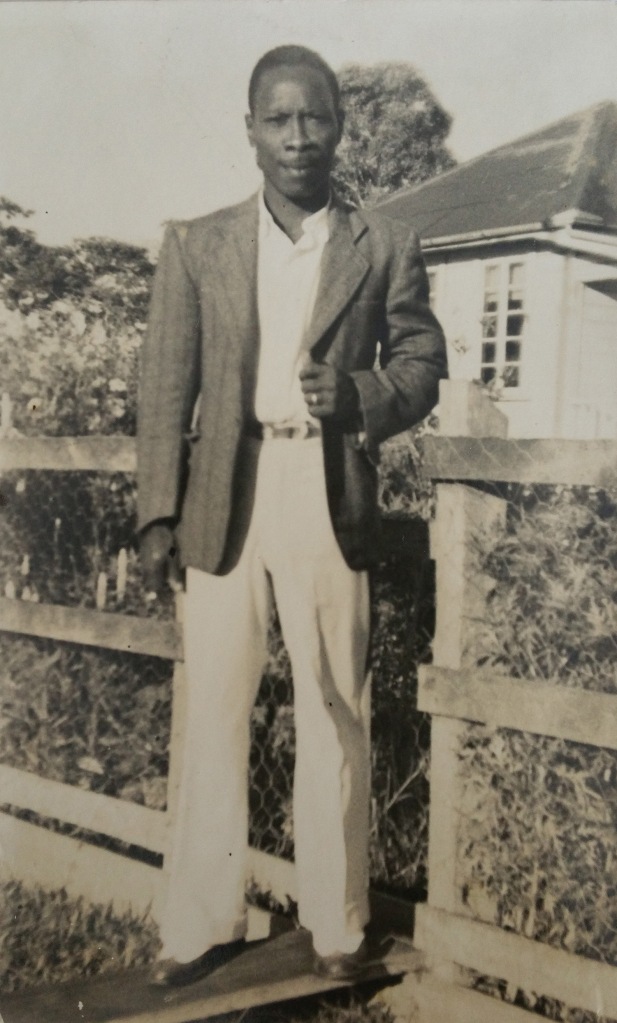
Charles Eric Wilkinson, late 1940s in British Guiana. Source: Michelle Joan Wilkinson.
My grandfather, Charles Eric Wilkinson, was a black architect-builder involved in major government-sponsored building and infrastructure projects in British Guiana from the 1930s to the 1970s. I place Wilkinson’s built work and its surviving archive of bookkeeping ledgers, letters, photographs, and architectural drawings in conversation with material from national archives in Guyana and England, adding oral histories from family members. White architects stationed in British Guiana and the Caribbean reported back to England about the “skilled craftsmen” (carpenters and building contractors) that they observed. Based on family lore and archives, I question the interactions between the supposed foreign “expert” architects and the local builders, seeking to document this period more accurately through architectural work that has remained in the shadows.
Wilkinson’s concrete house in the late 1950s, before he added a concrete fence and bridge from the front yard. Source: Michelle Joan Wilkinson.
The backdrop to my research is the rise of foreign-aided, self-help building schemes in British Guiana in 1954, the same year that Wilkinson endeavored to build a concrete house for his family. British and US architects were involved in British Guiana’s planning and housing development work. Howard Mackey, a Black American professor at Howard University, was on a team contributing to the self-help project. This period of Britain transitioning its so-called dependencies to self-sufficiencies provides an important context for understanding the role that black builders would play in shaping the built environment of the (independent) nation to come.
Gifted buildings are potent mechanisms of geopolitical reshuffling, premised on an uneven power relation between giver and receiver. How do such exchanges shape cities in transition?
Frances Richard: You have been working for several years on ideas of the architectural gift, and have realized this research in a number of projects. To cite a few: an exhibition you’ve co-organized with Damjan Kokalevski called “The Gift: Stories of Generosity and Violence in Architecture” recently opened at the Architectural Museum in Munich. In 2022, you were convener for a conference at the British Academy titled “The Gift of Architecture: Spaces of Global Socialism and Their Afterlives.” And your 2020 monograph Architecture in Global Socialism: Eastern Europe, West Africa, and the Middle East in the Cold War explores issues of international largesse and exchange — what you call “socialist worldmaking.”
Housing project for Libya, designed by Romproiect (Romania), 1980s. The design and construction of buildings such as this were typically subject to barter agreements. [Arhivele Naţionale ale României, f. Romproiect, 7288]
A focus on architectural gift-giving affords new ways of thinking about the worldwide processes triggered by capitalist industrialization and colonial exploitation.
Would you talk about the parameters and findings of this research? What is the architectural gift, as exemplified in what kinds of sites? Why has the inquiry followed the trajectories it has?
Łukasz Stanek: Architectural gift-giving is embedded in a long tradition of imperial and religious donations of buildings. But my collaborators and I have been interested in its relationship to modern urbanism; in how a focus on architectural gift-giving affords new ways of thinking about the worldwide processes triggered by capitalist industrialization and colonial exploitation since the 18th century. In my book, the temporal frame is more restricted: I studied Cold War collaborations — often unequal — between architects, planners, and construction companies from socialist countries in Eastern Europe, and their counterparts in West Africa and the Middle East. The movement of labor, blueprints, and construction materials and technologies across these geographies shaped cities such as Accra, Lagos, Baghdad, Abu Dhabi, Kuwait City, and many others, from the 1950s to the 1980s. Gifted buildings were among the most visible interventions by means of which the Soviet Union, China, and other socialist countries both supported the newly independent countries, and hoped to achieve political leverage and economic gains. To cite a few examples: the National Assembly Building in Conakry, a Chinese gift to Guinea; the Kikwajuni housing district in Zanzibar, an East German gift; or the House of Culture and Youth Theatre Complex in Darkhan, a Soviet gift to Mongolia.
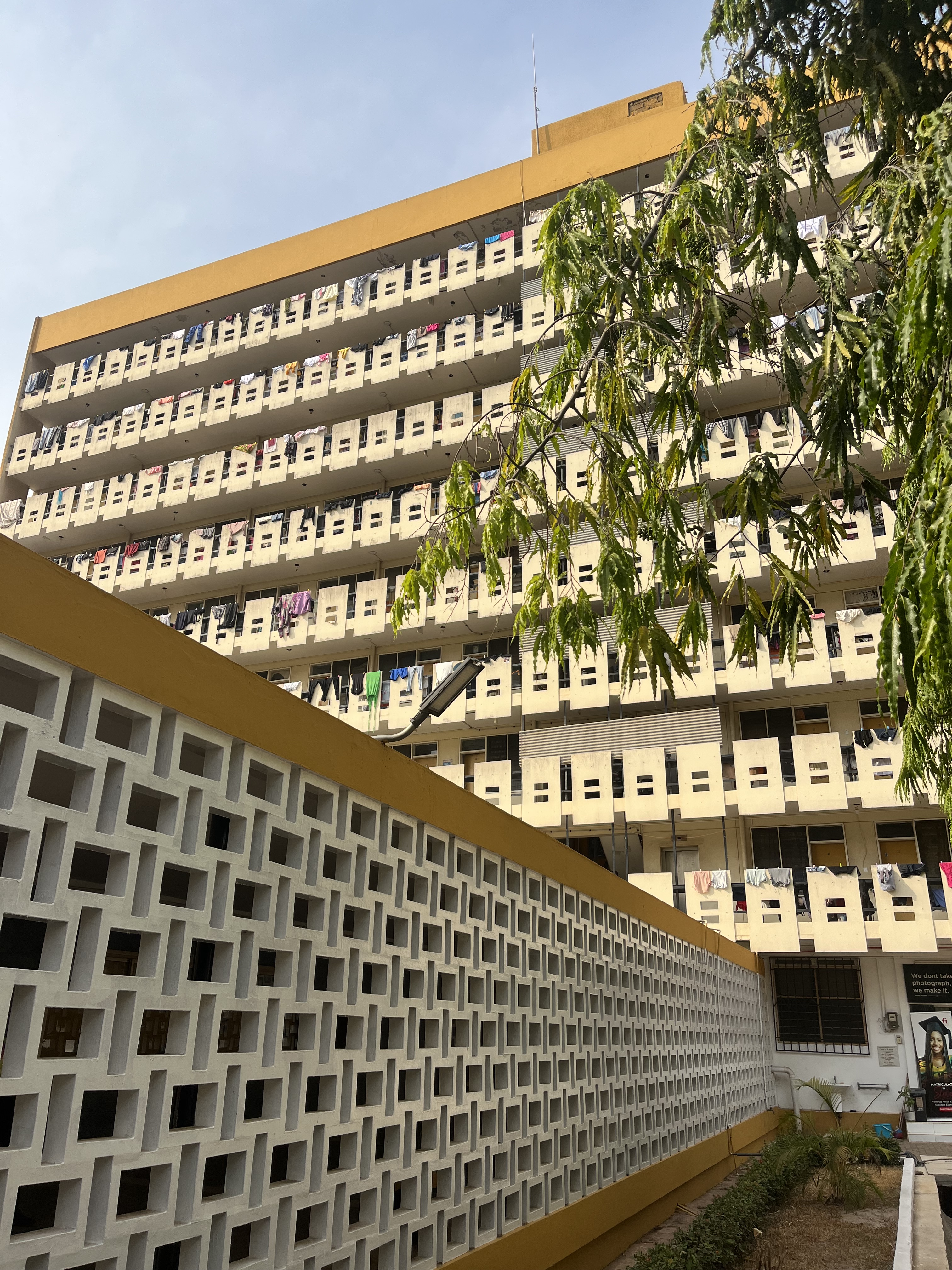
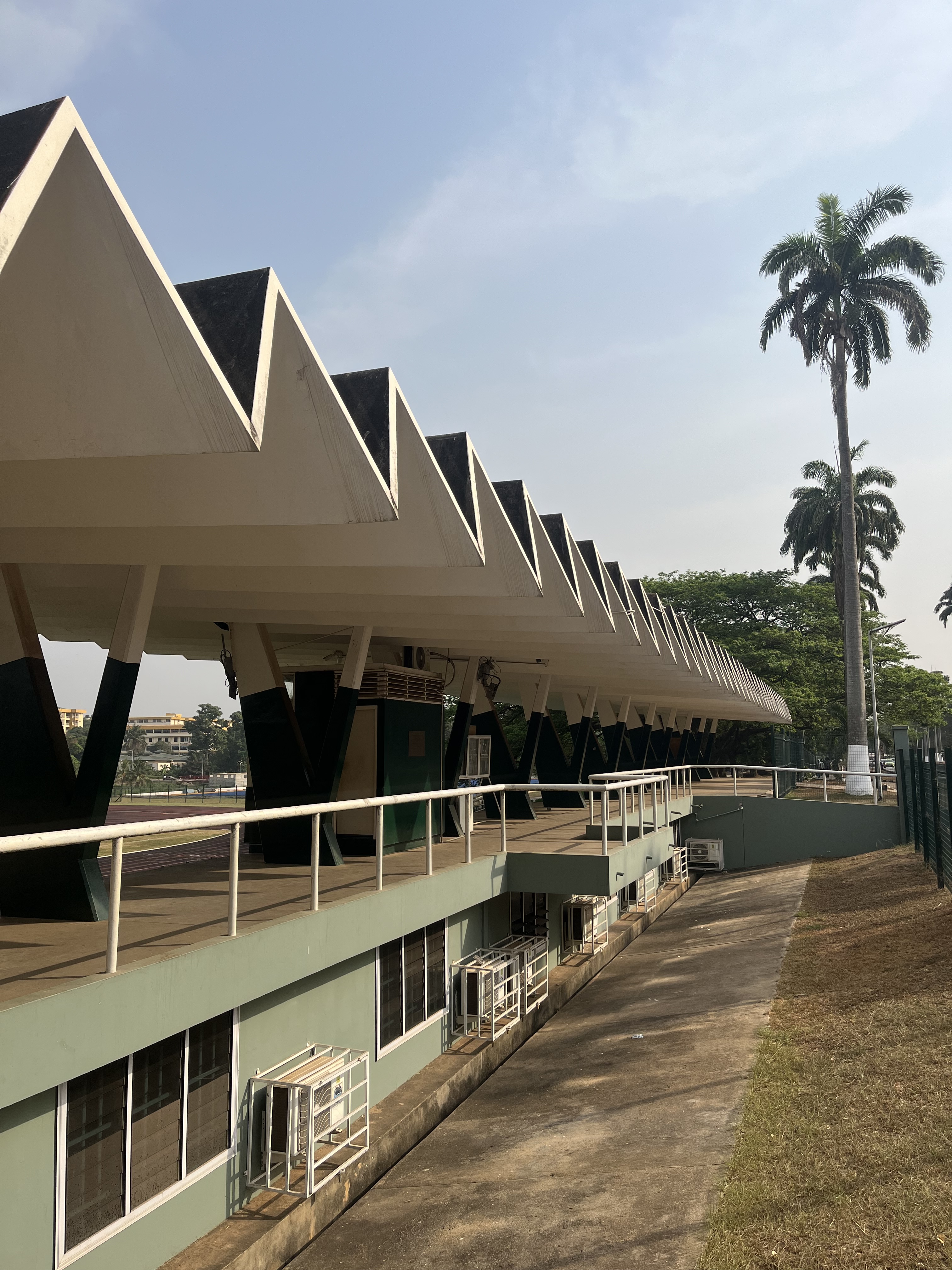
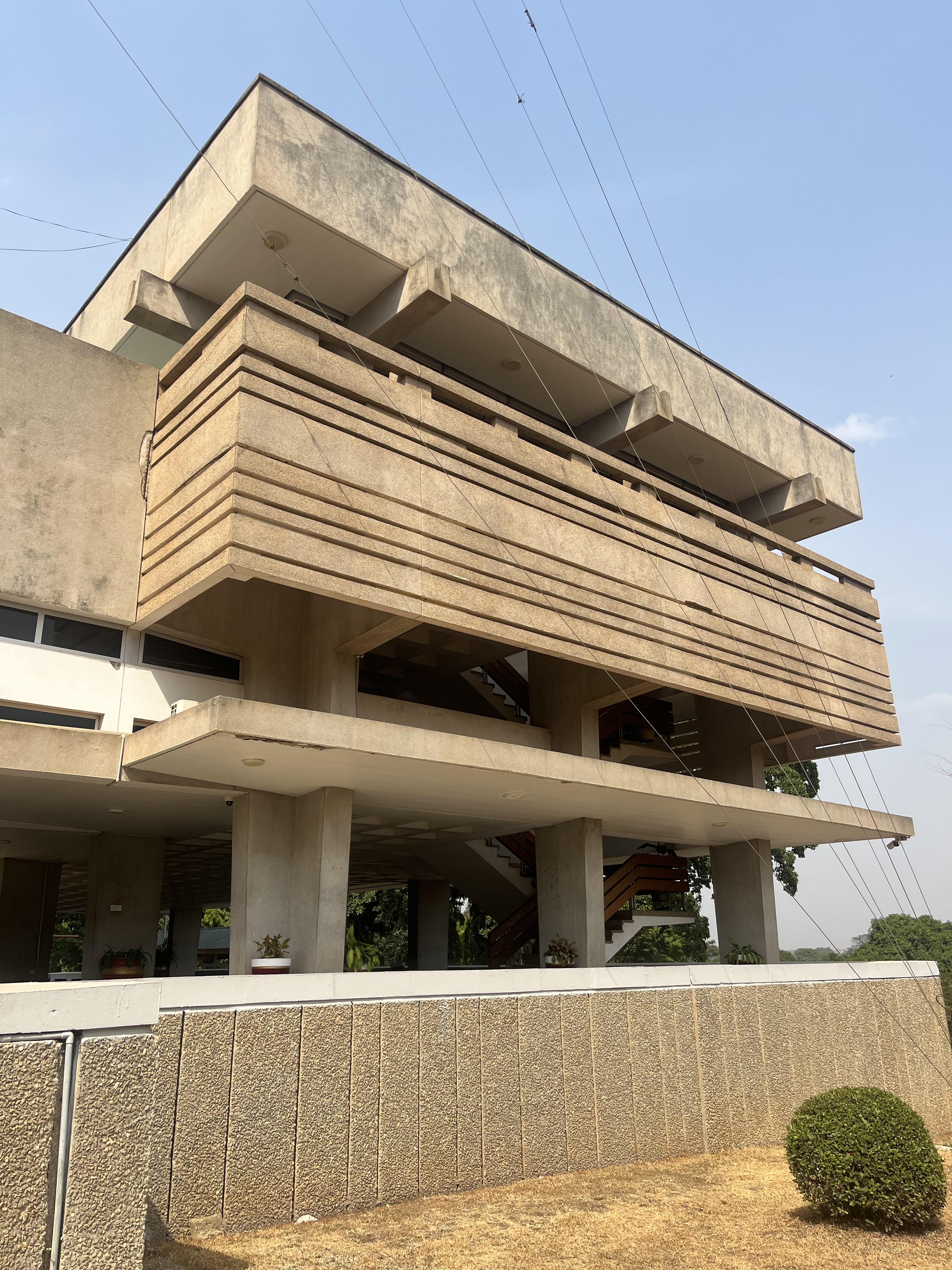
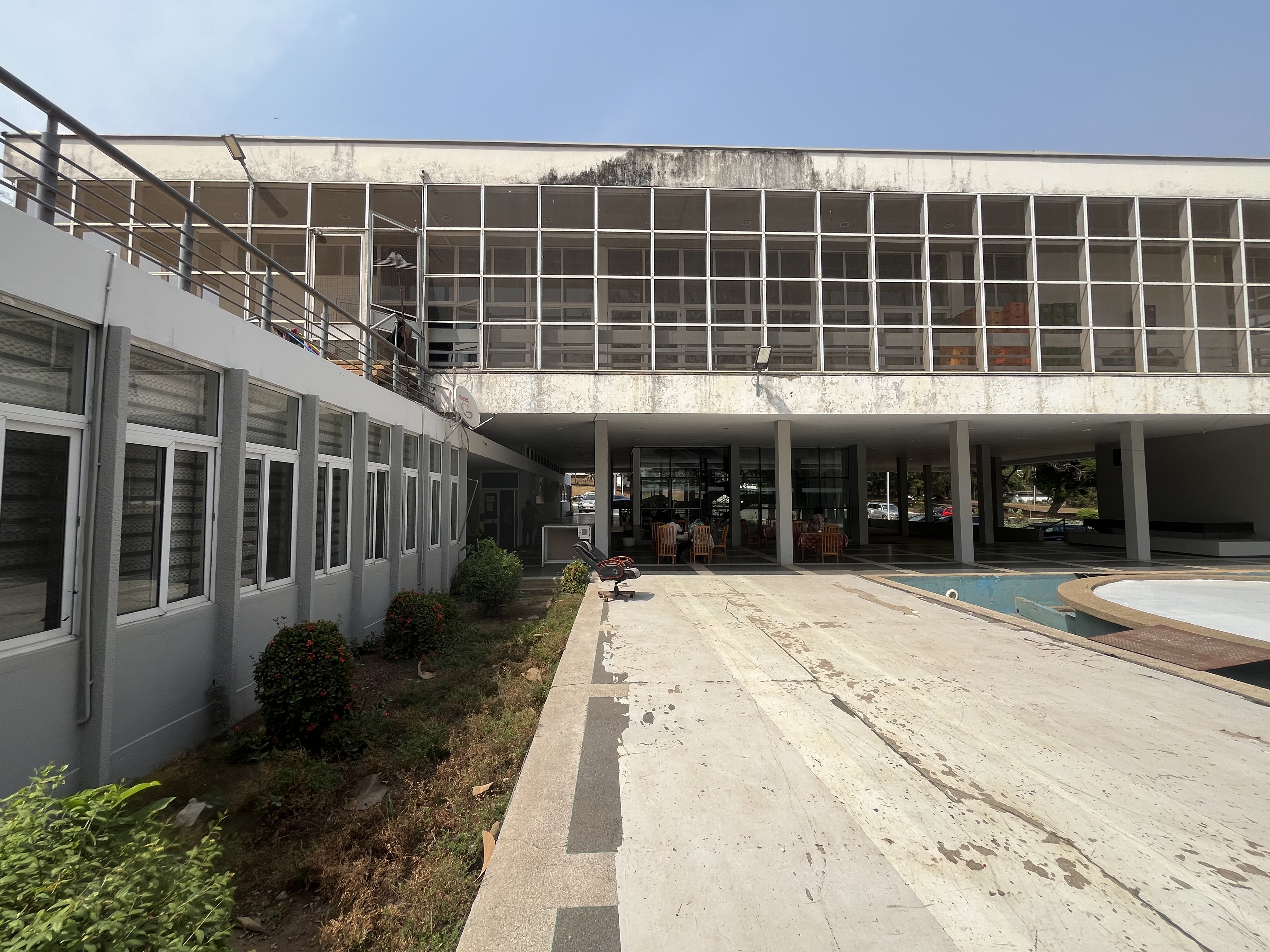
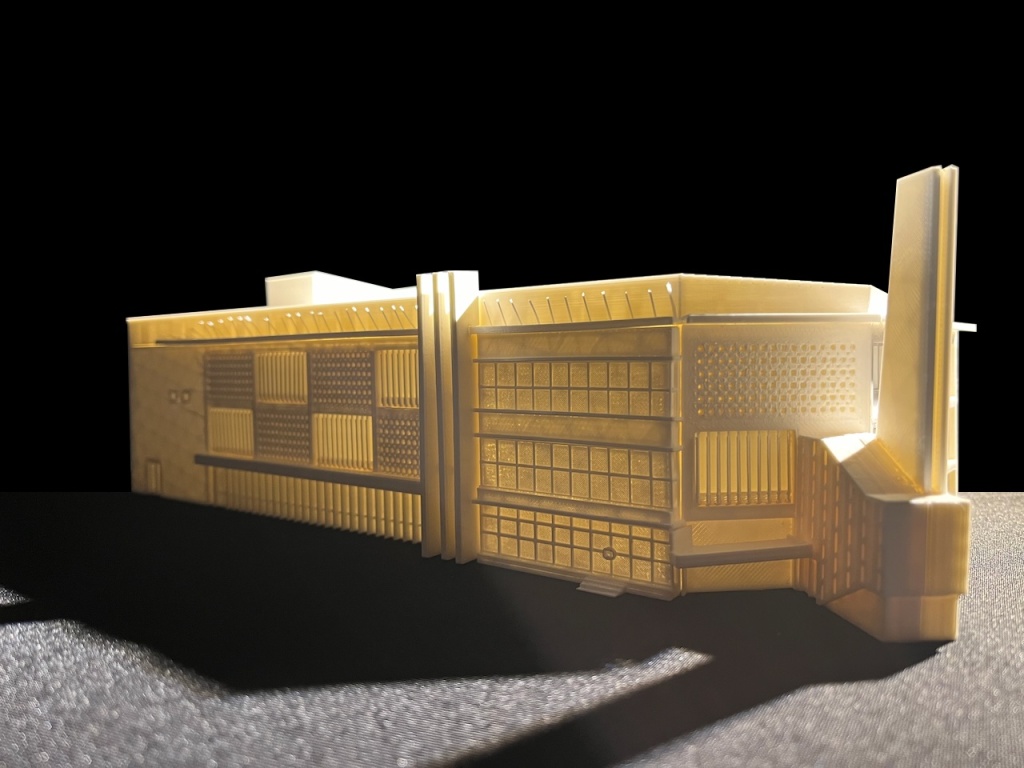
An exhibition that we’ve been very much looking forward to opens this week at the V&A Museum in London. We’ve got a few of our models on display at the exhibition, and have been involved behind the scenes. There’s a large contingent from the Transnational Architecture Group making their way to various opening events this week and you can expect a series of reviews and critiques here shortly.
There’s also an article out today by Oliver Wainwright in The Guardian that discusses the exhibition concept – and some of our favourite buildings.
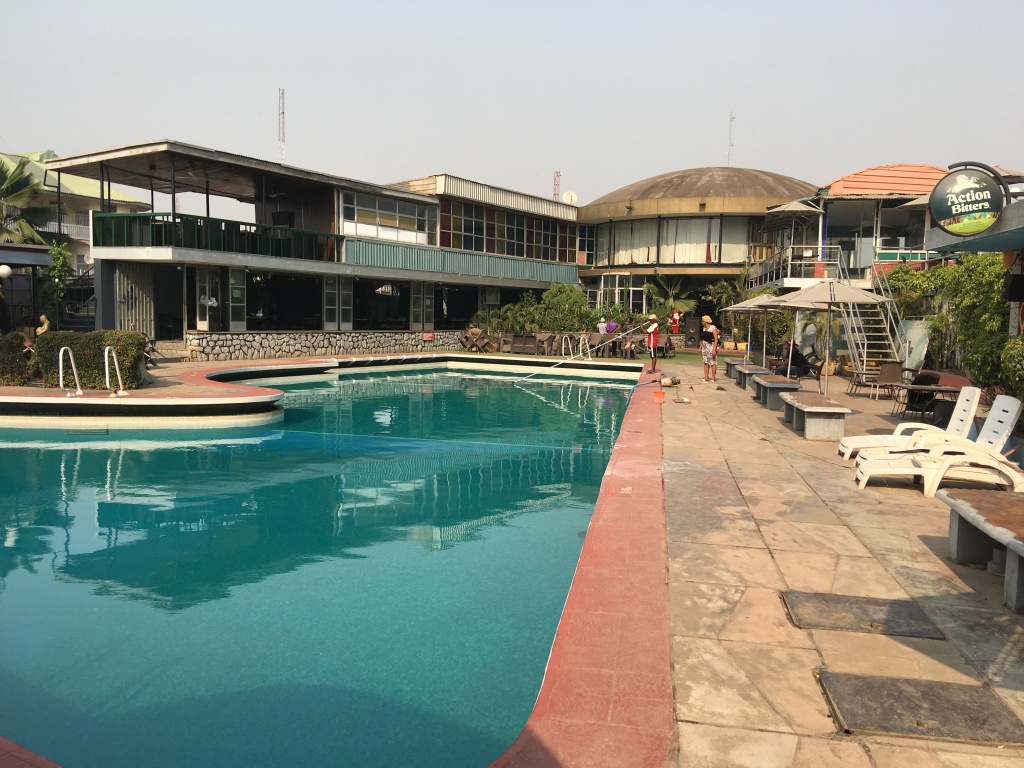
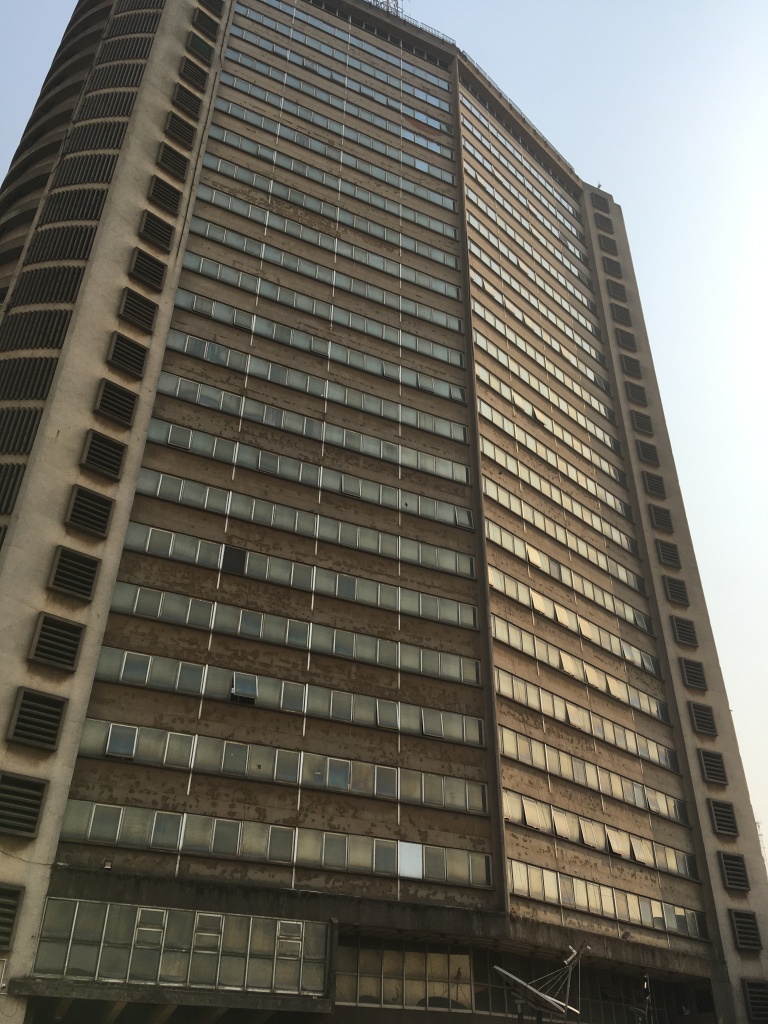
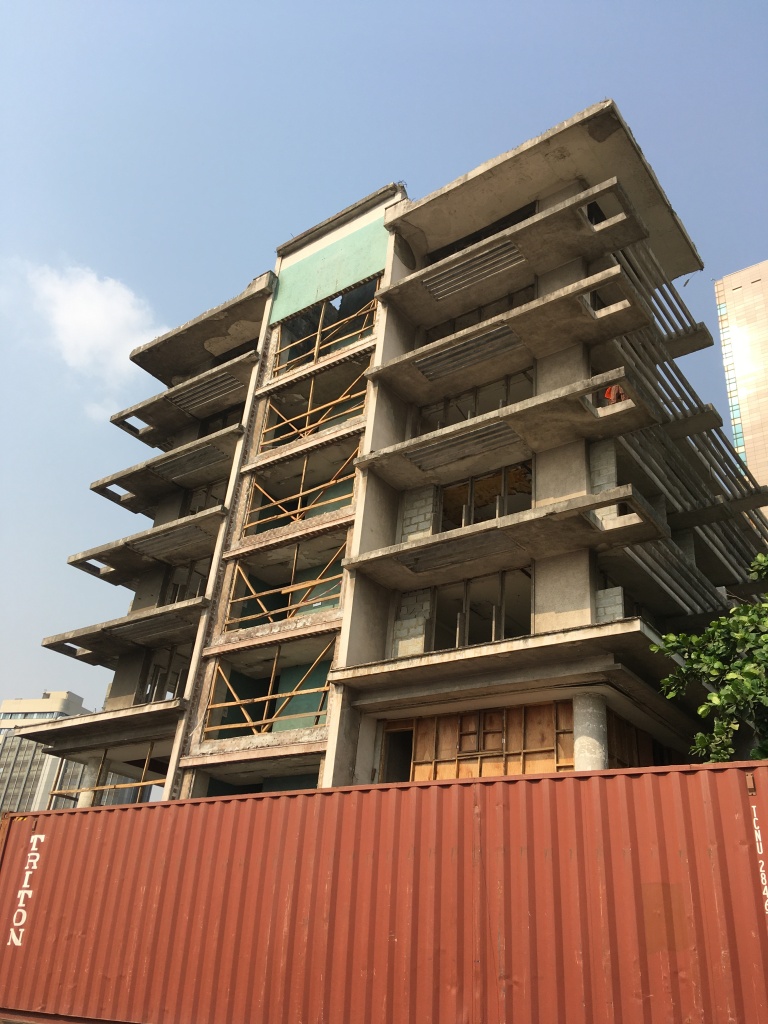
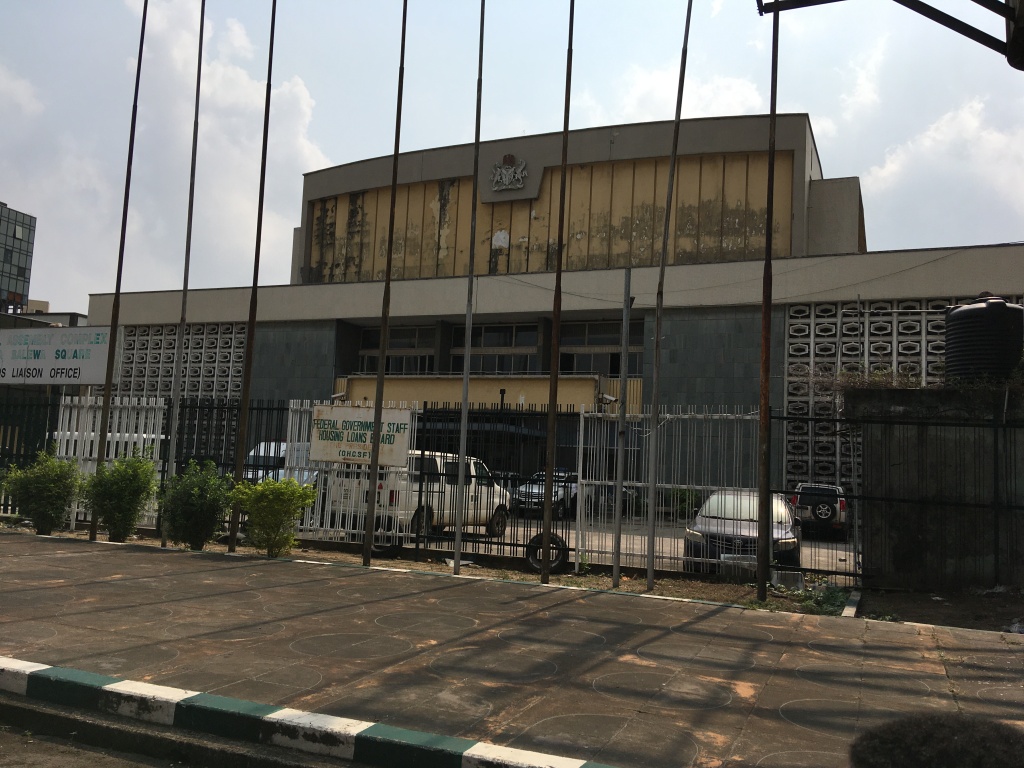
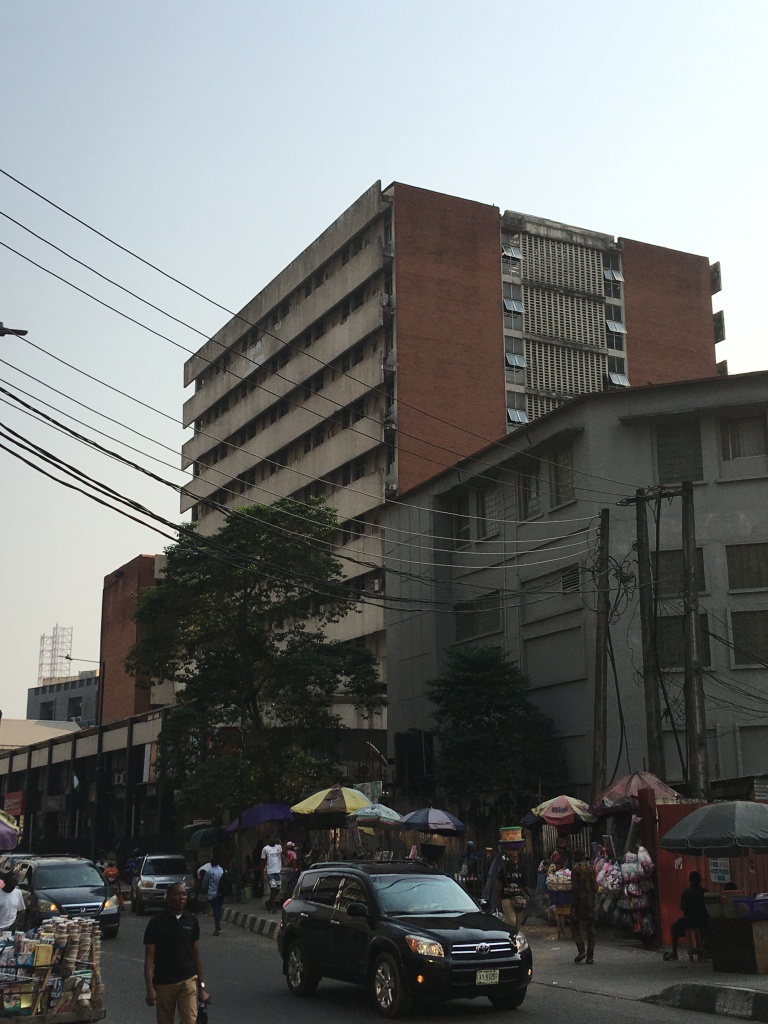
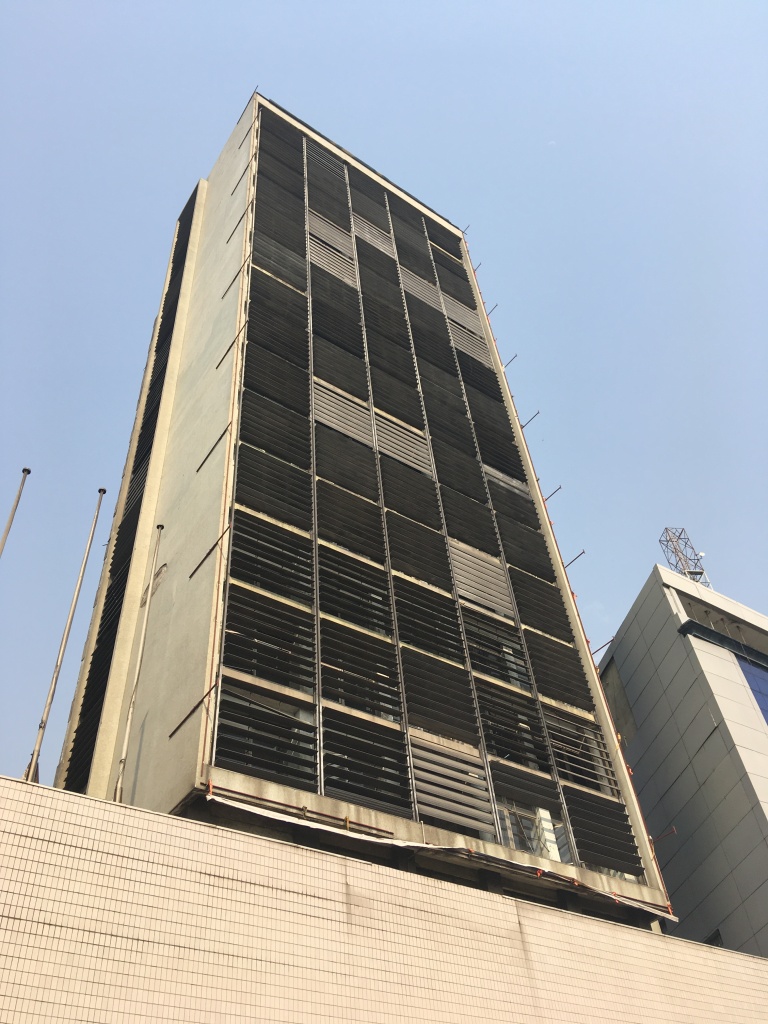
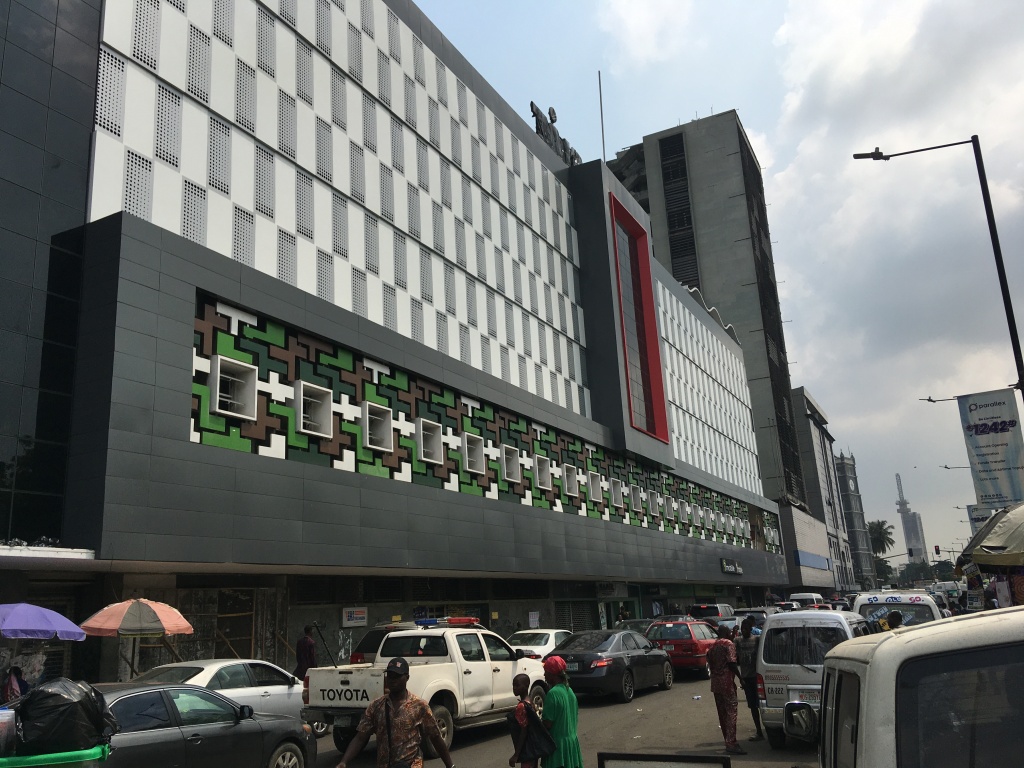
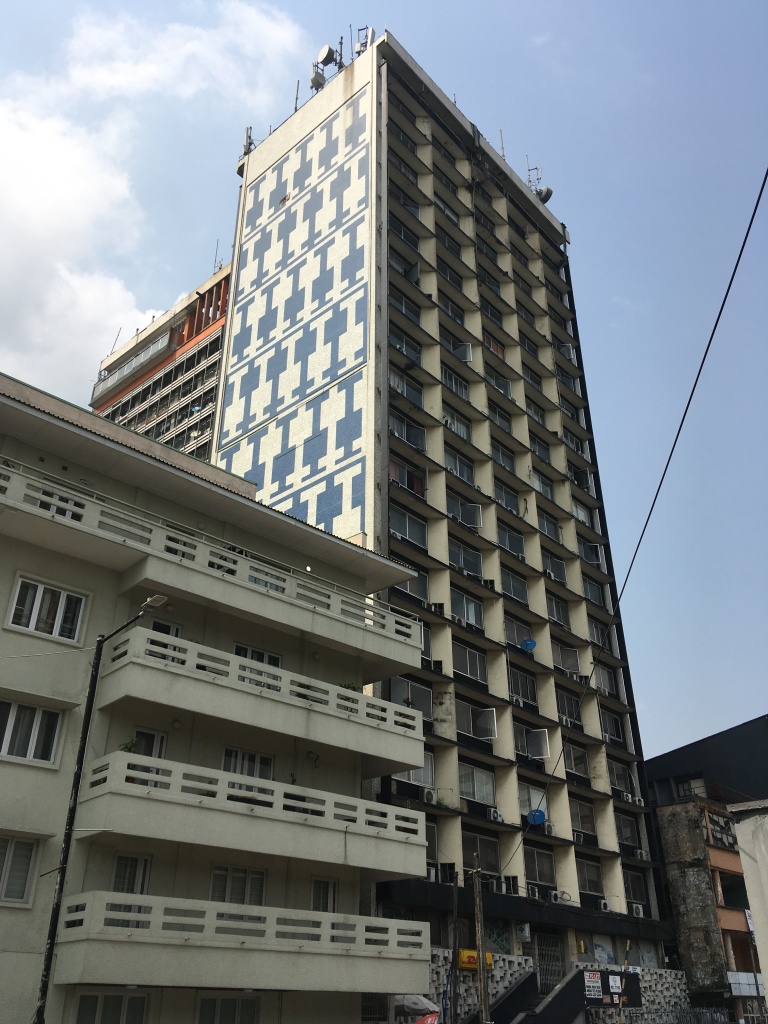
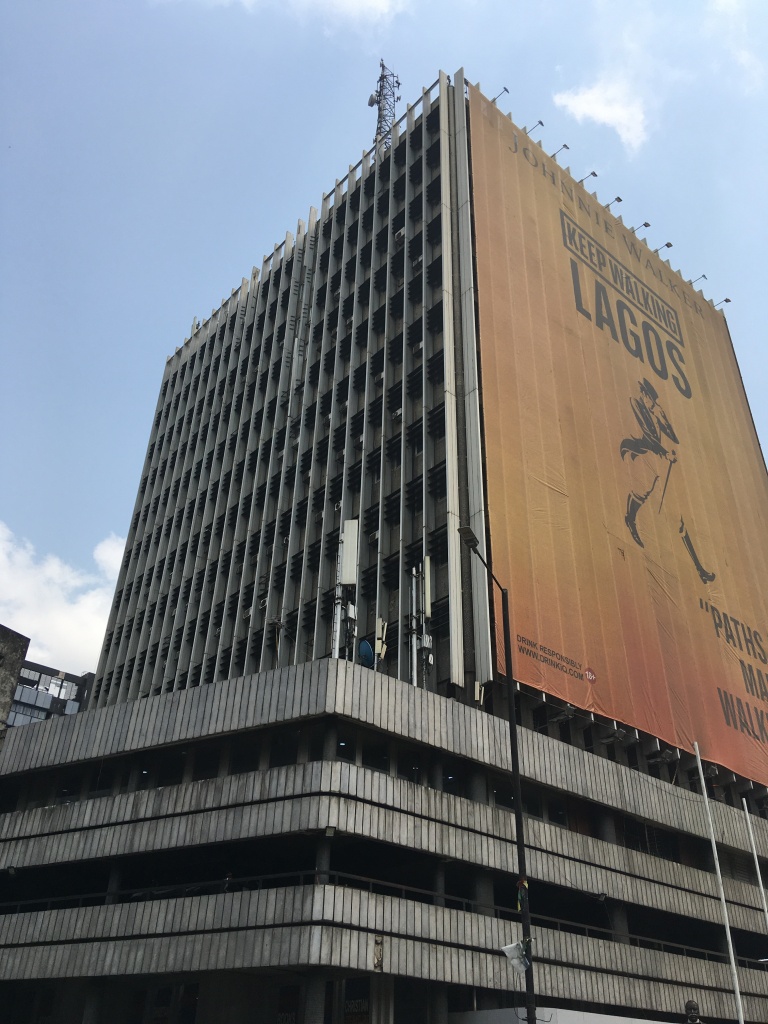
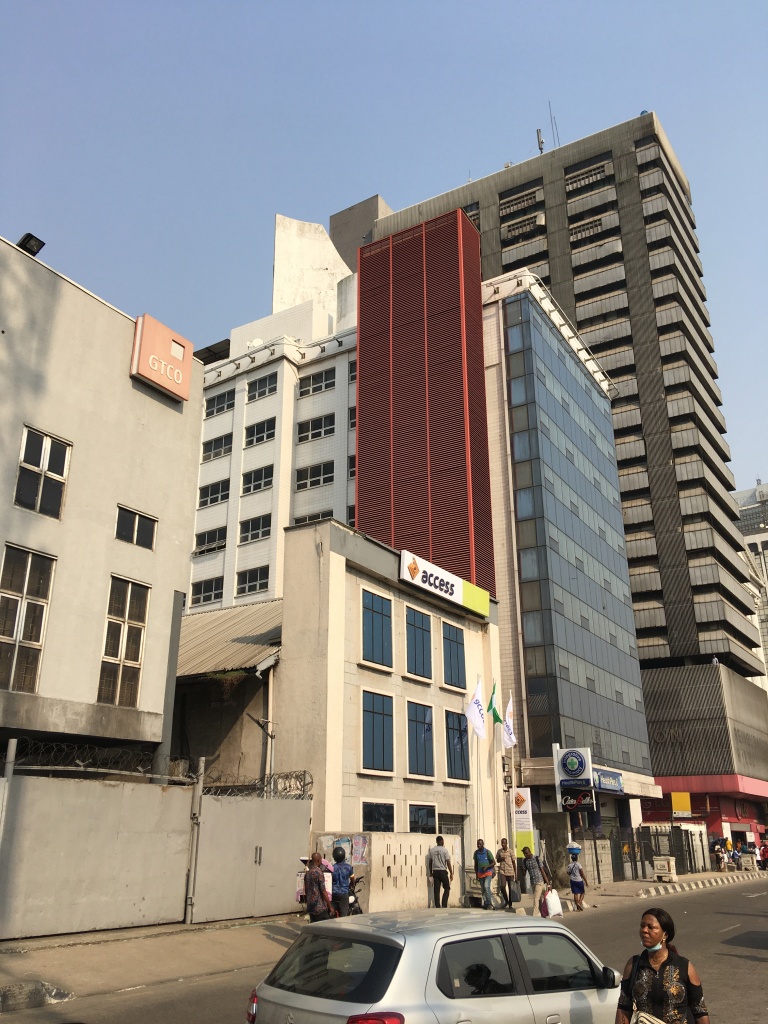
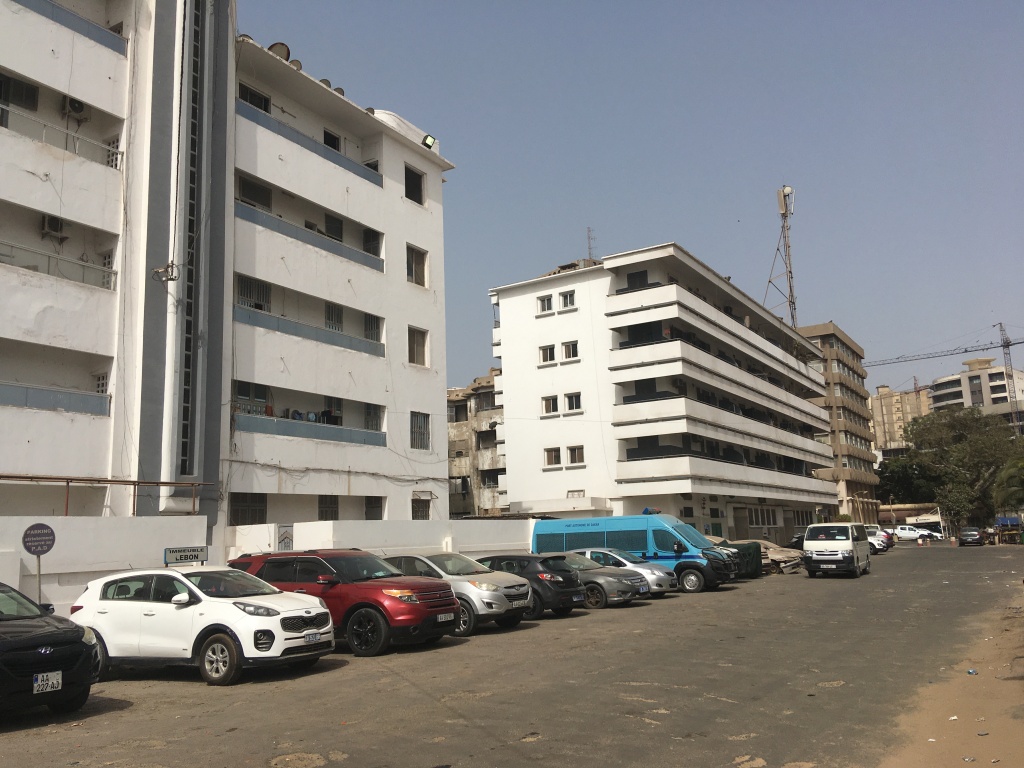
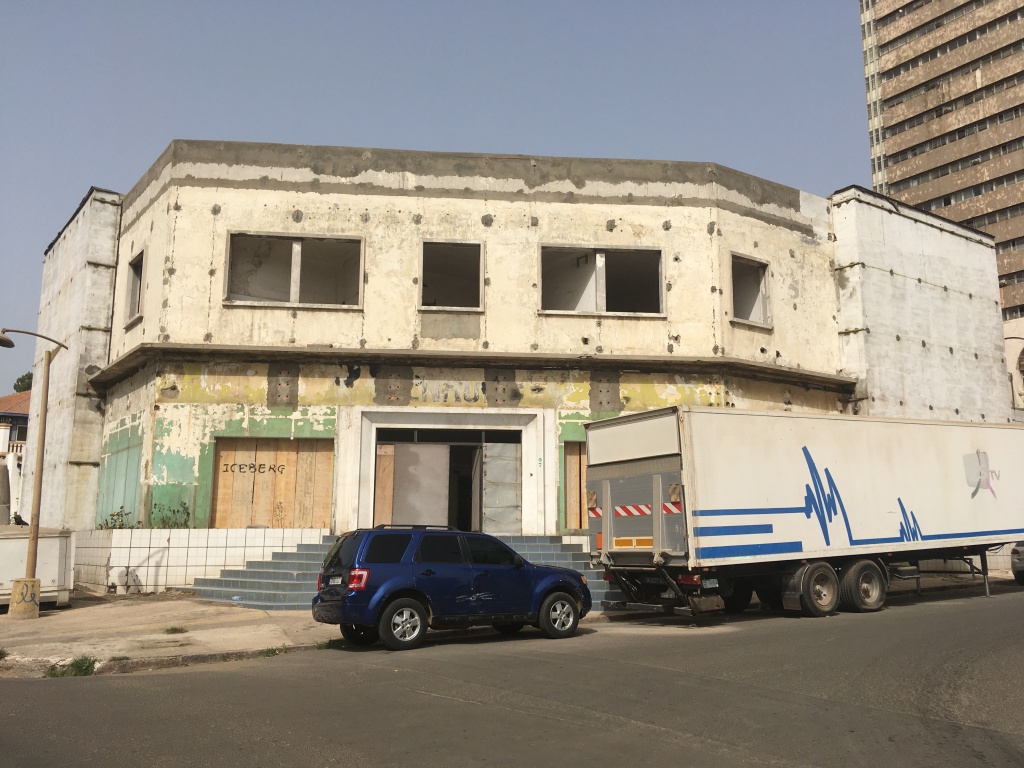
Elder Dempster by James Cubitt – heavily modified with the new glazed facade.
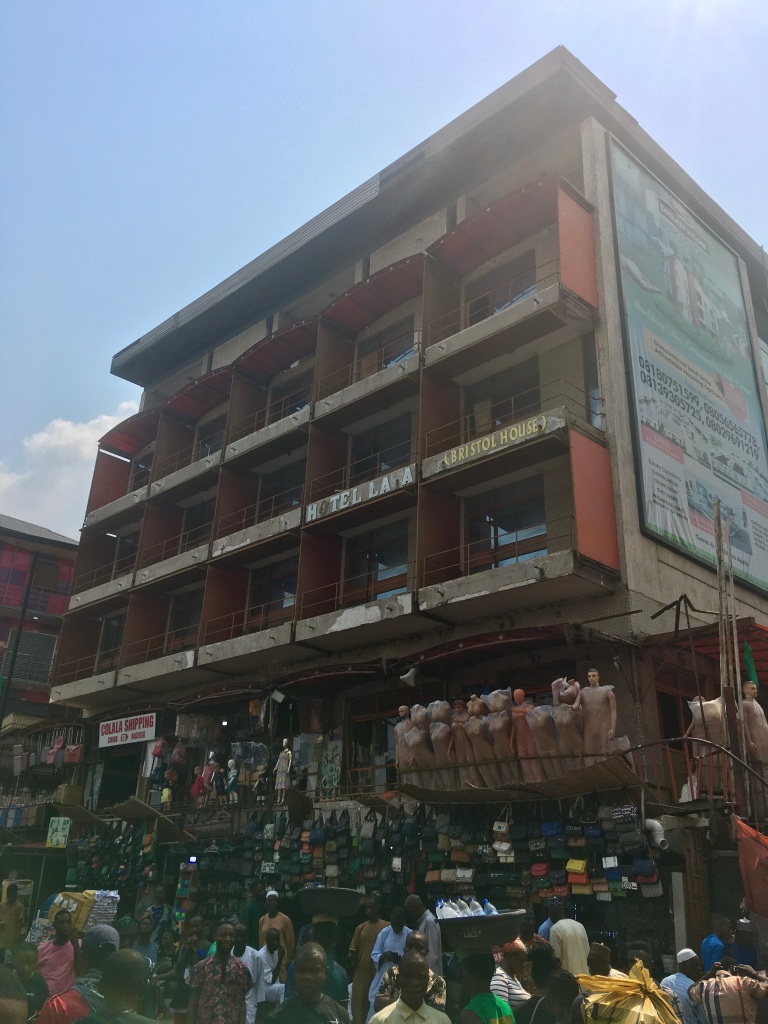
Bristol Hotel by Godwin and Hopwood
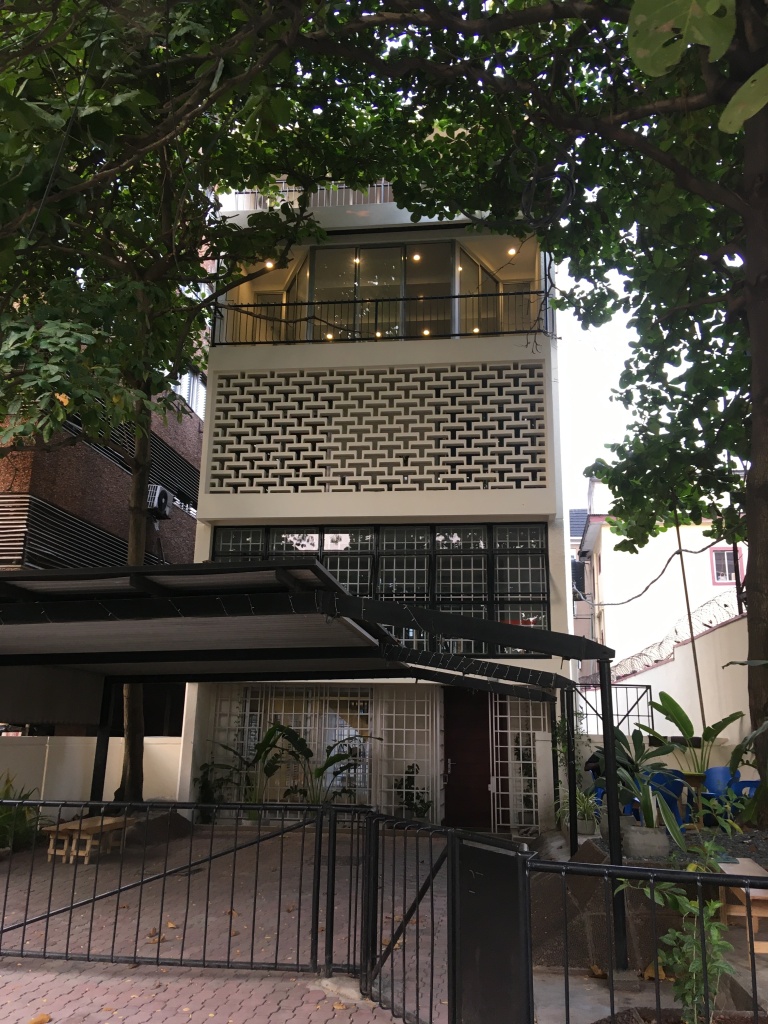
Godwin and Hopwood Residence, Godwin and Hopwood
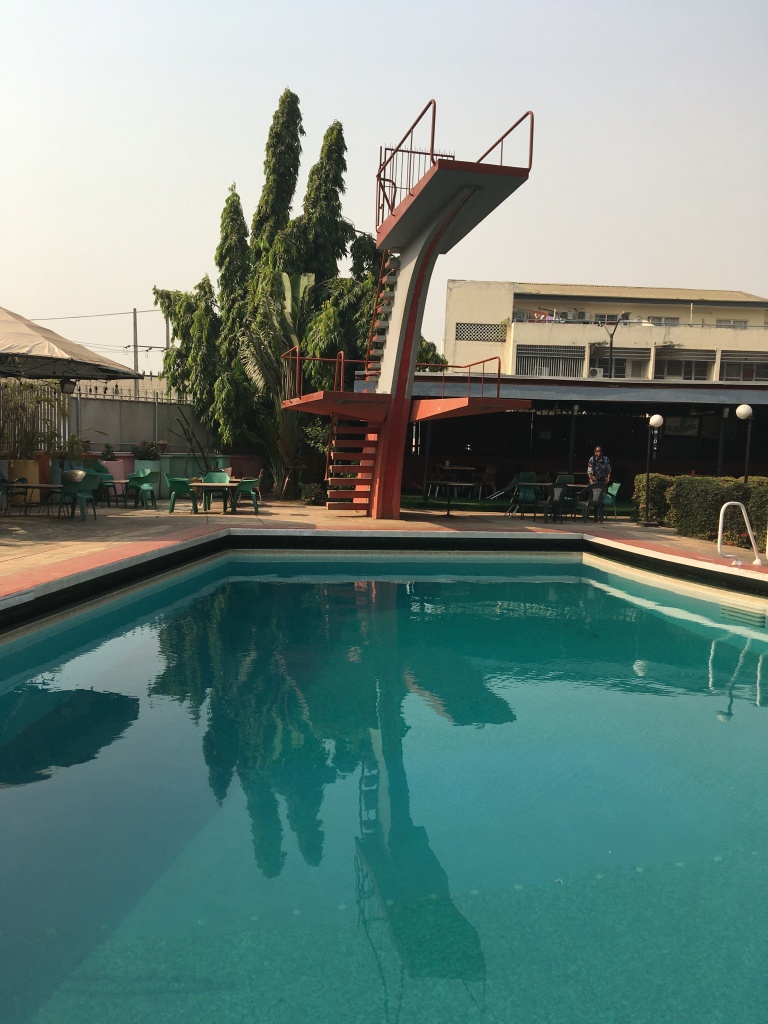
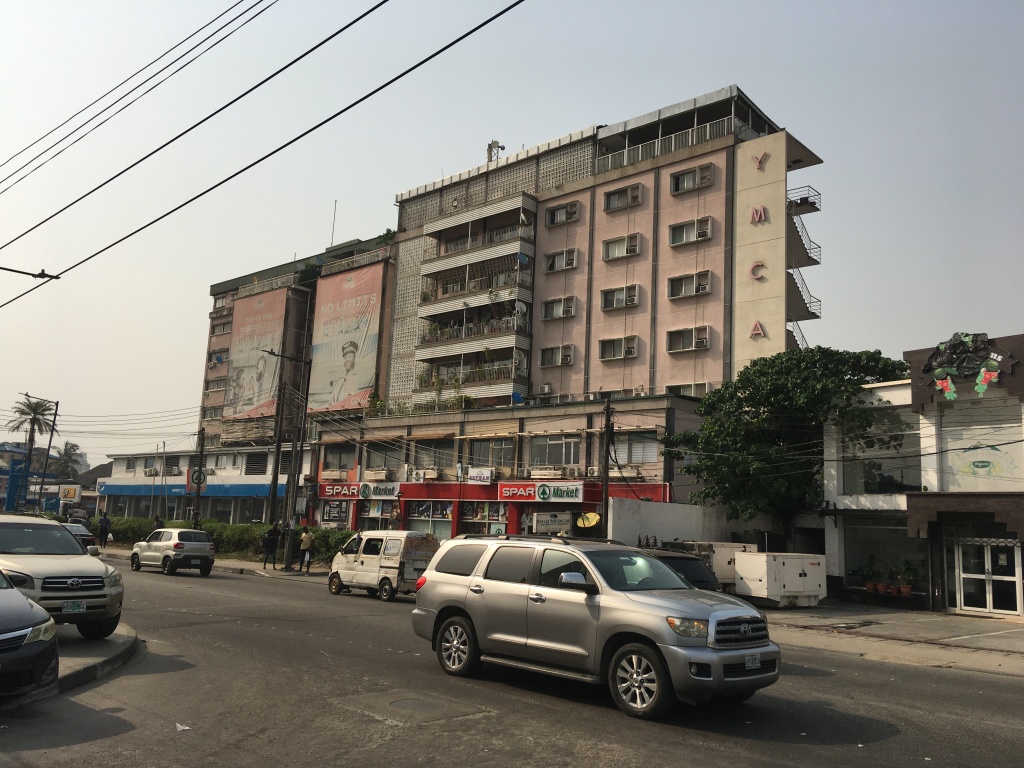
YMCA – slender single room deep plan, exposed staircase at the gable with concrete wrapping around. Commercial retail units at the base, pavilion and garden at the roof. Cracking scheme – but who is the architect?
We are delighted to be able to host Professor Ayo Olukoju (Institute of African and Diaspora studies, University of Lagos) and Professor Sam Ntewusu (Institute of African Studies University of Ghana) who are visiting the University of Liverpool and also the Unilever Archives to explore the possibilities of future collaborative research and teaching activities across our institutions and others in NW England.
Both Professors are historians who have worked with archival sources in their research in West Africa. They have generously agreed to share, through this seminar, the challenges and issues with working with archival material and sources from a West African perspective and also some of the hopes they have for future collaborations.
Do join us to hear their views and also join the conversation – how do we make the most of archives in the 21st century in different locations and places? Importantly do we need to decolonise the archive, and if so how?
Hosted by the AHUWA Research centre in association with Unilever Archives, School of History and Institutes of African Studies and African Diaspora Studies at the University of Ghana, and the University of Lagos
Dr Christopher Turner co-curator of the exhibition watching film featuring Ola Uduku
Press Cuttings:
“La Biennale di Venezia and the V&A present Tropical Modernism: Architecture and Power in West Africa. Organised in collaboration with the Architectural Association (AA), London, and Kwame Nkrumah University of Science and Technology (KNUST), Kumasi, this presentation at the Biennale Architettura 2023 critically reflects on the imperial history of Tropical Modernism through an analysis of the work of the Department of Tropical Architecture and a dozen key projects. It explores the ways in which this distinctive architectural style was initially developed and employed as a tool to support colonial rule before being adapted by West African architects to promote the excitement and possibilities of the period that followed Ghana becoming the first sub-Saharan African country to gain independence in 1957.
Curated by Dr Christopher Turner (V&A) with Nana Biamah-Ofosu and Bushra Mohamed (AA), the Venice presentation in the Applied Arts Pavilion is centred around a multi-channel film installation featuring interviews with surviving protagonists and footage of remaining buildings. Responding to the theme of the 18th International Architecture Exhibition conceived by Director Lesley Lokko, who writes ‘Africa is the laboratory of the future’ in her curatorial statement for the Biennale Architettura 2023, the presentation also lays the groundwork for a larger exhibition scheduled to take place at the V&A in London in 2024.”
The Transnational Architecture Group is 10 year’s old this year. Thank you for supporting the blog and to all of our excellent contributors over the years for enriching the content and generously sharing their work. We’d also like to thank the communities in the places in which we work, the archivists and librarians for making material available to us and sharing their expertise, our respective institutions for supporting our research, and to the research funders who make travel, time, and resources available to us.
The blog started as a means to share our work-in-progress ideas and to promote events – and that is still at the core of what we do. We continue to add updates from our ventures into the archives, travel reports, and to share interesting events and innovative papers. These small reports and updates have compounded into something of a large resource and repository, and we’re delighted so many people have been able to make good use of (and to correct and expand upon) our work and attempts at writing these histories.
To celebrate the 10 year anniversary we held a small gathering at the Liverpool School of Architecture on Wednesday 8th March, curated and organised by Dr Alistair Cartwright. Our speakers were all PhD students, post-doctoral researchers, and research associates at the school. You may watch the proceedings here:
The speakers and titles of the presentations are below, with timings if you’d like to skip to a particular talk:
Rixt Woudstra, “Sapele and Samreboi: Building Company Towns in British West Africa” 5:25
Excy Hansda, “Indigenous Modernities in the Twentieth Century Architecture of Bombay” 20:00
Adefola Toye, “Tropical Modernism in Nigeria’s First Universities: Accessing Sources Beyond the Archives.” 37:00
Ewan Harrison, “Planning for Post/Neo Coloniality: the Paramount Hotel in Freetown” 1:11
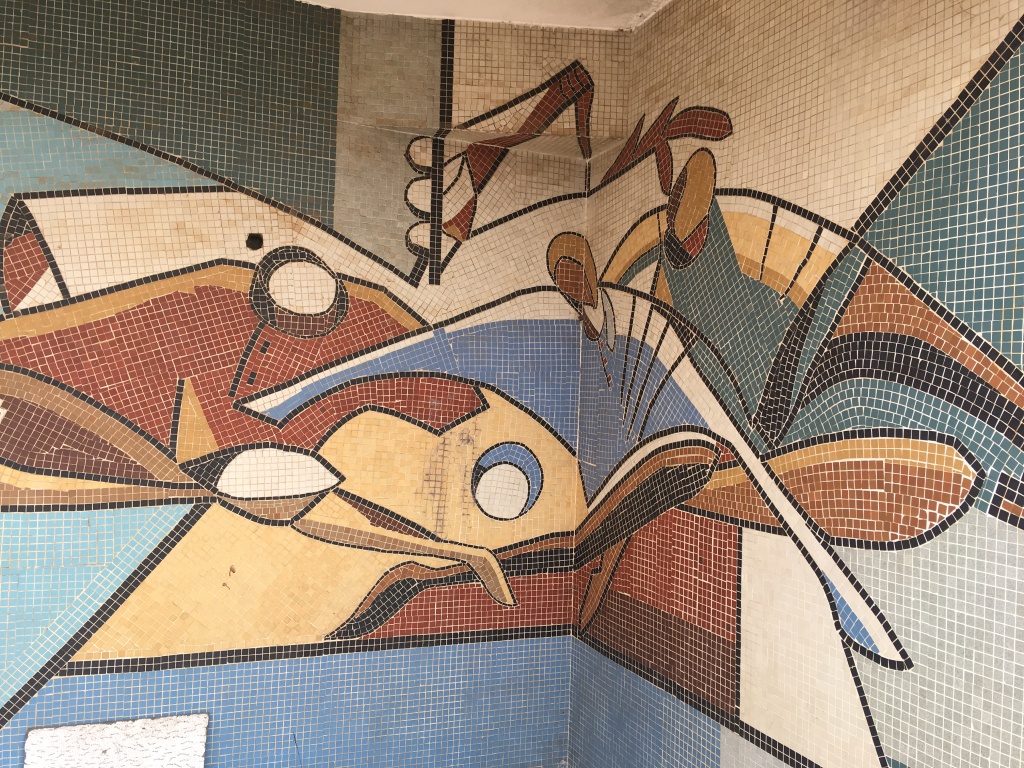
Iain Jackson, “Erhabor Emokae and the curious case of the UAC Mural: tropical modernism and decorative arts” 1:31
Daneel Starr, “How and why has the vernacular architecture and intangible cultural heritage of the Akha people changed in the face of globalization: Using the village of A Lu Lao Zhai, Xishuangbanna (sipsongpanna) China, as a case study.” 1:50
Paul Robinson, “Freetown, the UAC and urban design” 2:20
Alistair Cartwright, “Ecologies of Vulnerability: Post-Cyclone Reconstruction in Mauritius, c. 1945” 2:35
We also heard an excellent paper from Razan Simbawa, “The Effects of Demolish-based Urban Regeneration on Displaced Residents in Jeddah, Saudi Arabia” – which cannot be shared on the video recording at the moment.
Thank you again to all of the speakers for their wonderful talks, presentations, and work-in-progress. There was such variety and richness in the topics and methods, and at the same time numerous connections and cross-overs between the work.
Please do get in touch if you’d like to know more, or to share your work on the blog.
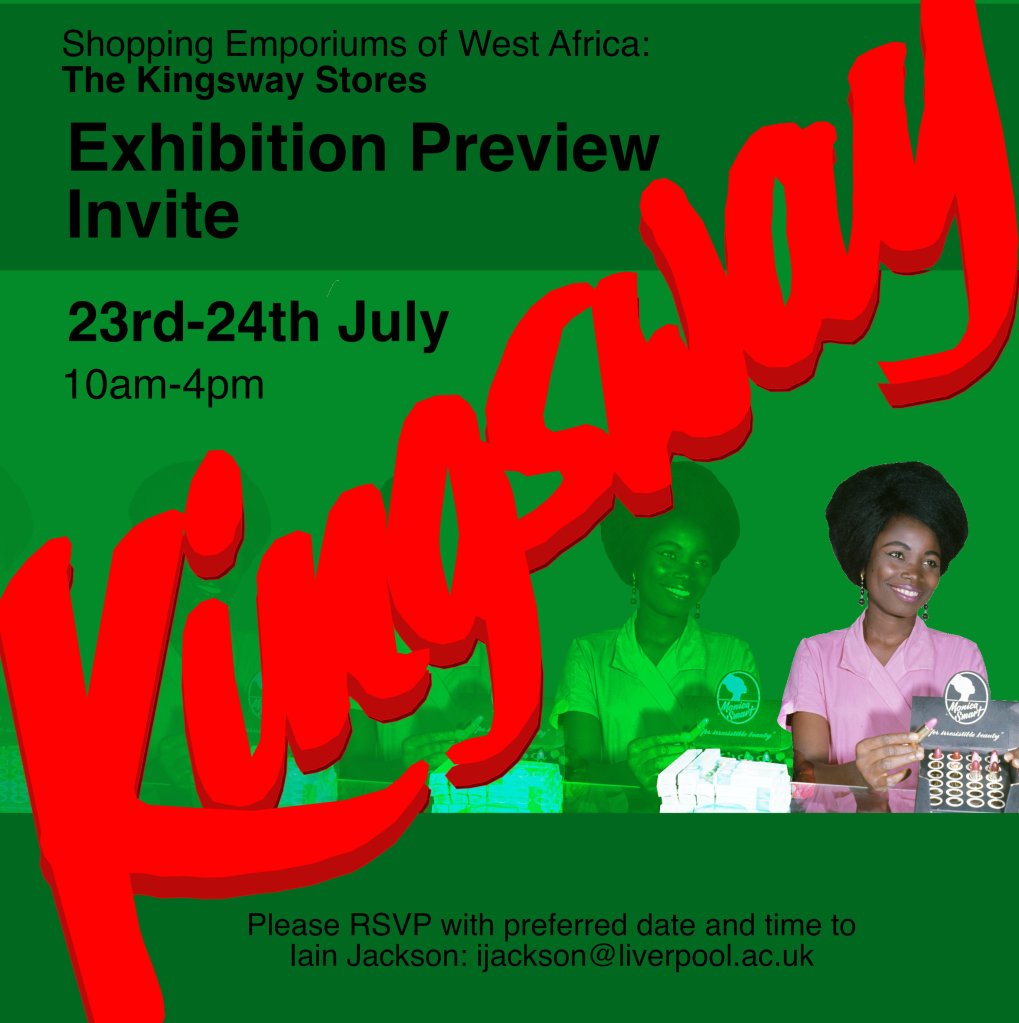
Kingsway, Sekondi Advertisement Picture courtesy of Unilever Archives
Kingsway Stores was the most exclusive retail chain in colonial British West Africa. Established by a British import-export firm, Miller Brothers, the chain’s first two department stores opened in Accra and Kumasi in 1915-1920 and were explicitly modelled on Harrods and Selfridges. Named for the boulevard in London’s Holborn, where Millers was headquartered in a stodgily baroque office building, the Kingsway Stores sold imported food, clothing and home wear to a primarily British expatriate clientele. By 1929, a series of mergers and takeovers saw Miller Brothers absorbed into Unilever’s vast African subsidiary, the United Africa Company, which is currently the subject of a collaborative research project led by the University of Liverpool and Unilever Archives, and funded by the Leverhulme Trust.
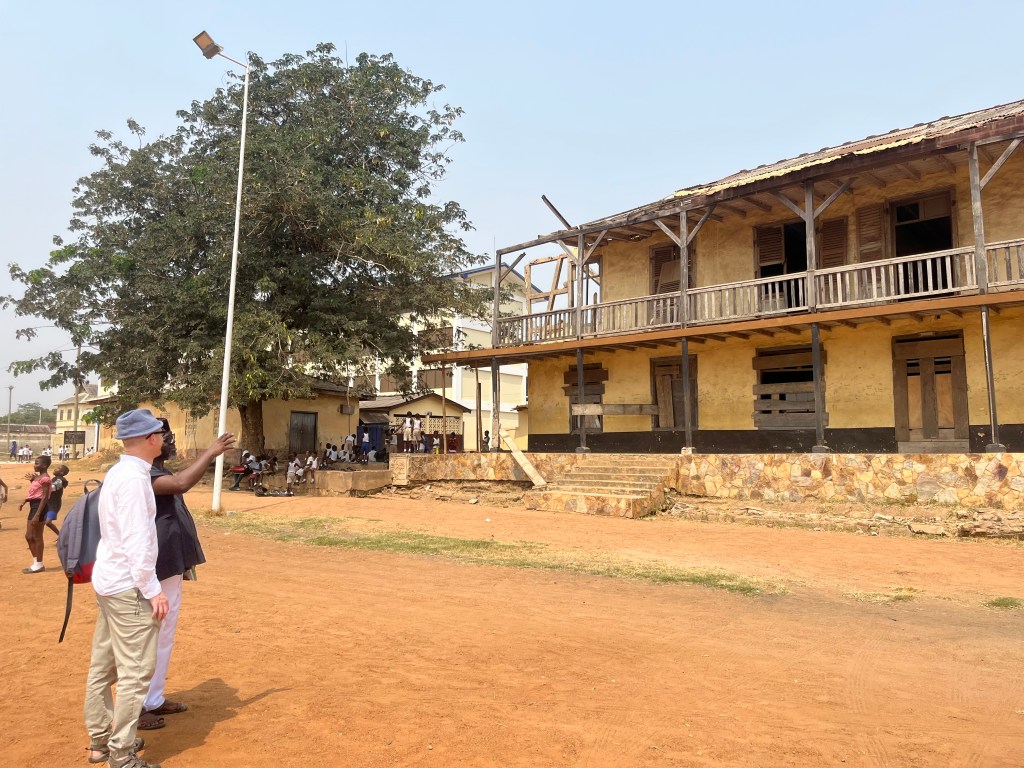
Kingsway Stores, Sekondi, 2022 Image: Iain Jackson
The Kingsway chain grew under the United Africa Co.’s ownership and by the early 1950s, Kingsway stores traded in each of the British West African capitals, Accra, Lagos, Freetown, Banjul, and in many of the larger towns and cities across the region: Kumasi, Cape Coast, Sekondi, and Tamale in the Ghana, and in Jos and Kaduna in Nigeria. Like many of these stores, the Sekondi store was designed by the Unilever In-House Architects and Engineering Department, headed by James Lomax-Simpson. A graduate of the University of Liverpool School of Architecture, Lomax-Simpson designed numerous buildings for Unilever, including housing at the famous company town, Port Sunlight. The designs that his team produced for United Africa Co. offices, warehouses and retail stores across West Africa tended towards the mildly moderne, with some slight modifications for local climatic conditions through the use of canopies and verandas to provide shading from the sun and allow for the higher loads of rainwater run-off required during the rainy season. The Sekondi Kingsway store is a paradigmatic example of this work.
Party at Kingsway Store in Bathurst/Banjul, Gambia, held in 1953. Picture courtesy of Unilever Archives.
The growth of the Kingsway chain in the interwar years reflected the expansion of British expatriate technicians, civil servants and businessmen during a period known as ‘the second colonial occupation.’ Increased investment in development projects, ultimately designed to maximise the flow of cocoa and precious metals from West Africa and thus boost Britain’s dollar reserves, saw not only an increase in British expatriate staff working in late colonial West Africa, but also their increasing embourgeoisement. The growth of the chain also reflected, and, indeed, facilitated, changes in the gender balance of British communities in West Africa. British women were originally discouraged from settling in the region, but by the 1940s the availability of malaria prophylaxis and yellow fever vaccines saw increasing numbers of women taking positions within colonial administrations, and wives joining their husbands on tours of duty across the region. As Laura Ann Stoler notes, the presence of European women ‘accentuated the refinements of privilege and the etiquettes of racial difference… women put new demands on the white communities to tighten their ranks, clarify their boundaries and mark out their social space.’ Racially segregated bungalow reservations proliferated across ‘British’ West Africa in this period. Within these reservations, ‘Europeanness’ was performed through a constant round of dinner parties, drinks parties, tennis parties, through the consumption of imported tinned and preserved food, through patterns of dress and home decoration. Kingsway stores, which emphasised that ‘orders were delivered direct to bungalows,’ supplied all the goods required for this memetic of bourgeoise English life.
By the mid-1950s, as political decolonisation neared in West Africa and both civil services and expatriate companies increasingly ‘Africanised’ their staff, the Kingsway Stores faced the loss of its primary customer base. Perhaps paradoxically, the company management combatted this through a programme of expansion. Boldly modernist new stores, designed by the British commercial architectural firm TP Bennett & Partners, were opened in Accra, in the Lagos suburbs, in Ibadan and Port Harcourt in Nigeria. At the same time, didactic marketing campaigns – exhibitions, product demonstrations, fashion shows – were instrumentalised to sell a vision of modern, and, indeed, modernist, domesticity to an elite African clientele. An Ideal Homes Exhibition, sponsored by the British Design Council and held at the Lagos Kingsway Store in 1962, for example, offered advice on ‘such subjects as how to create harmony with simple furnishings and the tricks of entertaining which make a house-wife into a hostess.’ Kingsway at the end of empire therefore shrewdly manoeuvred itself away from selling ‘Europeanness,’ to selling ‘Modernity’ to the emerging, post-colonial, African elite, a shift in mode that sheds light on the entanglements between modernist architecture and design on the one hand, and colonial and neo-colonial profit extraction on the other.
Have a look at the latest article from Design233 on Community Centers in Ghana, including the Accra Community Centre (paid for by the UAC) and Tarkwa Community Center (paid for by the Manganese Mining Company) – both designed by Fry and Drew. In addition to these modernist works the more formal and classically inspired centre at Kyebi is discussed – this centre is more of a mystery… We know it was funded by the Consolidated African Selection Trust (CAST)- but who designed it, and why did CAST commission such a lavish project?
Accra Community Center PlanTarkwa Community Center articleKyebi Community Center
In the UAC archive amongst the Public Relations files is ‘Nigeria Magazine‘. From within the mat brown cardboard of the archive box springs a collection of beautifully designed and printed set of publications. The magazine was a Government sponsored venture, published by the Cultural Division of the Ministry of Information in Lagos. It was issuedquarterly from around 1937 until the mid-1980s “for everyone interested in the country and its peoples”. The focus of the editorial was varied and wide ranging, covering topics across the arts, history, architecture, literature, and culture in Nigeria. There was a strong commitment and celebration of ‘local’ art, as well as extensive articles on planning, housing, and architecture from across the ages. The contributing authors were often experts and highly regarded scholars. Ulli Beier was a frequent writer, and the quality and tone of the editorial was consciously accomplished, supplemented by some striking images and high quality graphics.
Covers of Nigeria Magazine from the 1960s, held in UAC archive
Articles were published on the history of cities, including “Ibadan, Black Metropolis” in 1961, relishing in the city’s longevity and traditions, as well as welcoming its position as a new centre for finance and media (see Design Group’s Finance building below). Other sections included biographies on key personalities, such as June 1966 with its feature on architect Alex Ifeanyichikwu Ekwueme (1932-2017).
Ekwueme studied at Washington University on a Fullbright Scholarship in 1952, and went onto to work at Nickson and Partners in London (is this Nickson and Boris?) before setting up a firm in Nigeria that grew to 16 offices. He designed the United Christian College at Apapa, Universal Insurance Building Enugu, and the Administration Building for the Nigerian Petroleum Refinery Company, amongst others. Ekwueme’s architectural career ended when he was elected Vice-President of Nigeria in 1979.
Architect and Vice-President of Nigeria, Alex Ifeanyichikwu Ekwueme (1932-2017), from Nigeria Magazine, June 1966.
Whilst there was a lofty desire to promote local art, culture, and history, other articles appear to focus on trade and industry, presenting what are effectively op-eds or public relations pieces as historical accounts. In 1960 there was a special report on The Niger River Transport Company and Burutu, “Nigeria’s Timber Industry” featured in December 1962, focusing on the work and settlements of the African Timber and Plywood company – both subsidiary companies of of United Africa Company (UAC). Again, the Company features in various other articles, such as “The UAC in Nigeria’s economic growth” in December 1965. It’s a thorough and detailed account, going to some length to stress how the company is ‘inseparable’ from Nigeria’s economic growth. The article was also eager to stress the restructuring of the company and how it now operated as a series of smaller locally managed entities ‘to encourage the growth of industry and trade in local Nigerian hands’.
It seems that the magazine had a mandate beyond art and culture, and sought to shape opinion (particularly in the emerging and educated middle classes) on business and trade matters. The seductive and authoritative format of the journal gave these opinions validity, and allowed a particular and curated message to be carefully presented. The advertisements within the journal also reinforced these messages and narratives of progress through industry.
Front Cover of Nigeria Magazine, June 1963UAC: New Industries, New ProsperityAdvertisement for Kingsway, showing the new Ibadan store in the background
At the same time, ‘traditional’ and ‘local’ practices were celebrated and discussed. There is something disarming in this technique. An ahistorical image was usually shown on the front cover, often a decontextualised figure in traditional dress sometimes playing an instrument – followed on the inner leaf by an advertisement for the latest fashions from Kingsway department store. The advertisers tended to belong to, or were in partnership with, the UAC group (e.g. Taylor Woodrow, Guinness, Kingsway Stores), and it seems likely their extensive patronage held some sway over the editorial content. The adverts were not geared towards selling specific products, but were there simply to bolster public opinion and shift attitudes towards modernity, progress, and societal advancement alongside a romanticised nationalist sense of history and culture.
The articles on architecture were also propagandist and concerned with presenting Nigeria as a place of rapid progress and impatient ambition. Again, the UAC story is followed with interest, and their newly proposed offices in Lagos (by Watkins and Gray) demonstrates the Company’s commitment to ongoing business in the newly independent country, and also the shift in its focus from import/export to real estate and property development.
Artist impression of the UAC’s Niger House in Lagos. Designed by Watkins Gray and Partners.
John Godwin, wrote an article entitled, “Architecture in Nigeria” in December 1966. It’s a potted history that starts with the regional building types, local materials, and climatic responses before moving onto the impact of corrugated iron sheeting (pan) and its limitations. Godwin sets out this story to demonstrate the sudden change in scale, building types, and growth of the construction industry in West Africa post-1945,
“Tower cranes were on the scene in 1955 and by 1961 two twenty-five-storey buildings had been completed in Ibadan and Lagos built by Italian firms who thirty years earlier were struggling with their labour force to build small houses”
Whilst acknowledging this rapid growth and exciting possibilities, he also goes on to caution that more ‘research’ is required, greater collaboration should exist between architects, and that building components and materials were still being imported at prohibitive costs. Overly extravagant “prestige building” was also targeted whilst low-cost housing problems remained unresolved. Whilst the claims and hopes for air-conditioning now seem somewhat out-dated, his desire for a civic pride and community spirit, tree planting, and care of the environment is pertinent and all the more urgent. Godwin’s approach was to propose an “architecture of ventilators and sun breakers”, a lexicon that he viewed as, “increasingly identifiable as West African.”
Offices and Flats in Kaduna, designed by Godwin and Hopwood, 1964
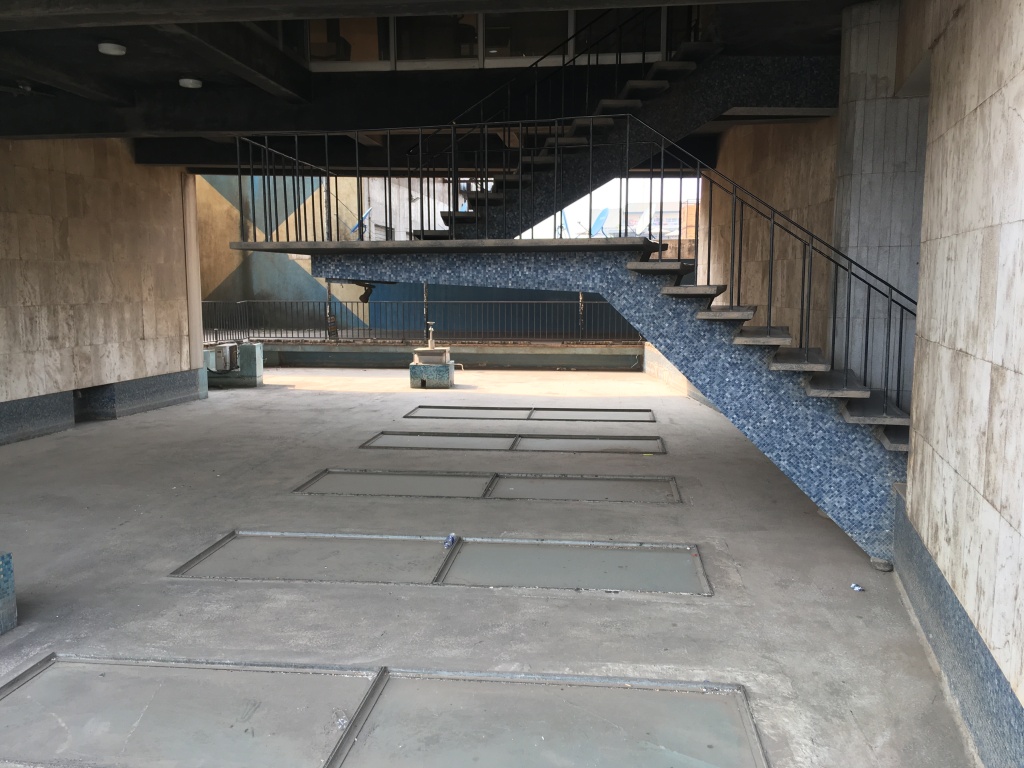
Contributing to this West African style was the Design Group’s “Nigerian Institute of International Affairs” (located on Lagos’s Kofo Abayomi Street). It was discussed at length by Alan Vaughan-Richards in the March/May 1968 edition of the magazine, where he particularly admired the sculptural mural, ‘The Art of Understanding” by Erhabor Emokpae in tooled concrete that revealed the granite aggregate. Inside the Institute are further sculptural elements, including a bronze figure representing Knowledge by Ben Enwonwu and positioned hovering above an evaporation pool. The interior includes some grand double-height spaces, dramatic cantilevered spiral staircases and travertine marble cladding (donated by the Italian contractor). At the rear of the plot there is an octagonal conference room with a dramatic star-shaped roof (still visible on Google maps).
Interior of Institute of International Affairs, LibraryInstitute of International Affairs, sculptural muralConference Room, viewed from Lagoon Side.
The Institute was to promote peace and progress (the internal conflict taking place in Nigeria at that time was not mentioned), and was to operate as a centre for learning, research, and debate on global affairs.
June 1962 edition included an article on “Contemporary Nigerian Architecture” by D. J. Vickery, the former Head of Department at Singapore Polytechnic (did he then go on to work in Nigeria?). This is an exceptional article covering some of the latest construction in Nigeria, and Lagos in particular. As a gazetteer of the latest building work – including the work from recently qualified Nigerian architects – it formed one of the most detailed architectural surveys of the country. Although the crude categorisation of the works under three types; ‘Climate’, ‘Traditional Spirit’, and ‘Skyline’ is somewhat limited, it gets the message across, and more importantly illustrates what the Independence Boom meant to the towns and cities across Nigeria.
Oluwole Olumuyiwa’s school at Suru-LereJames Cubitt, Regional Library at EnuguGodwin and Hopwood, Hanbury House, LagosNickson and Boris, offices in ApapaJames Cubitt, Library in Port HarcourtWalker, Harwood and Cranswick, Barclays Bank, LagosACP, Investment House, LagosTaylor Woodrow – Build for it now!Contemporary Nigerian Architecture, June 1962
In addition to the speculative offices, headquarters and banking halls there was an impressive array of schools and libraries (many designed by James Cubitt who had also designed similar works in Sekondi and Koforidua, Ghana), but the focus here was undoubtedly on real estate and speculative construction.
Nigeria magazine illustrates how UAC and other global companies shifted their approach and emphasis during the early Independence period. UAC was presenting its suite of businesses as nationalist, pro-development, and key partners in the country’s future. They rapidly placed an emphasis on real estate, finance, and industrial development, whilst curating a sophisticated advertisement and public relations campaign, through an arts and culture journal, to bolster their local credentials and legitimacy in the history of Nigeria.