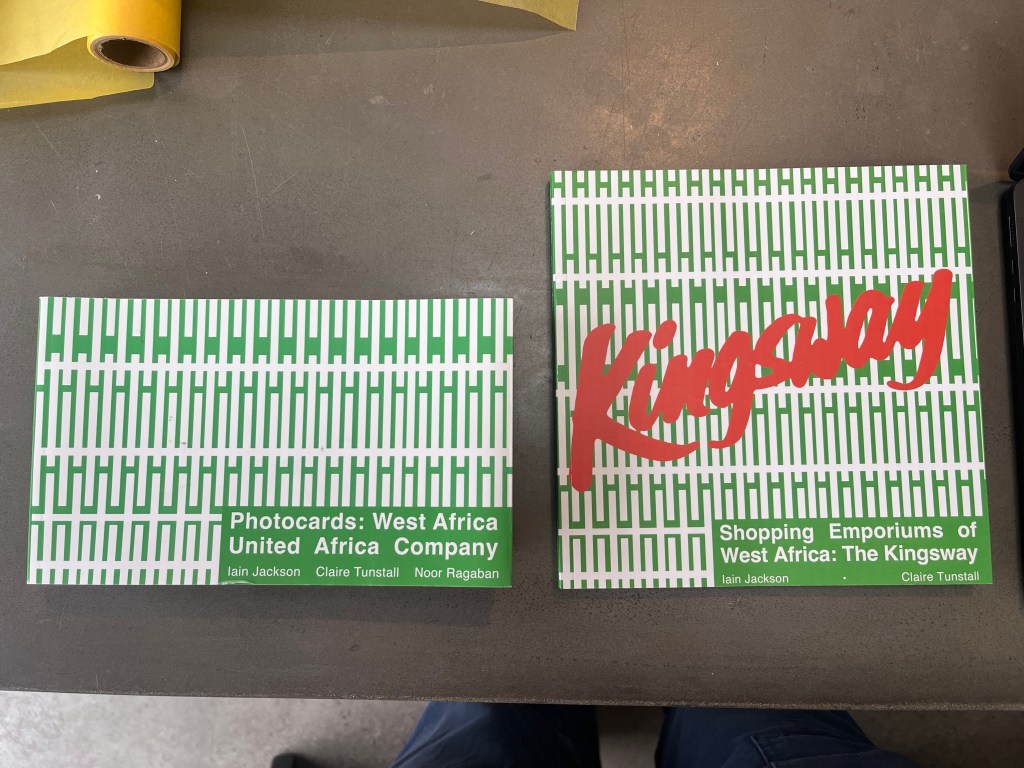
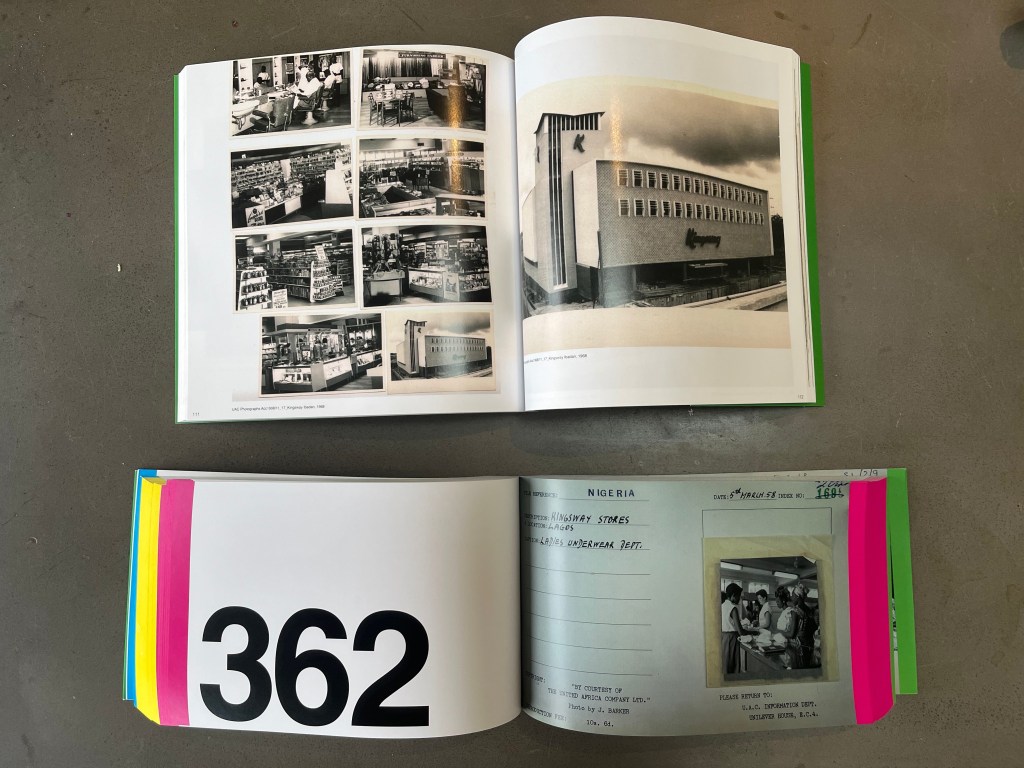
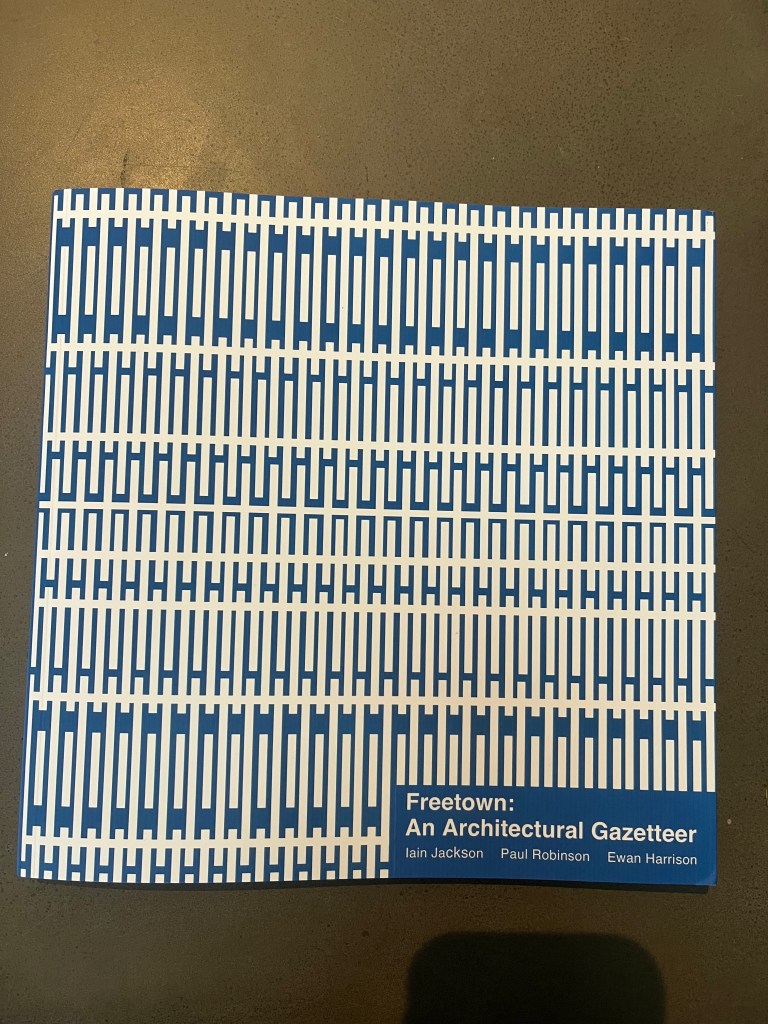
Our new monograph on the city of Freetown, Sierra Leone has (finally) been published – open access and you can download it here. It’s a major output stretching to 240 pages across a chunky 250x250mm format and is the third book in our series on sharing the archives of the United Africa Company. The other two books are on Kingsway Stores and The Photocard collection.
Photocard and Kingsway catalogue
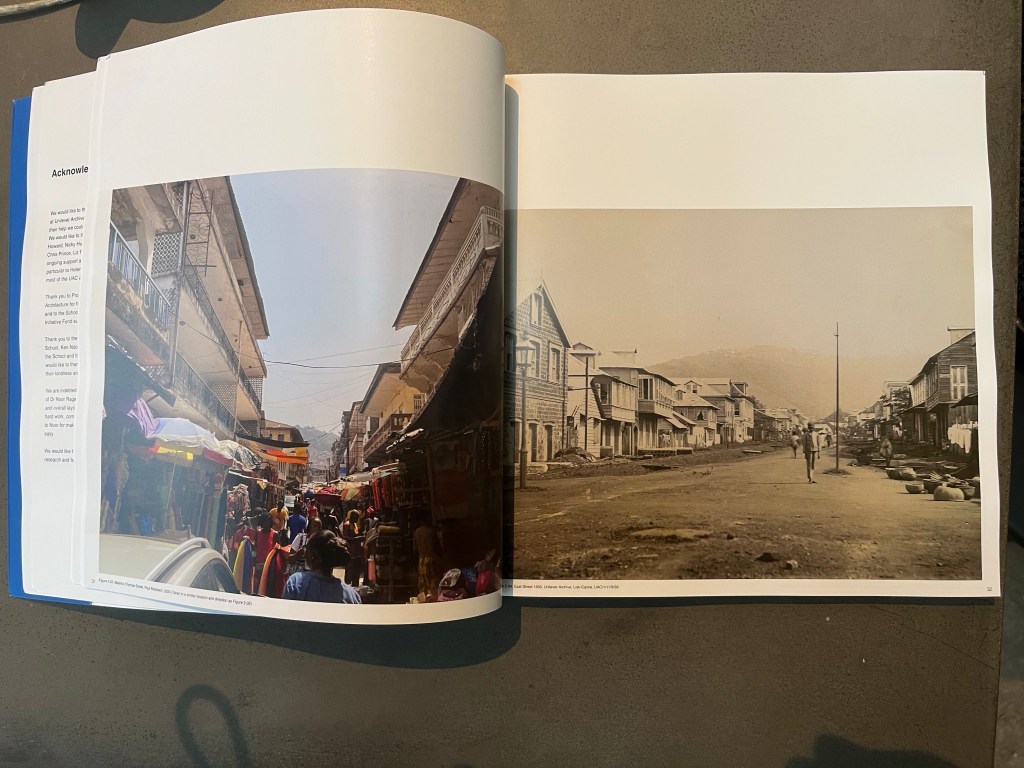
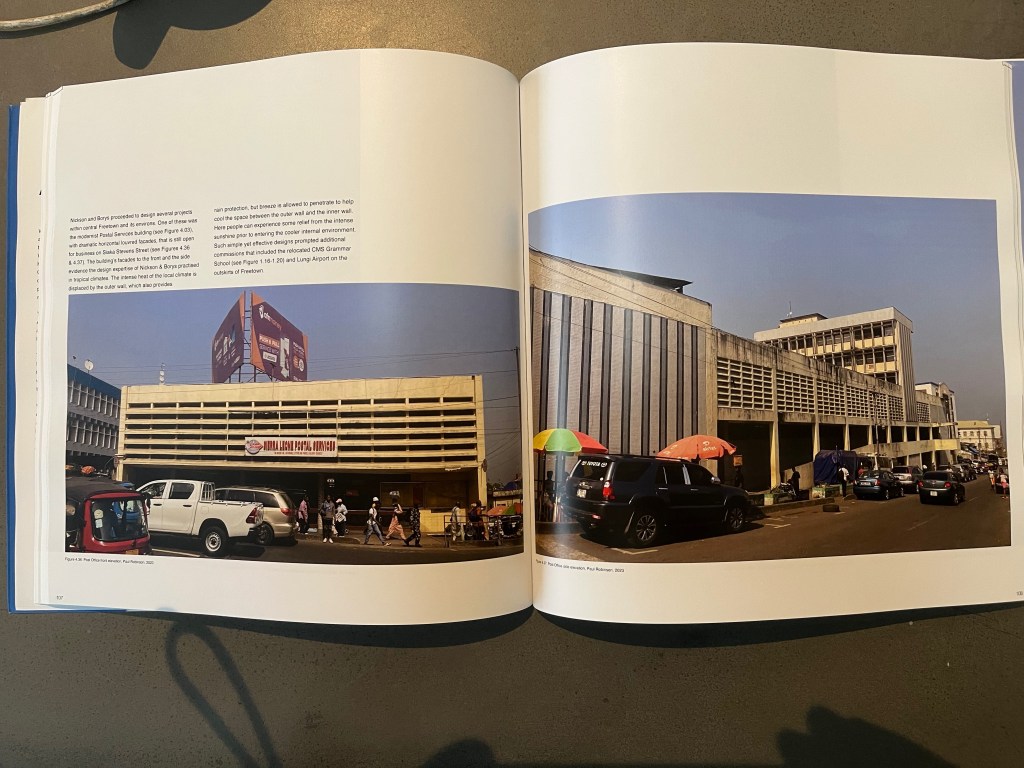
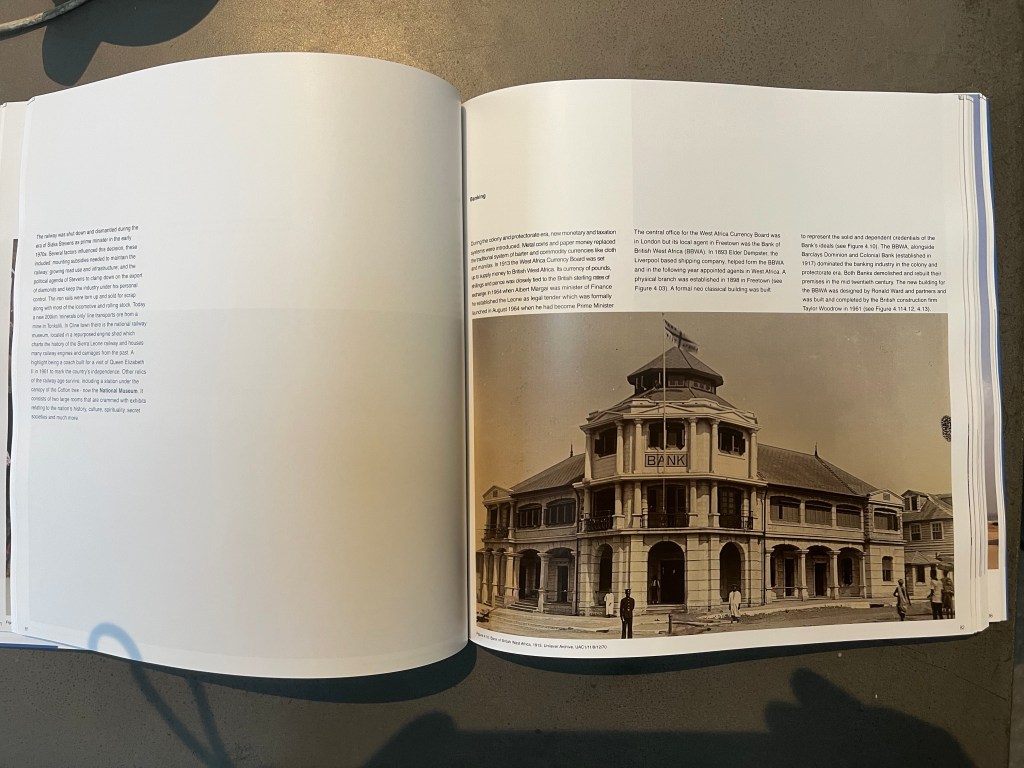
Our approach in Freetown was to identify and write brief historical narratives on the city’s development using archival photographs mainly from the Unilever UAC collection, alongside recent photographs. Archival work took place at Unilever, Bodlean Library, UK National Archives, as well as at Fourah Bay in Freetown – and this informed our fieldwork and photography. The approach is a classic ‘before and after’ set of images with descriptions. There isn’t an architectural guide book or detailed study of Freetown and it’s architecture – which is quite shocking considering the quality of the work and the architects involved (including Nickson and Borys; Jame Cubitt; Ronald Ward and many others….)
Freetown An Architectural Gazetteer
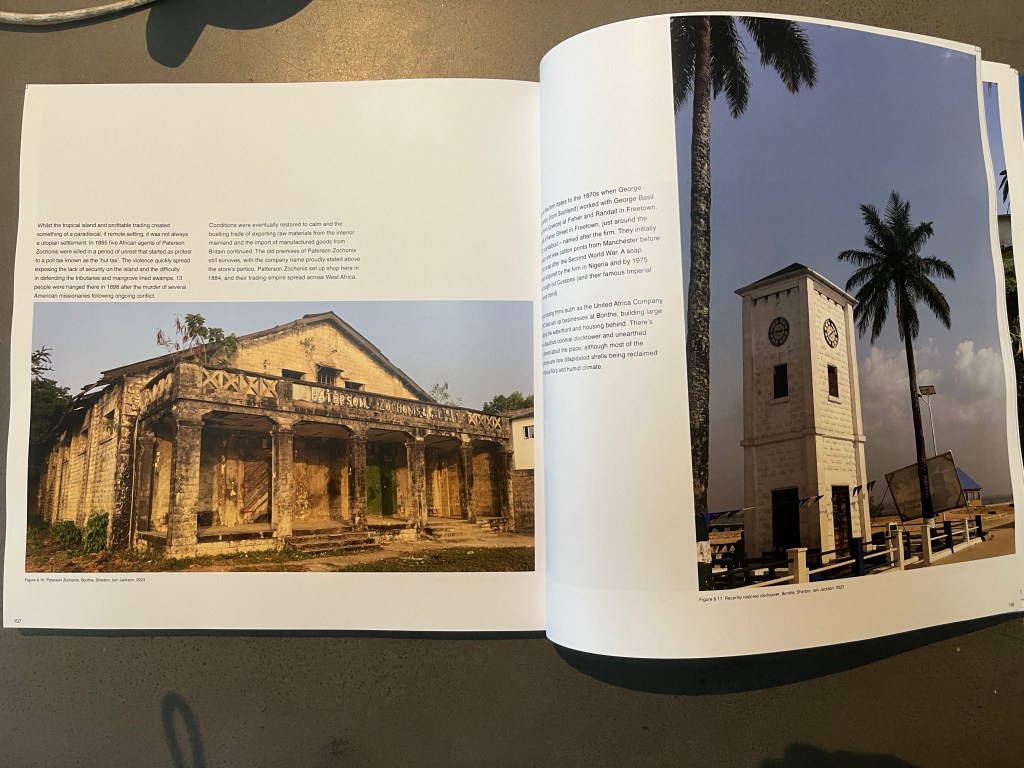
As well as covering the major buildings in the city we include an extended essay on Fourah Bay College, and a write up on Bonthe at Sherbro that we were fortunate to visit. We’re particularly proud of the Bonthe work – and there is certainly a lot more research to undertake into its history and architecture.
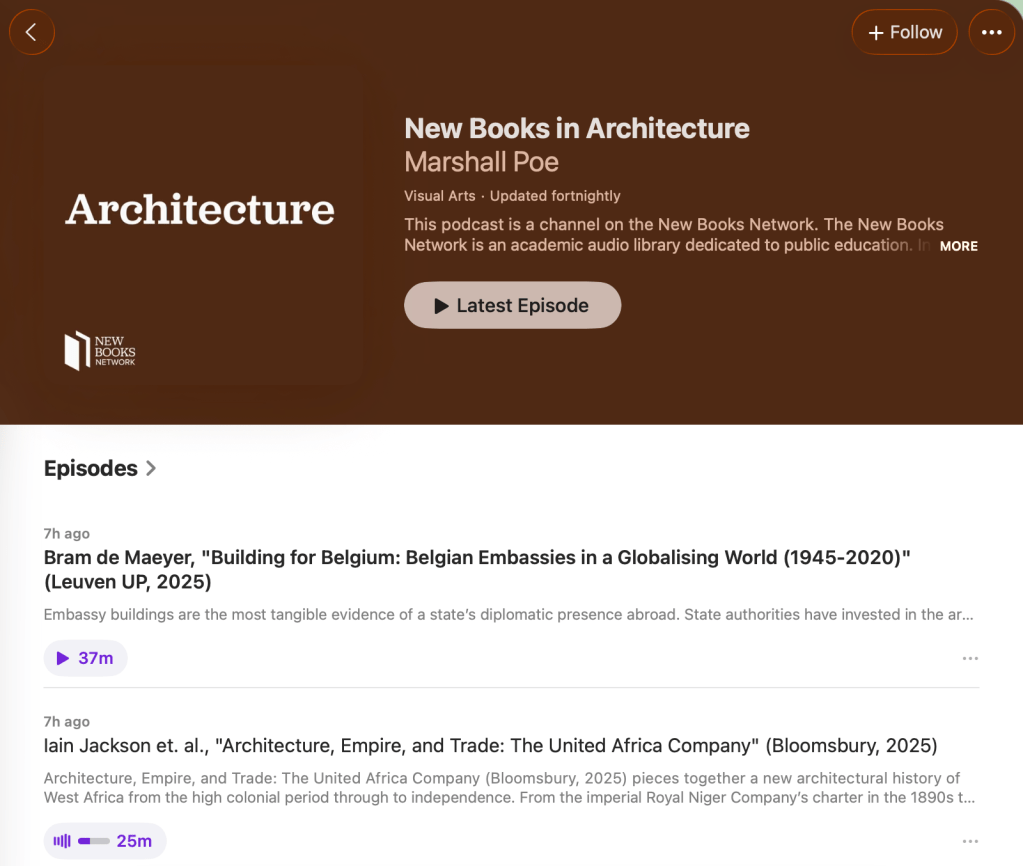
Have a listen to Rixt Woudstra and Ewan Harrison talking more about how we researched, made, and designed our latest book ‘Architecture, Empire and Trade‘ on the New Books in Architecture podcast series…. Thank you to Matthew Wells for hosting the podcast and for the super questions and comments.
I’ve been visiting buildings in Accra that I don’t know much about today.
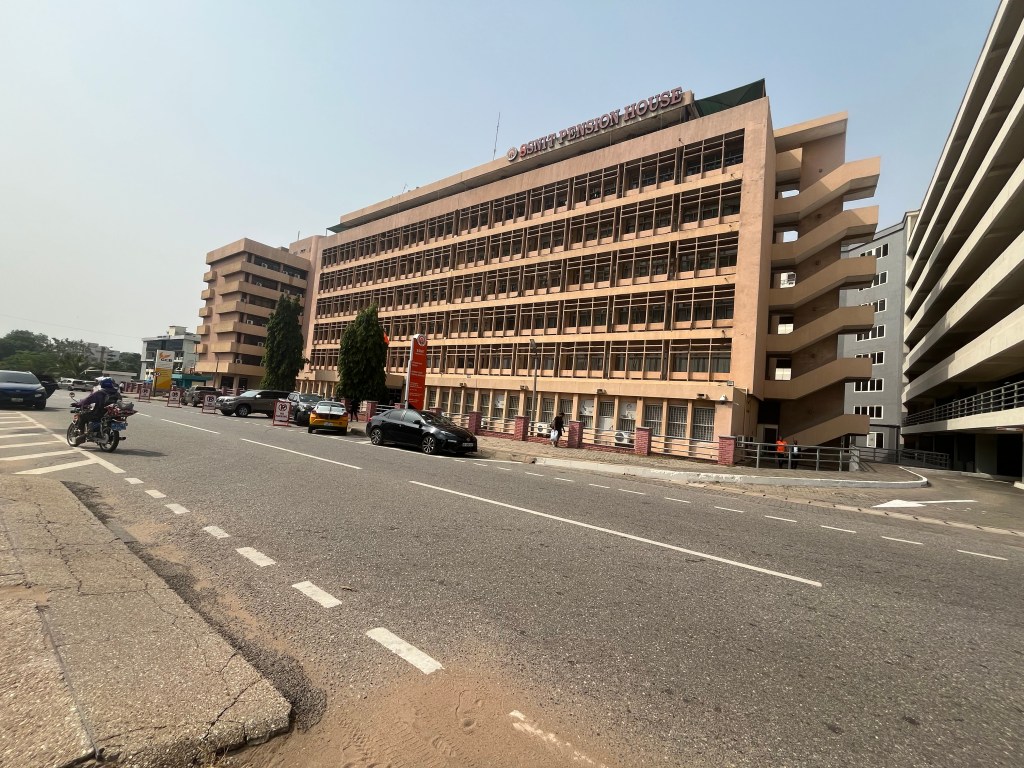
SSMIT Pension House: super bit of brutalism near the ministries. This building looks after the state pensions – but who designed it? Perhaps a forgotten Nickson & Borys? Rather nice open staircase and precise brise soleil…. I can’t find any references to it in my collections or at the RIBA library catalogue. I’ll have to check WABA Journal again, but don’t recall ever reading about this significant building?
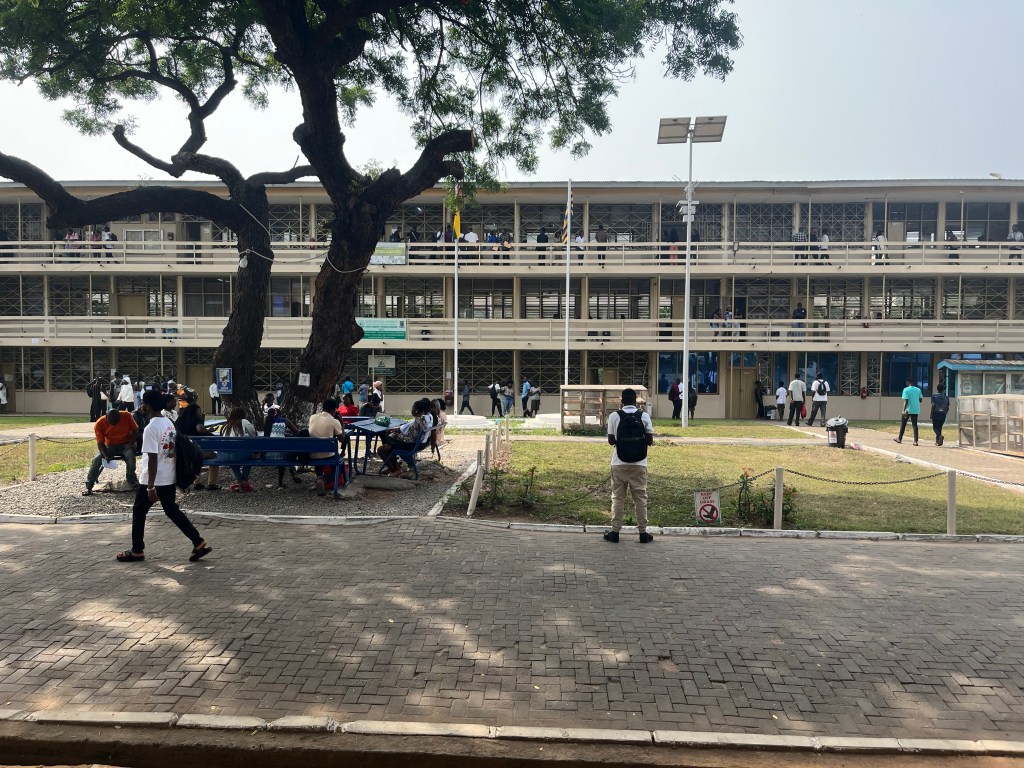
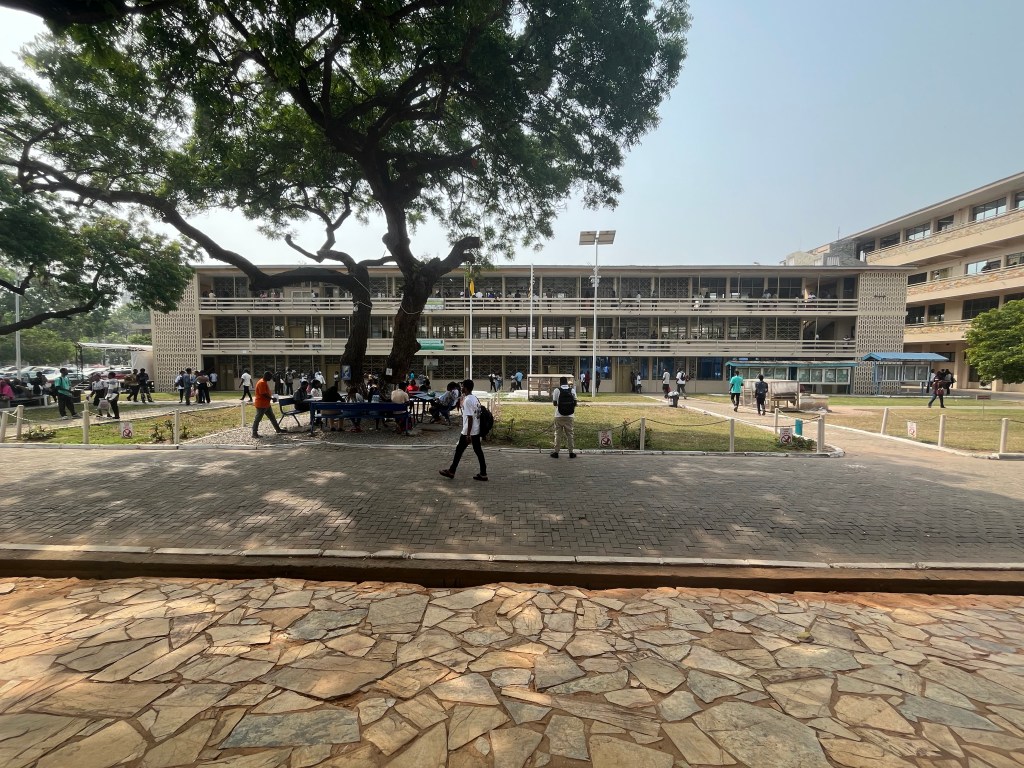
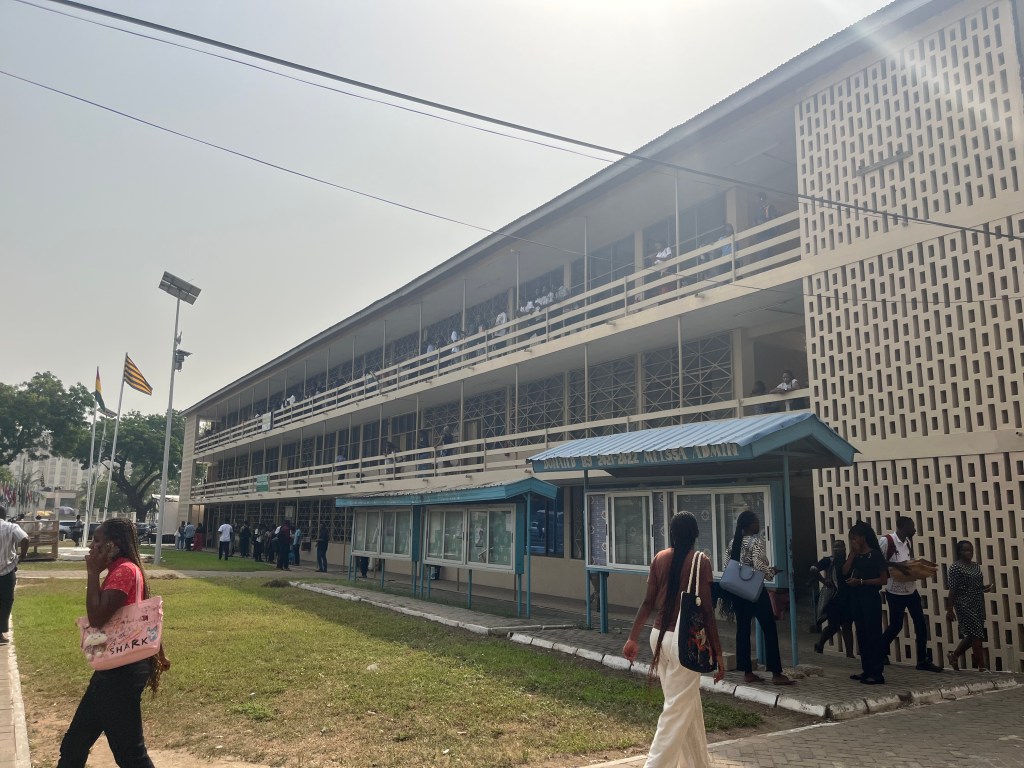
Accra Technical Institute. My reliable sources say it’s designed by none other than James Cubitt. Could be – it resembles his early work at KNUST, Kumasi. OR should I have gone to the Accra Technical College? But the dates for that institution don’t seem to add up.
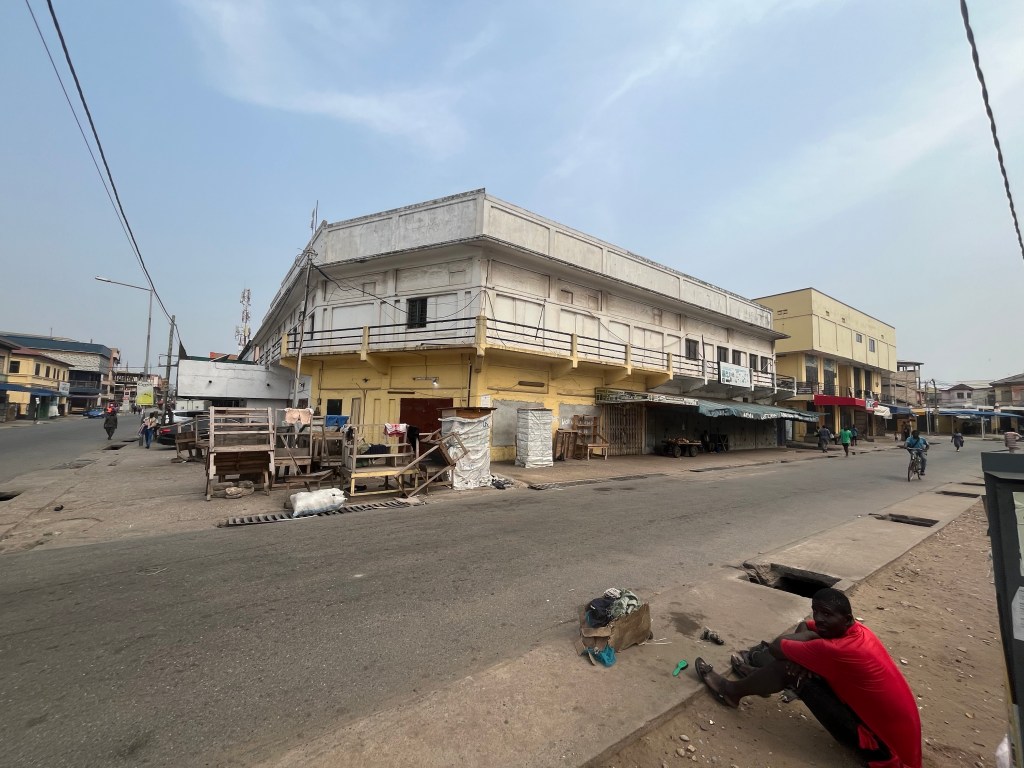
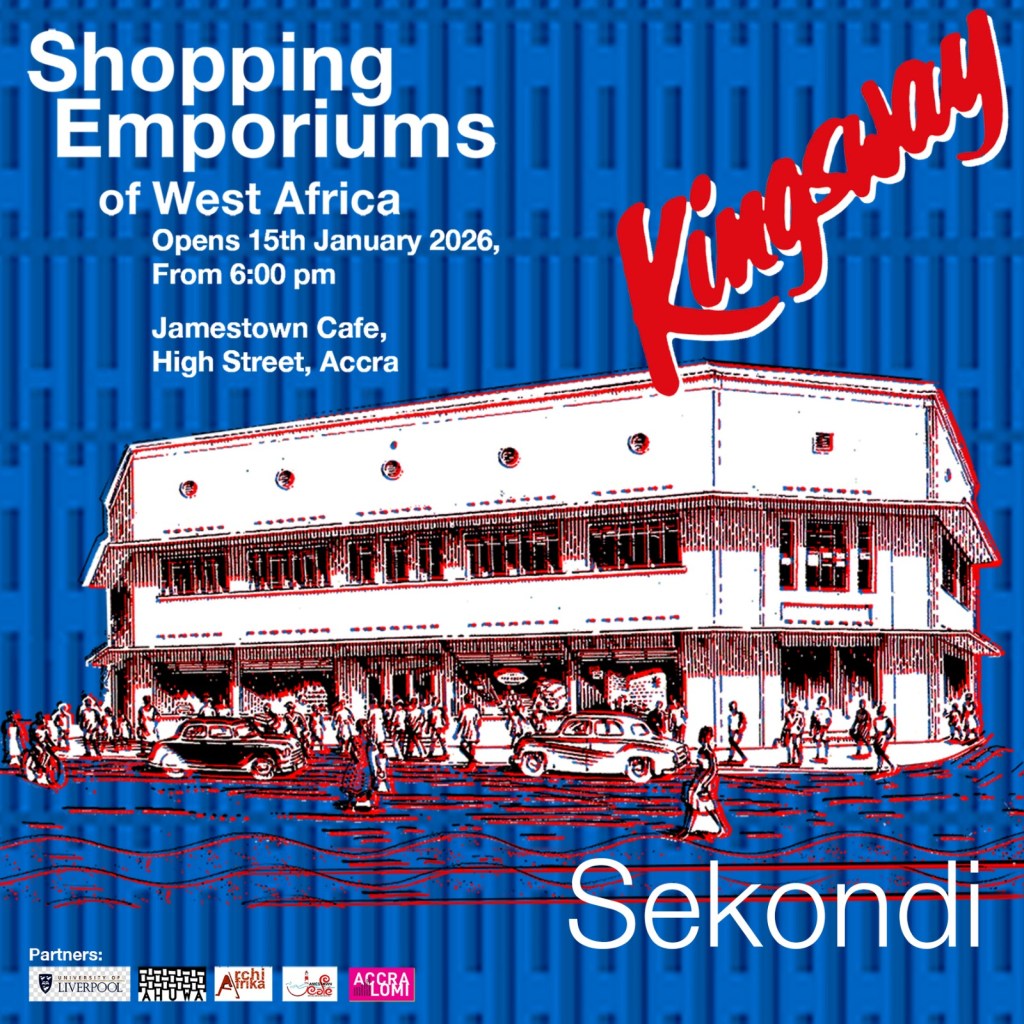
Then there’s a delightful commercial building in Jamestown. It resembles the UAC Kingsway Store in Sekondi. It definitely wasn’t a Kingsway, but perhaps was linked to the UAC?
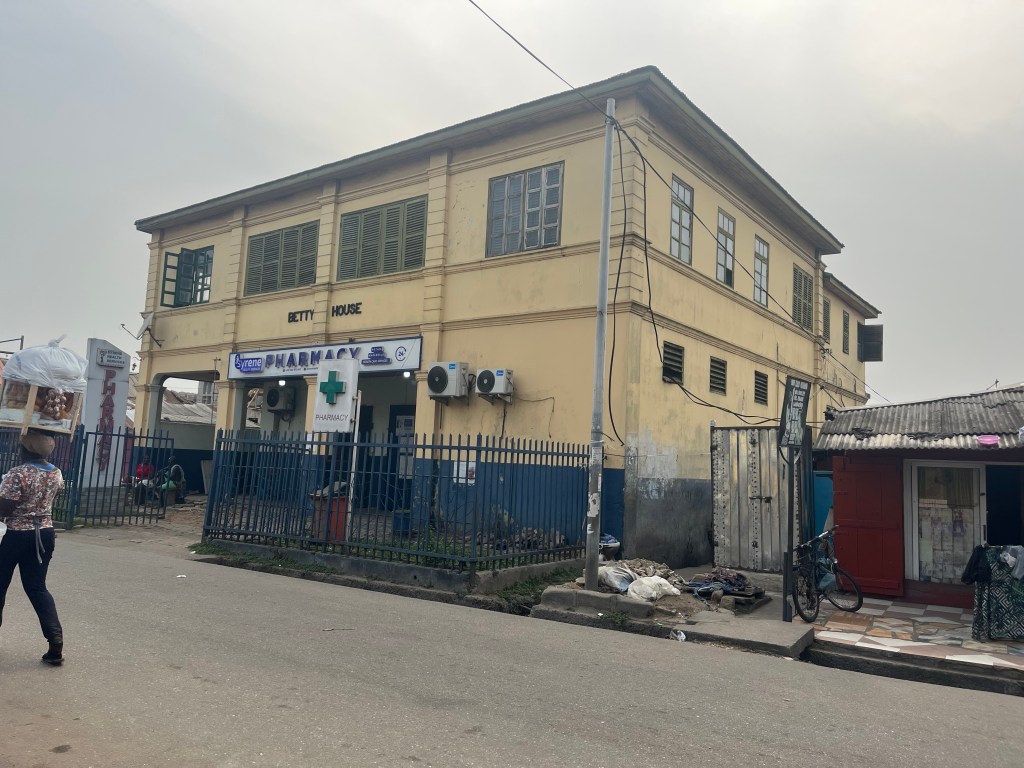
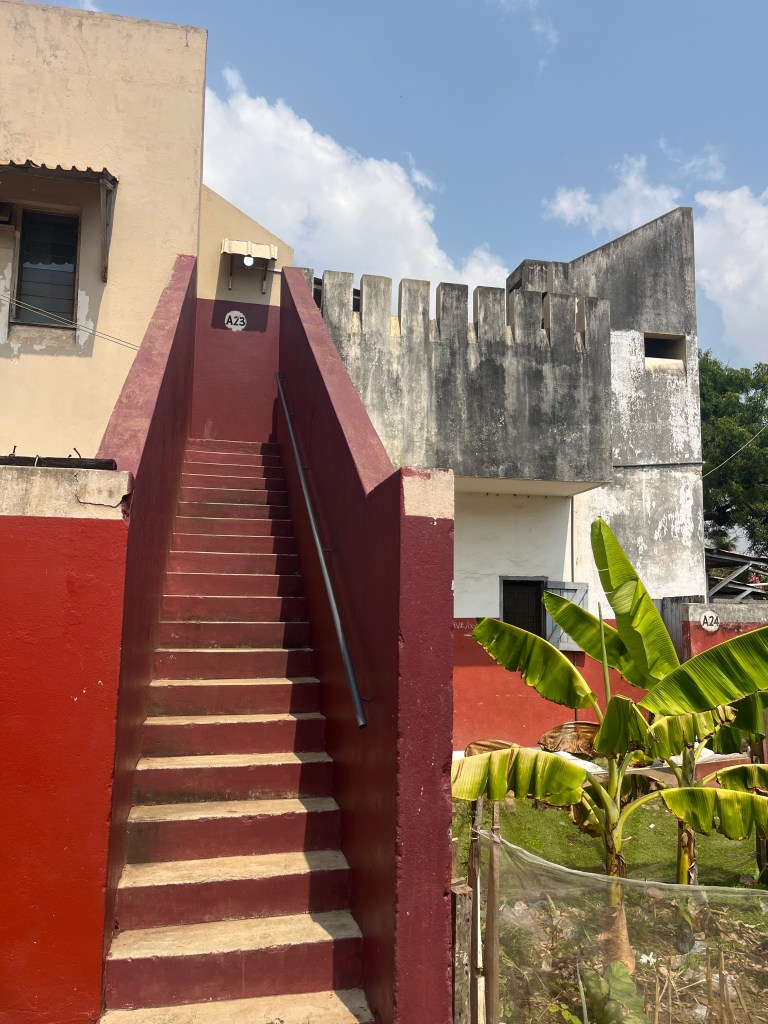
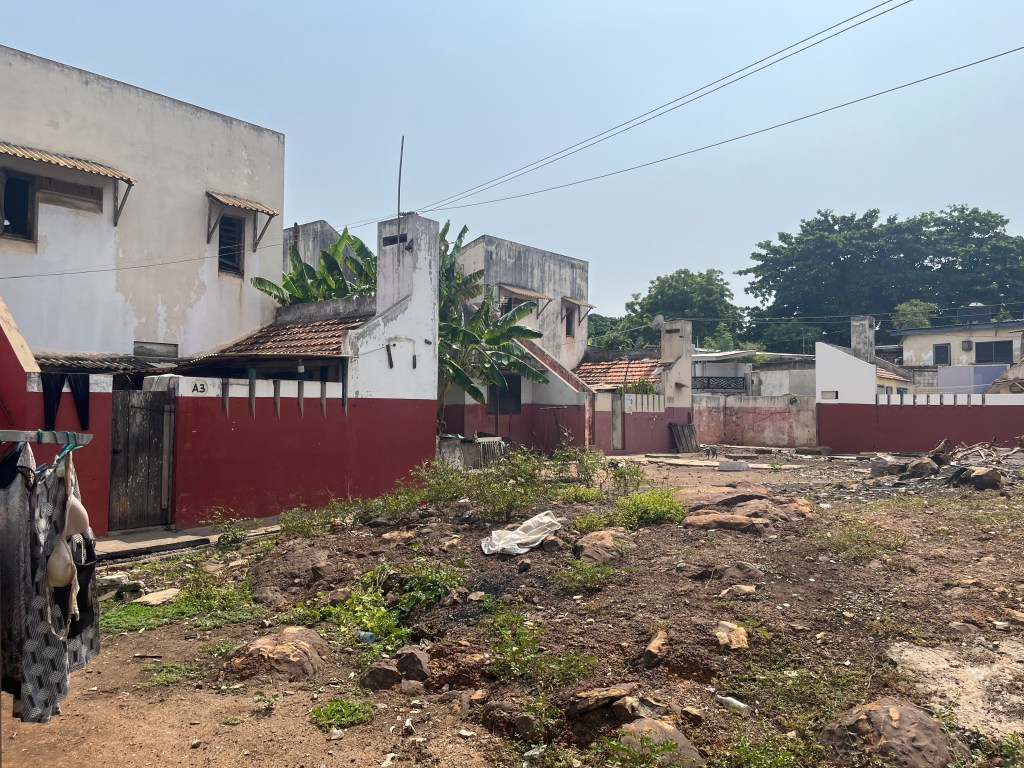
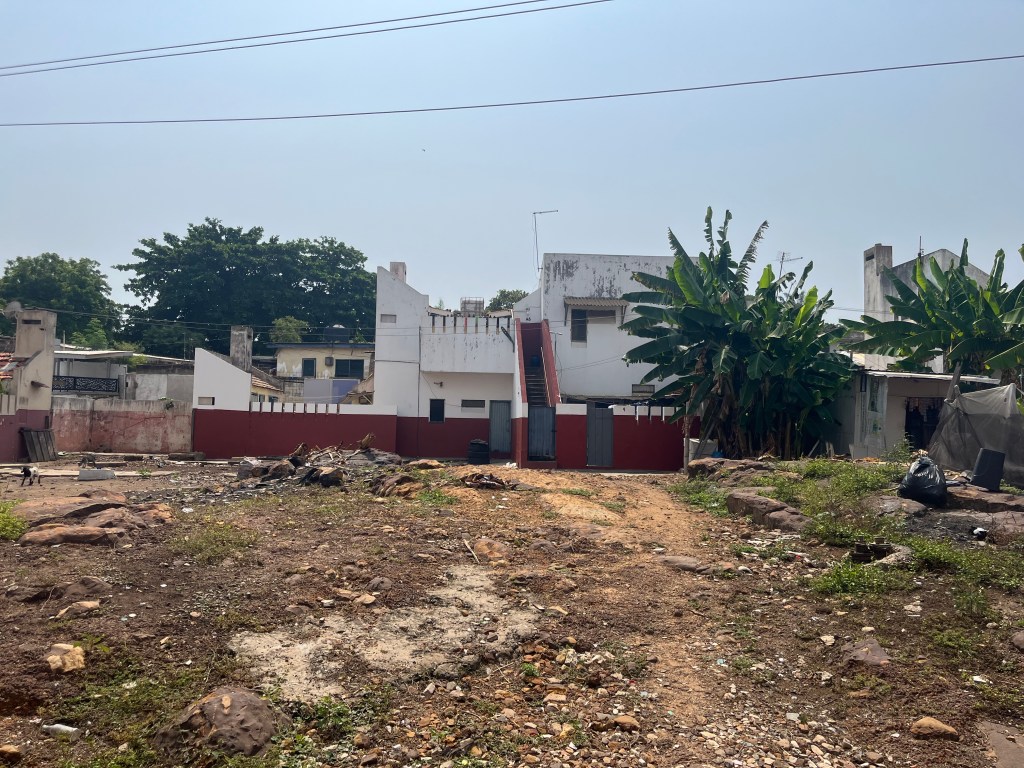
Finally “Betty House”. A rather large house in what was a prestigious neighbourhood in Jamestown at Korle Wokon. Historically important as the residence of Nana Akufo-Addo’s father and served as HQ for Ghana’s first political party, the United Gold Coast Convention (UGCC) after its formation in 1947.
Bringing the Kingsway Stores Home: Our Exhibition Opens in Accra15 Jan – Easter
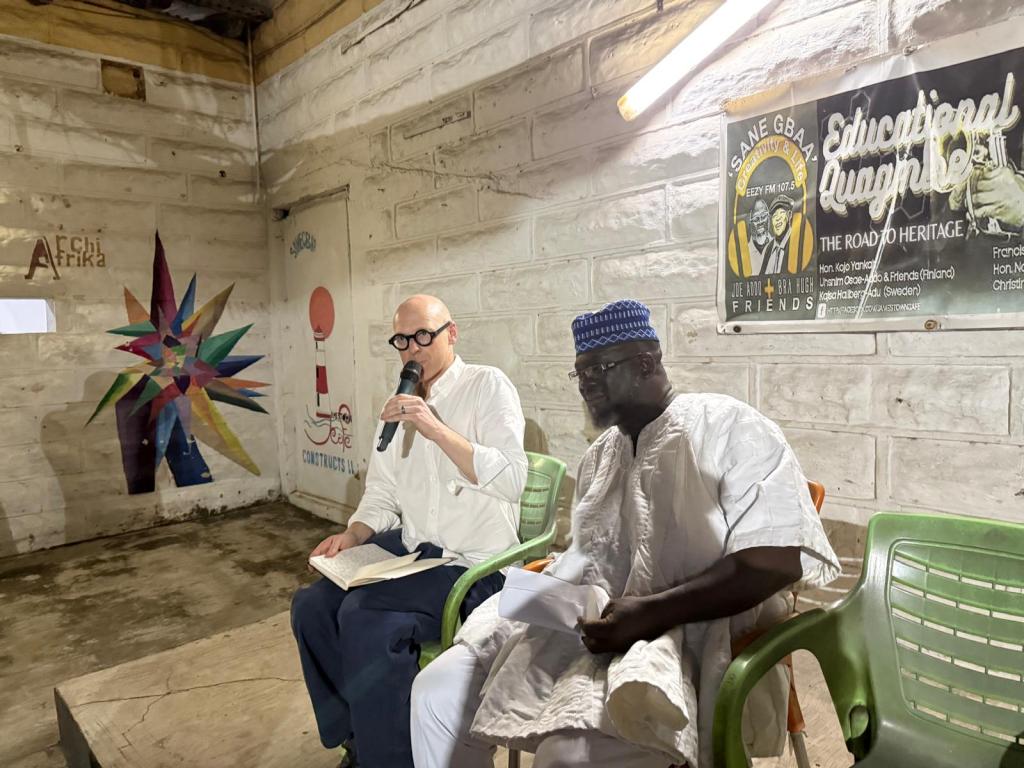
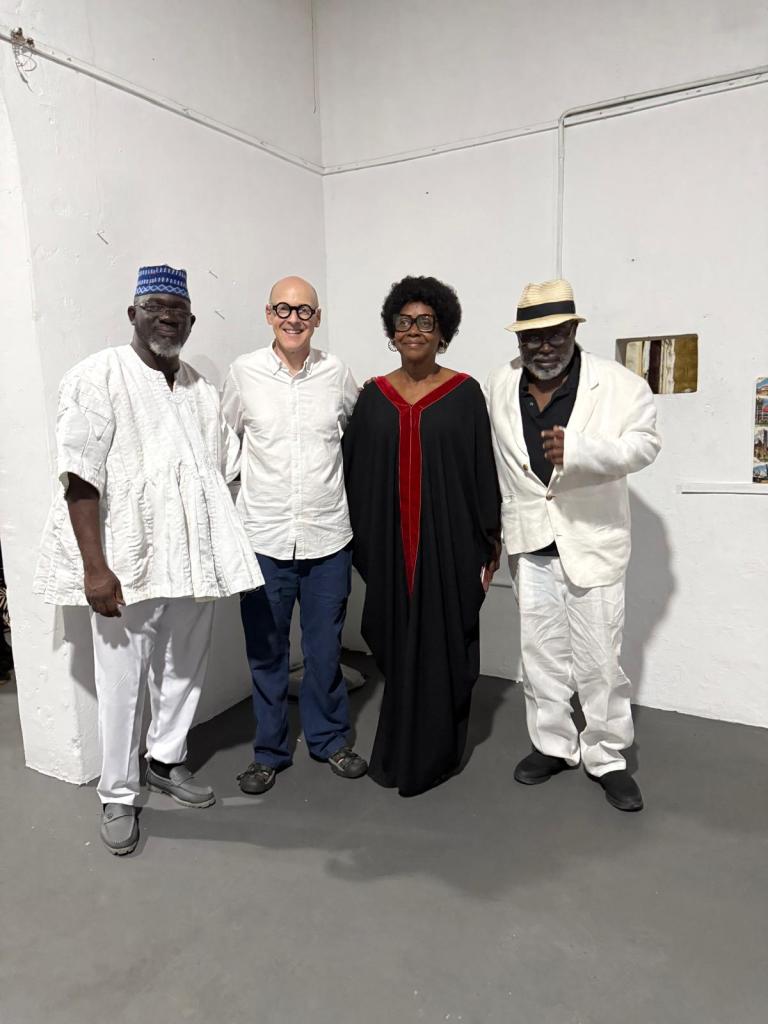
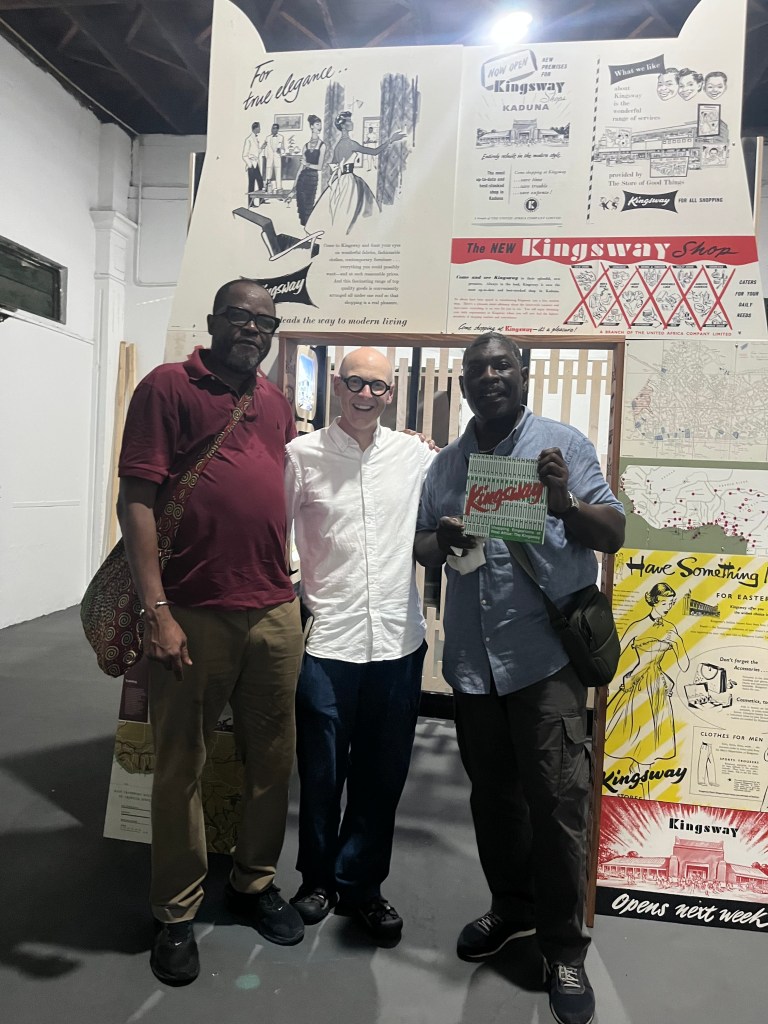
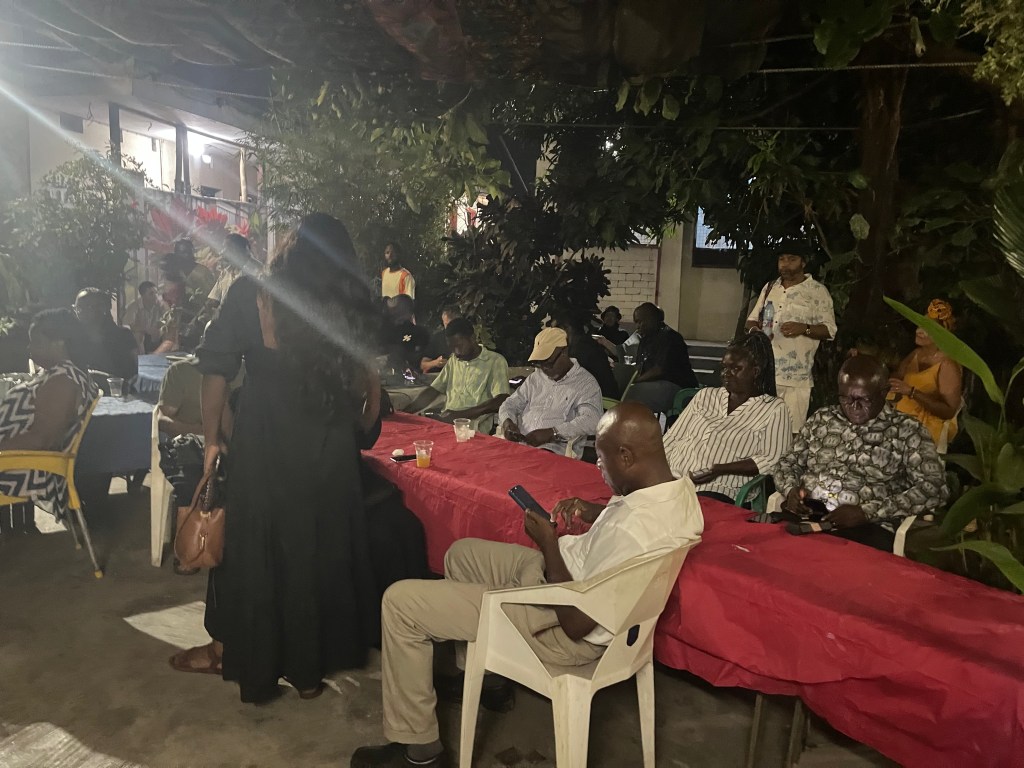
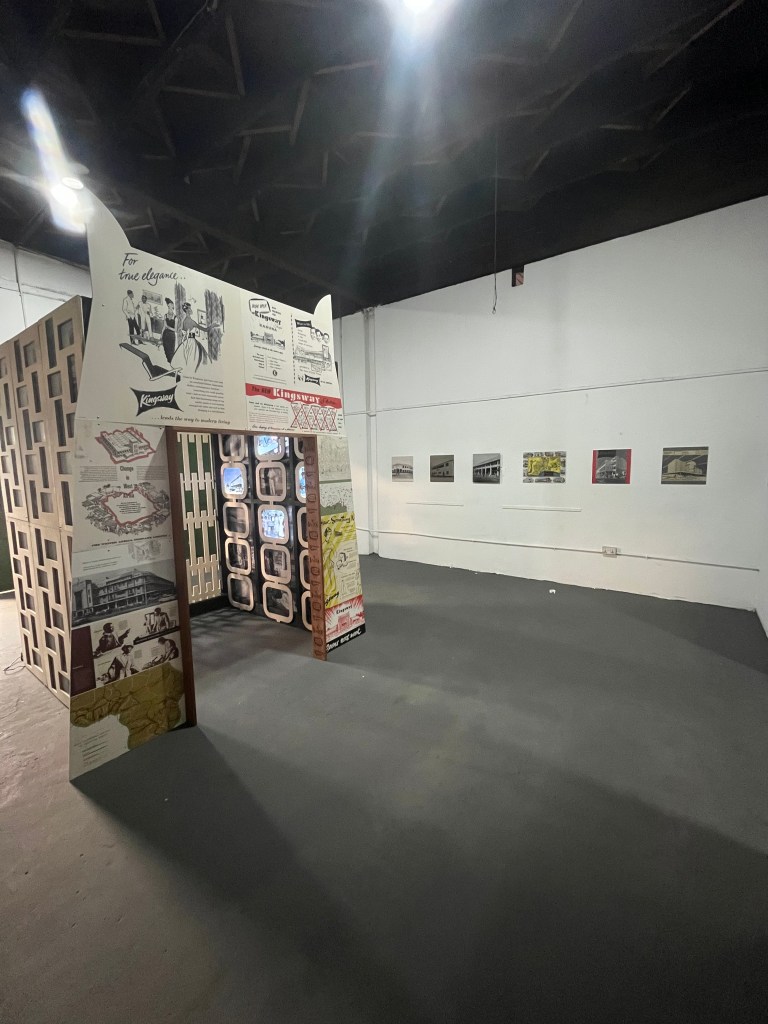
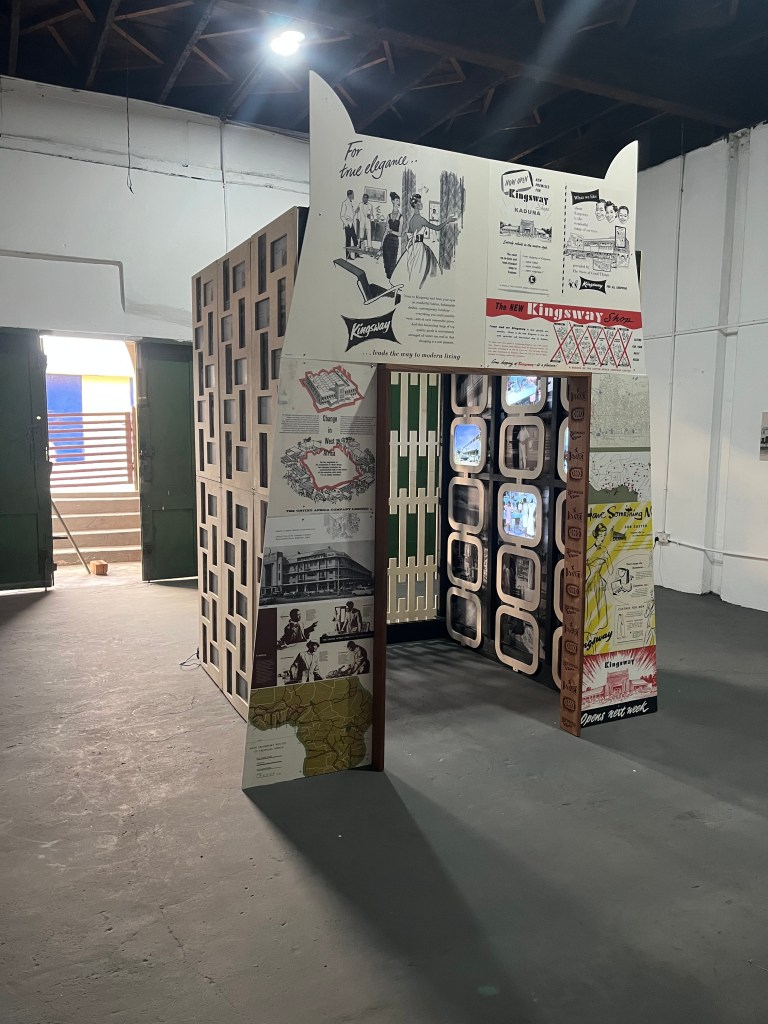
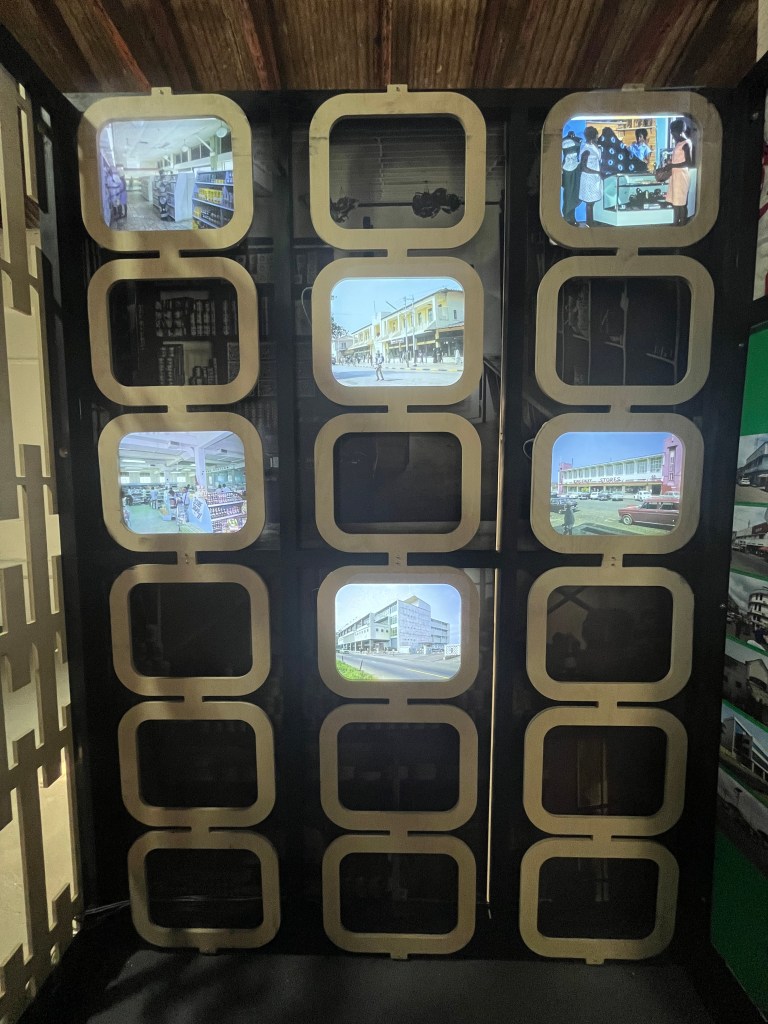
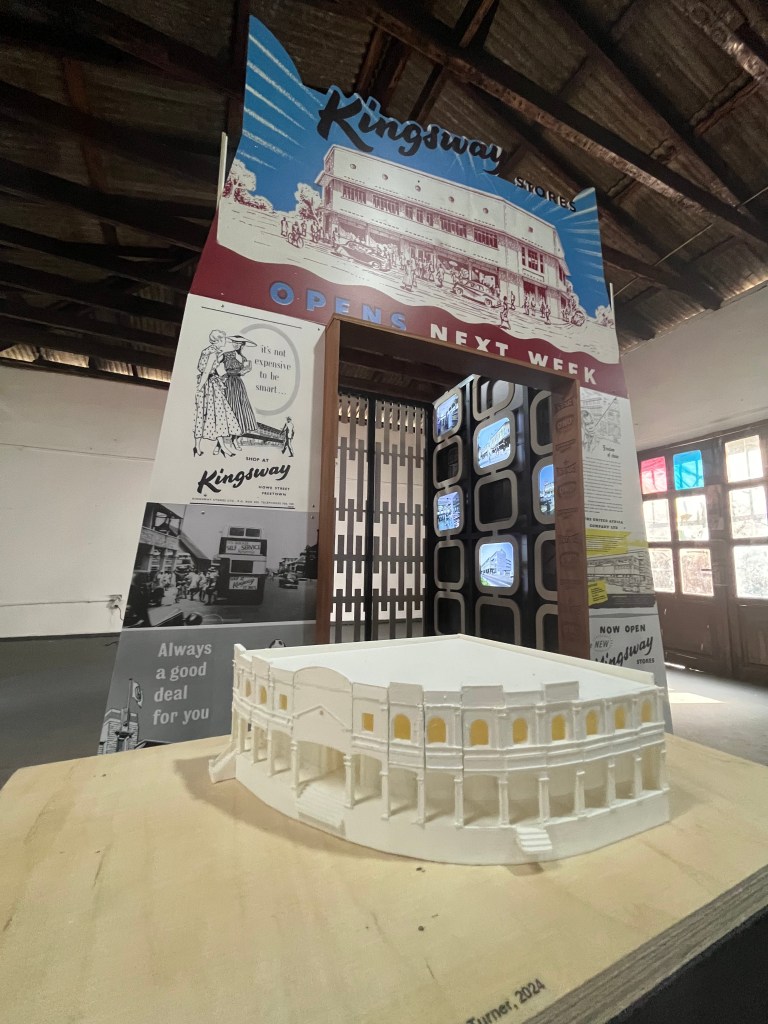
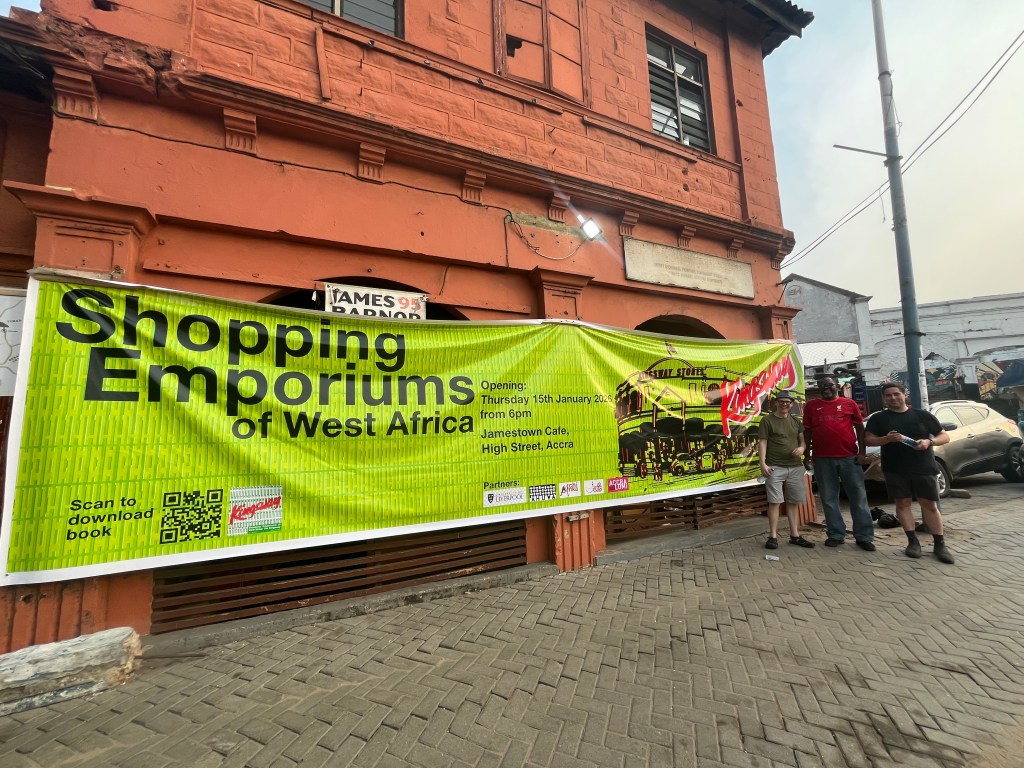
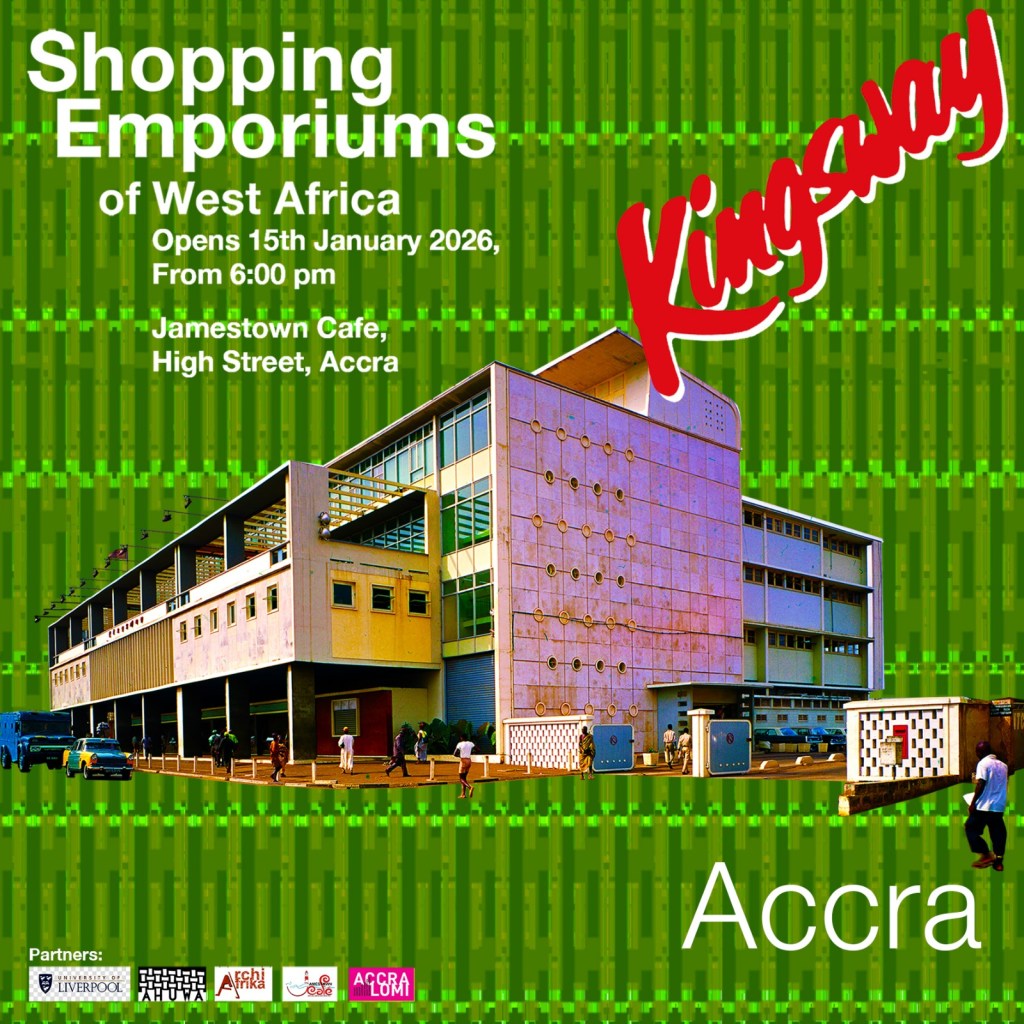
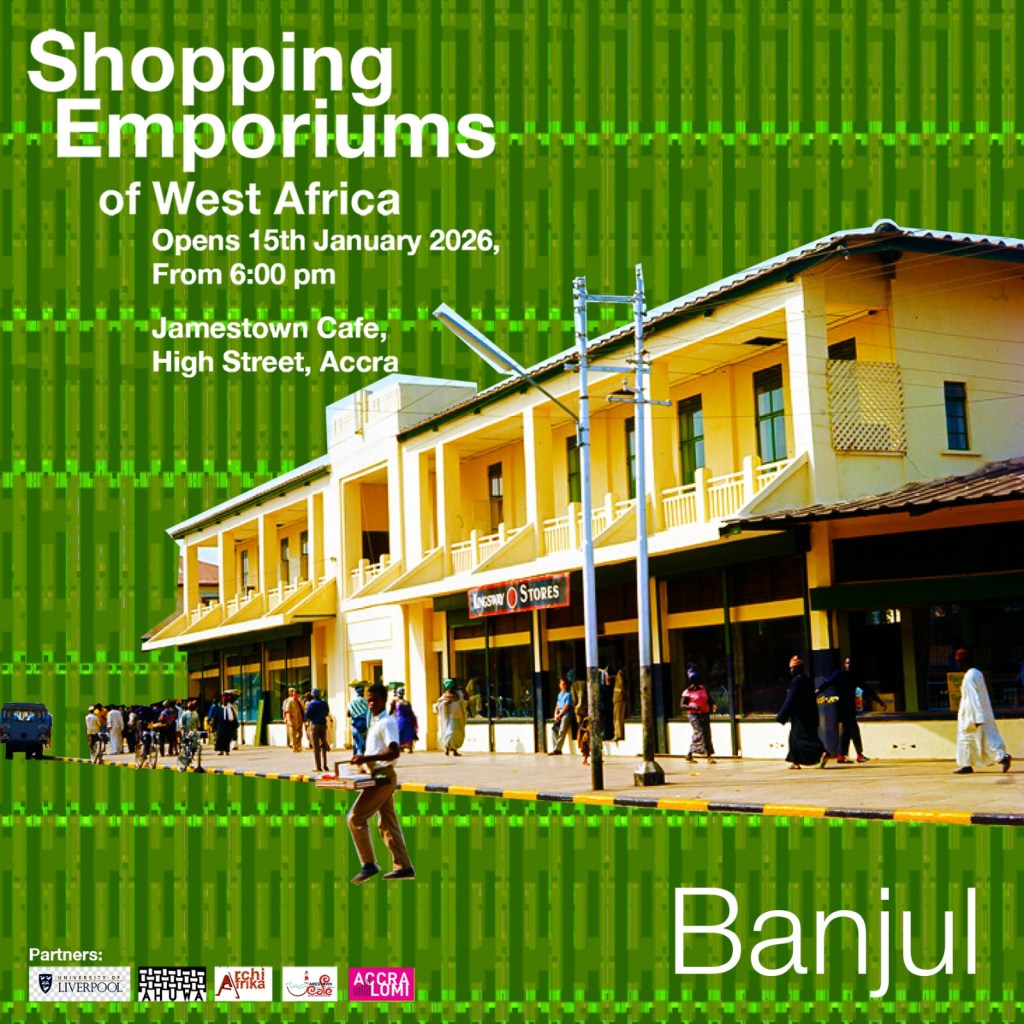
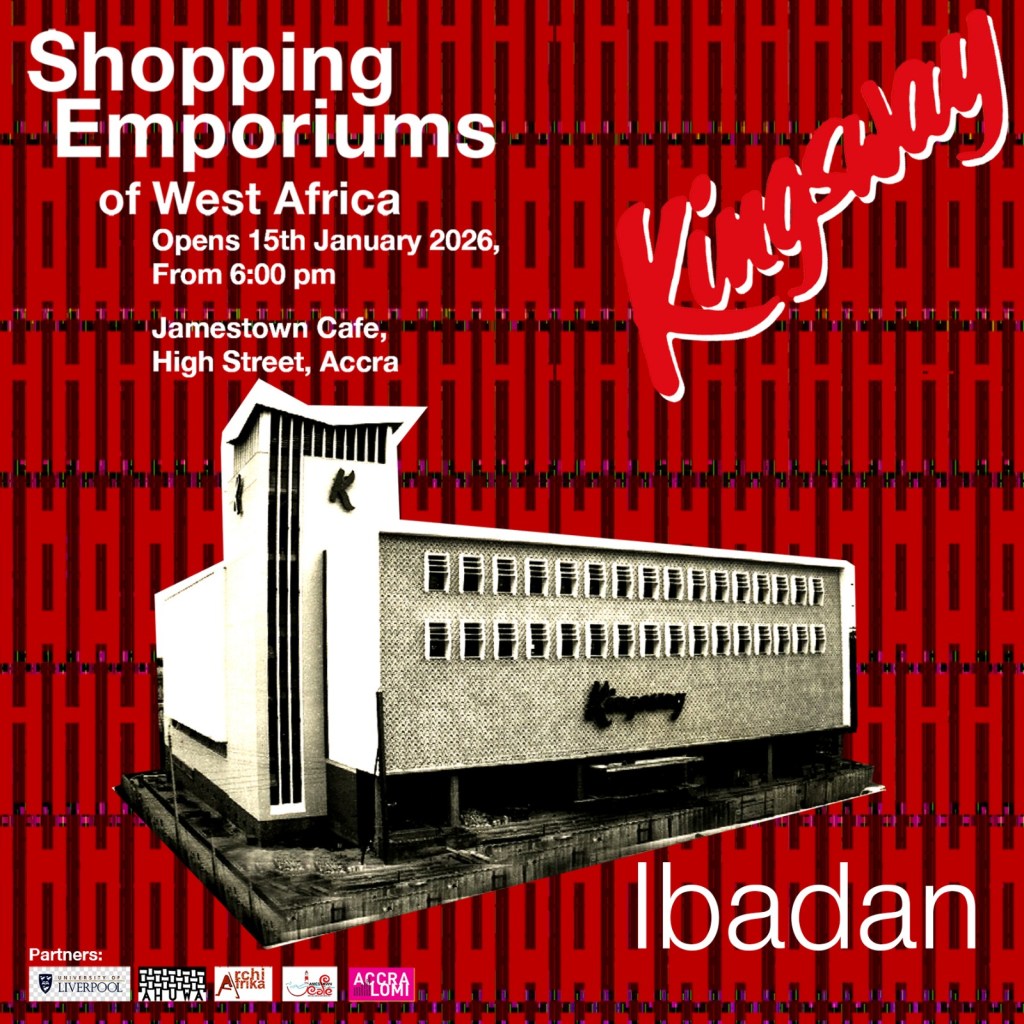
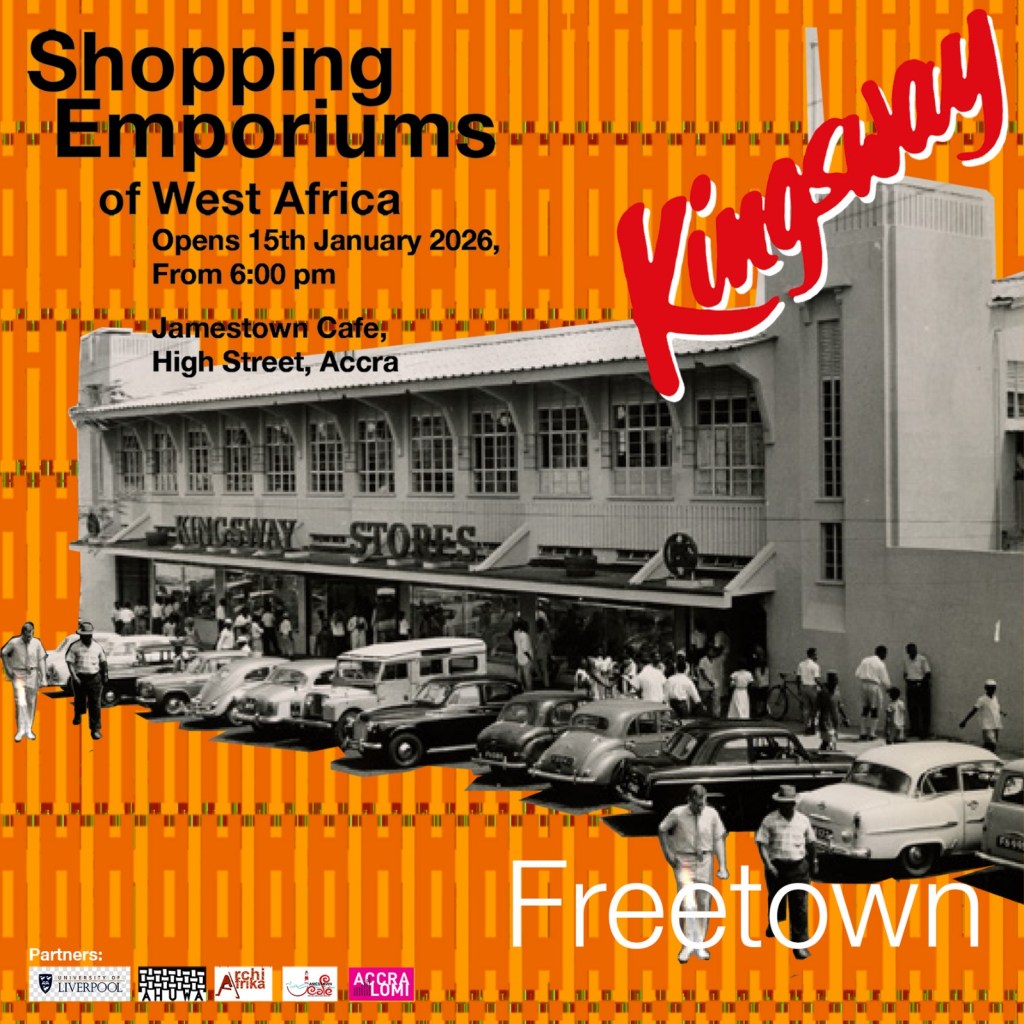
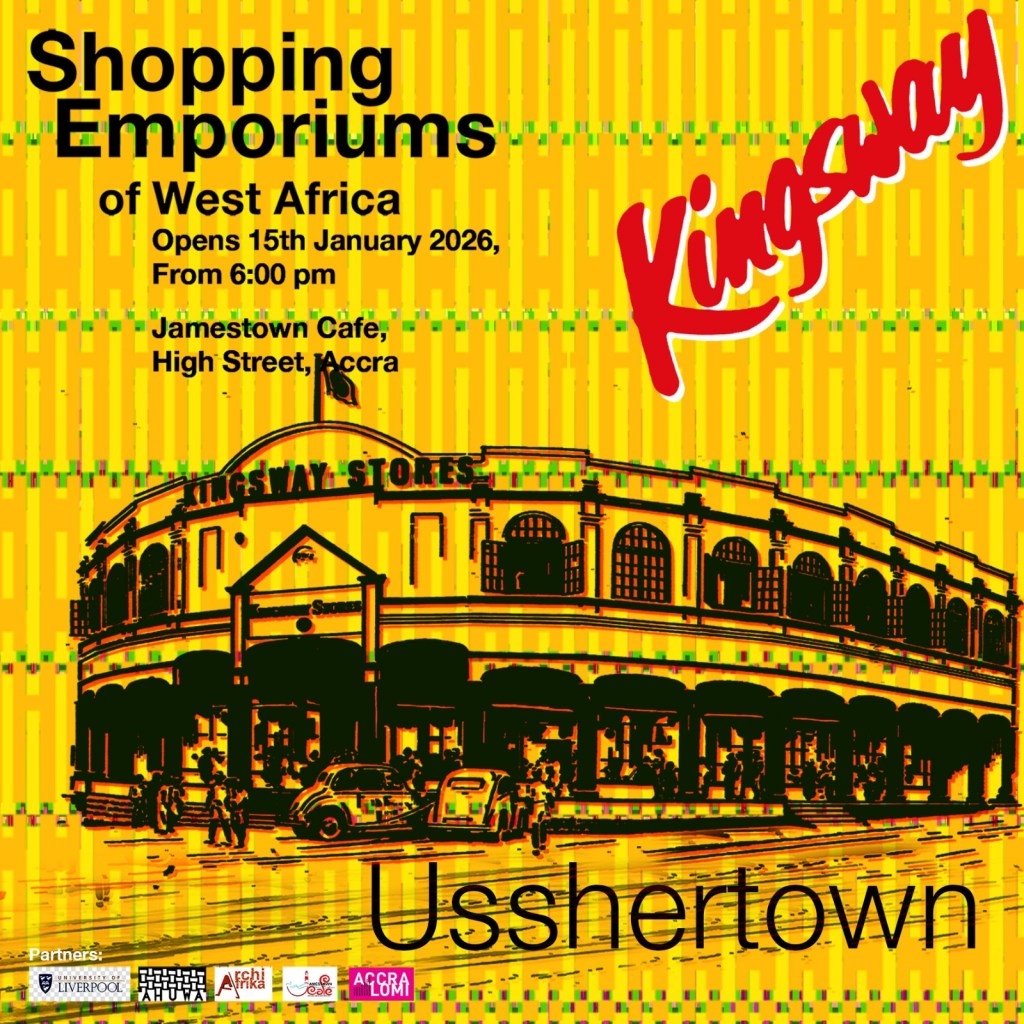
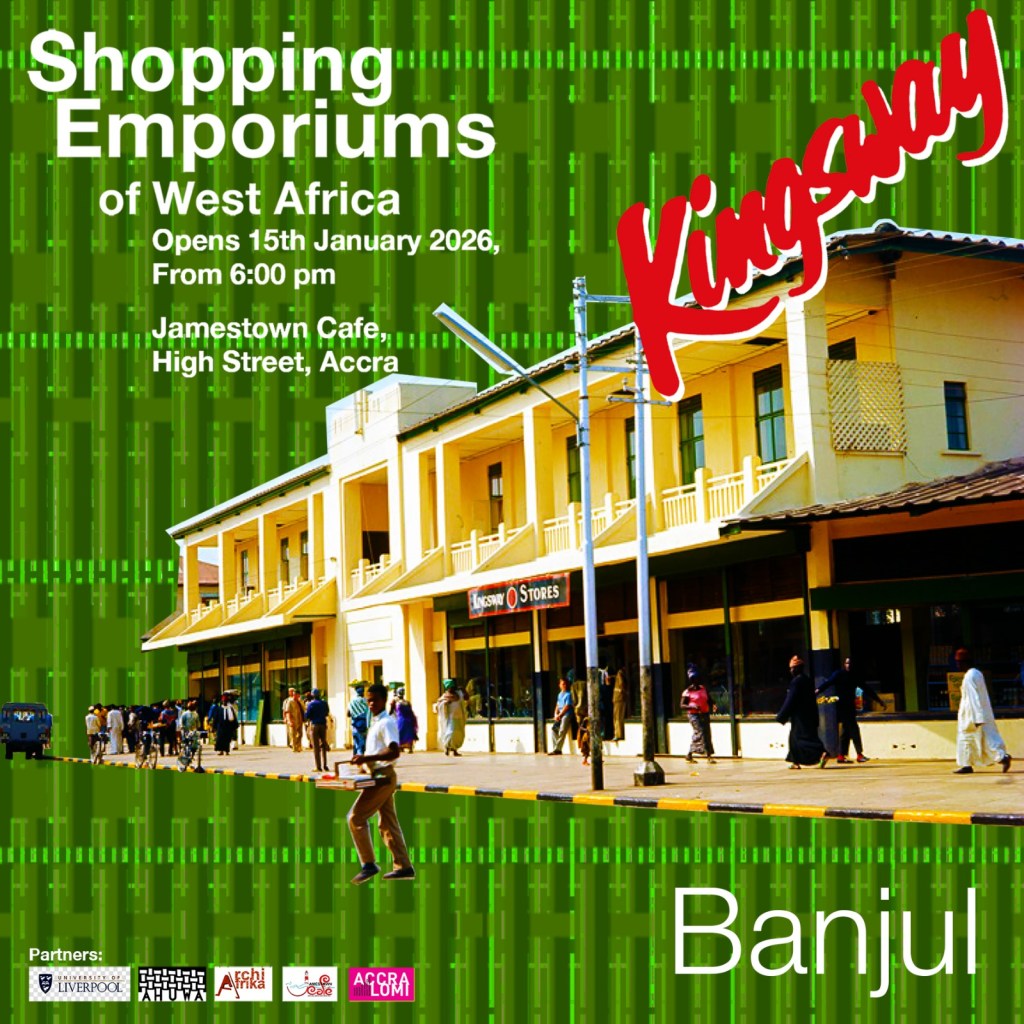
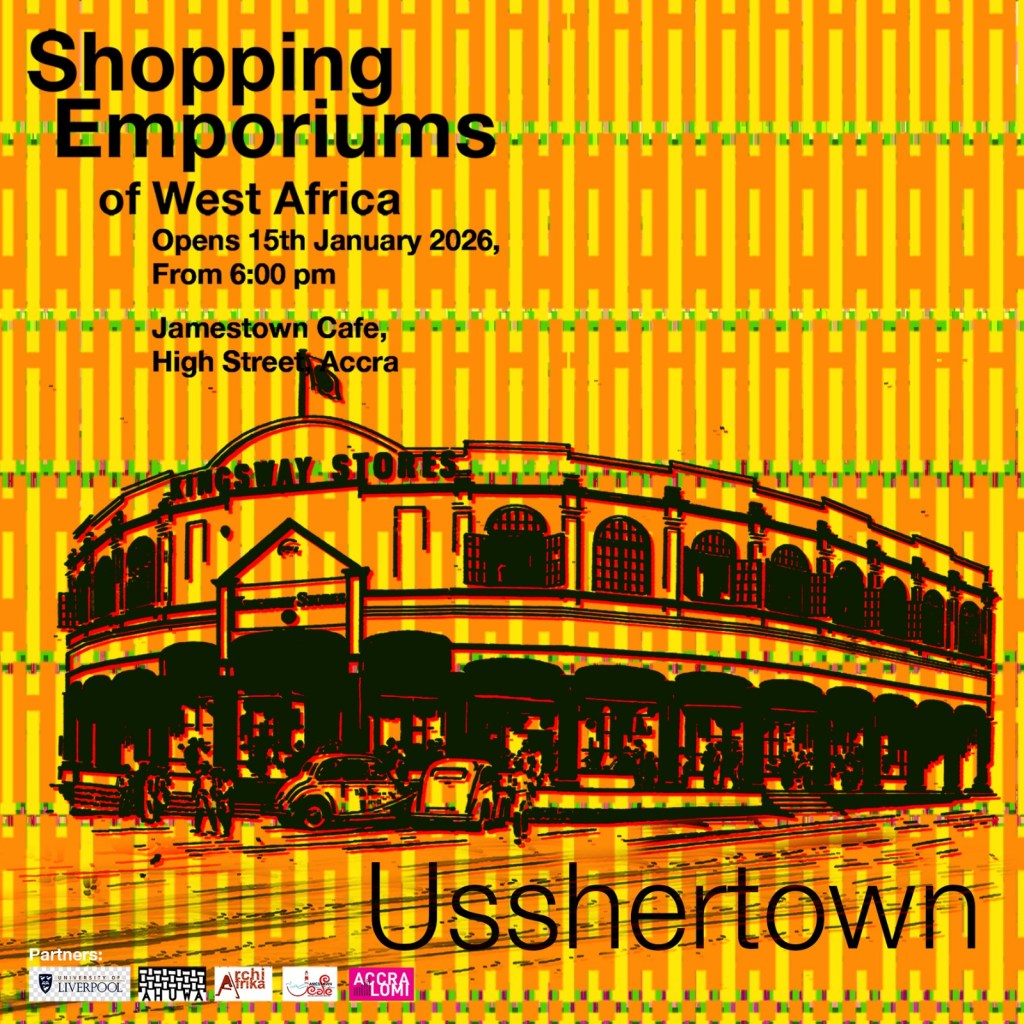
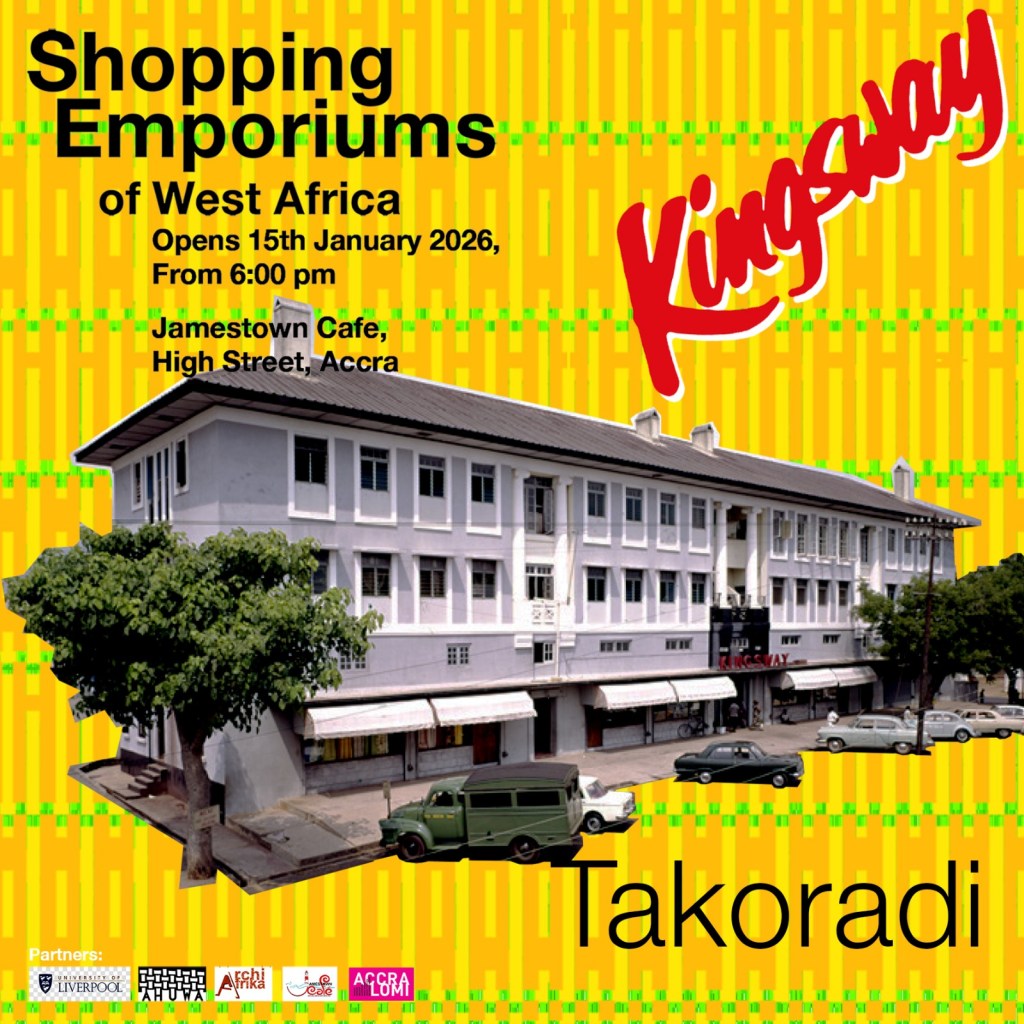
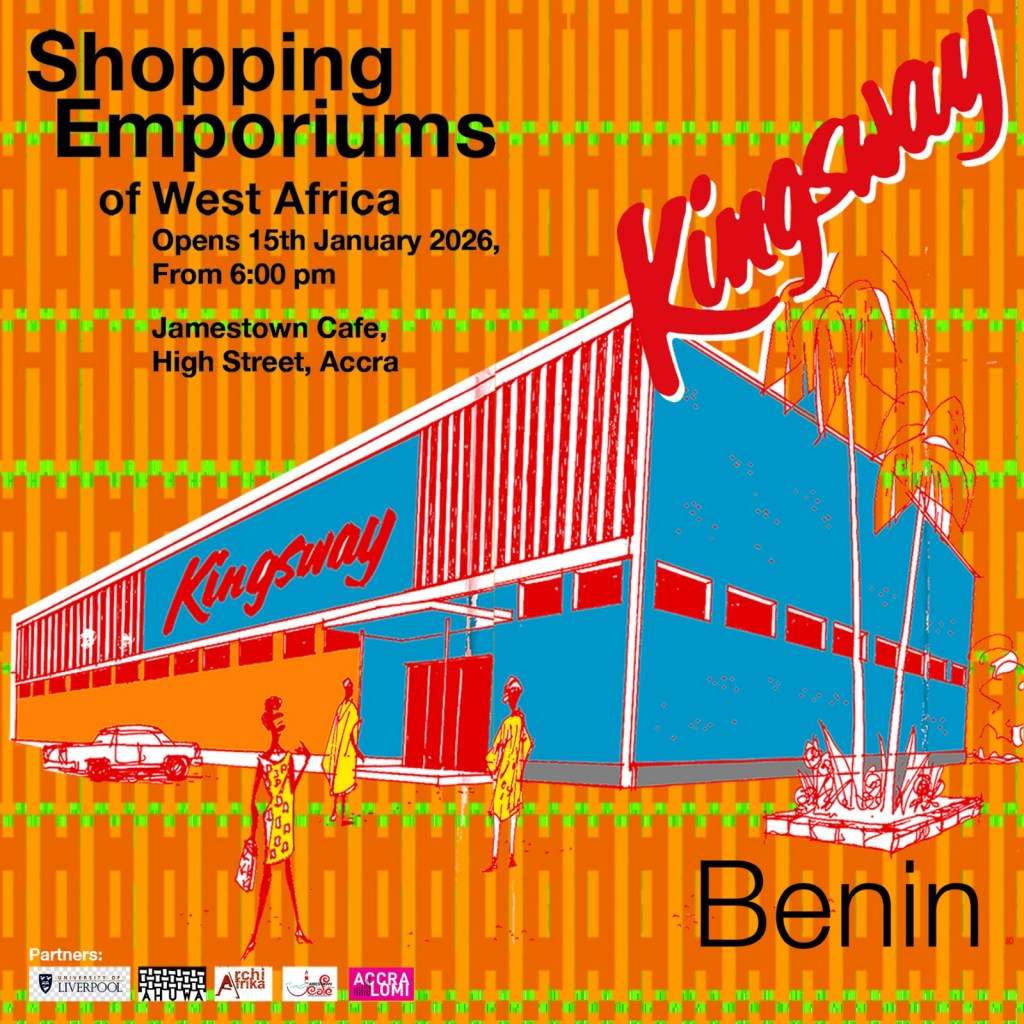
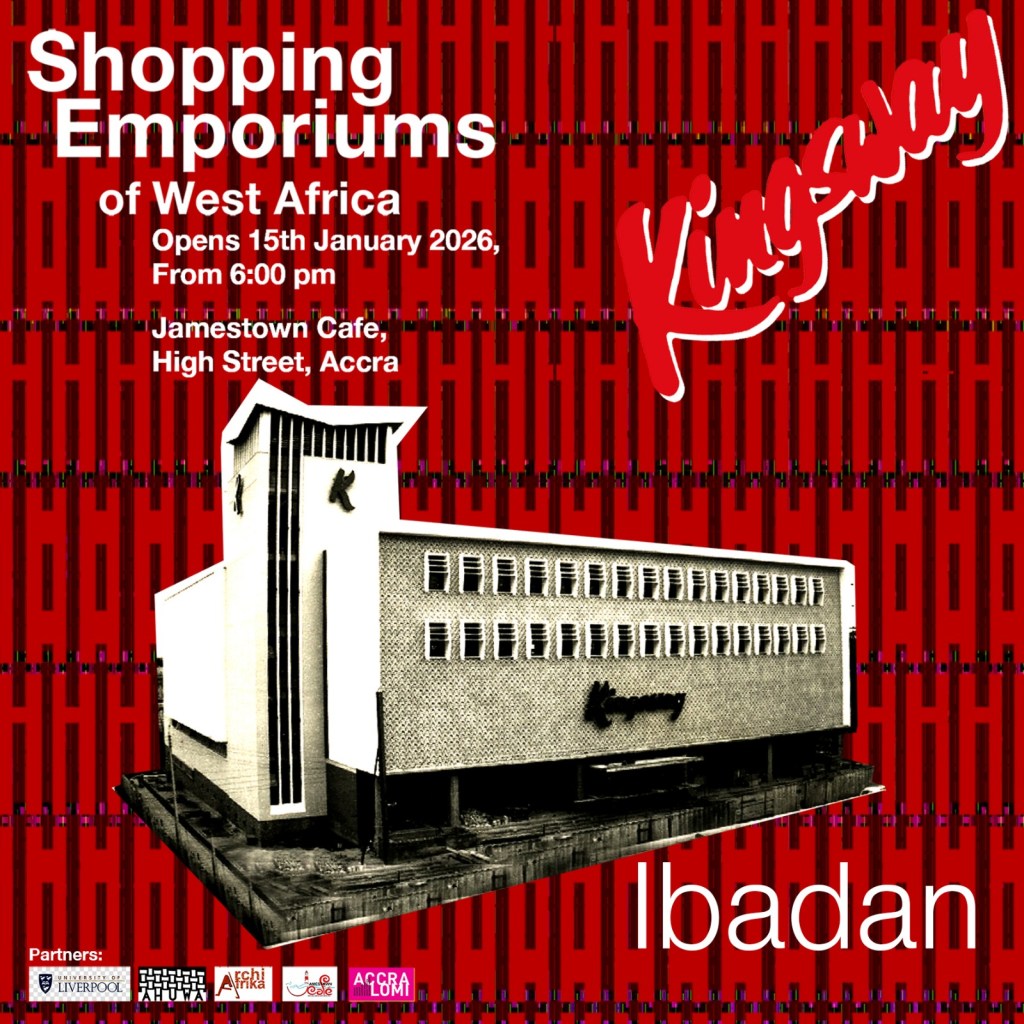
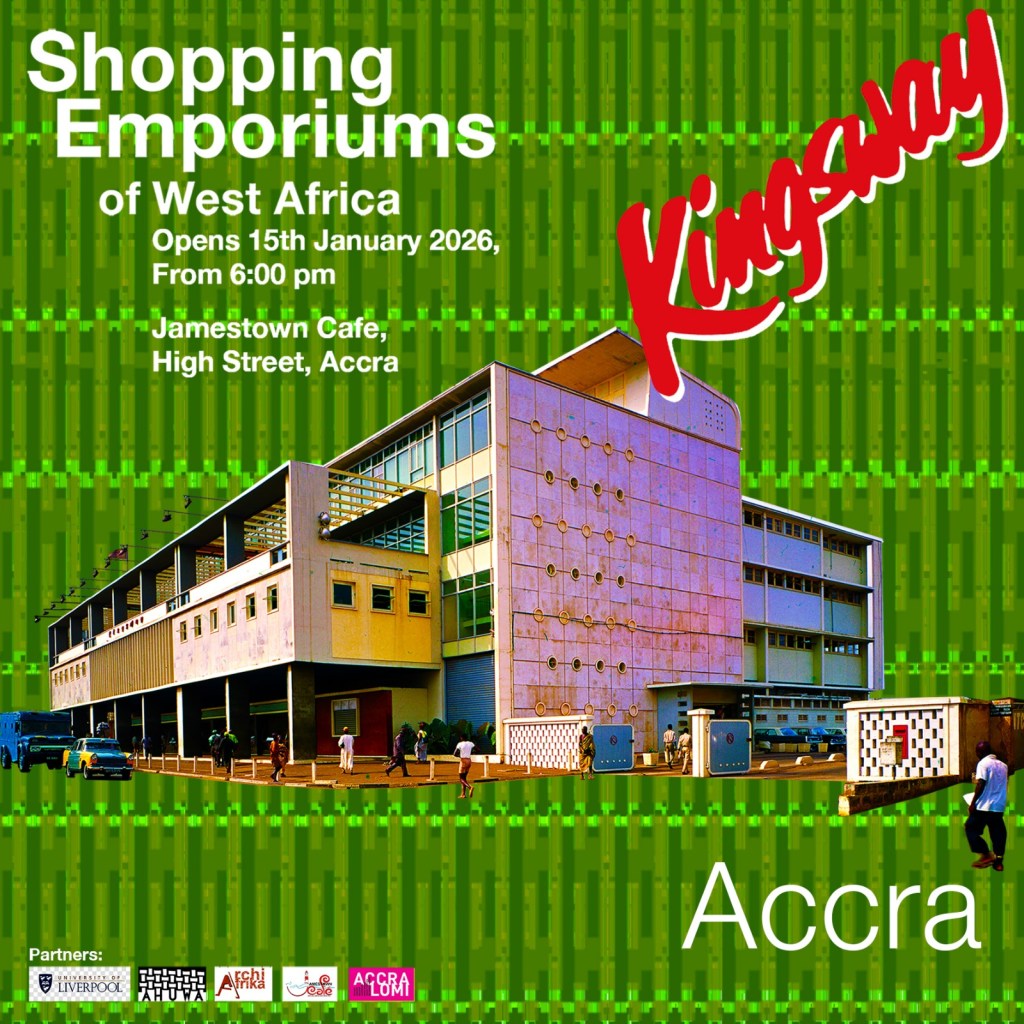
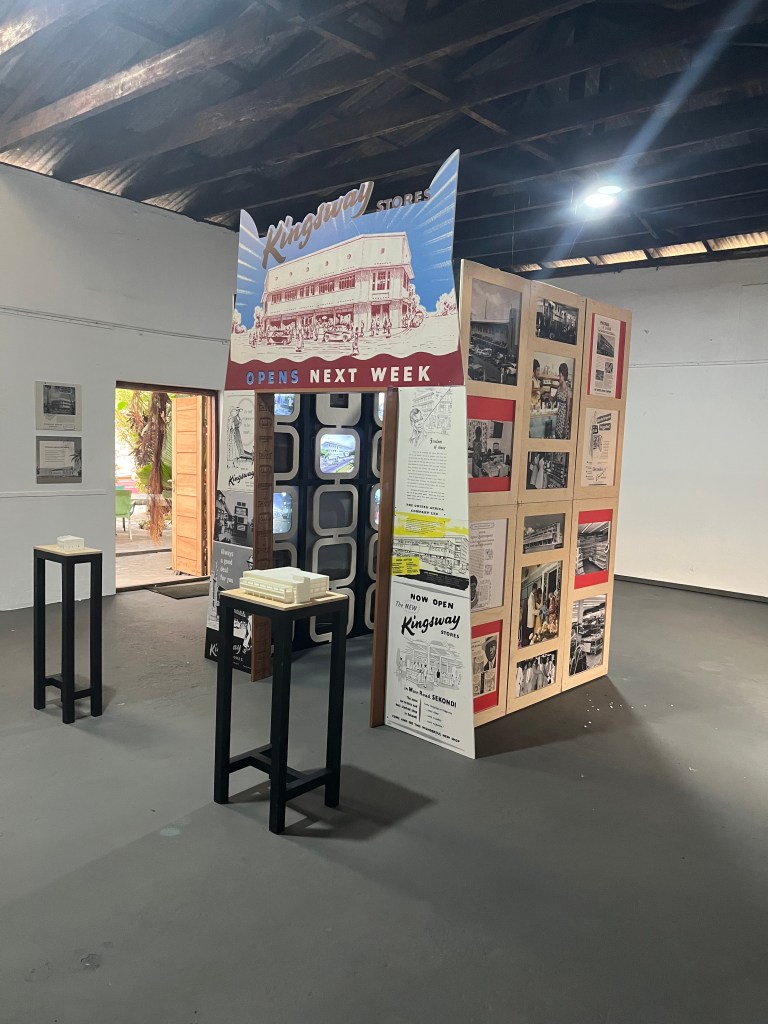
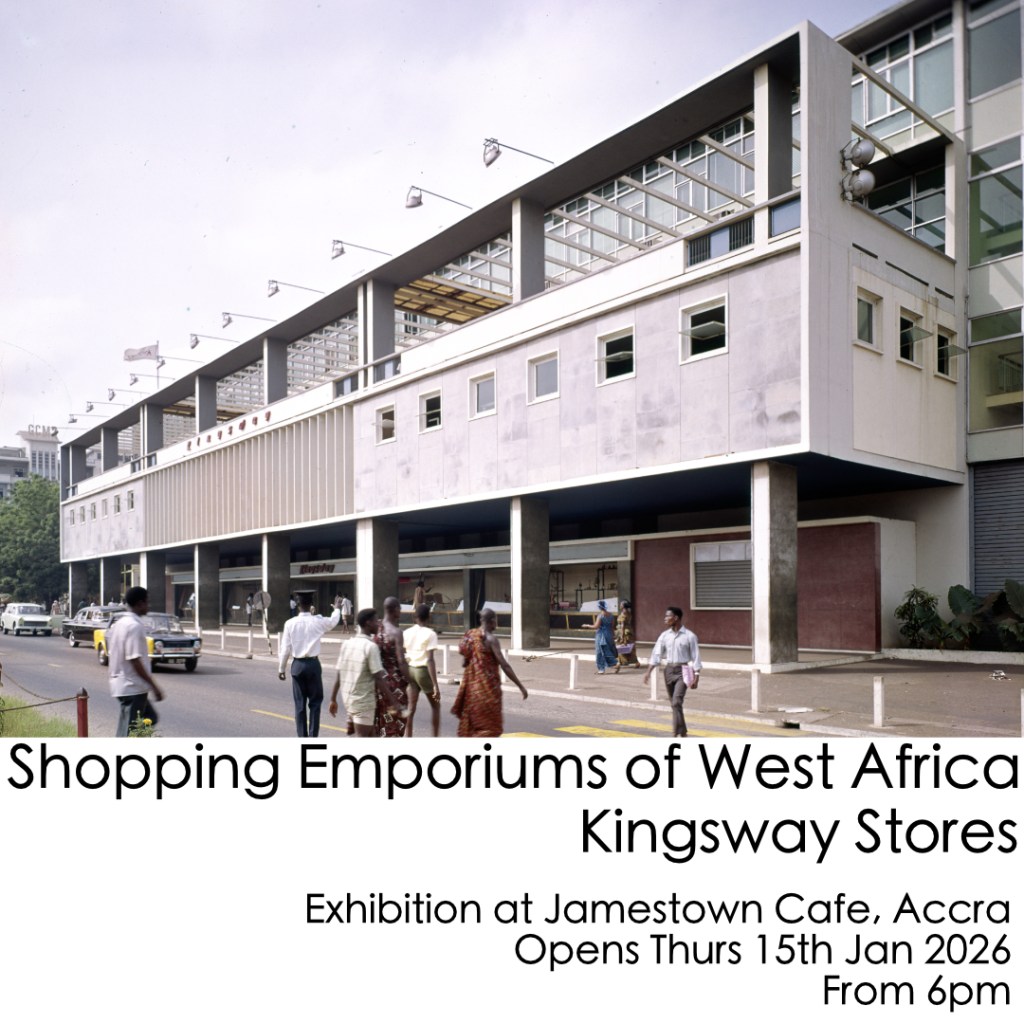
On 15th January, we celebrated the opening of “Shopping Emporiums of West Africa: The Kingsway Stores” at Jamestown Cafe and Gallery in Accra, marking a significant milestone in our ongoing research into the architectural and commercial legacy of the United Africa Company. The launch evening brought together an engaged audience including President of the Ghana Institute of Architects Tony Asare, Dr Abena Busia, and Ronnie Micallef, the incoming High Commissioner of Malta in Accra, for what proved to be a thought-provoking discussion about retail modernism, colonial commerce, and architectural heritage in West Africa. David Kojo Derban gave a wonderful opening talk to contextualise the exhibition, along with a wider welcome from cafe and gallery owner architect Joe Owusu Addo.
The exhibition represents the culmination of over 5 years of collaborative research examining the Kingsway department store chain, which operated across West Africa throughout much of the twentieth century. Working alongside Unilever archivist Claire Tunstall and colleagues Ewan Harrison, Rixt Woudstra, Paul Robinson, and Michele Tenzon, we’ve traced the fascinating story of these iconic shopping emporiums from their inception through the independence periods of West Africa and beyond.
This work forms part of our broader investigation into the United Africa Company, published last year by Bloomsbury as “Architecture, Empire, Trade.” In our recent Journal of Design History article, co-authored with Ewan Harrison, Irene Appeaning Addo, and Oluwaseun Muraina, we wrote that “Kingsway responded to independence by instrumentalizing a particularly modernist domesticity through a series of didactic marketing efforts and the construction of boldly modernist new stores.” The article reveals how these stores weren’t simply places of commerce but architectural statements where “modernism is here revealed as complexly imbricated with colonial and neocolonial profit-seeking.”
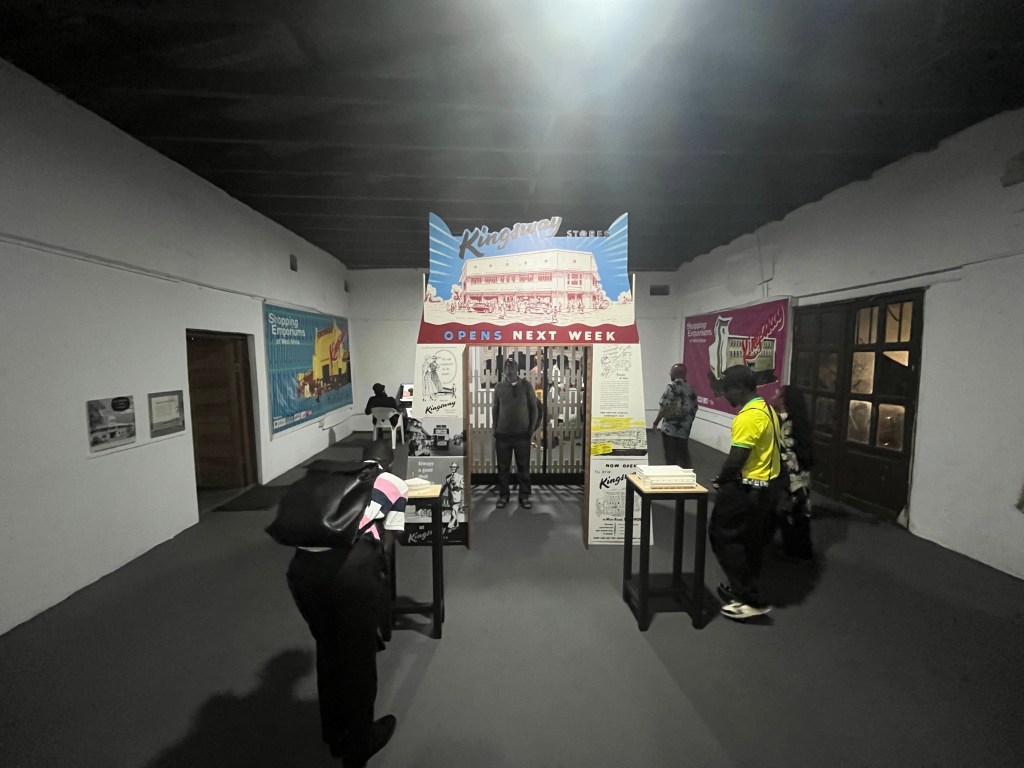
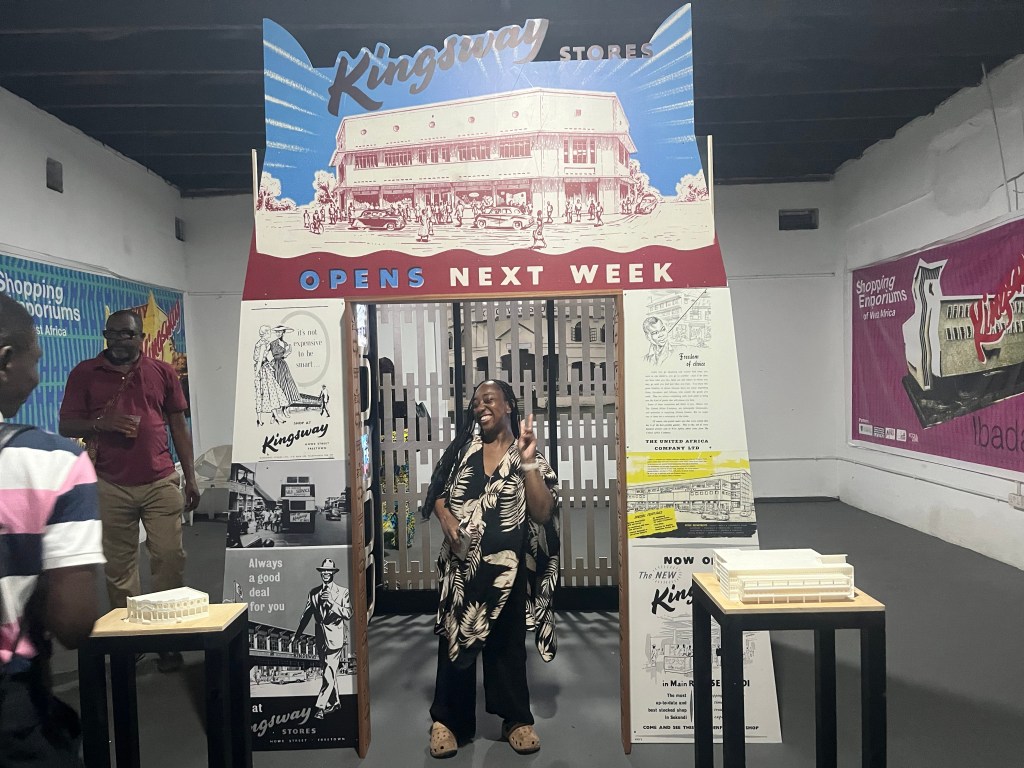
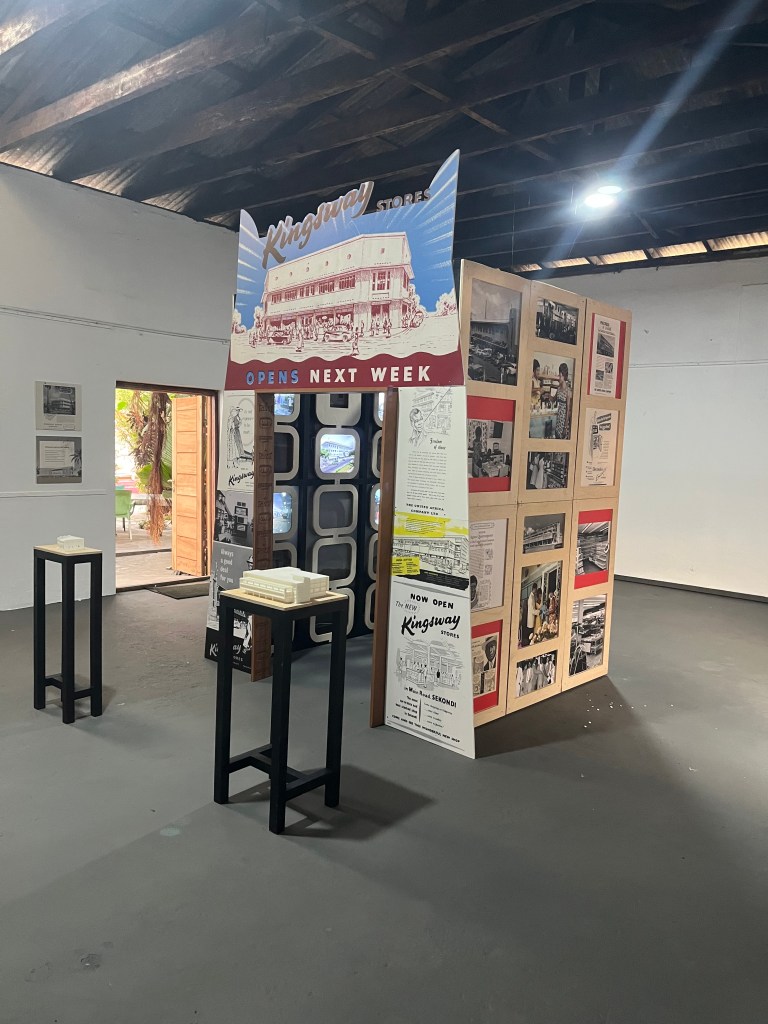
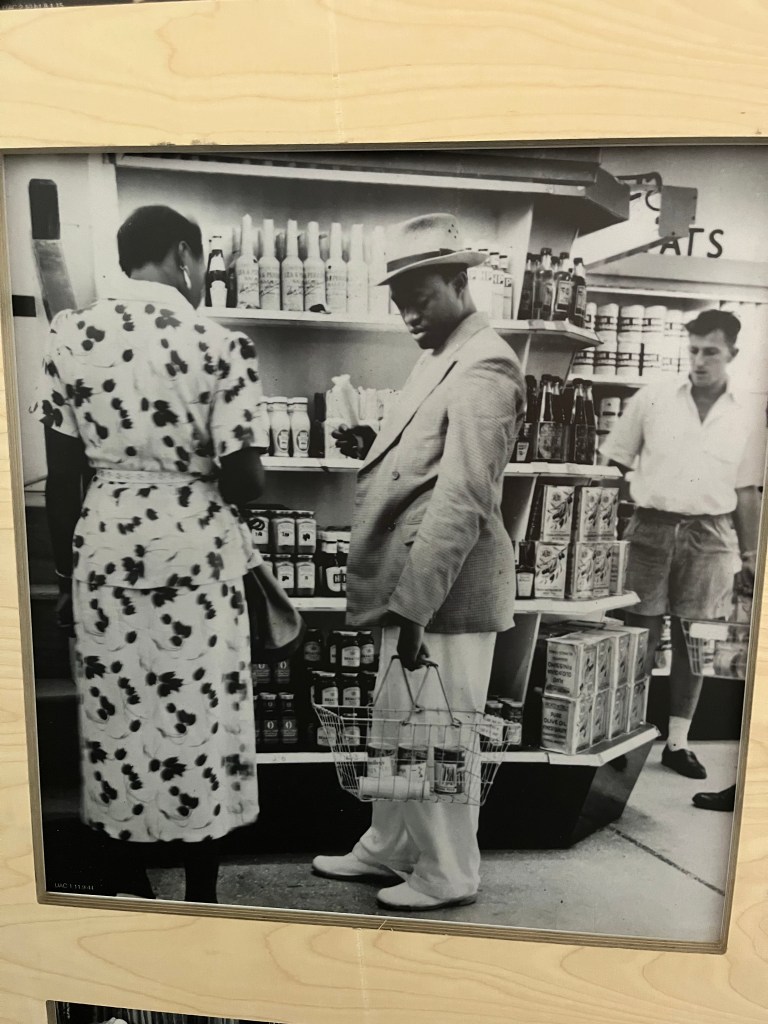
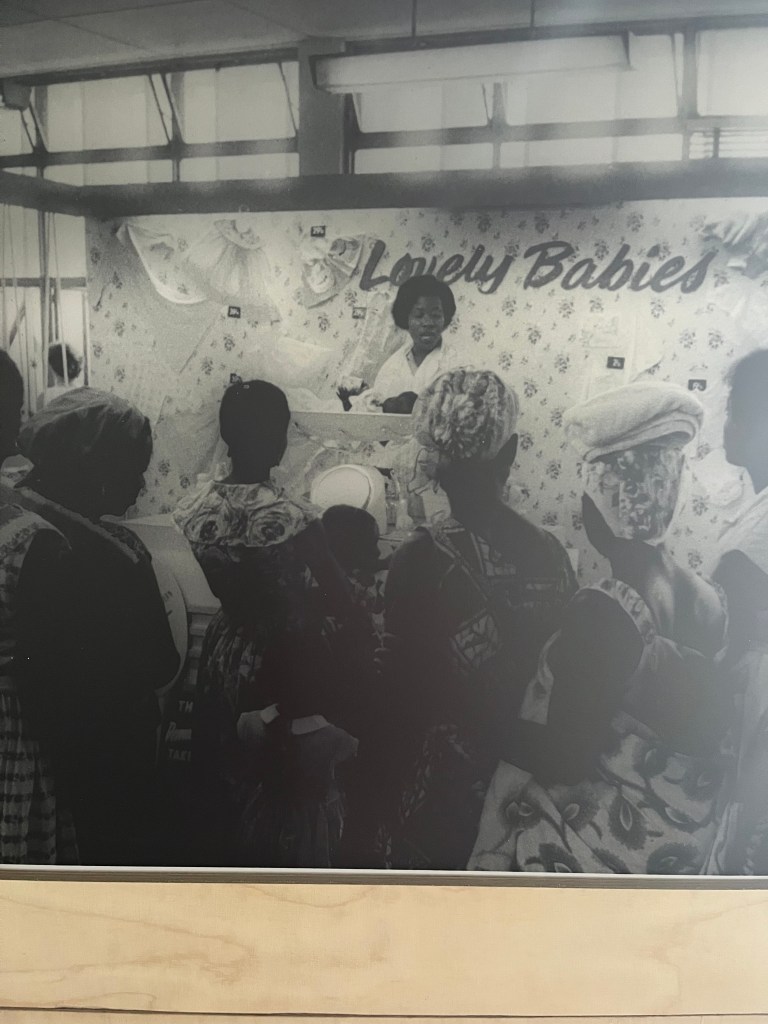
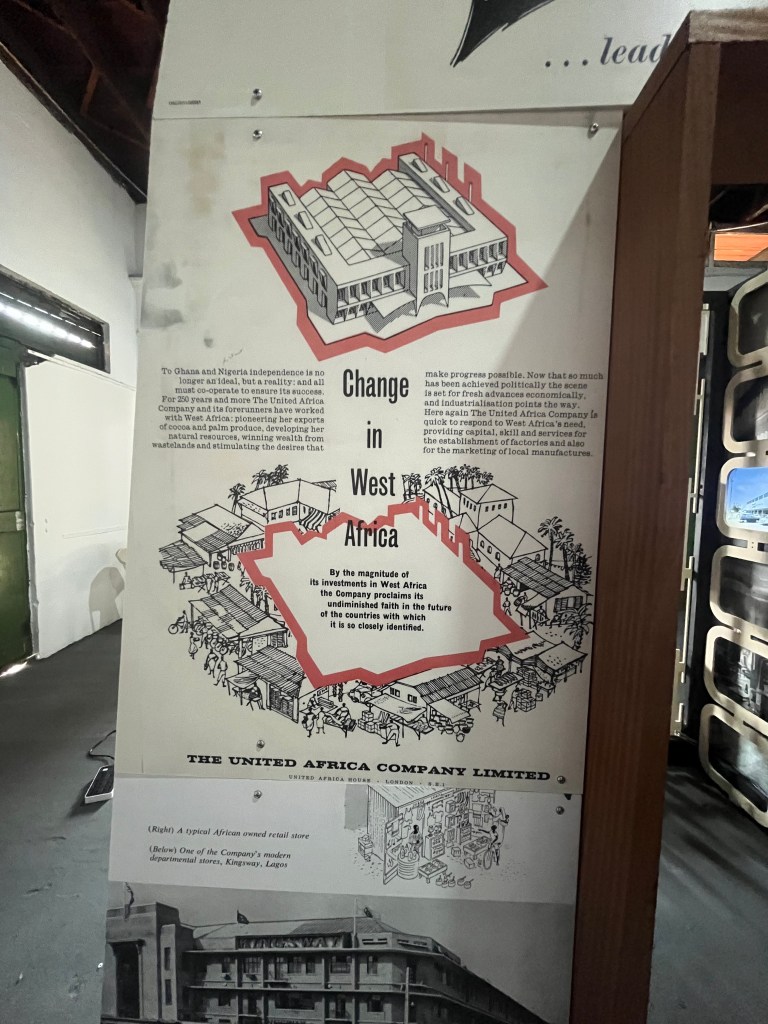
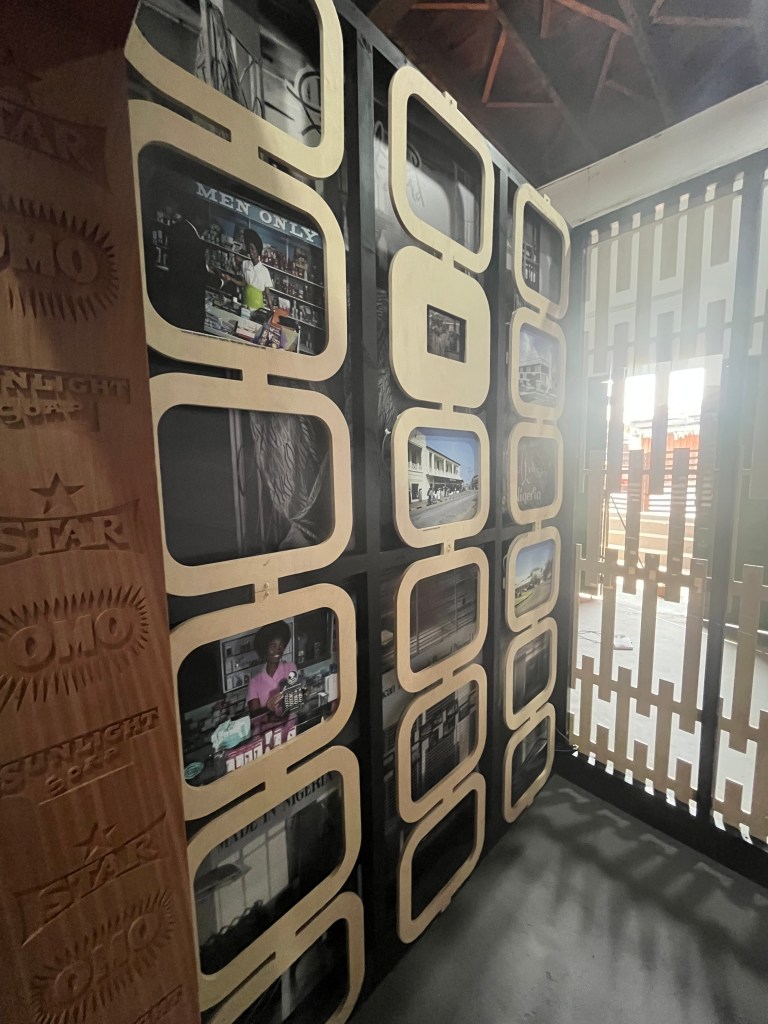
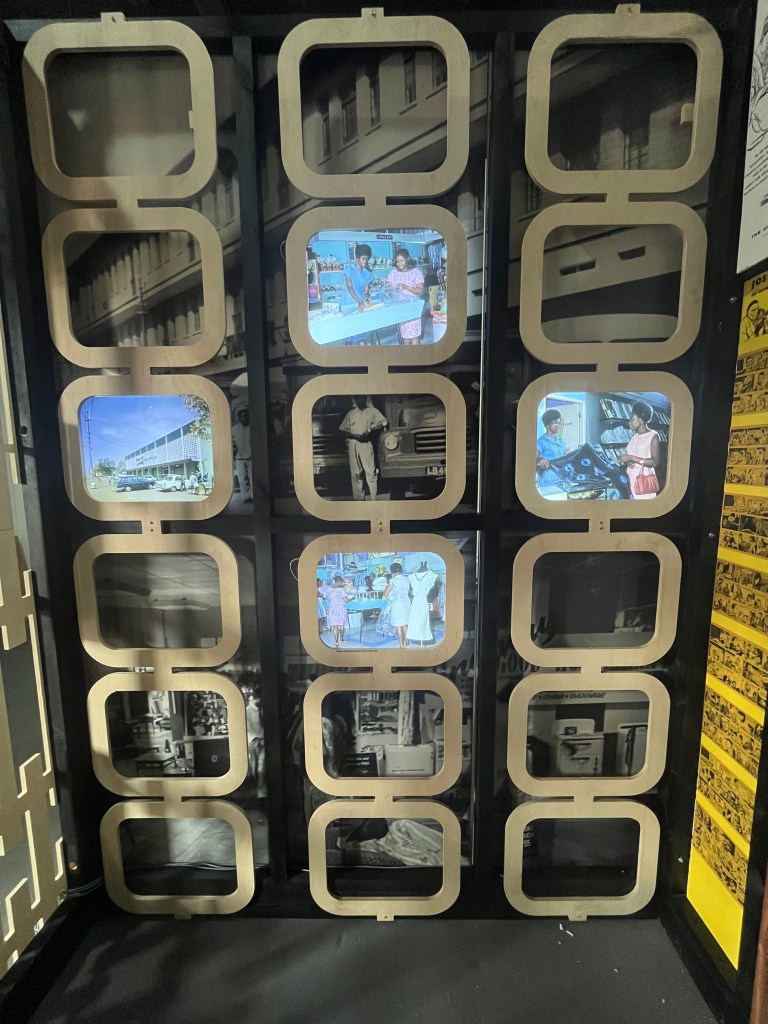
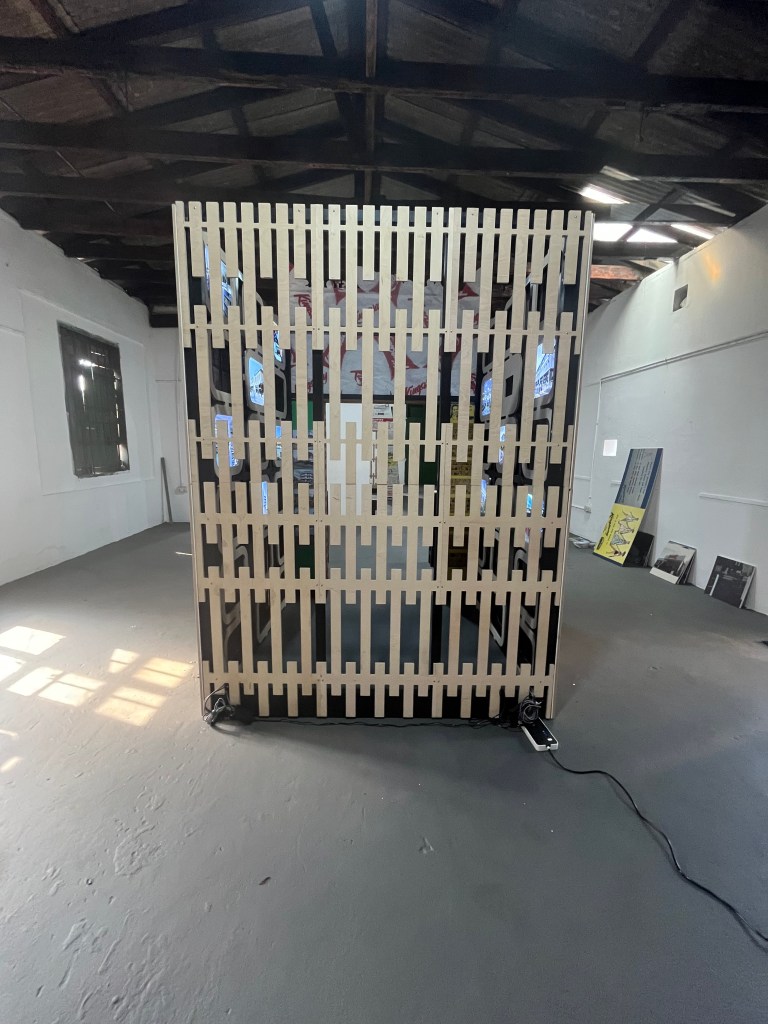
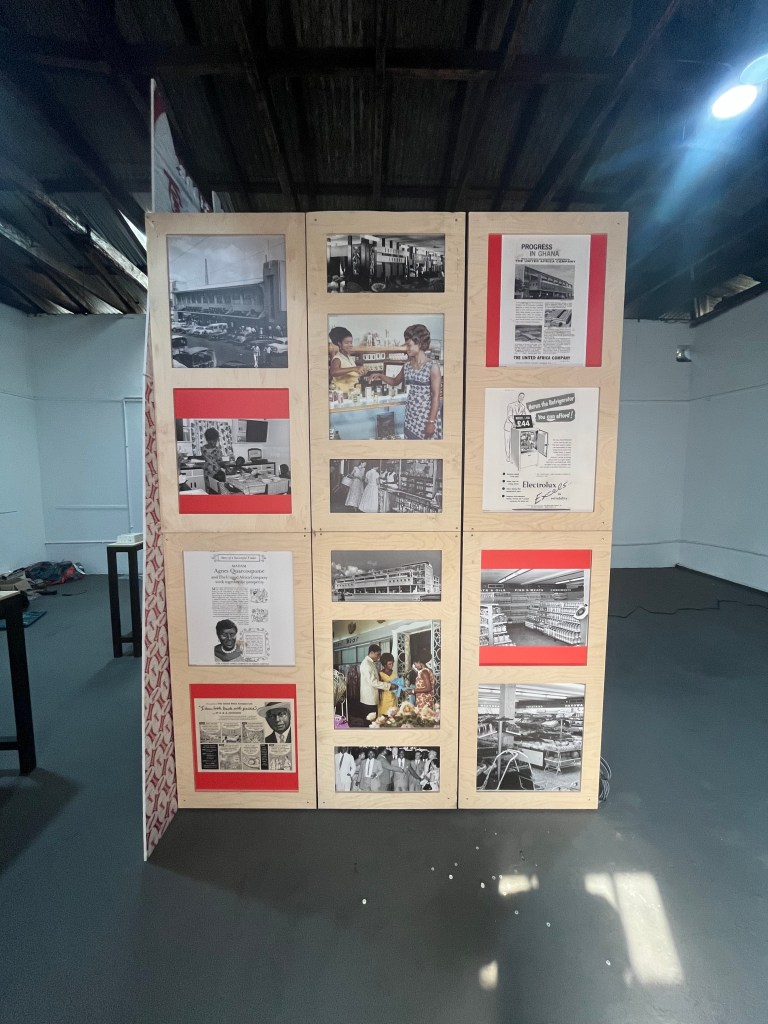
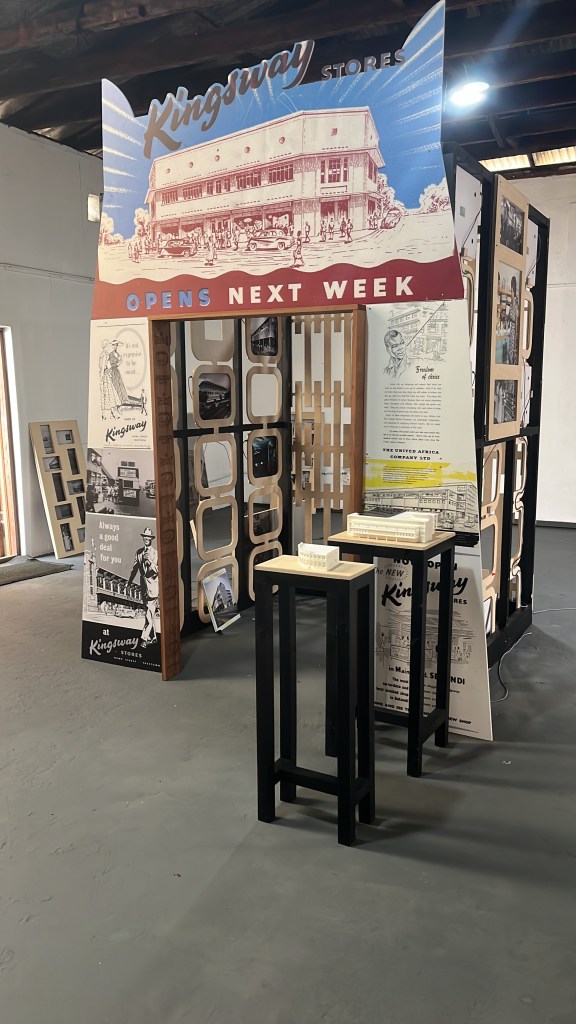
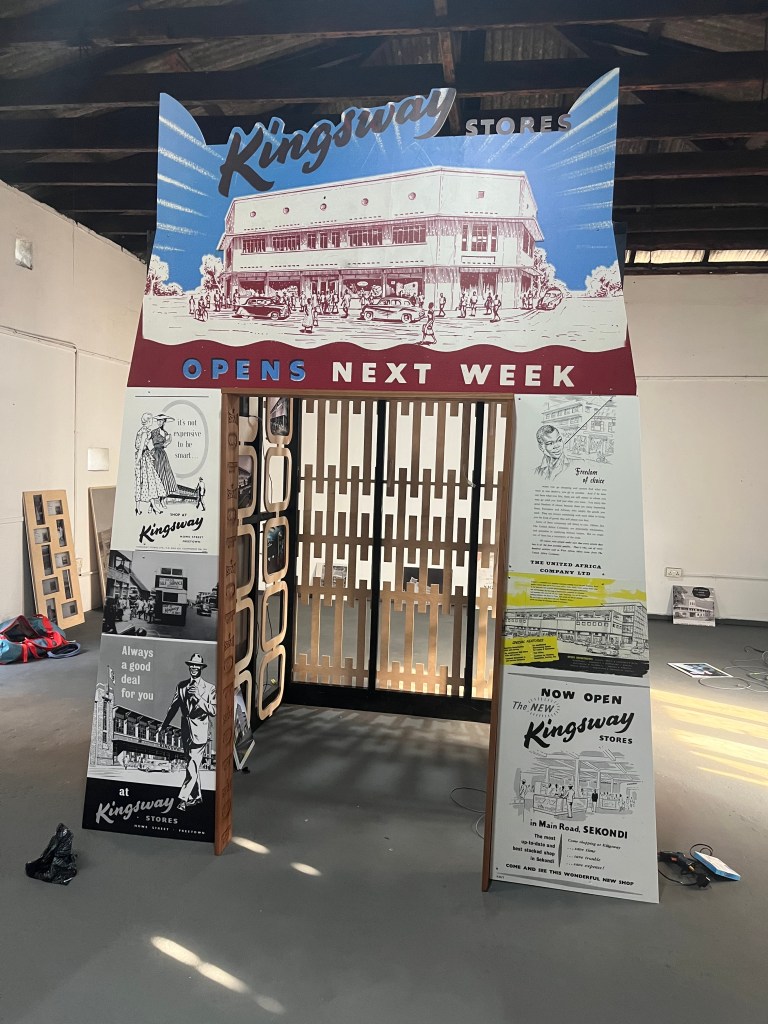
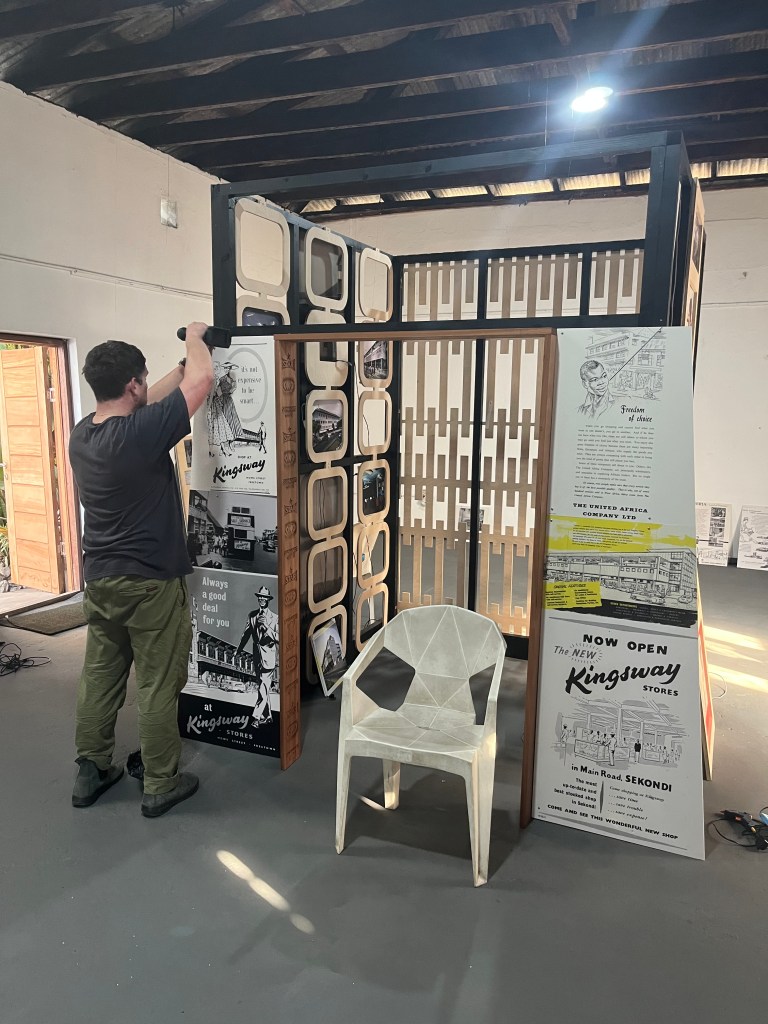
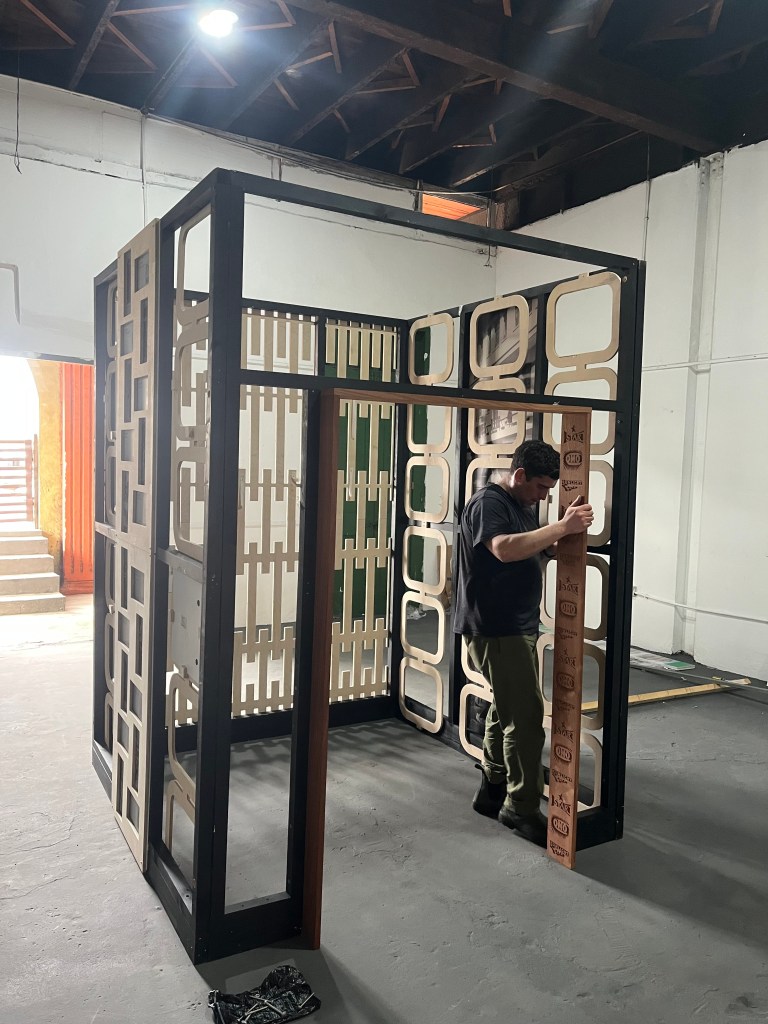
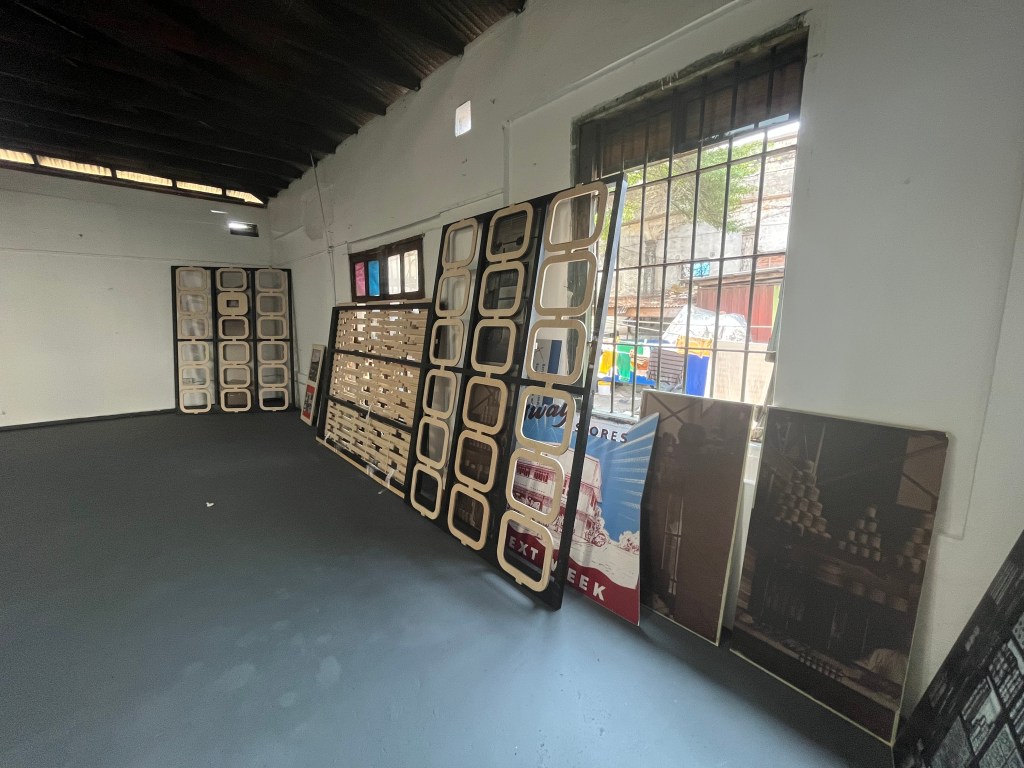
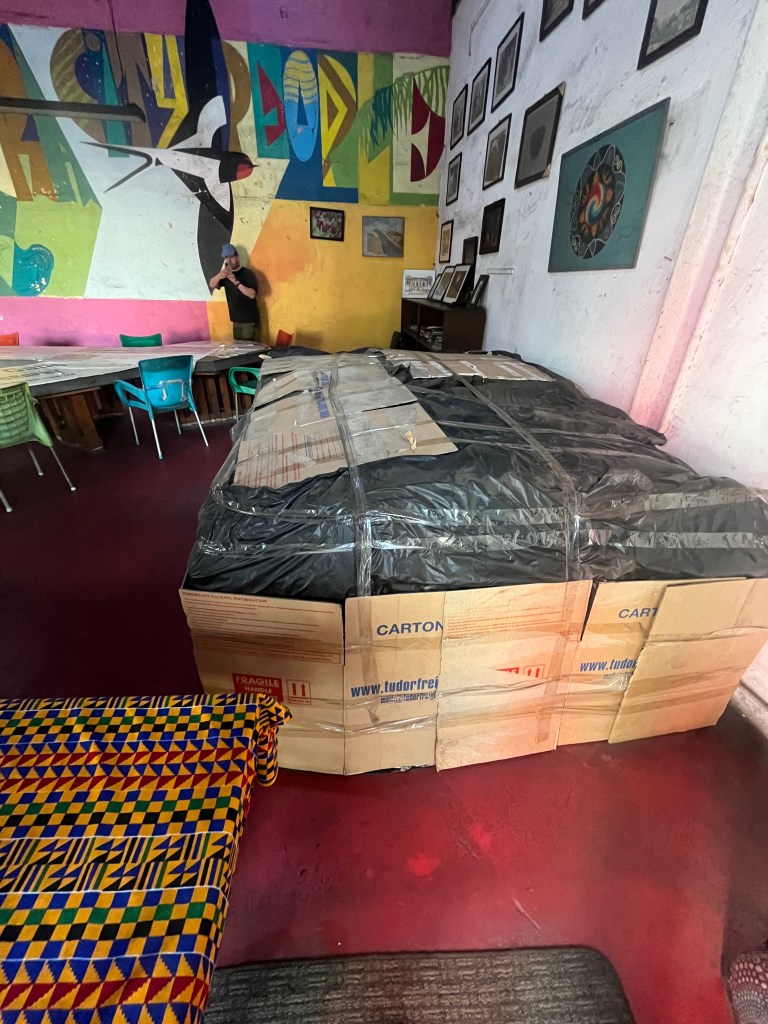
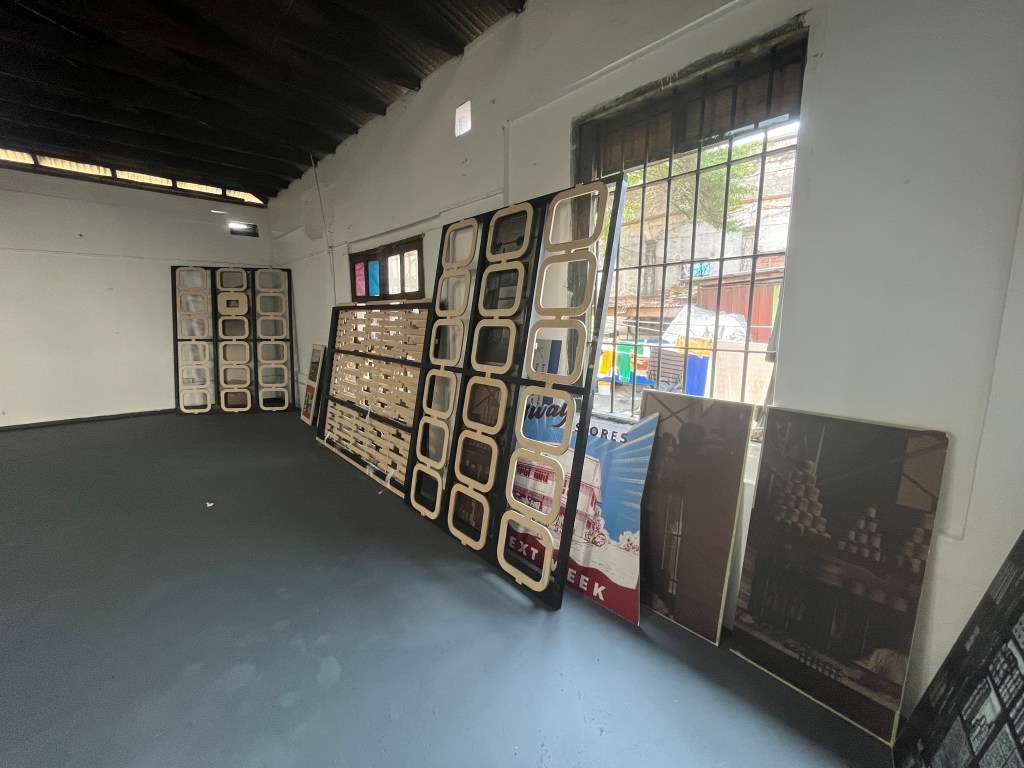
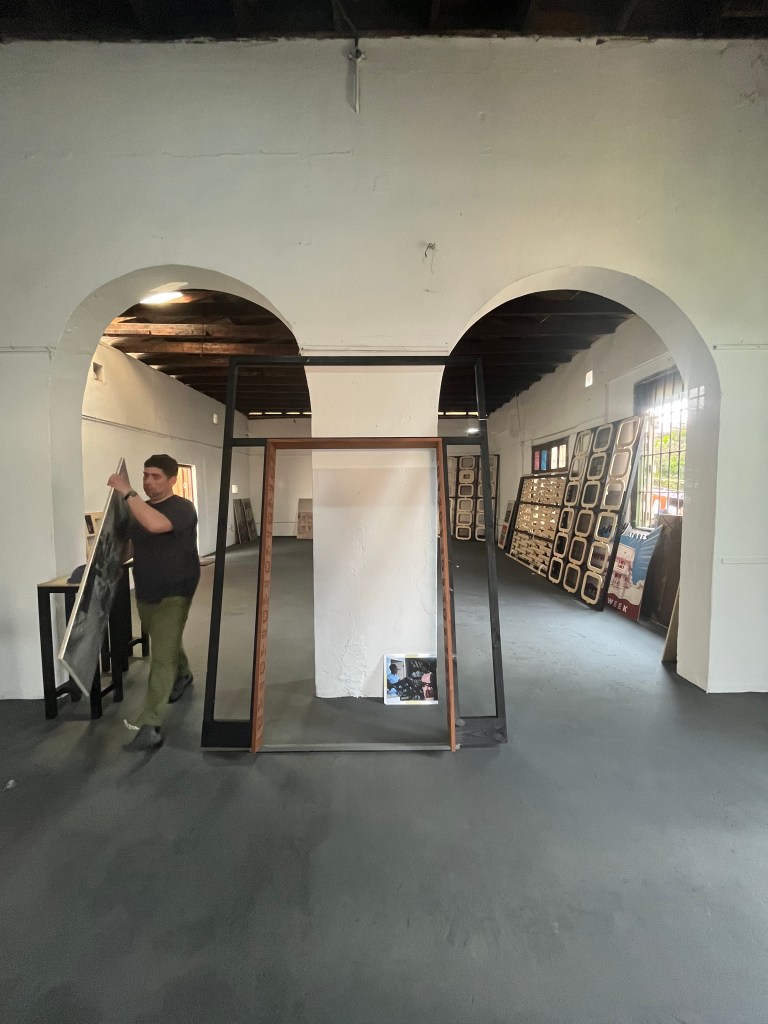
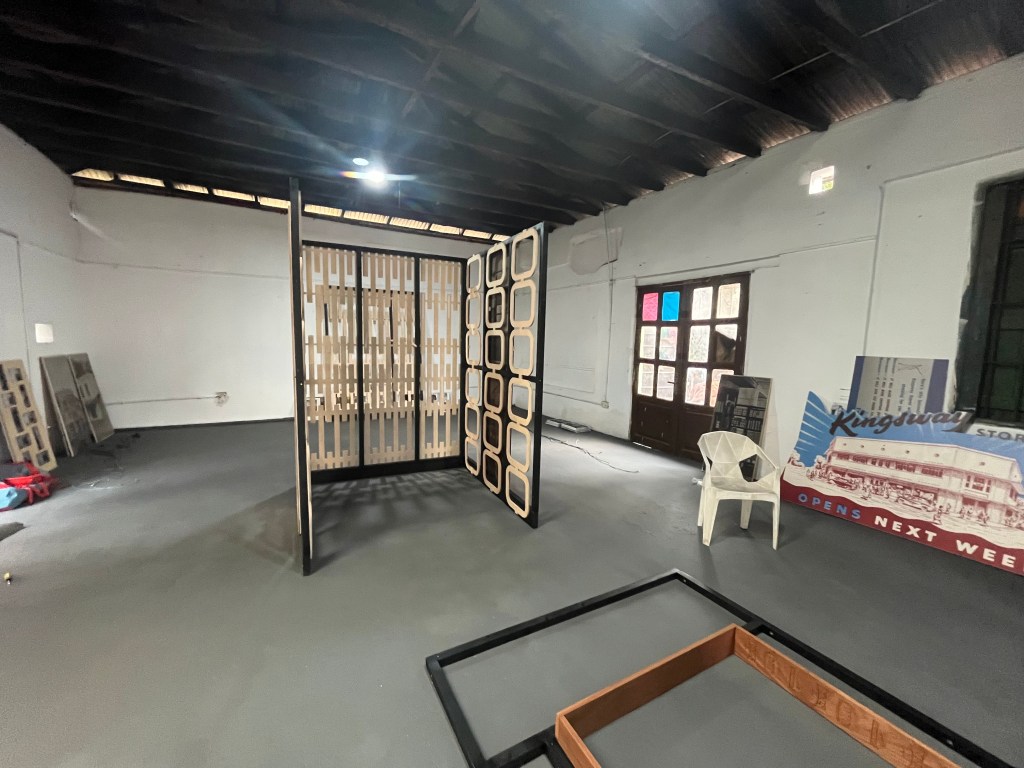
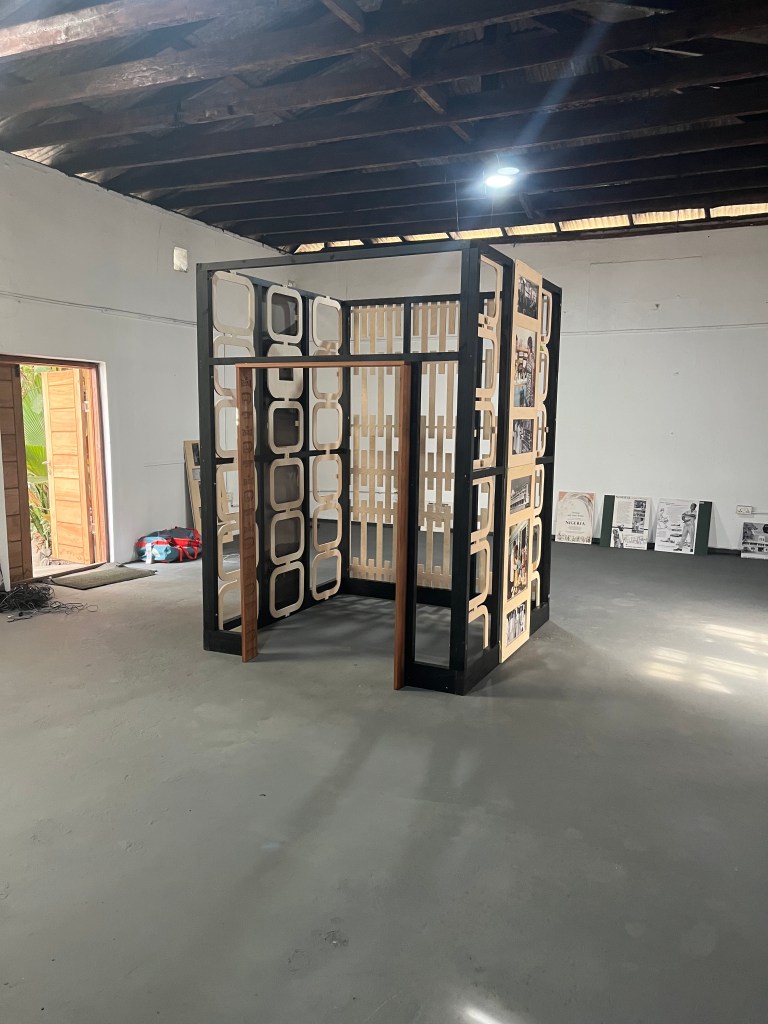
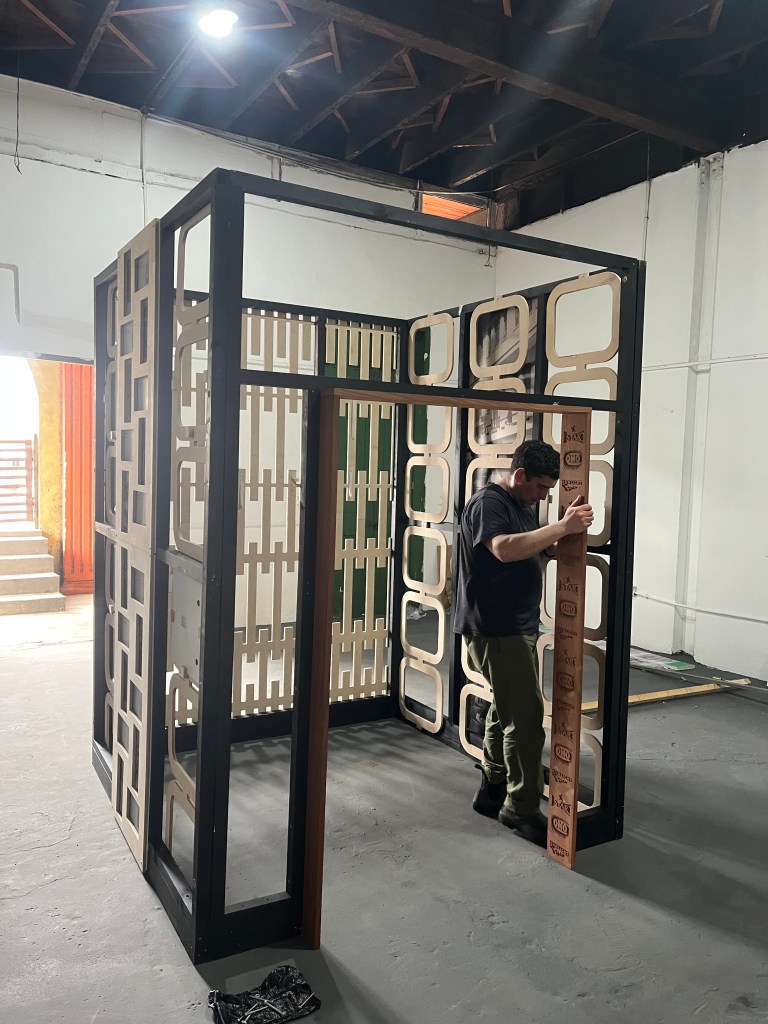
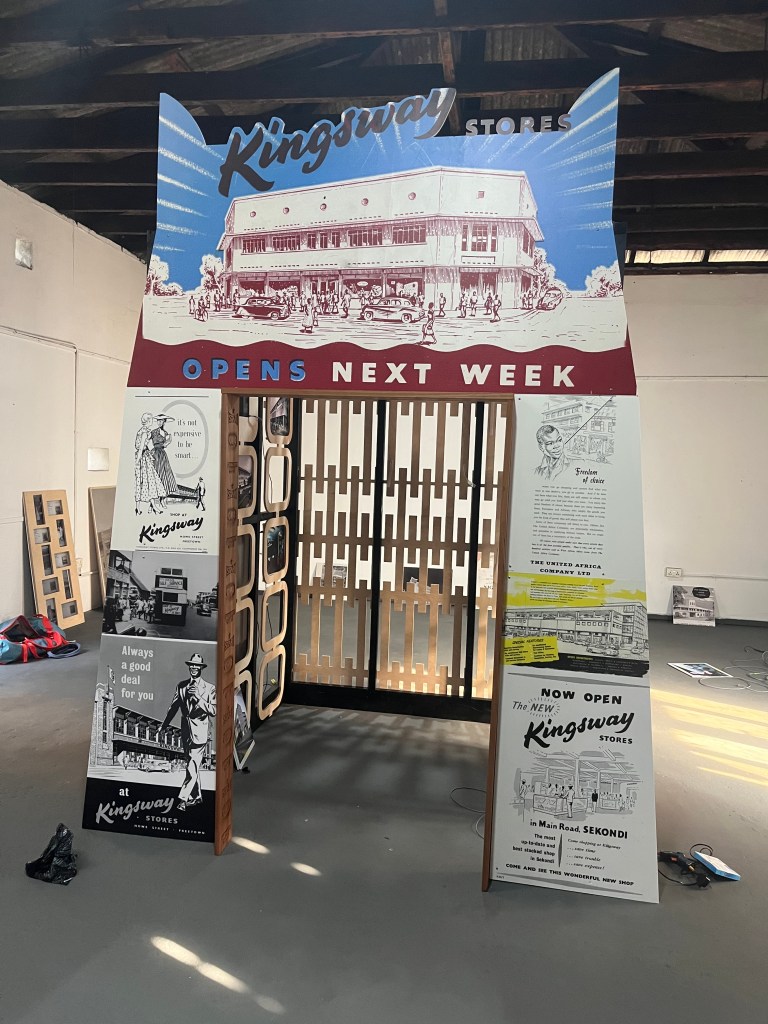
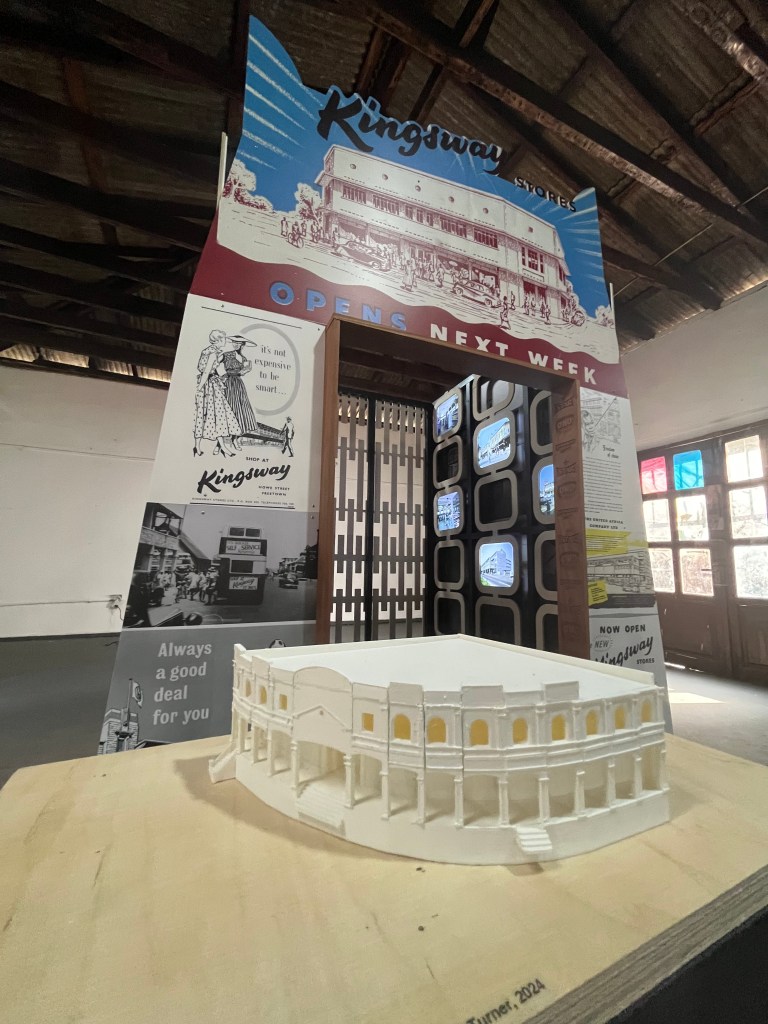
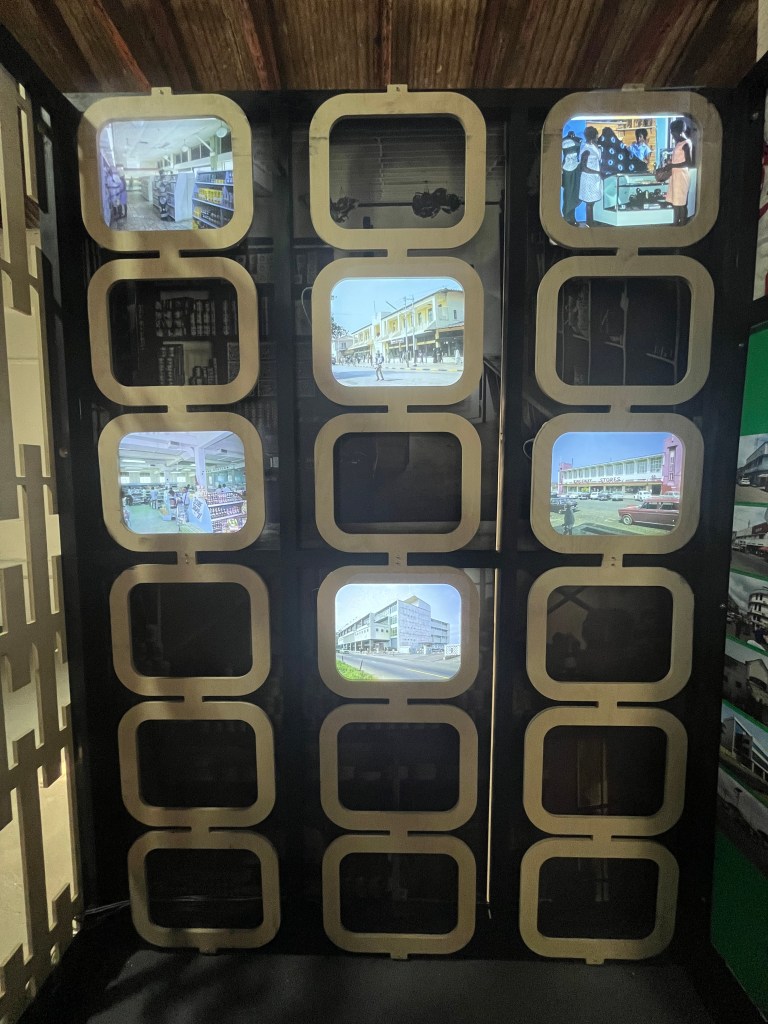
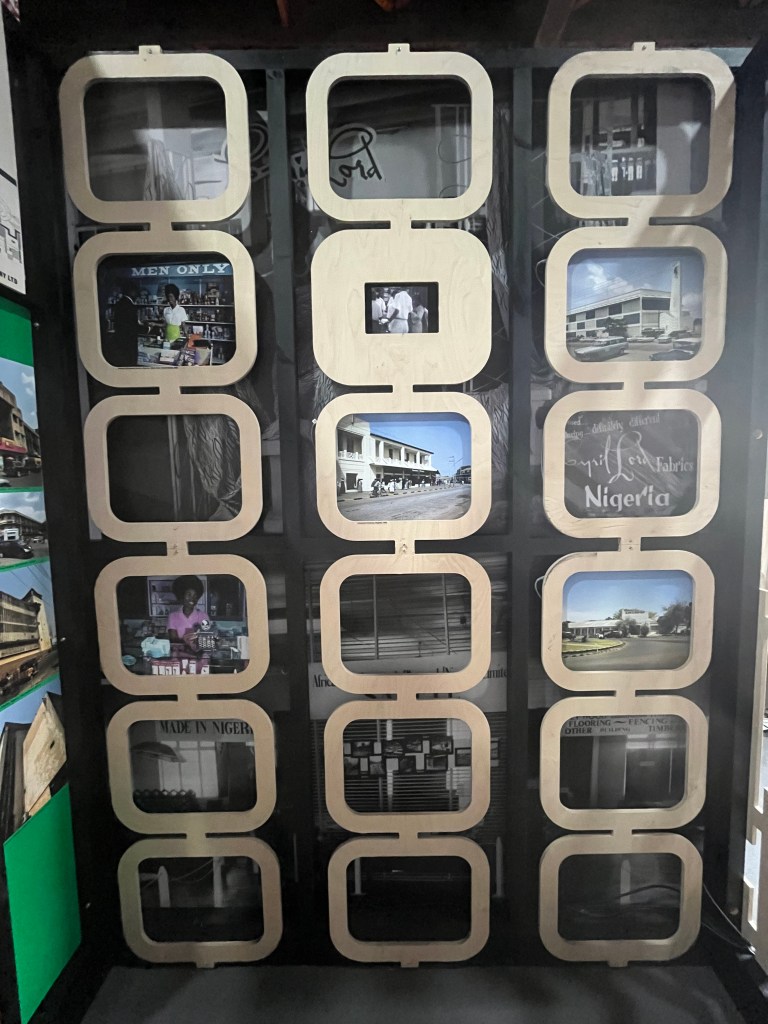
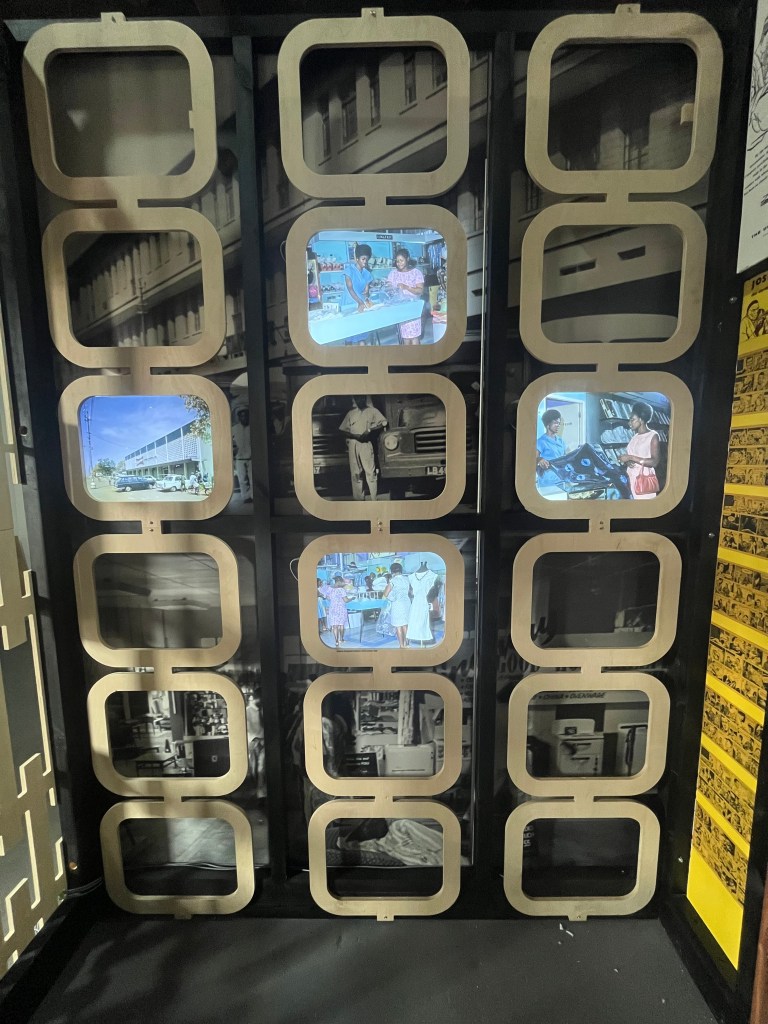
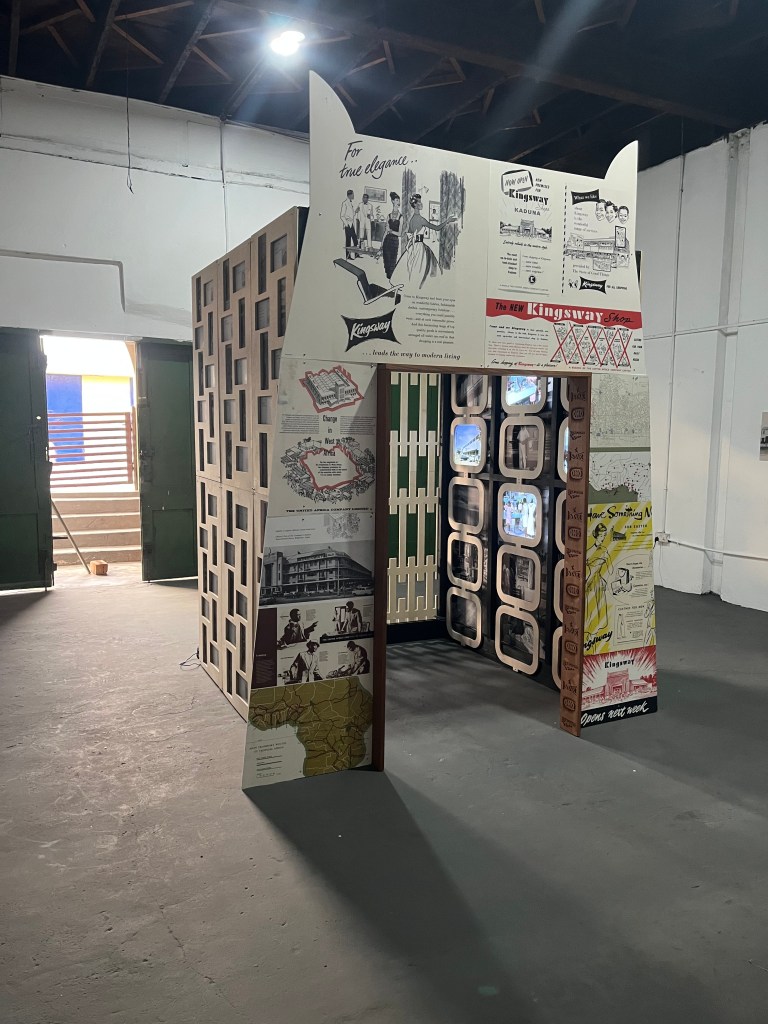
The exhibition itself has journeyed from Liverpool to Ghana, carefully packed and stored at Jamestown Cafe before being installed in early January. Two freestanding pavilions display archival photographs from the Unilever Archive, accompanied by newly commissioned 3D-printed models created by Liverpool School of Architecture students and archival films that bring the stores’ bustling atmosphere to life. The pavilions themselves, fabricated using CNC routers by our expert technical team at Liverpool lead by James Galliford, echo the modernist architectural language of the stores they document.
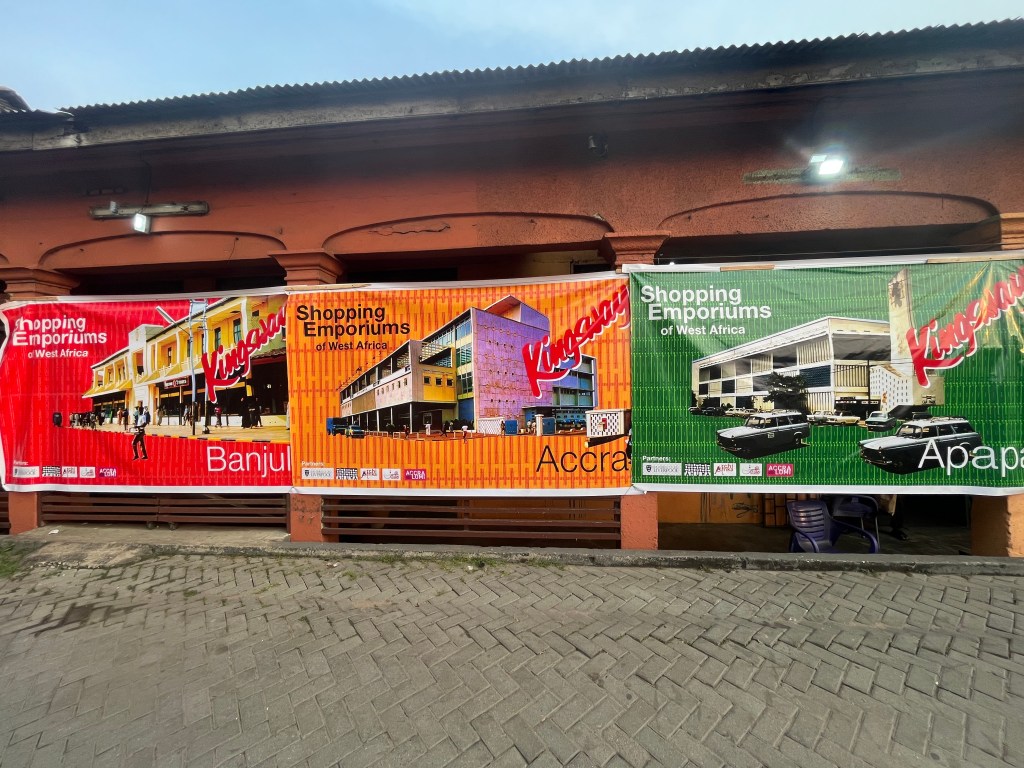
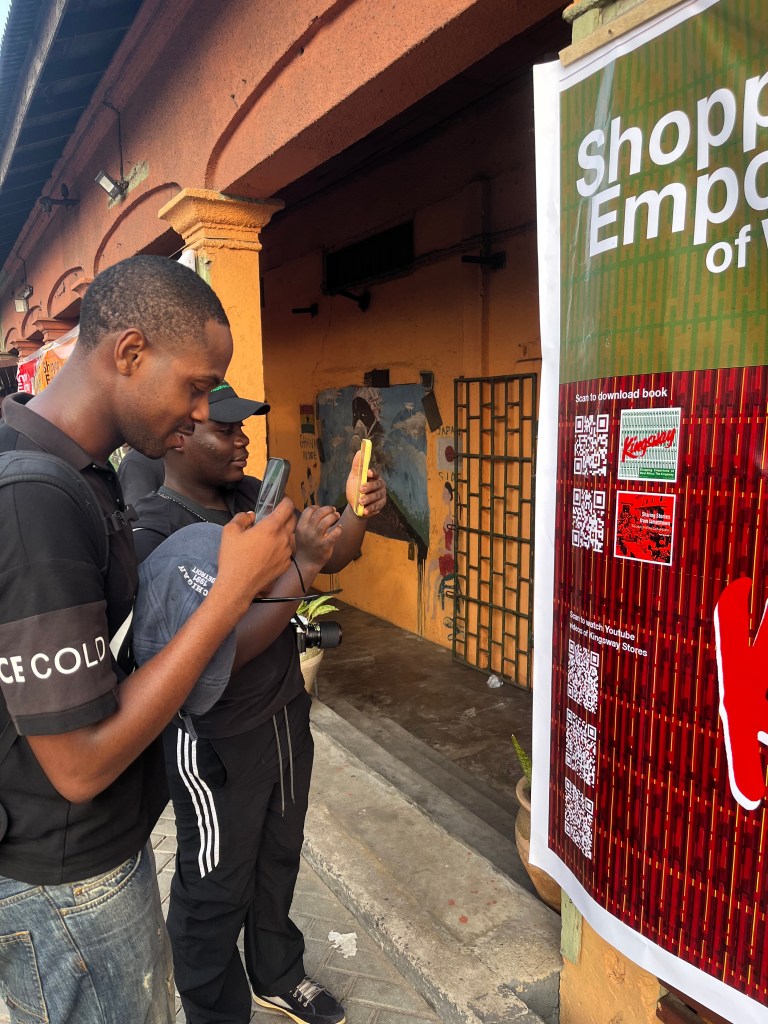
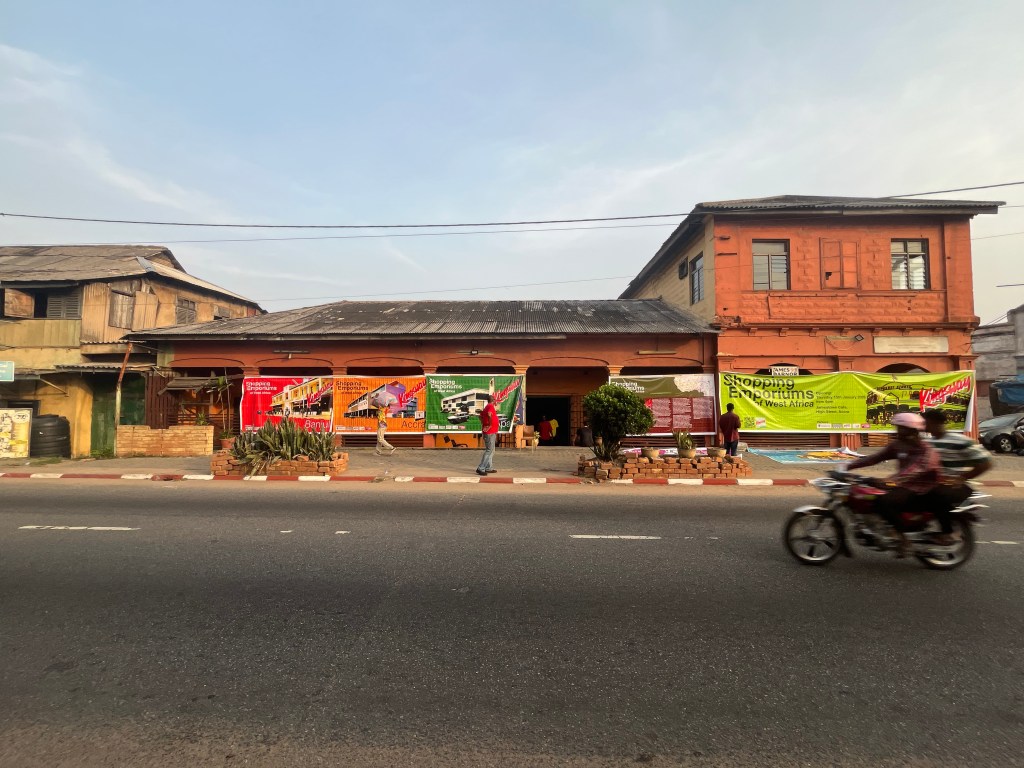
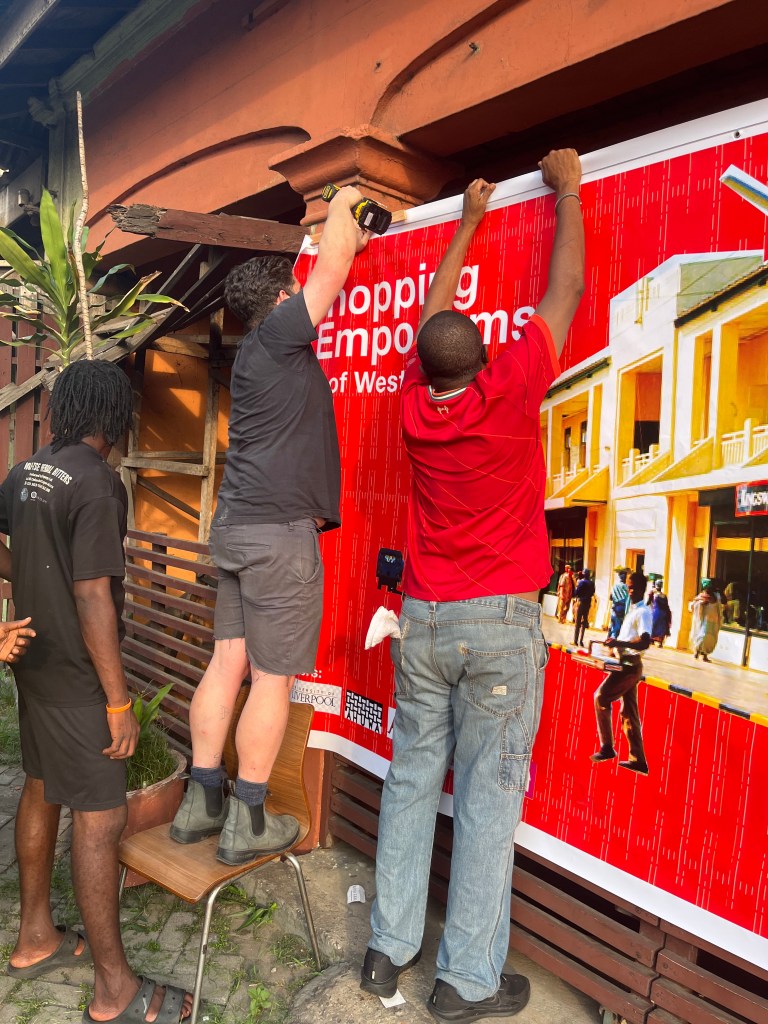
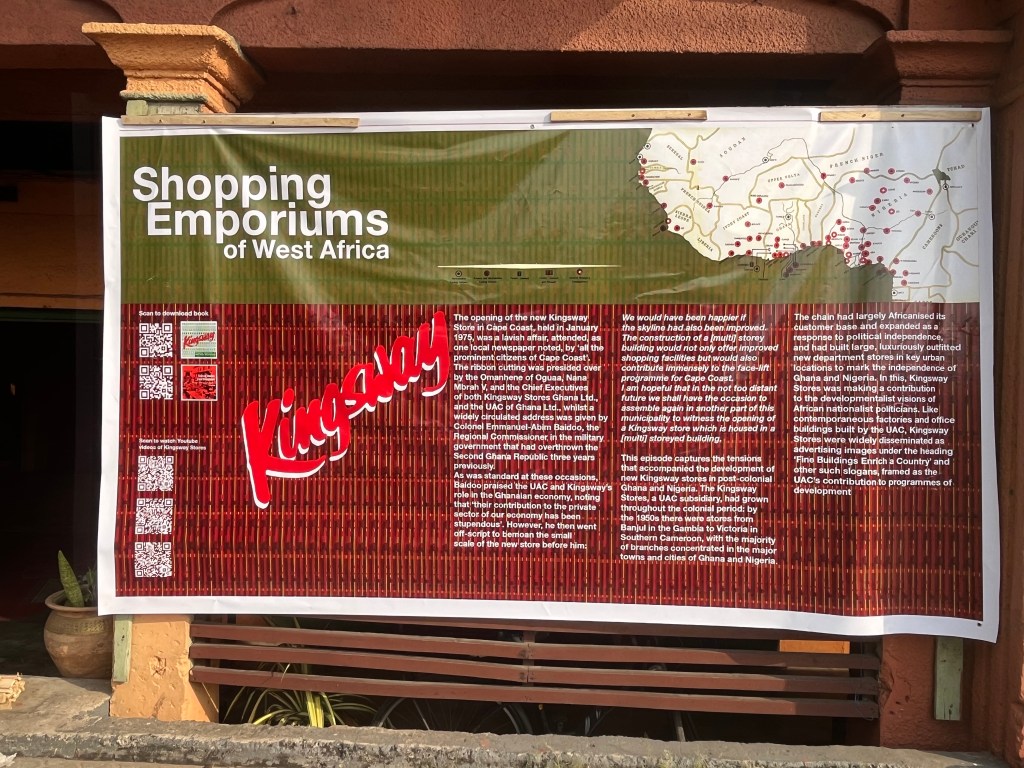
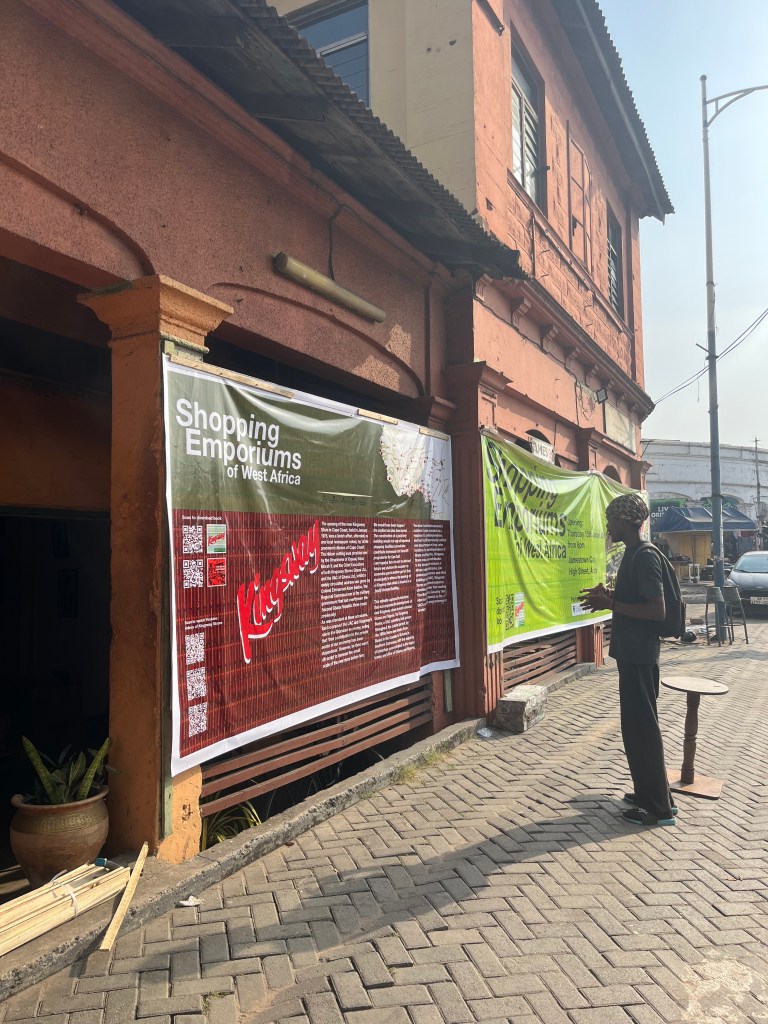
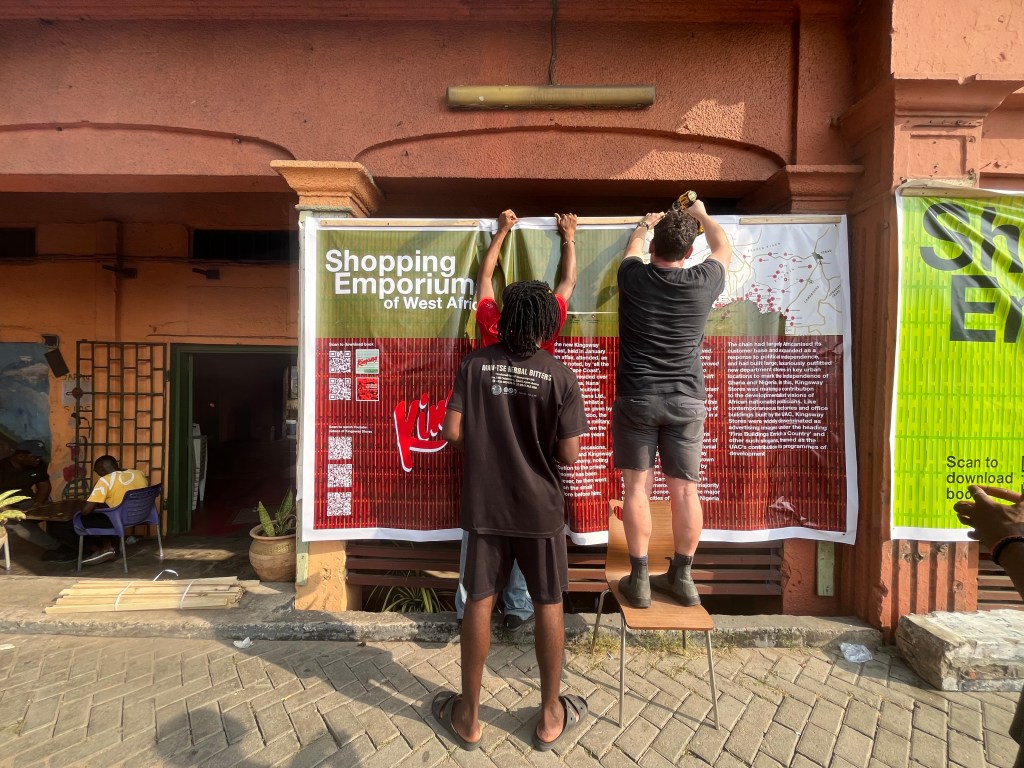
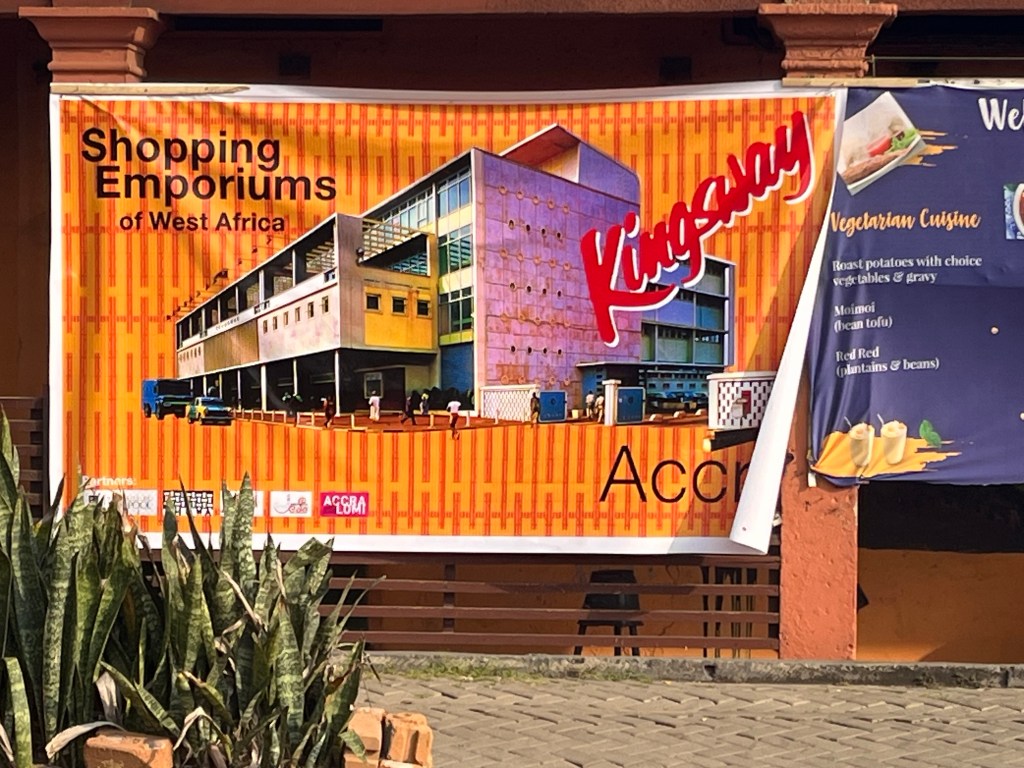
What makes presenting this exhibition in Accra particularly meaningful is the opportunity to share this research in the very city where the first Kingsway store stood. The ruins stand next door to the gallery – a poignant reminder of this commercial and architectural heritage. Through collaboration with Allotey Bruce Konuah, we’ve extended the exhibition beyond the gallery walls with vinyl street banners installed on both the gallery exterior, creating a dialogue between past and present. The banners also contain QR codes so visitors and passers-by can freely download the catalogue.
Our commitment to sharing this research extends beyond this single exhibition. We were interviewed on Asaase Radio morning show and it was great to share our work with a broader audience across Ghana. Following the exhibitions run in Accra through to Easter, we hope to tour the exhibition to other venues, continuing the conversation about how retail modernism, colonial commerce, and architectural heritage intersect. This exhibition reminds us that architecture is never merely about buildings; it’s about the economic, social, and political systems that produce them.
The two major projects under construction in the city that we reported on in 2022 – Cathedral and Marine Drive have both stalled, and both projects are now under-review and reassessment – leaving behind faded hoardings and large vacant sites. At least the Community Centre and Ghana Club have some reprieve.
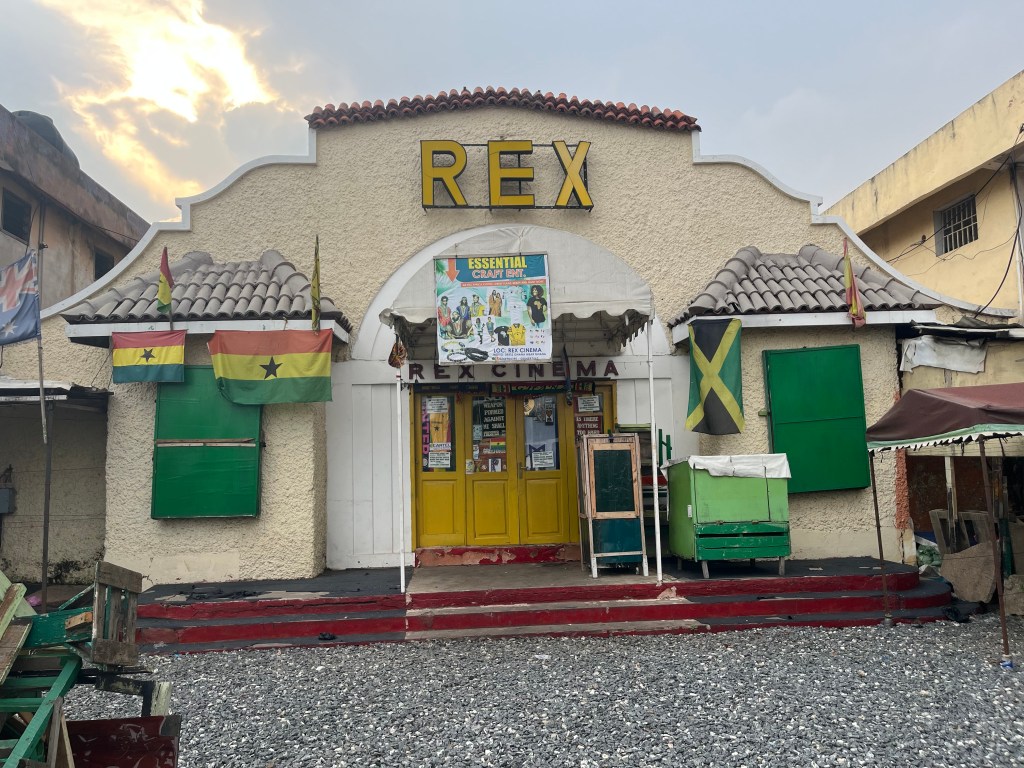
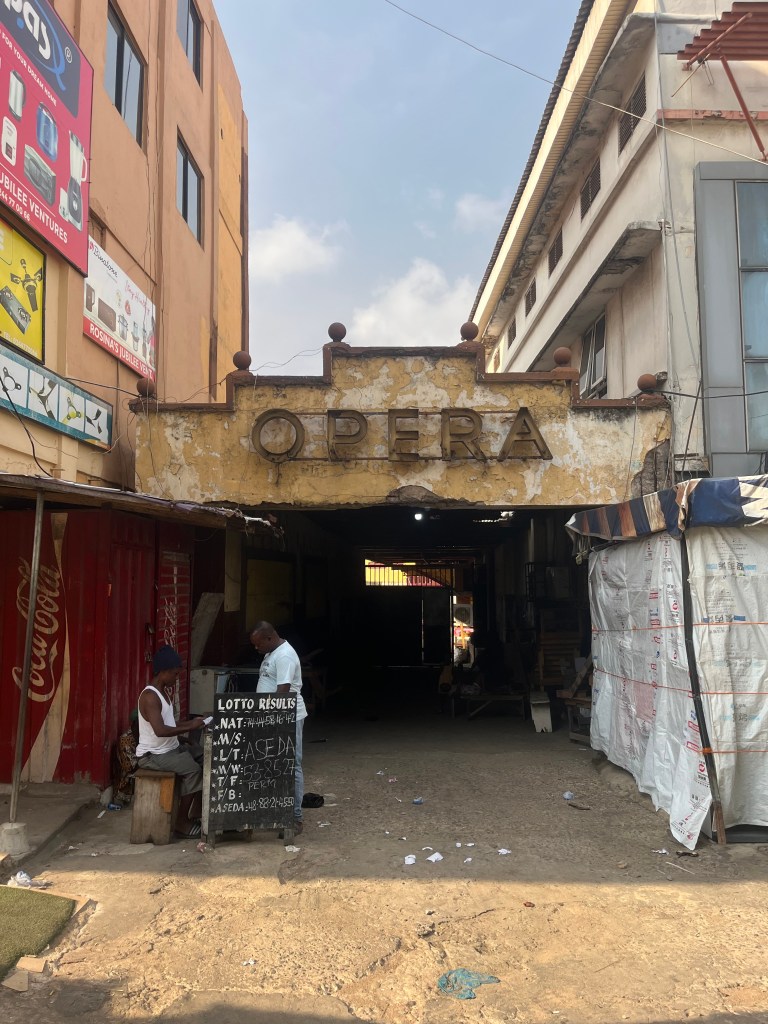
I also visited the Rex Cinema and Opera Cinema – both still looking excellent with their small scale intriguing entrance portals hiding their vast open-air screening areas.
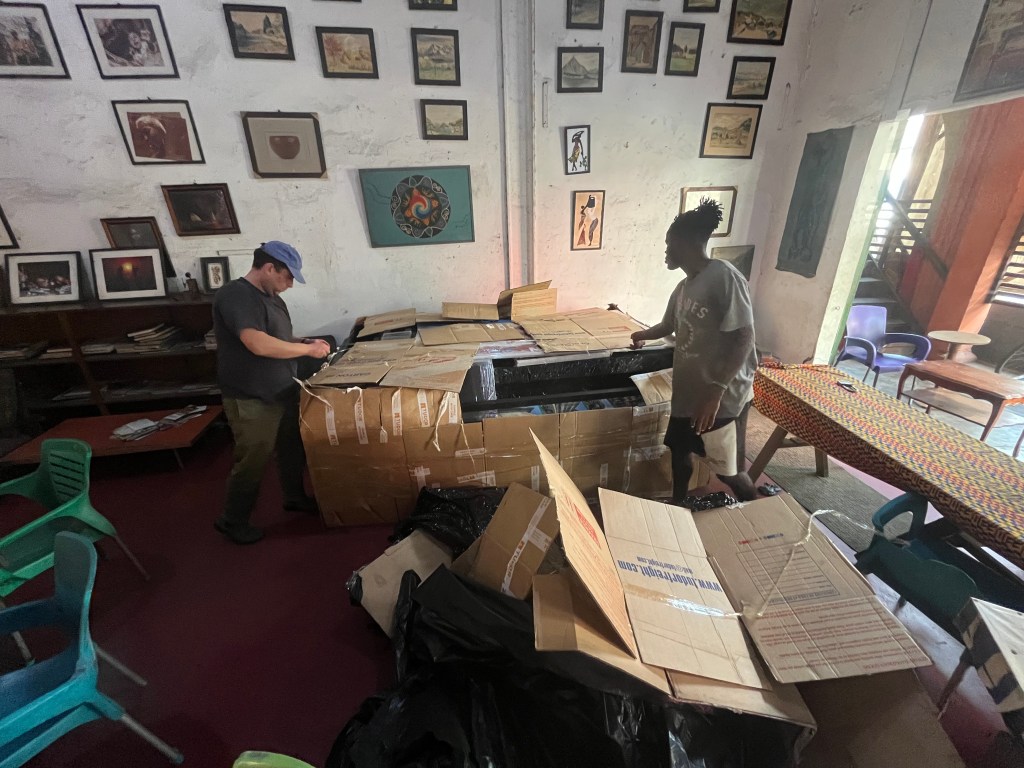
The Kingsway Exhibition has been sent to Accra and carefully stored at the Jamestown Cafe for a few months now. We were finally able to unpack the vast pallet on Friday morning and spent the weekend constructing the two pavilions and installing the light boxes and panels.
The exhibition is being extended and reimagined through a further collaboration with Allotey Bruce Konuah on a series of vinyl street banners that will be installed on the exterior walls of the gallery space, as well as on the old ruined Kingsway Stores portico located next door.
The opening night is 15th January and all welcome. The exhibition will remain until Easter before it moves on…
Thank you to James Galliford and the Liverpool School of Architecture Technical Team for their expertise on the fabrication and installation, and to Claire Tunstall and Unilever Archives team for all their help and support sourcing the images and visuals.
We’ll be setting up the Kingsway Stores exhibition at Jamestown Cafe and Gallery, Accra, this week. The two pavilions have made their way from Liverpool to Ghana and are ready for installation. The opening is on Thursday 15th January from 6pm – all very welcome. We’ll be based at the cafe from Friday 9th – so if you’re in the vicinity please call in. The exhibition will run until Easter and then we’ll tour it to other venues, with details to be confirmed.
China’s Two Tropical Architectures: Climatic Regimes, Socialist Reconstruction, and Global Maoism in Guangzhou and Dar es Salaam, 1955-76, by Sun Zhijian, National University of Singapore, supervised by Prof Jiat-Hwee Chang.
Abstract:
In the contexts of decolonization and the Cold War, the tropical world became a contested arena with fierce competition among various old and new donors in the name of development aid, of which the infrastructural construction constituted the backbone. In the past decade, a growing body of literature on postcolonial tropical architecture has challenged current accounts weighed towards the built environment produced by either the former metropolitan powers or the Soviet-bloc, by shedding new light on the role of a third category of emerging aid donors, especially socialist China. Following the Sino-Soviet Split (1960), the Chinese attempted to promote an alternative socialist development path in newly-independent African states to that proposed by their Soviet-allied rivals. However, despite the allegedly age-old Sino-African solidarity, as latecomers in the unfamiliar tropics, the Chinese struggled against many challenges, among which the most crucial was the hot-and-humid climate as well as building problems it caused. This process almost coincided with their domestic socialist reconstruction through coping with the scorching heat and humidity in subtropical Guangdong under the Great Leap Forward (1958-62) and subsequent revolutions.
Based on archival materials from China, Tanzania and the UK, this thesis is a transnational history of China’s two tropical architectures in relation to both domestic politics and global geo-politics in the mid-to-late 20th century, i.e. China’s overseas architectural aid in decolonizing Dar es Salaam, Tanzania under Nyerere’s Ujamaa socialism, which was the largest sub-Saharan African recipient of China’s assistance in the Cold War, and China’s domestic subtropical modern architecture in Maoist Guangzhou, which has long been the stronghold of China’s subtropical knowledge production. Through case studies of sample projects of industrial and agricultural infrastructures in Guangzhou and Dar es Salaam, it answers two overarching questions: Since China’s two tropical architectures took place concurrently, were there any transnational interactions between their knowledge production and practice? (If so, how did they happen?) How did the Chinese socio-cultural construction of the tropics give rise to a distinctively “anti-imperialist” mechanism of tropical architecture from that of the West and socialist North?
Moving beyond traditional architectural historiography relying primarily on stylistic analysis, it draws on theories of “techno-political regimes” and “critical temperature studies” to develop the notion of “climatic regimes” to capture the interdependence between tropical architecture’s climatic management and the exercise of socio-political power. As the socio-technical arrangements of an interlinked body of climatic knowledge, thermal comfort norms, sanitary discourses, urban typologies and architectural expertise transcending Cold-War rivalries, climatic regimes render intelligible a certain set of climatic parameters, trigger remedial strategies dealing with environmental concerns and normalize people’s thermal sensation for certain political goals. It argues that China’s two tropical architectures were not only concurrent, but more importantly, were co-constitutive with each other through a highly-centralized bureaucratic network of socialist state-run institutions rather than the genius of certain individuals, in which not only architects and planners, but also building physicists, meteorologists, physiologists, ventilating engineers and technocratic Party cadres were all active mediators of global flows of resources and expertise. Divergent from the Soviet-bloc’s climatic regimes paying particular attention to former colonial thermal segregations of mass housing in Africa, the Chinese endeavors driven by the Sino-Tanzanian common appetite for rapid industrialization and self-reliance under the principle of “Production First, Livelihood Second” resulted in the uneven distribution of climatic considerations between industrial and non-industrial spaces in the work-unit typologies both within and beyond China. By revealing how the Chinese tropicality worked from within and vice versa, it contributes to existing literature on the histories of both modern Chinese architecture’s transnational influence and global tropical architecture, as well as recent scholarly attention to thermal comfort in the built environment against the Anthropogenic climate change.
As Hardly Found: Art and Tropical Architecture centres artists and artworks that have so far been overlooked by histories of ‘tropical architecture’. In this collection of essays, historians, artists and archivists address works of art connected to epicentres of teaching and practice within the movement – focusing on the Department of Tropical Architecture at the Architectural Association and its collaborators such as Kwame Nkrumah University of Science and Technology – which emerged in the mid-20th century alongside anticolonial struggles that dismantled the British Empire.
Here, authors use creative, critical and speculative methods to inhabit the gaps in archives of tropical architecture, highlighting artworks in Nigeria, Ghana, India, Indonesia, Singapore, Costa Rica, Cuba and the UK. Their contributions trace connections within a network of relations between art and architecture; one which recentres the rich and diverse forms of environmental knowledge, social values and material cultures contributed by artists working in these contexts.
We are delighted to welcome the editor, Albert Brenchat-Aguilar, and the team from AA Publications, who will give a short introduction to the book. A small installation will accompany, food and refreshments will be provided.





 Transnational Architecture Group