Archive

United Africa Company

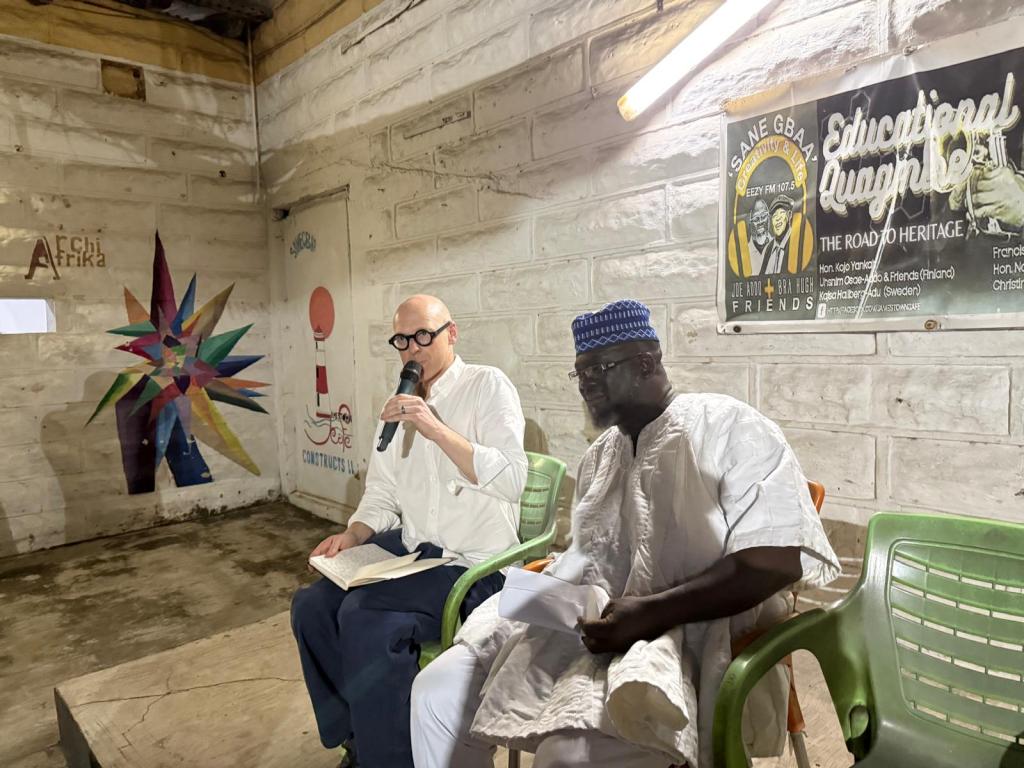
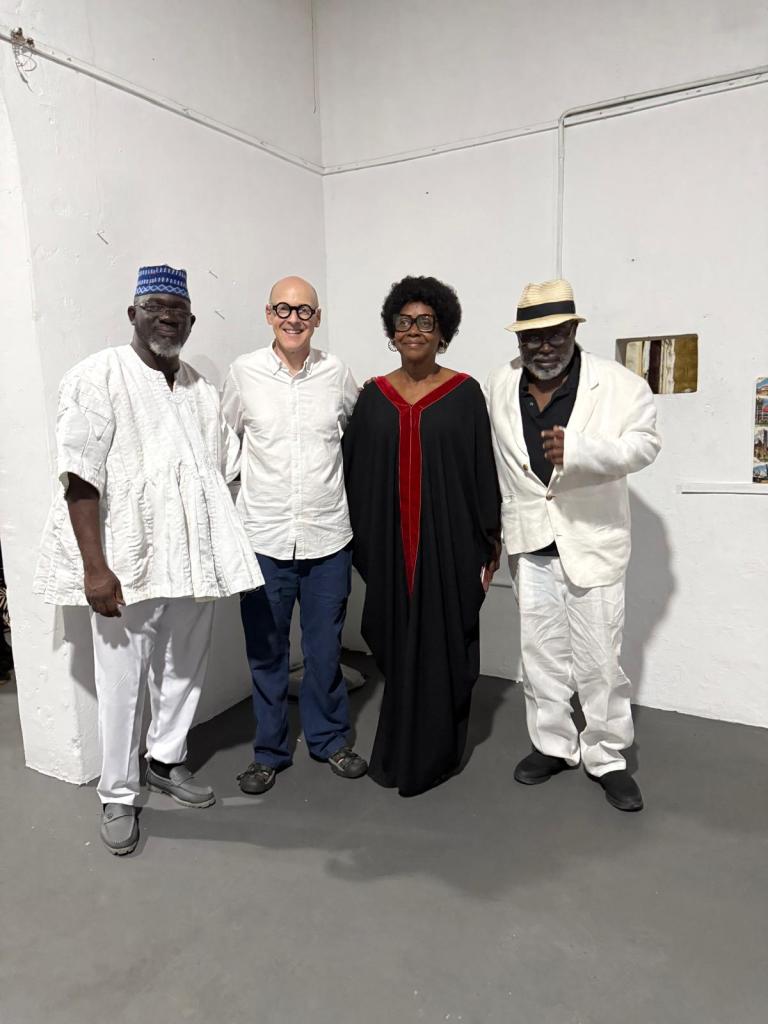
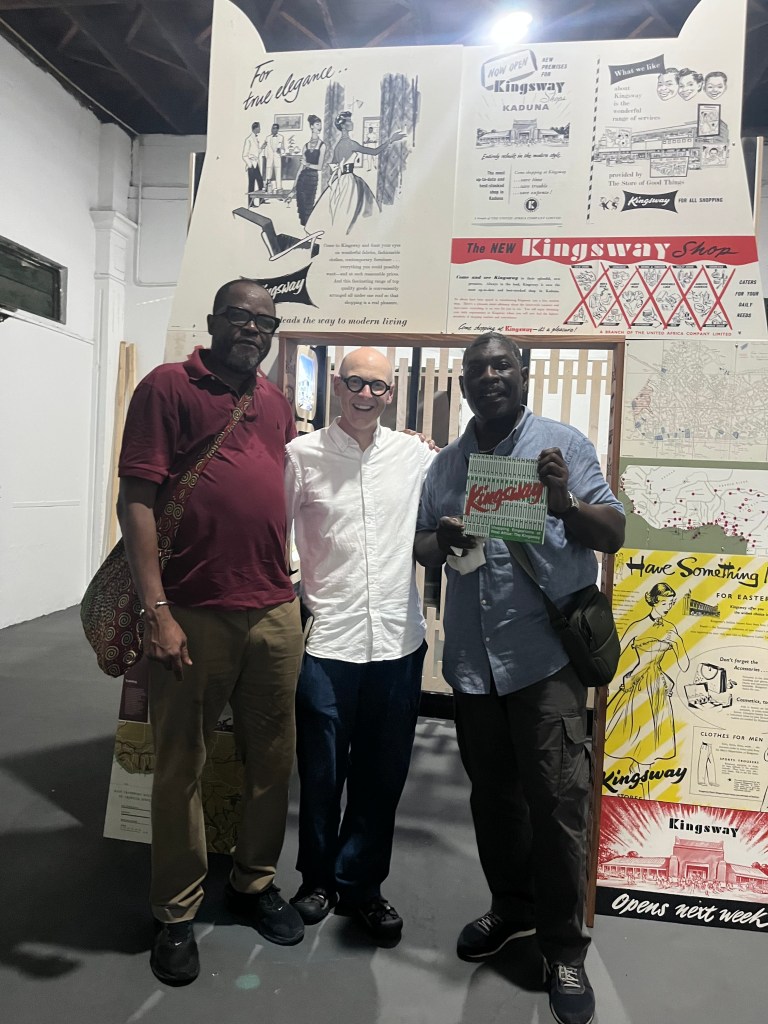
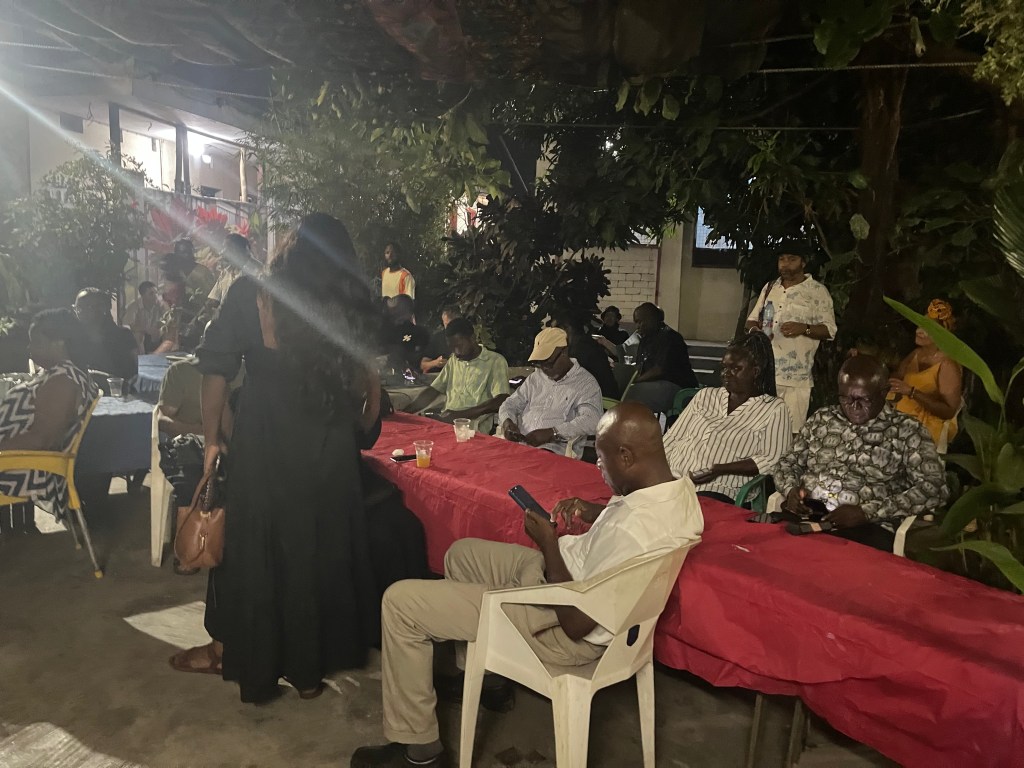
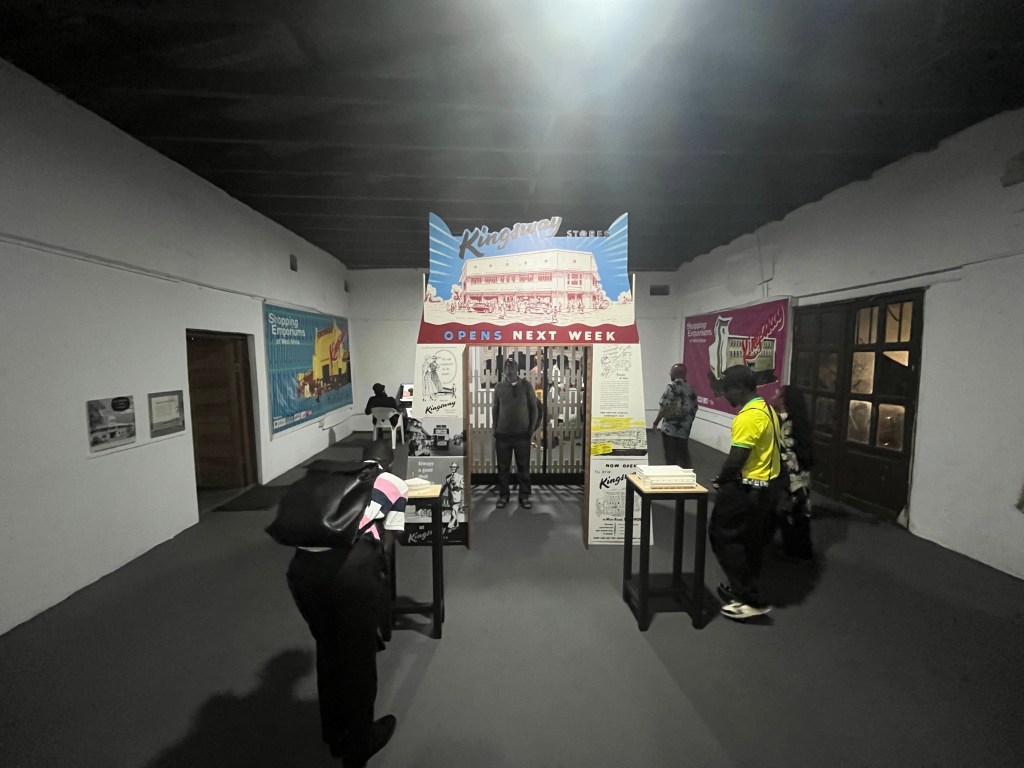
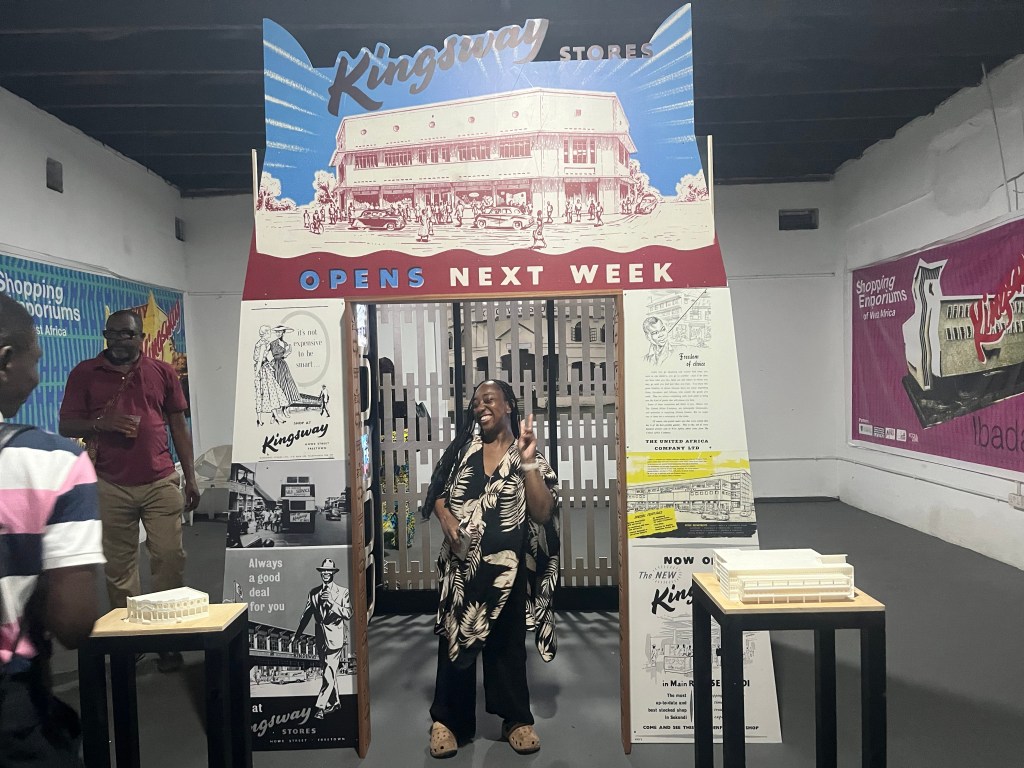
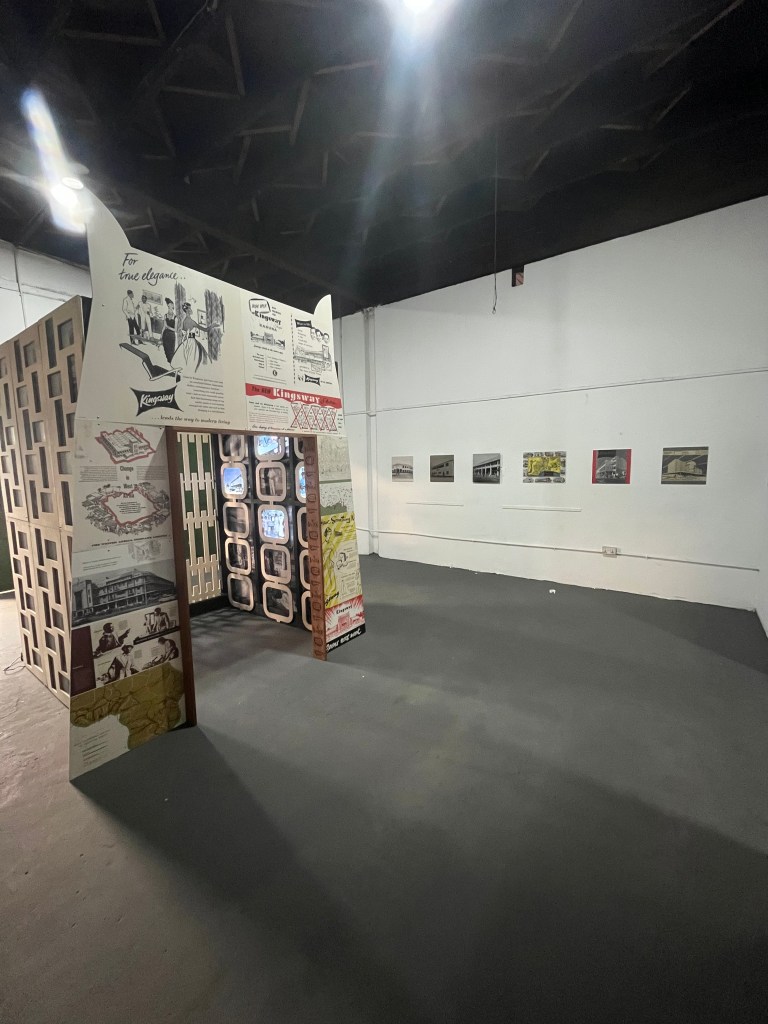
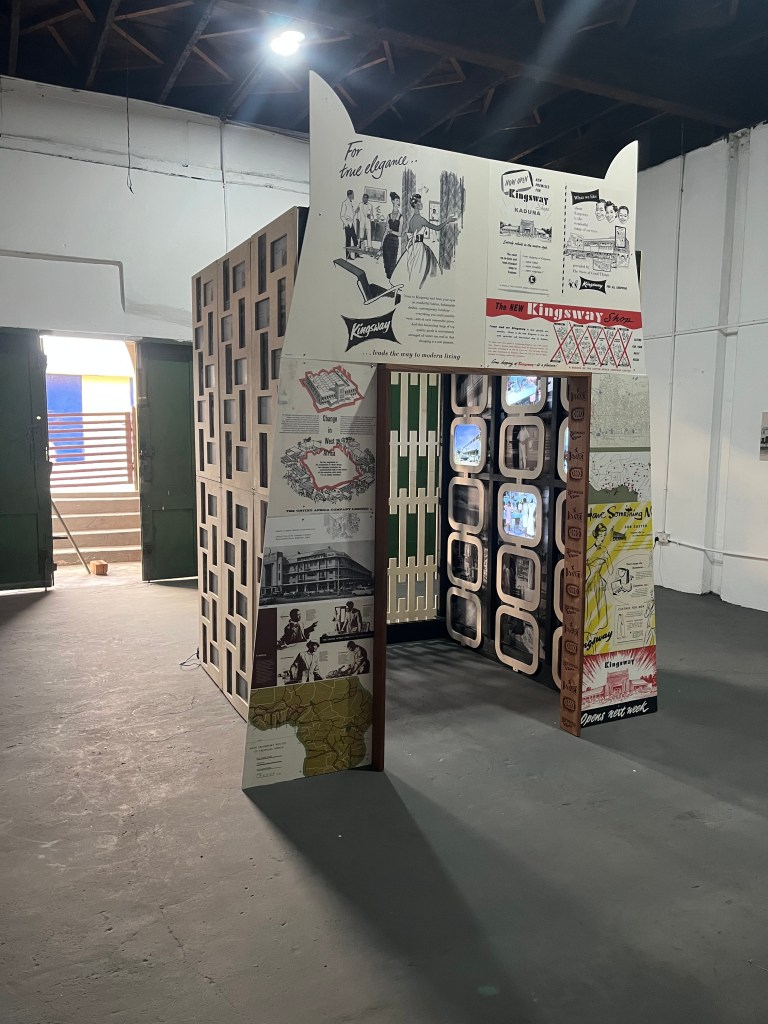
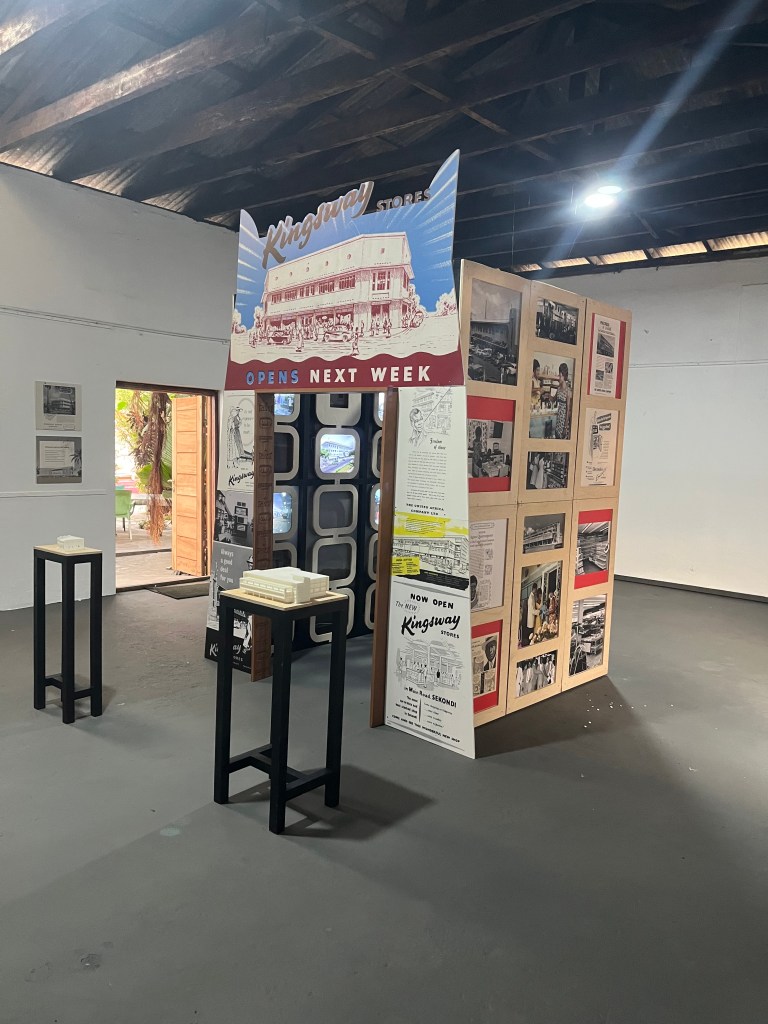
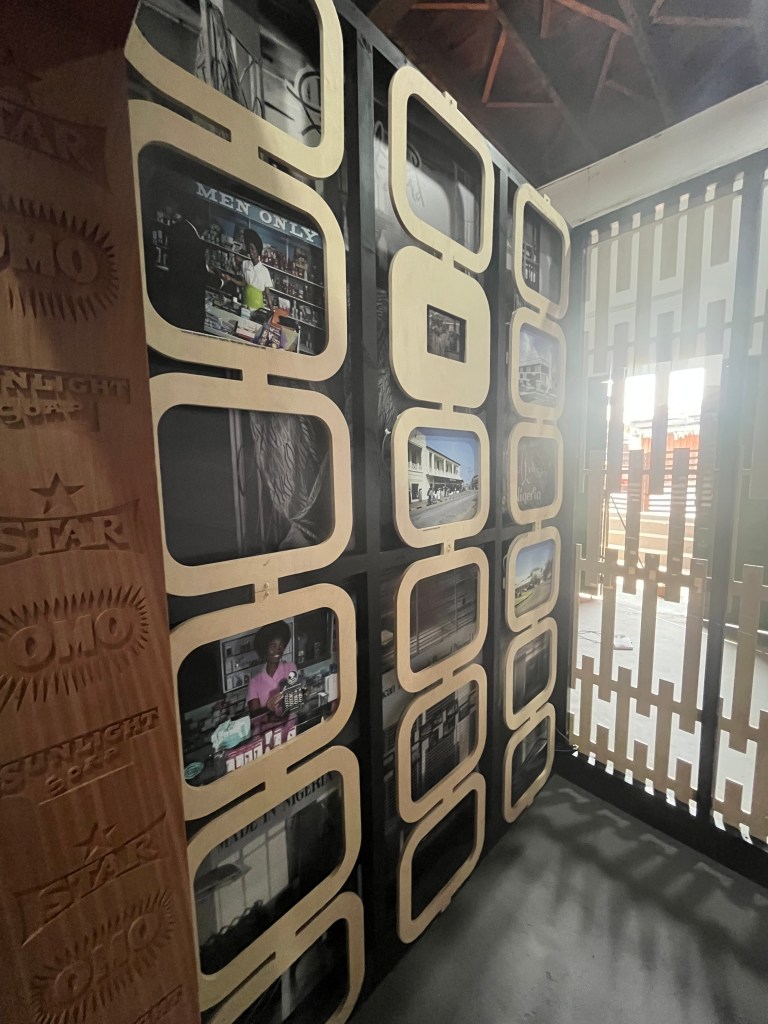
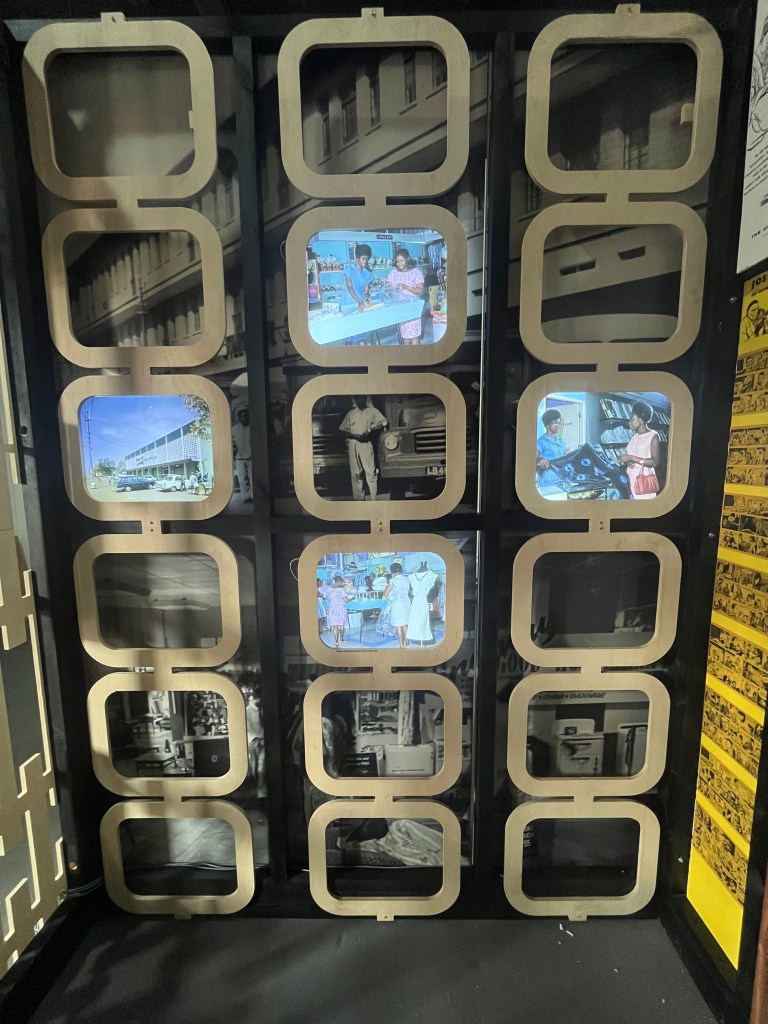
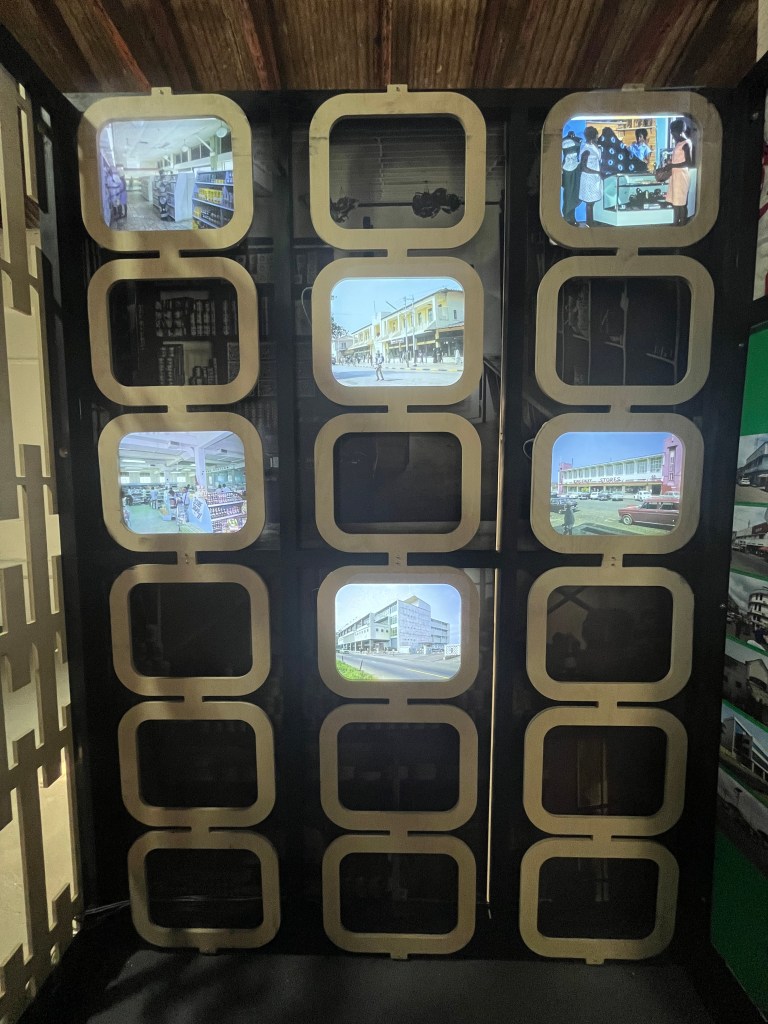
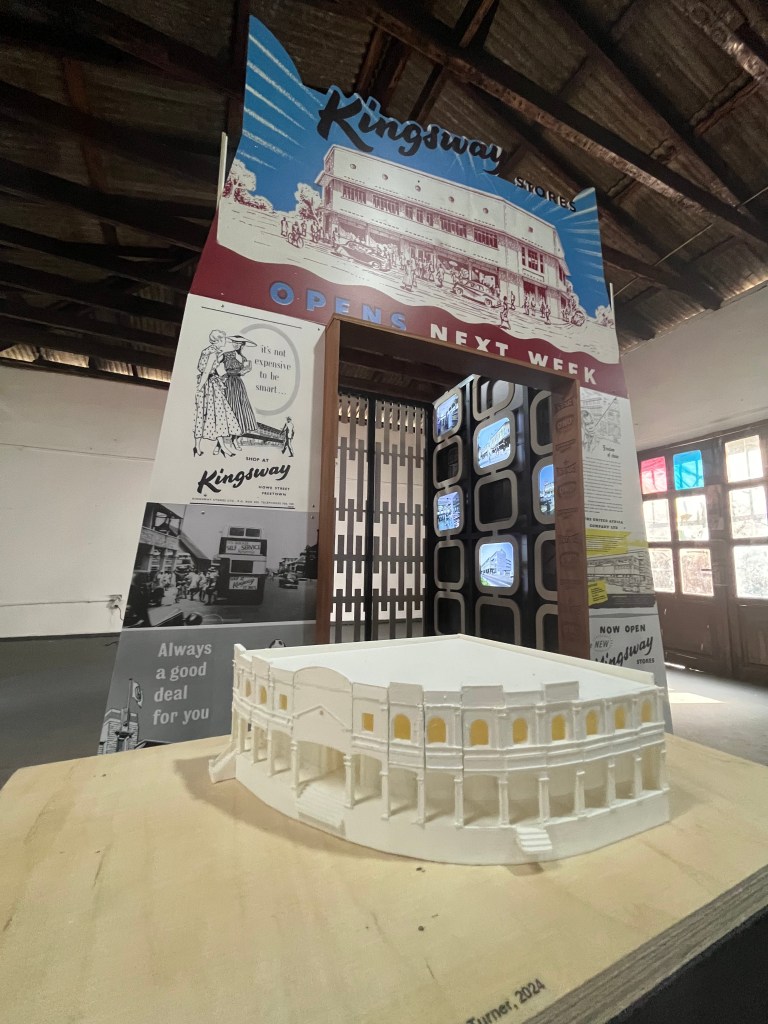
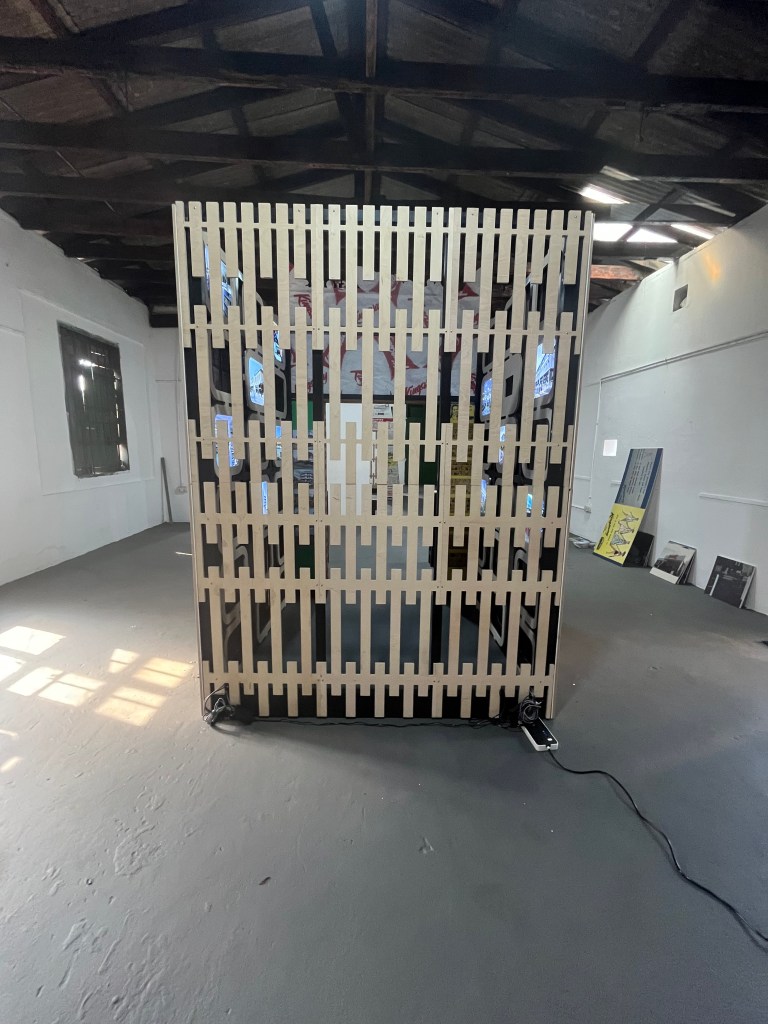
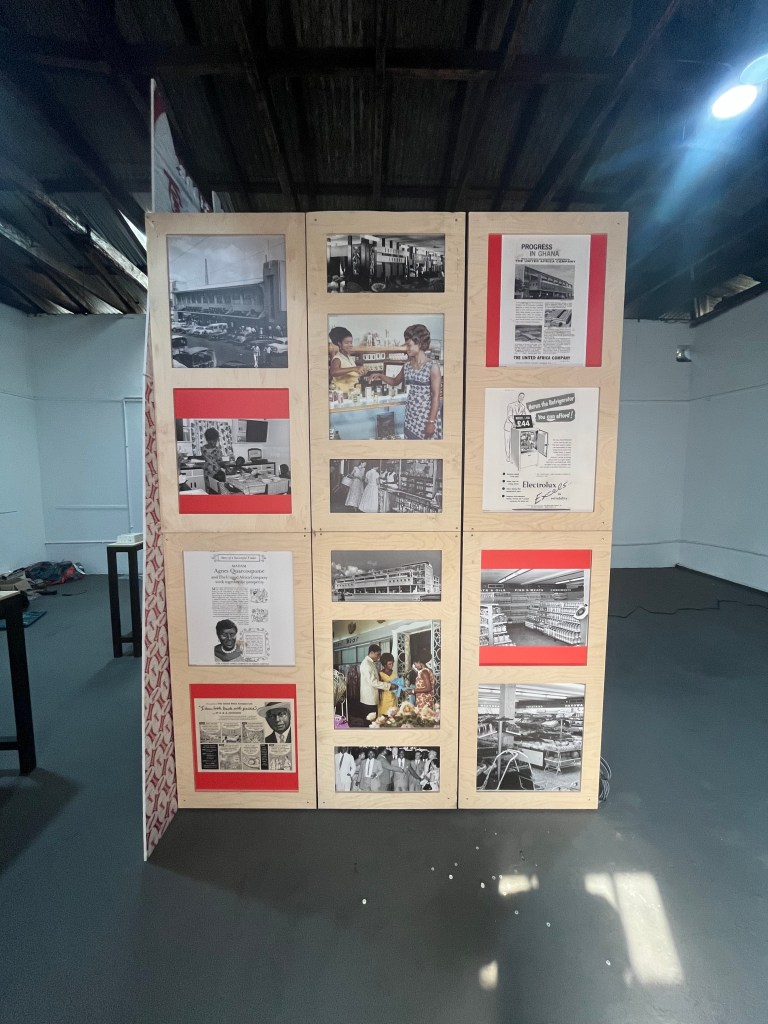
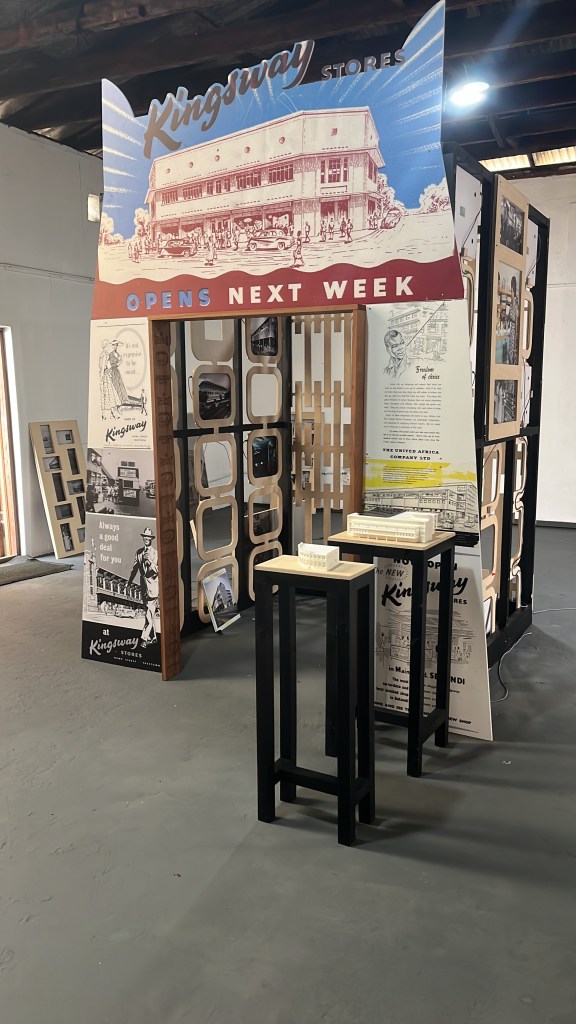
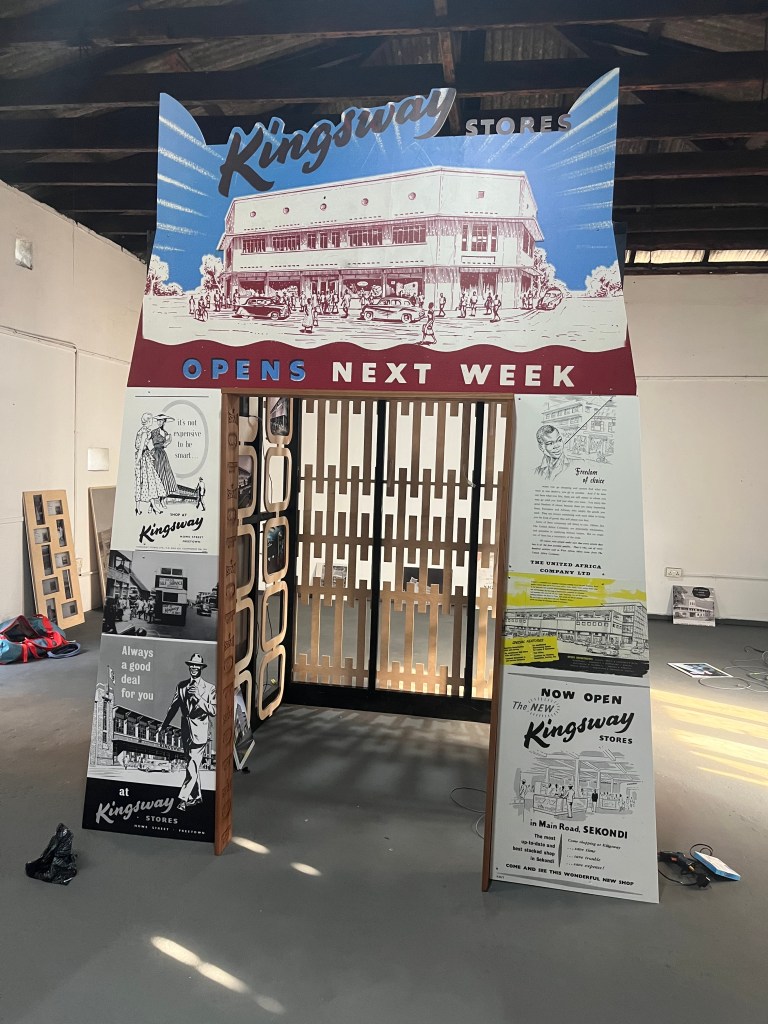
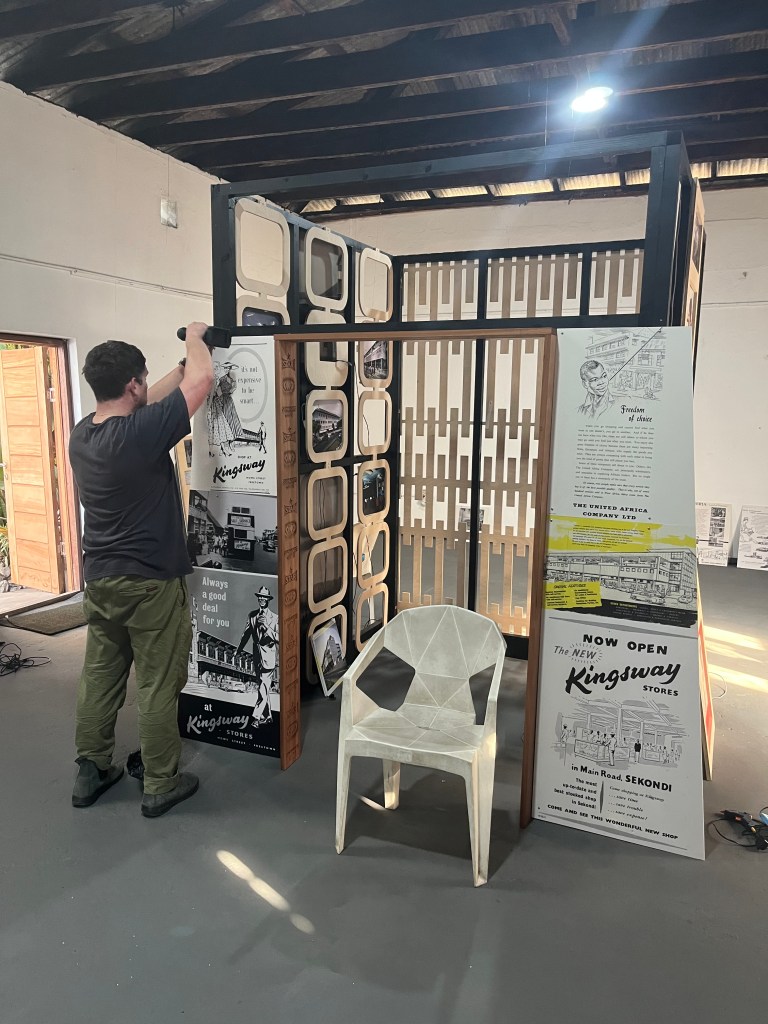
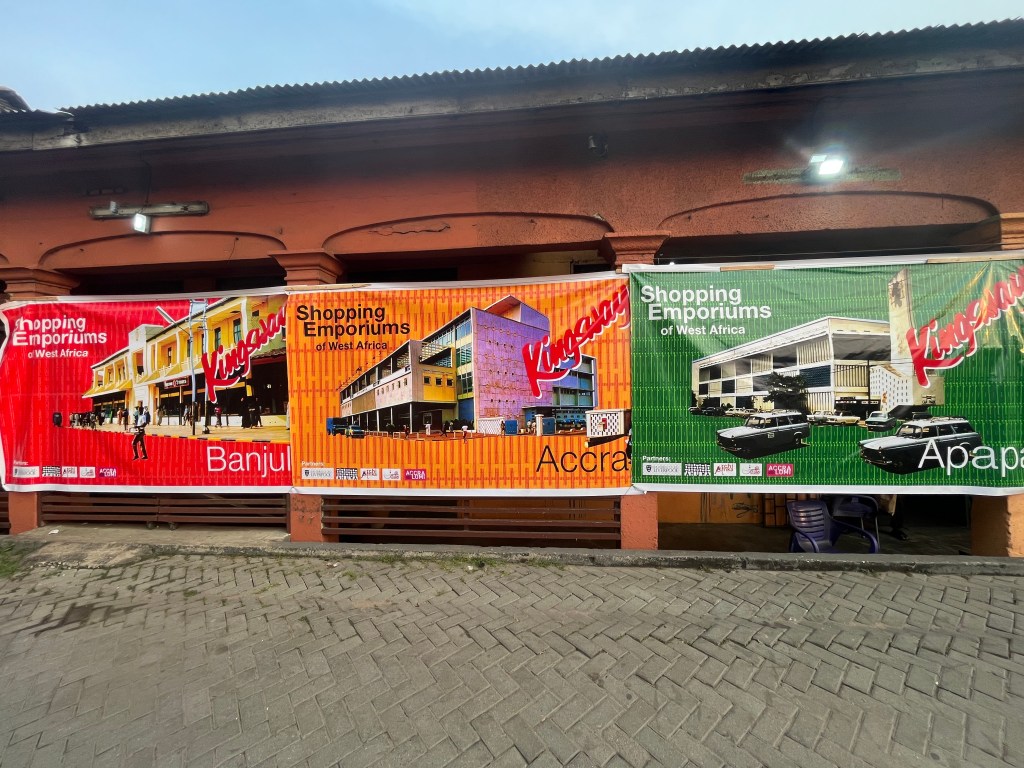
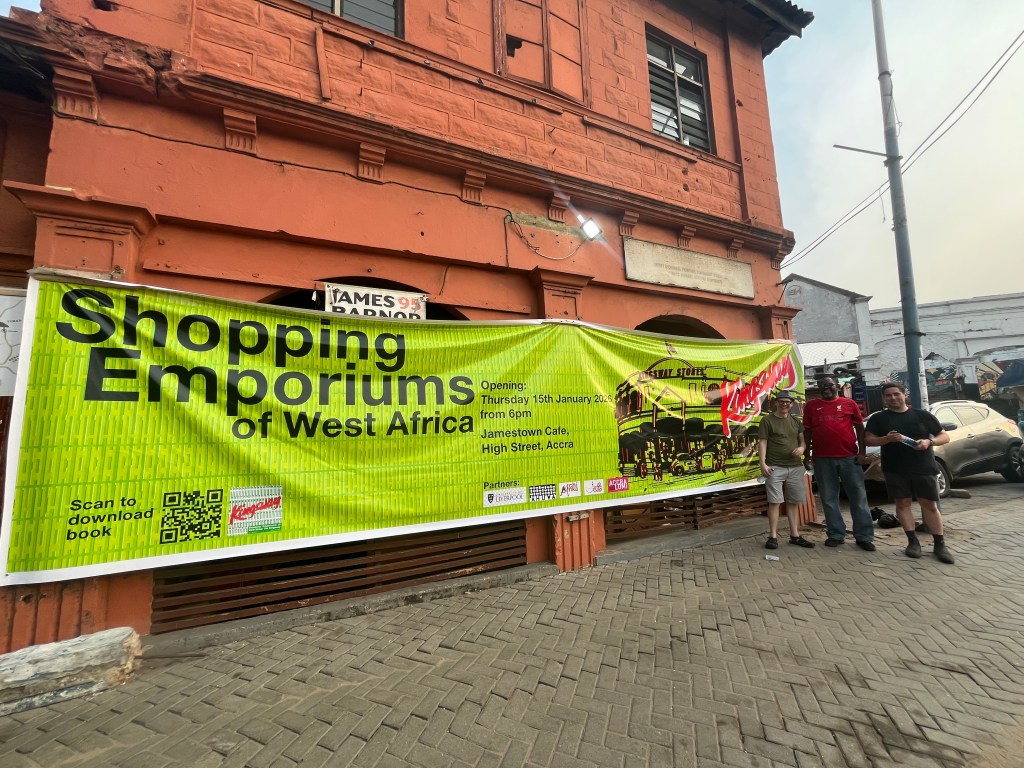
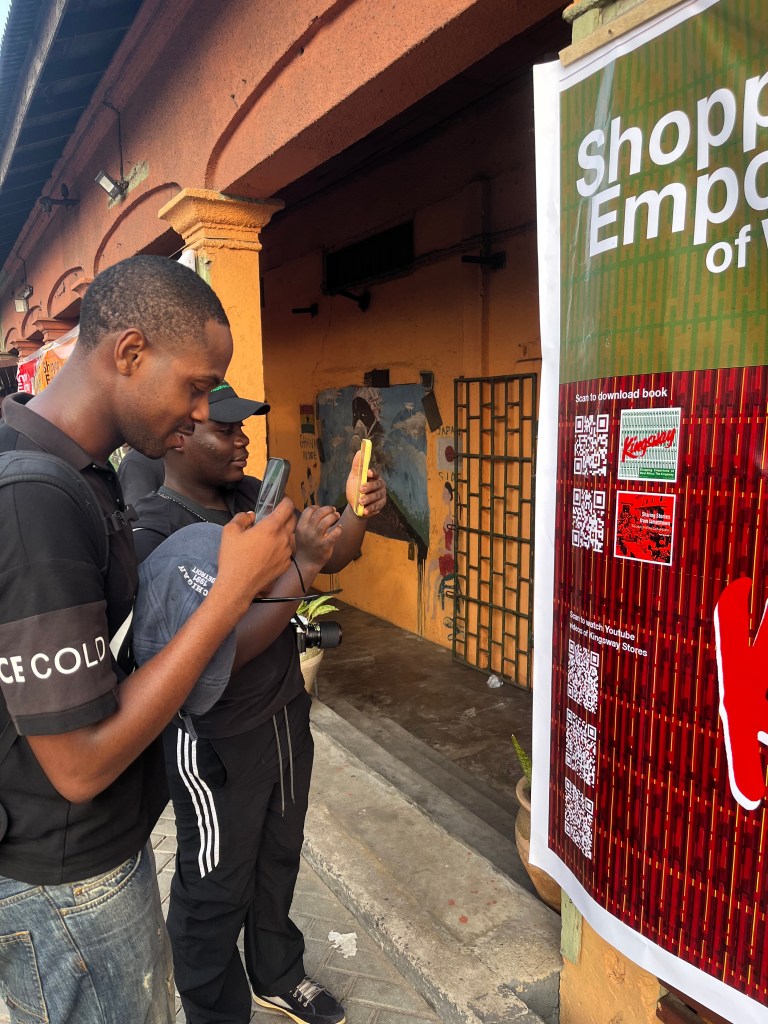
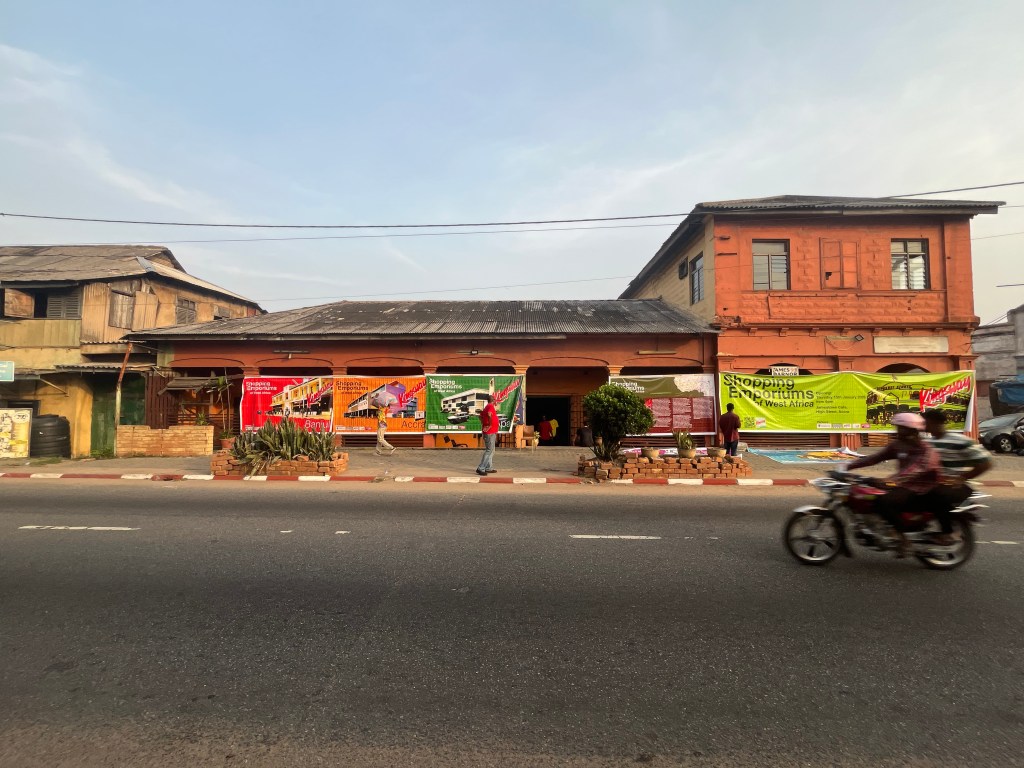
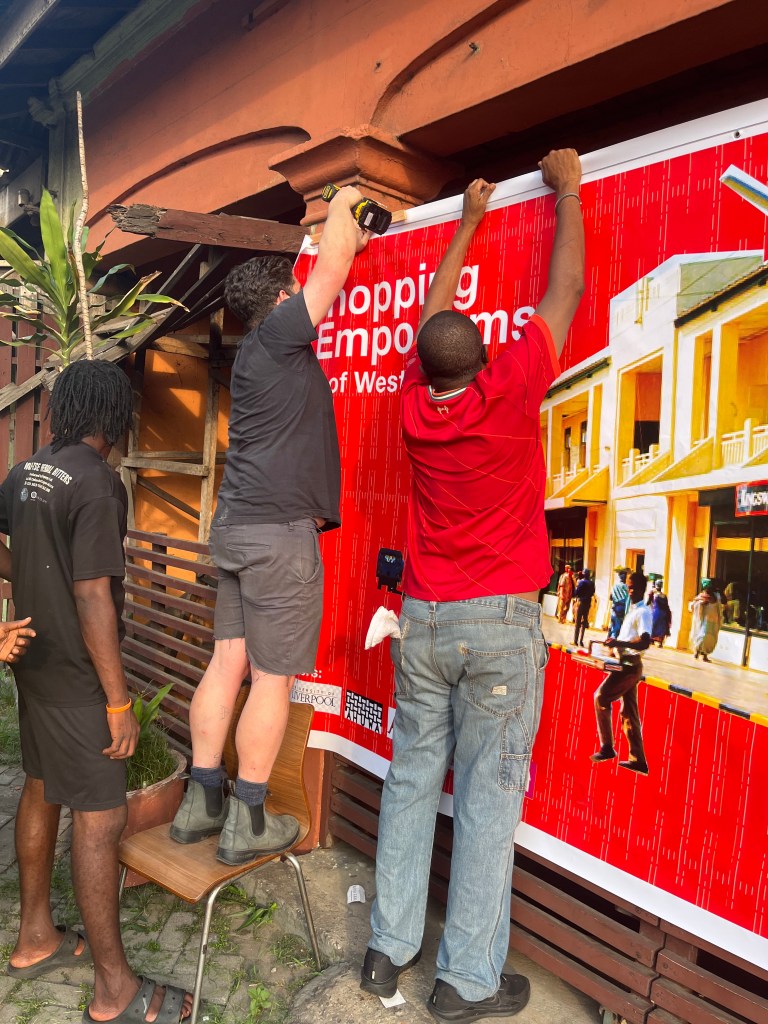
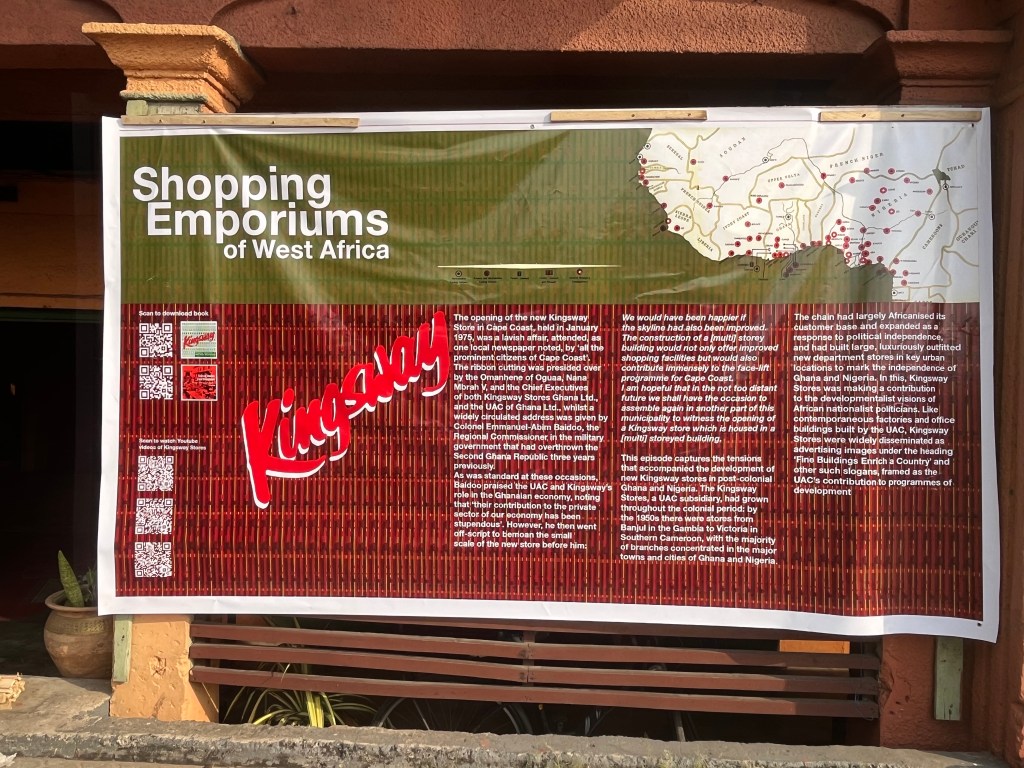
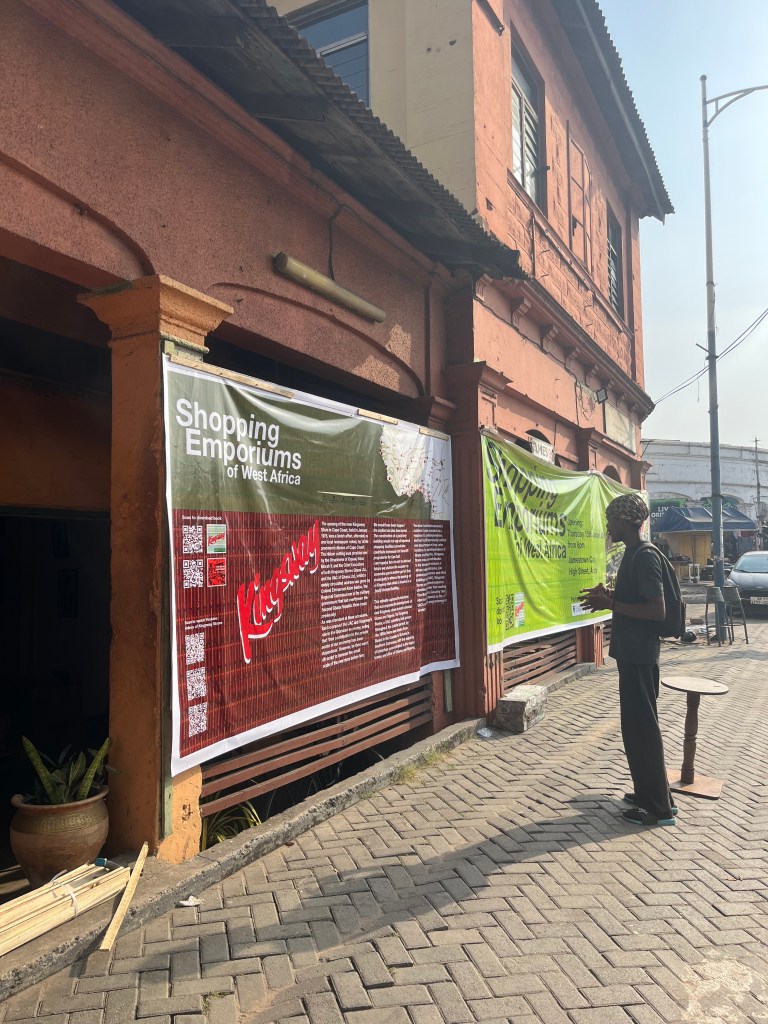
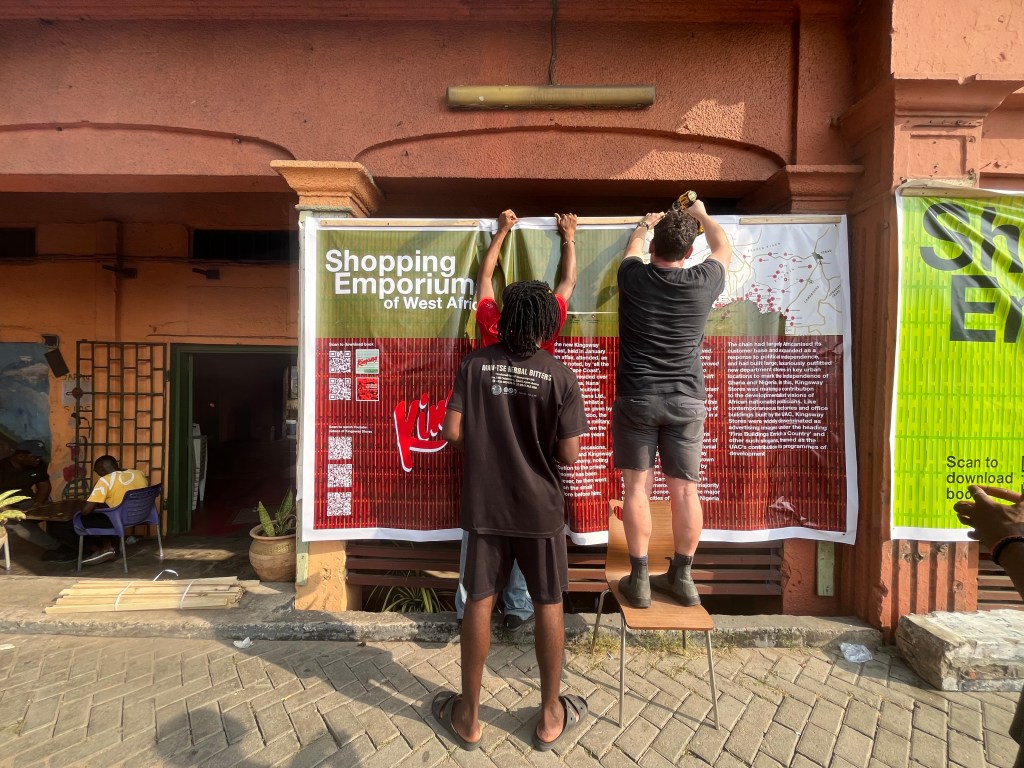
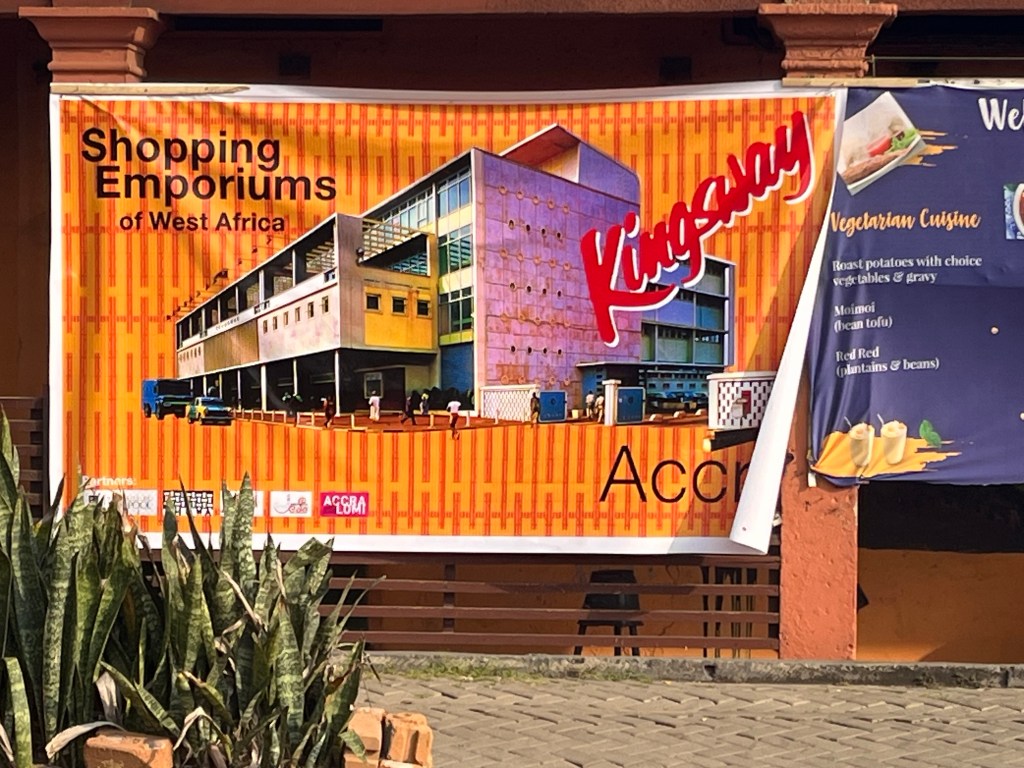
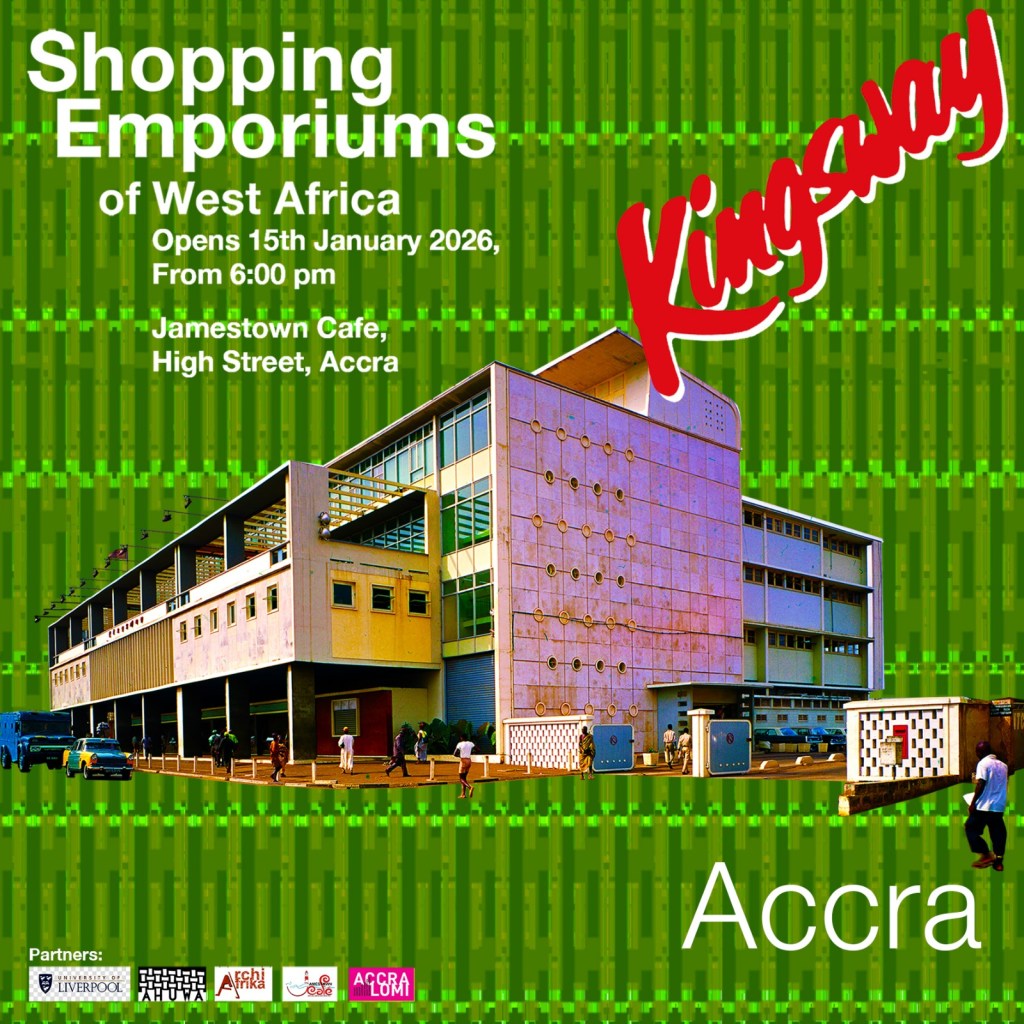
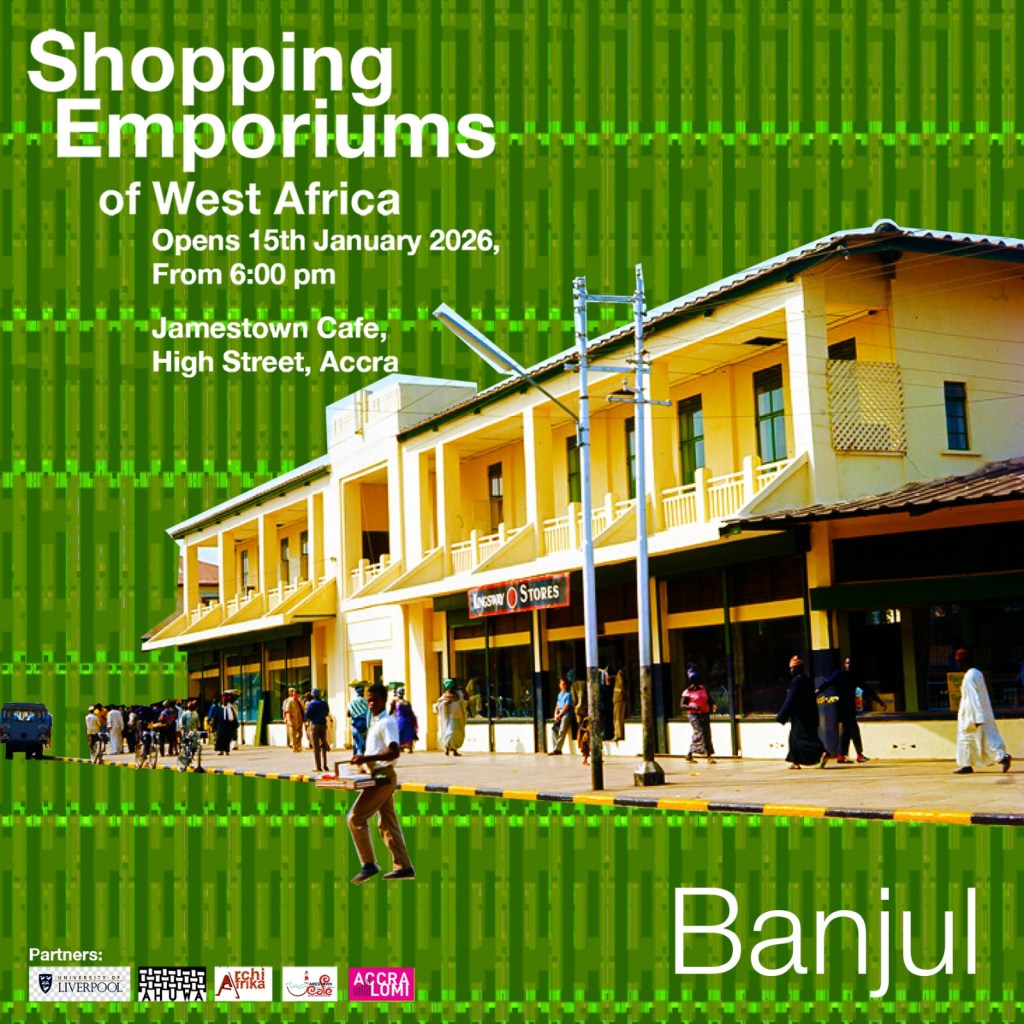
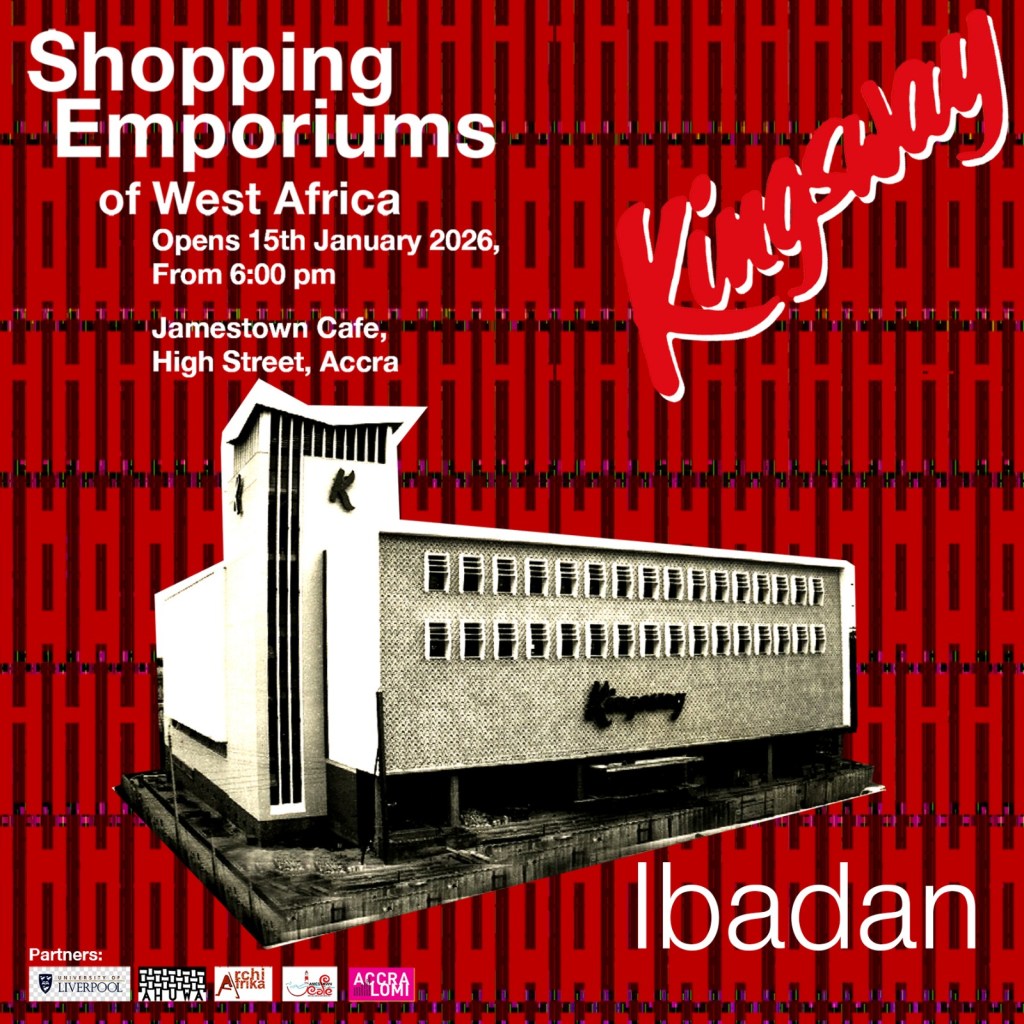
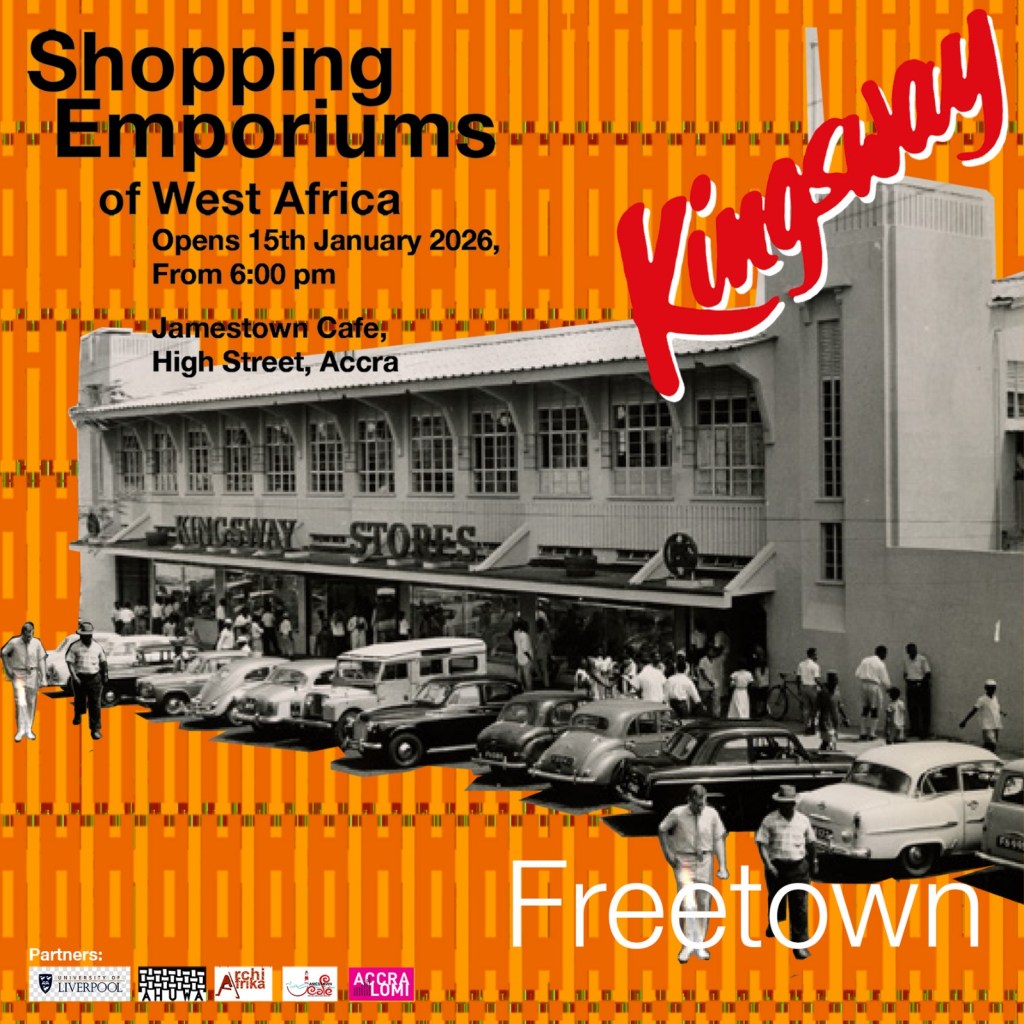
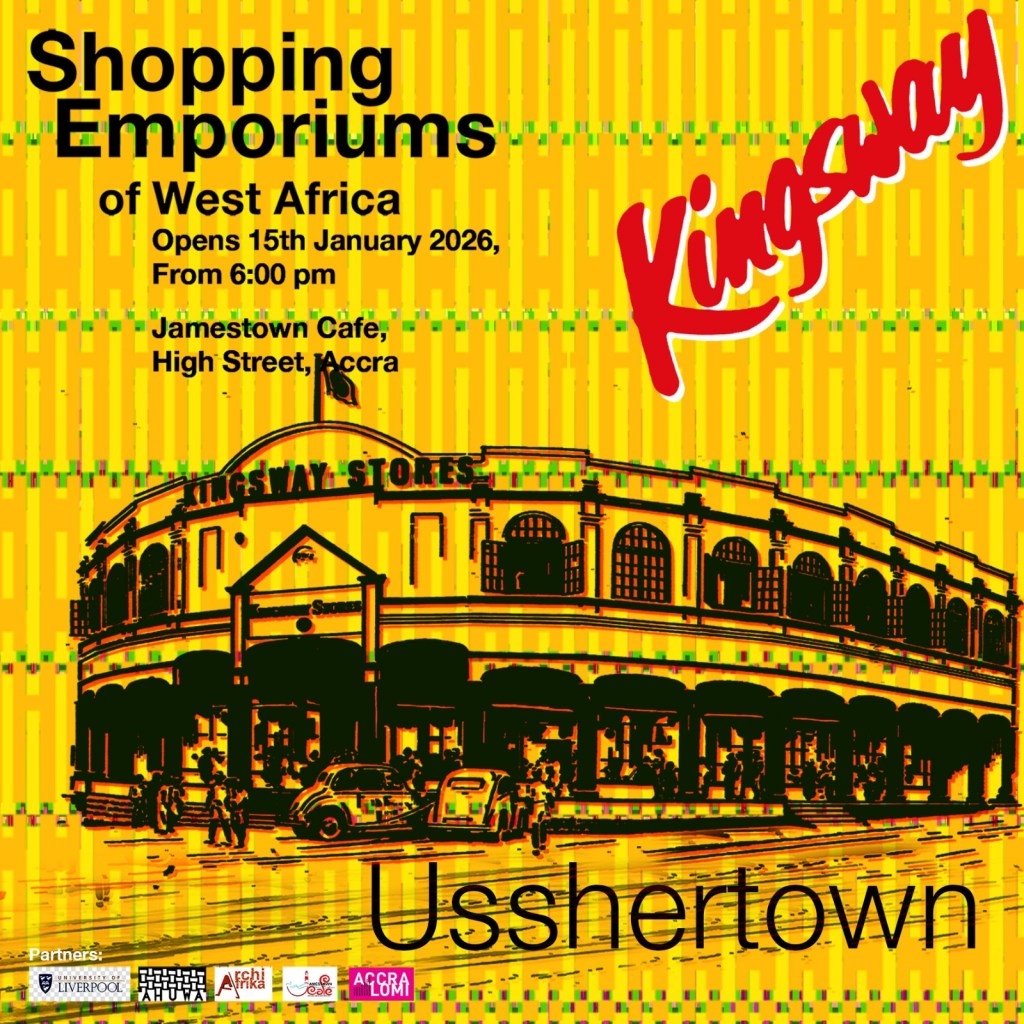
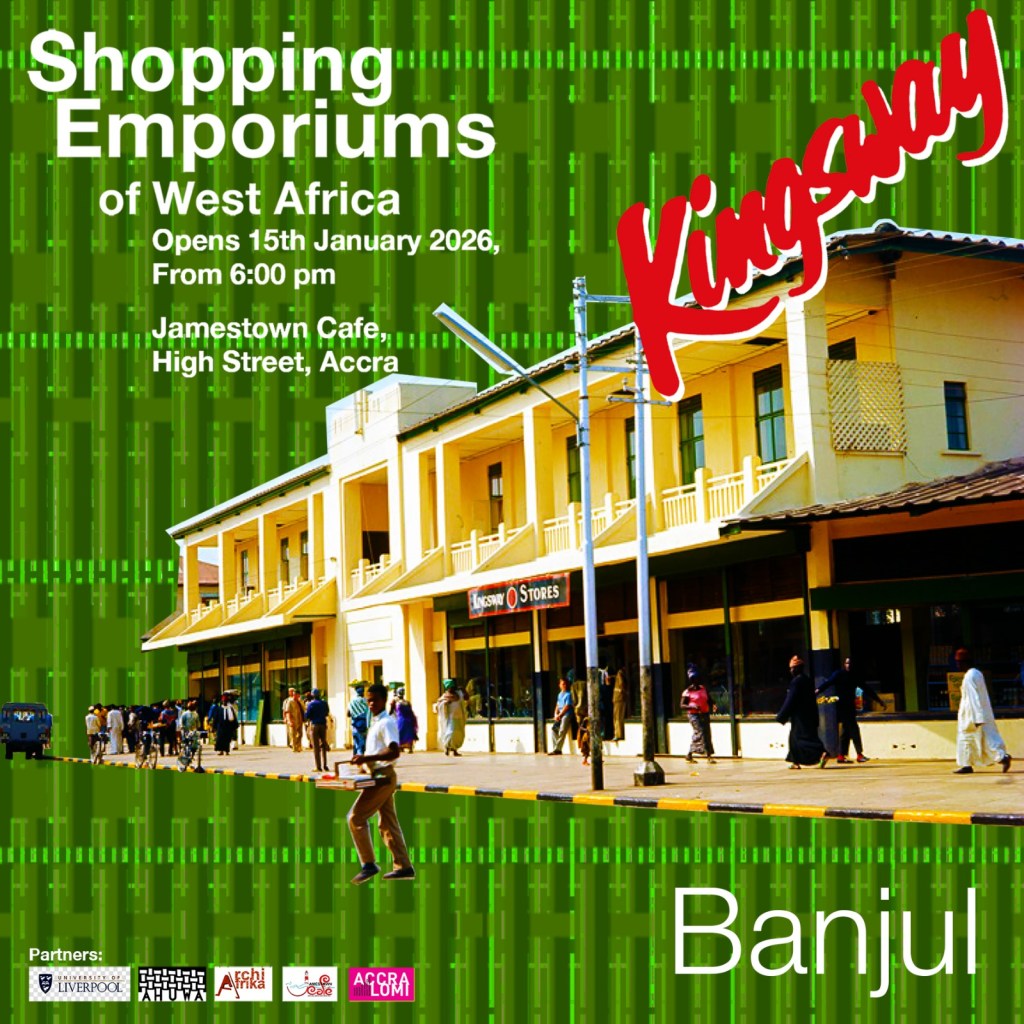
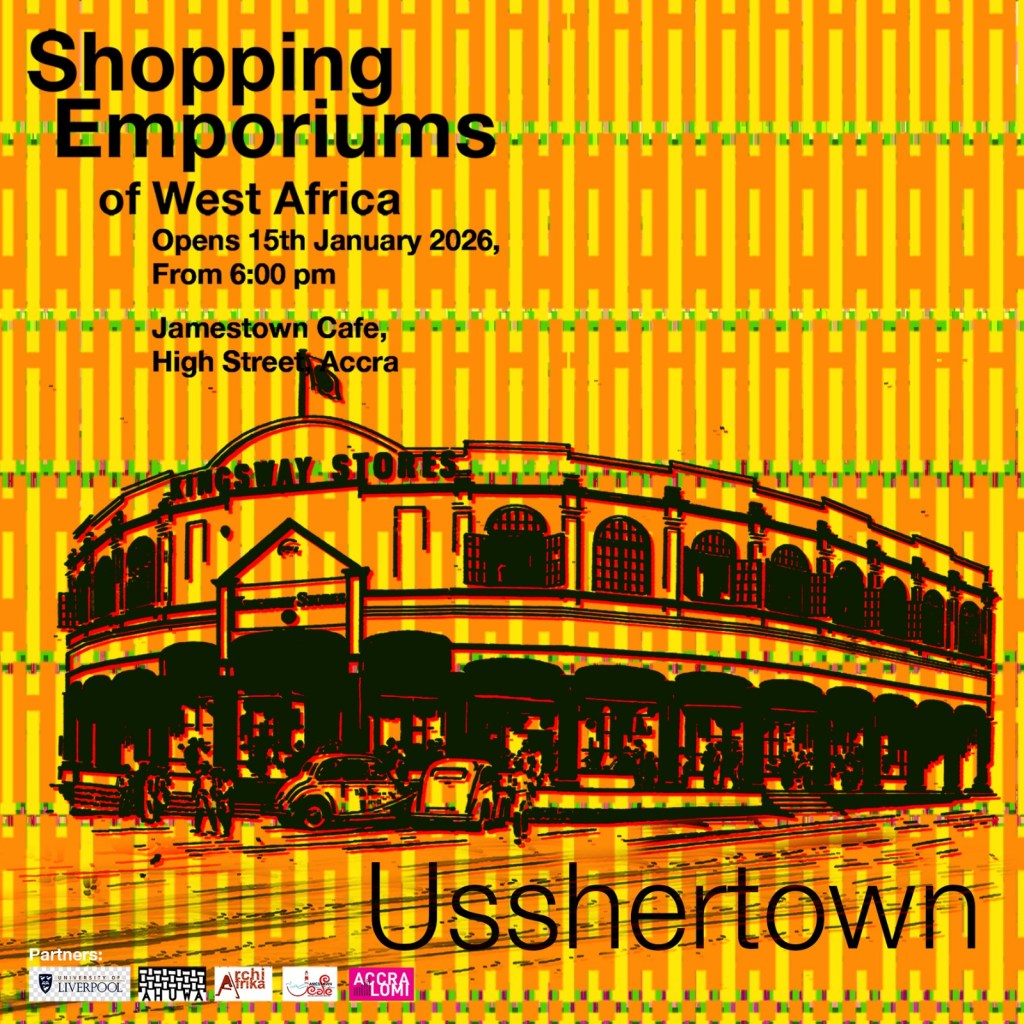
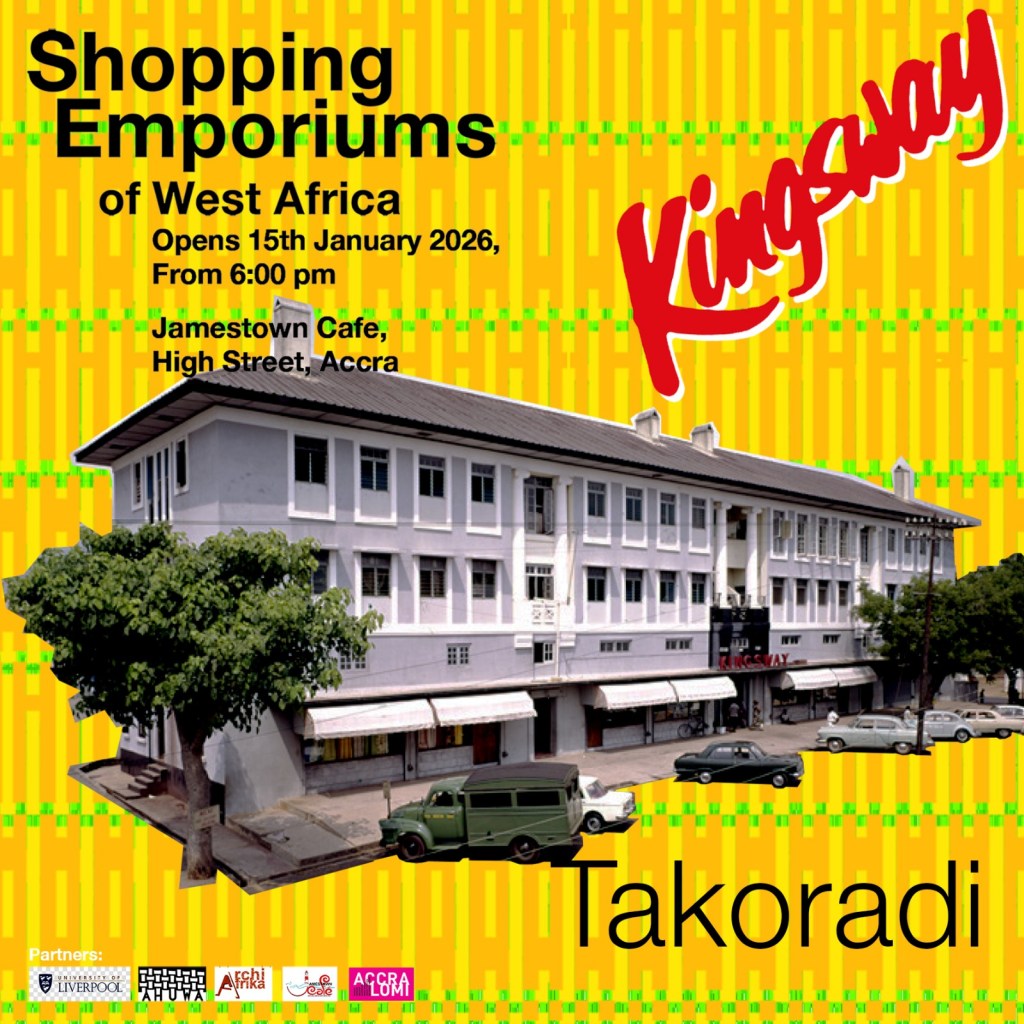
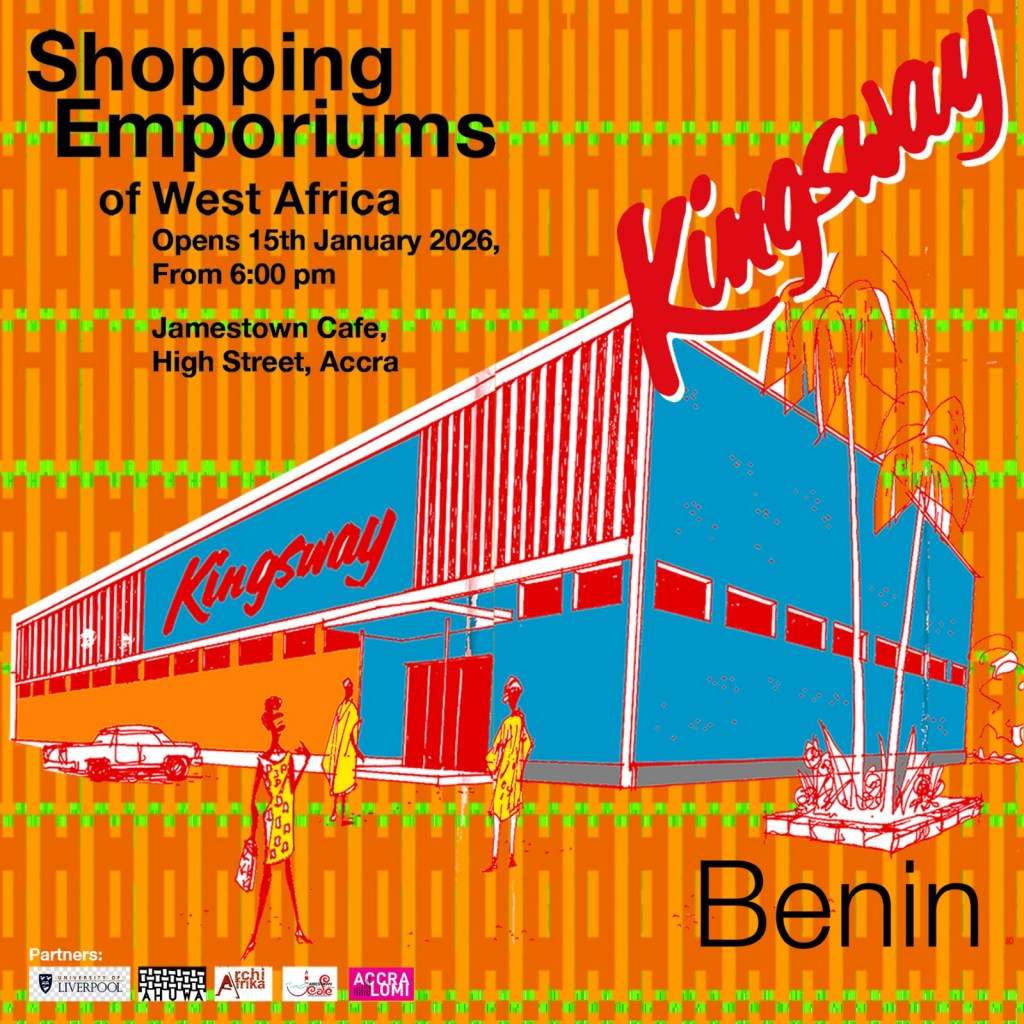
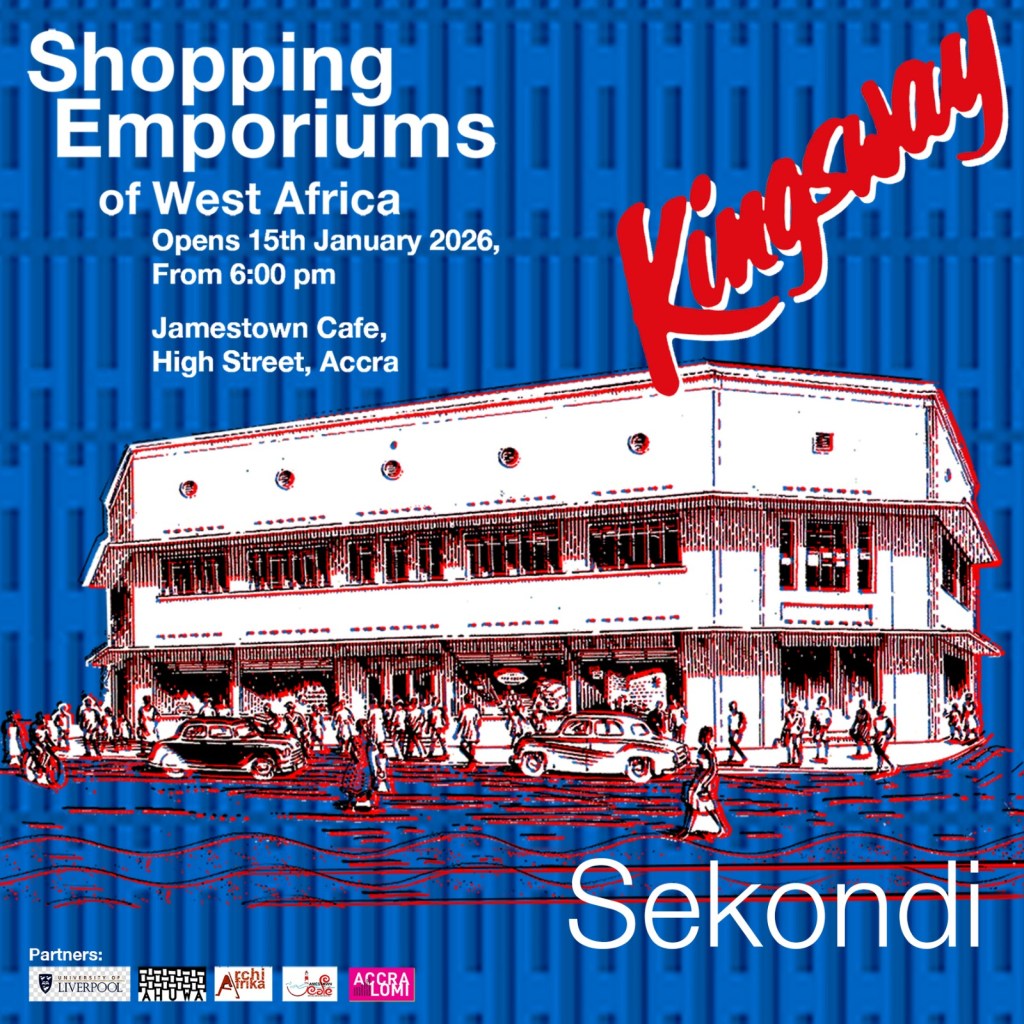
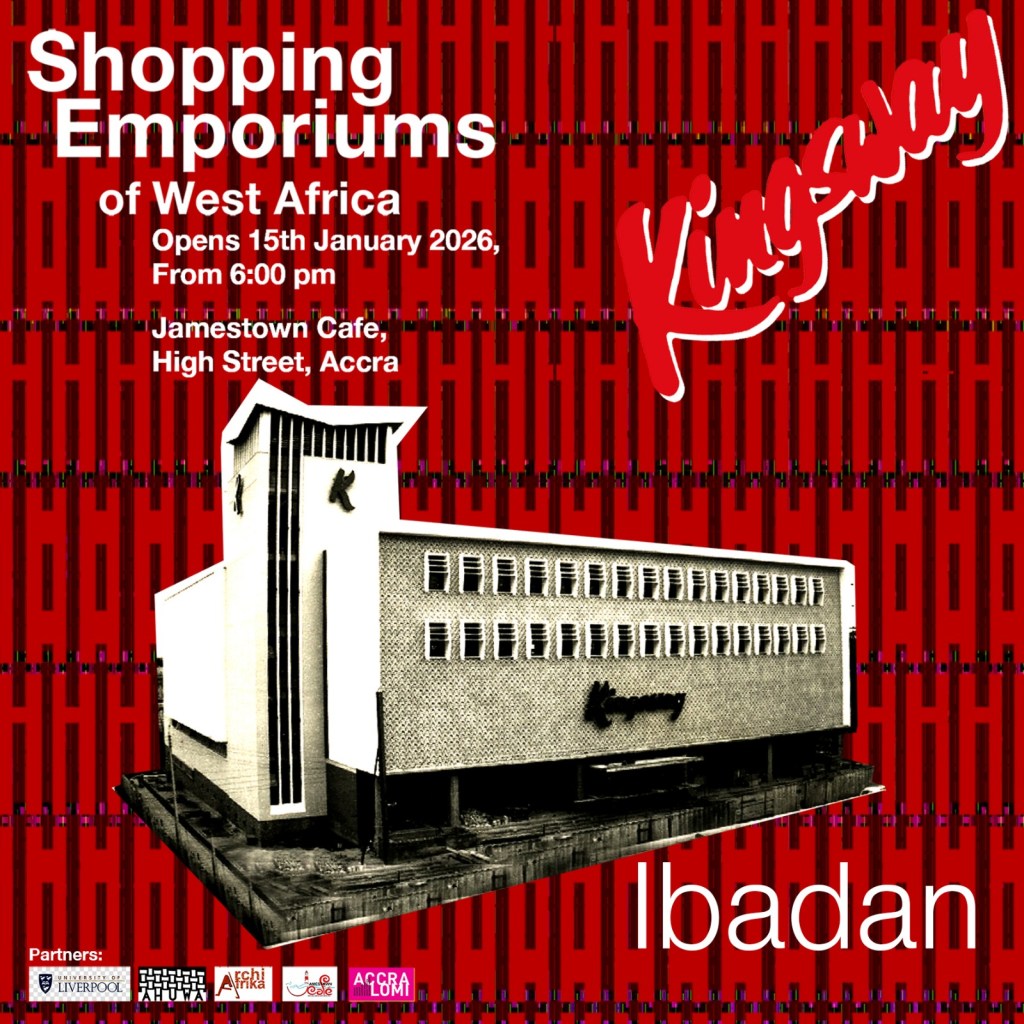
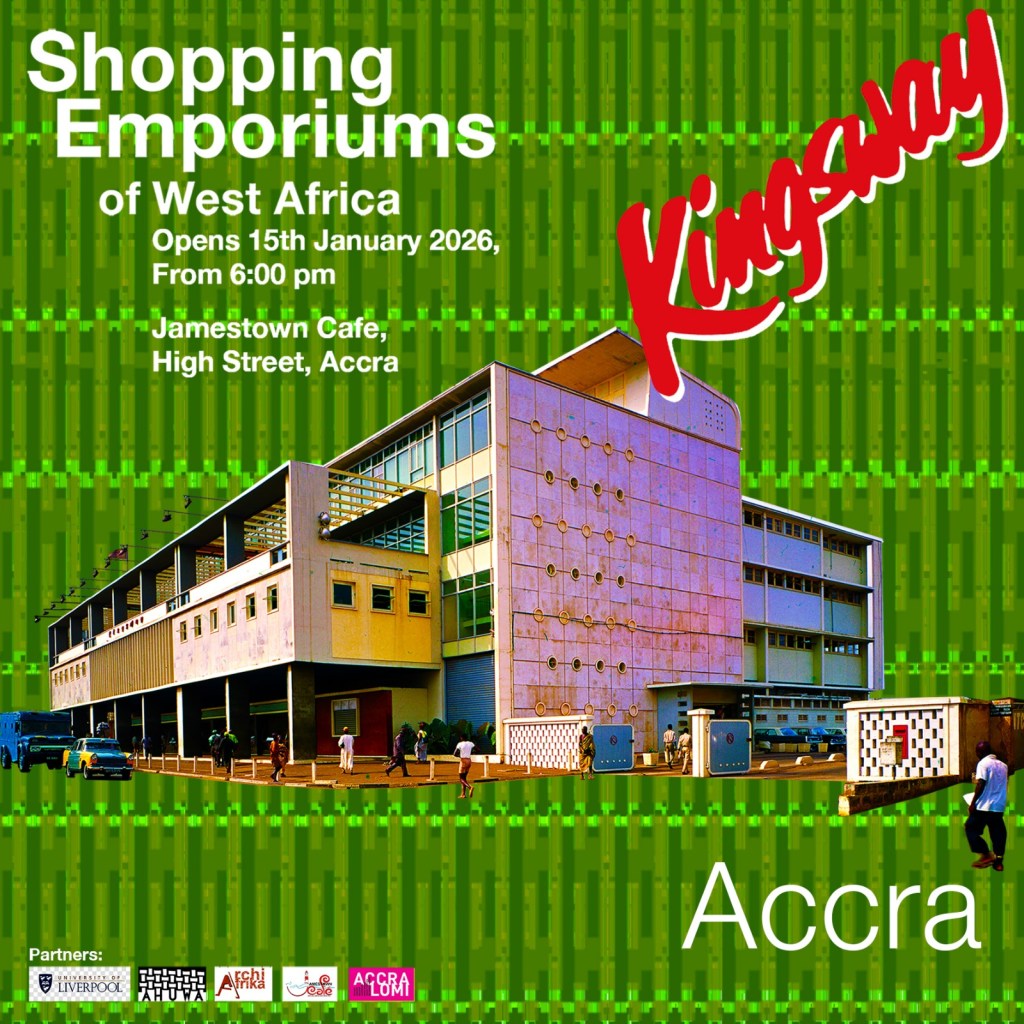
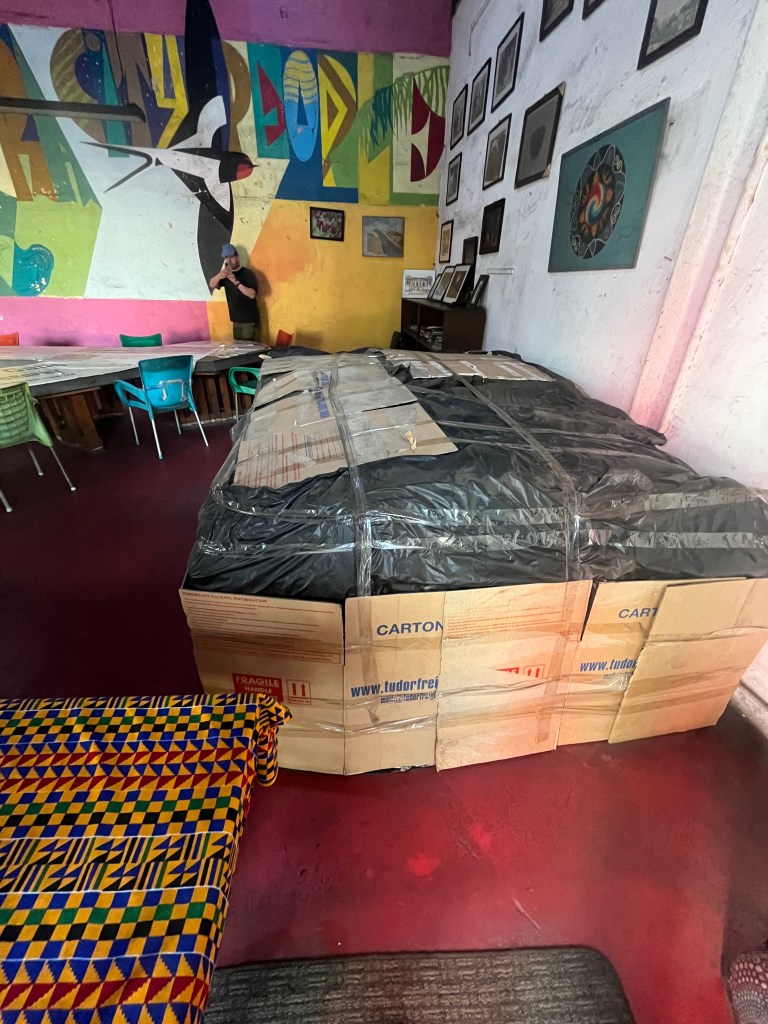
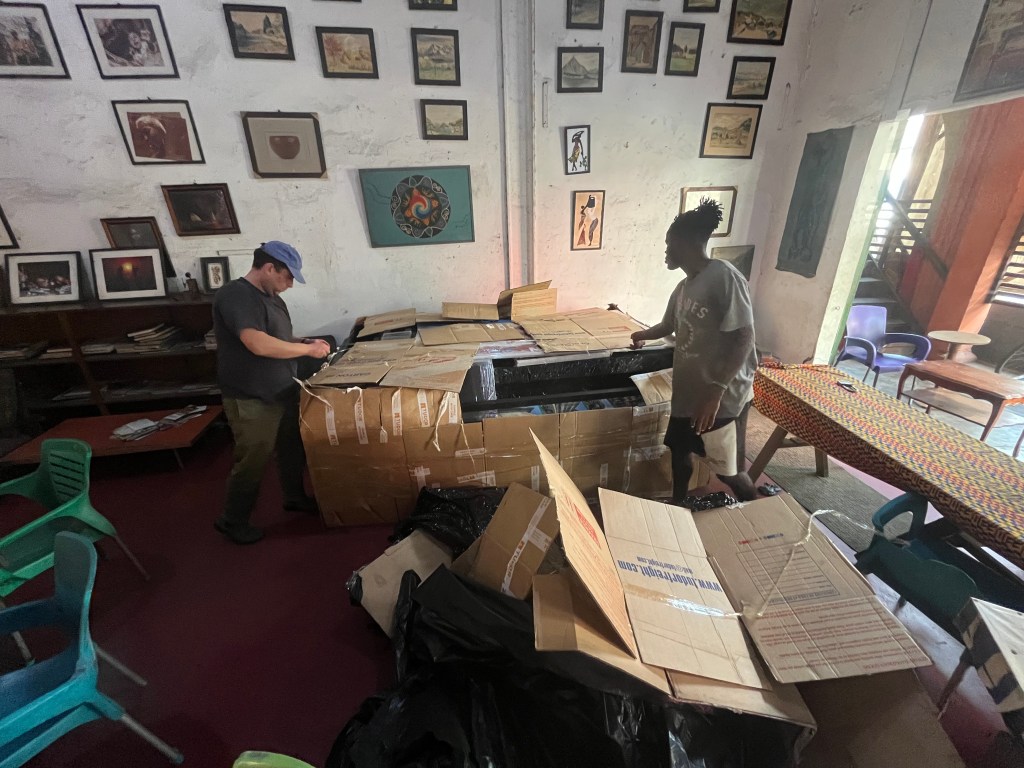
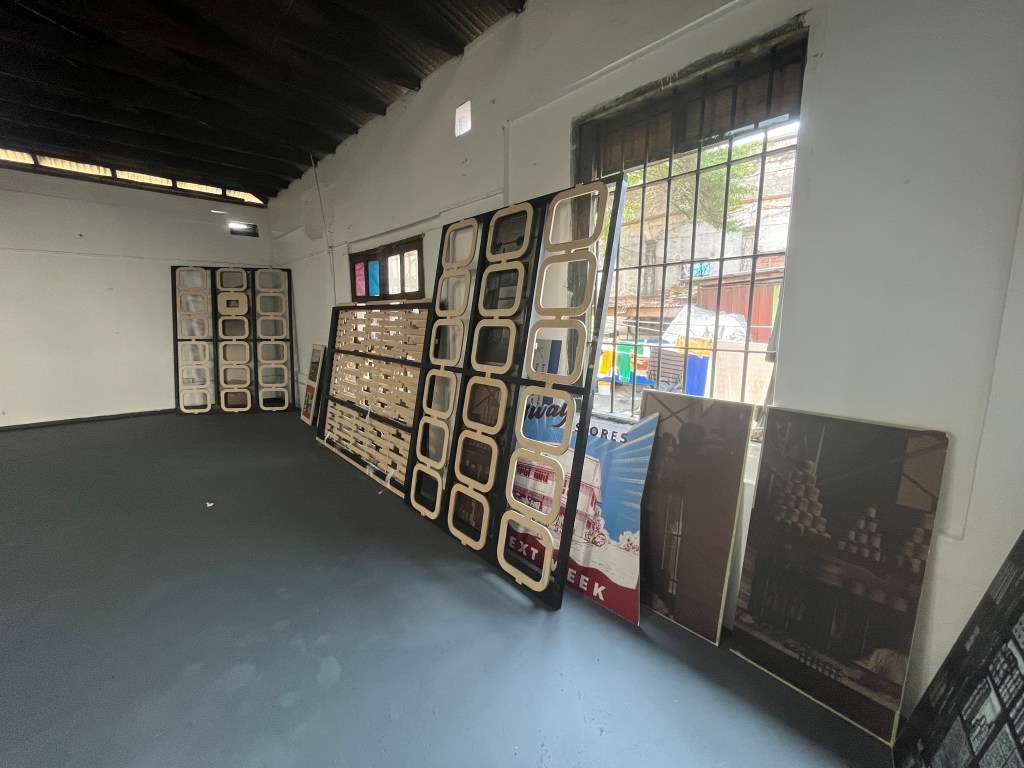
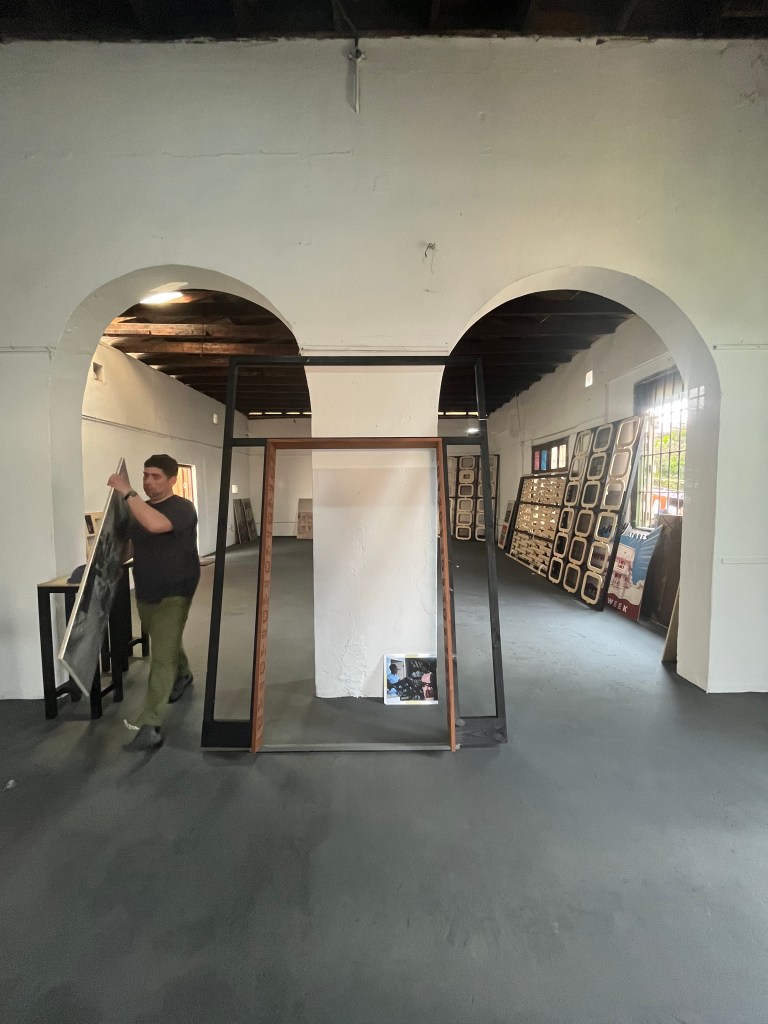
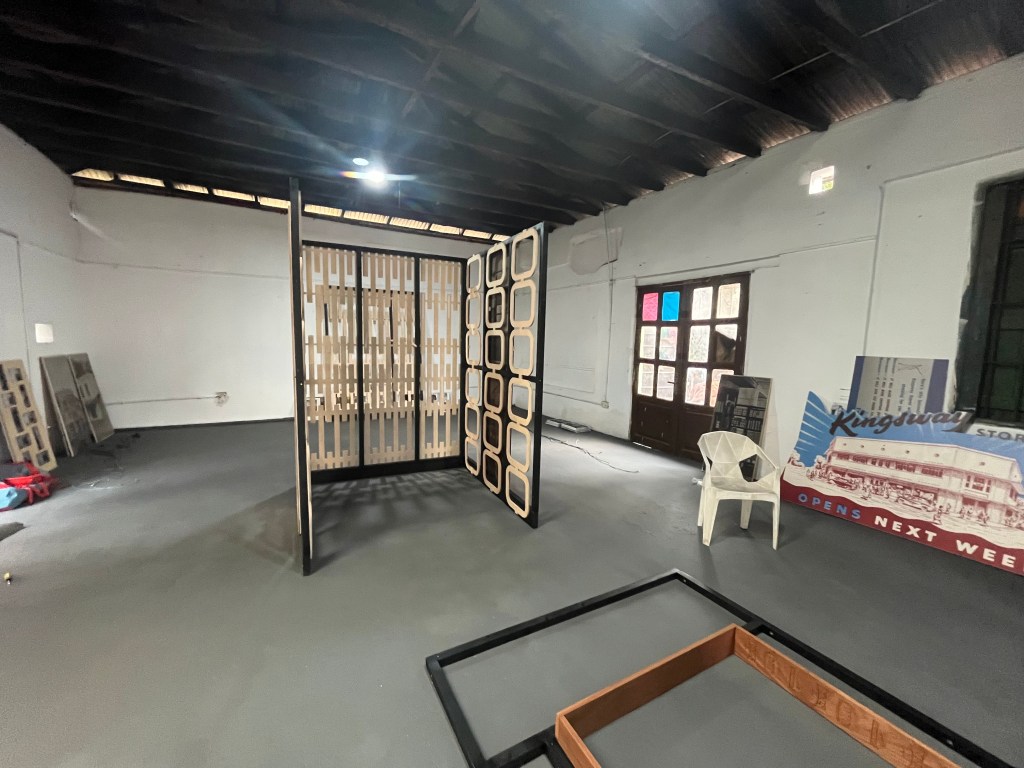
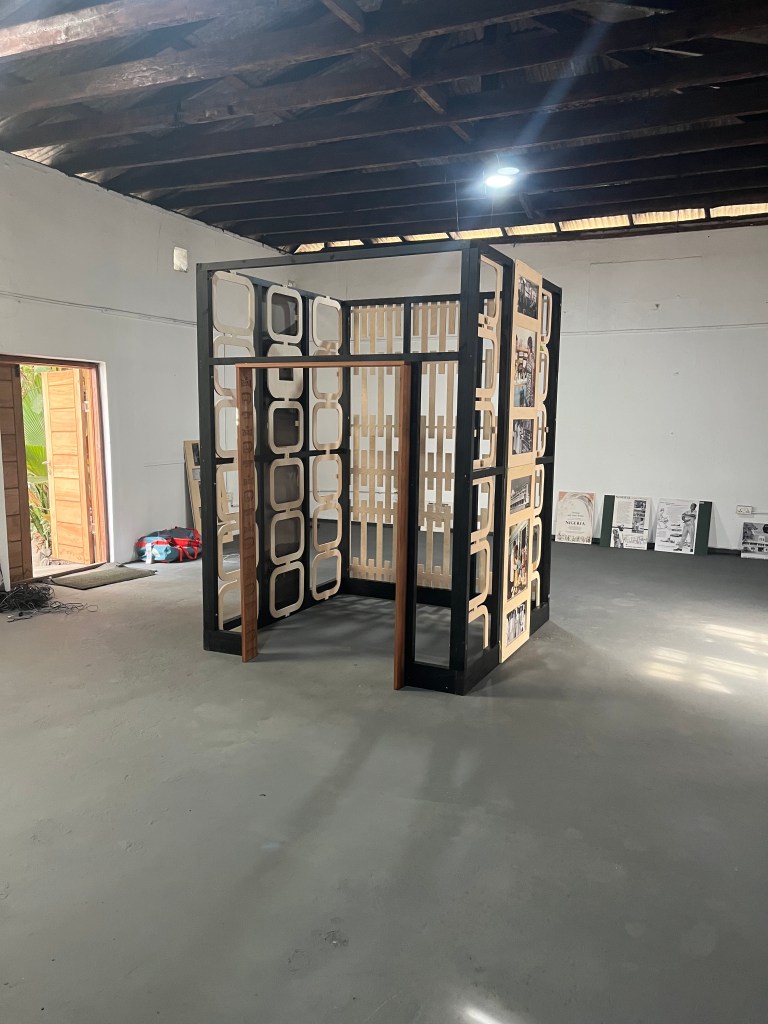
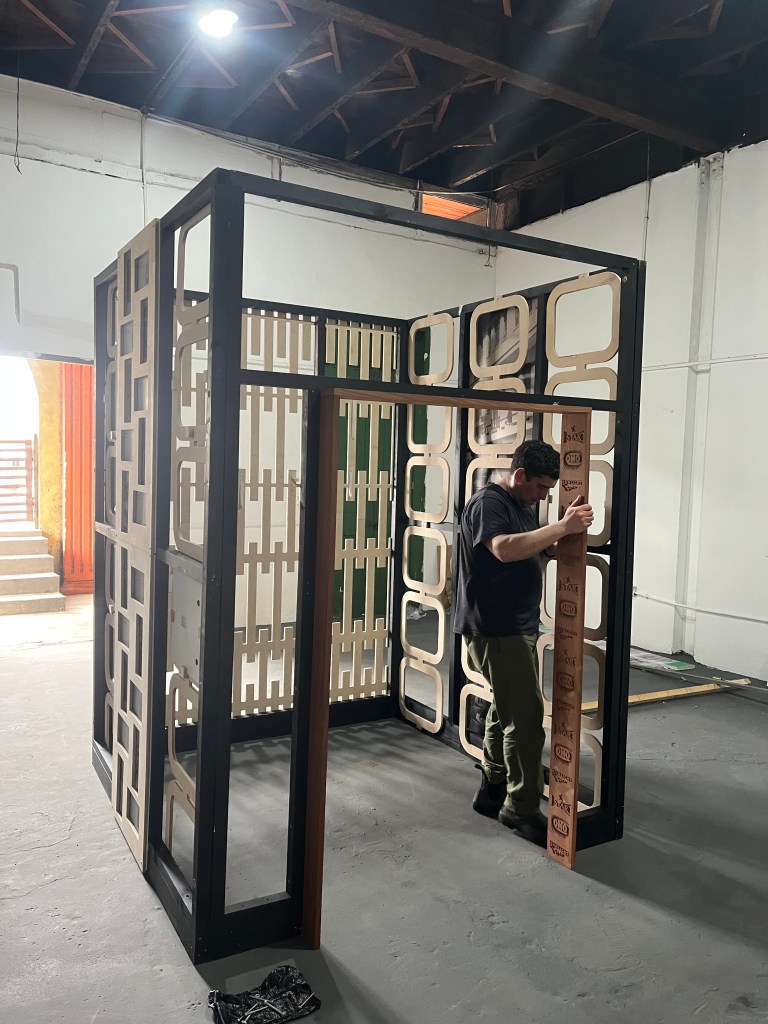
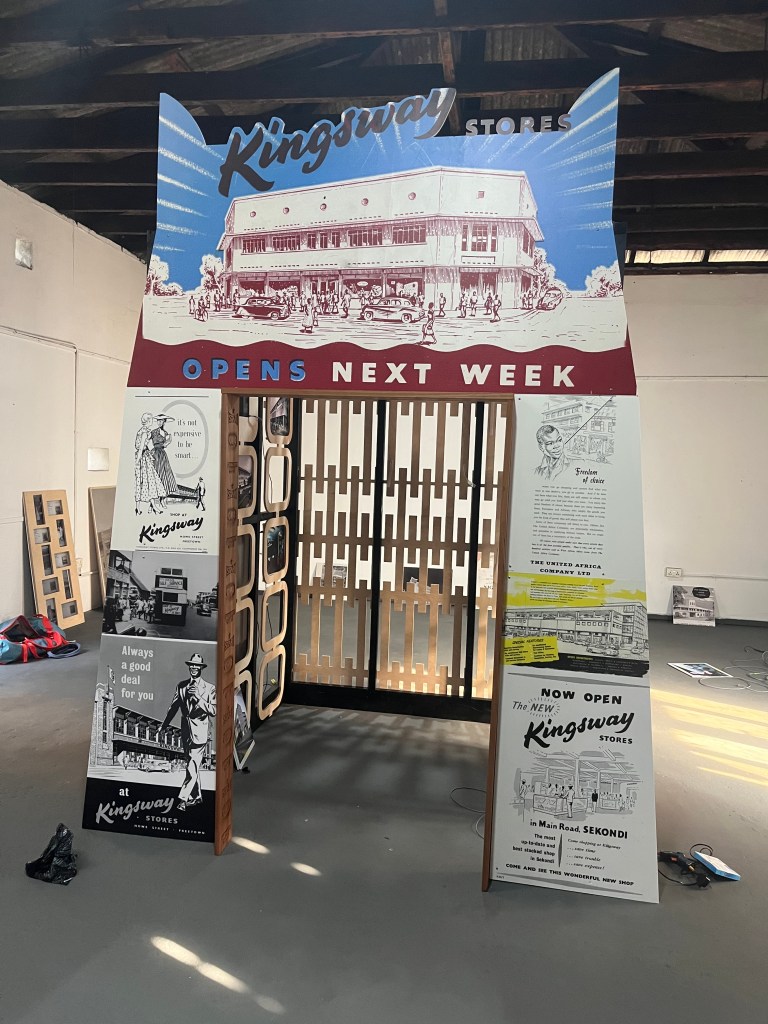
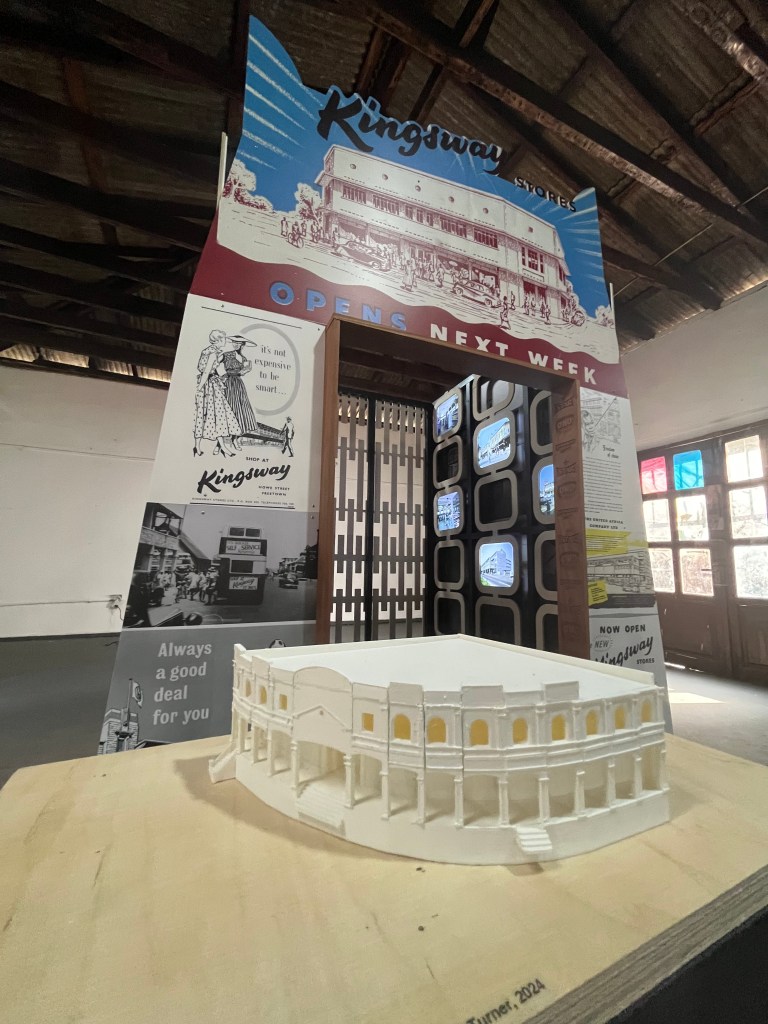
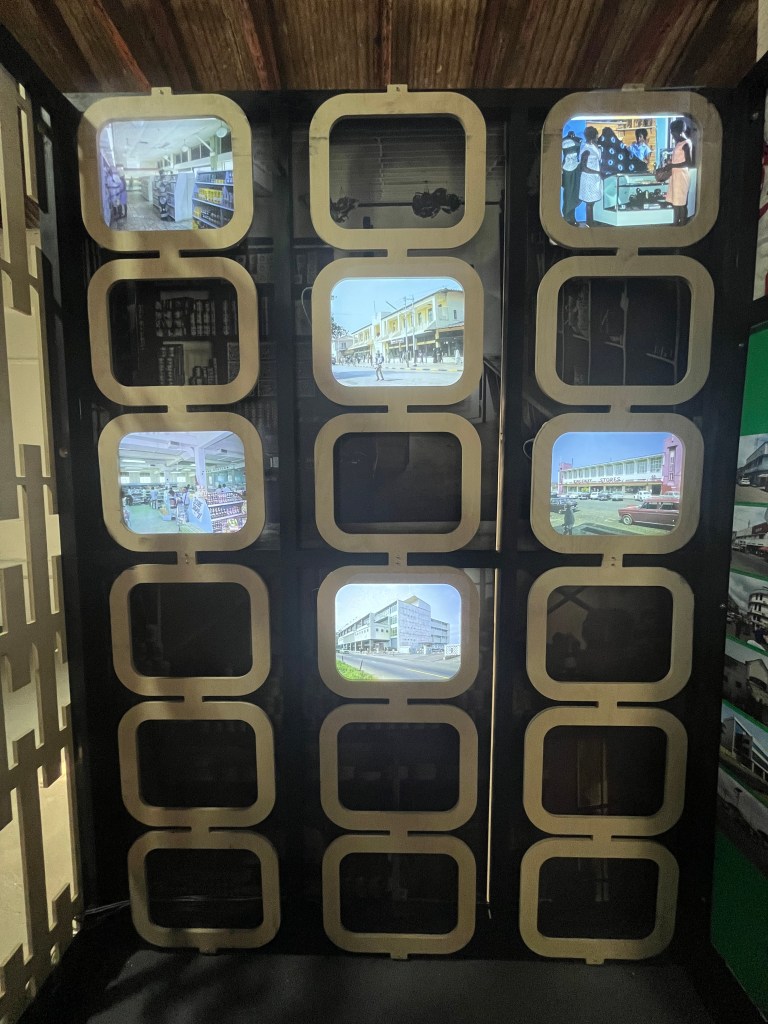
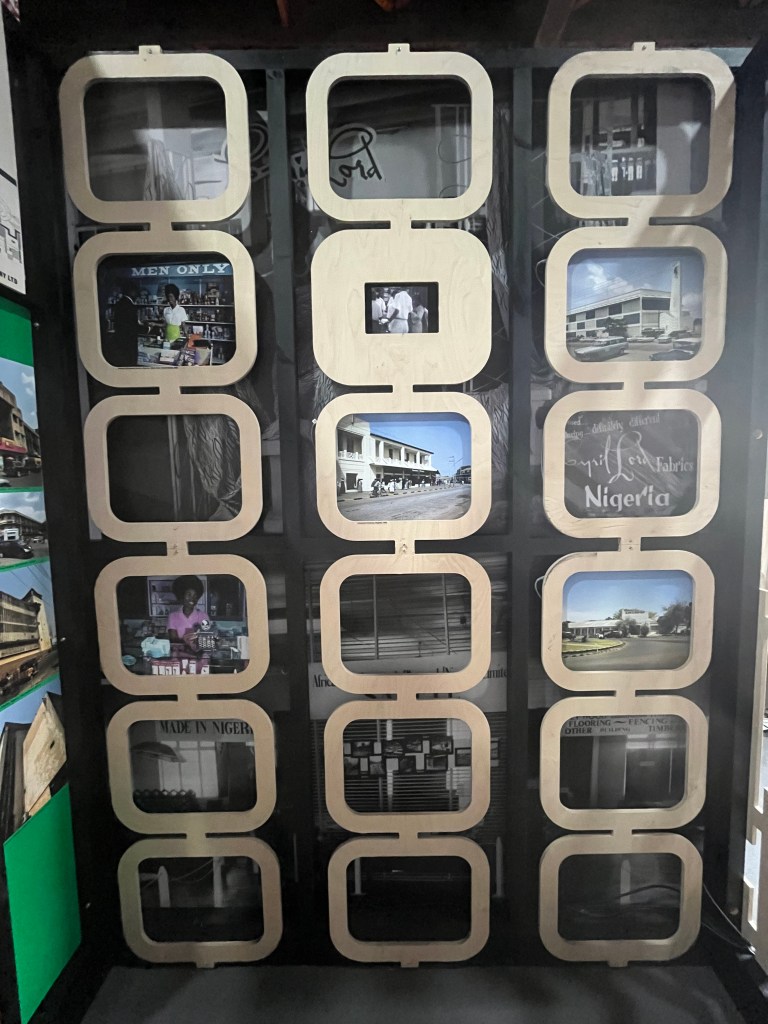
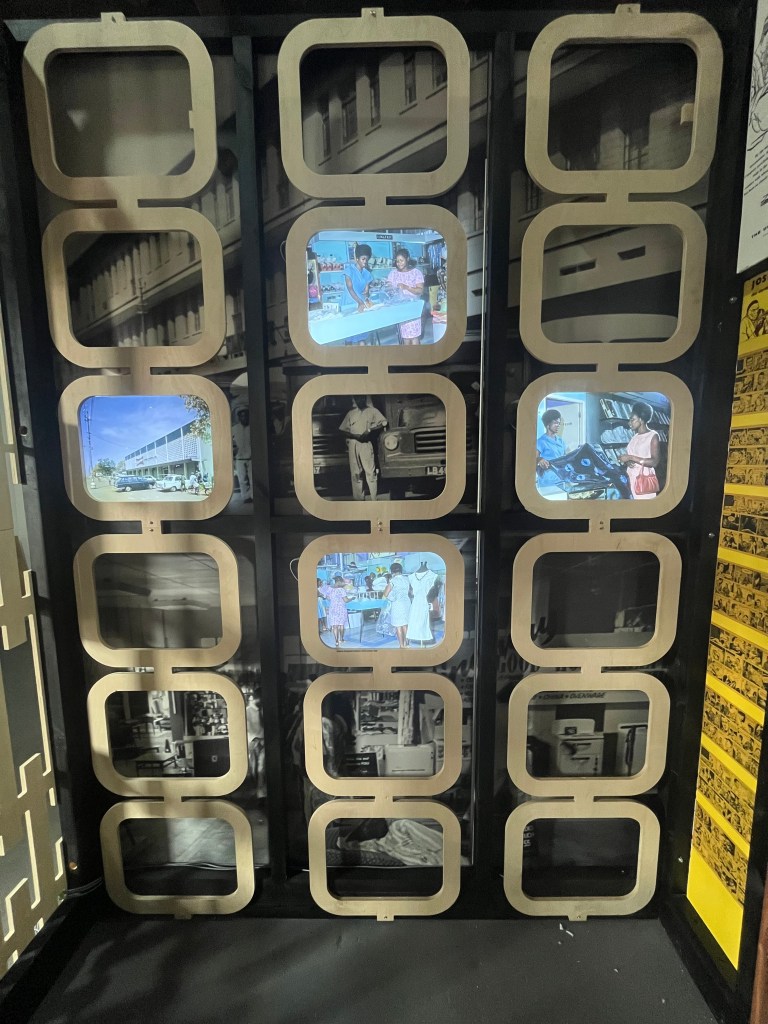
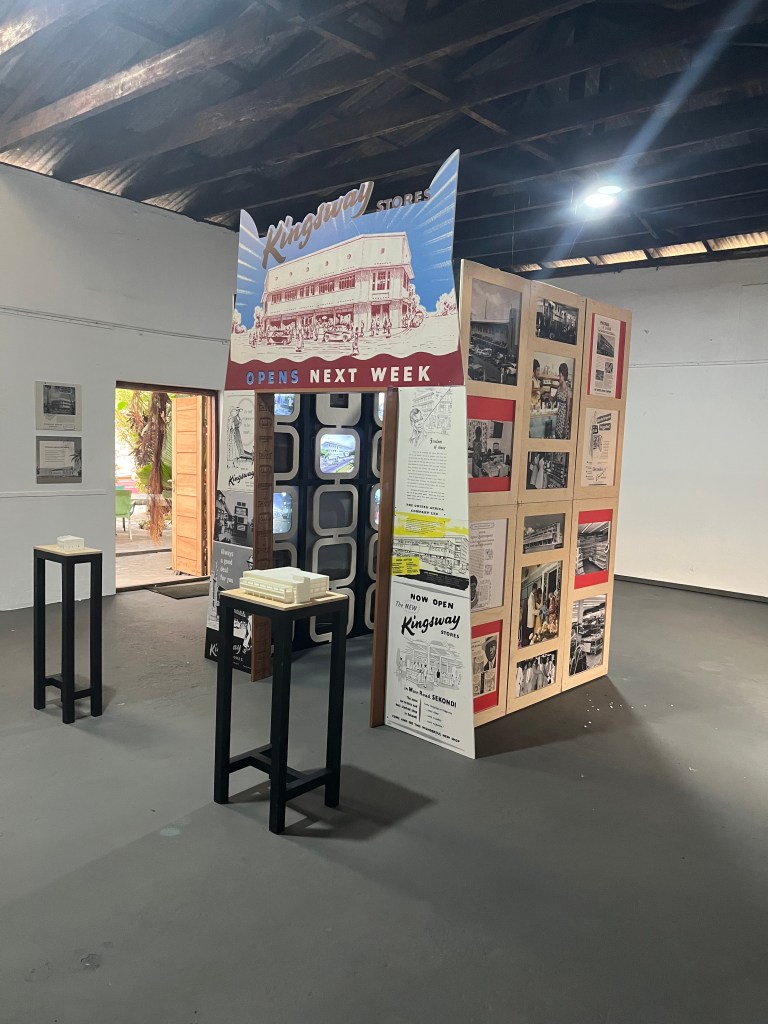
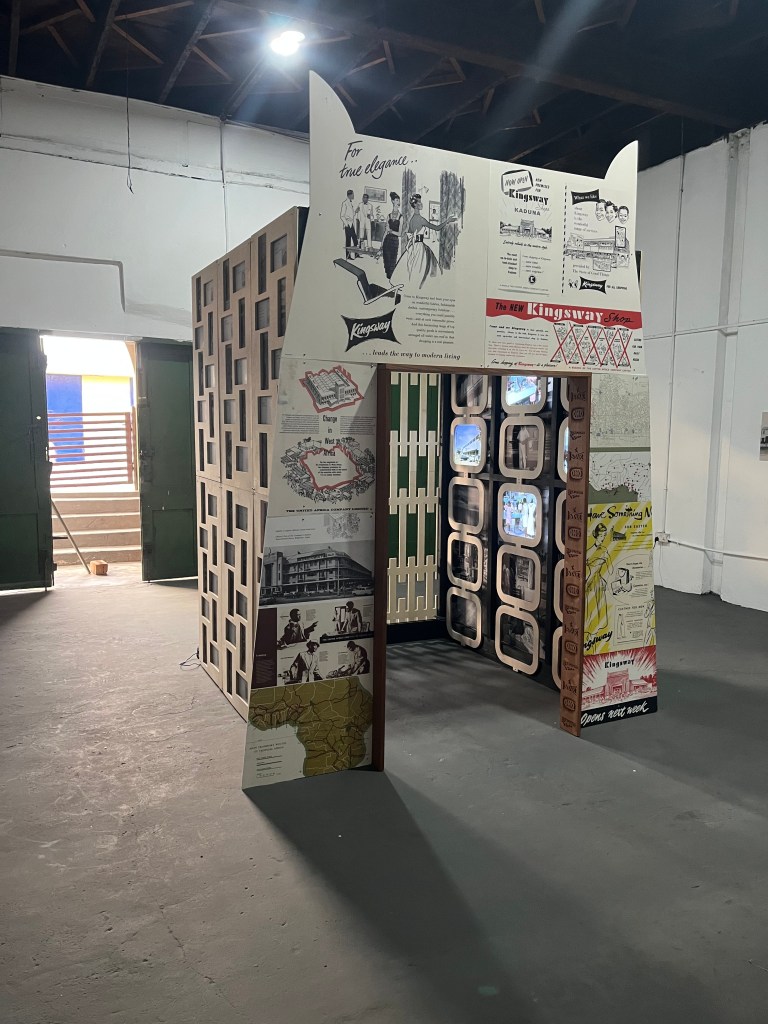
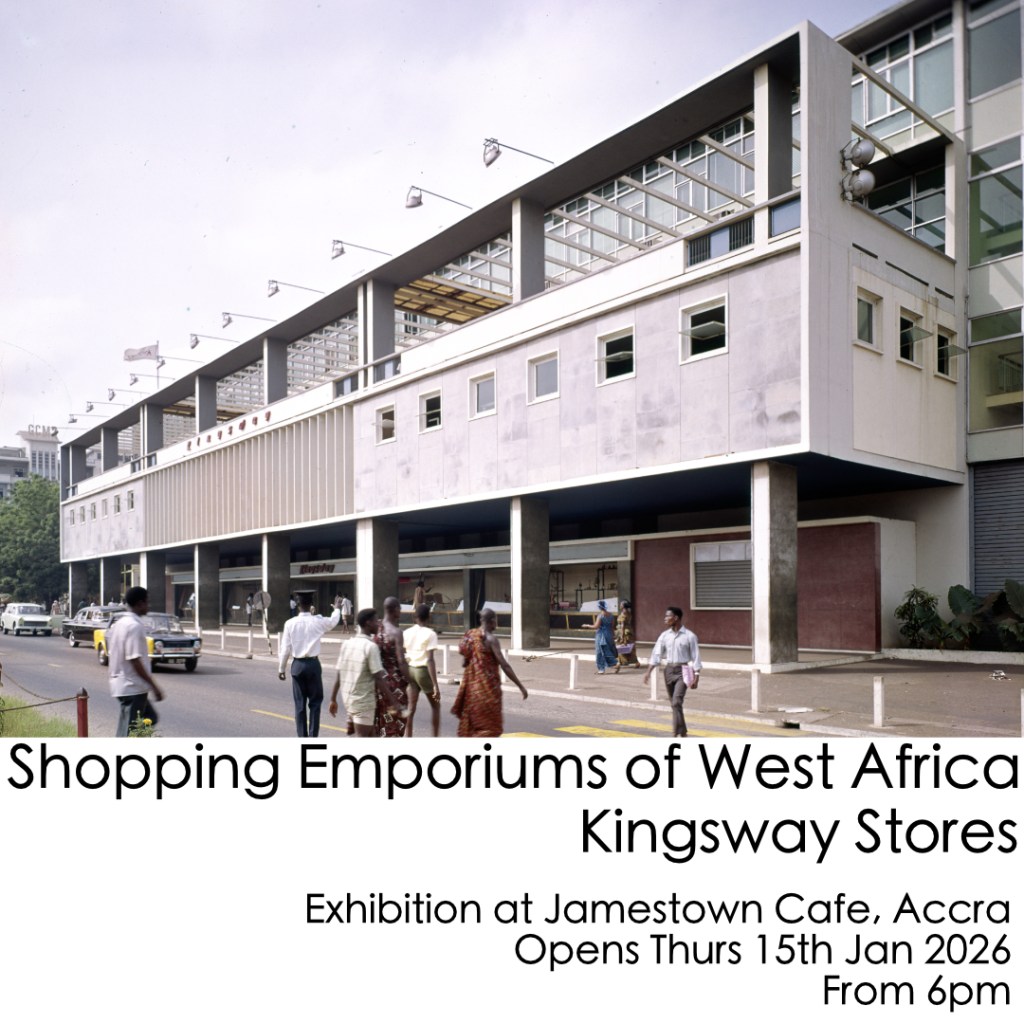
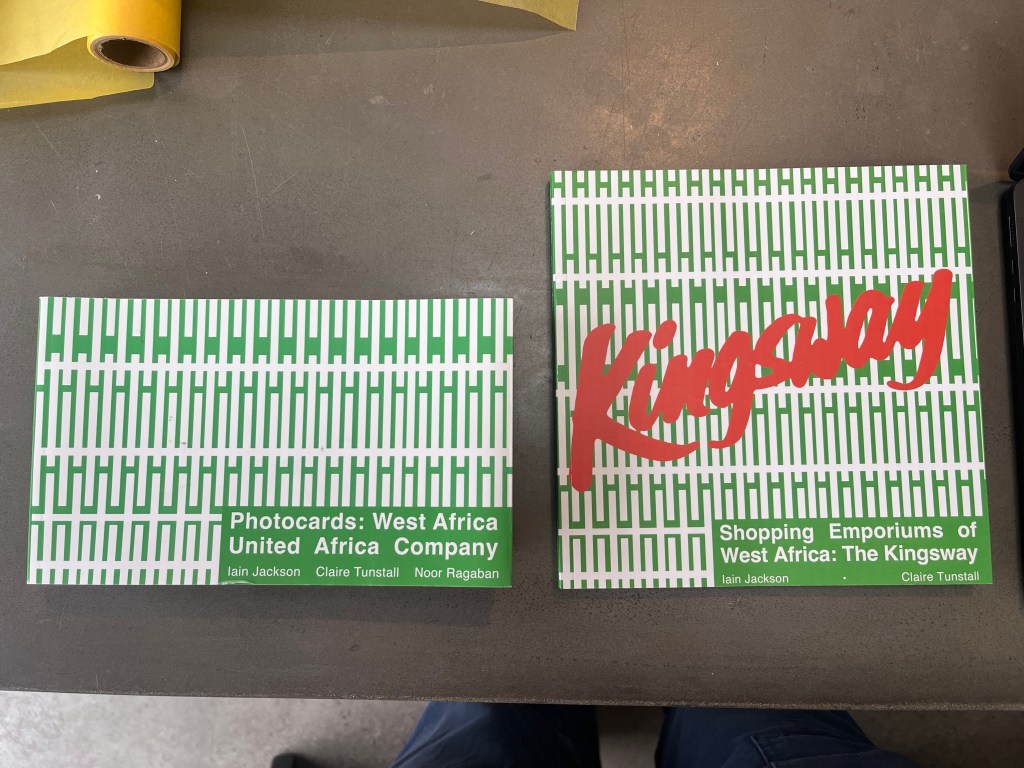
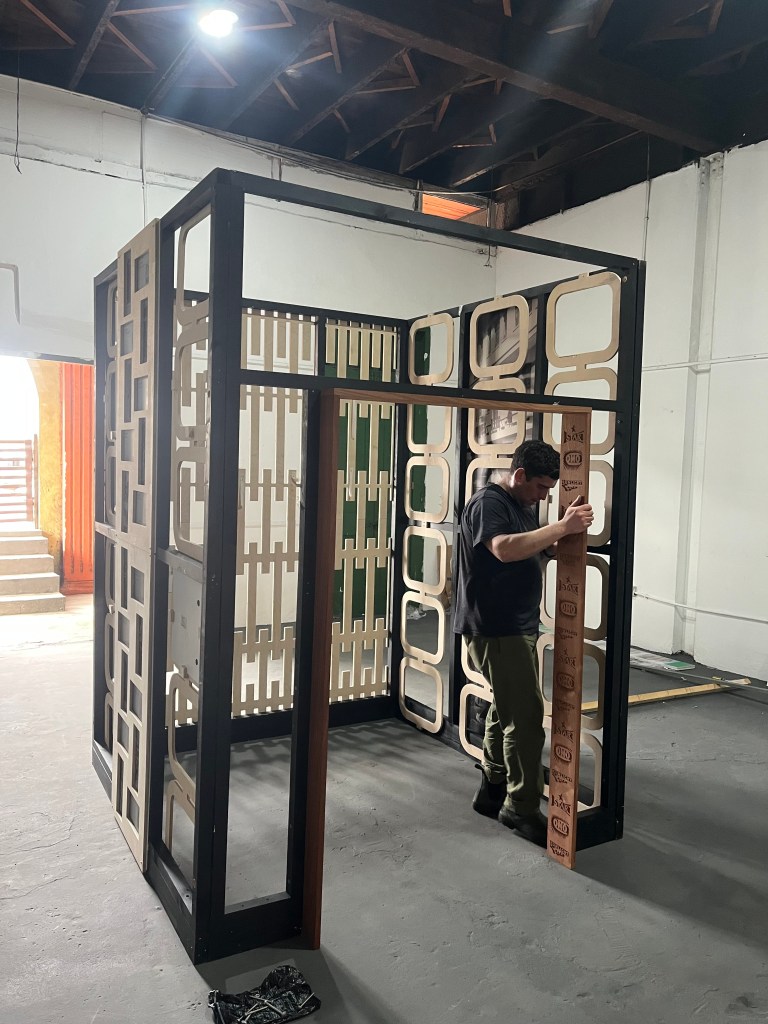
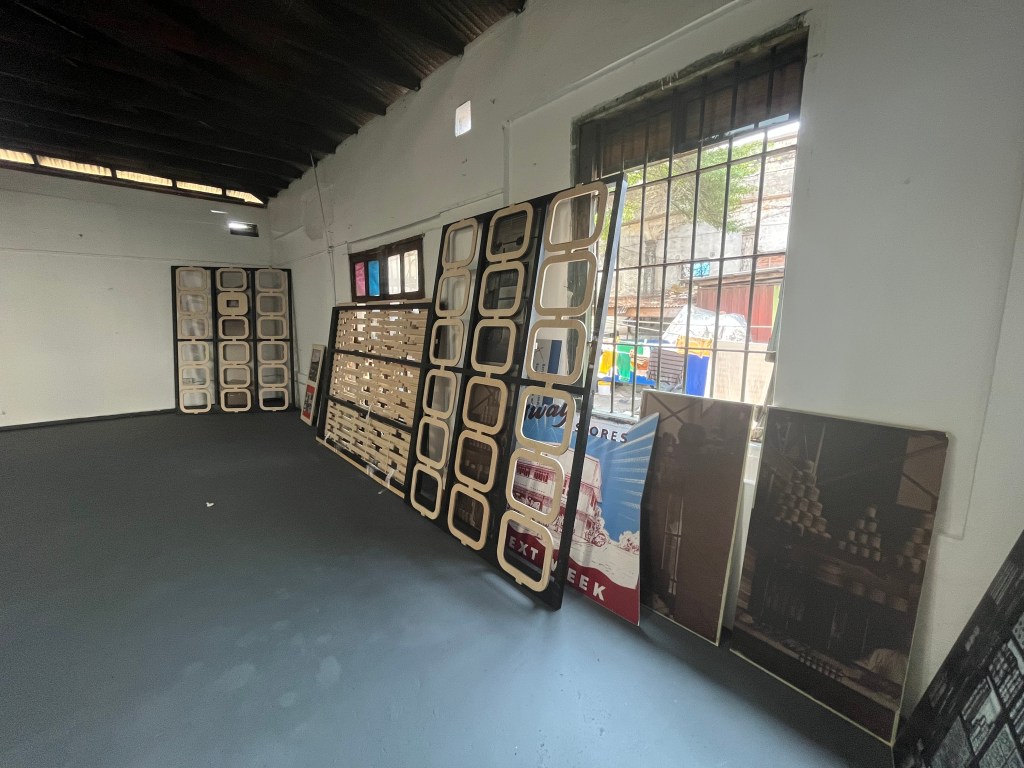
We’ll be setting up the Kingsway Stores exhibition at Jamestown Cafe and Gallery, Accra, this week. The two pavilions have made their way from Liverpool to Ghana and are ready for installation. The opening is on Thursday 15th January from 6pm – all very welcome. We’ll be based at the cafe from Friday 9th – so if you’re in the vicinity please call in. The exhibition will run until Easter and then we’ll tour it to other venues, with details to be confirmed.

We’ll document the installation and share further updates here, and on https://www.instagram.com/iaindjackson/ too.

Hector Othon Corfiato (1892 – 3 May 1963) was a Greek architect (although some claim Egyptian). After studying at École nationale supérieure des Beaux-Arts in Paris, he established the firm of Corfiato, Thomson & Partners and was professor and director at The Bartlett School of Architecture, UCL from 1946 to 1959 (emeritus from 1960). He worked on various ecclesiastical projects including https://c20society.org.uk/c20-churches/notre-dame-de-france and https://www.architectsjournal.co.uk/news/grade-ii-listing-for-rare-corfiato-church and after his retirement the Church at Debre Libanos, Ethiopia (circa 1961).

Church at Debre Libanos, Ethiopia

He also completed some further projects in Burma, and in West Africa for the Nigerian College of Arts, Science and Technology (NCAS&T) in Zaria. Whilst in Nigeria he established an office at the collage and took on further projects including for the Manchester based firm G B Ollivant.

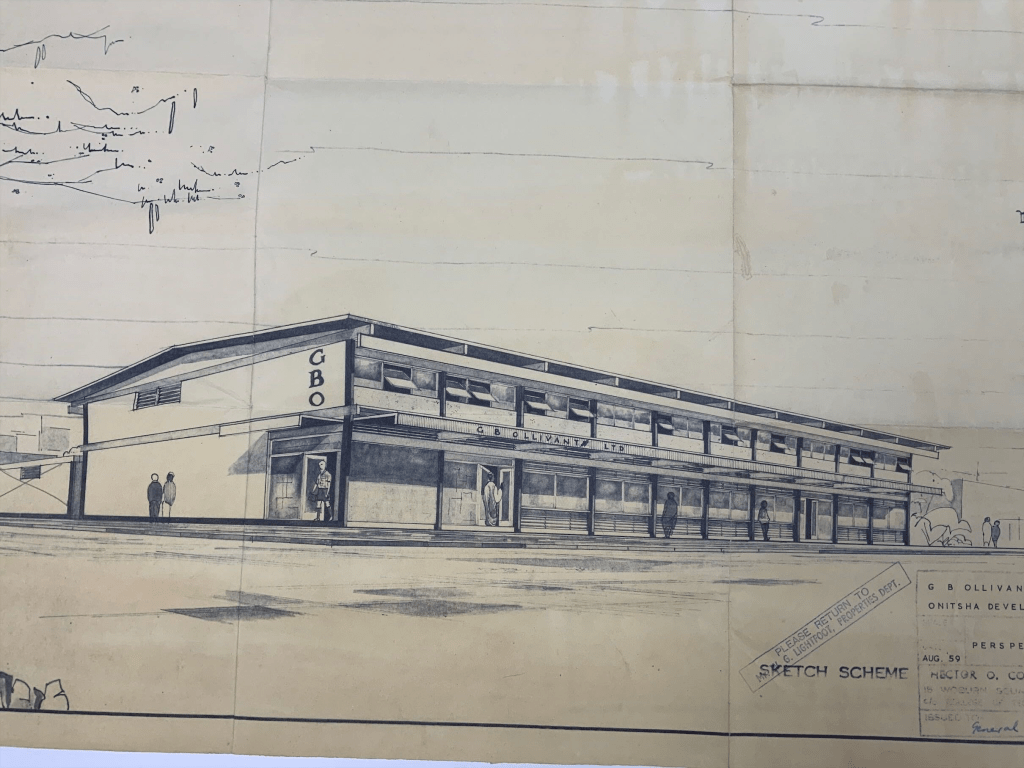
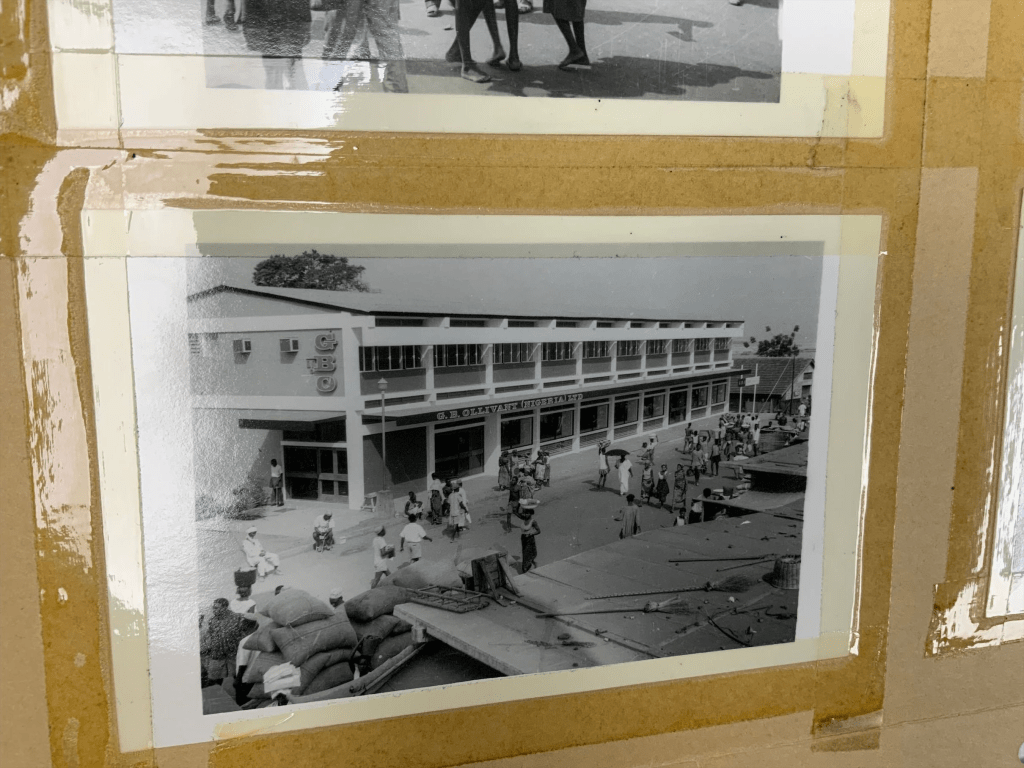
G B Ollivant (GBO) was bought by the United Africa Company in 1933 and transitioned from cotton and fabric trading into general retail, office supplies, and building management. Corfiato designed several bungalow types for the firm as well as a large retail store in Onitsha (1959) selling cottons, hardware, provisions, and fancy goods. The store was to connect to an existing Cosley store – which we suspect were hardware/builders merchants.

The building provided showroom spaces as well as retail and was probably used more for wholesaling than general retail. The exposed concrete frame of the building supported the overhanging roof to provide solar shading to the upper level whilst the ground floor had a further projecting canopy over pavement. It’s utilitarian and straightforward – but more than a mere warehouse and a considerable aesthetic departure from GBOs usual building style found elsewhere in West Africa. It’s looking more towards the ‘high end’ retail stores being built at the same time across Nigeria, and was part of the construction boom in Onitsha that saw the new cathedral (by Richard Nickson) and market hall (see Nigeria magazine no65, 1960).


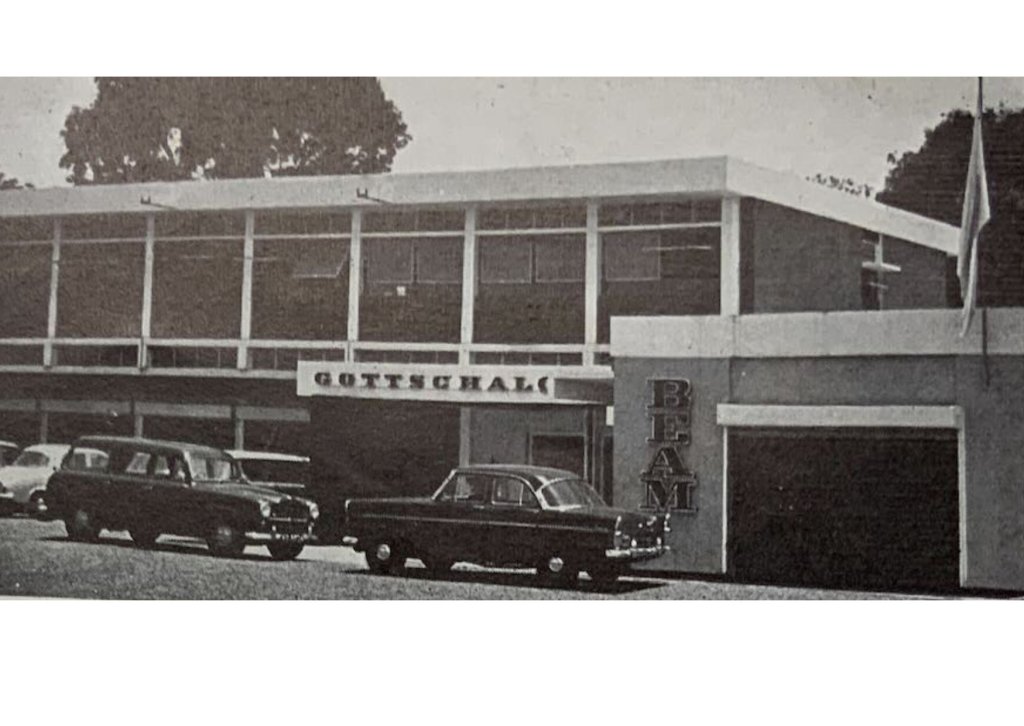
Corfiato collaborated with various other architects about whom we know very little. They’re listed in Nigeria Magazine as just “Avis” and “Horner” and are given credit for designing the Dispensary at Zaria College and a store for Gottschalck in Kaduna. The Gottschalck store closely resembles the GBO store and was also part of the UAC group.

Above Gottschalck Store at Kaduna. BEAM on the right hand side was another UAC subsidiary, ‘Business Equipment And Machines’. From Nigeria Magazine no73, 1962.

These projects raise a number of questions: Did Corfiato ever visit West Africa? Was he responsible for obtaining these commissions in the UK and then establishing a satellite office in Nigeria? Who were Avis and Horner? They were clearly a capable team and delivered some significant residential, educational, and commercial projects across Nigeria.

See https://bartletthistoryproject.tumblr.com/post/81996916344/hector-corfiato-extraordinary-man for more on Corfiato.

The July-August 2025 edition of the Architectural Review has published an extended 9-page feature article written by Lois Quartey and Julia Gallagher on the Accra Community Centre, Ghana. The building designed by Maxwell Fry and Jane Drew, with Theo Crosby as the lead assistant, opened in 1951 and quickly became an important educational, cultural, and social hub in the city. It was paid for by the United Africa Company in an attempt to foster local support after its ‘Swanmill’ HQ was looted and burned following the 1948 Accra riots. TAG provided some drawings and photographs that accompany the article.

The primary thrust of the piece is to raise awareness of this significant historic structure – especially how it was used in the independence campaigns and beyond – and to stress just how vulnerable this building is. Currently being used as a mere store and at risk from the Marine Drive development plan – the article expands on what we covered here https://transnationalarchitecture.group/2022/06/22/accras-renaissance-fishing-harbour-marine-drive-and-a-new-cathedral/ back in 2022.

It’s a deceptively simple and even ordinary building at first sight – but after spending time exploring it’s two interconnected courtyards and assembly hall it quickly begins to feel at home, climatically comfortable, and a nice place to be. It’s also a significant structure because of its design pedigree and especially because of its political significance – so many important speeches, gatherings, and events took place here in the advent to independence and beyond. It’s also home to one of the largest installations by leading artist Kofi Antubam – that alone should secure its future. Our model that replicates one made by Fry and Drew featured in the recent V&A Tropical Modernism exhibition too.

If foreign and leading agencies such as the V&A museum and Architectural Review are prepared to give this seemingly humble building exposure, critique, and cause for preservation – surely the case can be made to restore this heritage structure and to weave it into the wider Marine Drive masterplan. Champions of Ghanaian culture https://www.design233.com/articles/in-trust-for-the-people are behind saving these works and raising awareness, but much more needs to be done.

To deliberately allow a ‘managed decline’ and slow demolition is a tragic waste and short sighted view of the building’s rich political history.

Executive Summary

This report presents findings from a comprehensive survey of 48 archives, collections, and repositories across Northwest England that contain significant West African historical material (1880-1980). We should have an interactive map of the archive locations published here shortly….

Here is a list of the archives consulted and key information for each collection/location/repository:

The research reveals a substantial but under-explored archival landscape that offers exceptional opportunities for advancing historical research into West Africa and its relationship with Northwest England. The collections span diverse themes including colonial administration, trade networks, missionary activities, healthcare, urban development, and cultural exchange, providing rich source material for interdisciplinary research projects.

Research Scope and Methodology

Geographic and Temporal Parameters

The survey focused on historical West African material from former British colonies including Ghana, Gambia, Sierra Leone, and Nigeria, with additional consideration of materials from Congo, Cameroon, Senegal, Mali, and Niger. The temporal scope encompasses the period 1880-1980, capturing the late colonial period through to early post-independence developments.

Thematic Categories

Research materials were categorised across key themes:

  • History and heritage studies
  • Urban design and city planning
  • Public health and medical history
  • Architecture and built environment
  • Trade and commercial networks
  • Religious and missionary activities
  • Colonial administration

Collection Assessment Framework

Each archive was evaluated using a systematic approach that assessed:

  • Type and format of materials (books, photographs, manuscripts, ephemera, artifacts)
  • Primary thematic focus
  • Volume and extent of holdings
  • Accessibility and research potential
  • Relevance rating (1-5 star system that reflected how useful the archive would be to our research interests in the built environment and history)

Key Findings: Archive Landscape and Research Potential

Distribution and Scale

The survey identified 48 archives across Northwest England, primarily concentrated in the Merseyside region but extending to Manchester, Lancaster, and Chester. Seven archives achieved the highest relevance rating (5 stars), each containing over 20 linear metres of diverse West African materials spanning multiple themes and formats.

Material Types and Research Applications

The collections encompass diverse formats offering multiple research approaches:

Documentary Sources:

  • Colonial administrative records
  • Trade and shipping documentation
  • Medical and health records
  • Urban planning documents
  • Personal correspondence and diaries

Visual Materials:

  • Photographs documenting colonial life, urban development, and cultural practices
  • Architectural drawings and city plans
  • Maps and surveys
  • Artistic representations

Material Culture:

  • Artifacts and objects
  • Textiles and decorative arts
  • Ceramics and sculptures
  • Models and architectural elements

Corporate Archives: Exceptional Research Resources

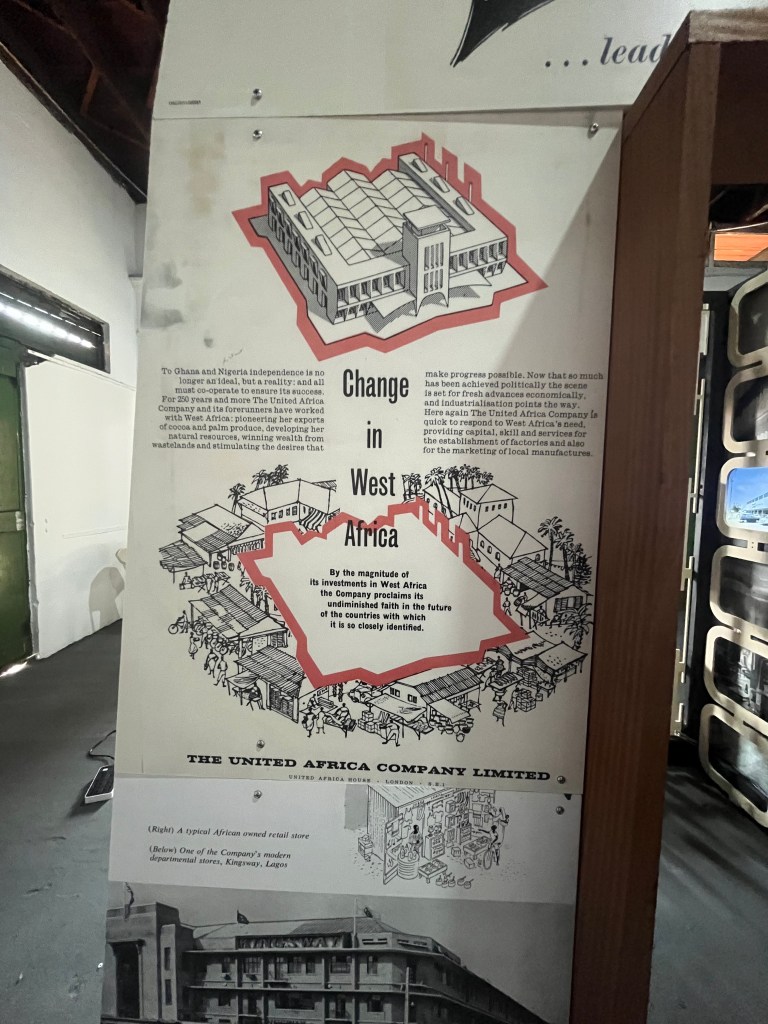
Unilever and United Africa Company Archives: The Unilever archives, particularly the United Africa Company (UAC) collection, represent one of the most comprehensive corporate archives relating to West African economic history. UAC, established in 1929 through the merger of the Royal Niger Company and the African and Eastern Trade Corporation, became the largest trading company in West Africa. The archives contain:

  • Extensive Trading Records: Documentation of palm oil, cocoa, groundnut, and timber trades spanning decades
  • Infrastructure Development: Records of store construction, transport networks, and commercial facilities across West Africa
  • Labour and Employment: Personnel records, training programs, and workforce development initiatives
  • Technology Transfer: Documentation of agricultural techniques, processing methods, and industrial development
  • Local Partnerships: Records of relationships with African traders, suppliers, and business partners
  • Post-Independence Adaptation: Materials documenting corporate strategy during decolonization and nationalist movements

These materials offer unique insights into corporate colonialism, the mechanics of extractive economies, and the complex negotiations between European capital and African societies. The collection provides essential source material for understanding how global commodity chains operated at ground level and their impact on local communities.

Barclays Bank Archive: The Barclays collection contains extensive documentation of banking operations across West Africa, including:

  • Colonial Banking Development: Records of branch establishment, credit systems, and monetary policy
  • Financial Networks: Documentation of money transfers, currency exchange, and international finance
  • Agricultural Finance: Materials on crop financing, seasonal credit, and agricultural development programs
  • Commercial Lending: Records of business loans, trade financing, and commercial development
  • Post-Colonial Banking: Materials documenting the transition to independence and continued financial relationships

The banking records provide crucial insights into how financial systems shaped economic development, facilitated trade networks, and influenced social relations across West Africa. These materials are particularly valuable for understanding the mechanics of colonial extraction and the evolution of financial institutions in post-colonial Africa.

Thematic Strengths for Research Development

Urban Development and Planning: The Archives contain substantial materials on colonial urban development, infrastructure projects, and city planning initiatives. These sources offer opportunities to examine how European urban planning concepts were implemented in West African contexts and their lasting impact on contemporary cities.

Medical and Public Health History: Rich documentation of colonial health initiatives, medical practices, and public health campaigns provides foundation for research into the history of medicine in West Africa, disease management, and the development of healthcare infrastructure.

Commercial and Trade Networks: Extensive shipping, banking, and commercial records illuminate the economic relationships between Northwest England and West Africa, offering insights into trade networks, commodity flows, and economic development patterns. Of particular significance are the Unilever archives (including the United Africa Company records) and the Barclays Bank archive, which contain unparalleled documentation of corporate operations, trading networks, and financial systems that shaped West African economic development throughout the colonial and post-colonial periods.

Religious and Cultural Exchange: Missionary records, religious materials, and cultural documentation provide resources for examining religious transformation, cultural exchange, and the complex dynamics of colonial encounter.

Colonial Administration: Administrative records and governance documents enable research into colonial policy implementation, administrative structures, and the mechanics of imperial control.

Research Opportunities and Applications

Interdisciplinary Research Potential

The diversity of materials supports multiple disciplinary approaches:

Historical Research:

  • Comparative studies of colonial administration across West African territories
  • Economic history of trans-Atlantic trade networks
  • Social history of colonial encounters and cultural exchange

Urban Studies:

  • Evolution of colonial cities and urban planning
  • Infrastructure development and its contemporary implications
  • Architectural history and building practices

Medical History:

  • Development of tropical medicine
  • Public health initiatives and their outcomes
  • Medical knowledge transfer and adaptation

Cultural Studies:

  • Missionary activities and religious transformation
  • Cultural exchange and hybrid practices
  • Art, material culture, and aesthetic transformation

Collaborative Research Framework

The geographic concentration of archives creates opportunities for:

Multi-Archive Projects: Researchers can access complementary materials across institutions, enabling comprehensive studies that draw on diverse source types and perspectives.

Network Building: The established archive network provides foundation for collaborative research initiatives, shared resources, and coordinated access to materials. The University of Liverpool and AHUWA are particularly well-positioned to serve as coordinating institutions/centres for multi-archive research projects, leveraging their expertise in West African studies and established international partnerships.

Digital Humanities Applications: The variety of materials (textual, visual, material) offers opportunities for digital humanities projects, including digitization initiatives, database development, and online exhibitions. The University of Liverpool’s digital humanities infrastructure and AHUWA’s focus on accessibility make this an ideal location for developing innovative digital approaches to archival research.

Strategic Recommendations for Research Development

Institutional Research Capacity: University of Liverpool and AHUWA

University of Liverpool Research Infrastructure: The University of Liverpool is exceptionally well-positioned to capitalise on this rich archival landscape. As a leading institution in historical research with strong connections to West African studies, the university offers:

  • Established Research Expertise: Faculty with specialized knowledge in African history, colonial studies, and economic history
  • Interdisciplinary Capabilities: Departments spanning History, Geography, Politics, Development Studies, and Business that can support multifaceted research approaches
  • Digital Humanities Infrastructure: Technical resources for digitisation projects, database development, and online exhibitions
  • Graduate Research Programs: Capacity for training new researchers in archival methods and West African historical research
  • International Partnerships: Existing relationships with West African universities and research institutions

AHUWA Research Centre: The Architecture, Heritage, and Urbanism in Western Africa (AHUWA) research centre provides a specialized institutional framework for maximising the research potential of these archival collections. AHUWA’s mission and expertise make it ideally suited to:

  • Coordinate Multi-Archive Projects: Develop comprehensive research initiatives that draw on materials from multiple archives
  • Foster Collaborative Research: Facilitate partnerships between UK and West African researchers
  • Support Community Engagement: Connect archival research with contemporary West African communities
  • Promote Policy Relevance: Ensure research contributes to contemporary development and policy discussions
  • Develop Digital Platforms: Create online resources that make archival materials accessible to global researchers

The combination of Liverpool’s institutional resources and AHUWA’s specialised focus creates an unparalleled opportunity for developing the research potential of Northwest England’s West African archives.

Priority Research Areas

1. Comparative Colonial Studies The archives support comparative research across different West African territories, examining variations in colonial policy, administration, and outcomes.

2. Economic History Networks Trade and commercial records enable mapping of economic relationships, commodity flows, and the development of trans-Atlantic commercial networks. The Unilever/UAC and Barclays archives are particularly valuable for examining corporate colonialism, financial systems, and the evolution of global commodity chains. These collections support research into topics such as:

  • The role of European corporations in shaping West African economies
  • Banking and financial networks in colonial and post-colonial Africa
  • Labour relations and industrial development
  • Technology transfer and agricultural modernization
  • Corporate responses to decolonization and African nationalism

3. Urban Development Studies Planning documents and architectural materials provide foundation for examining colonial urban development and its contemporary implications.

4. Medical and Public Health History Healthcare records offer opportunities to examine the development of tropical medicine, public health initiatives, and medical knowledge transfer.

Methodological Approaches

Cross-Archive Analysis: Researchers should develop strategies for working across multiple archives to build comprehensive pictures of historical processes and relationships. The corporate archives (Unilever/UAC and Barclays) can be particularly productive when analysed in conjunction with government records, missionary materials, and local documentation.

Digital Integration: Consider developing digital platforms that integrate materials from multiple archives, enabling new forms of analysis and presentation. The University of Liverpool’s technical capabilities and AHUWA’s research focus provide ideal foundations for such initiatives.

Community Engagement: Explore opportunities for community-based research that connects archival materials with contemporary West African communities in Northwest England. AHUWA’s community engagement expertise and Liverpool’s diverse population create opportunities for participatory research approaches.

Future Research Directions

Emerging Themes

The archive survey suggests several promising research directions:

1. Infrastructure and Development: Examining colonial infrastructure projects and their long-term implications for contemporary development challenges.

2. Knowledge Transfer: Investigating how knowledge, practices, and technologies moved between West Africa and Northwest England.

3. Cultural Networks: Exploring the cultural connections and exchanges that developed through colonial relationships.

4. Corporate Colonialism and Business History: The Unilever/UAC and Barclays archives provide exceptional opportunities for examining the role of European corporations in shaping West African development, including studies of extractive economies, corporate-state relations, and business adaptation to decolonization.

5. Post-Colonial Continuities: Examining how colonial-era relationships evolved in the post-independence period, with particular attention to ongoing corporate and financial connections.

Methodological Innovation

The archives offer opportunities for methodological innovation in:

  • Digital humanities applications
  • Multi-sited archival research
  • Community-based research approaches
  • Interdisciplinary collaboration

Conclusion

The West African archival materials in Northwest England represent a significant and underutilised resource for historical research. The diversity of collections, spanning multiple themes and formats, provides foundation for innovative research projects that can advance understanding of West African history, colonial relationships, and their contemporary implications. The exceptional corporate archives, particularly the Unilever/UAC and Barclays collections, offer unique insights into the mechanics of colonial economies and corporate power in Africa.

The established network of 48 archives, combined with the research capacity of the University of Liverpool and the specialized expertise of AHUWA, offers exceptional opportunities for collaborative research, comparative studies, and interdisciplinary projects. With seven archives containing substantial holdings and many others providing specialized materials, researchers have access to comprehensive source bases for addressing complex historical questions about corporate colonialism, financial systems, and economic development.

The University of Liverpool’s institutional strengths and AHUWA’s focused mission create an ideal environment for developing the research potential of these collections. Their combined expertise in West African studies, digital humanities, and community engagement provides the foundation for innovative methodological approaches and collaborative research initiatives that can significantly advance historical understanding.

Moving forward, the research community should prioritize developing collaborative frameworks that maximise the potential of these collections, with particular attention to the corporate archives that offer unique insights into the mechanics of colonial extraction and economic development. The foundations established through this survey, combined with Liverpool’s institutional capacity and AHUWA’s specialised focus, provide the groundwork for a new generation of research that can significantly advance historical understanding of West Africa and its relationship with Northwest England.
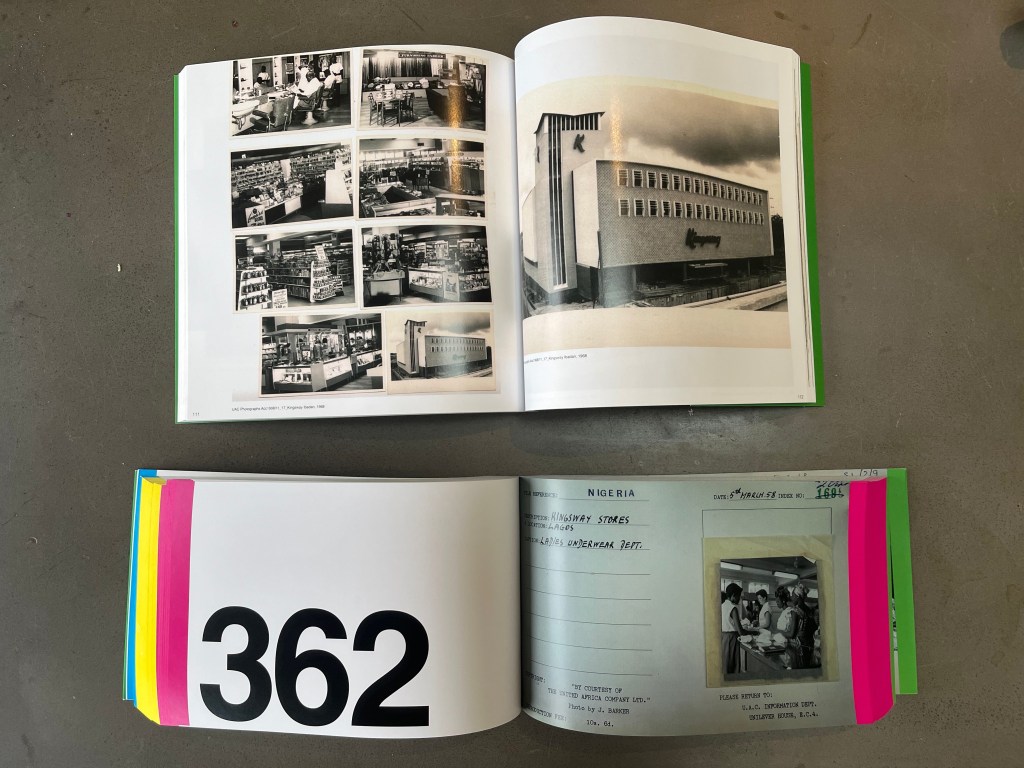
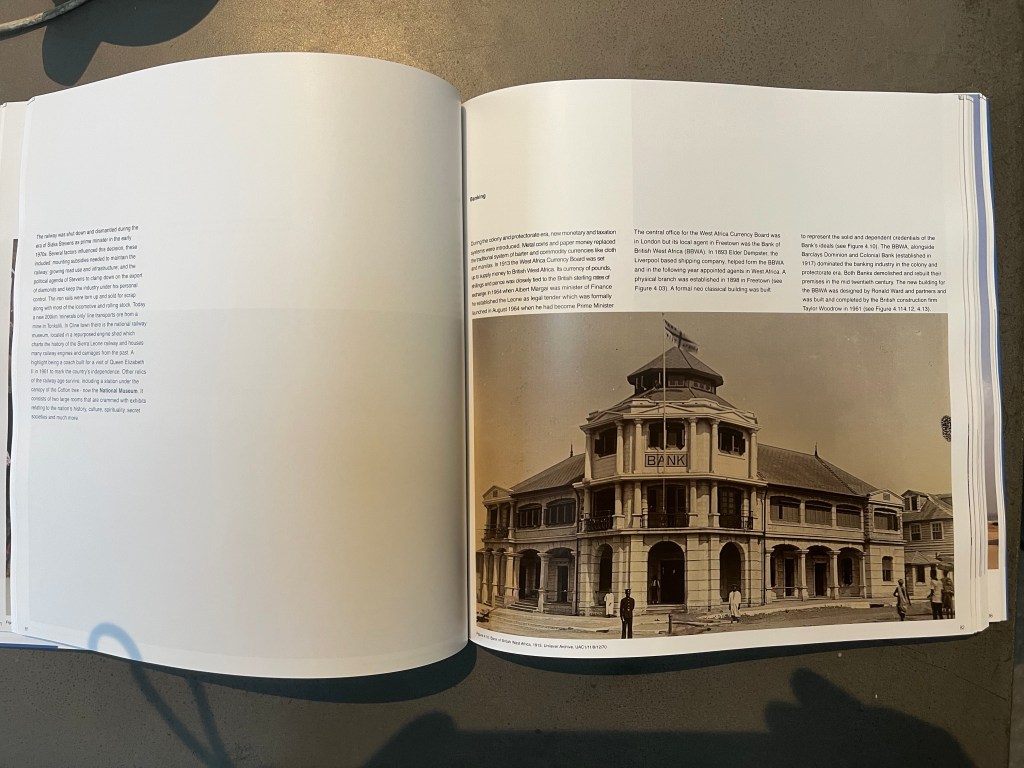
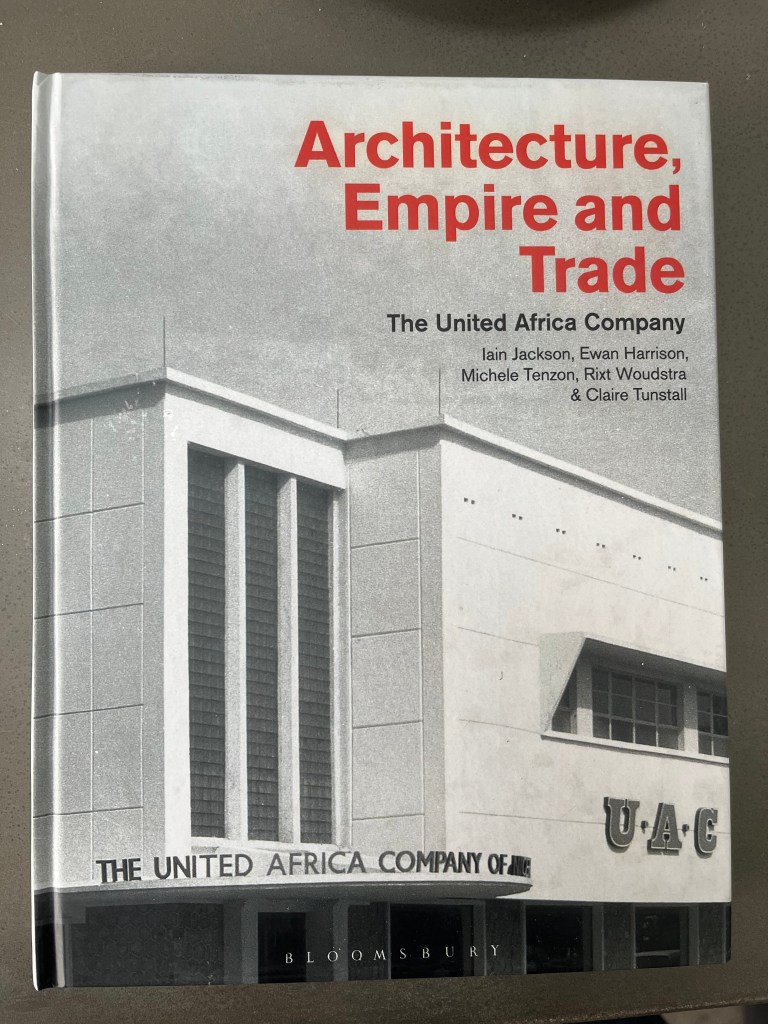
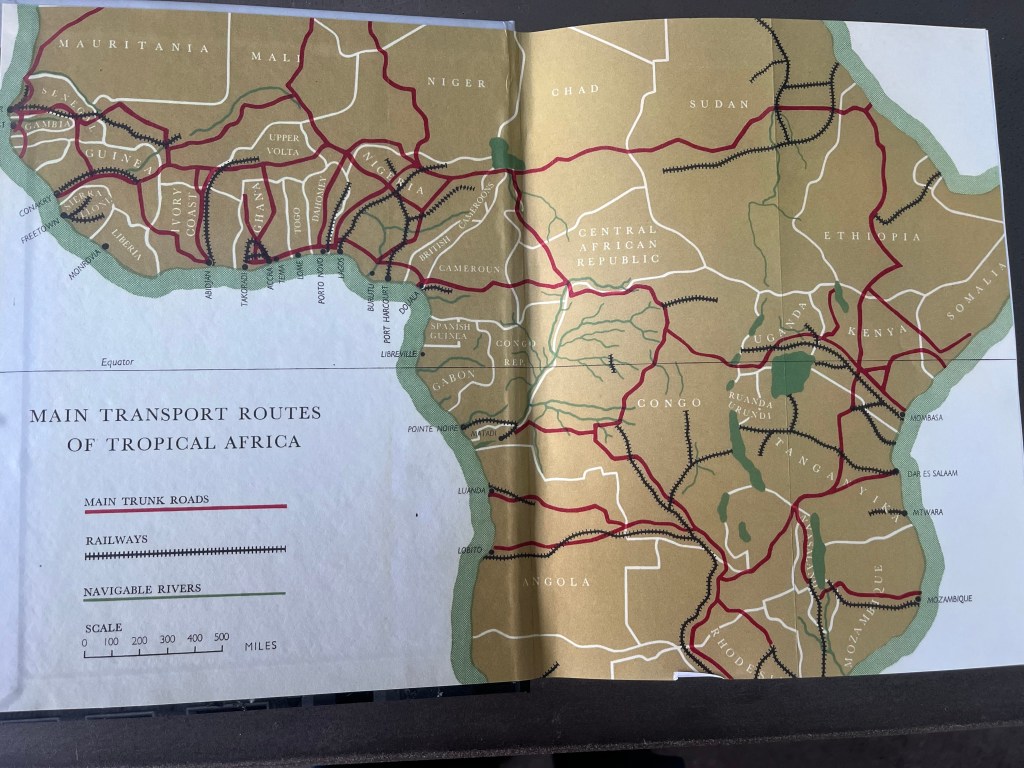
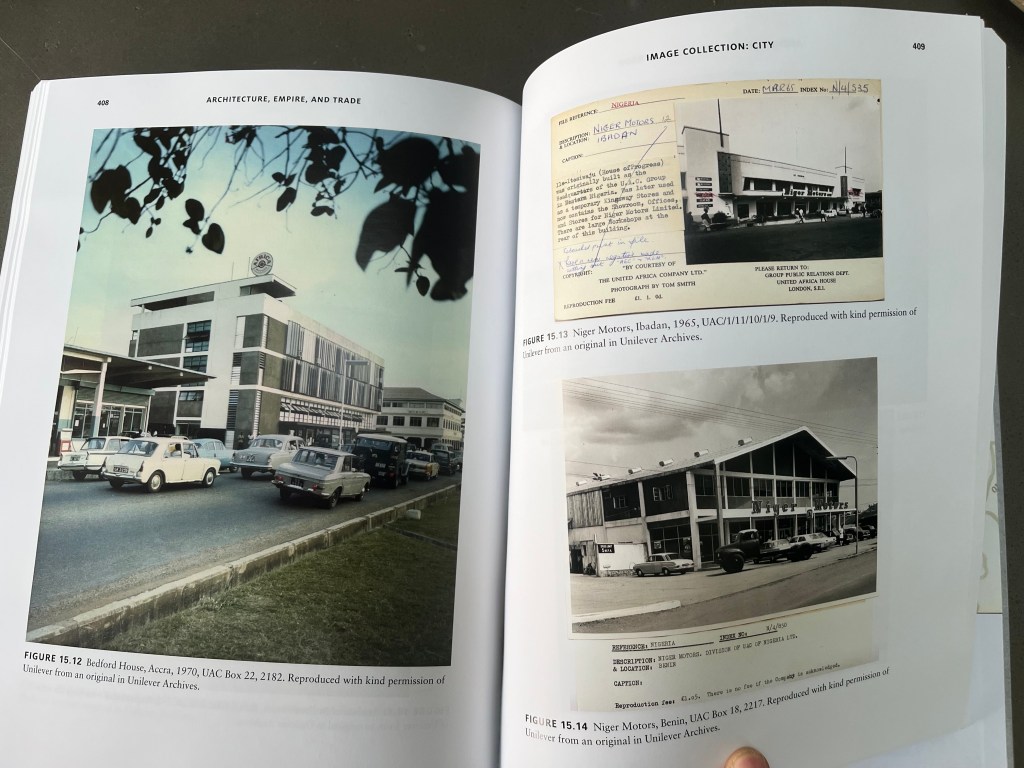
Our monograph Architecture, Empire, and Trade: The United Africa Company has just been published with Bloomsbury. We’re delighted to finally share our findings with you on the architecture of Western and Central Africa. The work begins with an critique of the archive and the UAC collections, before examining the Royal Niger Company, the development of Burutu and Lagos; the Lever’s concessions in Congo, the timber townships of Samreboi and Sapele; real estate and construction, the Kingsway Stores, and much more.

In addition to the main chapters the monograph includes specially commissioned essays from ‘responders’ as well as a series of photographic essays using previously unpublished images from the superb Unilever archives.

You can read the entire book here – it’s all open access: https://www.bloomsburycollections.com/monograph?docid=b-9781350411340

Thank you to Ewan Harrison, Michele Tenzon, Rixt Woudstra, Claire Tunstall, and our excellent responders for all their hard work and contributions.

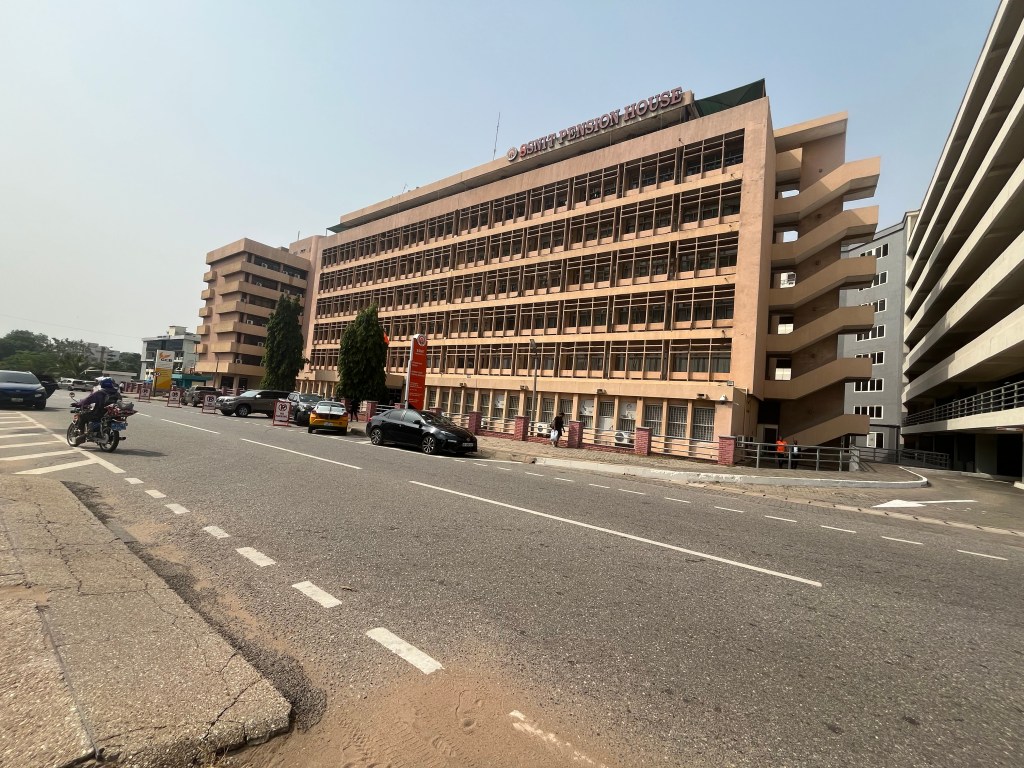
We’ve just returned from a Liverpool School of Architecture BA3 field trip to Ghana. 17 students from the AHUWA studio visited Accra, Kumasi, Cape Coast, and Aburi. We’ll be setting a theoretical design project at the former Kingsway Stores site on Accra’s High Street. Students will be using the site to test climatically appropriate design solutions, naturally cooled interiors, and how a new botanical research station, exhibition, and garden could be reimagined in the historic core of Accra.

We visited Jamestown, the Padmore Library, Accra Library, Black Star Square and various streets and buildings around central Accra.

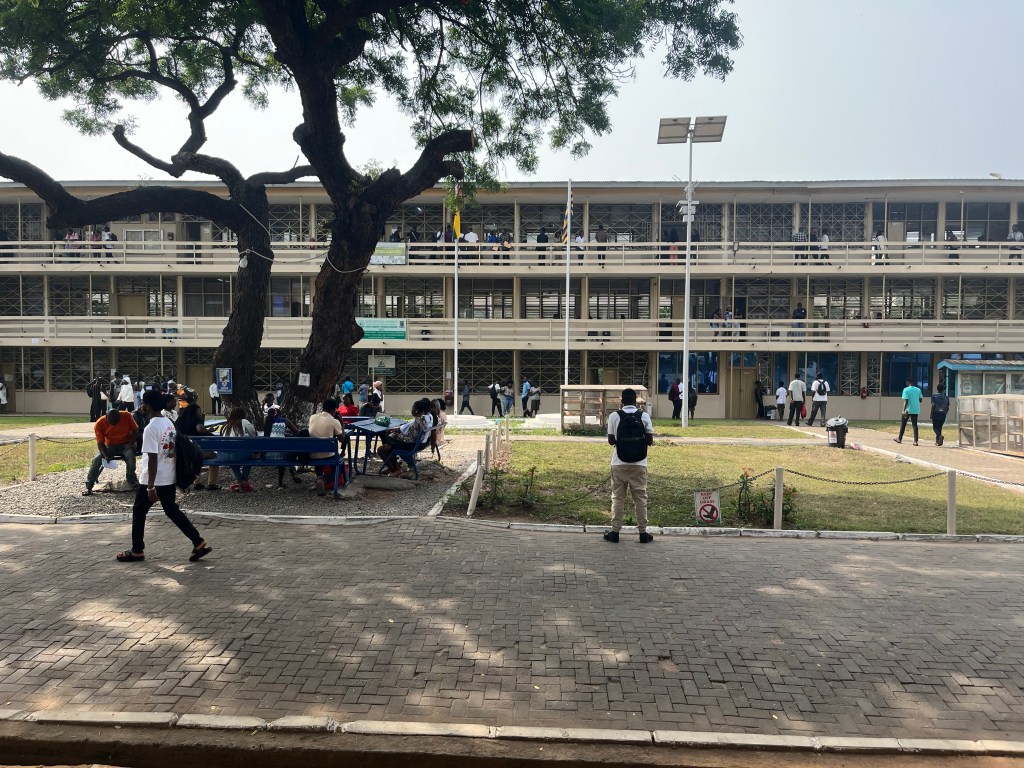
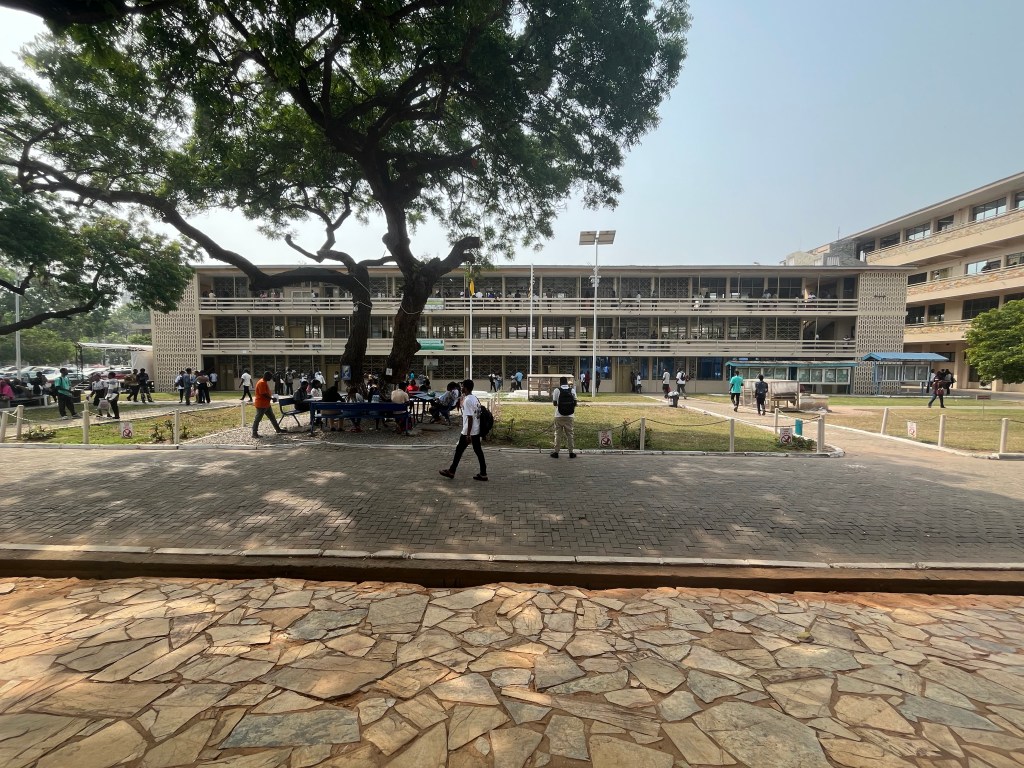
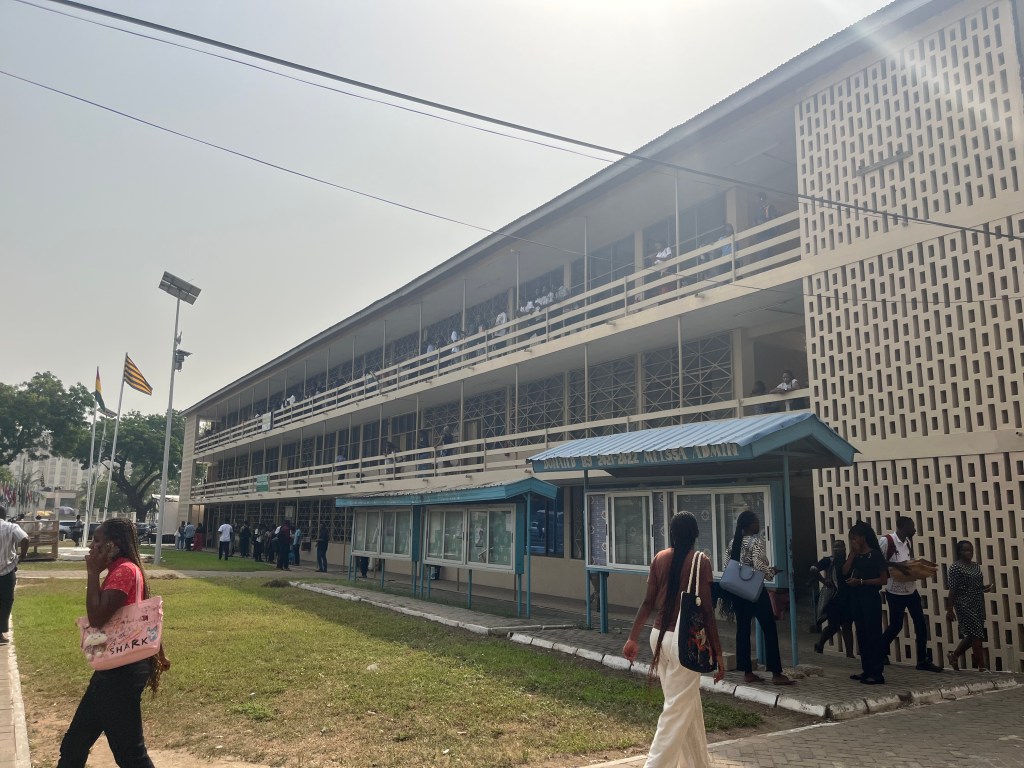
Joe Addo kindly gave us permission to visit his home in Medina, and from there we went to the University of Ghana.

In Kumasi we visited the KNUST campus as well as the Ejisu Besease Shrine – an early 19thC shrine and one of the few surviving Asanti traditional buildings (now all UNESCO heritage sites).

The large new build with the white columns behind the glazing is going to be the new arts and architecture building on campus. It sits at the end of the road axis leading to the library and great hall. It’s not finished yet and we couldn’t visit the interior. From there we went to the Kumasi Cultural Centre to see the Nickson and Borys designed Asanti Regional Library before heading to Adum and central Kumasi. We travelled by bus to from Kumasi to Cape Coast where we visited the Cape Coast castle – with an excellent tour of its disturbing and poignant history. We returned along the coast road back to Accra to continue our buildings visits there and to the Botanical Gardens at Aburi.

We visited the dot atelier new artist studios and gallery spaces designed by Adjaye Associates too. A 3-storey rammed earth building with concrete frame and distinctive saw-tooth roof above the gallery. The clerestory windows set within the roof are north-facing. The vertical circulation has large openings offering views out over the suburb and allowing the sea-breeze to circulate through the building. A metal flashing detail was being retrofitted below the exposed concrete floor and the pisé – the mud was being eroded at that point and required some additional protection. It’s a fascinating structure and clearly an experimental project that requires fine-tuning and testing.

I gave a talk on some of our research and studies of Accra’s heritage structure for the Ghana Institute of Architects and Centre for Architecture and Arts Heritage. Architect David Kojo Derban kindly organised the event – and is pursuing an important mission to preserve, list, and celebrate the heritage structures and spaces within Ghana. David kindly showed us a project he’s been tasked with restoring. It’s the Osu Salem Presbyterian Middle Boys Boarding School – founded by the Basel Mission of Switzerland in 1843. The timber frames, shutters, windows, and verandahs were all pre-fabricated in Germany and then imported. The wattle and daub walls were infilled using local adobe, stones, and plaster. The school is now severely dilapidated and in urgent need of repair. It may not survive the next rain season.
Kingsway: Takoradi store identified

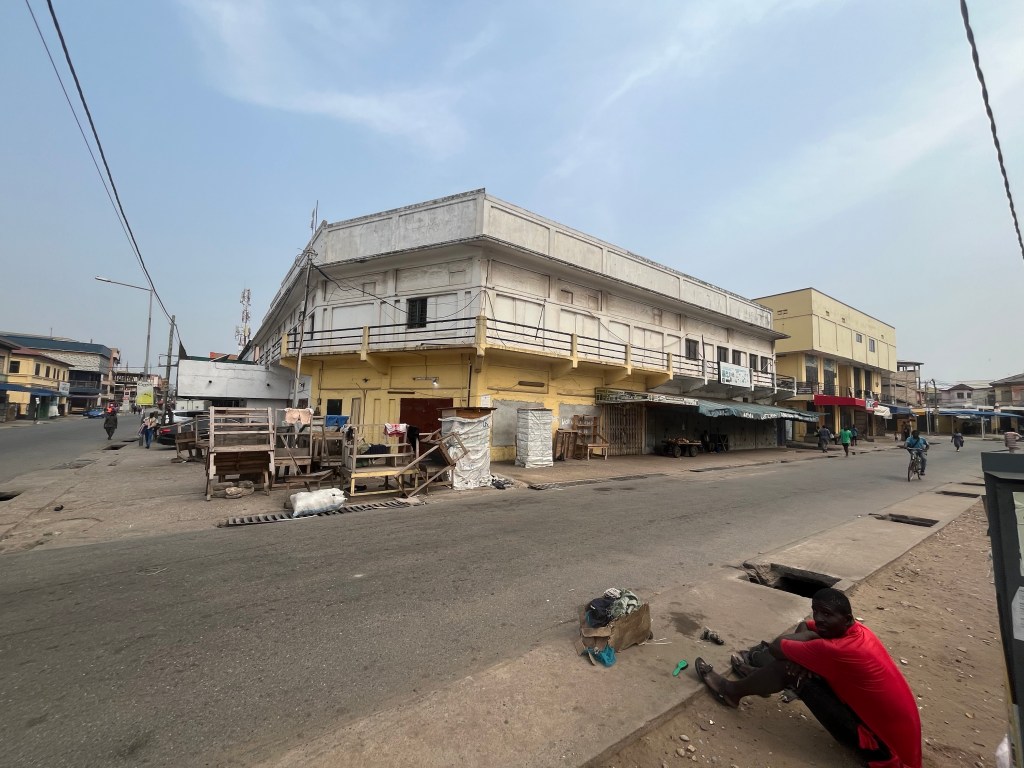
When I was scanning the images for the Kingsway Stores exhibition and recent article, I came across the Takoradi Kingsway in a colour slide. It wasn’t a building I was familiar with and hadn’t seen any other references to it within the wider UAC archive. The design is also different to the other branches – it doesn’t seem to fit with the earlier Millers (old Accra) or F&A Swanzy (Kumasi) stores – nor with the James Lomax-Simpson designs found at neighbouring Sekondi and Cape Coast. The branch at Sekondi complicates things further – why would there be a Kingsway at both Sekondi and Takoradi when they’re so physically close together? The Takoradi branch is also a substantial structure – far larger than might be expected for a town of this scale. Perhaps it was used as a warehouse or depot for the wider enterprise, receiving the imported goods from the neighbouring port that had opened in the 1920s, or was it used as a regional office and retail outlet for the UAC (or one of its predecessors) when the new town and port was set out? The archives include some replanning and refurbishment plans from the 1960s but nothing on the structure’s history and design. The neo-classical facade with ionic columns in antis is also unusual – contrasting with the more moderne 1930s turrets and cantilevered canopies.

Kingsway Takoradi, Ghana: reproduced from an original in the Unilever Archive UAC/1/11/10/1/10, 1958.

I began to look at the maps of Takoradi to try to locate the structure, but couldn’t find anything on this scale – it was only when I reviewed my photos of the town that I found a contemporary image. The building is still standing and largely unaltered. It’s located amongst the other large European trading properties that were built around the customs house, train station and post office. There’s also shipping offices for Palm Line and Elder Dempster, along with a Barclays bank within this commercial cluster.

Former Kingsway Stores, Takoradi, 2022

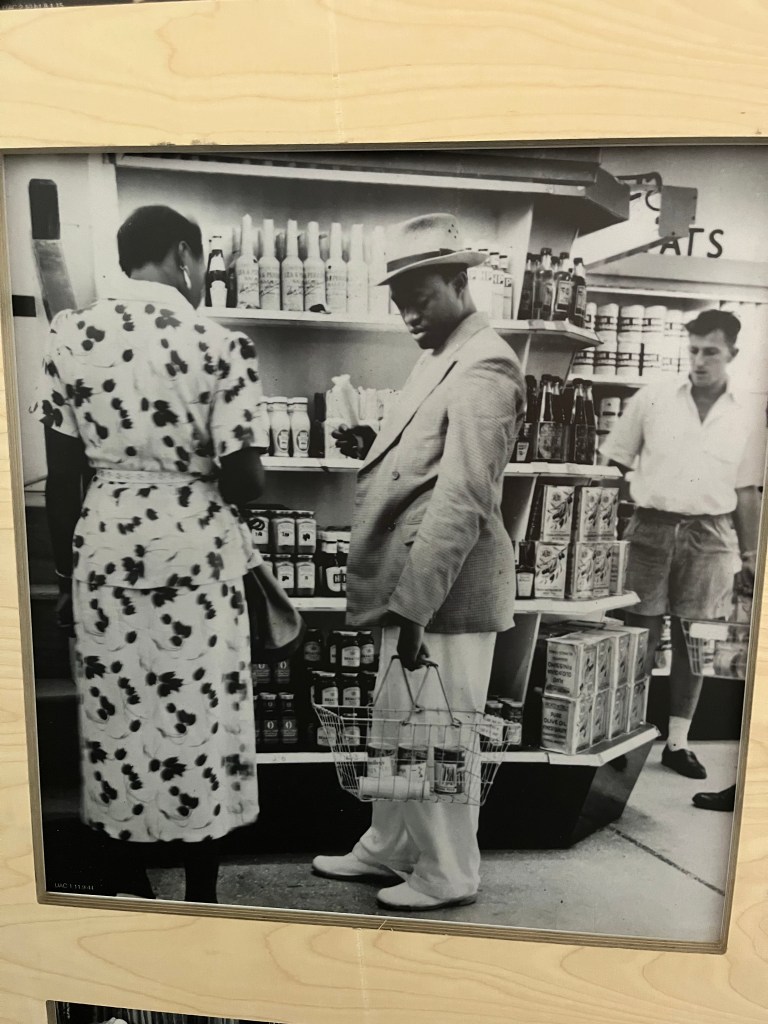
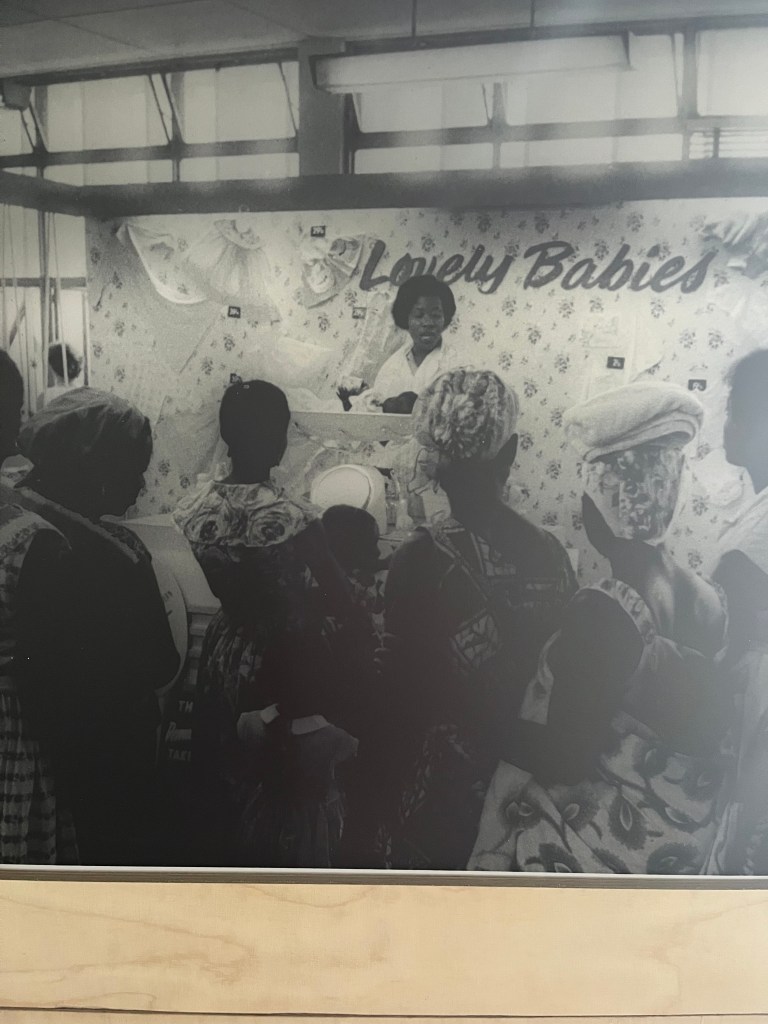
This article examines the operative uses of modernist design by the Kingsway Stores, an elite department store chain active across West Africa. Kingsway responded to independence by instrumentalizing a particularly modernist domesticity through a series of didactic marketing efforts and the construction of boldly modernist new stores. While it was responding to African demands, this instrumentalization of modernist design was planned and executed as a business survival strategy: modernism is here revealed as complexly imbricated with colonial and neocolonial profit-seeking.

Kingsway Apapa, Lagos, Nigeria, Reproduced from an original image in Unilever Archive, UAC/1/11/10/1/9/1

Harrison, E., Jackson, I., Addo, I. A., & Muraina, O. (2024). “Kingsway leads the way to modern living”: British Profit-seeking and Modernism in Ghana and Nigeria 1920–1970. Journal of Design History, Article epae010. https://doi.org/10.1093/jdh/epae010

Stanek Ł. Hegemony by Adaptation: Decolonizing Ghana’s Construction Industry. Comparative Studies in Society and History. Published online 2024:1-34. Full paper available here: doi:10.1017/S0010417524000185

Soviet Uzbekistan Today (Through the Republican Press Pages). August. (Tashkent: The Uzbek Society of Friendship and Cultural Relations with Foreign Countries, 1963).

This paper discusses competing visions of the decolonization of Ghana’s economy during the first decade of the country’s independence from Britain (1957–1966), and the agency and horizon of choice available to the Ghanaian decision-makers in charge of implementing these visions. It focuses on Ghana’s construction industry, both as an important part of the national economy and as a condition for Ghana’s broader social and economic development in the context of colonial-era path-dependencies and Cold War competition. By taking the vantage point of mid-level administrators and professionals, the paper shows how they negotiated British and Soviet technological offers of construction materials, machinery, and design. In response to Soviet claims about the adaptability of their construction resources to Ghana’s local conditions, the practice of adaptation became for Ghanaian architects and administrators an opportunity to reflect on the needs, means, and objectives of Ghana’s construction industry, and on broader visions of Ghana’s economic and social development. Beyond the specific focus on the construction industry, this paper conceptualizes the centrality of adaptation in enforcing technological hegemony during the period of decolonization, and discusses African agency beyond the registers of extraction and resistance that have dominated scholarship on the global Cold War.

Ewan Harrison, Rixt Woudstra and Iain Jackson, “Accelerating Development: Taylor Woodrow and Arcon’s Prefabricated Steel Structures in Decolonizing West Africa”, ABE Journal [Online], 23 | 2024, Online since 01 October 2024, connection on 01 October 2024. URL: http://journals.openedition.org/abe/16130

Construction of the Sapele Sawmill, Nigeria, 1946. UAC 2/13/b/7/1, reproduced with permission from an original in the Unilever Archives, UAC 2/13/B/7/1.

In 1943, in the middle of World War II, the British architects Edric Neel (1914-1952), Raglan Squire (1912-2004), and Rodney Thomas (1902-1996) created Arcon (short for Architectural Consultants). Focused on applying factory mass production systems to the building industry, Arcon engaged in an unusual, yet close, partnership with the civil engineering contracting company Taylor Woodrow. While their first project became one of Britain’s most popular post-war “prefabs,” it is little known that in the years thereafter a similar structural steel system was widely marketed in Britain’s West African colonies, where it became one of the most frequently used prefabricated building designs. Through the support of Taylor Woodrow, which acted as the agent for Arcon’s worldwide implementation, the prefabrication system was utilized in a range of contexts: to build houses for British companies, to build schools and market halls for colonial governments, and, of most interest here, to build factories and warehouses for the United Africa Company (UAC), as part of the industrialization drive that accompanied decolonization in the 1950s. The UAC was part of Unilever, and one of the largest conglomerates of trading and manufacturing interests active across “British” West Africa. It entered a partnership with Taylor Woodrow to jointly market the Arcon system, thereby profiting from the erection of its own buildings, and the sale of the Arcon system of construction to colonial and subsequently, post-colonial governments across the region. Today, Arcon structures, often sizeable sheds clad with imported metal sheets or locally available timber, can still be found across Ghana, Nigeria, and Sierra Leone.

Full open access paper available here: http://journals.openedition.org/abe/16130