Archive

Tag Archives: Belgian Congo

Congo Style: how two dictators shaped the DRC’s art, architecture and monuments

Ruth Sacks, University of Johannesburg

What kind of art is left behind by totalitarian regimes? A new free-to-read book called Congo Style: From Belgian Art Nouveau to African Independence explores the visual culture, architecture and heritage sites of the country today known as the Democratic Republic of Congo (DRC). It does so by exploring two now-notorious regimes: King Leopold II of Belgium’s Congo Colony (1908-1960) and Mobutu Sese Seko’s totalitarian Zaire, established when he seized power in a military coup in 1965 after five years of political upheaval. We asked artist and visual culture scholar Ruth Sacks five questions about her book.


What did you set out to achieve?

Years ago, while I was in Belgium on an art residency, I became interested in the early modernist art nouveau movement (1890-1914). In architecture and art, this period is part of 20th century modernism, known for a minimal, clean aesthetic that’s influenced by new technologies and the advent of machines. Art nouveau is distinctive because it’s highly decorative, while still using the new building materials of iron and glass.

What interested me was the colonial nature of art nouveau. Art nouveau came with a very strong sense of defining newly formed (or unified) nation states in western Europe. It was the style used at world fairs. These were grand exhibitions showing off western countries’ scientific and cultural achievements, including the acquisition of colonies.

A colonial pavilion in the art nouveau style at the 1897 Brussels world fair in Belgium helped establish one of the names for Belgian art nouveau: “Style Congo”.

The style is distinctive for its curling, plant-like shapes and is a major tourist feature today. The years in which it was implanted in Brussels (about 1890-1905) directly coincided with the brutal Congo regime of Belgium’s King Leopold II.

Travelling to the DRC, I located actual art nouveau buildings from the early colonial period. But it was the state sites of the early Mobutu Sese Seko regime (1965 to 1975) that captured my attention. Like art nouveau, they are steeped in a sense of nationalism and aimed at impressing. For example, the Limete Tower (in use from 1974) on Boulevard Lumumba is a massive monument intended to be a museum celebrating national culture. A tower made up of a huge raw cement tube is topped by an organic floret shaped crown, with a curving walkway leading off from its rounded lower sections.

My experience of the capital city, Kinshasa, made me rethink what cities were and could be. Buildings like Limete Tower that were designed for very different infrastructures (far more ordered, European and US systems) have weathered in fascinating ways that are often related to extremely violent historic events.

I didn’t want to present a conventional study that only analyses the design of the architecture and its functionality. The book attempts to read sites like this within the particularities of their city, its streets, plants and histories.

What did you conclude about the Leopold period?

In Leopold II’s time, the king himself was cast as the villain of the “red rubber regime” in the Congo. The Belgian colonial regime under Leopold II committed atrocities connected to the rubber industry. (The 1897 Congo Pavilion was a pavilion within the Brussels World’s Fair dedicated to displaying how the Congo provided a lucrative and exotic resource to Belgium.)

Movements like the Congo Reform Association (mainly US and British) protested against horrific conditions, including torture and mutilation, that left at least a million Congolese people dead. A great deal of the focus was on Leopold II himself and his greed, which distracted attention away from the greater system of capitalist colonial expansion that was fully endorsed by Euro-American powers.

Famously, Leopold II never set foot in the Congo and neither did the art nouveau designers who fashioned buildings and exhibition pavilions relating to the Congo. I believe this distance from the realities of life in the Congo itself allowed for the fantastical forms that were created in Belgium.

What did you conclude about the Mobutu period?

Mobutu Sese Seko was widely maligned by the Euro-American press. What’s often ignored, to this day, is that he was put in place by Belgium and the US. He was painted as the villain of the African story, fulfilling the ultimate caricature of the African kleptocrat, yet he wouldn’t have come to power without the nature of the colonialism that came before him.

Belgian colonialism followed a logic of extractivism (removing natural resources to export them) that forced the Congolese economy to supply raw materials to the west (especially Belgium), which continues today.

Mobutu is considered corrupt in the Congo today and his military dictatorship was indeed brutal and controlled the Congolese people with fear. However, his commandeering of a cultural blooming in Kinshasa in the late 1960s and early 1970s was important. Instead of dismissing what he built as only the work of a dictator, my book draws out some of the complexity of this time and what it meant to celebrate African craft, art forms and traditional culture.

The process of appropriating Euro-American artistic ideas and architectural styles in order to celebrate Africanness, as an anti-colonial statement, still holds weight today. Many of Mobutu’s towering monuments are considered objects of pride in the city.

How does this live on today?

There is something to be gained from looking at what is left in the wake of tragically violent regimes and how their structures are treated within both their societies and their immediate surroundings. How material culture is made is as important as what is made. Reckoning with monuments and memorials, and considering how these are maintained in the city, can shed often unexpected insights into the ways histories are told.

My hope is that the book remains relevant as a sign there is value in picking apart material remains of regimes that aimed for total control, but never fully achieved it. The associations that build up around public spaces and exhibitions are not necessarily only to do with the circumstances of their making, but how these stories have been filtered over time. They can alienate people but they can also engender pride.

The extractivist attitudes I describe throughout the book, which see the Congo as a resource with bountiful raw natural materials, are still very much present in our day-to-day life. The cobalt in our smartphones, computers and electric cars is mined by labourers working in near slave conditions to feed our need for the latest technology. While Congo Style stays with historical examples in Kinshasa, the built material that follows colonial ecocide is the main topic.The Conversation

Ruth Sacks, Senior Lecturer in Visual Art, University of Johannesburg

This article is republished from The Conversation under a Creative Commons license. Read the original article.

A wooden structure from the 1897 Congo Pavilion. Courtesy Ruth Sacks

Michele Tenzon

An annotated diary of my visit to the Democratic Republic of Congo: a brief stop in Kinshasa before flying to Kisangani and then, following the Congo River, a preliminary exploration of one the regions where the Huileries du Congo Belge – HCB had established its oil palm plantations.

This trip would have not been possible without the help of >>Istituto per la Bioeconomia – CNR and Forets (Formation et Recherche dans le Tshopo) – >>Cifor (Centre for International Forestry Research).


May 2022


Kinshasa — Me and Ottaviano landed in Kinshasa on a Monday morning. I had never crossed the Equator before.

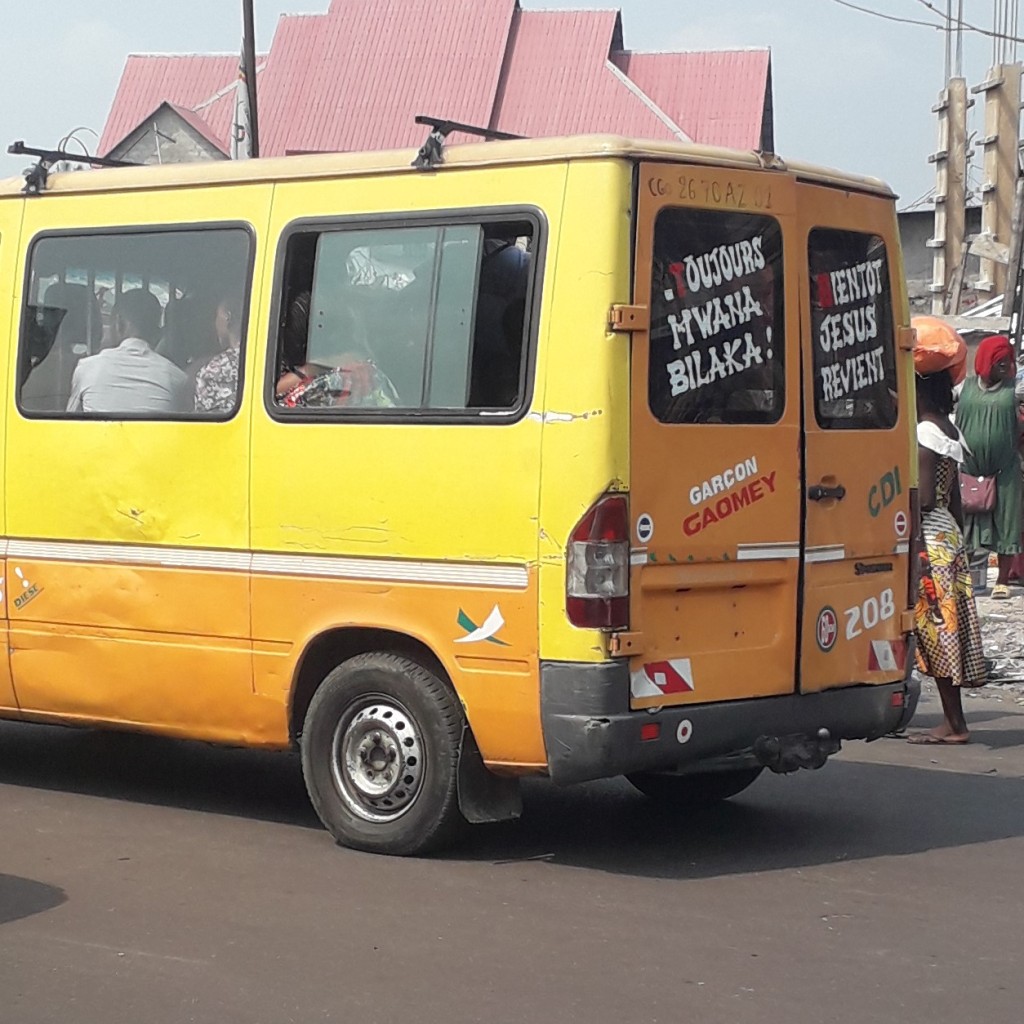
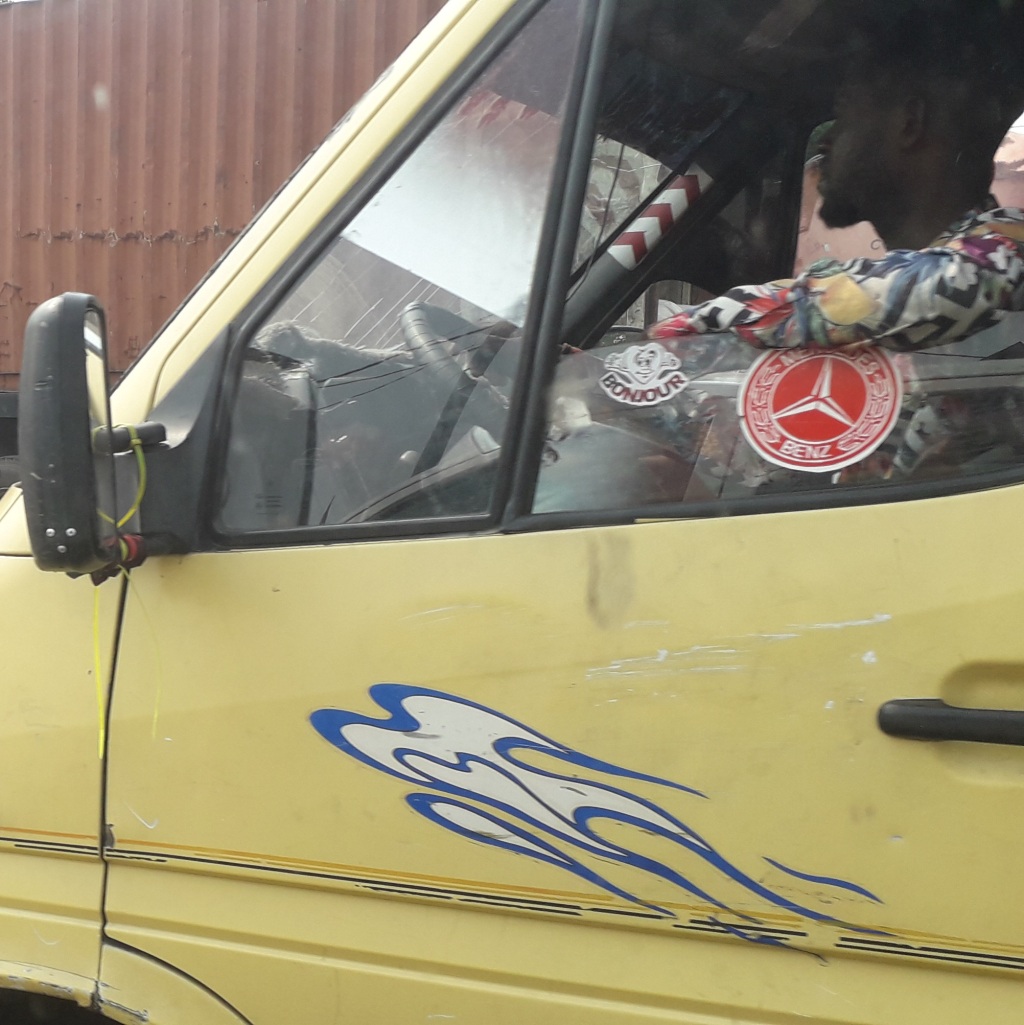
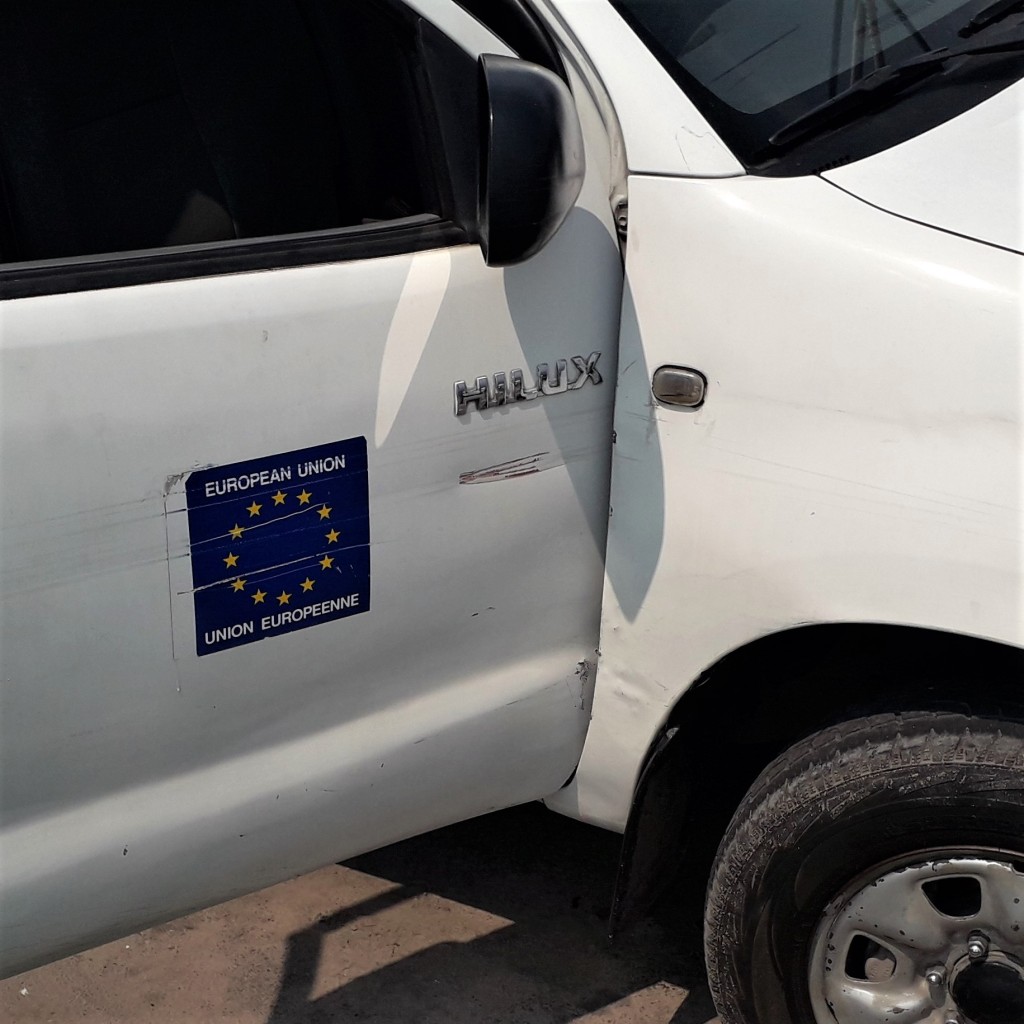
Papa Victor is waiting for us outside on a white Toyota jeep with a EU flag on the door and dents and scratches on all sides. A description that would fit most of the vehicles I travelled in during this trip and, as I came to discover, a stereotype for Westerners in this country. Victor is a tall, pleasant man who talk and laugh quietly even when we plunge into the suffocating traffic of Kinshasa. The 25 kilometers between the airport and my hotel in Gombe are an endless sequence of taxis, yellow Wokswagen vans running with the doors open to bring some air to the passengers squeezed inside, a multitude of weva moto-taxis, and trucks covered in sticky black dust.

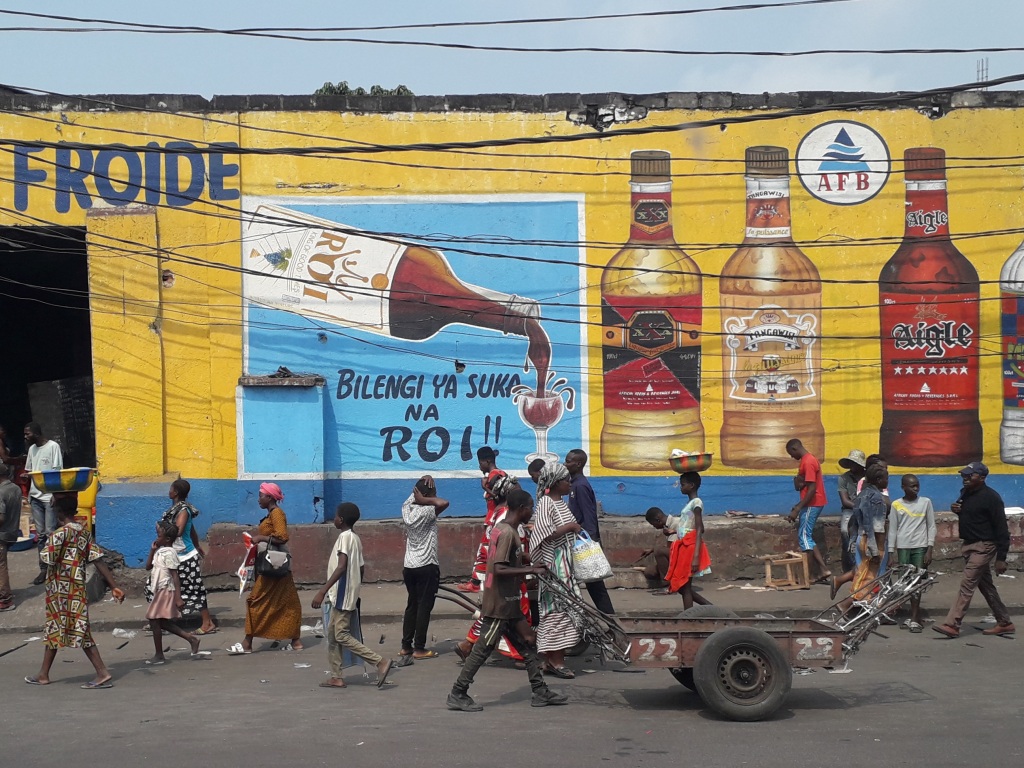
The two days in Kinshasa are chaotic. We meet with some people and don’t see much. I watch street scenes, buildings, and billboards passing by from the window of Victor’s car.

During the last night in the city, I meet my old friends and former colleagues Raphael, Paul, and Pietro – who became a real Kinois in the meanwhile. From the hall of my overpriced hotel Raphael, tells me with his usually sharp irony: “Il faut que tu sors de cette Leopoldville”. And so we drive away, leaving Gombe behind us. Paul, who has a thing for infrastructures, gives us a lecture from behind the wheel of his car while we cross the city. Boulevard du 30 Juin, which originally connected the two Stanley’s times settlements of Kintambo Ngaliema and Nshasha, and later became the first of the large avenues of the colonial capital [>>Kinshasa Then and Now]. Avenue des Huileries, pointing to the area formerly occupied by the Huileries du Congo Belge, now hosting its successor Marsavco.. And then, Matonge, the neighborhooud that everyone here calls the musical capital of the DRC. After having lived for years few hundred meters from Matonge (Brussels) – a product of Congolese diaspora in Belgium – I finally get to see its original counterpart.

It’s early in the morning when we leave again for the airport but the city is well awake.


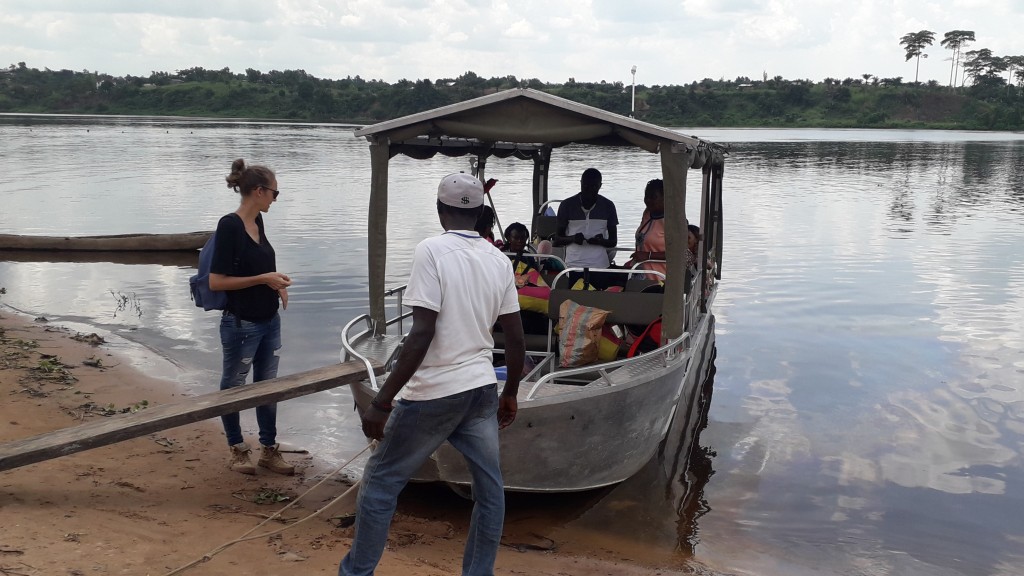
Congo River — After landing in Kisangani we are brought directly to the dock on the Tshopo river. The beach, as docks are locally called borrowing the word from English, is just a sandy stretch where dugout canoes and boats come ashore. We get on board of the canot rapide that Cifor made available for us and, following the Tshopo and Lindi rivers, we finally reach the Congo. Few kilometres upriver, the Wagenia/Boyoma falls, a one-hundred kilometres long sequence of cataracts, make the river impossible to navigate. After the falls, the Congo begins its ‘quiet’ descent of the 1,700 navigable kilometers dividing the place where we are navigating now from Kinshasa’s Pool Malebo before rushing again, through impressive rapids, up to Matadi and to the Ocean.


From this moment on, this broad, magnificient river, with its banks covered in thick vegetation, becomes the silent protagonist of the travel.

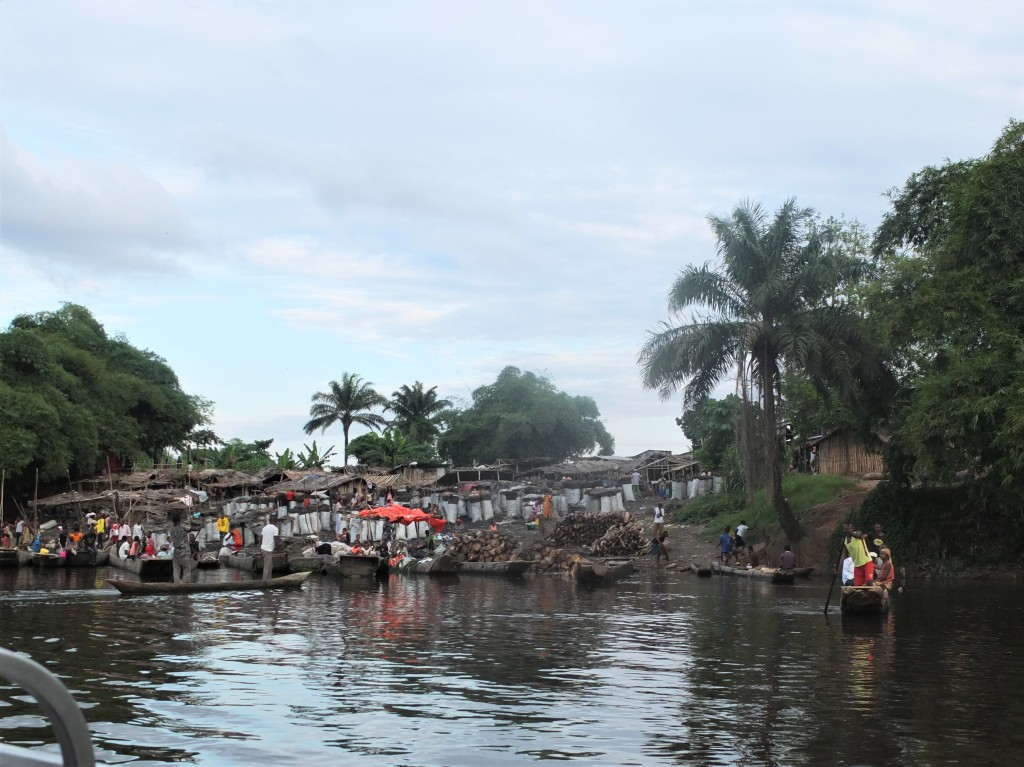
Moving along the river coast, the canot go past busy docks where pirogues – simple boats built by carving a single tree trunk and manouvred by one or two rowers – carry large, white sacks of coal to sell. Apart from our boat and the infrequent barges, the river is populated by these small crafts and by the noisy baleinières (‘whaler’), a wooden boat used for goods transport. Besides being painfully slow, the two half-sunken relics I could spot along the way, testify the scarce reliabilty of these bizarrely named boats.

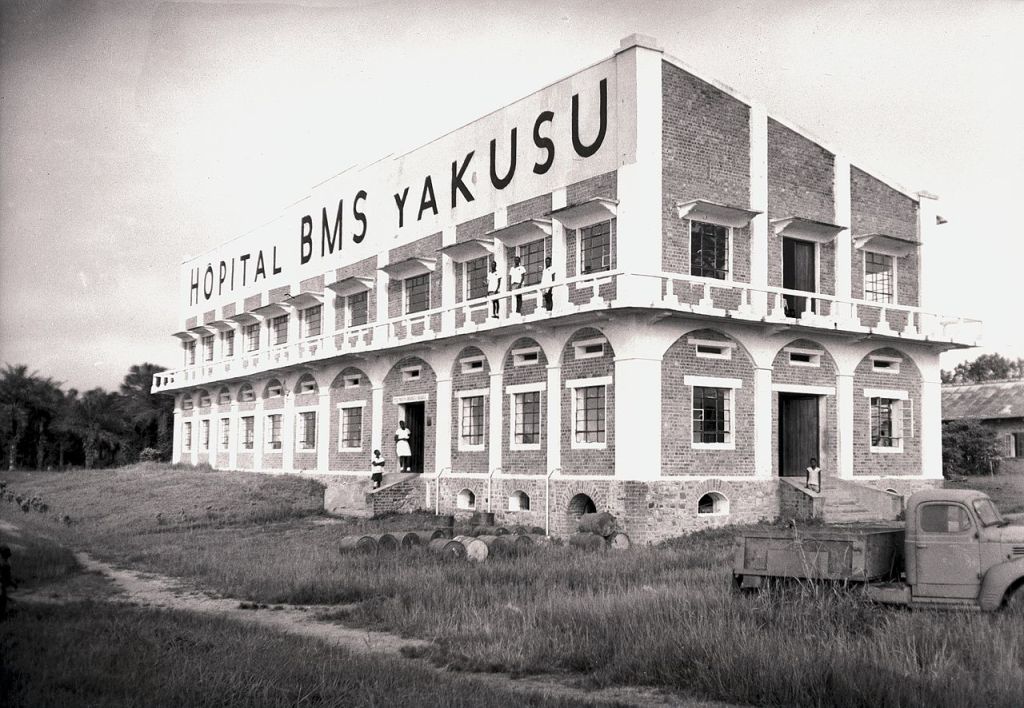
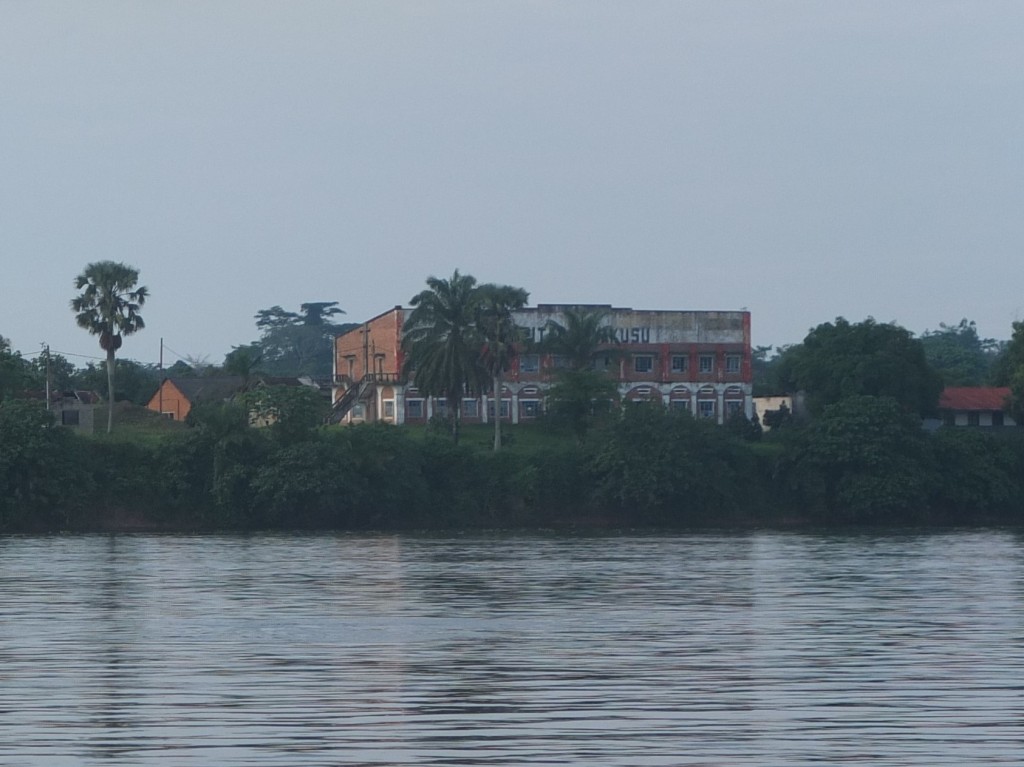
From the canot, on the right bank, flanked by colonial villas, I spot the prominent facade of the Yakusu hospital, a now run-down gem of the Baptist Missionary Society in the Belgian Congo and an important institution for the educational and medical history of the country [Nancy Rose Hunt,>>Colonial lexicon: of birth ritual, medicalization, and mobility in the Congo].


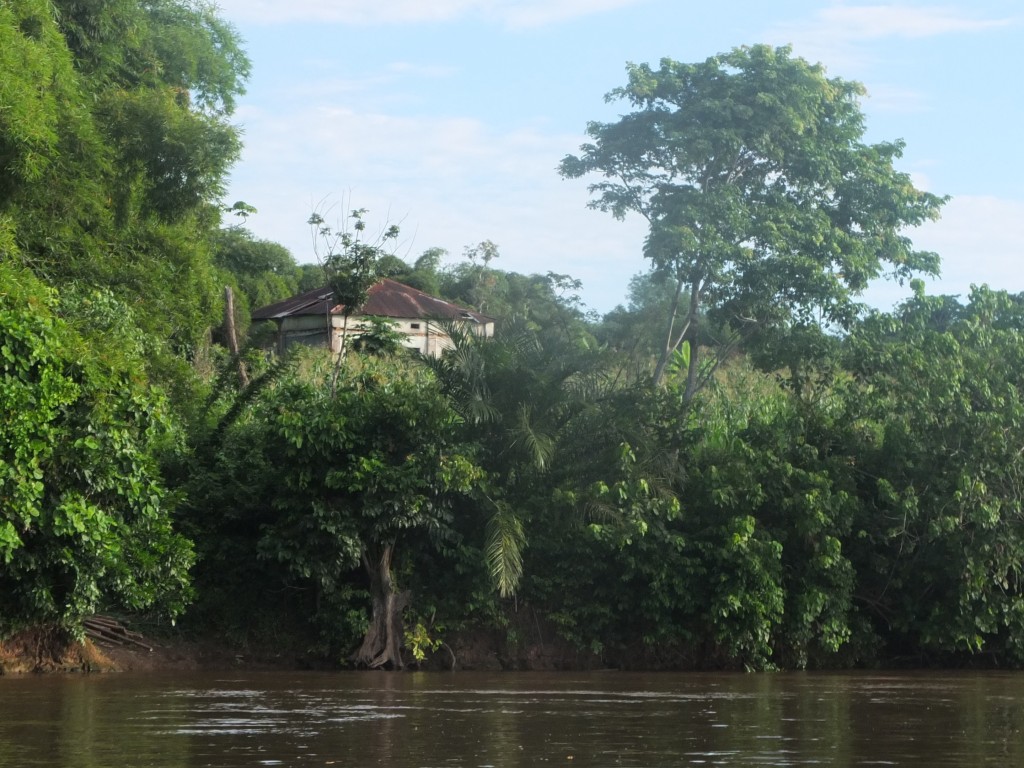
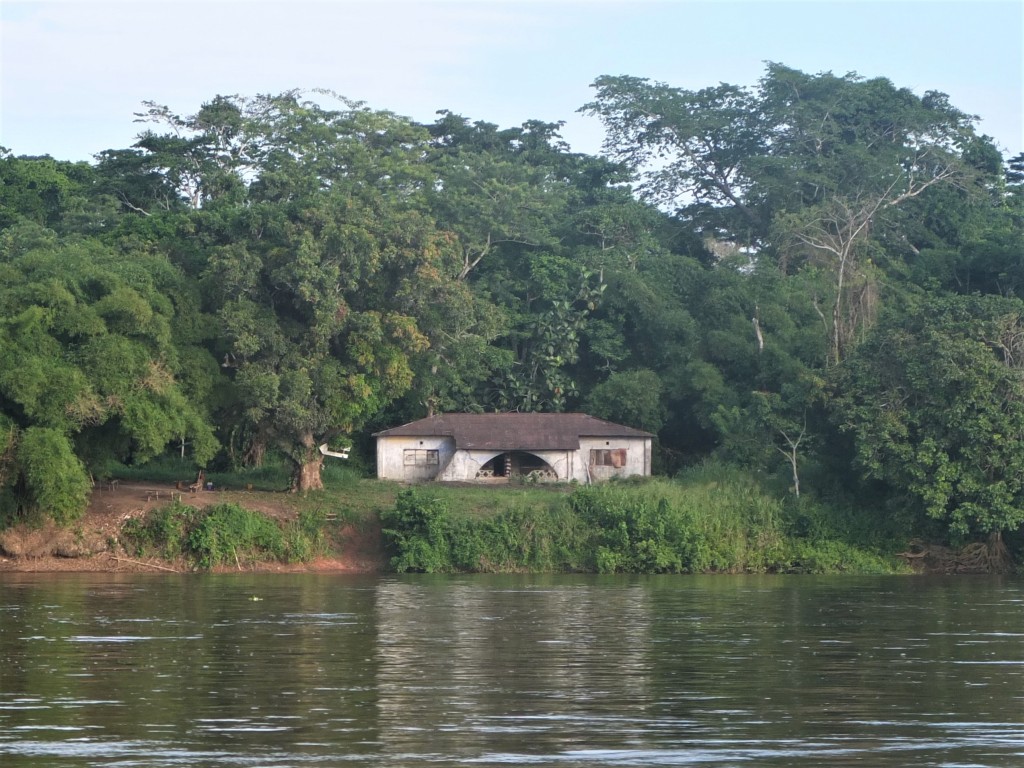
Further down the river, the Belgika, a private island owned by the heirs of a high-rank military chief under Mobutu dictatorship. Our boat speeds close to the coast; the waves agitate the fishermen’s pirogues moving under the branches of leaning trees. The shape of old buildings with porches facing the river vanishes rapidly behind the vegetation. >>During the colonial time, the island was a coffee and rubber plantation owned by the Comptoir Colonial Belgika. The company realised barracks for the workers and villas for the European technicians and now, half a century after it abrupty left the island, those buildings are occupied by the few hundred people still living on the island or are left in disrepair.


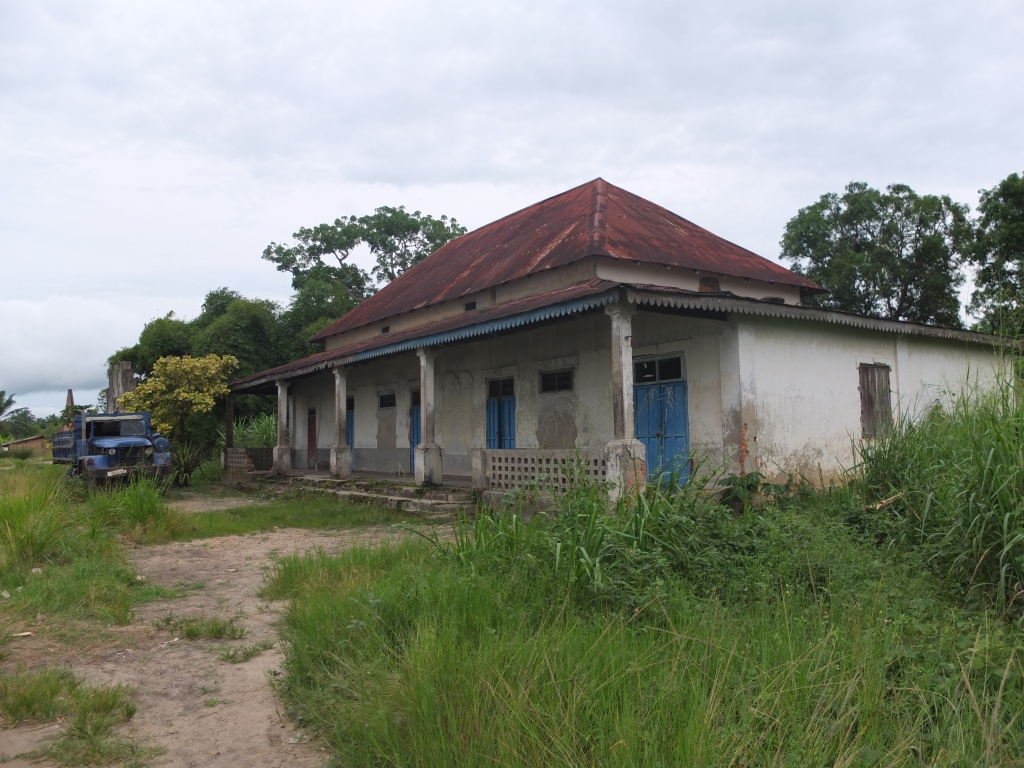
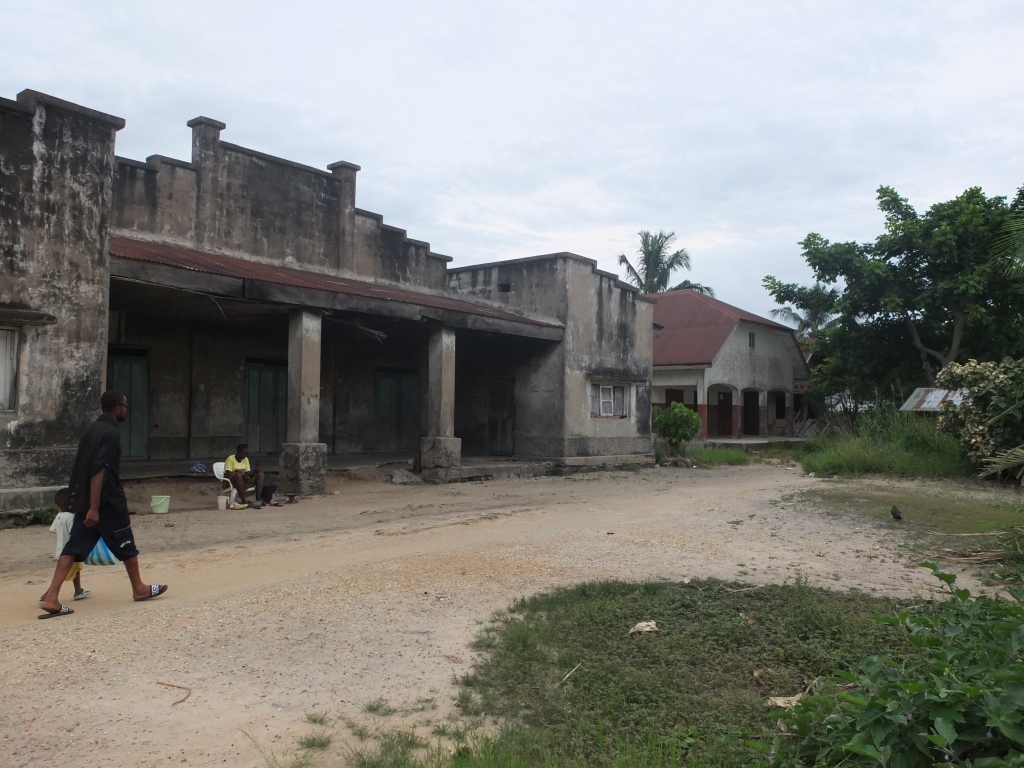
Yanonge — 50 kilometers downriver to Kisangani, we disembark in Yanonge, a small town built around a river dock and its market; a commercial gate to the river for the backland Opala territory and the Turumbu people. Up from the dock, over the steep river banks, I can read dates and names of European firms inscribed on the front of wharehouses now surrounded by the wooden stands of the weekly market. Along the riverfront, the traders’ villas and shops are almost untouched. Guélor, who shows me the place, lives in one of them with his family of five. The rest of the town is made of single-floor brick houses – the construction material coming from the local furnaces – and by simple clay, wood and straw houses. Outside the busy market area and the two main roads, people walk calmly in the shade of the many acacia and palm trees.

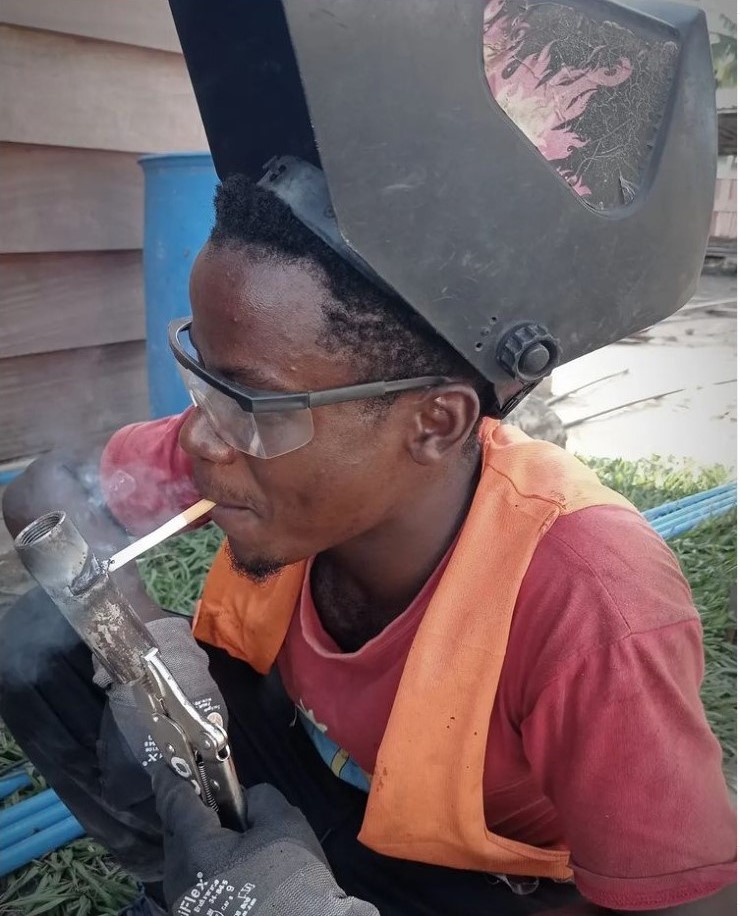
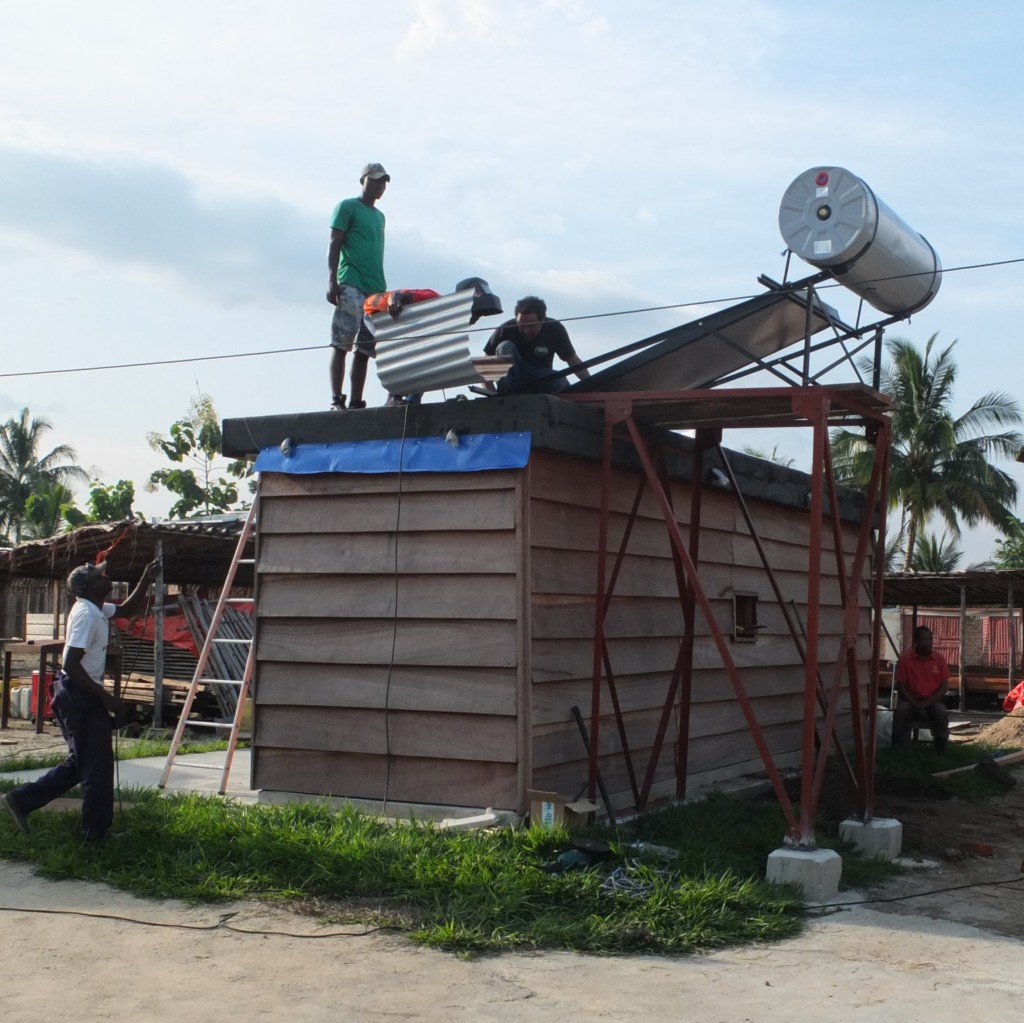
Since few years, Cifor established one of its bases in the town and carries our reforestation, agricultural and local development projects. Silvia, among the many other things, coordinates the construction of a small sawmill. A solar drying kiln is close to completion and an oddly sorted team of Congolese and Italians welds metal, cuts wood boards, make electrical and hydraulic connections, rushing to complete it before our departure. (My contribution to the works is barely symbolic). The aim is to prepare the way for a locally managed, and economically sustainable activity which, allowing to meet the quality standards required for exporting wood, would eventually offer a credible alternative to illegal logging [>>Forets]


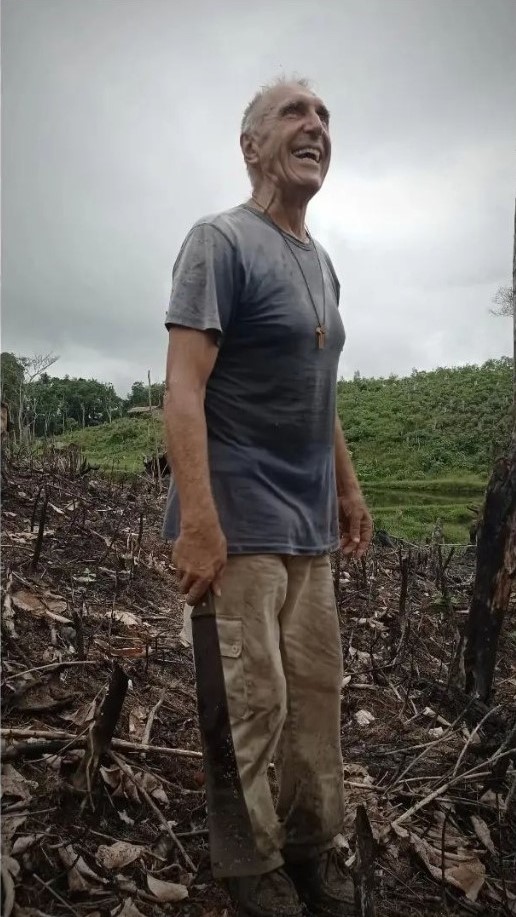
During our days in Yanonge we stay at the local Catholic mission. Outside cities, missions often offers one of the few reasonably comfortable accommodations and in Yanonge, the Comboni community also gives the occasion for some peculiar encounters. Our early equatorial evenings are filled by the accounts of Father Vittorio, a truly remarkable character who spent 50 years in the Congolese rainforest, has unlimited energies, and a passion for >>improbable projects. When sitting in front of the usual plate of rice, pondu and tilapia, he starts talking and so I put my recorder on the table. I collect hours and hours of his improvised local history monologues in which he mixes personal memories with the accounts of the people among whom he have lived. “There weren’t many books in the places I have lived – he keeps saying, not without theatricality – but people love to talk to good listeners.”

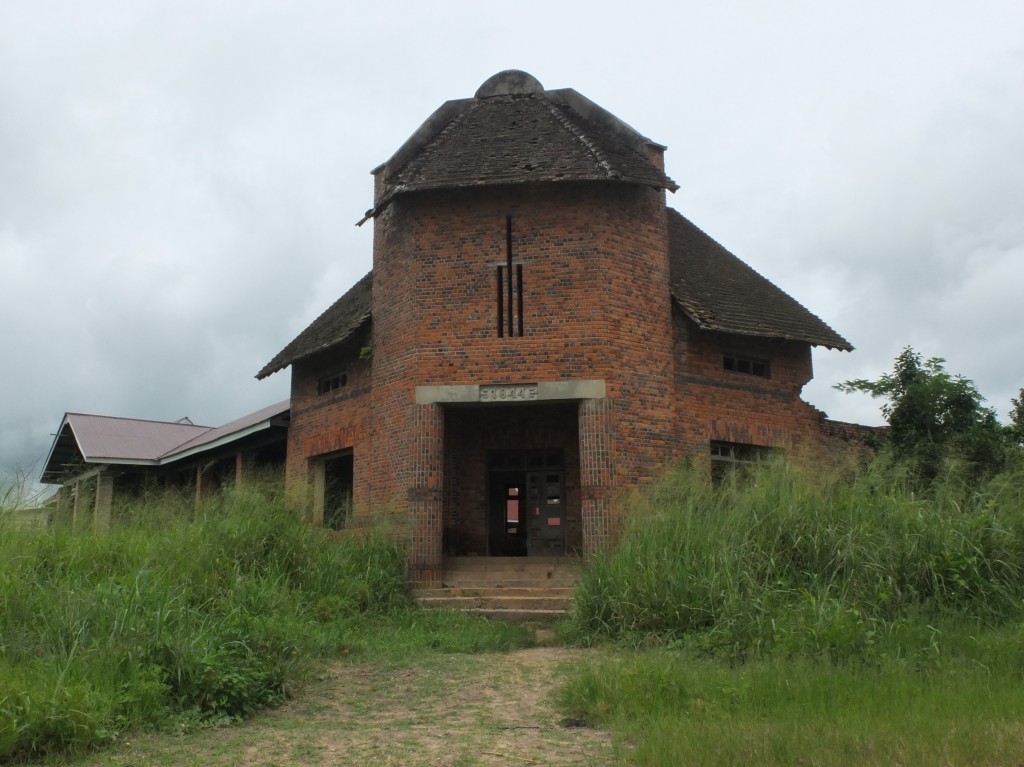
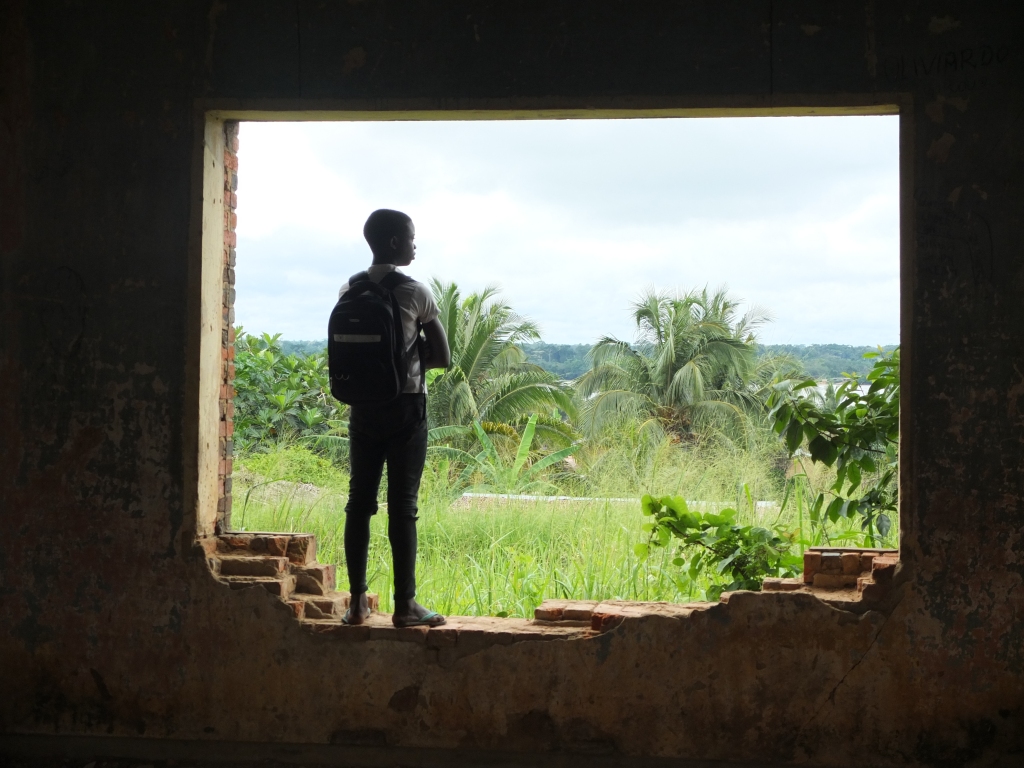
Here, the buildings have stories to tell too. The religious mission was established in the early days of the Belgian Congo and abandoned for decades after the brutal incursion in the convent by the Simba rebels in 1964. The concrete lintel mounted on rounded jambs – a motive that many times I saw in Brussels – at the entrance of what was the mission’s carpentry school is marked with the date ‘1944’. Behind the art-deco facade, a large room covered with an overly complex wooden trusses system. The three wings with porches on both sides form a courtyard and are in ruin. Part of the high-pitched roofs – a large ventilated chamber was originally left on top of classrooms to protect them from the heat – had been replaced; the rest had crumbled. Kids are everywhere, playing among the teetering walls. Our not so credible recommendations to stay away from the crumbling structures are (quite understandably) ignored. The mostly disappeared wood worshop is now a favourite spot for discreet nocturnal encounters and Paolo says that the large wood cutting machine built in Belgium in the 1940s was still bolted to the floor until not so long ago.

Private archive Vittorio Farronato


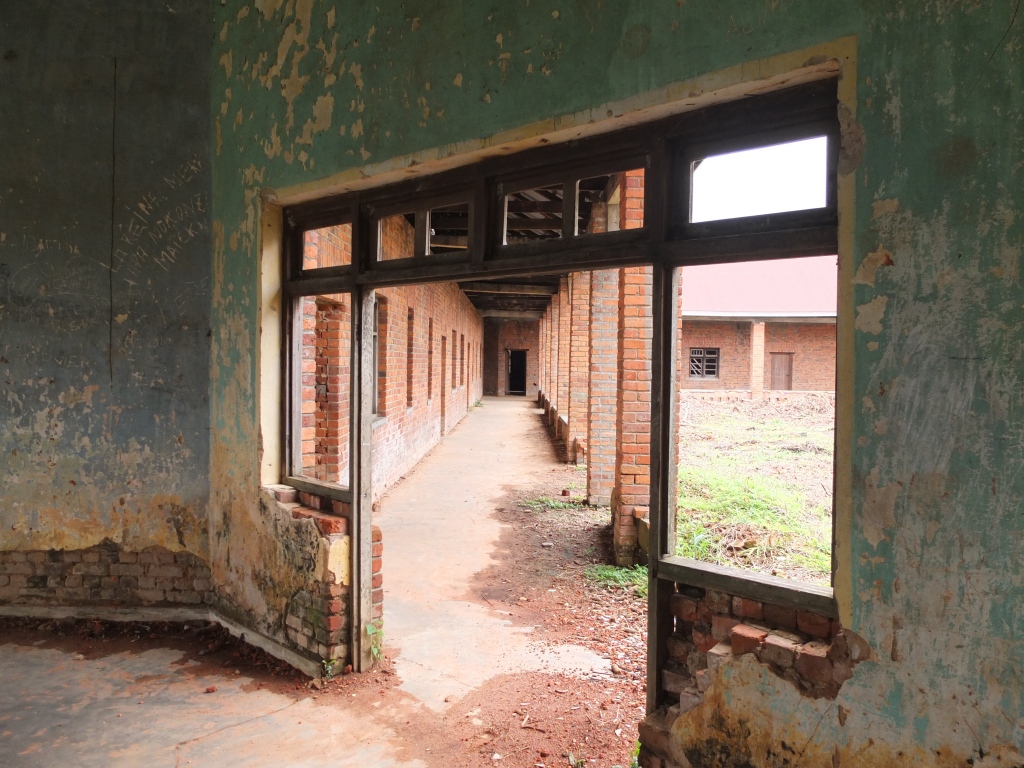
Next to this complex, the church and the old convent – now used as a school. The convent has a familiar shape that I had never had the chance to look closely before. A single-floor building – despite what the view from the outside may suggest – with a central corridor cutting longitudinally, facade-to-facade, through the building and rooms on both sides. Seen in cross-section, the corridor with openings placed at the ceiling level was meant to extract the hot air through natural ventilation. Next to this group of buildings and most probably coeval, a structure carrying a sign MATERNITE’ and two groups of identical brick houses which once hosted the school’s teachers.

The few days I planned on staying in this small town became more than a week as I’m stuck in bed, ill. “The full tropical experience” Iain writes me from Liverpool.
I missed the boat for my next destination and I look for an alternative.

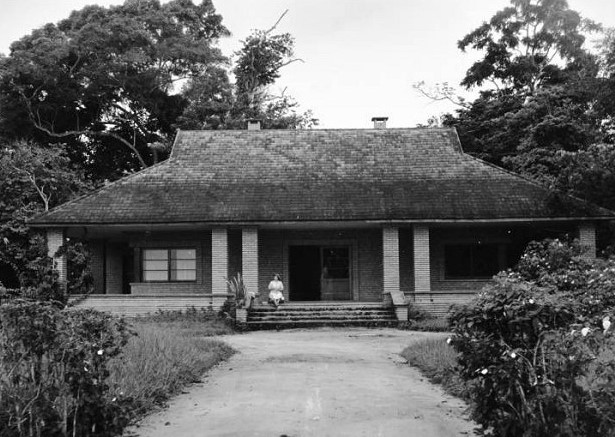
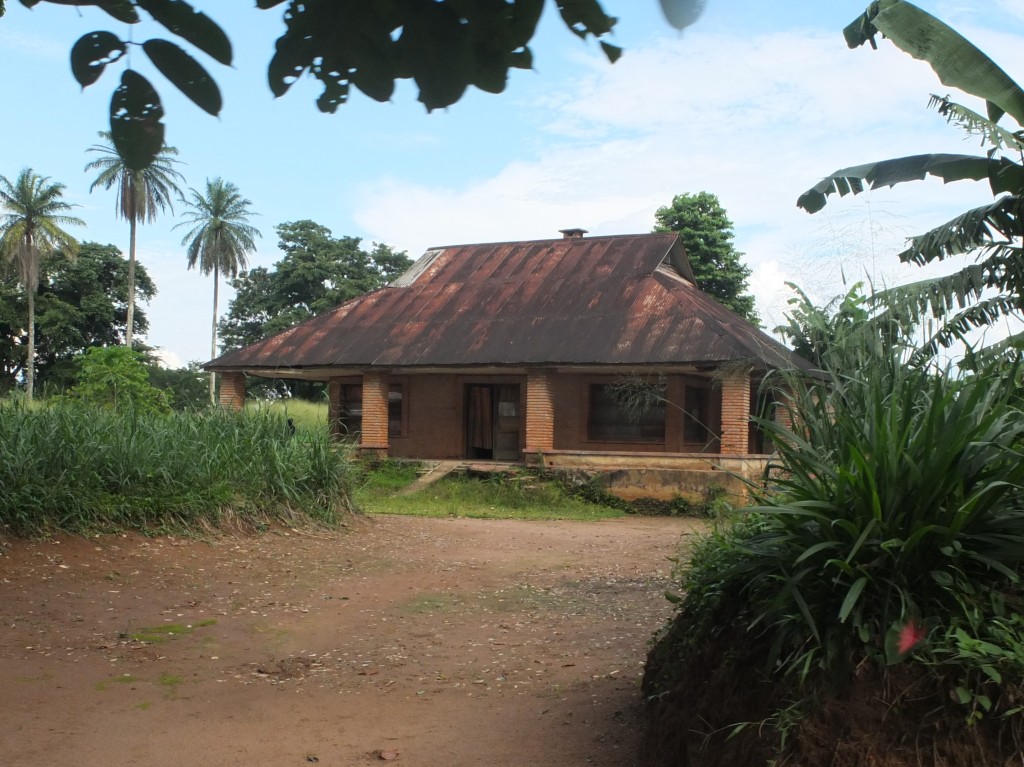
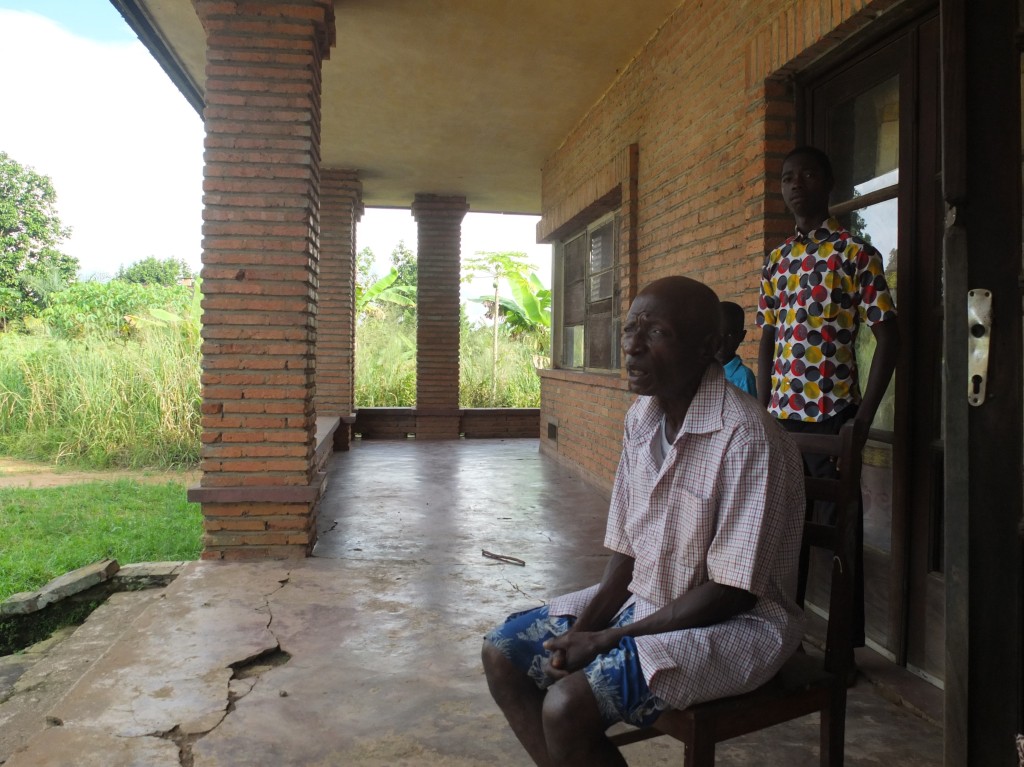
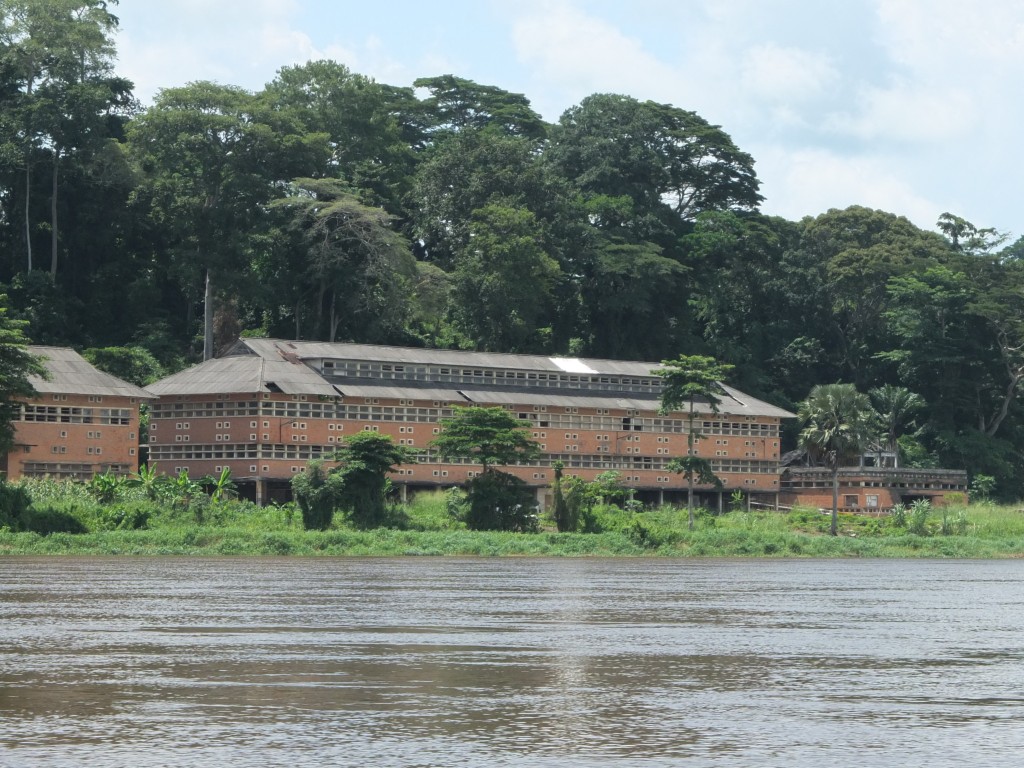
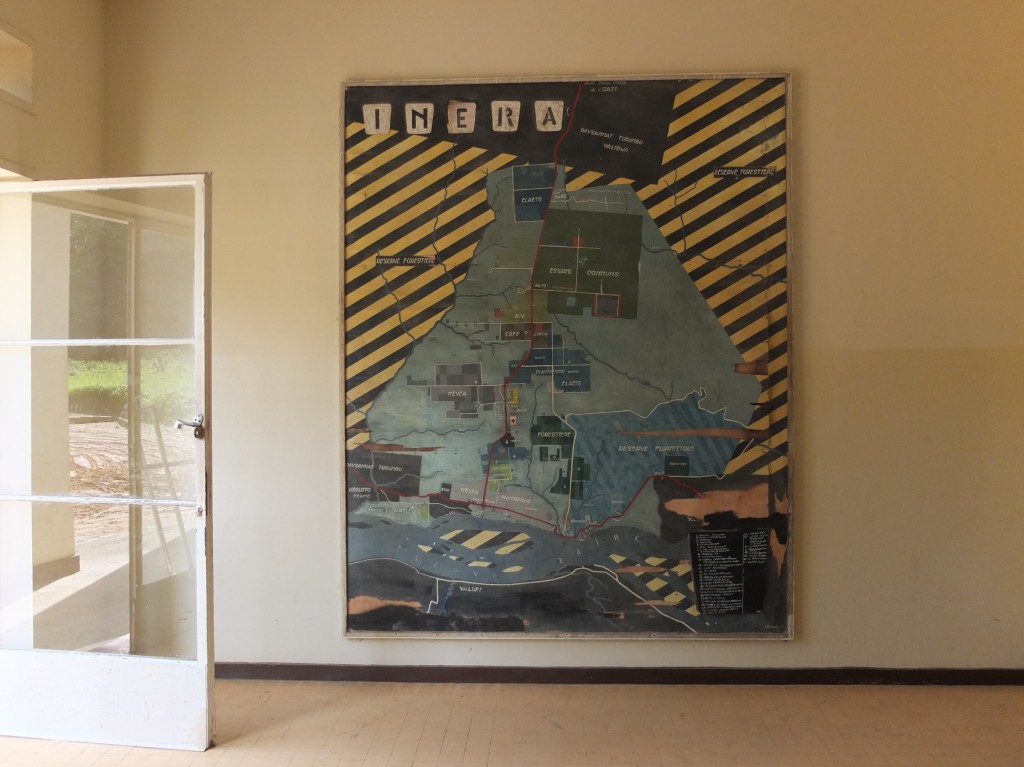
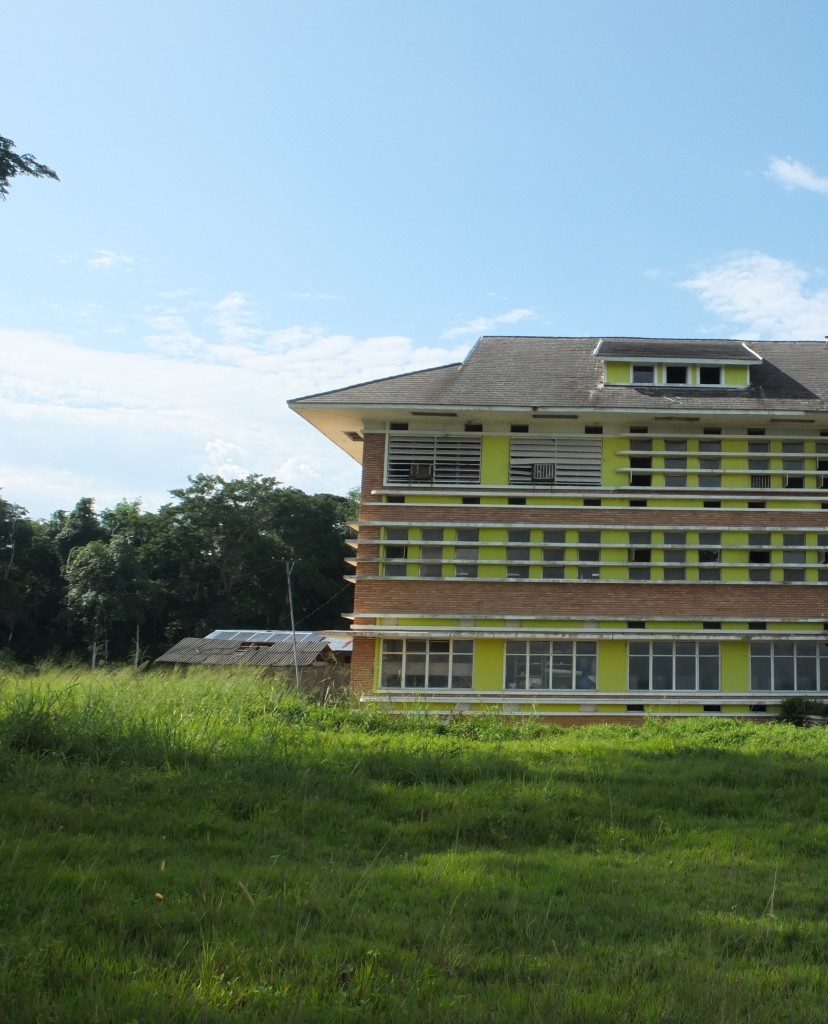
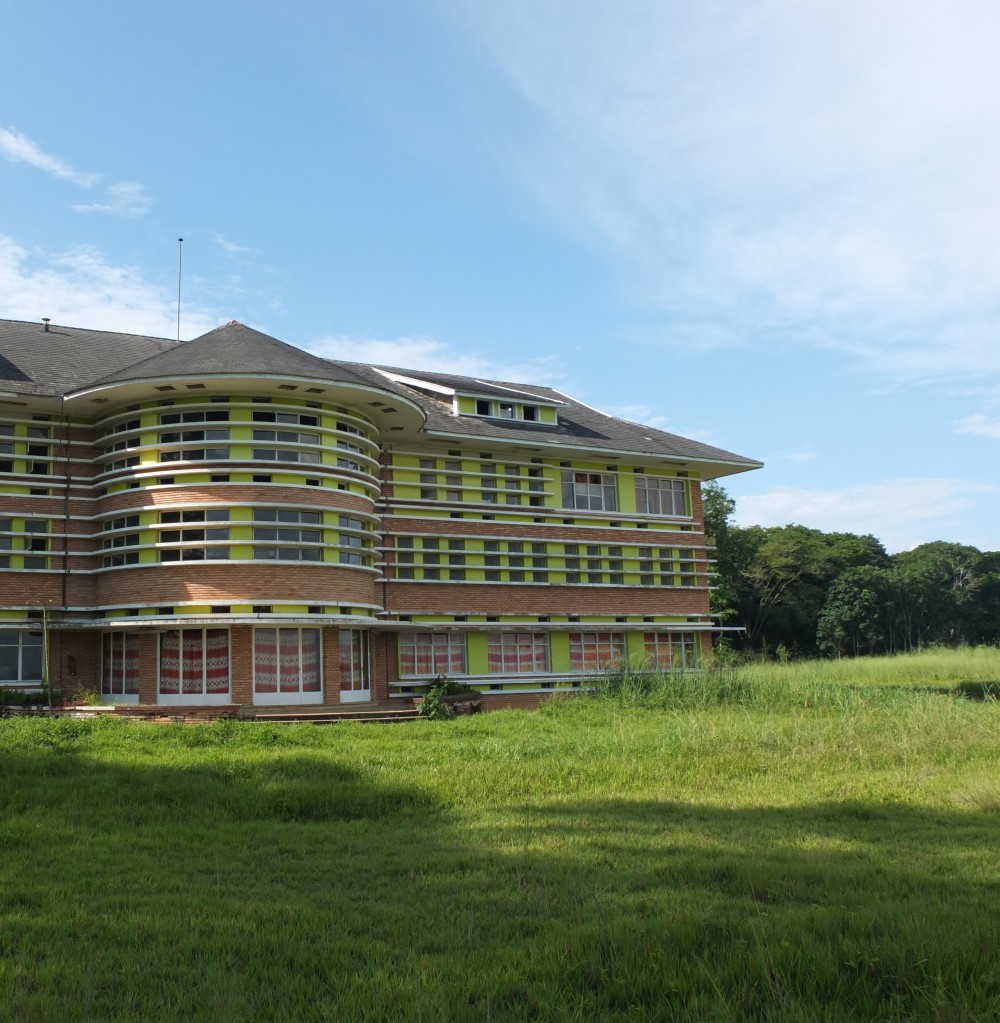
Yangambi — Sitting on the backseat of a motorbike running on a rutted dirt road, the lacking comfort is compensated by the view of riverine villages plunged in the luxuriant vegetation and by the glimpses of open horizon on the Congo river. When approaching the Yangambi reserve, the red brick walls of large villas appears on the side of the road, half concealed by the foliage of large ferns. The 250 villas built between 1933 and 1960 scattered across the reserve once housed the scientists and technicians of what was one of the largest ecological, biological, and agricultural research hubs in Africa, the >>Institut National pour les Etudes Agronomiques du Congo Belge – INEAC, later renamed INERA. The derelict storage tanks and the broken windows of the two large buildings facing the river port are the first visible signs of the now partly lost thriving life of this centre. But some sections of the research hub are >>still active.


During the few days I spend in Yangambi, Dorcas drive me from one section to the other of the reserve The library, inside the recently restored administrative building, has a large collection of magazines and publications dating back both to the colonial and Mobuto’s regimes as well as reports and correspondence documenting the exchanges that the institution had established with private companies such as the Huileries du Congo Belge and Lever Brothers. Even today, the centre carries out agronomic research and provide the germinated seeds of oil palm trees to smaller and larger >> Elaeis plantations in the country.
The number of houses, communal facilites, and buildings dedicated to the different research sectors that I could brielfy see from the car or from the photographic albums stored in the library would definetely deserve to be explored with more attention but I’ve run out of time. The boat is waiting.


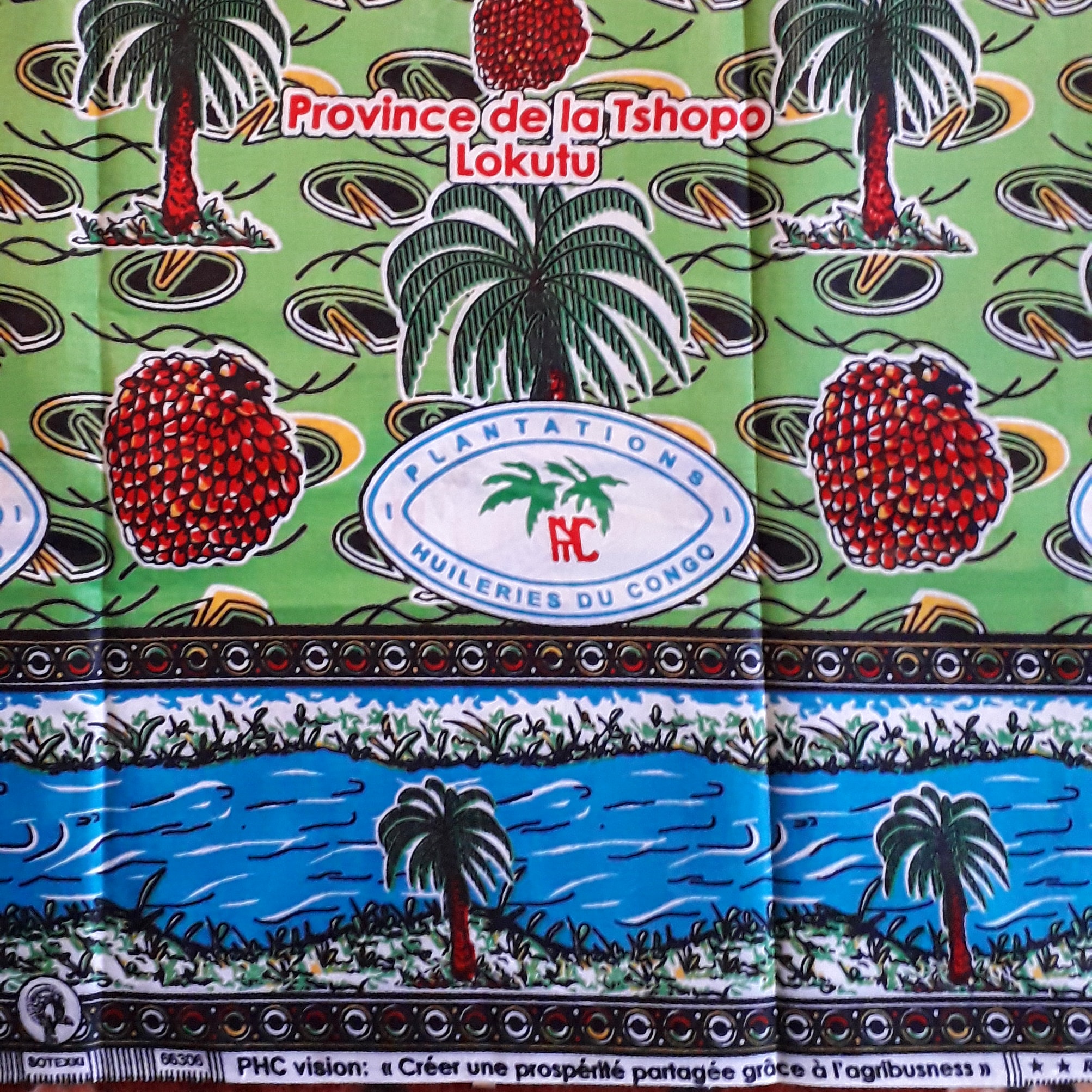
Kisangani — I’m already on the way back to Kinshasa when, during a two days stop in Kisangani that allows for a quick visit to the city, I find a piece of wax print fabric depicting the destination of my next trip to the DRC. In a small shop, one of the last selling locally produced Congolese wax fabric, among the most bizarelly decorated pieces of cloths, one is dedicated to the >>Plantation et Huileries du Congo, the company owning three of the former HCB plantation. Over a green background, the same palm tree and red oil palm bunch is repeated over and over. At the bottom, a sketched and colourful representation of the Congo River and its green banks along with some particularly >>optimistic mottoes of the company.

I greet the country carrying with me this small trace of the persisting signs of British-Belgian colonial capitalism in Congo. Lokutu (Elisabetha), Bumba (Alberta), and Lusanga (Leverville), three of the five company towns built by the Huileries du Congo Belge will be the subject of my next fieldwork in the coming months.


‘The Congo must have a presence on Belgian soil.’ The concept of representation in governmental discourses on the architecture of the Ministry of Colonies in Brussels, 1908–1960

Jens van de Maele and Johan Lagae, The Journal of Architecture, Vol 22, Issue 7, p1178-1201.

While parliament buildings and governor‘s palaces have been studied as embodiments of governmental or colonial power, the architecture of the often more mundane state administrative office buildings has only received scant attention from architectural historians.

rjar_a_1376344_f0001_c

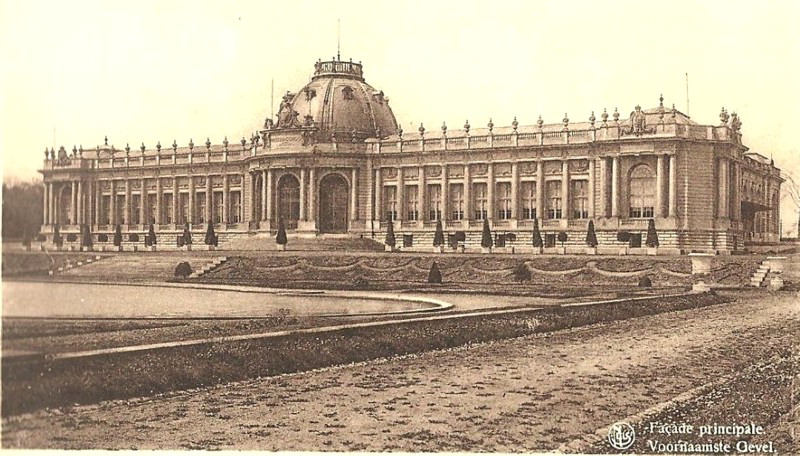
The Museum of the Belgian Congo in Tervuren near Brussels, constructed between 1904 and 1910: undated postcard from around 1910 (personal collection of Johan Lagae).

In this article, we seek to demonstrate that political discourses concerning such buildings can nonetheless reveal important conceptions of colonial power. Rather than focusing on how such power was accommodated in and shaped by state-built architecture overseas, this article draws attention to the representational aspects of colonial governance in a mother country through an analysis of various projects proposed for the Belgian Ministry of Colonies (1908–1960). In the 1930s, when it was still housed in an eighteenth-century neoclassical building in Brussels, the Ministry of Colonies was included in a visionary but unsuccessful civil service reform, which was aimed at a modernisation of the Belgian state bureaucracy and its office buildings.

rjar_a_1376344_f0008_c

Presentation drawing of the unrealised headquarters project by Ramon and Aerts, 1953 (City Archives of Brussels: Construction permit request no 63042).

After the Second World War, when colonialism became increasingly criticised in international fora, successive Belgian Ministers of Colonies pleaded for the construction of a new, grandiose ministerial complex, which was supposed to symbolise efficiency, modernity, and—above all —the permanence of the colonial undertaking. Even though important steps were taken to realise this complex, the project was outrun by the global decolonisation process, of which the independence of the Belgian Congo (1960) was an inevitable outcome.

Full Article here [with institutional log-in / purchase]: http://dx.doi.org/10.1080/13602365.2017.1376344

Or the first 50 readers can view for free here: http://www.tandfonline.com/eprint/bkeW5msVy6auvEWbW8ed/full

SaveSave

SaveSave