Archive

Tag Archives: Lagos

One day in January at Trocadero Square, Lekki, Lagos...โ€ฏย 

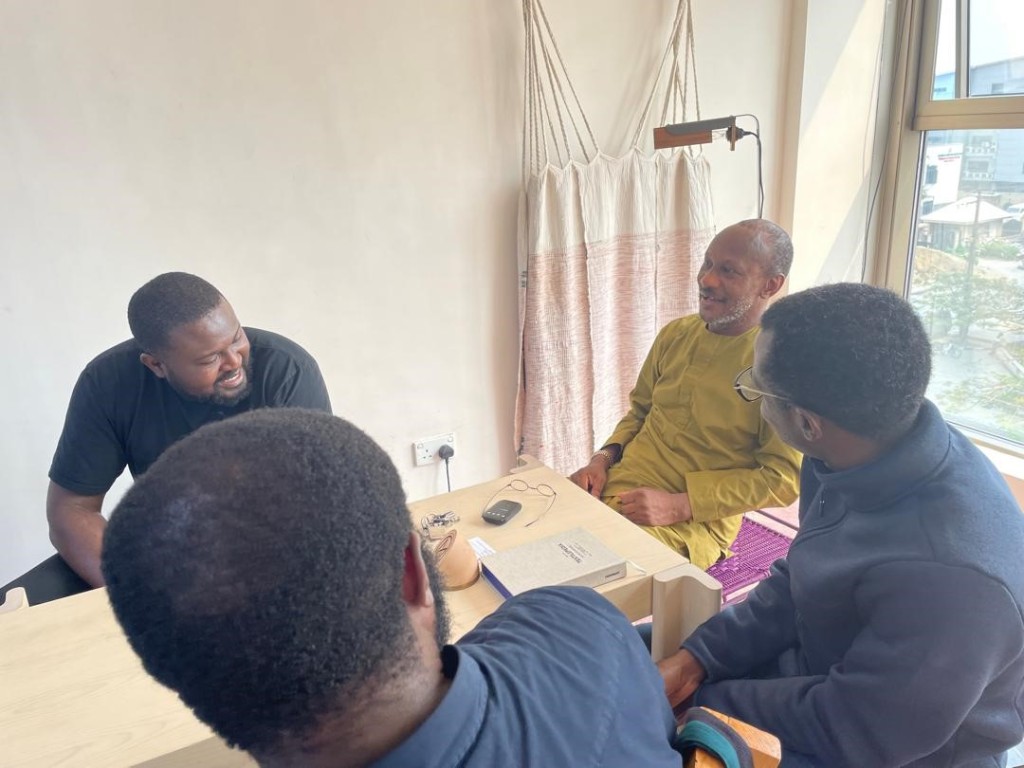
On our last day in Nigeria we planned to meet Nifemi Marcus Bello, a remarkable Nigerian product designer who has had his work shown to great acclaim at the Sharjah Triennale. Joining us was Associate Prof Seyi Akerele who had just completed a Virtual Fellowship at the University of Liverpool with Ola Uduku.  

Seyi Akerele and Ade Shokunbi (photo O.Uduku)  

 It also seemed an ideal chance to meet up with some other creatives too, and we invited  Adeyemo Shokunbi to join us. Shokunbi is a fascinatingly creative architect, whose Abijo Mosque received the Abdullatif Al Fozan Award for Mosque Architecture for the fourth cycle 2020 – 2023.โ€ฏ Most recently Shokunbi has also made waves with his shipping container formed MAD (Make A Difference) Project at the University of Lagos and he will shortly be a taking up a Teaching Fellowship offered by the Obel Foundation in Denmark.  James Inedu George also made time to join the party. George was one of Joe Owuso-Addoโ€™s โ€˜New Bloodโ€™ from the 2021 Venice Biennale. A phone call from Shokunbi summoned Chuka Ihonor – writer art curator, impresario and activator extraordinaire. 

Iain Jackson and Nifemi Marcus-Bello  (photo O.Uduku) 

The discussion which followed we felt lucky to have been allowed to listen in and occasionally contribute to. The key theme unsurprisingly was the dearth of the linking of academic teaching with the realities of practice. We heard tales of the assembled team, unsuccessful attempts at reaching out to the academy who either were disinterested or actively ignored these linkages. James Inedu-George was more direct in his criticism of relationships and links between practice and gown. 

โ€ฏ 

L โ€“ R Nifemi Marcus-Bello, Ola Uduku and Ade Shokunbi (photo I. Jackson) 

The pre-eminence of the expatriate architect from South Africa,  and in particular SAOTA was expressed. It was felt that Nigerianโ€™s found it difficult to feel pride in local architecture and creative practice. Wealthy clients garnered a sense of prestige by hiring architects from overseas.  It was a throwback to Demas Nwokoโ€™s struggle for acceptance by the Nigerian architectural profession despite his clear brilliance as a creative designer whose roots were in his initial ABU architecture training.โ€ฏ Collaborative practice and design also needed a wakeup call as the discussion critiqued the โ€˜lone architect-creatorโ€™ syndrome where collaboration was actively discouraged and firms struggled to scale their enterprise to deliver large projects. 

โ€ฏโ€ฏโ€ฏ 

Ade Shokunbi and  James Inedu-George (photo O.Uduku) 

With Chuka weโ€™d like to โ€˜bringโ€™ โ€ฏhighlights of Sharjah Triennale to Nigeria. Nigerian creatives featured so strongly in this exhibition, and it seems appropriate to share this work with a Nigerian audience.  

Back clockwise, Nifemi Marcus-George, Chuka Ihonor, Seyi Akerele and James Inedu-George (Photo O.Uduku) 

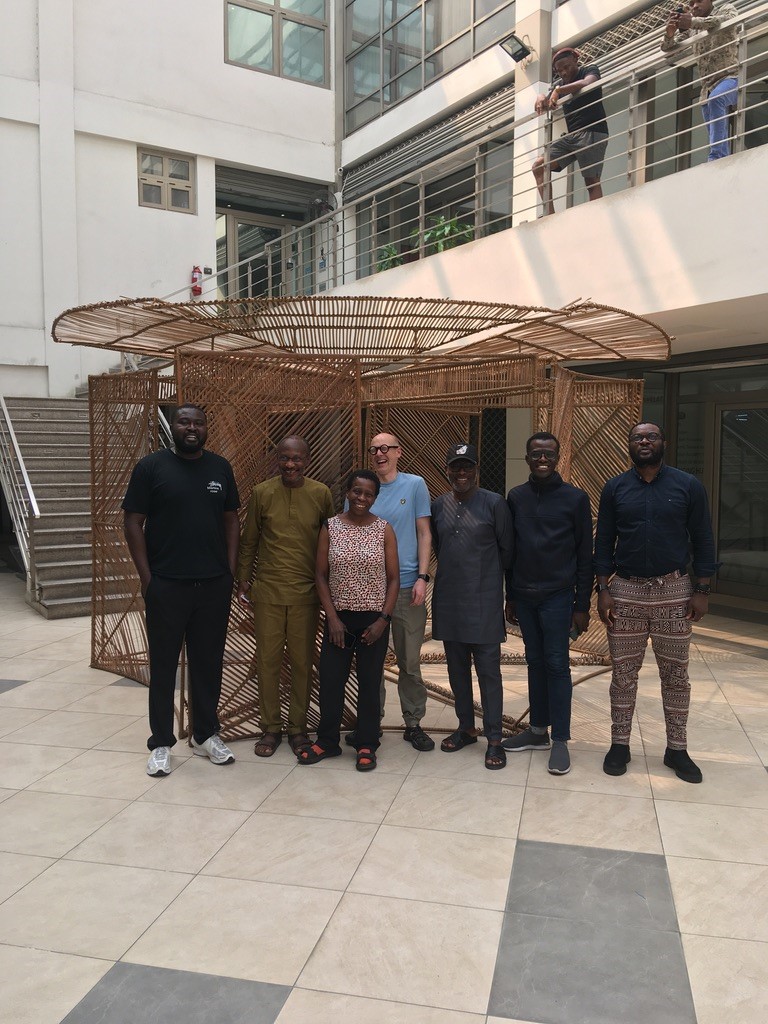
Something special happened at this informal and chance encounter. From this gathering of creatives, educators, authors, makers, and architects a refreshing and encouraging discussion flowed. We shouldnโ€™t stop here. We would be honoured to host the next platform for what might be termed an African Creative Awakening, and present below what we might call the Trocadero Call to Action (TCA) in deference to this auspicious meeting at the Trocadero Square in Lekki โ€“ the place to have been on Thursday 18th January in Lekki, Lagos. 

The TCA Participants and Observers: 

L โ€“ R. Nifemi Marcus-Bello, Chuka Ihonor, Ola Uduku, Iain Jackson, Ade Shokunbi, Seyi Akerele and James Inedu-George  (Photo  Nifemi Marcus Bello Studios)  

โ€ฏ 

  1. The future of Architectural Education in and around Western Africaย 
  1. Practice Building and the process of commissioning, designing, and making architecture.ย 
  1. The purpose, shape, and expression of architecture within the Western African context, and how this is communicated and shared.ย 

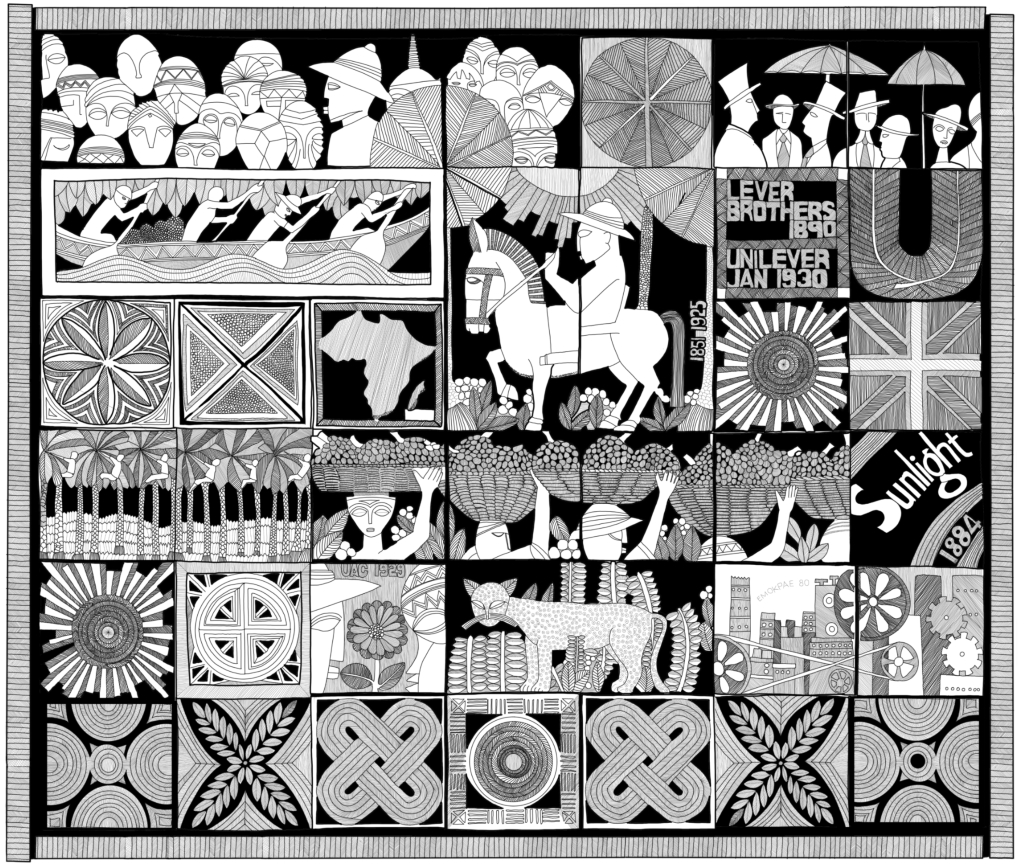
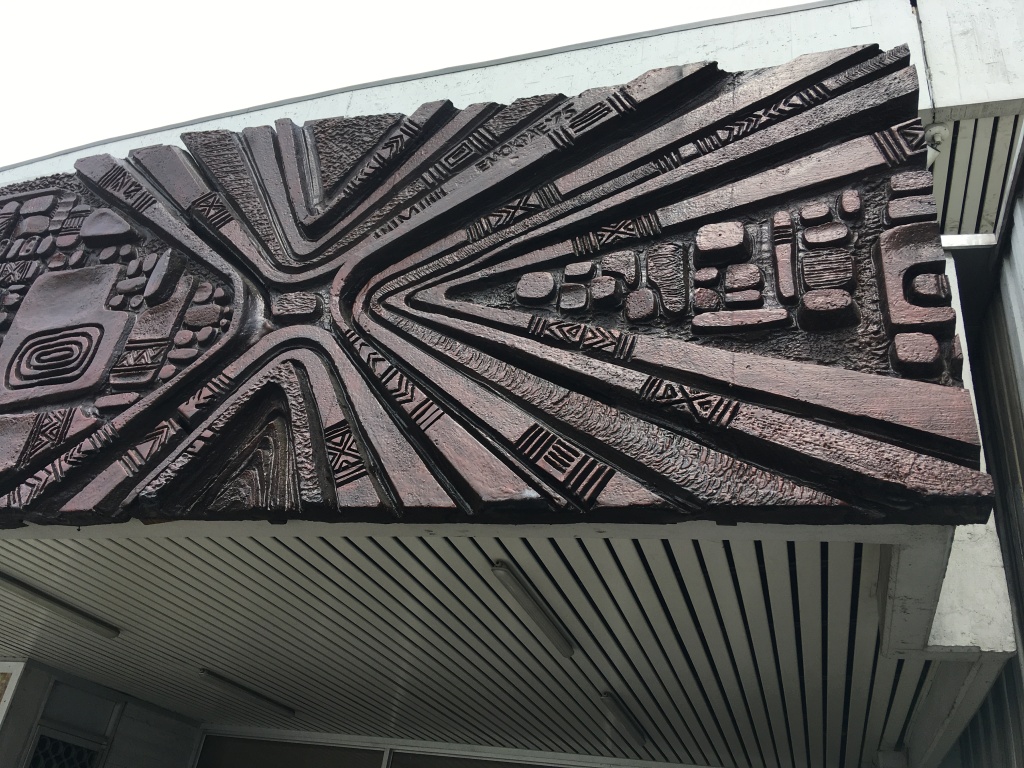
Erhabor Ogieva Emokpae (1934-1984) and the timber carving at Unilever

The largest item in the Unilever archive at Port Sunlight is a carved timber mural by the Nigerian artist Emokpae. Stretching to over 4m x4.5m and made up of 35 individual panels, it depicts the story of palm oil harvesting and the production of palm oil.

The panels also show William Lever visiting Africa and his famous Sunlight soap brand. Itโ€™s a vast piece of history and story telling revealing that behind ever bar of Sunlight soap was a vast system of extraction, production, logistics, and international trade stemming from Western Africa. The work was commissioned for the refurbishment of Unilever House in London in 1979. As well as being an influential and important artist Emokpae was a Creative Design Director for the design agency Lintas (also one of Unileverโ€™s subsidiary companies).

I produced a measured drawing of the carving to help me to study it more carefully and because itโ€™s almost impossible to photograph the original work in a single frame whilst capturing the detail. Together with Unileverโ€™s Global Head of Art, Archives, and Records Management Claire Tunstall, we began discussing using the drawing to produce an animation that would help to explain part of the work and also make it more accessible. We shared our ideas with the agency Stone and Glow and commissioned them to develop an animation based on our text, keyframes, and artistic direction. Weโ€™re delighted to be able to share this with you here and hope you enjoy it:

Have a look here for Claire’s article : https://www.archives-unilever.com/discover/stories/bringing-our-collections-to-life .

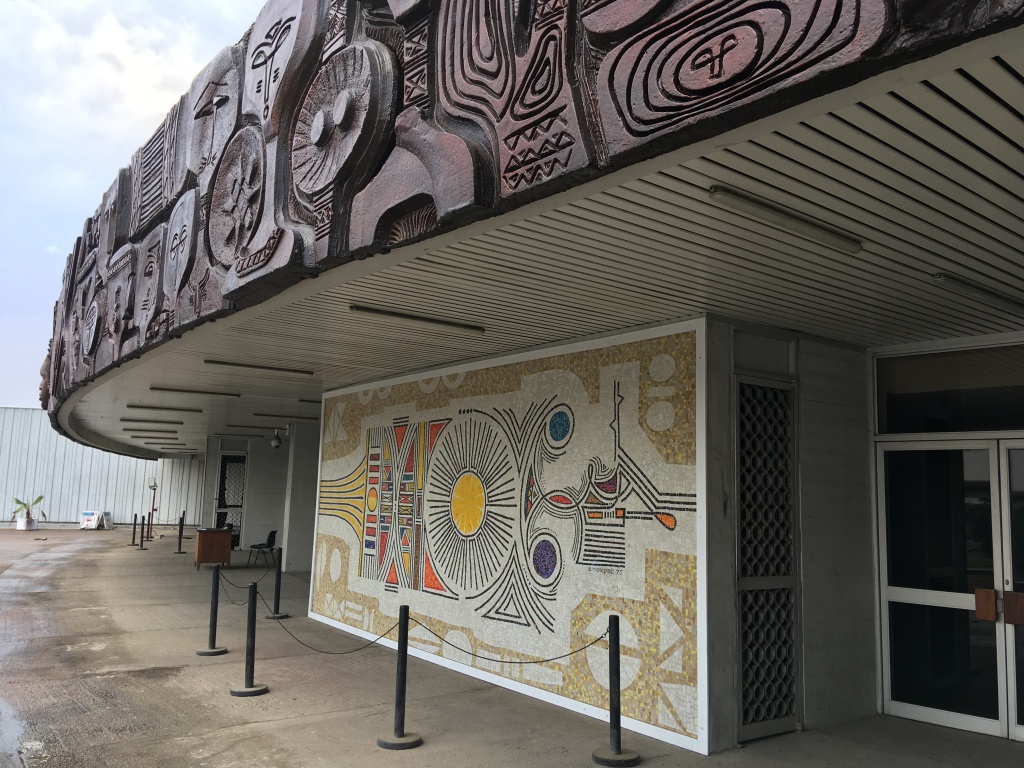
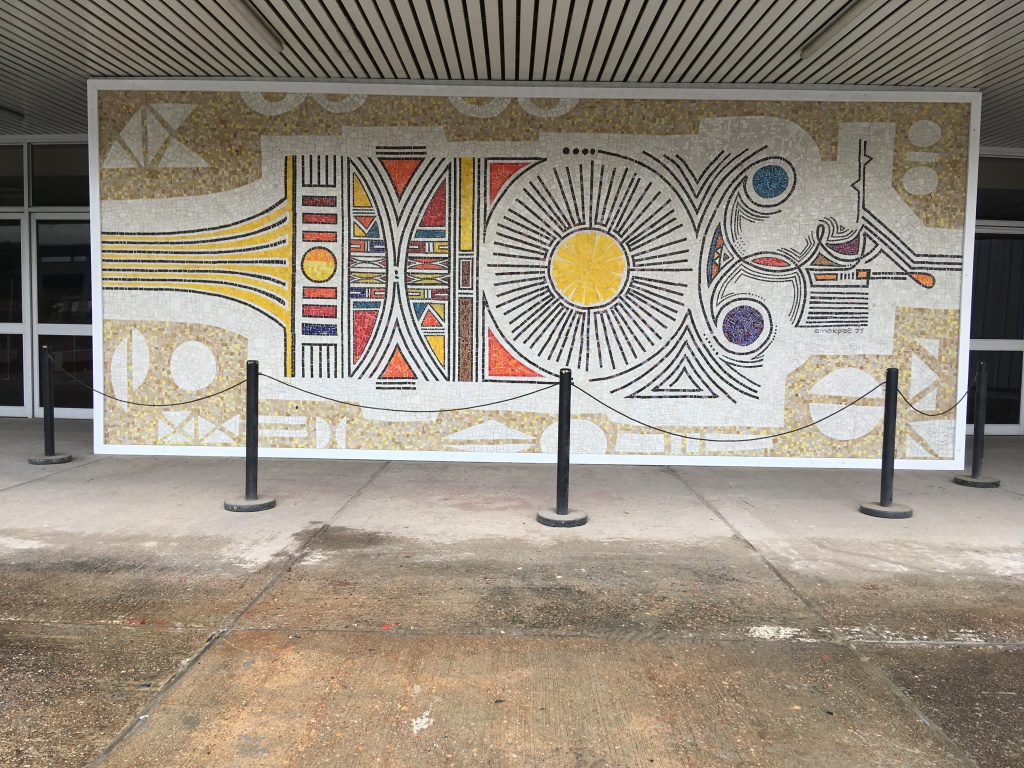
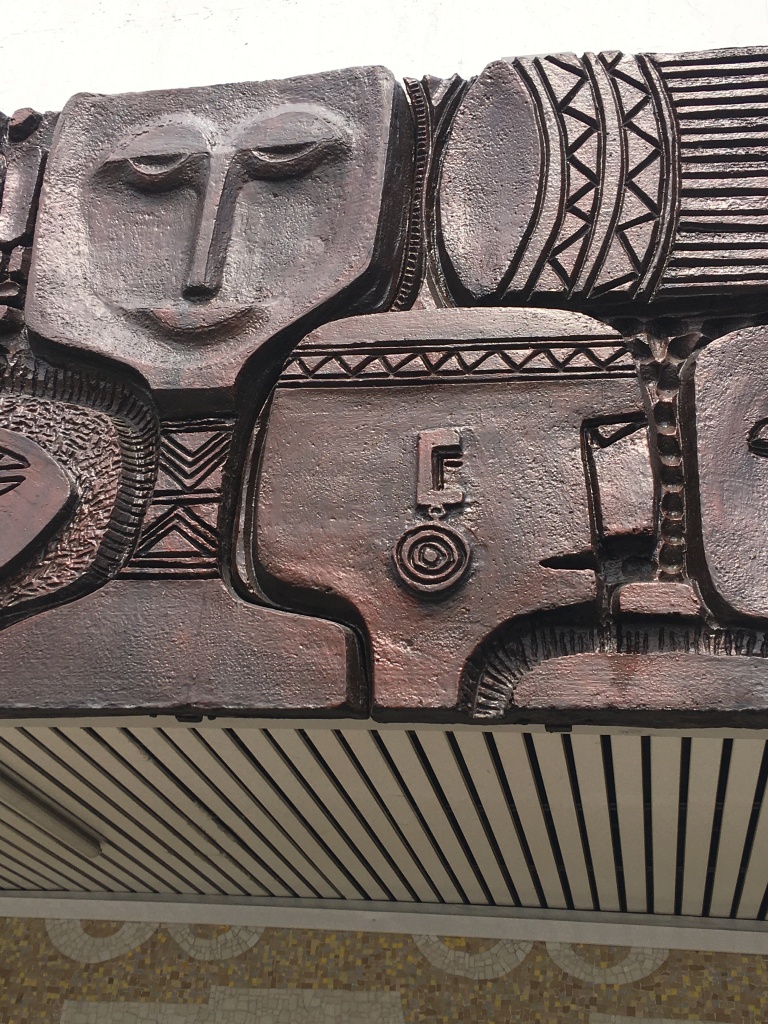
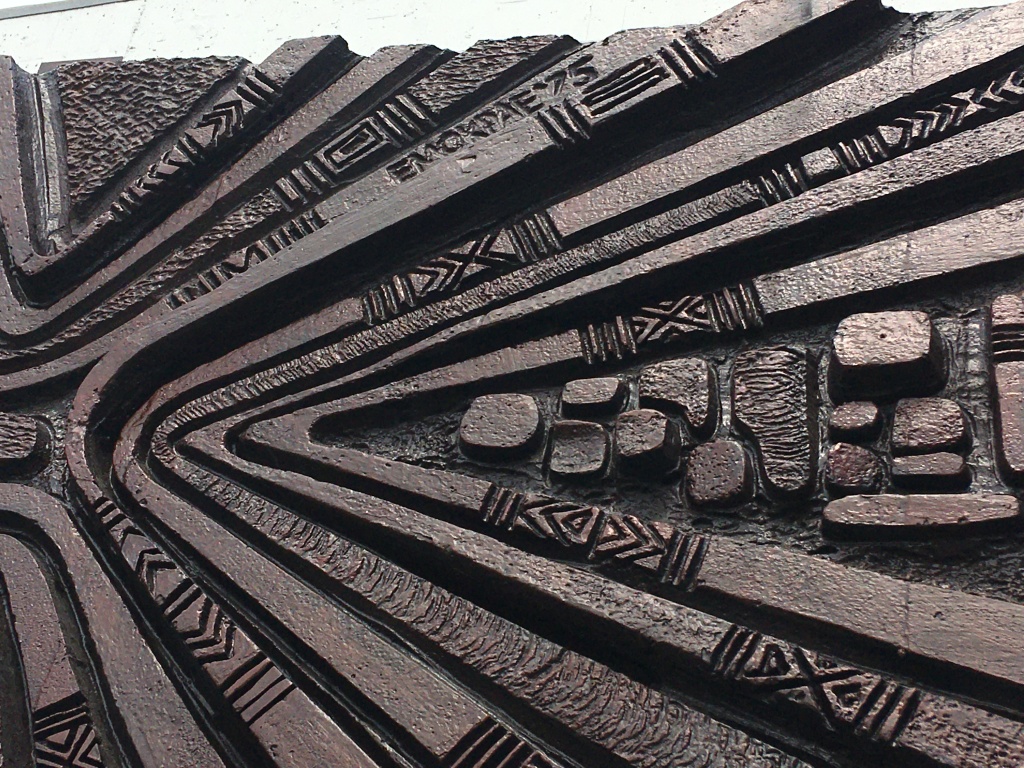
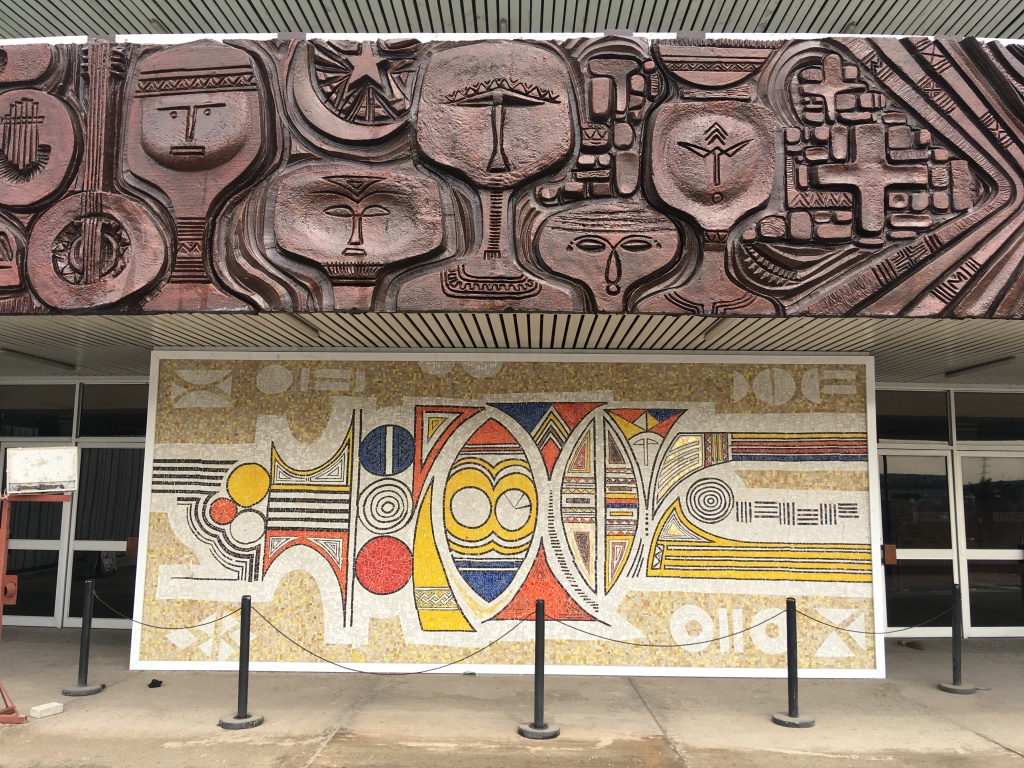
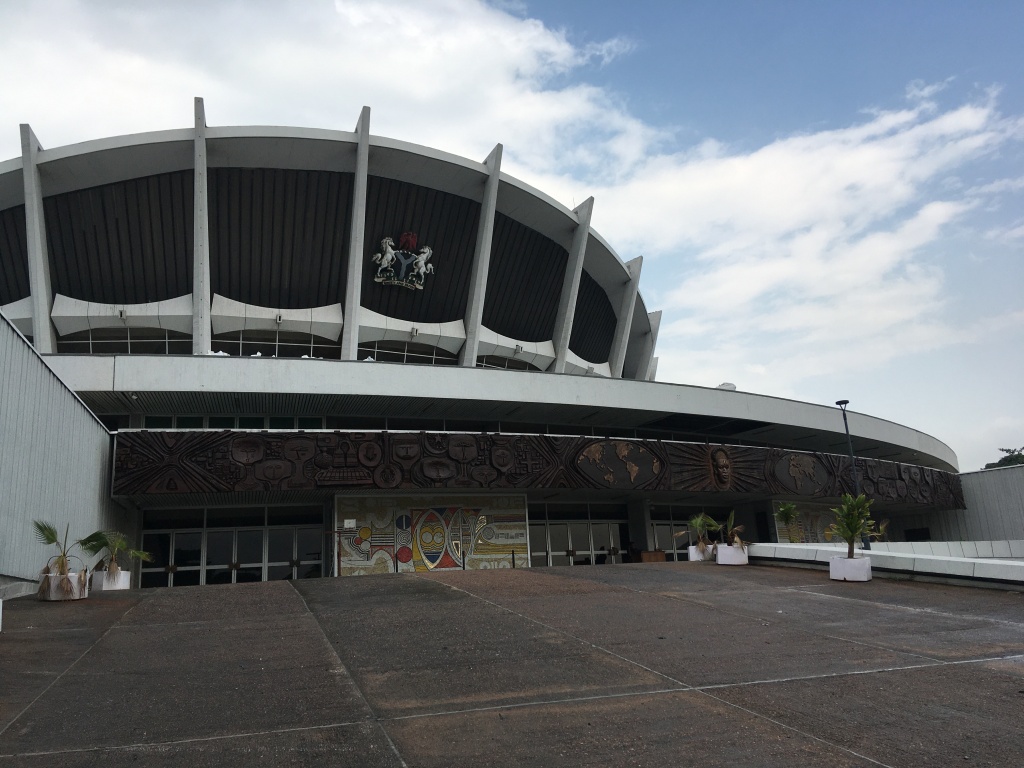
I wanted to know more about Emokpaeโ€™s work and found some fascinating material in the Nigeria Magazines. Emokpae had worked on some major projects in Lagos and Iโ€™ve been eager to view them ever since. At the National Theatre (designed and constructed by the Bulgarian Techno Exporstroy in 1976) Emokpae was commissioned to produce the friezes that wrap around the lower parapet of the theatre as well as a series of mosaic murals at the entrances.

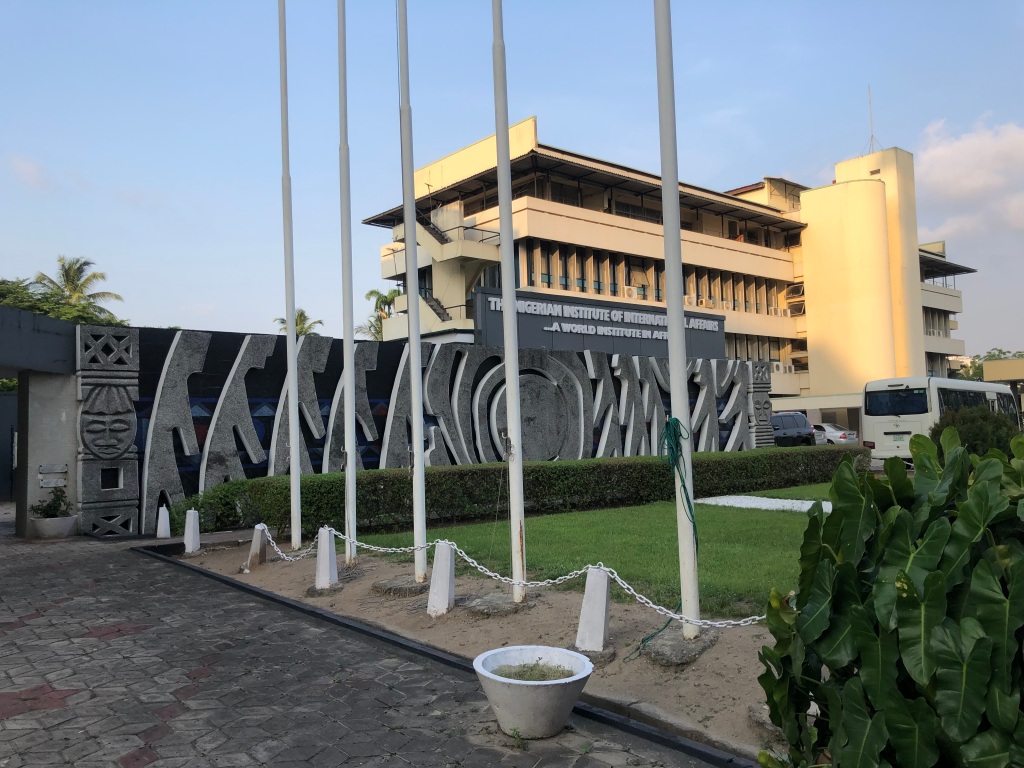
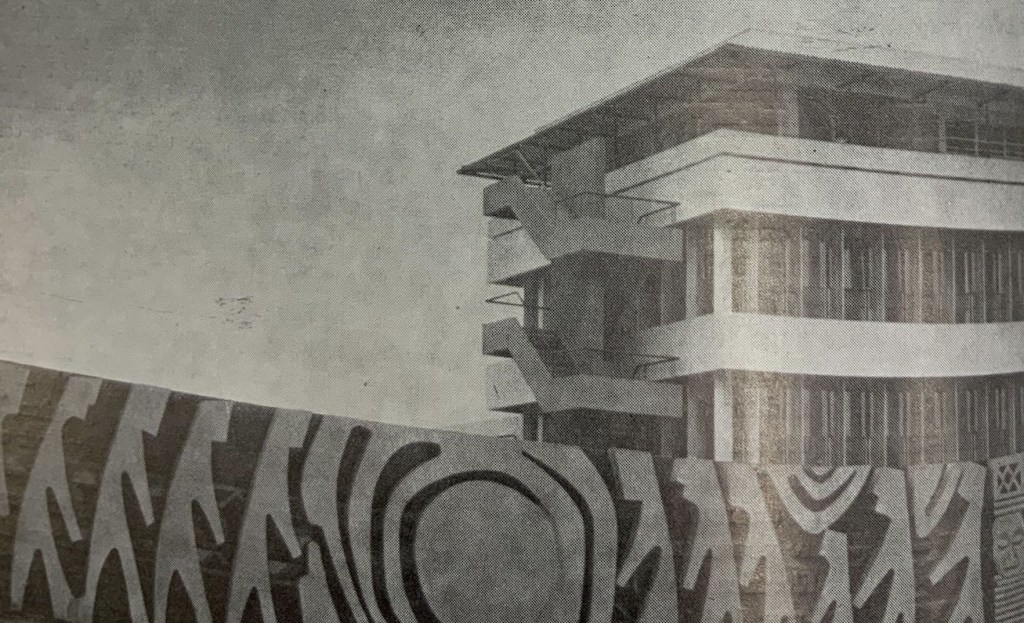
He also won a competition to design a concrete installation at the Nigerian Institute of International Affairs โ€“ a significant building designed by Design Group. Here Emokpaeโ€™s โ€˜The Art of Understandingโ€™ is composed of a large concrete mural with mosaic backing. The project also featured in Nigeria Magazine no.96 1968 with an extended article written by Alan Vaughan-Richards.

Weโ€™ve written a short article on Emokpae too that will feature in the forthcoming https://www.aaschool.ac.uk/publicprogramme/whatson/as-hardly-found-in-the-art-of-tropical-architecture publication in 2024.

The AHUWA-Unilever Sponsored African Archives Collaborative Research Project 

Two days were spent on Merseyside at the Unilever Archive and then at the University of Liverpool with senior research historian colleagues from the Universities of Ghana and Lagos in Western Africa. Professor Sam Ntewusu, head of the Institute of African Studies at the University of Ghana, and Professor Ayo Olukoju, of the Institute of African and Diaspora Studies at the University of Lagos.

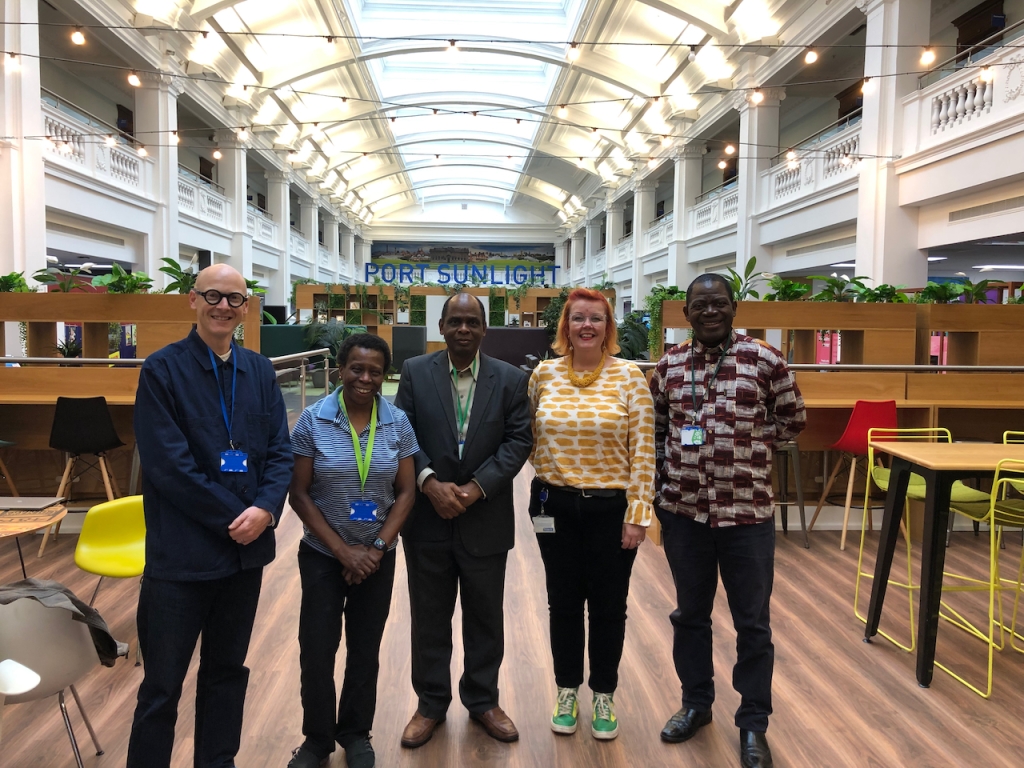
Iain Jackson, Ola Uduku, Ayo Olukoju, Claire Tunstall, Sam Ntewusu at Unilever, Port Sunlight

The objective of the visit was to visit and introduce Profs Olukoju and Ntewusu to the Unilever archive collection at Port Sunlight, particularly its subsidiary the United Africa Companyโ€™ (UAC)โ€™s extensive holdings on Western Africa covering its various business interests in the region. The symposium which took place the next day involved presentations by Profs Olukoju and Ntewusu on the state of archives and archival research in West Africa, which was attended by Merseyside researchers and PhD students.

ย 

Professors Olukoju and Ntewusu at Unilever, Port Sunlight with bust of William Lever

The two-day visit also enabled discussions to be had about future collaborations at various levels, research, knowledge exchange capacity building at Masters degree level, and forms of impact for institutions in Western Africa and also the the UK and NW England in particular. Our thanks to all who contributed to the symposium. Particularly Claire Tunstall, and her team at the Unilever Archives, Dr Abraham Ngโ€™anโ€™ga of the Andrew Walls Centre, Liverpool Hope University, Alex Buchanan, Archival Studies, University of Liverpool History Department, Suzie Goligher, Afrograph Ltd, and all other individual and institutional contributors to the symposium.ย 

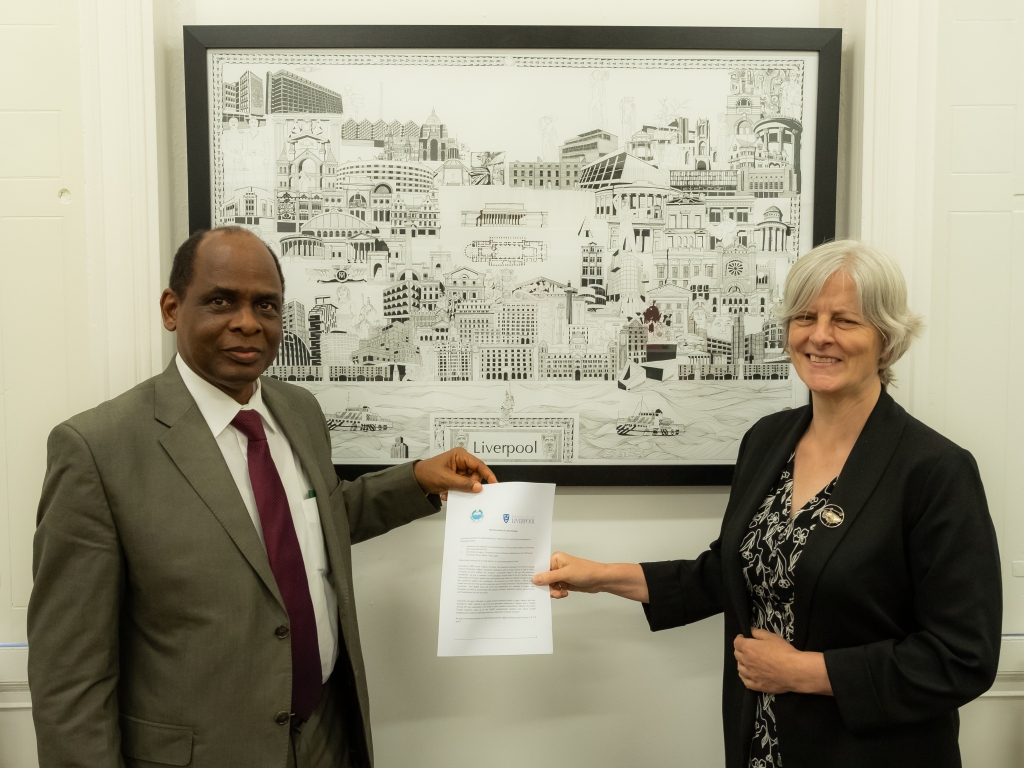
MoU signed by the University of Liverpoolโ€™s APVC for the Faculty of Humanities Professor Fiona Beveridge, and received by Professor Olukoju, on behalf of the University of Lagos

The visit also coincided with the finalised signing off of the Memorandum of Understanding which has now been established between the University of Liverpool and the University of Lagos. The formal MoU, was signed by the University of Liverpoolโ€™s APVC for the Faculty of Humanities Professor Fiona Beveridge, and received by Professor Olukoju, on behalf of the University of Lagos

Ola Uduku

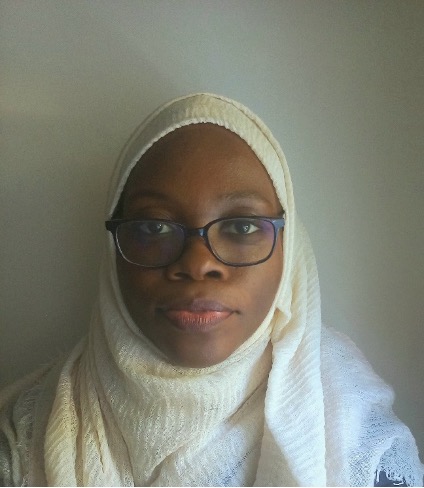
Name: Adefolatomiwa Toye

PhD Research Title and Summary: Development and National Identity: Tropical Modernism in Post-Independence Nigerian Universities 

The aftermath of the Second World War brought a shift in the policies of the British Empire towards the infrastructural development of colonies in West Africa. Massive projects ranging from transportation to healthcare and including education went underway in Nigeria, the largest colony in West Africa. Various commissions from the 1940s and nationalist agitations eventually led to the establishment of the first university in West Africa in 1947- the University of Ibadan, Nigeria. Colonial architects such as Maxwell Fry and Jane Drew, who specialised in modernist designs for the tropics, were hired for this and other major projects. 

Ibadan University

With the countryโ€™s independence from colonial rule in the foresights in the late 1950โ€™s, a new desire for a unified national identity arose. This aimed to erase dividing ethnic lines and create a collective identity in the culturally heterogeneous new nation. Infrastructural projects were commissioned, ranging from public buildings to higher education institutions. These projects designed and built following the tropical modernist architecture of the colonial were used in developing a new built environment for Nigeria. I am interested in examining the tropical modernist architecture of Nigerian higher education projects in the 1960s and their role in the countryโ€™s development and representing the national identity for the newly independent Nigeria.

Ibadan University

Aims and Objectives:

-examine the position of higher education projects in creating a new sense of identity and nation building

-explore the first universities established in post-independent Nigeria within the social and political context of the 1960s

-highlight the roles of Nigerian actors who championed, designed, and built higher education projects

-compare tropical modernist style of higher educational buildings before independence and post-independence

What did you do before the PhD Research?

I recently completed my masterโ€™s degree in Environmental Design at the University of Lagos, Nigeria where I also obtained my undergraduate degree in Architecture. I also worked part-time at A3: Archives of African Architecture, an organization based in Lagos that documents architecture of practices in the country and promotes documentation of endangered built environments in Africa.

Why did you pursue a PhD, and what made you choose the University of Liverpool?

I first made a choice to purse a PhD in the third year of my undergraduate degree. Research satisfied my curiosity and I found it interesting and fulfilling to investigate the unknown and/or under researched areas in architecture (that I could relate to) and share it to the public. I think I also had enough time to weigh the pros and cons and honestly question my reasons and be certain for my interest in undertaking a PhD.

I chose the University of Liverpool for a few reasons. The research area was of great interest to me. I was surrounded by tropical architecture in the University of Lagos and studied some of the buildings only as case studies for studio projects. It was exciting to do a PhD on this topic that didnโ€™t study these buildings in isolation but within the wider context of the period they were designed and built. 

The programme also provided me with the opportunity to gain experience outside academia at the National Archives in London which caught my interest. I was also confident in the calibre of my supervisors and the wealth of experience they had in their fields. It also helped that Liverpool is a coastal city with beaches and waterfront views just like Lagos.

What have you found the most fun part of the PhD, and the most challenging?

I am at the beginning of my PhD, and I find learning more about my research area interesting. There is something new to learn everyday and that alone excites me. 

I think the most challenging part for me is managing the scale of my research. It is still a new experience and managing my project myself is still very unfamiliar. 

Post-PhD? Any ideas of what youโ€™d like to do next?

I do not yet have a clear path post-PhD but I am sure my programme will enable me try new opportunities within and outside academia. I think this will help me make a more informed choice.

Any advice for others interested in doing a PhD?

It is particularly important to like what you want to research. When it becomes challenging, it helps to know that you are working on something that you chose and genuinely enjoy. 

You also donโ€™t have to be very excellent in research, although experience in research helps. A PhD is a learning process, and it gets better.

In the UAC archive amongst the Public Relations files is ‘Nigeria Magazine‘. From within the mat brown cardboard of the archive box springs a collection of beautifully designed and printed set of publications. The magazine was a Government sponsored venture, published by the Cultural Division of the Ministry of Information in Lagos. It was issued quarterly from around 1937 until the mid-1980s “for everyone interested in the country and its peoples”. The focus of the editorial was varied and wide ranging, covering topics across the arts, history, architecture, literature, and culture in Nigeria. There was a strong commitment and celebration of ‘local’ art, as well as extensive articles on planning, housing, and architecture from across the ages. The contributing authors were often experts and highly regarded scholars. Ulli Beier was a frequent writer, and the quality and tone of the editorial was consciously accomplished, supplemented by some striking images and high quality graphics.

Covers of Nigeria Magazine from the 1960s, held in UAC archive

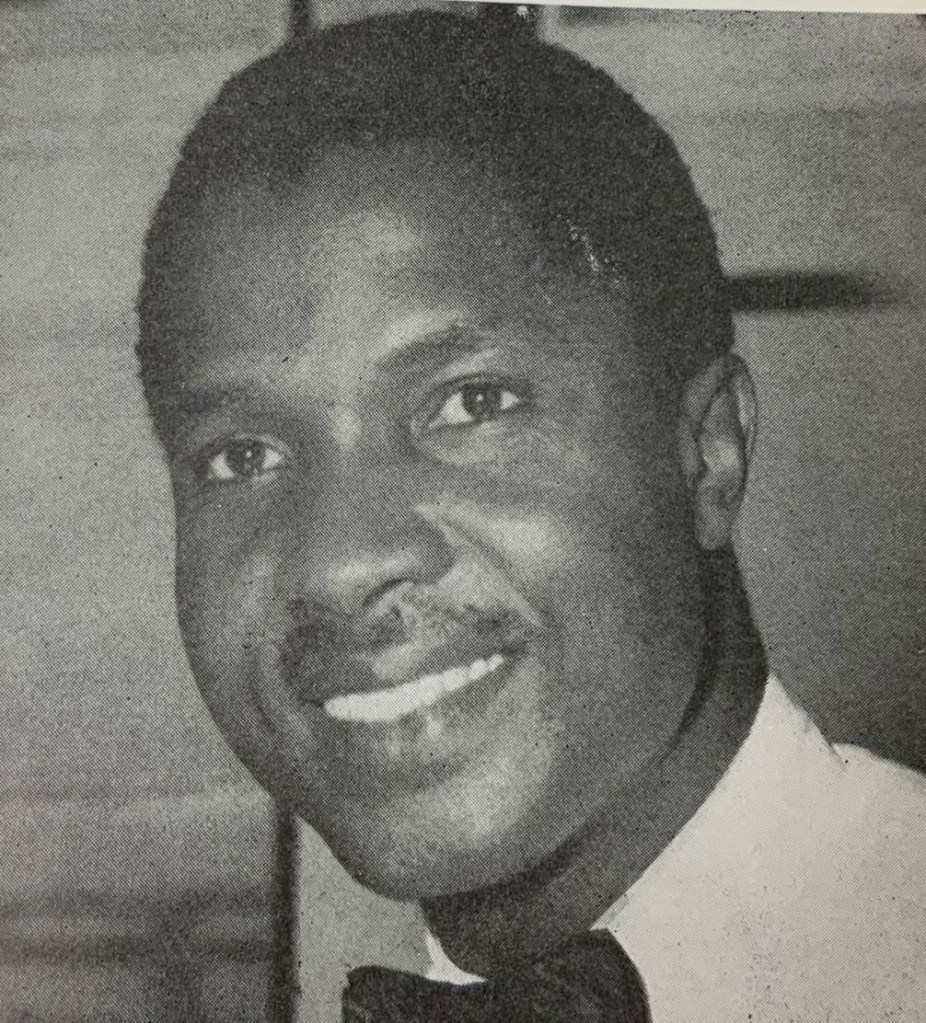
Articles were published on the history of cities, including “Ibadan, Black Metropolis” in 1961, relishing in the city’s longevity and traditions, as well as welcoming its position as a new centre for finance and media (see Design Group’s Finance building below). Other sections included biographies on key personalities, such as June 1966 with its feature on architect Alex Ifeanyichikwu Ekwueme (1932-2017).

Ekwueme studied at Washington University on a Fullbright Scholarship in 1952, and went onto to work at Nickson and Partners in London (is this Nickson and Boris?) before setting up a firm in Nigeria that grew to 16 offices. He designed the United Christian College at Apapa, Universal Insurance Building Enugu, and the Administration Building for the Nigerian Petroleum Refinery Company, amongst others. Ekwueme’s architectural career ended when he was elected Vice-President of Nigeria in 1979.

Architect and Vice-President of Nigeria, Alex Ifeanyichikwu Ekwueme (1932-2017), from Nigeria Magazine, June 1966.

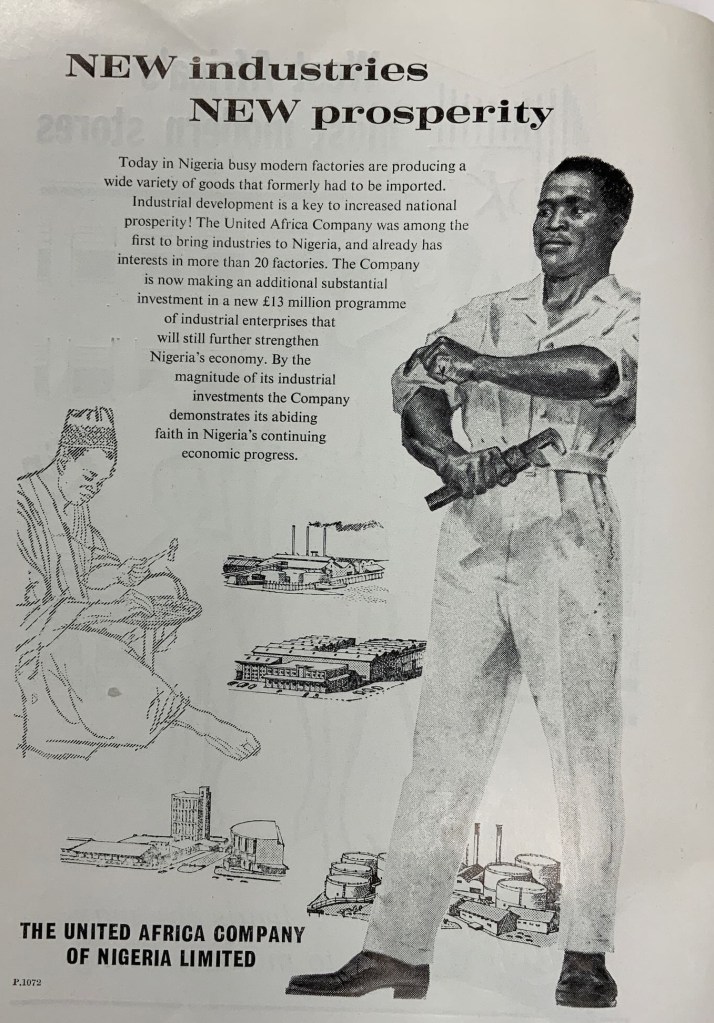
Whilst there was a lofty desire to promote local art, culture, and history, other articles appear to focus on trade and industry, presenting what are effectively op-eds or public relations pieces as historical accounts. In 1960 there was a special report on The Niger River Transport Company and Burutu, “Nigeria’s Timber Industry” featured in December 1962, focusing on the work and settlements of the African Timber and Plywood company – both subsidiary companies of of United Africa Company (UAC). Again, the Company features in various other articles, such as “The UAC in Nigeria’s economic growth” in December 1965. It’s a thorough and detailed account, going to some length to stress how the company is ‘inseparable’ from Nigeria’s economic growth. The article was also eager to stress the restructuring of the company and how it now operated as a series of smaller locally managed entities ‘to encourage the growth of industry and trade in local Nigerian hands’.

It seems that the magazine had a mandate beyond art and culture, and sought to shape opinion (particularly in the emerging and educated middle classes) on business and trade matters. The seductive and authoritative format of the journal gave these opinions validity, and allowed a particular and curated message to be carefully presented. The advertisements within the journal also reinforced these messages and narratives of progress through industry.

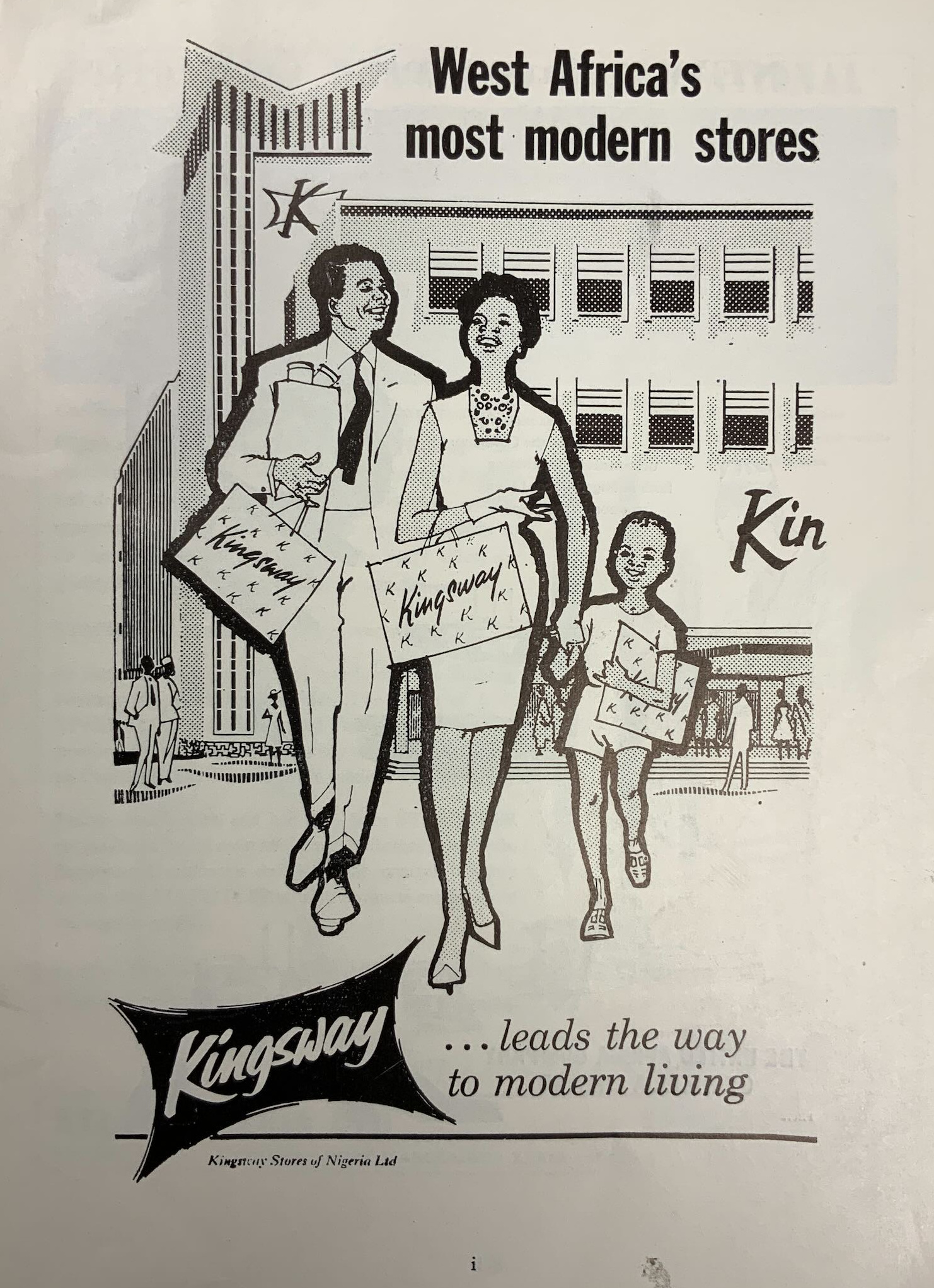
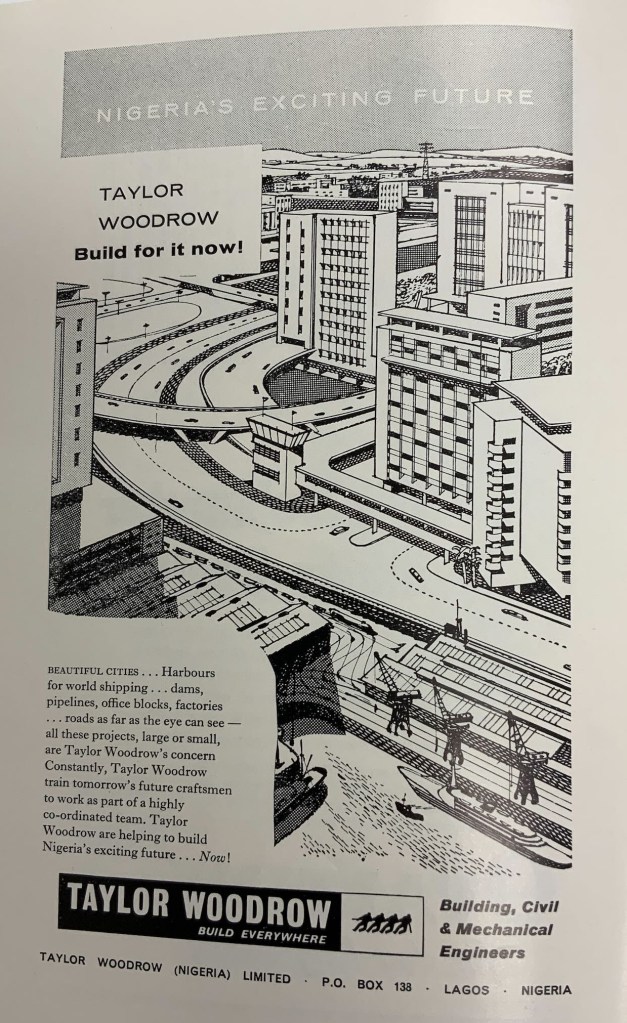
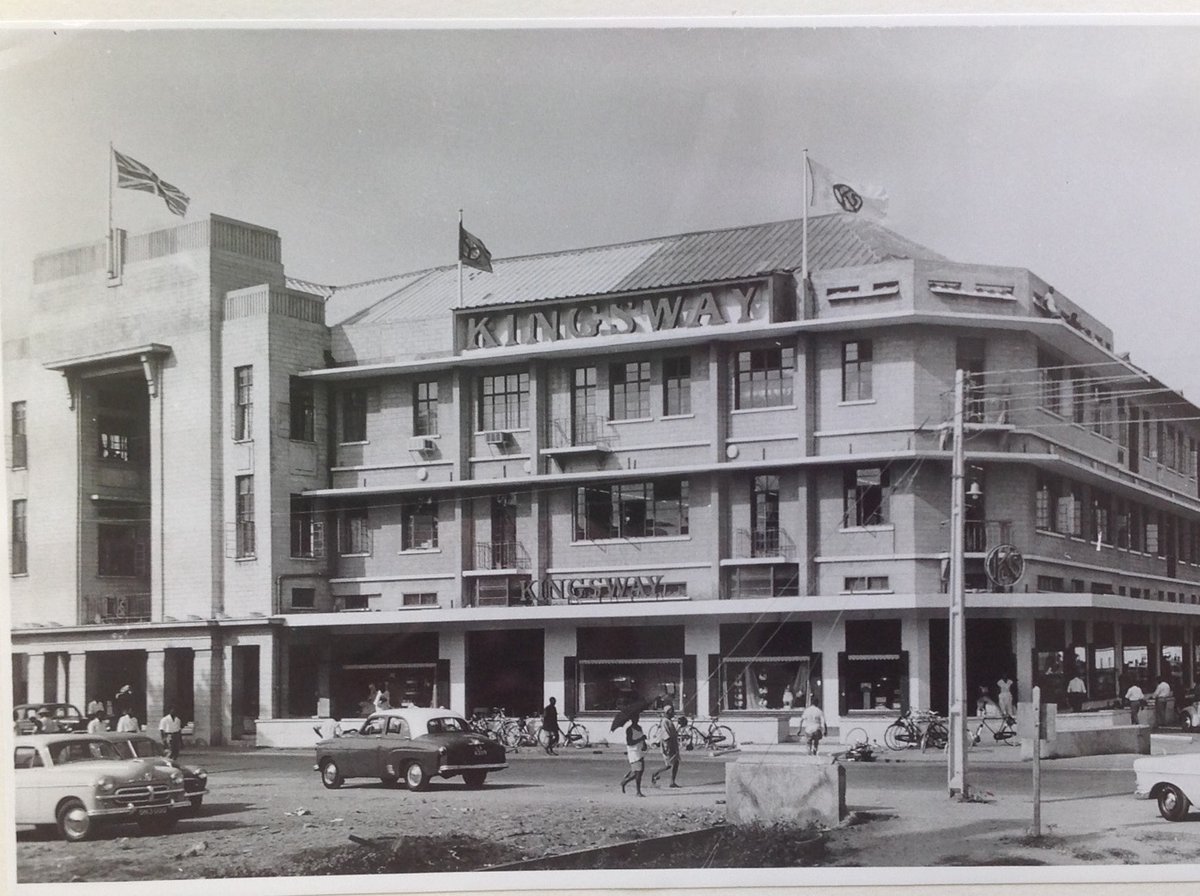
At the same time, ‘traditional’ and ‘local’ practices were celebrated and discussed. There is something disarming in this technique. An ahistorical image was usually shown on the front cover, often a decontextualised figure in traditional dress sometimes playing an instrument – followed on the inner leaf by an advertisement for the latest fashions from Kingsway department store. The advertisers tended to belong to, or were in partnership with, the UAC group (e.g. Taylor Woodrow, Guinness, Kingsway Stores), and it seems likely their extensive patronage held some sway over the editorial content. The adverts were not geared towards selling specific products, but were there simply to bolster public opinion and shift attitudes towards modernity, progress, and societal advancement alongside a romanticised nationalist sense of history and culture.

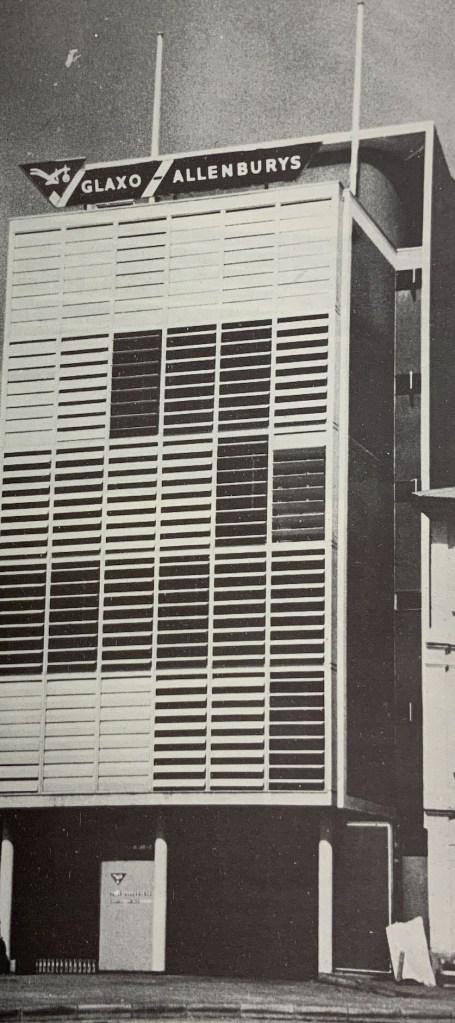
The articles on architecture were also propagandist and concerned with presenting Nigeria as a place of rapid progress and impatient ambition. Again, the UAC story is followed with interest, and their newly proposed offices in Lagos (by Watkins and Gray) demonstrates the Company’s commitment to ongoing business in the newly independent country, and also the shift in its focus from import/export to real estate and property development.

Artist impression of the UAC’s Niger House in Lagos. Designed by Watkins Gray and Partners.

John Godwin, wrote an article entitled, “Architecture in Nigeria” in December 1966. It’s a potted history that starts with the regional building types, local materials, and climatic responses before moving onto the impact of corrugated iron sheeting (pan) and its limitations. Godwin sets out this story to demonstrate the sudden change in scale, building types, and growth of the construction industry in West Africa post-1945,

“Tower cranes were on the scene in 1955 and by 1961 two twenty-five-storey buildings had been completed in Ibadan and Lagos built by Italian firms who thirty years earlier were struggling with their labour force to build small houses”

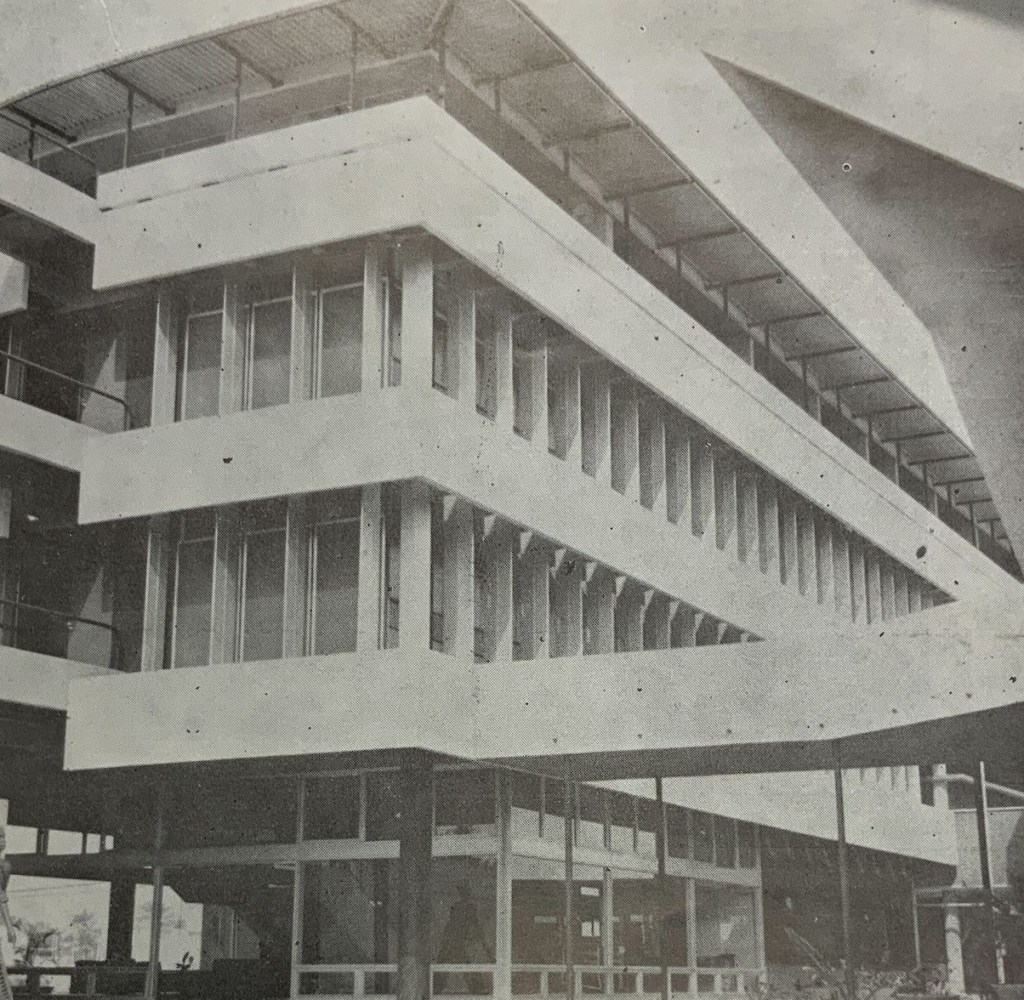
Whilst acknowledging this rapid growth and exciting possibilities, he also goes on to caution that more ‘research’ is required, greater collaboration should exist between architects, and that building components and materials were still being imported at prohibitive costs. Overly extravagant “prestige building” was also targeted whilst low-cost housing problems remained unresolved. Whilst the claims and hopes for air-conditioning now seem somewhat out-dated, his desire for a civic pride and community spirit, tree planting, and care of the environment is pertinent and all the more urgent. Godwin’s approach was to propose an “architecture of ventilators and sun breakers”, a lexicon that he viewed as, “increasingly identifiable as West African.”

Offices and Flats in Kaduna, designed by Godwin and Hopwood, 1964

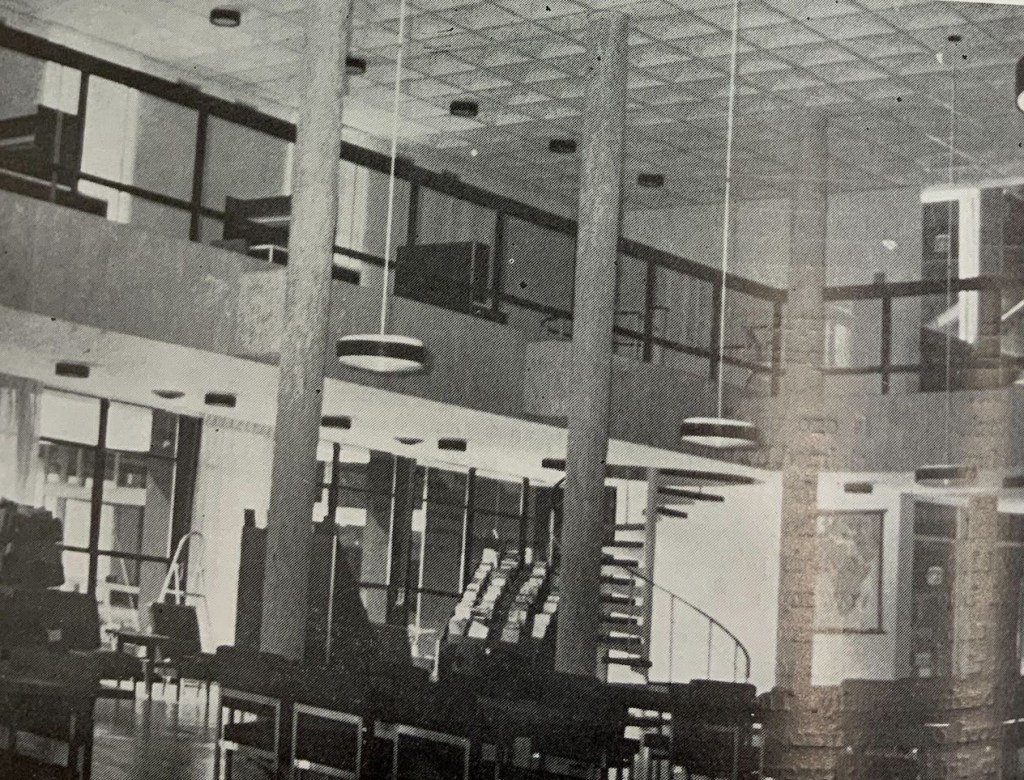
Contributing to this West African style was the Design Group’s “Nigerian Institute of International Affairs” (located on Lagos’s Kofo Abayomi Street). It was discussed at length by Alan Vaughan-Richards in the March/May 1968 edition of the magazine, where he particularly admired the sculptural mural, ‘The Art of Understanding” by Erhabor Emokpae in tooled concrete that revealed the granite aggregate. Inside the Institute are further sculptural elements, including a bronze figure representing Knowledge by Ben Enwonwu and positioned hovering above an evaporation pool. The interior includes some grand double-height spaces, dramatic cantilevered spiral staircases and travertine marble cladding (donated by the Italian contractor). At the rear of the plot there is an octagonal conference room with a dramatic star-shaped roof (still visible on Google maps).

The Institute was to promote peace and progress (the internal conflict taking place in Nigeria at that time was not mentioned), and was to operate as a centre for learning, research, and debate on global affairs.

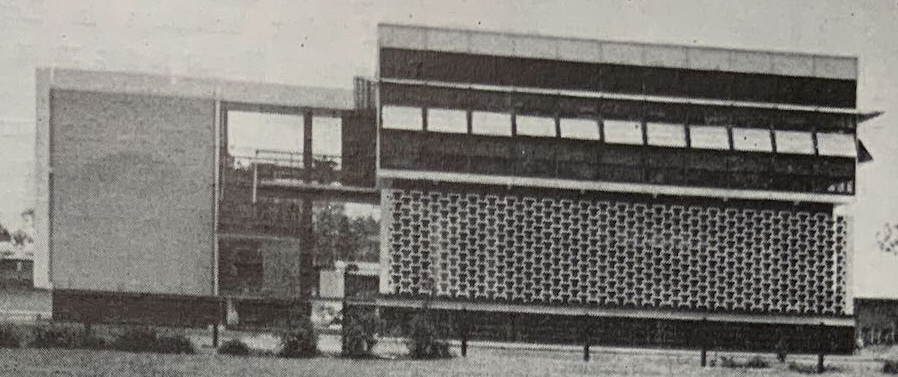
June 1962 edition included an article on “Contemporary Nigerian Architecture” by D. J. Vickery, the former Head of Department at Singapore Polytechnic (did he then go on to work in Nigeria?). This is an exceptional article covering some of the latest construction in Nigeria, and Lagos in particular. As a gazetteer of the latest building work – including the work from recently qualified Nigerian architects – it formed one of the most detailed architectural surveys of the country. Although the crude categorisation of the works under three types; ‘Climate’, ‘Traditional Spirit’, and ‘Skyline’ is somewhat limited, it gets the message across, and more importantly illustrates what the Independence Boom meant to the towns and cities across Nigeria.

In addition to the speculative offices, headquarters and banking halls there was an impressive array of schools and libraries (many designed by James Cubitt who had also designed similar works in Sekondi and Koforidua, Ghana), but the focus here was undoubtedly on real estate and speculative construction.

Nigeria magazine illustrates how UAC and other global companies shifted their approach and emphasis during the early Independence period. UAC was presenting its suite of businesses as nationalist, pro-development, and key partners in the country’s future. They rapidly placed an emphasis on real estate, finance, and industrial development, whilst curating a sophisticated advertisement and public relations campaign, through an arts and culture journal, to bolster their local credentials and legitimacy in the history of Nigeria.

We’ve been making good progress on our latest research on the UAC architecture. Here’s a quick selection of material from our recent twitter feeds. Next week we’ll be joined by Dr. Michele Tenzon which will finally bring the entire research team together in one place. You can expect to see some of Michele’s maps and visual representations of the UAC activity here very soon.

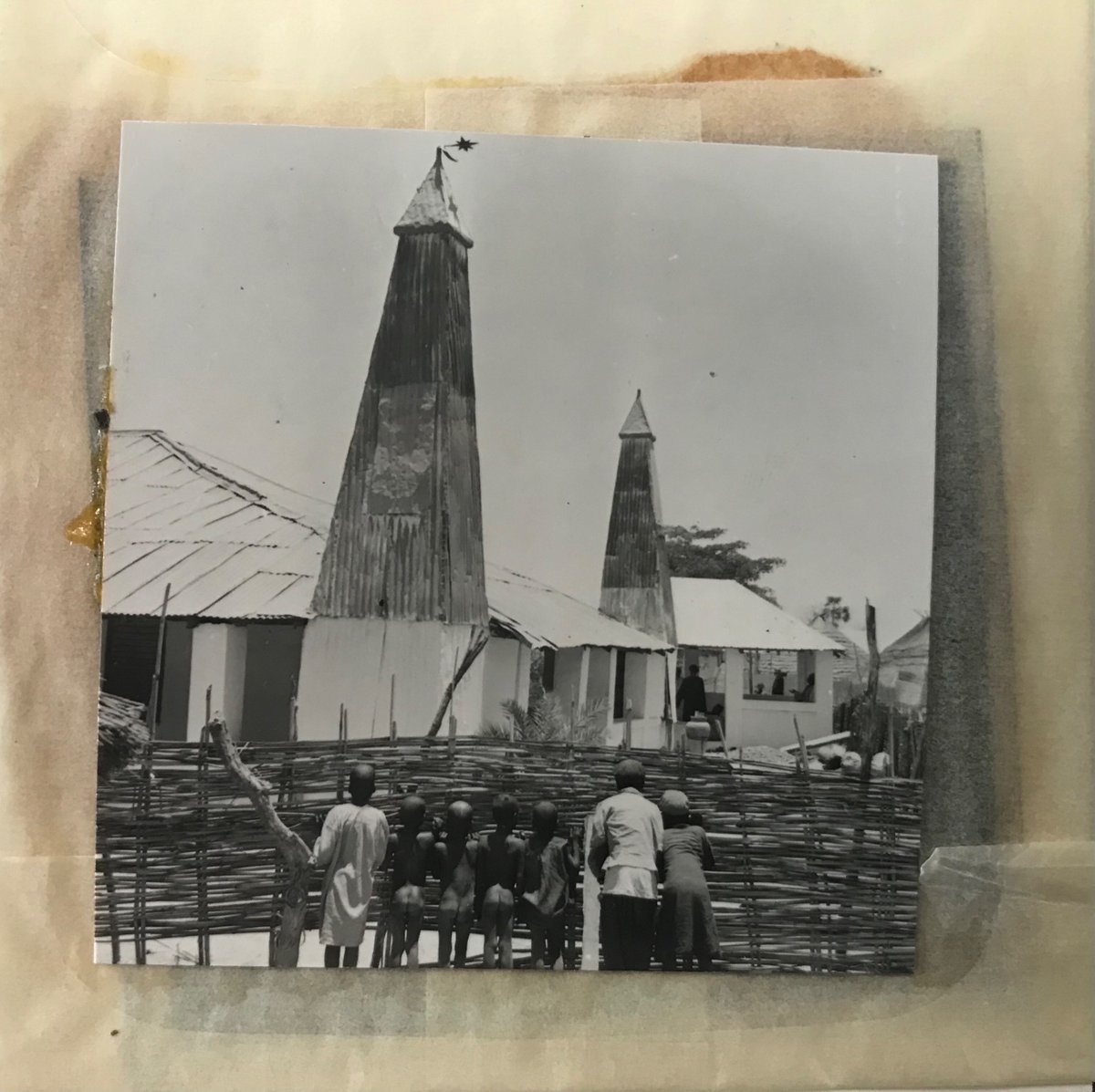
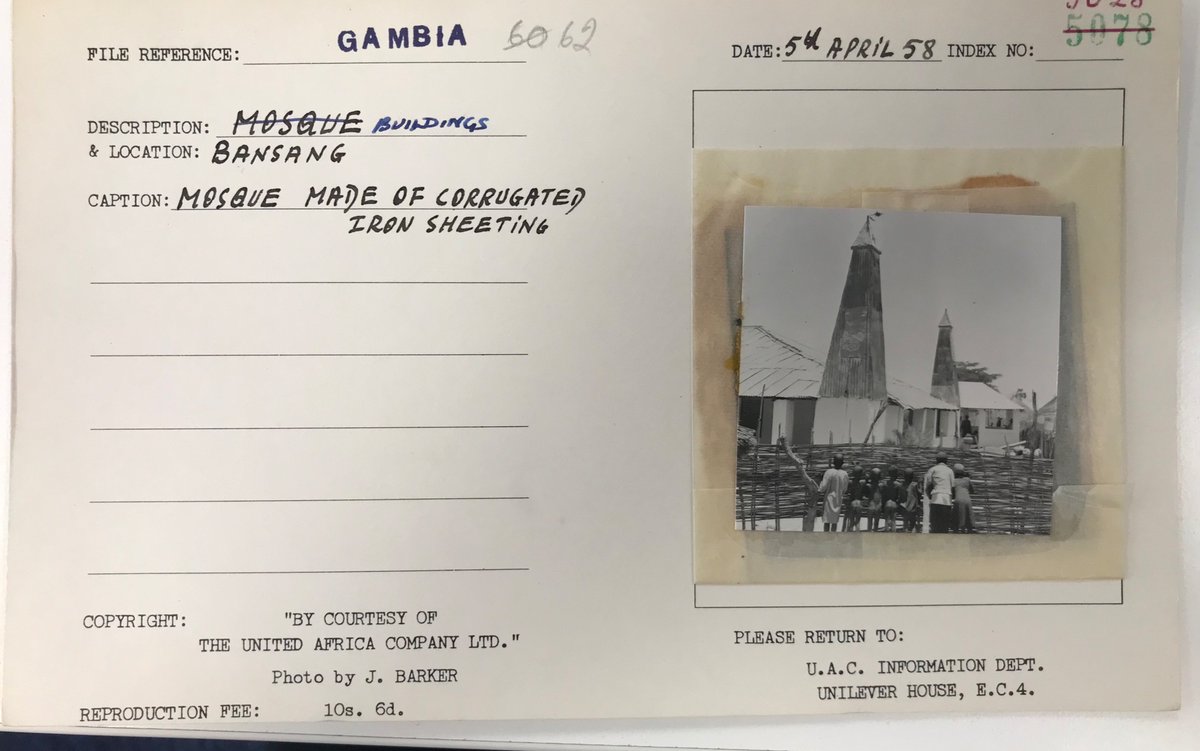
Corrugated iron mosque, Bansang Gambia. C1958.

From a collection of photographs taken by the United Africa Company @LivUniArch @iaindjackson @RixtWoudstra

Originally tweeted by Ewan Harrison (@EwanMHarrison) on September 22, 2021.

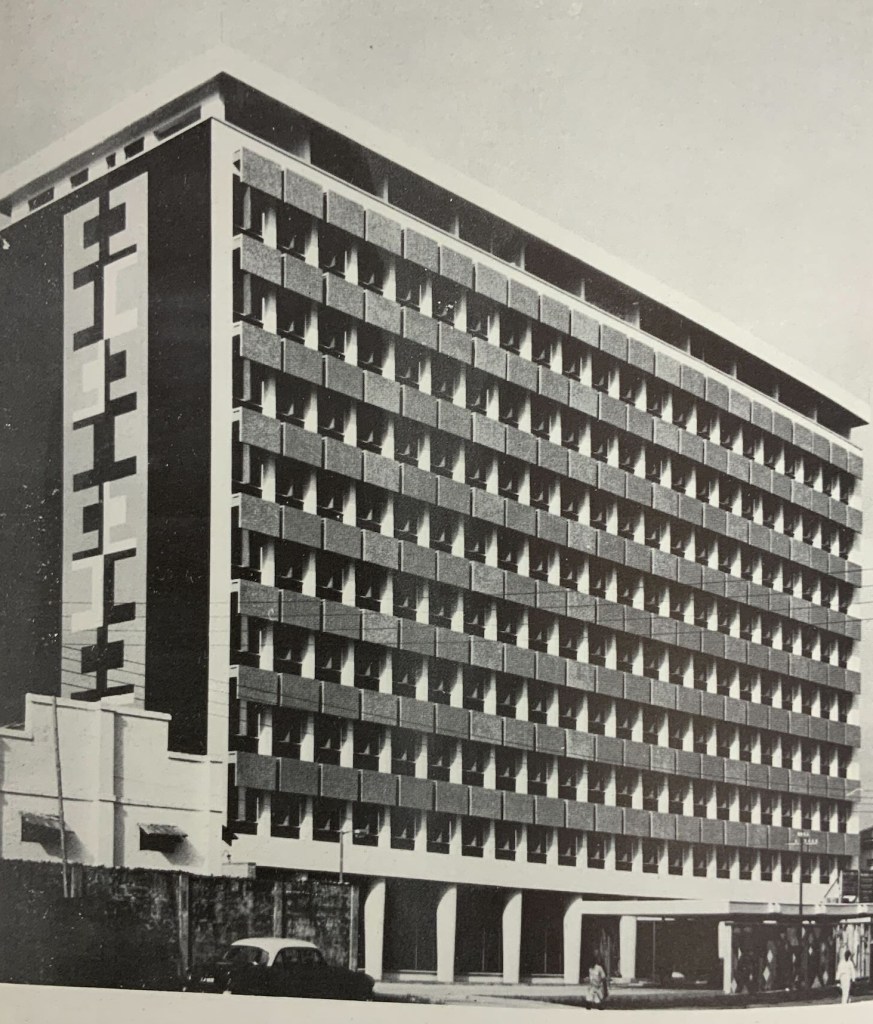
It’s a major design departure from the old Kingsway on Lagos Marina. Any ideas who designed this building? #UacArchive #Lagos #Kingsway

Originally tweeted by iainjackson (@iaindjackson) on September 30, 2021.

Crucibles, Vectors, Catalysts: Envisioning the Modern City

Hosted online across two days in March 2021, the Hyundai Tate Research Centre: Transnational and Liverpool School of Architectureโ€™s โ€œCrucibles, Vectors, Catalysts: Envisioning the Modern Cityโ€ seminar investigated 20thย century identities for postcolonial and post-independence cityscapes in Africa, South Asia and the Middle East.

Convened by Iain Jackson, Professor at the Liverpool School of Architecture, Clara Kim, the Daskalopoulos Senior Curator for International Art at Tate Modern and Nabila Abdel Nabi, Curator for International Art at Tate Modern; the seminar explored stories from these โ€˜highly charged moment[s] in the history of city making or shapingโ€™.[1]

The seminar specifically positions cities as incubators for the generation of national identity and for โ€˜Modernityโ€™. However, were individual cities sufficient for such grand objectives, or were they more isolated and fragmented sites for local, yet innovative gestures? Presenters demonstrated examples where both centralised urban contexts (including major urban planning initiatives and more piecemeal developments) and wider networks proved valuable in creating or indeed reasserting national and regional identities.

The destructive process of creating mid-century urban environments defined many global contexts. Whether in response to the need for new national identities in postcolonial contexts, reconstruction and housing following the devastating effects of war and a baby boom or strategies to address perceived โ€˜blightโ€™ and urban flight, urban renewal, with its top-down, Bauhausian, car-focused, and federally funded backbone epitomised Modernity.

Some cities benefitted from a relatively early reconsideration of the blank slate approach to city planning. Lukasz Stanek described how Miastoprojekt, a Krakow-based state planning office of designers envisioned the future of post-revolutionary Baghdad through their experiences with reconstructing historic Warsaw after the Second World War.[2]

Using architectural and design services as a politically and financially motivated form of state aid during the Cold War, the Miastoprojekt plans rejected key aspects of Baghdadโ€™s first modern city plan, including the demolition of the cityโ€™s Ottoman era historic and vernacular architecture, and tripling the size of the city at a local level without consideration for expansion through regional developments.[3]

Miastroprojektโ€™s legacy continued beyond the Baghdad planning commissions through design work and education with Polish and Czechoslovakian architects teaching Polish perspectives of Modernism in Iraqi universities. By the 1990s, with the fall of communism, Polish designers reversed Miastroprojektโ€™s strategy and were thinking Warsaw through Baghdad to revitalise their cities.

Big plans were not constrained to single urban environments. Fahran Karimโ€™s โ€˜archaeology of the futureโ€™ presentation explored the role of a foreign designer in creating Pakistani nationalism; Greek architect and planner Constantinos Doxiaidis. Karim asks, โ€œHow do you represent a country without a past. Fractured geographically into East and West wingsโ€ฆ 1000 miles of India between it?โ€[4]

Doxiaidis preferred stark Modernism, justified through statistical analysis and designed without classical Islamic aesthetic details. He utilised plan forms, practical details and building types that he believed (or presented) to be essentially Islamic.[5] Doxiaidis planned refugee settlements and Islamabad to include โ€™gossip squaresโ€™, souks, Dochala huts and central mosques.

Despite conducting ethnographic fieldwork and survey (aerial photography), Doxiaidis imported his understanding of Islamic community planning and architecture from his research in the middle east and projected the needs and traditions of widely dispersed refugees on narrow local contexts. Unsurprisingly, the communities adapted or removed many of Doxiaidisโ€™ design features or simply did not use the spaces created for them, preferring to adapt their homes or build vernacular sites suited to their cultural preferences instead. While in practice, many of these adaptations and rejections were practical, Doxiadisโ€™ technical expertise and foreign perspective failed to deliver built environments that suited and sustained the needs and preferences of Pakistanโ€™s new citizens.[6]

Considering what was happening between East and West Pakistan, Ram Rahman shared a richly illustrated and personal view of the cultural and political context for his father Habib Rahmanโ€™s contributions to the โ€˜Nehruvian post-independence renaissance of Delhi.โ€™

Habib Rahman, a young MIT-trained Bauhausian architect, was recruited by Nehru to work in Delhi, where he organised an international low-cost housing exhibition in 1954, including plans and a model for his own design for low-cost housing. Rahmanโ€™s house design was reproduced across India 100,000โ€™s of times to address a critical housing shortage.

Rahman was a prolific designer and his work, including the World Health Organisation headquarters building of 1963 (demolished) and later designs for three monumental tombs epitomised Indian modernity.

Professional training and architectural education were key vectors for transnational exchange and development in postcolonial contexts. However, as Patrick Zamarian described in his presentation, the development of the Department of Tropical Architecture (DTA) at the Architectural Association (AA) in London was related as much to the independent administrative structure of the AA and its struggling economic position in the 1950โ€™s as it was to meeting the challenges of Modern design in foreign contexts.

Zamarian recognised the problematic and homogenizing term โ€˜Tropical Architectureโ€™ and then described the global networks of designers, patrons and educators who delivered training for a generation of British and international students, with a curriculum based on technological solutions for climatic design and a Modern design aesthetic that disregarded local aesthetic and cultural traditions.[7]

When the department visited Ghana, โ€œthese ideas for Tropical Architecture fell apart. [The curriculum] shifted from a generic science-based approach to a local and sensitive one, focused increasingly on housing, planning and eventually sustainable development.โ€[8]

Ola Udukuโ€™s exploration of Modernist Lagos focused on the cumulative impacts of the DTA trained architects, engineers and Italian contractors who contributed to the rapid development of the marina district for independent Nigeriaโ€™s first capital city.[9] Although Lagos benefitted from major infrastructure improvements, the architecture described in Udukuโ€™s presentation was piecemeal and demonstrated the evolution and intensification of development for the district from colonial centre to financial district.

Examples include Maxwell Fry and Jane Drewโ€™s Co-operative Bank Lagos (1959) and the Architects Co-Partnershipโ€™s Bristol Hotel.[10] A Lagos building that encapsulated the international design collaborations for the time is the James Cubbitt and Partnersโ€™ Elder Dempster Lines building (1961), which introduced sleek modern lines, natural cross-ventilation, engineering innovations (pile foundations) contributed by Ove Arup and a distinctive funnel-shaped top structure alongside a notable collection of Nigerian artworks in the lobby. Nigerian designs for the time include Oluwole Olumuyiwaโ€™s Crusader House (1955) and elegant villas outside Lagos by Obi Obembe Associates.

In other contexts, a national approach to recreating identity was accomplished through the redevelopment of pilgrimage networks and tourist destinations, including hotels and museums.

Talinn Grigor introduced the Society for National Heritage (SNH) and the role of the Shahโ€™r in asserting the hegemony of the ruling class and Iranian elite (and recreating national identity) through the demolition and reconstruction of over 40 historic mausoleums to encourage secular and cultural tourism.[11] Examples include the mausoleums of Ferdawsi (1934) in Tus and Hafiz (1938) in Shiraz. Grigor argues that these new Modern mausoleums were integral to the creation of an aspirational middle-class culture in Iran, becoming a network for national tourism that remains today.

The Shahโ€™r and the tremendous wealth generated by the Iranian oil industry funded the design and construction of avant-garde Modern environments and later more traditionally inspired art and architectural contexts, culminating in the uniquely Iranian expression of modernism inspired by traditional wind towers for the Tehran Museum of Contemporary Art (Kamran Diba, 1977).[12]

Lahbib el Moumni and Imad Dahmaniโ€™s presentation on post-independence Moroccan architecture included a second example of state-sponsored activities to promote tourism with Modern architecture. This was developed through hotels constructed outside urban centres in the countryโ€™s dramatic landscapes. Examples of exquisite and richly contextual forms from architects Abdeslem Faraoui and Patrice de Mazieres include the Hotel Les Gorges du Dadรจs (1974) and Hotel at Taliouine (1971-72) were shared, both to demonstrate the value of these sites and to explore the challenges of engaging communities with their recent past. [13]

The expressive and contextual Modernism of Morocco was certainly not isolated for post-colonial contexts. Amin Alsadenโ€™s presentation demonstrates how urban renewal programmes in Baghdad in the 1950s created a sense of cultural and heritage loss, which predicated a culturally specific interpretation of Modern art and architecture for the city. He focused particularly on the work of architect Rifat Chadirji who merged globalism and regionalism in his designs.[14]

Alsaden described Rifatโ€™s earliest buildings as somewhat derivative but noted that through the 1960โ€™s his designs evolved to incorporate traditional shapes and plan forms, marrying social needs to social forms, and incorporating the narrow round arch form, in both elevation and plan.

Anna Tostoesโ€™ presentation on the work of Amรขncio (Pancho) Guedes in Mozambican cities clearly demonstrates how the architectโ€™s designs coupled global technical, aesthetic, and cultural movements for the time with traditional and vernacular forms to create unique buildings for Maputo which continue to engage with local communities, including the Saipal Bakery (1954), Smiling Lion Building (1954-55) and the Abreu Santos and Rocha Building (1953-56).[15]

These Guedes landmarks remain relevant to 21st century contexts, but many other postcolonial buildings have been heavily altered or demolished. In my experience as a built heritage professional, architecture of the recent past, whether in postcolonial contexts, Europe, or the Americas is especially vulnerable to inappropriate alterations and loss.

Coupled with the experimental, academic, inefficient and sometimes foreign or dehumanising aspects of mid-century Modern architecture and urban renewal, it can be difficult โ€˜to loveโ€™ and costly to restore for sustainable 21st century purposes. Outside losses from the traumatic impact of military conflict or political maneuvering, it comes as no surprise that the architecture that has sustained and remains relevant to local communities is the architecture that originally engaged with its local context and traditions.

These landmark buildings need champions like Mรฉmoire des Architectes Modernes Marocainโ€™s (MAMMA) and DoCoMoMo to promote their value against ever greater development pressures. โ€œCrucibles, Vectors and Catalystsโ€ moved the discussion forward, but there are clearly collaborative opportunities for research and advocacy to be progressed.

Heather McGrath Alcock is PhD researcher at University of Liverpoolโ€™s School of Architecture studying the global development of planned company towns. Heather returned to academia after twenty years as a built heritage practitioner based in New York City and later London and the Wirral. Heather had the opportunity to work on landmarks of the Modern movement, including the United Nations Headquarters in Manhattan, a thematic survey of mid-century modern houses in New Canaan, Connecticut started by โ€œthe Harvard Fiveโ€, and the former Pan American Building at 200 Park Avenue, Manhattan.

References

Daechsel, Markus. 2011. ‘Seeing like an expert, failing like a state? Interpreting the fate of a satellite town in early post-colonial Pakistan.’ in Marcel Maussen, Veit Bader and Annelies Moors (eds.), Colonial and Post-Colonial Governance of Islam (Amsterdam University Press).

Talinn, Grigor. 2004. ‘Recultivating “Good Taste”: The Early Pahlavi Modernists and Their Society for National Heritage’, Iranian Studies, 37: 17-45.

Uduku, Ola. 2006. ‘Modernist architecture and โ€˜the tropicalโ€™ in West Africa: The tropical architecture movement in West Africa, 1948โ€“1970’, Habitat International, 30: 396-411.


[1] Jackson, Ian. โ€œIntroductory remarks for Crucibles sessionโ€ from โ€œCrucibles, Vectors, Catalysts: Envisioning the Modern Cityโ€. Online. 2nd March 2021.

[2] In his presentation, โ€œRupture, Transition and Continuity in Baghdadโ€™s Master Plans: From Minoprio to Miastoprojektโ€ on 2nd March 2021, Stanek noted that the Iraqi coup which toppled the monarchy in 1958 instigated a new era of collaboration with Eastern European architects and planners; networks established to โ€œcompete with and confront Western European and American hegemony to establish a new independent Iraq through its capital city Baghdad.โ€

[3] Baghdadโ€™s first modern city plan was completed in 1956 by the British architect and town planner Sir Charles Anthony Minoprio, Hugh Spencley and Peter Macfarlane for the countryโ€™s Western aligned Hashemite monarchy.

[4] Karim, Fahran. โ€œArchaeology of the Future: Constantinos Doxiaidis in East and West Pakistanโ€, from Crucibles, Vectors, Catalysts: Envisioning the Modern City seminar, Session 2, Vectors; 2nd March 2021.

[5] Ibid. According to Fahran Karim, Doxiaidisโ€™ patron Ayub Khan โ€œsubscribed to a social theory of development but weakened democracy to validate his authoritarian rule because he felt that the poor, uneducated [masses] couldnโ€™t participate in democracy.โ€ 

[6] According to Markus Daechsel in his 2011 contribution ‘Seeing Like an Expert, Failing Like a State?

Interpreting the Fate of a Satellite Town in Early Post-Colonial Pakistan’, in Colonial and Post-Colonial Governance of Islam, ed. by Marcel Maussen, Veit Bader and Annelies Moors (Amsterdam University Press, 2011), p 159-160, there were many problems associated with the rapid and uneven development of the refugee settlements (lack of basic services (running water, electricity, sewers) and infrastructure (storm sewers), unfinished civil engineering works and the relatively poor refugee communities could not afford rents for the shop spaces, so were not used.

[7] Including Michael Pattrick, Director of the AA in the 1950โ€™s who saw the new department as a way to improve the Associationโ€™s finances and academic standing, to Maxwell Fry who supervised the first few years of the department and then culminating in Otto H. Kรถnigsbergerโ€™s (1908 โ€“ 1999) leadership. From Zamarian, Patrick. โ€œGlobal Perspectives and Private Concerns: The AAโ€™s Department of Tropical Architectureโ€, from Crucibles, Vectors, Catalysts: Envisioning the Modern City. Online. 2nd March 2021. 

[8] Ibid. 

[9] Lagos was the original capital city for independent Nigeria. However, it is now the capital of Lagos State since the Nigerian capital city moved to Abuja in 1991.  

[10] Ola Uduku, ‘Modernist Architecture and โ€˜the Tropicalโ€™ in West Africa: The Tropical Architecture Movement in West Africa, 1948โ€“1970’, Habitat International, 30 (2006), 399.

[11] In ‘Recultivating “Good Taste”: The Early Pahlavi Modernists and Their Society for National Heritage’, Iranian Studies (2004), Talinn Grigor noted that โ€œFor the modernists, therefore, the control over the physical and conceptual “heritage” enabled them to erase the immediate past to construct the “progressive” future. Destruction of building-as-representation [traditional sites of religious pilgrimage] proved central to the construction of the pending utopian future. Architecture was imperative to the success of the [Society for National Heritage] SNH’s modernizing agenda.โ€

[12] The Museum opened months before the revolution started which saw the monarchy overthrown and exiled from the country.

[13] While more ancient histories and built heritage are preserved and underpin 21st century cultural identity in Morocco, the architecture of the mid-twentieth century has been over-looked, inappropriately altered or destroyed. Mรฉmoire des Architectes Modernes Marocain (MAMMA) was created in 2016 by young architects concerned with the loss of these sites. 

[14] Alsaden noted in his 9th March 2021 presentation โ€œSyntheses Across Disciplines: Rifat Chadirji and Art-Architecture Liaisons in Modern Baghdadโ€ for Crucibles, Vectors and Catalysts: Envisioning the Modern City, Chadirji was part of the elite bohemian culture of Baghdad, which included artists and architects who were educated in Europe and America. Against the backdrop of political turmoil, they created a vibrant, creative society that embraced Modernism โ€˜as an act of rebellion against the legacy of British architects who had used Neo-classical designs with orientalist tropesโ€™. 

[15] Tostoes, Ana. โ€œCorrespondences, Transfers and Memory: Maputoโ€™s โ€™Age of Concreteโ€™โ€, from Crucible, Vectors, Catalysts: Envisioning the Modern City seminar, Session 2, Vectors; 2nd March 2021.

Crucibles, Vectors, Catalysts: Envisioning The Modern City 2nd March Part 1

https://www.liverpool.ac.uk/architecture/events/filmarchive/

Here are the recordings from the Crucibles, Vectors, Catalysts: Envisioning The Modern City, event from 2nd and 9th March 2021. Thank you to all of our excellent speakers, and for the interesting questions and discussions.
PROGRAMME: Session 1: Crucibles, 15:00-16:30 (UTC) Building the Modern City: Expressions of Identity, Change and Power, Moderated by Iain Jackson

This panel will explore state-sponsored programmes, planned cities and masterplans in cities such as Lagos, Tehran and Baghdad. It will examine architecture as expressions of nationalism and nationalist political agendas as well as its relationship to big business, corporations and mercantile ventures.

Speakers:
  • Talinn Grigor (University of California, Davis)
    • Building a (Cosmopolitan) Modern Iran
  • Ola Uduku (Manchester School of Architecture)
    • Lagos International Metropolis: A cityโ€™s adventure in tropical architecture as an expression of dynamic modernism and growth in the mid 20th century
  • Lukasz Stanek (University of Manchester)
    • Rupture, Transition and Continuity in Baghdadโ€™s Master Plans: From Minoprio to Miastoprojekt
Session 2: Vectors, 17:00-18:30 (UTC) Connecting the Modern City: Networks, Alliances and Knowledge Production; Moderated by Clara Kim

This panel will explore the practice of modern architecture through colonial-postcolonial networks and geopolitical alliances. It will explore cities in Mozambique within the context of other Lusophone countries, post-Partition East & West Pakistan, as well as the dissemination of knowledge and technical expertise through pedagogy.

Speakers:
  • Ana Tostรตes (University of Lisbon)
    • Correspondences, Transfers and Memory: Maputoโ€™s โ€œAge of Concreteโ€
  • Farhan Karim (University of Kansas)
    • Archaeology of the Future: Constantinos Doxiaidis in East and West Pakistan
  • Patrick Zamarian (University of Liverpool)
    • Global Perspectives and Private Concerns: The AAโ€™s Department of Tropical Architecture
TUESDAY 9 MARCH Session 3: Catalysts, 15:00-16:30
  • Fragments of the Modern City: Memories, Echoes and Whispers Moderated by Osei Bonsu

This panel will explore the collaborations, connections and entanglements that developed between art and architecture during a dynamic period of building in Morocco, India and Iraq. It will examine the legacy and afterlives of these projects through the investigation of under-recognised figures and narratives in art and architecture.

Speakers:

  • Lahbib el Moumni & Imad Dahmani (founders of MAMMA, Mรฉmoire des Architectes Modernes Marocain)
    • Initiatives toward saving modern heritage of Morocco
  • Ram Rahman (Photographer/Curator)
    • Building Modern Delhi, The Nehruvian Post-Independence Renaissance
  • Amin Alsaden (Independent Scholar)
    • Syntheses Across Disciplines: Rifat Chadirji and Art-Architecture Liaisons in Modern Baghdad

This event was organised byย Hyundai Tate Research Centre: Transnationalย and Liverpool School of Architecture.

Explore modern cities and architectural production in the blurred era of the independence and postcolonial period

Join us for three sessions which will bring together scholars, researchers and curators to explore architectural production in the blurred era of independence to the post-colonial period of the mid-20th century, focussing on cities in Africa, Middle East and South Asia.ย 

Register here: https://www.eventbrite.co.uk/e/crucibles-vectors-catalysts-envisioning-the-modern-city-tickets-138966892717

Whether driven by socialist agendas (Nehruvian in India and Nkrumah in Ghana), monarchies (Pahlavis in Iran and Hashemite in Iraq), quasi colonial protectorates, or pan-continental aspirations, architecture (and especially Modernism) was a key apparatus for nation-building, for re-imagining identities and a means to project and invent a new image of the future. The seminar seeks to explore the use of architecture as both physical infrastructure and symbolic expression, as well as its vulnerability to the vicissitudes of changing politics and policies of the times.

The role of cities as crucibles, vectors and catalysts for developing new expressions of identity, change and power is key. Cities in this period saw the emergence of schools of thought, dynasties and collaborations were formed, networks and ideas were shared and publications were disseminated. While the desire of a newly independent nation was often to consolidate a single national collective identity, it was through the urban centres that strands of coherent, yet often multiple identities were formed. The role of figures such as Rifat Chadirji, Mohamed Makiya, Jane Drew and Maxwell Fry were important as they often operated within multiple cities and cross-cultural contexts that spanned the colonial to postcolonial divide. 

These urban centres were either newly built, or they were remade and reimagined through city infrastructure, government buildings, universities, cultural institutions and national monuments. Architecture schools, state sponsored projects and external agencies feed into the discussion and warrant further exploration. The seminar explores the transnational connections, diverse political agendas and complex allegiances which informed architectural development in this period. 

Seminar convenors:

  • Iain Jackson, Professor of Architecture and Research Director, Liverpool School of Architecture
  • Clara Kim, The Daskalopoulos Senior Curator, International Art, Tate Modern
  • Nabila Abdel Nabi, Curator, International Art, Tate Modern

PROGRAMME
TUESDAY 2 MARCH

Session 1: Crucibles, 15:00-16:30 (UTC)

  • Building the Modern City: Expressions of Identity, Change and Power
    • Moderated by Iain Jackson

This panel will explore state-sponsored programmes, planned cities and masterplans in cities such as Lagos, Tehran and Baghdad. It will examine architecture as expressions of nationalism and nationalist political agendas as well as its relationship to big business, corporations and mercantile ventures.

Speakers:

  • Talinn Grigor (University of California, Davis)
    • Building a (Cosmopolitan) Modern Iran
  • Ola Uduku (Manchester School of Architecture)
    • Lagos International Metropolis: A cityโ€™s adventure in tropical architecture as an expression of dynamic modernism and growth in the mid 20th century
  • Lukasz Stanek (University of Manchester)
    • Rupture, Transition and Continuity in Baghdadโ€™s Master Plans: From Minoprio to Miastoprojekt

Session 2: Vectors, 17:00-18:30 (UTC)

  • Connecting the Modern City: Networks, Alliances and Knowledge Production
    • Moderated by Clara Kim

This panel will explore the practice of modern architecture through colonial-postcolonial networks and geopolitical alliances. It will explore cities in Mozambique within the context of other Lusophone countries, post-Partition East & West Pakistan, as well as the dissemination of knowledge and technical expertise through pedagogy.

Speakers:

  • Ana Tostรตes (University of Lisbon)
    • Correspondences, Transfers and Memory: Maputoโ€™s โ€œAge of Concreteโ€
  • Fahran Karim (University of Kansas)
    • Archaeology of the Future: Constantinos Doxiaidis in East and West Pakistan
  • Patrick Zamarian (University of Liverpool)
    • Global Perspectives and Private Concerns: The AAโ€™s Department of Tropical Architecture

TUESDAY 9 MARCH

Session 3: Catalysts, 15:00-16:30 (UTC)

  • Fragments of the Modern City: Memories, Echoes and Whispers
    • Moderated by Nabila Abdel Nabi

This panel will explore the collaborations, connections and entanglements that developed between art and architecture during a dynamic period of building in Morocco, India and Iraq. It will examine the legacy and afterlives of these projects through the investigation of under-recognised figures and narratives in art and architecture.

Speakers:

  • Lahbib el Moumni & Imad Dahmani (founders of MAMMA, Mรฉmoire des Architectes Modernes Marocain)
    • Initiatives toward saving modern heritage of Morocco
  • Ram Rahman (Photographer/Curator)
    • Building Modern Delhi, The Nehruvian Post-Independence Renaissance
  • Amin Alsaden (Independent Scholar)
    • Syntheses Across Disciplines: Rifat Chadirji and Art-Architecture Liaisons in Modern Baghdad

This event is organised by Hyundai Tate Research Centre: Transnational and Liverpool School of Architecture.

Bubonic plague, colonial ideologies, and urban planning policies: Dakar, Lagos, and Kumasi, by Liora Bigon, in Planning Perspectives,ย DOI:10.1080/02665433.2015.1064779

The Third Plague Pandemic originated in Southwest China in the mid-nineteenth century, reached Africa’s shores around 1900, and spread globally for about a century. This article examines three plague loci in colonial Senegal (Dakar, 1914), Nigeria (Lagos, 1924), and the Gold Coast (today’s Ghana; Kumasi, 1924). A tripartite comparative analysis is made of French and British doctrines of colonial rule, colonial urban planning policies, and anti-plague practices. While some common features are demonstrated in the policies and practices of the colonizing forces such as the implementation of rigorous measures and embracing segregationist solutions, divergent features can also be distinguished. These relate to the methods of implementation of planning and anti-plague policies, in accordance with colonial ideology (assimilation, direct and indirect rule); and to the very nature of autochthonous communities, responses, and levels of agitation. Our both comparative and more nuanced site-related view is also based on a large collection of archival and secondary materials from multilateral channels.

The full article may be viewed here:ย http://www.tandfonline.com/doi/abs/10.1080/02665433.2015.1064779