Archive

Tag Archives: Shopping

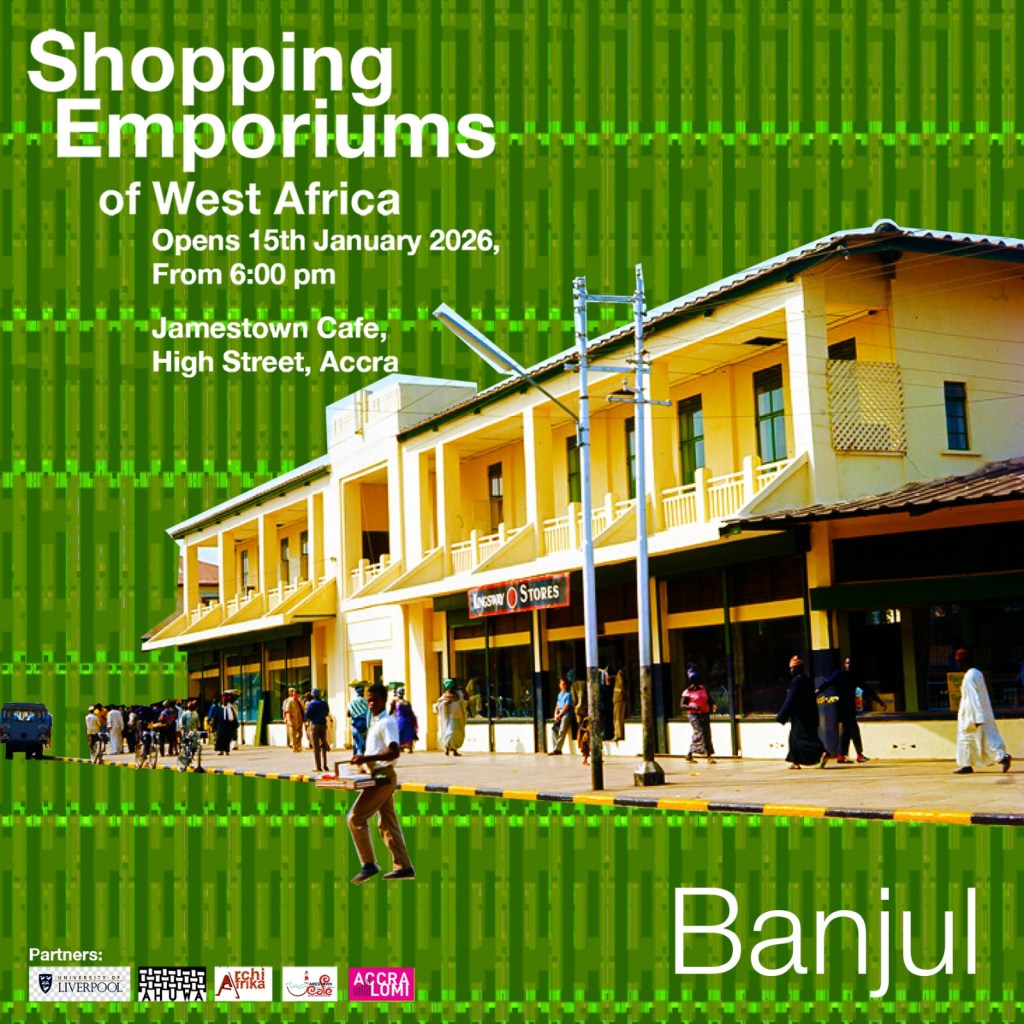
Bringing the Kingsway Stores Home: Our Exhibition Opens in Accra 15 Jan – Easter

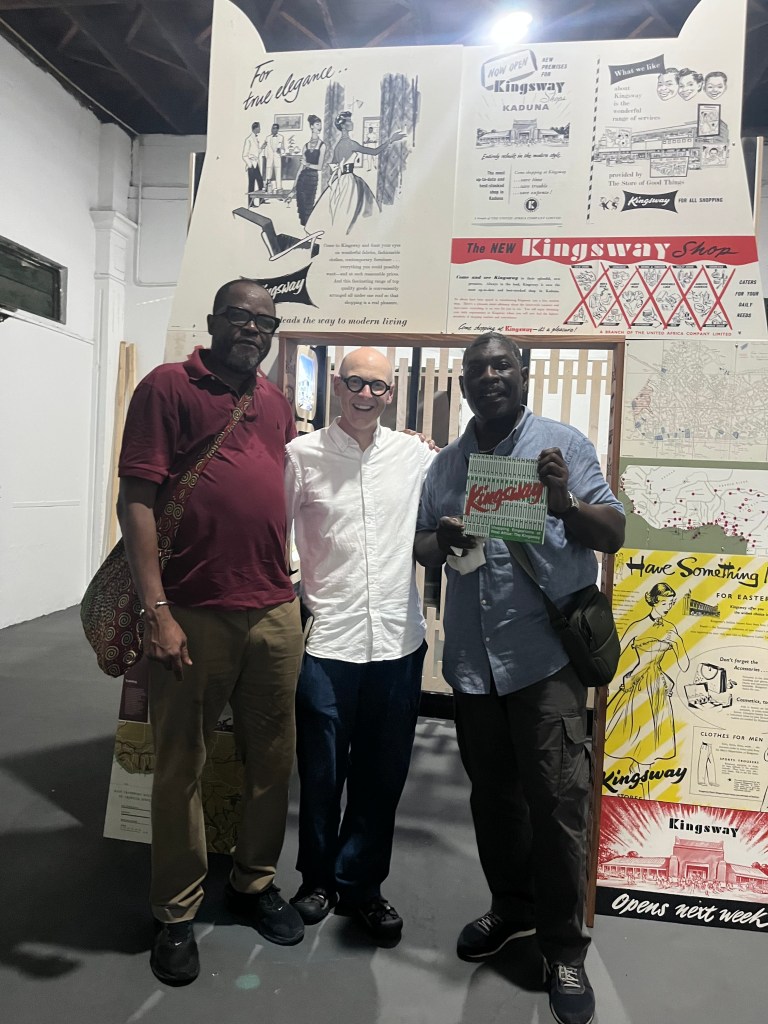
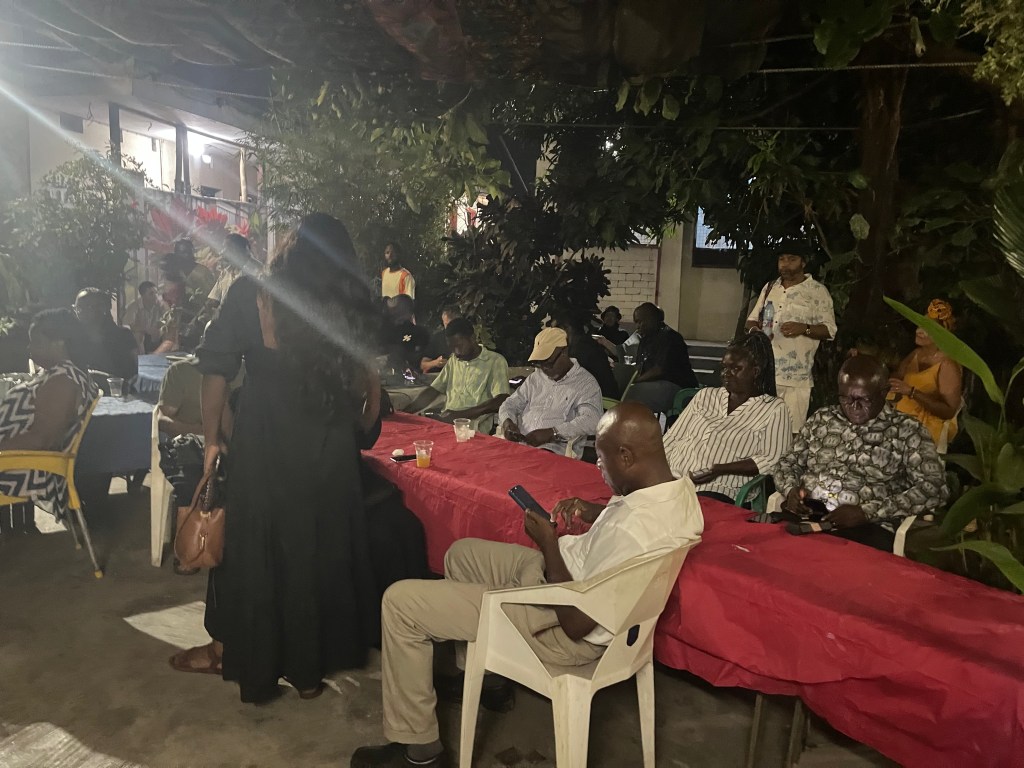
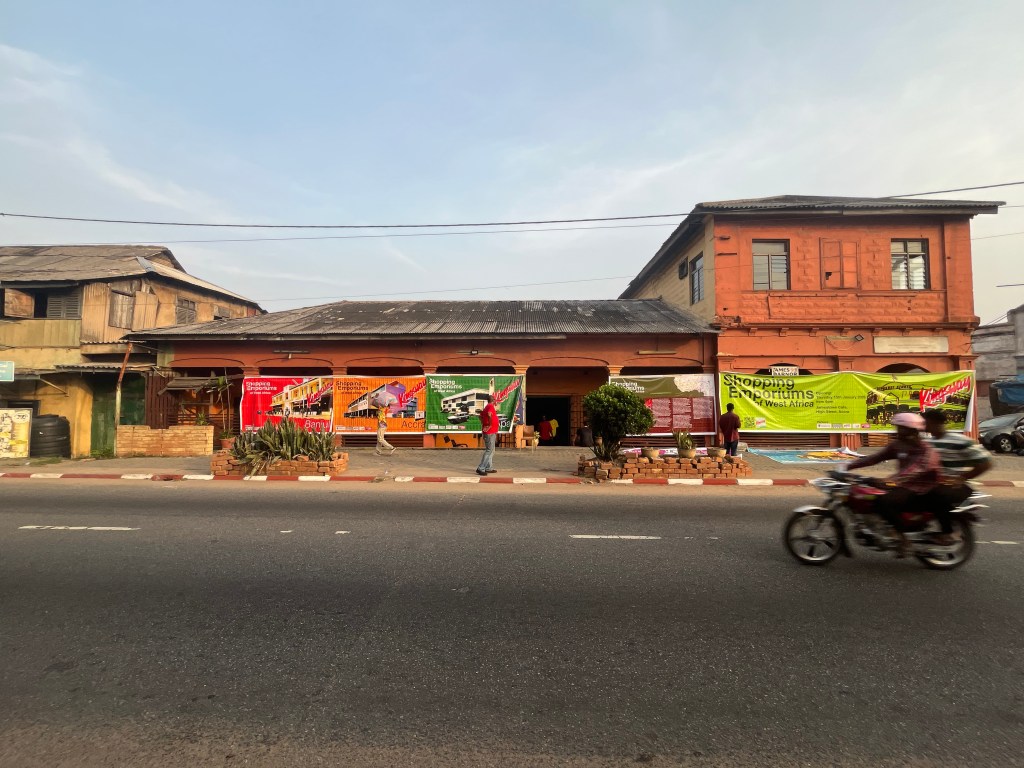
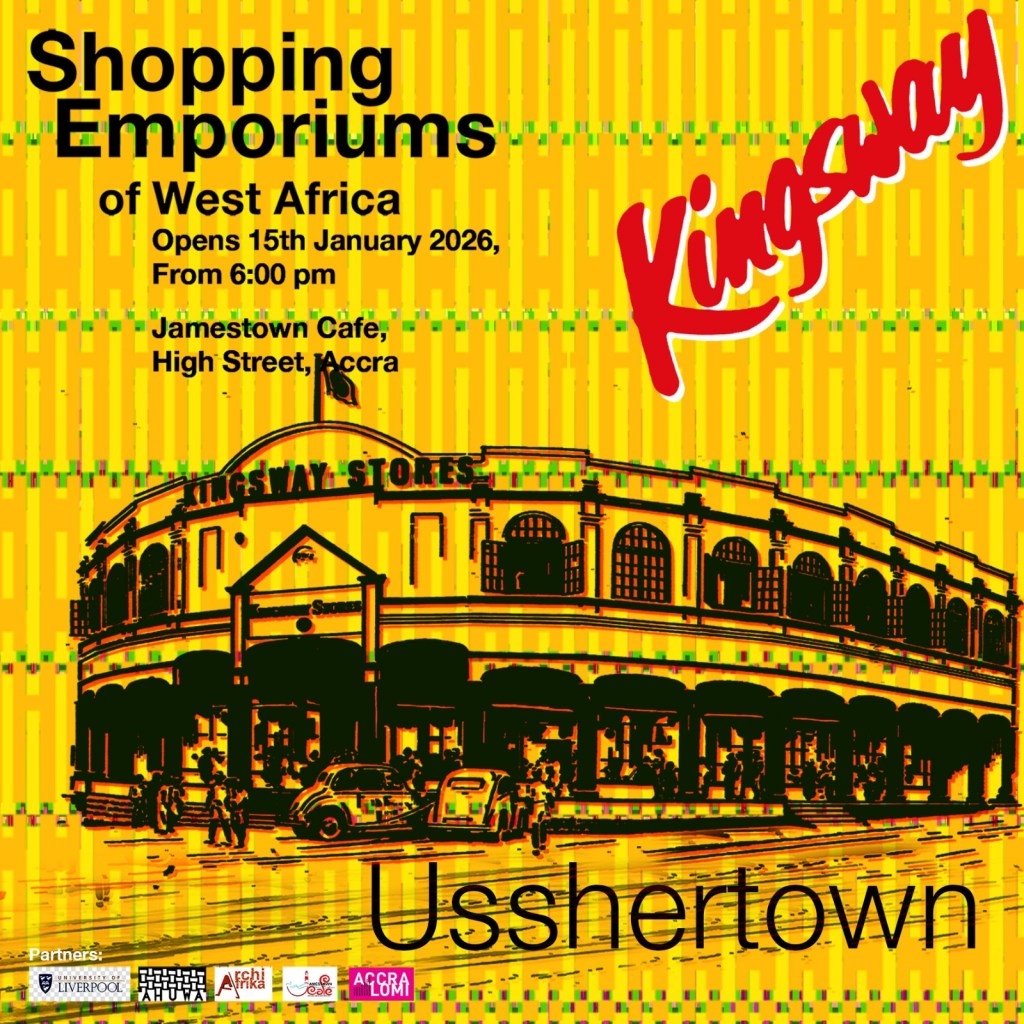
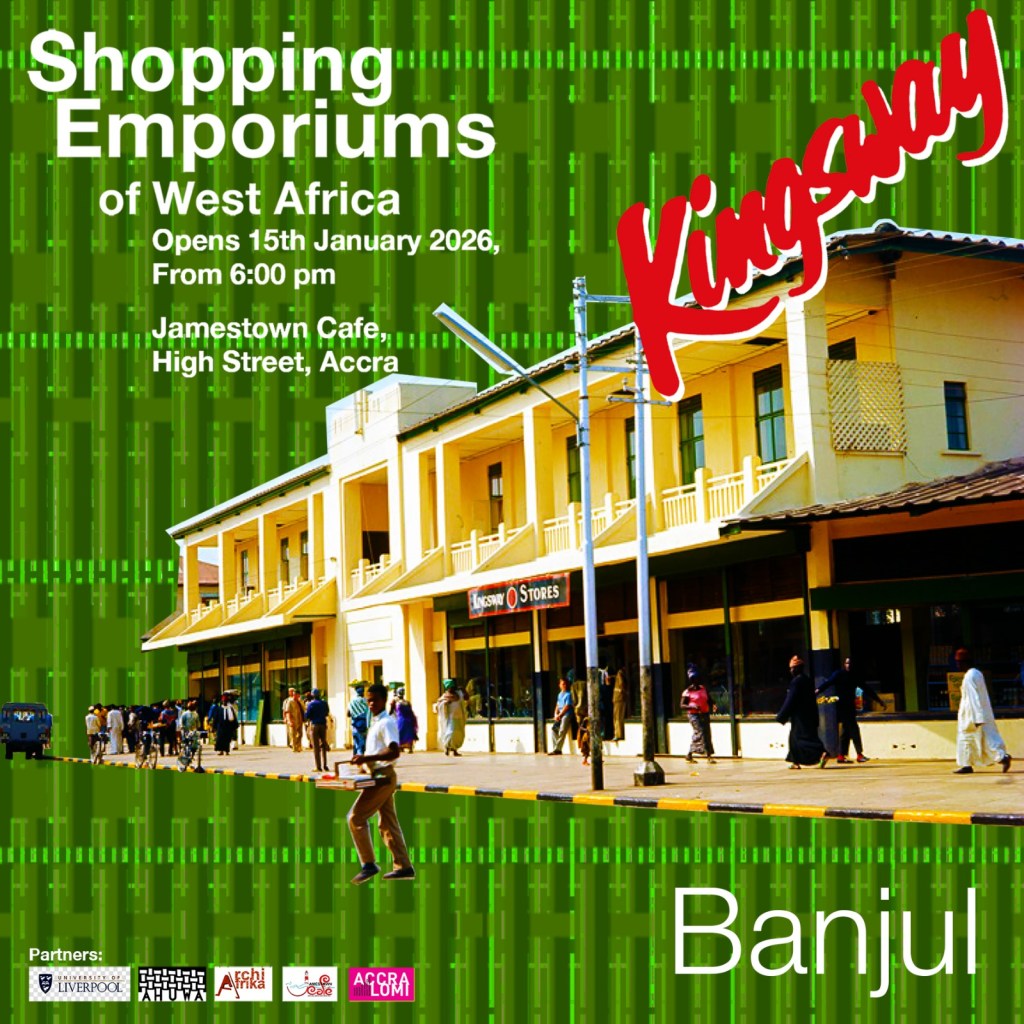
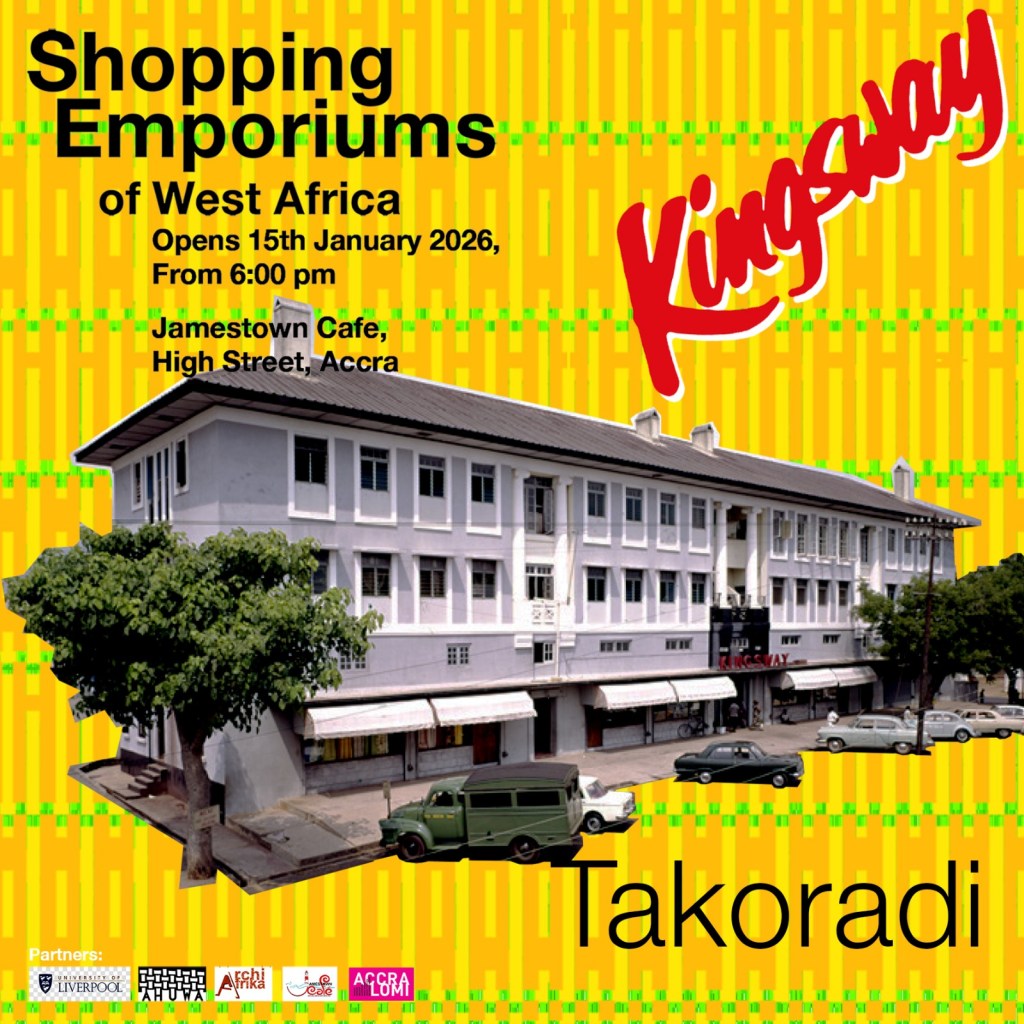
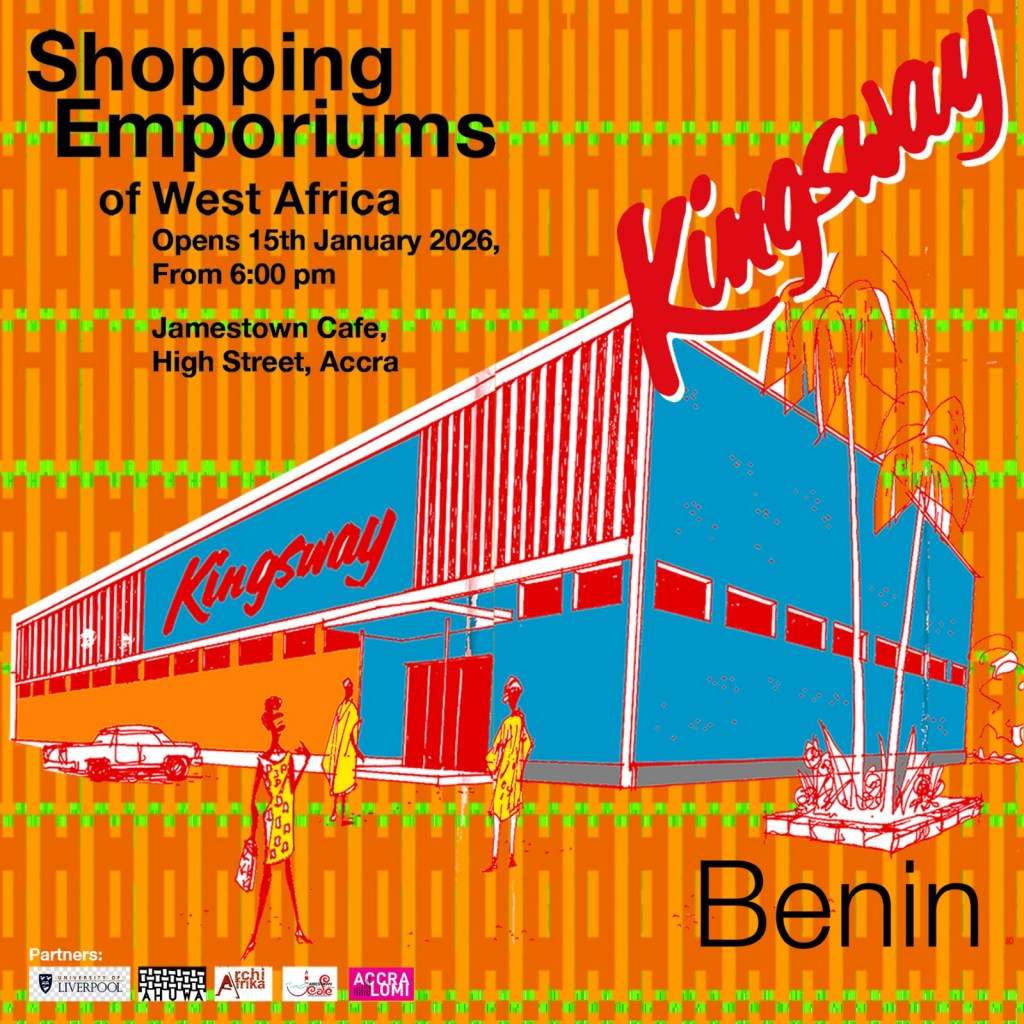
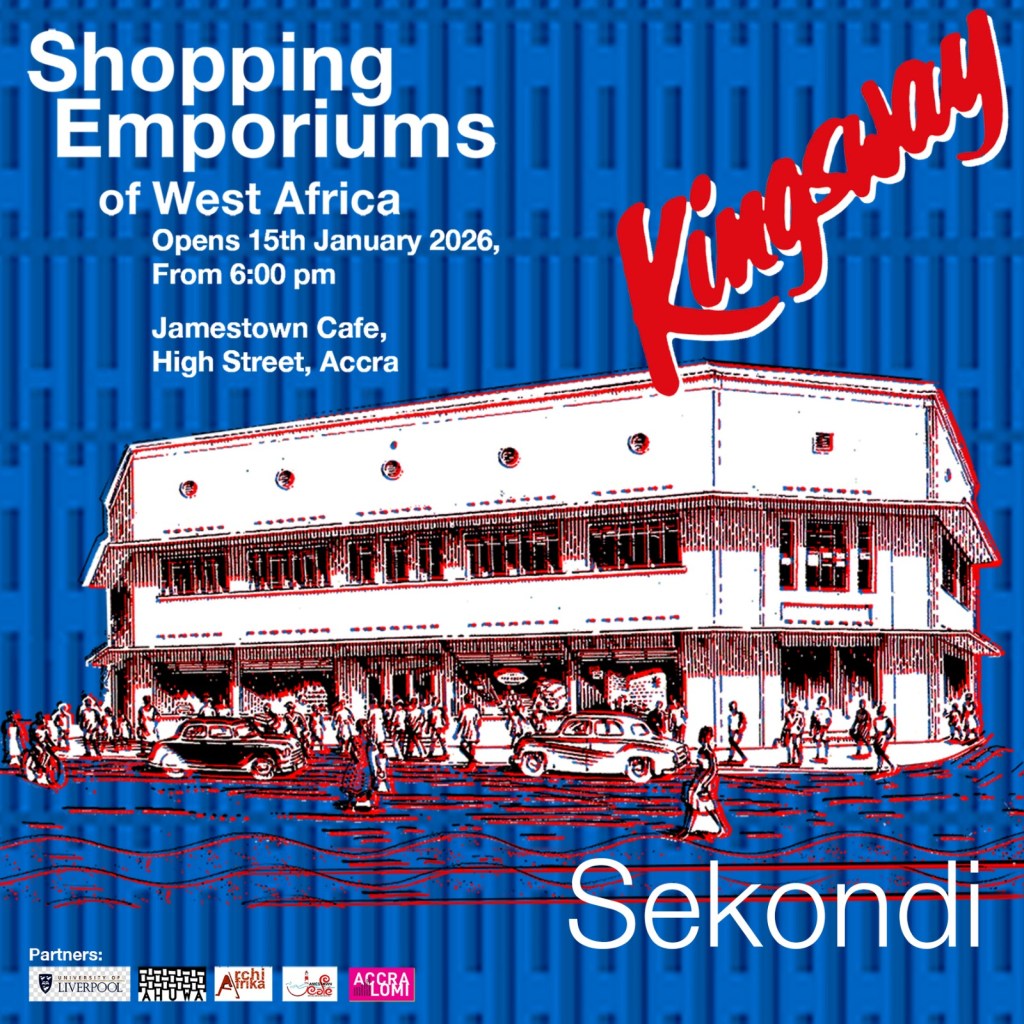
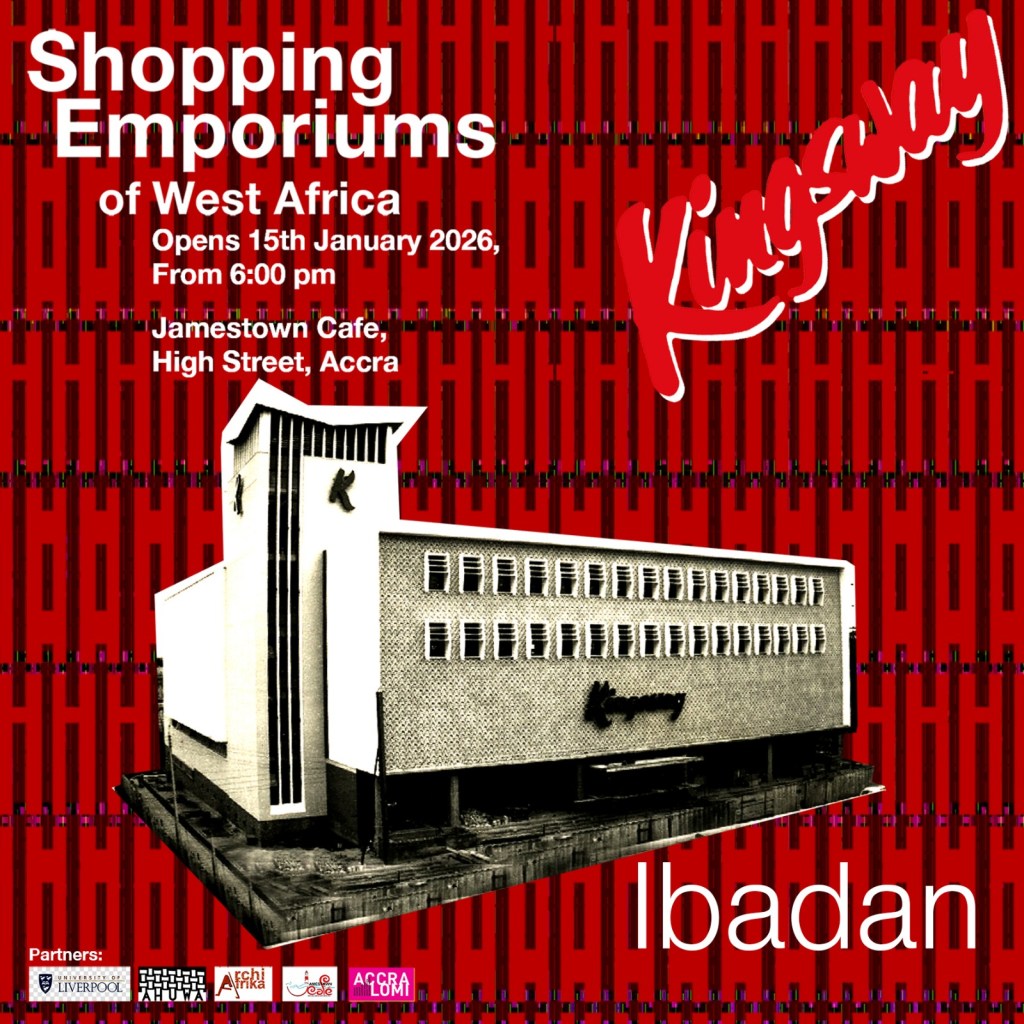
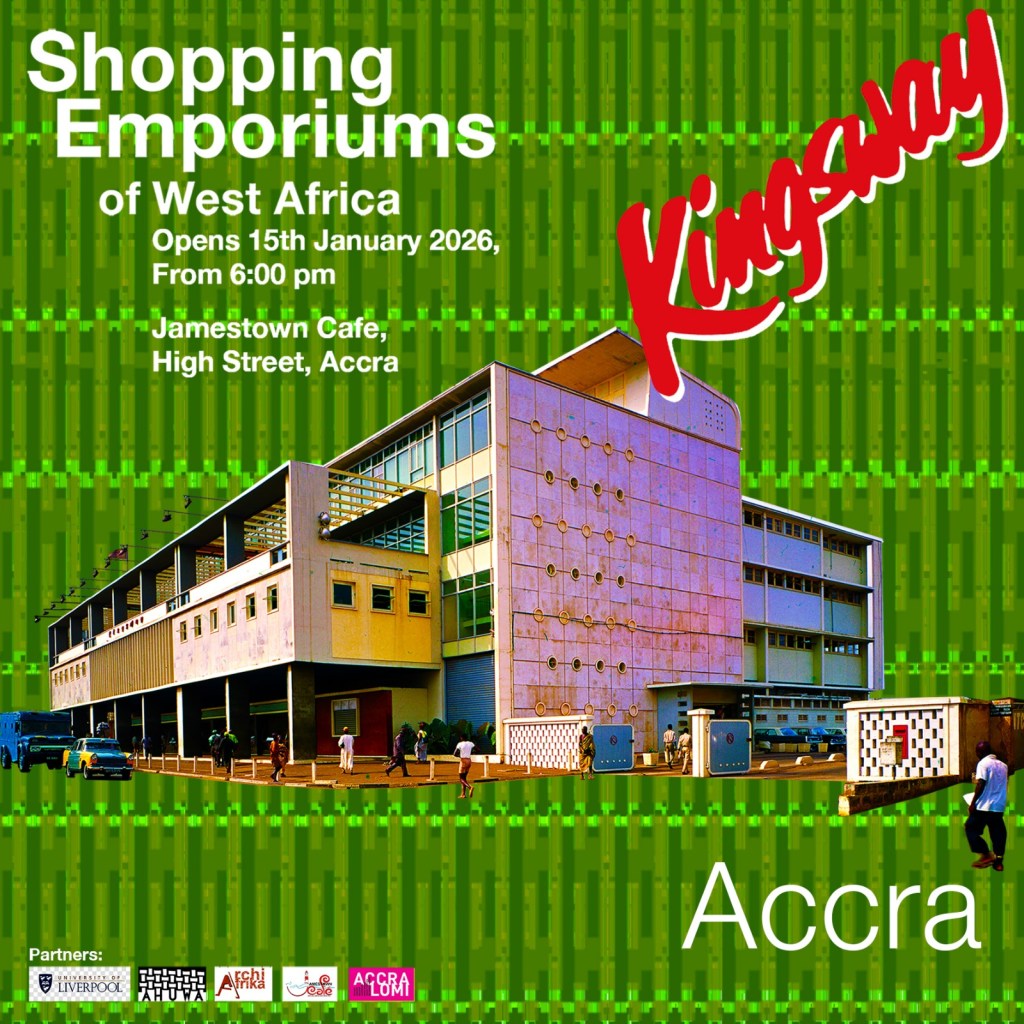
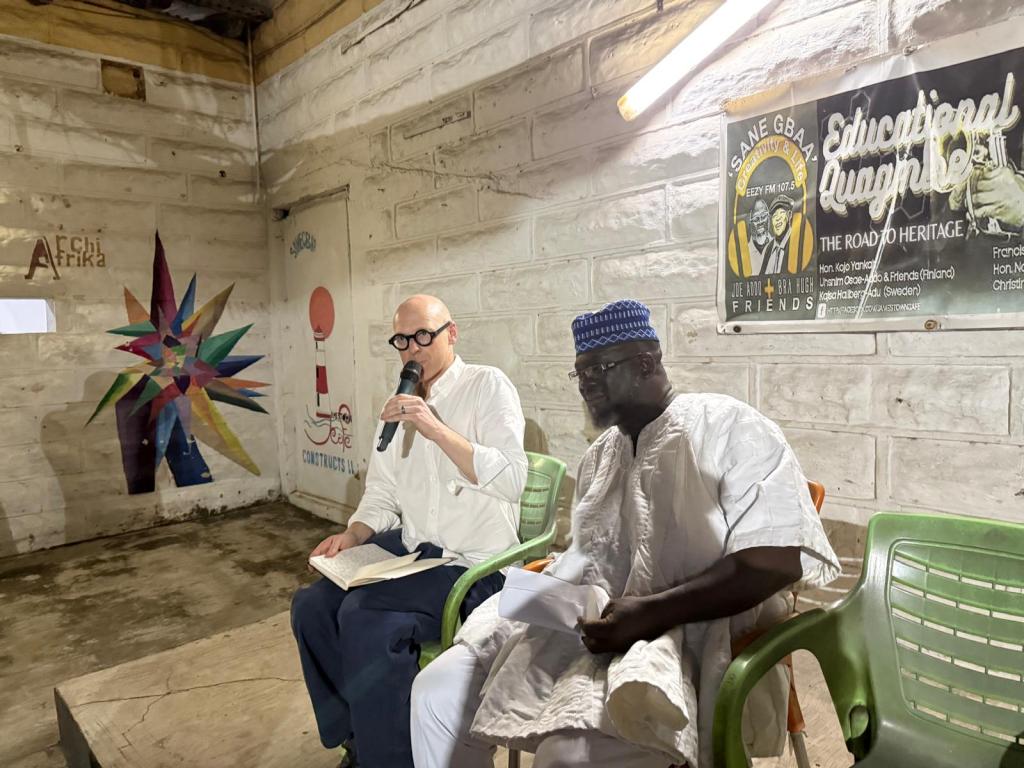
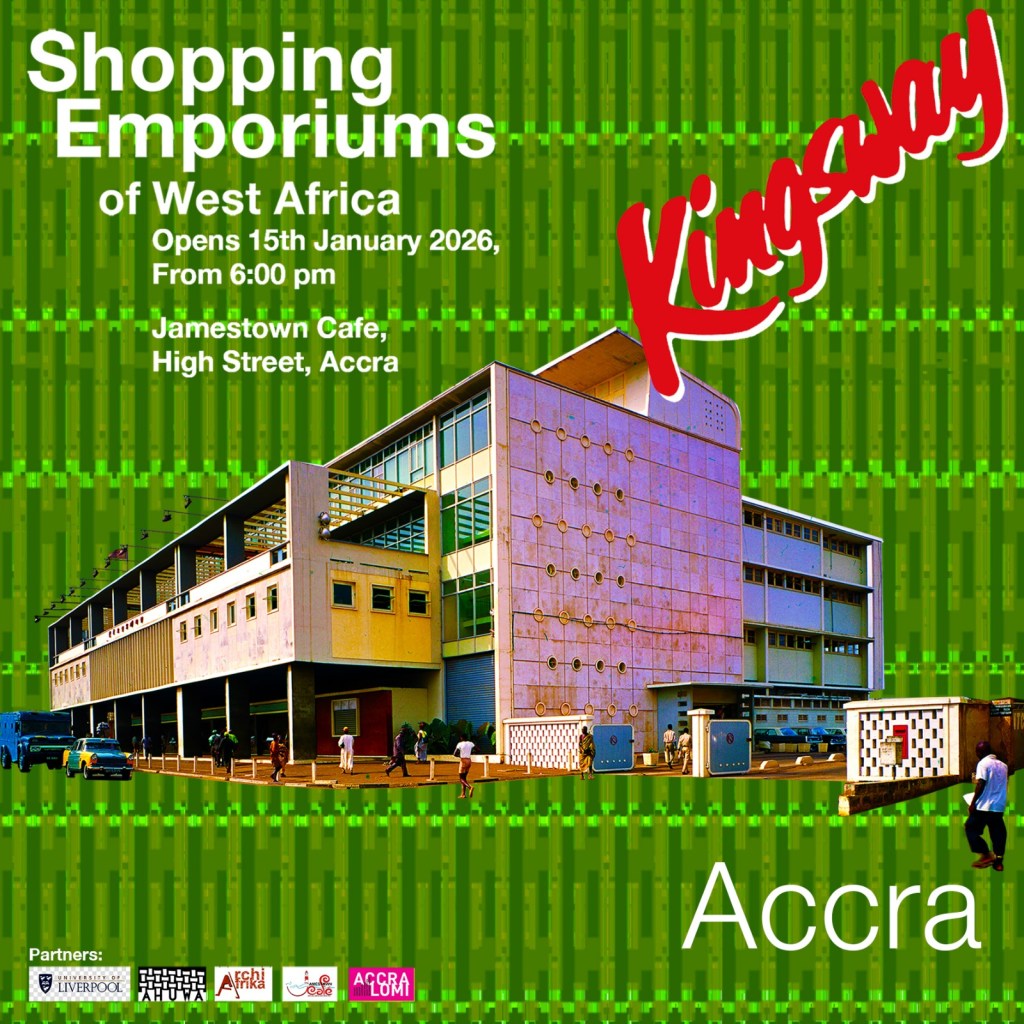
On 15th January, we celebrated the opening of “Shopping Emporiums of West Africa: The Kingsway Stores” at Jamestown Cafe and Gallery in Accra, marking a significant milestone in our ongoing research into the architectural and commercial legacy of the United Africa Company. The launch evening brought together an engaged audience including President of the Ghana Institute of Architects Tony Asare, Dr Abena Busia, and Ronnie Micallef, the incoming High Commissioner of Malta in Accra, for what proved to be a thought-provoking discussion about retail modernism, colonial commerce, and architectural heritage in West Africa. David Kojo Derban gave a wonderful opening talk to contextualise the exhibition, along with a wider welcome from cafe and gallery owner architect Joe Owusu Addo.
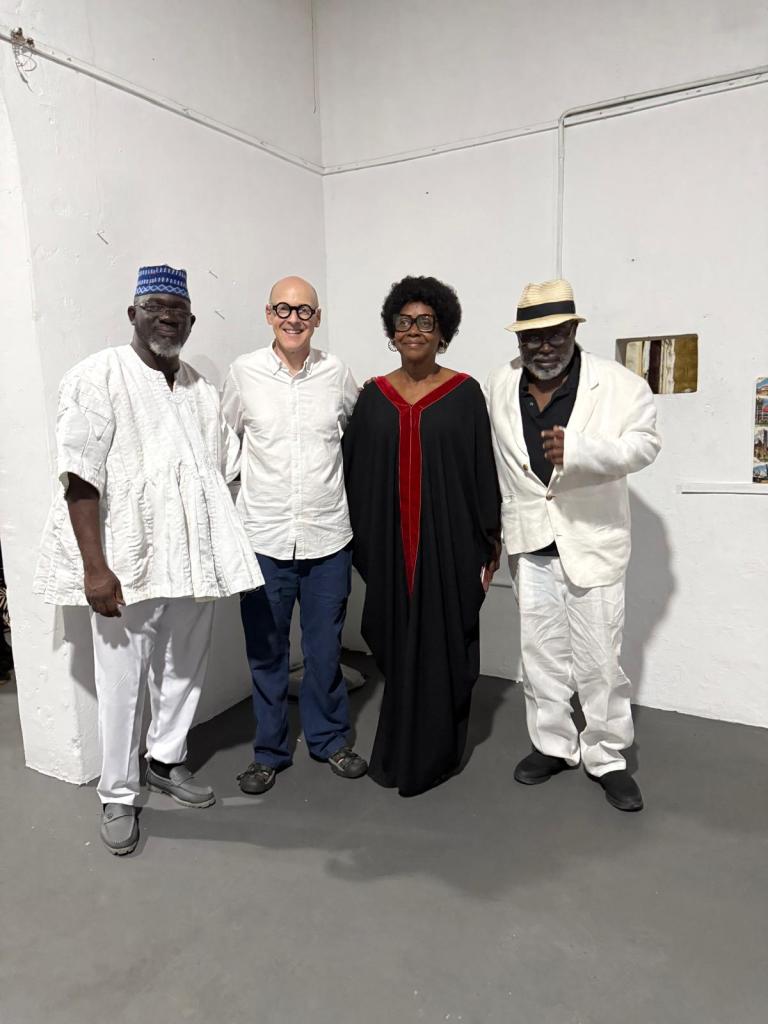
The exhibition represents the culmination of over 5 years of collaborative research examining the Kingsway department store chain, which operated across West Africa throughout much of the twentieth century. Working alongside Unilever archivist Claire Tunstall and colleagues Ewan Harrison, Rixt Woudstra, Paul Robinson, and Michele Tenzon, we’ve traced the fascinating story of these iconic shopping emporiums from their inception through the independence periods of West Africa and beyond.

This work forms part of our broader investigation into the United Africa Company, published last year by Bloomsbury as “Architecture, Empire, Trade.” In our recent Journal of Design History article, co-authored with Ewan Harrison, Irene Appeaning Addo, and Oluwaseun Muraina, we wrote that “Kingsway responded to independence by instrumentalizing a particularly modernist domesticity through a series of didactic marketing efforts and the construction of boldly modernist new stores.” The article reveals how these stores weren’t simply places of commerce but architectural statements where “modernism is here revealed as complexly imbricated with colonial and neocolonial profit-seeking.”
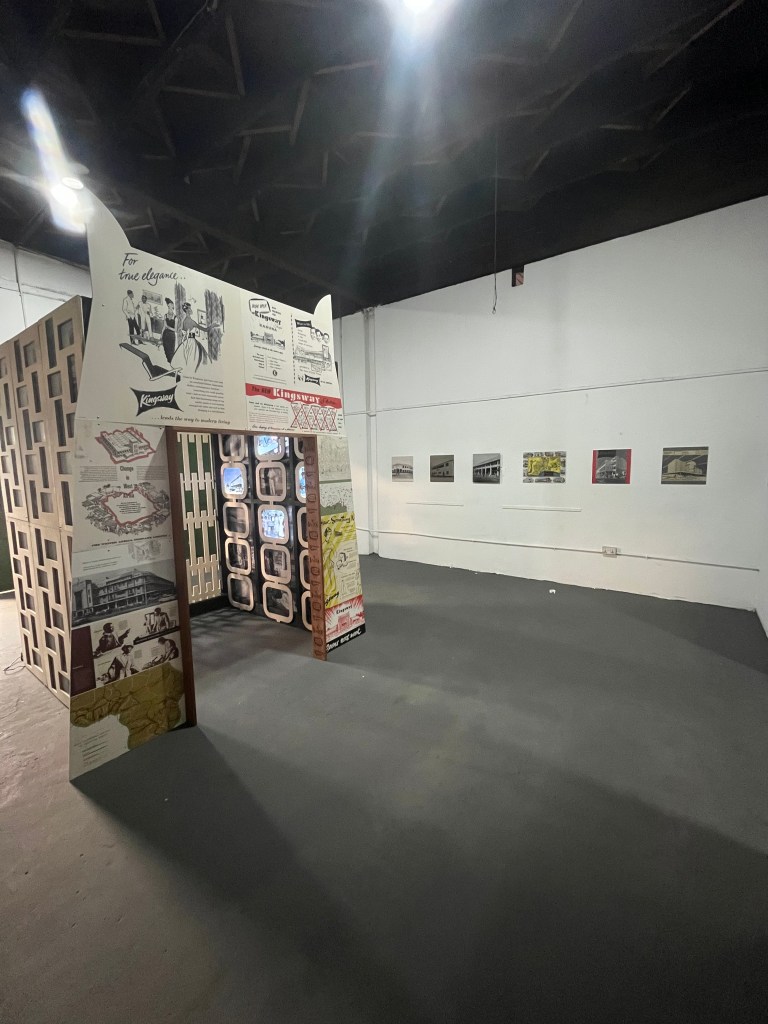
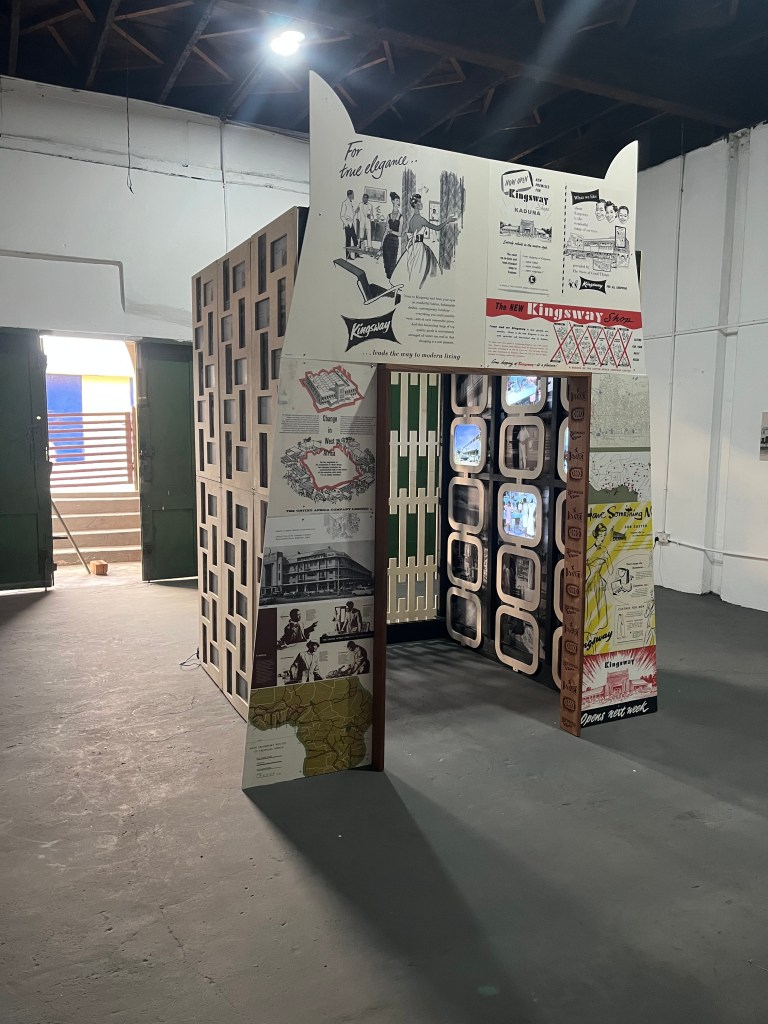
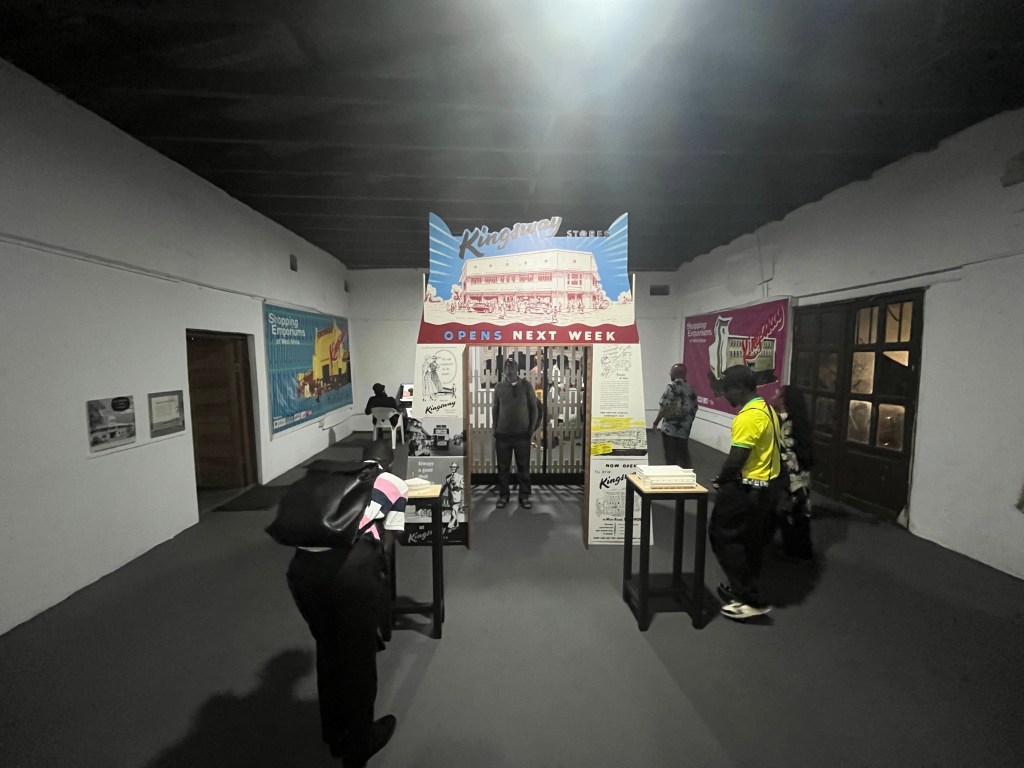
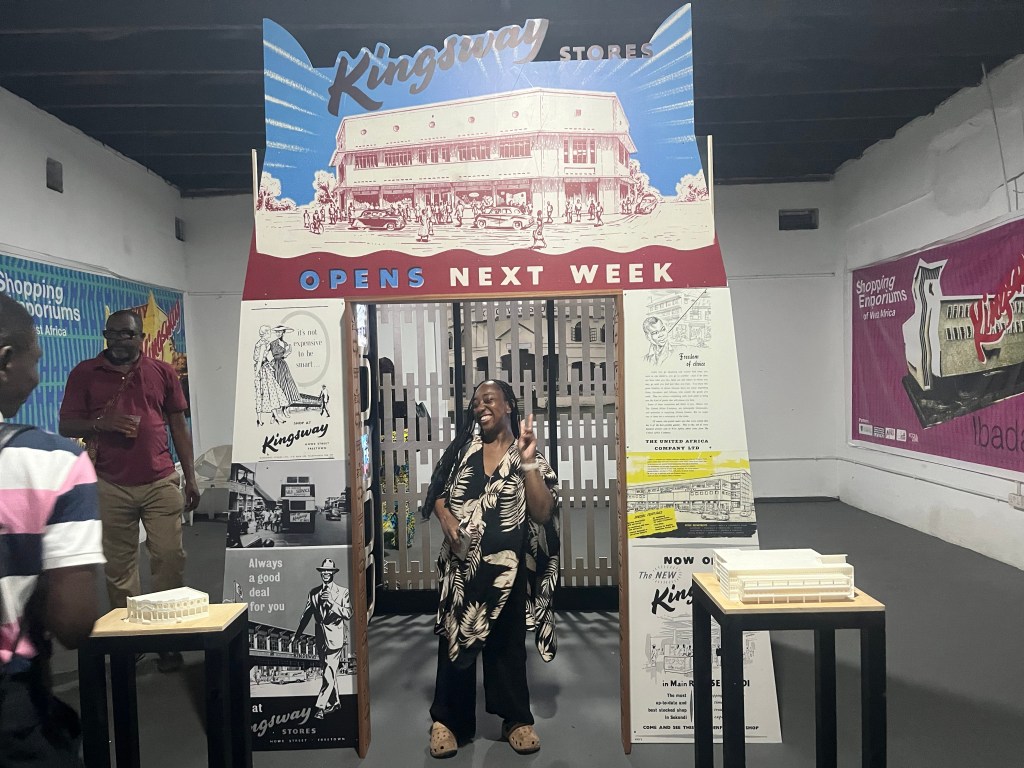
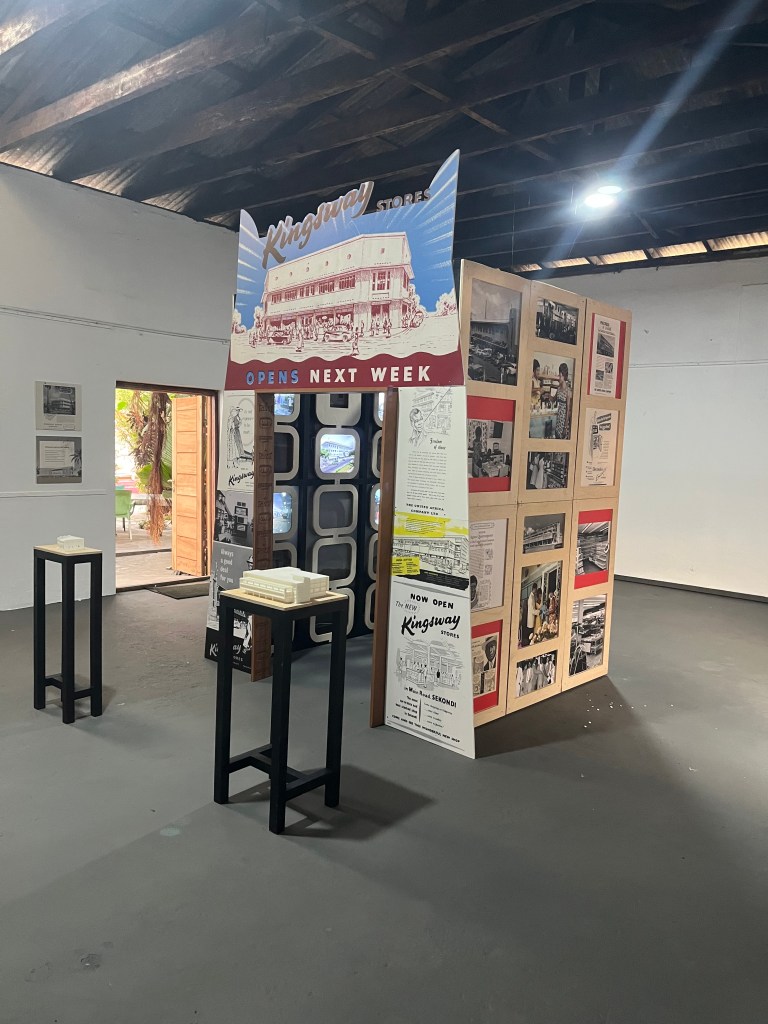
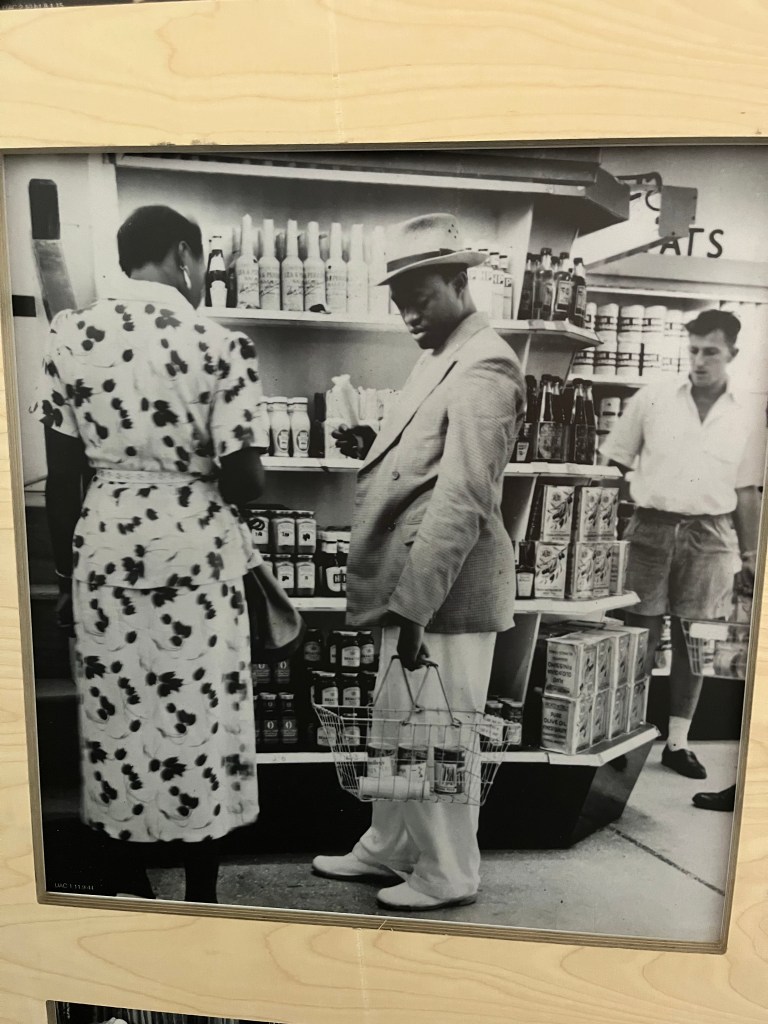
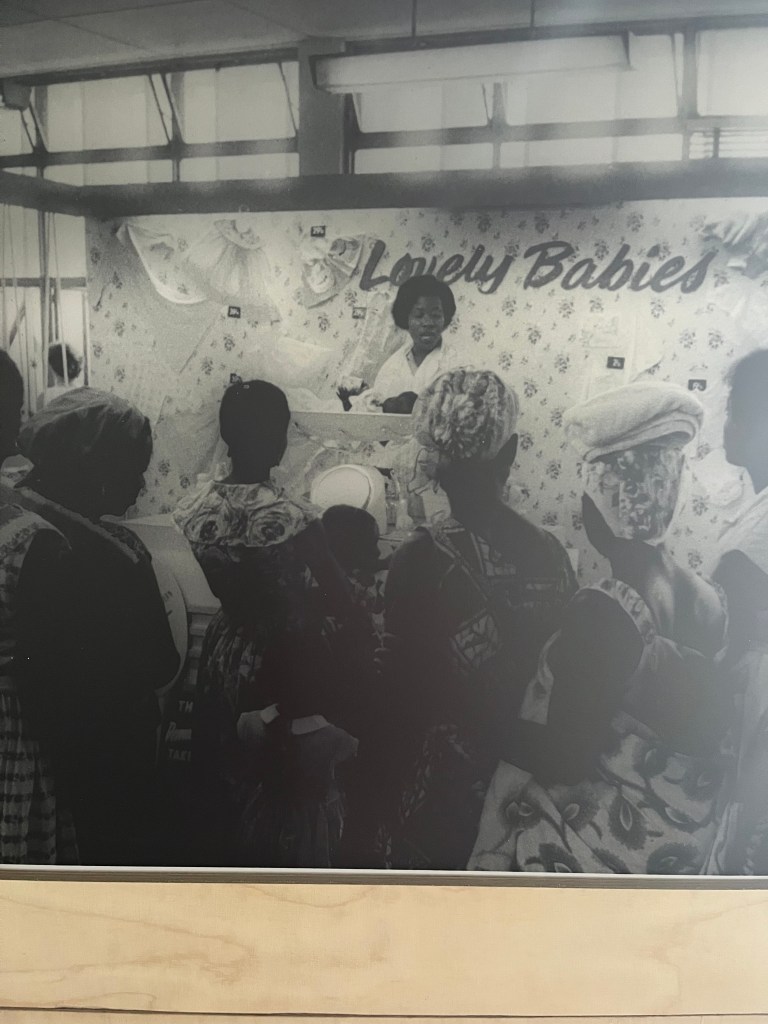
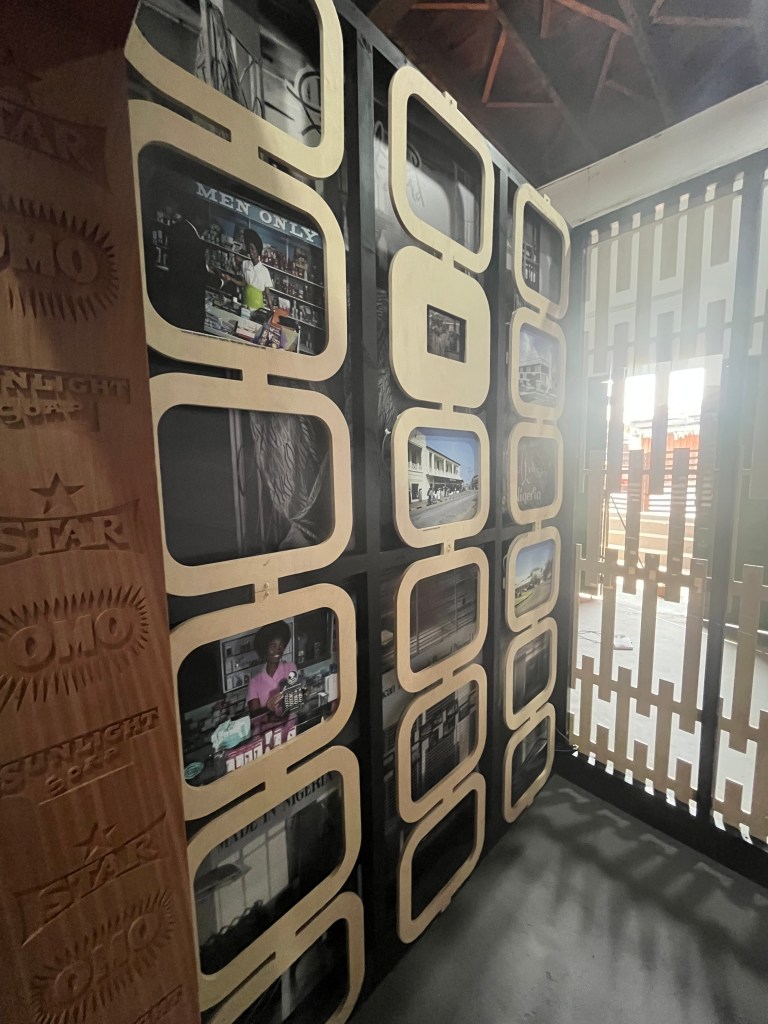
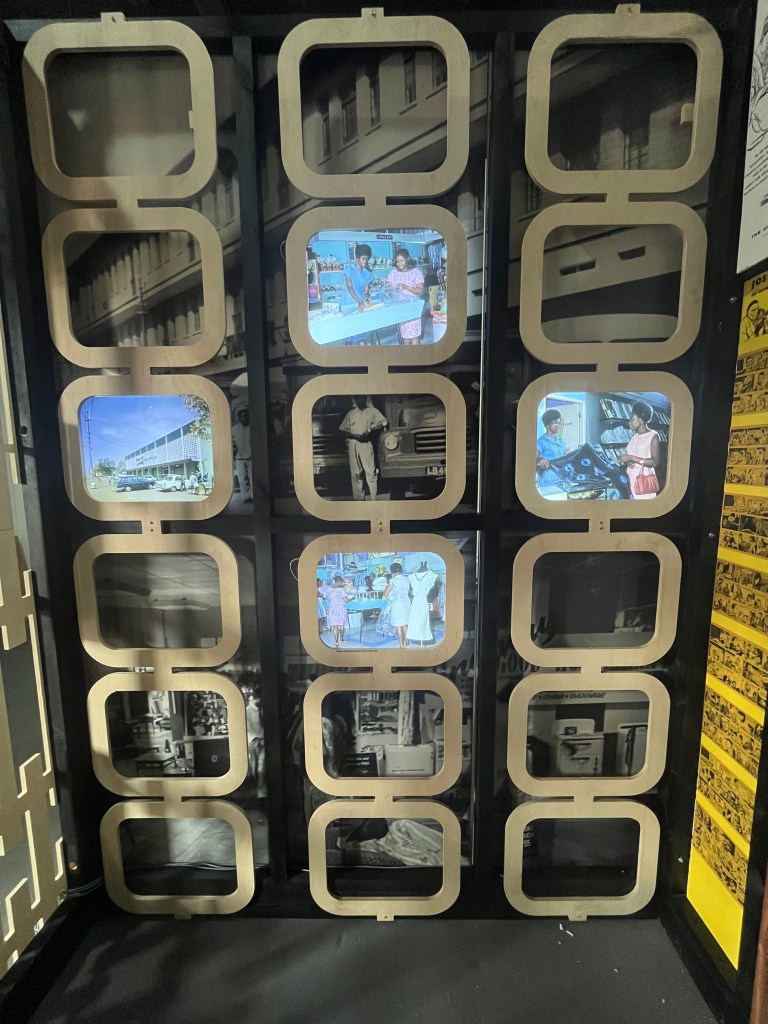
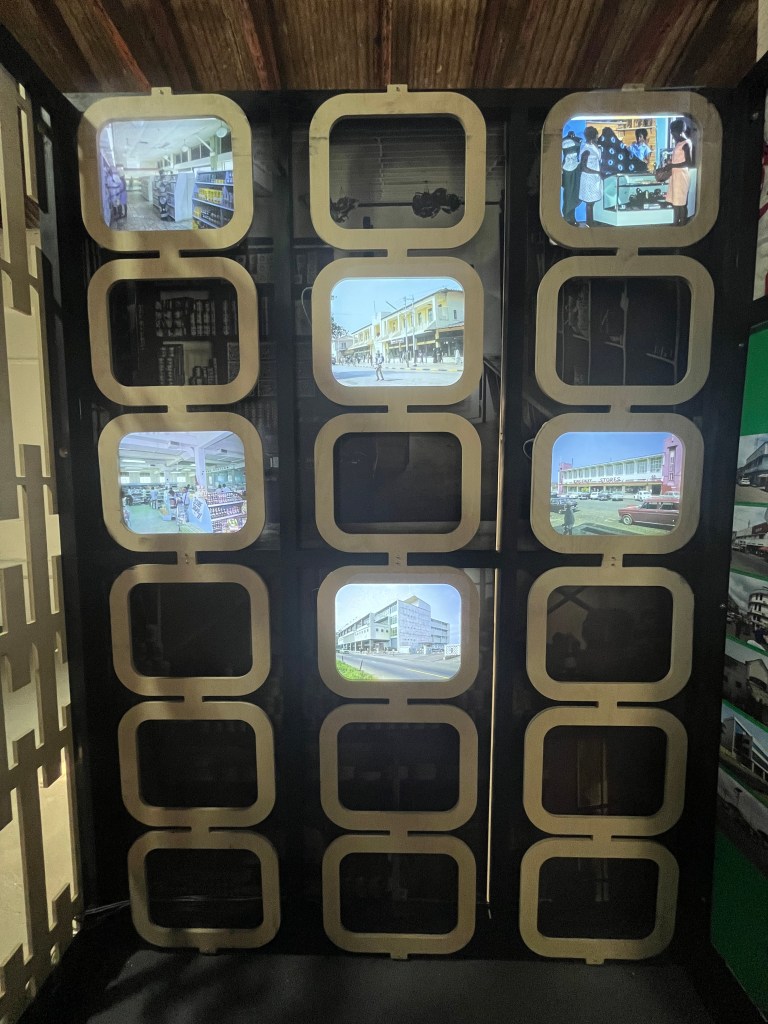
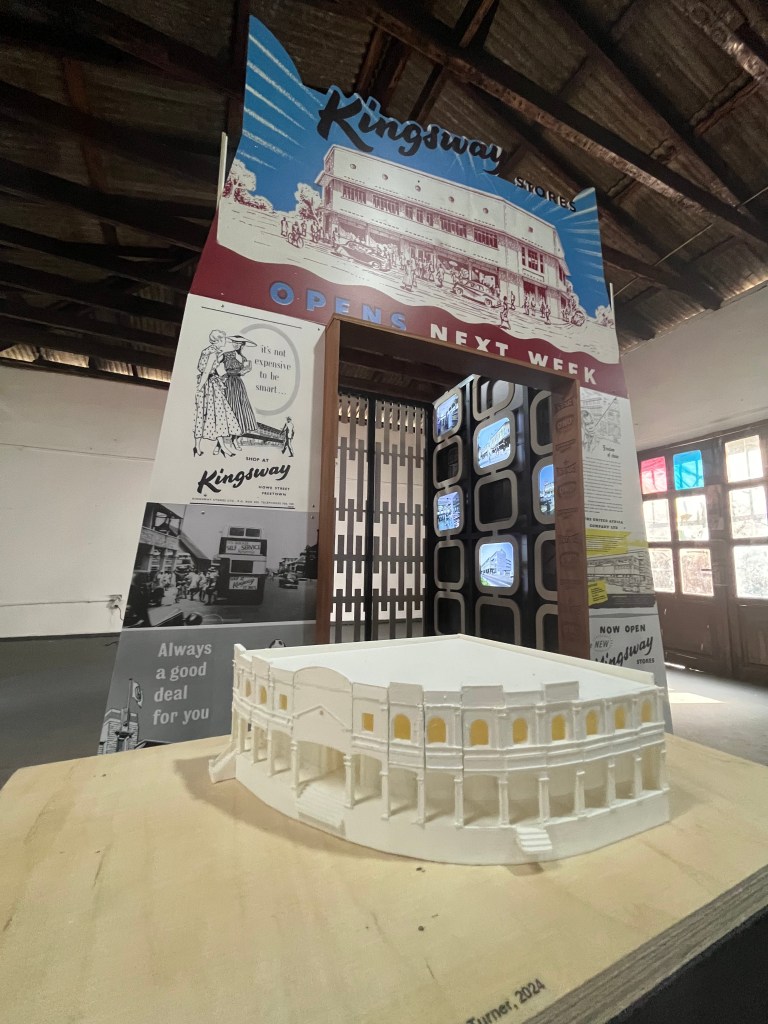
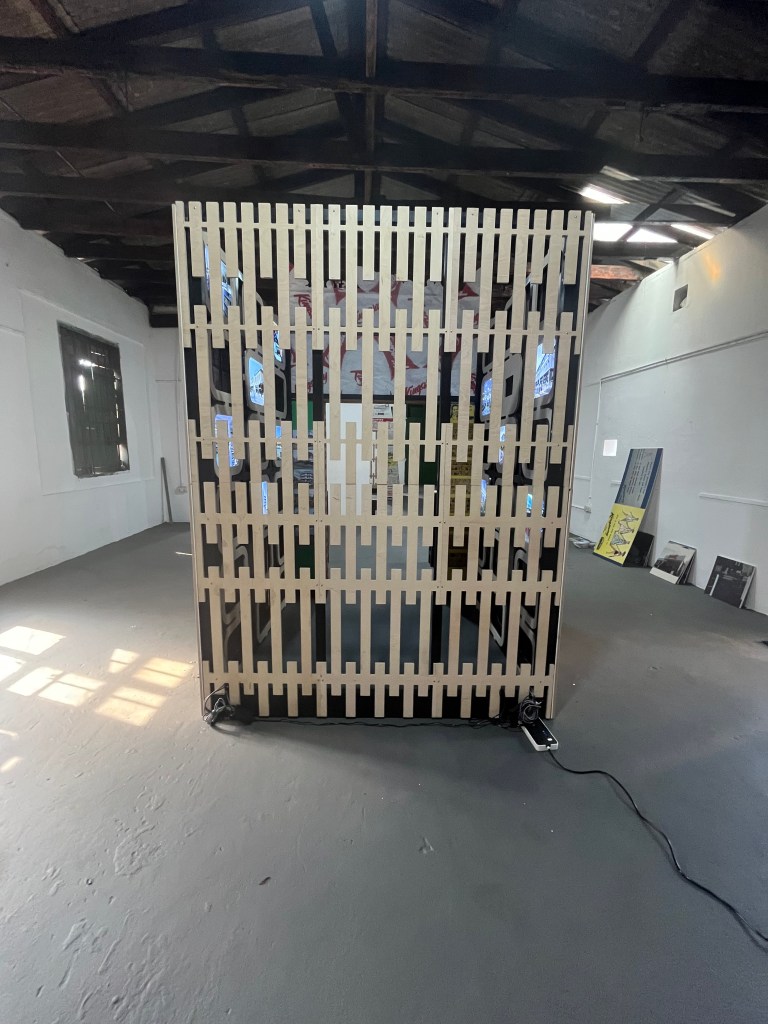
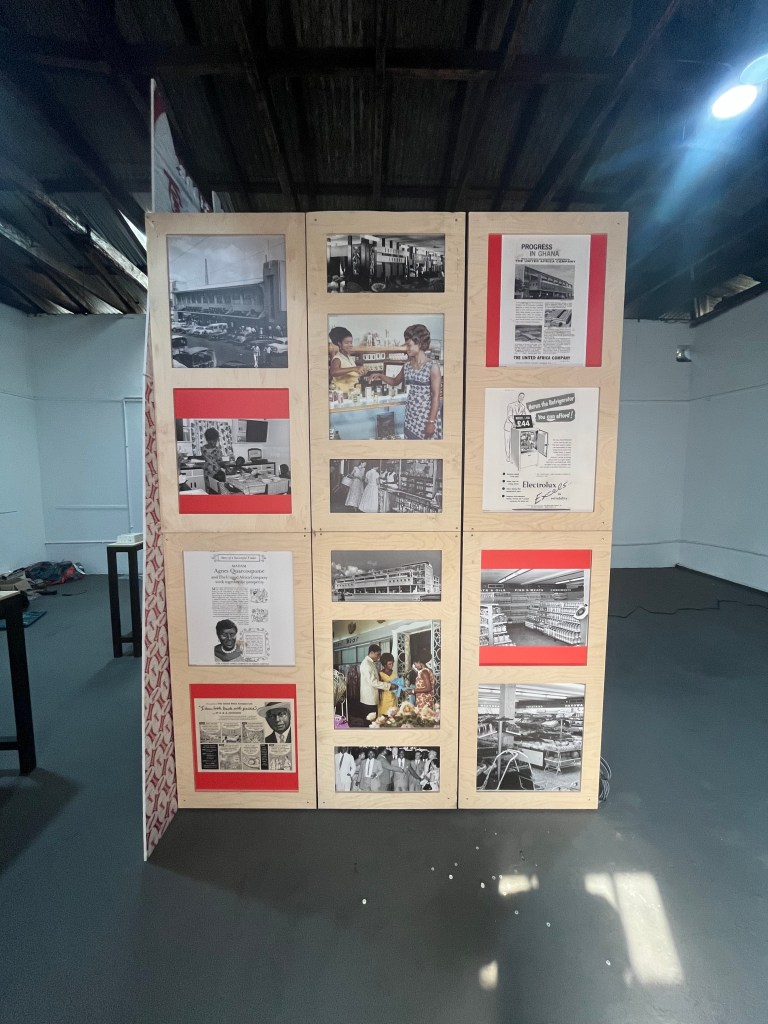
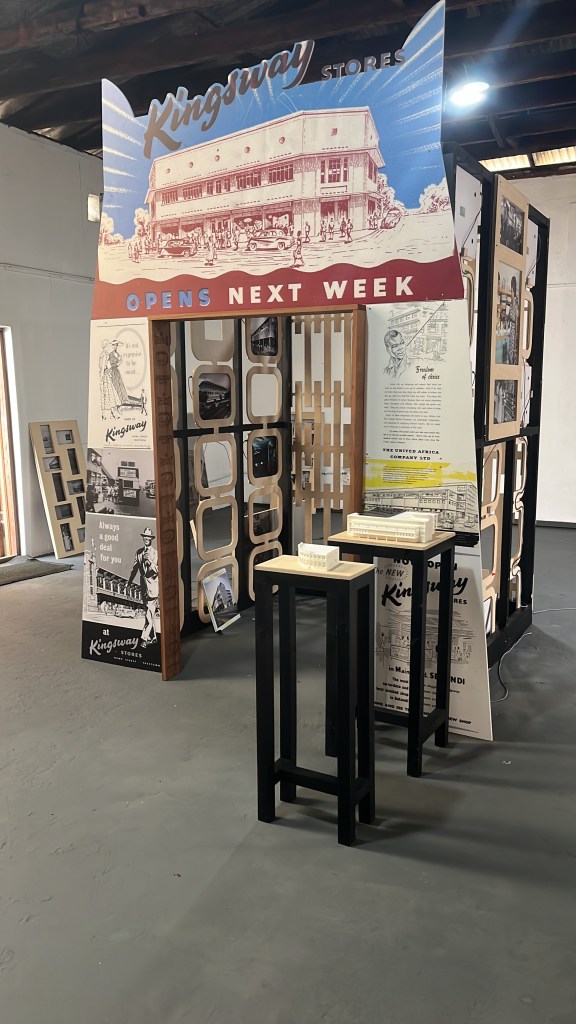
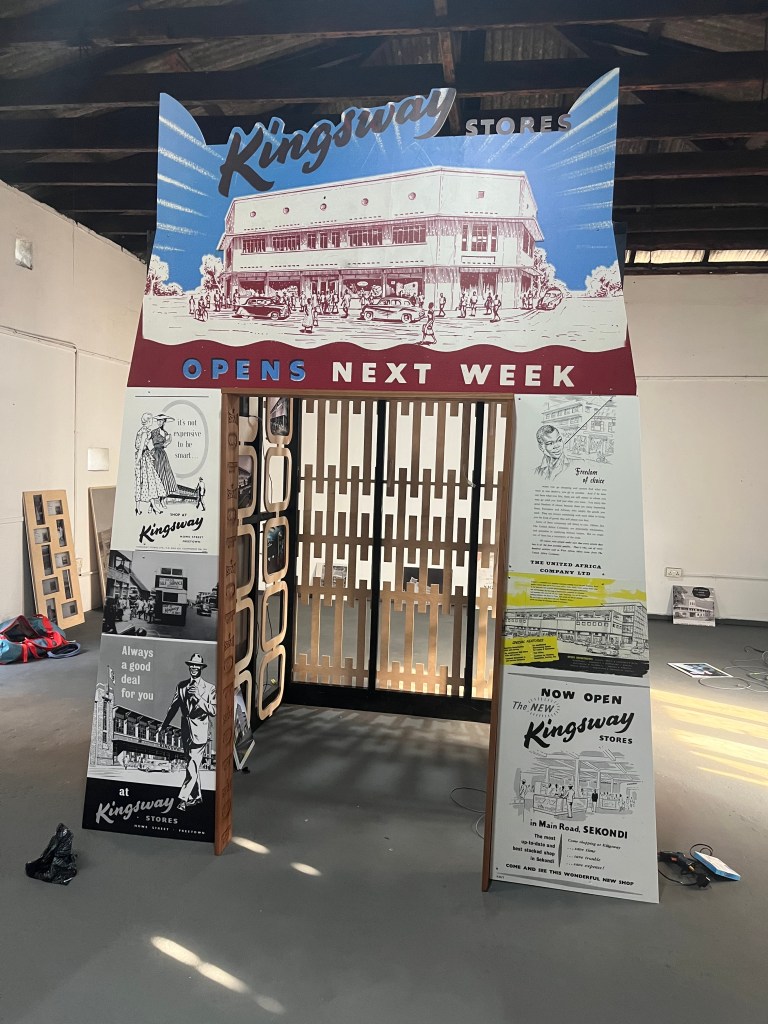
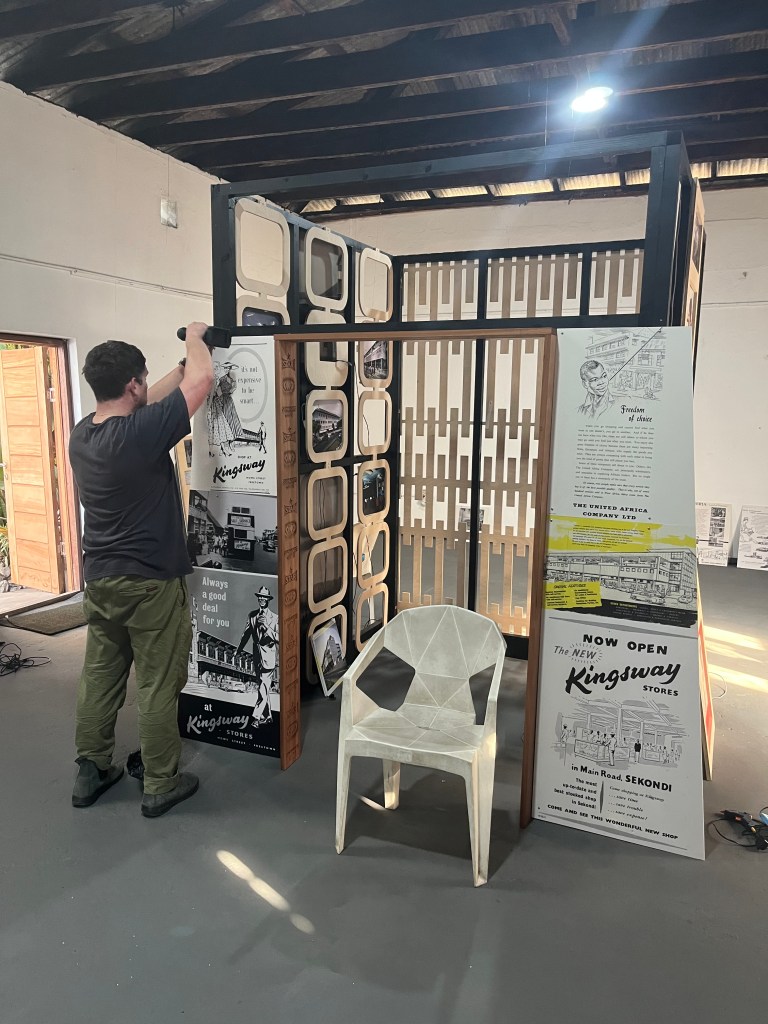
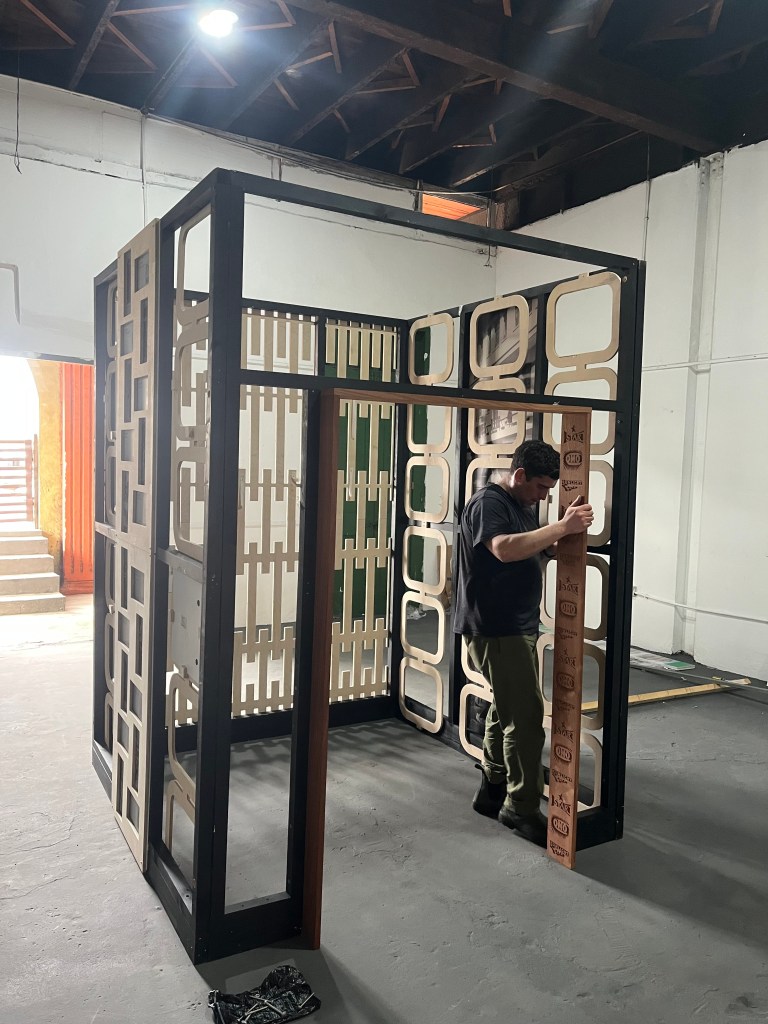
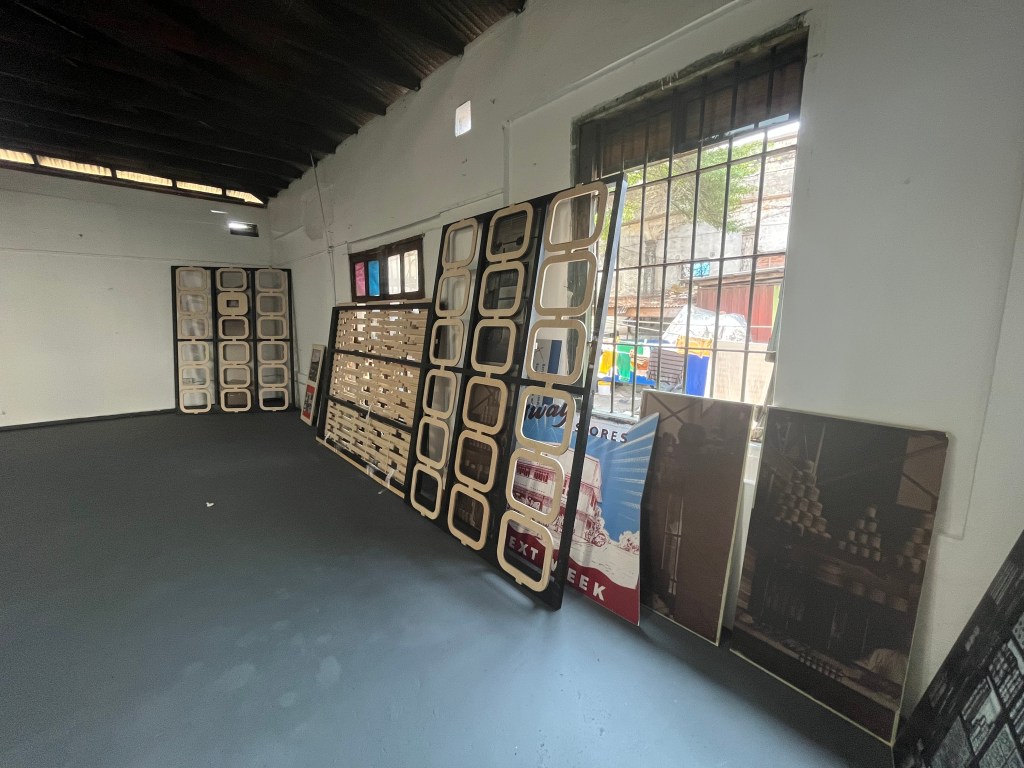
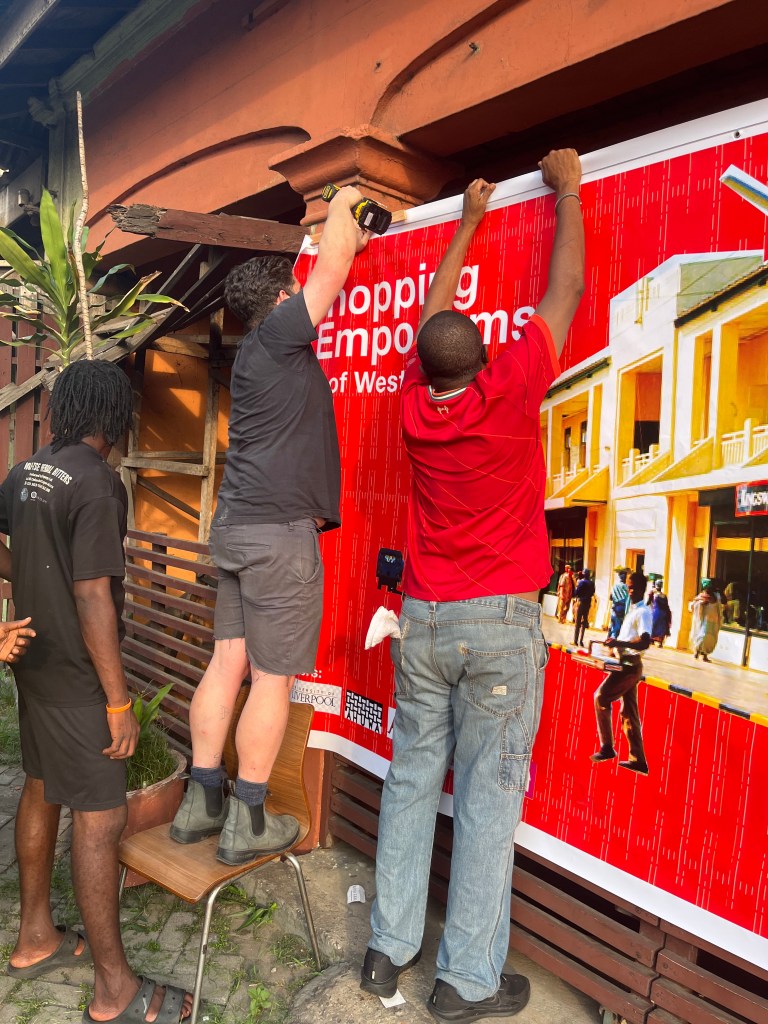
The exhibition itself has journeyed from Liverpool to Ghana, carefully packed and stored at Jamestown Cafe before being installed in early January. Two freestanding pavilions display archival photographs from the Unilever Archive, accompanied by newly commissioned 3D-printed models created by Liverpool School of Architecture students and archival films that bring the stores’ bustling atmosphere to life. The pavilions themselves, fabricated using CNC routers by our expert technical team at Liverpool lead by James Galliford, echo the modernist architectural language of the stores they document.

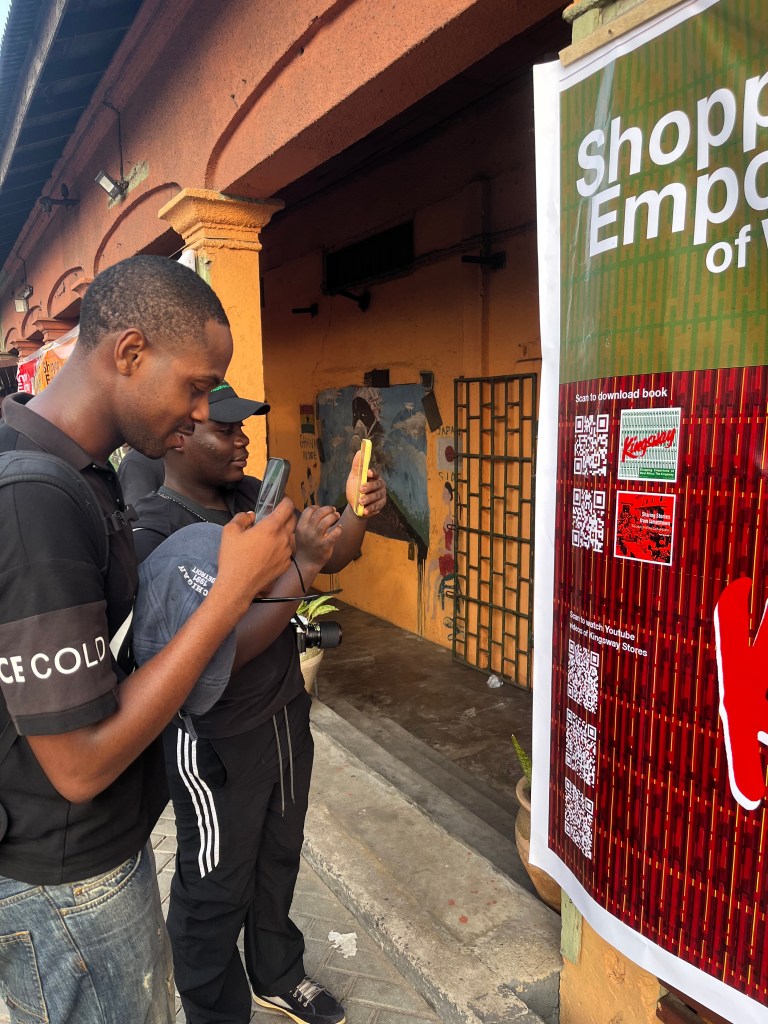
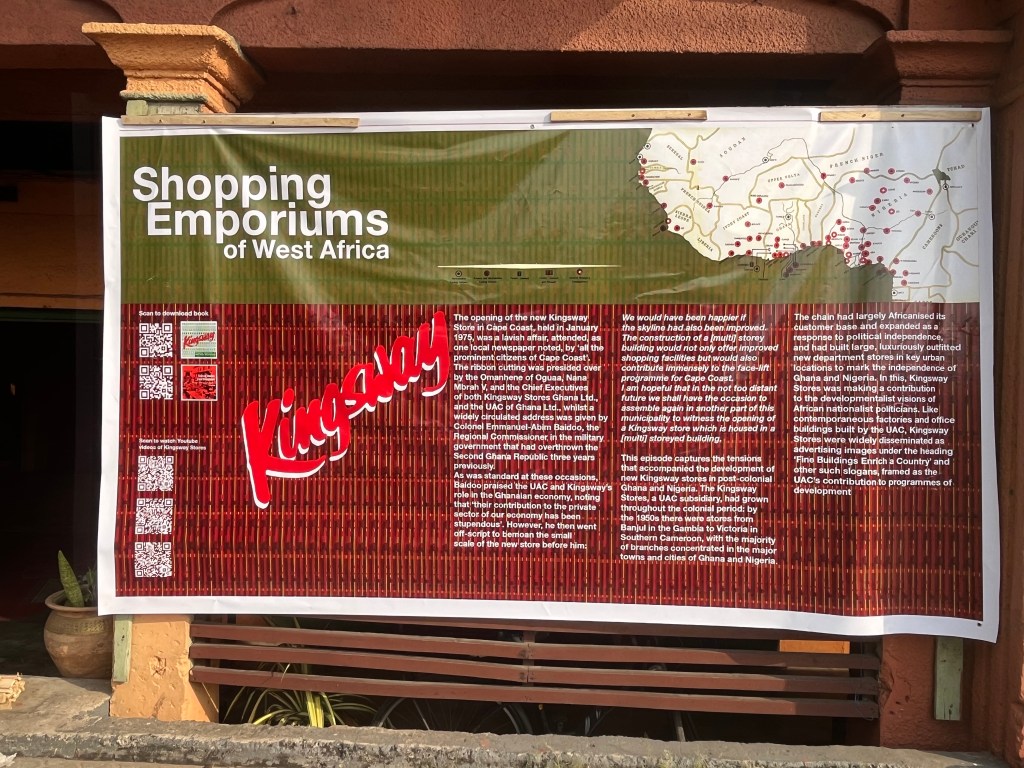
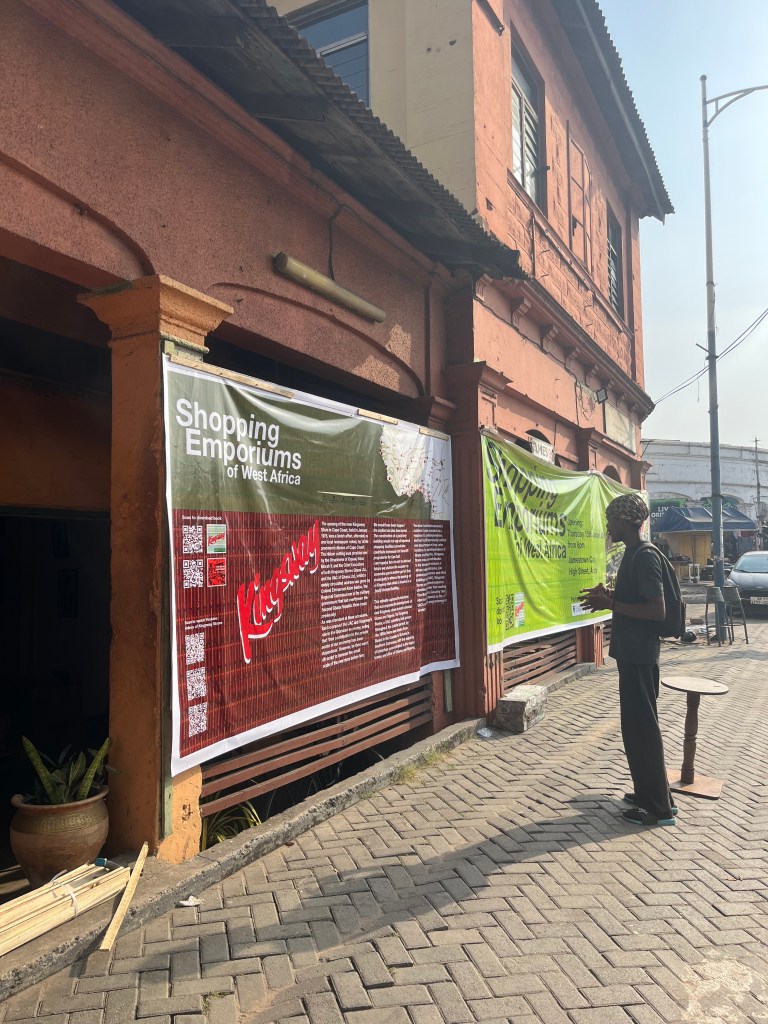
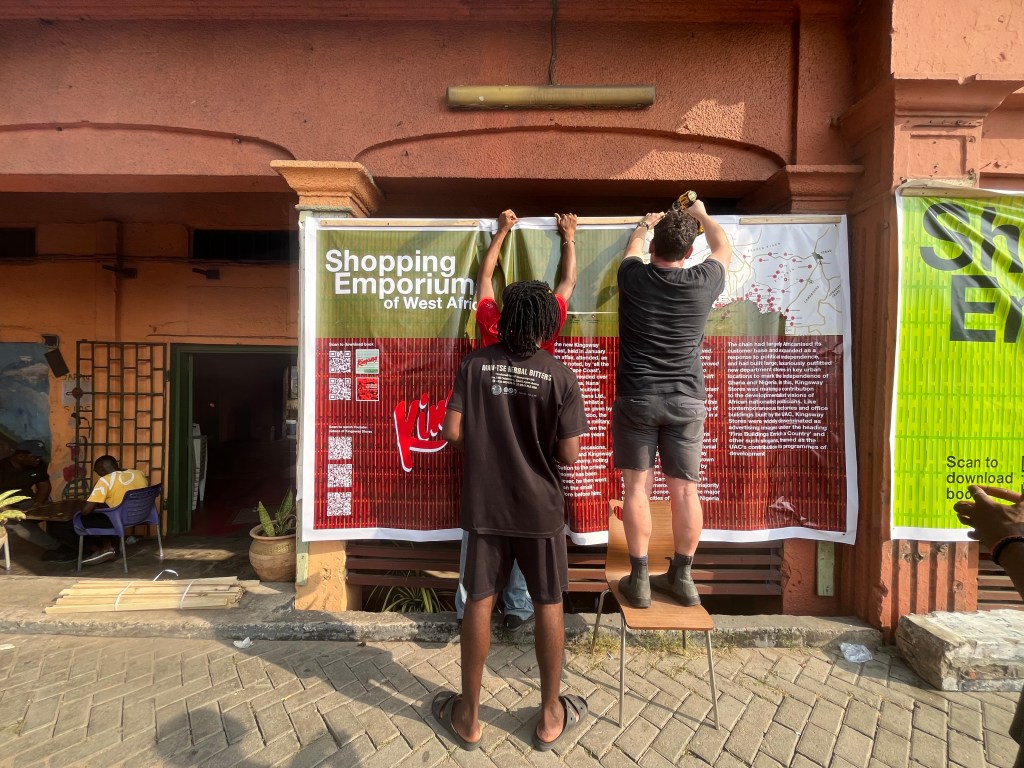
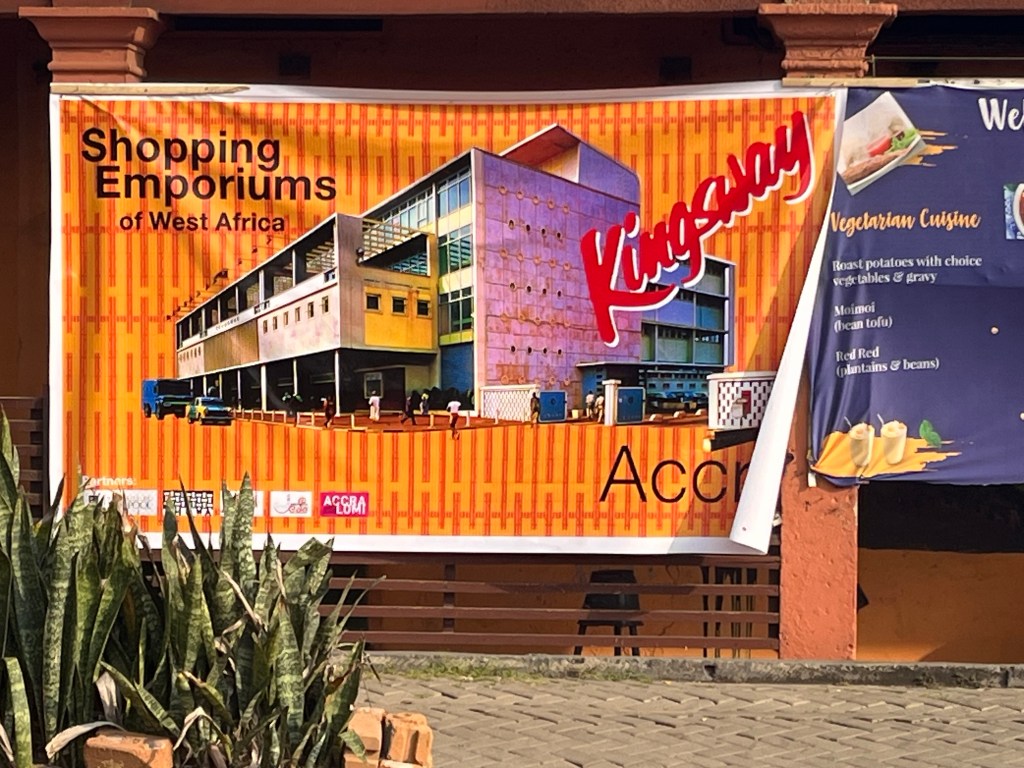
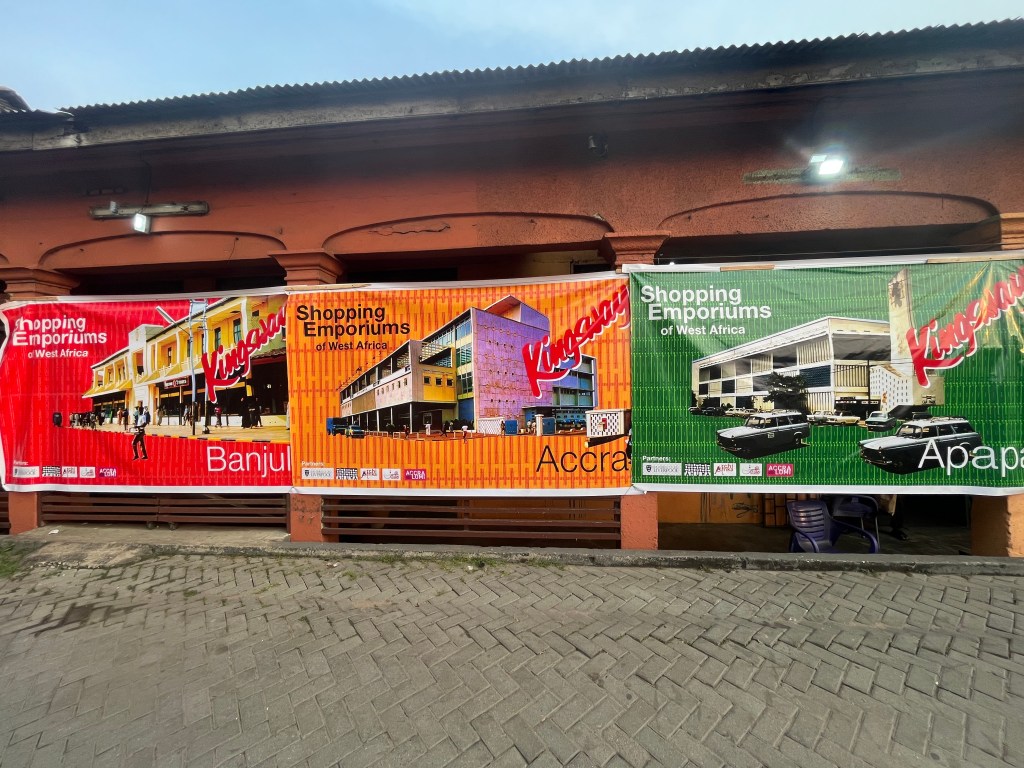
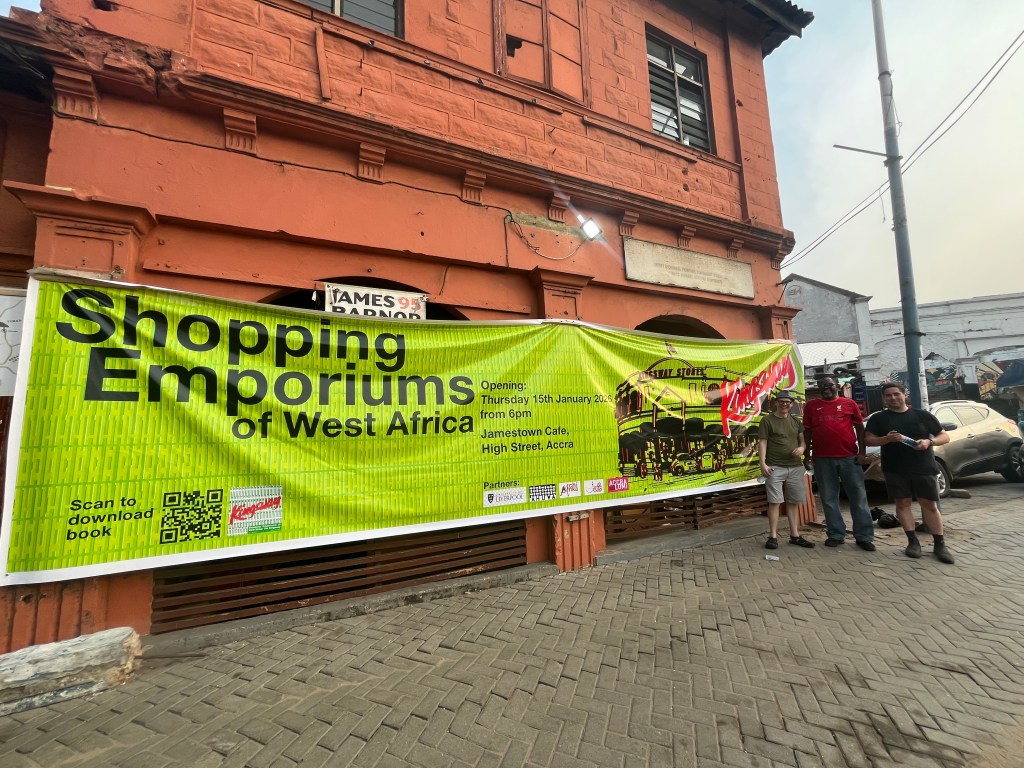
What makes presenting this exhibition in Accra particularly meaningful is the opportunity to share this research in the very city where the first Kingsway store stood. The ruins stand next door to the gallery – a poignant reminder of this commercial and architectural heritage. Through collaboration with Allotey Bruce Konuah, we’ve extended the exhibition beyond the gallery walls with vinyl street banners installed on both the gallery exterior, creating a dialogue between past and present. The banners also contain QR codes so visitors and passers-by can freely download the catalogue.
Our commitment to sharing this research extends beyond this single exhibition. We were interviewed on Asaase Radio morning show and it was great to share our work with a broader audience across Ghana. Following the exhibitions run in Accra through to Easter, we hope to tour the exhibition to other venues, continuing the conversation about how retail modernism, colonial commerce, and architectural heritage intersect. This exhibition reminds us that architecture is never merely about buildings; it’s about the economic, social, and political systems that produce them.
This article examines the operative uses of modernist design by the Kingsway Stores, an elite department store chain active across West Africa. Kingsway responded to independence by instrumentalizing a particularly modernist domesticity through a series of didactic marketing efforts and the construction of boldly modernist new stores. While it was responding to African demands, this instrumentalization of modernist design was planned and executed as a business survival strategy: modernism is here revealed as complexly imbricated with colonial and neocolonial profit-seeking.

Kingsway Apapa, Lagos, Nigeria, Reproduced from an original image in Unilever Archive, UAC/1/11/10/1/9/1

Harrison, E., Jackson, I., Addo, I. A., & Muraina, O. (2024). “Kingsway leads the way to modern living”: British Profit-seeking and Modernism in Ghana and Nigeria 1920–1970. Journal of Design History, Article epae010. https://doi.org/10.1093/jdh/epae010

Ewan Harrison Writes:

Kingsway, Sekondi Advertisement Picture courtesy of Unilever Archives

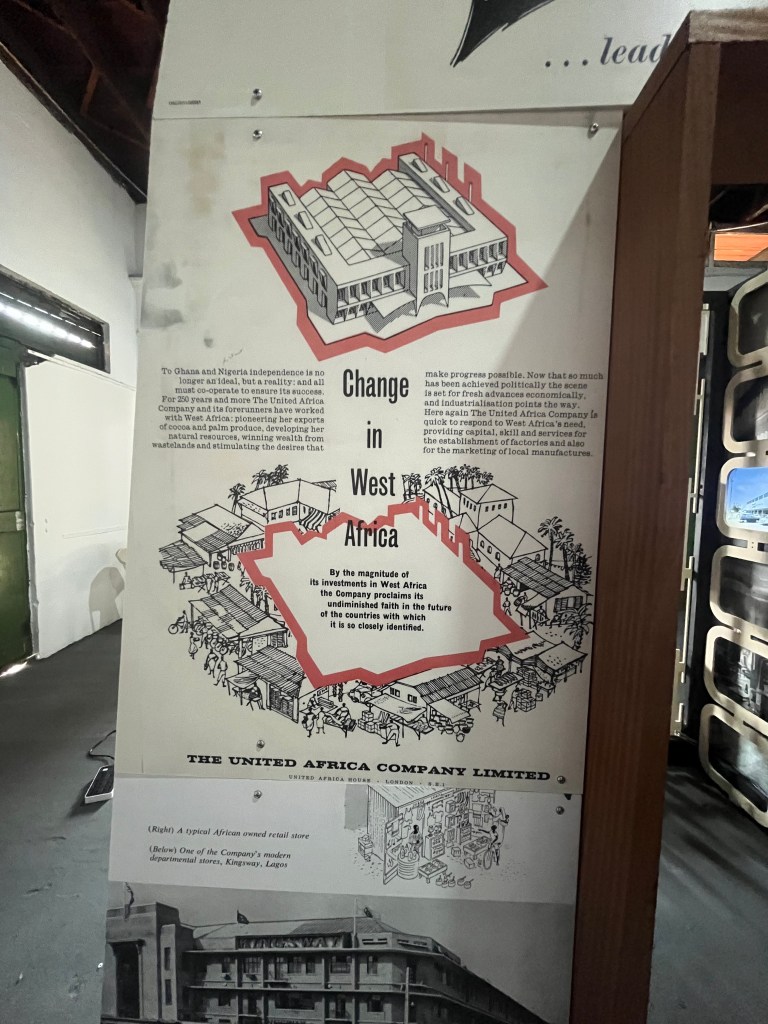
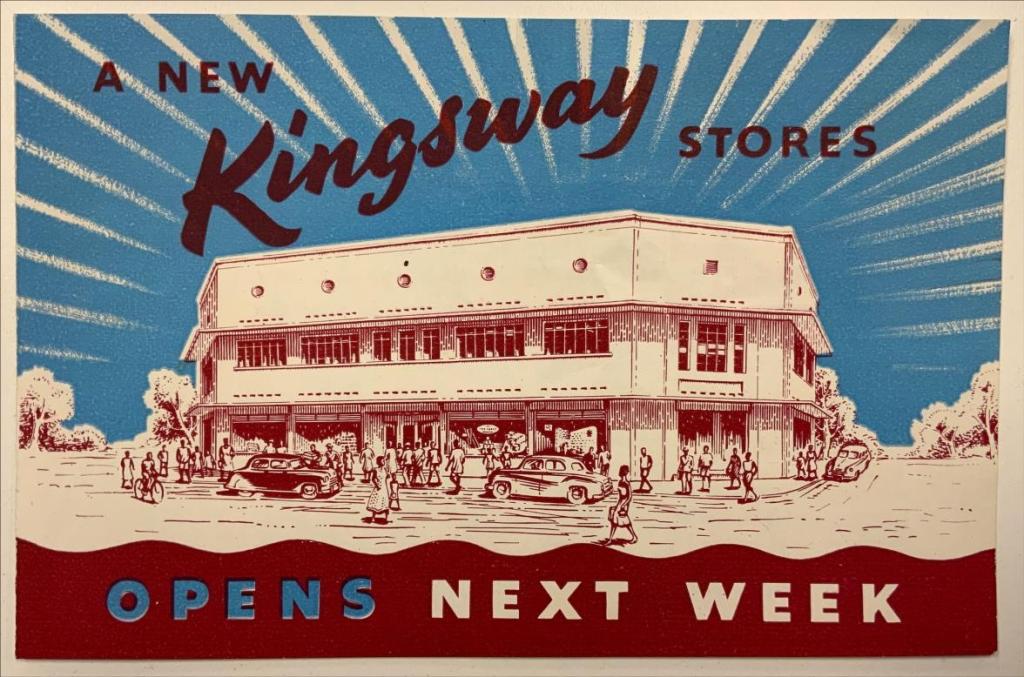
Kingsway Stores was the most exclusive retail chain in colonial British West Africa. Established by a British import-export firm, Miller Brothers, the chain’s first two department stores opened in Accra and Kumasi in 1915-1920 and were explicitly modelled on Harrods and Selfridges. Named for the boulevard in London’s Holborn, where Millers was headquartered in a stodgily baroque office building, the Kingsway Stores sold imported food, clothing and home wear to a primarily British expatriate clientele. By 1929, a series of mergers and takeovers saw Miller Brothers absorbed into Unilever’s vast African subsidiary, the United Africa Company, which is currently the subject of a collaborative research project led by the University of Liverpool and Unilever Archives, and funded by the Leverhulme Trust. 

Kingsway Stores, Sekondi, 2022 Image: Iain Jackson

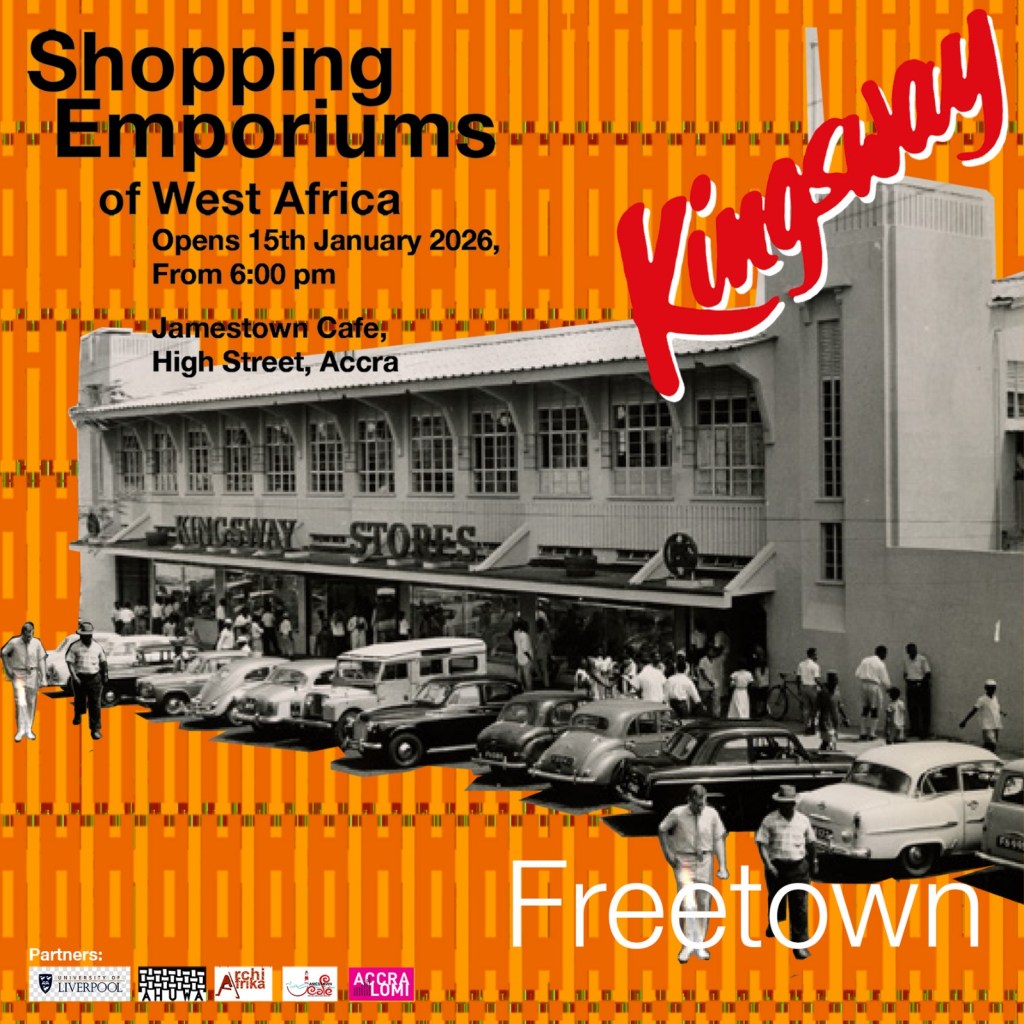
The Kingsway chain grew under the United Africa Co.’s ownership and by the early 1950s, Kingsway stores traded  in each of the British West African capitals, Accra, Lagos, Freetown, Banjul, and in many of the larger towns and cities across the region: Kumasi, Cape Coast, Sekondi, and Tamale in the Ghana, and in Jos and Kaduna in Nigeria. Like many of these stores, the Sekondi store was designed by the Unilever In-House Architects and Engineering Department, headed by James Lomax-Simpson.  A graduate of the University of Liverpool School of Architecture, Lomax-Simpson designed numerous buildings for Unilever, including housing at the famous company town, Port Sunlight. The designs that his team produced for United Africa Co. offices, warehouses and retail stores across West Africa tended towards the mildly moderne, with some slight modifications for local climatic conditions through the use of canopies and verandas to provide shading from the sun and allow for the higher loads of rainwater run-off required during the rainy season. The Sekondi Kingsway store is a paradigmatic example of this work. 

Party at Kingsway Store in Bathurst/Banjul, Gambia, held in 1953. Picture courtesy of Unilever Archives.

The growth of the Kingsway chain in the interwar years reflected the expansion of British expatriate technicians, civil servants and businessmen during a period known as ‘the second colonial occupation.’ Increased investment in development projects, ultimately designed to maximise the flow of cocoa and precious metals from West Africa and thus boost Britain’s dollar reserves, saw not only an increase in British expatriate staff working in late colonial West Africa, but also their increasing embourgeoisement. The growth of the chain also reflected, and, indeed, facilitated, changes in the gender balance of British communities in West Africa. British women were originally discouraged from settling in the region, but by the 1940s the availability of malaria prophylaxis and yellow fever vaccines saw increasing numbers of women taking positions within colonial administrations, and wives joining their husbands on tours of duty across the region. As Laura Ann Stoler notes, the presence of European women ‘accentuated the refinements of privilege and the etiquettes of racial difference… women put new demands on the white communities to tighten their ranks, clarify their boundaries and mark out their social space.’ Racially segregated bungalow reservations proliferated across ‘British’ West Africa in this period. Within these reservations, ‘Europeanness’ was performed through a constant round of dinner parties, drinks parties, tennis parties, through the consumption of imported tinned and preserved food, through patterns of dress and home decoration. Kingsway stores, which emphasised that ‘orders were delivered direct to bungalows,’ supplied all the goods required for this memetic of bourgeoise English life. 

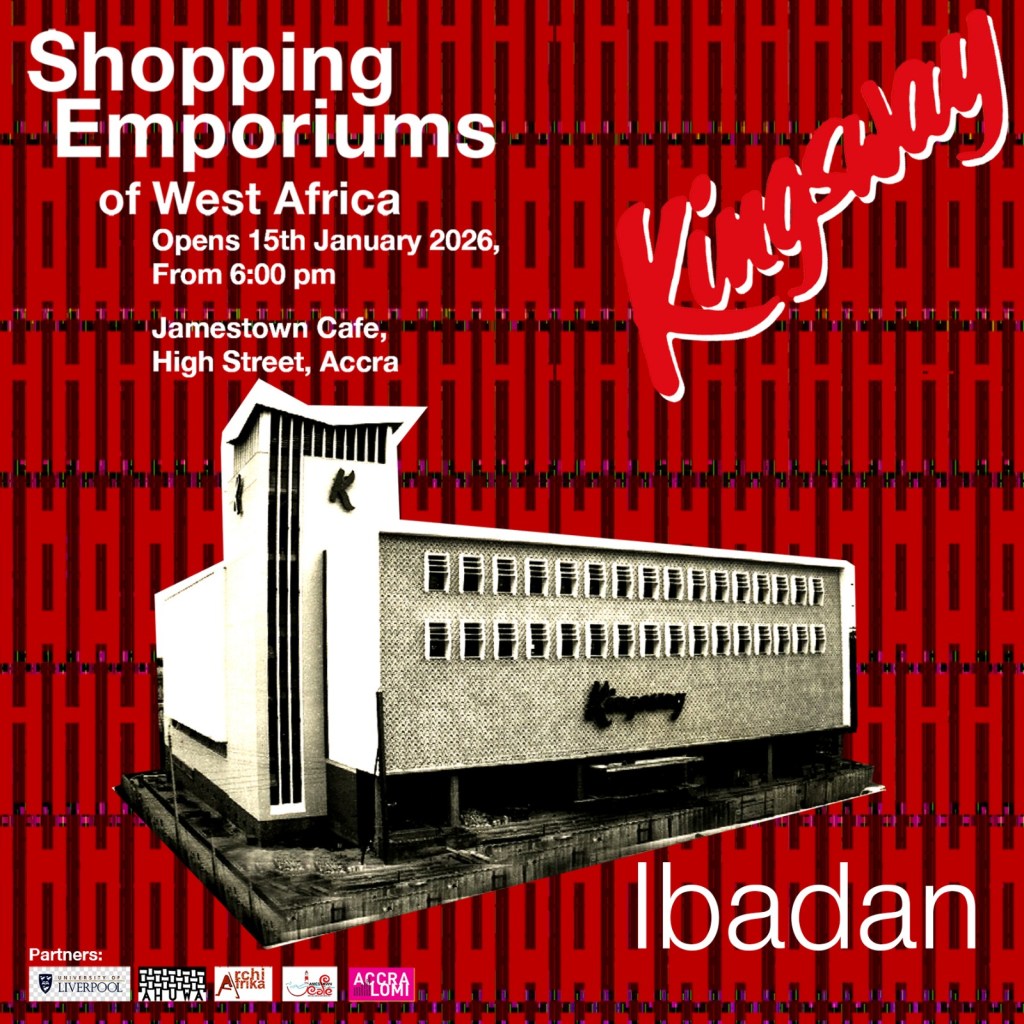
Figure 4 Kingsway Stores, Ibadan. 1960. TP Bennett & Partners. Picture courtesy of Unilever Archives.

By the mid-1950s, as political decolonisation neared in West Africa and both civil services and expatriate companies increasingly ‘Africanised’ their staff, the Kingsway Stores faced the loss of its primary customer base. Perhaps paradoxically, the company management combatted this through a programme of expansion. Boldly modernist new stores, designed by the British commercial architectural firm TP Bennett & Partners, were opened in Accra, in the Lagos suburbs, in Ibadan and Port Harcourt in Nigeria. At the same time, didactic marketing campaigns – exhibitions, product demonstrations, fashion shows – were instrumentalised to sell a vision of modern, and, indeed, modernist, domesticity to an elite African clientele. An Ideal Homes Exhibition, sponsored by the British Design Council and held at the Lagos Kingsway Store in 1962, for example, offered advice on ‘such subjects as how to create harmony with simple furnishings and the tricks of entertaining which make a house-wife into a hostess.’ Kingsway at the end of empire therefore shrewdly manoeuvred itself away from selling ‘Europeanness,’ to selling ‘Modernity’ to the emerging, post-colonial, African elite, a shift in mode that sheds light on the entanglements between modernist architecture and design on the one hand, and colonial and neo-colonial profit extraction on the other. 

Fig 5: Kingsway Stores advertisement, c1960. Picture courtesy of Unilever Archives.

Originally published here https://c20society.org.uk/building-of-the-month/kingsway-stores-sekondi-ghana October 2022