Have a listen to Rixt Woudstra and Ewan Harrison talking more about how we researched, made, and designed our latest book ‘Architecture, Empire and Trade‘ on the New Books in Architecture podcast series…. Thank you to Matthew Wells for hosting the podcast and for the super questions and comments.
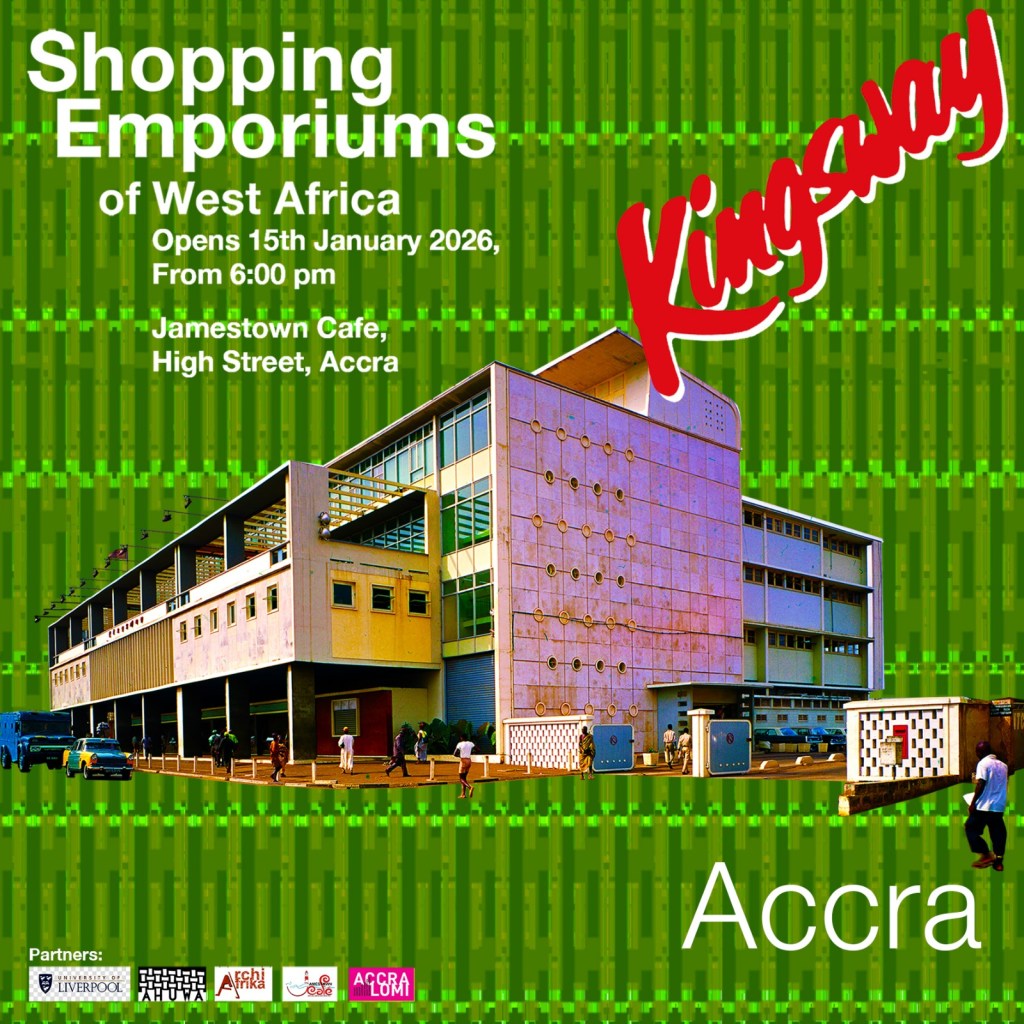
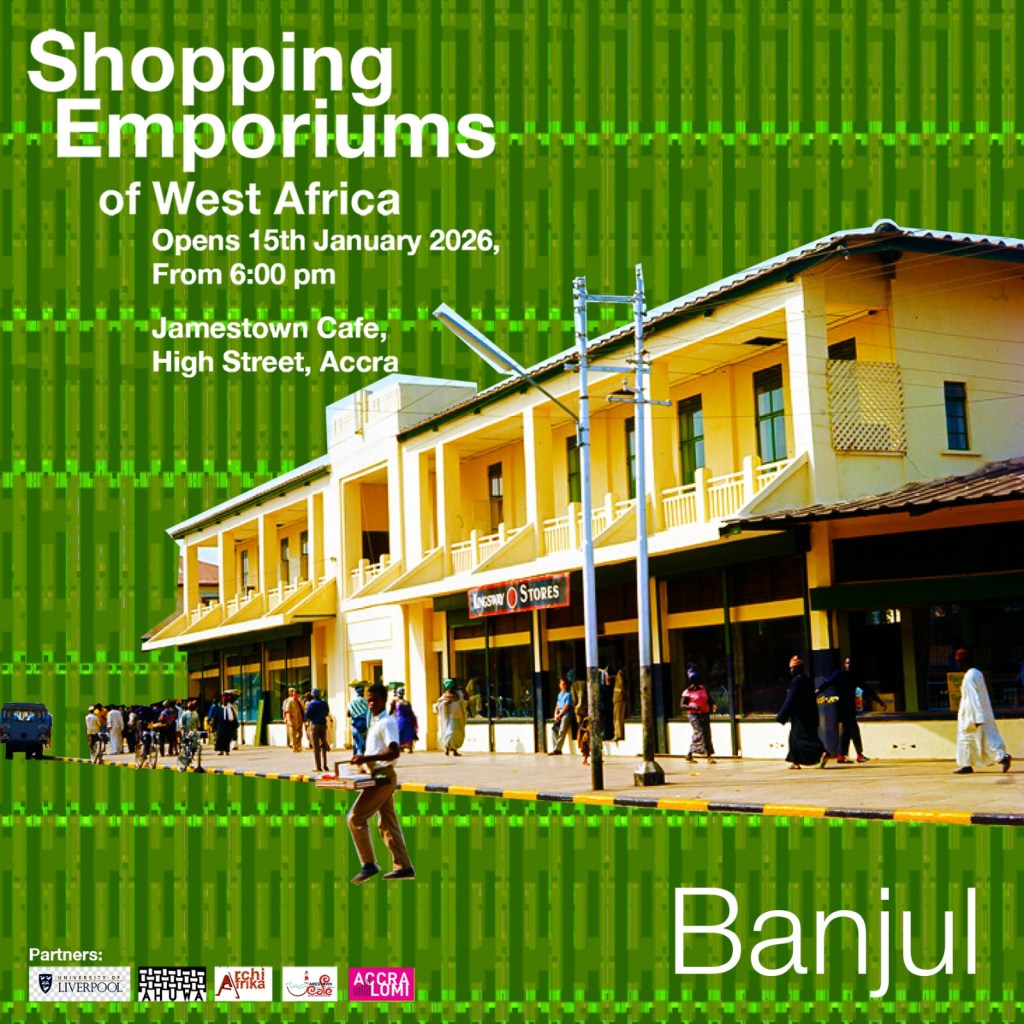
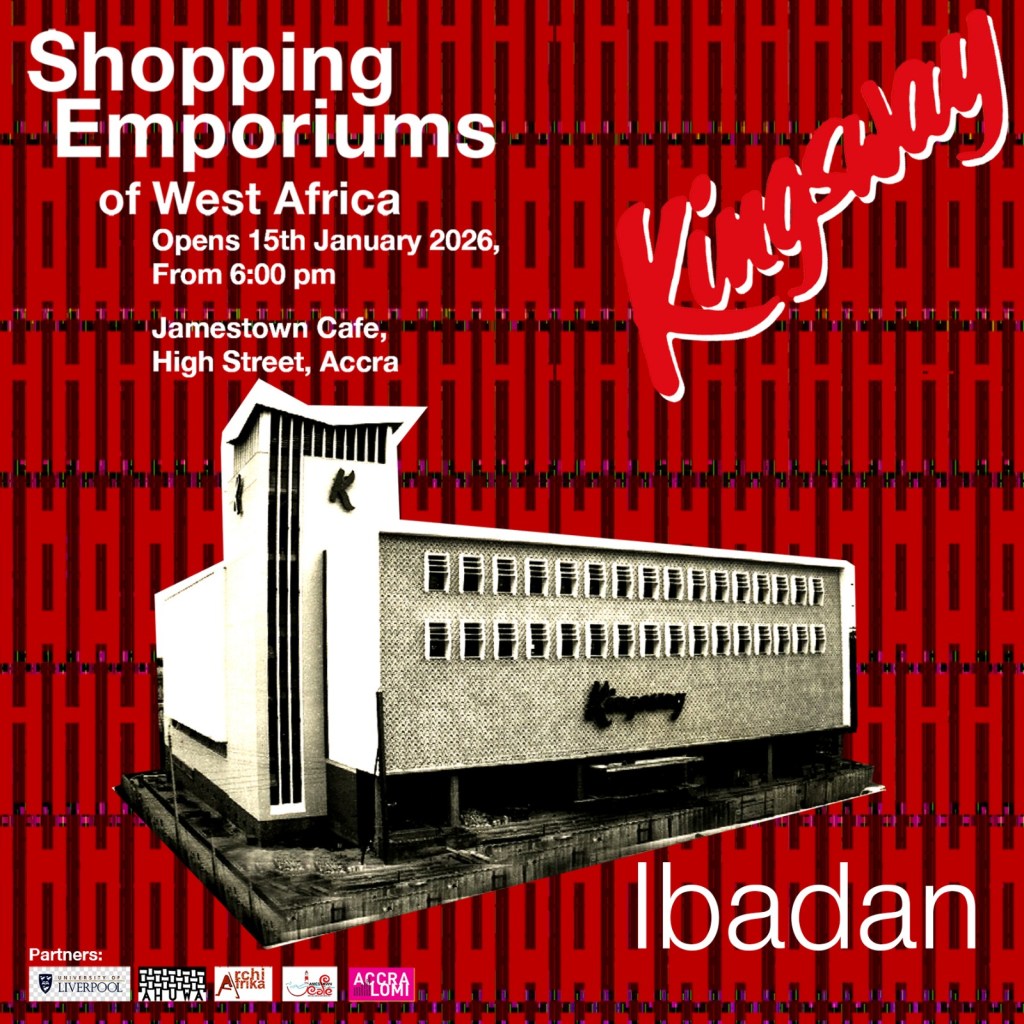
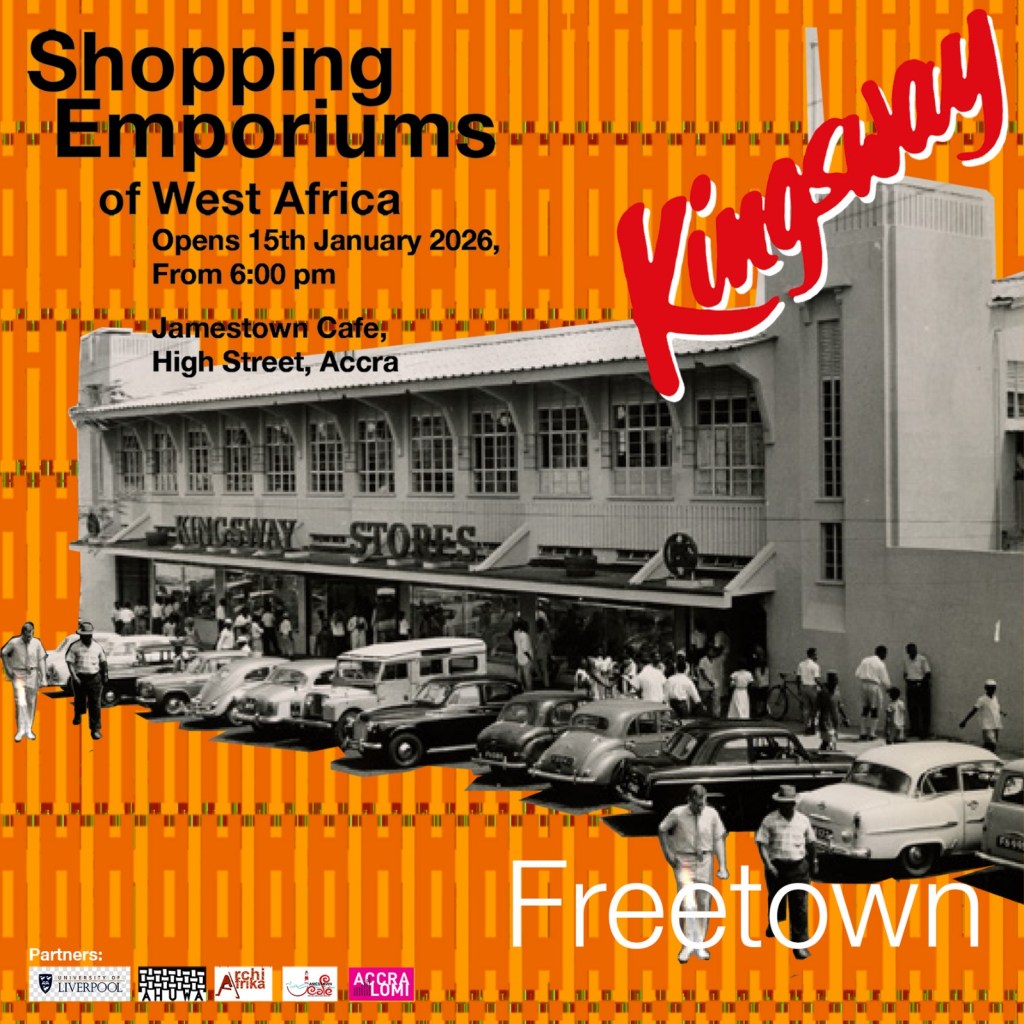
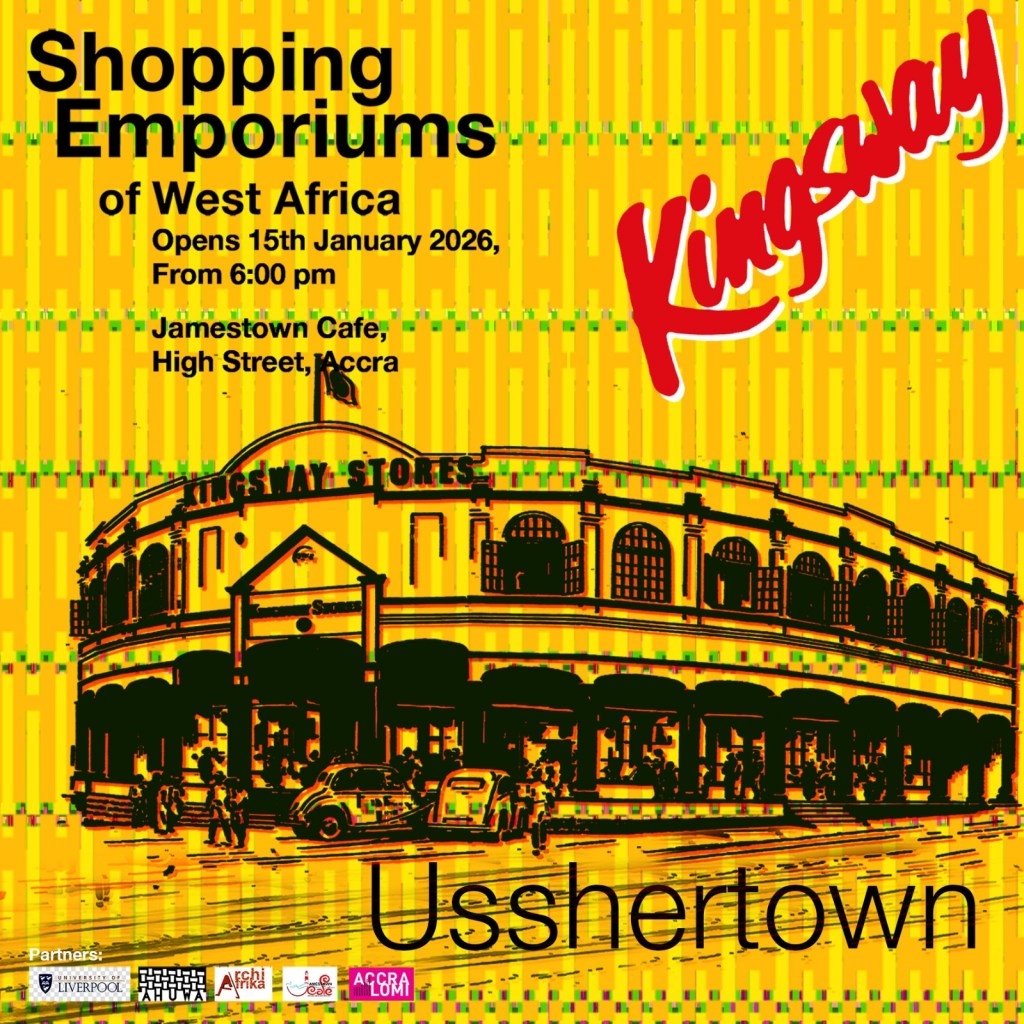
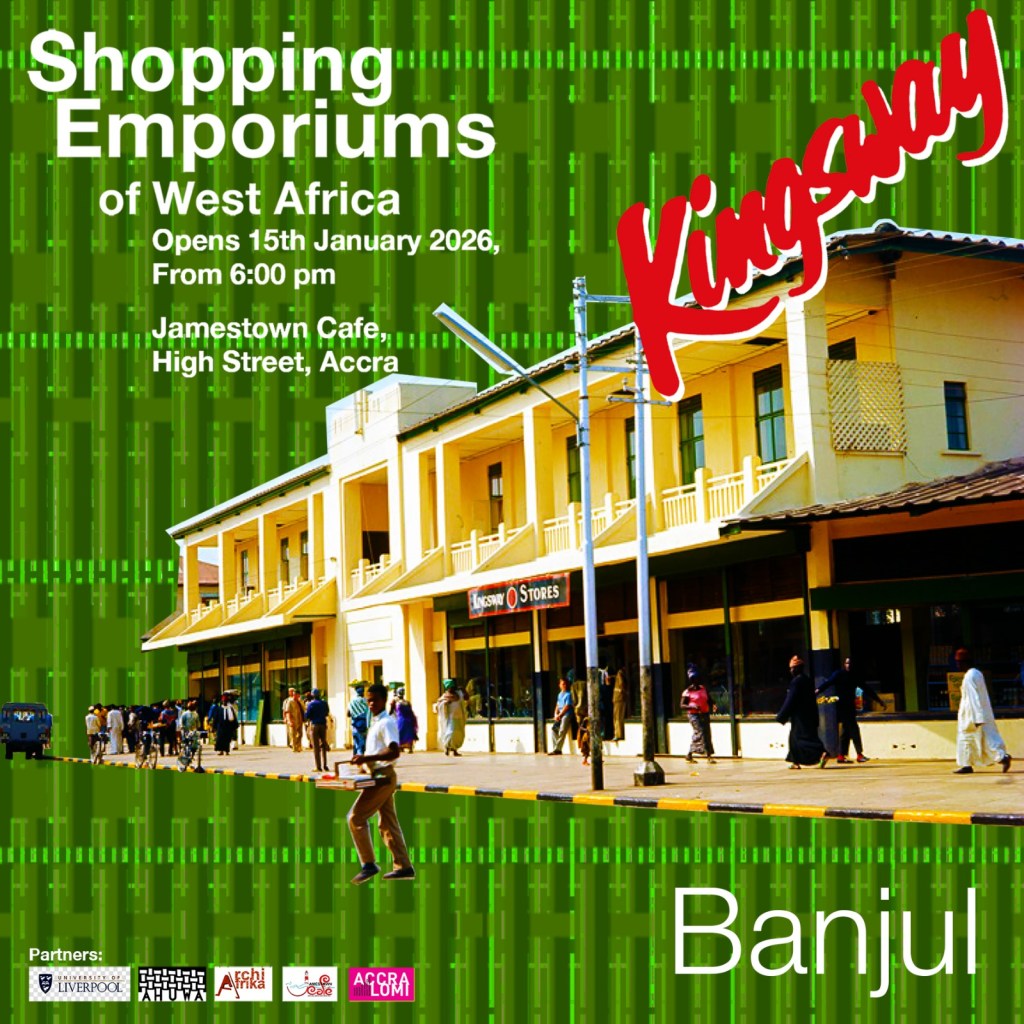
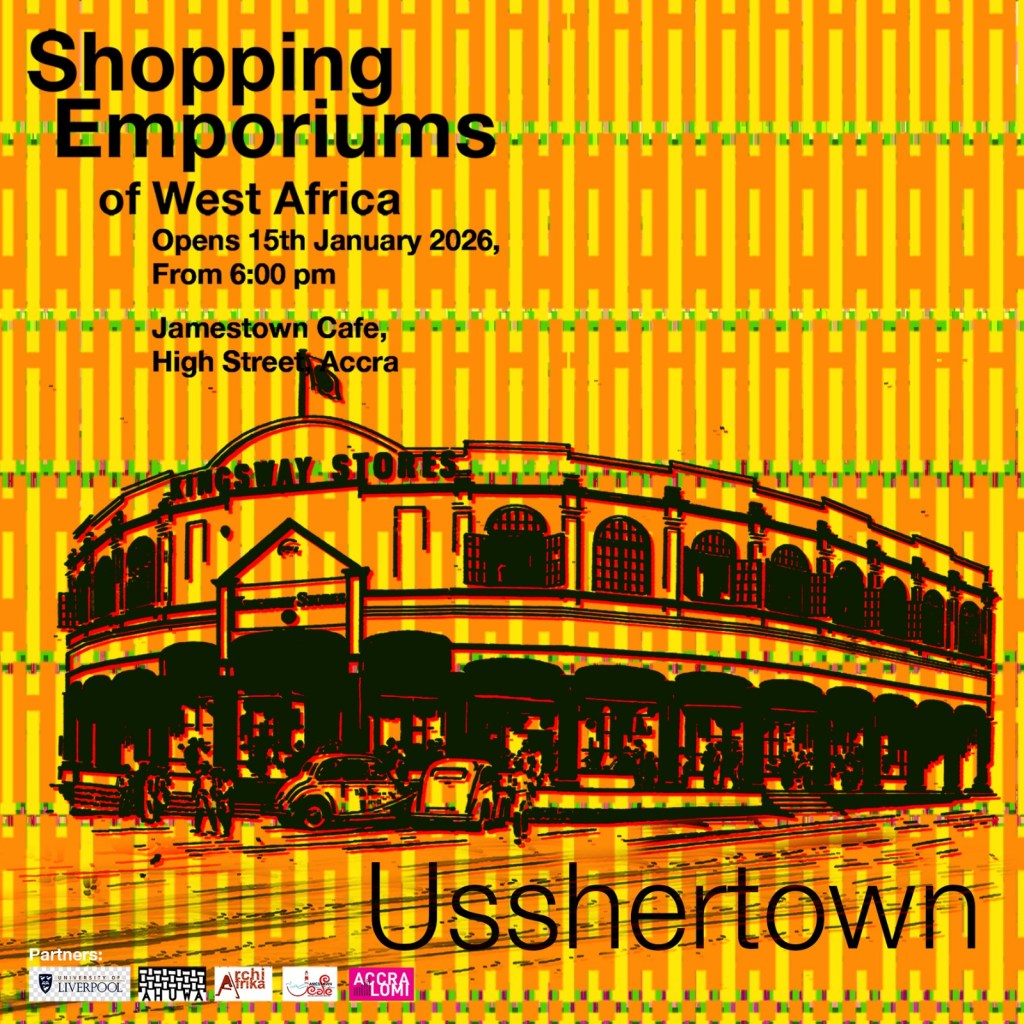
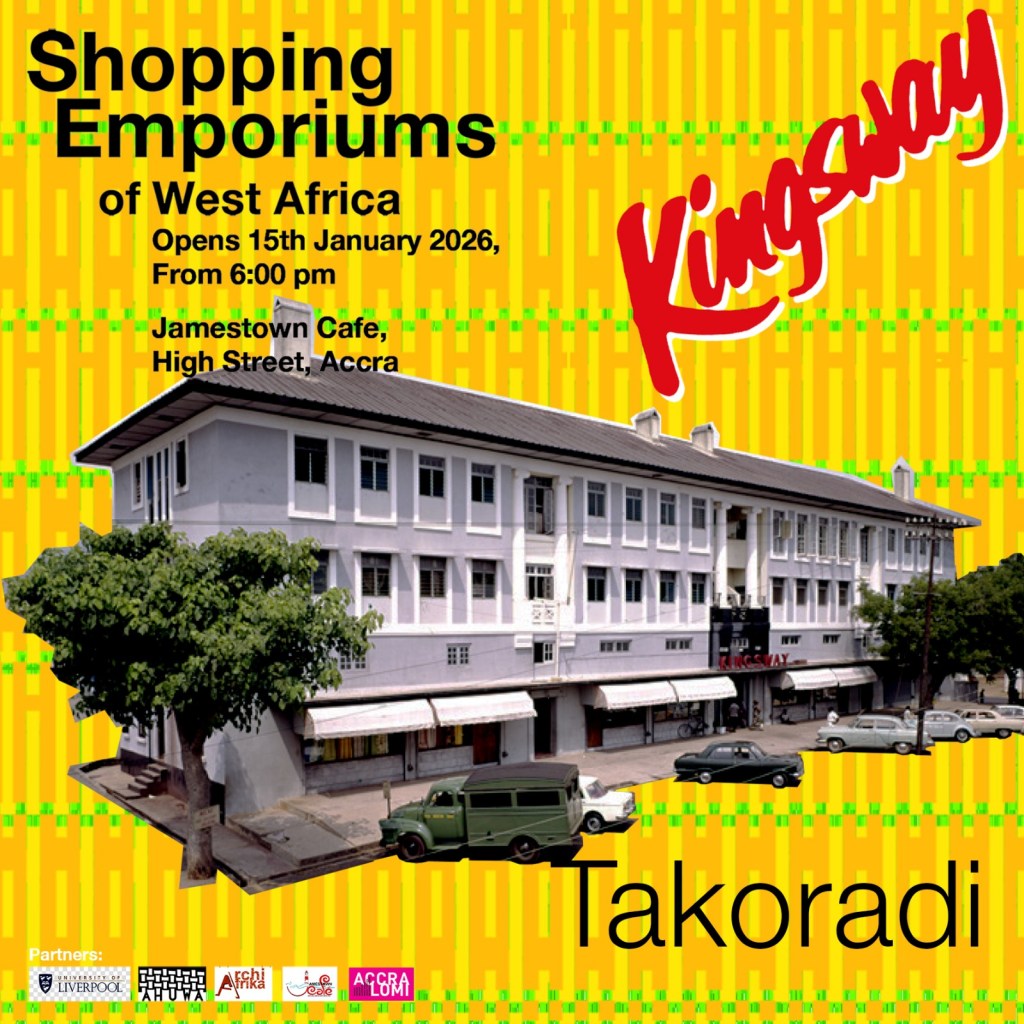
Bringing the Kingsway Stores Home: Our Exhibition Opens in Accra15 Jan – Easter
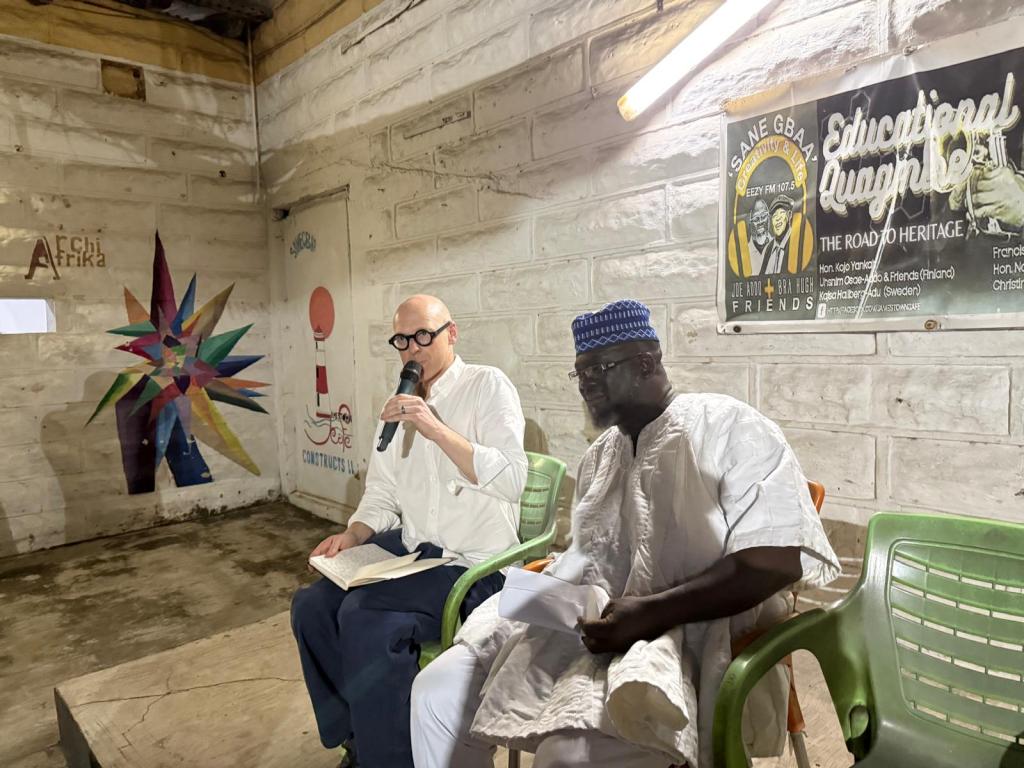
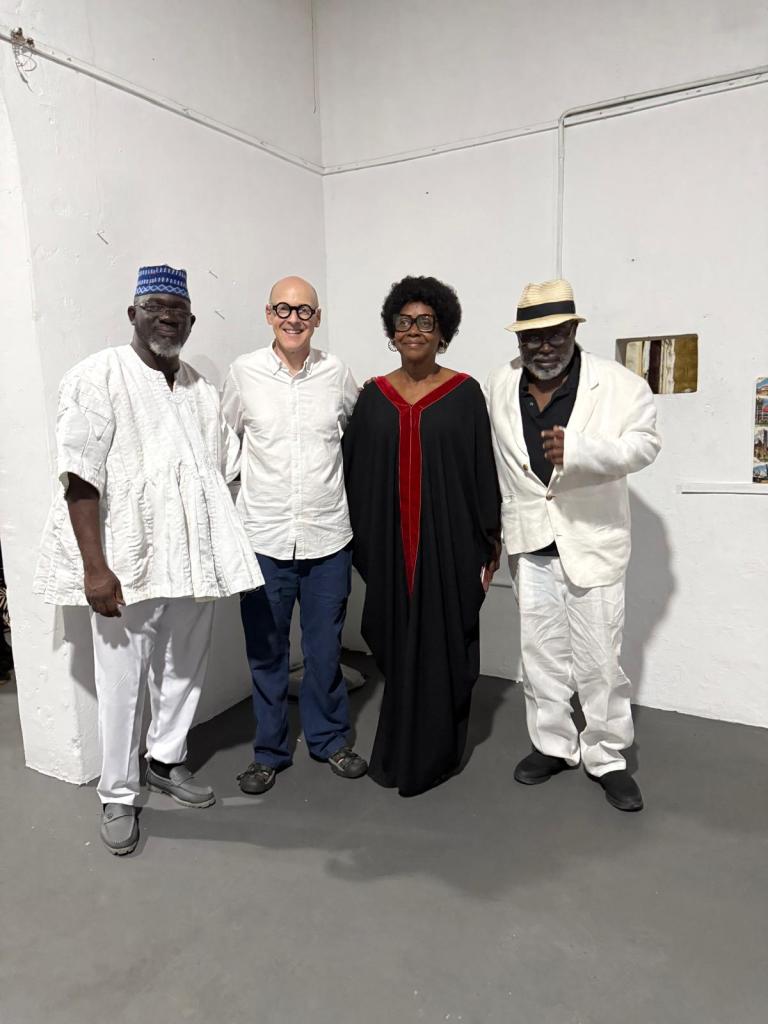
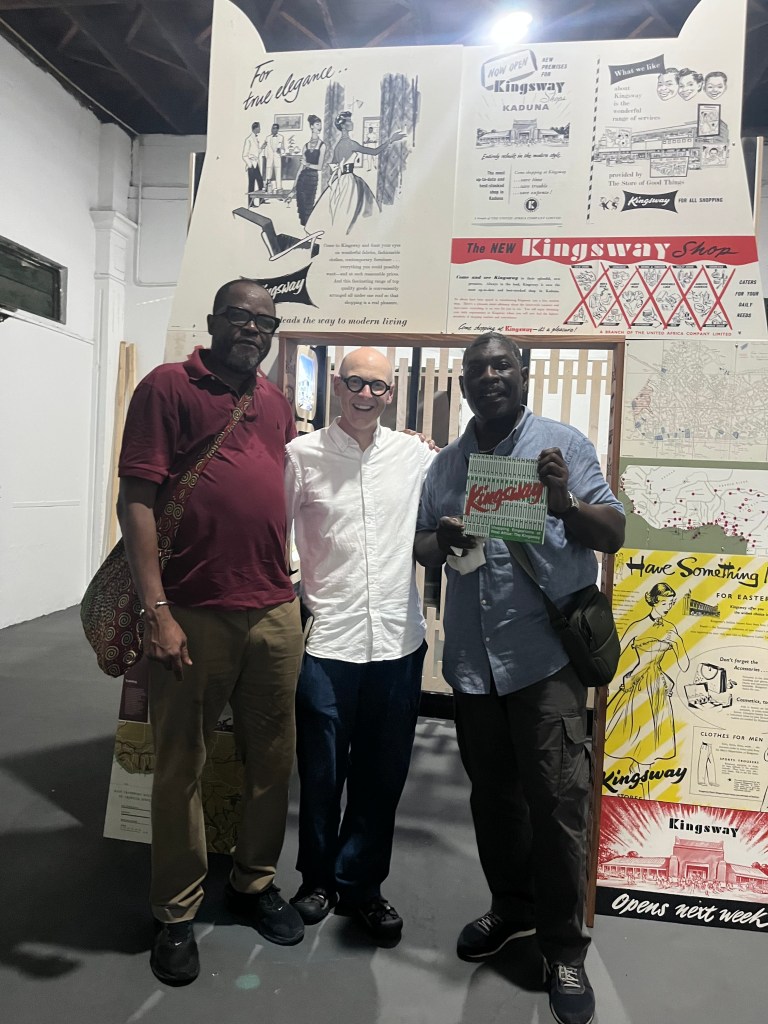
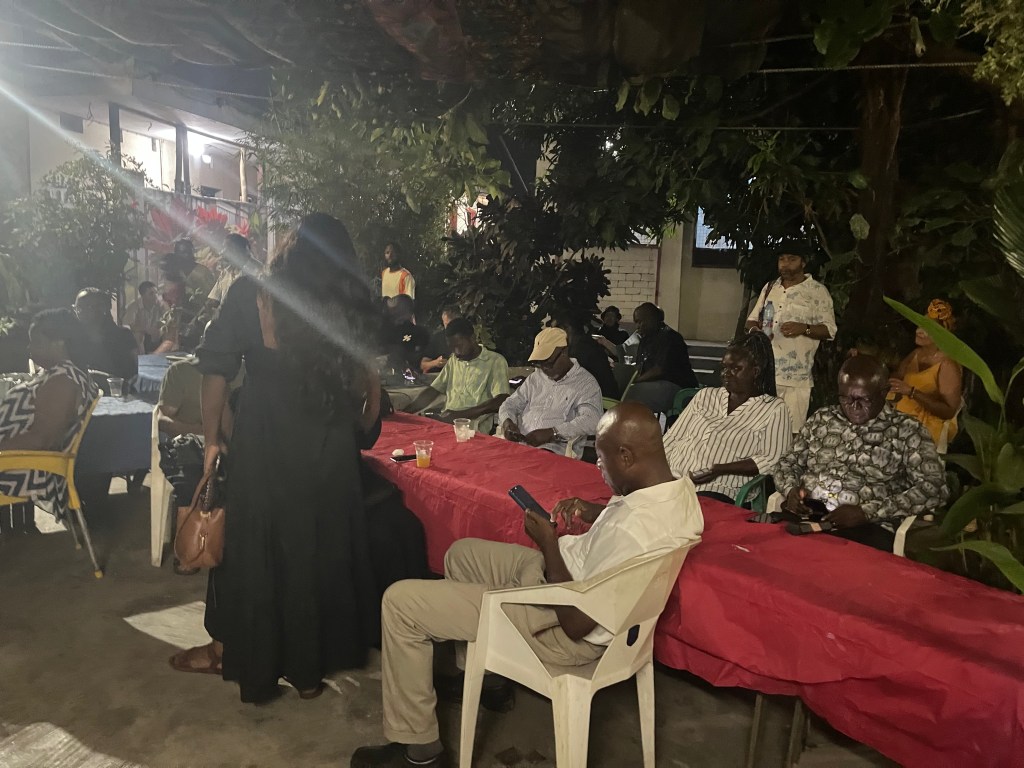
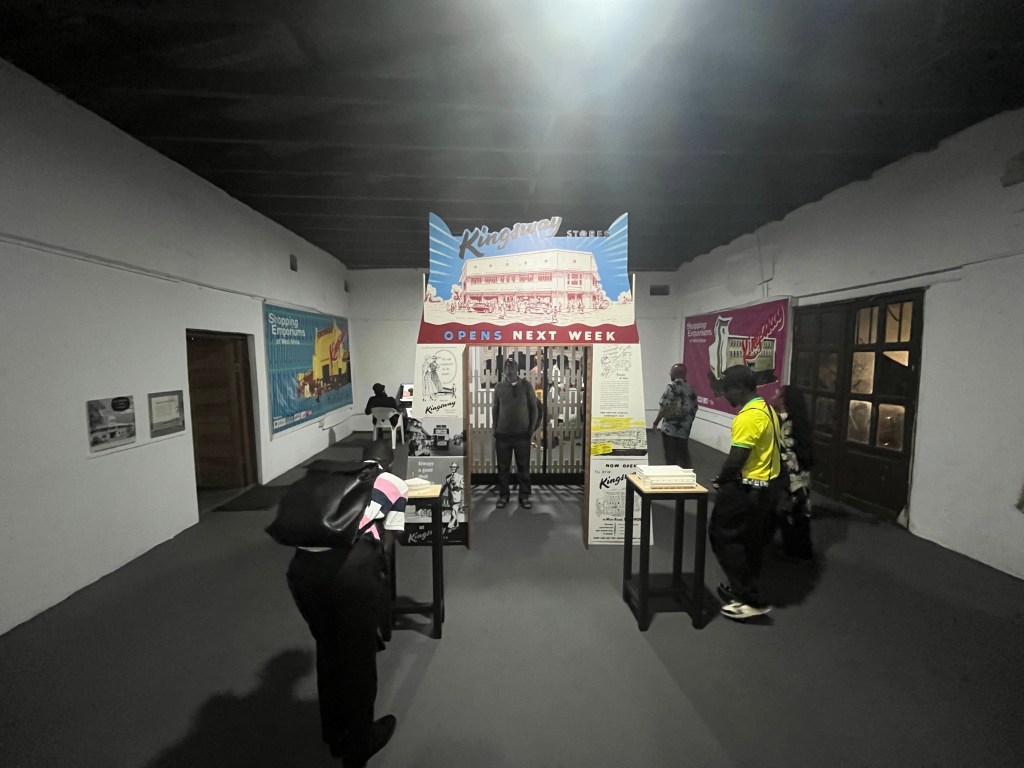
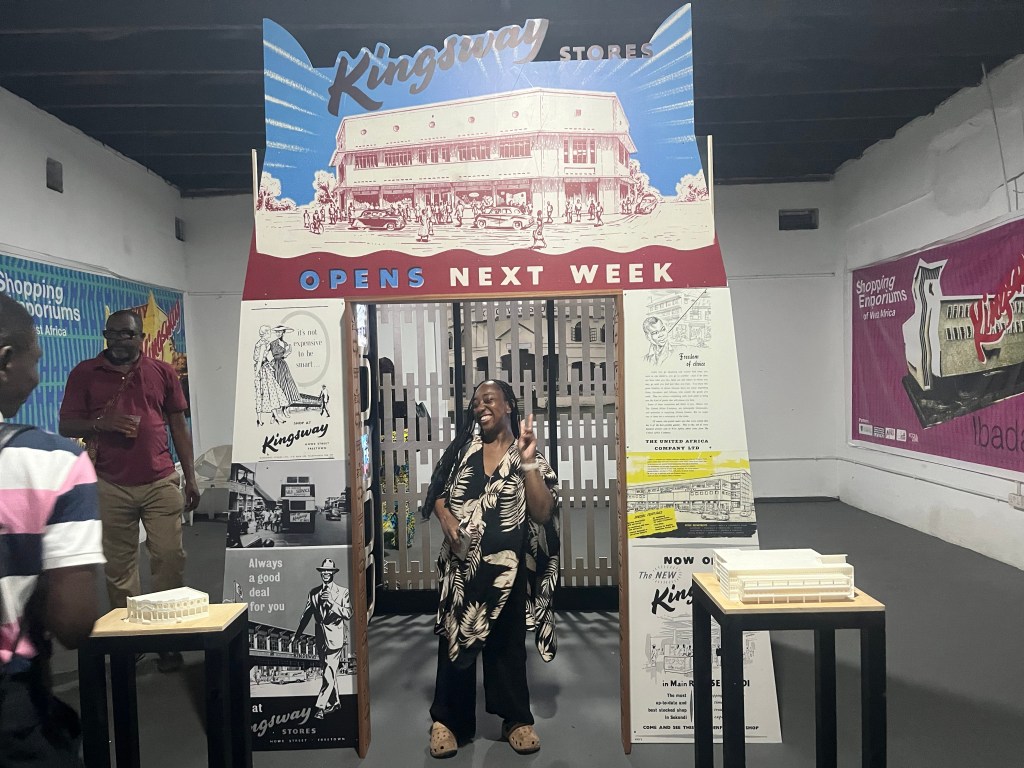
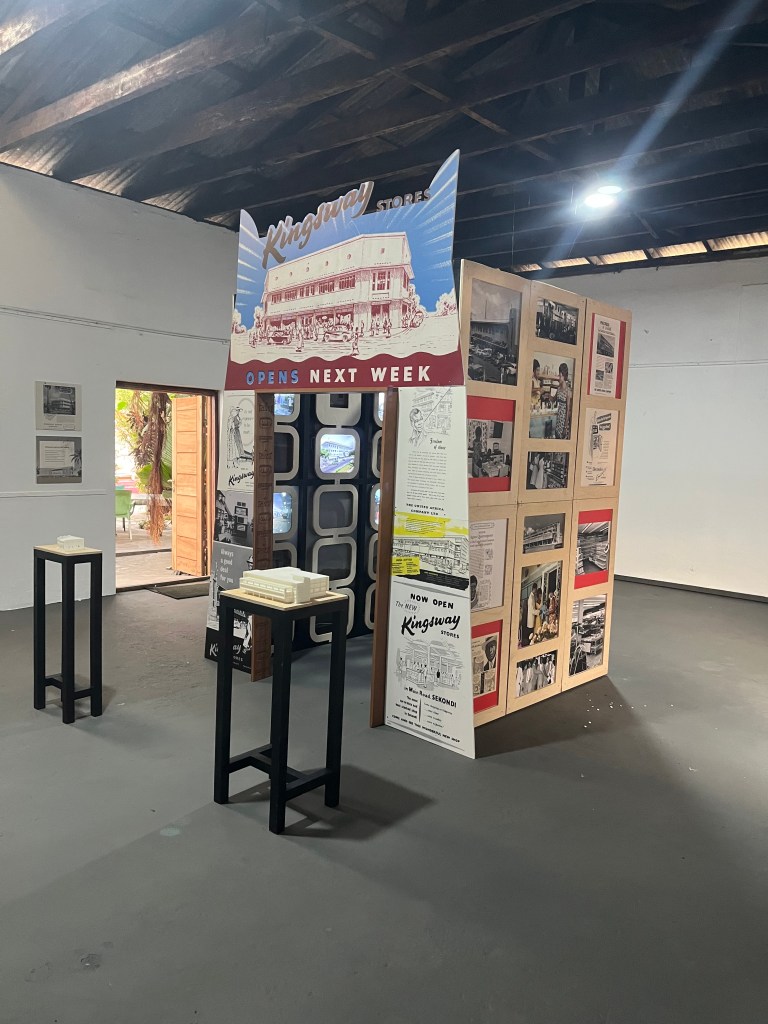
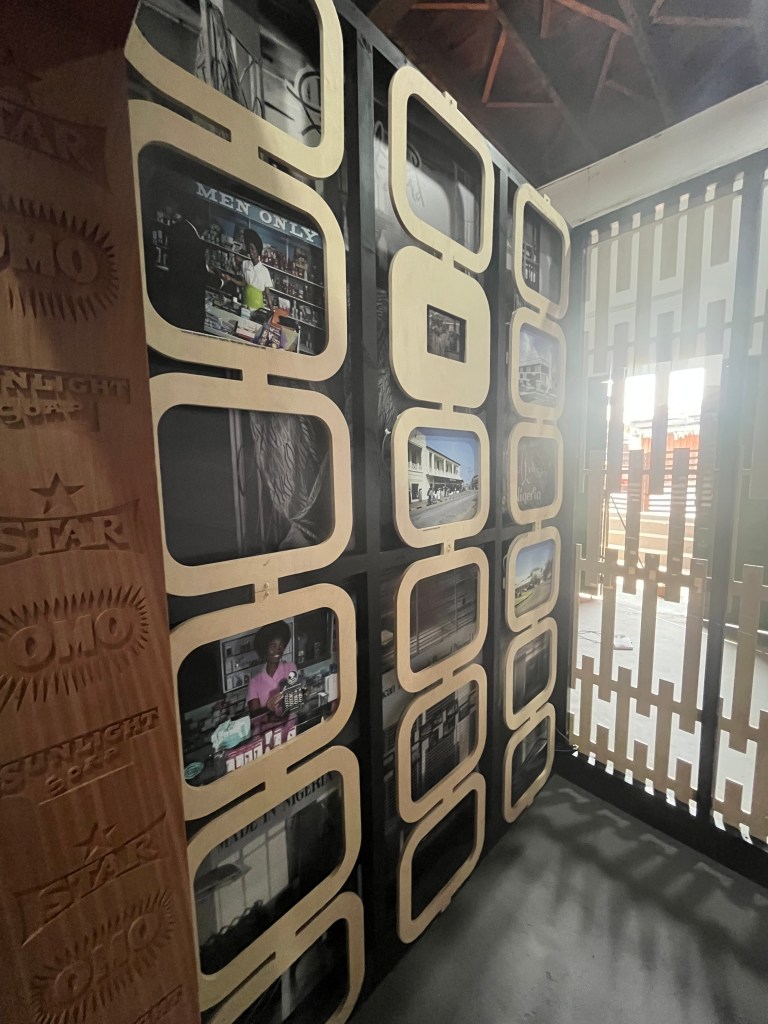
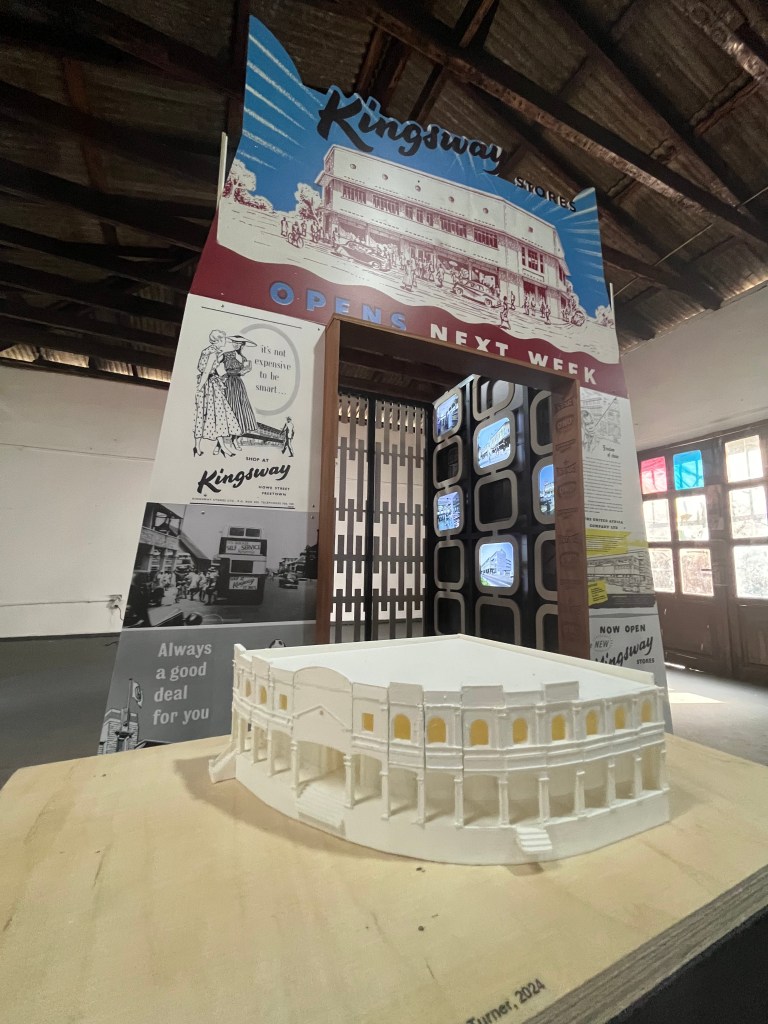
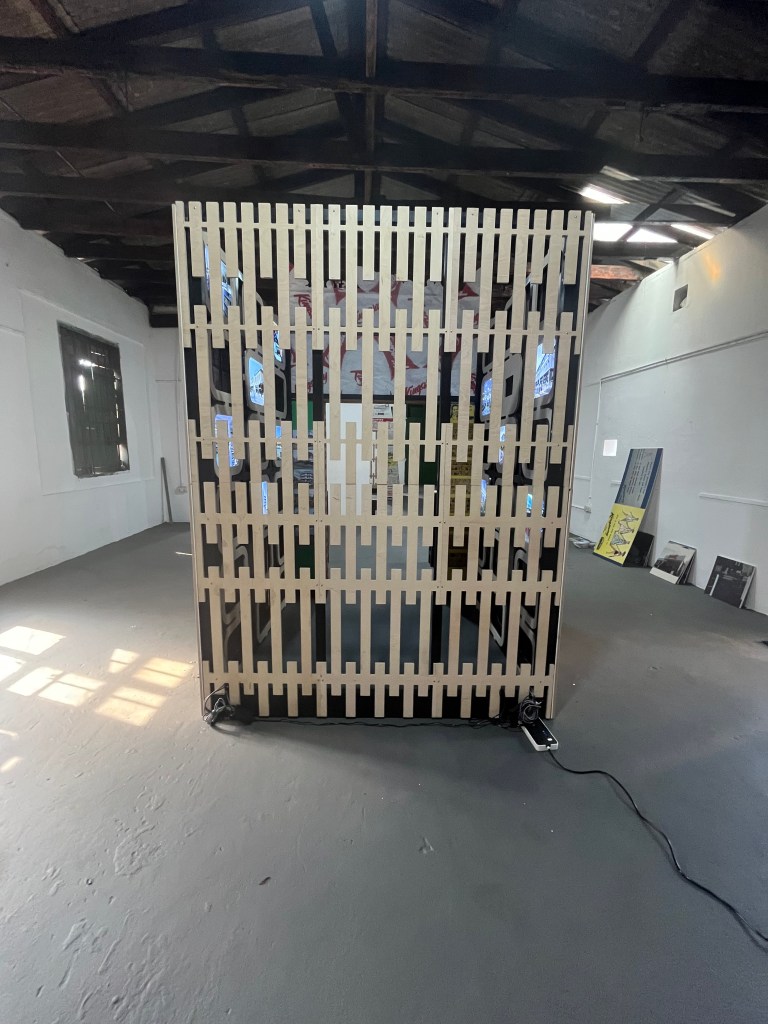
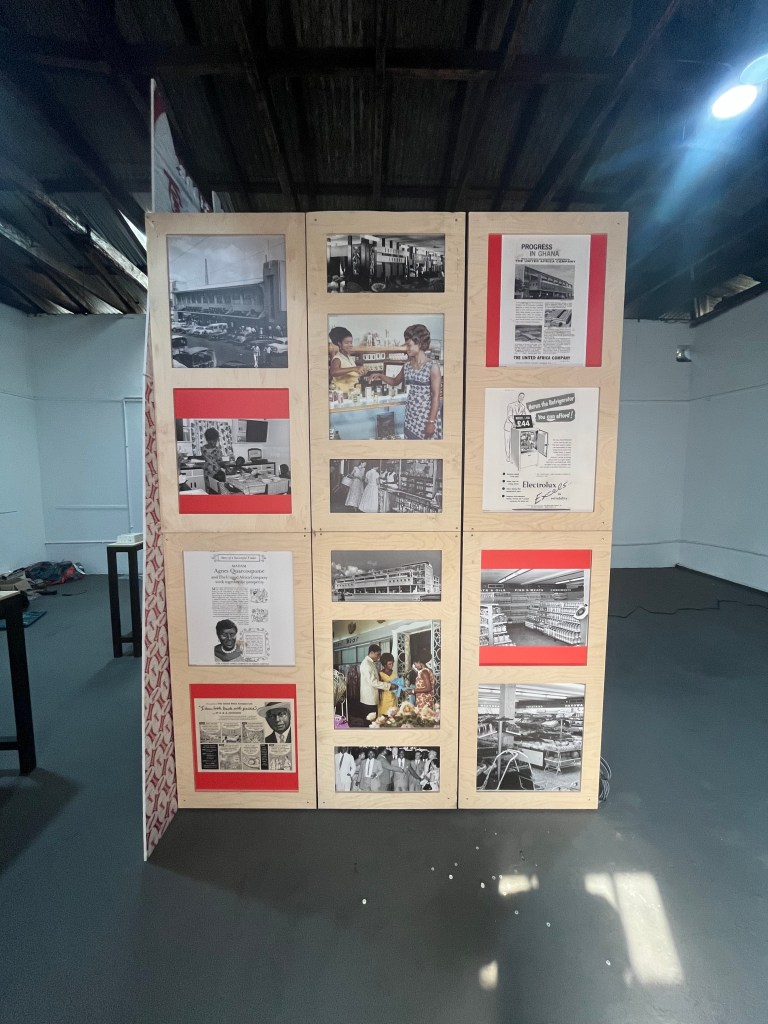
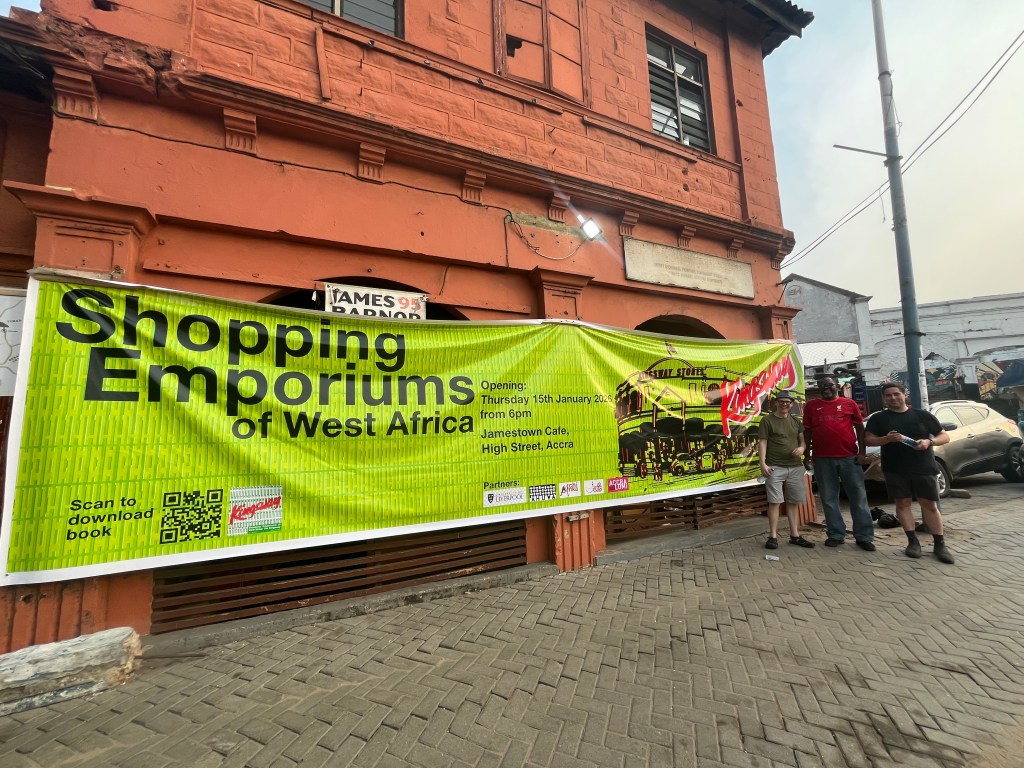
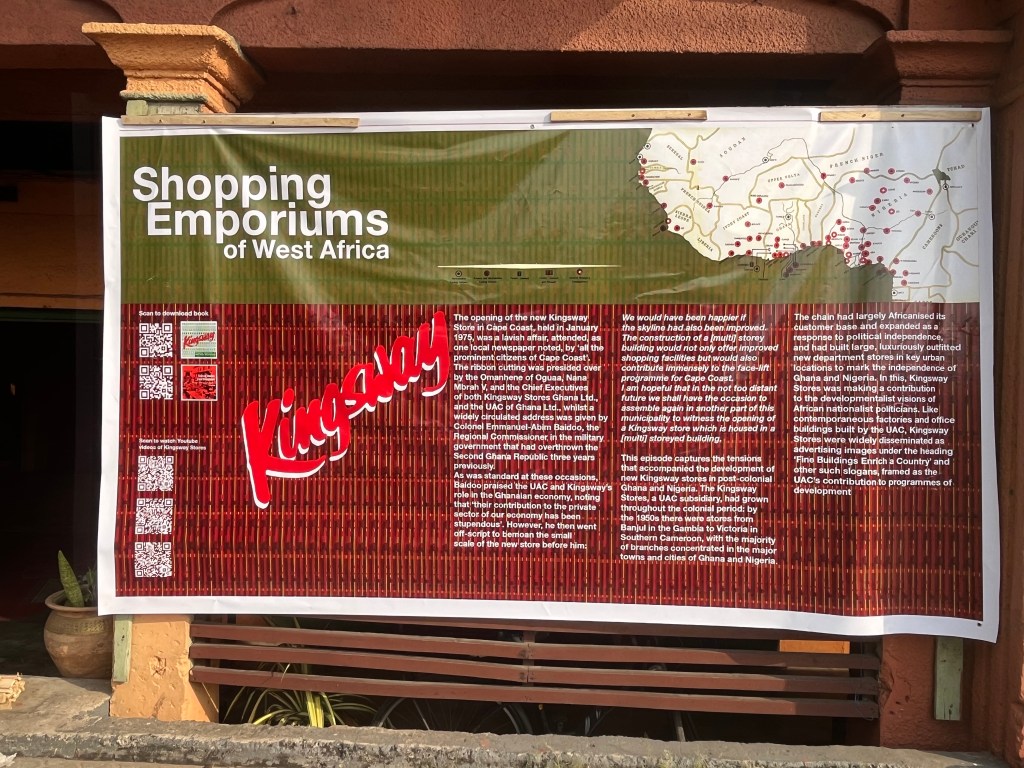
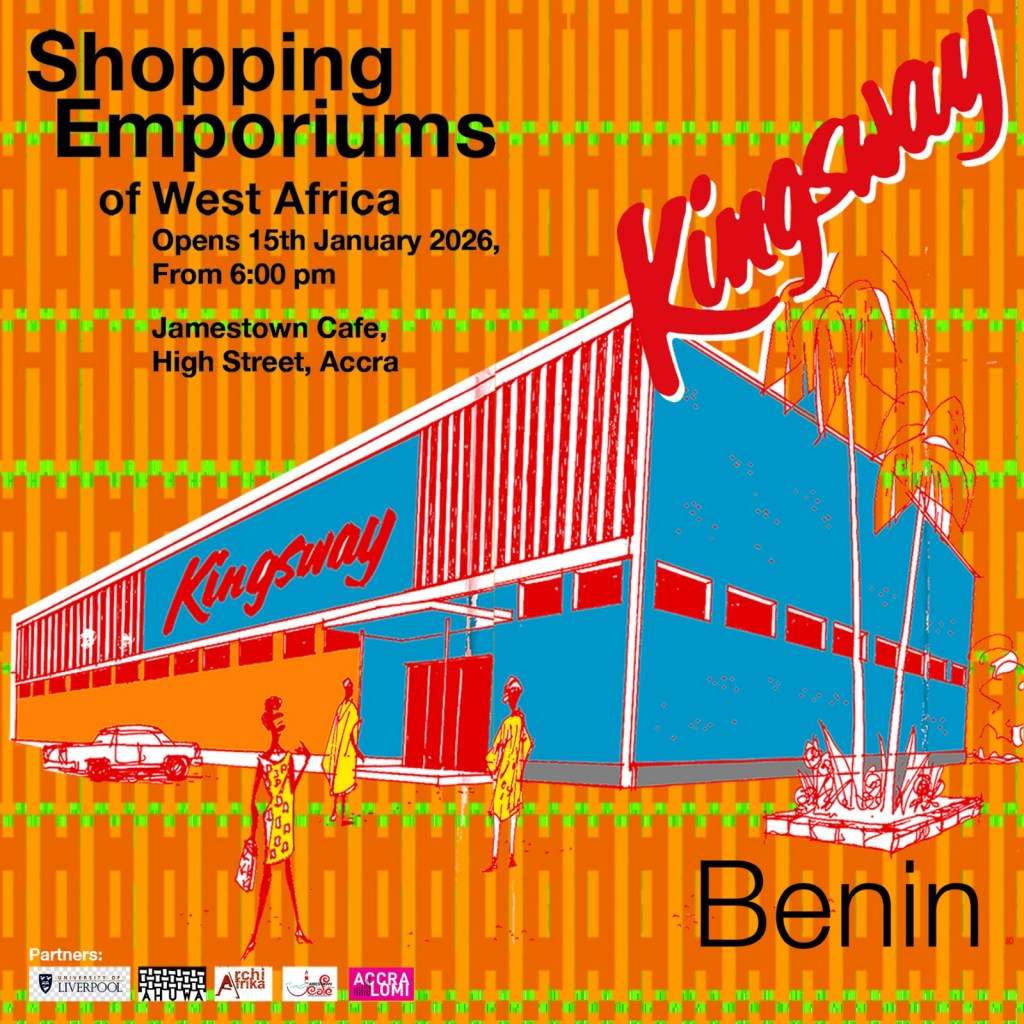
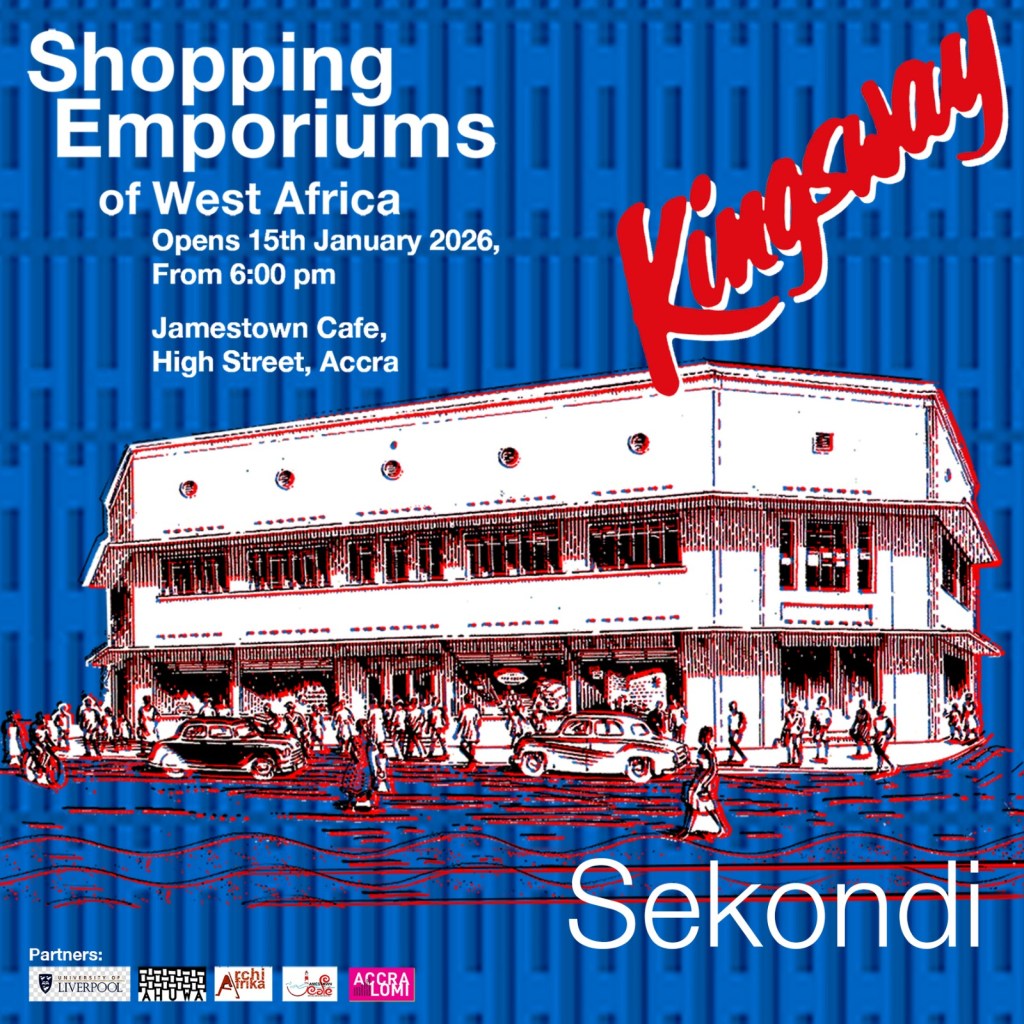
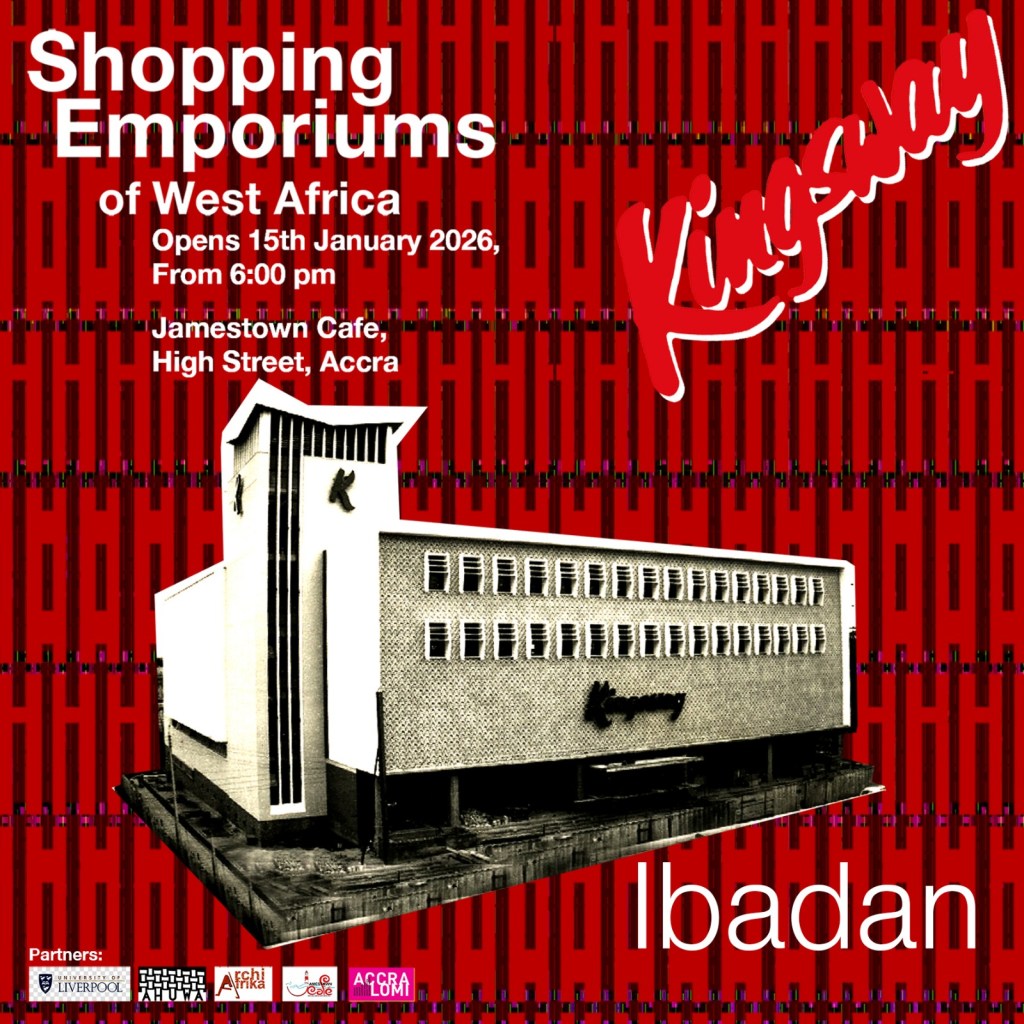
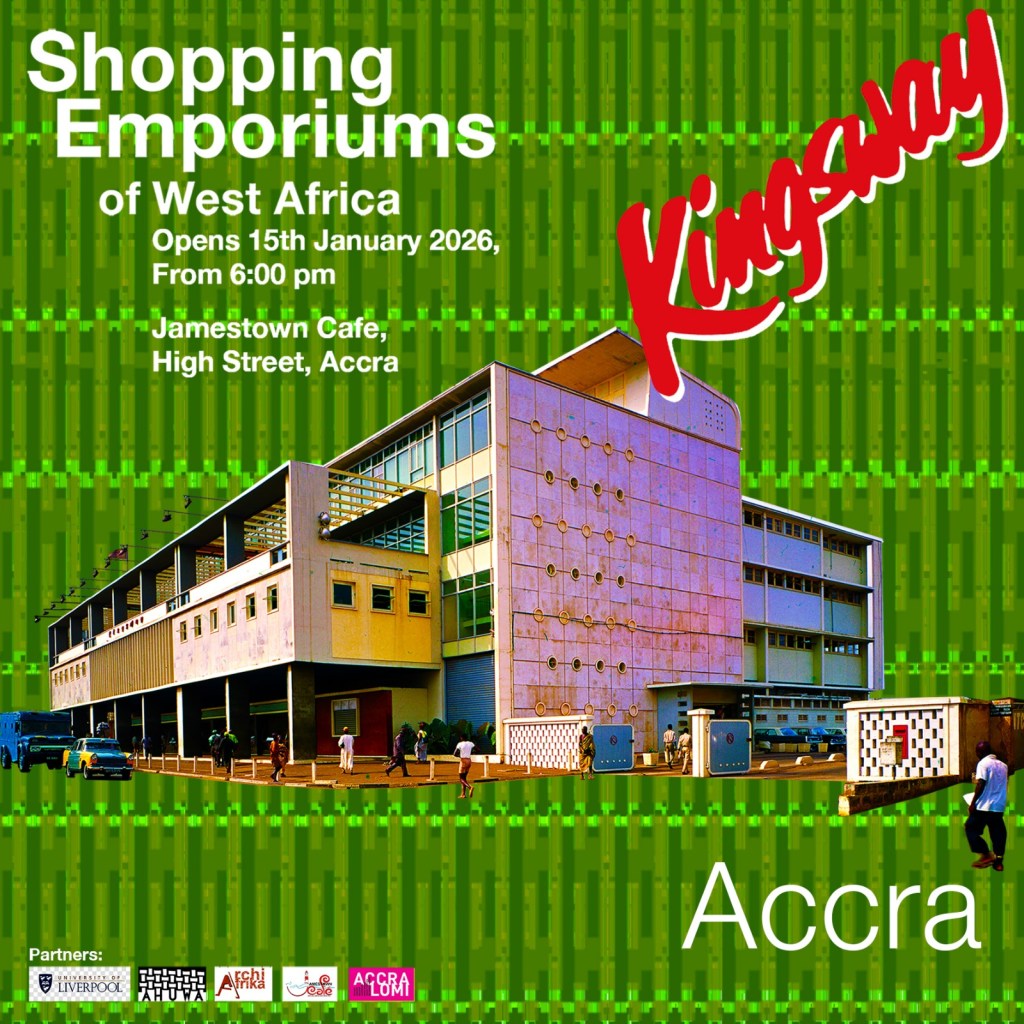
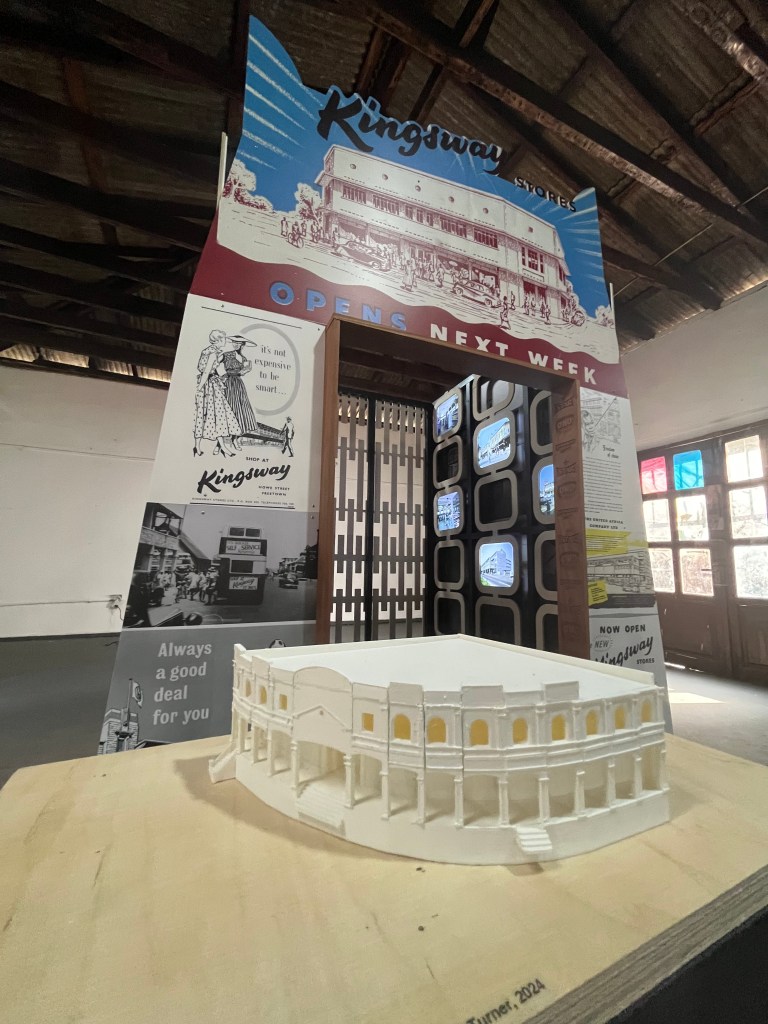
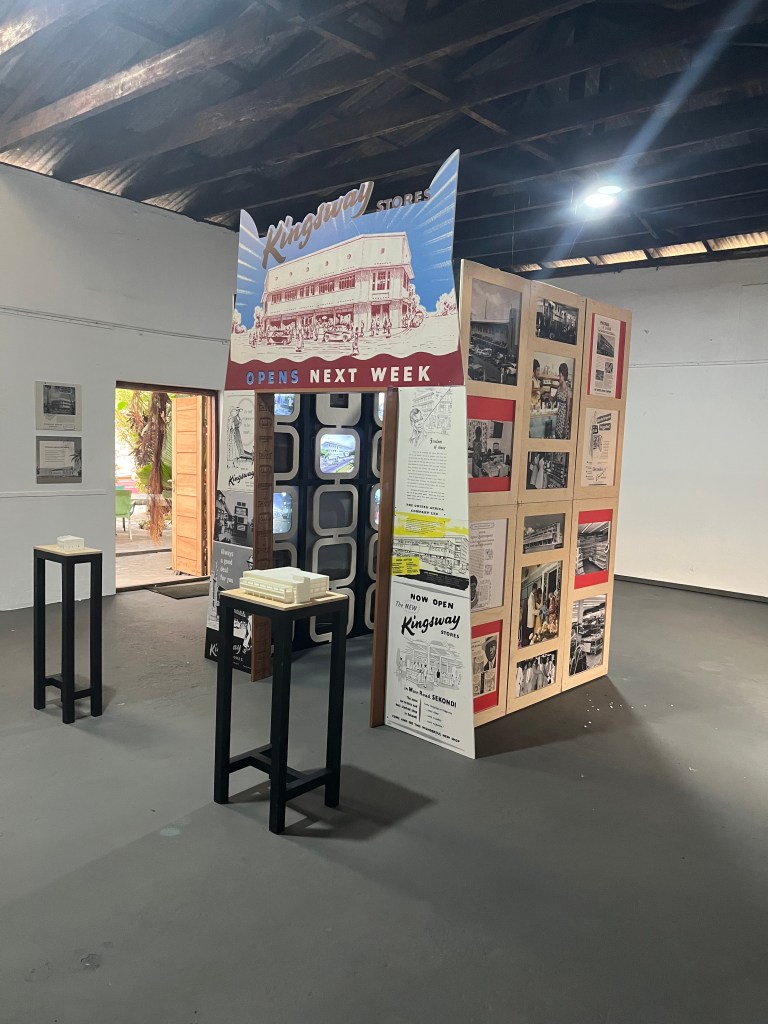
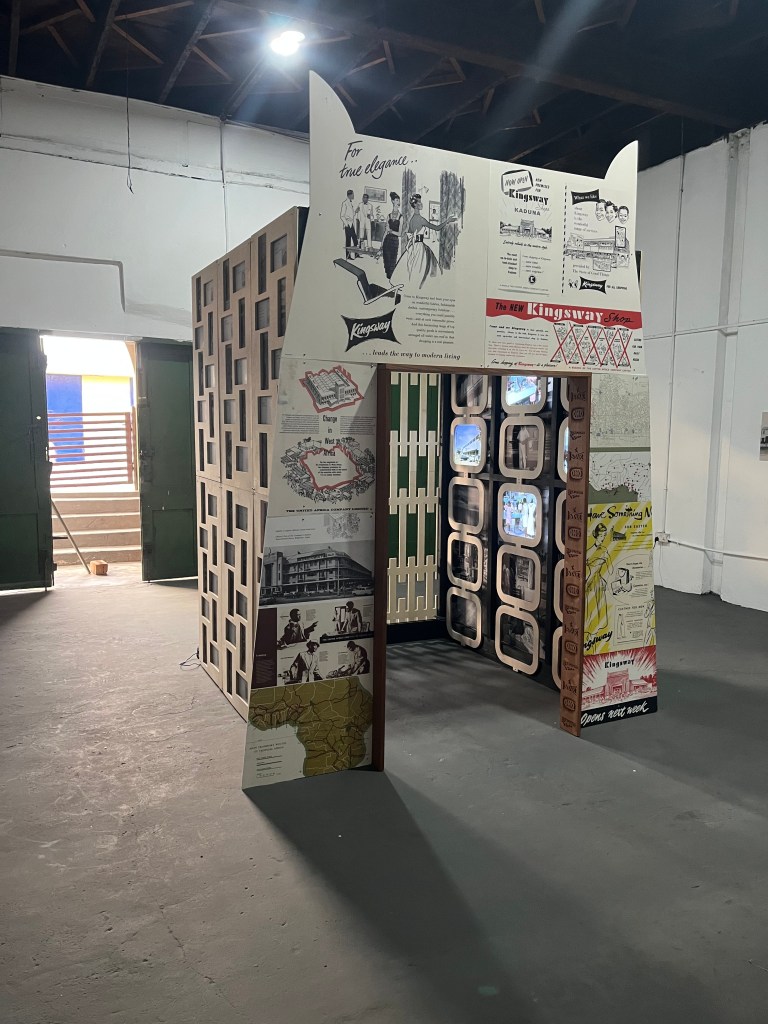
On 15th January, we celebrated the opening of “Shopping Emporiums of West Africa: The Kingsway Stores” at Jamestown Cafe and Gallery in Accra, marking a significant milestone in our ongoing research into the architectural and commercial legacy of the United Africa Company. The launch evening brought together an engaged audience including President of the Ghana Institute of Architects Tony Asare, Dr Abena Busia, and Ronnie Micallef, the incoming High Commissioner of Malta in Accra, for what proved to be a thought-provoking discussion about retail modernism, colonial commerce, and architectural heritage in West Africa. David Kojo Derban gave a wonderful opening talk to contextualise the exhibition, along with a wider welcome from cafe and gallery owner architect Joe Owusu Addo.
The exhibition represents the culmination of over 5 years of collaborative research examining the Kingsway department store chain, which operated across West Africa throughout much of the twentieth century. Working alongside Unilever archivist Claire Tunstall and colleagues Ewan Harrison, Rixt Woudstra, Paul Robinson, and Michele Tenzon, we’ve traced the fascinating story of these iconic shopping emporiums from their inception through the independence periods of West Africa and beyond.
This work forms part of our broader investigation into the United Africa Company, published last year by Bloomsbury as “Architecture, Empire, Trade.” In our recent Journal of Design History article, co-authored with Ewan Harrison, Irene Appeaning Addo, and Oluwaseun Muraina, we wrote that “Kingsway responded to independence by instrumentalizing a particularly modernist domesticity through a series of didactic marketing efforts and the construction of boldly modernist new stores.” The article reveals how these stores weren’t simply places of commerce but architectural statements where “modernism is here revealed as complexly imbricated with colonial and neocolonial profit-seeking.”
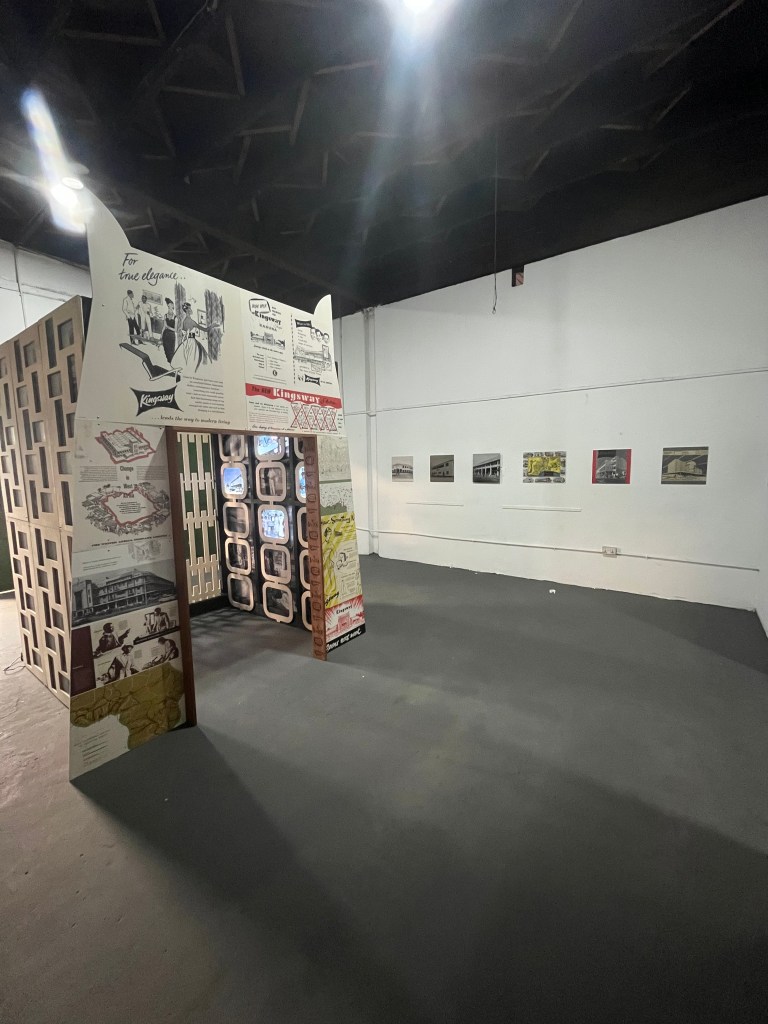
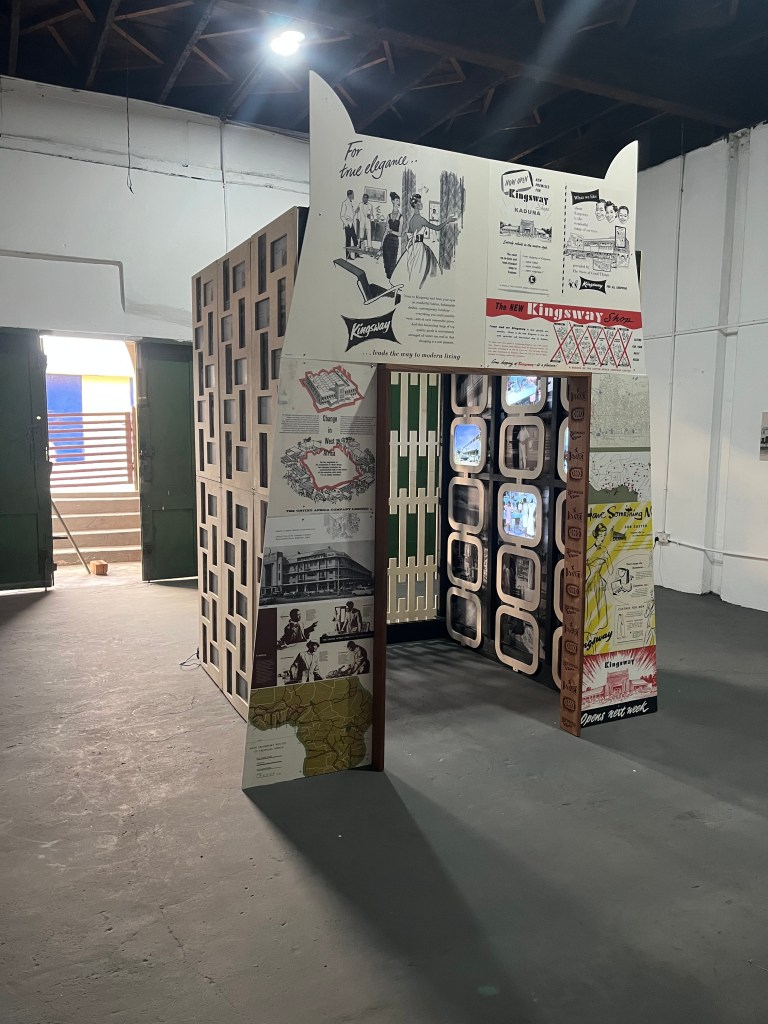
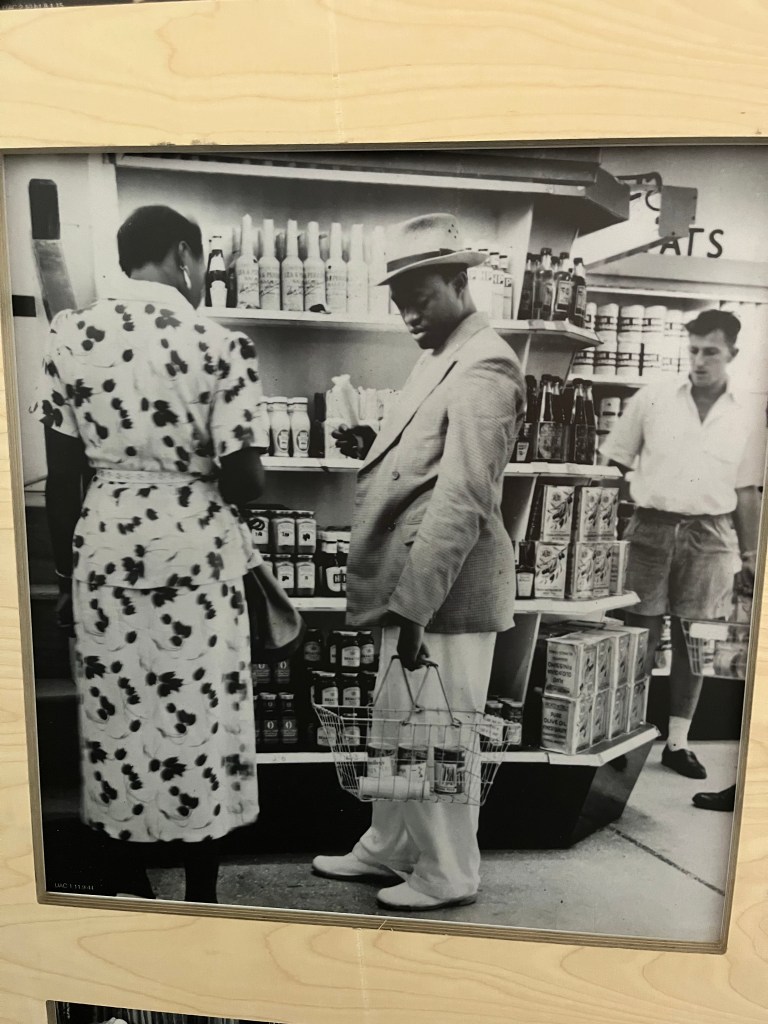
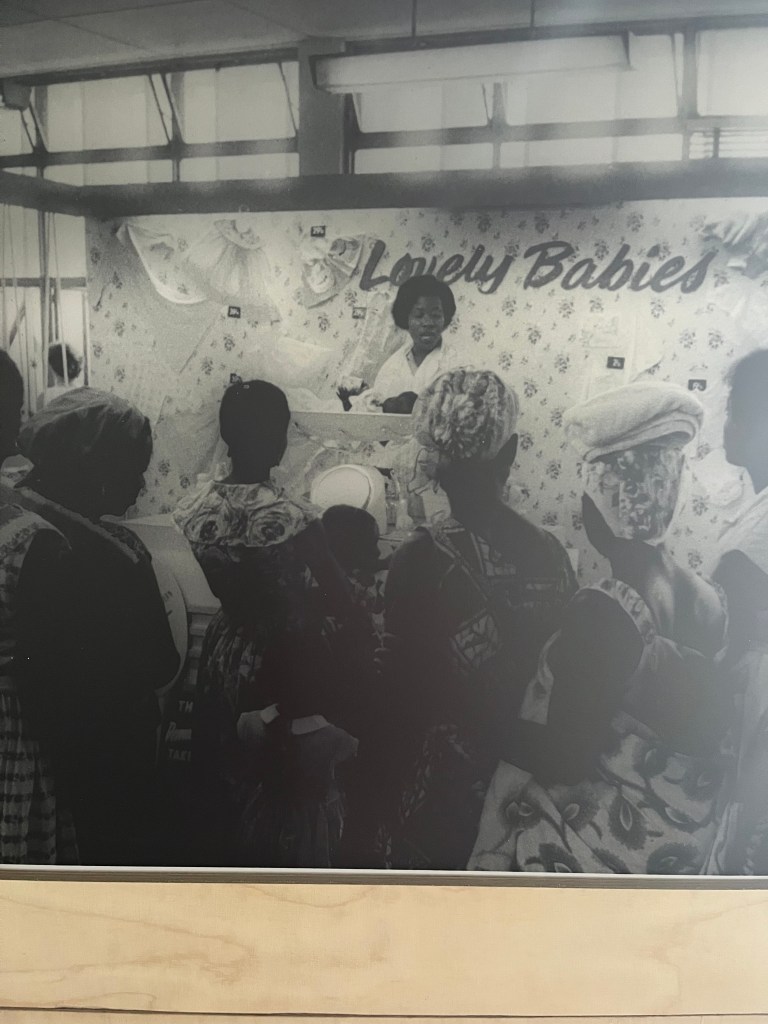
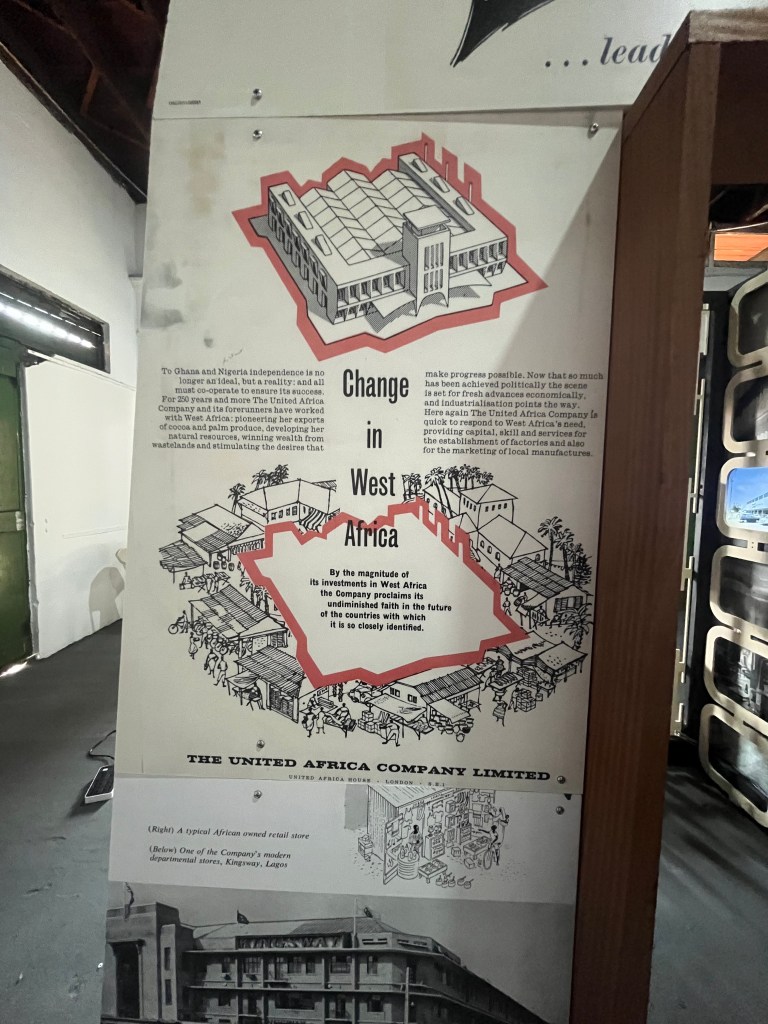
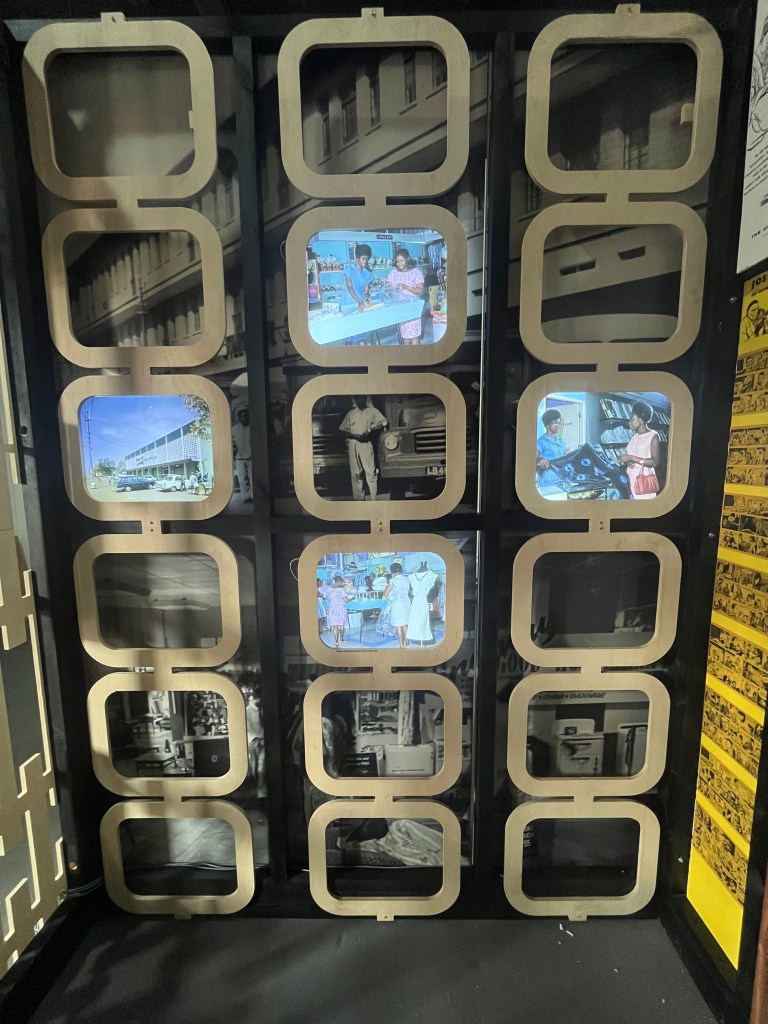
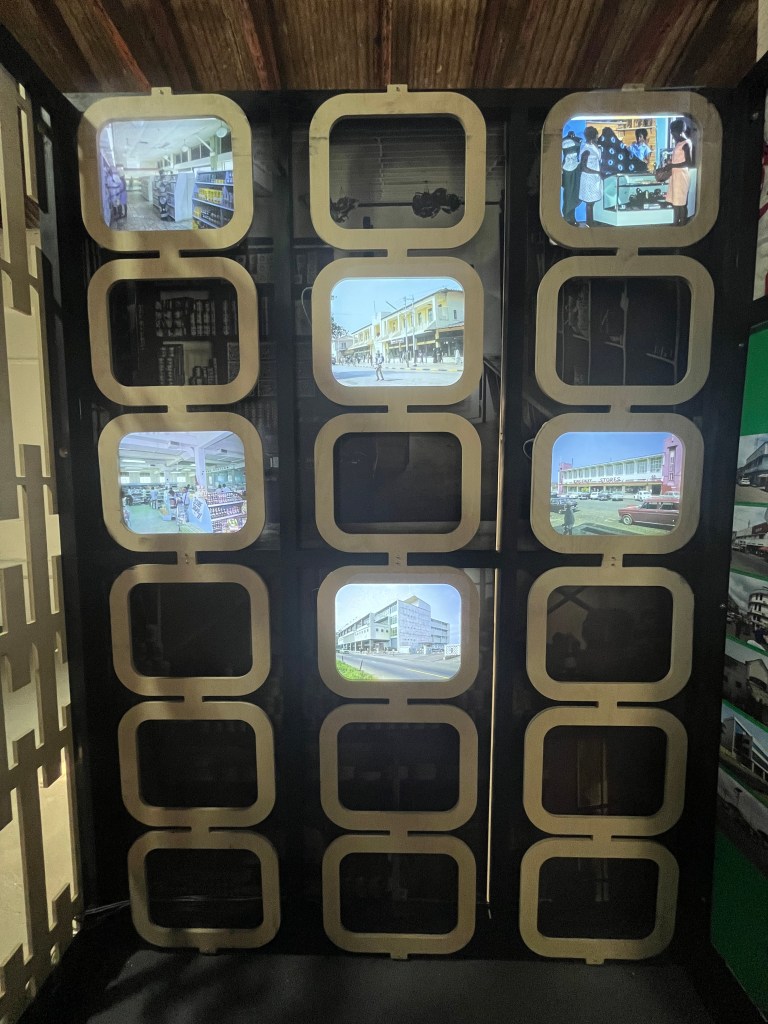
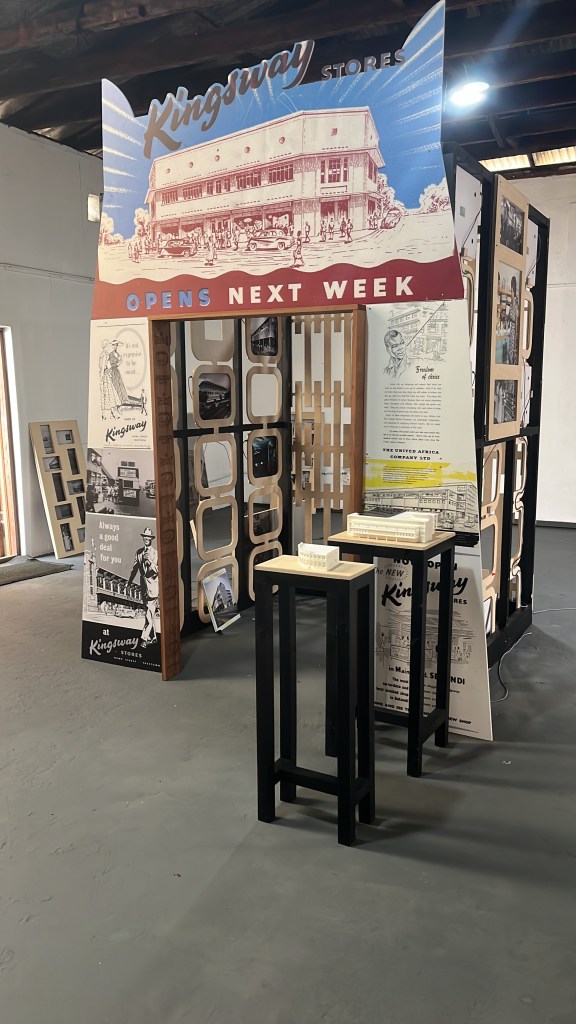
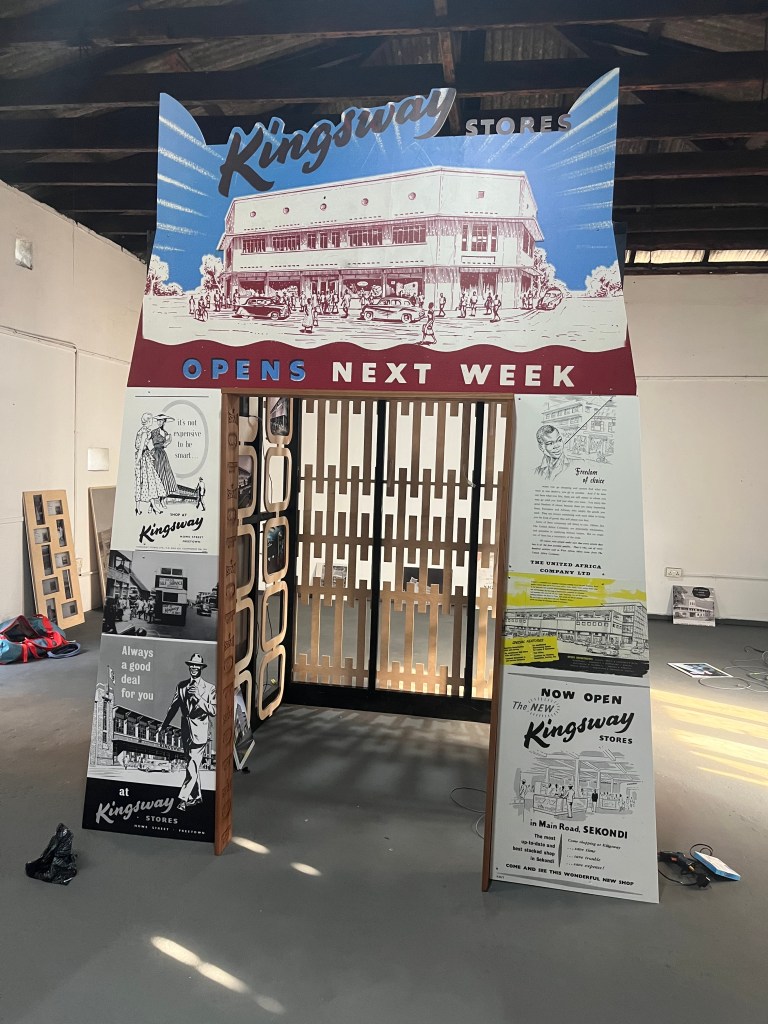
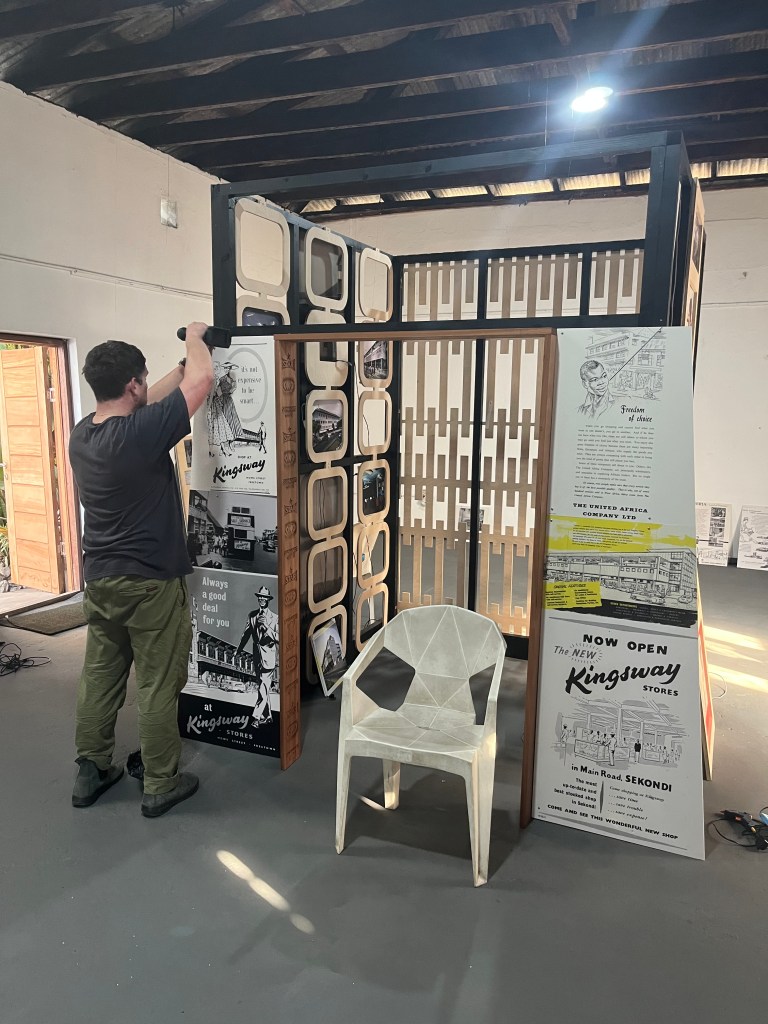
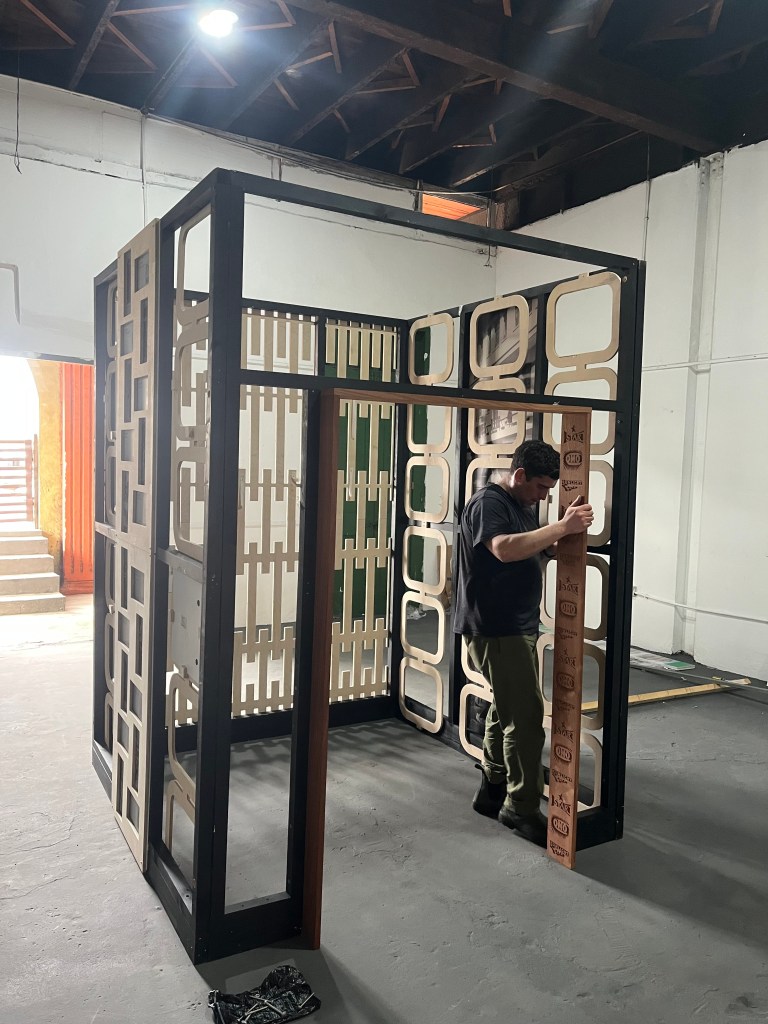
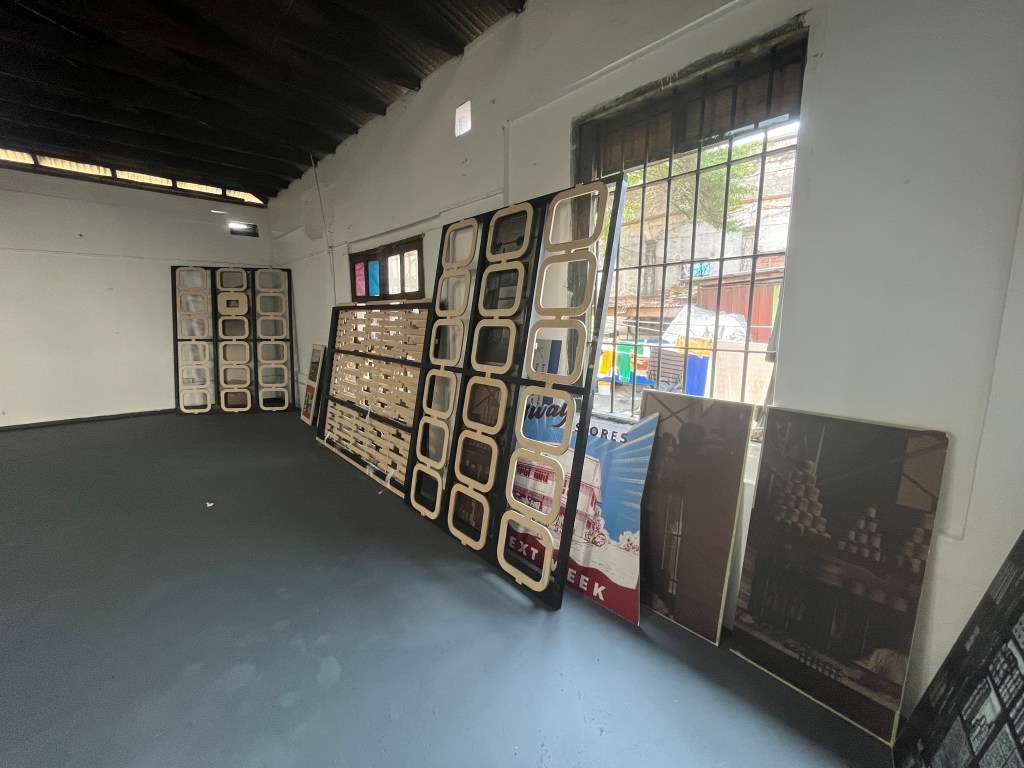
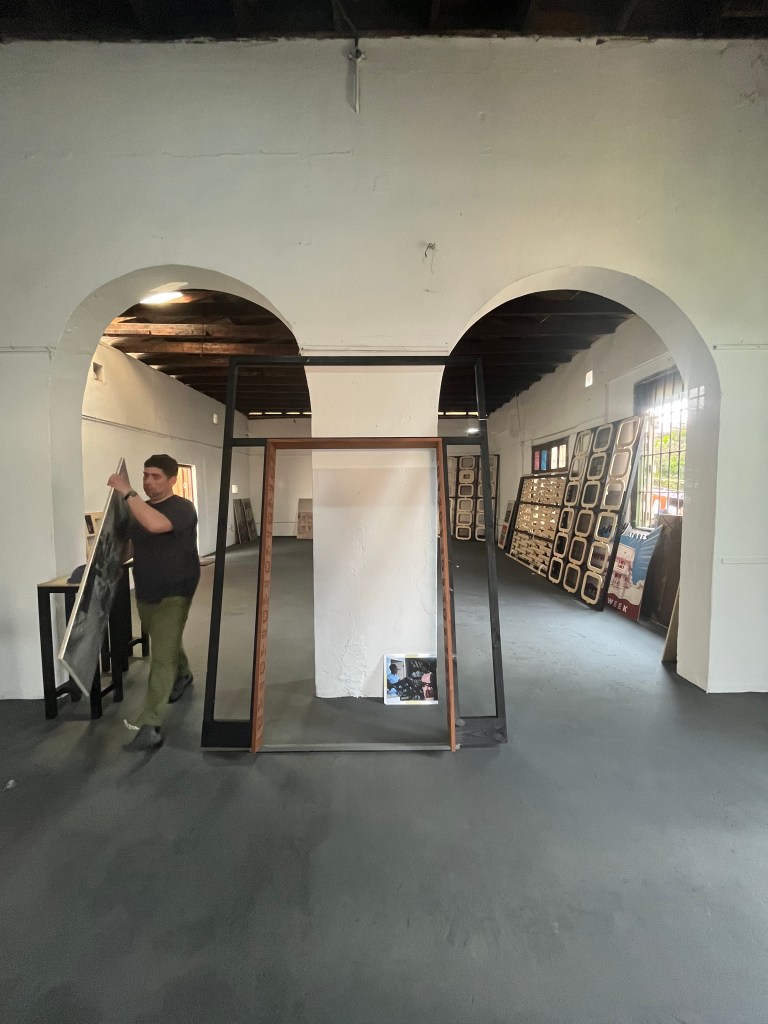
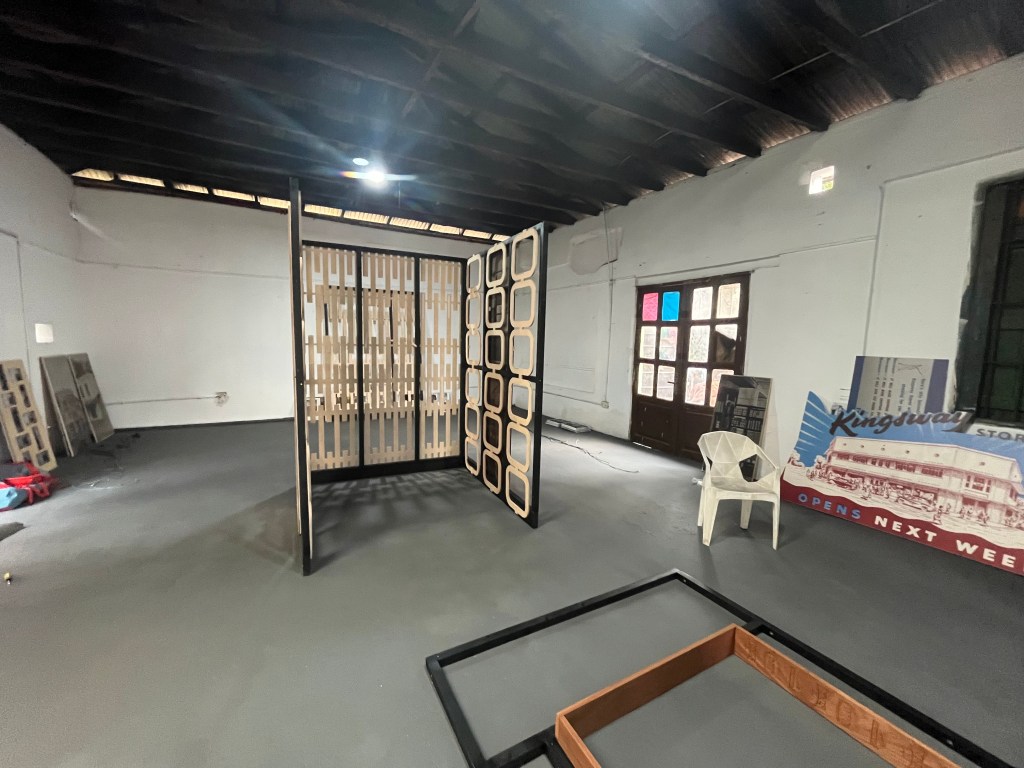
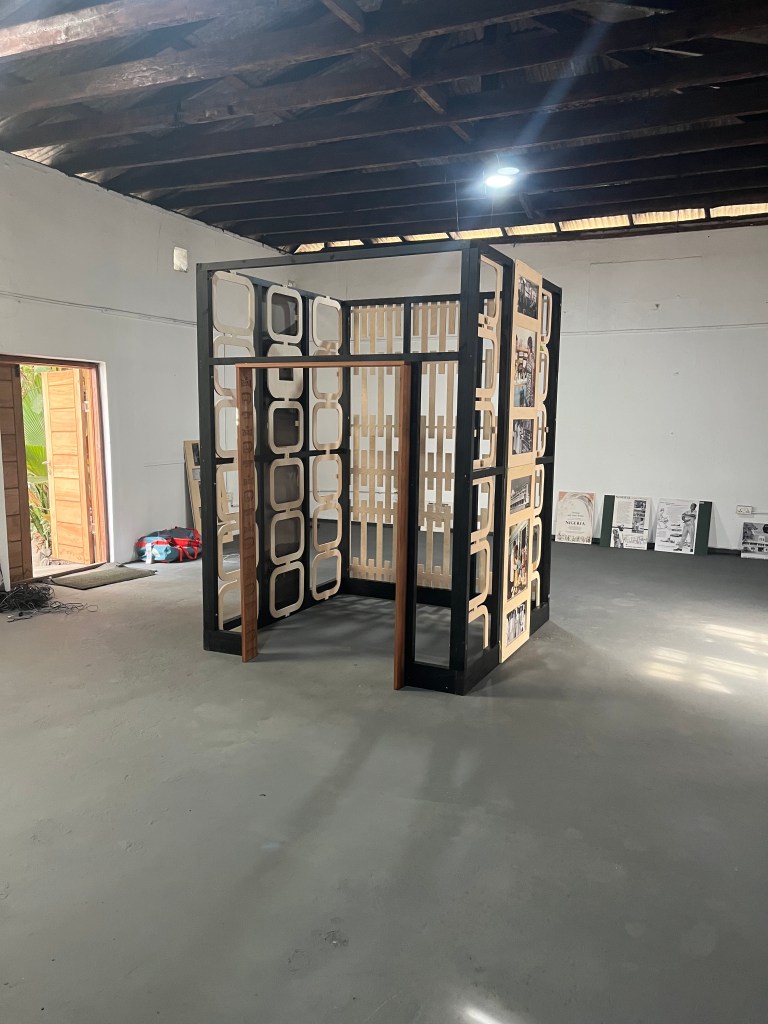
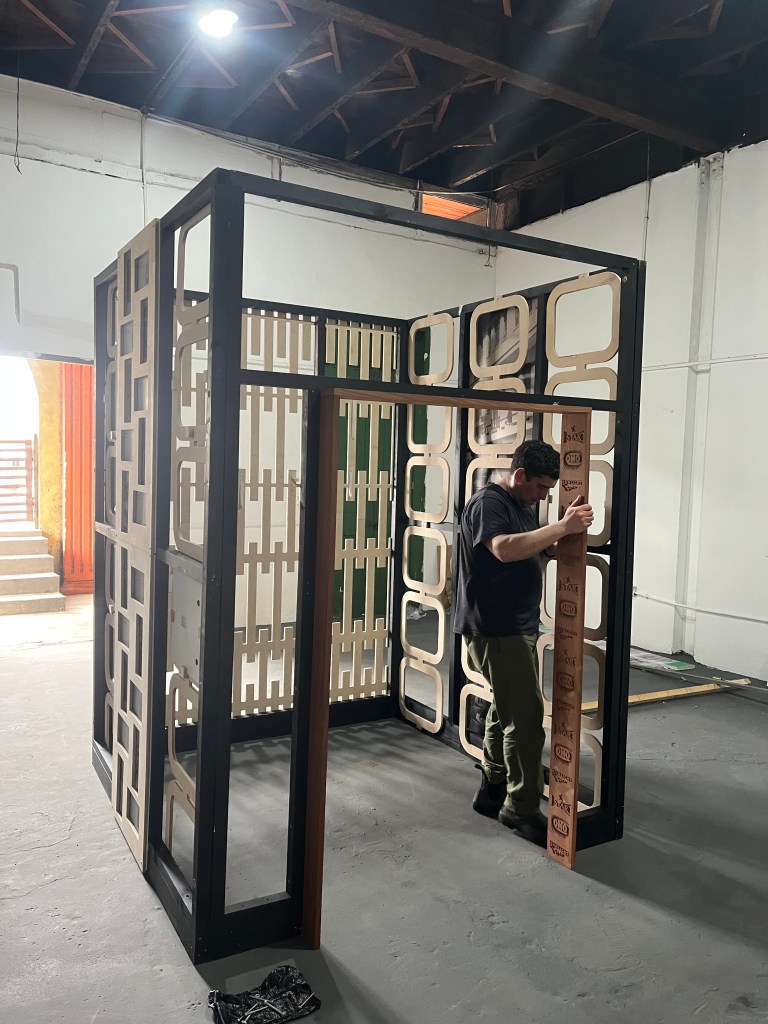
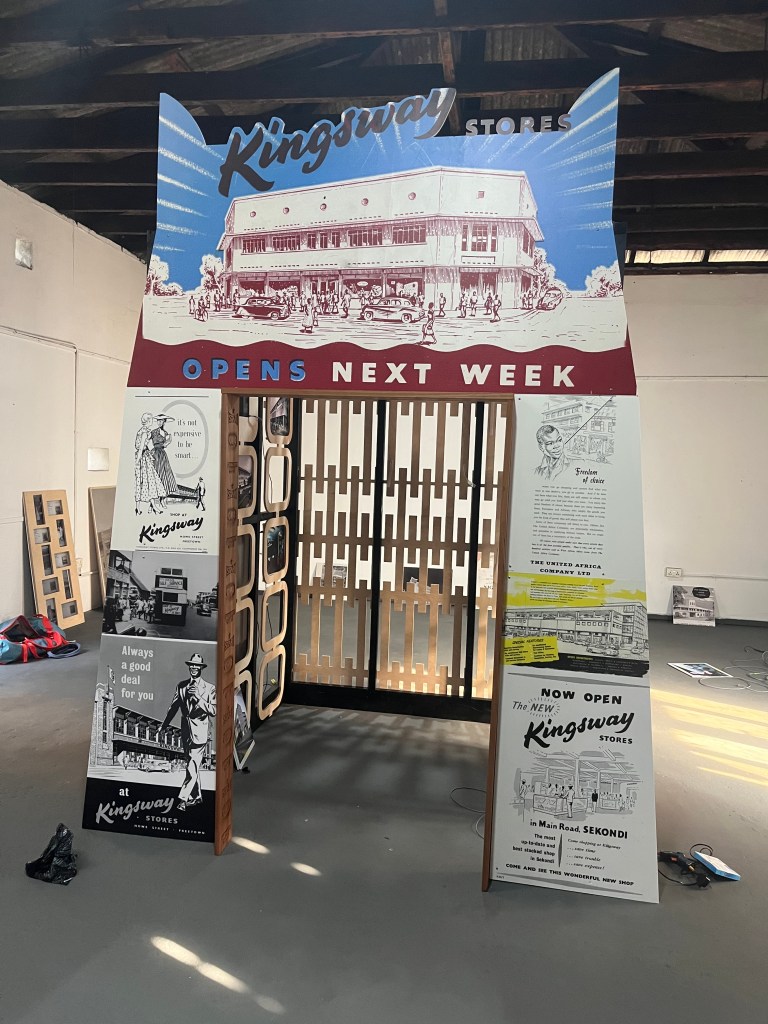
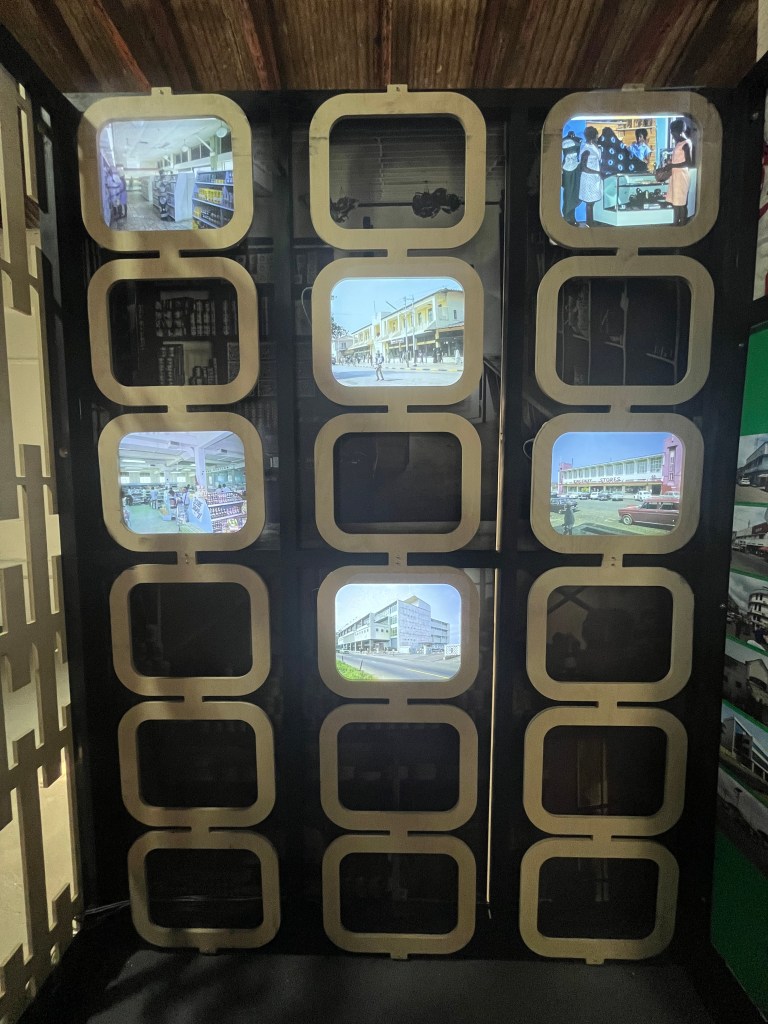
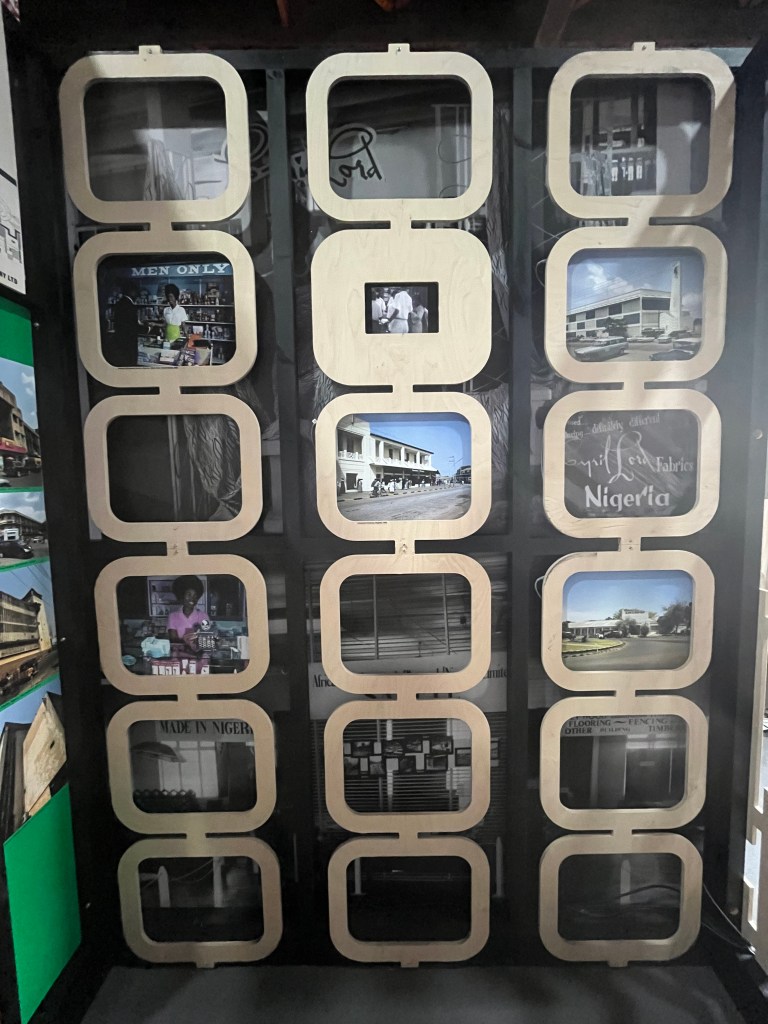
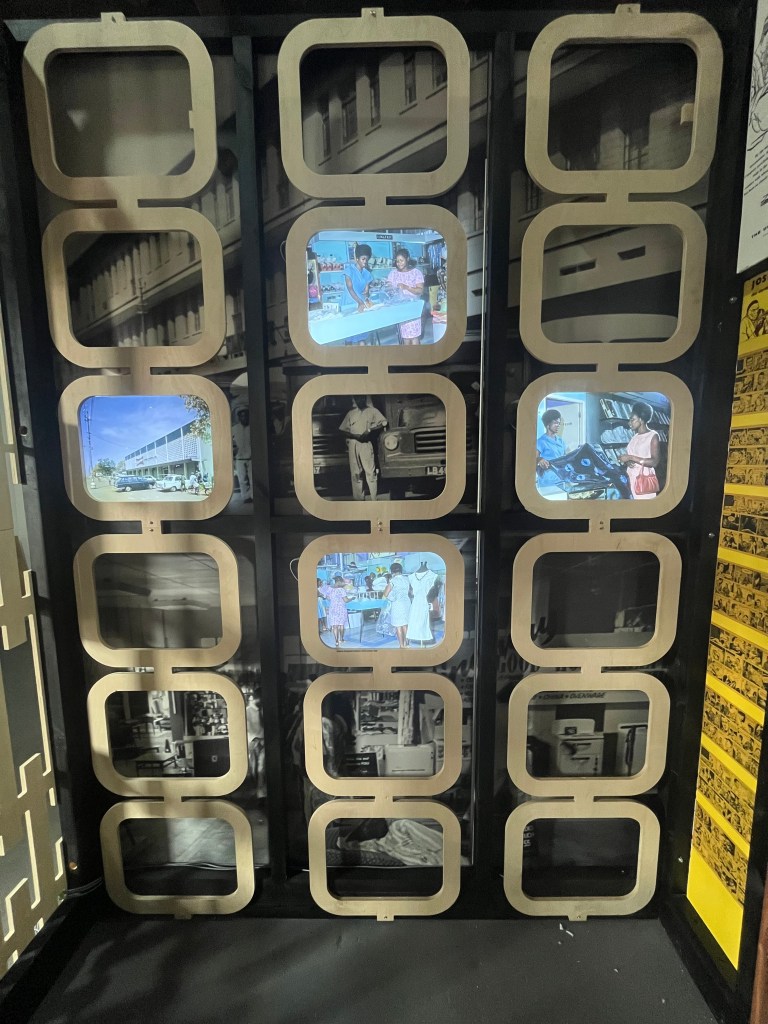
The exhibition itself has journeyed from Liverpool to Ghana, carefully packed and stored at Jamestown Cafe before being installed in early January. Two freestanding pavilions display archival photographs from the Unilever Archive, accompanied by newly commissioned 3D-printed models created by Liverpool School of Architecture students and archival films that bring the stores’ bustling atmosphere to life. The pavilions themselves, fabricated using CNC routers by our expert technical team at Liverpool lead by James Galliford, echo the modernist architectural language of the stores they document.
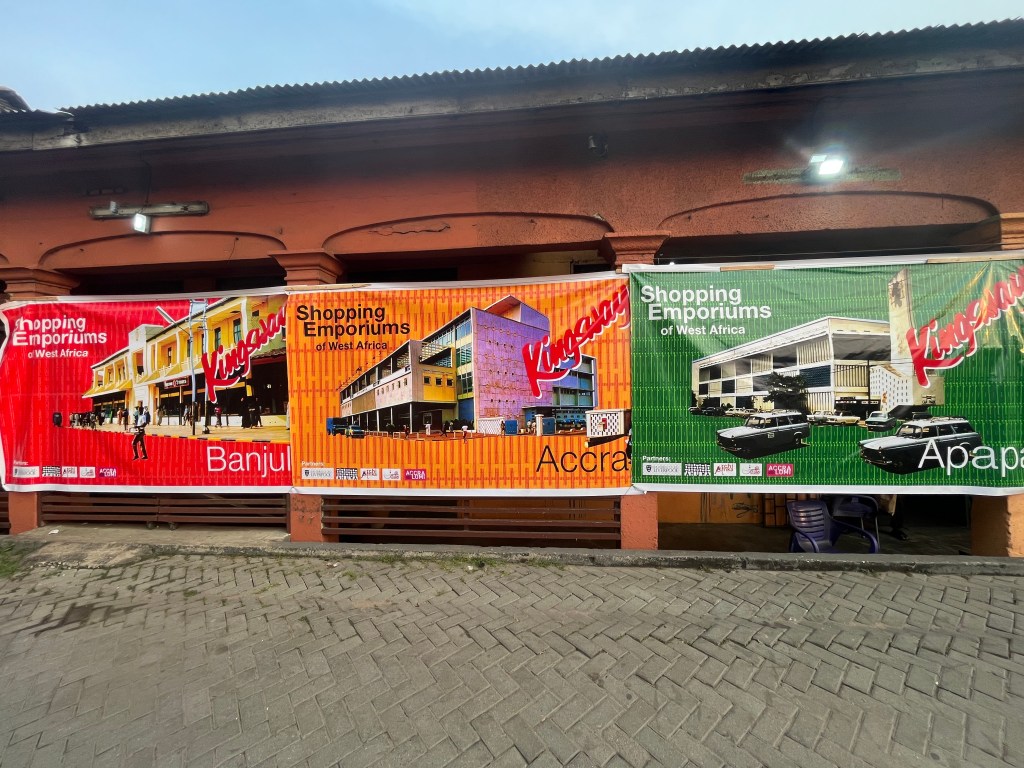
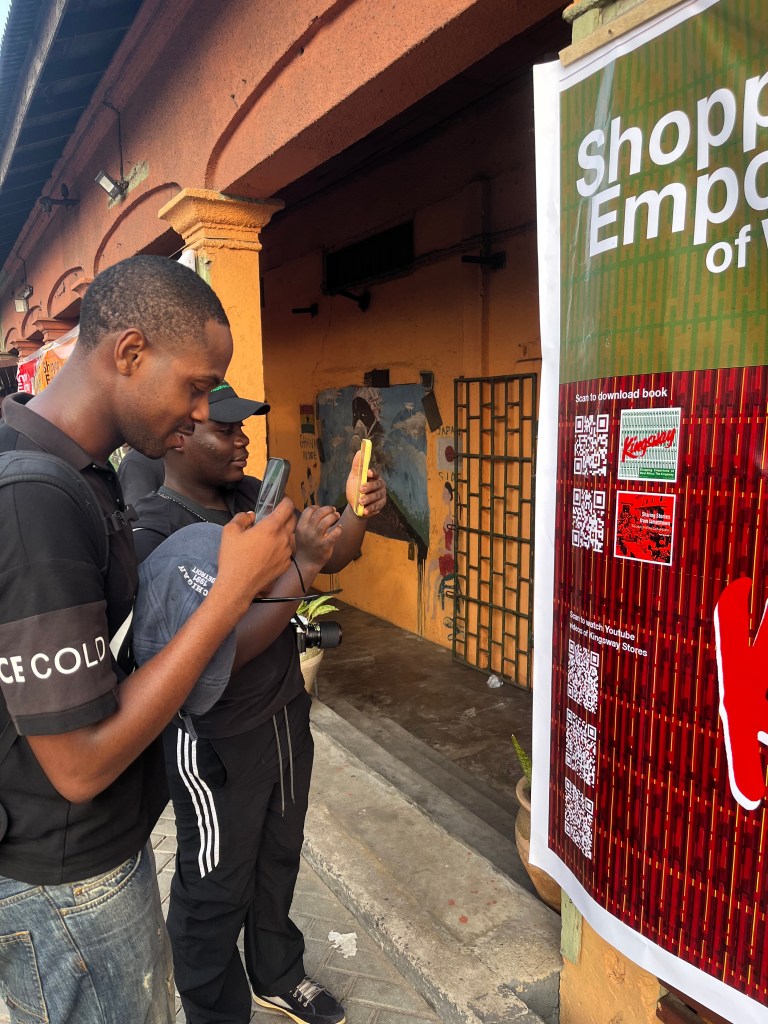
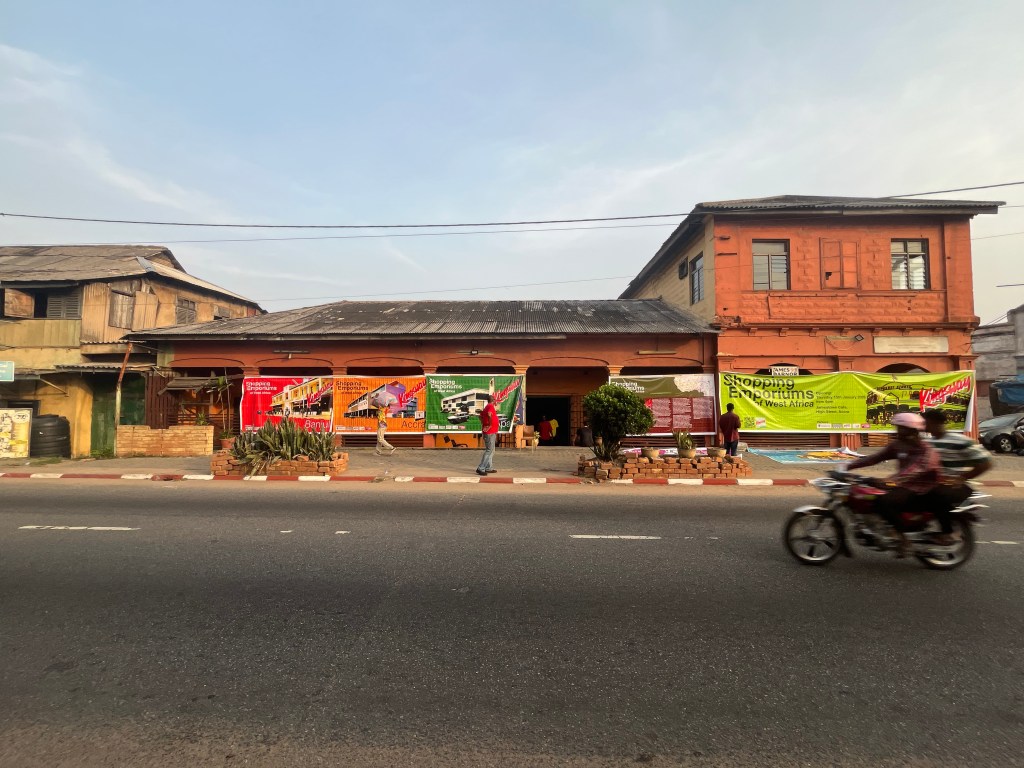
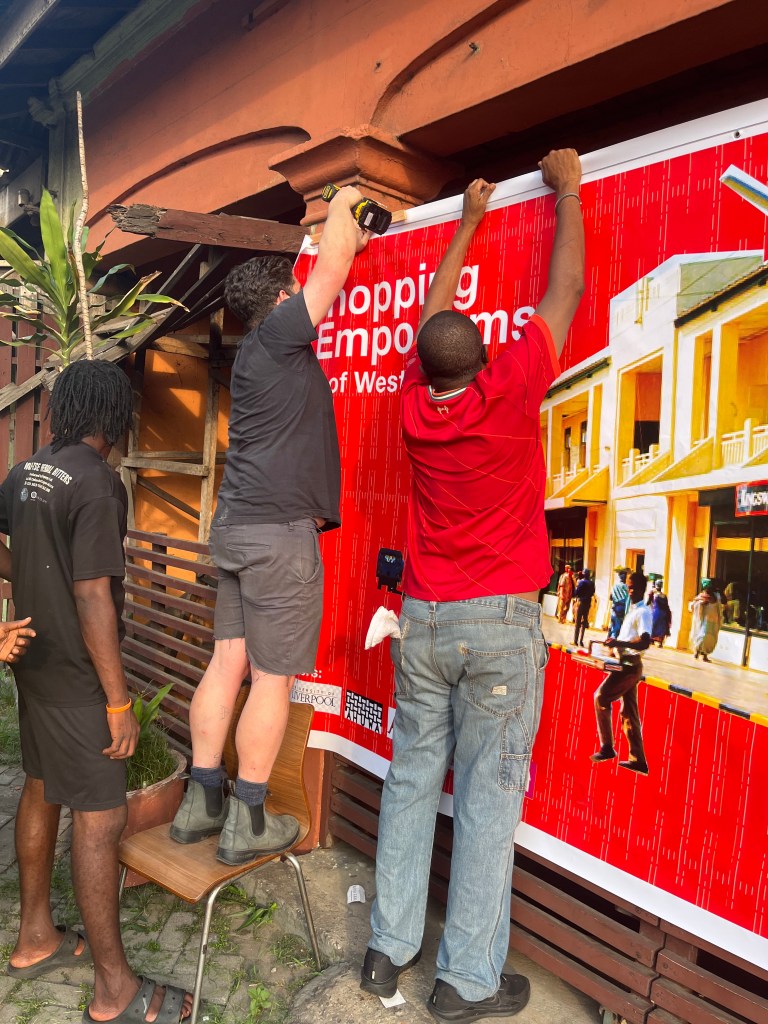
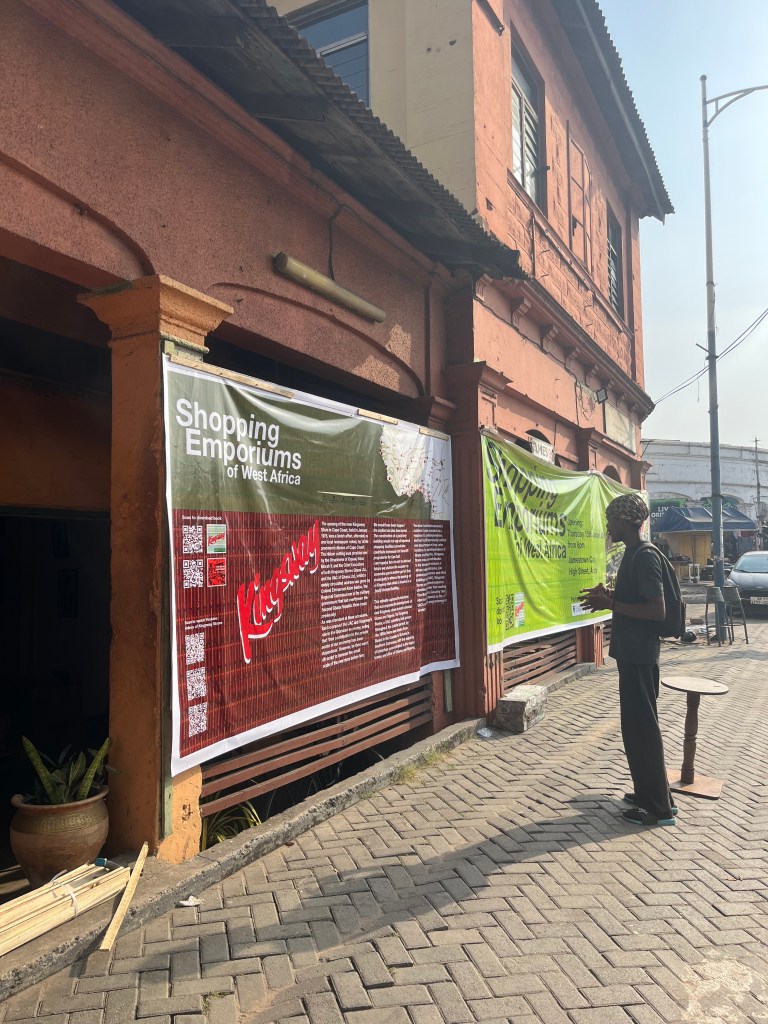
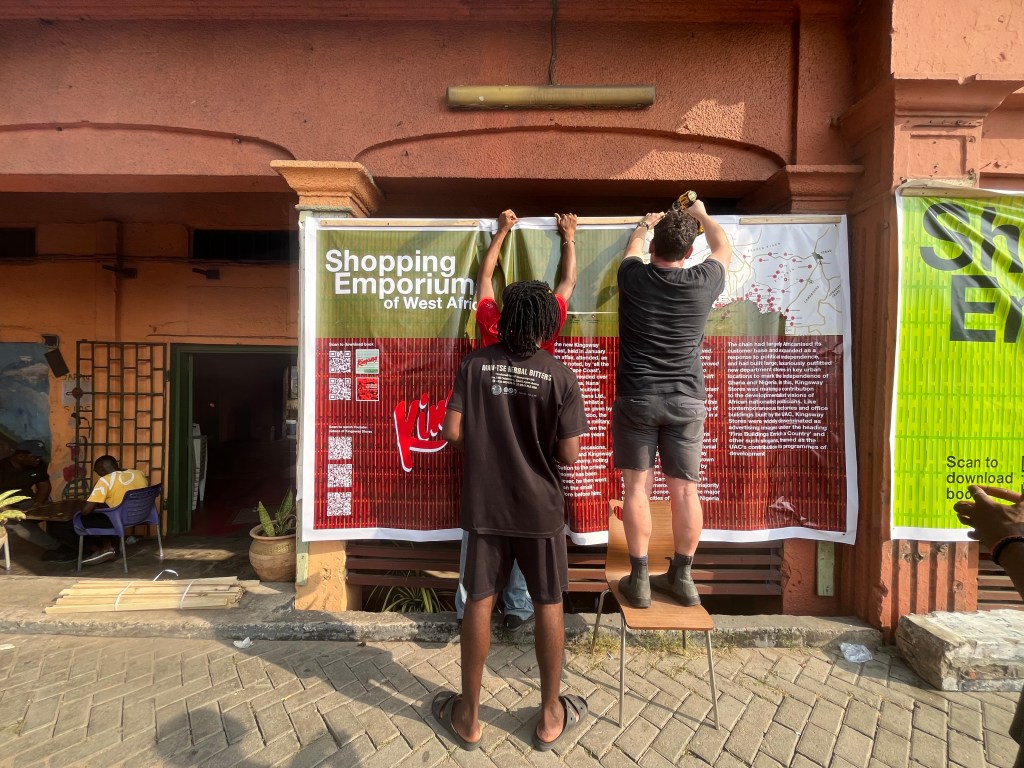
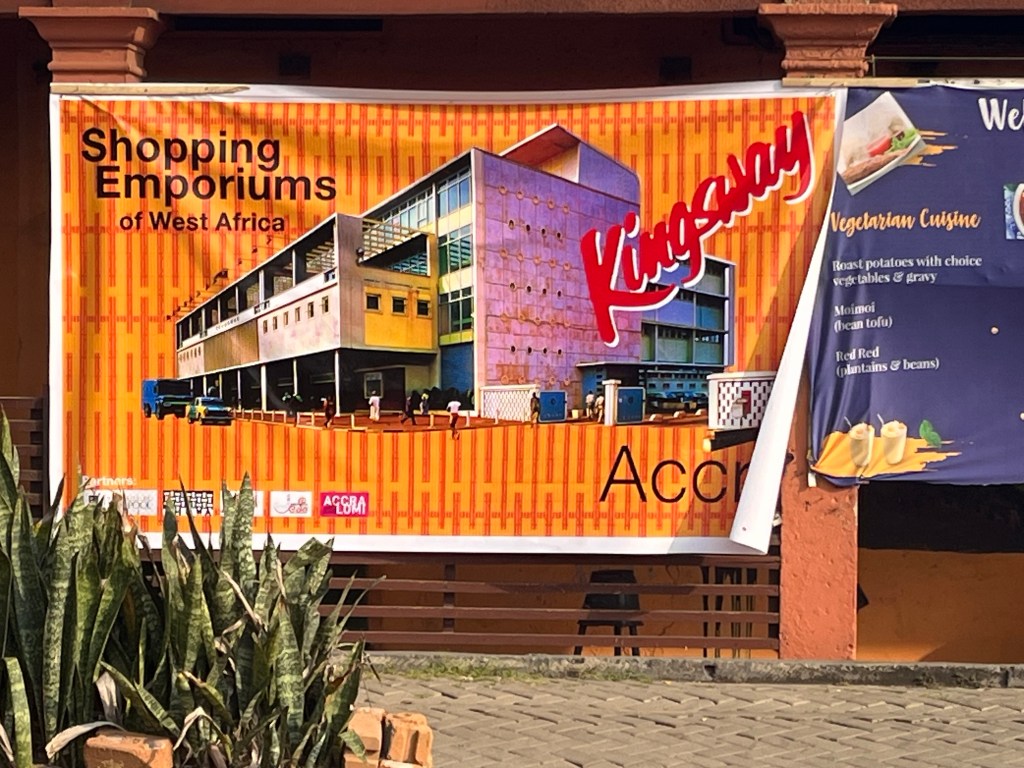
What makes presenting this exhibition in Accra particularly meaningful is the opportunity to share this research in the very city where the first Kingsway store stood. The ruins stand next door to the gallery – a poignant reminder of this commercial and architectural heritage. Through collaboration with Allotey Bruce Konuah, we’ve extended the exhibition beyond the gallery walls with vinyl street banners installed on both the gallery exterior, creating a dialogue between past and present. The banners also contain QR codes so visitors and passers-by can freely download the catalogue.
Our commitment to sharing this research extends beyond this single exhibition. We were interviewed on Asaase Radio morning show and it was great to share our work with a broader audience across Ghana. Following the exhibitions run in Accra through to Easter, we hope to tour the exhibition to other venues, continuing the conversation about how retail modernism, colonial commerce, and architectural heritage intersect. This exhibition reminds us that architecture is never merely about buildings; it’s about the economic, social, and political systems that produce them.
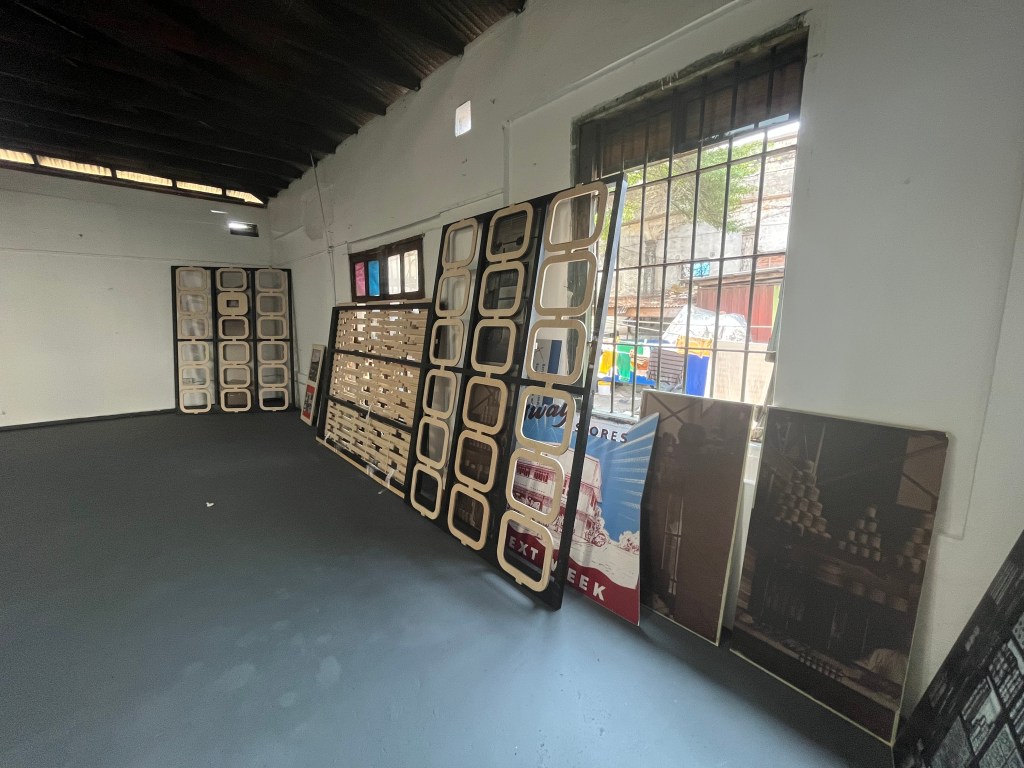
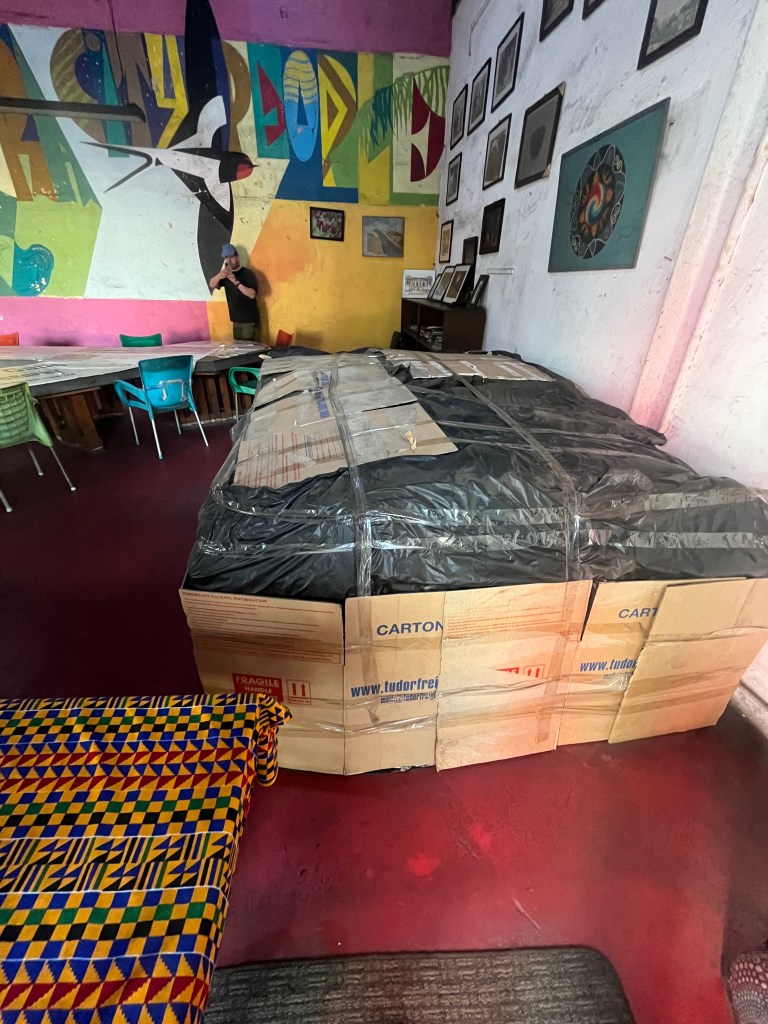
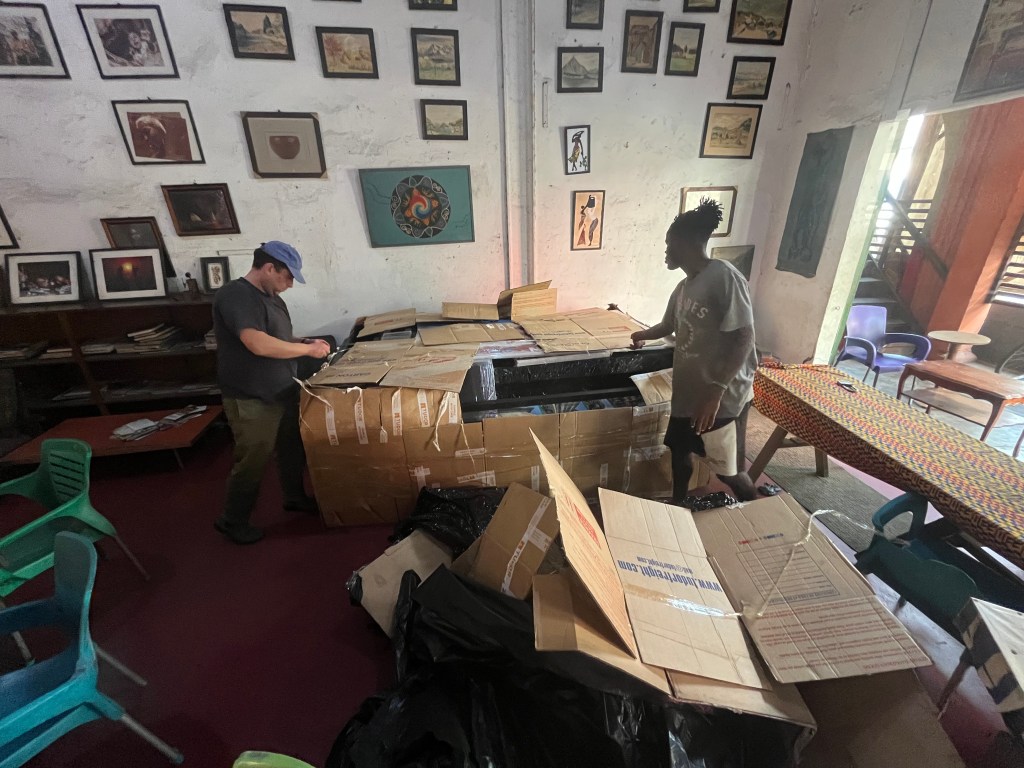
The Kingsway Exhibition has been sent to Accra and carefully stored at the Jamestown Cafe for a few months now. We were finally able to unpack the vast pallet on Friday morning and spent the weekend constructing the two pavilions and installing the light boxes and panels.
The exhibition is being extended and reimagined through a further collaboration with Allotey Bruce Konuah on a series of vinyl street banners that will be installed on the exterior walls of the gallery space, as well as on the old ruined Kingsway Stores portico located next door.
The opening night is 15th January and all welcome. The exhibition will remain until Easter before it moves on…
Thank you to James Galliford and the Liverpool School of Architecture Technical Team for their expertise on the fabrication and installation, and to Claire Tunstall and Unilever Archives team for all their help and support sourcing the images and visuals.
Hector Othon Corfiato (1892 – 3 May 1963) was a Greek architect (although some claim Egyptian). After studying at École nationale supérieure des Beaux-Arts in Paris, he established the firm of Corfiato, Thomson & Partners and was professor and director at The Bartlett School of Architecture, UCL from 1946 to 1959 (emeritus from 1960). He worked on various ecclesiastical projects including https://c20society.org.uk/c20-churches/notre-dame-de-france and https://www.architectsjournal.co.uk/news/grade-ii-listing-for-rare-corfiato-church and after his retirement the Church at Debre Libanos, Ethiopia (circa 1961).
Church at Debre Libanos, Ethiopia
He also completed some further projects in Burma, and in West Africa for the Nigerian College of Arts, Science and Technology (NCAS&T) in Zaria. Whilst in Nigeria he established an office at the collage and took on further projects including for the Manchester based firm G B Ollivant.
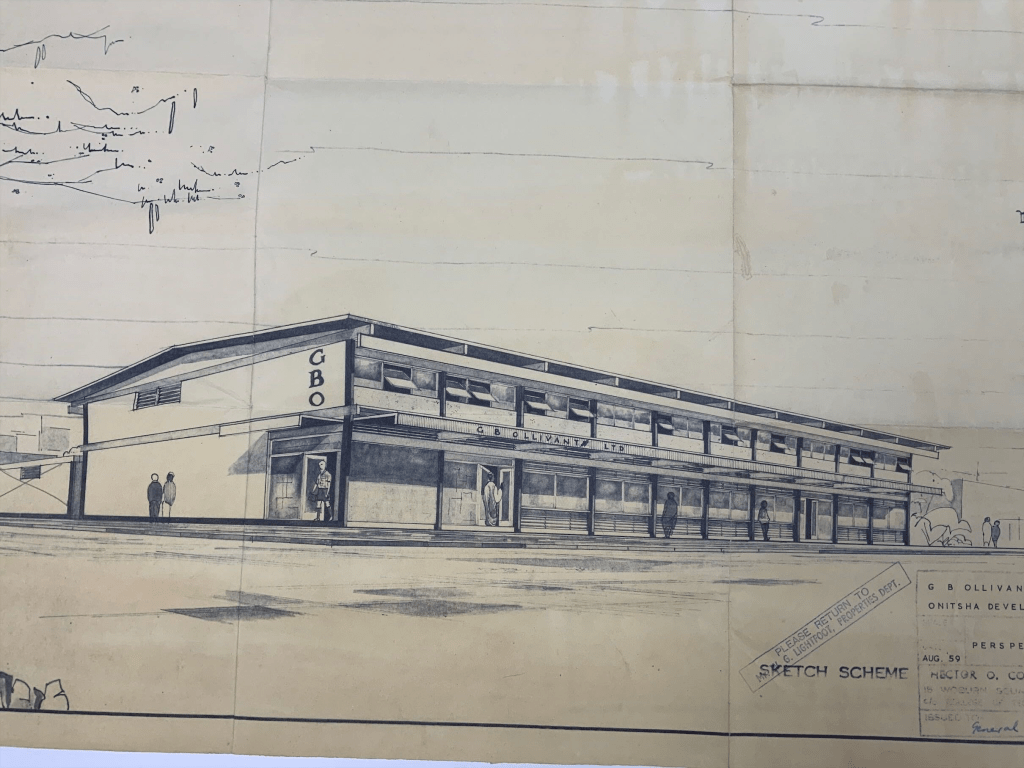
G B Ollivant (GBO) was bought by the United Africa Company in 1933 and transitioned from cotton and fabric trading into general retail, office supplies, and building management. Corfiato designed several bungalow types for the firm as well as a large retail store in Onitsha (1959) selling cottons, hardware, provisions, and fancy goods. The store was to connect to an existing Cosley store – which we suspect were hardware/builders merchants.
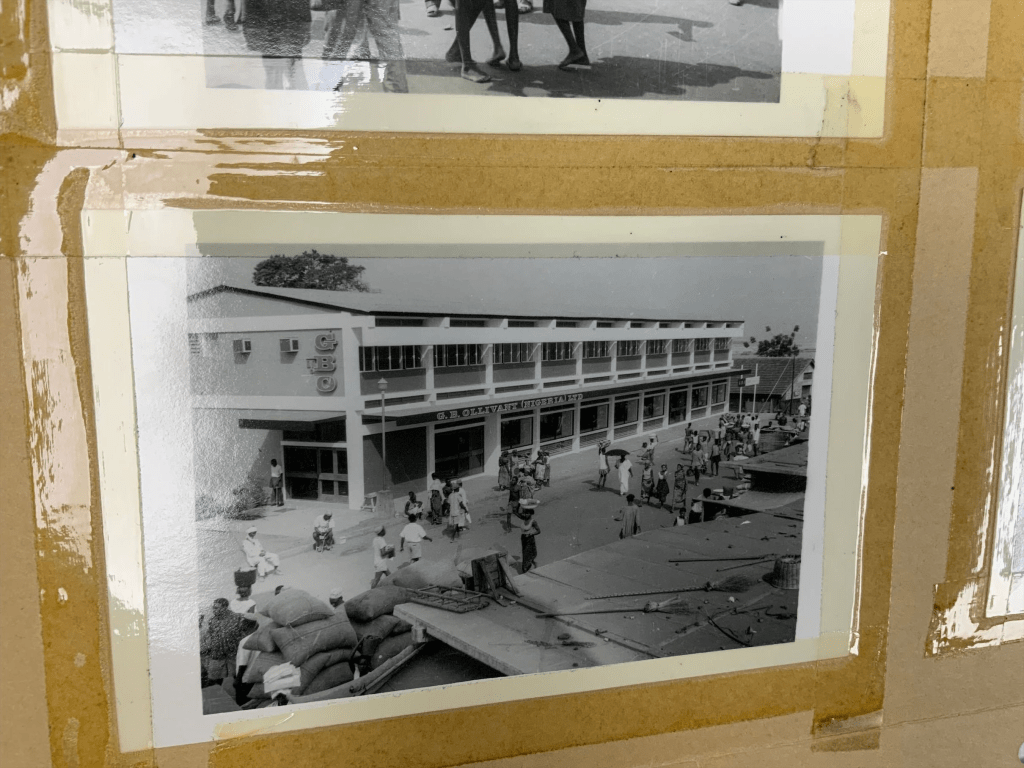
The building provided showroom spaces as well as retail and was probably used more for wholesaling than general retail. The exposed concrete frame of the building supported the overhanging roof to provide solar shading to the upper level whilst the ground floor had a further projecting canopy over pavement. It’s utilitarian and straightforward – but more than a mere warehouse and a considerable aesthetic departure from GBOs usual building style found elsewhere in West Africa. It’s looking more towards the ‘high end’ retail stores being built at the same time across Nigeria, and was part of the construction boom in Onitsha that saw the new cathedral (by Richard Nickson) and market hall (see Nigeria magazine no65, 1960).
Archive snaps of the GBO premises in Onitsha, 1959, designed by Corfiato and partners, from originals in the Unilever Archives, UAC/2/10/a1/4/4/1/5/2
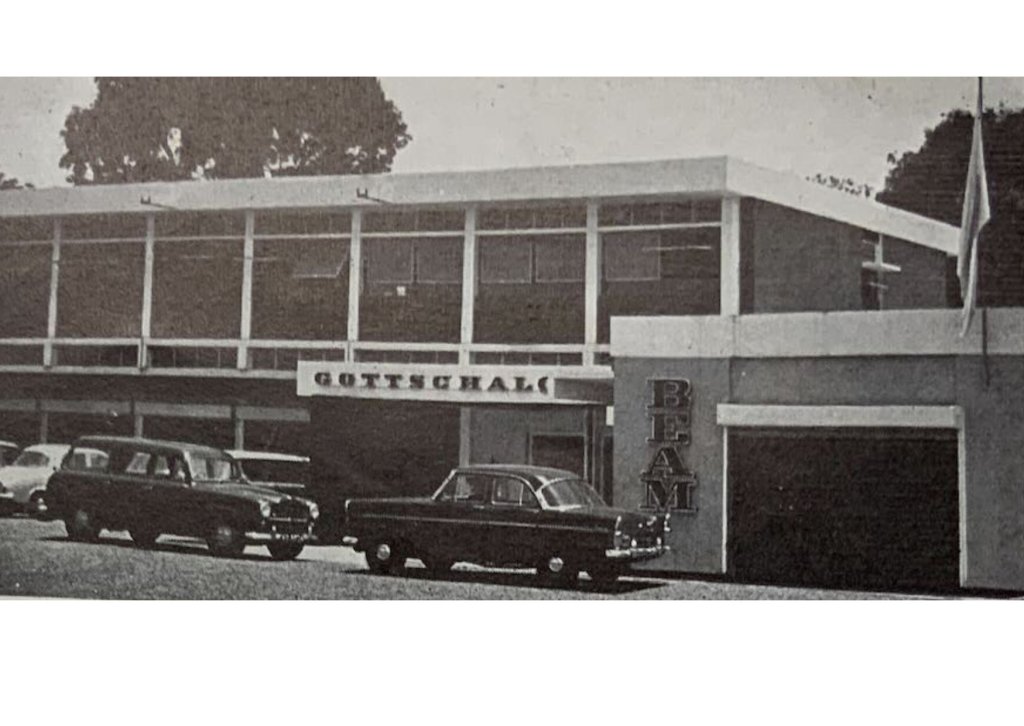
Corfiato collaborated with various other architects about whom we know very little. They’re listed in Nigeria Magazine as just “Avis” and “Horner” and are given credit for designing the Dispensary at Zaria College and a store for Gottschalck in Kaduna. The Gottschalck store closely resembles the GBO store and was also part of the UAC group.
Above Gottschalck Store at Kaduna. BEAM on the right hand side was another UAC subsidiary, ‘Business Equipment And Machines’. From Nigeria Magazine no73, 1962.
These projects raise a number of questions: Did Corfiato ever visit West Africa? Was he responsible for obtaining these commissions in the UK and then establishing a satellite office in Nigeria? Who were Avis and Horner? They were clearly a capable team and delivered some significant residential, educational, and commercial projects across Nigeria.
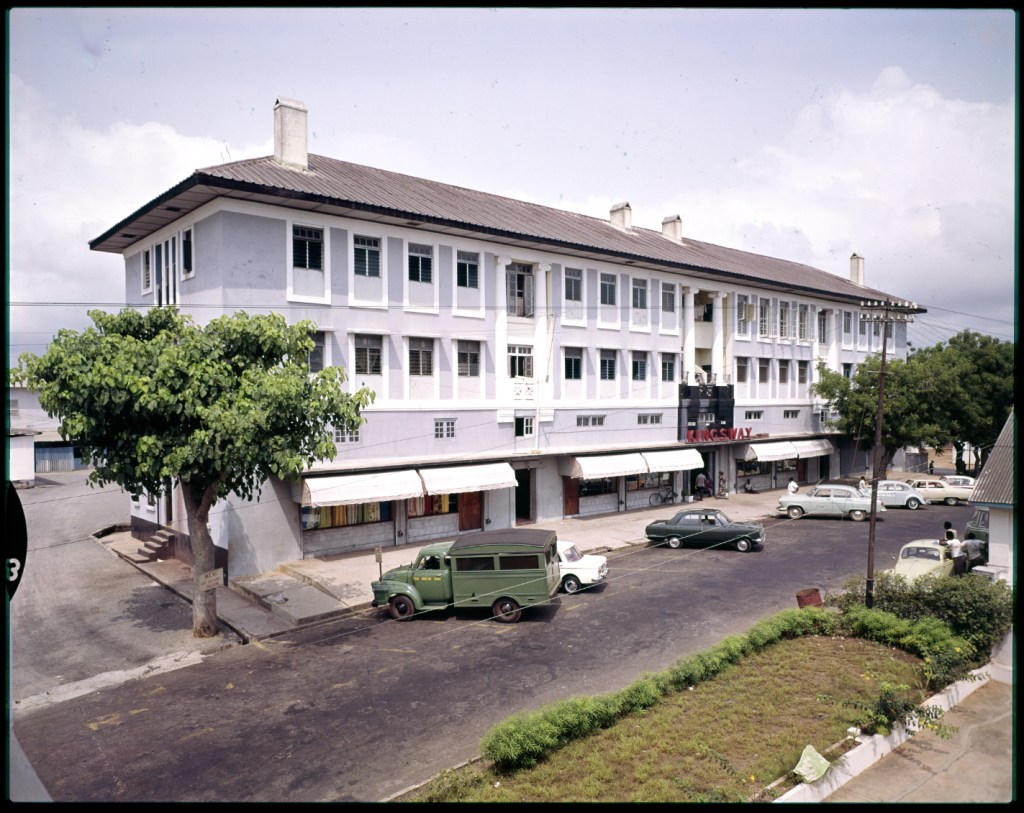
When I was scanning the images for the Kingsway Stores exhibition and recent article, I came across the Takoradi Kingsway in a colour slide. It wasn’t a building I was familiar with and hadn’t seen any other references to it within the wider UAC archive. The design is also different to the other branches – it doesn’t seem to fit with the earlier Millers (old Accra) or F&A Swanzy (Kumasi) stores – nor with the James Lomax-Simpson designs found at neighbouring Sekondi and Cape Coast. The branch at Sekondi complicates things further – why would there be a Kingsway at both Sekondi and Takoradi when they’re so physically close together? The Takoradi branch is also a substantial structure – far larger than might be expected for a town of this scale. Perhaps it was used as a warehouse or depot for the wider enterprise, receiving the imported goods from the neighbouring port that had opened in the 1920s, or was it used as a regional office and retail outlet for the UAC (or one of its predecessors) when the new town and port was set out? The archives include some replanning and refurbishment plans from the 1960s but nothing on the structure’s history and design. The neo-classical facade with ionic columns in antis is also unusual – contrasting with the more moderne 1930s turrets and cantilevered canopies.
Kingsway Takoradi, Ghana: reproduced from an original in the Unilever Archive UAC/1/11/10/1/10, 1958.
I began to look at the maps of Takoradi to try to locate the structure, but couldn’t find anything on this scale – it was only when I reviewed my photos of the town that I found a contemporary image. The building is still standing and largely unaltered. It’s located amongst the other large European trading properties that were built around the customs house, train station and post office. There’s also shipping offices for Palm Line and Elder Dempster, along with a Barclays bank within this commercial cluster.
Erhabor Ogieva Emokpae (1934-1984) and the timber carving at Unilever
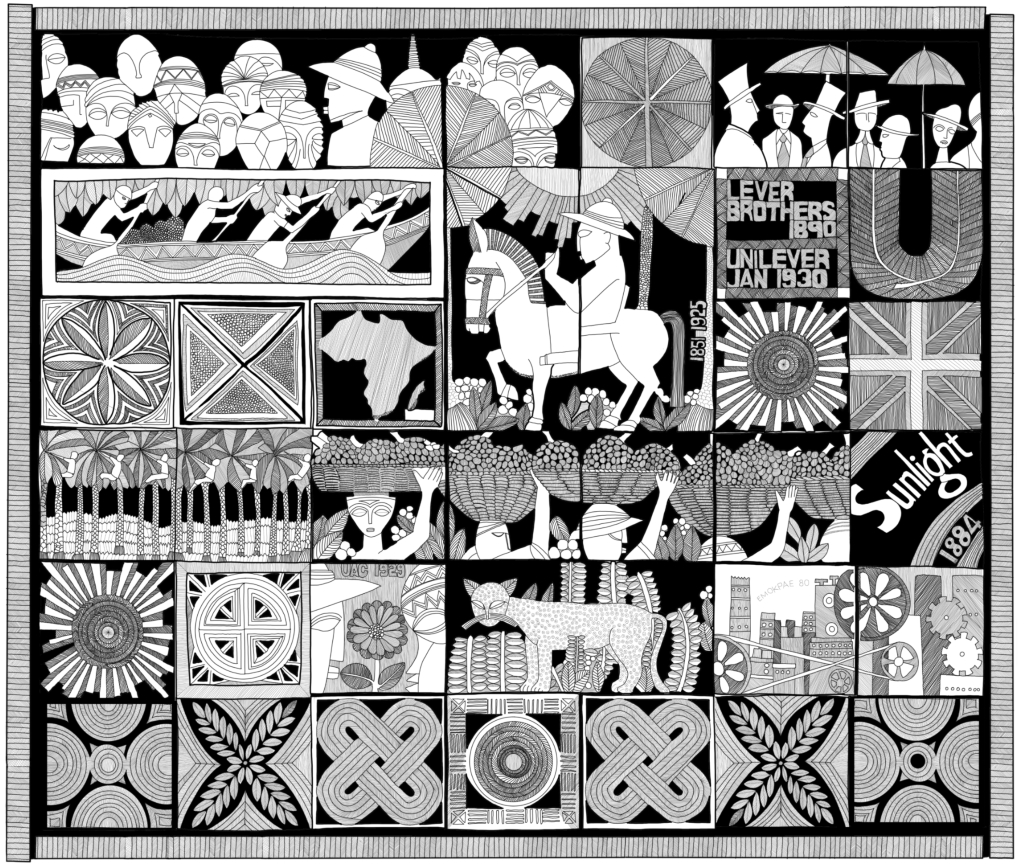
The largest item in the Unilever archive at Port Sunlight is a carved timber mural by the Nigerian artist Emokpae. Stretching to over 4m x4.5m and made up of 35 individual panels, it depicts the story of palm oil harvesting and the production of palm oil.
The panels also show William Lever visiting Africa and his famous Sunlight soap brand. It’s a vast piece of history and story telling revealing that behind ever bar of Sunlight soap was a vast system of extraction, production, logistics, and international trade stemming from Western Africa. The work was commissioned for the refurbishment of Unilever House in London in 1979. As well as being an influential and important artist Emokpae was a Creative Design Director for the design agency Lintas (also one of Unilever’s subsidiary companies).
I produced a measured drawing of the carving to help me to study it more carefully and because it’s almost impossible to photograph the original work in a single frame whilst capturing the detail. Together with Unilever’s Global Head of Art, Archives, and Records Management Claire Tunstall, we began discussing using the drawing to produce an animation that would help to explain part of the work and also make it more accessible. We shared our ideas with the agency Stone and Glow and commissioned them to develop an animation based on our text, keyframes, and artistic direction. We’re delighted to be able to share this with you here and hope you enjoy it:
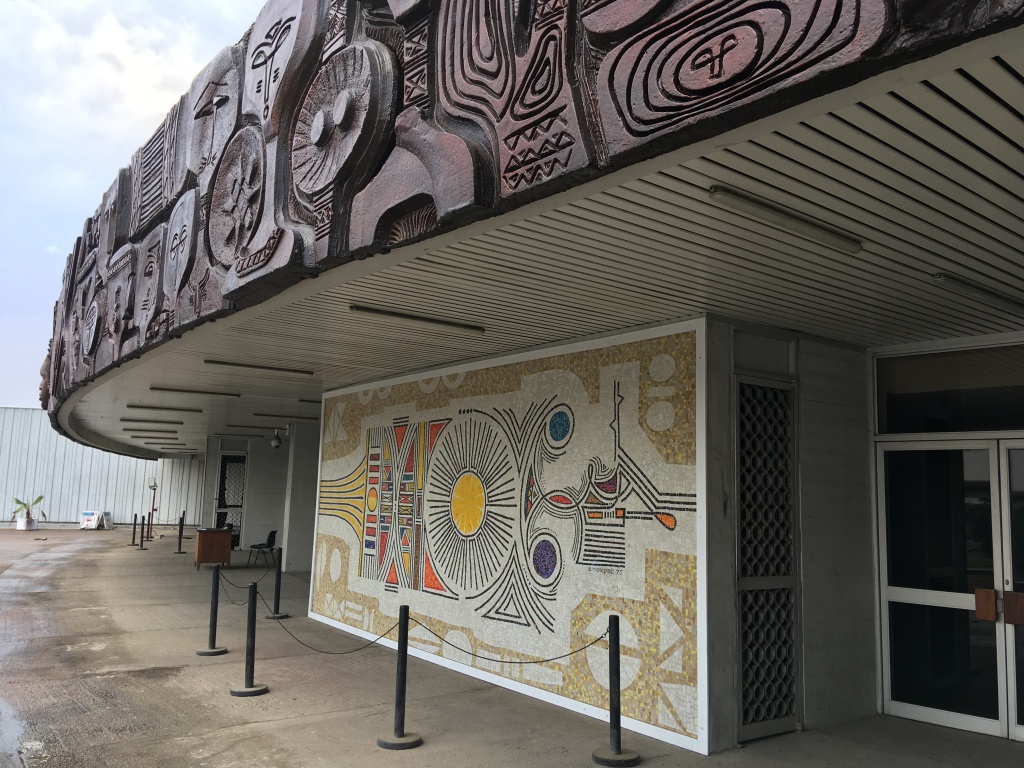
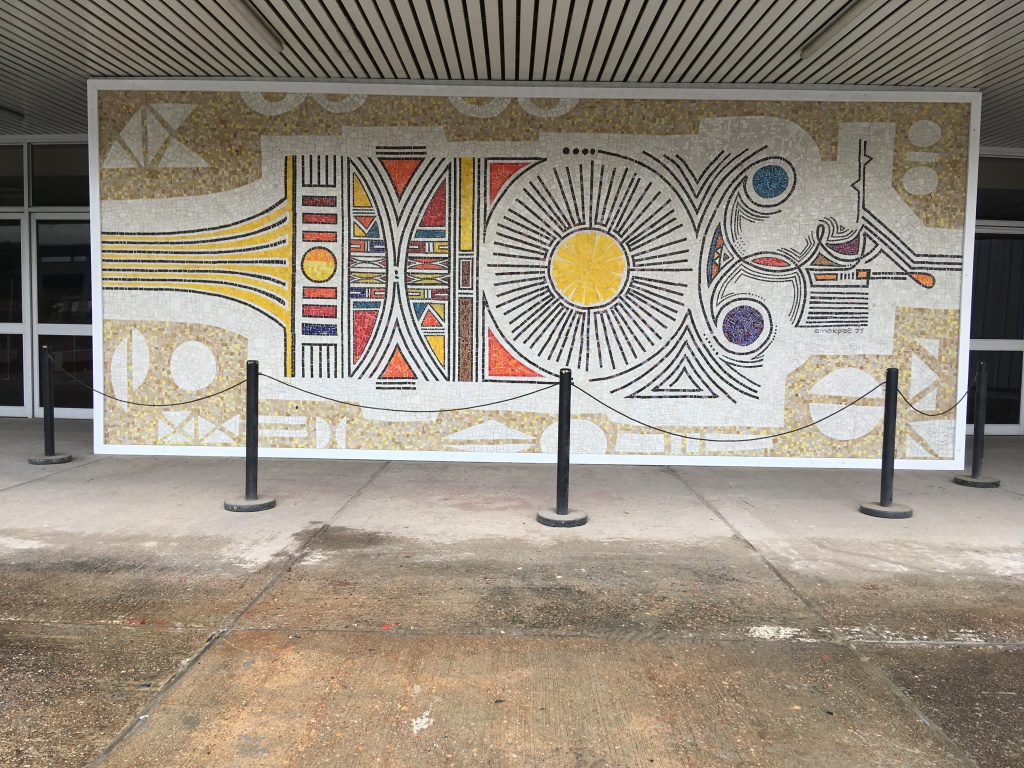
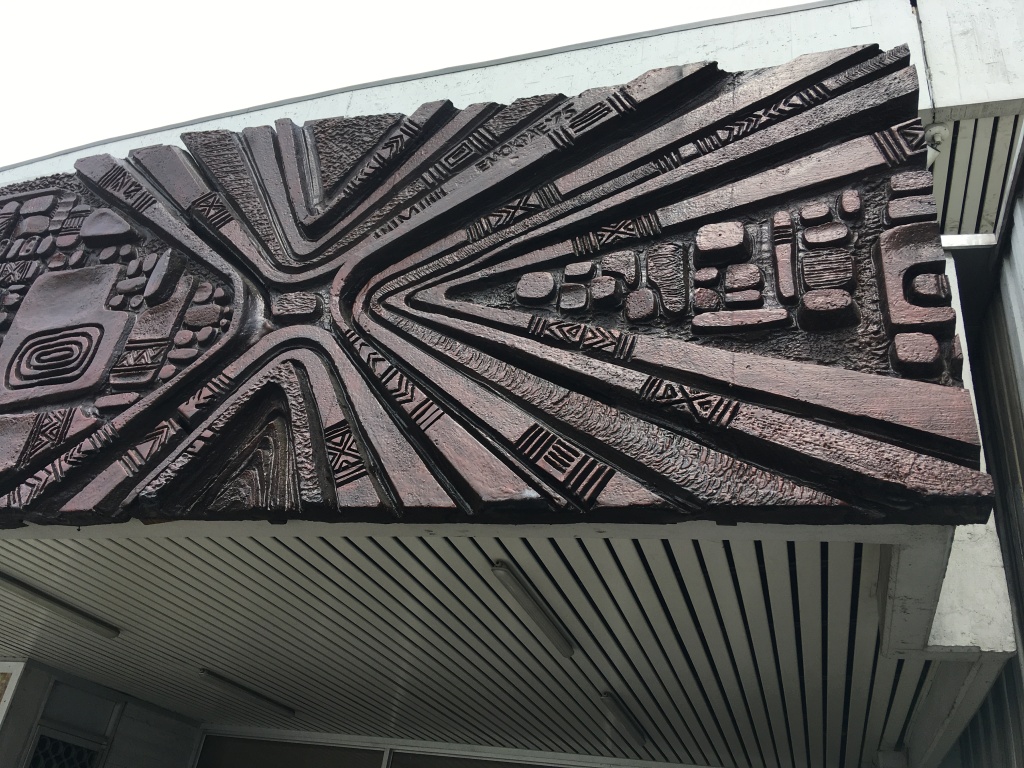
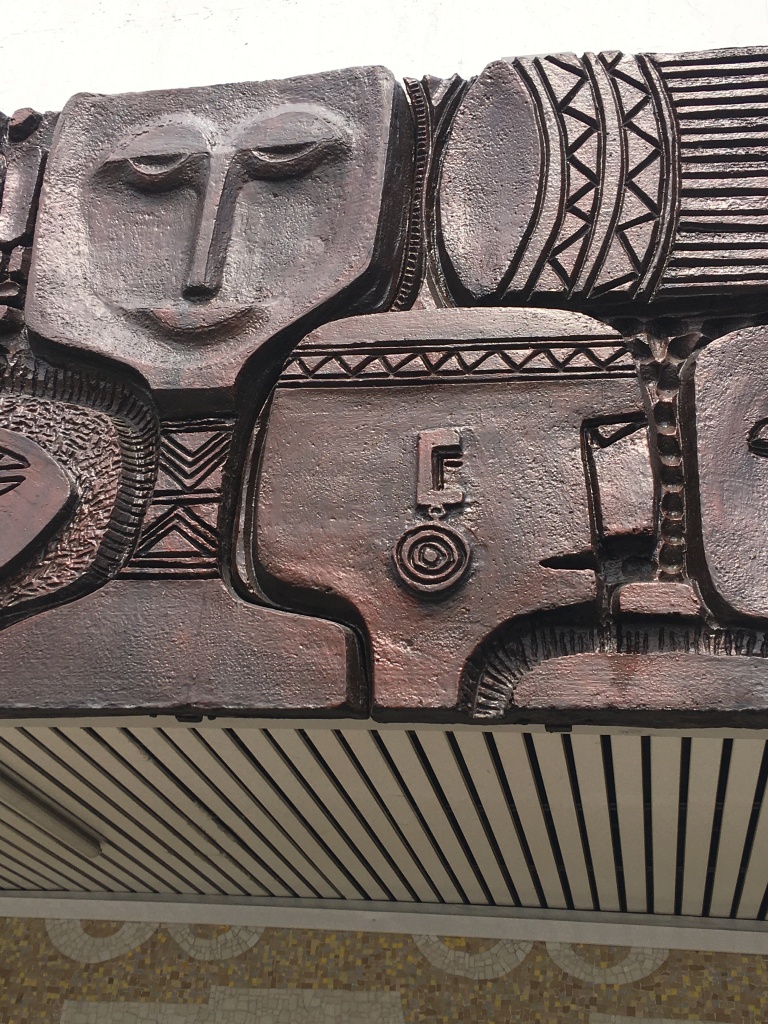
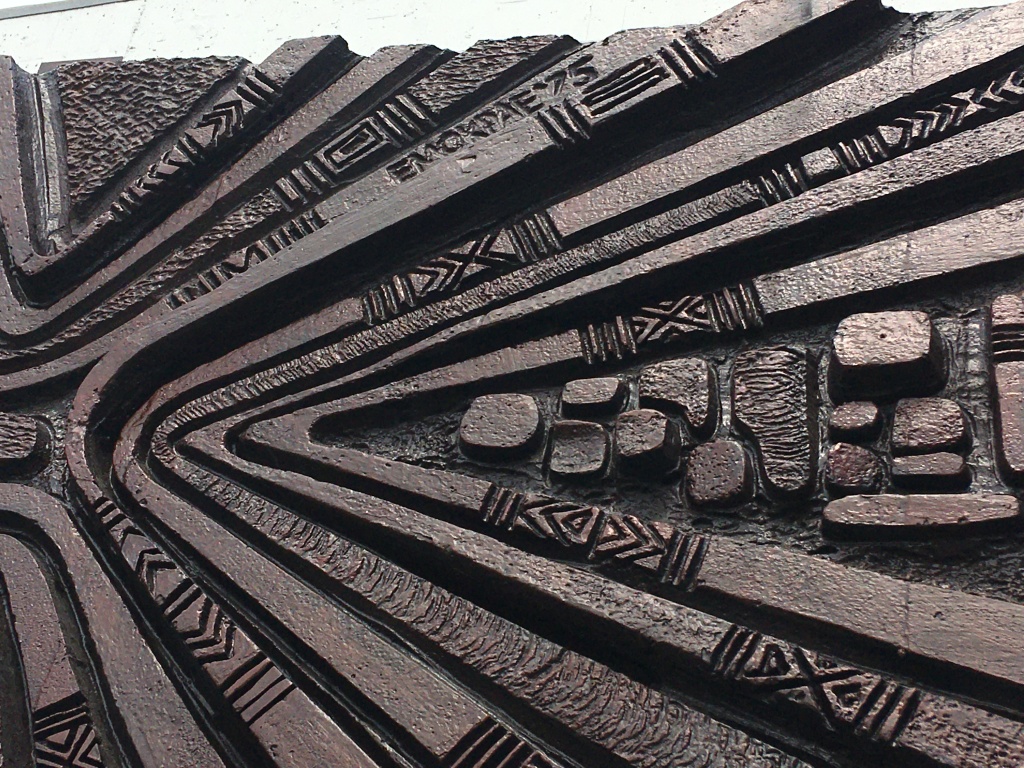
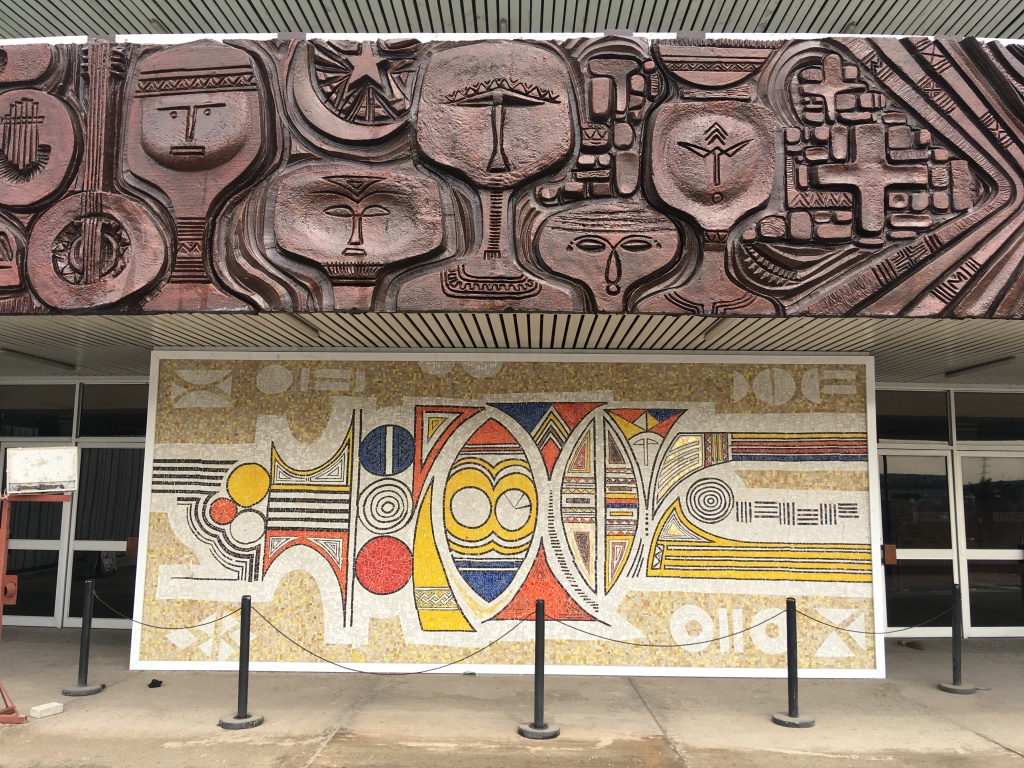
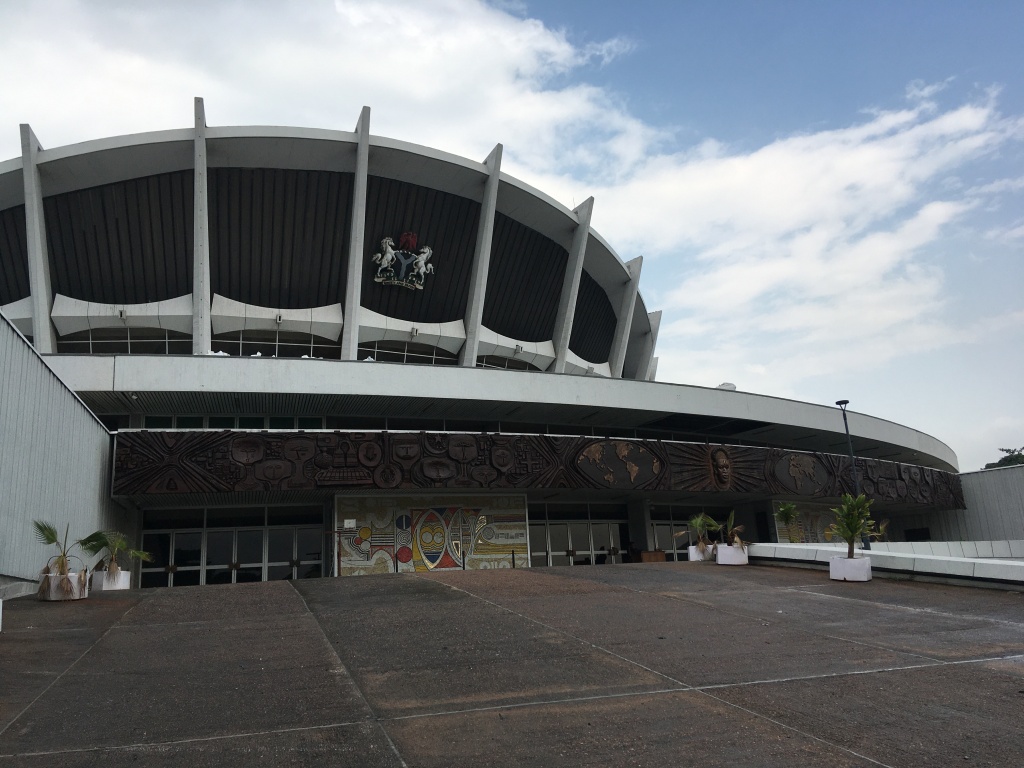
I wanted to know more about Emokpae’s work and found some fascinating material in the Nigeria Magazines. Emokpae had worked on some major projects in Lagos and I’ve been eager to view them ever since. At the National Theatre (designed and constructed by the Bulgarian Techno Exporstroy in 1976) Emokpae was commissioned to produce the friezes that wrap around the lower parapet of the theatre as well as a series of mosaic murals at the entrances.
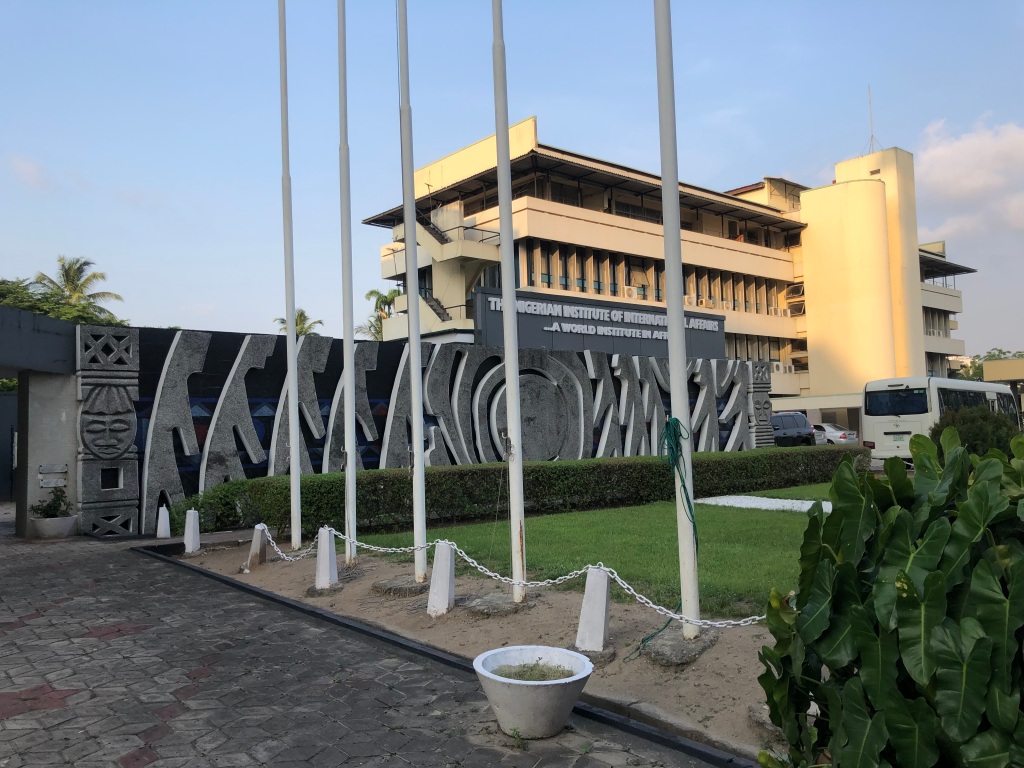
He also won a competition to design a concrete installation at the Nigerian Institute of International Affairs – a significant building designed by Design Group. Here Emokpae’s ‘The Art of Understanding’ is composed of a large concrete mural with mosaic backing. The project also featured in Nigeria Magazine no.96 1968 with an extended article written by Alan Vaughan-Richards.
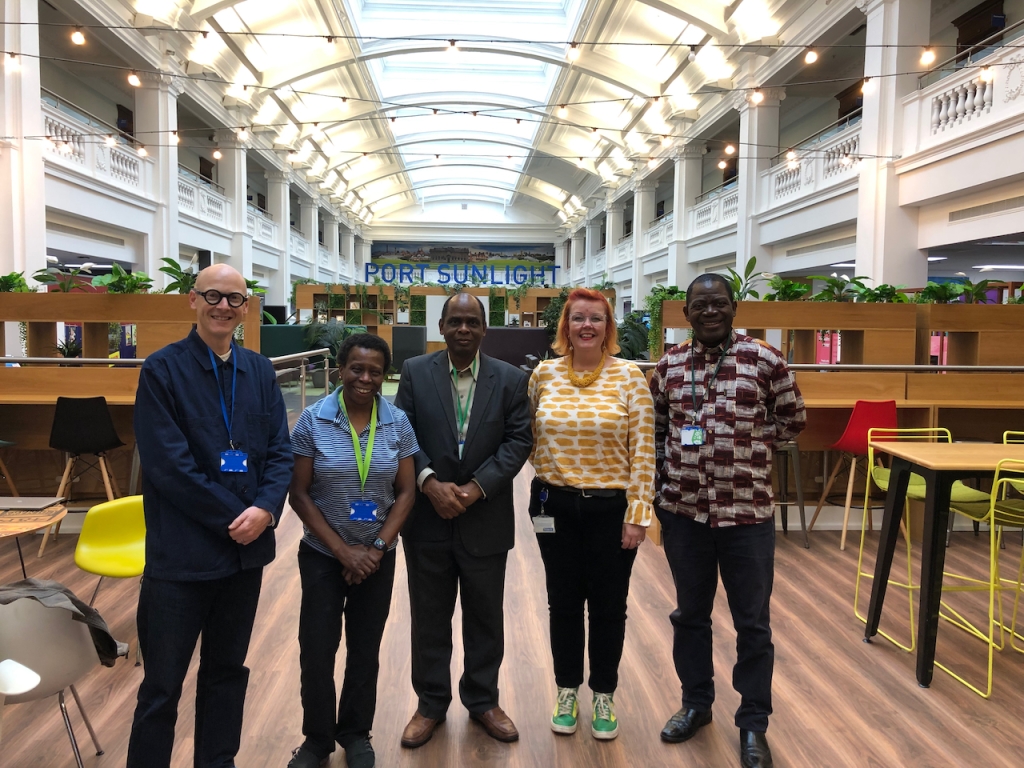
Iain Jackson, Ola Uduku, Ayo Olukoju, Claire Tunstall, Sam Ntewusu at Unilever, Port Sunlight
The objective of the visit was to visit and introduce Profs Olukoju and Ntewusu to the Unilever archive collection at Port Sunlight, particularly its subsidiary the United Africa Company’ (UAC)’s extensive holdings on Western Africa covering its various business interests in the region. The symposium which took place the next day involved presentations by Profs Olukoju and Ntewusu on the state of archives and archival research in West Africa, which was attended by Merseyside researchers and PhD students.
Professors Olukoju and Ntewusu at Unilever, Port Sunlight with bust of William Lever
The two-day visit also enabled discussions to be had about future collaborations at various levels, research, knowledge exchange capacity building at Masters degree level, and forms of impact for institutions in Western Africa and also the the UK and NW England in particular. Our thanks to all who contributed to the symposium. Particularly Claire Tunstall, and her team at the Unilever Archives, Dr Abraham Ng’an’ga of the Andrew Walls Centre, Liverpool Hope University, Alex Buchanan, Archival Studies, University of Liverpool History Department, Suzie Goligher, Afrograph Ltd, and all other individual and institutional contributors to the symposium.
MoU signed by the University of Liverpool’s APVC for the Faculty of Humanities Professor Fiona Beveridge, and received by Professor Olukoju, on behalf of the University of Lagos
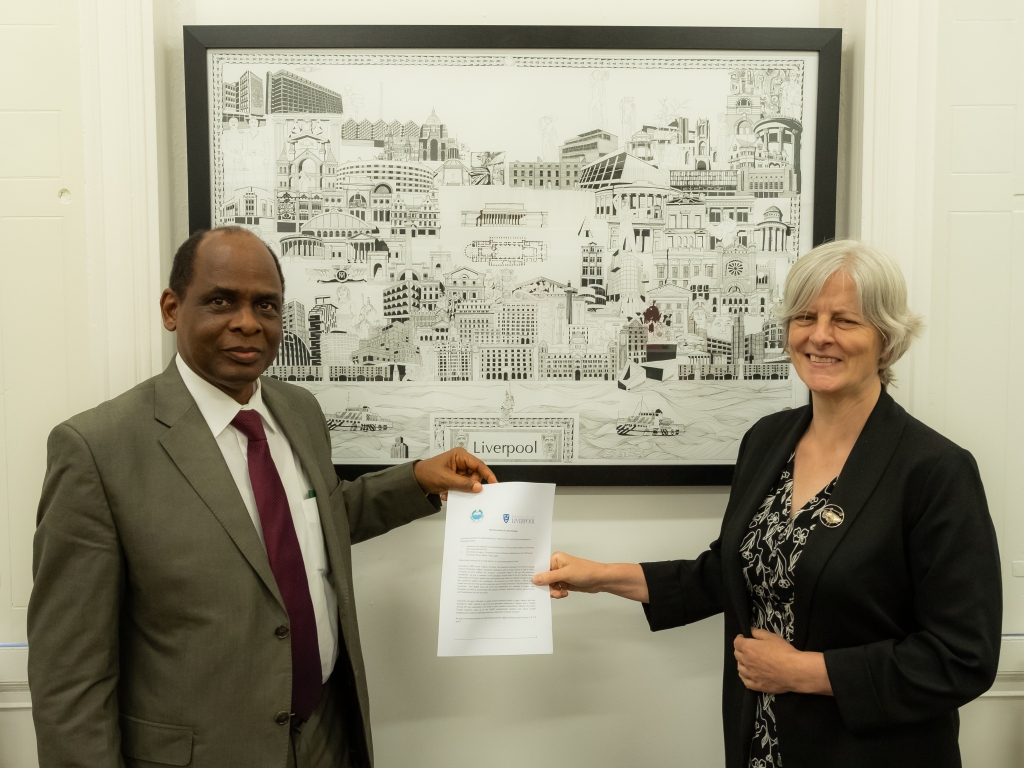
The visit also coincided with the finalised signing off of the Memorandum of Understanding which has now been established between the University of Liverpool and the University of Lagos. The formal MoU, was signed by the University of Liverpool’s APVC for the Faculty of Humanities Professor Fiona Beveridge, and received by Professor Olukoju, on behalf of the University of Lagos
This is the first article in a series that considers reflections on the value of interpretation in combination with the technical practice of cataloguing, authored by CCA staff and invited scholars and introduced by Martien de Vletter. Here, we examine changing terminology. CCA cataloguer Jennifer Préfontaine considers context and the use of the term “peon” in cataloguing the Pierre Jeanneret fonds, and Michele Tenzon, Ewan Harrison, Iain Jackson, Claire Tunstall, and Rixt Woudstra sift through reworkings that were made in the development of the United Africa Company archives.
The Importance of Context
Jennifer Préfontaine weighs meaning and intent when cataloguing archival materials
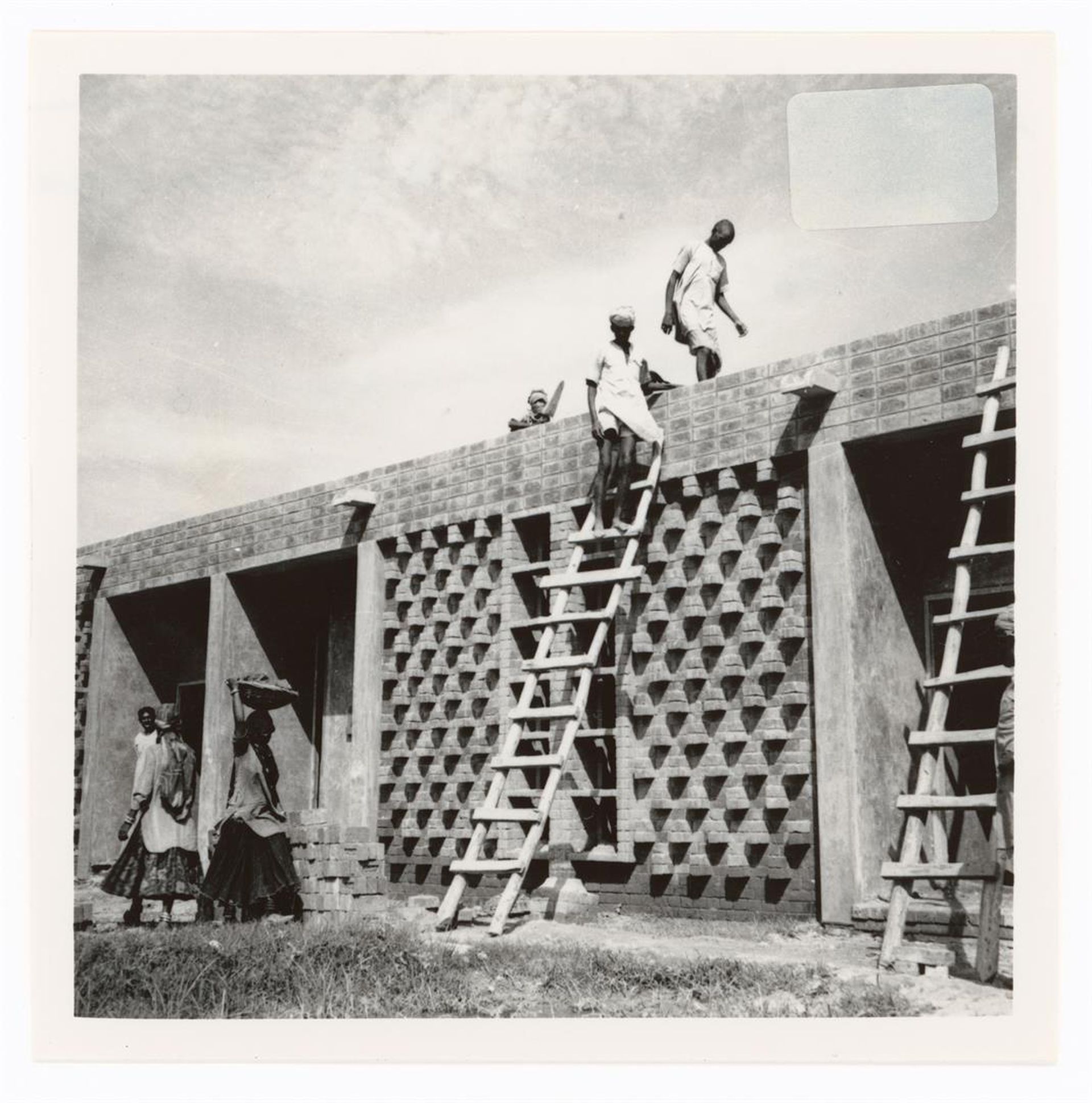
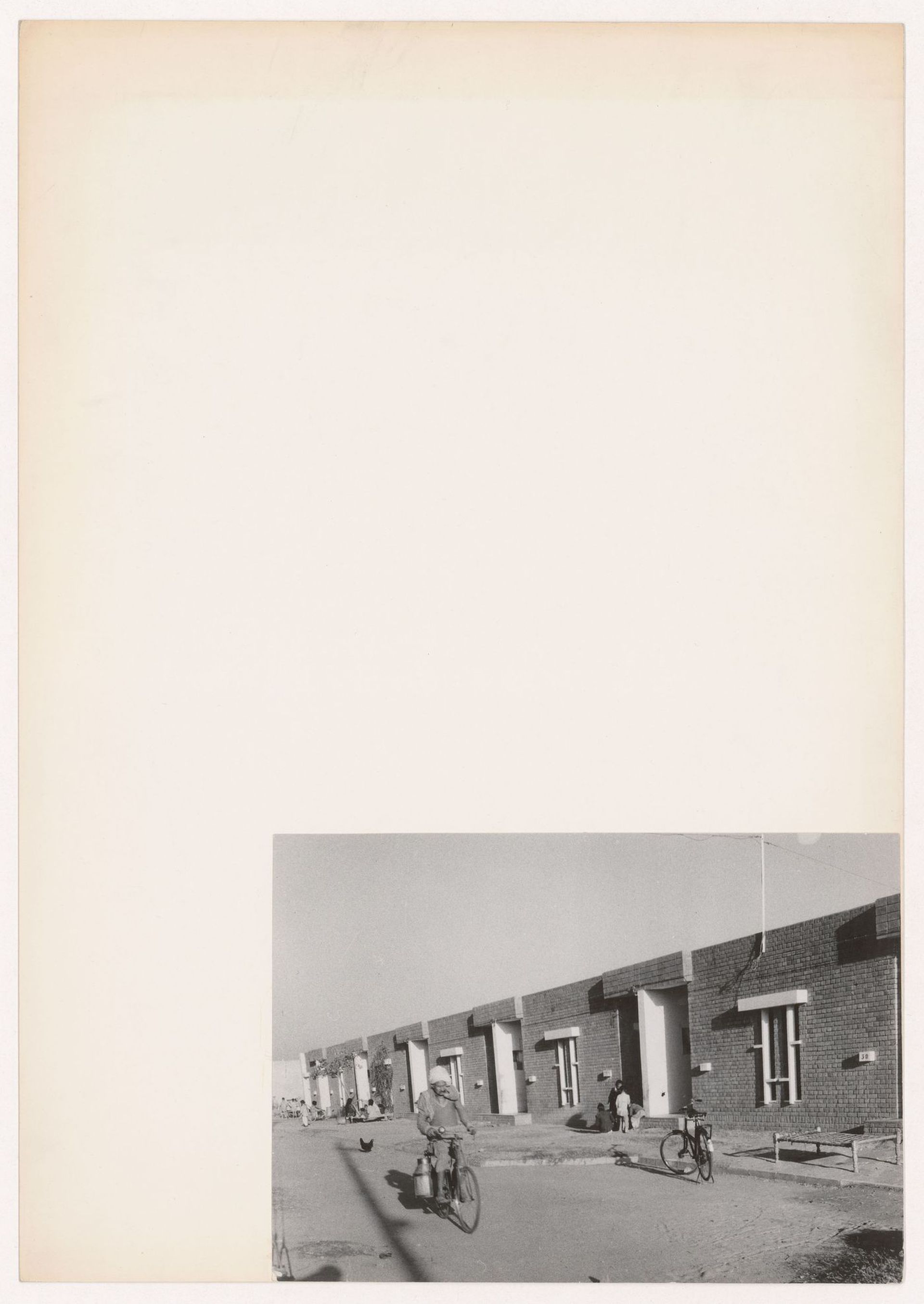
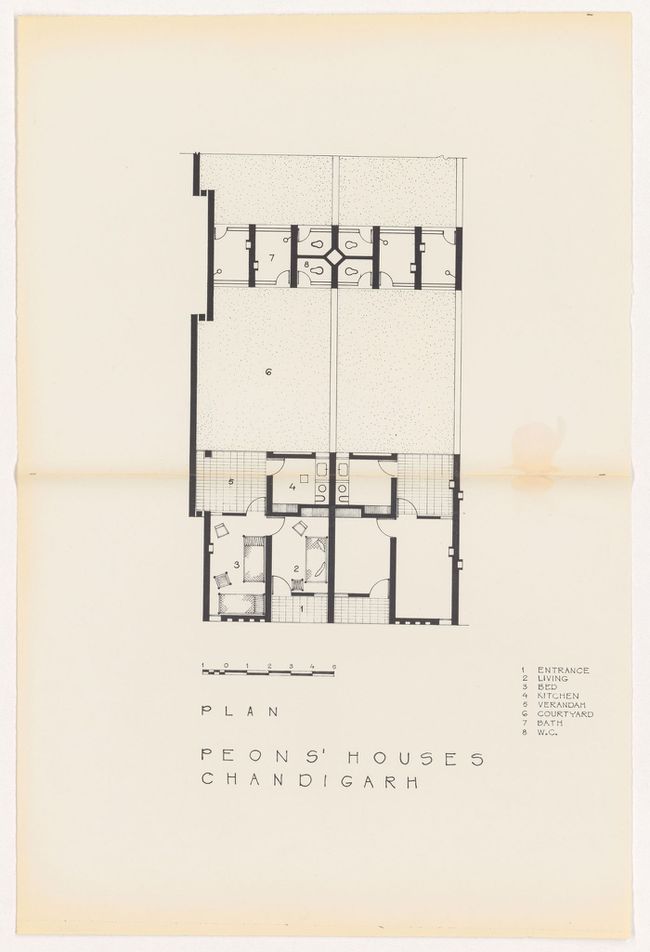
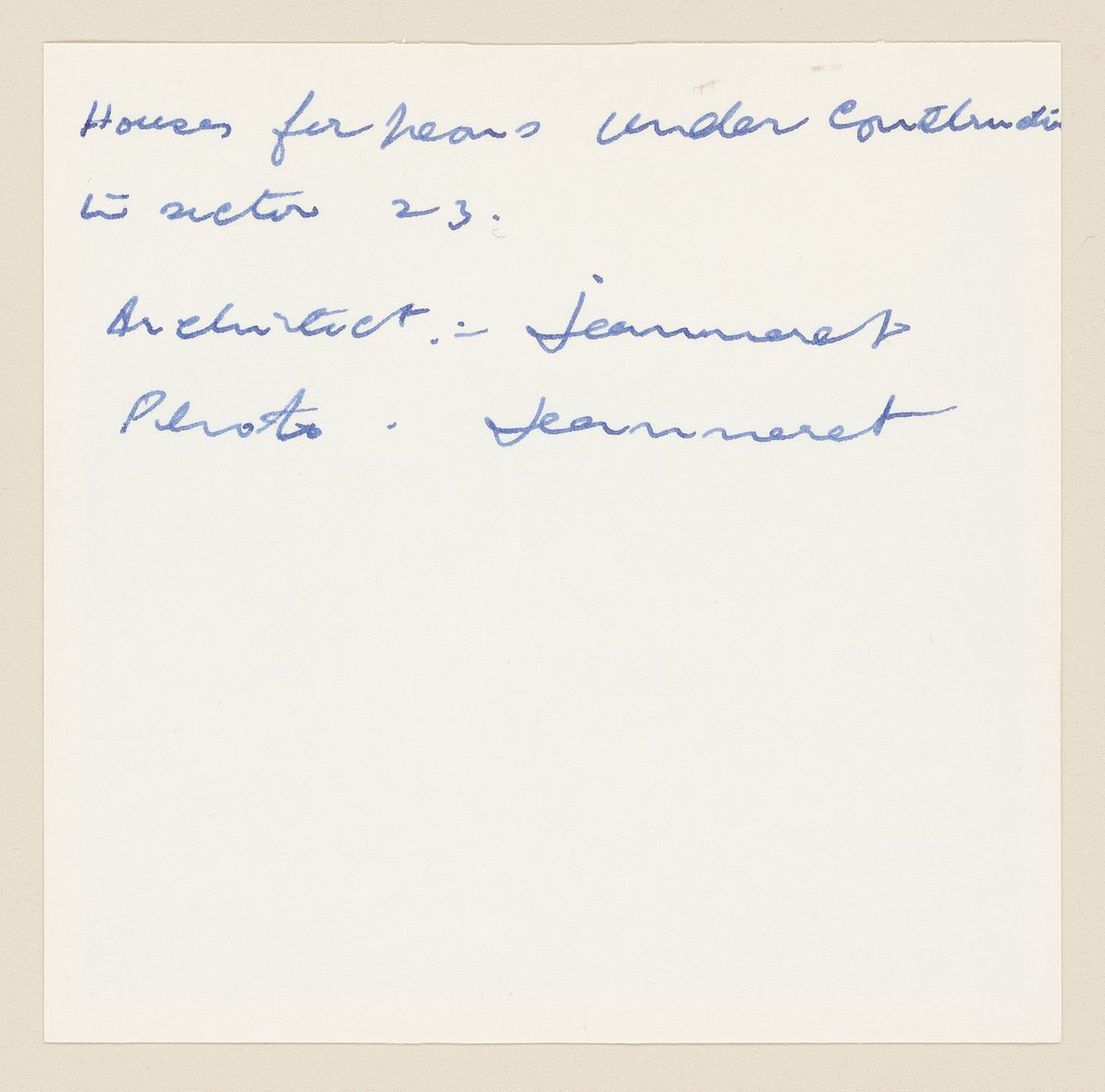
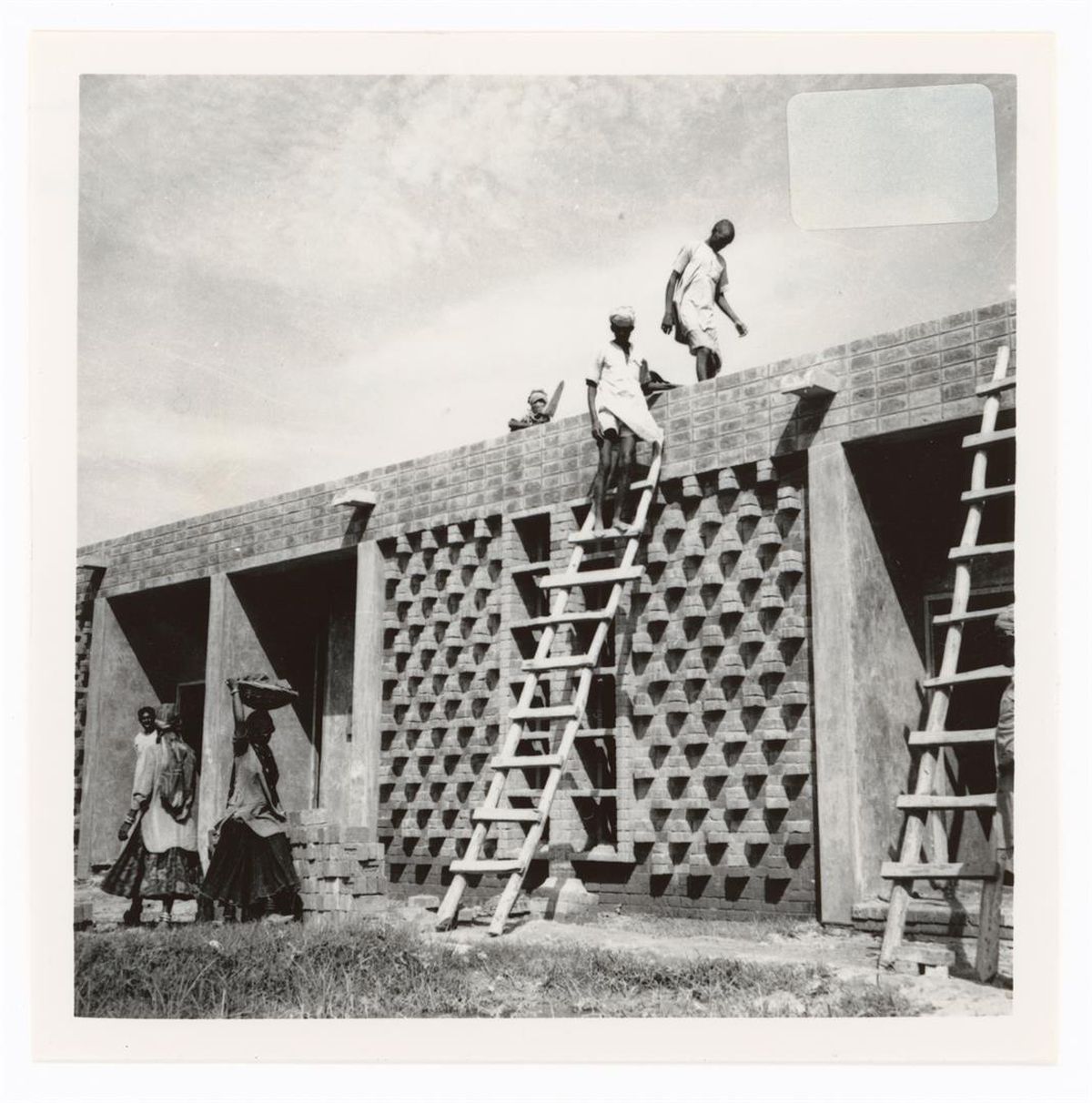
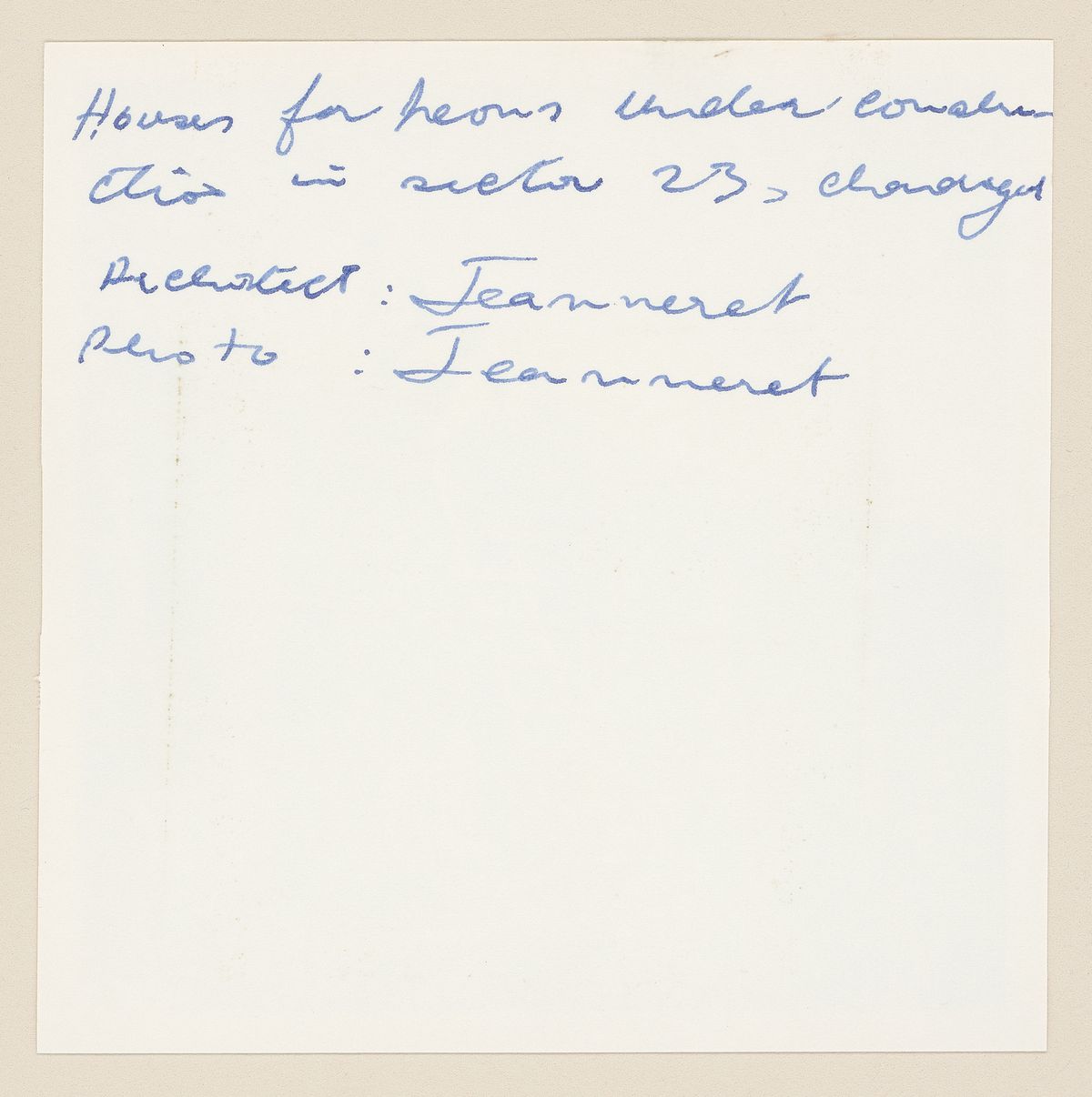
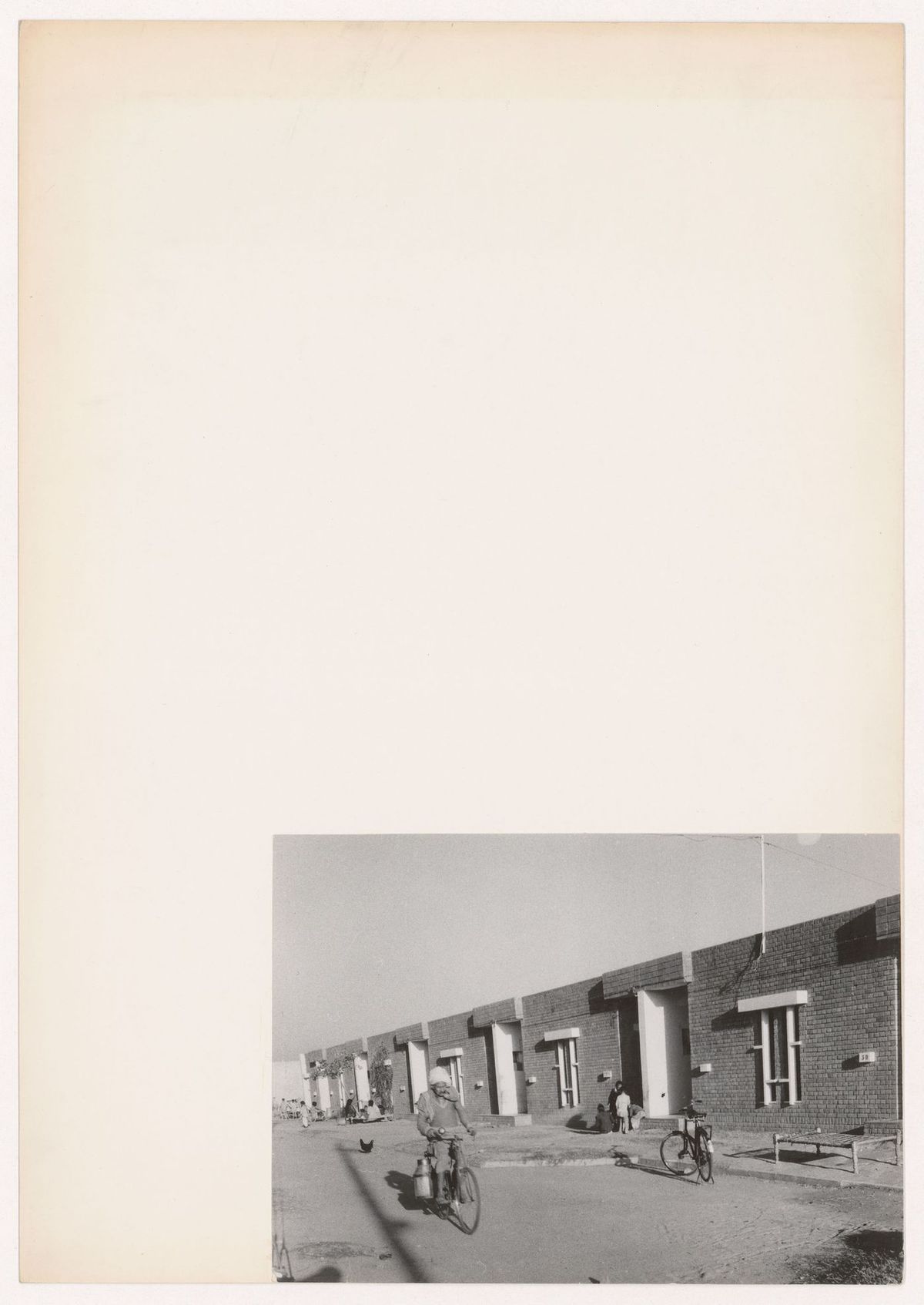
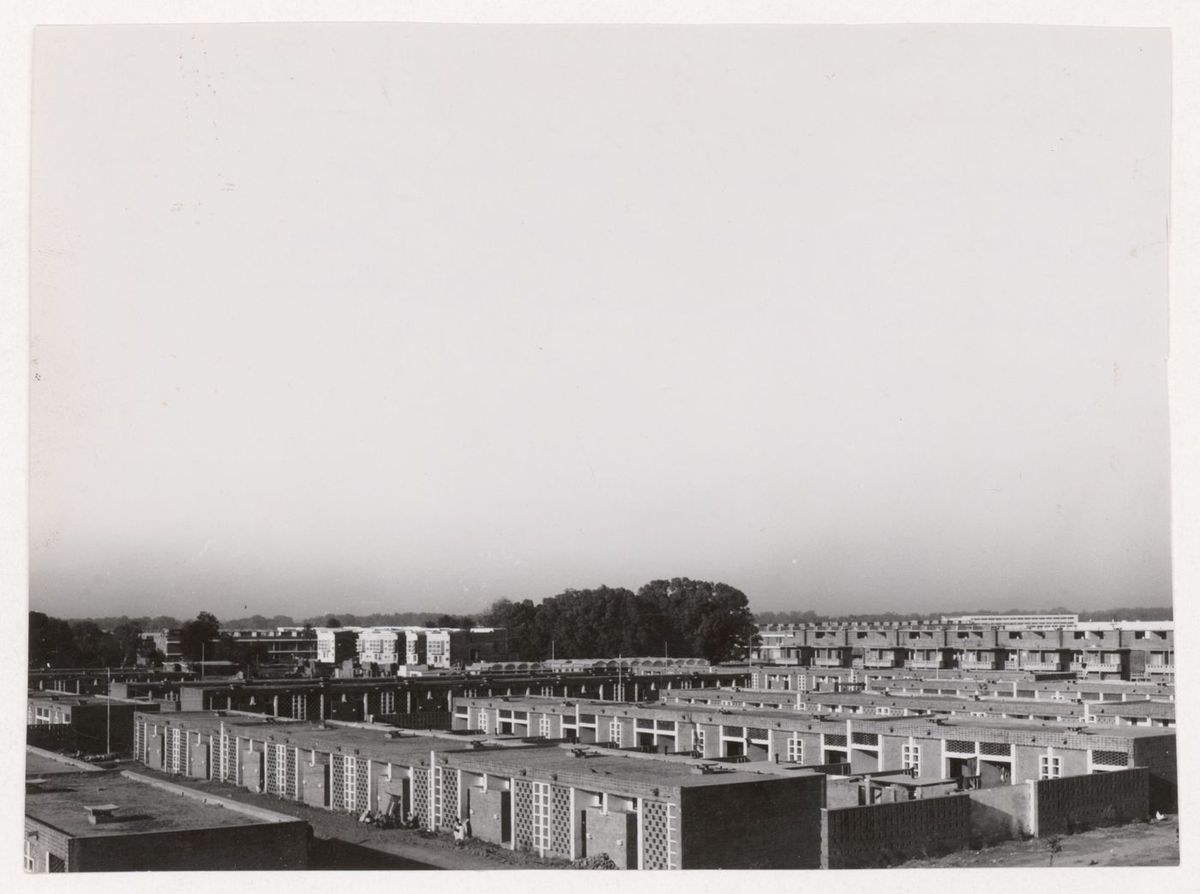
During Sangeeta Bagga’s Find and Tell residency in June 2019, we—the cataloguers at the CCA—came across material using a word with which we were uncertain. A plan drawing, held in the Pierre Jeanneret fonds that Bagga was studying, labels “Peons’ Houses” as the title of a project in Chandigarh, from 1952.1 From definitions found in print and online dictionaries, we felt that “peon” could be understood as harmful in some contexts but neutral in others. A word can have different meanings, different geographies, and even different histories, in particular colonial histories. In cataloguing work, the choice of vocabulary has important implications in how researchers access and understand information. We needed to consider, is there a problem with the use of the word “peon” when identifying people?
We learned that the word “peon” has different meanings and origins depending on where and when the term is used. Among other definitions, it means a labourer or a non-specialized worker.2 In Latin America, especially in Mexico, a “peon” has additionally come to denote a labourer that has an obligation to work for their employer until their debt was paid off.3 This type of “labor practice”4 has served as the basis of what would become known as “peonage” in the period after the abolition of enslavement in the United States, where many African American freedmen and freedwomen with limited options were forced and bound into this system that maintained an involuntary servitude.56 It seems within this American context that the use of this word in cataloguing should be reassessed. However, comparatively, in South Asian countries, particularly in India and Sri Lanka, the word “peon,” brought by the Portuguese, historically meant a foot soldier or a police officer.7 These days, it refers, in an Indian context, to a messenger or attendant, especially in an office,8 designating the entry-level position in governmental and non-governmental organizations.910
Considering that the materials from the Pierre Jeanneret fonds that include the word “peon” in their descriptions are related to Chandigarh, would it be acceptable to use the term despite the negative connotation it bears in another context, especially the American one? Shall we use a different term, or keep this “contentious” word with the possible addition of a contextual note?
As the CCA is an international institution located in North America, we wonder if it is preferable to remove a word that is potentially harmful from our descriptions, even if it remains in use and seemingly appropriate in other cultural contexts. What about the research behaviour of our users? Experts on Chandigarh, particularly on Le Corbusier and Pierre Jeanneret’s works, might be expecting the word “peon” and search for it in our catalogue. In order to understand the use of this term within the framework of the study of Indian architecture and society, we decided to reach out to experts of this field of research.
For Dr. Sangeeta Bagga,11 Principal at Chandigarh College of Architecture, Vikram Bhatt,12 author of Blueprint for a hack, Resorts of the Raj, and After the masters, and Dr. Vikramāditya Prakāsh,13 author of Chandigarh’s Le Corbusier and One Continuous Line, and editor of Rethinking Global Modernism, the word “peon” is an appropriate term used to designate an entry-level position at government levels in India. However, they point out that private corporations do not generally use the term anymore. Bhatt mentions that an equivalent word is “chaprasi,” and there might be other equivalent terms in other regions of India. Bagga argues that, although “office boy” is the term currently used in the private sector, “peon” still describes a position that allows people to work in dignity in a non-technical job, and people in India do not necessarily associate the word with a colonial background. It was institutionalized under the British period, but it still is in use today, without any negative connotations. Both Bhatt and Prakāsh acknowledge that while the term is still in use, it is not a word used in everyday conversation. To them, it could carry derogatory implications, depending on how it is used.
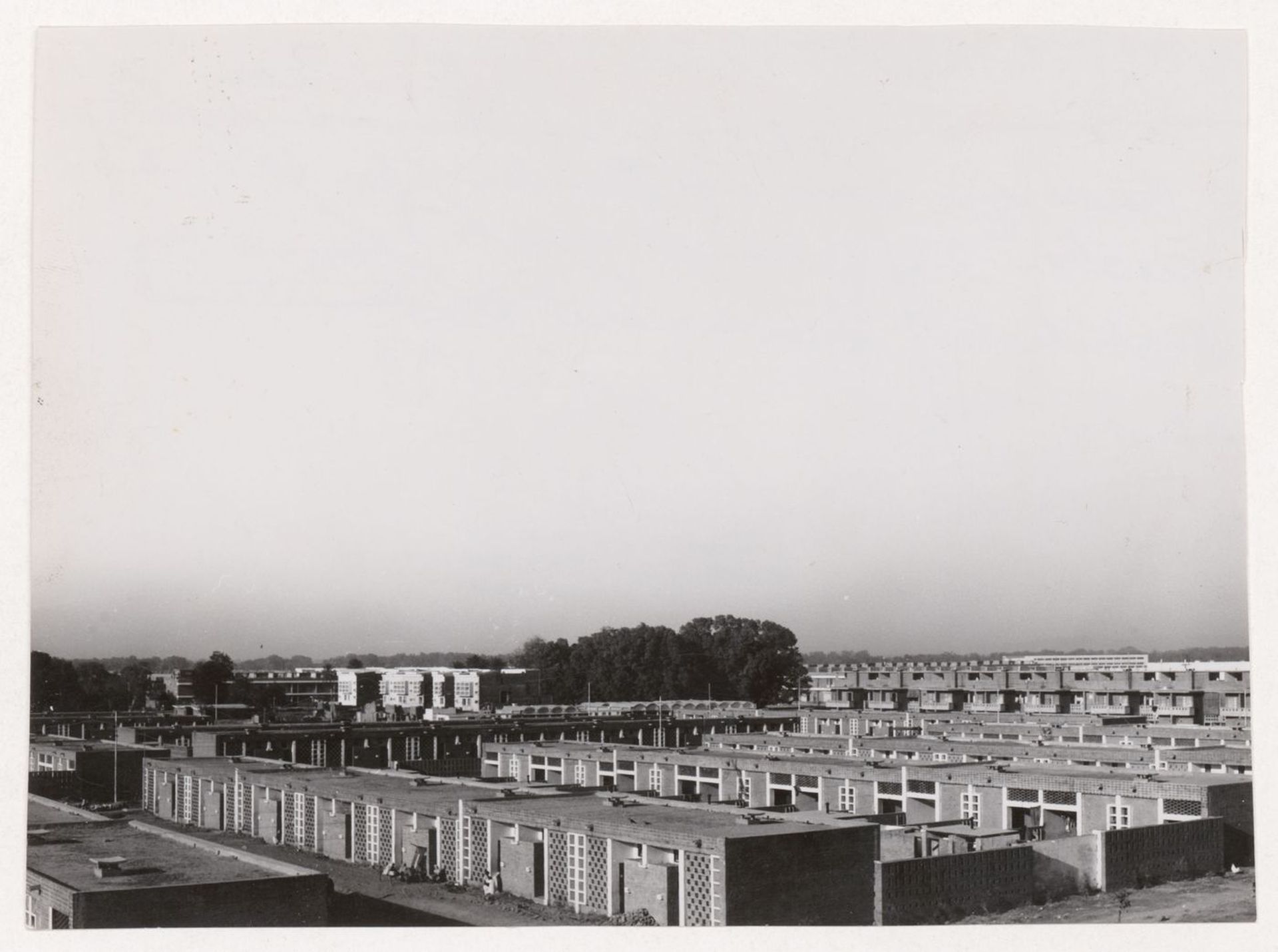
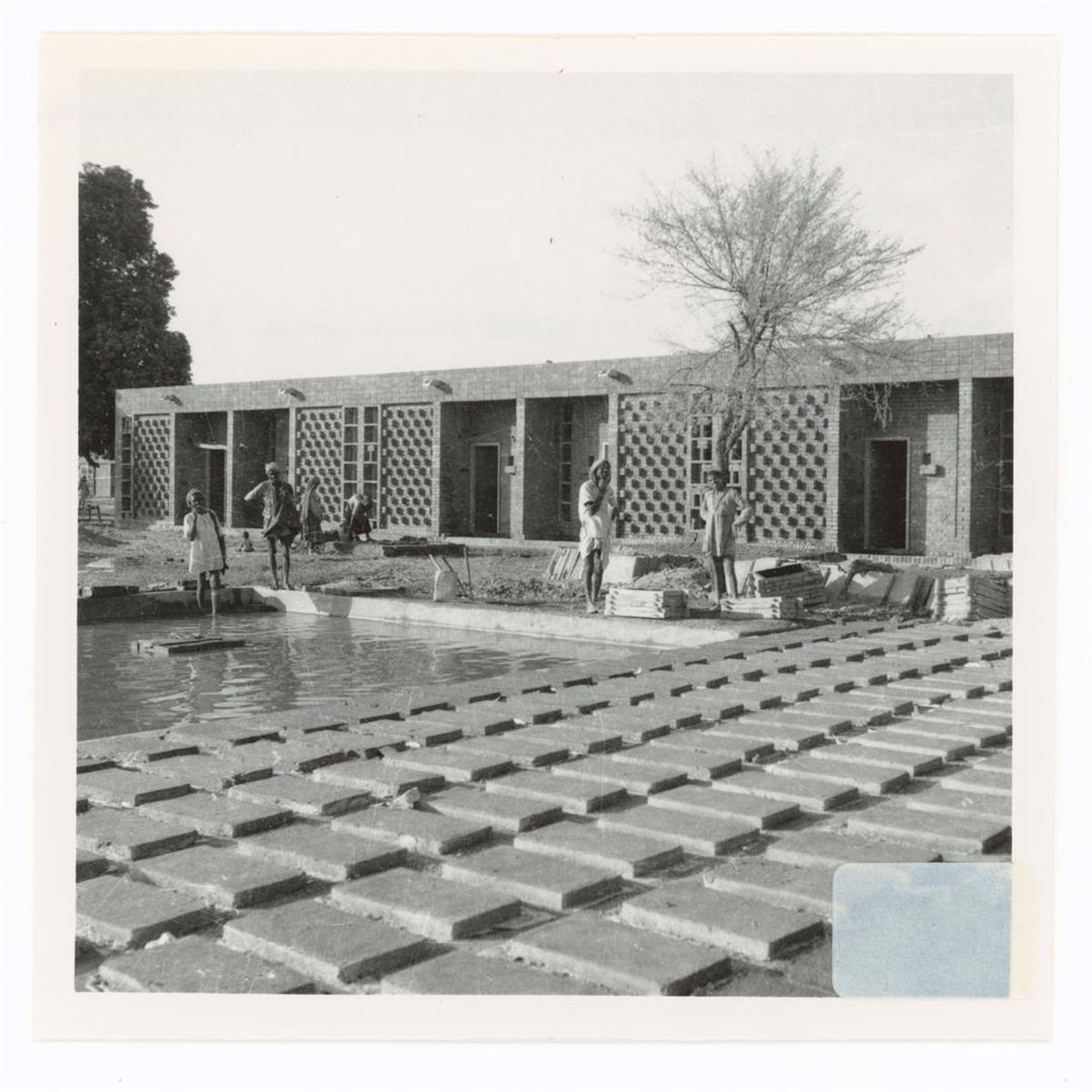
Bagga and Bhatt also mention that Chandigarh is a city that was laid down to a precise hierarchy initially with thirteen types of government housing in which the “peons” were at the lowest end.14 Bagga adds that with Jane Drew and Pierre Jeanneret’s work, it was the first time that the “peons” had planned housing accommodations.15 She underlines that the architectural drawings and other materials attest to this nomenclature; this type of housing was specifically called “peons’ houses,” as is depicted in the plan’s title. If the word is absent from the description, how would a researcher find it?
We might not be able to dissociate the use of the word from the context in which it appears. Prakāsh recommends keeping the term with respect to the Pierre Jeanneret fonds, noting that there is not a “right” interpretation of a word, certainly not based on an “original” meaning. For Bhatt, for as long as there have been contacts between the Western and Eastern worlds, languages have mutually influenced each other. With this in mind, Bhatt said that he would not be hesitant to use this word, but cataloguers should certainly recognize the different contexts in which it is used.
From these discussions, it seems apparent that the word “peon” carries different weights and meanings based on its context. All three experts recommend that we continue to use “peon” in our descriptions as part of the title field, and that we should add, if relevant, a contextual note explaining the word. As we recognize the importance of examining the changing meaning of words over time and context, especially when they are used in relation to how you refer to people directly, processes like this one, will help us set guidelines for more mindful descriptive work.
We would like to thank Sangeeta Bagga, Vikram Bhatt, and Vikramāditya Prakāsh for sharing their thoughts on this topic.
Reworking, Recaptioning, Moving Beyond
Michele Tenzon, Ewan Harrison, Iain Jackson, Claire Tunstall and Rixt Woudstra examine the Archives of the United Africa Company.
The Unilever Archives in Port Sunlight, United Kingdom, host a vast collection of items documenting the United Africa Company (UAC). A wholly owned subsidiary of Unilever, the UAC was a vast trading and manufacturing empire that itself in turn owned and managed numerous subsidiaries ranging from retail, textiles, timber, and raw material extraction mainly, but not exclusively in the British West African colonies. The scale of the UAC venture throughout the late nineteenth and twentieth century, the company’s role in colonial exploitation, as well as its economic and political manoeuvring into the post-Independence period, render its archive both a problematic and rich repository to catalogue and analyse. Archives have been the subject of a body of theoretical writing from post-colonial perspectives. This has framed the archive as both a locus of power and a technology of domination in and of itself. As the archive of the largest British business in West Africa, and one deeply implicated in the colonial patterns of resource and capital extraction in the region, the UAC archive can equally be theorised in this way. Yet, the UAC archive is also punctuated by moments of hesitancy, contestation, and challenges to the UAC’s attempted hegemony.
The UAC produced an archive as a by-product of the everyday transactions of business in the African colonies: its reports, board minutes, marketing plans, press releases, and ledgers have subsequently been ordered, catalogued, and cared for by a team of curators and archivists. But the UAC also pursued archival impulses of its own: UAC staff collected maps, African artworks and ephemera, personal correspondence and memoirs, as well as taking, collating and cataloguing thousands of photographs between 1880 and 1980. This impulse to collect and catalogue the African world around it shows the UAC’s attempts to impose an archival logic on the diverse, even unwieldy, business empire that it controlled, or attempted to control.
For architectural historians, the photographic collection is of particular interest with its bias towards recording buildings, places, people, and special events. The vast amount of visual material was produced by employees working for different subsidiary companies, each with their own objectives, vantage points, and outlooks. The contributors and content are also diverse in their geographical reach and emphasis, with records spanning vast tracts of the African continent, as well as smaller forays into the Middle East, India, and the Americas. Overall, and in coherence with the nature of a corporation which was indeed multiple, internally diverse, and geographically spread out, the collection appears as a corpus of interrelated but distinct archives each with their own provenance, consistency, detail, and granularity of data.
Considerable effort and expense were devoted to producing and presenting this photographic material. Each subsidiary produced its own documentary evidence by developing a visual record or compendium of their businesses that sat alongside the accounting records and lists. In providing sound evidence that business activity was taking place, the photographic medium was particularly useful to the parent company. Taken with a specific agenda and focus, the photographs were processed and printed before being selected to feature in specially produced albums and often accompanied by printed captions or handwritten comments. In many cases, the photographs became a surrogate for travel as many of the directors and business managers had never visited Africa and had no first-hand conception of what their business interests and assets looked like.
The images demonstrated that stores had been built, that goods were properly stocked on the shelfs and that everything was ‘as promised’. It provided reassurance for owners and shareholders, but also became a form of advertisement as is reflected by the careful organisation of these documents in the archive’s Public Relations folders. Through the photographs, distance and geographical separation seemed less important as the visual evidence which they offered ultimately delivered a sense of proximity by bringing a particular version of Africa back to the European shareholders. Photographs were meant to create a familiarity which could justify the company’s overseas presence and show that a colonial territory was ripe for development, therefore reassuring investors as well as European staff.
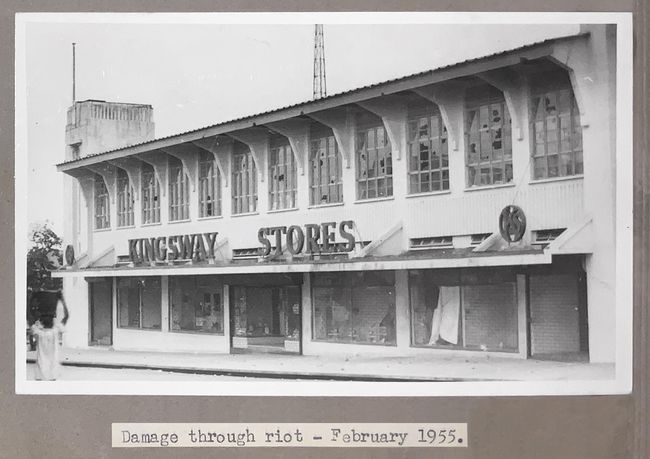
Because of the peculiar role of the photographic documentation for UAC’s activities, the forms of their collecting, defining, and claiming, offers a vantage point from which we can see how the company viewed, perceived, and chose to record the African social and physical environment. The image library was not fixed – it was added over time, revisited and modified. Titles were remade, notes were added, reflecting not only the transformation of the built environment, such as the extension or refurbishment of the company’s premises, or the acquisition or selling of properties, but also the shifting political situation after elections, riots, or strikes and the resulting legitimacy challenges that the company faced.
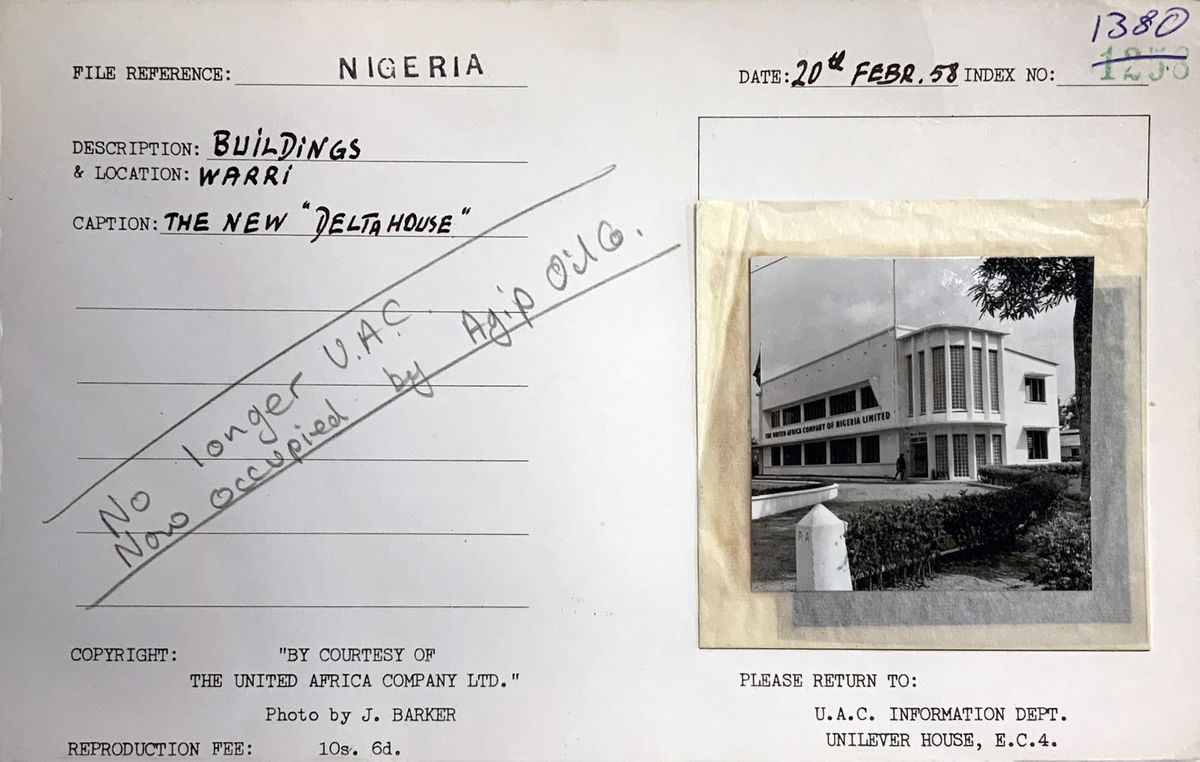
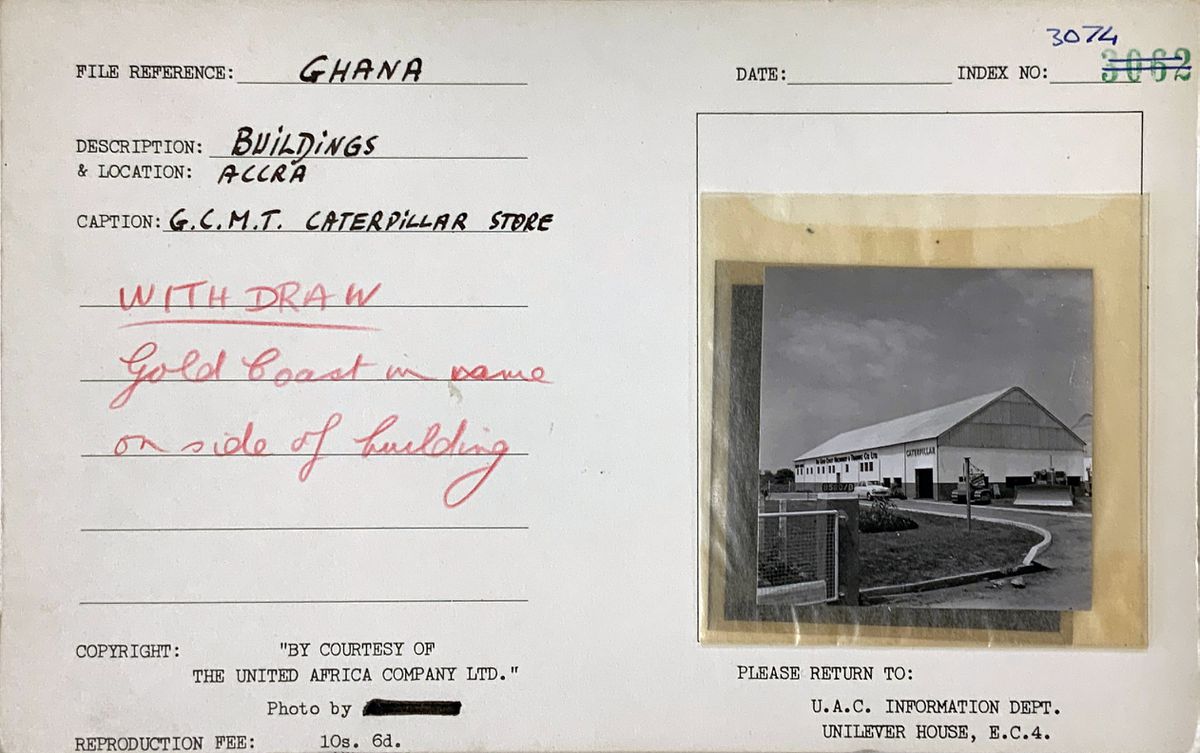
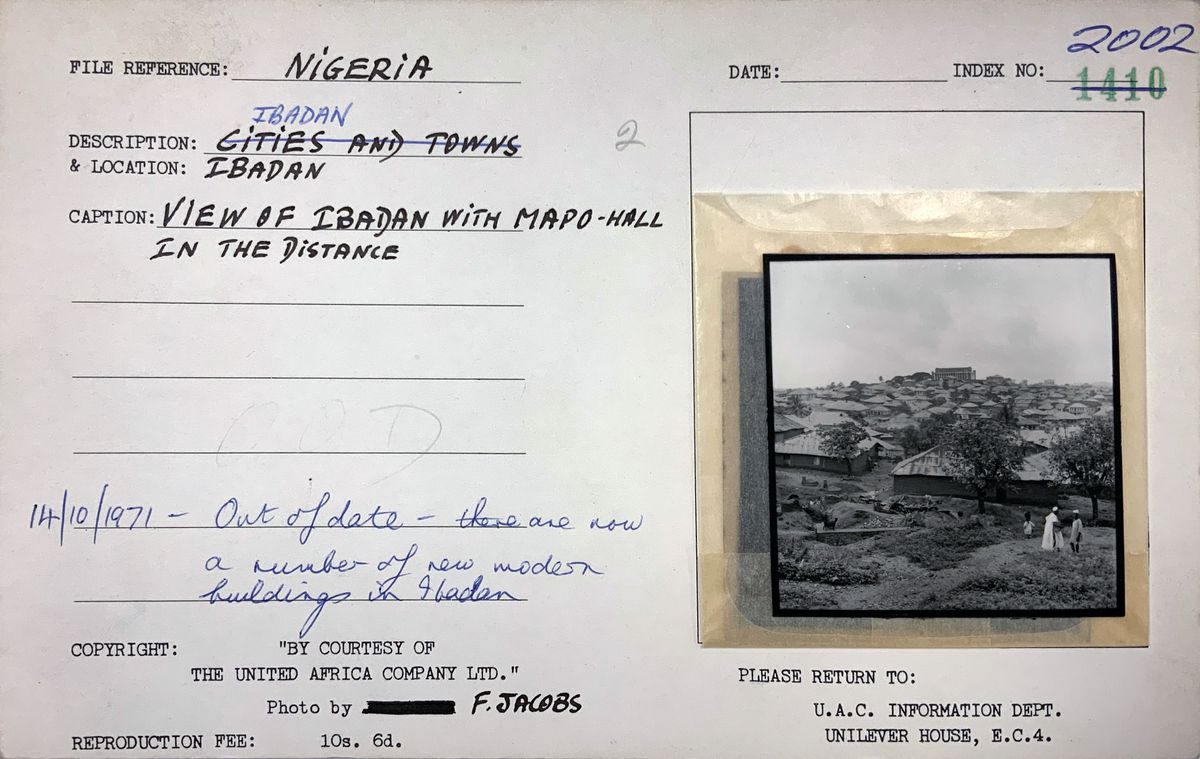
Such reworking of the archive is especially evident in those sections of the archive in which photographs have been selected and mounted onto cards, as a compiled photography library arranged first by country, then by themes. This collection was compiled to assist the production of marketing reports, company magazines, newsletters, press releases, and advertisements. The production of these publications and public relations material required the finest images and a cataloguing system allowing them to be quickly located. The notes written on the cards indicate that the UAC staff exercised a control towards what was deemed appropriate and suitable for the company’s image.
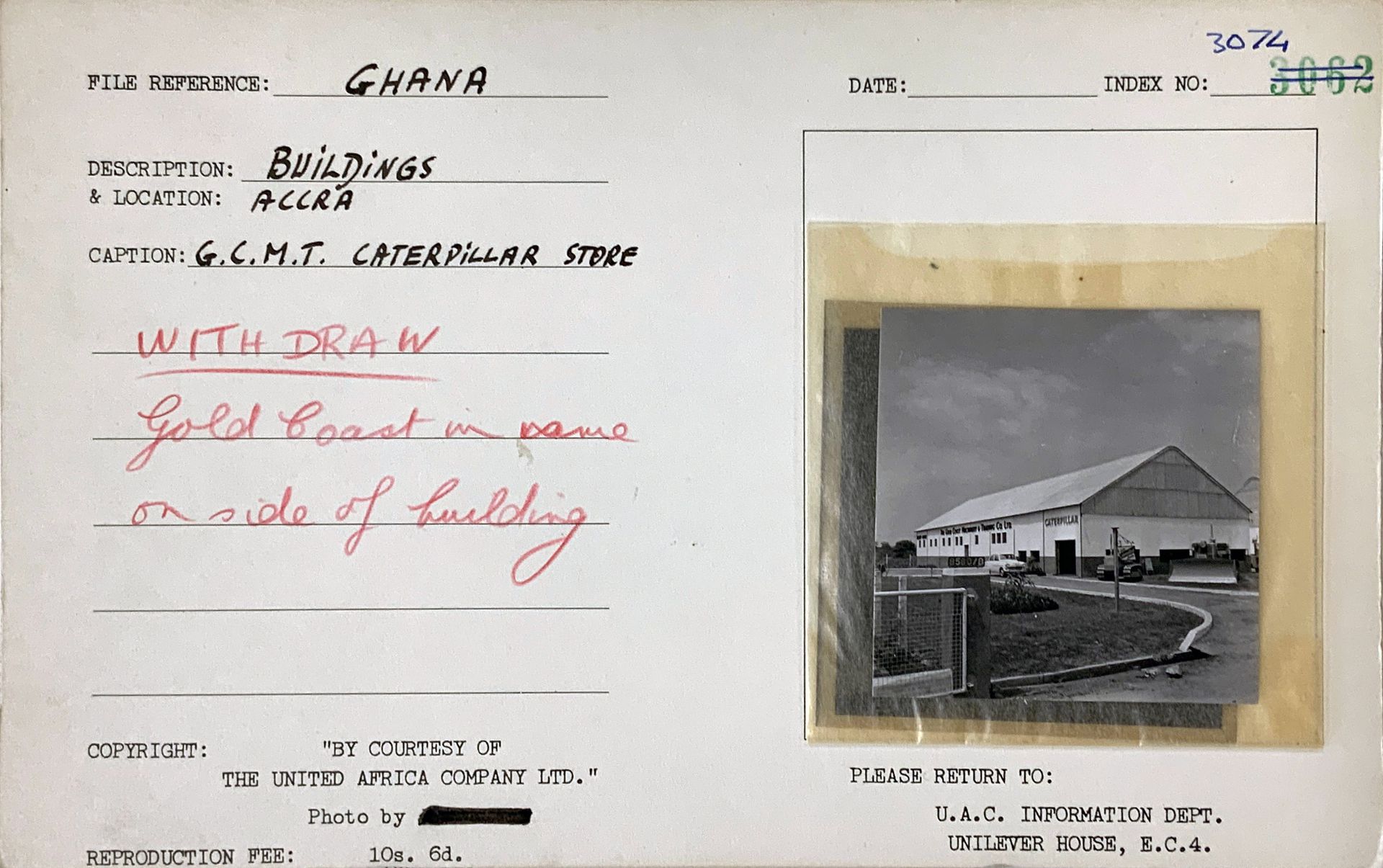
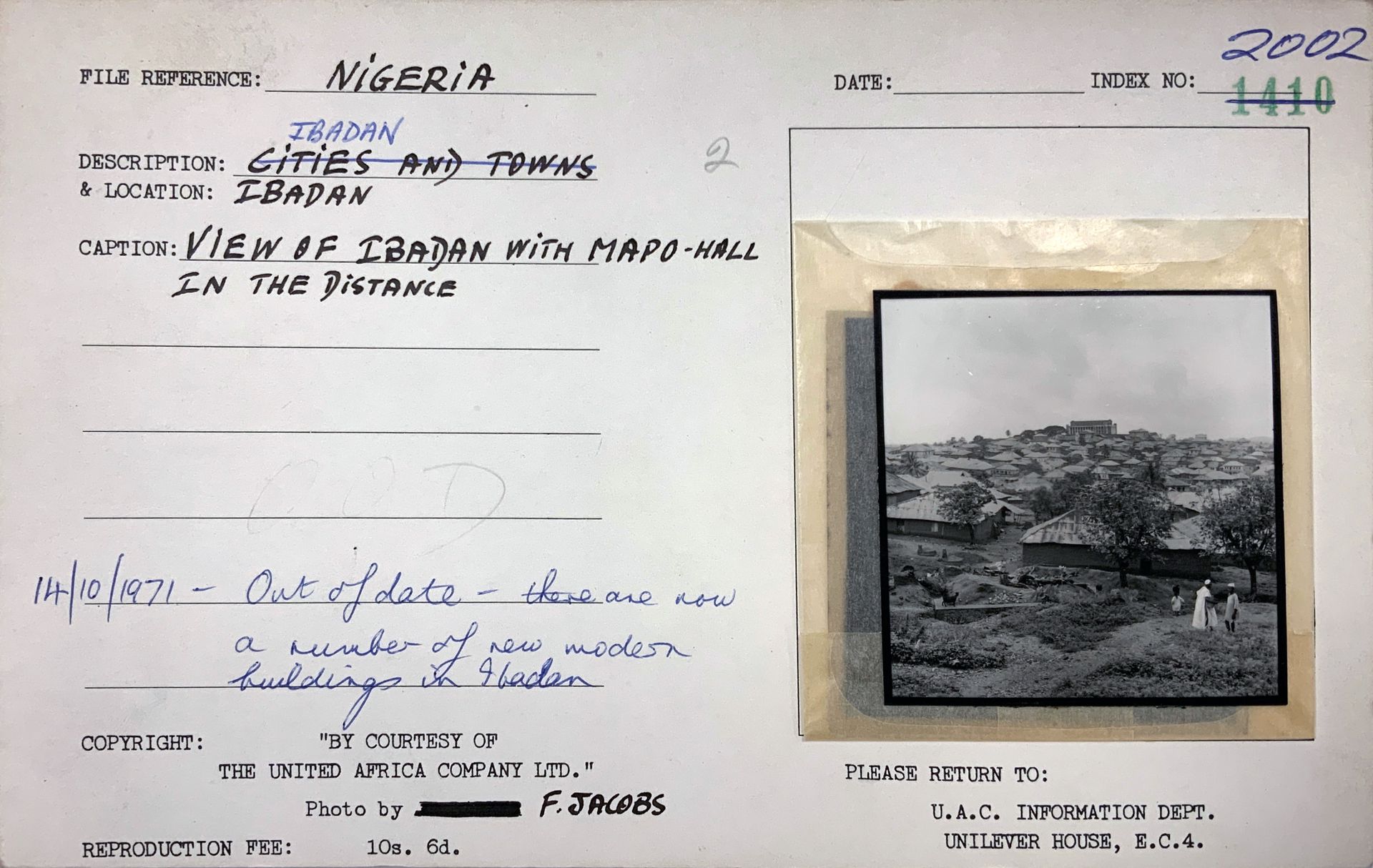
On some of these cards the captions were edited replacing terms which were perceived as outdated or inappropriate. Hence, an image described as “Native workers” was subsequently crossed out and replaced with “African workers”, before being relabelled again as “Employees”. In other instances, “African huts” was replaced by “African homes”, and “European Housing” was renamed “Management Housing” to reflect the Africanisation process of the 1950s – the recruitment and promotion of African staff within the company – which the UAC had embraced as a strategy to repair its legitimacy during the decolonisation phase. Some other images, instead, were marked as ‘to-be-withdrawn’ because the signage of shops of factories employed colonial toponyms which, after independence and for obvious reasons, had become offensive for African audiences. Whereas an image of Ibadan showing a district of low-rise houses built with adobe bricks was deemed no longer usable as it probably conveyed an unwanted sense of precariousness to the public and especially to potential investors.
We don’t know who exactly was making these decisions and how frequently the images were reassessed and relabelled. Unlike the archiving process where archivists generate titles, here they formed part of an image library. However, the fact that the photographs, rather than being re-mounted onto new cards were instead amended by striking through older labels, suggests that perhaps this context was considered valuable, if outdated. Nonetheless, letting this meta-analysis of the archive and its shifting cataloguing and labelling strategy to emerge, required challenging the traditional way in which archives are experienced.
Moving beyond the catalogue
We rarely get to see the archive in the way that one can peruse the books of a library. Instead, we experience it with no direct access to the stores and therefore no opportunity to examine the collection in person. In most cases, files are brought to the researcher after consulting a catalogue, making requests and completing slips and are examined one file at a time. While there are obvious reasons for such restrictions which aim at ensuring the integrity and safety of the material, the necessity of surveillance imposes an examination of the material in extremely compartmentalised or limited ways.
In our research project ‘The Architecture of the United Africa Company: Building Mercantile West Africa’ we have questioned this approach and attempted a different procedure that granted the research team access to the archival storage spaces. ‘Open access’ to the collection has been granted to the research team which has enabled browsing and the ability to quickly sample a box or file without even removing it from its location in the storeroom. The research team has been given extensive training in basic archive procedures, manual handling and health and safety. Retrieval slips were still completed and utilised, but the physical act of obtaining the files and accessing the store rooms was granted to the research team enabling the archive team to focus on their day to day work. The ability to compare boxes, view multiple files, or simply randomly ‘dip’ into boxes has enabled a far greater appreciation of the entire UAC collection, has accelerated our ability to ‘get through the material’, and also reduced the labour for the archives team. Viewing all the photograph albums on the shelves and to see how one album compares in size and scale to the others as well as the ability to visualise the files and their arrangement has helped us to understand the business structure in ways that would not have been possible otherwise.
This procedure, which was made possible by the prolonged collaboration between the academic team and the archive’s management team, has enabled a different working method to emerge. If the re-captioning of UAC’s photographic collection testifies how European capitalism coped with political change and pragmatically adapted itself to the shifting paradigms in the decolonisation phase, acknowledging such additional layers require ‘moving beyond’ the catalogue. The stratification of meanings and orientations which took the form of an almost curatorial approach to the cataloguing of the photographs reveals the biases and the shifting sensitivities of the actors involved in the production and management of the archive. However, such a critical interpretation of descriptive practices requires questioning the traditional interface between archivist and researchers, ultimately allowing engagement with the archive as a complete and stratified entity.
Notes
1 The term “peon” is also found on other material from the Pierre Jeanneret fonds.
2 The word has several meanings across times, languages, and cultures. Not all of them will be covered in this text. It also refers to the pawn in a chess game and to a low unit in some strategy computer games, for example.
3 William Wirt Howe, “The Peonage Cases,” Columbia Law Review 4, No. 4 (April 1904): 279.
4 Pete Daniel, “The Metamorphosis of Slavery, 1865-1900,” The Journal of American History 66, No. 1 (June 1979): 89.
5 Daniel, “The Metamorphosis of Slavery,” 1979.
6 Peonage is not exclusive to the United States. Various forms of “peonage” have existed or still exist across the world.
7 Collins English Dictionary, s.v. “peon,” accessed November 15, 2021, https://www.collinsdictionary.com/dictionary/english. Webster’s Third New International Dictionary of the English Language, Unabridged (1981), s.v. “peon.”
11 Dr. Sangeeta Bagga, Zoom meeting, November 19, 2021.
12 Vikram Bhatt, Zoom meeting, November 25, 2021.
13 Dr. Vikramāditya Prakāsh, Email exchanges, November 2021.
14 At the request of Jane Beverly Drew, one of the three architects with Pierre Jeanneret and Edwin Maxwell Fry responsible for the design of most of the government housing, an additional fourteenth type, known as “cheap houses,” was designed by Drew for, the previously unaccounted for, government employees who were earning the lowest-wage. Kiran Joshi, Documenting Chandigarh: The Indian Architecture of Pierre Jeanneret, Edwin Maxwell Fry, Jane Beverly Drew (Ahmedabad, India: Mapin Publishing Pvt Ltd.; Chandigarh, India: Chandigarh College of Architecture, 1999), Volume 1, 43. Sarbjit Bahga and Surinder Bahga, Le Corbusier and Pierre Jeanneret: Footprints on the Sands of Indian Architecture (New Delhi, India: Galgotia Publishing Company, 2000), 131.
15 Bagga also adds that this new housing typology for the “peons” continues to this day, with the same purpose, function, and responsibility of roles.
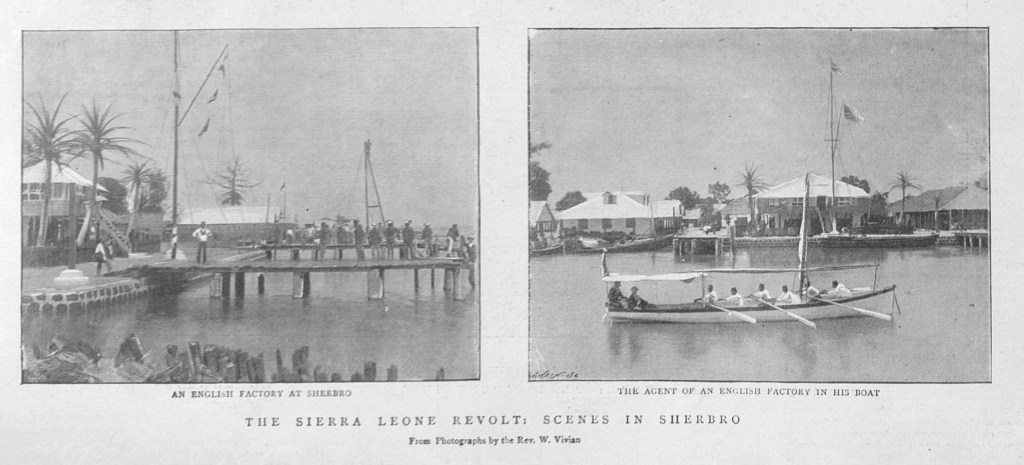
Amongst the palms and mango trees is a K6 telephone box and the ruins of former trading stores and warehouses overlooking the quayside. This is Bonthe, a small town on the island of Sherbro located just off the West African Guinea coast. The remote tropical location is six hours drive from Sierra Leone’s Freetown and 45 minutes speedboat through a maze of mangrove lined coastline.
Bonthe was once a major trading post rivalling the port of Freetown. Conveniently located at the mouth of the Sherbro River it was perfectly positioned for trade. Along with the many other islands in the estuary it was initially a slaving post, occupied by Portuguese, French, and British slavers. After emancipation in 1807 the island was used to supress the now illicit trade, and also became a place for returning Krio – former slaves from the Caribbean, Canada and UK.
The Island stretches about 30 miles long with Bonthe its largest settlement. Set out on a grid plan like Freetown, but on a much smaller scale, the town rapidly became a place for trade, especially after a treaty was formed with the British in 1861, and around 4500 people lived there by the 1890s.
The linear harbour overlooking the river was once lined with trading houses, merchant stores, and warehouses, offering the latest goods and merchandise from Europe. Cast-iron standpipes imported from Liverpool tapped into the fresh water supply and by the early 20thC street lighting and power was available.
Behind the trading stores grew a community of Krio houses – many adopting features from the Americas blended with European style bungalows. The active missionary population competed for converts and a vast array of churches catered for nearly every flavour of Christian denomination.
Whilst the tropical island and profitable trading created something of a paradisical, if remote setting, it wasn’t always a utopian settlement. In 1895 five African agents of Paterson Zochonis were killed in a period of unrest that started as protest to a poll tax known as the ‘hut tax’. The violence quickly spread exposing the lack of security on the island and the difficulty in defending the tributaries and mangrove lined swamps. 13 people were hanged there in 1898 after the murder of several American missionaries following ongoing conflict.
Sherbro in 1895: The Graphic Newspaper
Conditions were eventually restored to calm and the bustling trade of exporting raw materials from the interior mainland and the import of manufactured goods from Britain continued. The old premises of Paterson Zochonis still survives, with the company name proudly stated above the store’s portico. Patterson Zochonis set up shop here in 1884, and their trading empire spread across West Africa.
The origin of the firm dates to the 1870s when George Henry Paterson (from Scotland) worked with George Basil Zochonis (from Greece) at Fisher and Randall in Freetown. There’s still a Fisher Street in Freetown, just around the corner PZ roundabout – named after the firm. They initially traded calico and wax cotton prints from Manchester before moving into soap after the Second World War. A soap factory was acquired by the firm in Nigeria and by 1975 they’d bought out Cussons (and their famous Imperial Leather soap brand).
Other rival trading firms such as the United Africa Company and CFAO also set up businesses at Bonthe, building large stores along the waterfront and housing behind. There’s also the ubiquitous colonial clocktower and unearthed canons littered about the place, although most of the trading stores are now dilapidated shells being reclaimed by the tropical flora and humid climate.
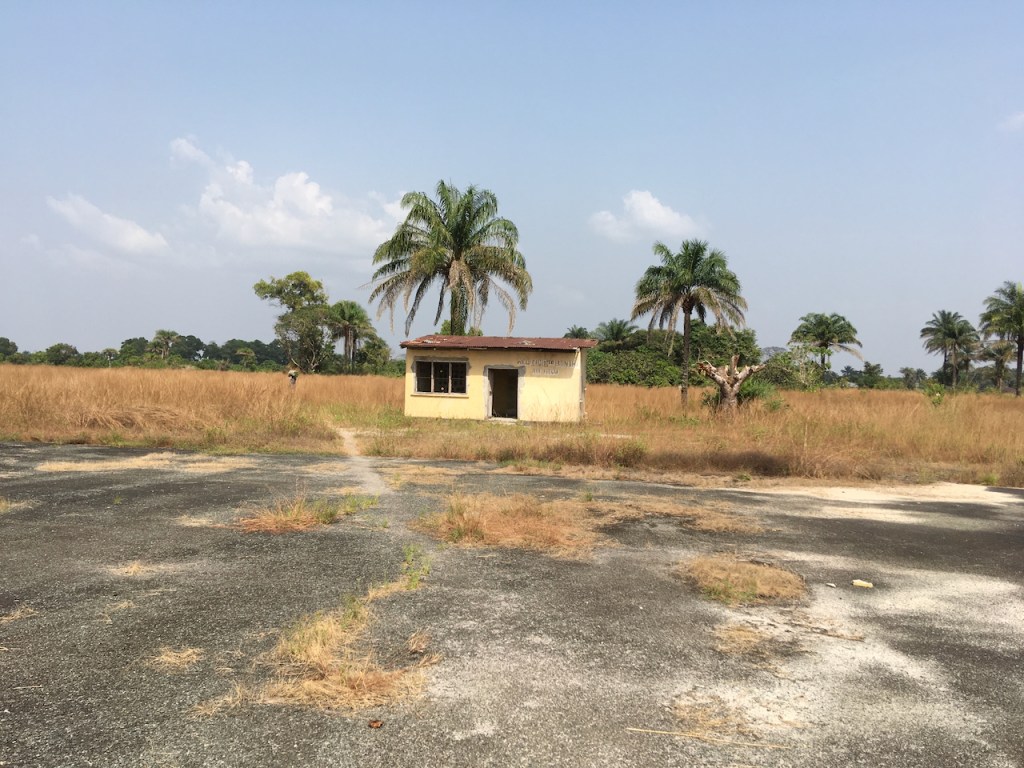
A landing strip was built here by the Allies during Second World War – complete with its own miniature terminal building – but the silting up of the river and the construction of new harbour facilities at the Queen Elizabeth II Dock in Freetown had a severe impact on the future prospects at Sherbro Island. There was a period of high-end holiday resorts catering for international visitors with a focus on nature lovers, birdwatchers, and fishing fanatics. A helicopter service even conveyed tourists to the Island from Freetown until about 2008.
Now it’s very much an overlooked backwater, but there are attempts to reverse its fortunes.
A new power plant is being built to restore mains power to the island and a few guest houses continue to give a warm welcome to all visitors. It’s a fascinating and beautiful place with such a rich history.
We’ve photographed most of the major structures that survive in Bonthe and will continue to investigate the archival material to uncover more of its past.
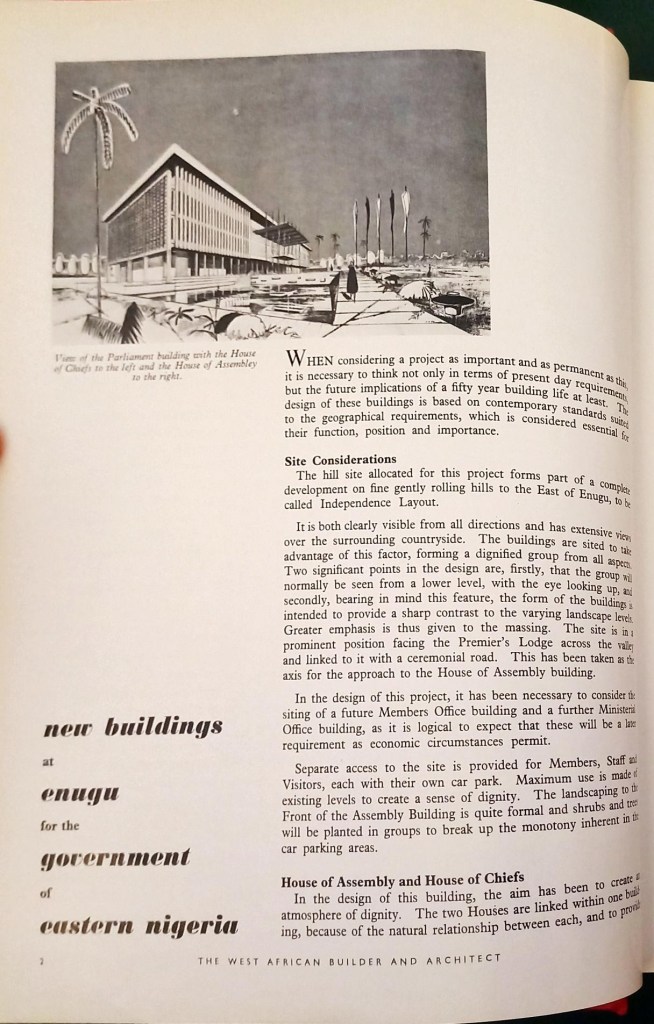
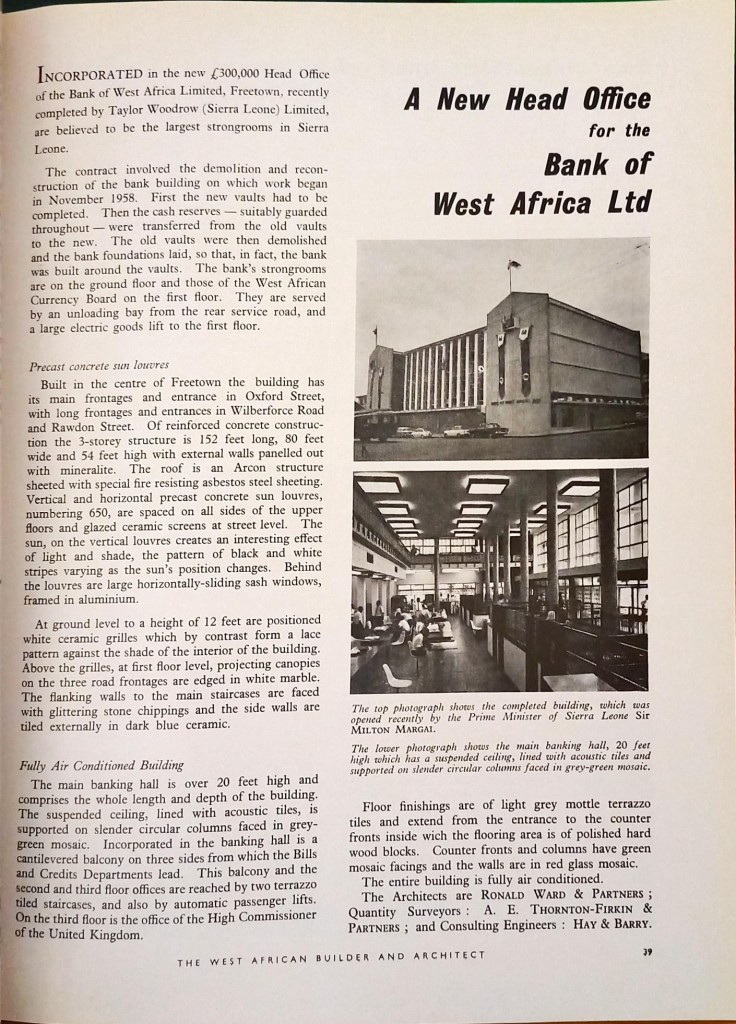
The first architectural journal in West Africa, The West African Builder and Architect (WABA) was published in 8 volumes between 1961 and 1968, and covered the field of architecture and building in the region. Nation-building programmes had started in newly independent West African nations by the early 1960s. These projects were centred on large-scale infrastructure projects for national development, which sparked a boom in design and construction. In contrast to earlier architecture journals on colonial Africa that were published for a metropolitan readership,i WABA was founded by and for professionals based in West African countries to share information on practice in the developing industry and encourage cooperation among practitioners. ii
The journal began with an editorial panel of British architects: Kennett Scott in Ghana, and Anthony Halliday and Robin Atkinson of Fry & Drew and Partners in Nigeria.iiiOluwole Olumuyiwa, one of the few Nigerian architects who studied abroad and established practices upon their return, was the only West African on the panel. Among the WABA’s target audience was the modest number of engineering and architecture students studying in West Africa. It aspired to equip them with valuable information regarding their future careers that were specific to their environment.
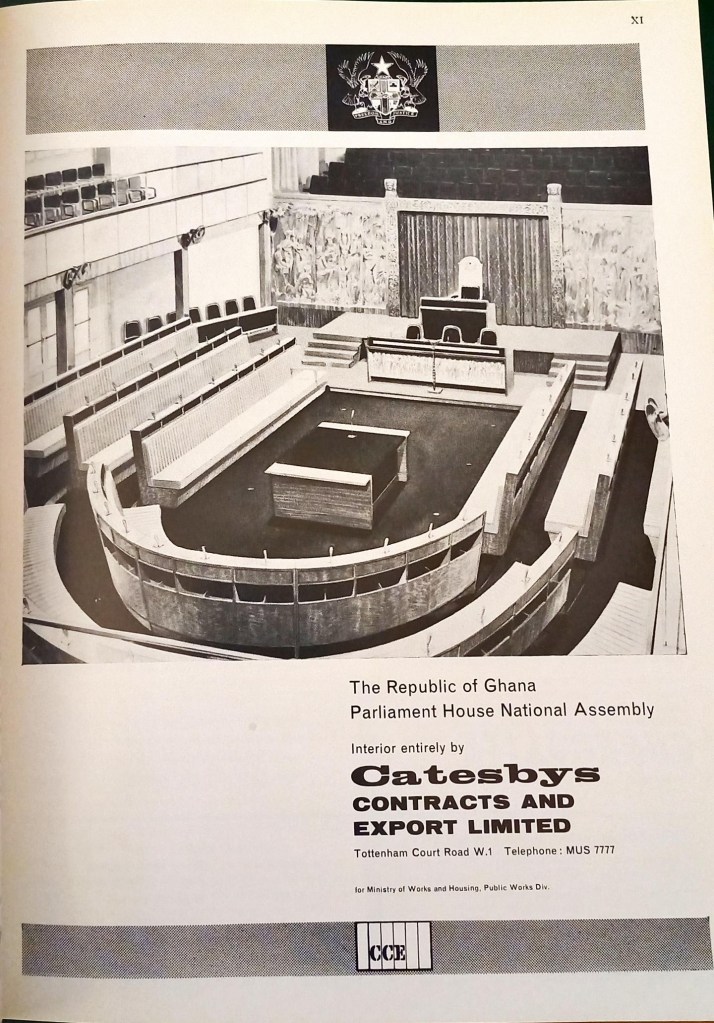
Published articles included news on new projects finished in Ghana, Nigeria, Liberia, and Sierra Leone as well as articles by skilled professionals discussing contemporary design and building methods in West Africa. Regular publication features included technical reviews of new products, updates on development work in the countries covered, and advertising placements.
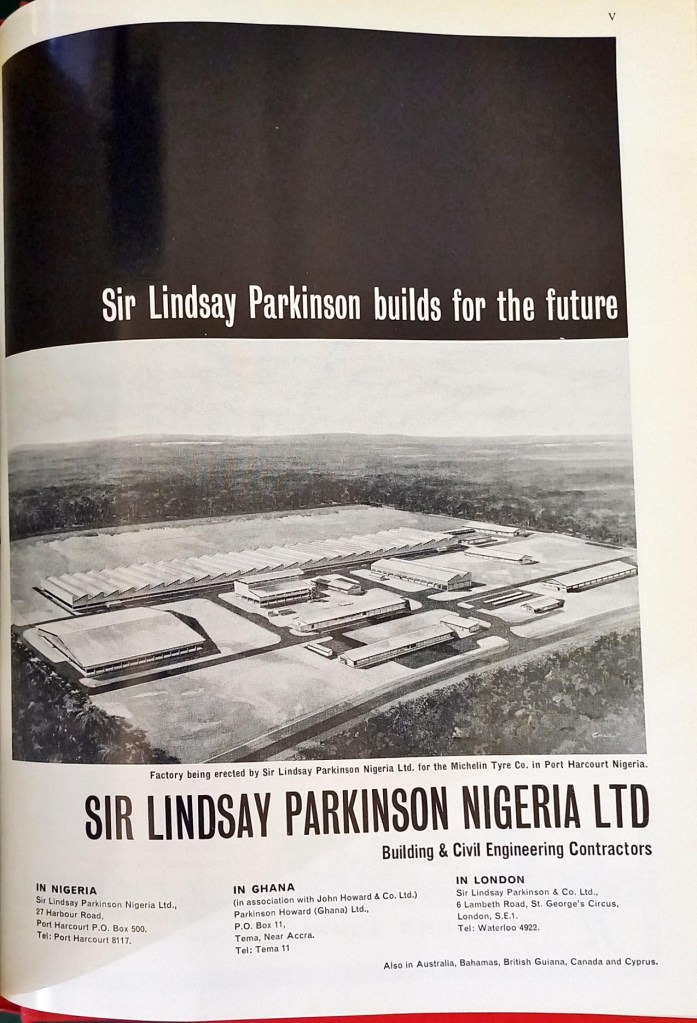
At that time, British practices operating since the 1940s dominated the architecture field in the region. They completed late colonial buildings using tropical modernist designs. This group of foreign architectural firms, including James Cubitt & Partners, Kennett Scott Associates, Architects’ Co-Partnership, Fry, Drew & Partners, etc., produced a significant number of the new structures published in the WABA journal. The projects of the general contractor, Taylor Woodrow and the engineering consultant, Ove Arup & Partners were also listed. Buildings for government organisations, corporations, and residences, constituted the bulk of the reported projects. Facilities for telecommunications, transport and healthcare were also mentioned.
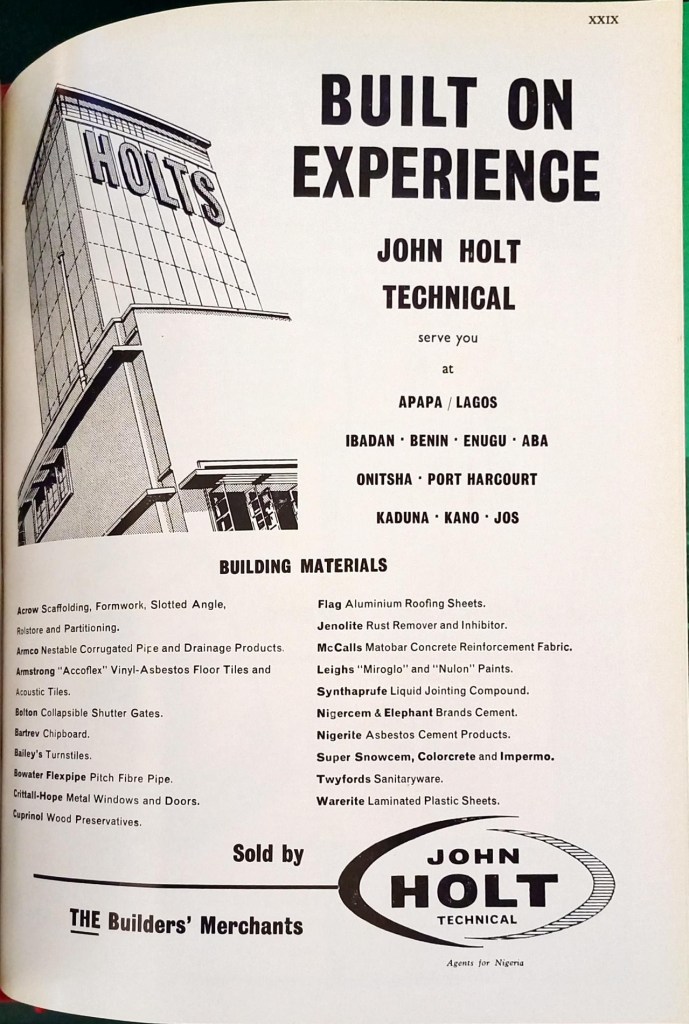
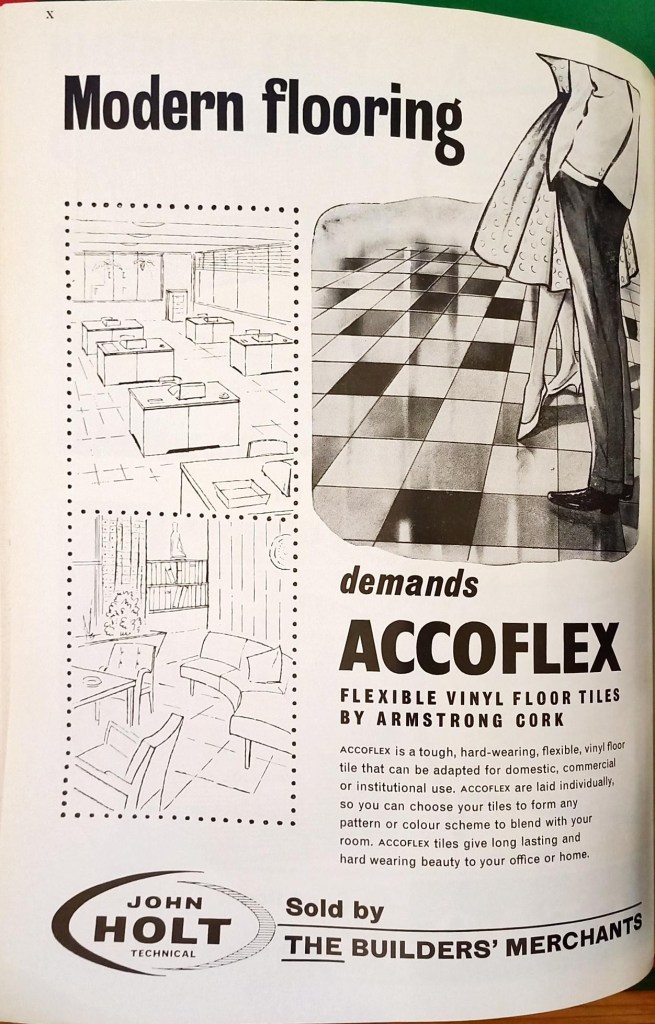
The WABA journal served as a reference for the purchase and sale of building supplies and services through advert placements, advertisers index and buyers’ guides. Advertisements in volumes 1 and 2 of the journal reflect the state of the construction industry in the early 1960s independent West Africa. As the region’s manufacturing industry was in its cradle, building supplies and equipment were primarily imported and distributed by West African-based agents. Most of the distributors’ advertisements in the journal were from multinational corporations that were at the forefront of trade in colonial West Africa such as United Africa Company, GBO (G.B. Ollivant) and CFAO (Compagnie Française de l’Afrique Occidentale). GBO Building Department for example was a former subsidiary of British merchant GB Ollivant and had been operating in Nigeria since the late 19th century. Vivian, Younger & Bond Ltd and John Holt Technical were among more well-known suppliers with numerous locations throughout West Africa.
By constructing new facilities and forming partnerships with public and private organisations, foreign manufacturers also expanded their presence in West Africa. In their various local factories, International Paints (West Africa) Ltd., Dorman Long (Ghana) Ltd., and Nigerite (in Nigeria) produced paint, steel, and asbestos sheets respectively. The headlines of these corporations’ advertisements in WABA highlighted the launch of new plants and their support of the local economy. Additionally, advertisements for locally produced goods included the clause “made in Ghana” or “made in Nigeria.”. There was a minimal presence of indigenous manufacturing companies. NIGERCEM-Nigeria’s first locally owned cement factory was the only producer to include this feat in its advertisement.
Some organizations used their advertisements to highlight their importance and reputation in the sector. Advertisements for general contractors and subcontractors were designed to appear as portfolios of completed and continuing projects. The advertisement pages for the metal component company Henry Hope & Sons Ltd always showed an image of a brand-new building fitted with their curtainwalls and/or sun breakers. This was displayed alongside a brief overview of the building including its location and architect’s name.
The journal adverts reflected companies’ recognition of their role in nation-building. Multinational corporations boasted of their delight and pride in partaking in the “progress” and “growth” of the economy and the future of new countries. Was this marketing approach merely chosen to appeal to the development-oriented nature of the new market, or was it implemented to emulate previous advertisements by foreign businesses (like UAC) in response to criticism of neo-colonialism? iv
Companies targeted their advertisements not only at professionals but also at citizens in West Africa. These advertisements directed at building occupants first appeared in the 1962 issues and frequently alluded to modernity. Adverts for flooring, sanitary fittings, and appliances included large texts with phrases like “gracefully modern” and “modern living.” This contrasted with building supplies adverts-directed at professionals-which hardly referenced modern living. The late colonial era’s ‘africanization’ programmes aided the growth of the middle class by giving priority to the education and employment of Africans by public and private sector organisations. Likewise, housing initiatives launched by government agencies like the Ghana Housing Corporation and the Nigerian LEDB (Lagos Executive Development Board) in the 1950s attracted this demographic. They were characterised by their higher economic and educational status, as well as a household lifestyle distinct from the traditional communal family structure.v Was the reference to a modern lifestyle a marketing strategy to attract the West African middle class who had adopted a western-oriented lifestyle?
The WABA journal provides an account of the building sector’s development in independent West Africa. The journal advertising demonstrated how companies promoted their products to appeal to both individual and national ideals of growth while navigating the shifting socio-political landscape.
i See Hannah le Roux and Ola Uduku, ‘The Media and the Modern Movement in Nigeria and the Gold Coast’, NKA (Brooklyn, N.Y.), 2004.19 (2004), 46–49.
ii ‘Introduction’, The West African Builder and Architect, 1:1 (1961), 1.
iii In 1961, the Nigerian office of Fry, Drew and Partners became Fry, Drew, Atkinson Architects Nigeria under the leadership of Robin Atkinson. ‘Nigeria Developments’, The West African Builder and Architect, 1.4 (1961), 108.
iv Bianca Murillo, ‘“The Devil We Know”: Gold Coast Consumers, Local Employees, and the United Africa Company, 1940–1960’, Enterprise & Society, 12.2 (2011), 317–55
v Daniel Immerwahr, ‘The Politics of Architecture and Urbanism in Postcolonial Lagos, 1960-1986’, Journal of African Cultural Studies, 19.2 (2007), 165–86 (p.175)























 Transnational Architecture Group