This article examines the operative uses of modernist design by the Kingsway Stores, an elite department store chain active across West Africa. Kingsway responded to independence by instrumentalizing a particularly modernist domesticity through a series of didactic marketing efforts and the construction of boldly modernist new stores. While it was responding to African demands, this instrumentalization of modernist design was planned and executed as a business survival strategy: modernism is here revealed as complexly imbricated with colonial and neocolonial profit-seeking.
Kingsway Apapa, Lagos, Nigeria, Reproduced from an original image in Unilever Archive, UAC/1/11/10/1/9/1
Harrison, E., Jackson, I., Addo, I. A., & Muraina, O. (2024). “Kingsway leads the way to modern living”: British Profit-seeking and Modernism in Ghana and Nigeria 1920–1970. Journal of Design History, Article epae010. https://doi.org/10.1093/jdh/epae010
Ewan Harrison, Rixt Woudstra and Iain Jackson, “Accelerating Development: Taylor Woodrow and Arcon’s Prefabricated Steel Structures in Decolonizing West Africa”, ABE Journal [Online], 23 | 2024, Online since 01 October 2024, connection on 01 October 2024. URL: http://journals.openedition.org/abe/16130
Construction of the Sapele Sawmill, Nigeria, 1946. UAC 2/13/b/7/1, reproduced with permission from an original in the Unilever Archives, UAC 2/13/B/7/1.
In 1943, in the middle of World War II, the British architects Edric Neel (1914-1952), Raglan Squire (1912-2004), and Rodney Thomas (1902-1996) created Arcon (short for Architectural Consultants). Focused on applying factory mass production systems to the building industry, Arcon engaged in an unusual, yet close, partnership with the civil engineering contracting company Taylor Woodrow. While their first project became one of Britain’s most popular post-war “prefabs,” it is little known that in the years thereafter a similar structural steel system was widely marketed in Britain’s West African colonies, where it became one of the most frequently used prefabricated building designs. Through the support of Taylor Woodrow, which acted as the agent for Arcon’s worldwide implementation, the prefabrication system was utilized in a range of contexts: to build houses for British companies, to build schools and market halls for colonial governments, and, of most interest here, to build factories and warehouses for the United Africa Company (UAC), as part of the industrialization drive that accompanied decolonization in the 1950s. The UAC was part of Unilever, and one of the largest conglomerates of trading and manufacturing interests active across “British” West Africa. It entered a partnership with Taylor Woodrow to jointly market the Arcon system, thereby profiting from the erection of its own buildings, and the sale of the Arcon system of construction to colonial and subsequently, post-colonial governments across the region. Today, Arcon structures, often sizeable sheds clad with imported metal sheets or locally available timber, can still be found across Ghana, Nigeria, and Sierra Leone.
Exploring Tropical Architecture in the Age of the Climate Crisis by Ben Tosland with a foreward by Ola Uduku
The first comprehensive monograph about the tropical architecture of Godwin and Hopwood in Nigeria.
After studying at the Architectural Association in London, John Godwin and Gillian Hopwood moved to Nigeria, where they significantly shaped the country’s architectural landscape for more than sixty years.
When Nigeria became independent in 1960 following British dominance since the 19th century, the couple worked to create architecture that was site-specific, modern, and adapted to the climate relevant to Nigeria’s aspirational political and economic policies.
In this richly illustrated monograph, organised by typology, Ben Tosland examines Godwin and Hopwood’s form of tropical modernism and illuminates its contemporary meanings and concluding with its relevance in times of the climate crisis.We are delighted to welcome Carey Godwin alongside the author Ben Tosland and contributor Ola Uduku to the AA Bookshop to celebrate the launch of this new publication. The event will be introduced by Head of AA Archives Edward Bottoms.
The book will be sold at the very special price of £50 (RRP £63)
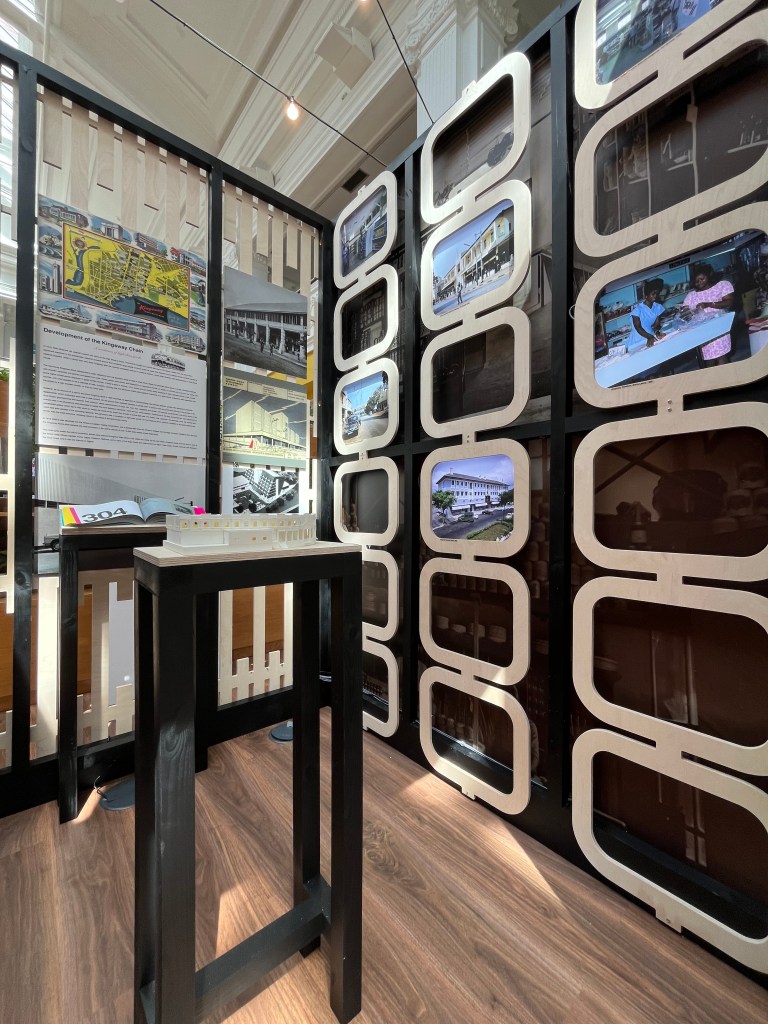
This week we installed our new exhibition: Shopping Emporiums of West Africa: The Kingsway Stores, at Lever House, Port Sunlight.
Following on from our research project into the architecture of the United Africa Company we’ve curated an exhibition that focuses on the department stores and their contribution to design, urban development and retail throughout the 20thC.
The exhibition has been co-curated with archivist Claire Tunstall, and developed from the research undertaken during the last 4 years with Ewan Harrison, Rixt Woudstra, Paul Robinson, and Michele Tenzon.
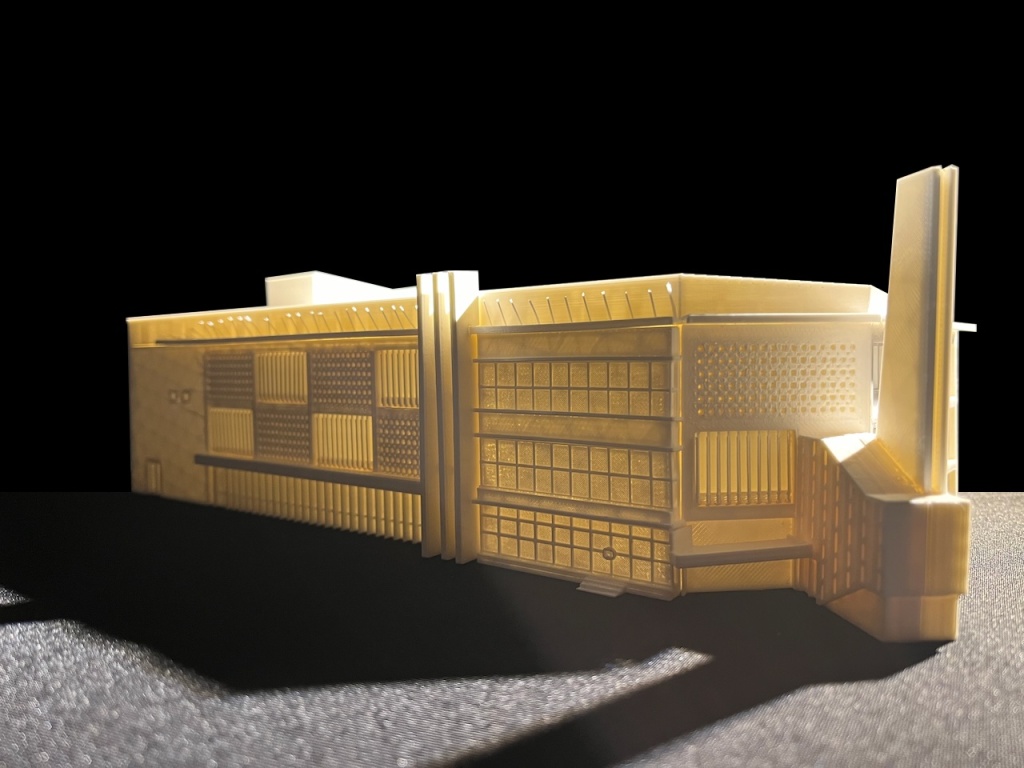
The exhibition includes images from the Unilever Archive arranged across two freestanding pavilions along with archival films, and a set of newly commissioned 3D printed models beautifully crafted by Liverpool School of Architecture students. The pavilions were fabricated using CNC routers with the expert help of LSA’s technicians.
The catalogue is available here. This is just the start – the next step is to tour the exhibition from their current home in Port Sunlight to Birkenhead, Liverpool, Accra, and Lagos.
We’d like to invite readers of TAG blog to our new exhibition preview, Shopping Emporiums of West Africa: The Kingsway Stores. The preview runs from 23rd – 24th July 2024 between 10am-4pm at Lever House in Port Sunlight CH62 4UY.
Please RSVP with a preferred date and time to ijackson@liverpool.ac.uk [walk-ins are not possible – so please let us know beforehand!]. The exhibition catalogue PDF will be available here shortly.
The exhibition will display previously unseen Unilever archival material from the 1920s-1960s, as well as a series of specially commissioned architectural models of the boutiques from Ghana, Nigeria, Sierra Leone, and Gambia.
3d printed model of Kingsway Apapa, Nigeria, by Mohadeseh Kani.
During the past 3 years we’ve been researching the architecture of the United Africa Company, and this exhibition focuses on one of their subsidiary companies, The Kingsway Stores. These shops provided some of the premiere retail environments of the time selling a wide array of imported goods from tinned food and distilled beverages through to the latest fashion, typewriters, bicycles, motorcars, and much more.
The stores were located at prime sites and became drivers for further real estate development whilst their architecture sought to demonstrate how ‘fine buildings enrich a nation’. The opening of a new Kingsway Store reflected a sense of modernity and success for a city – and politicians from the colonial, as well as independence period, were eager to associate with the stores. The political independence of Nigeria and Ghana saw a new array of emporiums opening as a commitment to the new regimes, as well as to capitalise on the independence euphoria and economic boom.
This exhibition tells this story through two specially fabricated pop-up pavilions. Hundreds of photographs, two films, maps, and models will be on display. After Lever House the exhibition will travel to Birkenhead, Liverpool, Accra, and Lagos….We do hope you can join us for the preview.
Iain Jackson – University of Liverpool, School of Architecture Claire Tunstall – Unilever Archives and Records Management
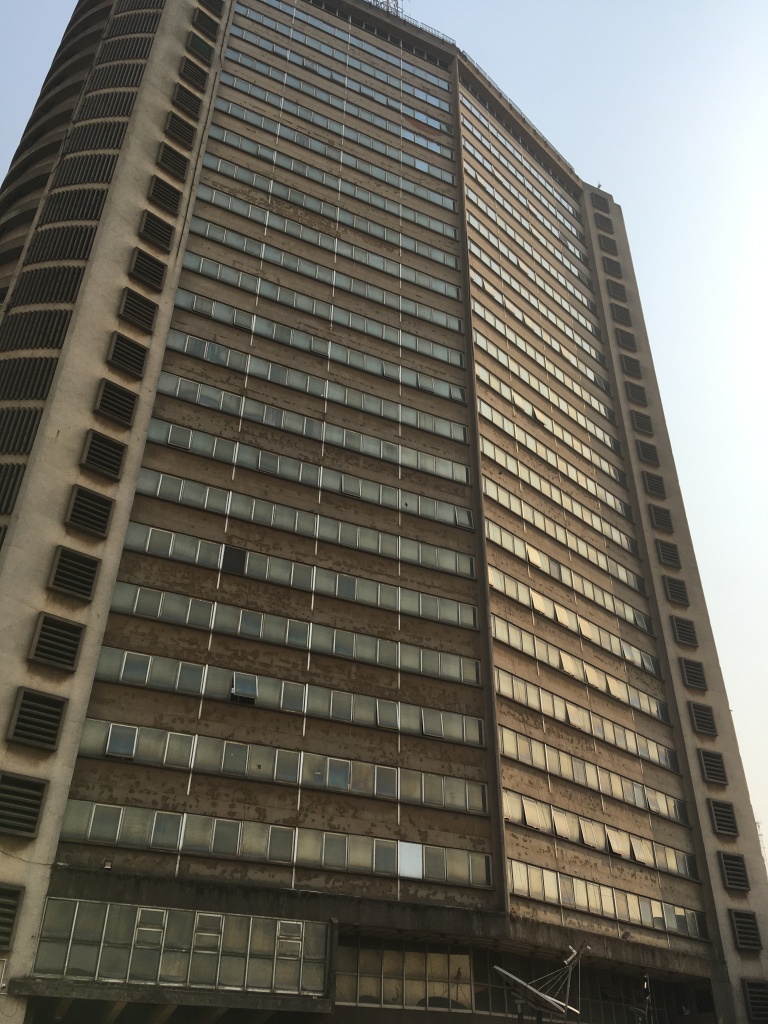
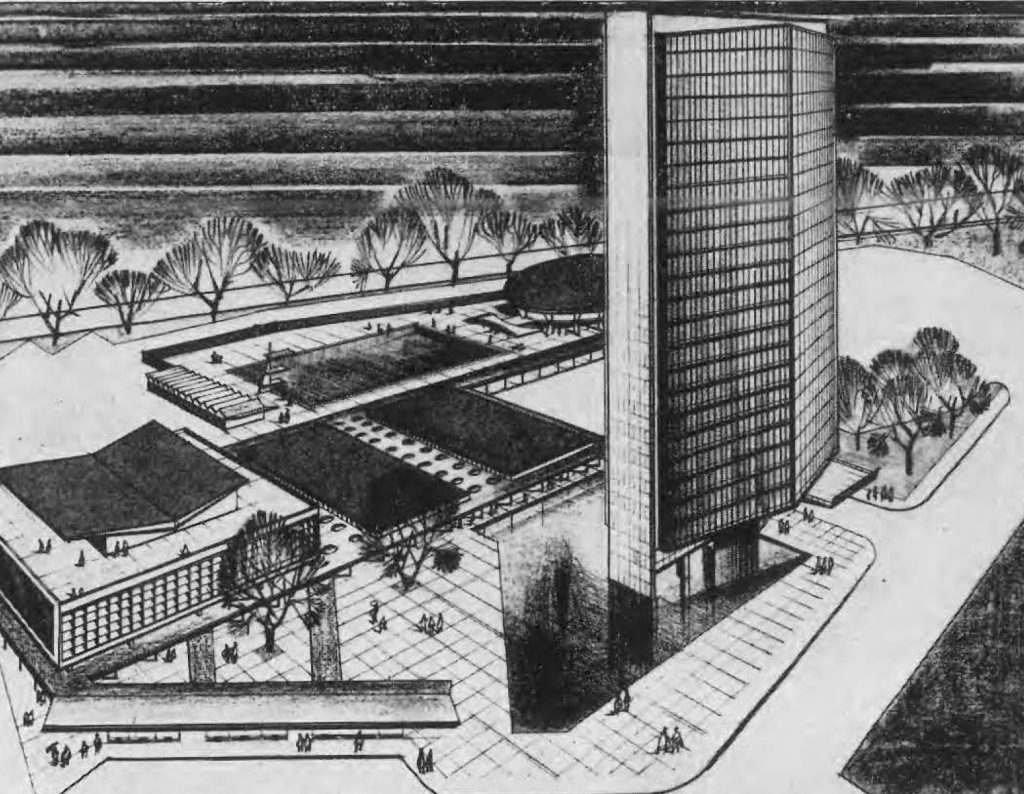
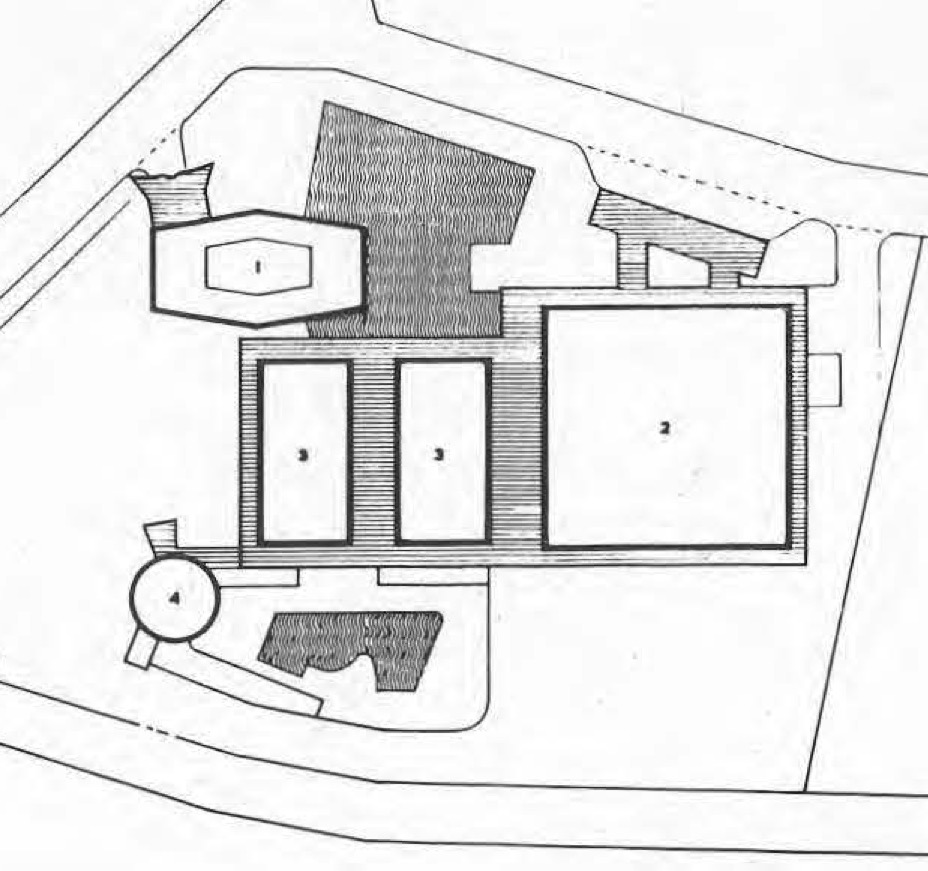
We searched various journals and articles from the time, and eventually came across a reference to a skyscraper shopping precinct project from 1960 in the journal Interbuild. Ola Uduku continued a different line of inquiry and traced the project down in West African Builder.…
The architects were listed as ‘The Plan Group (West Africa)’ – not a well-known practice or one that has featured heavily in existing literature and research, but it was a name that I’d certainly come across before.
I trawled through our old notes and archival references, and found a file on ‘The Plan Group’ from the archives in Fourah Bay, Sierra Leone (Box 661). It turns out that the Plan Group was a multidisciplinary practice/development agency established by Nickson and Borys. Their aim was to provide an integrated design service, with particularly attention given to cost control and engineering, as well as mitigating risk for the client on large complex design projects.
In a letter sent to the Sierra Leonian government from 1960, Borys set out his vision for the practice, including listing the projects they were already working on, such as a 20 storey block in Lagos, the Ibadan project mentioned above, and a township near Lagos for 35,000 people – were these other Nigerian projects completed? And if so, where/what are they?
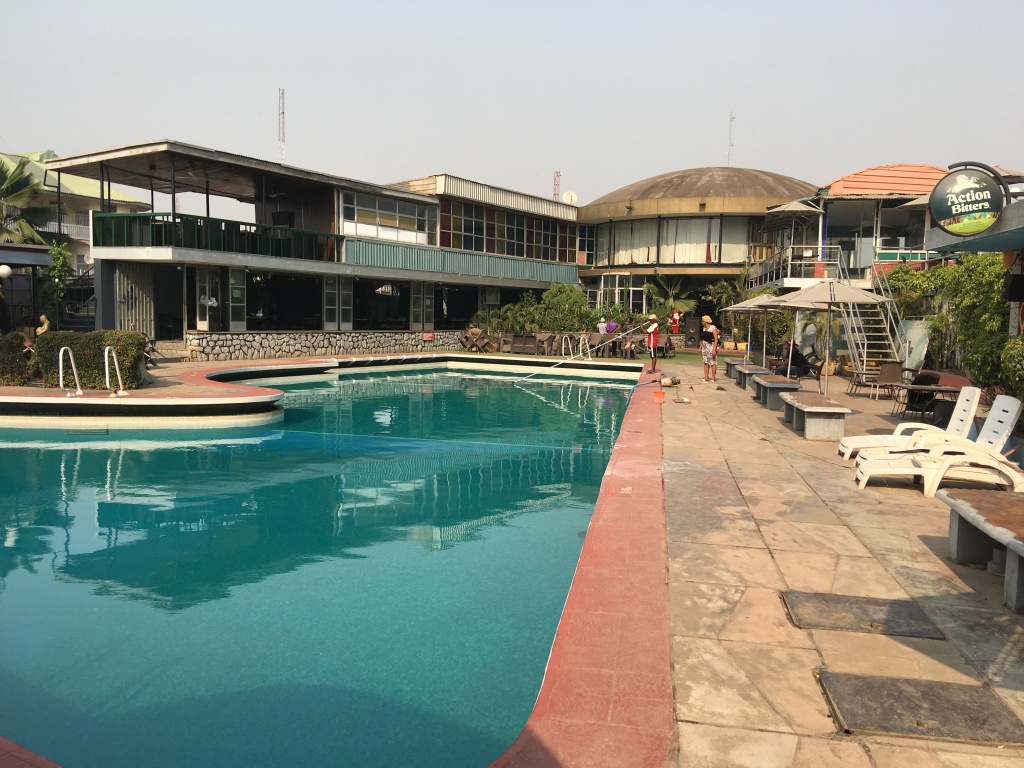
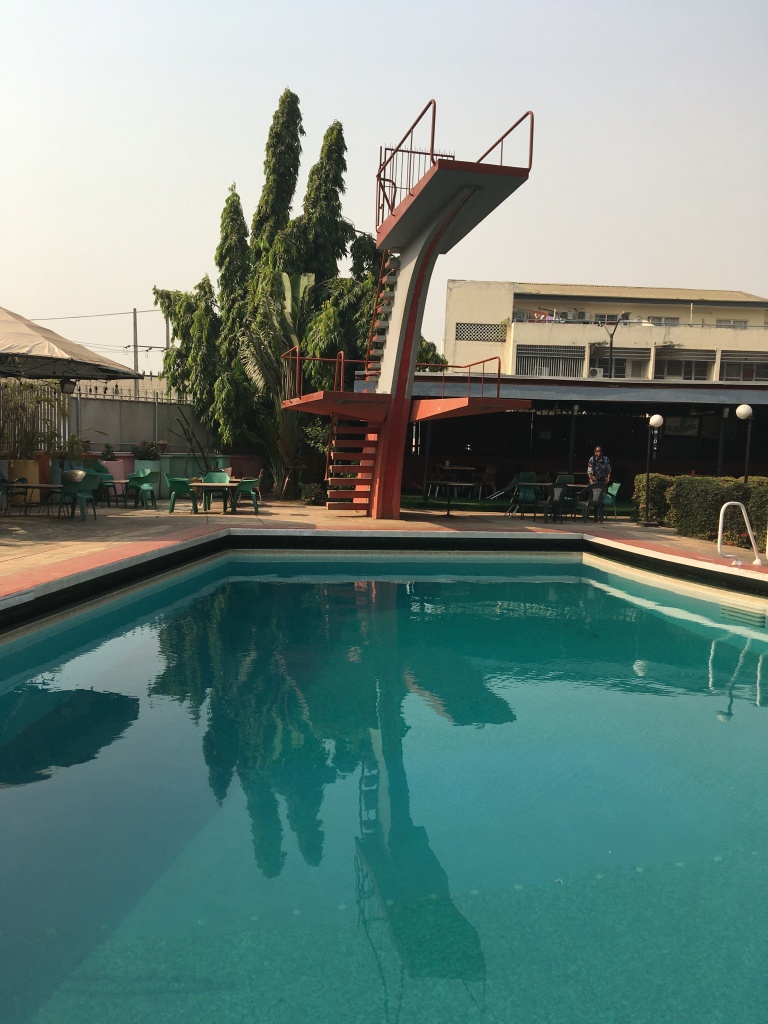
The Ibadan project was a multipurpose and speculative venture, aimed at providing office space as well as leisure facilities through the nightclub, swimming pool and cinema complex. There was also a large department store as part of the scheme. This wasn’t a Kingsway Store, so could it have been a competing UTC or A G Leventis?
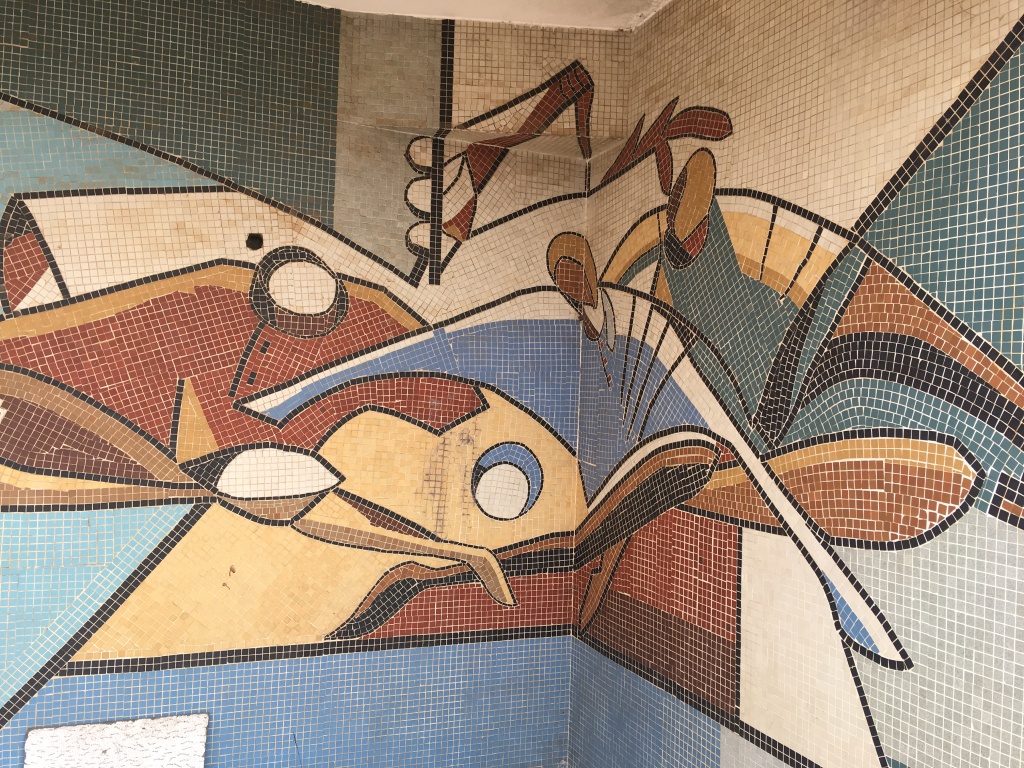
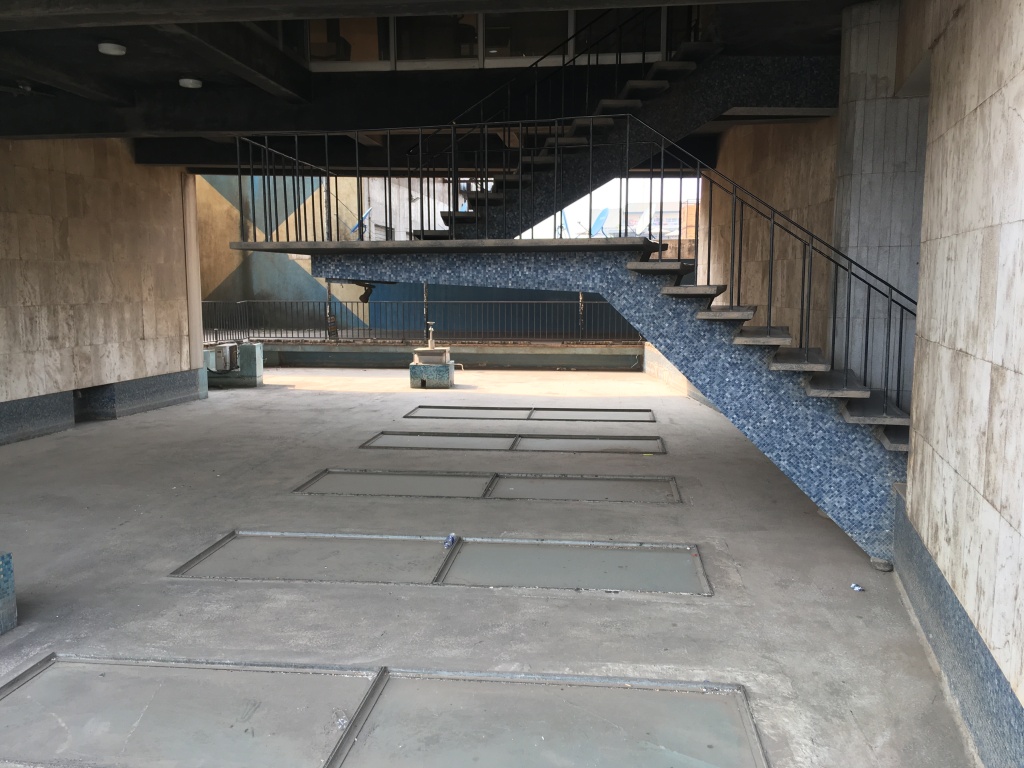
As well as the Cocoadome having mosaic decoration, Cocoa House roof garden also has some really special mosaic work clearly executed by a talented artist, but now hidden away from public view. If you visit the building be sure to venture to the top floor to spend an hour in the museum, and as to see the mosaic work and views out across the city.
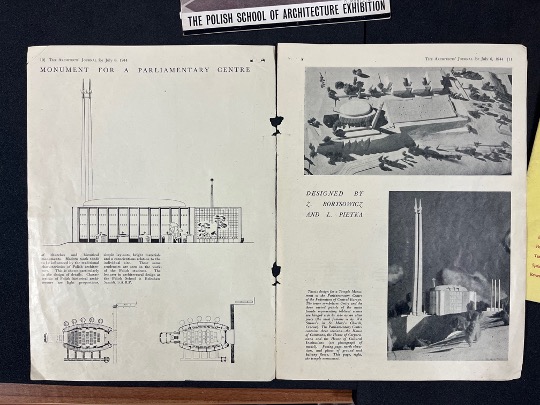
We’ve learned a lot about Nickson and Borys over the last 18 months – firstly finding out exactly who Borys is (Zdzisław Borysowicz), and that he studied at the Liverpool School of Architecture Polish School during WW2. We’d like to write a full biography on him and the practice. We’ve visited a number of his works in Sierra Leone, and now the Cocoa Project in Ibadan, and the intriguing references to Lagos too. Whilst the bulk of his practice was in the tropics he also worked in the Falkland Islands – so was clearly part of the colonial architectural infrastructure.
Here’s one of his student projects published in the The Architects’ Journal from 1944
An exhibition that we’ve been very much looking forward to opens this week at the V&A Museum in London. We’ve got a few of our models on display at the exhibition, and have been involved behind the scenes. There’s a large contingent from the Transnational Architecture Group making their way to various opening events this week and you can expect a series of reviews and critiques here shortly.
There’s also an article out today by Oliver Wainwright in The Guardian that discusses the exhibition concept – and some of our favourite buildings.
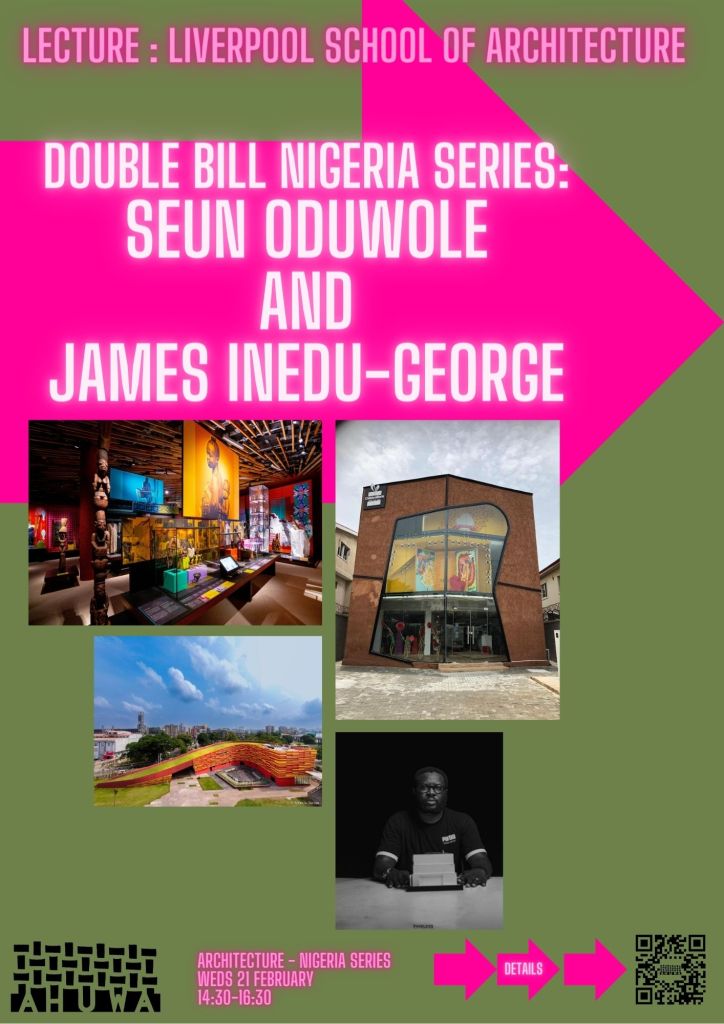
We inaugurated AHUWA’s Architecture in Nigeria Series this week with two talks from architects Seun Odowole and James Inedu George .
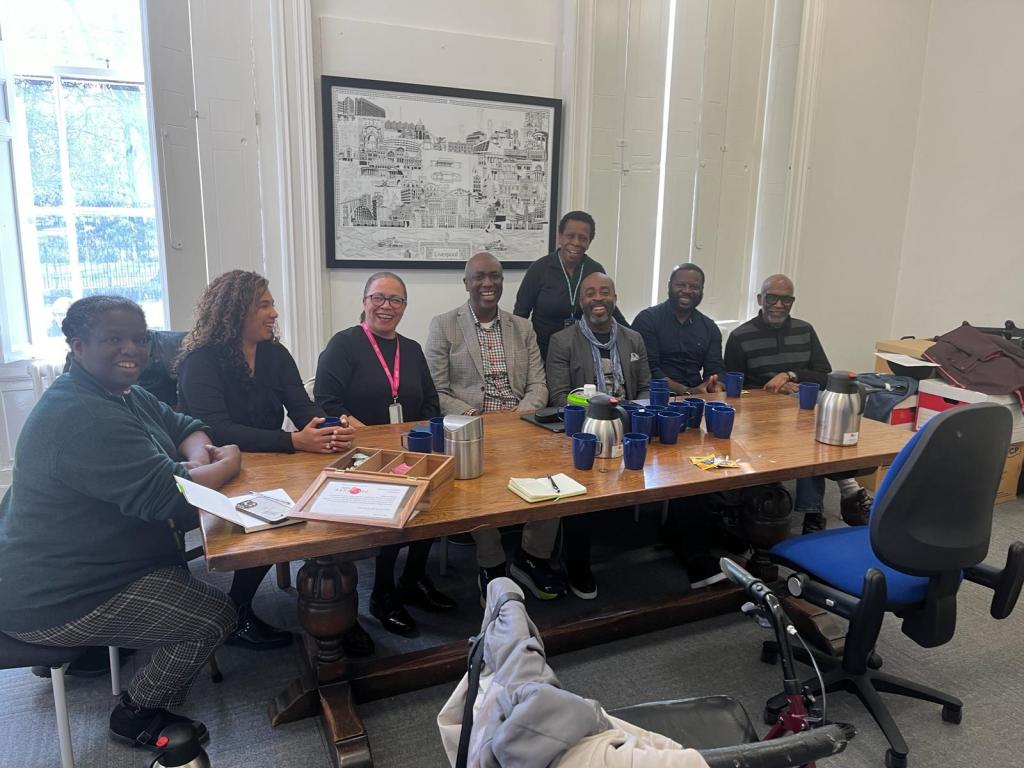
Pre-lecture tea with Susan Golligher; Maleka Egeonu-Roby, Michelle Charters, Obuks Ejohwomu; Ola Uduku, Seun Oduwole, James Inedu George, and Prof emeritus Tunde Zack Williams
After gathering at the Liverpool School of Architecture for pre-lecture tea, we talked across the Square to the new Yoko Ono Lennon Centre for the talks to begin. Both Seun and James are involved in designing new museums in Nigeria and Ghana, and we were joined by colleagues from the Liverpool International Slavery Museum who are collaborating with LSA and Feilden Clegg Bradley Studios on the refurbishment and reimagining of that space.
Join us at Liverpool School of Architecture this Wednesday 21st Feb 2024 at 14:30 for a lecture double bill discussing and showcasing contemporary Nigerian architecture, design practice and thinking.
We have two key players who are part of the the new contemporary West African Architecture scene. First we have Seun Oduwole, who graduated in Architecture from Nottingham University and after working in practice in the UK returned to Nigeria to set up his own practice Studio Imagine.Simply Architecture [SI.SA].
He will be speaking about his recently completed John Randle Centre in Lagos discussing the design history matters of heritage, and also the challenges of building on prime real estate in the Lagos central business district. As he has practiced both in the UK and now works as a diaspora returnee architect, we will hear his views on the contemporary West African Architecture scene.
We also have James Inedu George, a graduate of Ahmadu Bello University. He runs the architectural practice HTL Africa, whose main laboratory is in Lagos Nigeria. Currently, he and his firm, HTL Africa, are working towards creating canonical typologies for our cities from an intense research on (Hausa) Traditional Architecture.
James lectures internationally on a regular basis and has featured in several publications globally. HTL Africa’s interests range from cultural to cutting edge technological exploration through architecture. Creating what might be read as experimental architecture, this research and implementation firm has an output that is at once fresh, modern and forward thinking. HTL also has tentacles in Dubai.
Do come to join what is likely to be a really illuminating afternoon discussing contemporary Architecture and heritage issues in West Africa.
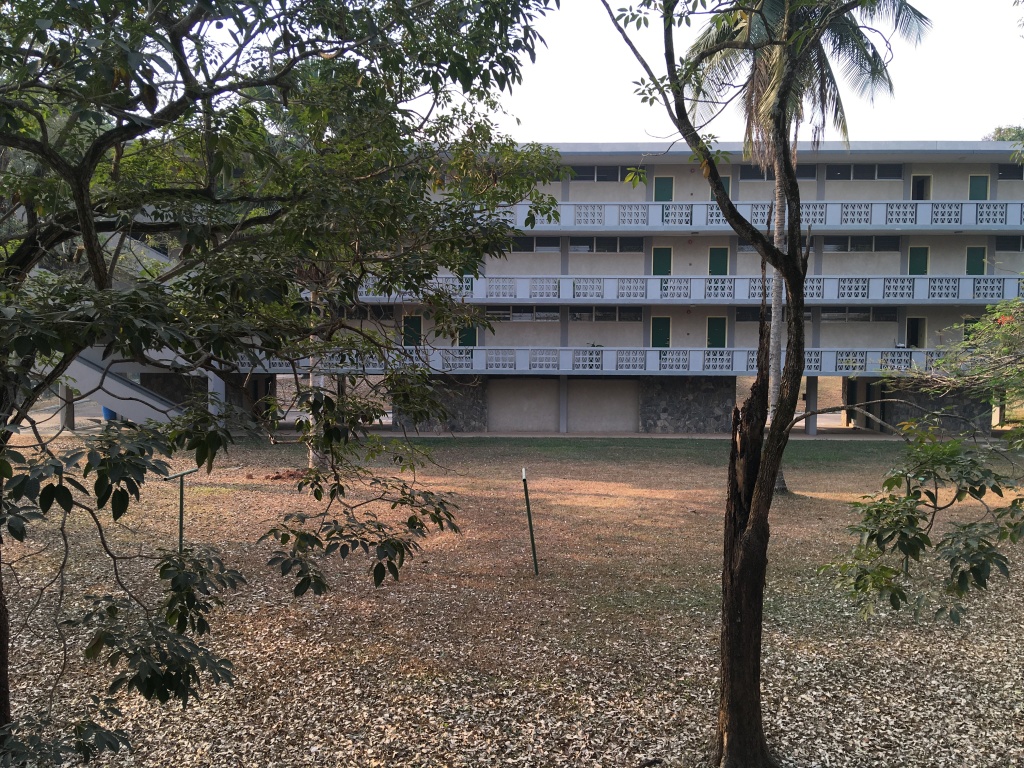
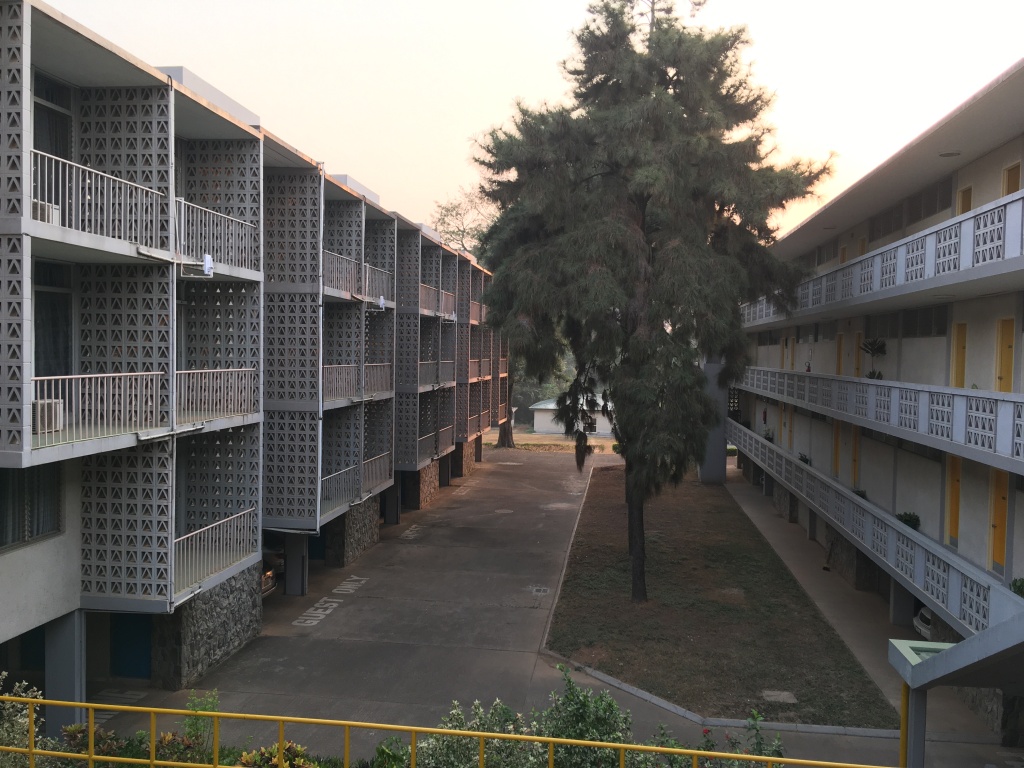
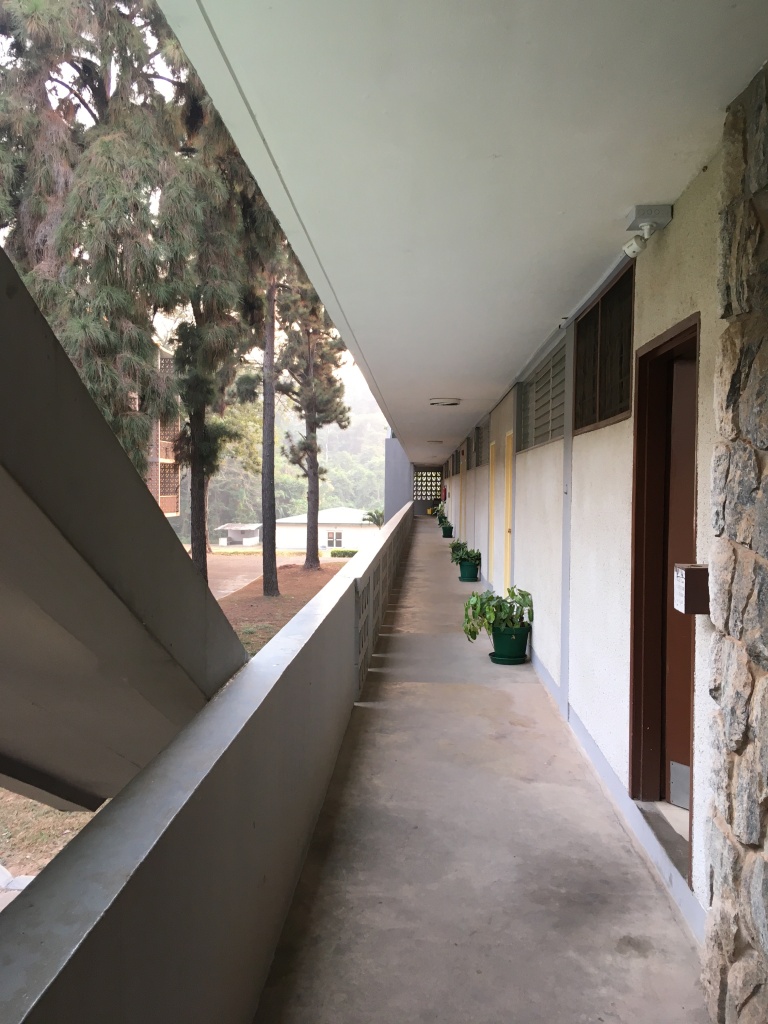
North of Ibadan is a 3000 acre site devoted to investigating farming, agriculture, and produce production in the tropical regions called the International Institute of Tropical Agriculture, or IITA. It’s a vast campus-laboratory established in 1967 and designed by Haines, Lundberg & Waehler – a US based architectural practice founded in 1888, and with various offices around the middle east and Africa. Whilst the main purpose of the campus is to conduct research (funded by various countries and conglomerates, and originally by the Ford and Rockefeller foundations) it also operates a hotel and contains all the usual facilities.
The bedrooms are arranged in large linear blocks with gallery access that utilises the dramatic level changes. The bedrooms all have cross-ventilation and louvred facades – although AC has been retro-installed at some point. It’s a pristine campus and a carefully manicured landscape.

















 Transnational Architecture Group