Archive

South Africa

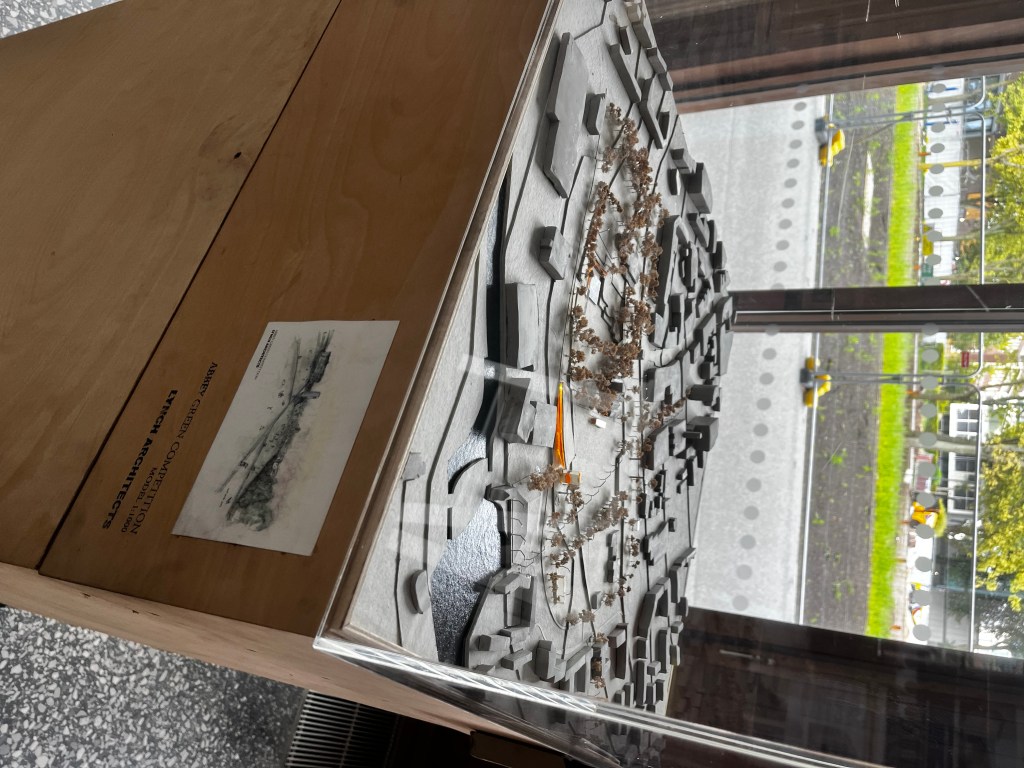
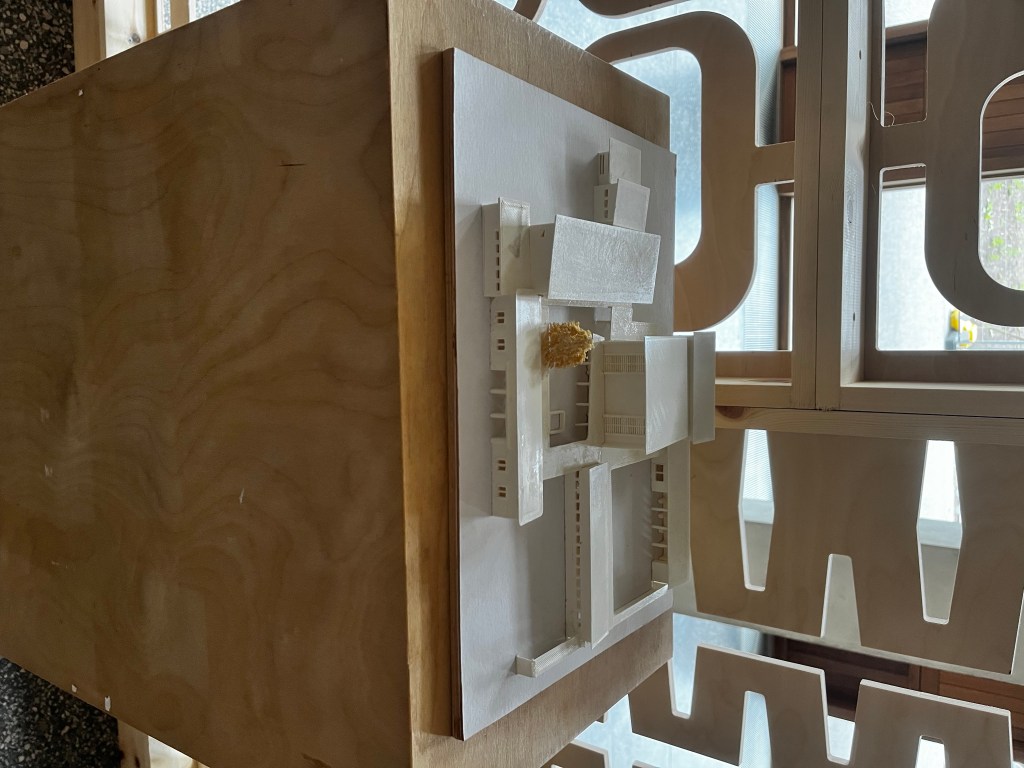
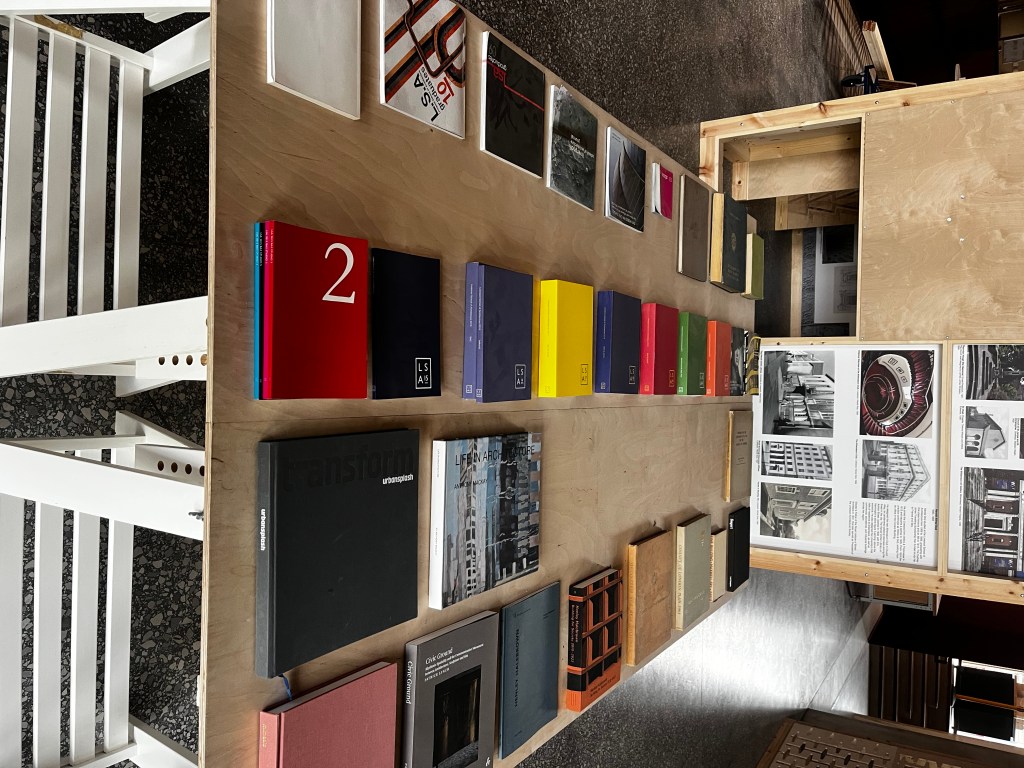
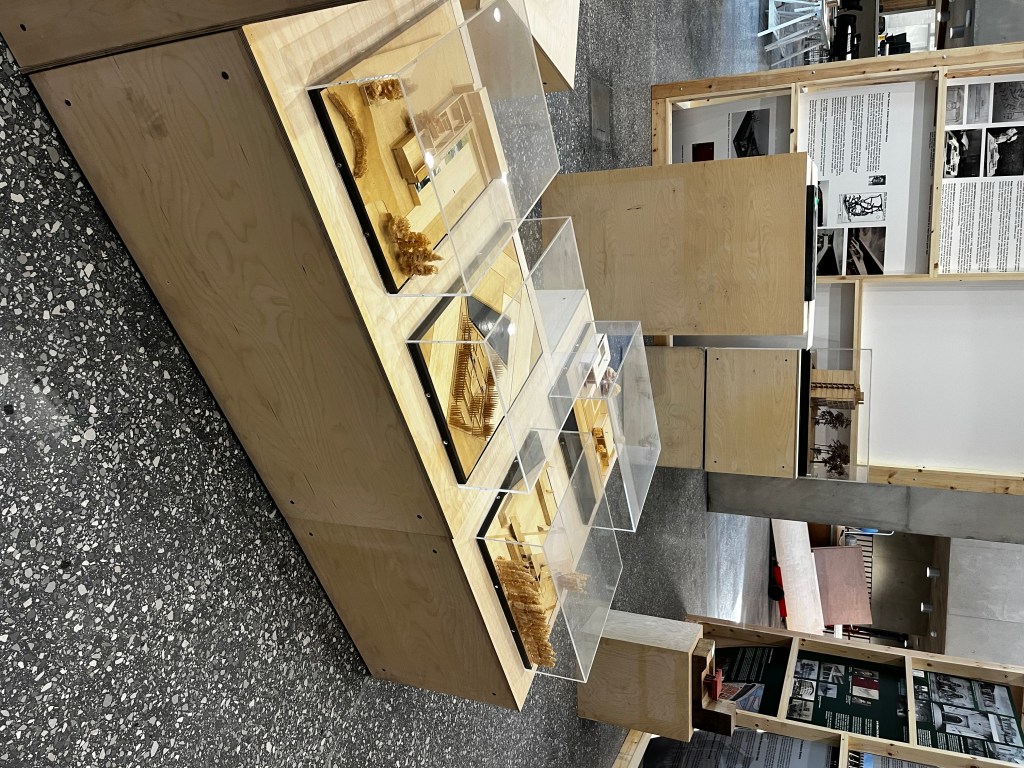
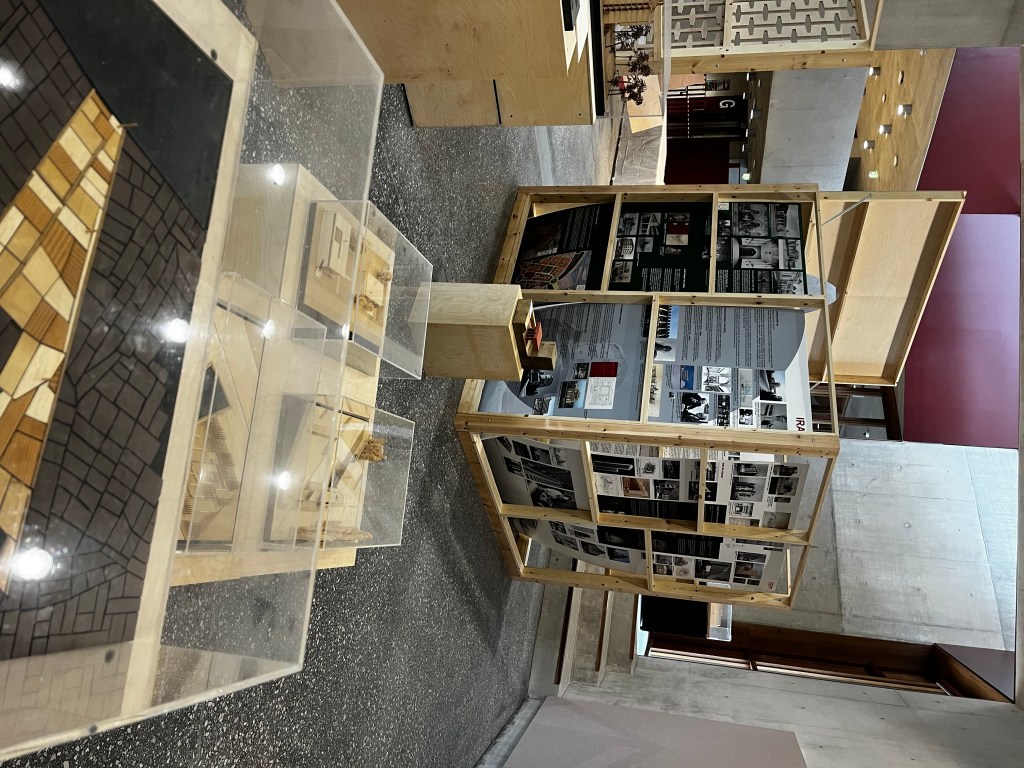
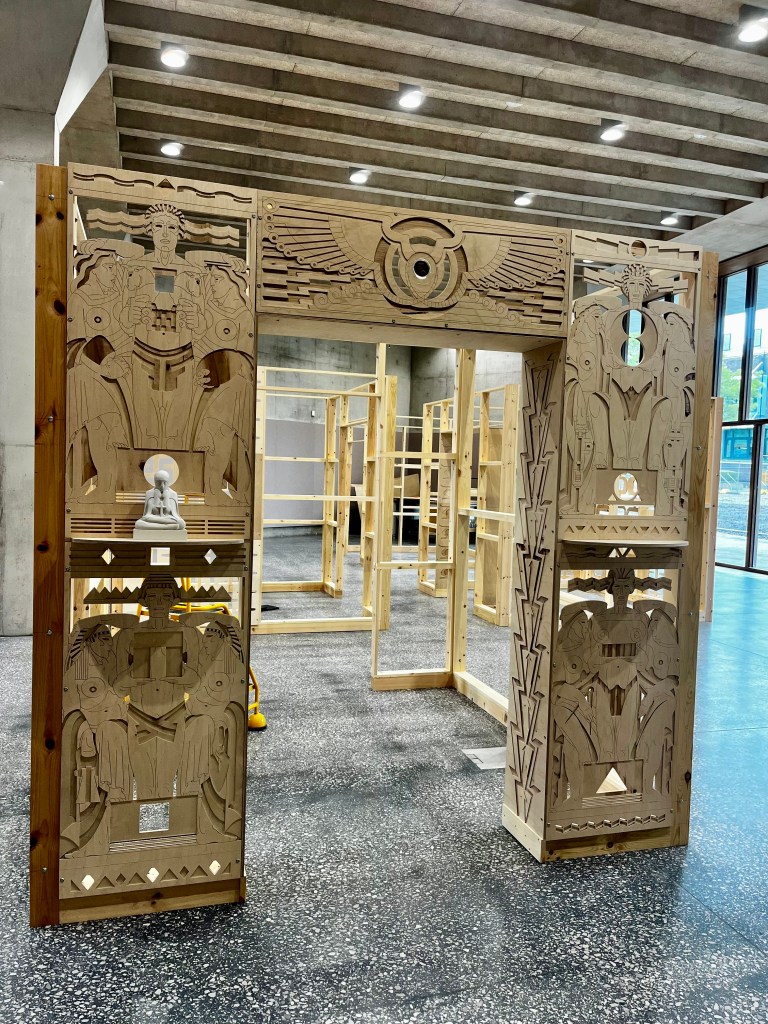
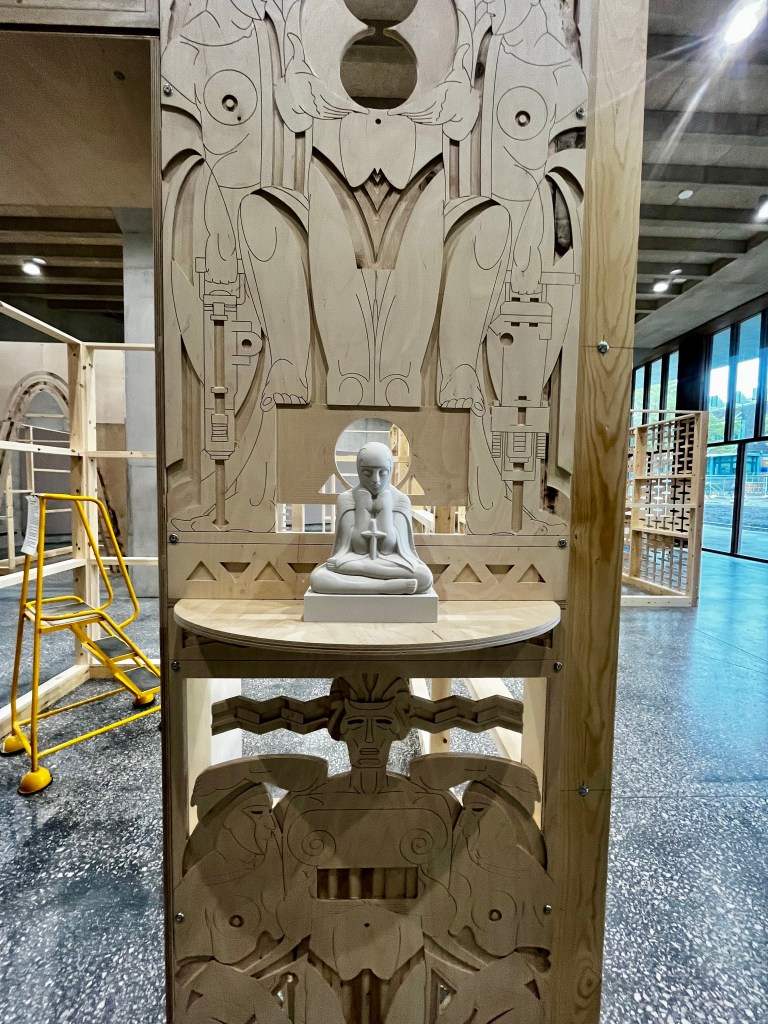
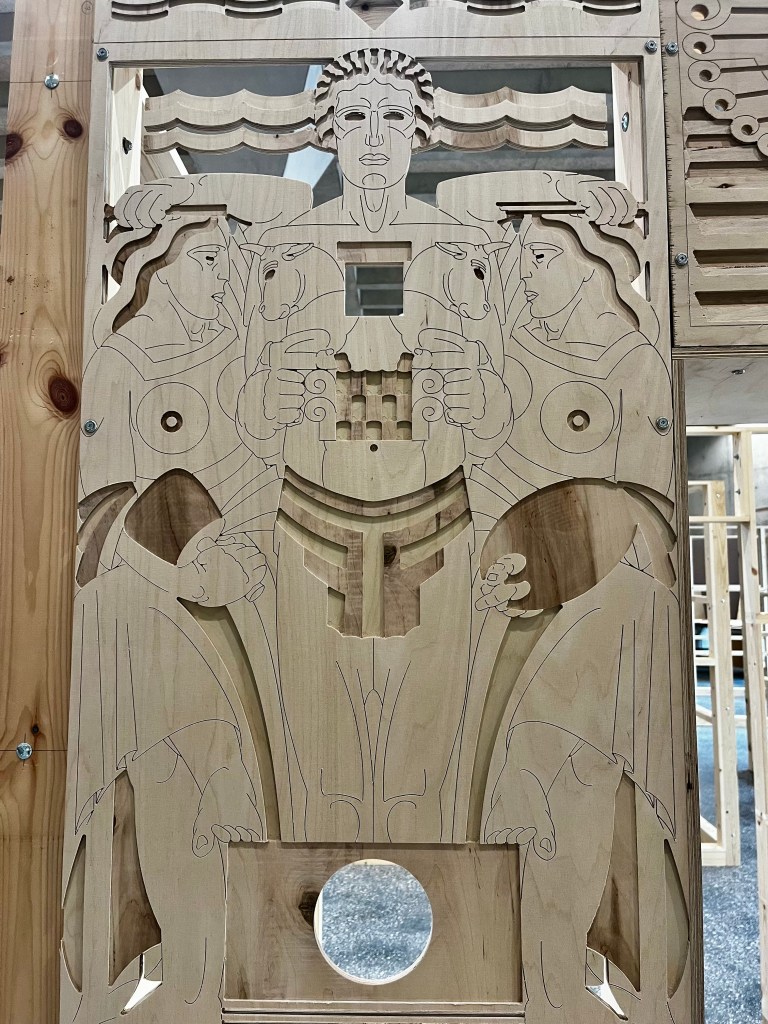
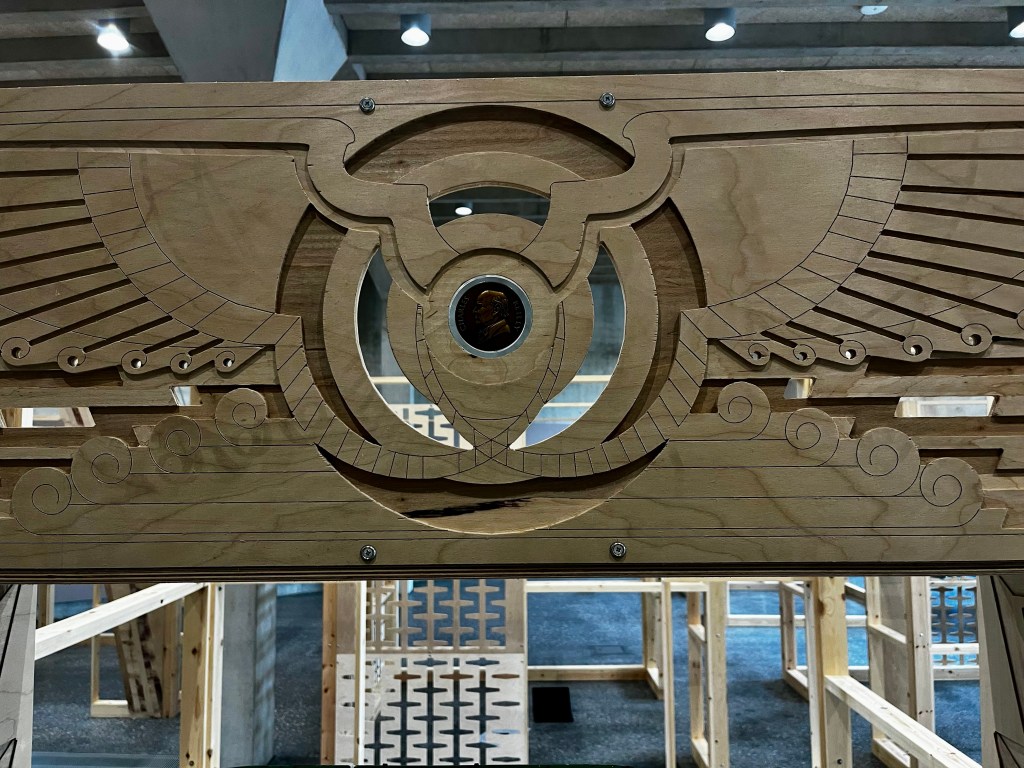
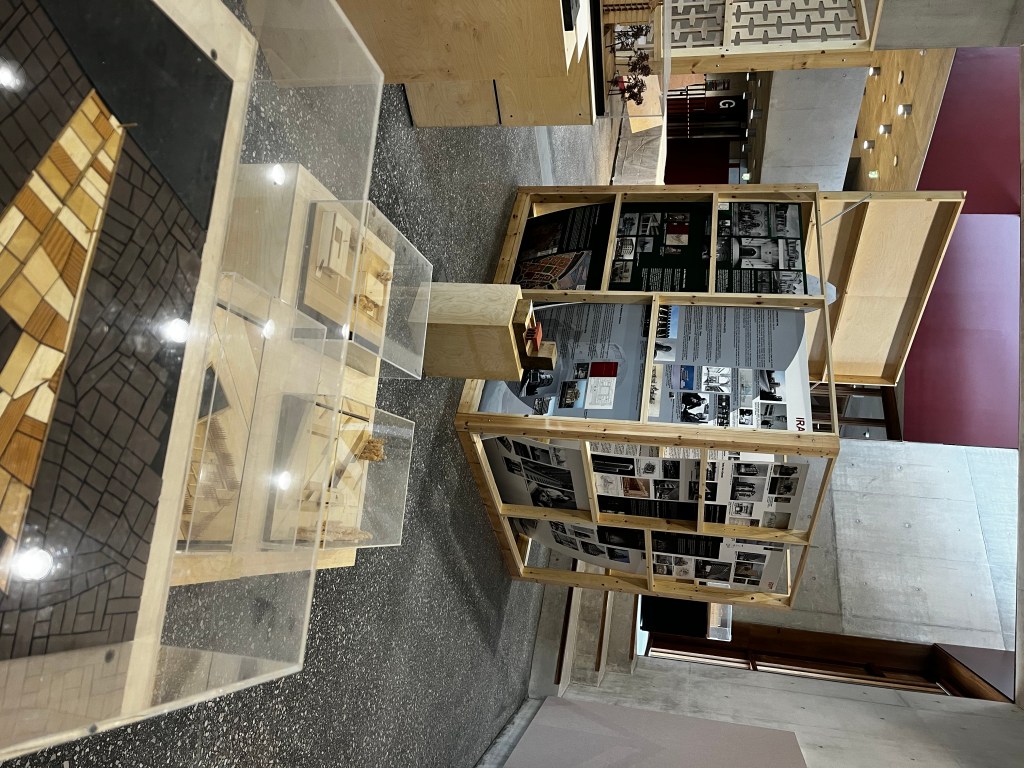
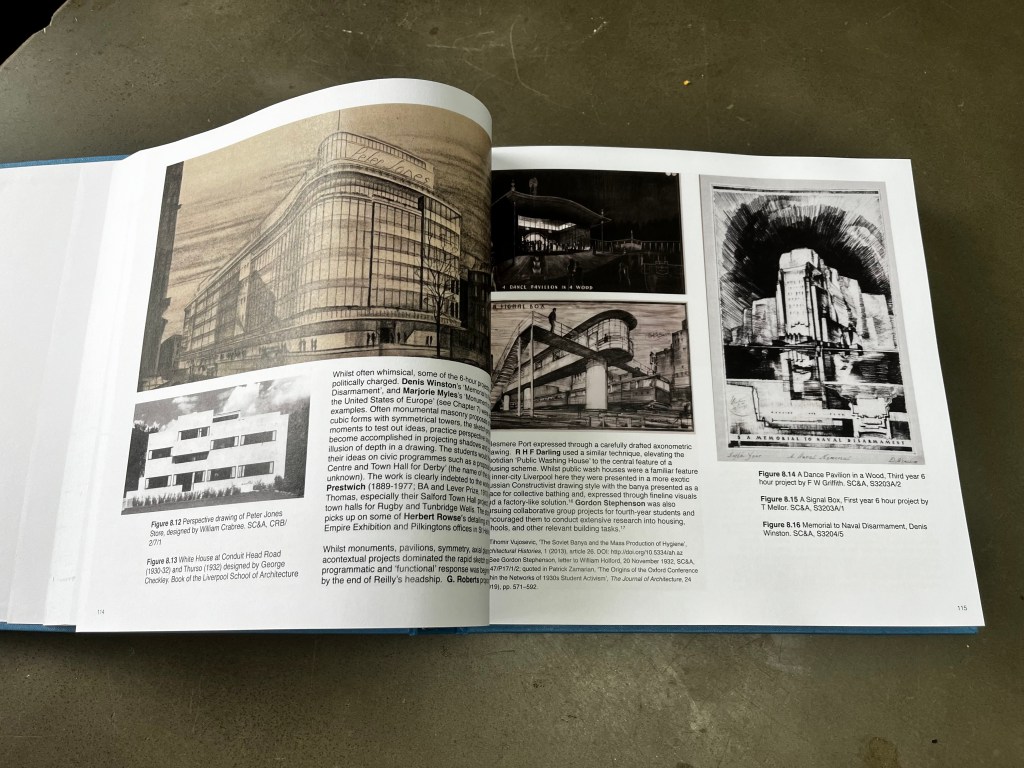
A large portion of the work we present here is linked to Liverpool and the Liverpool School of Architecture – and we’ve set about consolidating and developing these findings into an exhibition. Timed to coincide with the opening of our new building, designed by O’Donnell and Tuomey the exhibition presents the school’s 130+year history with a major focus on ‘the tropics’ and Middle East, as well as the Polish School, and contemporary works. The exhibition is arranged around five pavilions that a thematically and geographically arranged, and there’s a timeline of events and major collection of contemporary models too.

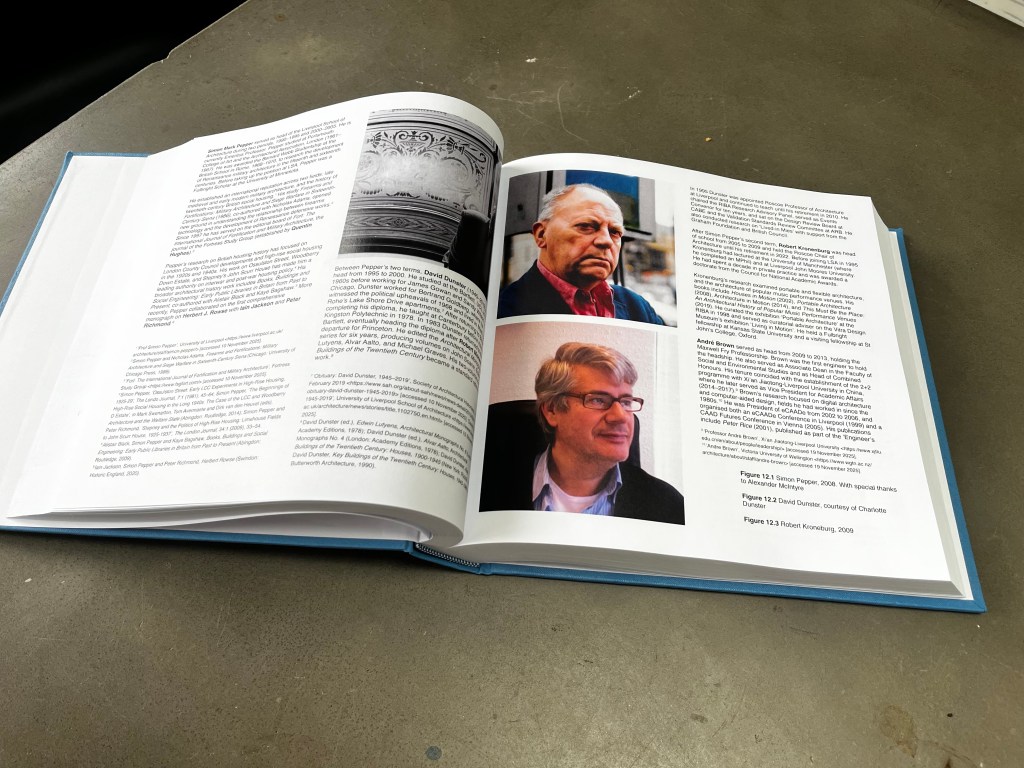
We’ve commissioned a major monograph to present the work in greater detail with excellent entries from leading architects and historians, including:

Shama Anbrine, Tadeusz Barucki, Richard Brook, Joy Burgess, Emma Curtin, Richard Dod, Martin Dodge, Chomchon Fusinpaiboon , Jocelyn Froimovich, Marco Iuliano, Juliana Yat Shun Kei, Kyna Leski, Daniel Naegele, Simon Pepper, Alan Powers, Peter Richmond, Michelangelo Sabatino, Joseph Sharples, Michael Shippobottom, Matthew Steele, Adam Voelcker, Mercedes Volait, Dominic Wilkinson, Rhodri Windsor-Liscombe, Rixt Woudstra, Junjie Xi, Patrick Zamarian, Yulun Zheng.

As well essays from the contributors we’ve produced a series of reflective articles, chronologies, biographies, and thematic chapters that cover Sri Lanka, Thailand, India, Poland, West Africa, Egypt, Iraq, Kuwait, and the school’s connection to the British School in Rome.

The book will be available shortly as a 560page hardback, and of course you’ll be able to download a free PDF copy here and from Liverpool University website in due course. We will update with a link and upload an exhibition walkthrough here.

If you’re in Liverpool on Thursday 1st October 6pm , please come to the opening of the exhibition at the Liverpool School of Architecture. The show runs until the 18th December and you are welcome to drop in anytime.

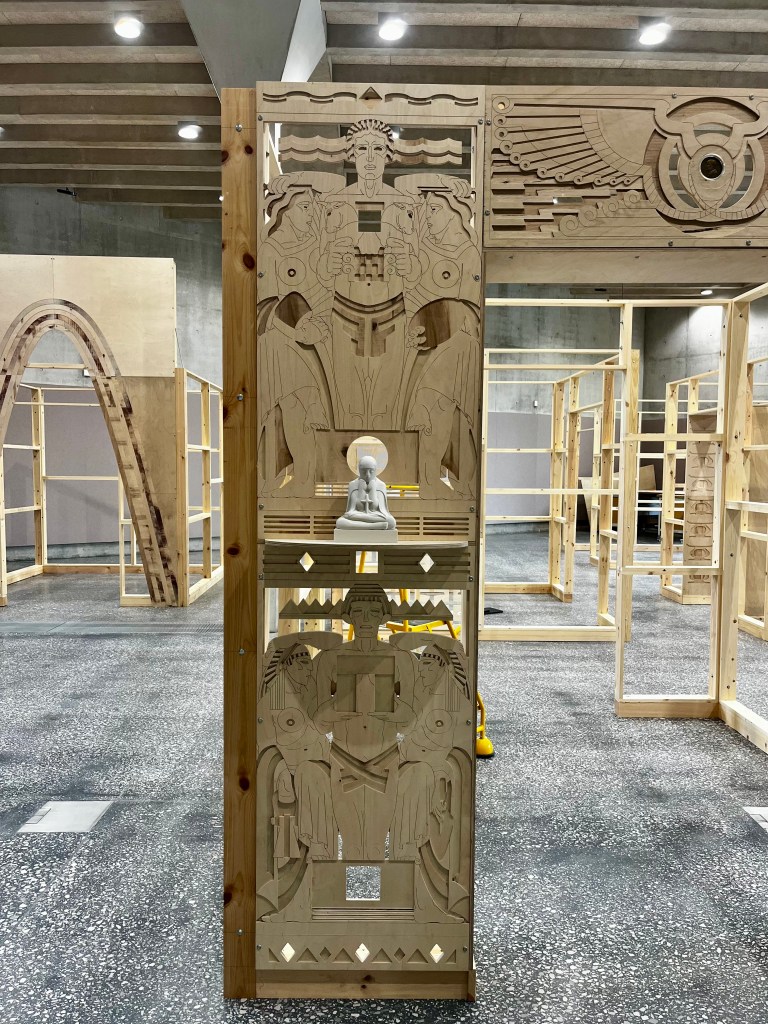
Exhibition installation in progress:
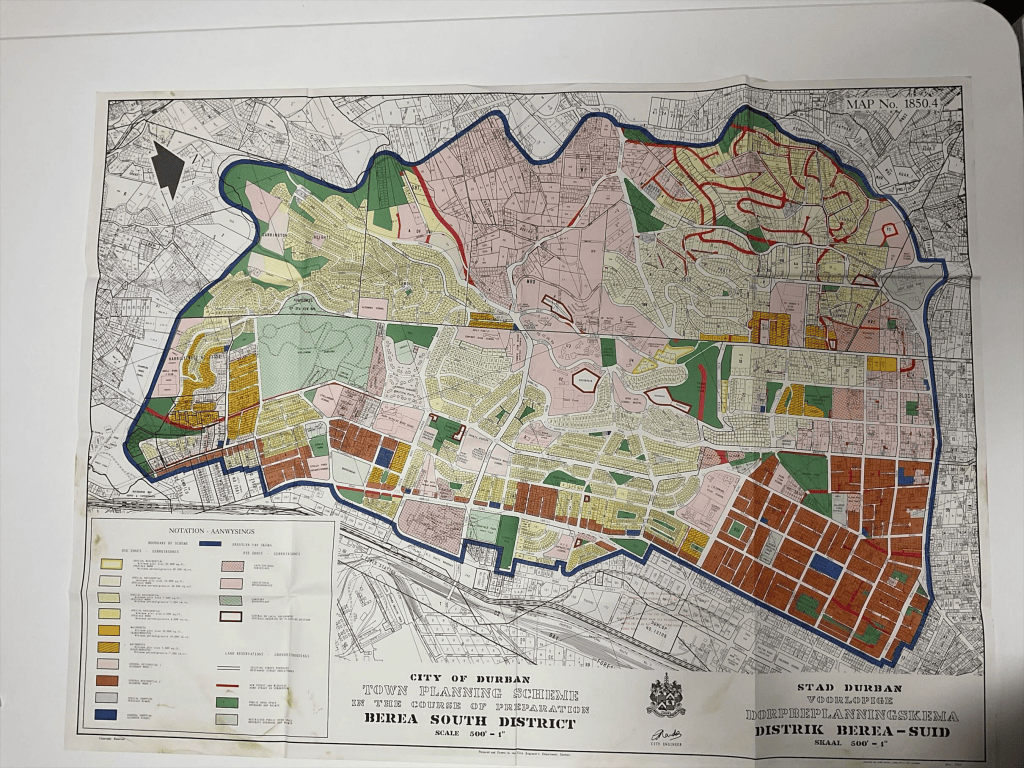
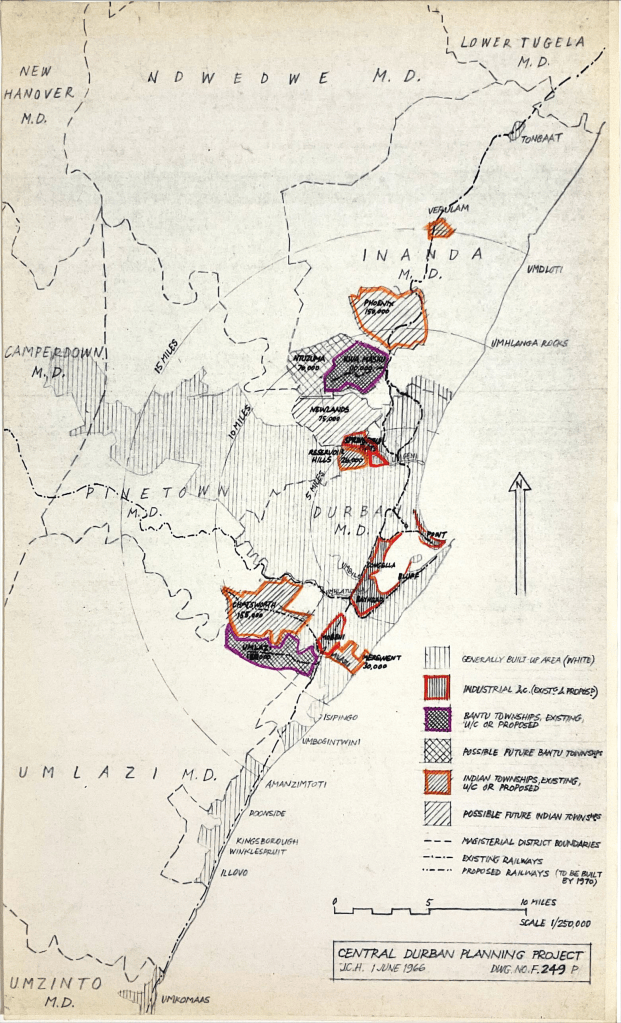
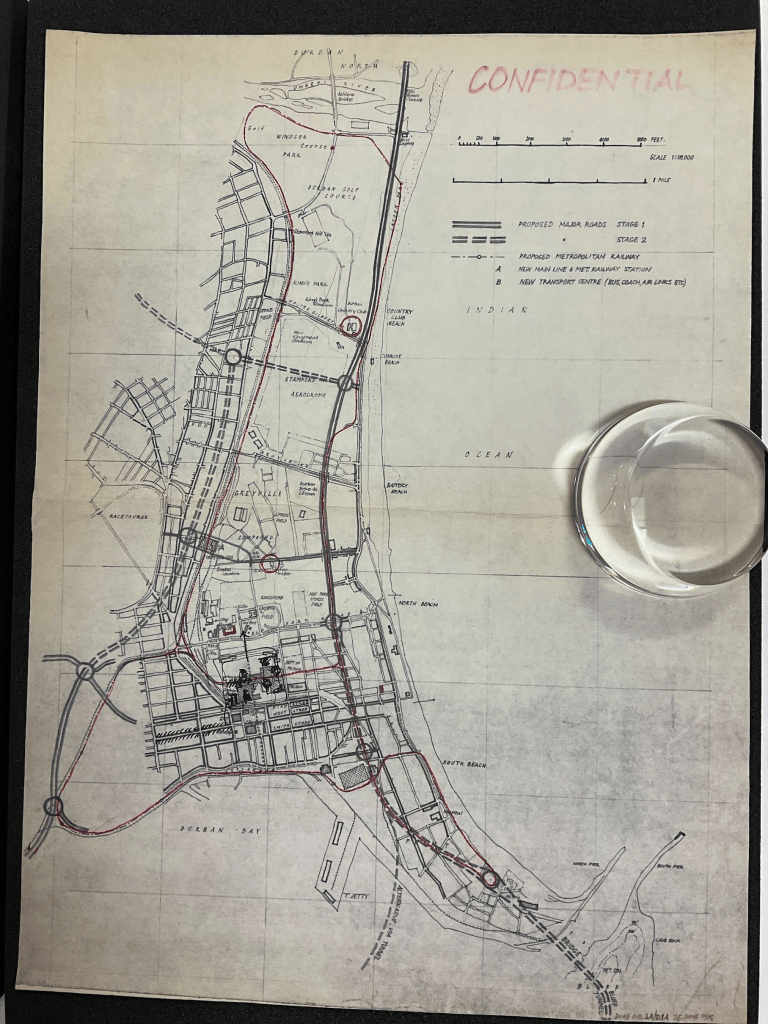
Apartheid Urbanism and Architectural Power: A Spatial Survey of Lord Holford’s Durban Planning Proposals through Archival Analysis by S’busile Mgaga. New research from William Holford’s archive at the University of Liverpool Special Collections and Archives.

Abstract

Holford was a British modernist planner commissioned to advise on Durban’s urban development during apartheid. This dissertation examines how his work brought together modernist planning principles, imperial knowledge systems, and apartheid governance in shaping the city’s urban form. It examines the role of British planner Lord William Holford in the planning of Durban during the apartheid era. Holford, a RIBA Gold Medal winner and knighted figure in post-war British planning, was commissioned by the Durban City Council in the 1950s and 1960s to advise on urban development and produce long-term plans for the city centre. Using archival material from the Lord Holford Collection at the University of Liverpool, this study analyses Holford’s reports, correspondence, zoning diagrams, and circulation plans, with particular focus on the Durban 1985 – A Plan for Central Durban volumes.


The research demonstrates that Holford proposed a spatial framework centred on a consolidated white commercial core, hierarchical road networks, controlled circulation systems, and zoning strategies that reinforced racial separation. His plans prioritised efficiency, order, and traffic movement, while marginalising African, Indian, and Coloured populations to peripheral zones and reinforcing apartheid’s labour and residential geographies. Although the archive is framed within the neutral language of modernist planning, these proposals aligned closely with apartheid state objectives.


By reconstructing Durban’s projected spatial future from Holford’s archival materials, the dissertation shows how international planning expertise contributed directly to the production and legitimisation of apartheid urban form. The study argues that Holford’s work illustrates how administrative planning practices functioned as instruments of racialised governance, embedding apartheid ideology into the physical structure of the city.

Images with the courtesy of University of Liverpool Special Collections and Archives.
Read the full dissertation here: