kuva.123453

AALTO BEYOND FINLAND ARCHITECTURE AND DESIGN

2nd Alvar Aalto Researchers Network Seminar

Rovaniemi, Finland 16-18 February 2015


Call for papers
The 2nd Alvar Aalto Researchers Network Seminar, “Aalto beyond Finland. Architecture and Design” aims to create a network of researchers interested in the work of the Finnish architect Alvar Aalto. The meeting in Rovaniemi, in February 2015, will be an opportunity to present up-to-date research and provide a significant meeting point for those fascinated by Aalto’s buildings and projects, in a relaxed and collegial atmosphere.

Aalto’s work has had an exceptional impact beyond Finland since the opening of his office in Turku in 1927. Before World War II, his furniture was exhibited in strategic venues in Europe and America, from which Aalto established a solid network of professional contacts. During the post-war period, he took on many assignments and received great recognition in various foreign countries. His buildings, scattered around the world, as well as his unrealised projects, contributed to spreading Aalto’s design method in  different architectural communities, thereby proving its validity outside Finland. Even countries in which Aalto did not design any projects or construct any buildings, such as Japan, Australia, New Zealand, Norway, Spain, and Portugal, were influenced by his work. Although recent scholarly studies have contributed to an exploration of Aalto’s work abroad and its impact in the international context, they are fragmented, dwelling on national questions, without a holistic view. The 2nd Alvar Aalto Researchers Network Seminar “Aalto beyond Finland. Architecture and Design” strives for a comprehensive survey of the impact of Aalto’s architectural and design works abroad, in order to highlight those thematic communalities and connections among different international experiences.

The seminar will be organised in two session types:

1. The “thematic session” will include papers of 20 minutes each, plus 10 minutes of discussion. Suggested topics may include, but are not limited to:
• Aalto’s impact in post-war international architectural culture
• Aalto’s furniture exhibitions
• Personalities who established a peculiar relationship with Aalto
• The impact of foreign cultures on Aalto’s work

2. The “PechaKucha-style session” will consider papers of 10 minutes each (20 images), plus a short discussion. It will be focused on an analysis of Aalto’s buildings and projects outside Finland. Papers might tackle either one or a group of buildings/projects. Authors of accepted papers are encouraged to avoid reading presentations.

Participants in both sessions have to submit an abstract and, if selected, provide a final paper (3000 to 6000 words long) to be published in the proceedings. For more details, see the timetable.

After the seminar, there will be an opportunity to visit Alvar Aalto’s more remote, and yet fascinating, buildings in Oulu and Vaasa, on the Finnish West coast. The tour will end in Alajärvi and Seinäjoki, where Aalto’s cultural and civic centre has recently been extended with a widely acclaimed new library by the Finnish office JKMM Architects. On Friday 21st February, there will be a possibility to visit the Viipuri Library, which has recently been restored.

Timetable

Timely submission of papers is critical to the success of the programme. The procedures and timetable detailed below will apply.

1. 15th June 2014 – Deadline for proposals
Abstracts in a Word document of no more than 300 words, accompanied by a short biography of the author (max. 200 words) and low-resolution jpeg images, should be sent to Merja Vainio (Alvar Aalto Academy assistant, merja.h.vainio@alvaraalto.fi). Please specify the type of session for which your paper should be entered (“thematic session” or “PechaKucha-style session”).

2. 15th July 2014 – Notification of acceptance
Notification of acceptance will be given on or before Tuesday 15th July.
The number of accepted proposals will be limited. After receiving the notification of acceptance, speakers will have access to low-resolution images of drawings and photographs from the Alvar Aalto Museum Archives, for their own research.

3. 29th September 2014 – Submission of paper, full text
The final papers (both in the “thematic session” and the “PechaKucha-style session”) will be 3000 to 6000 words long (including endnotes) and will comprise up to 10 illustrations each. Each paper will be screened by the committee to ensure its quality of exposition and relevance to the call. The committee may require further rewriting of the paper to bring it up to an acceptable standard. All the approved papers will be published in the proceedings book, which will be released at the seminar in February 2015.

4. 20th October 2014 – Submission of revised papers (if requested by the committee)

5. 30th October 2014 – Opening of registration
All participants must pay the registration fee. It is €270 euros per person and covers registration, lunches, coffees, and VAT. The participation fee for students is reduced to €80.

6. 26th November 2014 – Closing of registration

7. 16th-18th February 2015 – Conference dates

The committee looks forward to receiving proposals in response to the call, and is happy to respond to inquiries from interested parties. The committee will publish the definitive programme of the seminar on the website of the Alvar Aalto Foundation at a later date. Questions may be addressed to Esa Laaksonen, Silvia Micheli, and Aino Niskanen, via e-mail, to Merja Vainio (Alvar Aalto Academy assistant, merja.h.vainio@alvaraalto.fi).
List of Aalto’s buildings and projects abroad

Participants might find it useful to consult the following list of countries for which Aalto worked on one or more projects, or in which he built one or more buildings. For more details, please visit the web page http://file.alvaraalto.fi/search.php.


Conveners:
Alvar Aalto Academy, Tiilimäki 20, 00330 Helsinki, Finland

Esa Laaksonen esa.laaksonen@alvaraalto.fi

Merja Vainio merja.h.vainio@alvaraalto.fi

Silvia Micheli The University of Queensland School of Architecture, Australia

Aino Niskanen Aalto University School of Arts, Design and Architecture, Finland
y

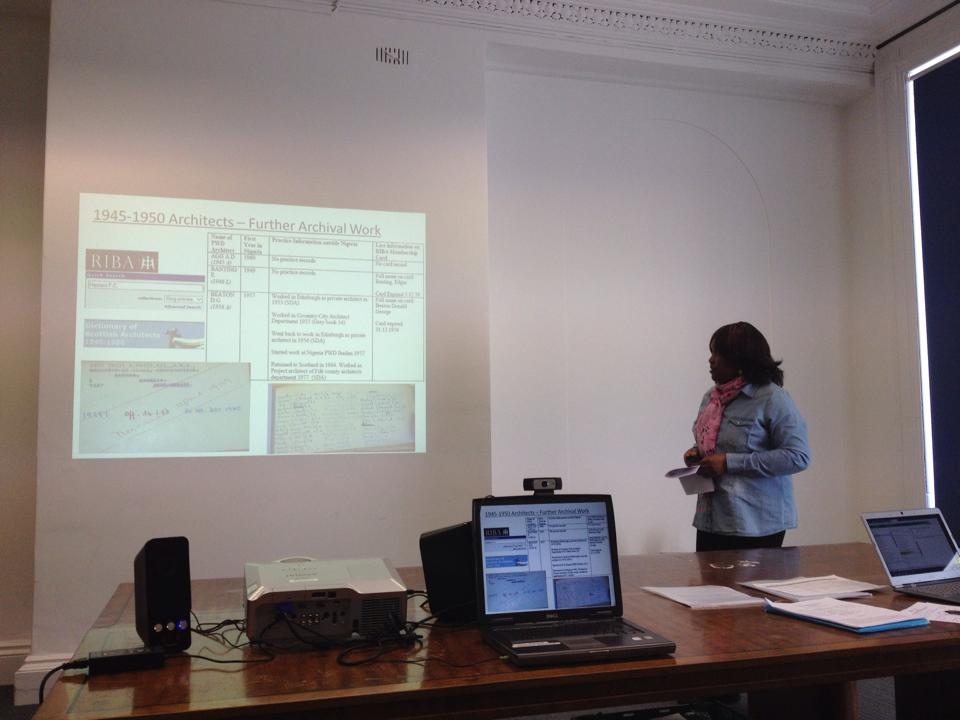
14 May was a PhD research presentation day at the school of architecture. Students were required to describe the progress made in their research; what had been done in the previous year, what the foregoing research plan is, and how they intend to get it done. Going by these guidelines, I outlined how my research had developed from inception to its current stage of findings. I equally provided a Gantt chart to relay the progress made, as well as the projections for ensuing months.

My research has been examining Nigeria’s Public Works Department (PWD), with specific interest in the composition and outputs of its architectural unit between 1900 and 1960. The explorations have largely been conducted along three historiographical strands. First is on the department’s administration and its linkages to the wider colonial system of the day, the second on standardized building production practices it employed, and third on its architects; who they were, why they came to practice in Nigeria and how this relates to the wider notion of empire building. Going by the PWD flourish period also, these architects appear to provide the pioneering legacy in the study of Nigeria’s architectural profession.


1st SEAARC (Southeast Asia Architecture Research Collaborative) Symposium

Questions in Southeast Asia’s Architecture / Southeast Asia’s

Architecture in Question

Dr. Chang Jiat Hwee and Dr. Imran bin Tajudeen

Dates: 8-10 January 2015 (Thursday to Saturday)

Venue: Department of Architecture, School of Design and Environment

National University of Singapore

Convenors: Dr. Chang Jiat Hwee, Dr. Imran bin Tajudeen and Dr. Lee Kah Wee

Keynote speakers

 Prof. Hilde Heynen, Katholieke Universiteit Leuven.

 Prof. William Logan, Deakin University

 Assoc. Prof. Abidin Kusno, University of British Columbia.

Confirmed speakers (in alphabetical order and to be updated)

 Dr. Cecilia Chu, The University of Hong Kong

 Assoc. Prof. Hazel Hahn, Seattle University

 Dr. Kemas Ridwan Kurniawan, Universitas Indonesia

 Prof. Gerard Lico, University of the Philippines

 Assoc. Prof. Koompong Noobanjong, King Mongkut’s Institute of Technology

 Assoc. Prof. Anoma Pieris, University of Melbourne

 Dr. Pirasri Povatong, Chulalongkorn University

 Assoc. Prof. Iwan Sudradjat, Institut Teknologi Bandung

 Prof. Gunawan Tjahjono, Universitas Pembangunan Jaya

 Prof Tim Winter, Deakin University

What is Southeast Asia architecture? Does the construction of Southeast Asia architecture depend on the validity of Southeast Asia as a geographic unit of analysis? In Southeast Asia studies, the cogency and usefulness of Southeast Asia as a geographic unit of analysis has been much discussed and debated. Scholars have wondered if a diverse region divided by different cultures, languages, ethnicities and religions has sufficient commonality to be productively considered as a single region. With the end of the Cold War and the crisis of Area Studies, the relevance and validity of Southeast Asia as a geographic unit has been subjected to further interrogation in the past two decades or so. While there are scholars who question the relevance of a geographic unit of analysis that was only invented recently and by external observers for a post-Cold-War era, there are others who are keeping faith with Southeast Asia as a unit of analysis. Some argue that, as a geographic unit, Southeast Asia serves as a useful conceptual tool for framing meaningful analysis. Others contend that the polyvalence and fluidity of Southeast Asia as a geographic unit can be an analytical strength, allowing them to explore networks, flows and connections – the new emphases of globalisation studies. We share the optimism of these scholars who have kept faith with Southeast Asia. We further believe that the scholarship on Southeast Asia’s architecture need not just draw on but can also contribute to the understanding of Southeast Asia as a geo-historical unit. Architecture is after all a spatial art and it should productively shape our conception of Southeast Asia as a region.

How have or can scholars of architecture and urbanism in Southeast Asia contribute to this broader discourse of space and history in this region? This symposium invites scholars to submit papers that explore the multifarious relationships between architecture in Southeast Asia and issues surrounding its use as a geographic unit of analysis. We are especially interested in papers that address the following themes –

A. Surveying Architectural Histories in Southeast Asia

The scholars working in and on Southeast Asia are divided by the different languages and academic cultures of the region. The diverse academic cultures and, in the words of Thongchai Winichakul, “political economy of scholarship” mean that much of the scholarship on Southeast Asia architecture is written in vernacular languages and inaccessible to scholars working in other languages. While English is arguably the main lingua franca of contemporary academic scholarship, the mainstream English language architectural history is largely silent on Southeast Asia’s architecture. This symposium seeks to address and, hopefully, rectify the lack of communication between the scholarships in different languages and the silence on architecture in Southeast Asia in English language scholarship. We see this symposium as an opportune moment for a stocktaking of the research in architecture and urbanism in Southeast Asia. We invite scholars working on the different aspects of Southeast Asia’s architecture to submit papers in English that explore, survey and review the state of research in their respective fields or sub-fields of Southeast Asia architecture. Through this gathering of scholars from otherwise linguistically disconnected research circles, we hope to promote dialogues and exchanges on some of the common historiographical, theoretical and methodological issues in researching Southeast Asian architecture. We also hope the presence of scholars working on diverse locations and different time periods will stimulate comparative and connective discussion, linking the historiographical and methodological issues of one field or subfield to the broader – extra-local, transnational and interdisciplinary – issues.

B. The Epistemology of Architectural Classifications

In the writing of architectural histories, particularly the general survey genre, scholars typically employ a classification rubric that assumes certain epistemological bases and methods of analysis. These fall into two types. The first type of classification originates in Western scholarship and architectural historiography and is encapsulated by a triad of categories at the very heart of how “architecture” is defined as a discipline: “modern”, the pre-modern “classical” whether of Europe or of other “Great Traditions” and various forms of “revivalist” styles, and finally the “vernacular”. The latter two categories in Southeast Asia translate into the “(European) colonial” and “(native) traditional”. A second type of architectural classification employs cultural geographic categories that are extraneous to architecture but are employed to name specific building traditions, including but not restricted to such generic religious and ethnic labels as “Hindu”, Buddhist”, Islamic”, “Chinese”, “Thai” and other cultural labels. In most cases, there is an assumption of timelessness to these traditions. These classifications have their limitations, whereby certain kinds of artefacts that do not fit neatly are omitted, or connections between artefacts that straddle these artificial classificatory boundaries and are ill-defined by their limiting assumptions on forms, agency and processes are glossed over, simply ignored, or are distorted in the analysis to make them fit the existing assumptions. These classifications therefore inflict interpretive violence upon the artefacts that are subjected to their rubric. In many cases they are inextricably bound to legacies of European colonial scholarship or ethno-nationalisms and inherit approaches and biases in the study of architecture of (post-)colonial territories, especially if they are reliant on colonial records and scholarly precedence. We seek papers that trace the origins of the classificatory frameworks mentioned above and provide a critique through a survey of architecture that underscore their inadequacy. Papers should also consider how examples from Southeast Asia contribute to larger discussions about more recent scholarship that have revised the assumptions and challenged the limits of these classifications.

C. On Architectural Networks and Circulation – within and beyond nation and region

Architectural histories in Southeast Asia have tended to focus on architecture within the modern nation-state, as they have mostly been written after the independence of these political entities. . A corollary to the attention to connections across cultural and geographic categories emphasised in Theme B, is the need to acknowledge the ambiguity and fluidity of the territorial boundaries that demarcate the local from the foreign, the internal from the external prior to the emergence of nationalism, the formation of modern nation-states and the attendant construction of their “geocodes”. While national histories of architecture might acknowledge and address “foreign”, i.e. extra-national, influences that range from the colonial metropole to the post-colonial global “West”, their focus is primarily on the local and internal conditions of these nations. Nation-states are of course fairly recent construction and have been anachronistically applied to periods before the 20th century. Furthermore, Southeast Asia is historically situated at crossroad of major maritime networks and the different parts of coastal Southeast Asia have been connected to each other and other regions via these extensive maritime linkages for centuries if not millenia. Connections beyond Southeast Asia – whether across maritime Asia from the Indian Ocean region to the South China Sea littoral, or via overland routes – are thus of relevance to architectural histories of Southeast Asia. How have these historical “transnational” and transregional connections and exchanges shaped the production of the built environment in Southeast Asia and between Southeast Asia and neighbouring regions of Asia? Would these help to expand the architectural historical accounts that are based on modern nation-states? Given that these exchanges were frequently unequal and uneven, how should we understand and theorise the nature of these exchanges?

Are the concepts that have been developed by various scholars of transnationalism and postcolonialism to describe these exchanges – such as transfer, translation, transculturation and hybridization – adequate? We invite scholars to explore the above questions and we especially welcome papers that conceptualise these multivalent connections beyond the bipolarity of centre and periphery, east and west, and local and global.

D. Space, Society and Power

It is well-established that architecture and the built environment are not just isolated material artifacts and autonomous aesthetic objects; they are shaped by and they also shape the sociocultural and political economic conditions of their production, consumption and circulation. In the recent scholarship of architectural history, power has emerged as a key analytical theme in the discussion of architecture’s entanglements with society, culture, politics and economy. However, some of this scholarship is rooted in traditional art historical approaches and relies mainly on formal analysis — the effect of power is at times too easily correlated with formal qualities. The consequent focus on buildings as “visible politics” or on the “aestheticization of politics” might not be adequate in understanding the nuances of space and power-relations. What are the conceptual frameworks that have been deployed for the exploration of architecture and power in Southeast Asia? To what extent is the above criticism applicable to the scholarship on Southeast Asia architecture history? What can we learn from the seminal texts in Southeast Asia studies by scholars such as Clifford Geertz, James Scott and Benedict Anderson that have  shed important insights on power in traditional societies? What other theories could be productively used to shed new insights on the analytical theme of power? Would the Foucauldian conception of disciplinary and biopolitical power in relation to modern governmental rationality be usefully deployed in the understanding of architecture and power in Southeast Asia? What about theories from the studies of postcolonialism, nationalism and globalisation? We invite scholars to submit papers that discuss aspects of the above questions and we especially welcome papers that employ innovative approaches to explore the multifarious connections between power and the built environment.

Submission of abstract

Please send a 500-word abstract with a short 2-page curriculum vitae to seaarc.symposium@gmail.com

by 01 July 2014.

Key Dates

01 Jul 14 Submission of abstract

01 Aug 14 Notification of acceptance

15 Sep 14 Early bird registration deadline for presenters

01 Nov 14 Submission of full paper and registration deadline for presenters

24 Dec 14 Registration deadline for all

‘Charles Correa India’s Greatest Architect’

This review was originally published (without the photographs) in the JSAH Journal, Vol 73, no.1, March 2014.


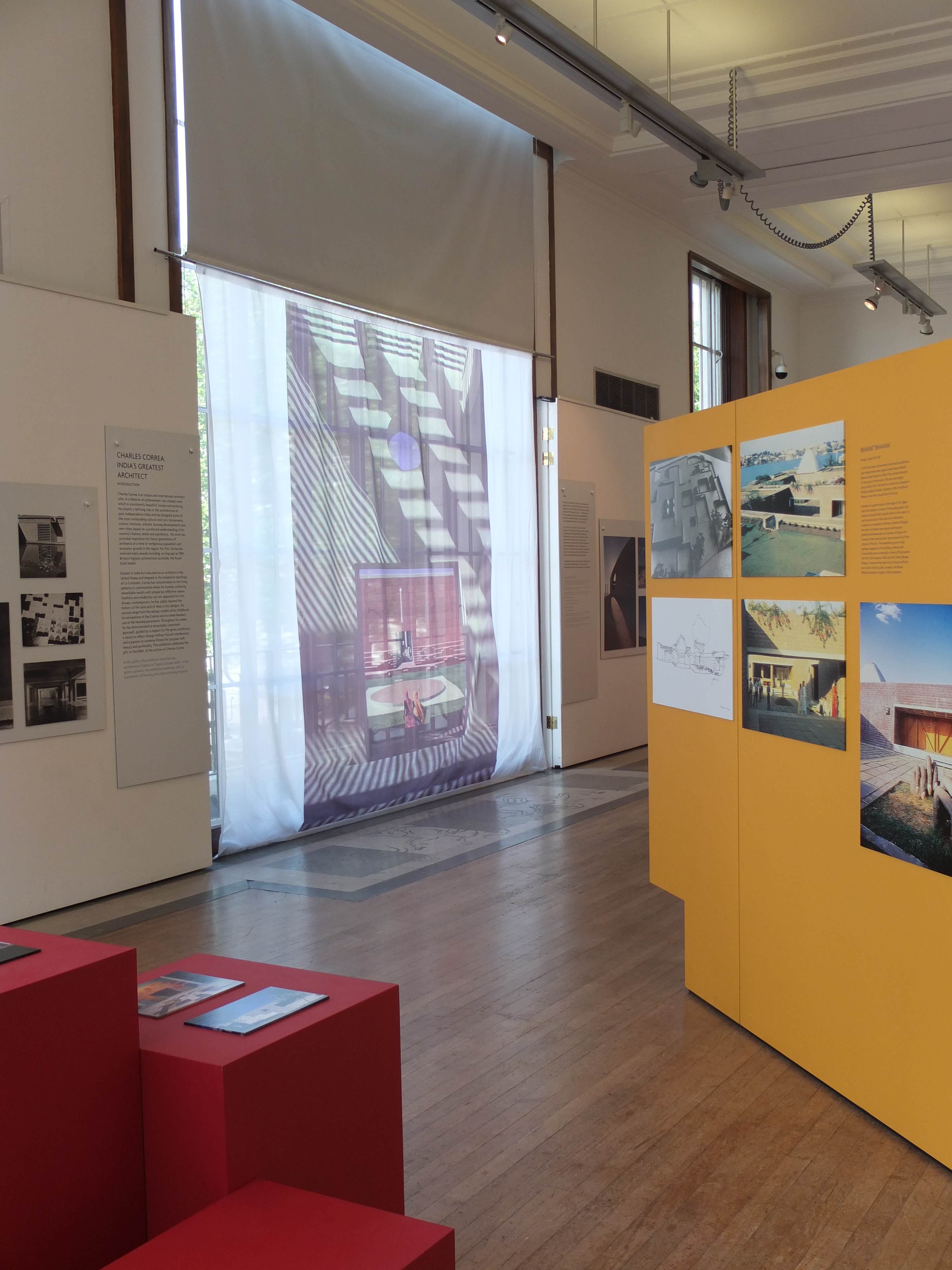
‘Charles Correa India’s Greatest Architect’ exhibition featured at the RIBA, London, as part of its ‘Out of India’ season, that also included numerous events running throughout the summer. Film screenings, discussions, a symposium with Charles Correa, and a lecture by the great man himself will subject the work to an extended period of interrogation where proper debate can ensue.

India has become something of a hot topic, with recent high profile visits made to the country by Prime Minister David Cameron, coupled with numerous television programmes and radio broadcasts, trade delegations and educational visits; the UK is hungry for all things Indian.

DSCF0426 DSCF0427

The exhibition at the RIBA forms part of this renewed interest, but was largely triggered by Correa’s decision to donate his personal archive of over 6,000 artifacts to the RIBA – the largest single donation to their collection by a non-British architect. This fine array of drawings, models and written ephemera spanning from 1958 to the present, promises to be a most valuable resource to scholars and students, and for those unable to visit London, has been digitized in its entirety (more about this later). Correa is at liberty to give his work to whomever he pleases, but the choice of a British Institution, and a Royal one at that, may raise some eyebrows and probably came as a shock even to the RIBA. Correa was born during the colonial era and his work has consistently looked to develop an architecture that was modern, firmly entrenched as Indian, and certainly not European. Despite this, Correa felt that the RIBA would look after the work and ensure that it is properly catalogued and preserved – a feat that sadly would be difficult to achieve in India (a visit to the Chandigarh City Museum demonstrates how Le Corbusier’s drawings have been treated…)

DSCF0429 DSCF0430

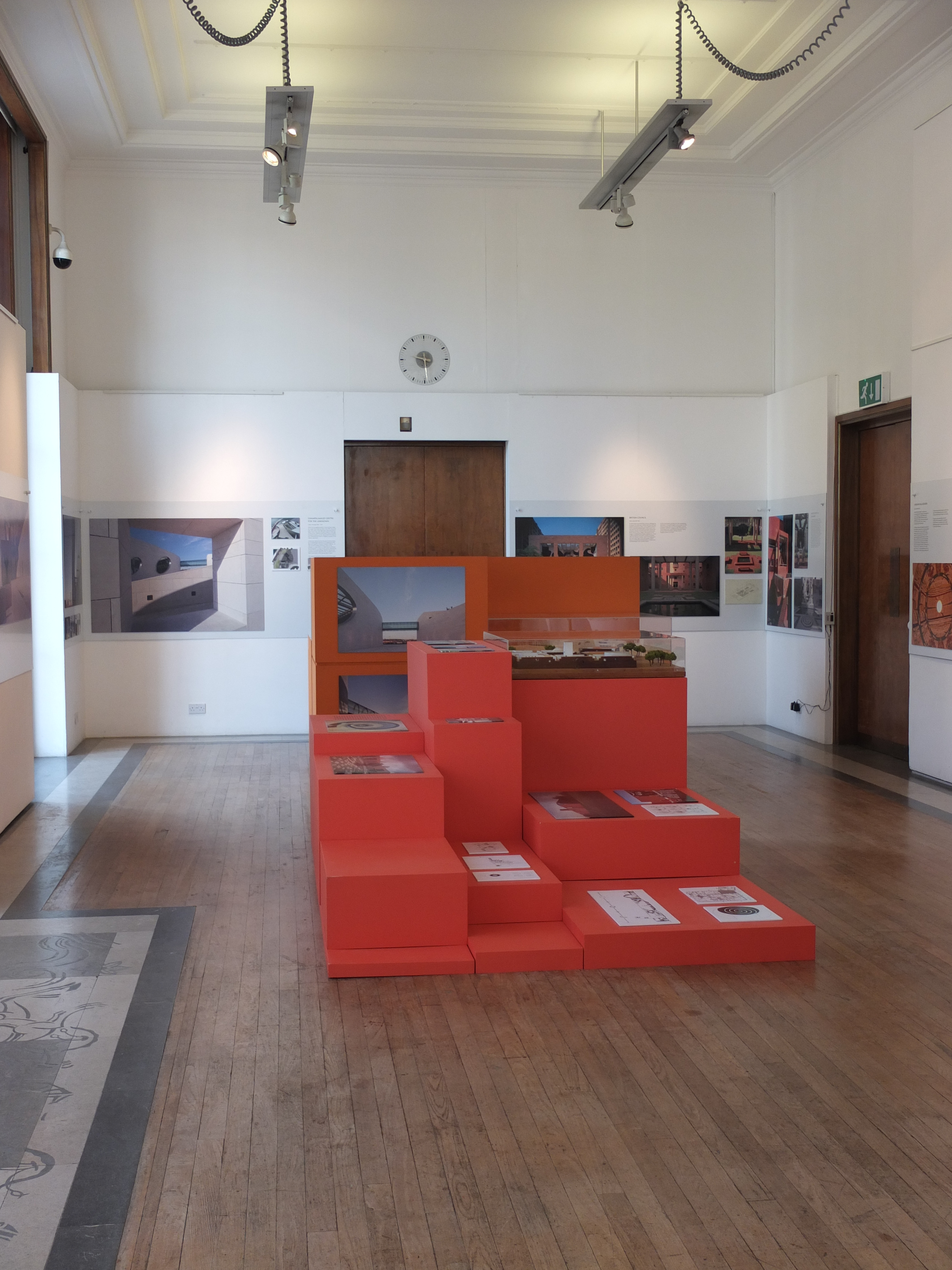
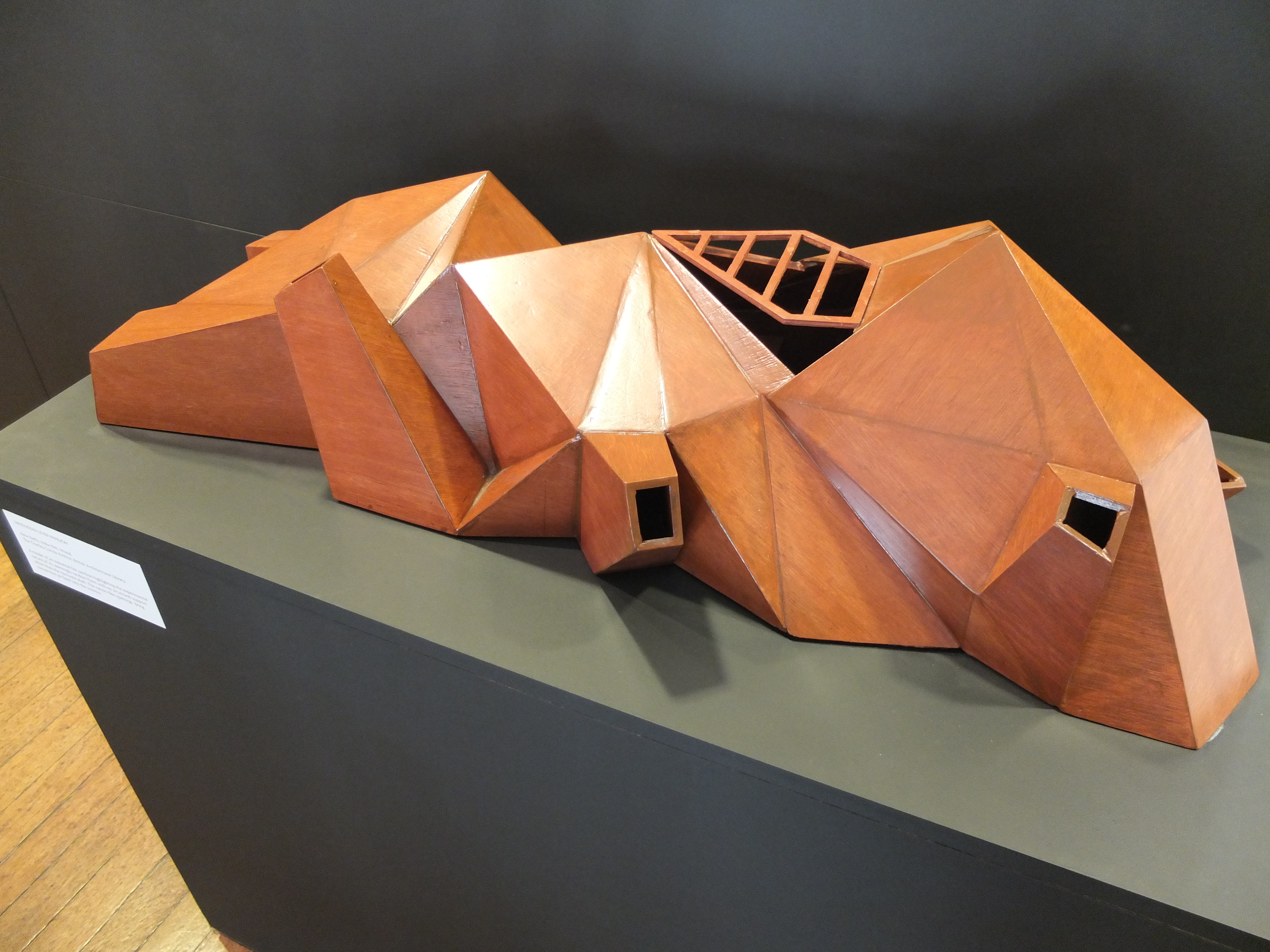
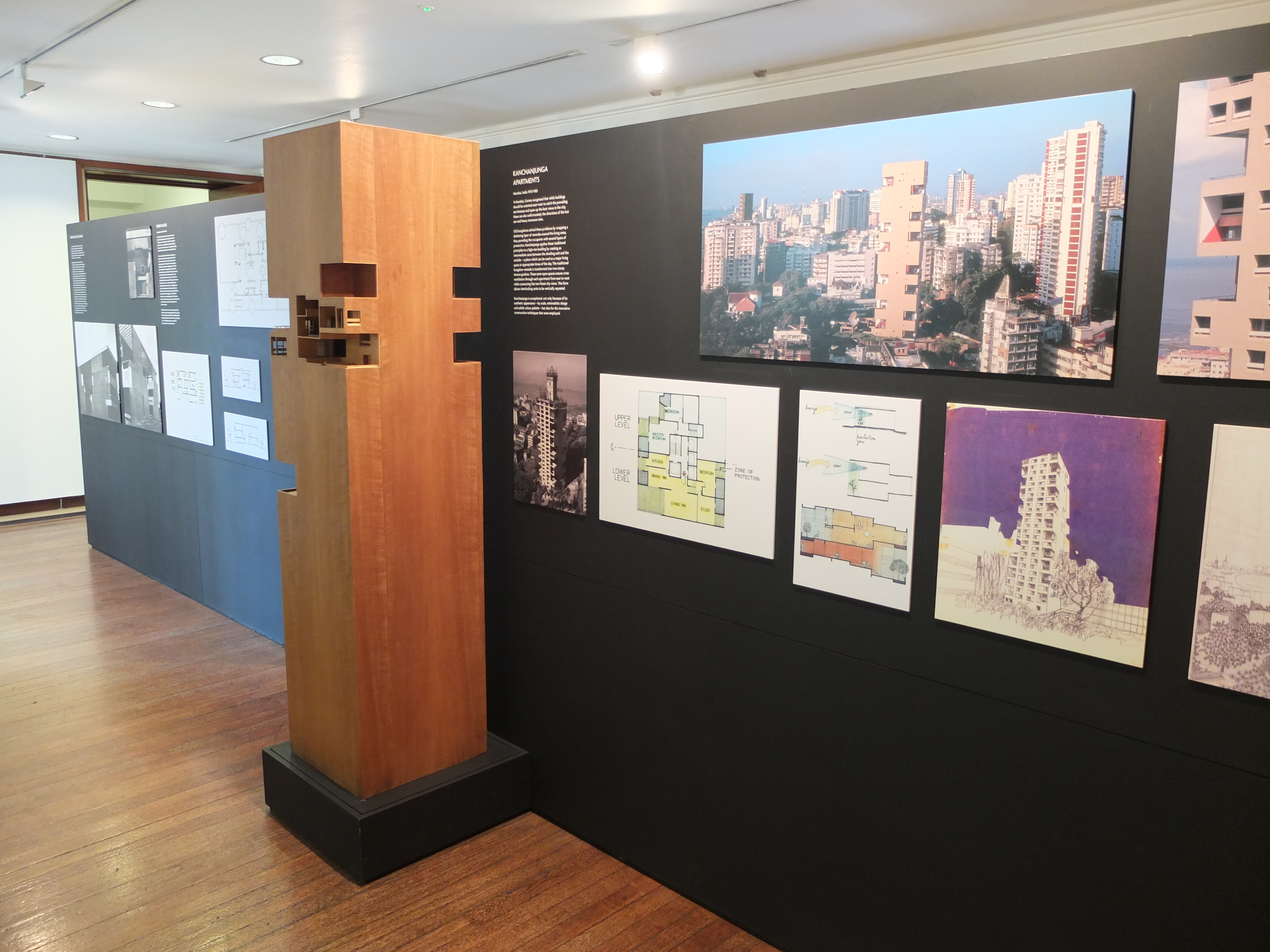
The exhibition, designed by David Adjaye and curated by Irena Murray, is spread over two floors with the lower level including a series of timber plinths painted in the delightful hues of paprika, turmeric and saffron invoking the Jawahar Kala Kendra project. It is a dramatic introduction to the work that leaves one expectant of something really special but sadly the exhibition fails to do justice to this enigmatic architect. Architecture exhibitions are peculiar affairs, not least because the architecture rarely features in architecture exhibitions, instead, we see the machinery created as a result of, or to enable the production of, the artifact in question – what Correa calls the trail left by a snail. The gap between drawing and architecture is especially apparent when viewing Correa’s work; the buildings and spaces (‘the empty centre’ in Correa’s parlance) really need to be moved through, set against an open sky and as Adjaye describes in the catalogue, absorbed through the soles of the feet. His work is not really captured by a rendered elevation or static photograph, nevertheless, considerable pleasure is gained from studying his sketches that go someway in connecting us to the person behind the drawings. Through the pencil lines and coloured crayons we can discern something of the architect who made the marks – but at this exhibition we are not even looking at the actual drawings. Instead, they are scanned reproductions on mountboard. Perhaps this would not matter if they were not so grossly enlarged to the point that they are pixelated. I found this to be most distressing, as when viewed in the catalogue (which is excellent and highly recommended) they look wonderful. As the original drawings could not be displayed due to the lighting at the RIBA it might have been a better idea not to show any at all, or just to reproduce the images as the small drawings that they are, rather than distorting them in this manner. The photographs are more forgiving, but some of them are also pixelated and not really of exhibition quality. Despite these distractions, the models go a long way to make things better. The Hindustan Lever Pavilion model in tropical hardwood is spectacular and still a radical design despite being over fifty years old, and the model of the Kanchanjunga Apartments stands at over 6ft tall putting the apartments at eye-level and immediately showing the vantage points and interiors. The housing section is the real strength of the exhibition, and arguably of Correa’s career – from the ‘Tube House’ and one-off houses in the Ahmedabadian brick and concrete style, through to the courtyard houses of Belapur and the PREVI experimental houses in Peru he has demonstrated how to design dwellings. It is these schemes, along with Correa’s analysis and proposals for Mumbai that put him up there as one of India’s greatest architects (what will the RIBA call the exhibition if Doshi follows suit with his archive? India’s Greatest Architect 2?)

DSCF0432DSCF0436

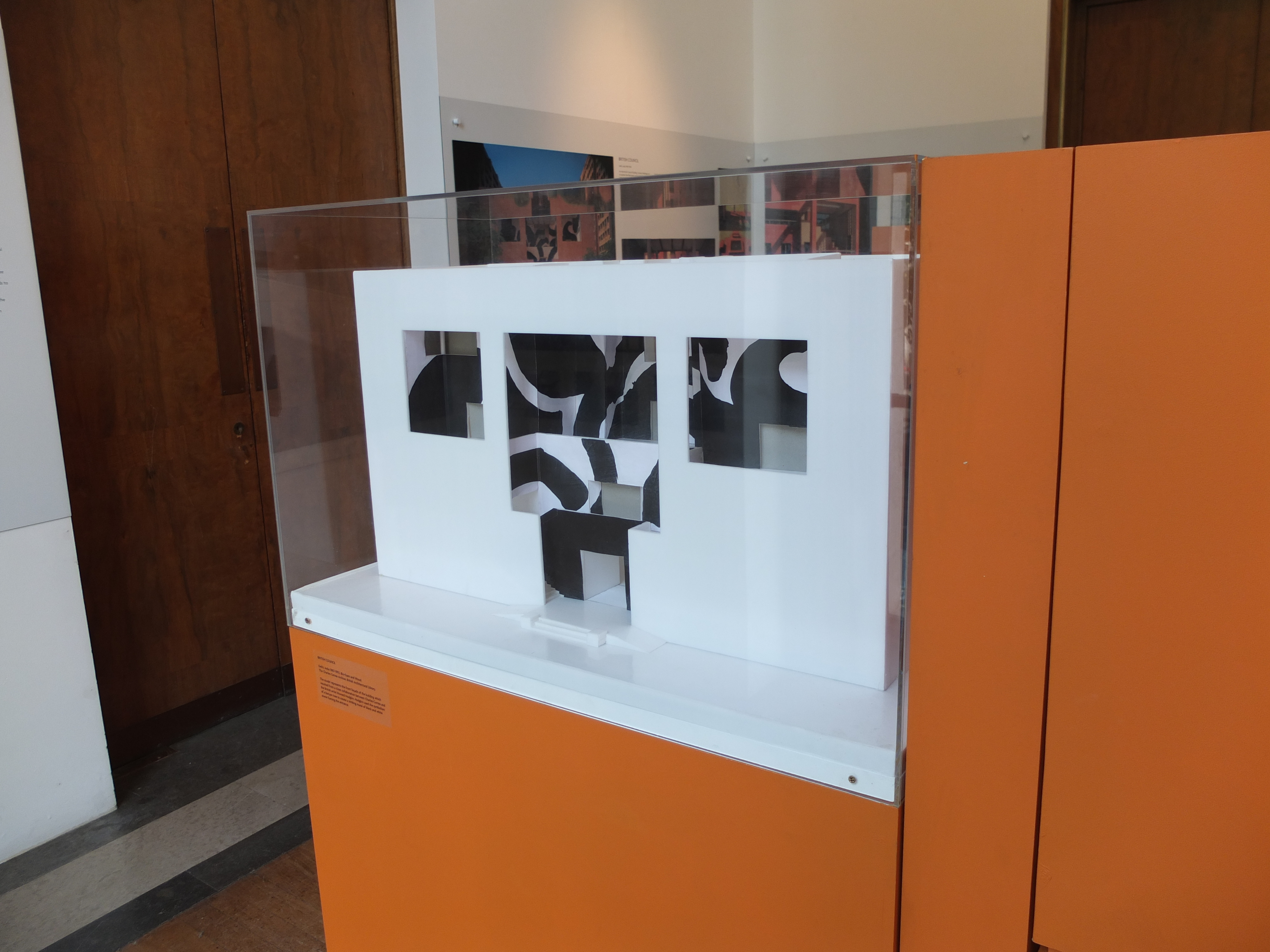
The rest of the content I found lacking and slightly predictable; I was hoping to see some of the less well-known designs, or greater analysis of some of the larger projects. For example, the confrontational LIC building in Delhi is sadly missing from the exhibition – how does that building fit with Correa’s objective of site and context, for instance? In many ways the designer and curator have played it too safe, and other than the outstanding project in Lisbon, Portugal, and the Po-Mo British Council building in Delhi we are not shown much of the playful later work.

The digital archive interface has been carefully crafted and as well as including the entire collection of drawings contains photographs of the models, buildings and scans of magazine articles and books that discuss the projects in question. The digital archive should have played a central role in the exhibition and broken away, at least in part, from the static mode of exhibiting and the passive role of viewing an exhibition – it was the perfect opportunity to project all of his work in a small space and to use the displays to critically examine the work, and perhaps to further explore why Correa might just be India’s greatest architect.

DSCF0431

The catalogue: Irena Murray, Charles Correa India’s Greatest Architect (London, RIBA Publishing, 2013), price £9.95

New Exhibition: Mogadishu Lost Moderns

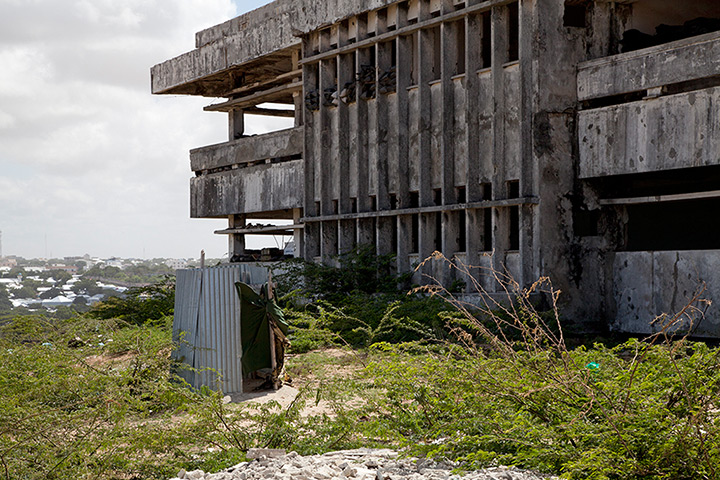
The Mosaic Rooms in London are hosting an exhibition curated by architect Rashid Ali and photographer Andrew Cross. The exhibition combines archival material from the Italian occupation of Somalia as well as new photographs taken by Cross. Rashid Ali discusses the exhibition with Jackson, which runs until 26th April (so you will have to be quick!). An exhibition catalogue is also available if you cannot get to London.

. National Assembly Building, built in 1972

Office buildings, Shingani district


For more information see http://www.mosaicrooms.org/mogadishu-lost-moderns/ 


Transnational Architecture Group in Sicily

The Transnational Architecture Group (TAG) were participants in the just concluded Cost Action conference, “Rethinking European Architecture Beyond Europe”, from 13 to 16 April 2014. Pictured are the founder of the Group, Dr Iain Jackson on the far right, along with three members; Dr Ola Uduku (2nd Right), Yemi Salami (middle), and Jacopo Galli (far left).

Dr Jackson is a Senior lecturer at the School of Architecture, University of Liverpool, and Yemi Salami is running her PhD in the same department under he’s supervision. Dr Uduku is a Reader at the Edinburgh School of Landscape Architecture (ESALA), and Jacopo Galli a PhD Student at University of Venice Italy, (IUAV) .

At the conference, Dr Jackson and Dr Uduku had co-chaired the session titled ‘Examining tropical architecture in different international contexts’, while Yemi and Jacopo had both presented papers within the same session. Yemi’s paper, titled “British Architects in the colonial PWD: Unravelling Nigeria’s early Government Architecture”, saw her examining Nigeria’s colonial administrative architecture, though a time-line of events that produced a network of architects and specialized building design mechanisms. Jacopo’s Paper is titled “From tropical Medicine to tropical architecture.” In it he examines the generic process by which tropical health parameters had determined climate influenced designs for the tropical regions.

By and Large however, the conference provided an opportunity to deliberate on research trajectories in a varying range of subjects within the conference theme, present current research findings, get useful feedback on on-going research, and of course to savour some Mediterranean cuisine and sunshine!


European Architecture Beyond Europe ; E-Cost Action

The final conference for the ‘Architecture Beyond Europe‘ network has just finished in Palermo, Sicily. We met in the wonderful Scarpa restored Palazzo Chiaramonte Sterri, and as usual it was a very interesting gathering with participants, contributors and audience members hailing from all corners of the world. Six packed sessions covered the Transnational, Development Aid, Tropical Architecture, Identity, Methods and Exile. In addition two keynotes were given by Sibel Zandi-Sayek (William and Mary, Virginia) on the Ottoman-British Networks and Lukasz Stanek (Manchester) on Architects from socialist countries working in Ghana. The full programme is attached here: FC_program_final

DSC_0052 DSC_0120

The network has opened up many new opportunities and collaborative endeavours, as well as a high quality new journal (eager to receive submissions): for more details see:  ABE.

‘Suitable lodgings for students’: modern space, colonial development and decolonization in Nigeria

Tim Livsey has recently published his research into Ibadan University in Urban History Journal. The article argues that development and modernity have had spatial manifestations. It considers understandings of modern space in colonial and post-colonial Nigeria through the study of University College Ibadan, the country’s first university institution founded in 1948. It contends that the university was shaped by existing West African conceptions of modern space and university buildings took on new meanings with the shifting politics of decolonization. The article also suggests that colonial development involved a range of groups and forms of knowledge. It seeks to recognize the strength of colonial institutions and cultures but also the limits to and contingencies in late colonial power.

It also has some great archival images of Ibadan University from Cambridge University and SOAS Archives.

http://dx.doi.org/10.1017/S0963926813001065

The planning of late colonial village housing in the tropics: Tema Manhean, Ghana

001

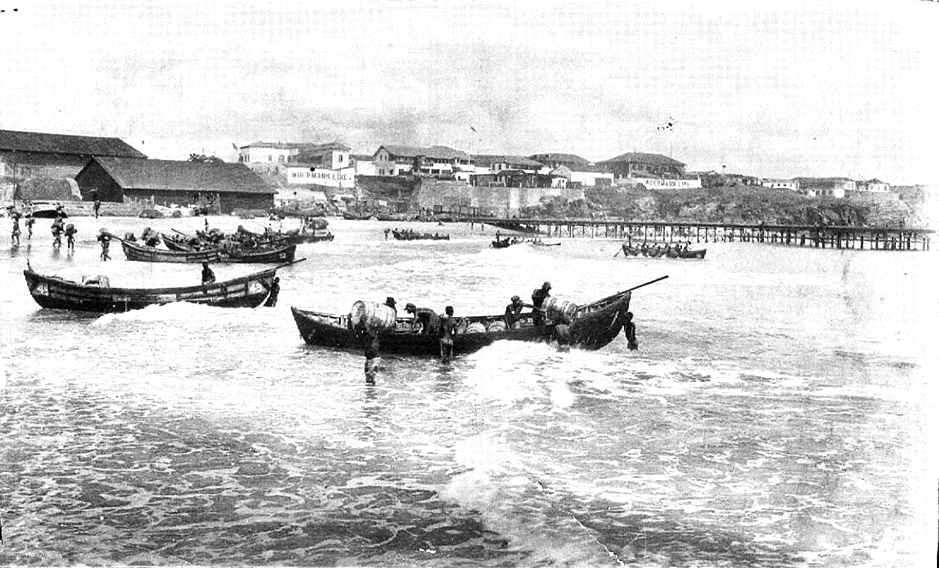
The Surf Boat Harbour at Accra, before the construction of Tema Harbour. Image c. 1920s, courtesy of Wirral Archives

This paper examines the planning, physical development, and housing in Tema New Town, an appendix of the newly created Tema industrial and harbour city, located on the northeastern part of Accra in the Greater Accra Region in Ghana. The city and its appendage were designed and built during the 1950s, as the country was rapidly approaching political independence. Tema, originally an old Ga-fishing village, became a significant part of a much larger and ambitious scheme, known as the Volta River Project proposed as part of Kwame Nkrumah’s domestic policy, embracing multifaceted and multidimensional development projects. These projects were to serve as a symbol of ‘progress’ and were part of Ghana’s desire for modernization as it emerged from a colonial past. The related schemes were largely funded as a result of the British Colonial Development and Welfare Acts, and this paper investigates the implementation of this policy and the effect that it had on physical planning and provision of architectural solutions in Ghana.

007

Maxwell Fry’s sketch of the ‘traditional’ Compound House, from Village Housing in the Tropics

013

One of Fry and Drew’s plans for the fishing village of Tema Manhean, Ghana.

The full paper, published in Planning Perspectives can be read at: http://www.tandfonline.com/eprint/cWc4hRPQWT7yCai5GkjS/full